






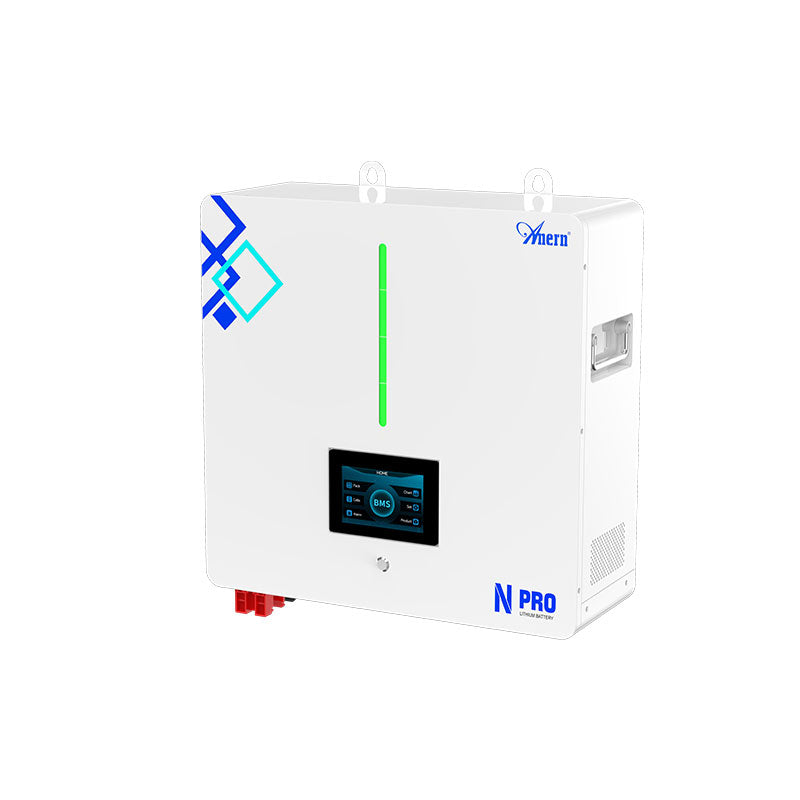

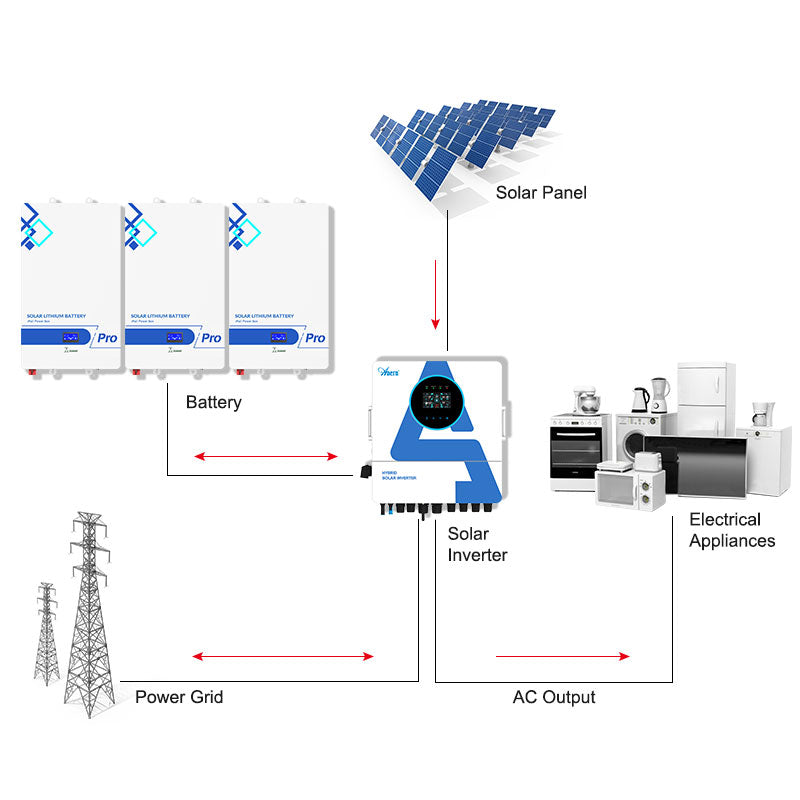
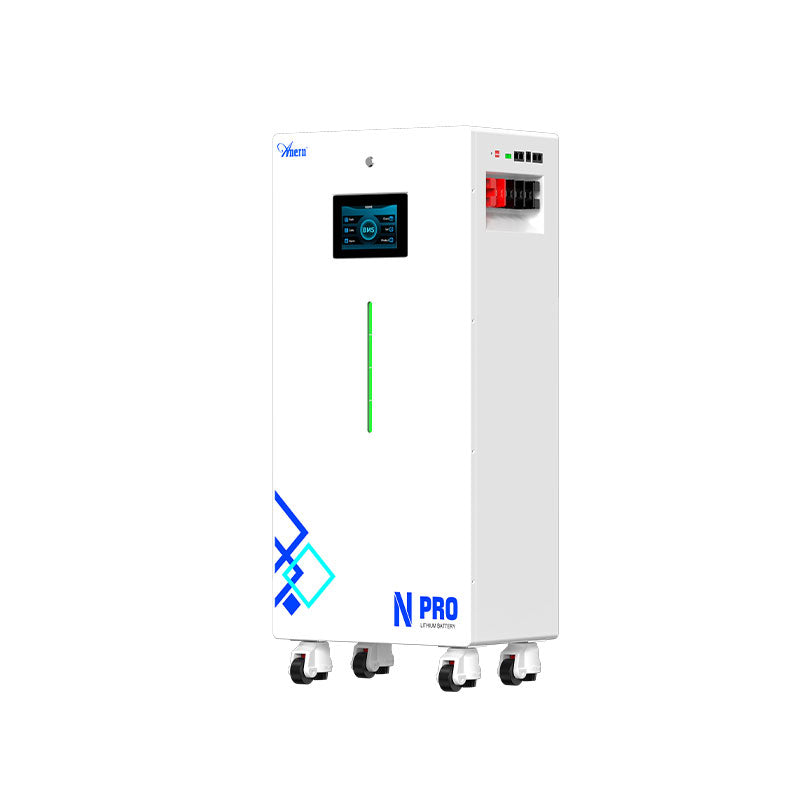



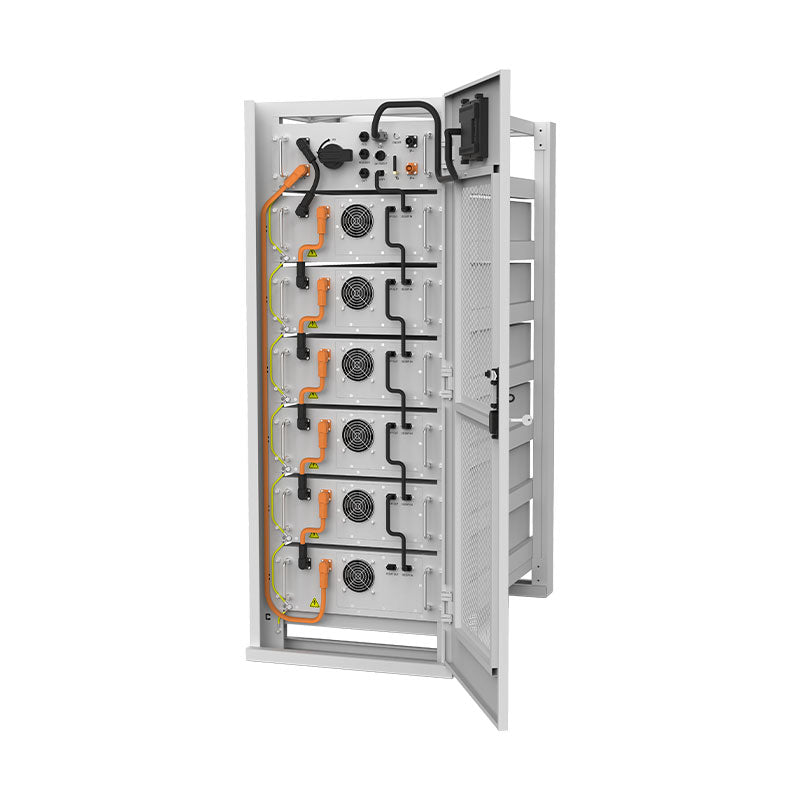
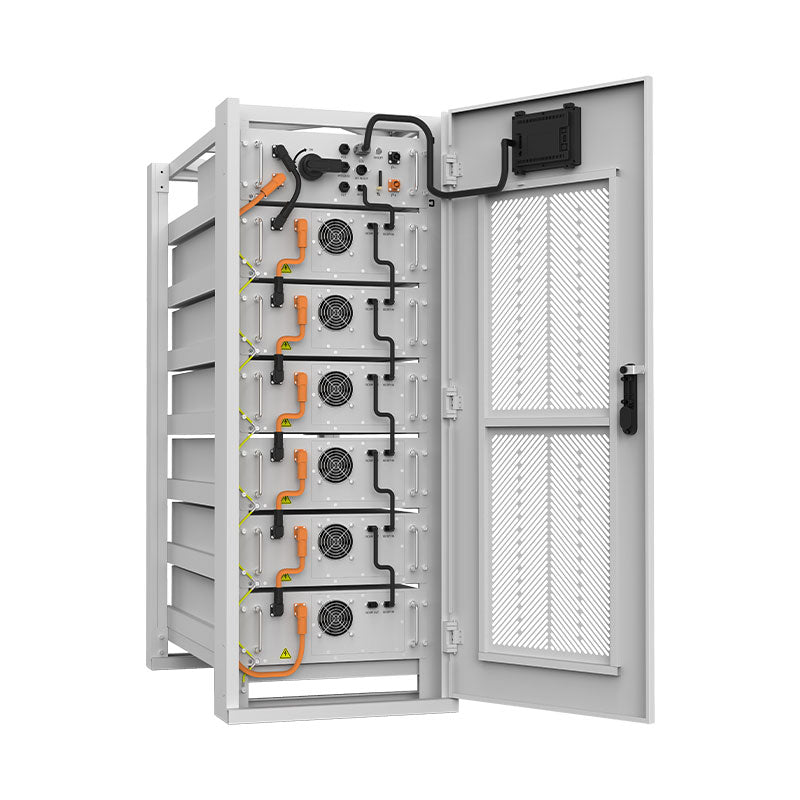
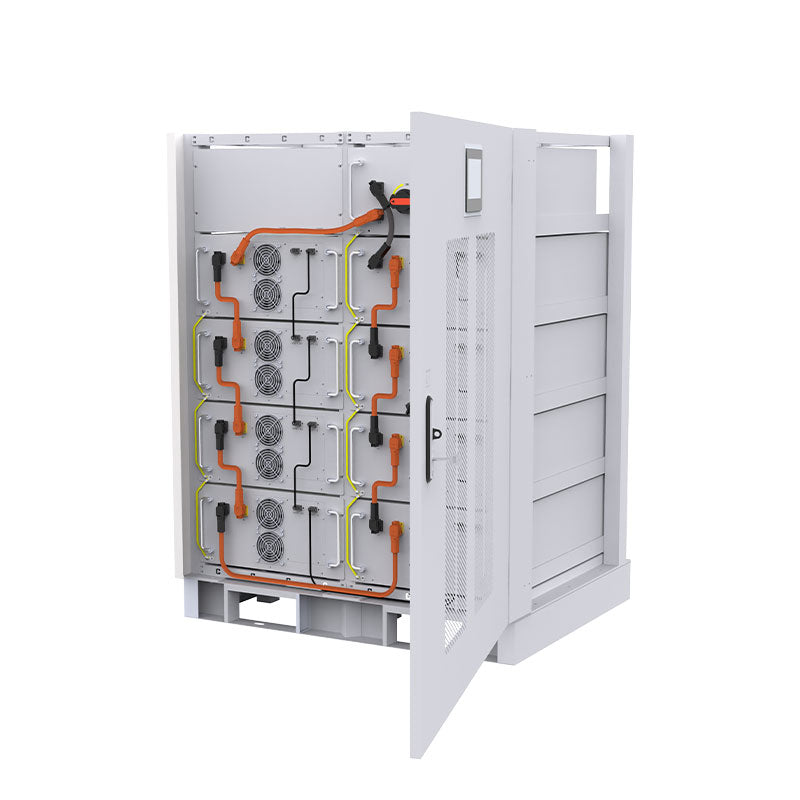

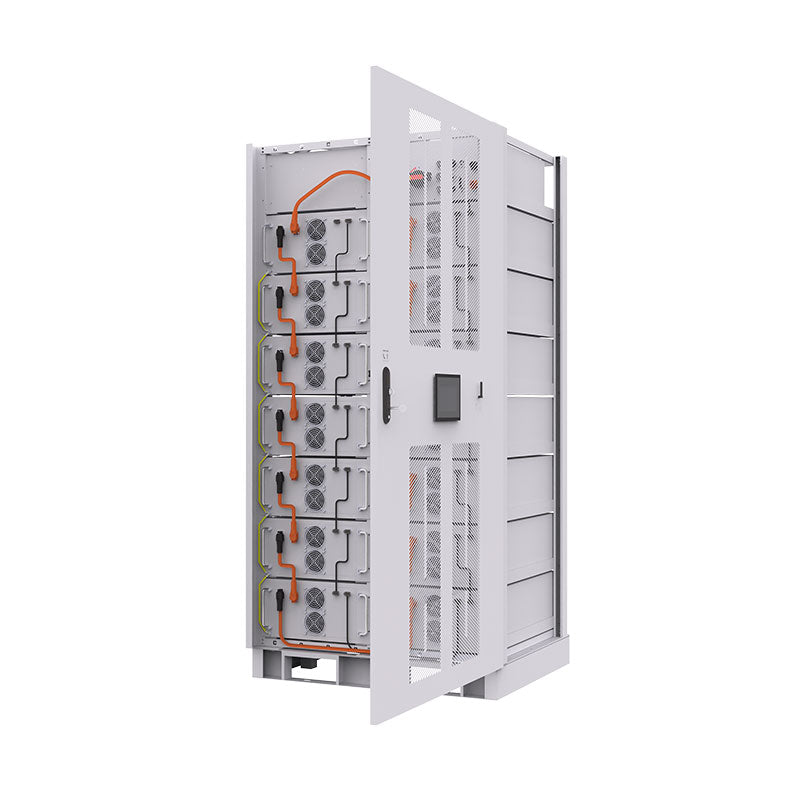
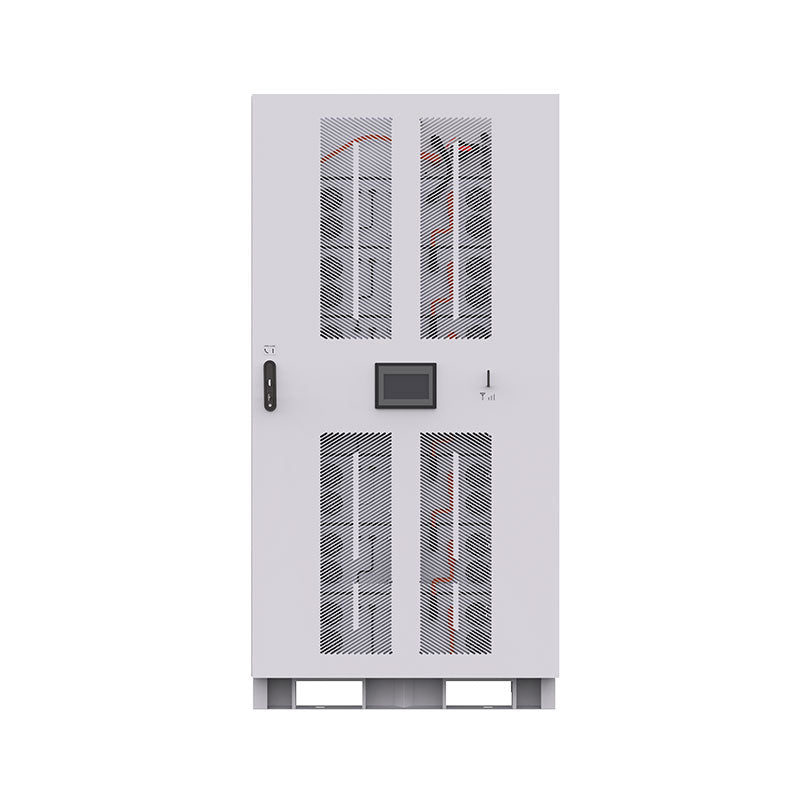


Your solar and energy storage system represents a significant investment in achieving energy independence. Modern energy solutions integrate sophisticated monitoring capabilities, offering a transparent window into their daily operations. This continuous stream of data provides more than just performance insights; it functions as a crucial early warning system. Accurately recognizing specific data monitoring alerts and subtle patterns is fundamental to understanding precisely when your system requires professional attention, thereby safeguarding its long-term reliability, efficiency, and overall value.

The Power of Monitoring: Early Warning Systems
A properly configured monitoring system constantly gathers vital information about your energy setup. This includes electricity generation from solar panels, energy consumption within your home, and the intricate charge and discharge cycles of your battery storage. Access to this real-time data allows you to meticulously track performance and promptly spot any deviations from expected behavior.
What Data Tells You
Monitoring dashboards present a rich tapestry of operational data. You will observe metrics such as kilowatt-hours produced, battery state of charge (SoC), individual cell voltages, current flows, power factor, and even ambient temperatures around key components. This comprehensive information paints a clear and detailed picture of how well your system performs against its design specifications and historical benchmarks. For instance, if your daily energy production consistently falls below historical averages for similar weather conditions and irradiance levels, it strongly suggests a potential issue. Furthermore, advanced systems may track battery cycle counts and depth of discharge, offering insights into the battery's lifespan and usage patterns.
Why Real-time Monitoring Matters
Proactive system management relies heavily on the insights provided by real-time data. Rather than waiting for an unexpectedly high electricity bill or a complete system shutdown, continuous monitoring empowers you to identify problems as they begin to emerge. This capability facilitates quicker diagnosis and resolution, frequently preventing minor issues from escalating into more complex and costly repairs. The reliable operation of any power system critically depends on various system services, and robust monitoring helps track and ensure these essential functions. It also aids in optimizing energy flows, potentially aligning with demand-side response principles where consumers adjust their energy use based on system conditions.
Critical Alerts Demanding Immediate Attention
Certain types of alerts serve as unequivocal indicators that your energy system requires professional intervention. These signals often point to significant malfunctions, potential safety hazards, or performance issues that extend beyond basic user troubleshooting steps.
Inverter Communication Errors and Fault Codes
Your solar inverter acts as the central intelligence of your system, efficiently converting direct current (DC) from your solar panels into alternating current (AC) suitable for your home's appliances and the utility grid. When the monitoring system reports persistent communication errors or specific fault codes originating from the inverter, it frequently signals a serious underlying problem. While some codes might indicate temporary grid disturbances or minor glitches, a persistent "No AC Output," "Ground Fault," "Isolation Resistance Low," or "Over-voltage" code, especially after you have attempted a simple system reset, unequivocally demands a technician's immediate expertise. Such alerts could indicate internal component failure, critical wiring issues, or even a hazardous electrical condition. Grid codes, also known as interconnection standards, establish the technical requirements for any entity connecting to the electrical grid, and inverter alerts often directly relate to compliance with these vital standards.
System Performance Anomalies
Sudden, significant drops in energy production are immediate and critical red flags. If your monitoring dashboard shows a complete cessation of solar generation during peak sunlight hours, or a drastic and unexplained reduction that weather conditions cannot account for, it is a clear sign to call a professional. Similarly, abnormal power flow, such as unexpected and continuous energy export to the grid when your batteries should be charging, or consistent drawing of power from the grid when solar generation is abundant, points to a system malfunction. Furthermore, if your system's performance graph shows a flat line during sunny periods or highly erratic, jagged power curves, it indicates instability or a component failure. Long-term underperformance, even if not a complete shutdown, might also be flagged by monitoring systems comparing current output to historical data and expected irradiance levels, necessitating a deeper diagnostic review.
Battery System Health Warnings
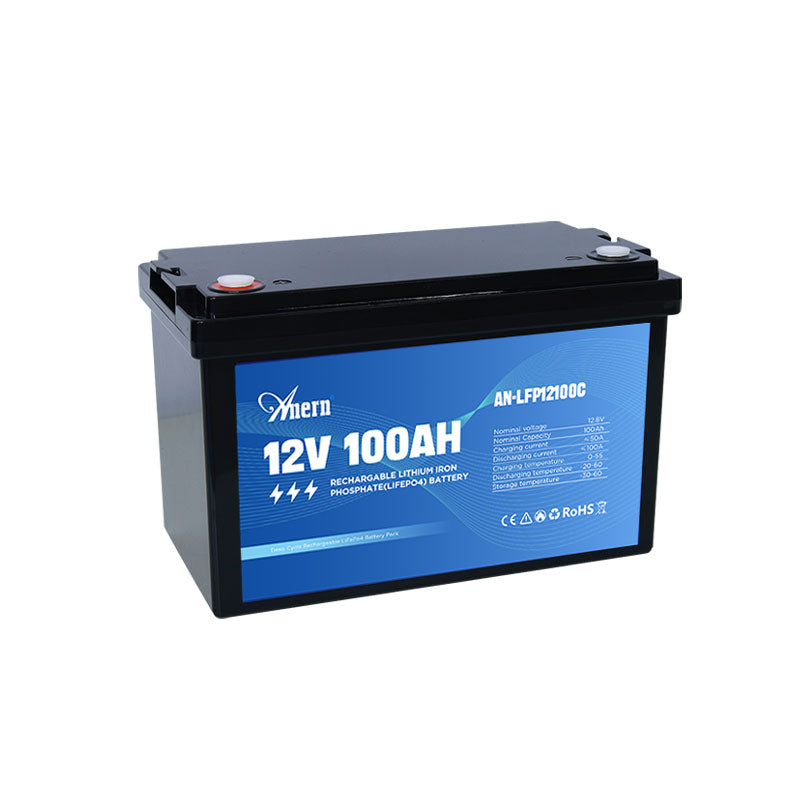
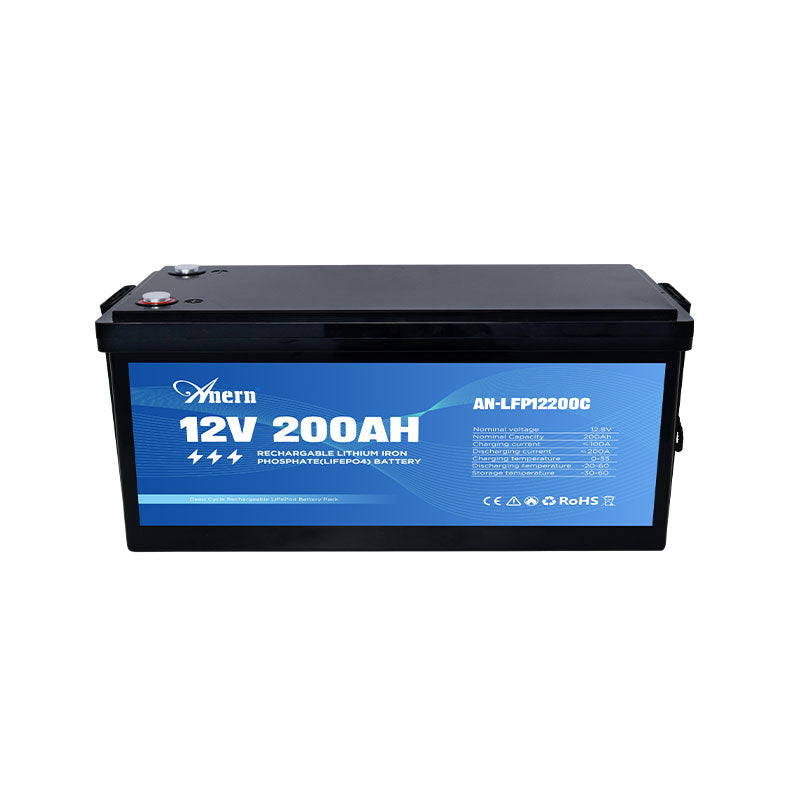
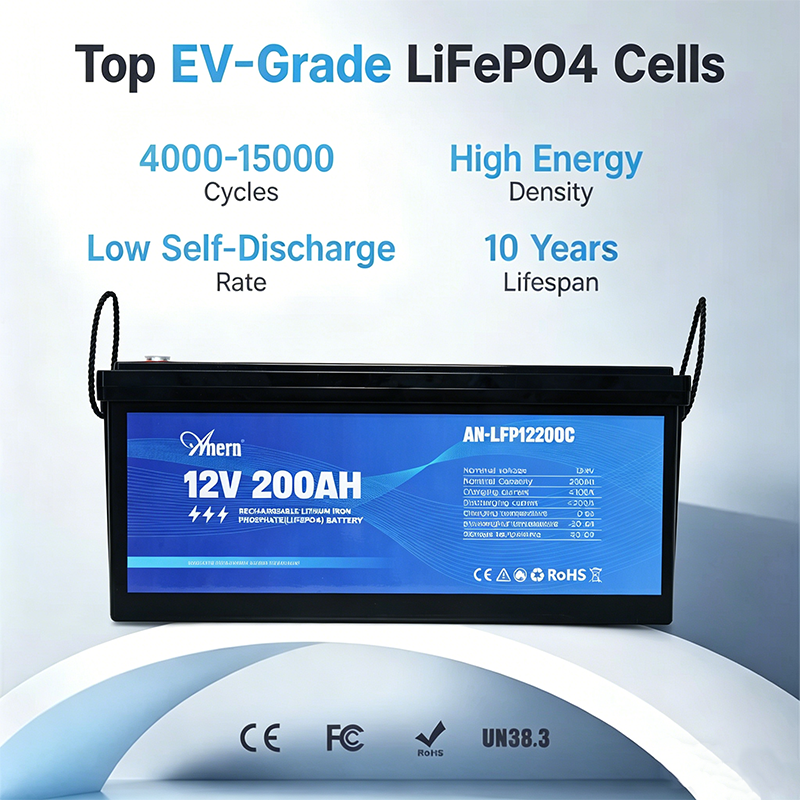
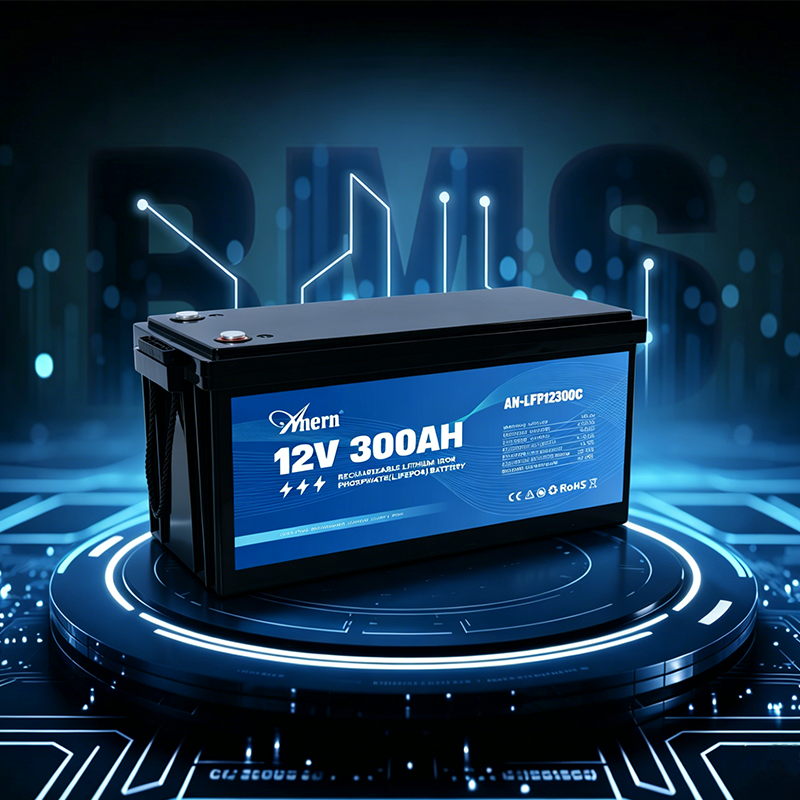
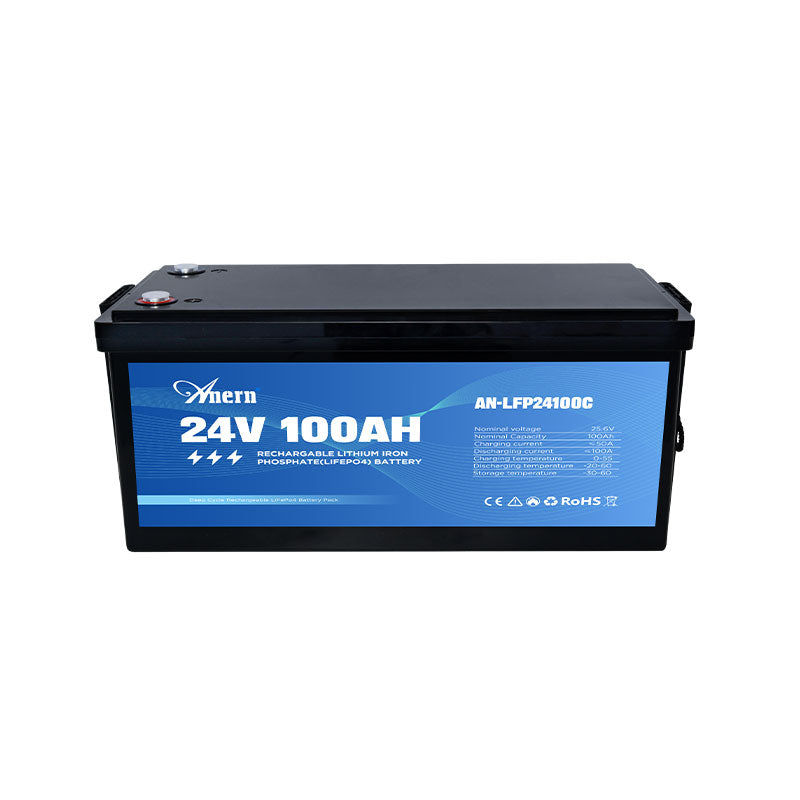
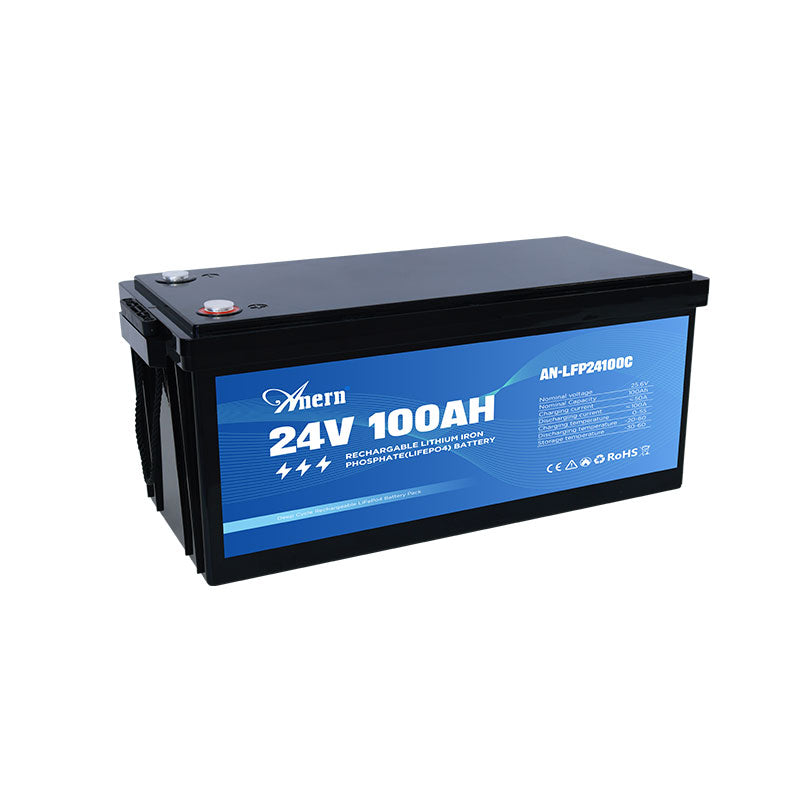
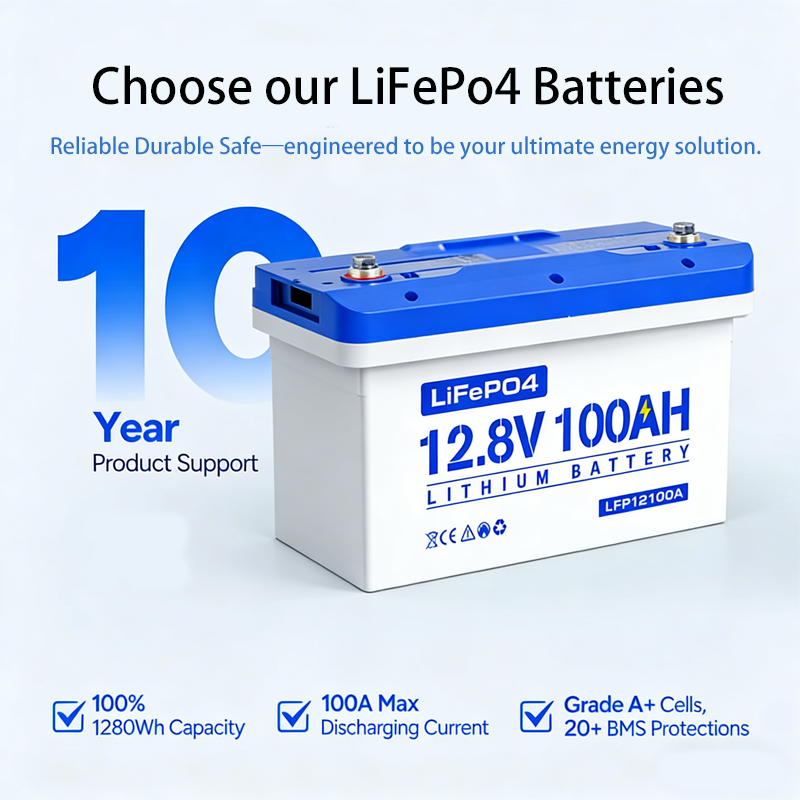
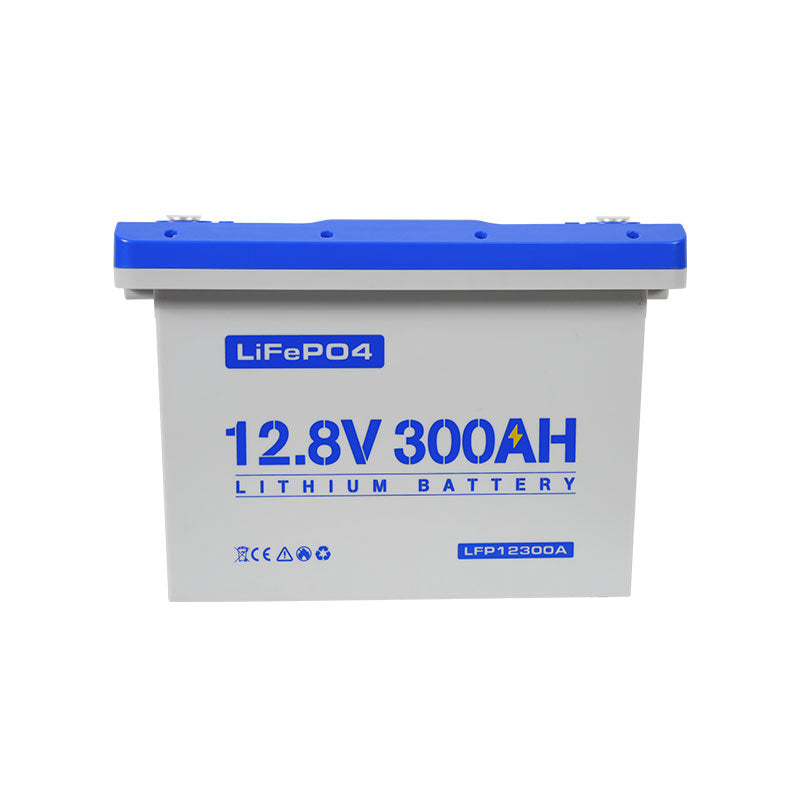
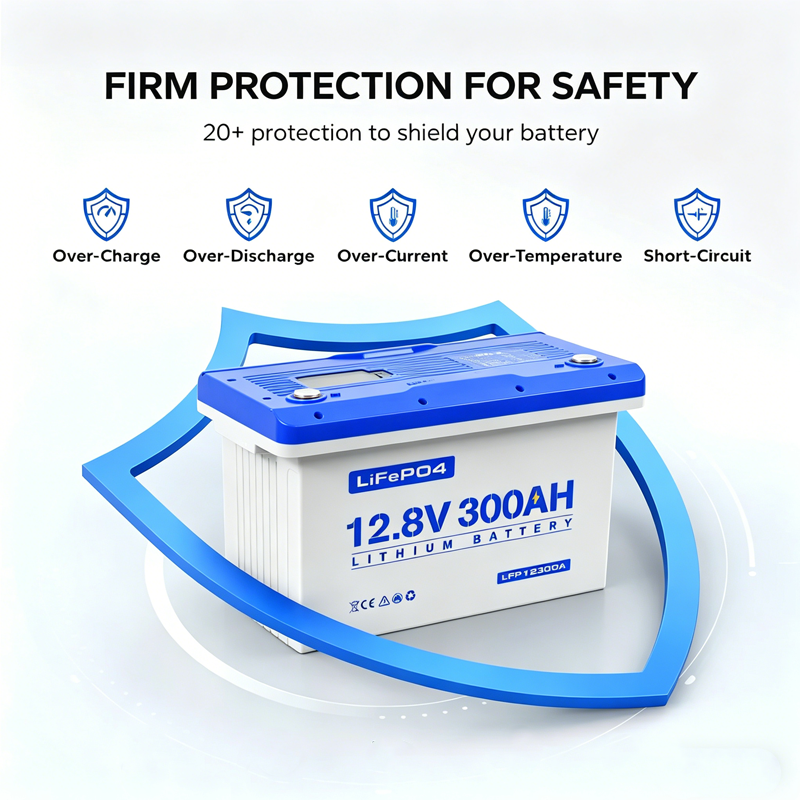
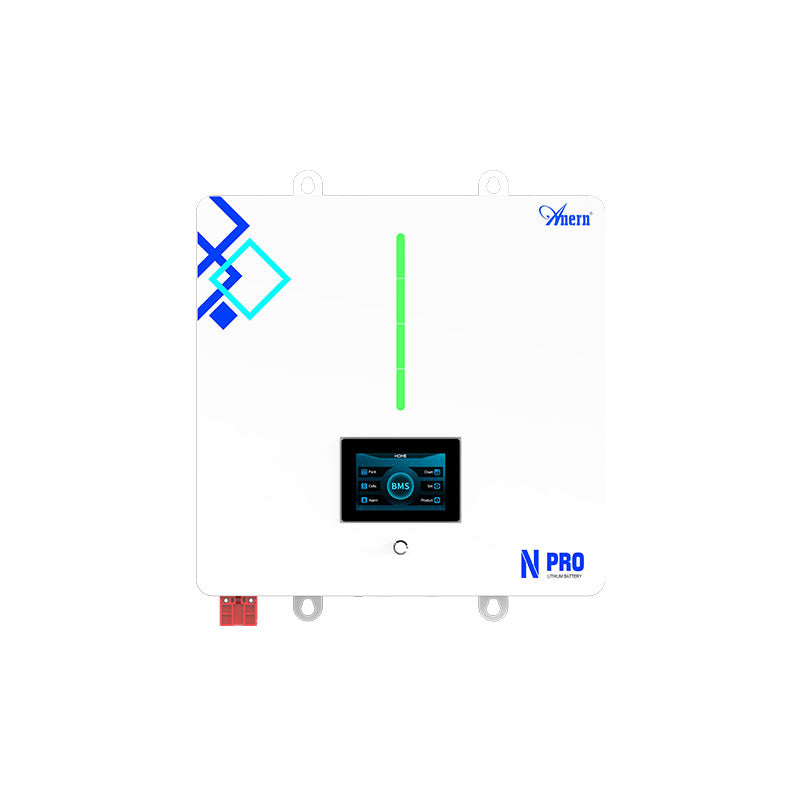
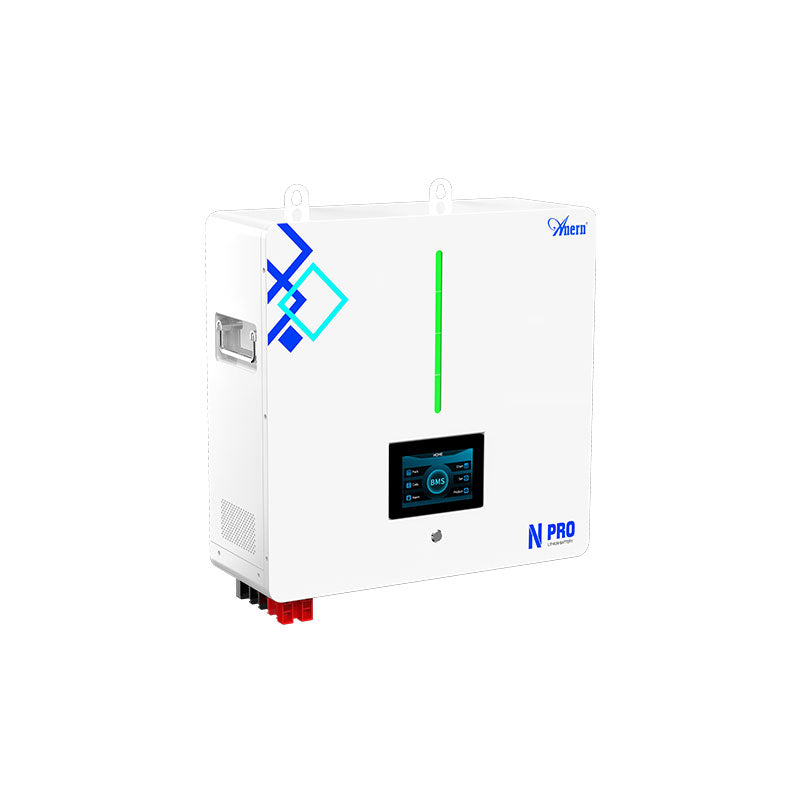
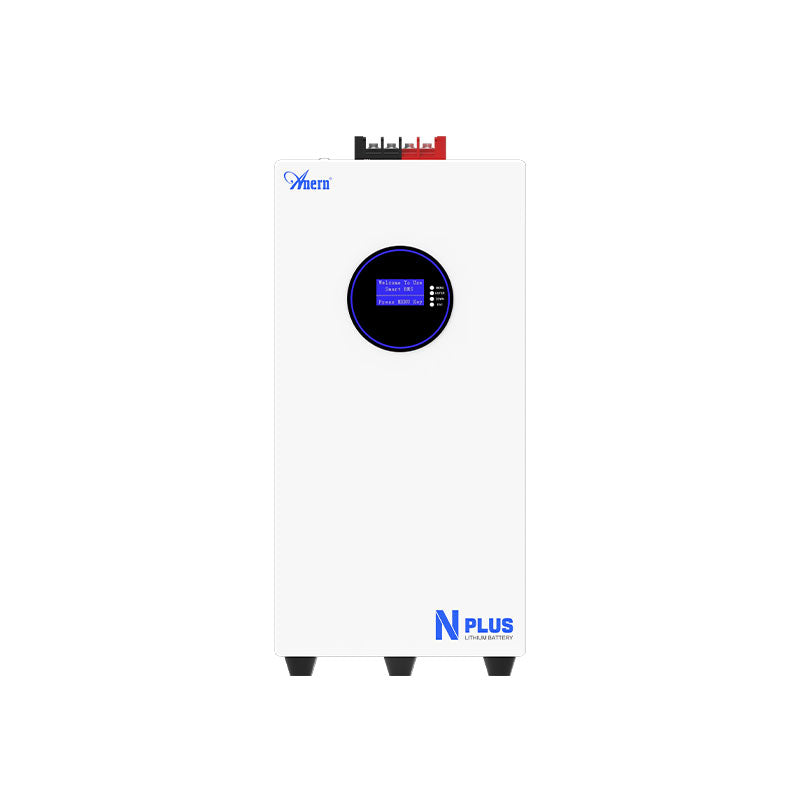
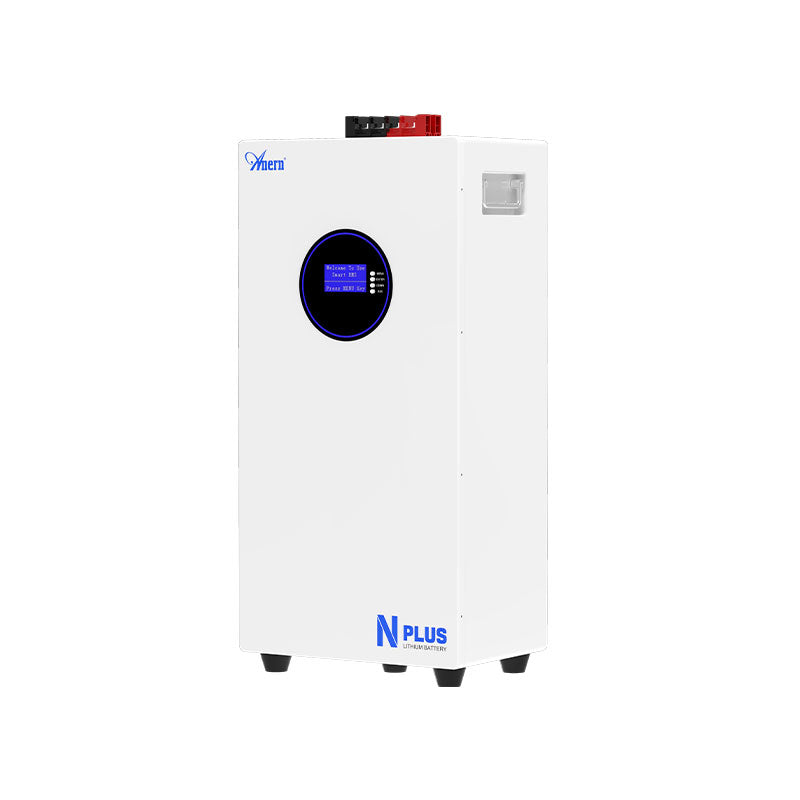
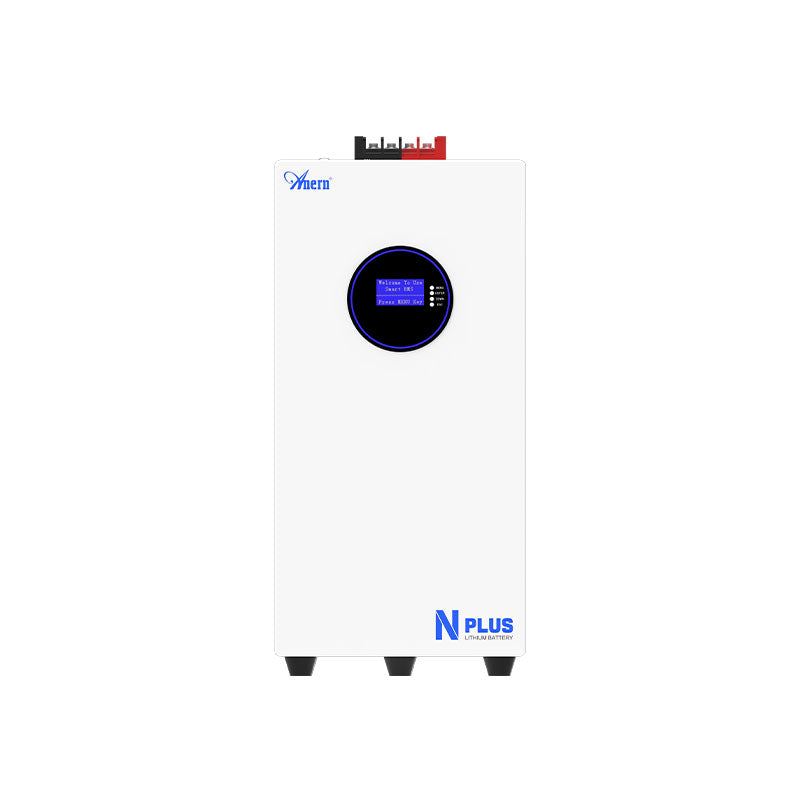
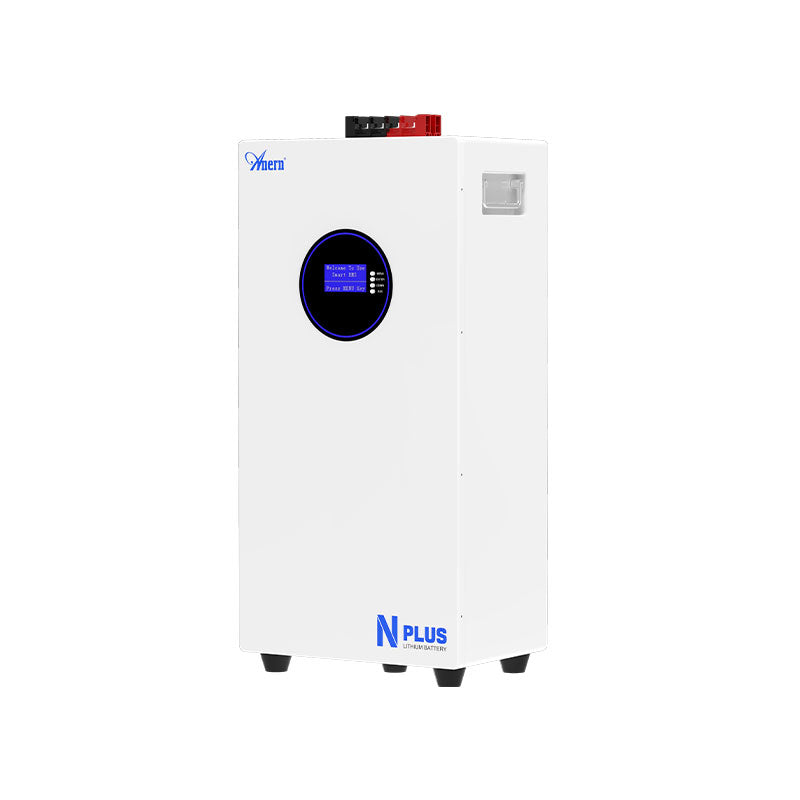
Energy storage systems, particularly those utilizing high-performance Lithium Iron Phosphate (LiFePO4) batteries, are engineered for safety and reliability. However, monitoring alerts directly related to battery health require prompt and serious attention. Look for warnings about extreme voltage deviations (either excessively high during charging or critically low during discharge), alerts indicating high internal temperatures within the battery pack, or reports of rapid and unexpected capacity degradation. Alerts signaling cell imbalance, where individual battery cells within the pack show significant voltage differences, also strongly suggest a need for professional assessment. Such issues can severely impact battery lifespan, reduce usable capacity, and potentially compromise overall system safety. Maintaining system frequency and voltage levels is paramount for reliable power system operation, and advanced battery management systems (BMS) continuously report on these critical parameters. The integrity of this data is vital for accurate diagnosis.
Subtle Data Patterns Requiring Expert Review
Not all issues announce themselves with a blaring, immediate alarm. Sometimes, the data reveals more subtle, long-term patterns that, while not immediately critical, indicate underlying problems that could gradually worsen over time if left unaddressed.
Gradual Efficiency Decline
A slow, steady, and unexplainable decline in your system's overall efficiency, often observed over several months or even a year, warrants a thorough investigation. Your monitoring platform might track a "performance ratio" or similar metrics that normalize output against theoretical potential. If this ratio consistently falls below acceptable levels, even after accounting for seasonal variations, expected panel degradation (typically 0.5% to 1% per year), or minor soiling, it suggests issues like persistent partial shading, accumulating dirt, or even subtle component wear that a professional can diagnose accurately with specialized tools. Consistent data availability is crucial for correctly interpreting these long-term trends and identifying the root cause.
Intermittent Connection or Communication Loss
If your monitoring system frequently reports brief periods of "offline" status or intermittent data transmission, even if the system appears to be producing power, this is a significant concern. While it can sometimes be a simple internet connectivity issue, consistent communication loss can effectively mask underlying operational problems or prevent critical alerts from reaching you in a timely manner. More importantly, it compromises the confidentiality, integrity, and availability of your system's vital operational data, which is a core aspect of cybersecurity in communication networks. Such interruptions prevent comprehensive diagnostics and potentially delay necessary interventions.
Inconsistent Grid Interaction
For grid-tied solar and energy storage systems, monitoring might reveal irregular behavior in how your system interacts with the utility grid. This could manifest as frequent disconnections and reconnections from the grid, or consistent reports of power quality issues from the inverter, such as voltage sags, swells, or harmonic distortions. Such patterns might indicate problems with grid synchronization algorithms, faulty voltage regulation, or even an unstable utility grid connection, requiring a technician to assess both your system's internal functions and its interface with the utility infrastructure. Managing power flow through the system often involves advanced modeling techniques, and inconsistencies here can signal a need for expert review.
The Escalation Protocol: When Data Triggers a Call
Understanding when to transition from passive observation to decisive action is paramount for maintaining your energy system's health, ensuring its safety, and optimizing its long-term performance.
Defining Technician Call Thresholds
Each energy system and its corresponding monitoring platform may have specific, predefined thresholds that automatically trigger an "action required" alert. The table below outlines common scenarios that typically warrant a professional call:
| Alert Type/Data Pattern | Threshold/Indication | Reason for Professional Call |
|---|---|---|
| Inverter Fault Codes | Persistent "No AC Output", "Ground Fault", "Isolation Resistance Low", "Over-voltage" | Indicates internal component failure, critical wiring issue, or safety hazard. |
| Energy Production Drop | Sustained drop of 15% or more compared to expected output for similar conditions. | Suggests array issues (soiling, shading, panel failure), or inverter malfunction. |
| Battery SoC Issues | SoC not reaching expected full charge; rapid, unexplained discharge; significant cell imbalance. | Points to battery degradation, BMS fault, or charging system malfunction. |
| Component Temperature Warnings | Repeated alerts for excessively high temperatures within inverter or battery enclosure. | Indicates overheating, potential fire risk, or ventilation problem. |
| Communication Loss | Frequent, intermittent "offline" status or data transmission interruptions. | Masks underlying issues, compromises data integrity, delays critical alerts. |
| Safety Alerts | Any alert explicitly indicating a safety hazard (e.g., arc fault detection). | Immediate electrical or fire safety risk. |
The Risks of Ignoring Data Alerts
Ignoring persistent or critical monitoring alerts carries several significant risks. Minor, easily rectifiable issues can rapidly escalate into major, costly repairs or even complete system failures, leading to prolonged downtime and loss of energy independence. Furthermore, some alerts directly point to potential safety hazards, such as electrical faults, fire risks from overheating components, or unstable voltage conditions, which could pose serious dangers to your property and its occupants. Timely intervention ensures your system operates safely, maintains its peak efficiency, and crucially, protects your valuable investment, often preserving warranty coverage that might otherwise be voided by neglected issues. Power systems are designed with inherent margins against contingencies, and disregarding warnings directly reduces this critical safety buffer.
What to Communicate to Your Technician
When you contact a professional solar and energy storage system technician, providing as much detailed information from your monitoring data as possible will significantly streamline the diagnostic process. This includes:
- The specific alert messages or exact fault codes received.
- The precise date and time the alerts first appeared, and if they are intermittent or continuous.
- Any associated data trends, such as performance graphs showing sudden dips, flat lines, or unusual patterns in power flow.
- A clear description of any actions you have already taken (e.g., system restarts, checking breakers) and their specific outcomes.
Safeguarding Your Energy Future
Your solar and energy storage system is a sophisticated setup designed to provide clean, reliable power for your home or business. Its integrated monitoring system is a powerful, indispensable tool, offering crucial insights that empower you to act decisively. By understanding what specific data alerts and subtle patterns signify, you can proactively ensure your system's long-term health and optimal performance. Recognizing when the data unequivocally points to a professional call protects your valuable investment, maintains your hard-earned energy independence, and ensures your system continues to deliver its full potential for many years to come. Providing reliable and scalable energy solutions empowers individuals and communities to achieve true energy independence.
Disclaimer: This content is for informational purposes only and does not constitute professional advice. Always consult with a qualified solar and energy storage system technician for specific diagnoses and repairs.
