













Can solar panels work during a power outage without batteries? This question comes up after every storm and grid event. The short answer: a standard grid‑tied PV system shuts off during a blackout. That is by design, for safety. With the right equipment, PV can still help in daylight. For round‑the‑clock backup, add storage or use a stand‑alone design. This piece breaks down the why, the exceptions, and the best technical paths to keep critical loads running.

Why Grid‑Tied PV Shuts Off in a Blackout
Most rooftop systems connect to the utility grid. During a blackout, those inverters stop producing power. That protects utility crews from accidental backfeed on dead lines. Anti‑islanding functions in modern inverters detect loss of grid and disconnect within seconds.
According to Energy.gov’s overview of grid‑connected renewable systems, grid‑tied inverters are required to disconnect during outages to prevent islanding and to meet safety standards. The agency’s photovoltaic basics page also explains the inverter’s role in converting DC to AC and coordinating with the grid. In short, a typical “PV without batteries” setup will not power your home during an outage.
This safety design aligns with broader grid reliability goals. Research on the Solar Futures vision describes reliability through the “three Rs”: resource adequacy (enough capacity available), operational reliability (stable operation through disturbances), and resilience (the ability to absorb and recover from extreme events). During an outage, anti‑islanding protects operational reliability and speeds safe restoration, strengthening resilience.
Myth vs Reality: PV Without Batteries in Outages
Myth: Daytime sun means my panels will keep the house on
Reality: Standard grid‑tied systems go dark with the grid. Some advanced inverters add a special “PV‑to‑load” or “secure power” output that can run a small outlet or a critical loads subpanel in daylight only. These functions work at limited power and only while the array has enough irradiance. There is no night coverage and no surge support beyond the inverter’s rating.
Myth: Microinverters always keep producing during blackouts
Reality: Microinverters also must meet anti‑islanding requirements. They shut down with the grid unless the system includes dedicated backup hardware that isolates a critical loads circuit.
Myth: A generator is the only practical solution
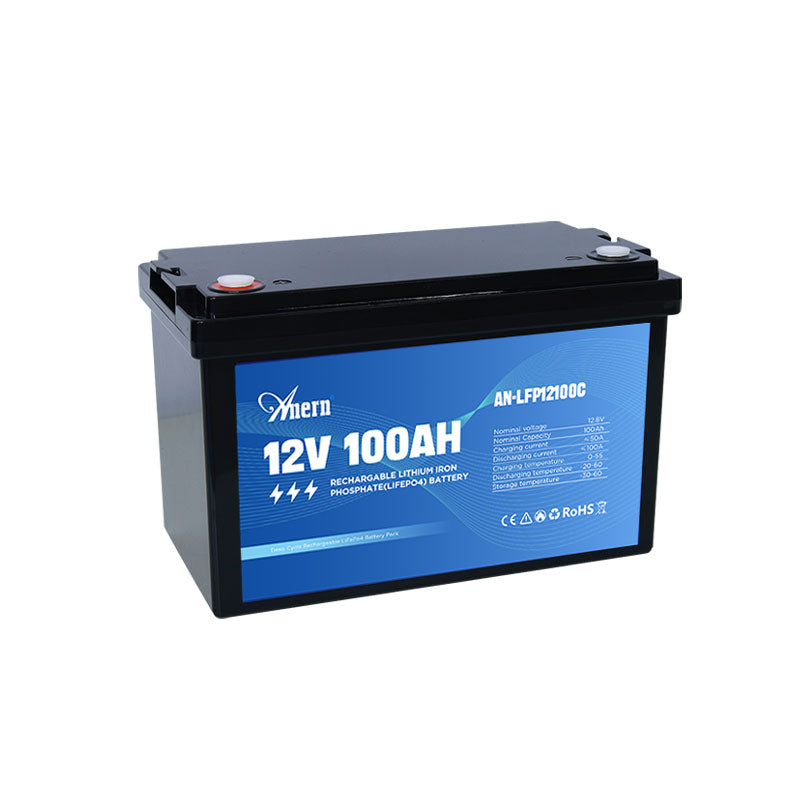
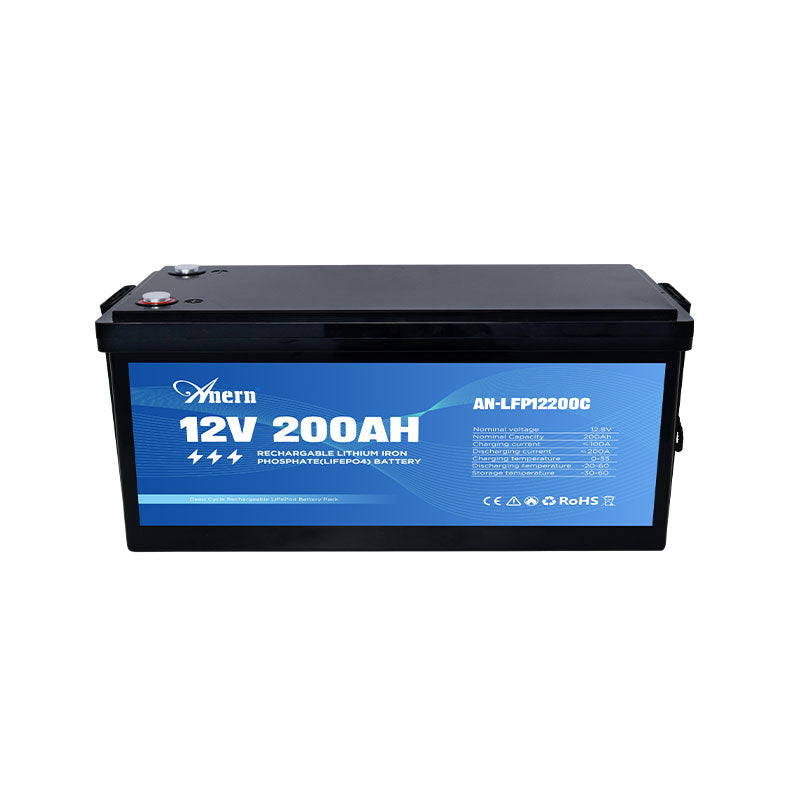
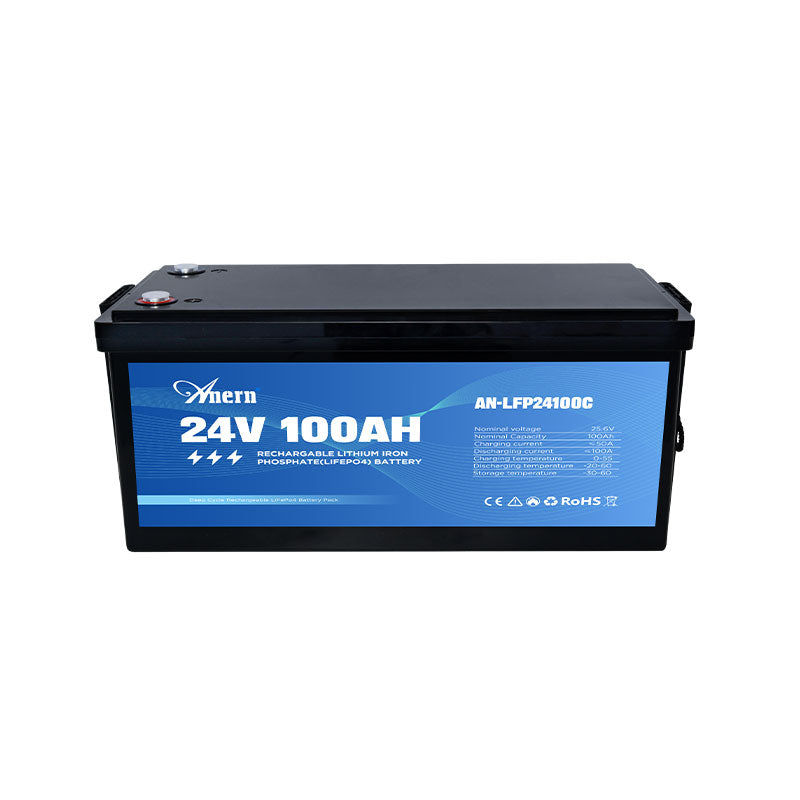
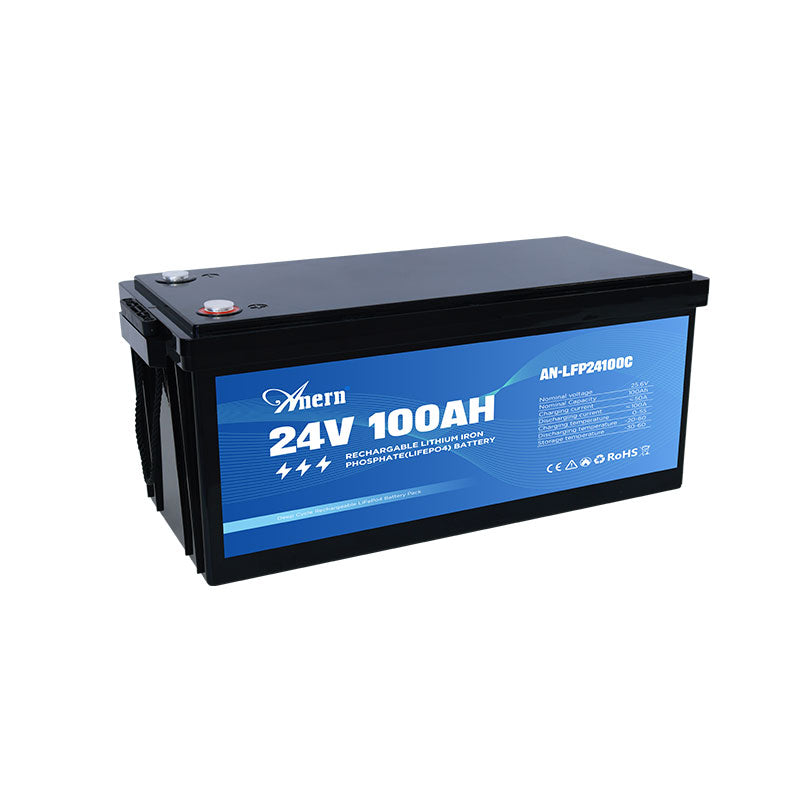
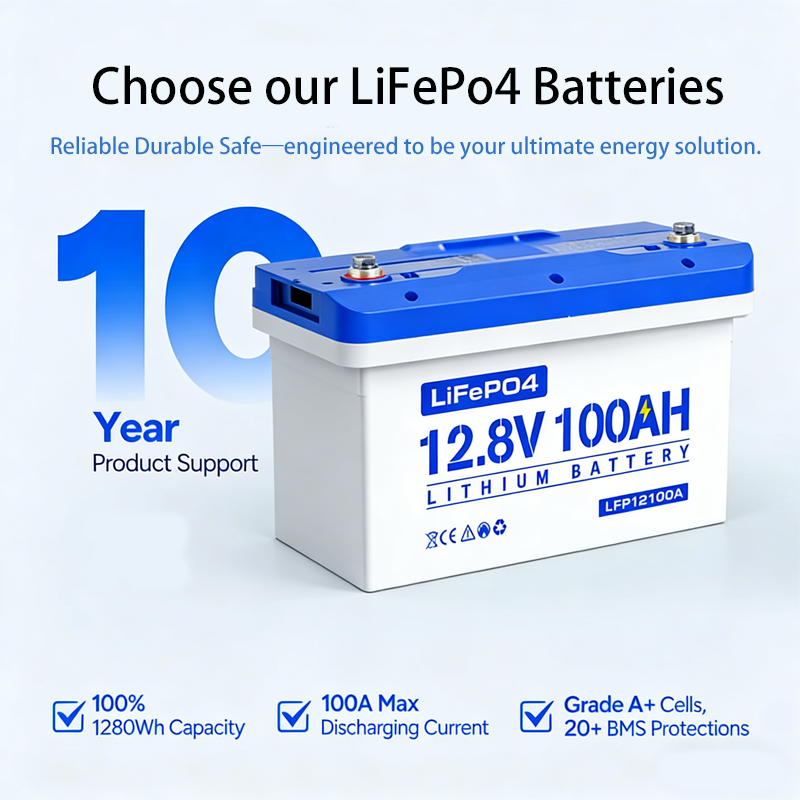
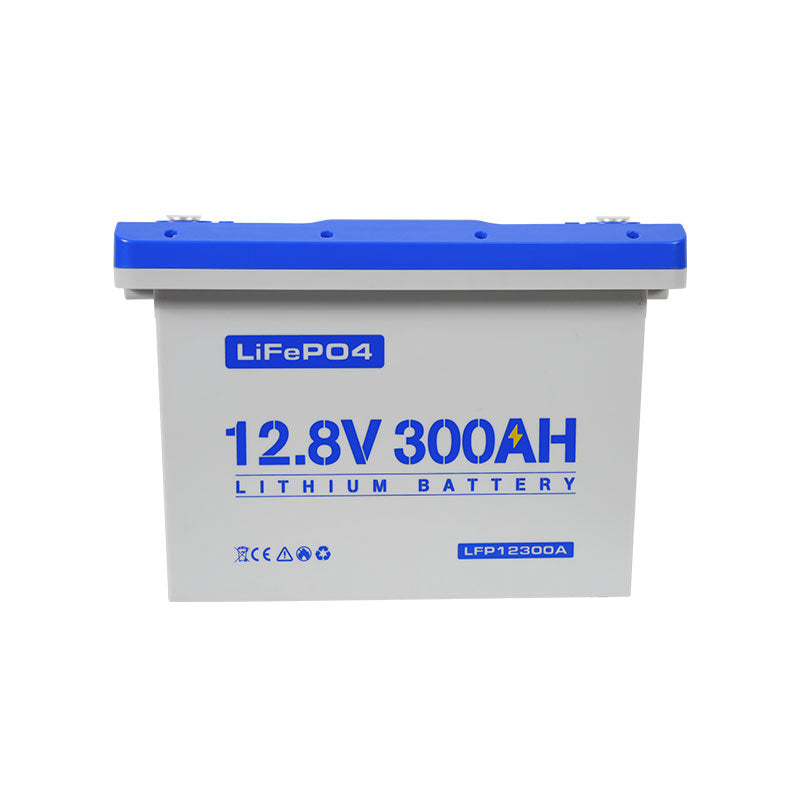
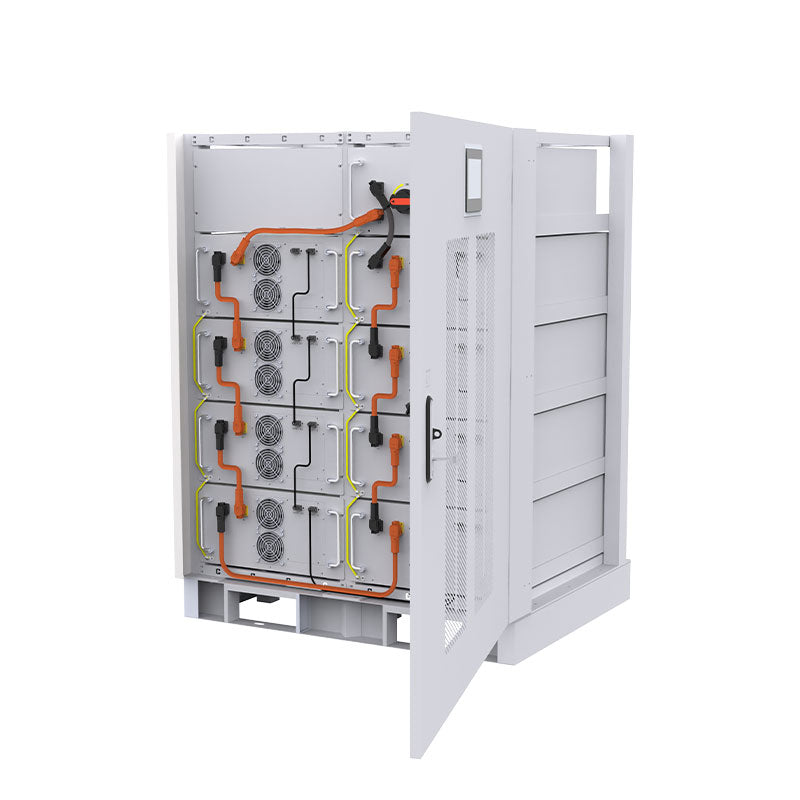
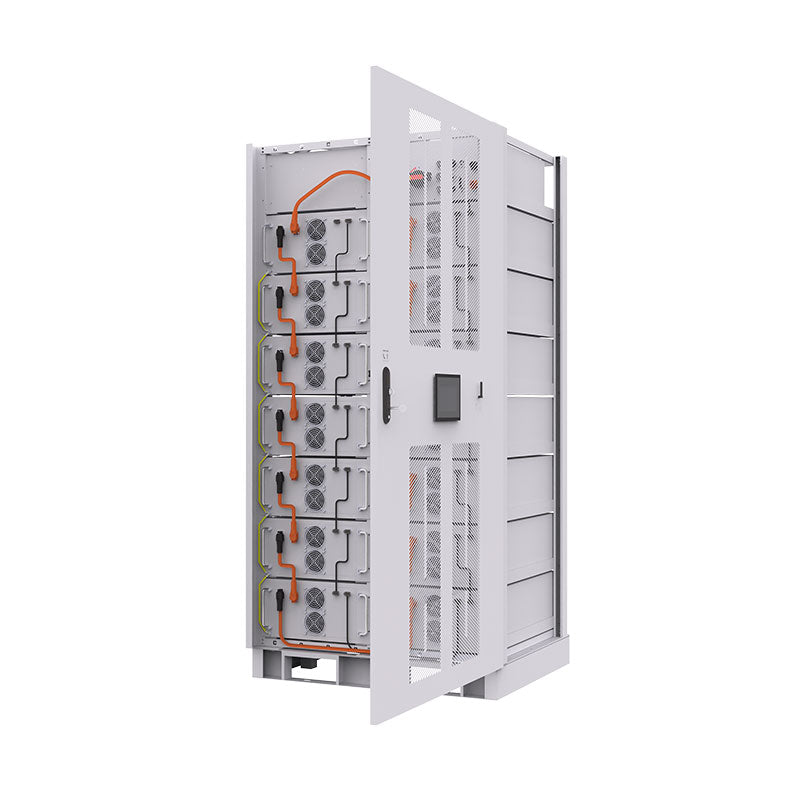
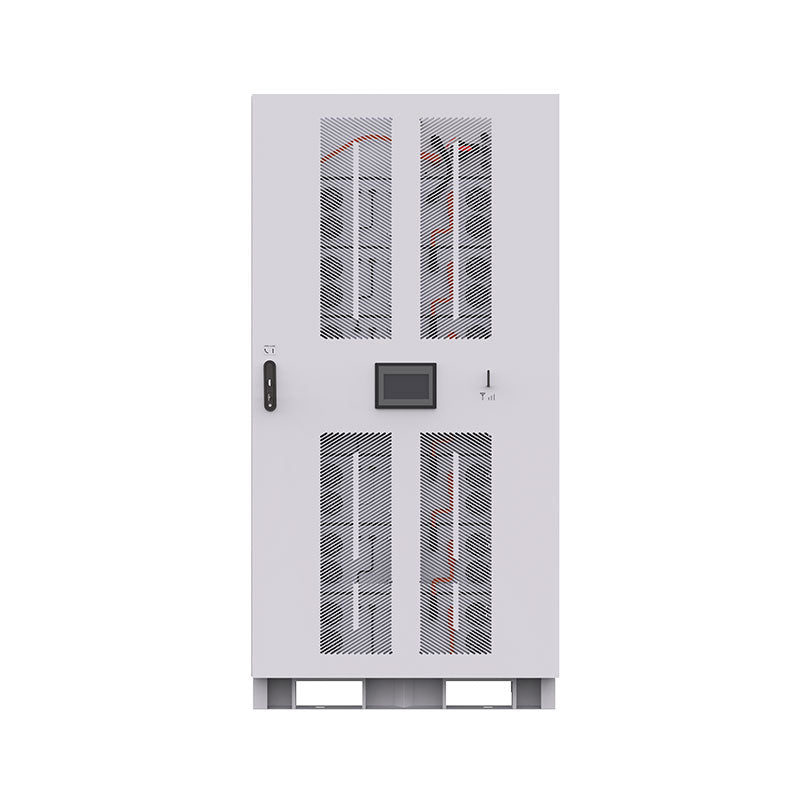
Reality: A modern hybrid inverter with a lithium iron phosphate (LiFePO4) battery bank can provide quiet, safe backup. It can also recharge from PV during the day. Generators remain useful as a supplemental source during long cloudy periods, but they are not the only answer.
Three Practical Paths for Backup Power
1) PV without batteries: daylight backup only
Some hybrid inverters offer an isolated “daylight” output. In sun, PV power feeds a small subpanel. Expect variable output as clouds pass. You need a transfer device that separates these loads from the grid during an outage. This setup can keep phones, Wi‑Fi, and a few LED lights on. It will not cover night use.
- Pros: Low cost; uses existing PV; simple.
- Cons: Daylight only; limited power; no surge or night coverage; careful design needed to avoid overloads.
2) PV + battery energy storage system (ESS): round‑the‑clock backup
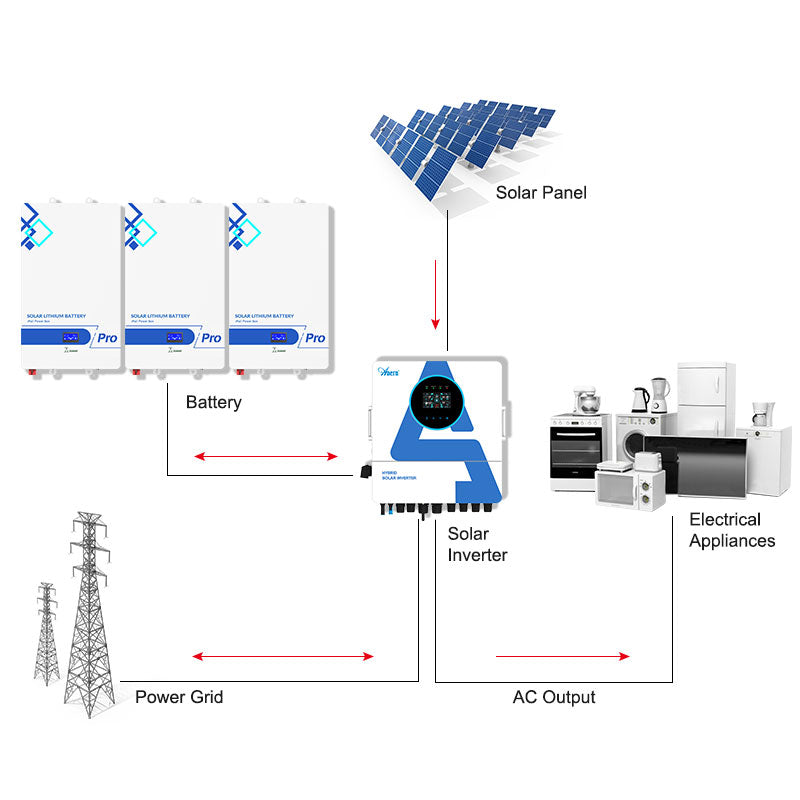
A hybrid inverter, a LiFePO4 battery, and your PV array form an islanded microgrid during outages. The inverter forms a stable AC waveform, powers critical loads, and manages PV charging.
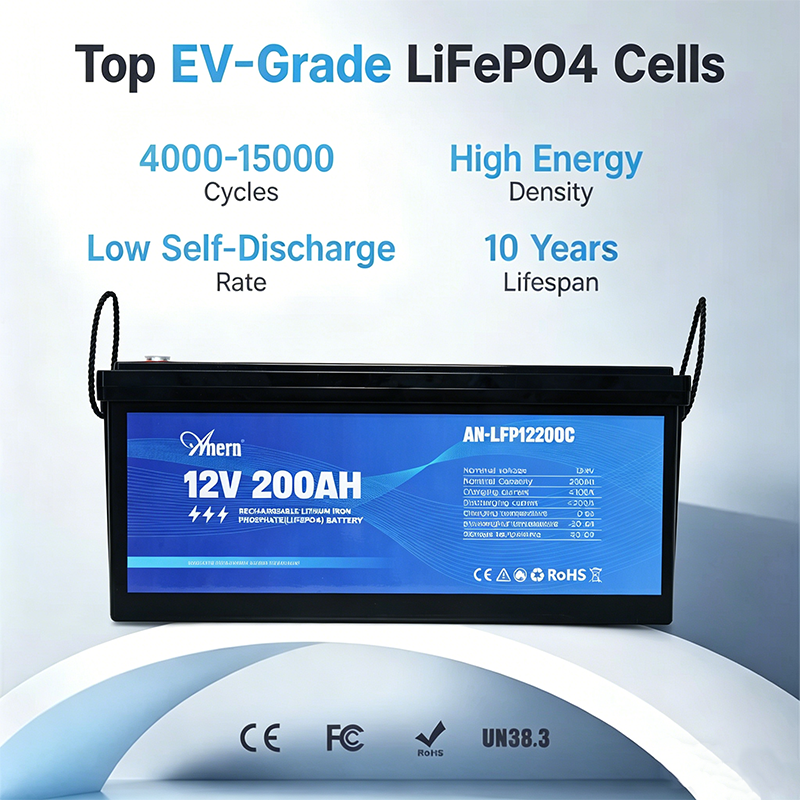
- Battery choice: LiFePO4 for high cycle life, thermal stability, and usable depth of discharge. Typical round‑trip efficiency: ~90–95%.
- Inverter: Look for seamless transfer (tens of milliseconds), adequate surge current for motors, and certified anti‑islanding behavior.
- Design: Add a critical loads subpanel. Size for your actual needs, not the whole house.
Why it works: Storage covers nighttime and cloudy intervals. PV refuels the battery by day. This combination improves resilience at the home and community level. As IEA’s Solar PV tracking notes, PV deployment is rising fast; pairing with storage is a key path to flexible, reliable service. IRENA’s storage report adds that falling lithium‑ion costs and improving performance support wider use of batteries in backup and grid services.
3) Stand‑alone (off‑grid) solar: full isolation from the grid
An off‑grid solar system runs independently at all times. It includes PV, a battery bank, and a stand‑alone inverter/charger. During a utility outage, nothing changes for the home because it never relies on the grid. This design suits remote cabins, farms, and sites with unreliable service. It requires more battery capacity and careful load planning.
What Data Says About Outages and the Case for Storage
Outage risk varies by location and season. The U.S. Energy Information Administration tracks reliability using SAIDI and SAIFI metrics. As shown in EIA’s reliability table, average annual interruption durations typically add up to several hours per customer, with large spikes during major events. Households seeking resilience often design for a day or more of autonomous operation.
Solar adoption continues to grow, and so do distributed energy resources in homes and businesses. IEA notes strong year‑over‑year growth in PV capacity, increasing the role of inverter‑based resources. Storage complements PV by shifting energy and providing fast response. IRENA documents steep cost reductions for lithium‑ion systems over the past decade and highlights their role in flexibility and resilience. Energy.gov underscores that grid‑tied equipment must shut off during outages—reinforcing the value of either battery‑backed hybrid systems or stand‑alone designs for those seeking backup power.
Sizing a Backup System: A Quick, Practical Method
Step 1: List critical loads
- Refrigerator: 150 W average, 1,000–1,500 W surge.
- Lighting: 50–150 W LED total.
- Networking and phone charging: 30–80 W.
- Fans or a small mini‑split: 300–800 W (variable).
Step 2: Estimate daily energy
Example critical loads: 800 W average for 10 hours = 8 kWh/day. Add 20% margin for surges and inverter losses → ~9.6 kWh/day.
Step 3: Size the battery
- Target autonomy: 1 day → 10 kWh usable.
- With LiFePO4 at 90% usable capacity, select ~11–12 kWh nominal.
Step 4: Size PV for recharge
- Daily production needs to cover 10 kWh plus some headroom: ~12–15 kWh/day.
- In a site with 4 peak sun‑hours, a 3.5–4.5 kW array meets this goal in clear conditions.
Step 5: Choose inverter ratings
- Continuous: at least 2–3 kW for the above loads.
- Surge: 2x for a few seconds to start motors.
- Transfer: fast islanding and a dedicated backup output for a critical loads subpanel.
What Actually Works During a Blackout: Comparison
| Setup | Outage capability | Night coverage | Power level | Complexity | Notes |
|---|---|---|---|---|---|
| PV only (grid‑tied) | No output (anti‑islanding) | No | N/A | Low | Shuts off for safety per Energy.gov |
| Hybrid inverter, no battery (daylight backup) | Yes, sun permitting | No | Typically 300–2,000 W | Medium | Requires isolated output; power fluctuates with clouds |
| PV + LiFePO4 battery (ESS) | Yes | Yes | kW‑scale (per inverter rating) | Medium | High efficiency, quiet, supports surges, recharges by day |
| Stand‑alone off‑grid | Always isolated | Yes | kW‑scale | Higher | Best for remote sites; requires careful energy planning |
Key Design Tips for Safe, Reliable Backup
Inverter and protection
- Use certified inverters with anti‑islanding compliance (e.g., IEEE 1547 family) and rapid shutdown signaling where required.
- Pick hybrid inverters with a dedicated backup output and transfer times fast enough for sensitive electronics.
- Size surge capacity for compressors and pumps.
Battery selection and safety
- LiFePO4 batteries offer stable chemistry, long cycle life, and high usable capacity—ideal for daily cycling and backup duty.
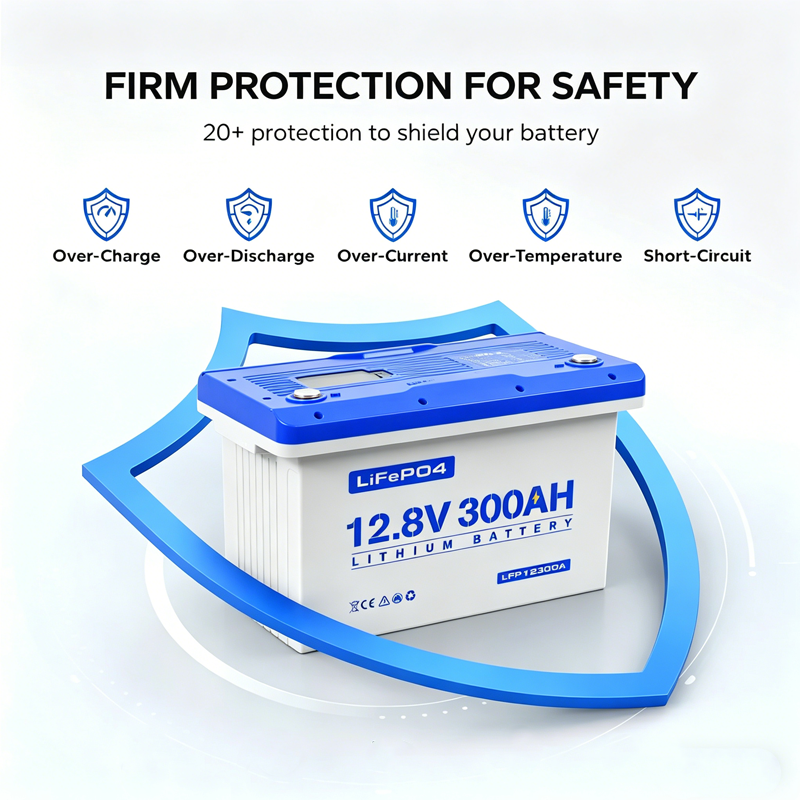
- Ensure battery management system (BMS) integration with the inverter for accurate SOC, charge limits, and protection.
- Plan for ventilation clearances and proper overcurrent protection.
PV configuration
- DC‑coupled systems reduce conversion losses; AC‑coupled retrofits are flexible for adding storage to existing PV.
- Reserve PV capacity for charging during outages; avoid oversizing backup loads beyond daytime PV output.
- Consider array orientation that favors winter or storm‑season production if resilience is the priority.
Critical loads planning
- Create a subpanel with must‑run circuits: fridge, lighting, networking, essential outlets, medical devices, and selective HVAC where feasible.
- Lower demand with efficient appliances and LED lighting to stretch battery runtime.
- Add soft‑start devices for compressors to reduce surge needs.
A Daylight‑to‑Night Example
Assume a 5 kW PV array and a hybrid inverter:
- Without batteries: during a mid‑day outage, a daylight‑backup output could feed 500–1,500 W of critical loads, varying with clouds. After sunset, loads go dark.
- With a 10–12 kWh LiFePO4 battery and a 5 kW inverter: you can run a 600–1,500 W load set for 8–12 hours overnight. The next day, PV can recharge 8–15 kWh under clear skies, restoring reserves for the following night.
Round‑trip efficiency in this setup is typically around 90–95%, so reserve a margin in your sizing. This aligns with the resilience focus in the Solar Futures framing: absorbing an event, operating through it, and recovering quickly as PV recharges storage.
Where PV, Storage, and the Grid Fit Together
Many homes will keep a grid connection and add storage for resilience. That reduces outage risk without losing grid benefits. Others will opt for a stand‑alone design due to geography or reliability needs. Energy agencies and researchers point to growing PV adoption and the value of flexible resources:
- Energy.gov: grid‑tied PV must disconnect during outages for safety; storage and proper transfer equipment enable safe backup (source, source).
- EIA: outage durations vary, often several hours per year on average, with wide state‑by‑state variation and spikes in major events (source).
- IEA: PV capacity is expanding rapidly, increasing the presence of inverter‑based resources that benefit from storage for flexibility (source).
- IRENA: storage costs have fallen and capabilities have improved, supporting both backup and grid services (source).
How Our Solutions Map to These Needs
Based on years of work in solar and storage, we recommend:
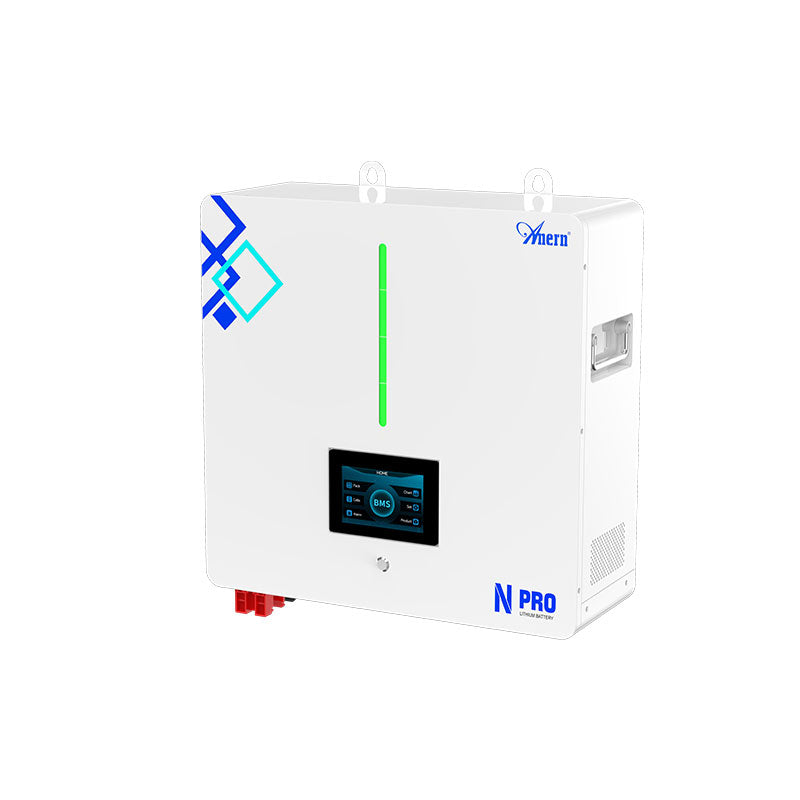
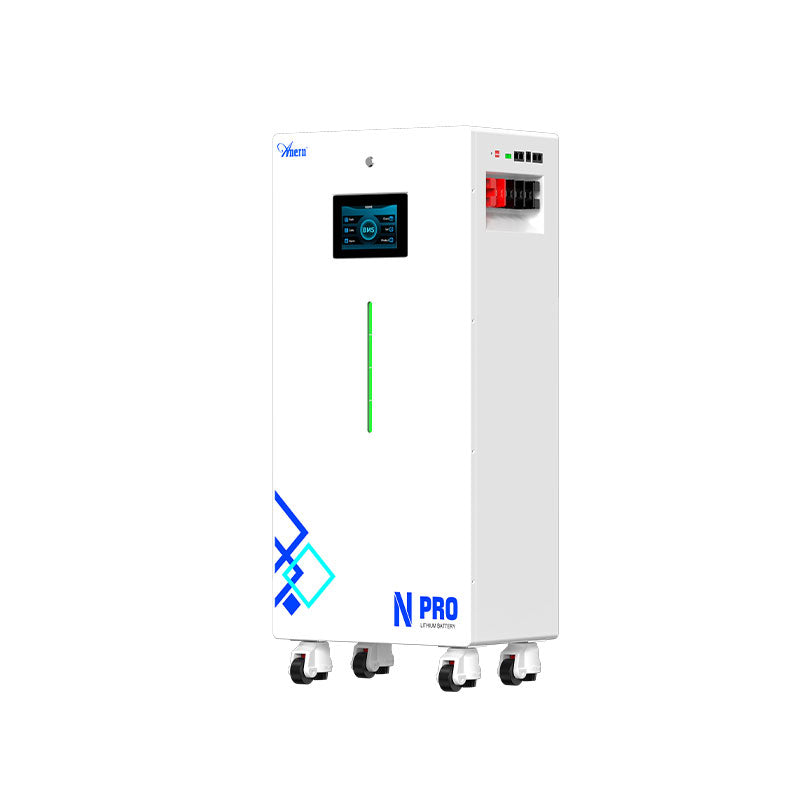
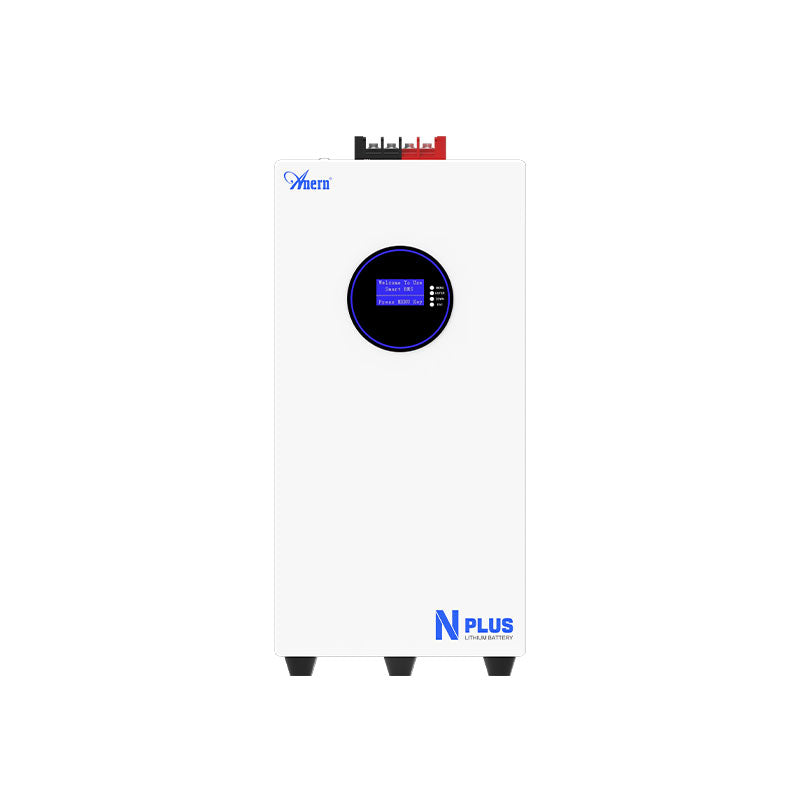
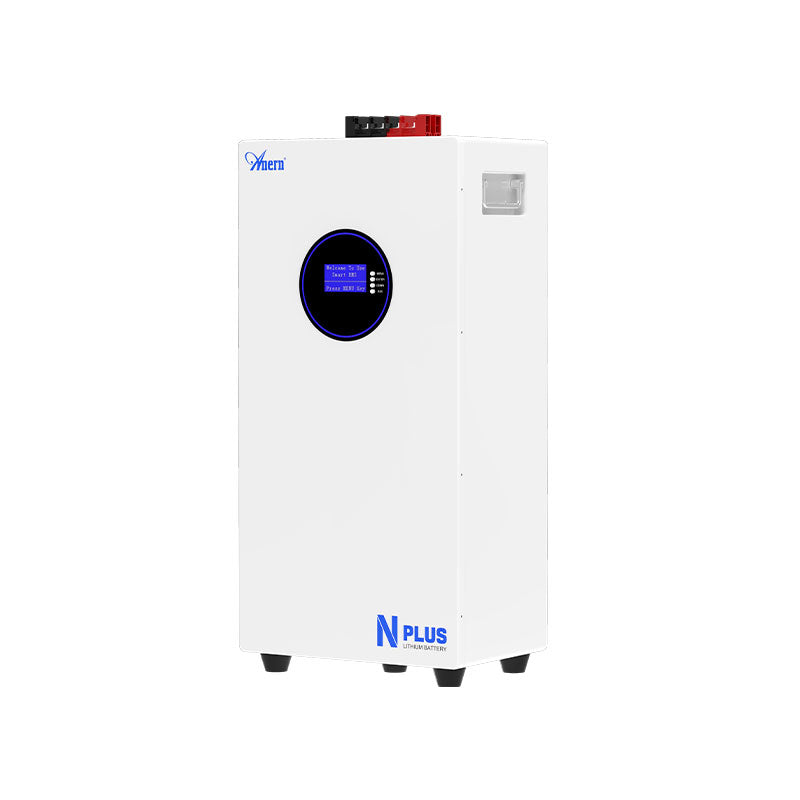
- LiFePO4 lithium battery modules for safe, durable backup and daily cycling.
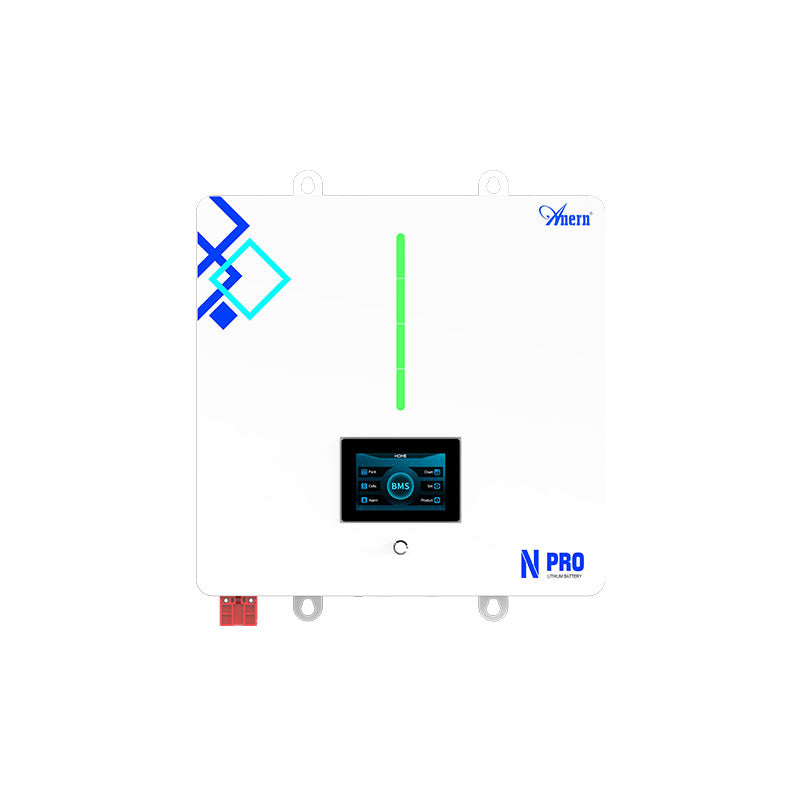
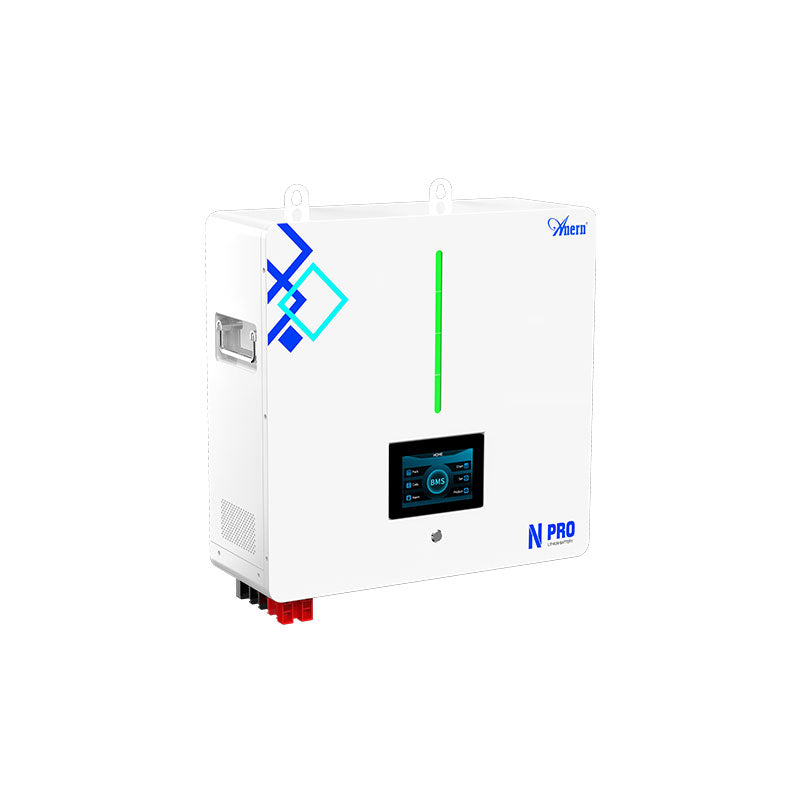
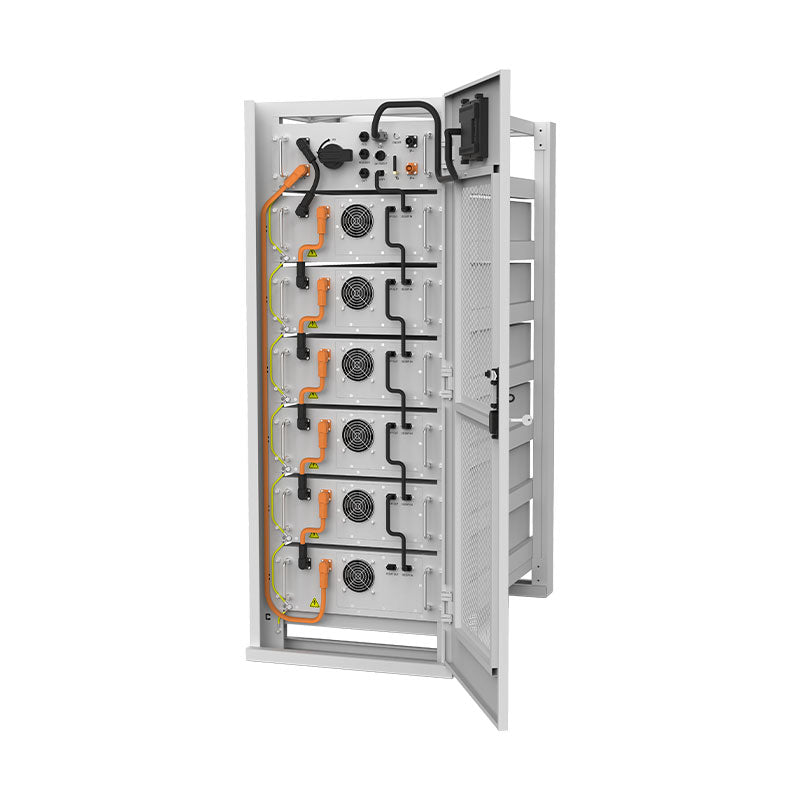
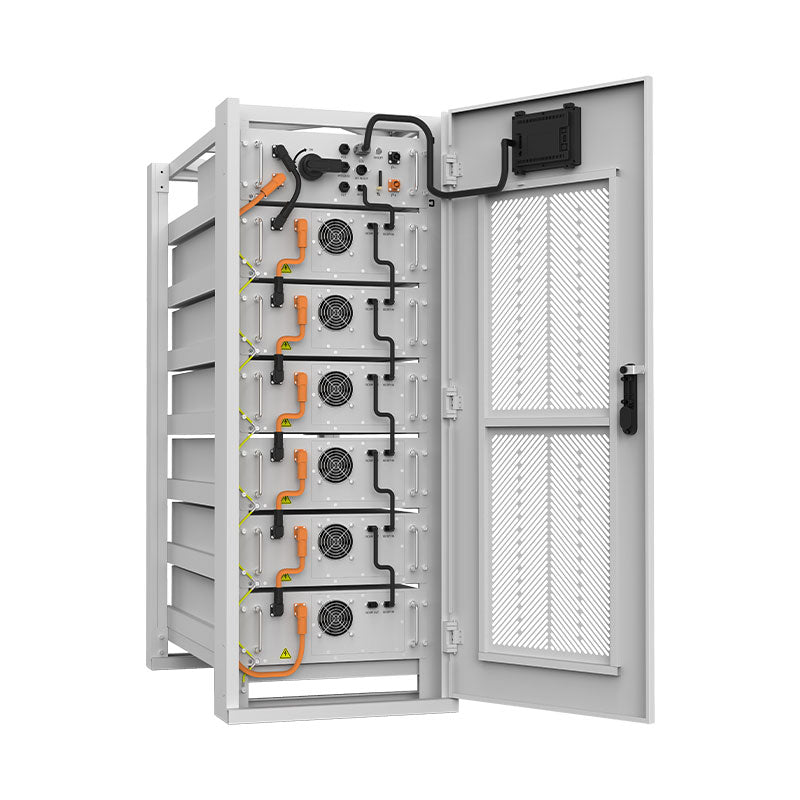
- A home ESS integrating the battery, a hybrid inverter, and your PV array for seamless islanding and smart charging.
- Off‑grid solar packages for cabins, farms, and remote sites that need stand‑alone operation.
- High‑quality solar inverters that convert DC to AC and provide fast transfer, anti‑islanding, and robust surge support.
All aim at reliable and scalable energy, so you gain practical independence without sacrificing safety or code compliance.
Takeaways
- PV without batteries outages: a normal grid‑tied system will not power your home during a blackout.
- Limited daylight backup is possible with a hybrid inverter’s isolated output, but only in sun.
- For full coverage, pair PV with a LiFePO4 battery ESS or use a stand‑alone off‑grid system.
- Right‑sizing the battery, inverter, and critical loads subpanel delivers reliable, quiet backup.
- Data from Energy.gov, EIA, IEA, and IRENA reinforces the safety requirements for grid‑tied PV and the growing role of storage in resilience.
