













Choosing between Off-Grid Solar and a Grid-Tied Solar Panel Installation shapes costs, resilience, and day-to-day use. The right choice aligns with your property setup, energy goals, and local tariffs. This piece focuses on practical sizing, system behavior, and decision signals, backed by insights from Solar Energy Perspectives, System Integration of Renewables, Next-Generation Wind and Solar Power, Energy.gov: Solar Energy, IRENA, EIA, and a hands-on off-grid case from Energy.gov EERE.

What each system includes
Grid-tied solar in brief
A grid-tied system connects PV modules to inverters and then to the utility meter. Batteries are optional. The inverters, electrical protection, wiring, and mounting structures are part of the balance-of-system (BOS). This structure is described in Solar Energy Perspectives, which details how PV generates DC, an inverter converts to AC, and BOS ensures safe delivery.
Key points:
- No battery required; the grid acts as your sink and source.
- Energy exports/imports are governed by local interconnection and tariff rules.
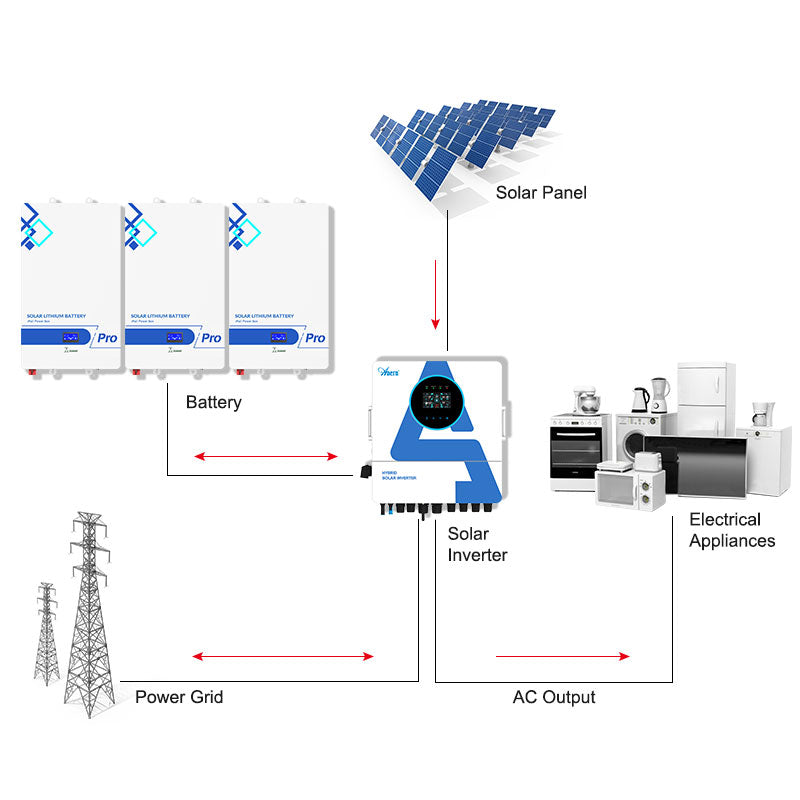
- Hybrid inverters and small batteries can add backup and raise self-consumption.
Off-grid solar in brief
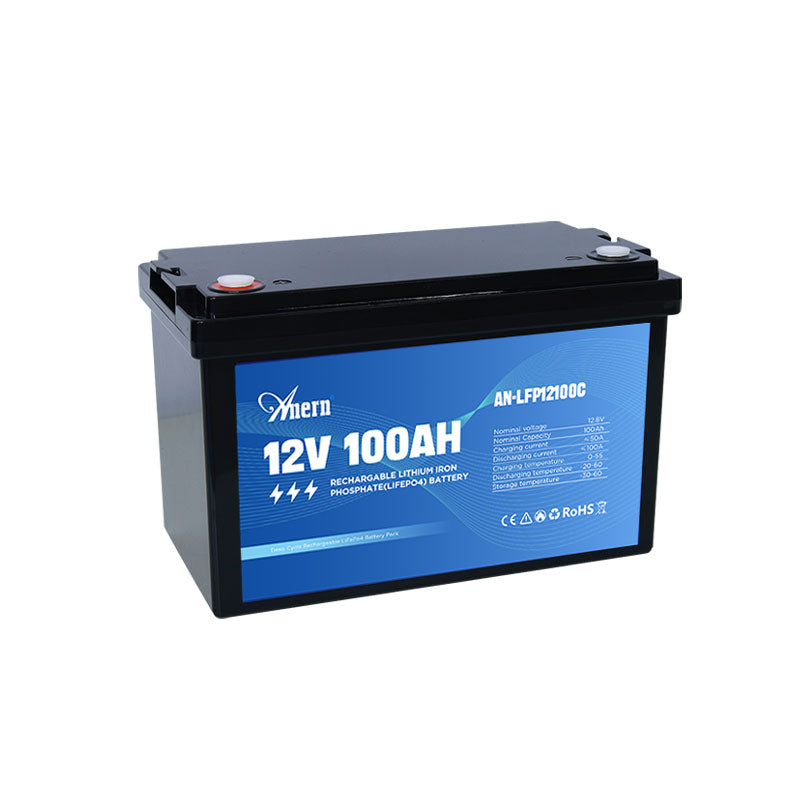
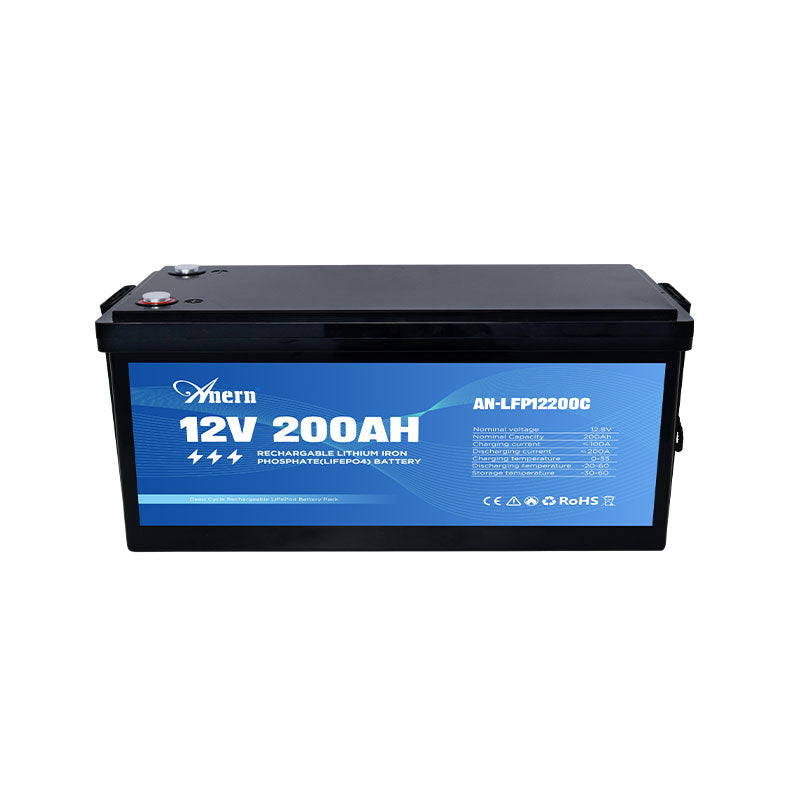
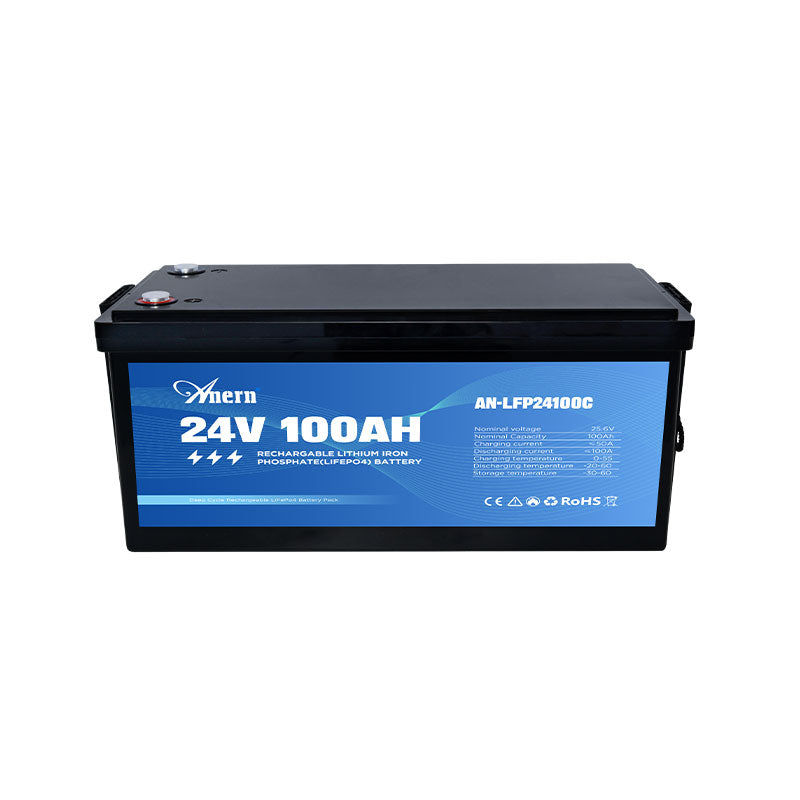
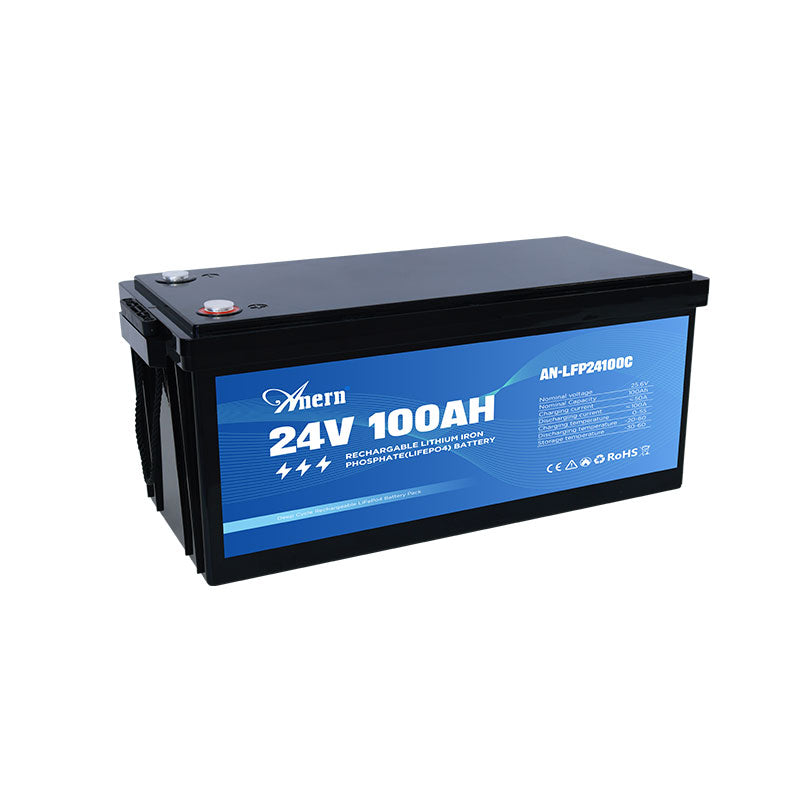
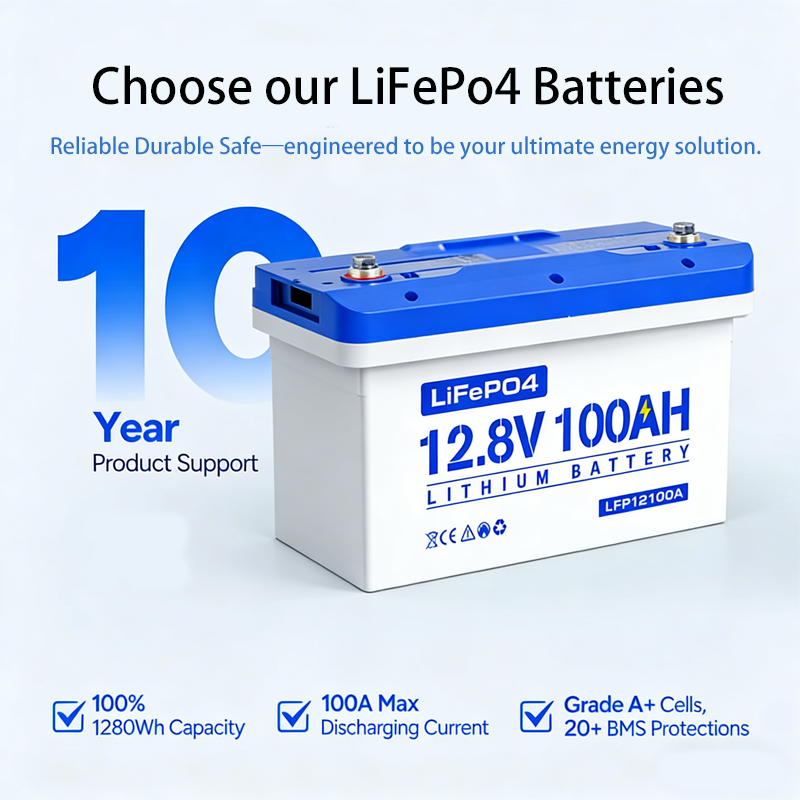
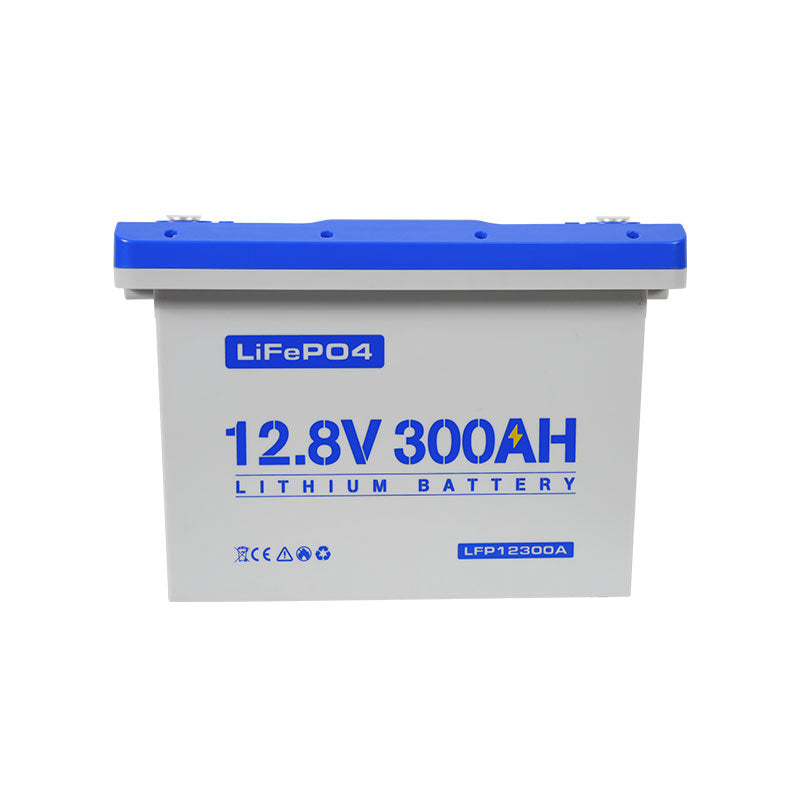
An off-grid setup uses PV modules, a charge controller, a battery bank (often LiFePO4 for safety and cycle life), and an inverter. Many sites add a generator for long cloudy runs. The same BOS principles apply, as noted in Solar Energy Perspectives. A practical example: students built a small off-grid trailer system to power electric tools, documented by Energy.gov EERE, showing how batteries and PV can serve real loads away from the grid.
Decision factors: goals and constraints
Match the system to your goals
- Cut electricity bills: Grid-tied PV typically gives the fastest bill impact under net metering or time-of-use structures. See tariff context from EIA.
- Resilience during outages: Grid-tied plus storage or a full off-grid design can keep critical loads on. Reliability and resilience roles are discussed in the Solar Futures framing cited by Energy.gov.
- Energy independence: Off-grid delivers full autonomy; grid-tied with storage can reach high self-consumption but still depends on the grid unless configured for islanding.
- Emissions reduction: Both paths cut emissions; policy and interconnection can affect export value, as covered by System Integration of Renewables.
Account for site constraints
- Grid access: If service is distant or costly to extend, off-grid may be more practical.
- Tariffs and interconnection rules: Time-of-use, export caps, and interconnection studies shape value for grid-tied PV; see System Integration of Renewables for grid code context.
- Load profile: Evening-heavy use favors storage. Daytime-heavy use may favor simple grid-tied PV.
- Roof/land space: East–west arrays can spread output and reduce exports; Next-Generation Wind and Solar Power points to system-friendly design that boosts self-consumption.
Technical sizing: get the math right
Off-grid battery bank sizing
Use this quick method for LiFePO4:
- Daily energy (AC): E_day (kWh)
- Days of autonomy: N_days
- Allowable depth of discharge (DoD): assume 80% for LiFePO4
- Round-trip efficiency (battery + conversion): assume 90%
Battery capacity (kWh) ≈ E_day × N_days ÷ (DoD × efficiency)
Example: A cabin uses 20 kWh/day and targets 2 days of autonomy. Capacity ≈ 20 × 2 ÷ (0.8 × 0.9) ≈ 55.6 kWh.
PV array sizing for off-grid
- Find your average “peak sun hours” (PSH) for winter at your site.
- Estimate daily energy including losses: E_req ≈ daily AC need × 1.15–1.25.
- PV DC size (kW) ≈ E_req ÷ PSH. Add margin in snowy or shaded sites.
Example: Daily AC need 20 kWh; with 15% losses, E_req ≈ 23 kWh. With 4 PSH, PV ≈ 5.8 kW. For a battery-based system, many designers step up to ~7 kW to support winter charging.
DC/AC ratio guidance: IEA 2016 documents rising DC/AC ratios in PV fleets, often 1.2–1.3. For hybrid inverters, a DC/AC ratio near 1.2–1.4 helps harvest more in low light while clipping some noon peaks.
Grid-tied sizing tips
- Right-size to tariff: Under time-of-use, slightly east–west array alignment can better match morning/evening prices, as discussed in Next-Generation Wind and Solar Power.
- Use monitoring-ready inverters and code-compliant protection. Grid integration practice is covered in System Integration of Renewables.
- Add a battery for backup or to shift into peak windows. Energy.gov highlights how storage reshapes net load and improves resilience.
Grid behavior, resilience, and policy
The mix of PV, storage, and grid codes defines how your system behaves during normal operation and outages. The IEA notes the need for appropriate connection codes and adequate grid flexibility as PV penetration rises (System Integration of Renewables). Storage deployed with distributed PV reduces reverse power flows and raises self-consumption, a benefit echoed in Next-Generation Wind and Solar Power.
On reliability, the Solar Futures framing summarized by Energy.gov separates resource adequacy, operational reliability, and resilience. It describes how storage supports peak net load coverage and system recovery after extreme events. For homes, that translates to this: grid-tied PV alone shuts down in an outage for safety, but hybrid inverters with batteries can island critical loads. Off-grid designs maintain power if sized for your worst-case streaks.
Cost and value: components, not hype
Hardware has trended down in cost while performance improved. Solar Energy Perspectives outlines PV modularity and BOS roles. The Solar Futures work cited by Energy.gov shows growing storage deployment, shifting net load, and falling benchmark costs for PV and batteries across scenarios. IRENA reports also track declining levelized costs internationally. Local soft costs and tariffs still drive payback for residences, as summarized by EIA.
| Aspect | Grid-Tied Solar | Off-Grid Solar |
|---|---|---|
| Core equipment | PV modules, inverters, BOS; optional battery | PV, charge controller, battery (LiFePO4 common), inverter; optional generator |
| Bill impact | High under net metering/TOU-aligned design (EIA) | No bill; fuel cost only if generator used |
| Resilience | Needs battery + islanding to power loads during outages (Energy.gov) | Continuous if sized appropriately; generator bridges long weather events |
| Complexity | Lower; follows interconnection rules (IEA) | Higher; storage and energy management required |
| Best fit | Homes with reliable grid, favorable tariffs, and bill savings goals | Remote properties, resilience-first owners, or costly grid extensions |
| Design tips | Match to TOU; consider east–west; optional 4–10 kWh battery | Size battery for autonomy; plan winter charging; consider generator |
Realistic scenarios
Suburban home with TOU rates
Goal: cut bills and keep the fridge and Wi‑Fi on during outages. Setup: 6–8 kW grid-tied PV, hybrid inverter, 10–15 kWh LiFePO4 battery. Design notes: a mild east–west split smooths the output curve, improving self-consumption and aligning with TOU peaks, as highlighted by IEA. Storage shifts daytime PV into evening peaks, a pattern depicted in Solar Futures content on net load and storage value on Energy.gov. Outcome: strong bill reduction, outage backup for critical loads, with modest complexity.
Remote cabin without affordable grid access
Goal: reliable power with low maintenance. Setup: 7 kW PV, ~56 kWh LiFePO4 battery (from the sizing example), 6–8 kVA inverter with high surge, and a small backup generator. The EERE case from Energy.gov confirms off-grid practicality for real tools and community tasks. Add load management (LEDs, efficient fridge, smart well pump). Outcome: full independence with a generator safety net for long storms.
Design details that raise performance
Inverters and BOS quality
Use inverters sized for both continuous and surge loads. Include rapid shutdown and proper protection. The BOS—frames, wiring, protection, monitoring—matters as much as modules, per Solar Energy Perspectives.
Storage configuration
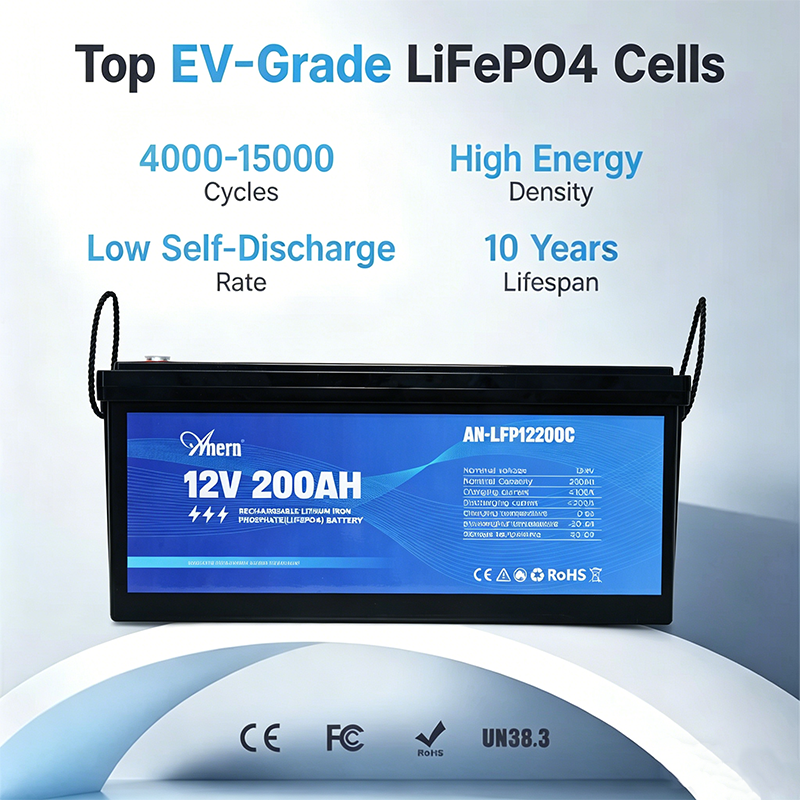
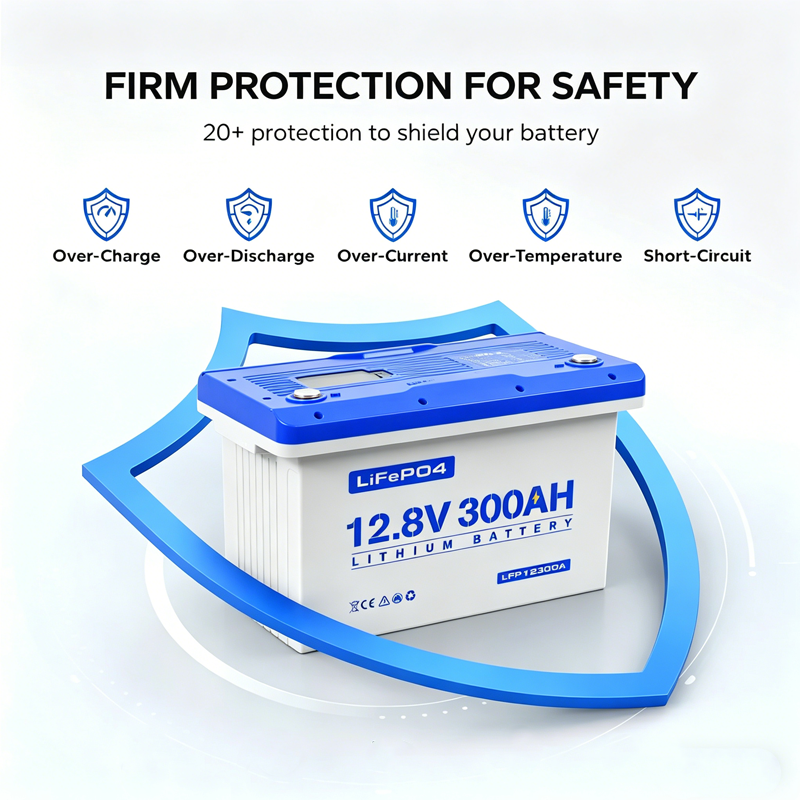
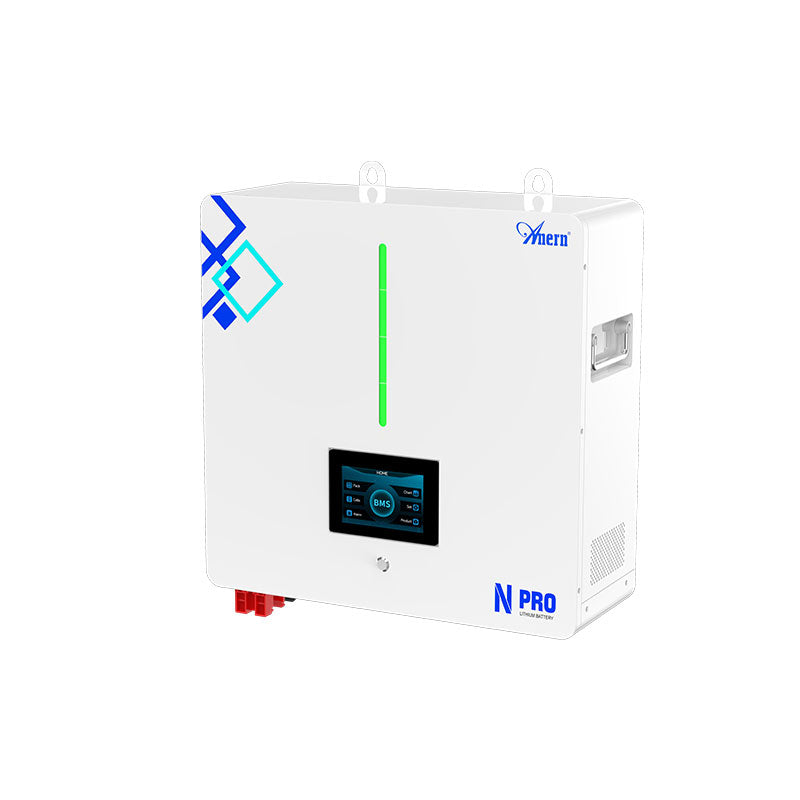
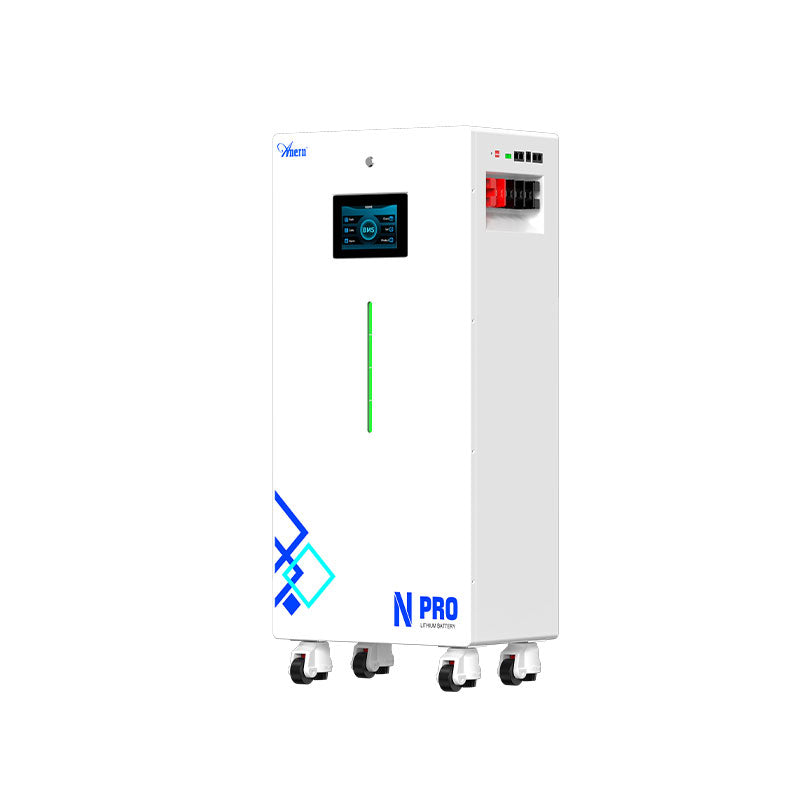
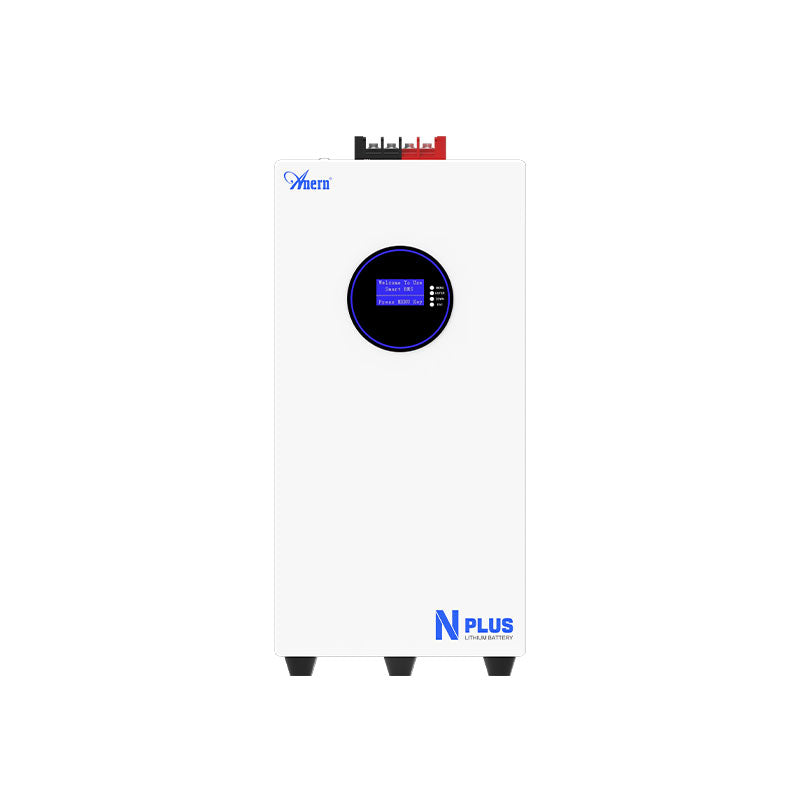
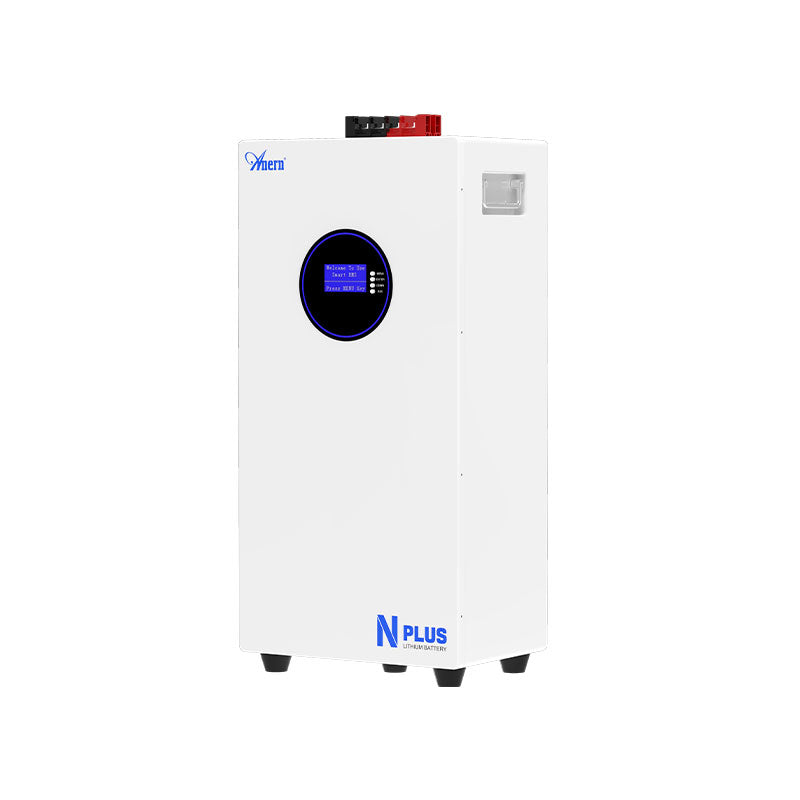
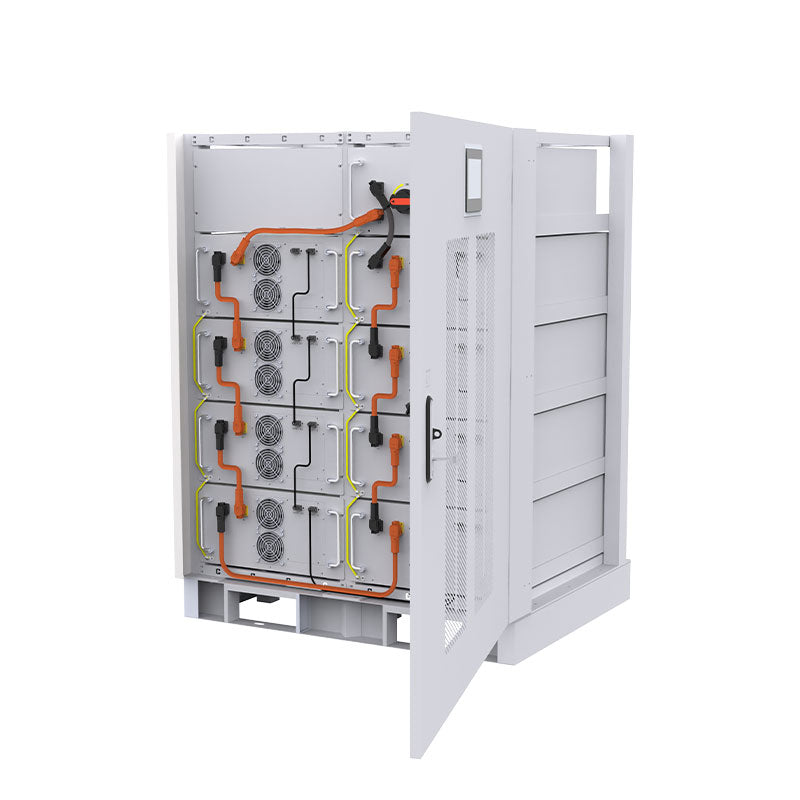
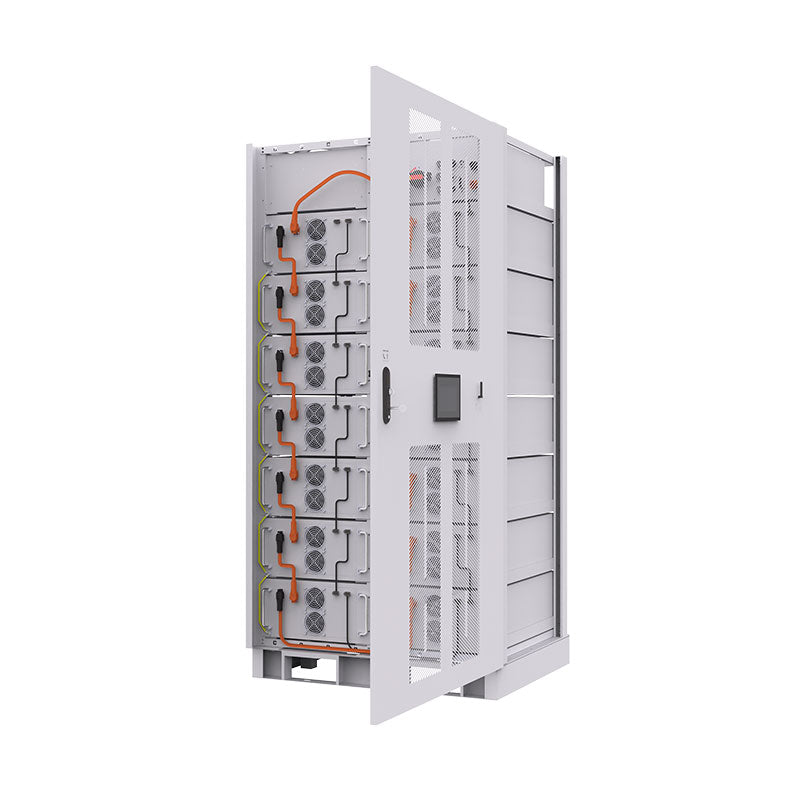
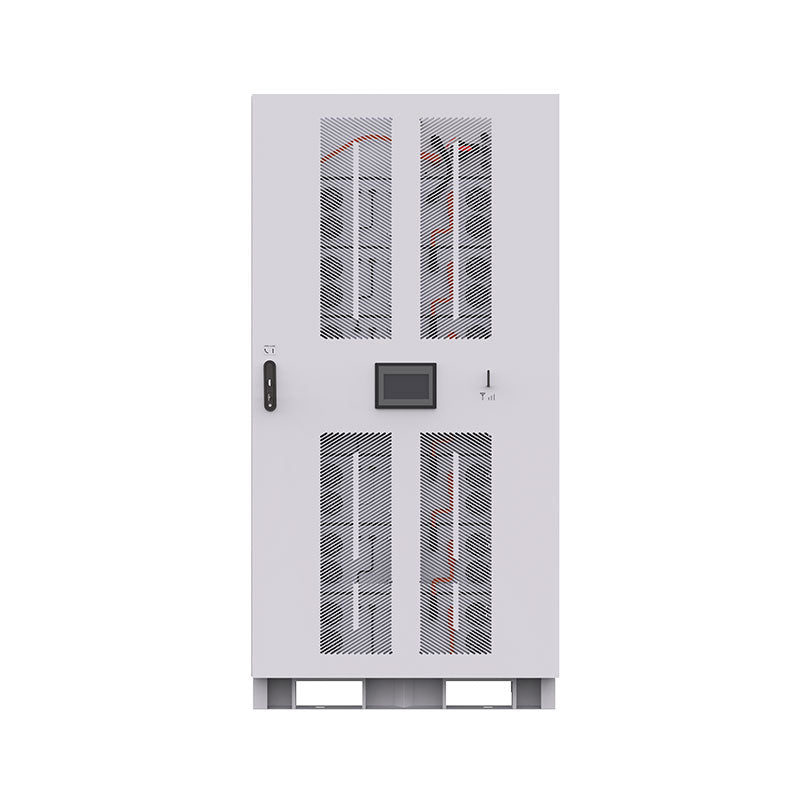
- LiFePO4 batteries offer stable performance, deep cycling, and good safety margins for homes.
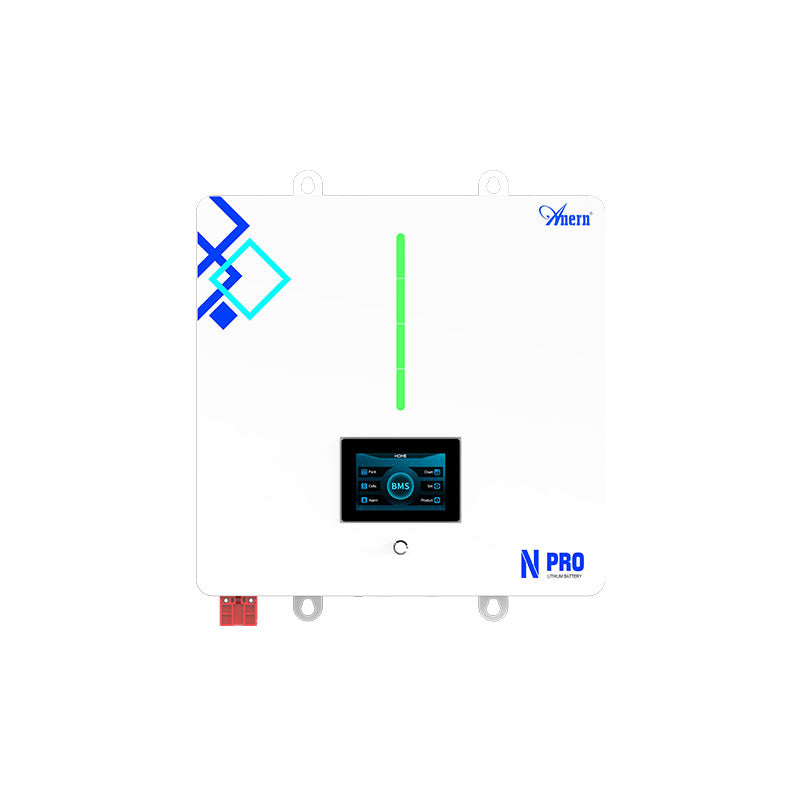
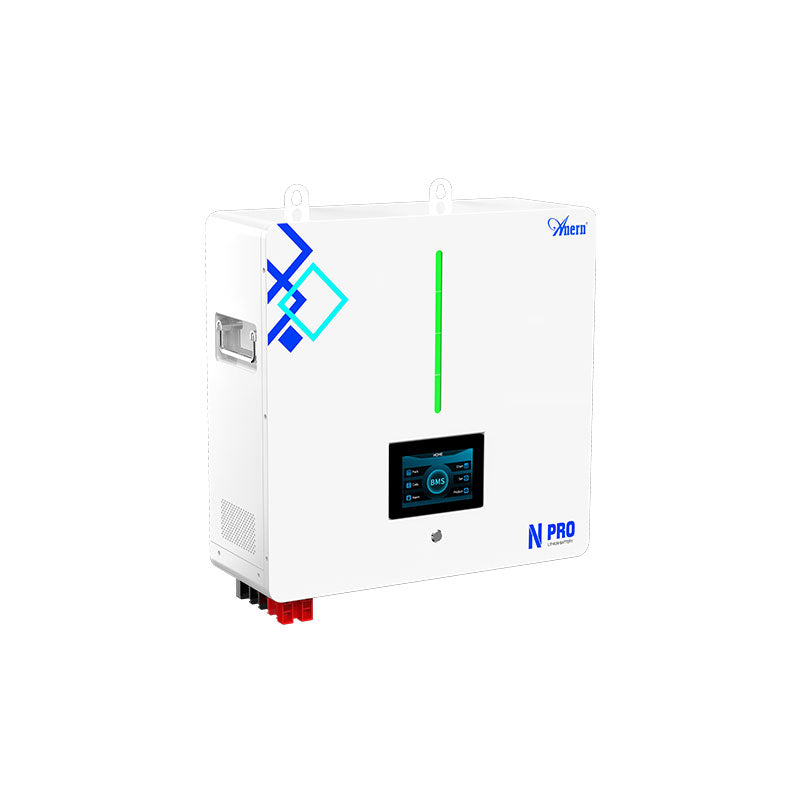
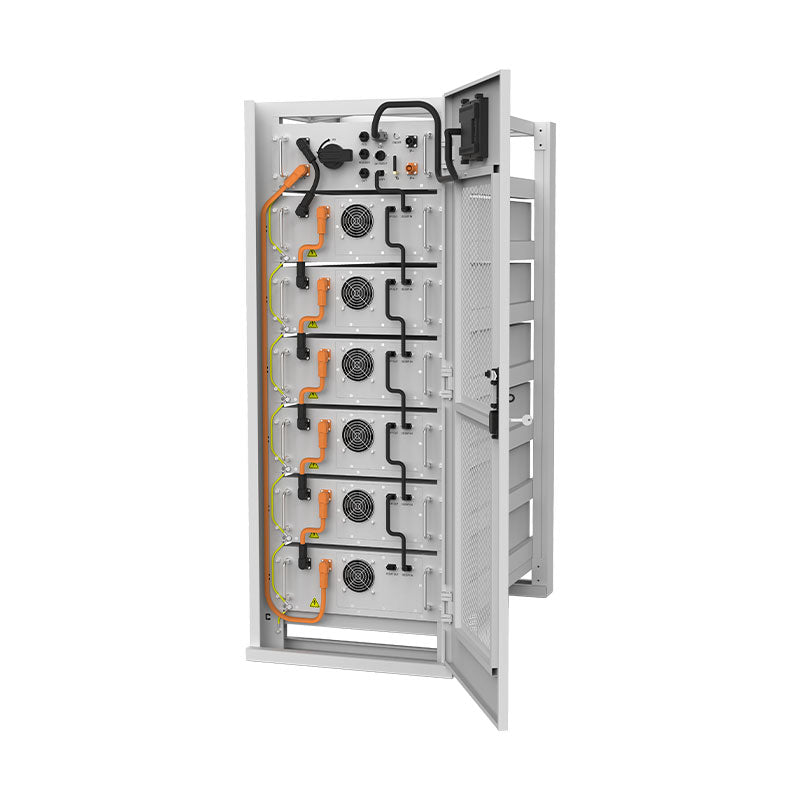
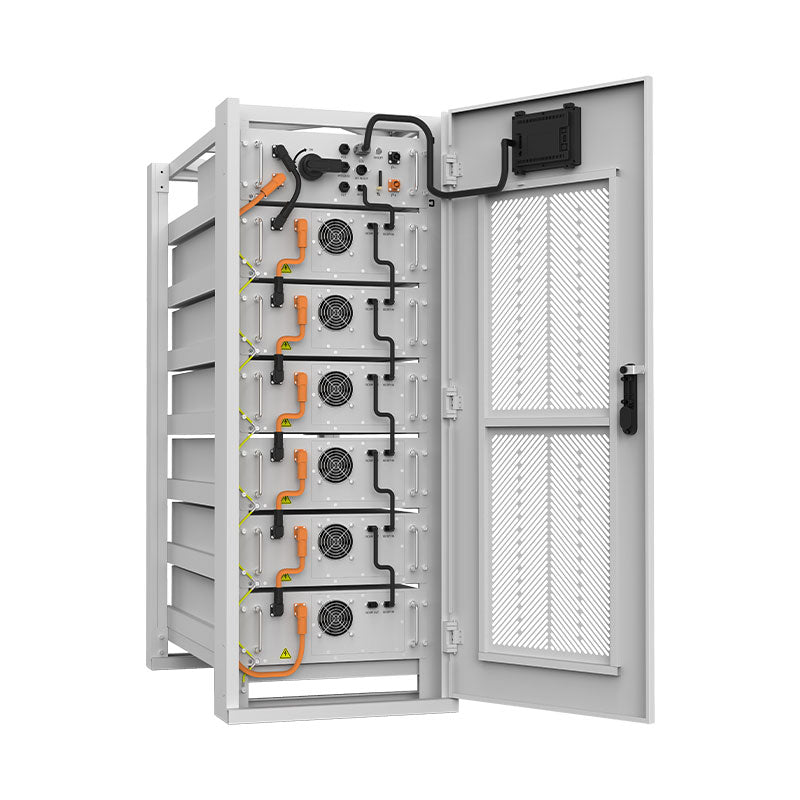
- 4–10 kWh supports bill management and short outages; 20–60 kWh supports whole-home or off-grid autonomy, aligning with use cases highlighted on Energy.gov.
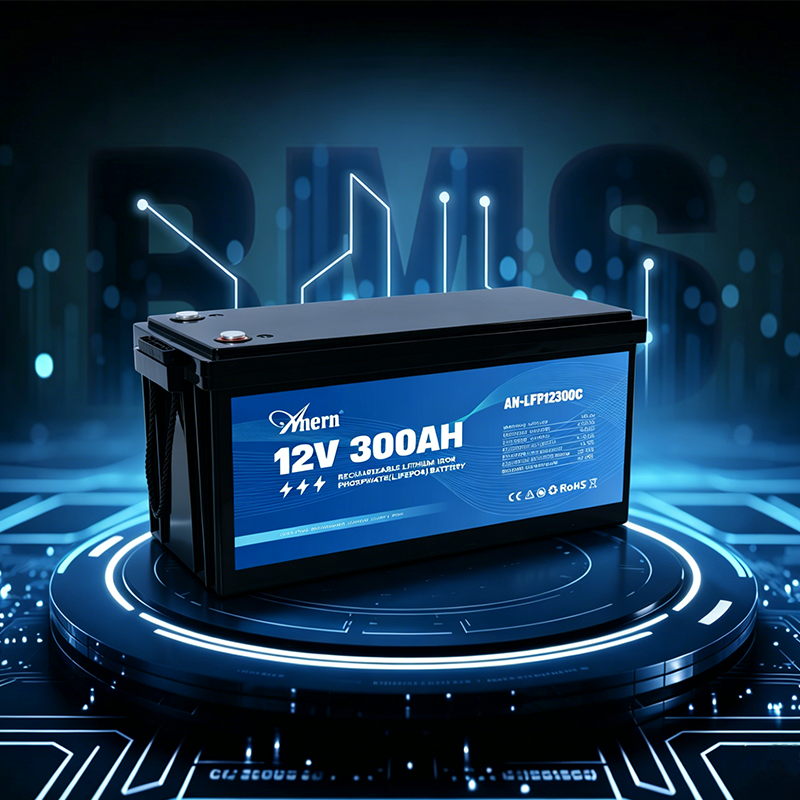
- Thermal management and a robust battery management system are vital for lifespan.
System-friendly PV design
To reduce exports and maximize on-site use, consider east–west arrays, smart loads, and batteries. IEA describes how such strategies improve integration by shaping the production profile and minimizing reverse flows.
Quick chooser: which path matches your situation?
- Pick grid-tied if you have stable grid service, supportive tariffs, and a goal to cut bills fast with minimal added equipment.
- Pick grid-tied + storage if you want outage coverage for critical loads and better alignment with TOU pricing.
- Pick off-grid if grid extension is costly, outages are frequent and long, or you want full energy independence.
Permits, interconnection, and fine print
Grid-tied systems must meet local interconnection rules, grid codes, and utility metering requirements. IEA underscores the need for clear connection codes as PV scales. Off-grid systems avoid utility rules but must meet electrical code, structural, and fire safety standards. Policy and incentives change frequently; consult your local authority and utility.
Disclaimer: This material is for informational purposes only and is not legal, code-compliance, or investment advice.
Key takeaways
- Off-Grid Solar trades higher system complexity for independence and resilience.
- Grid-Tied Solar delivers strong bill savings with simpler maintenance; add storage for backup and TOU shifting.
- Size your battery using clear autonomy math; size PV with realistic winter PSH and DC/AC ratios informed by fleet practice in IEA data.
- Design for self-consumption: smart loads, east–west arrays, and right-sized storage reduce grid stress and costs, aligning with insights from IEA and Energy.gov.
What to do next
- Map your loads: hourly usage, peaks, and critical circuits.
- Check tariffs and interconnection rules through your utility and EIA state resources.
- Request designs for both paths: grid-tied (with/without storage) and off-grid. Compare autonomy days, outage performance, and bill impact.
- For storage, prioritize LiFePO4 chemistry and hybrid inverters that can island safely.
