















Assessing your home's solar suitability involves more than just checking sunlight exposure and roof angle. Three critical administrative checkpoints—permits, Homeowners' Association (HOA) approval, and your existing roof warranty—often determine a project's timeline and success. Ignoring these can lead to costly delays or even project cancellation. Understanding how to manage these steps is fundamental to a smooth and secure solar installation.

Navigating the Permitting Process for Rooftop Solar
Why Permits Are Necessary
Getting a permit isn't just a bureaucratic step; it's a crucial safety and quality control measure. Municipal permits ensure that your solar energy system complies with local building, electrical, and fire codes. An approved permit confirms that the system design is structurally sound for your roof and that the electrical work will be performed safely, protecting both your home and the utility grid. This process validates the quality and safety of the installation, which is vital for a system designed to operate for over two decades.
Common Permit Requirements
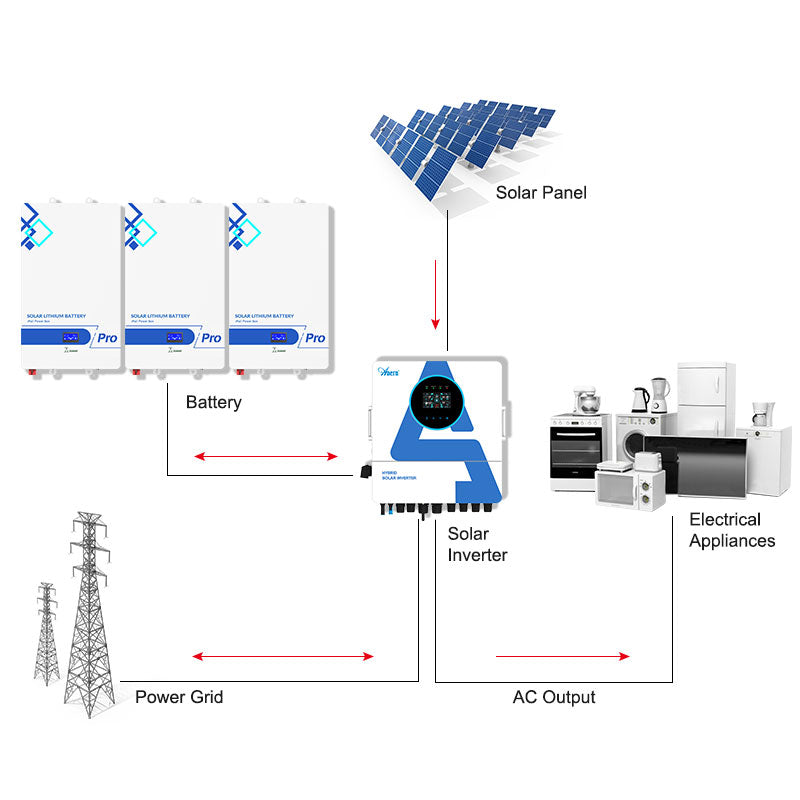
The specific documents required for a solar permit vary by jurisdiction, but most applications include a standard set of plans. You will typically need to submit detailed electrical line diagrams showing how the system connects to your home and the grid. Structural plans are also required to demonstrate that your roof can support the added weight of the panels and racking. Finally, you'll need to provide specification sheets for all major components, including the solar panels, inverter, and mounting hardware. A professional solar installer manages this entire submission process on your behalf. You can often find specific checklists or sample forms on your local building department’s website by searching for terms like "[Your City] solar permit requirements."
The Timeline and Potential Delays
Patience is important during the permitting phase. Depending on the efficiency of your local building department, securing a permit can take anywhere from a few weeks to several months. Delays are not uncommon in the development of renewable energy projects. As noted by the International Energy Agency, obtaining all necessary permits and authorizations can present significant obstacles. The study Next Generation Wind and Solar Power highlights how such administrative hurdles can impact project timelines across the energy sector. Planning for this waiting period helps set realistic expectations for your installation schedule.
Homeowners' Associations (HOA): Gaining Approval
Understanding HOA Rules on Solar
If your home is part of an HOA, you must get approval before installing a solar system. HOAs have Covenants, Conditions, and Restrictions (CC&Rs) that govern the external appearance of properties within the community. While many states have enacted solar access laws that prevent HOAs from outright banning solar panels, they can often impose reasonable restrictions on panel placement to maintain aesthetic uniformity. For example, they might require panels to be hidden from street view or installed flush with the roofline.
The Approval Process
The HOA approval process typically begins with submitting a formal application. This package usually includes the same design documents submitted for your municipal permit, such as site plans and equipment specifications. Some HOAs may also request visual mockups showing how the panels will look on your home. The application is then reviewed by an architectural review committee or the HOA board, which will issue a formal approval, request modifications, or, in rare cases, deny the request based on established guidelines.
Proactive Steps for a Smooth Process
To avoid delays, review your HOA's CC&Rs before you even sign a contract with a solar installer. Early communication with your HOA board can clarify expectations and streamline the process. Providing professional, detailed system designs often helps address aesthetic concerns. For example, one homeowner in a planned community expedited their approval by presenting a design that used black-on-black panels that blended with their dark shingles, proactively addressing the HOA's aesthetic concerns. A clear plan demonstrates that the installation will be orderly and respectful of the community's appearance, making the board more likely to grant a swift approval.
Protecting Your Investment: Roof Warranty Considerations
How Solar Installation Can Affect Your Roof Warranty
Your roof is one of your home's most critical assets, and its warranty is an important protection. A solar installation requires mounting hardware to be attached directly to your roof structure, which involves creating penetrations. If this work is not performed correctly, it can potentially void your existing roof manufacturer's warranty. Before moving forward, it's essential to understand how a solar installation will interact with your current warranty coverage.
Verifying Installer Credentials and Workmanship Warranties
The best way to protect your roof is to hire a qualified and certified solar installer who stands behind their work. Reputable installers provide a separate workmanship warranty that covers their labor, including the roof penetrations they make. This ensures that if a leak were to occur due to the installation, the solar company is responsible for the repairs. This aligns with the IEA's emphasis on quality control to ensure long-term system reliability. In the report Unlocking the Economic Potential of Rooftop Solar PV in India, strengthening quality control is presented as a key solution for ensuring system longevity.
Key Questions for Your Roofer and Solar Installer
To ensure all parties are aligned, ask specific questions before work begins:
- To your original roofer or roof manufacturer: What is your policy regarding rooftop solar installations and how does it affect my warranty?
- To your solar installer: Are your technicians trained and certified for rooftop work? Do you provide a workmanship warranty that covers roof penetrations? What type of mounting and flashing systems do you use to ensure a watertight seal? How do you ensure the installation complies with local building and electrical codes?
A Comparative Look at Key Checkpoints
Understanding these three checkpoints helps you prepare for the installation process. The table below summarizes what to expect for each.
| Checkpoint | Key Concern | Best Practice / Solution | Typical Timeline |
|---|---|---|---|
| Permitting | Safety, code compliance, and grid connection standards. | Work with an experienced installer who manages all paperwork and inspections. | 2 weeks to 3+ months |
| HOA Approval | Aesthetic rules and community guidelines (CC&Rs). | Review HOA documents early and maintain open communication with the board. | 1 to 2 months |
| Roof Warranty | Voiding existing coverage due to improper installation. | Hire a certified installer with a strong workmanship warranty covering roof penetrations. | N/A (Handled during contractor selection) |
Disclaimer: Always Consult a Professional
The information in this article is intended for general guidance and educational purposes only. Permitting requirements, HOA regulations, and building codes vary significantly by state, county, and municipality. Before making any decisions or financial commitments, it is essential to consult with qualified local professionals, including a certified solar installer, a structural engineer, and your roofing manufacturer. Always verify your local jurisdiction's specific rules and regulations to ensure your project is fully compliant.
Final Thoughts on a Successful Project
While topics like panel efficiency and battery storage often dominate the conversation, the administrative side of a solar project is just as critical. Addressing permits, HOA rules, and roof warranties proactively transforms these potential hurdles into simple items on a checklist. A professional solar partner will guide you through each of these solar fit checkpoints, ensuring your system is installed correctly, legally, and without compromising your home's integrity. This diligence lays the foundation for a secure and productive renewable energy system that delivers value for decades.
