


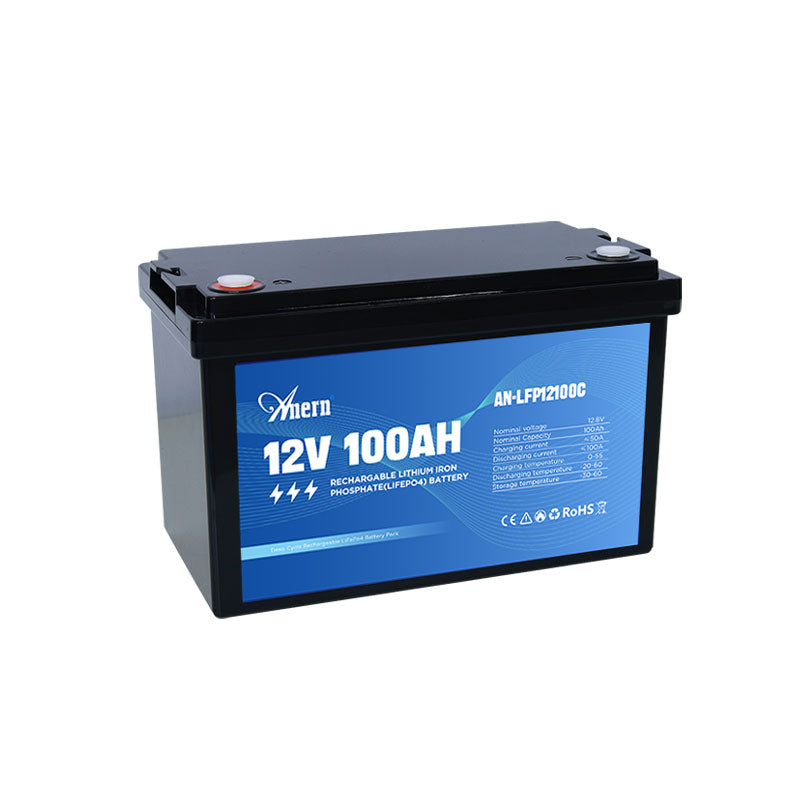
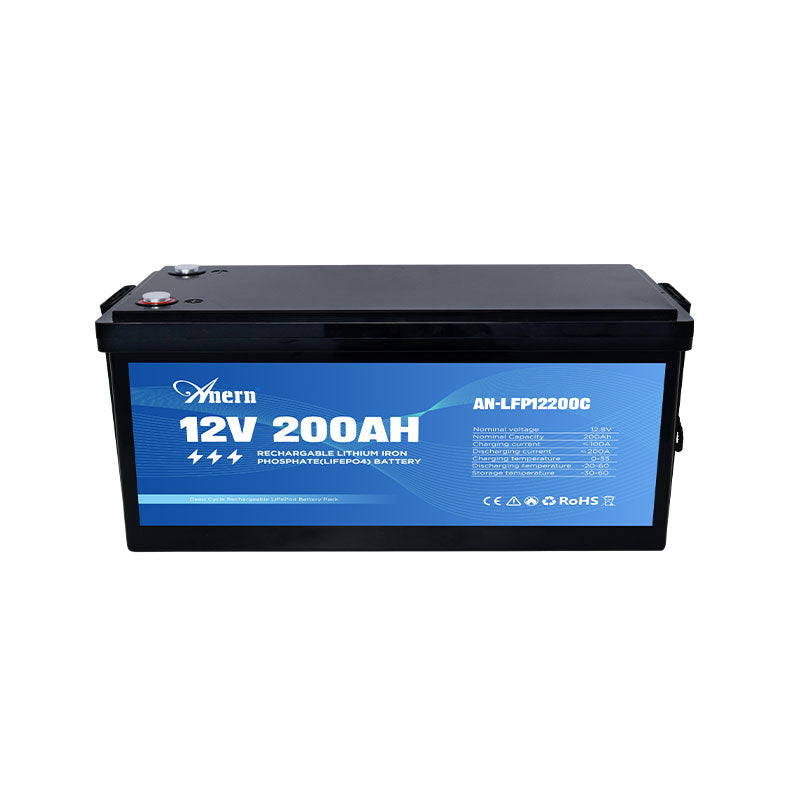
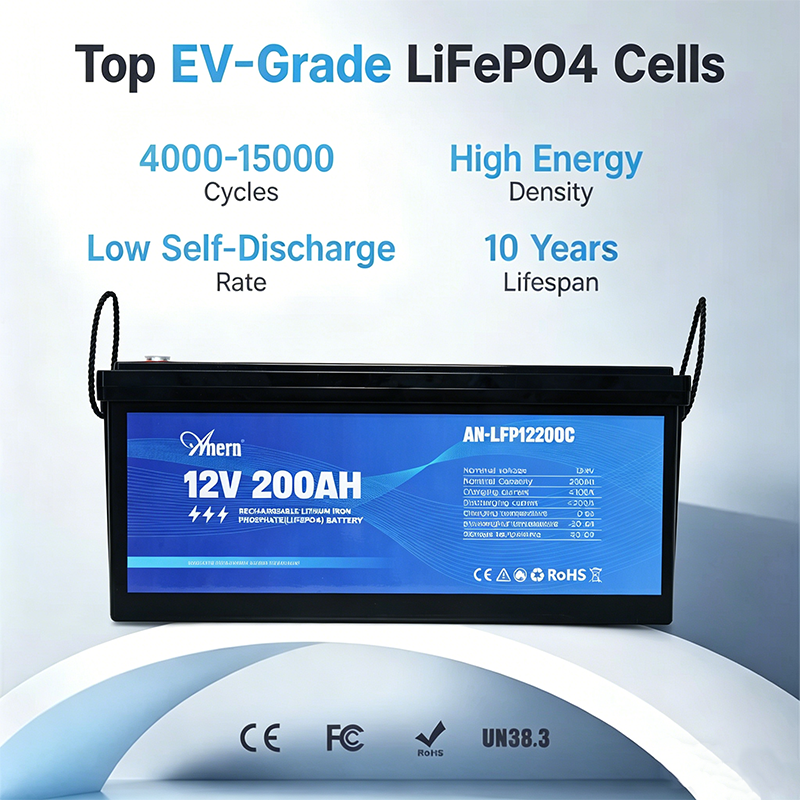



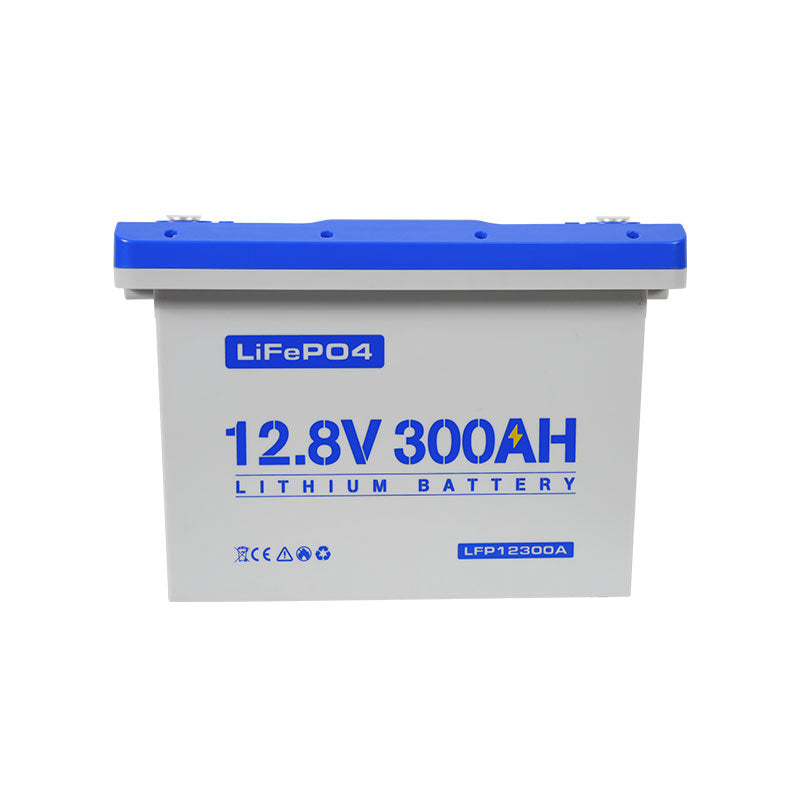
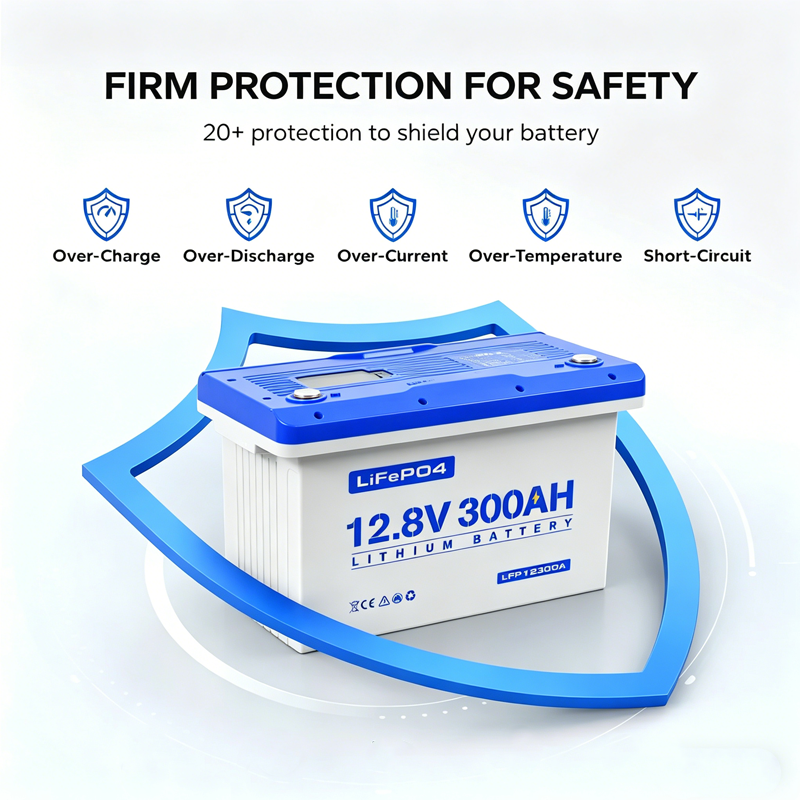

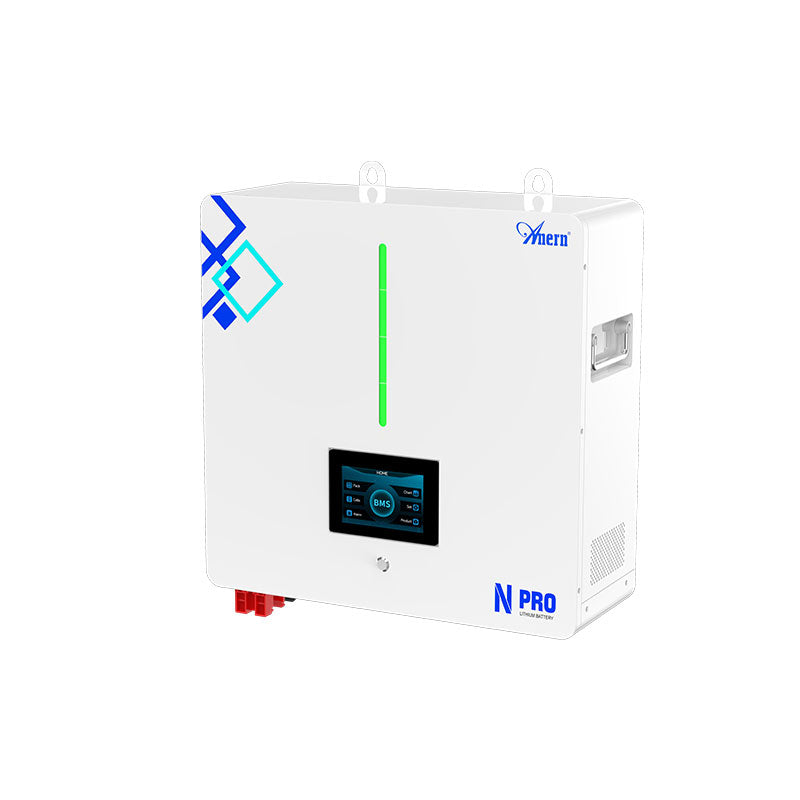

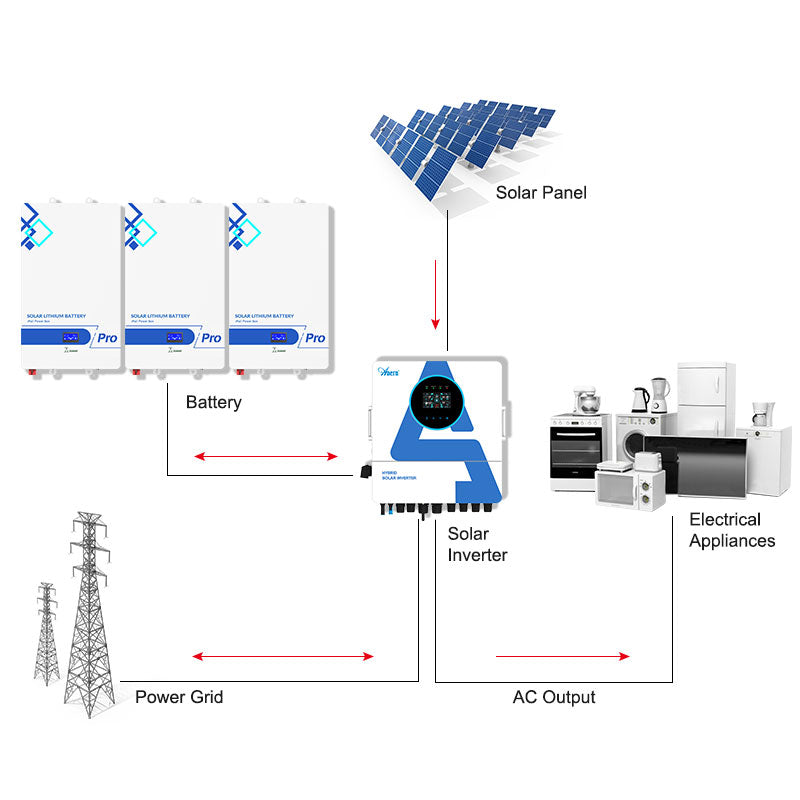
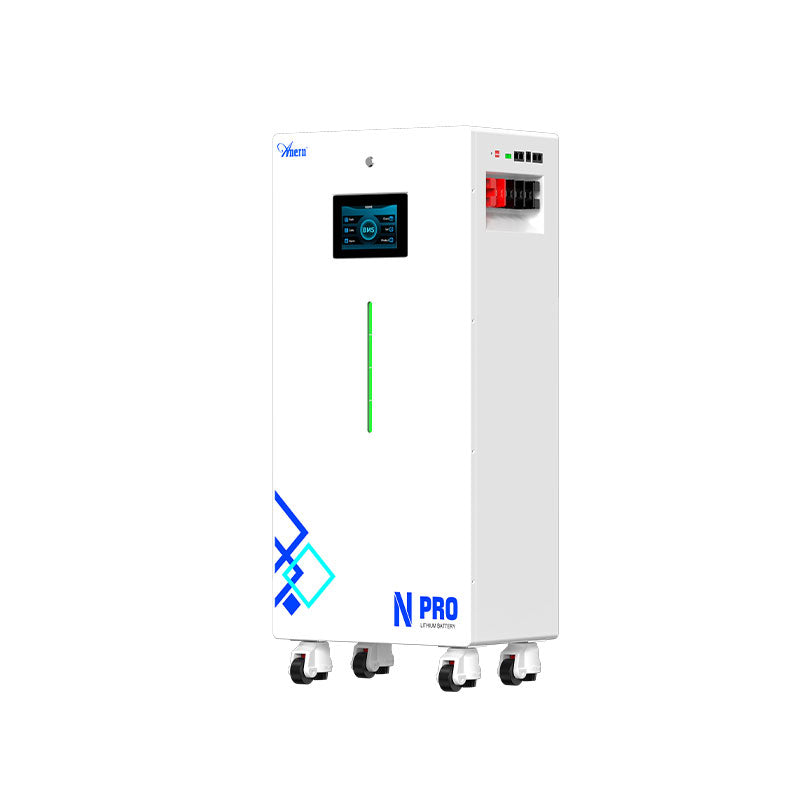


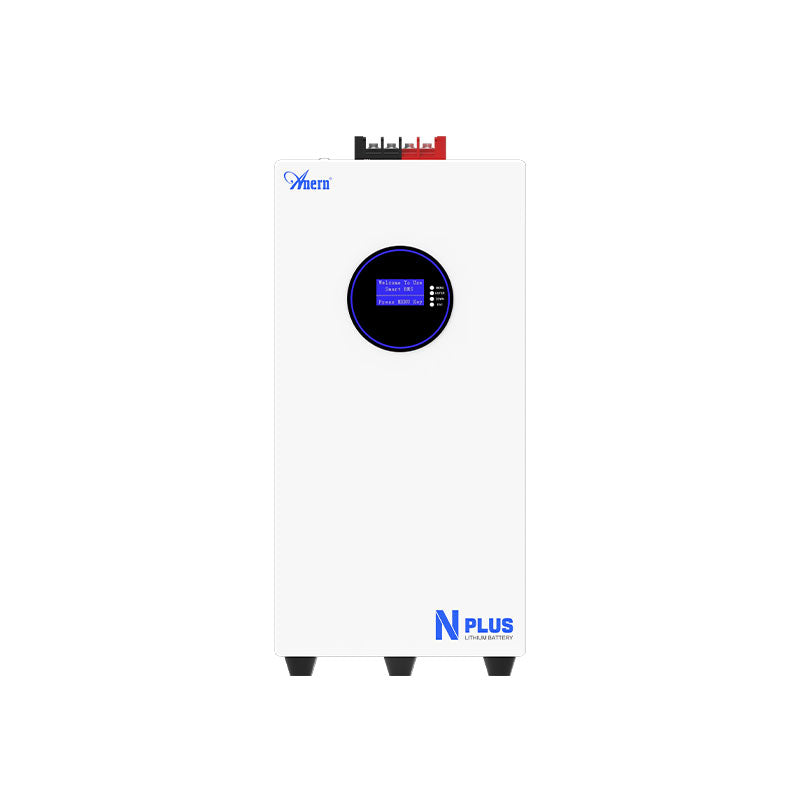
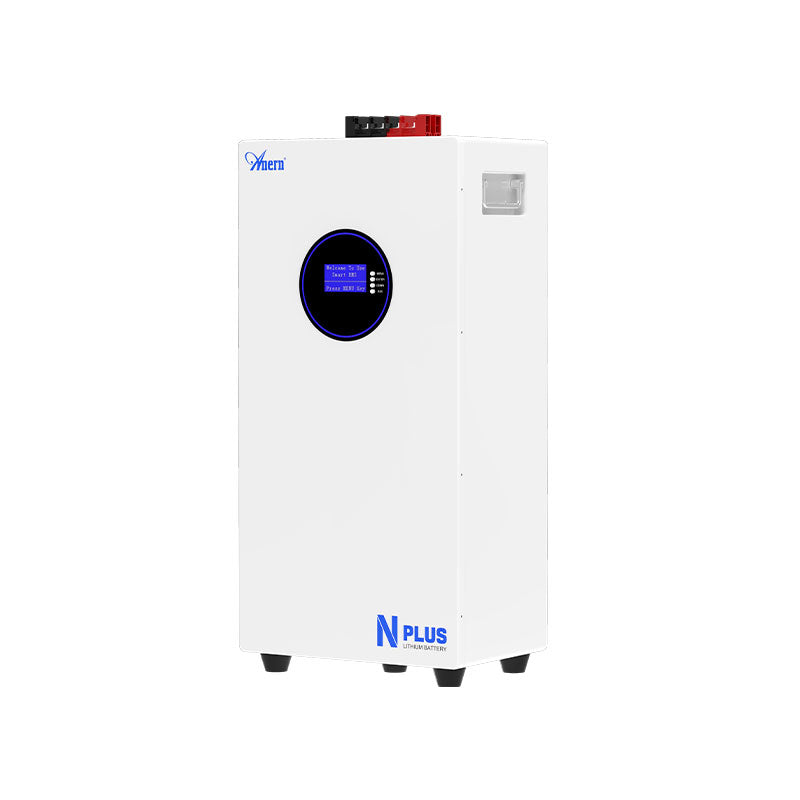

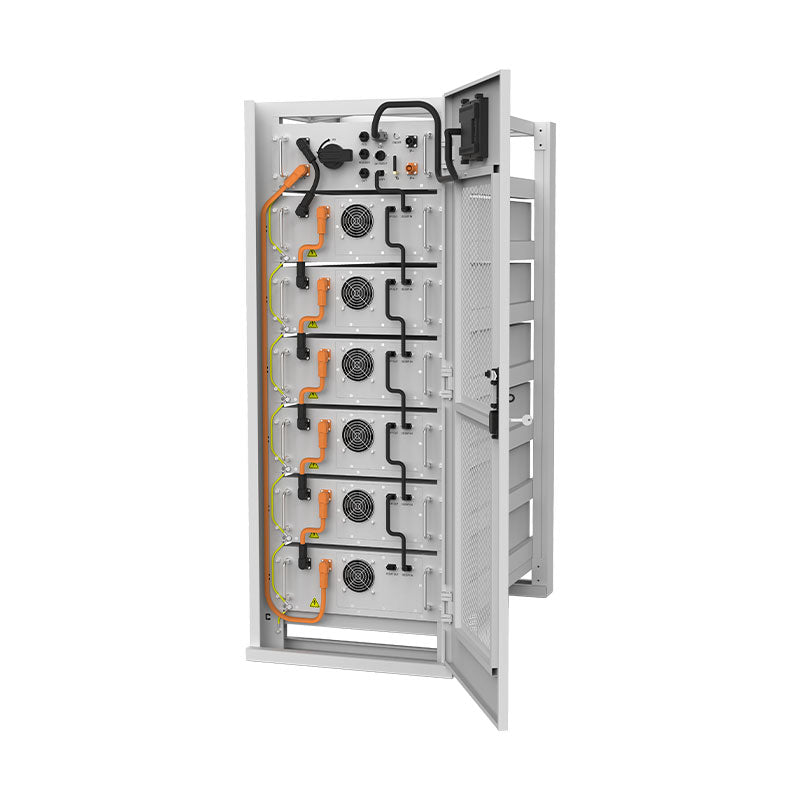
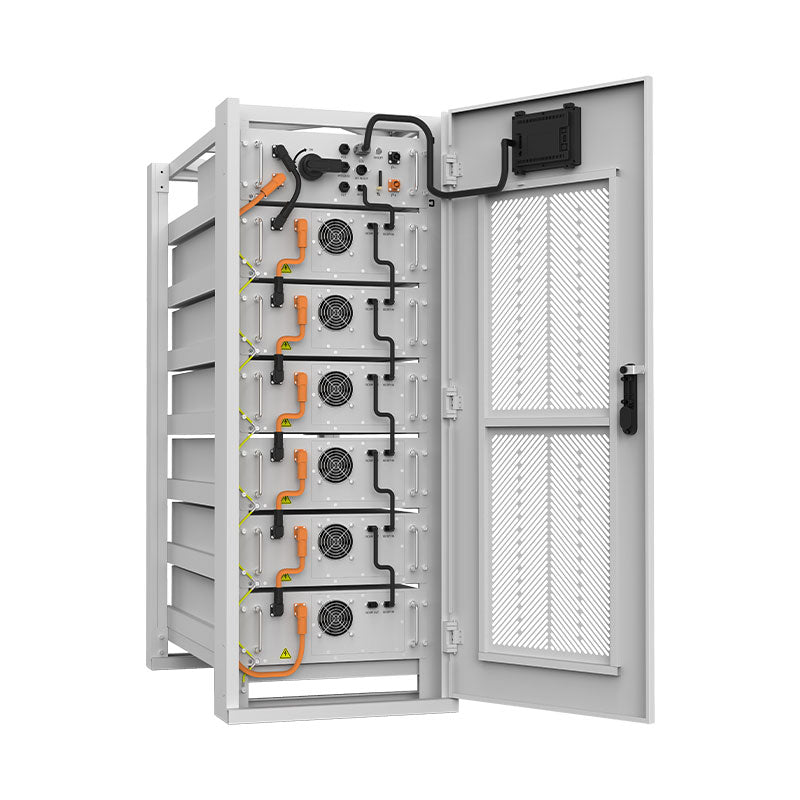



A 200Ah lithium battery can be a strong foundation for solar storage, RV power, small cabins, and partial home backup. Whether it is enough depends on voltage, daily energy use, inverter losses, and how many days of autonomy you need.
Understanding the Capacity of a 200Ah Lithium Battery
From Amp-Hours to Kilowatt-Hours: A Clear Calculation
Battery energy is calculated with:
Energy (Wh) = Amp-hours (Ah) x Voltage (V)
| System Voltage | Calculation | Total Energy |
|---|---|---|
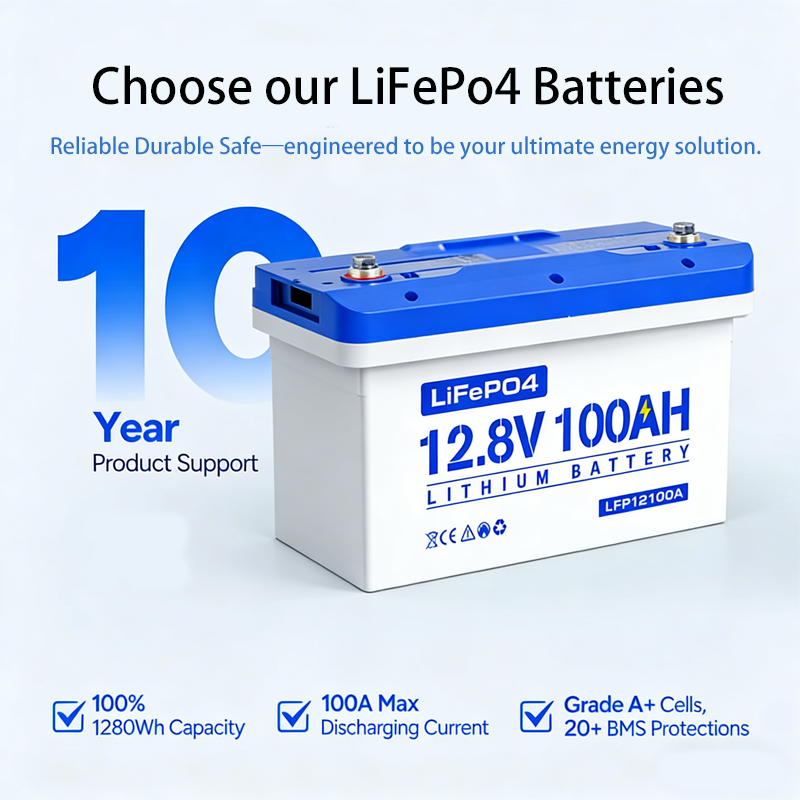
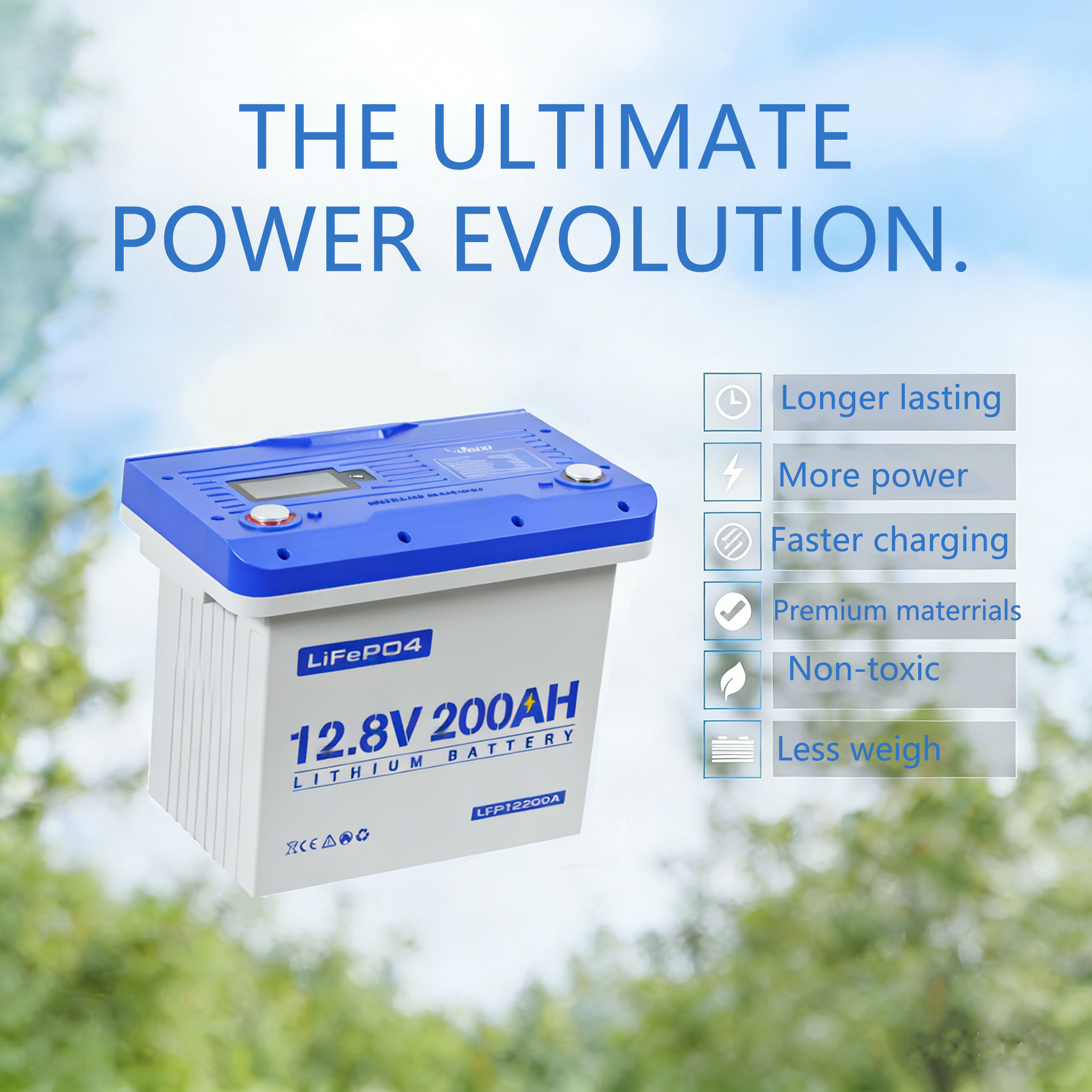
| 12V nominal LiFePO4 | 200Ah x 12.8V | About 2.56kWh |
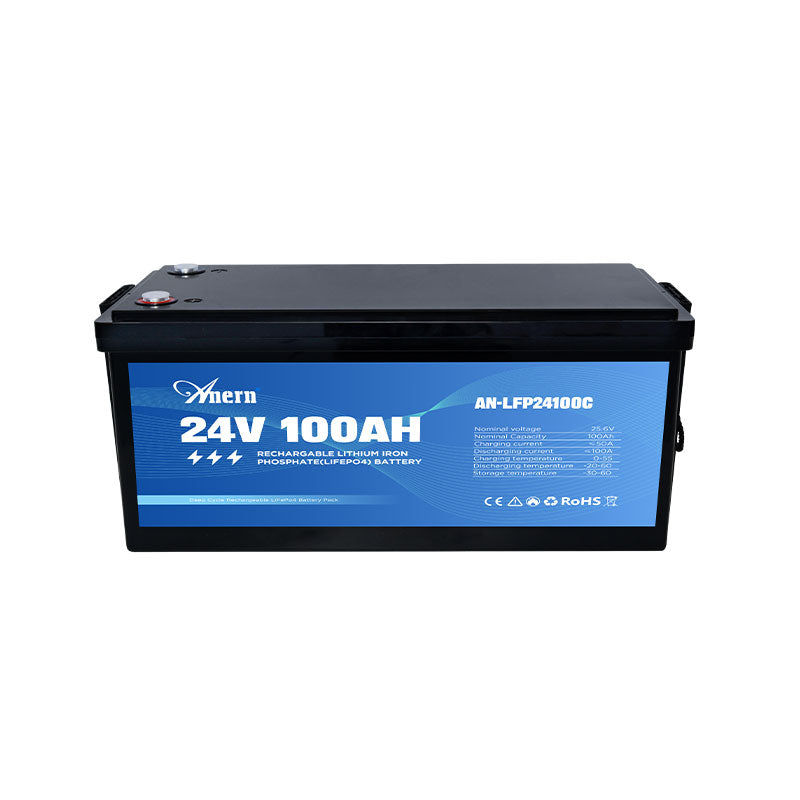
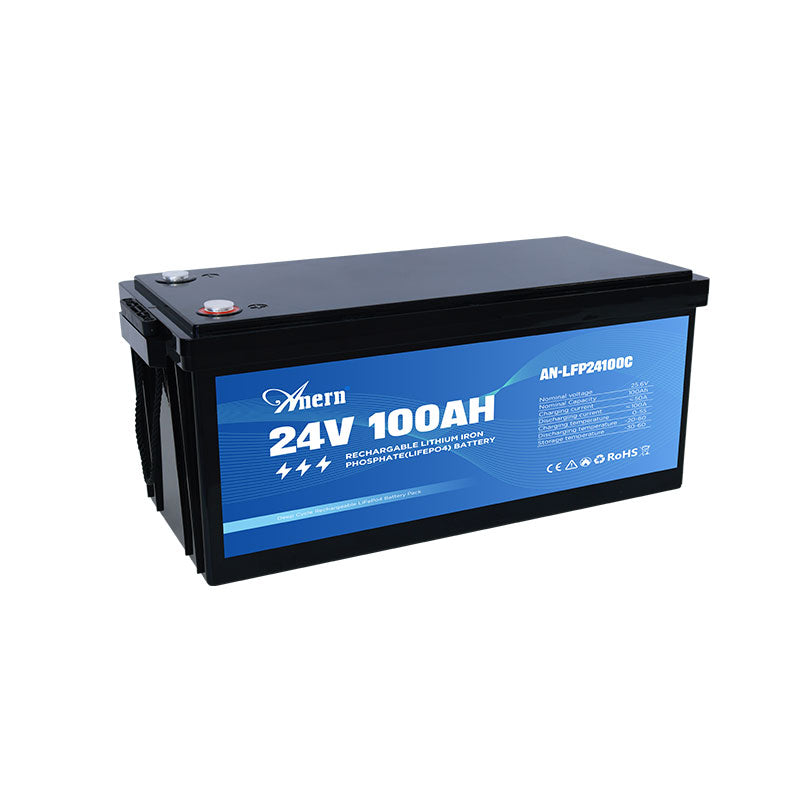
| 24V nominal LiFePO4 | 200Ah x 25.6V | About 5.12kWh |
| 48V nominal LiFePO4 | 200Ah x 51.2V | About 10.24kWh |
This is why voltage matters. A 200Ah rating alone does not tell you total energy unless you know the battery voltage.
The LiFePO4 Advantage: Usable Energy and Depth of Discharge
LiFePO4 batteries usually allow deeper usable discharge than lead-acid batteries, but usable capacity still depends on BMS limits, temperature, discharge current, and your preferred reserve margin. For lifespan, many users avoid draining the battery to empty every day.
How to Determine if a 200Ah Battery Fits Your Needs
Step 1: Conduct a Thorough Energy Audit
List every load, its wattage, and daily runtime. A small cabin might use:
- LED lights: 200Wh per day
- Efficient refrigerator: 600Wh to 1200Wh per day
- Laptop charging: 180Wh per day
- Water pump: 60Wh per day
If daily use is about 1600Wh, a 12V 200Ah LiFePO4 battery can be reasonable with some margin. If daily use is 3000Wh or more, a larger battery bank is usually needed.
Step 2: Account for System Inefficiencies and Autonomy
Inverters, wiring, and temperature reduce usable energy. Also decide how many days you want to run without sun. A one-day system and a three-day system need very different battery capacity. The off-grid solar battery calculator guide can help turn loads into storage size.
Ideal Applications for a 200Ah Lithium Battery System
Off-Grid Living: Cabins, Tiny Homes, and RVs
A 200Ah battery is often a practical step up from 100Ah. It can support lights, electronics, fans, water pumps, and efficient refrigeration more comfortably. For a direct comparison, see this 100Ah vs 200Ah lithium battery comparison.
Critical Backup Power for Homes
A 200Ah battery can support selected essential loads, not necessarily a whole home. It is better to plan around critical circuits such as refrigeration, communication, lights, and medical devices than to assume it can power every appliance.
Integrating a 200Ah Battery into Your Solar Setup
Choosing the Right System Voltage
For small systems, 12V is common. As inverter power increases, 24V or 48V can reduce current, cable size, and voltage drop. Match battery voltage to inverter and charge controller voltage; do not connect mismatched voltages.
The Role of the Inverter and Solar Charge Controller
The inverter must support your maximum simultaneous AC load and startup surge. The charge controller must match the solar array and battery voltage. The U.S. Department of Energy explains how solar PV systems use batteries and inverters as part of complete system design.
Final Considerations for Your System
A 200Ah lithium battery is a capable size for many moderate off-grid and backup applications. It is not automatically enough for every system. Calculate daily Wh, add losses, plan autonomy, and confirm BMS current limits before choosing inverter size or solar array size.
Frequently Asked Questions
What can a 200Ah lithium battery run?
At 12.8V, it stores about 2.56kWh before losses. It can run efficient lights, electronics, fans, pumps, and some refrigeration, depending on runtime and inverter efficiency.
How many solar panels do I need to charge a 200Ah battery?
It depends on voltage, daily discharge, and peak sun hours. For a deeply discharged 12V 200Ah battery, several hundred watts of solar may be needed for reliable daily recharge.
Can I connect multiple 200Ah batteries?
Often yes, if the manufacturer supports it. Use matching batteries, balanced wiring, and properly rated protection devices.
How long will a 200Ah lithium battery last?
Cycle life depends on depth of discharge, temperature, charge settings, and current. With good care, LiFePO4 batteries commonly serve for many years in solar storage systems.
