













Adopting solar energy is a major step toward lower electricity bills and greater energy independence. For most buyers, the decision comes down to two practical questions: how much will the system cost, and how long will it take to pay back? This guide explains the main solar cost drivers, what to watch for in 2026 pricing, and how battery storage can change the value of a solar investment.
The Evolving Landscape of Solar Energy Costs
Solar system pricing has changed significantly over the past decade. Panel costs fell sharply for many years, but complete installed cost still depends on inverters, mounting hardware, batteries, labor, permitting, and local interconnection requirements.
Historical Price Trends and Influencing Factors
PV module prices have generally declined over the long term, even though short-term material costs, shipping pressure, and supply chain disruptions can cause temporary increases. The U.S. National Renewable Energy Laboratory tracks these trends in its solar installed system cost analysis, which is a useful reference for understanding why hardware price and total installed price are not the same thing.
Soft costs matter. Permitting, inspection, design, financing, sales, and interconnection can represent a large portion of residential solar cost. For buyers, this means the cheapest panel is not necessarily the cheapest complete system.
Projecting 2026 Solar Price Curves
Looking toward 2026, solar pricing will likely be shaped by manufacturing scale, local labor costs, policy incentives, inverter availability, battery demand, and permitting speed. Buyers should avoid assuming that panel price alone determines the final quote.
Utility-Scale Solar PV Cost Projections
Utility-scale solar remains one of the lower-cost sources of new electricity in many markets, but large projects use different economics from residential systems. Their costs are influenced by land, grid connection, project financing, and long-term power purchase agreements. For broad market context, the U.S. Department of Energy Solar Futures Study explains how solar deployment, grid integration, and storage can develop over time.
Residential and Commercial Solar System Costs
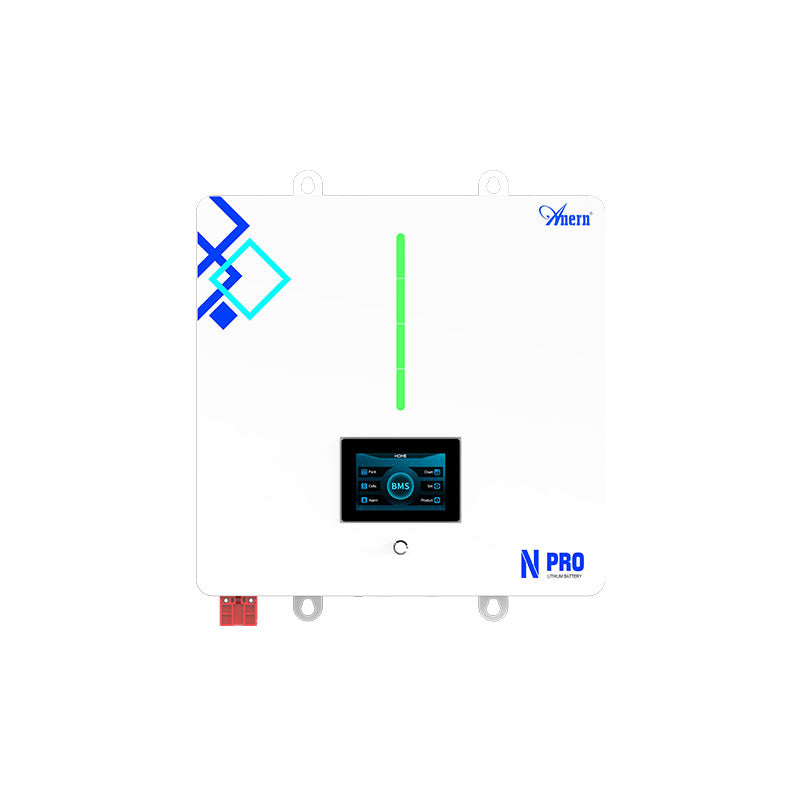
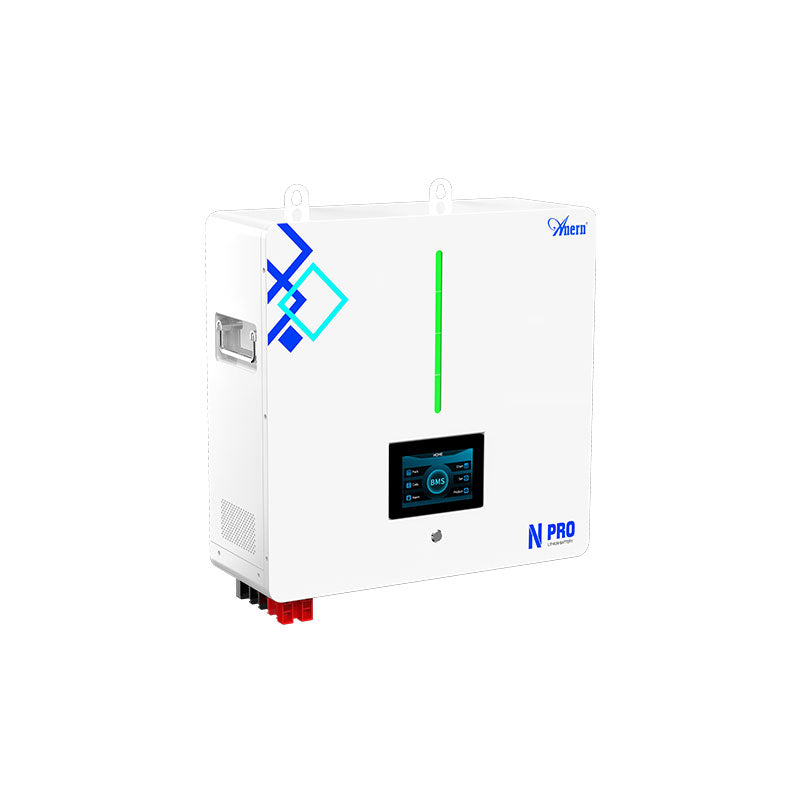
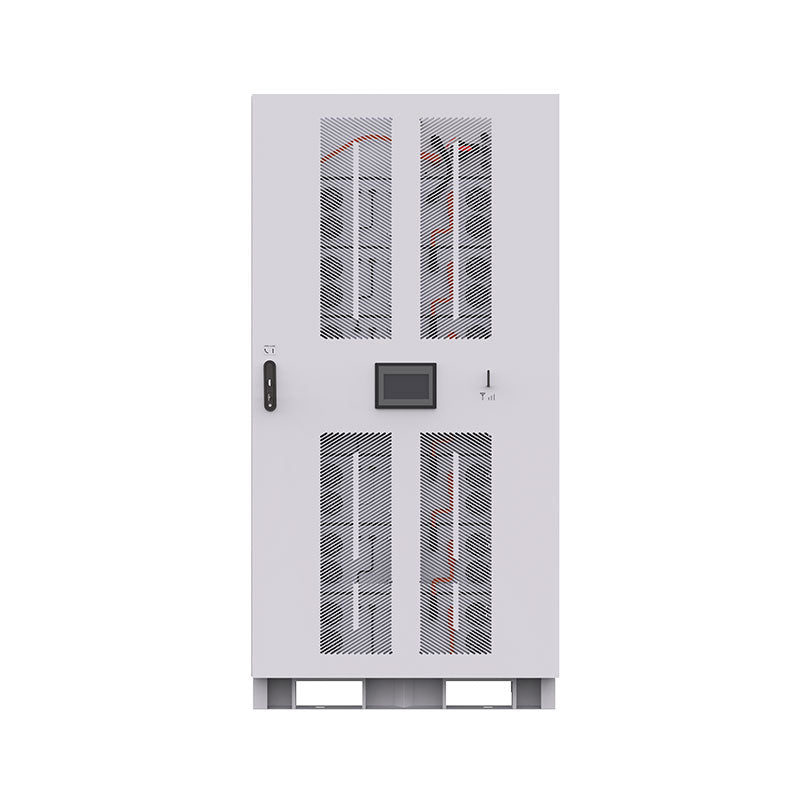
For homes and businesses, the installed system cost includes solar panels, inverter equipment, racking, protection devices, design, installation labor, and any battery storage. Adding storage increases upfront cost, but it can improve backup capability and self-consumption, especially where grid reliability is poor or time-of-use electricity rates are high.
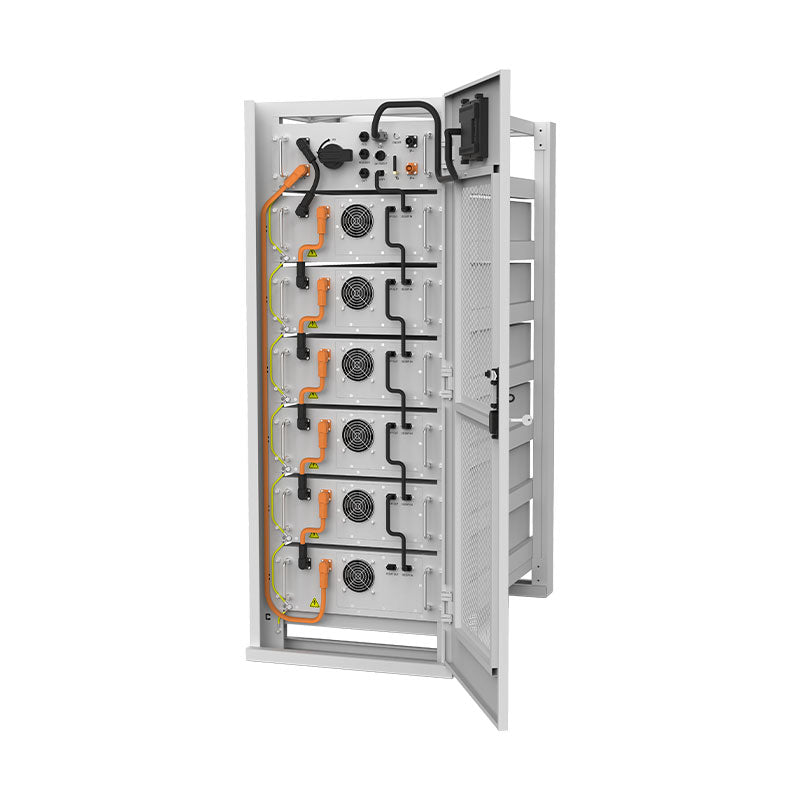
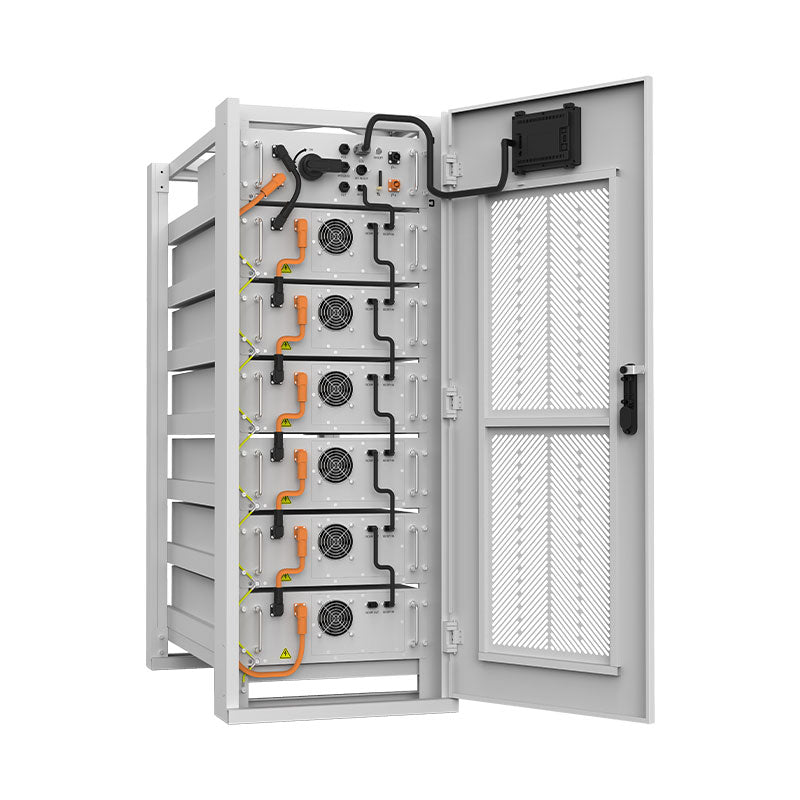
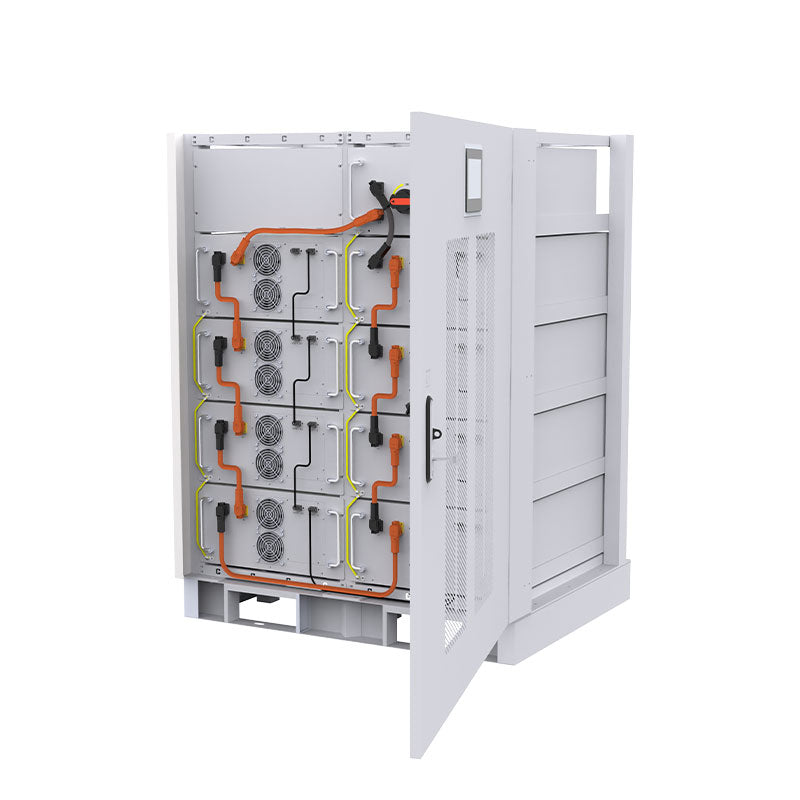
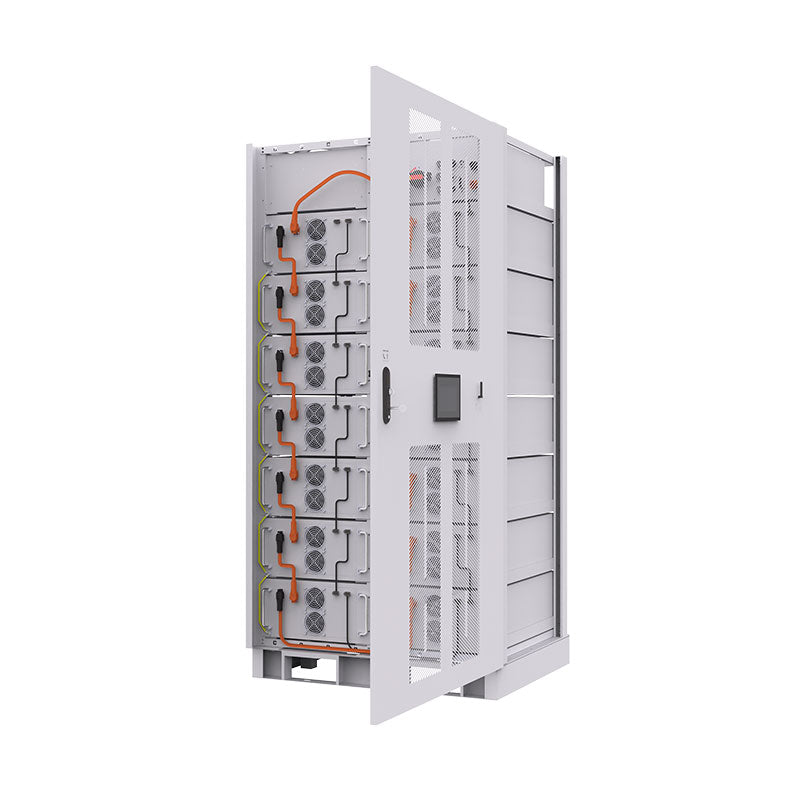
If energy storage is part of the plan, review the battery chemistry, usable capacity, inverter compatibility, and expected load profile. A solar energy storage system buyer's guide can help connect system cost to actual backup needs.

Understanding Solar Payback Periods
The payback period is the time it takes for energy savings to equal the initial net investment. It is a useful planning number, but it is not the only measure of value. Backup power, energy independence, and protection from future rate increases may also matter.
Key Factors Affecting Payback
- System cost: The total installed price after incentives and rebates.
- Electricity rates: Higher grid rates usually improve solar savings.
- Solar resource: More usable sun hours increase production.
- Incentives: Tax credits, rebates, and local programs can reduce net cost.
- Self-consumption: The more solar power you use directly, the more value you may capture.
- System quality: Reliable panels, inverters, and batteries reduce downtime and replacement risk.
Residential systems in favorable markets may pay back in several years, while systems in lower-rate markets can take longer. Any quote should be modeled against local utility rates, tariff rules, and realistic annual production.
Average Payback Periods and Regional Variations
Payback varies by region. A home with high daytime energy use, high electricity rates, and good incentives may recover costs faster than a home with low rates and limited self-consumption. Commercial systems can also perform well when energy use aligns with solar production hours.
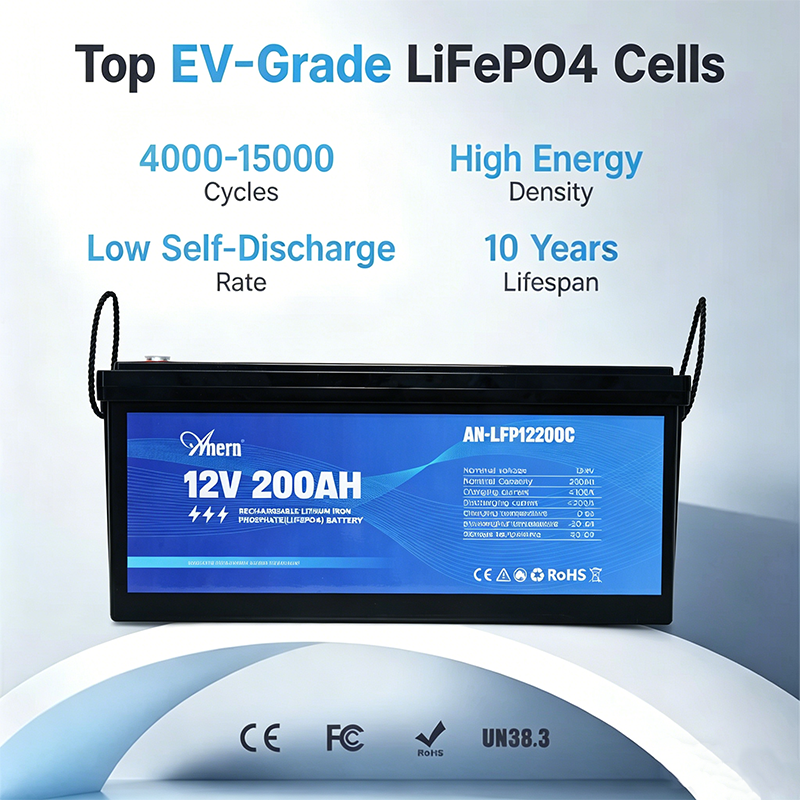
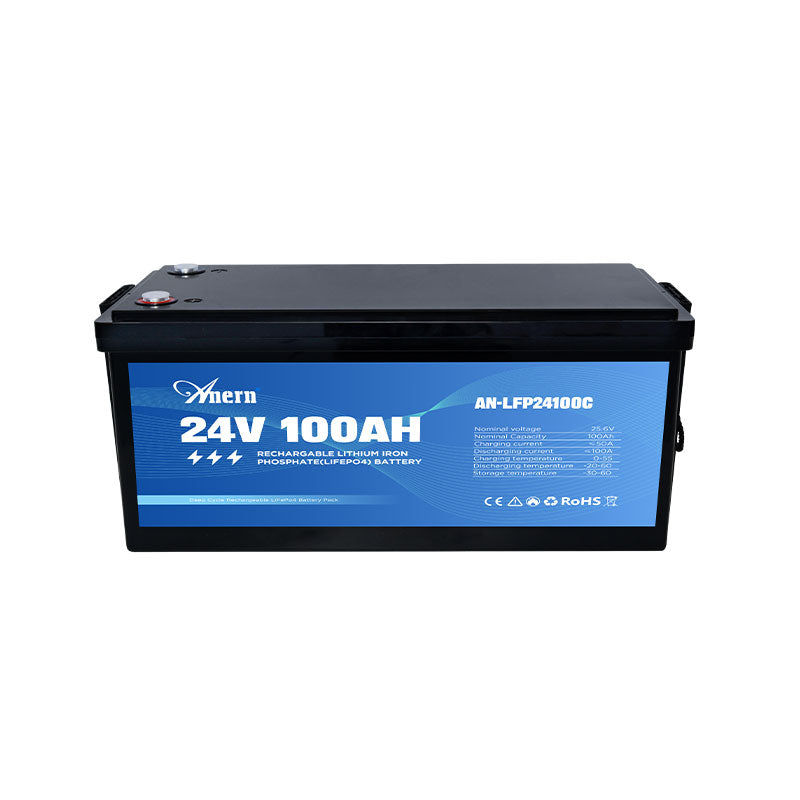
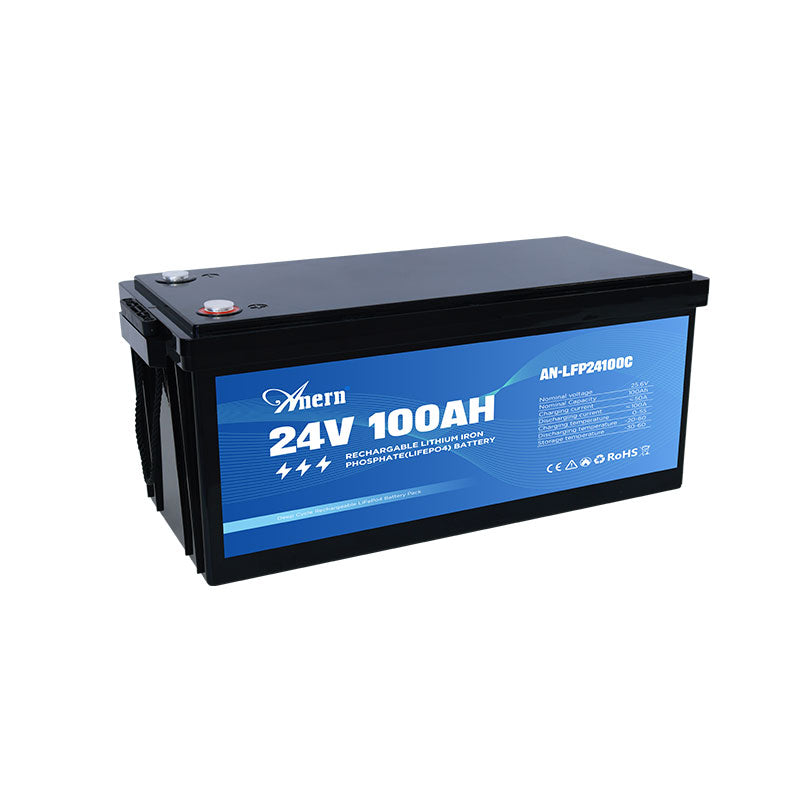
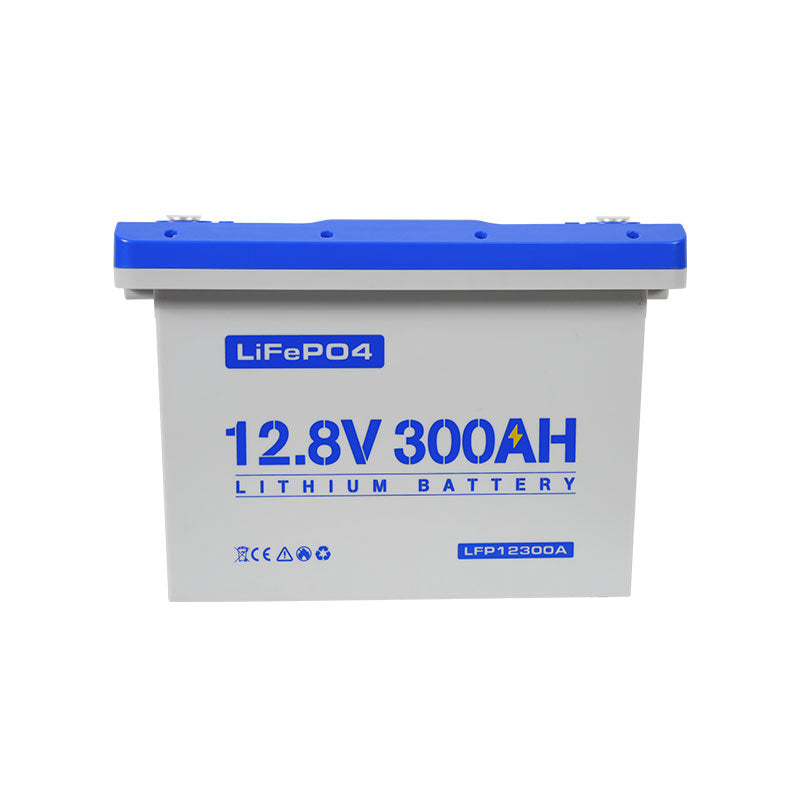
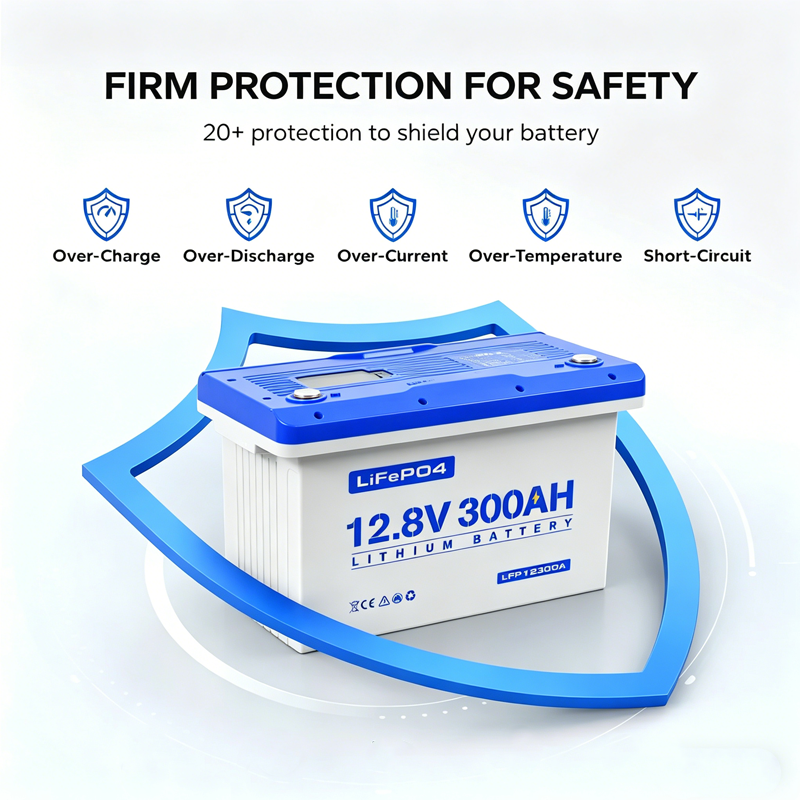
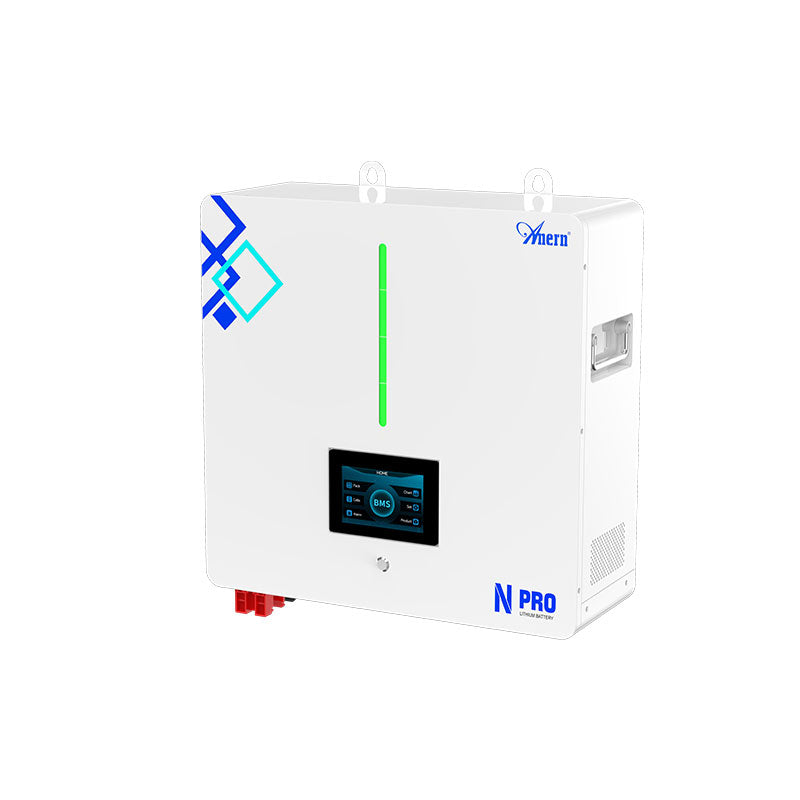
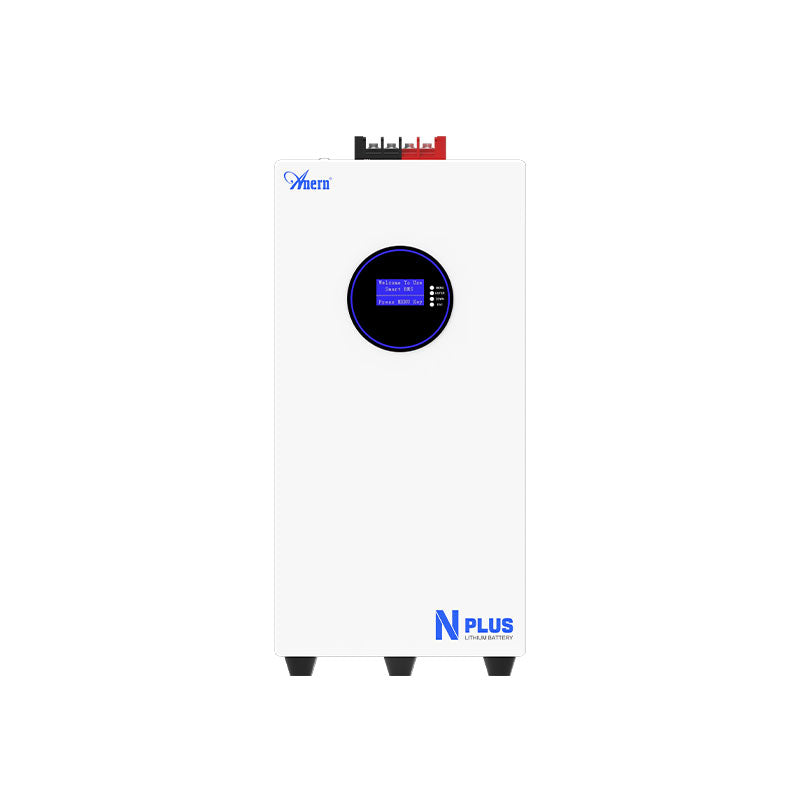
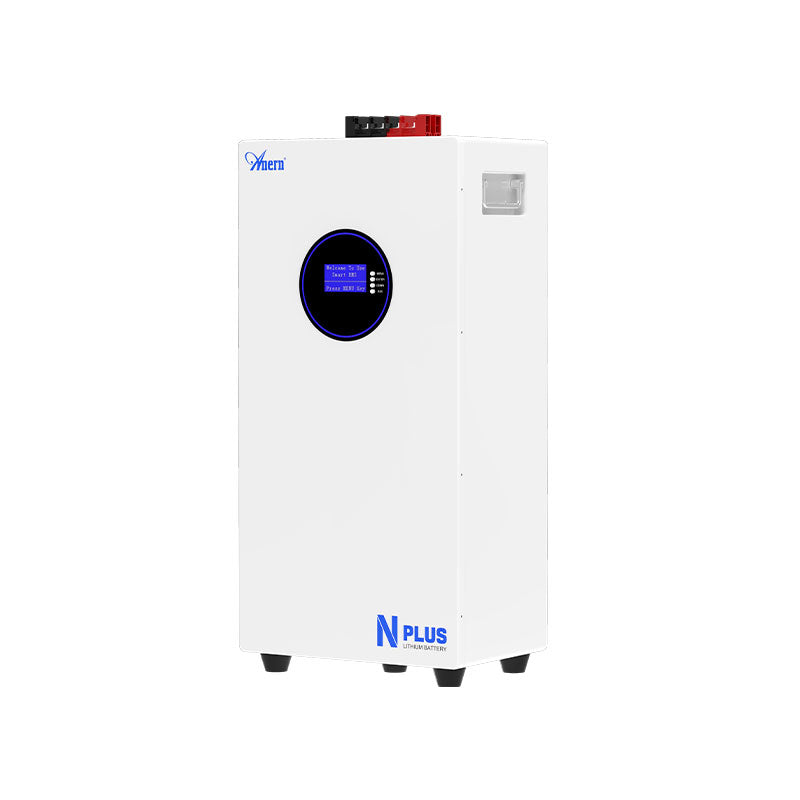
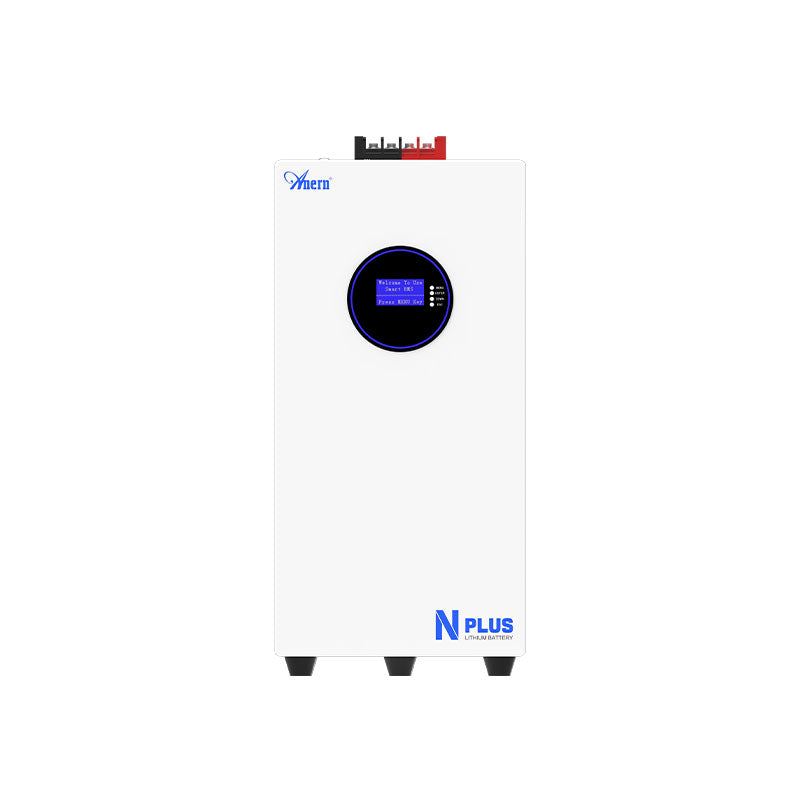
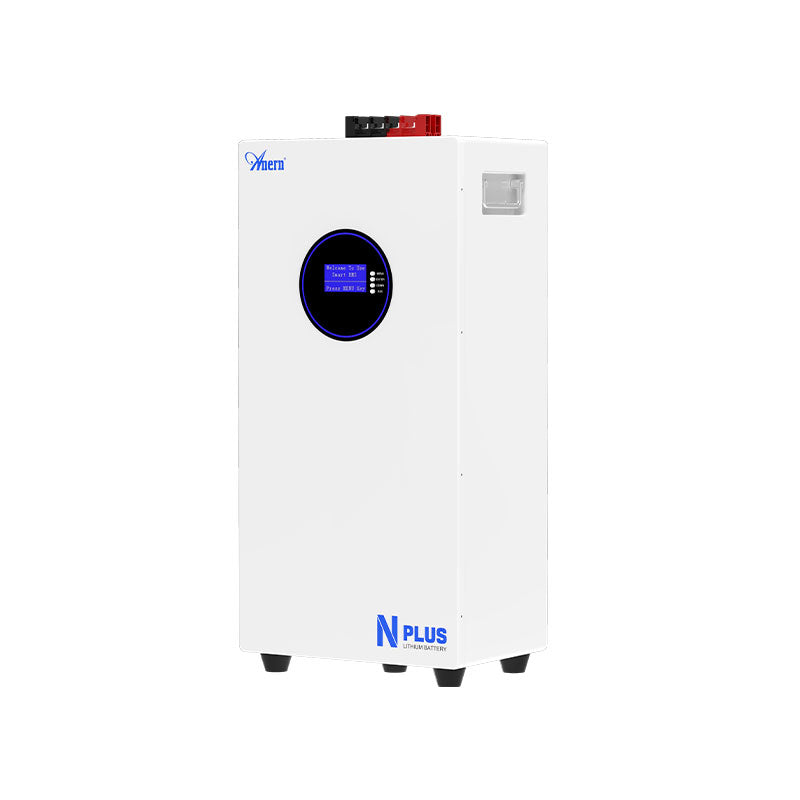
Battery storage changes the calculation. A LiFePO4 battery may not always shorten simple payback, but it can increase the system's practical value by storing daytime solar for evening use, reducing peak-rate purchases, and keeping essential loads running during outages.
| Factor | Impact on Payback | Why It Matters |
|---|---|---|
| High electricity rates | Shorter | Each kWh of solar generation offsets more cost. |
| Strong incentives | Shorter | Net upfront cost is lower. |
| Good solar resource | Shorter | The same system produces more annual energy. |
| Oversized system | Can be longer | Unused or poorly compensated export power reduces return. |
| Battery storage | Depends on tariff and backup value | Improves self-consumption and resilience, but increases upfront cost. |
Maximizing Your Solar Investment
Better returns come from matching the system to real energy use. A good design starts with load data, roof or site conditions, local policy, and clear backup priorities.
The Role of Energy Storage
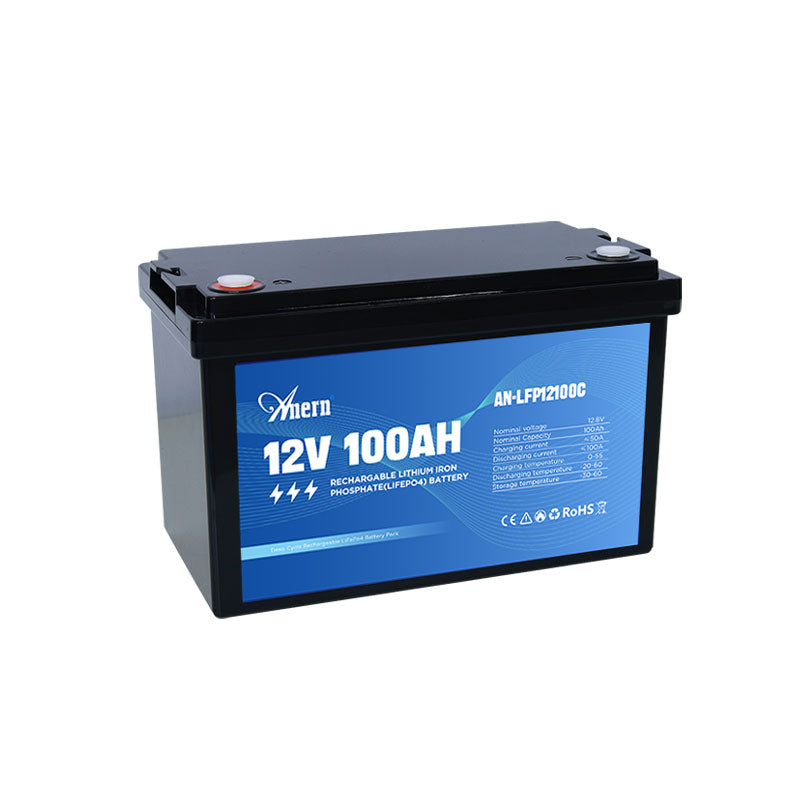
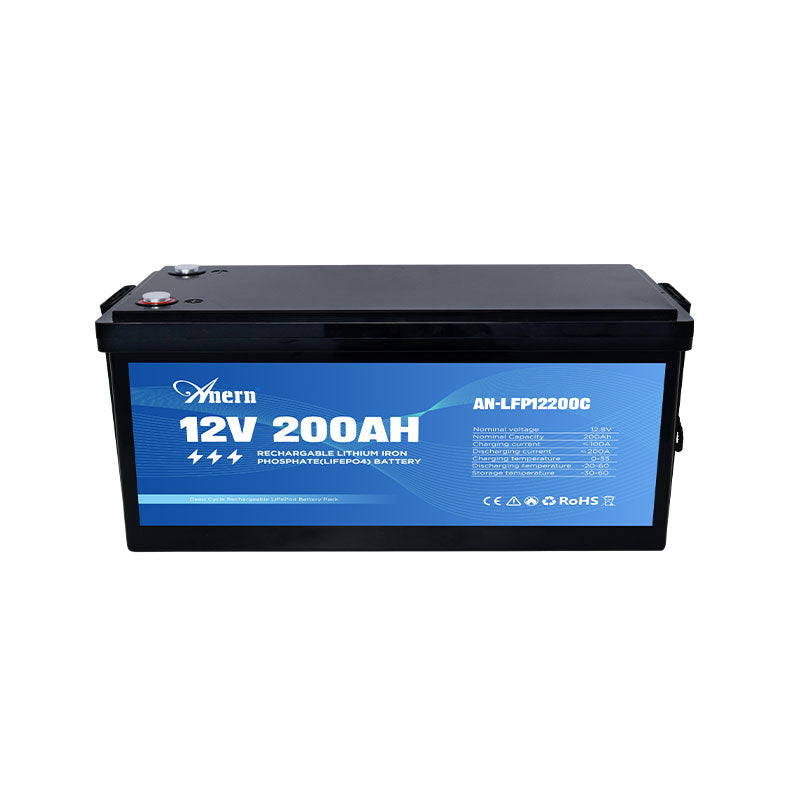
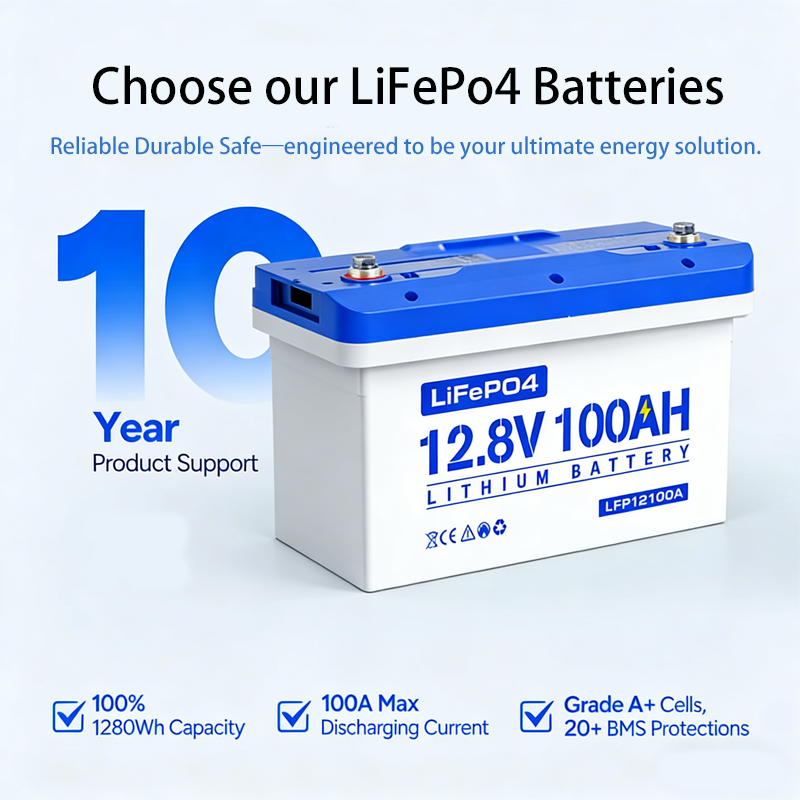
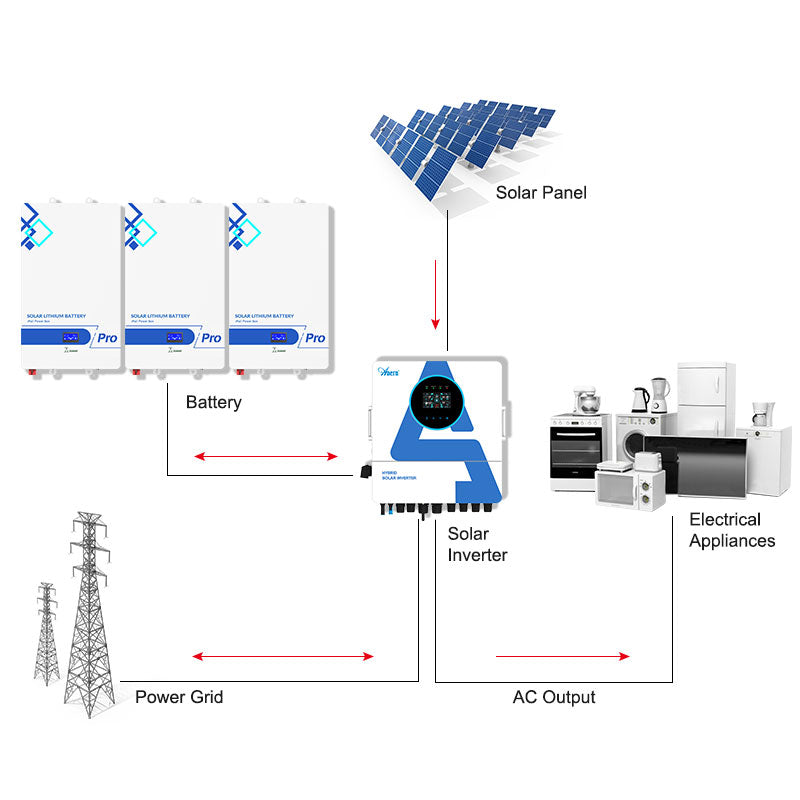
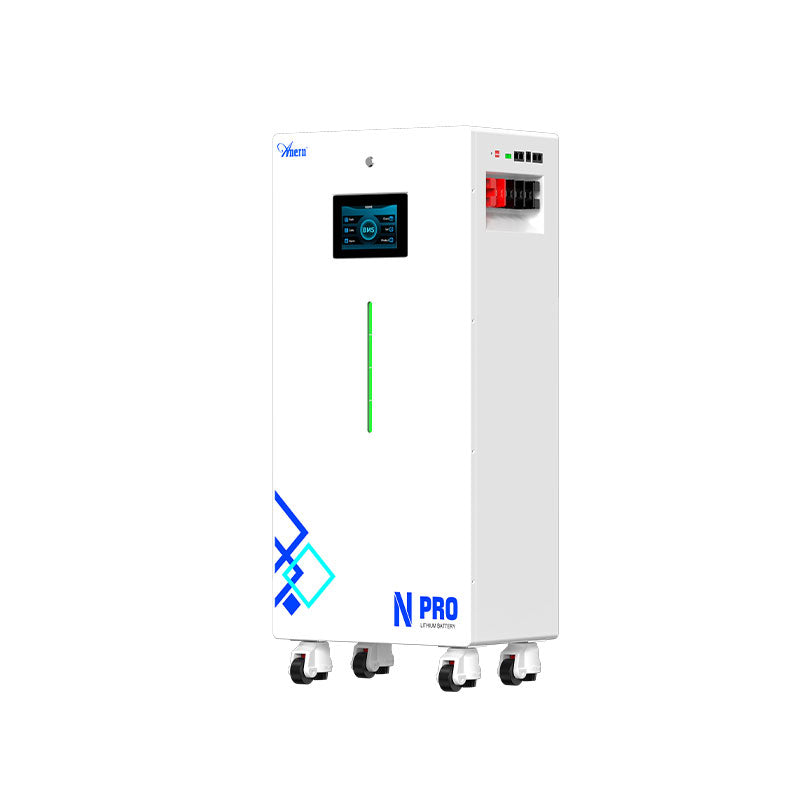
Energy storage can make solar more useful after sunset and during outages. A LiFePO4 battery paired with a compatible hybrid inverter can store surplus daytime generation and supply essential loads later. For smaller battery systems, a 12V LiFePO4 battery may fit compact off-grid and mobile use cases; larger homes usually need higher-voltage storage and a properly sized inverter.
Optimizing System Design and Efficiency
Panel quantity is only one part of system design. The inverter must match the array, battery voltage, and expected AC loads. For off-grid or backup systems, it is also important to consider surge power from refrigerators, pumps, and tools. This 12V 100Ah inverter sizing guide explains why battery current limits matter as much as inverter watts.
Concluding Thoughts
Solar costs will continue to move with technology, policy, labor, and supply chain conditions. Rather than relying on a single national average, buyers should compare complete installed quotes, realistic production estimates, local electricity rates, and the value of storage or backup power.
A strong solar investment is not just the lowest upfront price. It is a system that matches your energy use, uses reliable components, and delivers predictable value over many years.
