













Embracing solar energy offers a path to energy independence and a sustainable lifestyle. Once your solar panels are installed, monitoring systems become your eyes and ears, providing insights into performance and energy flow. Yet, questions often arise about the reliability of this data, the privacy of your information, and the security of these interconnected systems. This article addresses common misconceptions, providing clarity on the accuracy, privacy, and security of solar monitoring.

The Truth About Solar Monitoring Accuracy
Monitoring systems provide a window into your solar system's performance, from energy production to consumption. The precision of this data is crucial for optimizing your energy use and ensuring your investment delivers expected returns. However, various factors influence the accuracy you see in your monitoring application.
What Influences Data Accuracy?
The accuracy of solar monitoring hinges on several components. High-quality sensors, strategically placed to measure current, voltage, and environmental conditions like temperature and irradiance, form the foundation. These sensors transmit data to your inverter and then to a monitoring platform. Factors such as panel age, quality, and environmental conditions can impact system efficiency . Issues like faulty cabling, defective inverters, or inconsistencies in solar panel output can also skew real-world performance data . To ensure reliable insights, systems benefit from high-resolution, real-time data, which is crucial for precise forecasting and maintaining grid stability .
Degradation and Performance Reality
Solar panels, like any technology, experience a gradual decrease in performance over time, a process known as degradation. This is a natural part of their operational lifespan. Research from the U.S. Department of Energy's National Renewable Energy Laboratory (NREL) PV Fleet Initiative, which analyzed data from thousands of U.S. PV systems, found the median performance loss is around 0.75% per year . This finding provides a clearer picture of how solar systems perform as they age. Understanding this expected degradation allows for more accurate financial assessments of current and future solar power plants, boosting confidence for investors and project developers .
Ensuring Reliable Performance Insights
To maximize the accuracy of your solar monitoring data, consider these steps:
- Regular Checks: Periodically verify your inverter display and online monitoring platform for any sudden drops in energy production or error codes .
- Data Comparison: Compare your actual performance data with the expected performance data provided by your installer or system designer. Investigate discrepancies promptly .
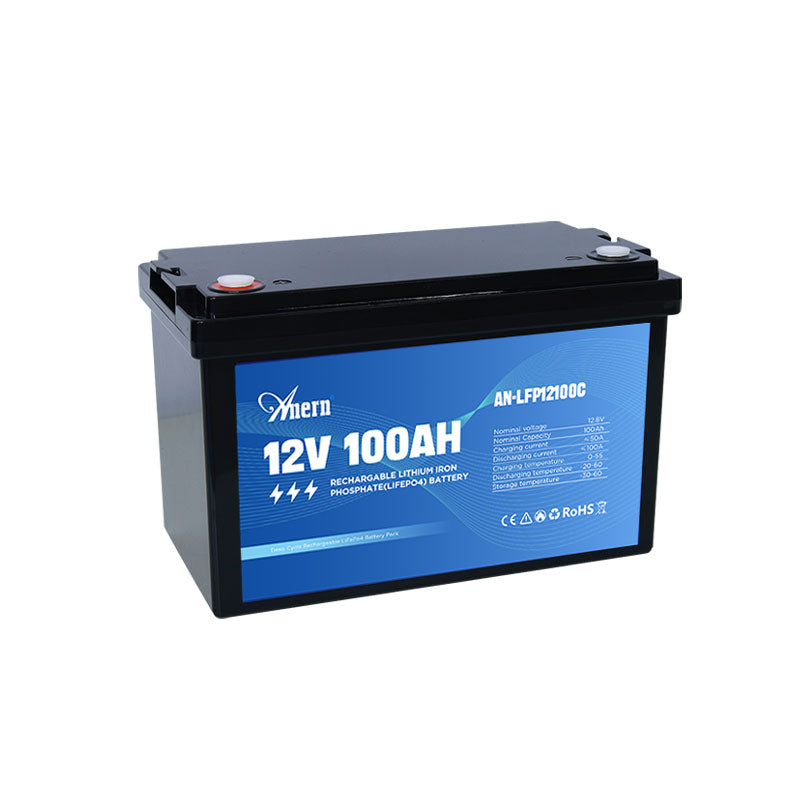
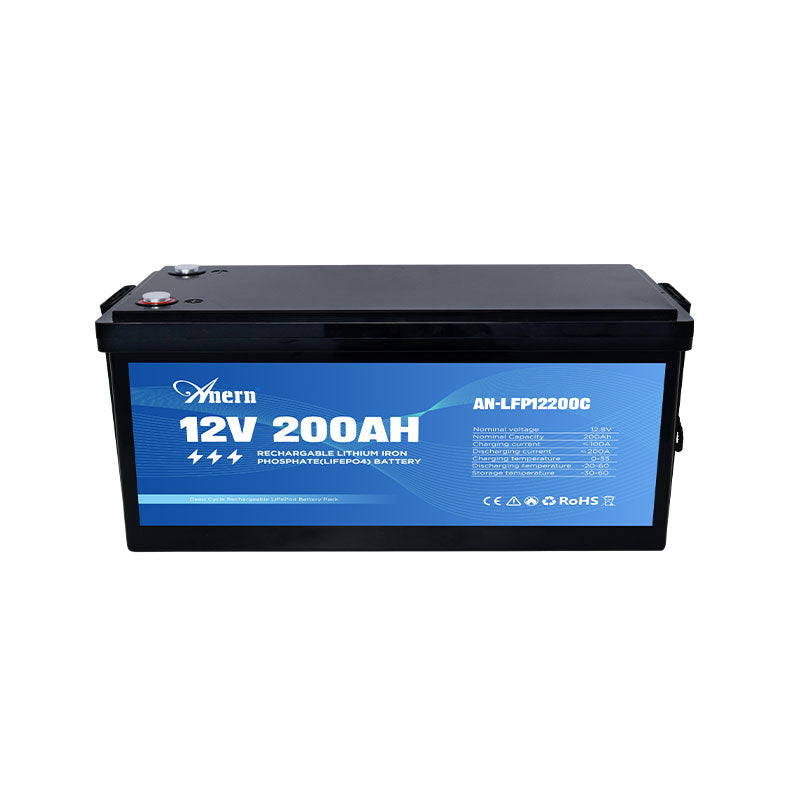
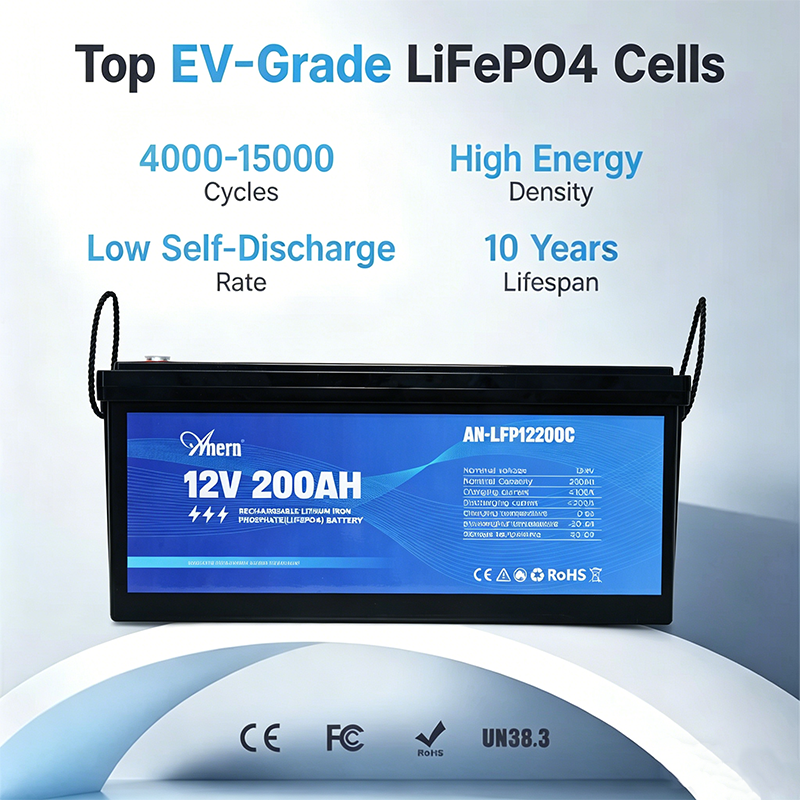
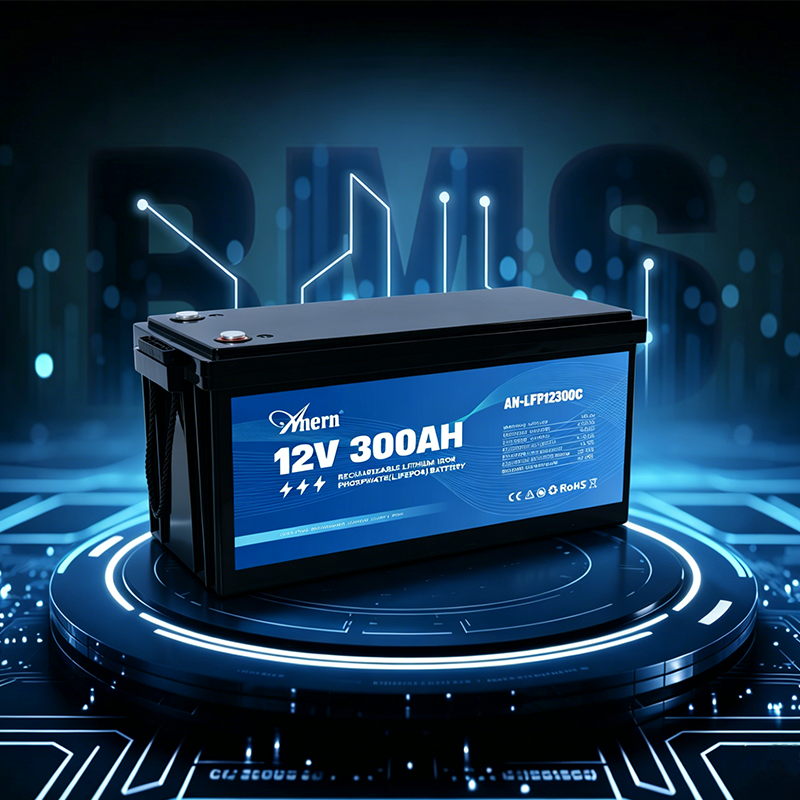
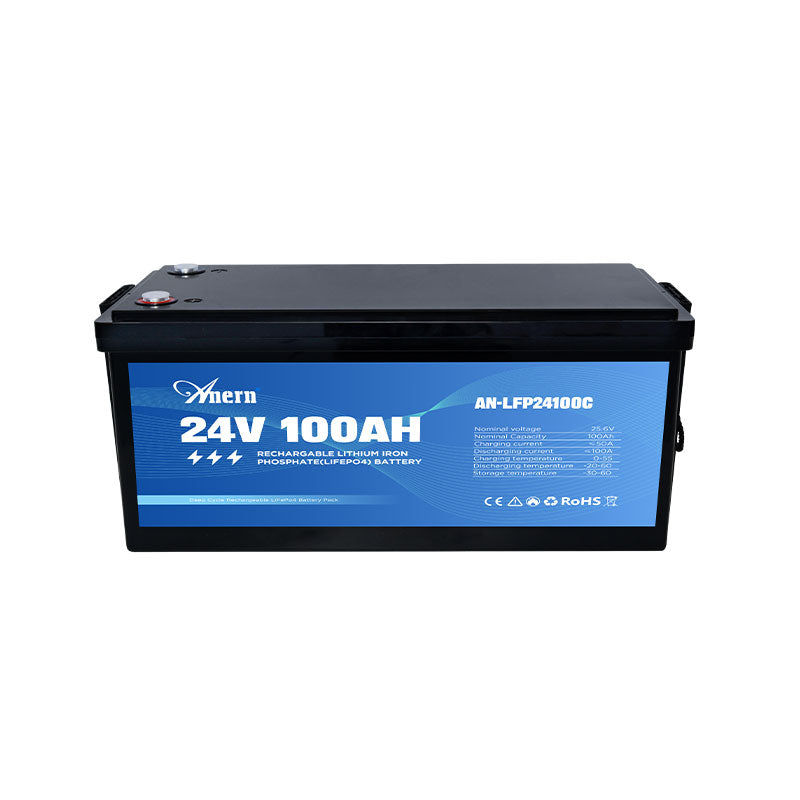
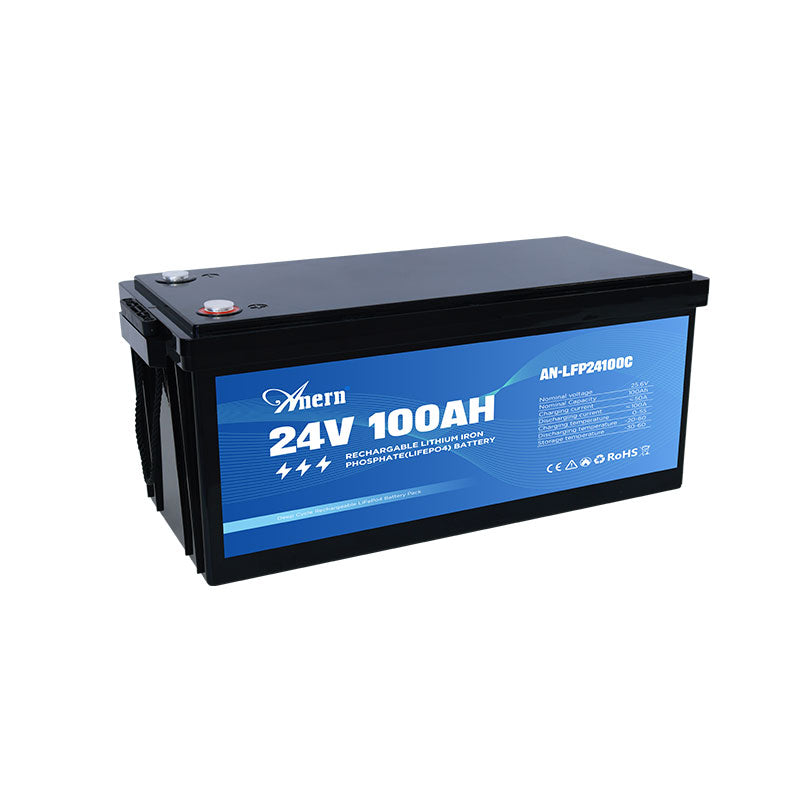
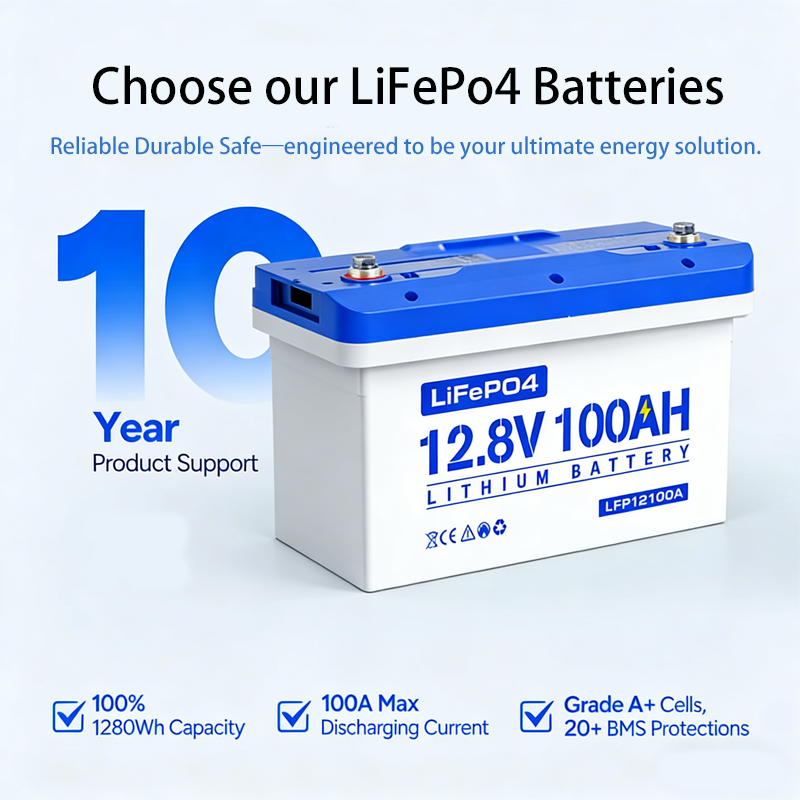
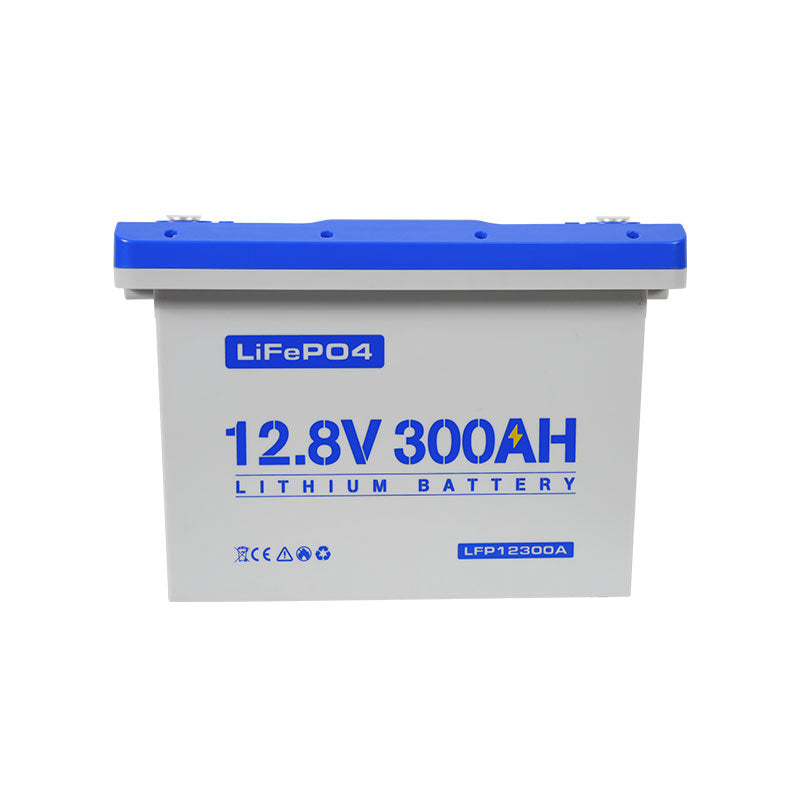
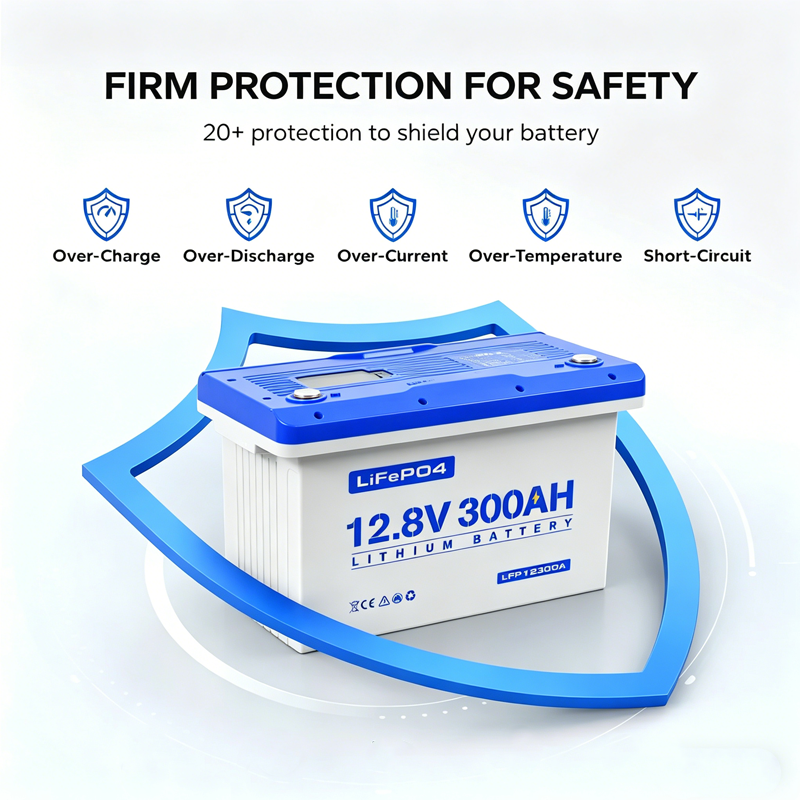
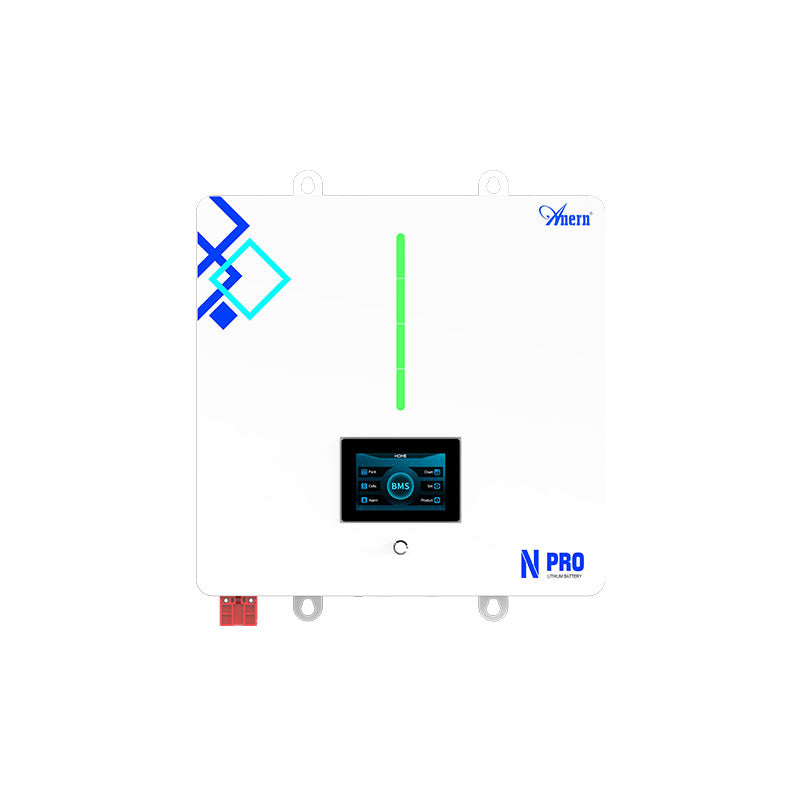
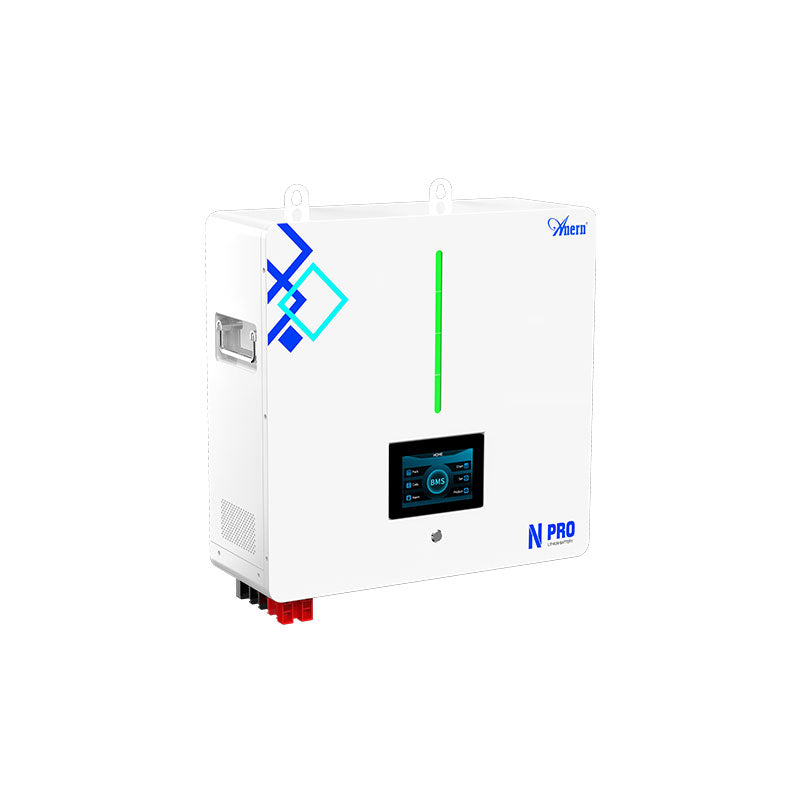
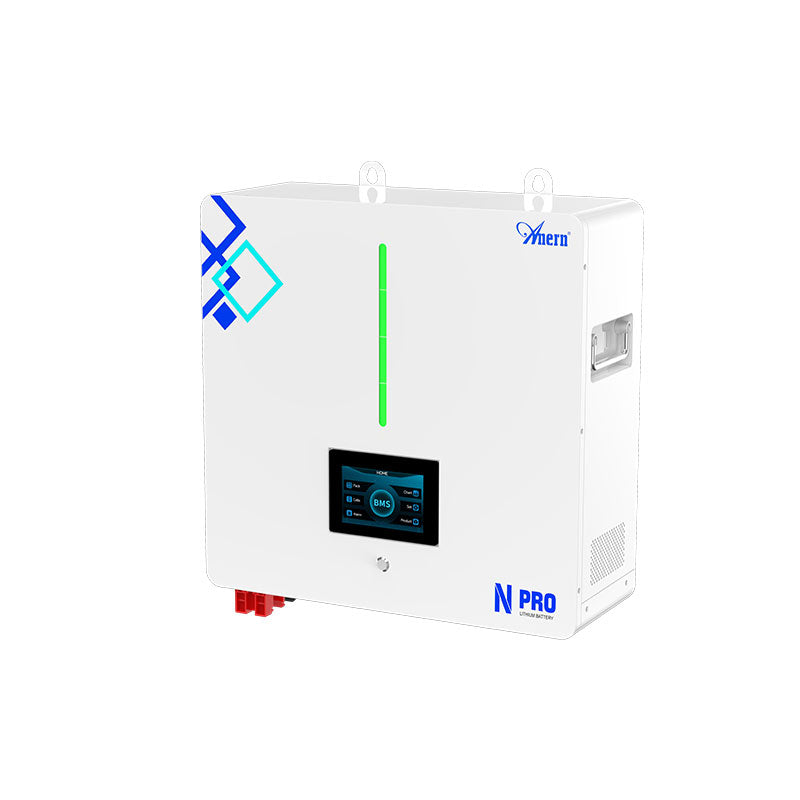
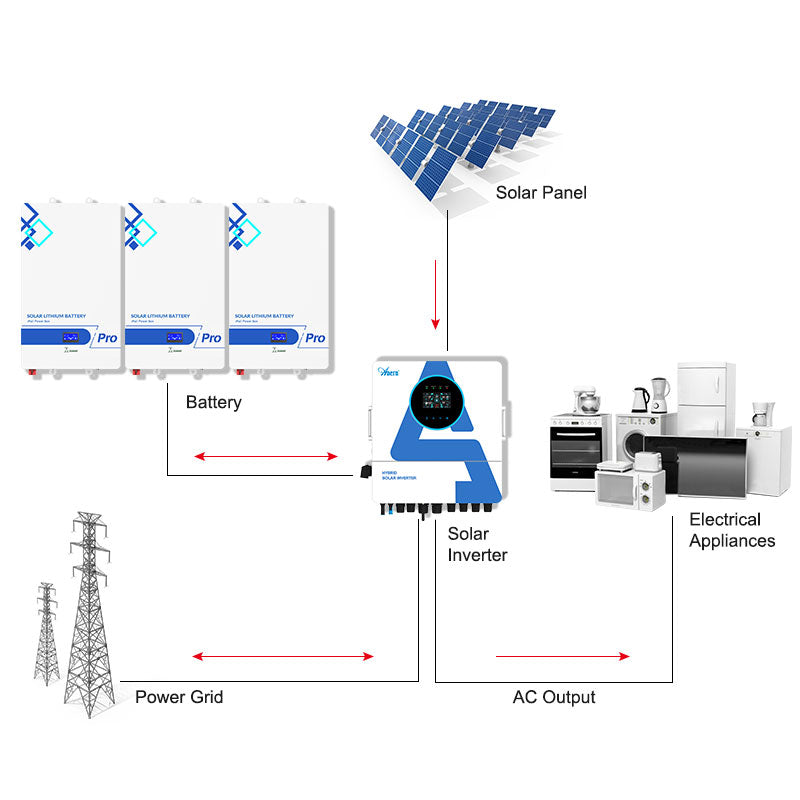
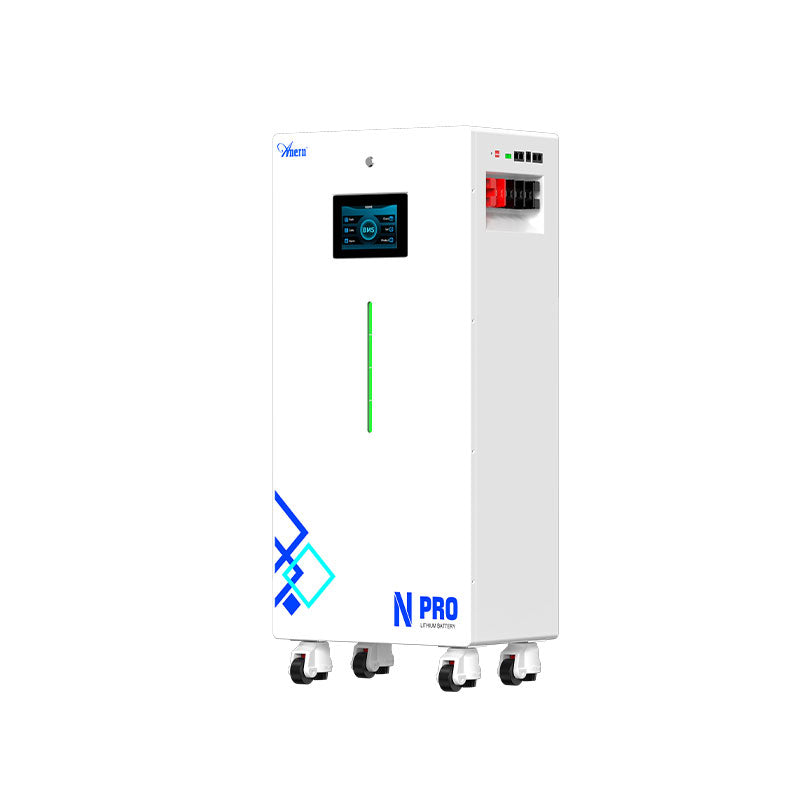
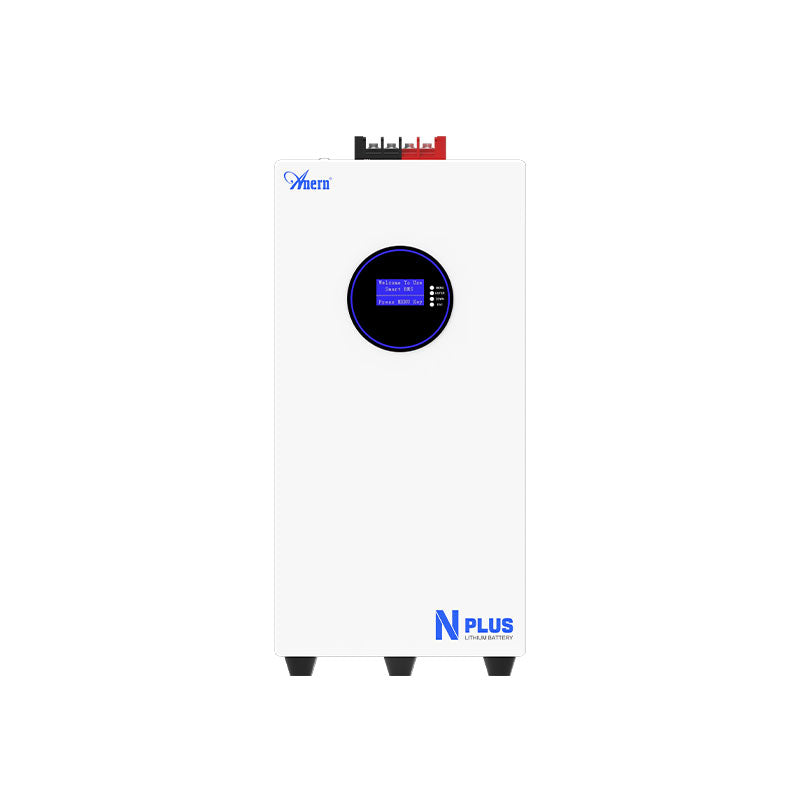
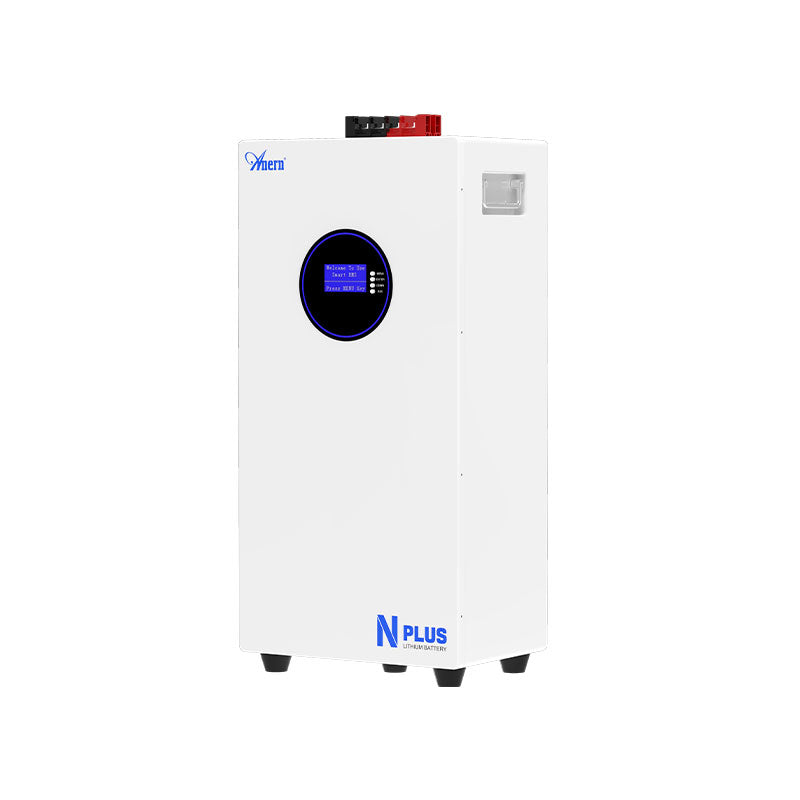
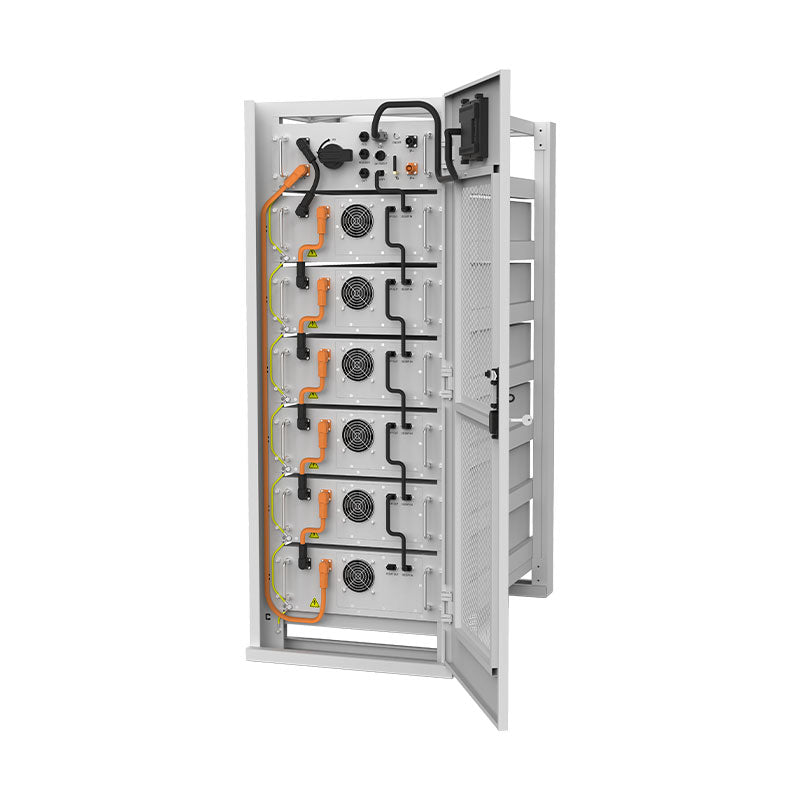
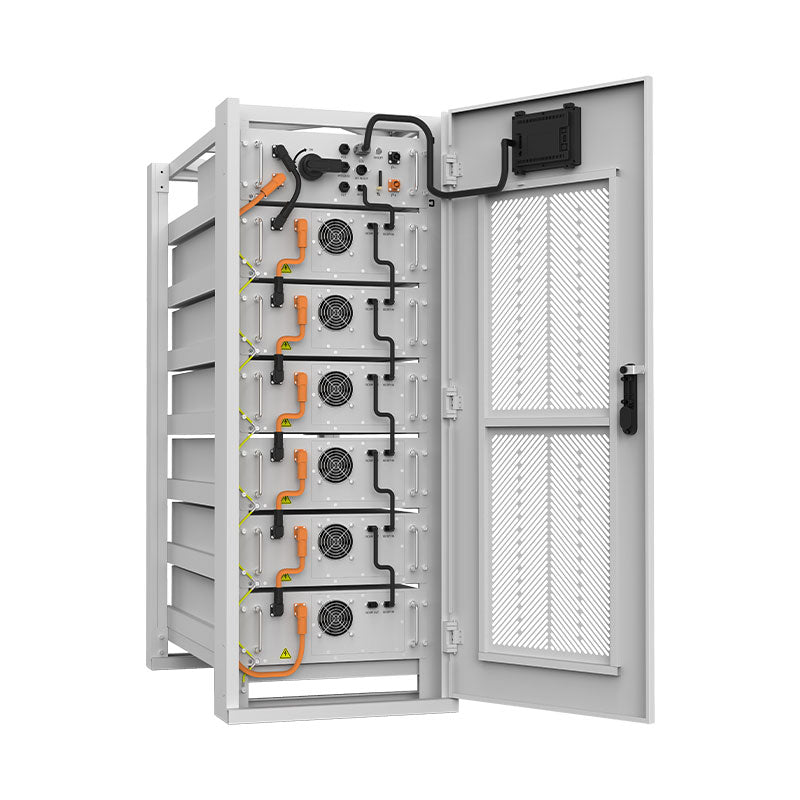
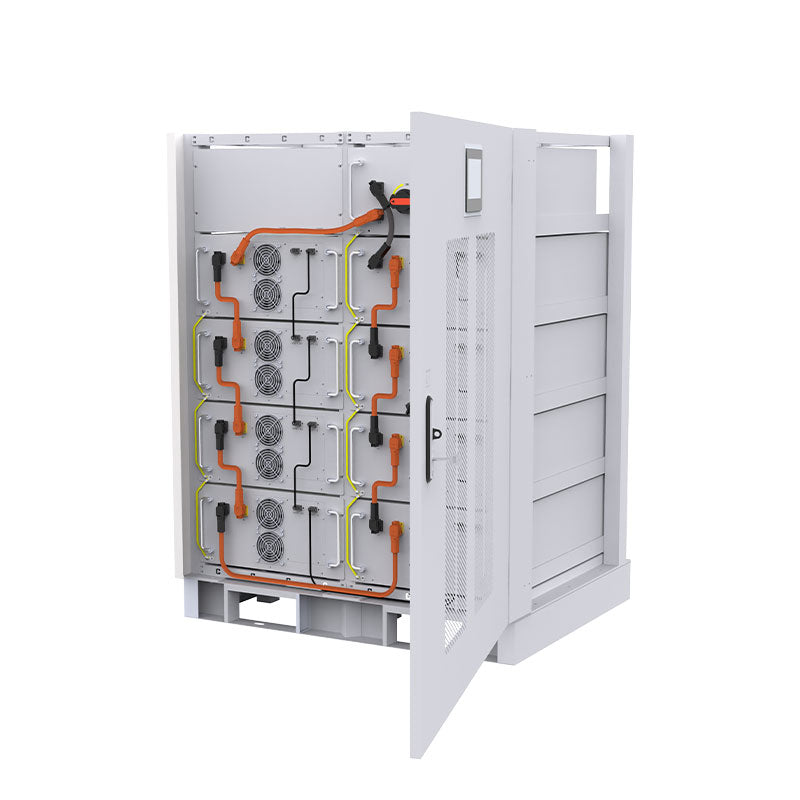
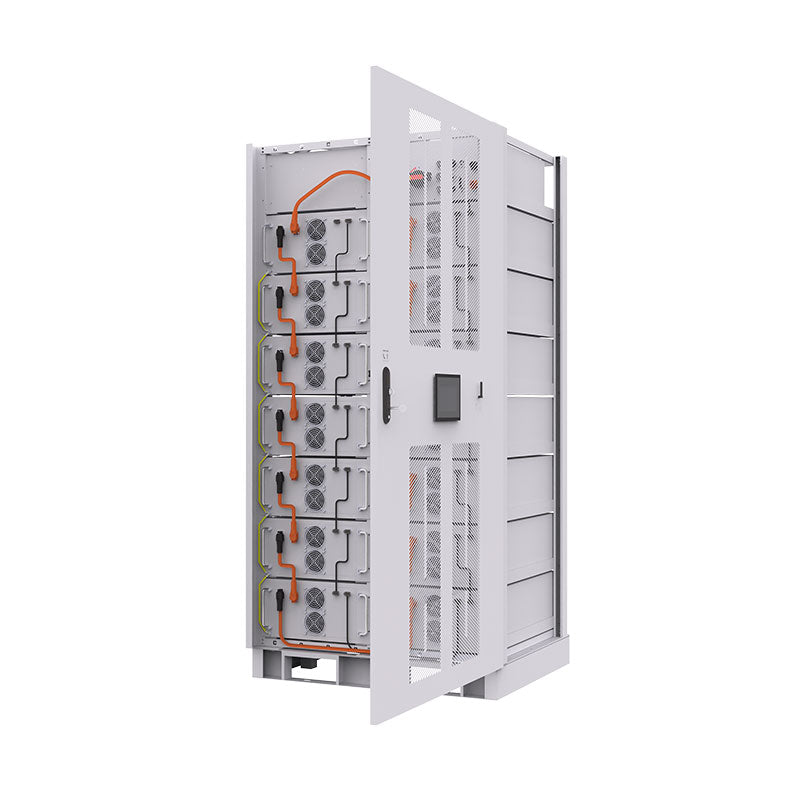
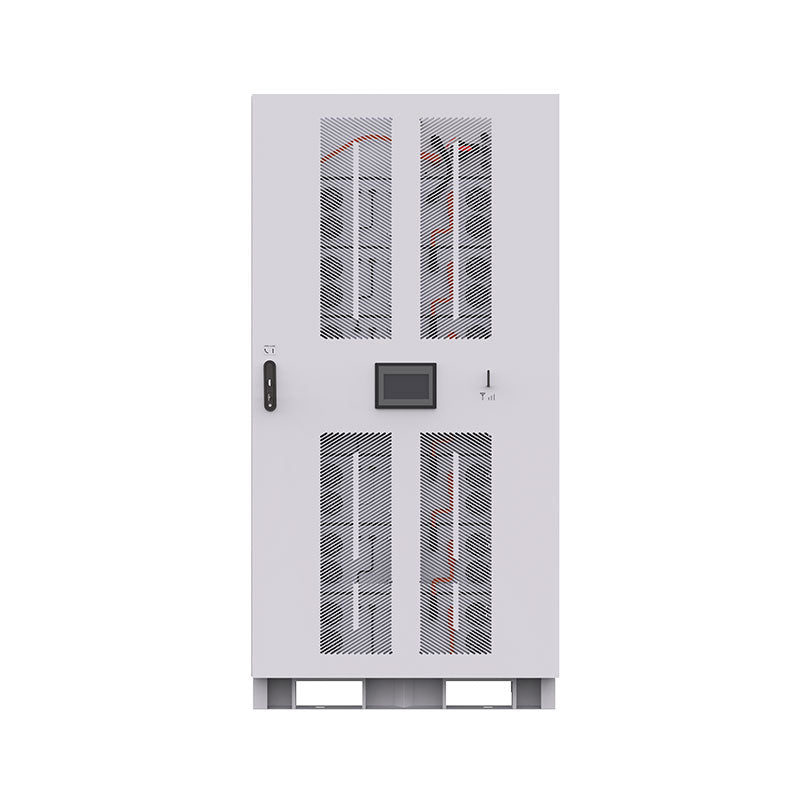
- Integrated Solutions: Modern monitoring systems often integrate with energy storage solutions, such as LiFePO4 batteries and comprehensive ESS. This integration provides a holistic view of your energy ecosystem, allowing for optimized self-consumption and improved system efficiency.
- Professional Assessments: For commercial or utility-scale systems, NREL's PV Fleet Initiative offers confidential, detailed assessments, allowing system owners to benchmark their performance against industry averages .
| Factor | Impact on Accuracy | Mitigation/Enhancement |
|---|---|---|
| Sensor Quality & Placement | Poor sensors or incorrect placement lead to imprecise readings. | Invest in high-quality sensors; ensure professional installation and calibration. |
| Data Resolution & Frequency | Low resolution (e.g., hourly vs. minute-by-minute) misses short-term fluctuations. | Choose systems offering high-resolution, real-time data capture. |
| Environmental Conditions | Temperature, shading, and soiling directly affect panel output. | Regular cleaning, optimal panel orientation, and temperature compensation in monitoring. |
| System Component Health | Degrading panels, faulty inverters, or wiring issues reduce actual output. | Routine maintenance, prompt troubleshooting of error codes, and utilizing durable components like LiFePO4 batteries. |
| Software & Analytics | Basic software may not account for all variables or provide deep insights. | Utilize advanced monitoring platforms with robust analytics and forecasting capabilities. |
Protecting Your Solar Data Privacy
Your solar monitoring system collects a wealth of data about your energy habits. Understanding what information is gathered and how it is used can help alleviate privacy concerns.
What Data Your System Collects
Solar monitoring systems typically collect data points like energy production from your panels, your household's energy consumption patterns, the state of charge of your battery storage, and your interaction with the grid. This detailed information could reveal daily routines and appliance usage .
How Your Data is Utilized
This data is not just for your viewing pleasure; it serves practical purposes. Energy providers and system operators use it to optimize system performance, conduct predictive maintenance, and manage energy flow for grid stability . For example, by analyzing your consumption patterns, your system can optimize when to charge or discharge your LiFePO4 battery, maximizing self-consumption and reducing reliance on the grid. Reputable providers prioritize data privacy, ensuring your information supports system functionality without compromising your personal details.
Safeguarding Personal Information
Protecting your data privacy involves conscious choices. When selecting a solar provider or monitoring platform, inquire about their data encryption methods and secure storage practices . Strong data encryption, both in transit and at rest, is essential . Consider platforms that offer multi-factor authentication for system access and provide clear data retention policies . Regularly review which devices and applications have access to your solar monitoring system, and remove any you no longer use .
Fortifying Solar System Security
As solar systems become more connected, ensuring their cybersecurity is paramount. While concerns about hacking and system manipulation exist, robust measures are in place to protect your energy infrastructure.
Understanding Potential Vulnerabilities
Connected solar monitoring systems, particularly those relying on internet connectivity for real-time data and remote control, can present potential entry points for cyber threats . Weak or unchanged default passwords have been exploited in the past, allowing unauthorized access to system dashboards . A coordinated attack on numerous vulnerable systems could theoretically disrupt national power grids . These vulnerabilities highlight the importance of proactive security measures.
Implementing Robust Security Measures
Safeguarding your solar system requires a multi-layered approach:
- Strong Passwords and Multi-Factor Authentication: Always use unique, complex passwords and enable multi-factor authentication for all monitoring accounts .
- Secure Networks: Connect your solar monitoring system to a dedicated, secure Wi-Fi network whenever possible. Ensure WPA3 encryption is enabled on your router, and update its firmware regularly .
- Regular Software and Firmware Updates: Keep all monitoring software, inverter firmware, and related applications updated. These updates often include critical security patches .
- Access Control and Monitoring: Implement role-based access controls, ensuring only authorized personnel have access to sensitive data and system settings . Monitor for any unusual activity or access patterns .
- Secure System Design: Reputable manufacturers integrate cybersecurity measures into their products from the initial design stages, a concept known as Cyber Informed Engineering . This proactive approach helps protect data integrity and system reliability. Our LiFePO4 batteries and integrated ESS are designed with security protocols to complement overall system resilience.
While the energy sector faces evolving cyber threats, including politically motivated attacks , decentralized solar PV systems, by their very nature, offer a layer of security. Their distributed nature, with varied software versions, firewalls, and locations, makes them inherently complex and difficult targets for widespread destabilization . Governments also play a role, ensuring system operators have the right to monitor third-party assets for security .
Achieving Energy Independence with Confidence
Understanding the realities of solar monitoring accuracy, privacy, and security allows you to fully leverage your solar investment. Accurate data empowers you to make informed decisions about your energy consumption, while robust privacy and security measures protect your personal information and your system's integrity.
By choosing reliable solar energy solutions, including advanced LiFePO4 batteries and integrated ESS, you gain not only a powerful source of clean energy but also the peace of mind that comes from a well-monitored, secure, and private energy system. This comprehensive approach helps you achieve true energy independence with confidence.
Disclaimer: This article provides general information and does not constitute legal, financial, or cybersecurity advice. Always consult with qualified professionals for specific guidance.
