





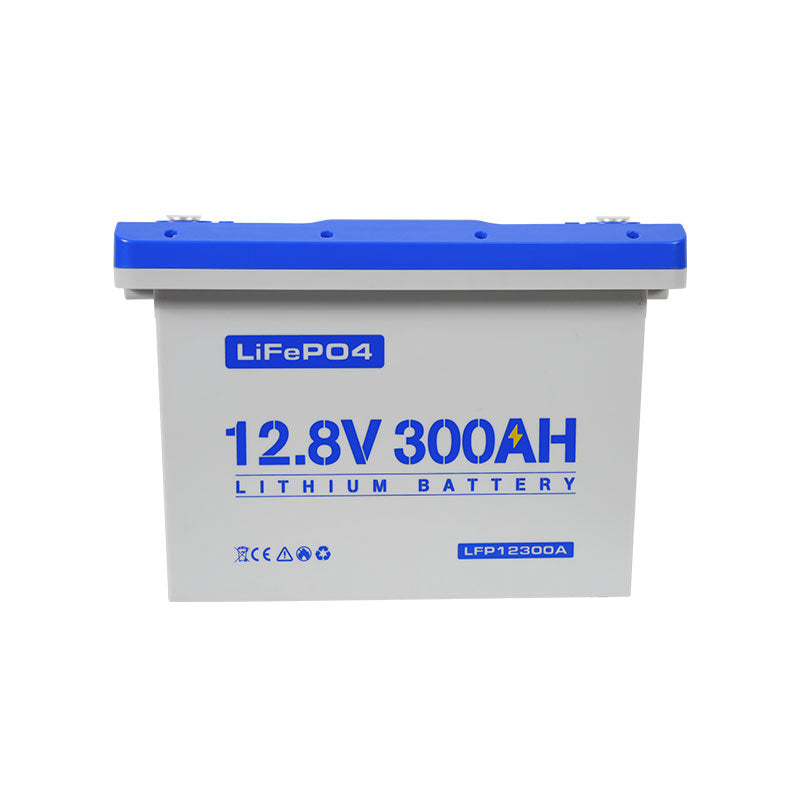
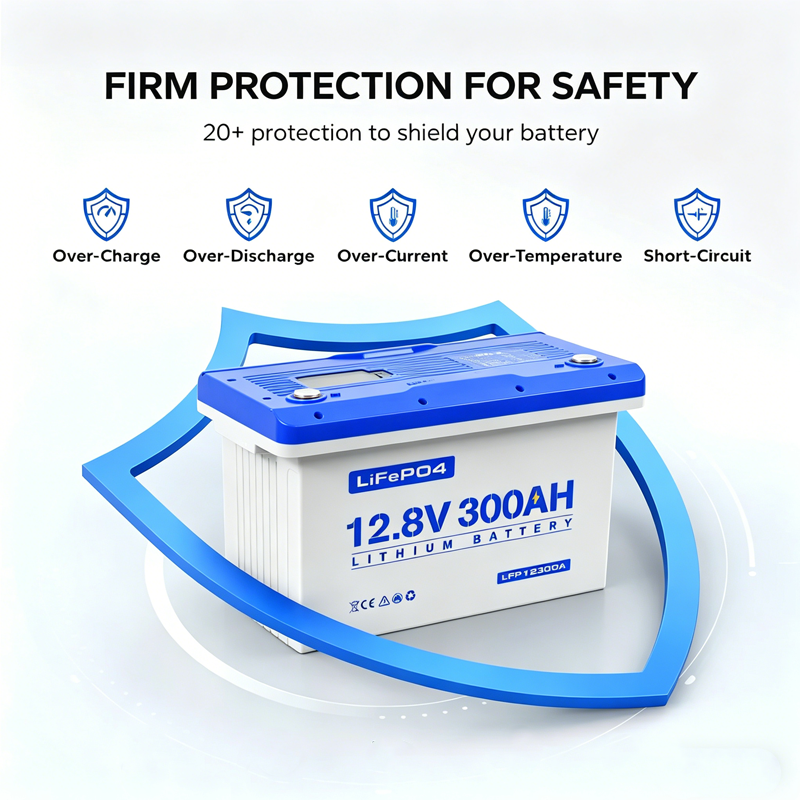








LiFePO4 batteries are stable and long-lasting, but long-term storage conditions still matter. Temperature, state of charge, and small standby loads can all affect how much capacity the battery retains while it is not being used.
The safest storage plan is simple: store the battery partially charged, keep it cool and dry, disconnect unnecessary loads, and avoid charging it while it is below freezing.
The Science of Temperature and LiFePO4 Chemistry
Temperature changes the speed of chemical reactions inside a battery. During storage, those reactions are slower than during cycling, but they still affect capacity and internal resistance over time.
How Temperature Influences Battery Internals
High temperature accelerates aging reactions and can increase self-discharge. Over time, this can reduce usable capacity and raise internal resistance. Cold storage usually slows aging, but it creates a major restriction when the battery returns to service: standard charging below 0°C (32°F) is generally not recommended.
Defining Long-Term Storage
Long-term storage usually means the battery will sit unused for several months, such as seasonal RV storage, cabin shutdown, or backup battery storage between outages. Even with low self-discharge, the battery should not be ignored indefinitely.
Ideal Temperature Ranges for LiFePO4 Storage
The Optimal Storage Temperature
A cool, dry, stable location is best. Many manufacturers recommend storage around room temperature or slightly cooler. Avoid locations with large daily swings, direct sun, or trapped heat.
The Dangers of High-Temperature Storage
Heat is the bigger long-term storage problem. A battery stored in a hot shed, attic, vehicle, or sealed outdoor compartment may lose capacity faster than one stored indoors. NREL battery degradation research highlights temperature as a key factor in long-term aging models; see this National Renewable Energy Laboratory battery degradation report for technical background.
The Impact of Freezing Temperatures
Freezing storage is usually less damaging than high heat if the battery is dry, disconnected, and not being charged. The danger comes when charging starts while the cells are still below 0°C (32°F). Low-temperature charging can cause lithium plating and permanent capacity loss. For seasonal use, warm the battery into its safe charge range before charging.
Practical Steps for Storing Your LiFePO4 Batteries
Prepare Your Battery for Storage
Store LiFePO4 batteries at a partial state of charge, commonly around 40% to 60% unless the manufacturer recommends another range. Avoid long storage at 100% because high state of charge can increase calendar aging. Avoid storage near 0% because self-discharge or standby drains can push the battery into low-voltage protection.
Choose the Right Storage Location
Choose a location that is cool, dry, ventilated, and protected from direct sunlight. Indoor storage is usually better than outdoor storage. Keep the battery away from heat sources and follow basic lithium-ion safety practices. The National Fire Protection Association lithium-ion battery safety guidance is a useful general reference for safe storage habits.
Maintenance During Storage
Check battery voltage or state of charge every three to six months. If the battery has dropped below the recommended storage range, recharge it with a LiFePO4-compatible charger. Disconnect small parasitic loads, including displays, inverters, DC accessories, and monitoring devices unless they are specifically designed for storage mode.
Comparing Storage Needs: LiFePO4 vs. Other Chemistries
LiFePO4 batteries are generally easier to store than flooded lead-acid batteries because they have lower self-discharge and do not need regular watering. They still need correct state of charge, temperature control, and periodic checks.
| Storage Factor | LiFePO4 | Lead-Acid |
|---|---|---|
| Recommended storage SoC | Often partial, around 40% to 60% | Usually stored full |
| Self-discharge | Low | Higher |
| Maintenance | Voltage check every few months | More frequent maintenance may be needed |
| Cold concern | Do not charge below freezing without protection | Freezing risk increases when discharged |
A Forward-Looking Perspective
Temperature can damage LiFePO4 batteries during storage, but most damage is preventable. High heat, full-charge storage, deep-discharge storage, and charging below freezing are the main issues to avoid. A cool location, partial state of charge, and periodic checks will protect most batteries through seasonal storage.
For broader storage and lifespan planning, this 12V 100Ah LiFePO4 battery lifespan guide explains how storage, cycling, and temperature work together.
Frequently Asked Questions
Can I store a LiFePO4 battery at 0% charge?
No. Very low state of charge can allow self-discharge or standby drains to pull the battery into low-voltage protection. Store it partially charged unless the manufacturer gives a different instruction.
How long can a LiFePO4 battery be stored?
With proper state of charge, a cool dry location, and periodic checks, a LiFePO4 battery can usually be stored for months without issue. For multi-year storage, follow the manufacturer's maintenance schedule closely.
Do I need a special charger to wake up a stored battery?
If the battery was stored correctly, a normal LiFePO4-compatible charger is usually enough. If the BMS entered low-voltage protection, some batteries may require a charger with lithium wake-up or 0V activation functionality.
Is it better to store the battery indoors or outdoors?
Indoors is usually better because temperature and humidity are easier to control. Outdoor storage should protect the battery from direct sun, water, freezing charge conditions, and large temperature swings.
