















Solar and energy storage systems are long-term investments in independence and sustainability. To keep them reliable, it is important to know when professional service is needed. While some checks can be done by owners, certain warning signs require expert attention to protect both safety and performance.
Understanding the Core Components
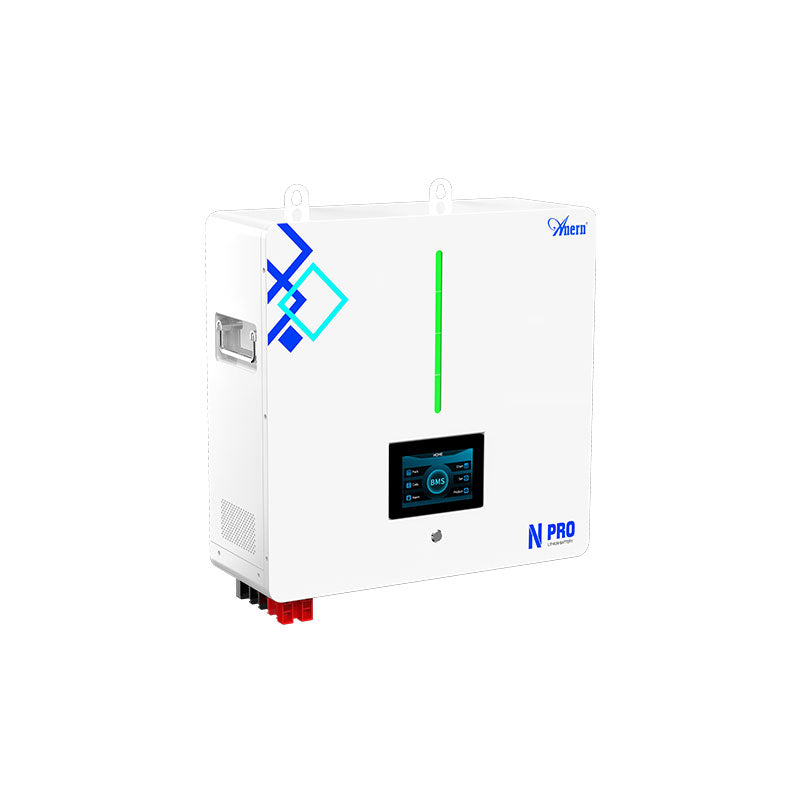
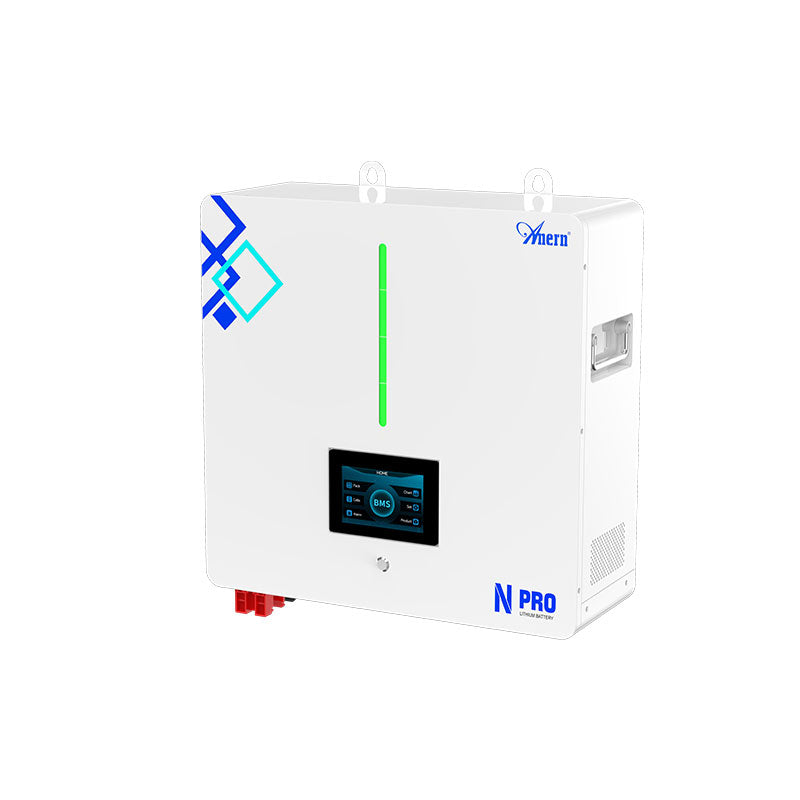
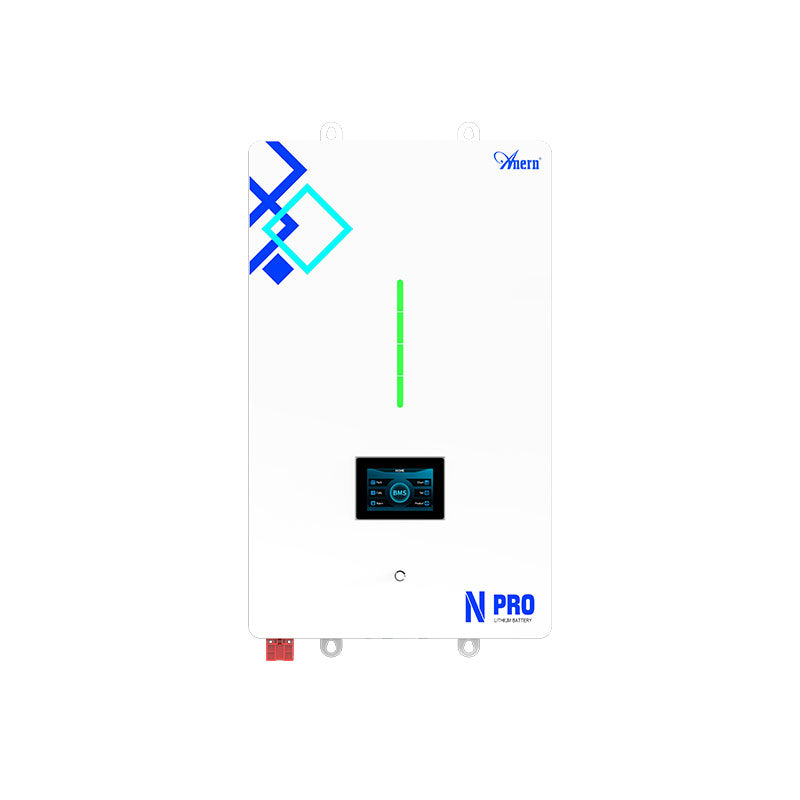
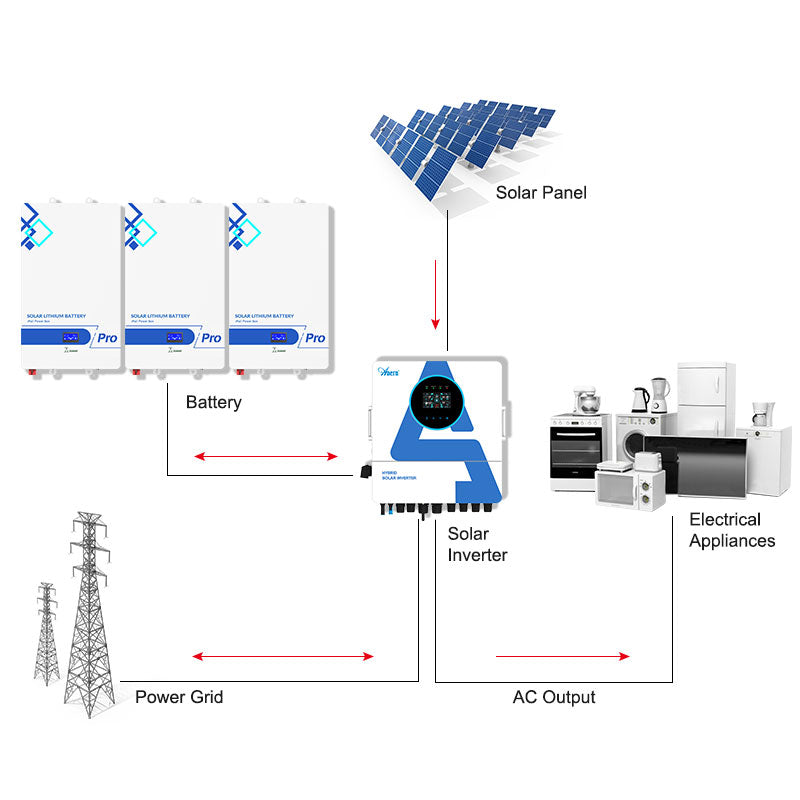
A complete system typically includes solar panels, an inverter, and a battery storage unit. In off-grid setups, charge controllers and monitoring devices are also common. Monitoring performance through an app or display provides early clues when service is required.
Roles of Key Components
- Solar Panels: Convert sunlight into DC power. Issues may arise from dirt, shading, or damage.
- Inverter: Converts DC into AC for household use. Fault codes and abnormal behavior often originate here.
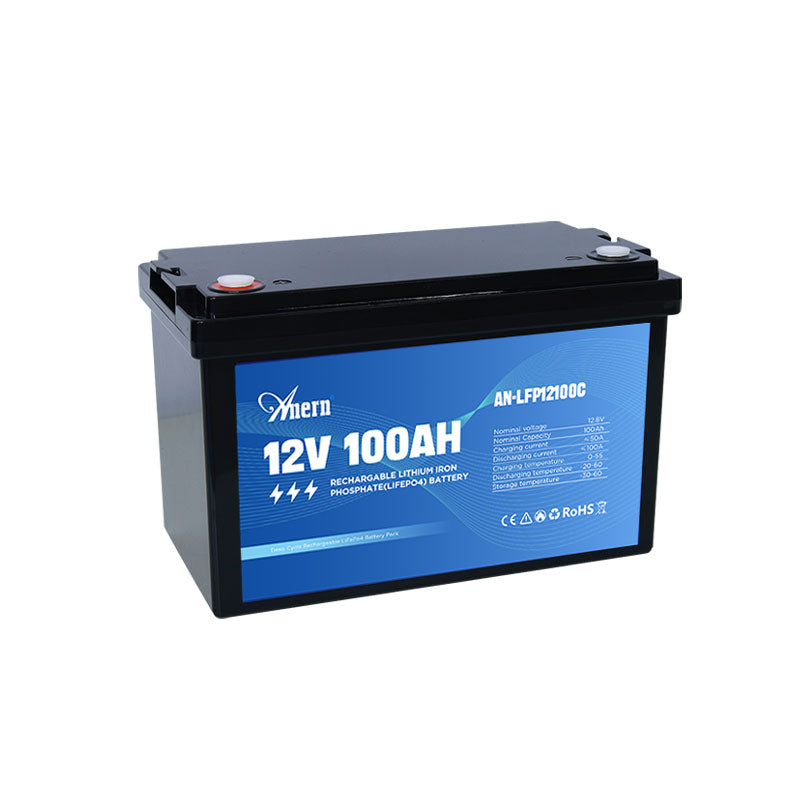
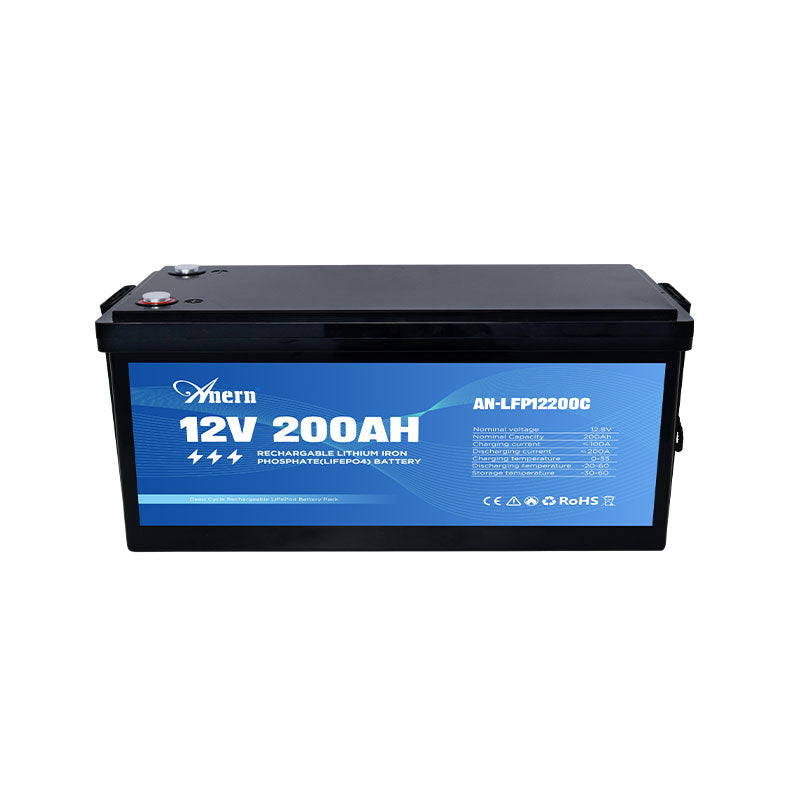
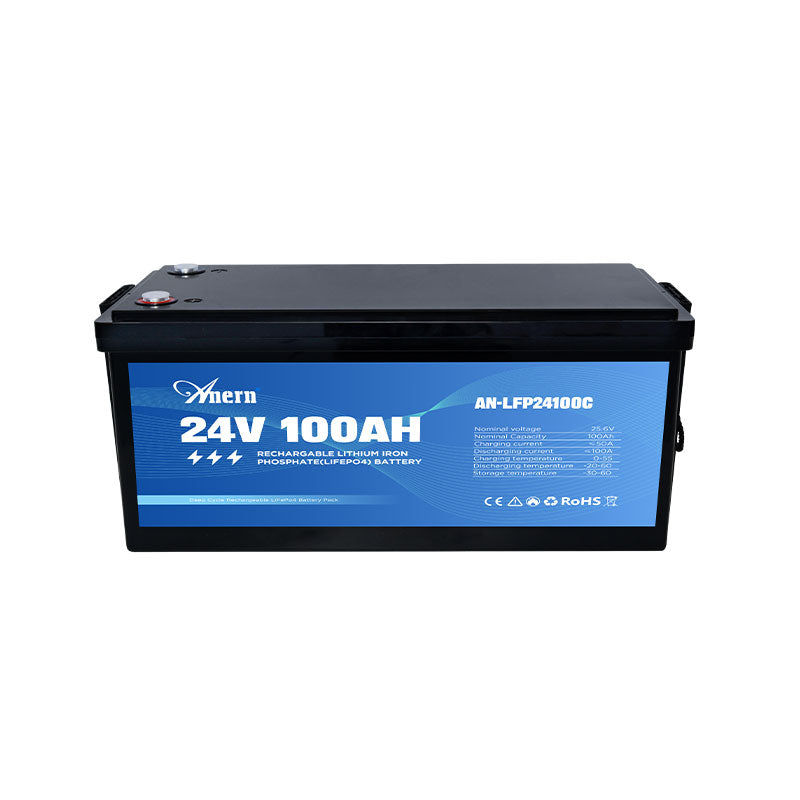
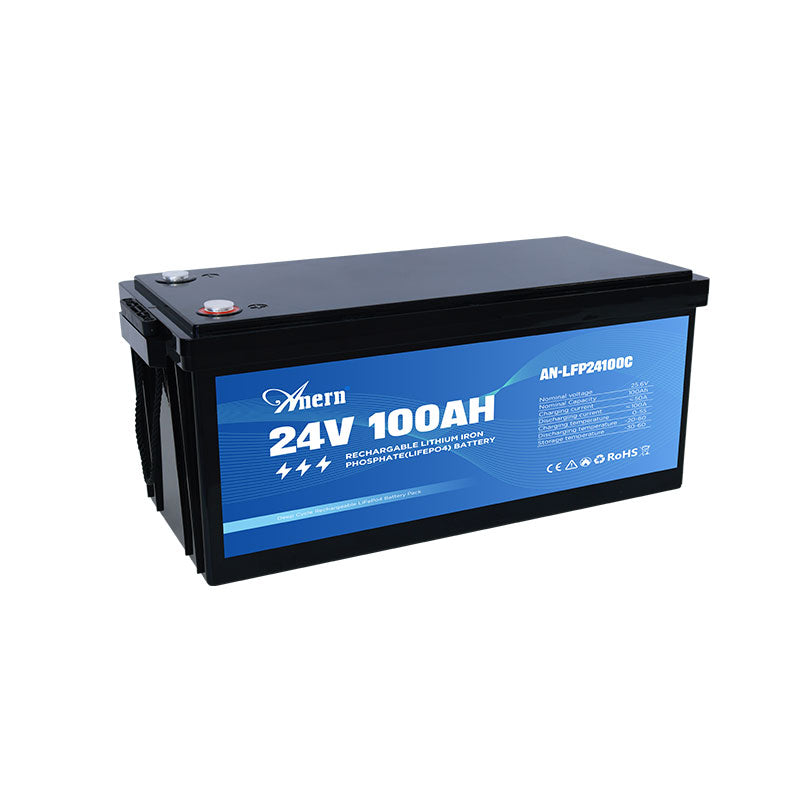
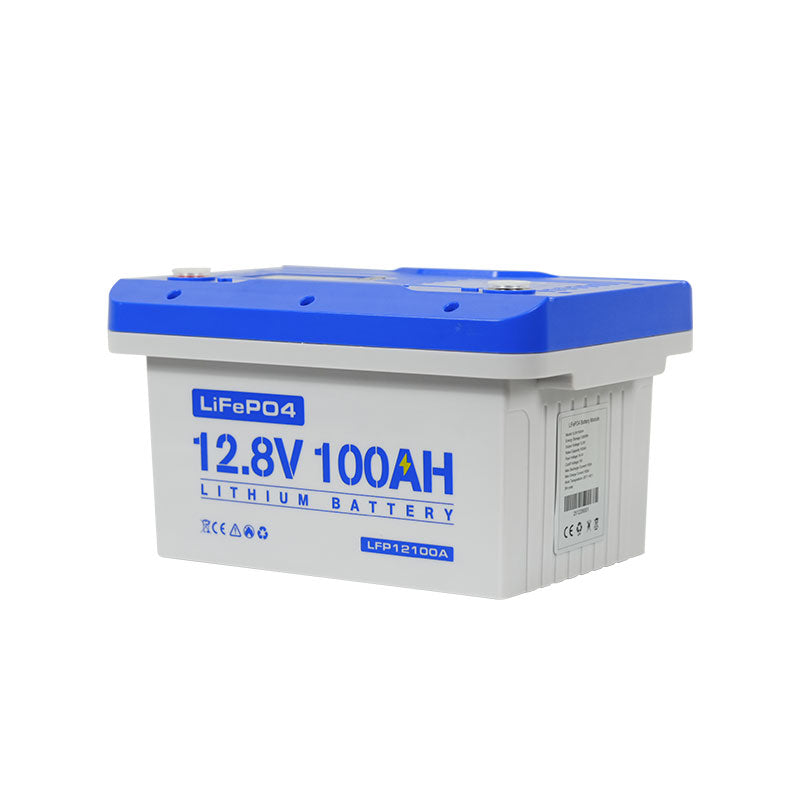
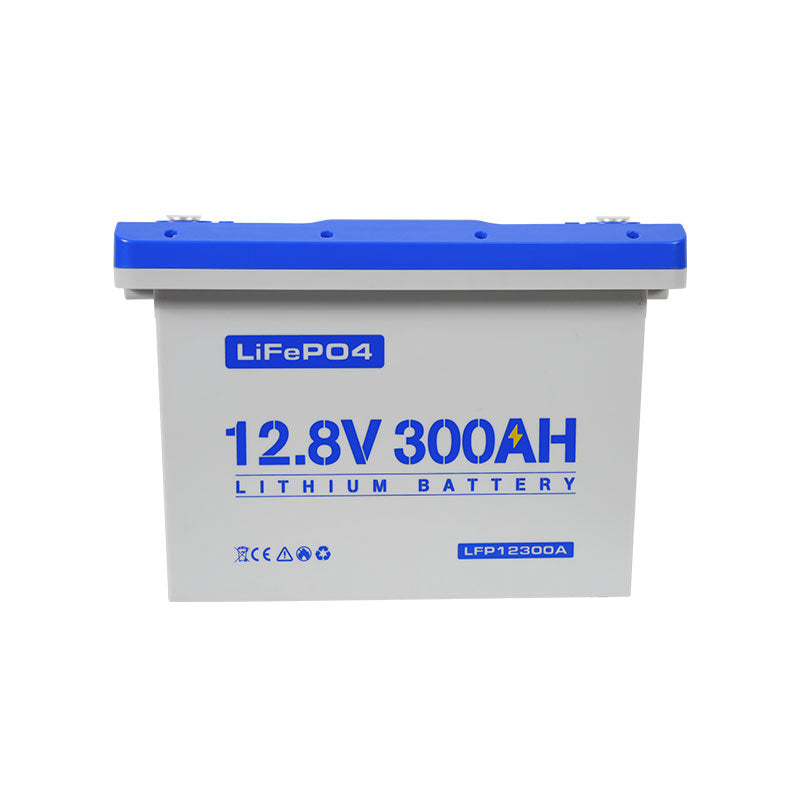
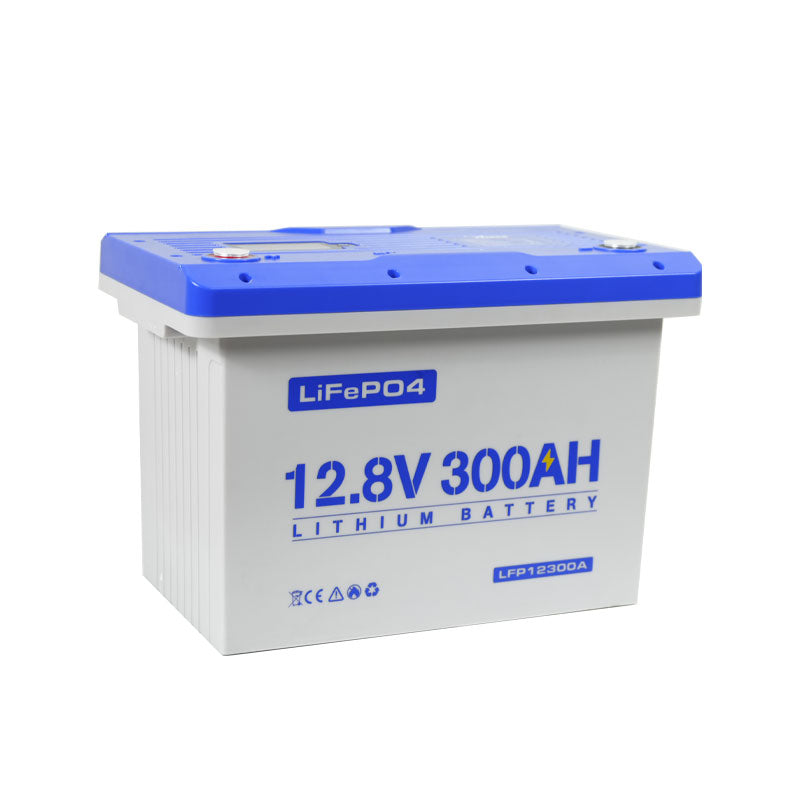
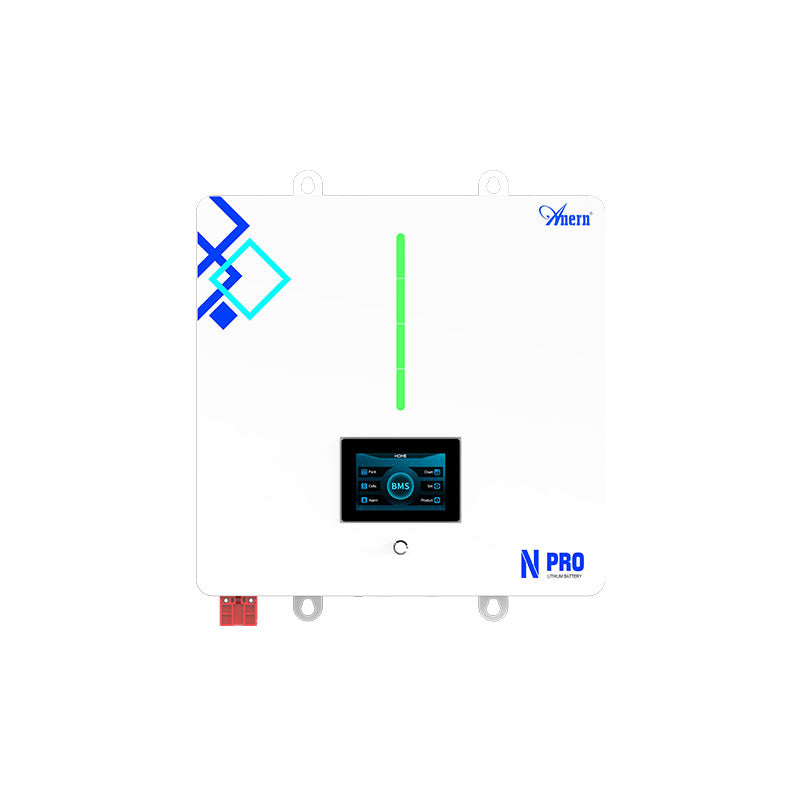
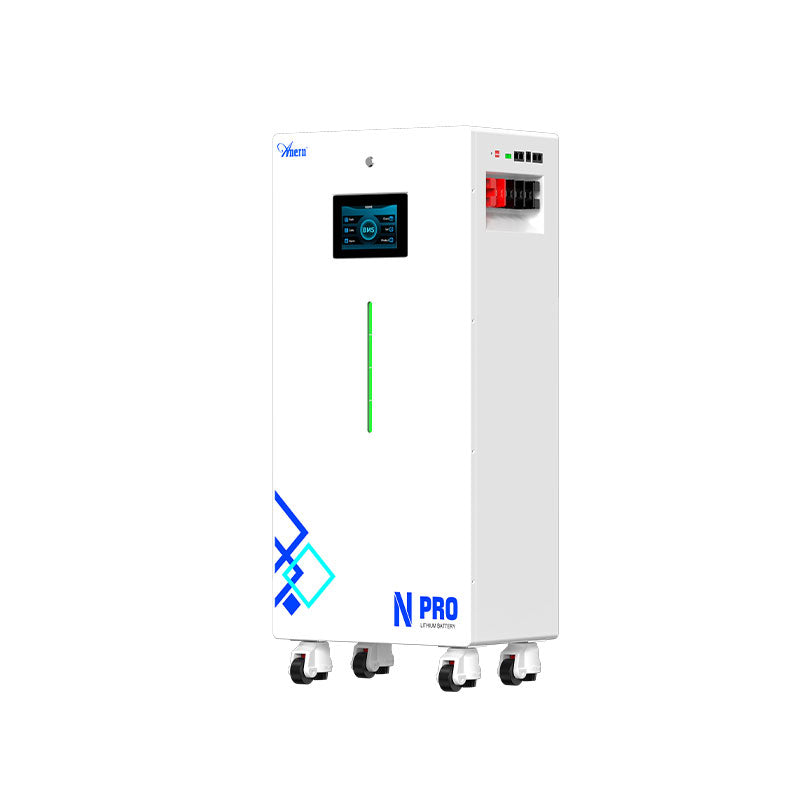
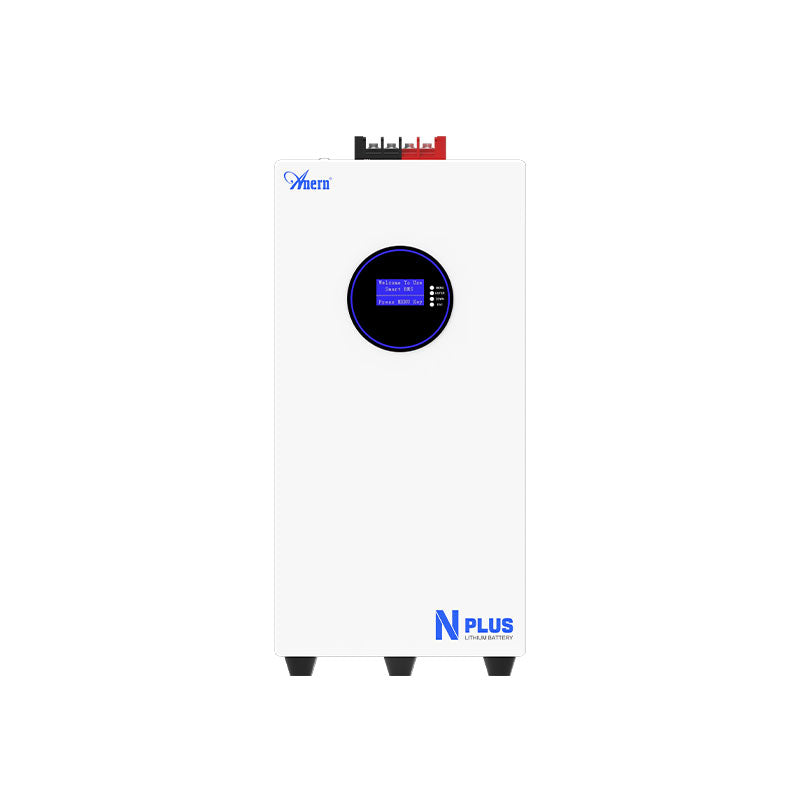
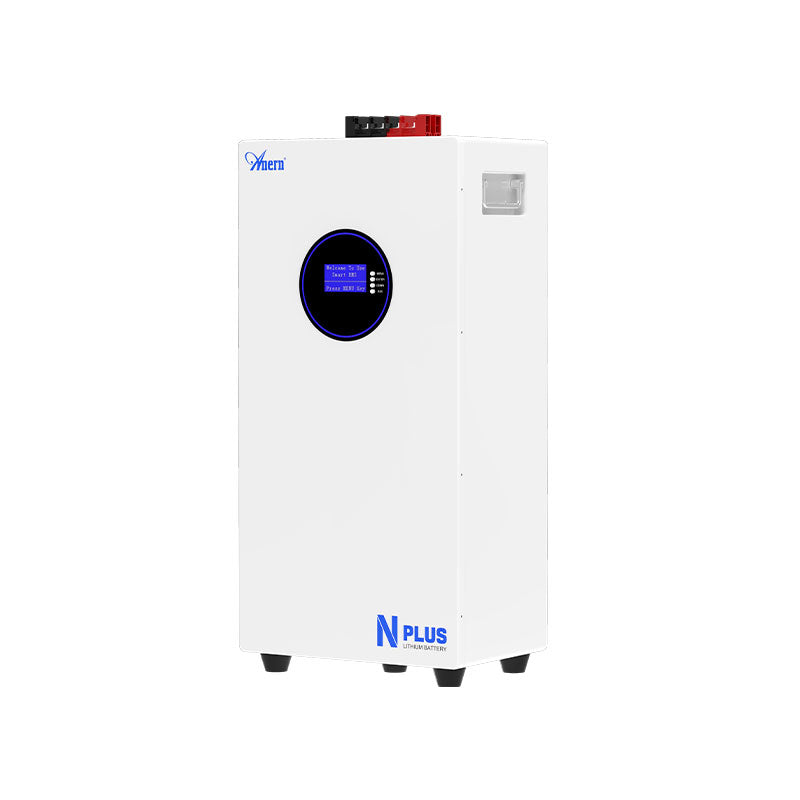
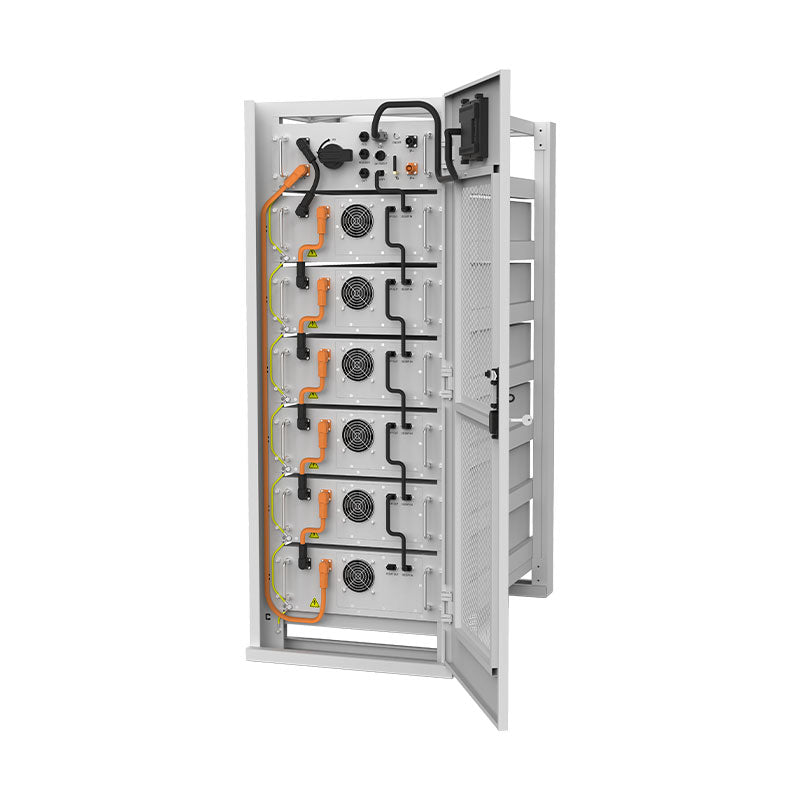
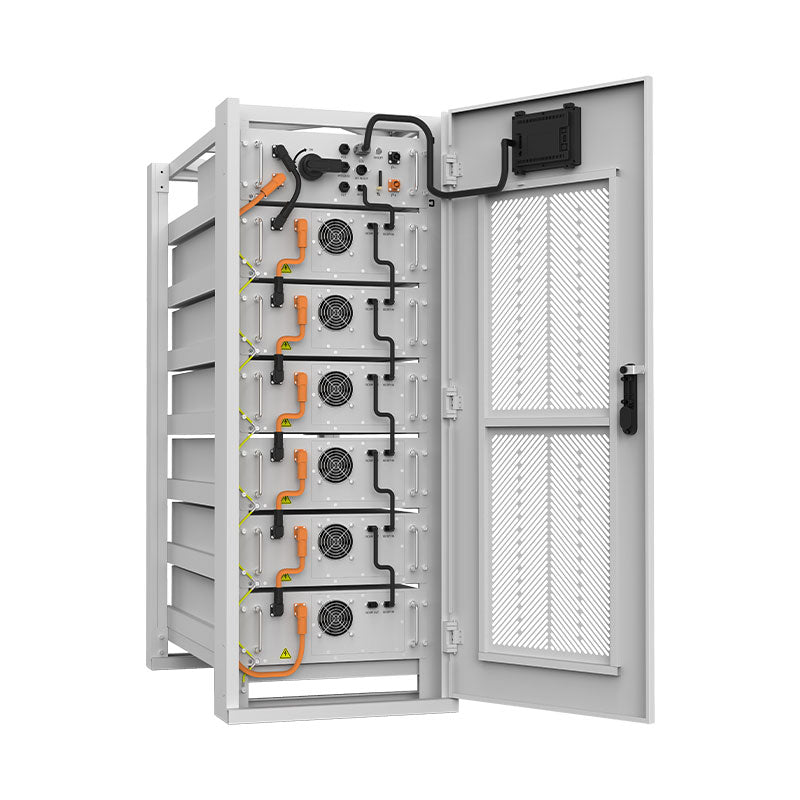
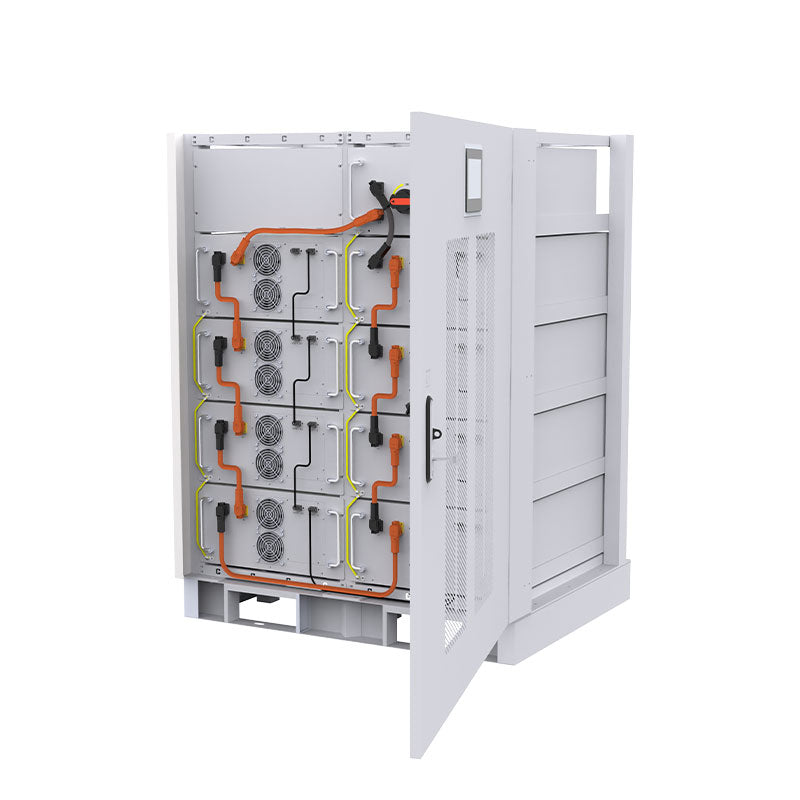
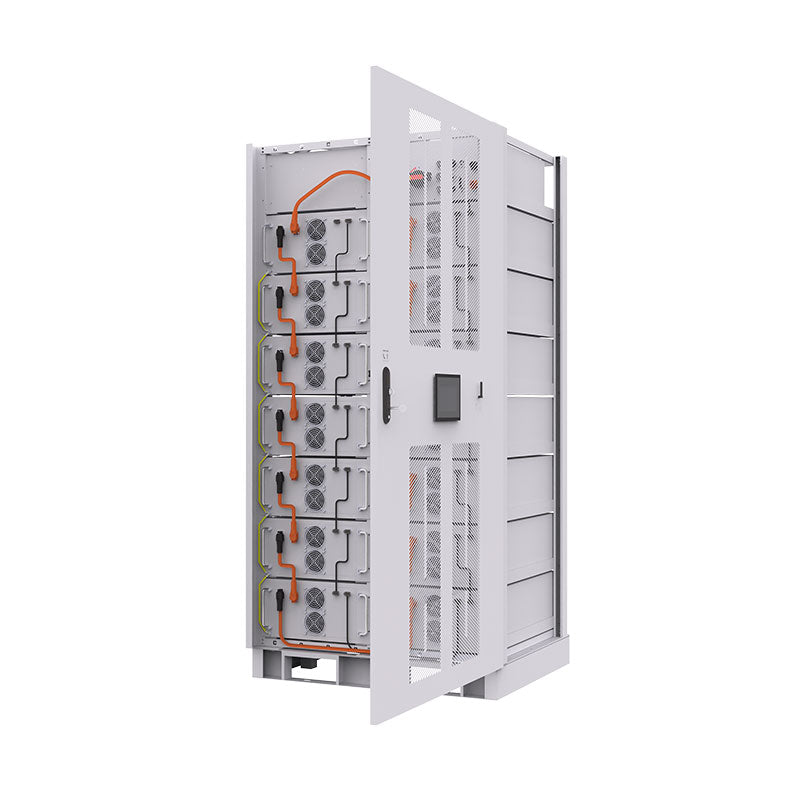
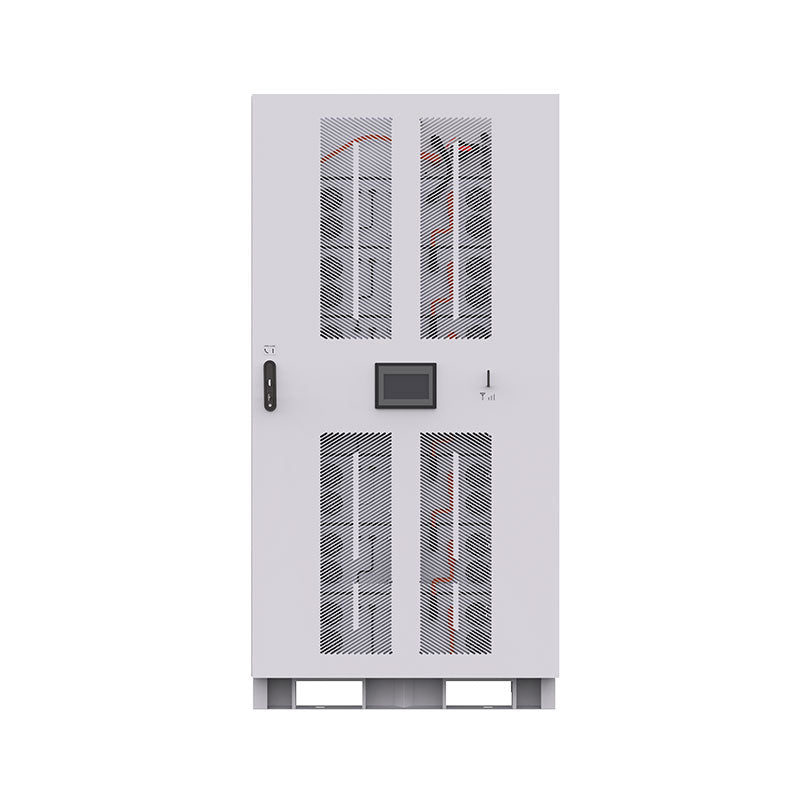
- Energy Storage (Battery): Stores excess energy for night use or outages. Performance declines or alarms indicate possible faults.
- Off-Grid Solutions: Include additional control electronics to maintain reliable supply where no grid is available.
Warning Signs That Require Service
Performance Drops and Abnormal Operation
- Sudden production loss: On clear sunny days, a sharp output drop may point to faults beyond dirty panels.
- Unusual sounds or smells: Buzzing, humming, or overheating odors suggest electrical faults—disconnect safely and call a technician.
- Breaker trips or GFCI faults: Repeated tripping signals internal wiring or component issues.
Error Codes and Alerts
Modern systems show alerts through inverter screens or monitoring apps. Some codes mean simple resets; others require expert diagnosis. Persistent inverter errors, battery management alarms, or monitoring warnings should trigger a service call.

Maintenance and Inspection Intervals
Even when no problem is visible, periodic inspection helps prevent failures. Industry practice suggests professional checks every 1–3 years, covering wiring, inverter health, and battery testing. Preventive service reduces long-term costs and ensures resilience.
According to the International Renewable Energy Agency (IRENA), electricity storage provides essential flexibility for renewable energy. Regular inspection ensures storage units remain reliable within this larger energy system.
Critical Scenarios Needing Immediate Attention
- Battery swelling, leaking, or corrosion: Indicates internal failure. Isolate safely and call service immediately.
- Battery performance loss: If storage no longer holds charge as expected, professional testing is required.
- System fails to supply power during outage: Possible inverter or controller fault—requires expert intervention.
Quick Guide: Issues and Actions
| Observed Issue | Possible Cause | Action |
|---|---|---|
| Low output on sunny day | Panel shading, inverter fault | Check for dirt/shading. If persistent, call service. |
| Inverter error code | Internal fault or grid issue | Review manual. If unresolved, call technician. |
| Unusual noises/smells | Overheating, wiring issue | Switch off if safe. Contact service. |
| Battery swelling/leakage | Internal failure, charging fault | Do not touch. Isolate and call service immediately. |
| Repeated breaker trips | Short circuit or overload | Reset once. If repeated, schedule service. |
Grid-Tied and Off-Grid Considerations
- Grid-tied: If the system stops exporting energy or shows outages despite grid availability, inspection is needed.
- Off-grid: Frequent blackouts or batteries consistently empty indicate design or component issues requiring service.
The International Energy Agency (IEA) notes that flexible systems are key to handling variability in renewables. Well-maintained solar and storage installations not only protect households but also contribute to wider grid stability.
Ensuring Long-Term Reliability
Recognizing service indicators and scheduling timely maintenance ensures safety, efficiency, and warranty compliance. While simple checks are safe for owners, complex repairs should always be left to certified professionals.
Disclaimer: This content is for educational purposes and does not replace professional advice. Always consult licensed technicians for inspection or repair.
References
- IRENA (2020). Electricity Storage Valuation Framework. IRENA Report
- IEA (2011). Harnessing Variable Renewables. IEA Report
