


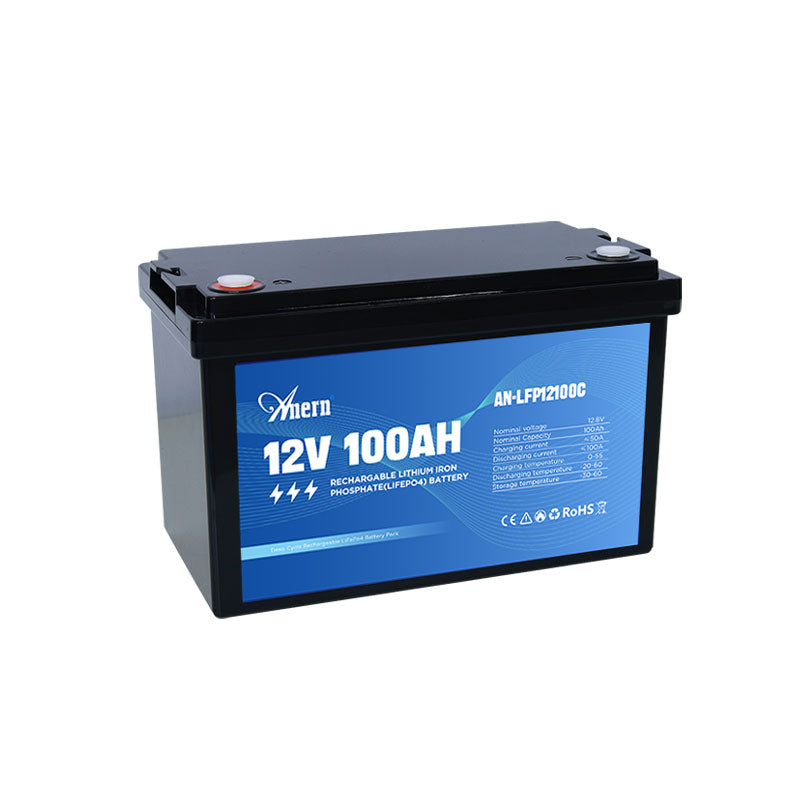
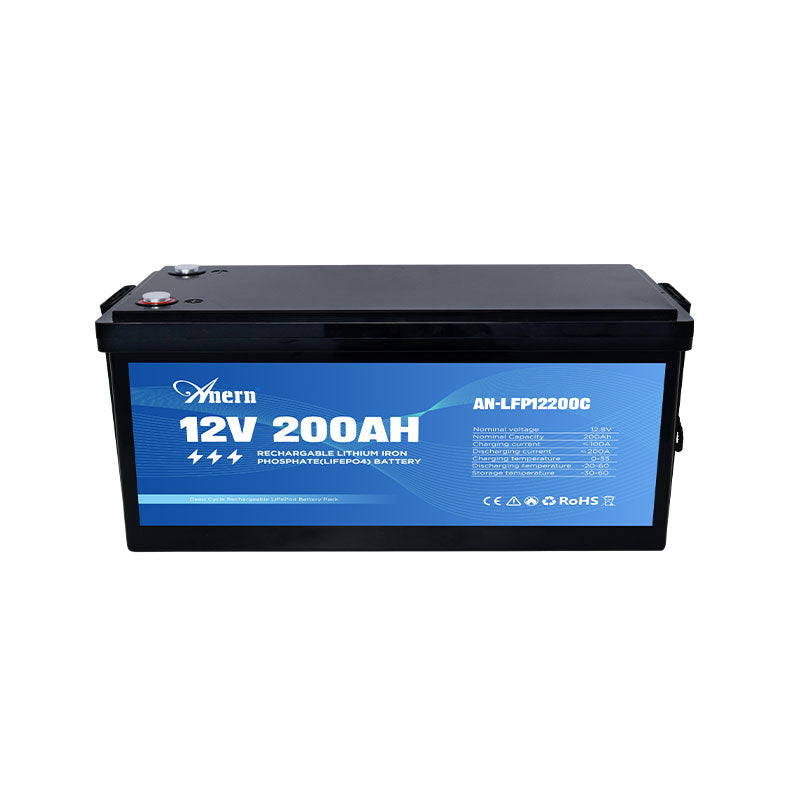
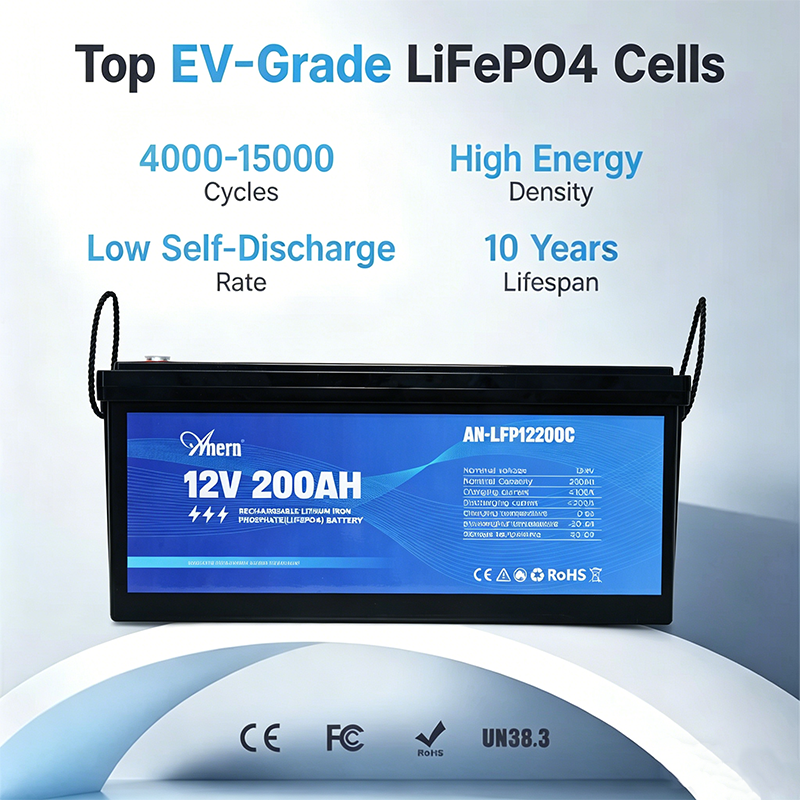

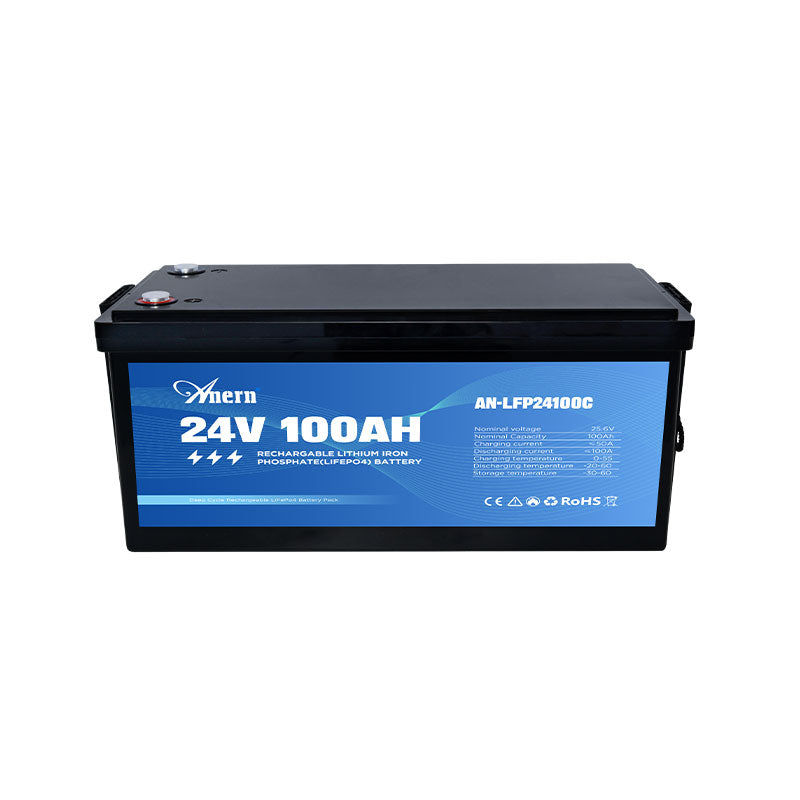
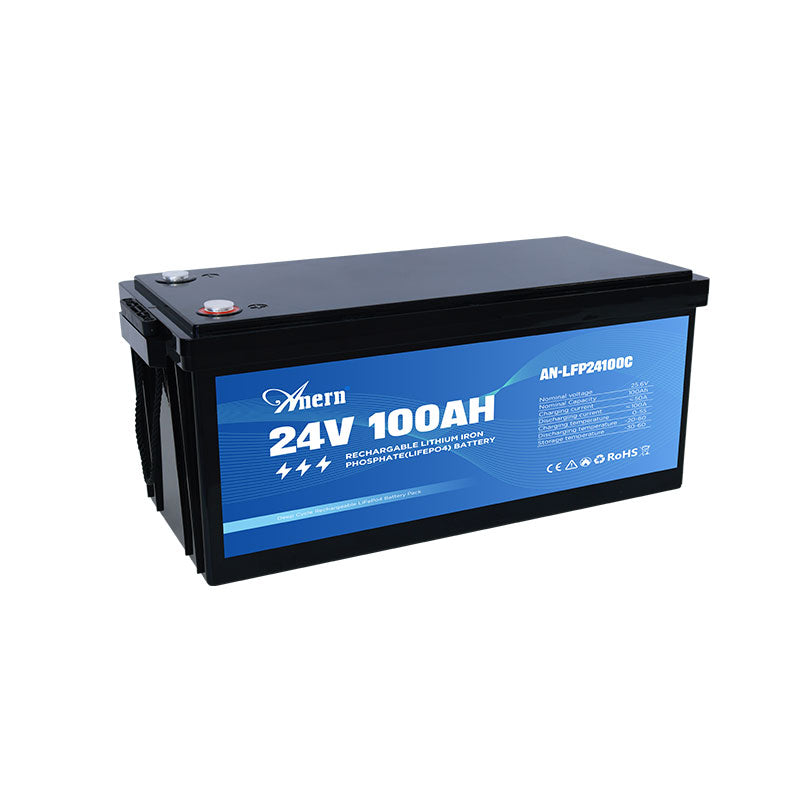

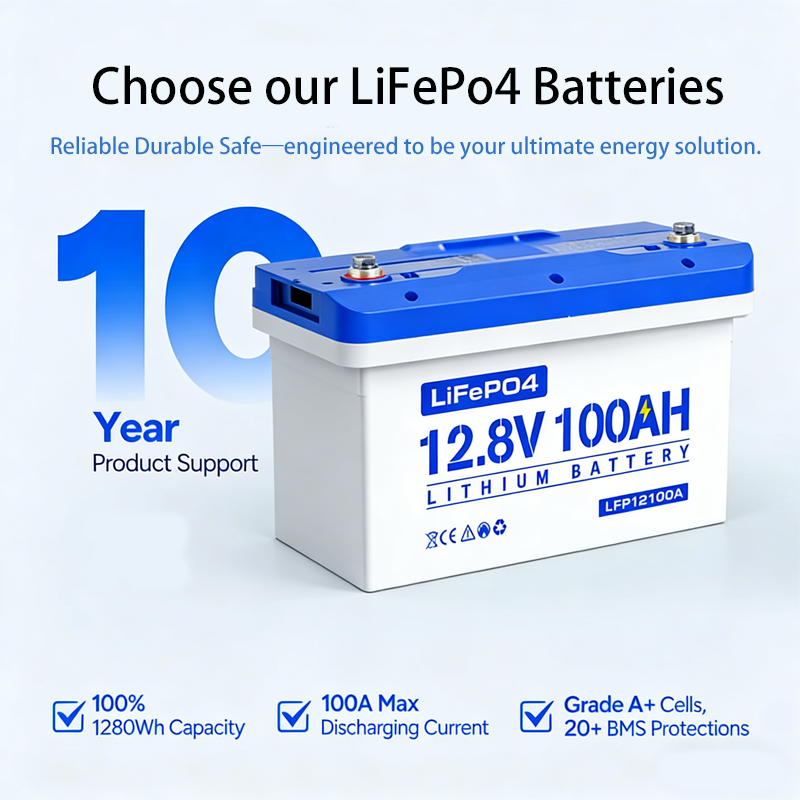

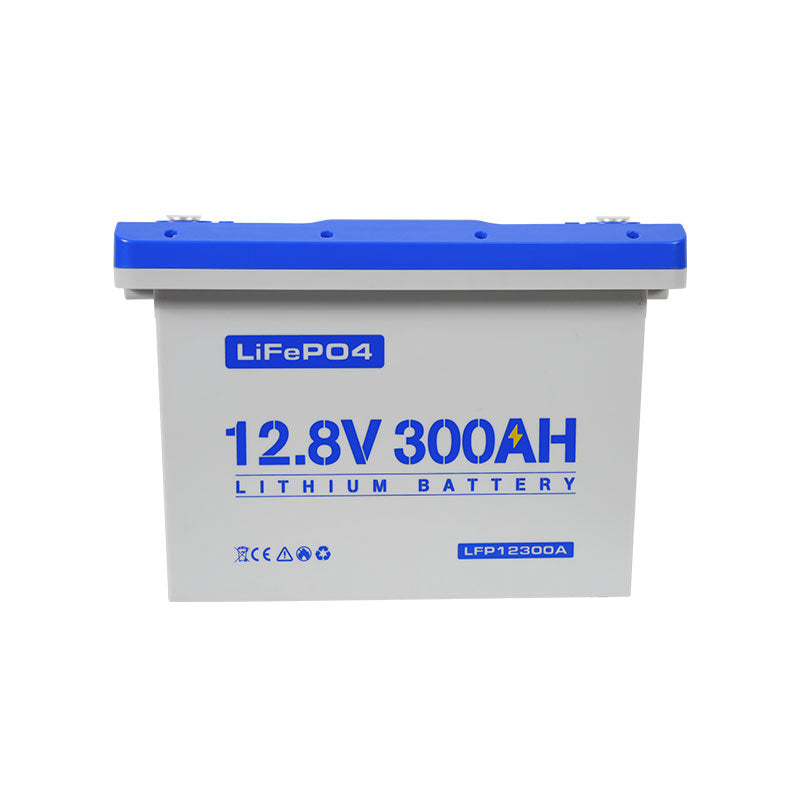
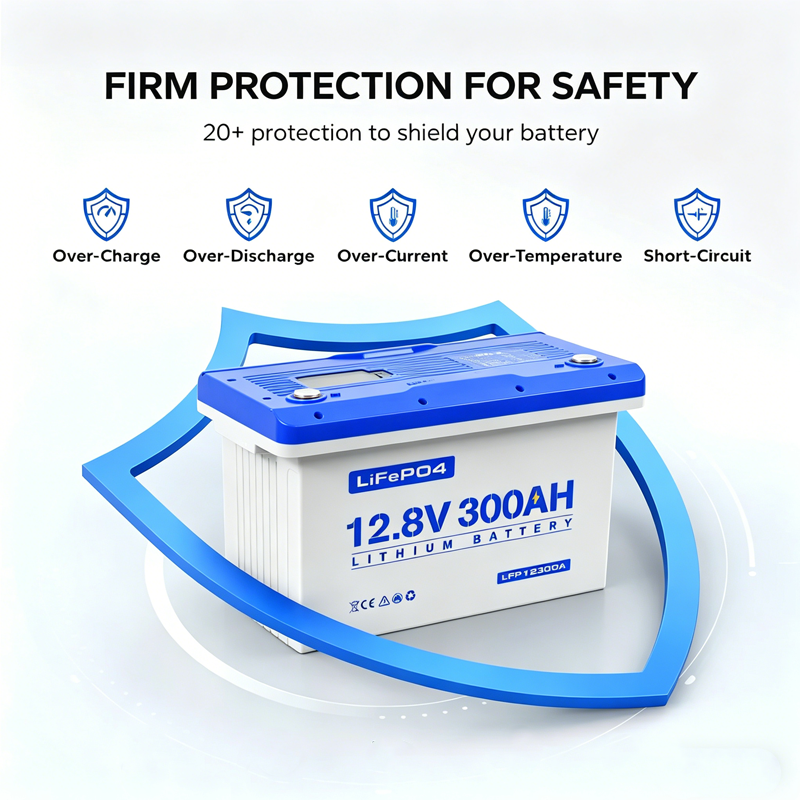

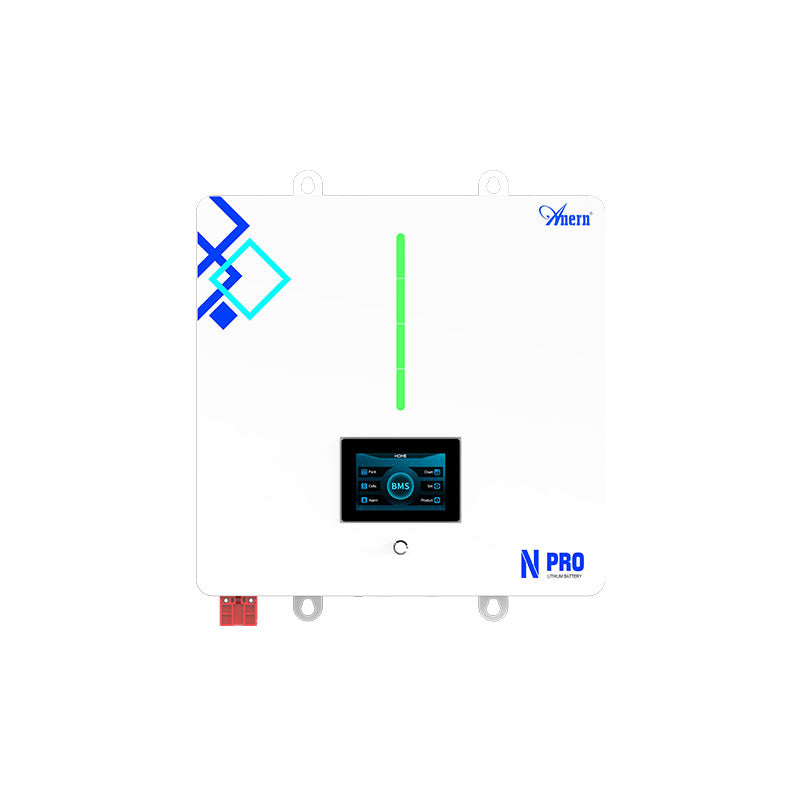
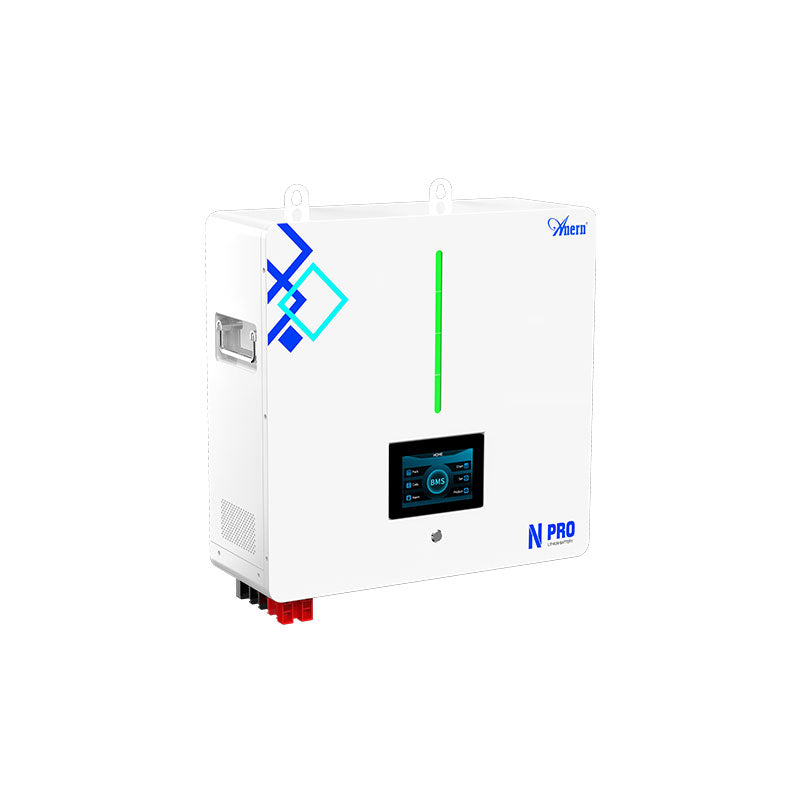
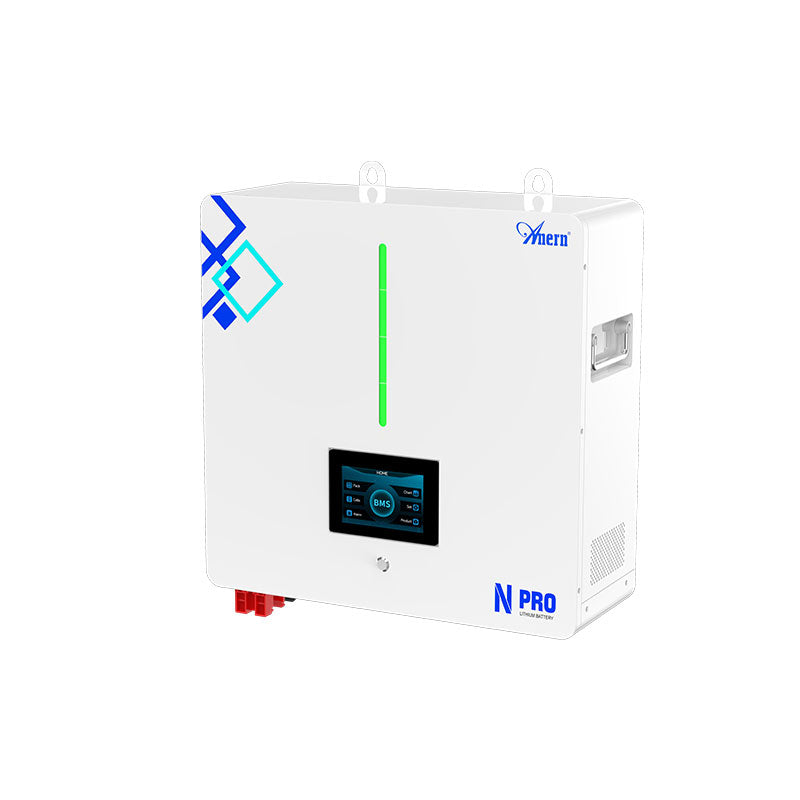

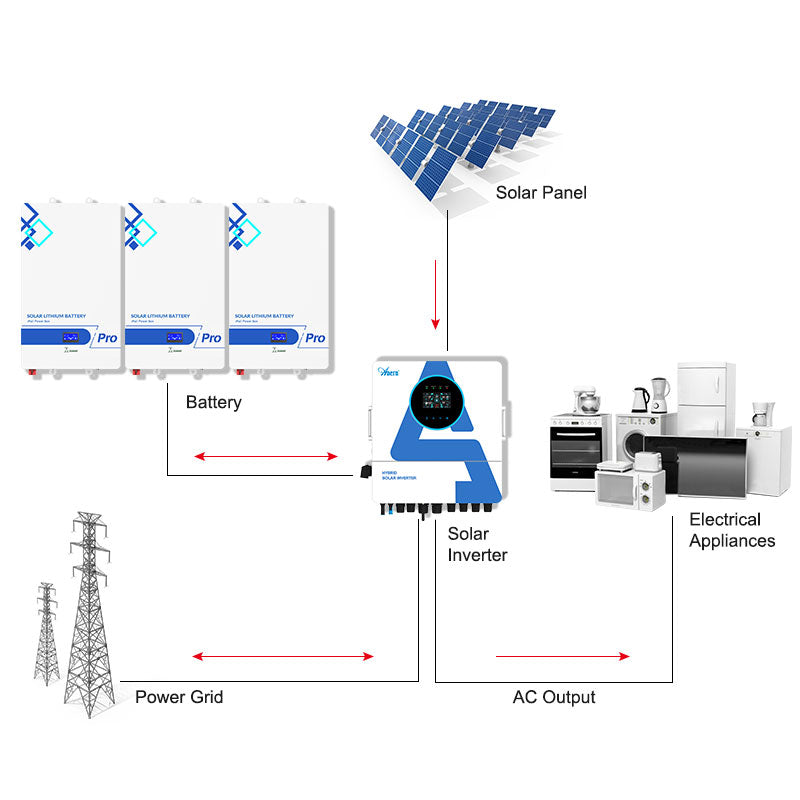
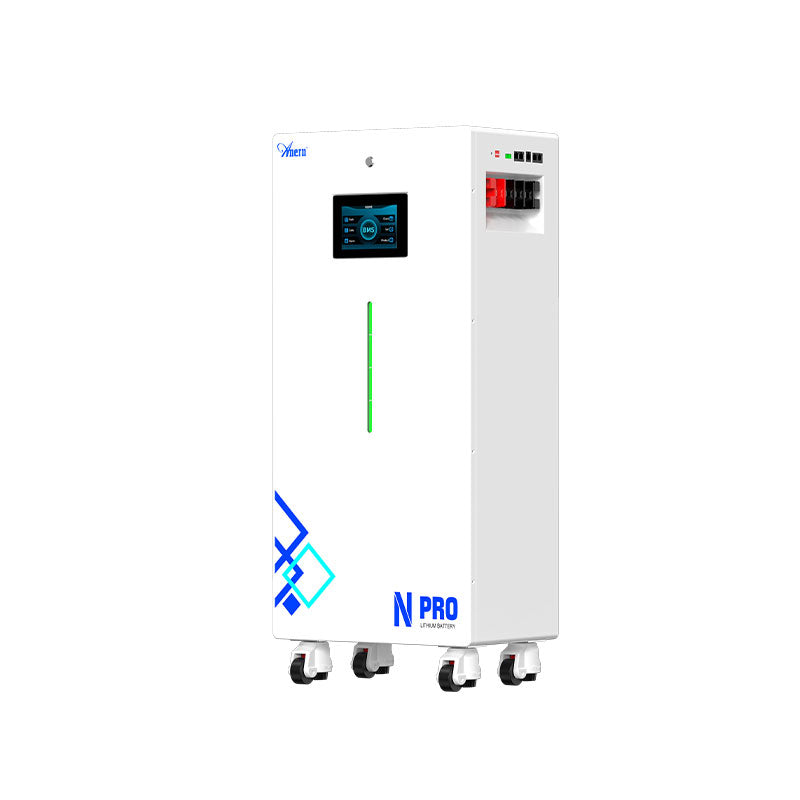

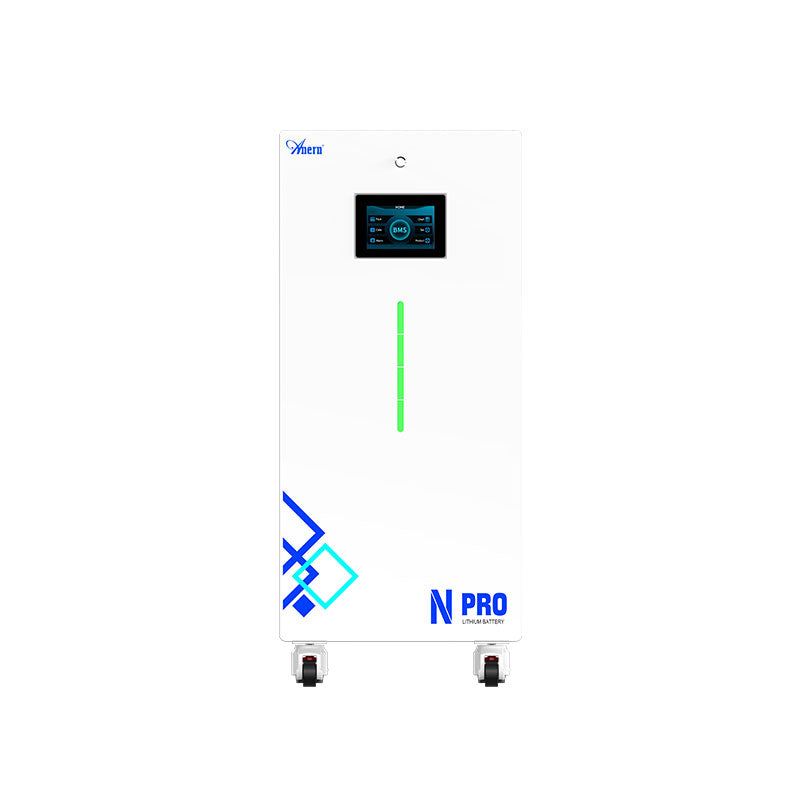


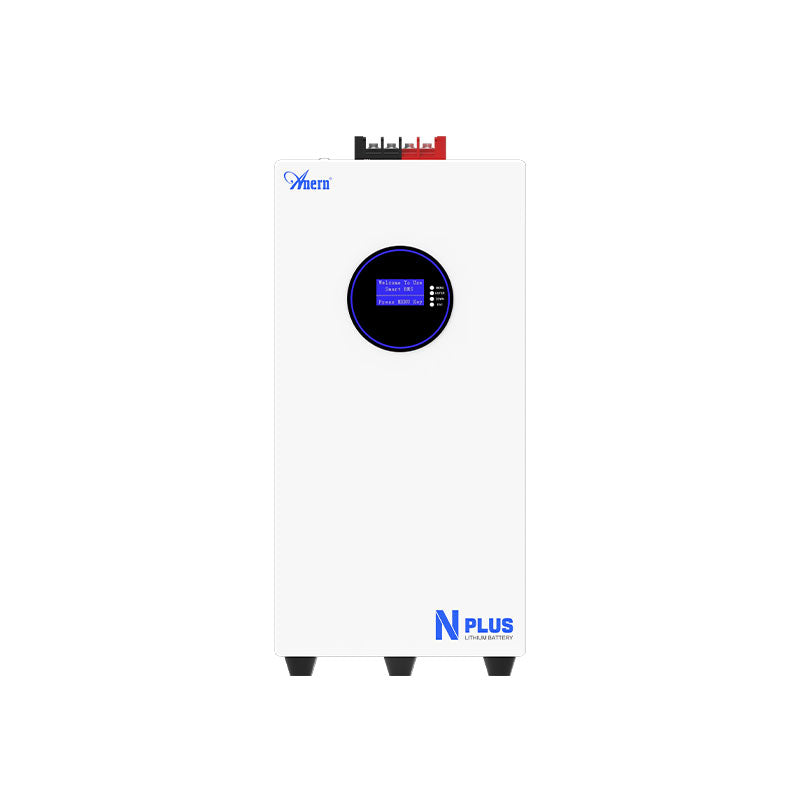
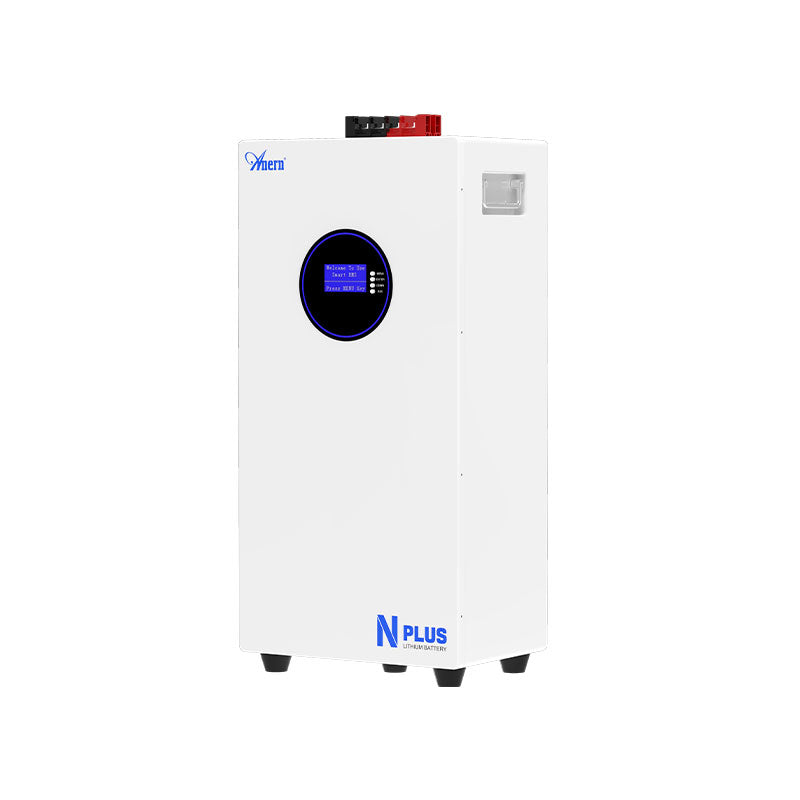
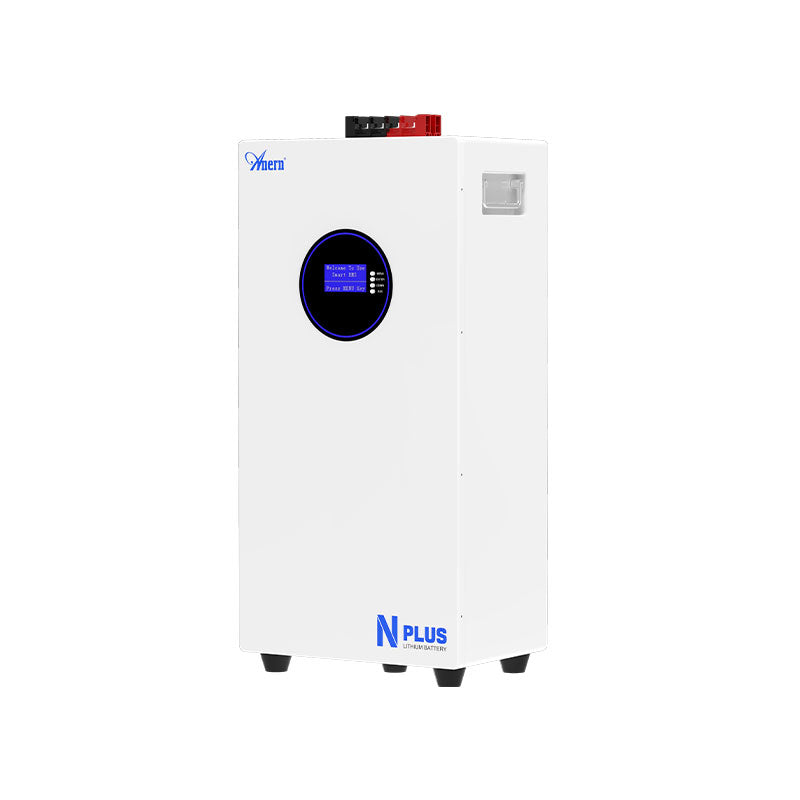




A 100Ah lithium battery is a strong camping power source for lights, phones, laptops, fans, small fridges, and other low-to-medium loads. Whether it is enough for your trip depends on your daily watt-hour use and how you plan to recharge it.
Understanding Battery Capacity: What Does 100Ah Actually Mean?
Amp-Hours and Watt-Hours Explained
Amp-hours measure charge, while watt-hours measure energy. For a typical 12.8V 100Ah LiFePO4 battery:
12.8V x 100Ah = 1280Wh, or 1.28kWh
That is the battery's stored energy before inverter losses, wiring losses, temperature effects, and reserve capacity. This 100Ah lithium battery solar kit guide explains the same calculation for small off-grid systems.
The Lithium Advantage: Usable Capacity
LiFePO4 batteries usually provide more usable energy than lead-acid batteries with the same Ah rating. They are also lighter, more efficient, and better suited to repeated deep-cycle use. Actual usable capacity still depends on BMS limits, temperature, and load current.
Calculating Your Off-Grid Power Consumption
Step 1: List Your Camping Appliances
Common camping loads include LED lights, phone chargers, a laptop, a 12V compressor fridge, a water pump, a ventilation fan, and camera batteries. Avoid grouping all loads together; each device has different wattage and runtime.
Step 2: Determine Wattage and Daily Usage
Use the label on each device or power adapter. Then estimate daily runtime. A fridge cycles on and off, so its average daily energy use is more useful than its startup or running wattage alone.
Step 3: Tally Your Total Daily Watt-Hours
| Appliance | Power | Daily Runtime | Daily Energy |
|---|---|---|---|
| LED lights | 12W | 4 hours | 48Wh |
| Phones | 10W | 2 hours | 20Wh |
| 12V fridge | Average varies | Daily cycling | 300Wh to 700Wh |
| Laptop | 65W | 3 hours | 195Wh |
If your daily use is around 600Wh to 800Wh, one 100Ah LiFePO4 battery can often support one to two days before recharge. If you use high-wattage AC appliances, the battery drains much faster.
What Can You Realistically Power with a 100Ah Lithium Battery?
Scenario 1: The Minimalist Camper
For LED lights, phones, a small fan, and a water pump, a 100Ah battery can last several days. This is where a compact battery performs best.
Scenario 2: The Digital Nomad
With a laptop, router, camera chargers, and a fridge, daily energy use can approach 600Wh to 1000Wh. Solar charging becomes important for trips longer than a weekend.
Scenario 3: The Comfort Seeker
Coffee makers, microwaves, induction cookers, hair dryers, and heaters are challenging. They draw high wattage and may require a large inverter. A single 100Ah battery is usually better for short bursts than routine high-power use. For inverter planning, see this 12V 100Ah battery inverter sizing guide.
Extending Your Power: The Role of Solar Charging
Pairing Your Battery with Solar Panels
Solar panels can keep a camping battery useful for longer trips. The U.S. Department of Energy's solar PV system design basics explains how panels, batteries, and inverters work together.
Sizing Your Solar Array
Use this simple estimate:
Solar watts = Daily Wh / Peak sun hours
If your camp uses 700Wh per day and you expect 4 peak sun hours, the basic estimate is 175W before losses. A 200W to 300W solar array is often more practical because clouds, heat, panel angle, and charge controller losses reduce real output.
Final Considerations for Your Camping Power System
Beyond Capacity: C-Rating and BMS
The battery BMS must support the current demanded by your inverter and DC loads. A large inverter on a small battery can trip over-current protection even when the battery has energy left.
Scalability and Future Needs
If your camping setup may grow, choose a battery that supports parallel expansion and a charge controller that can handle a larger bank. Use matching batteries and follow the manufacturer's wiring limits.
Making an Informed Decision
A 100Ah lithium battery is enough for many camping setups if loads are efficient and solar charging is available. It is not a full replacement for shore power or a large home battery system. Calculate daily Wh, choose a realistic solar array, and keep high-wattage appliances limited.
Frequently Asked Questions
How long will a 100Ah lithium battery last while camping?
For light loads, it may last several days. With a fridge and laptop, one to two days is more realistic without solar charging.
Can a 100Ah battery run a camping fridge?
Yes, many efficient 12V compressor fridges work well with a 100Ah LiFePO4 battery. Runtime depends on ambient temperature, fridge size, insulation, and thermostat setting.
What size inverter do I need for a 100Ah battery?
For electronics and small AC loads, 300W to 1000W is often more realistic than a large inverter. Confirm the battery BMS can supply the required current.
Is LiFePO4 better for camping than other lithium-ion types?
LiFePO4 is widely used for camping and off-grid systems because it offers stable chemistry, long cycle life, and strong deep-cycle performance.
