













Telecommunications base stations (BTS), especially those in remote or off-grid areas, rely on stable 48V DC power for uninterrupted service. Power quality directly affects uptime, equipment longevity, and operating costs. This article explores three components critical to power quality—cabling, fuses, and inverters—and offers field-tested practices to ensure reliability.

Cabling: Keeping Voltage Stable
Cables are the arteries of a 48V system. Incorrect size or poor termination can cause voltage drop, heating, and unstable operation.
Wire Gauge and Voltage Drop
Always size wires for both current and distance. For example, a 100 A load over 15 m with 4 AWG copper may lose ~0.5 V—acceptable. The same with 8 AWG could lose 2 V+, risking malfunction. Use published resistance data and calculate expected drop (Ohm’s Law: V = I × R).
Routing and Termination
Run cables away from sharp edges and heat sources. Use strain relief and corrosion-free terminations. Crimped lugs with heat-shrink sleeves provide stable long-term connections and reduce hotspots.
Fuses: Protecting Circuits
Fuses prevent faults from cascading. Correct sizing and placement are key to both safety and uptime.
Fuse Sizing
Match fuse continuous rating slightly above expected load but below cable/equipment limits. Example: 80 A load → 100 A fuse. Ensure the fuse interrupt rating covers the system’s maximum fault current.
Placement
Install fuses close to the DC source to minimize unfused wire length. Always protect branch circuits when smaller wires split from a main feeder.
Inverters: Supplying AC Loads
Although BTS run mainly on DC, auxiliary equipment often needs AC. Inverter design directly affects power quality.
Output Waveform
Pure sine wave inverters supply clean AC comparable to grid power, protecting sensitive electronics. Modified wave designs are cheaper but may cause noise, inefficiency, or premature failure. For telecom-grade loads, pure sine output is recommended.
Efficiency and Reliability
High efficiency reduces wasted energy, critical where generation is limited. Look for designs with strong thermal management, quality components, and robust protection features to avoid downtime.
Integrated Energy Storage
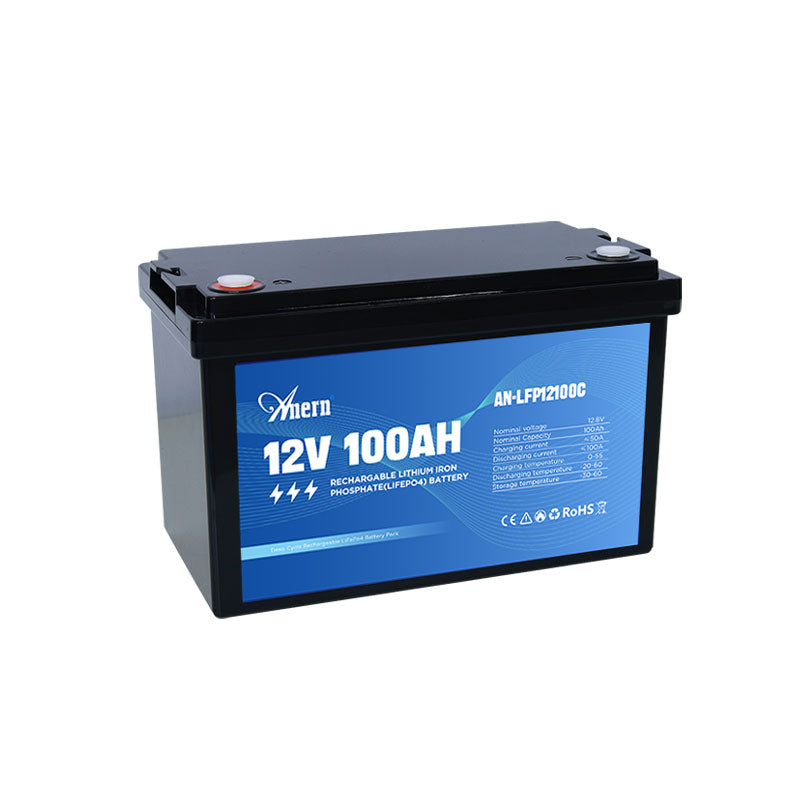
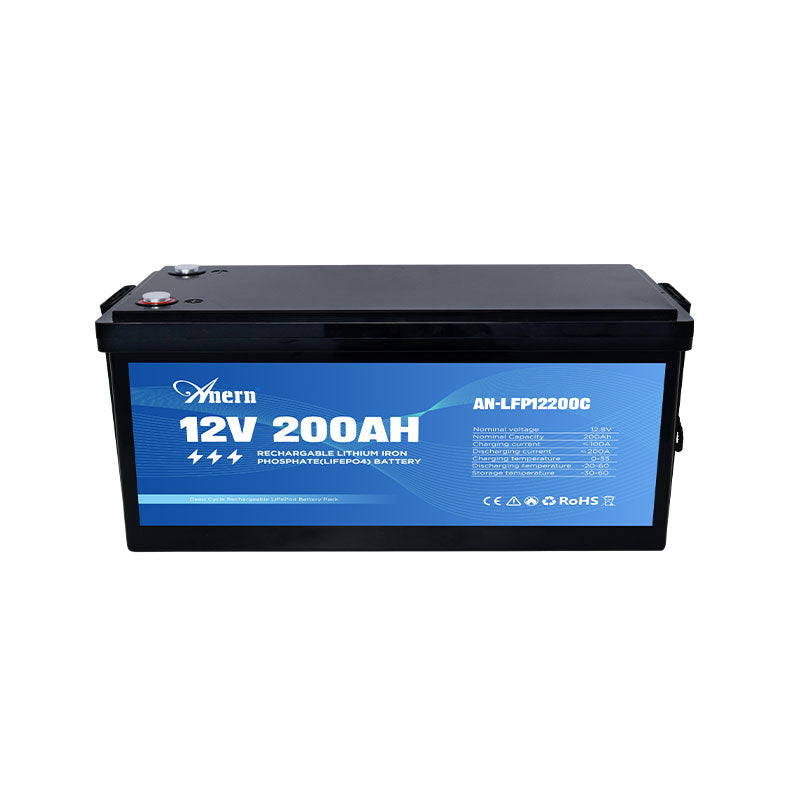
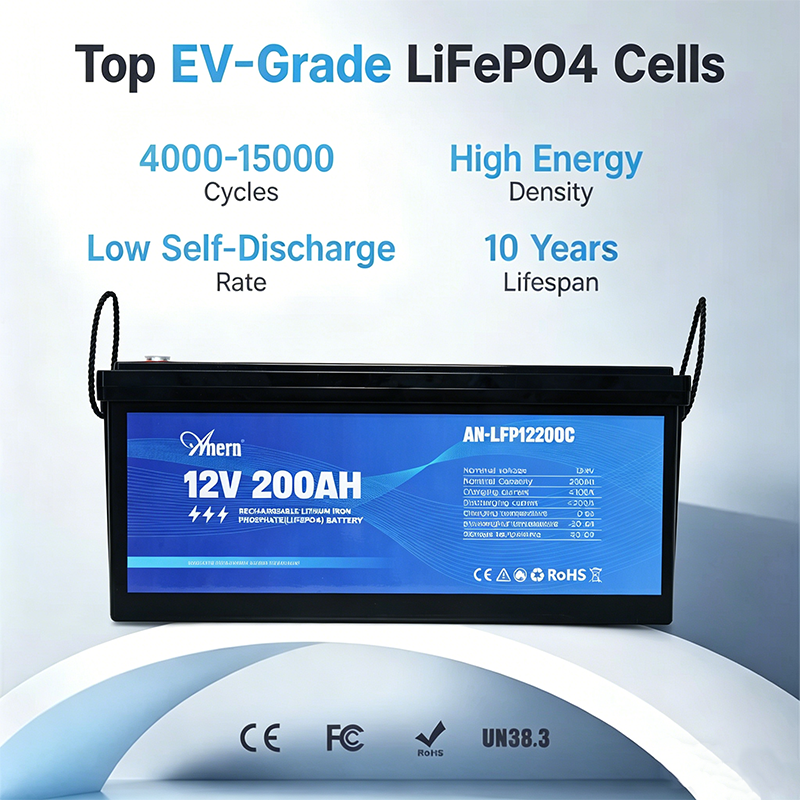
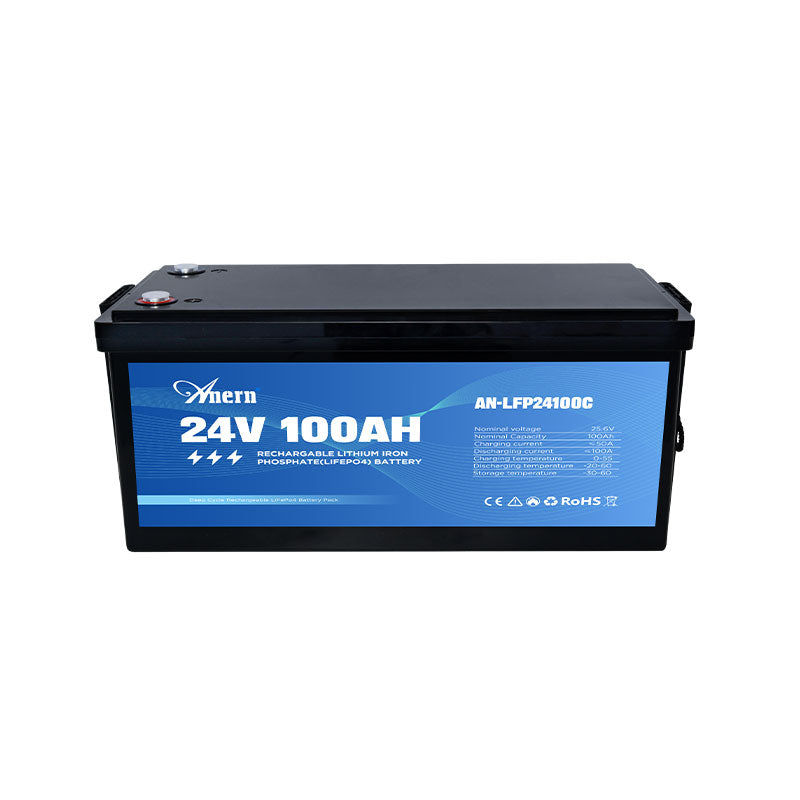
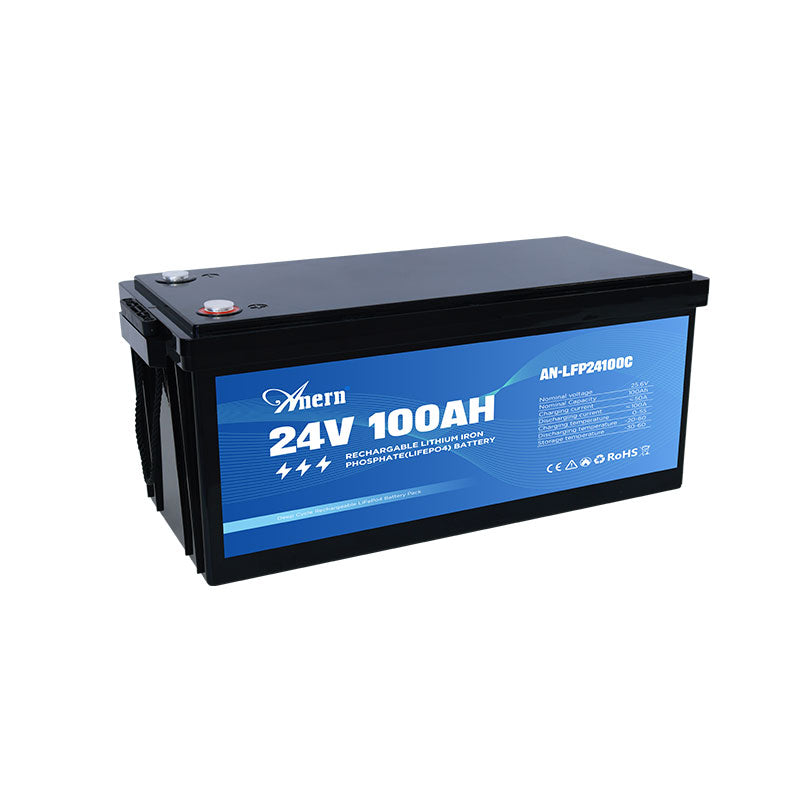
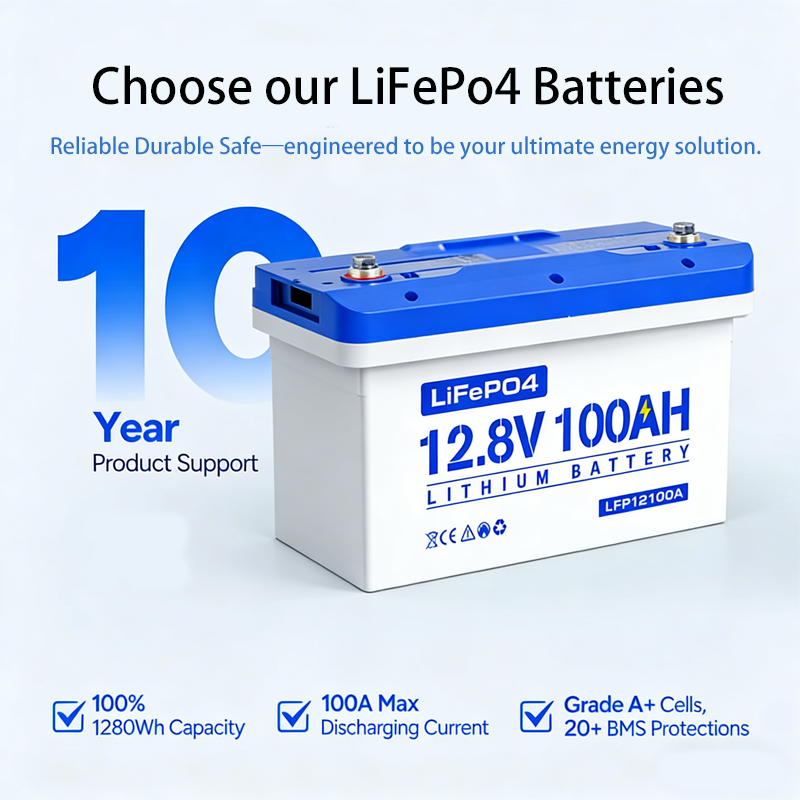
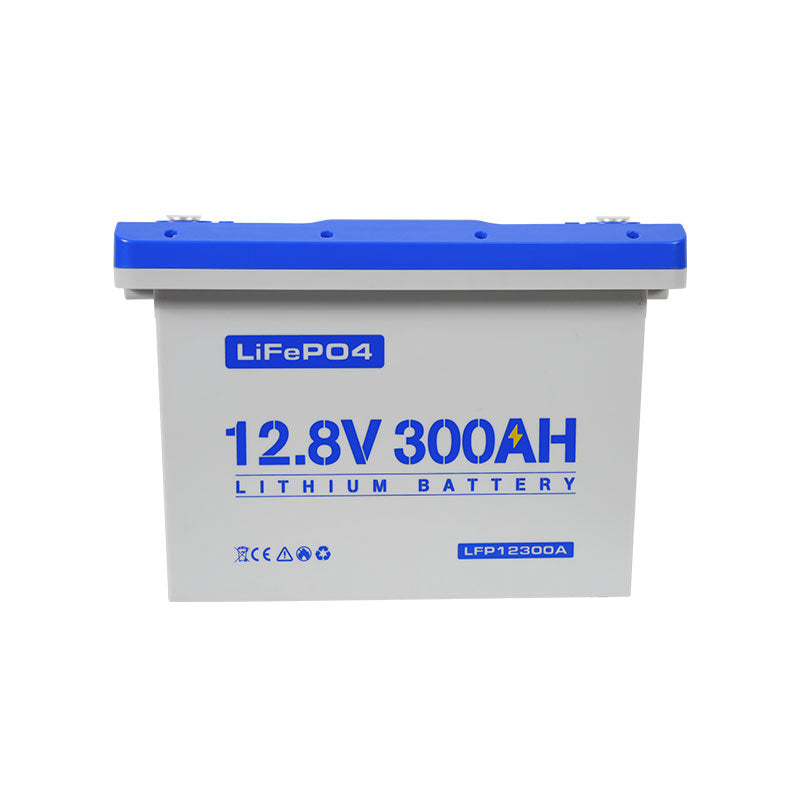
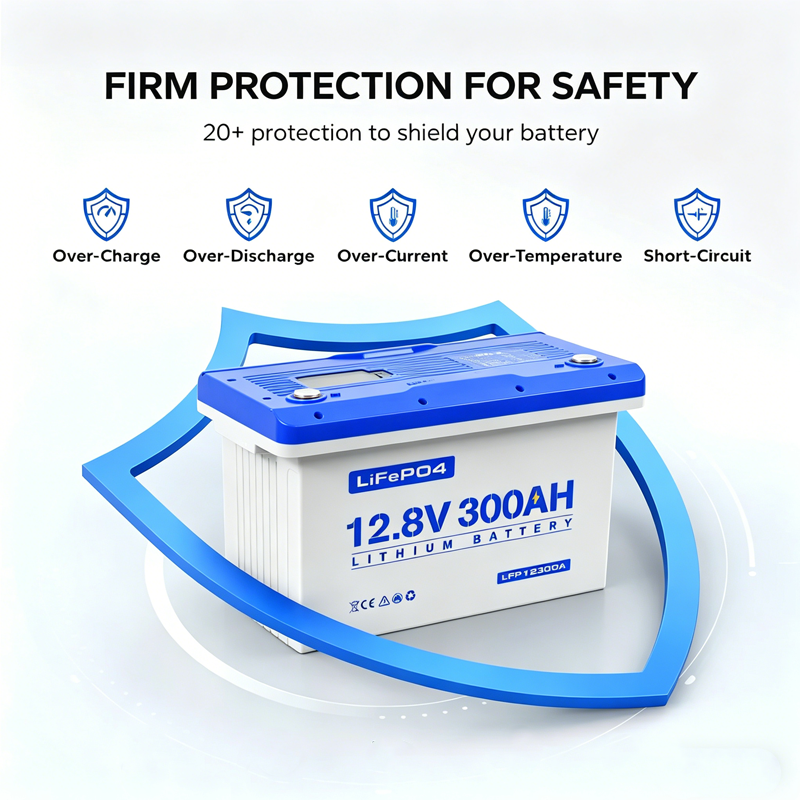
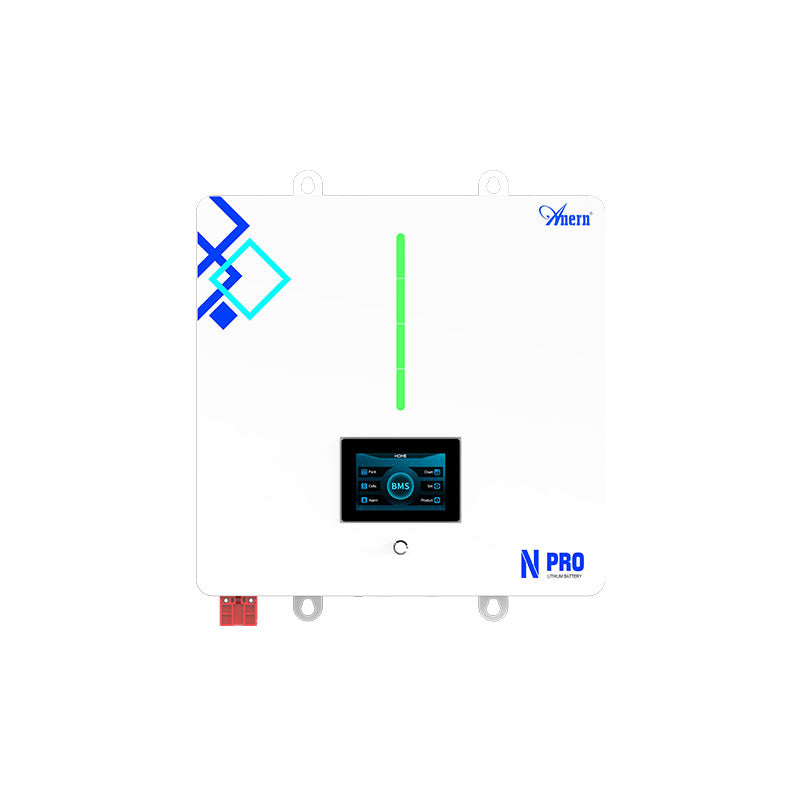
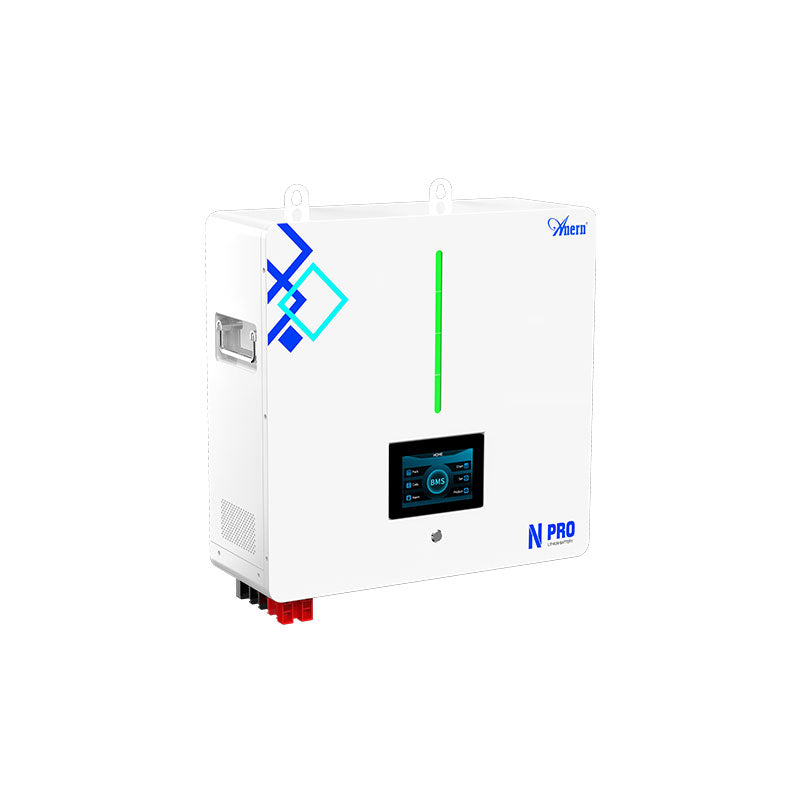
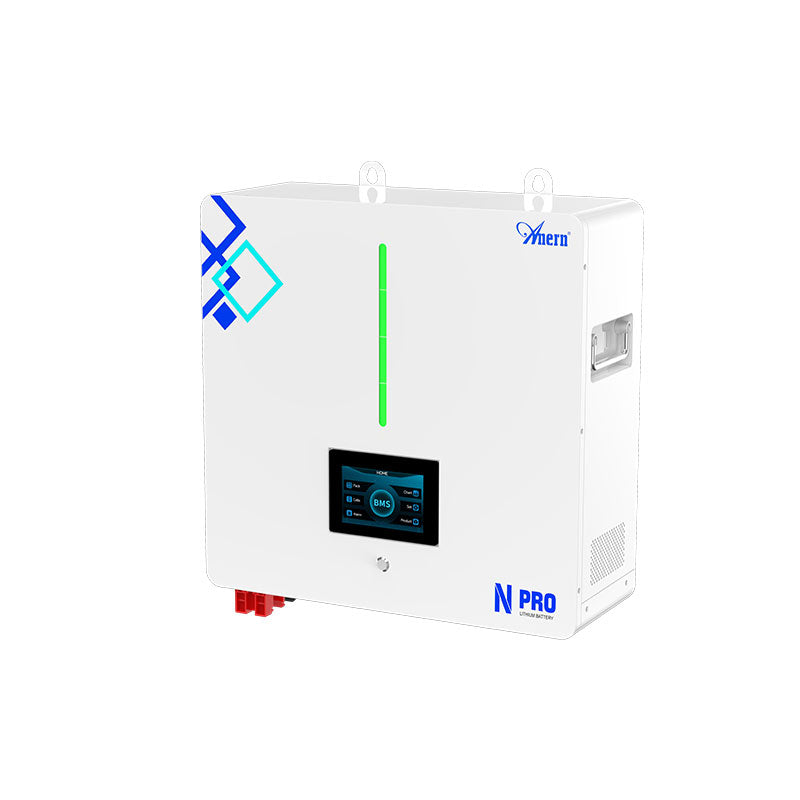
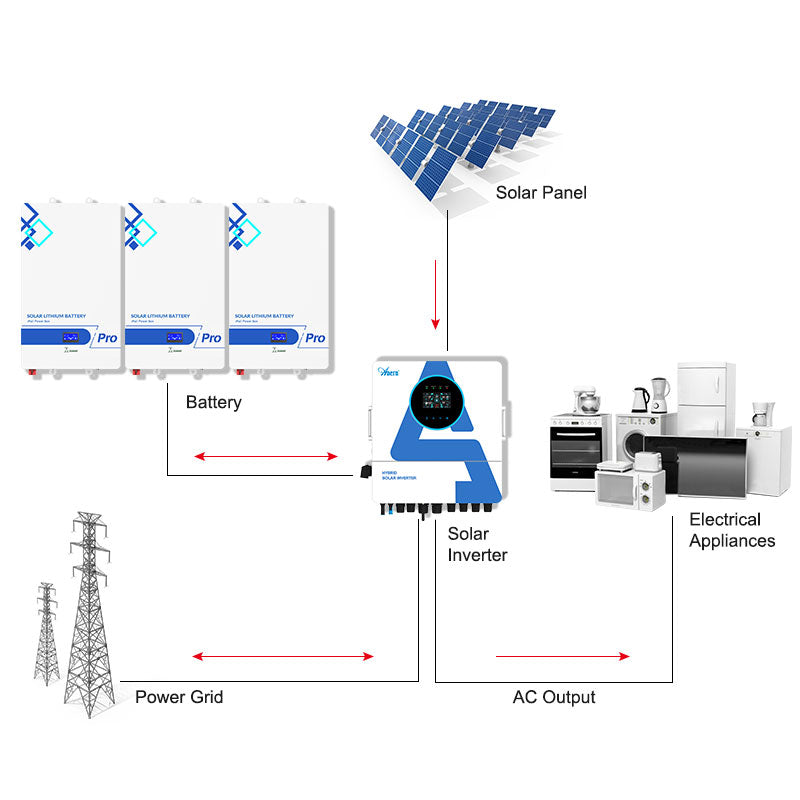
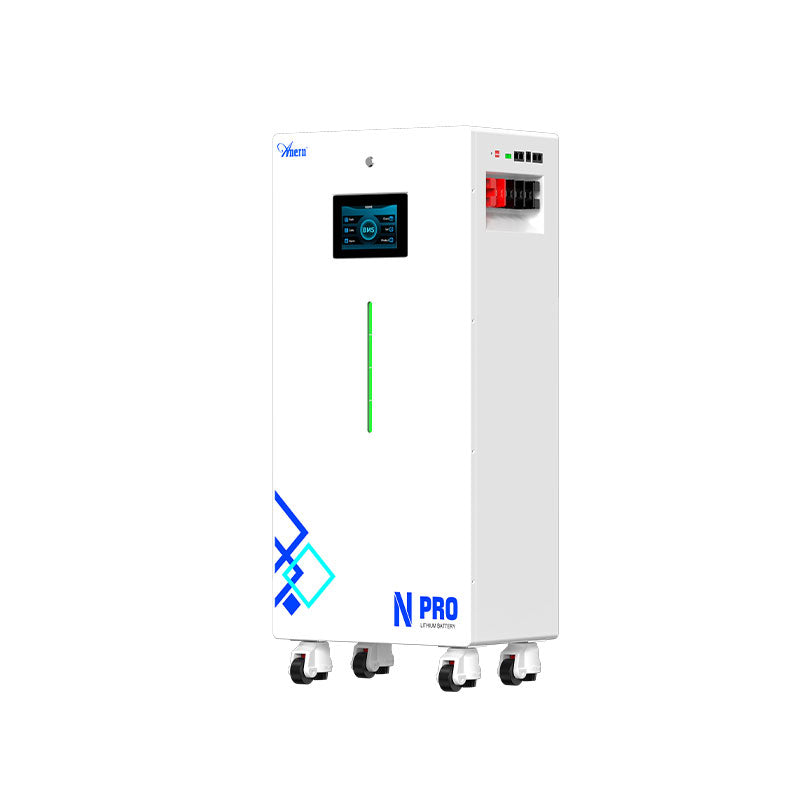
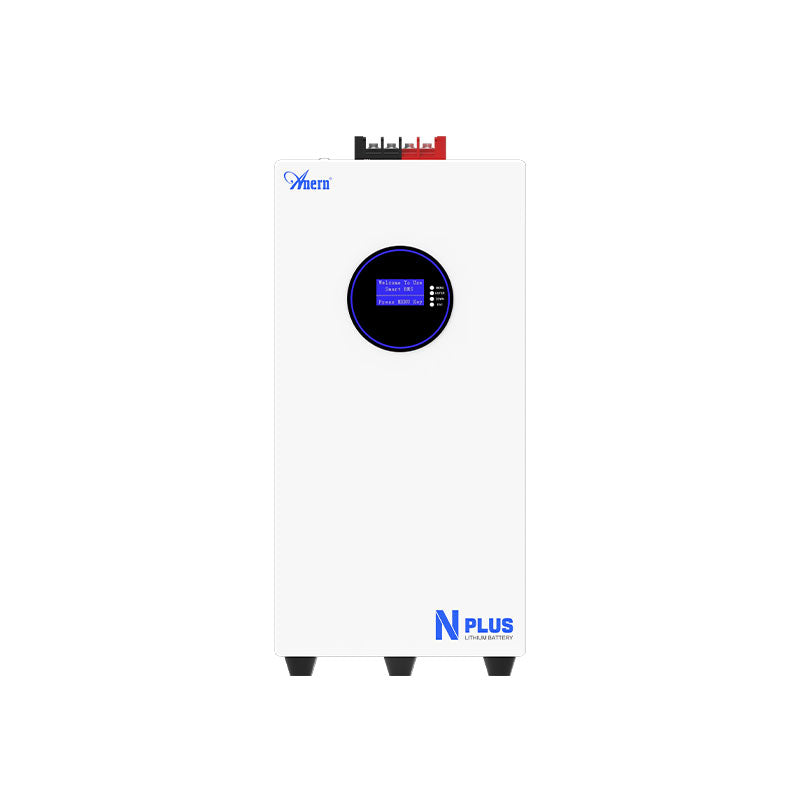
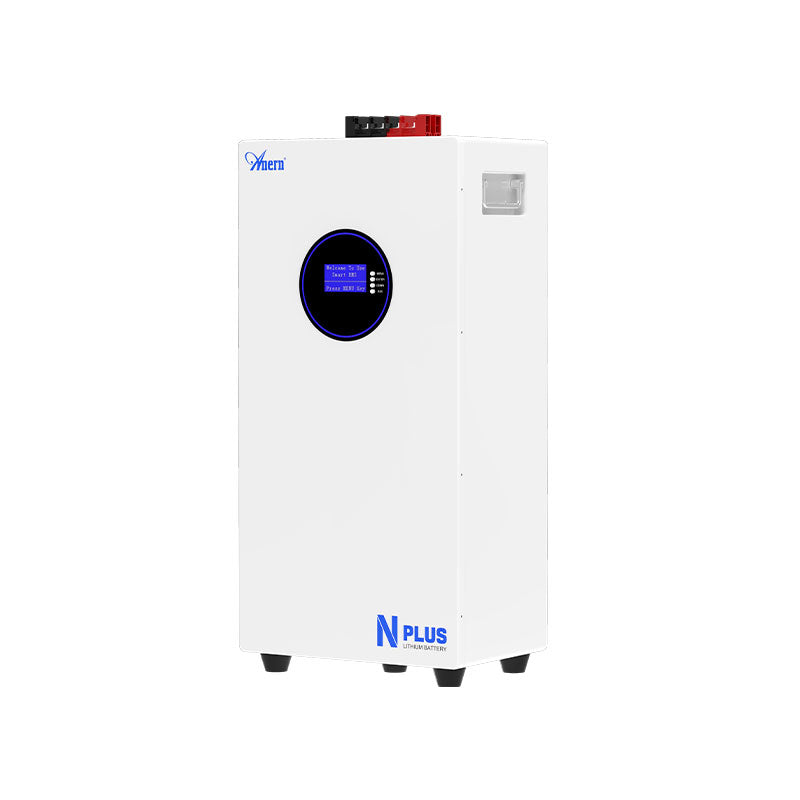
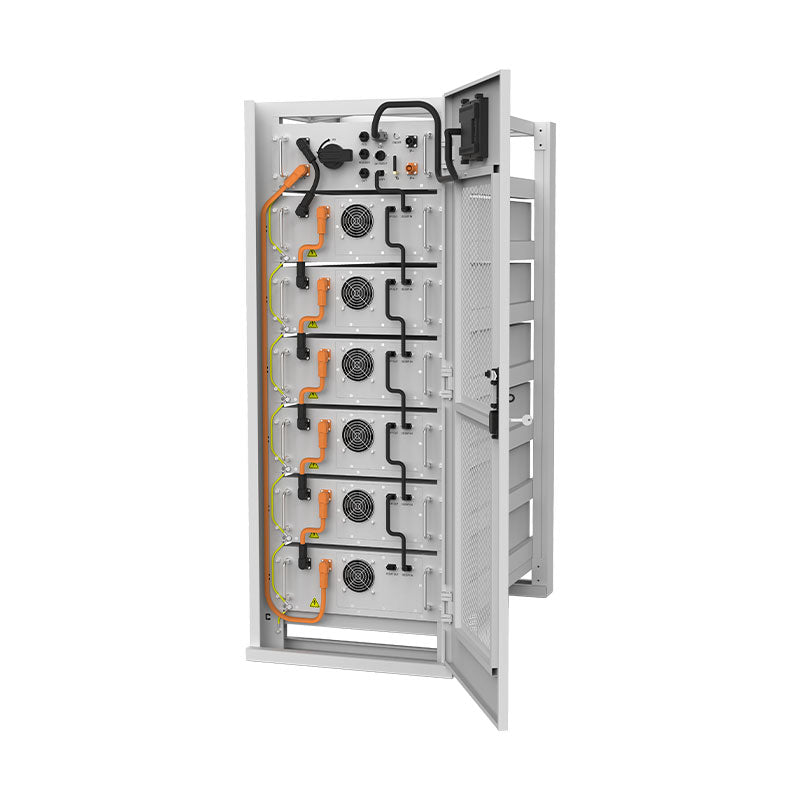
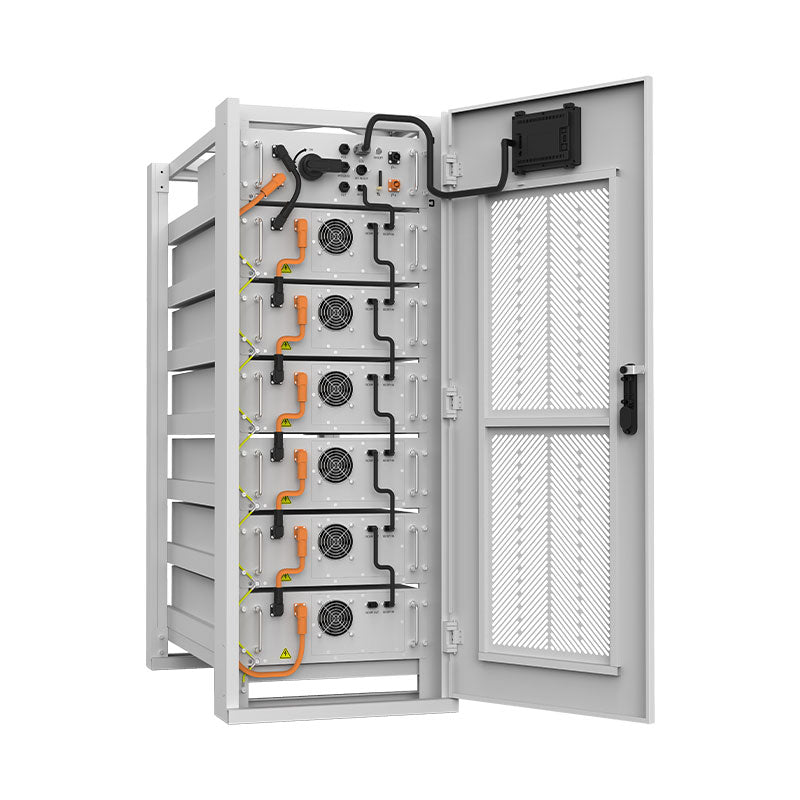
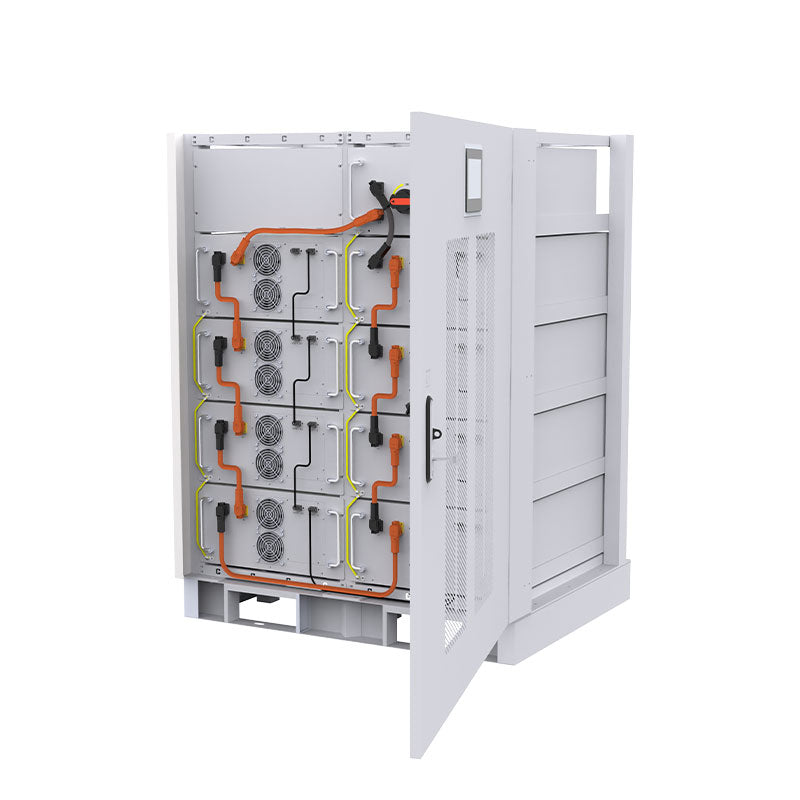
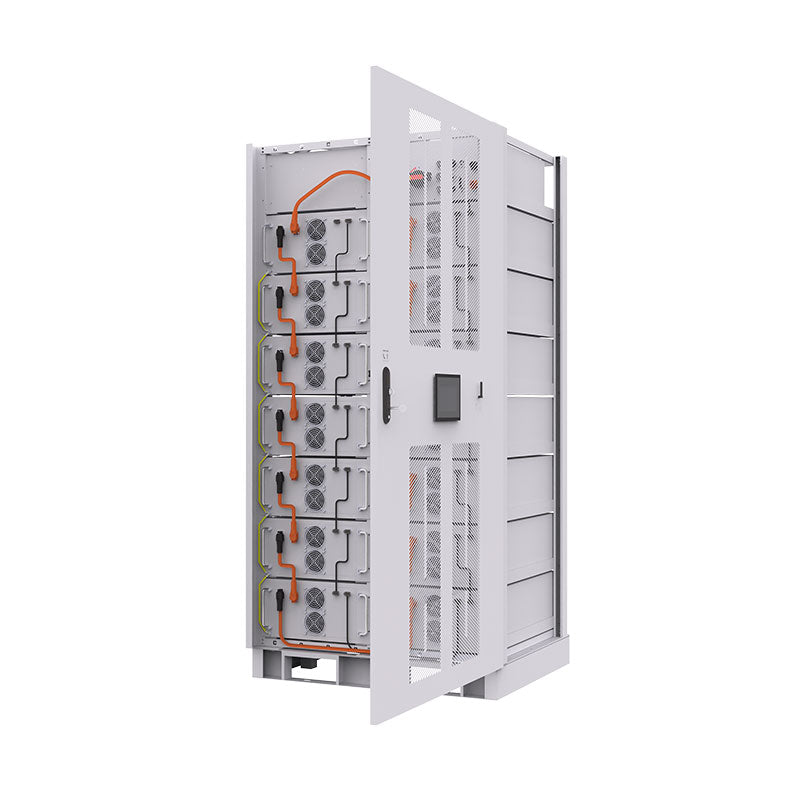
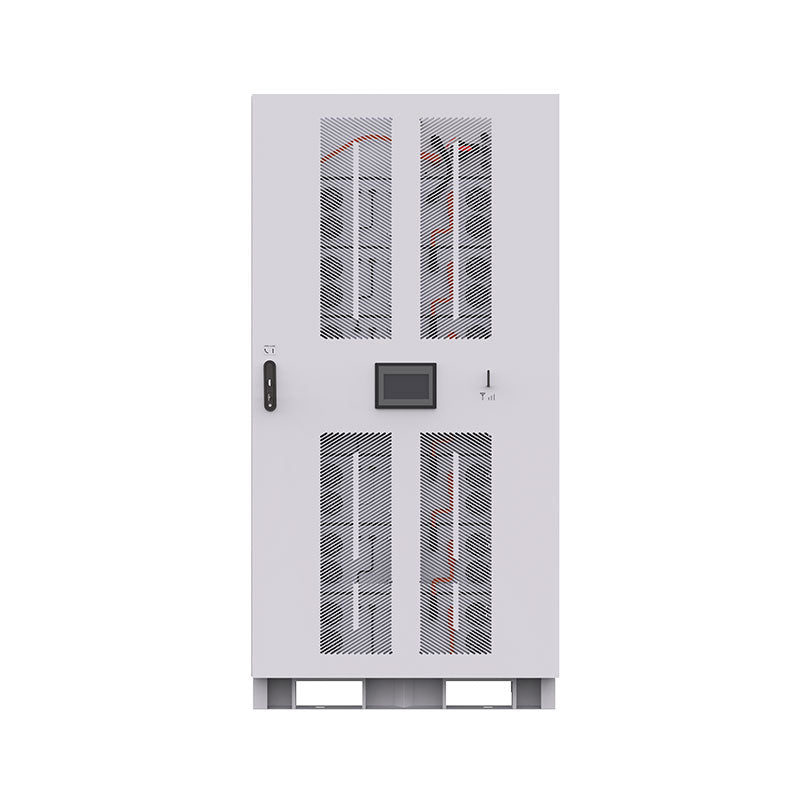
Modern systems often include LiFePO4 batteries coupled with hybrid inverters and solar inputs. During the day, excess solar charges batteries; at night, the stored energy powers loads. This integration reduces grid dependence and enhances resilience.
Research from IRENA highlights how renewable-based DC systems improve reliability for remote infrastructure. A resilient BTS power setup balances well-sized cables, protective fuses, and efficient inverters, supported by stable batteries.
| Component | Impact on Power Quality | Best Practices |
|---|---|---|
| Cabling | Controls voltage drop and heating | Correct gauge, short runs, secure terminations |
| Fuses | Prevents cascading damage | Size correctly, place near source, branch protection |
| Inverters | Ensures clean AC for sensitive loads | Pure sine output, high efficiency, robust design |
| Battery (LiFePO4) | Stable DC source, long life | High cycle stability, consistent voltage |
Checklist for Long-Term Reliability
- Confirm cable sizing with voltage drop calculations
- Inspect and torque terminations quarterly
- Test fuses and verify ratings during installation
- Log inverter efficiency and monitor temperature
- Cycle-test batteries annually
References
- IRENA: Renewable Energy and Remote Applications
- IEC Standards for Low-Voltage DC Installations
- IEEE Telecommunications Power Systems Best Practices
