
















The freedom of the open road depends on reliable power. Yet, many RV and marine enthusiasts operate with a constant, low-level anxiety about their energy supply. That blinking light on a control panel offers little real information, leaving you to guess how much power you truly have left. This uncertainty isn't just an inconvenience; it can cut a trip short or leave you without essential power when you need it most.
Simple voltage readings, a common feature in many factory-installed panels, are often misleading, especially with modern lithium batteries. To achieve genuine energy independence, you need a dedicated battery monitoring system. This guide provides a thorough overview of the key metrics, tools, and practical steps for setting up an effective RV battery monitoring system, putting you in complete control of your power.
Why Accurate RV Battery Monitoring is Crucial
A battery monitor is more than a gadget; it's the brain of your vehicle's electrical system. It provides the clarity needed to manage your power confidently, protect your equipment, and extend the life of your batteries.
Beyond the Guesswork: The Limits of Voltage-Based Readings
For traditional lead-acid batteries, voltage drops in a relatively linear fashion as the battery discharges. This makes voltage a somewhat acceptable, if imprecise, indicator of its charge level. However, high-performance batteries like Lithium Iron Phosphate (LiFePO4) maintain a very flat voltage curve throughout most of their discharge cycle. The voltage will stay nearly constant from 90% charged all the way down to 20%. Relying on voltage alone is like trying to guess your car's fuel level when the gauge is stuck on full. This fundamental difference is a key reason why LiFePO4 vs Lead-Acid: Why RV Battery Monitoring Is Different is such an important concept. Without an accurate monitor, you could go from what appears to be a full charge to a sudden power cutoff with very little warning.
Protecting Your Investment: Battery Health and Longevity
A quality battery bank is a significant investment. Proper monitoring is the best way to protect it. Consistently over-discharging a battery or subjecting it to improper charging can drastically shorten its lifespan. A monitoring system gives you precise data to prevent these conditions. It helps you manage factors like Depth of Discharge (DoD) and charge/discharge rates (C-rates), which are critical for battery health. For example, maintaining an optimal DoD as outlined in performance data can help you achieve the maximum possible cycle life from your batteries. You can find more details on this in the ultimate reference on solar storage performance. This ensures your high-performance LiFePO4 batteries deliver reliable power for years to come.
Achieving True Energy Independence
You cannot manage what you cannot measure. Accurate monitoring transforms you from a passive power consumer into an active energy manager. When you know exactly how much power is flowing in and out of your batteries, you can make informed decisions. You can confidently run appliances, know when to conserve energy, and see precisely how much power your solar panels are generating. This level of control is the foundation of a truly independent and reliable RV's Solar Energy Storage System.
The Core Metrics of Battery Monitoring
A robust battery monitor moves beyond simple voltage to provide a complete picture of your energy situation. Understanding these key data points is the first step toward effective energy management. For a deeper look, consider the 7 Key Metrics for Monitoring Your Deep Cycle Lithium Battery.
State of Charge (SoC) - Your True Fuel Gauge
State of Charge, expressed as a percentage (0-100%), is the single most important piece of information for daily use. It tells you exactly how much energy is left in your battery. Unlike voltage-based estimates, accurate monitors use a method called "coulomb counting." They measure every amp-hour that goes into and out of the battery to maintain a precise running tally. This is the only way to know your true power level, a concept that is critical for Beyond Voltage: True SoC for Your 12V 100Ah Lithium Battery.
Current Flow (Amps) and Power (Watts)
Your monitor will show current flow in Amperes (Amps). A negative number (e.g., -5.2A) indicates that power is being drawn from your battery to run appliances. A positive number (e.g., +15.1A) shows that power is flowing into your battery from a charging source like solar panels or a converter. This real-time data is invaluable for understanding how much power each device consumes and for identifying any mysterious "phantom loads" that might be draining your battery unnoticed.
Voltage and Battery Health Indicators
While voltage is a poor indicator of SoC for LiFePO4 batteries, it remains a vital metric for system health. Abnormally high or low voltage readings can signal a problem with your battery or charging system. Advanced monitoring systems, often integrated within a Battery Management System (BMS), also track other health indicators like individual cell voltages, temperature, and cycle count to ensure the entire battery pack is operating safely and efficiently.
Tools of the Trade: Types of RV Battery Monitors
Several devices work together to monitor and protect your RV power system. Understanding the role of each is key to building a reliable setup.
The Smart Shunt: The Heart of Accurate Monitoring
A smart shunt is the cornerstone of any accurate battery monitoring system. It is a precision resistor installed on the main negative cable connected to your battery bank. All current flowing in or out of the battery must pass through the shunt, allowing it to be measured with high precision. This device sends the raw data to a display or a smartphone app, which then calculates SoC and other vital metrics. For anyone serious about power management, installing a shunt is the first and most important step. It is fundamental to How to Accurately Monitor Your 12V LiFePO4 Battery in an RV.
The Battery Management System (BMS): The Guardian
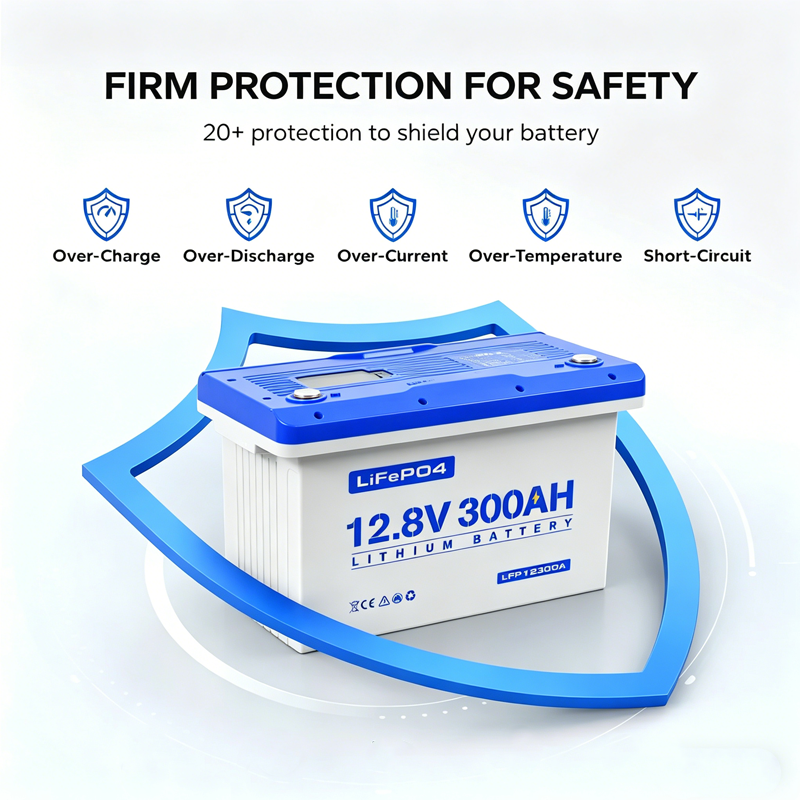
A Battery Management System (BMS) is an electronic circuit board whose primary job is to protect the battery cells. All quality LiFePO4 batteries, including ANERN's advanced models, come with an internal BMS. It protects against over-voltage, under-voltage, over-current, and extreme temperatures by disconnecting the battery if any unsafe conditions are detected. While the BMS monitors critical parameters for safety, its main role is protection, not providing detailed, user-facing data like a smart shunt does. The distinct roles of these two components are explored in Smart Shunt vs. BMS: Which is Best for RV Battery Monitoring?.
Integrated System Monitors
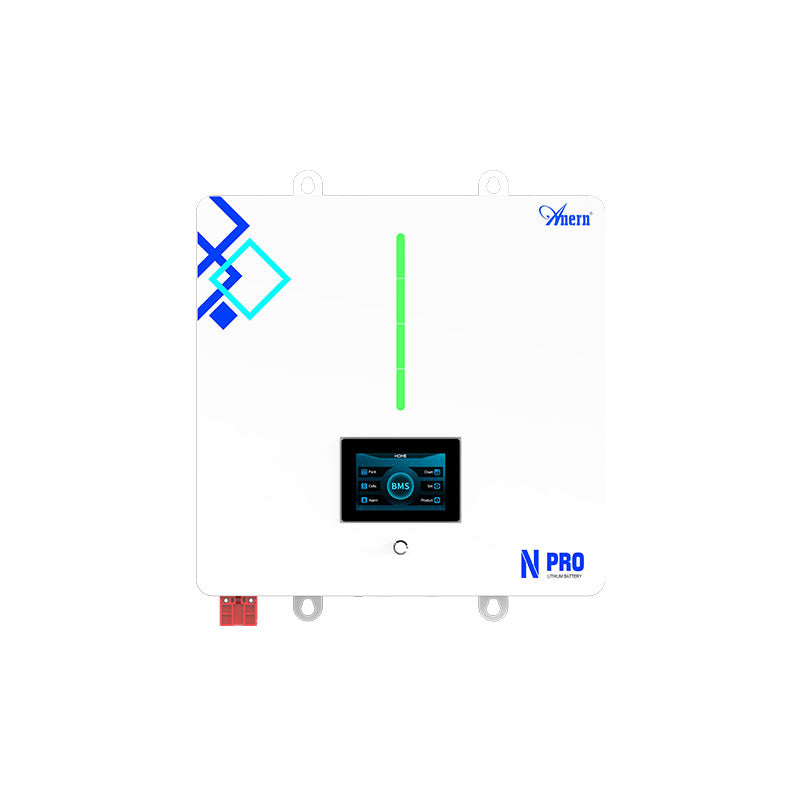
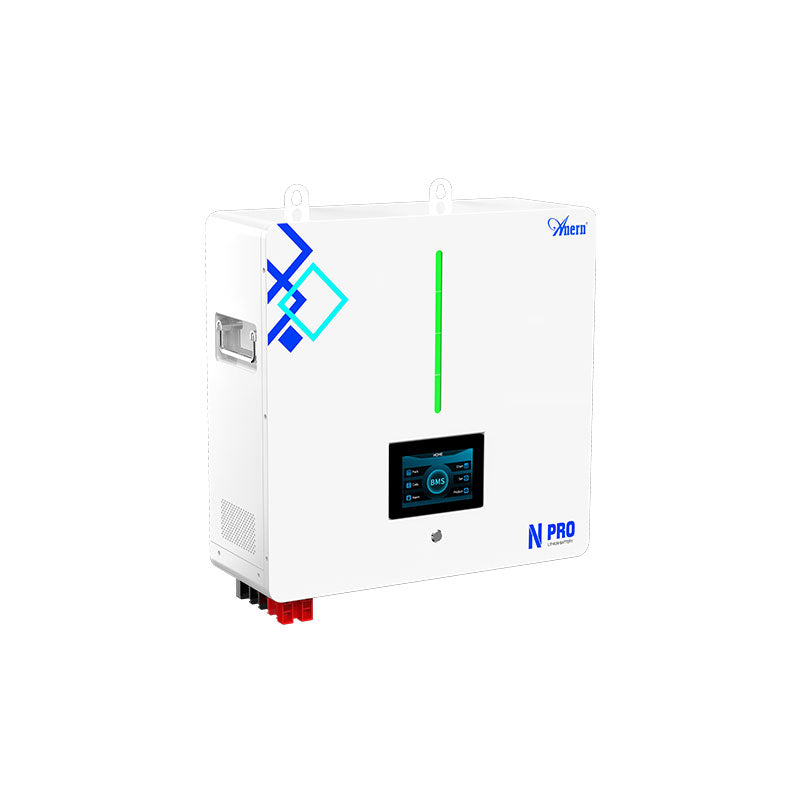
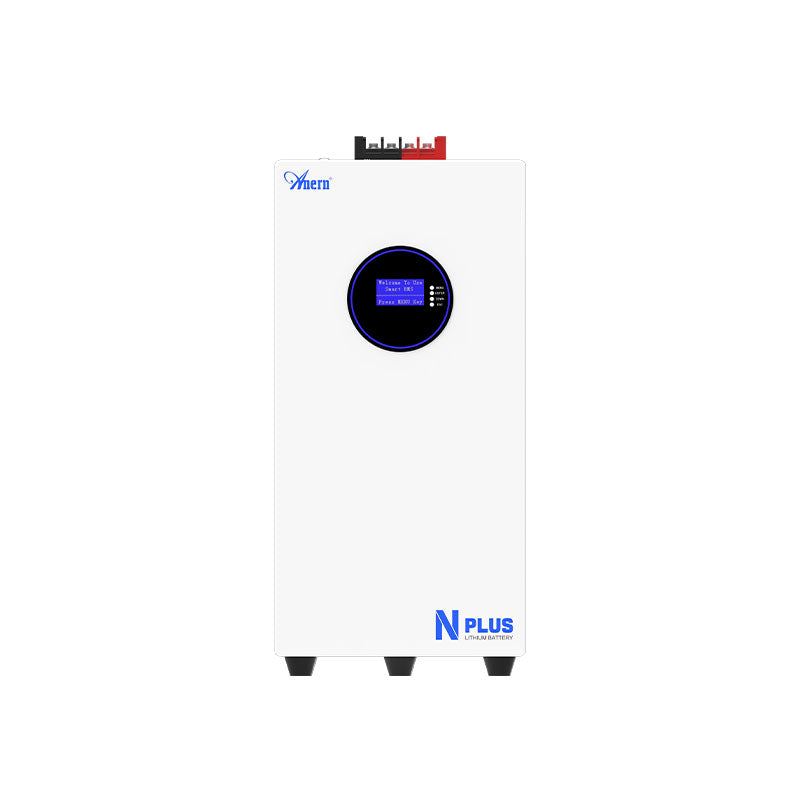
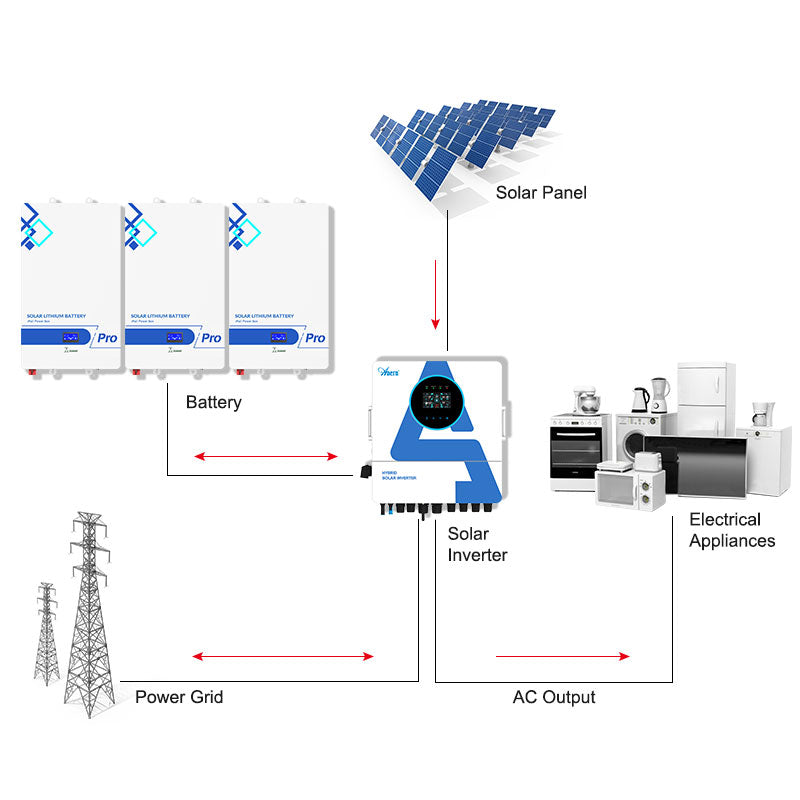
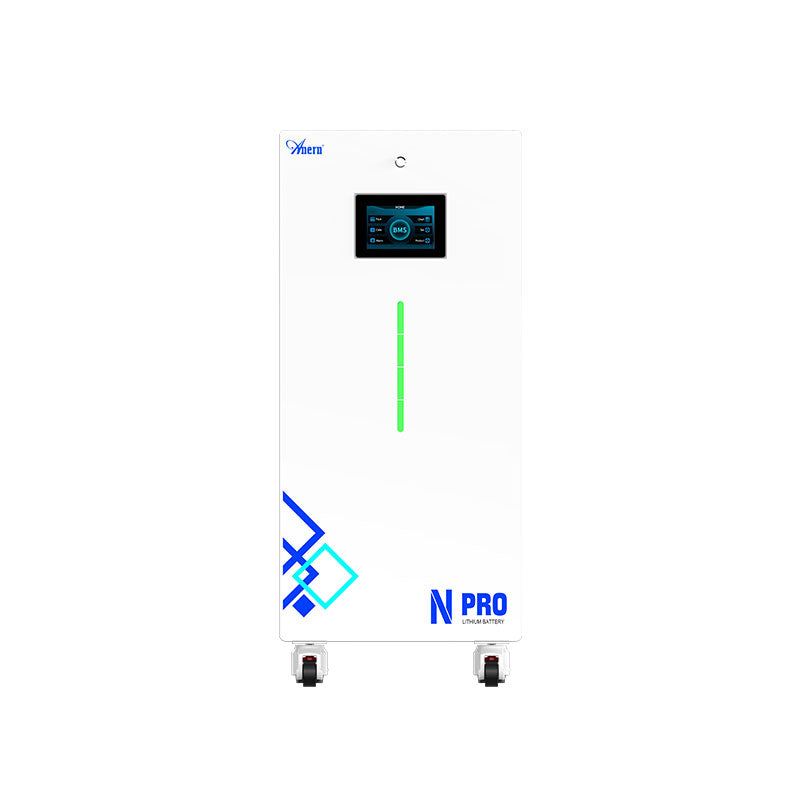
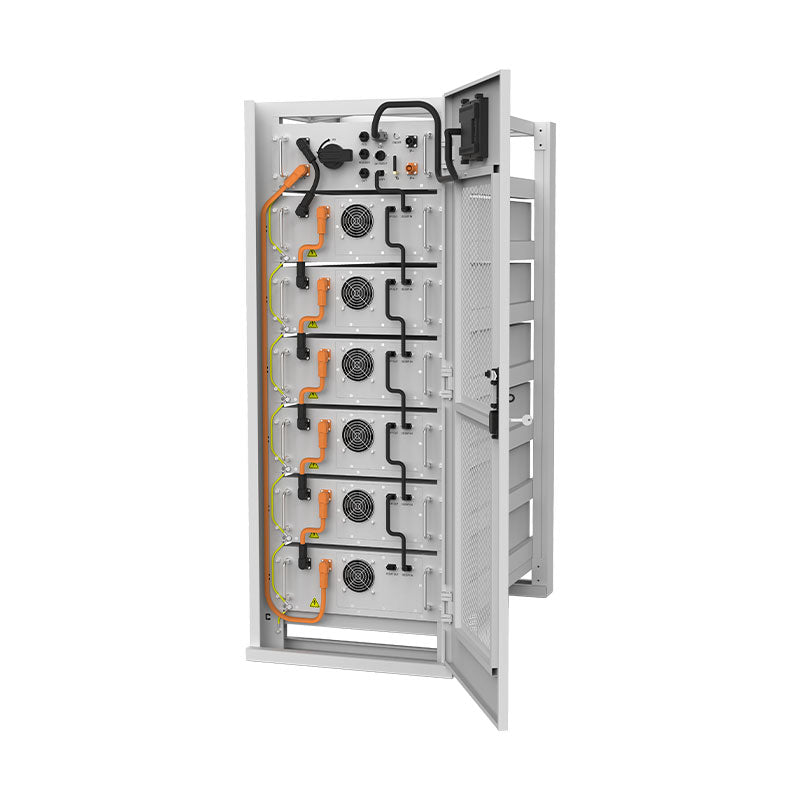
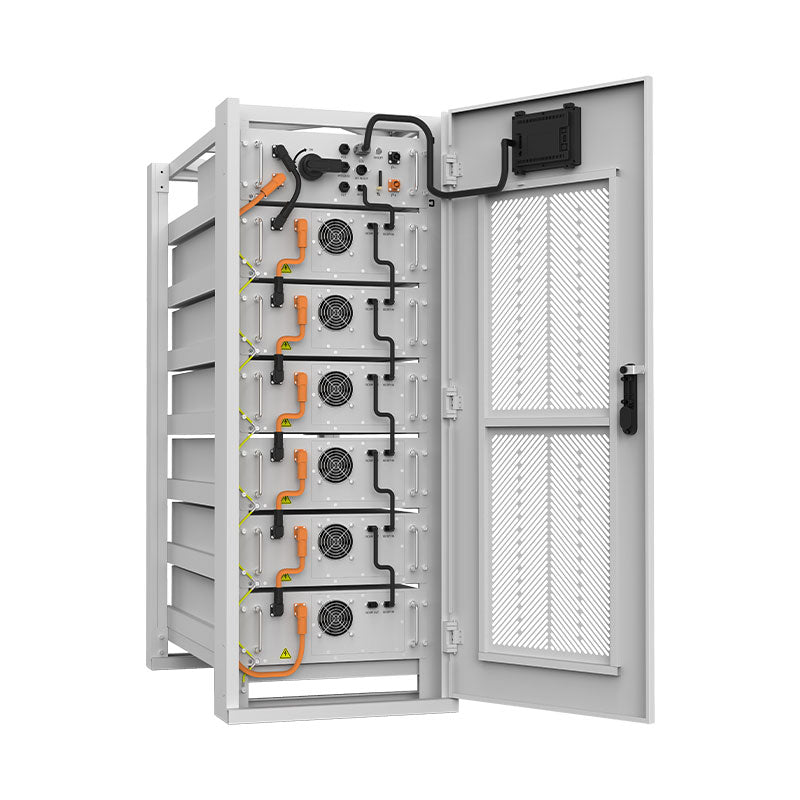
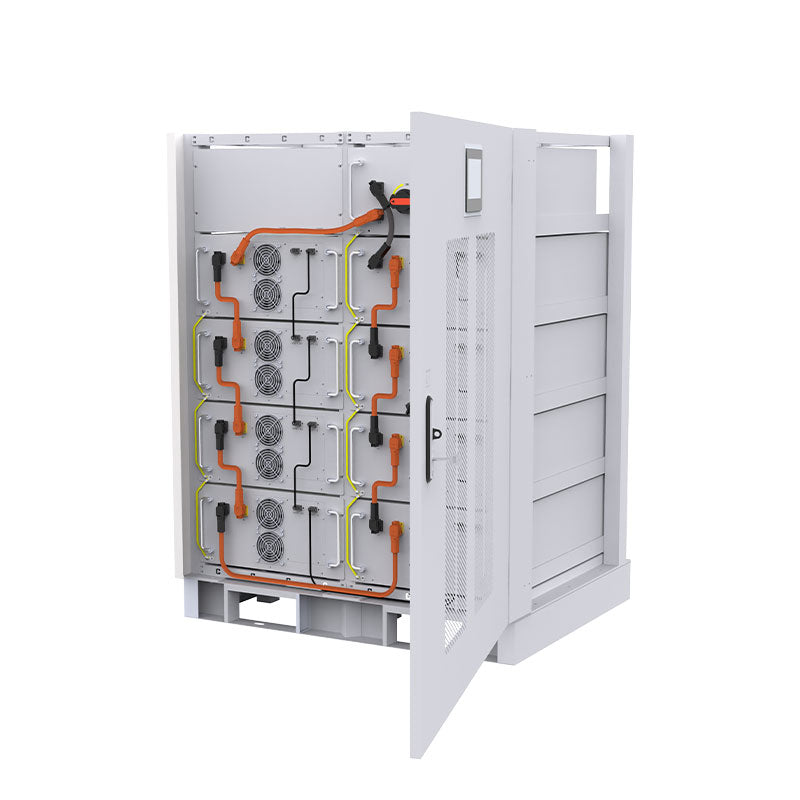
Many modern power systems offer integrated monitoring solutions. These systems combine the functions of a solar charge controller, an inverter, and a battery monitor into a single ecosystem with one central display. ANERN's residential energy storage systems are an example of this integrated approach, providing a holistic view of the entire power flow—from solar generation and battery status to household consumption. This simplifies system management and ensures all components work together seamlessly. The International Renewable Energy Agency (IRENA) notes that electricity storage is a prominent solution to address challenges of renewables integration with its ability to absorb, store, and reinject electricity.
Practical Application and Data Interpretation
Having the right tools is only half the battle. The real value comes from using the data to make smarter energy decisions.
Establishing a Baseline: Your Energy Audit
The first step after installing a monitor is to conduct a simple energy audit. With your battery fully charged, turn on one appliance at a time and observe the current draw on your monitor. This hands-on process helps you understand the real-world power consumption of your devices.
| Appliance | Typical Power Draw (Watts) | Typical Current Draw (Amps at 12V) |
|---|---|---|
| LED Lights (per bulb) | 3-5 W | 0.25-0.4 A |
| Water Pump (when running) | 48-84 W | 4-7 A |
| Refrigerator (DC compressor) | 40-60 W | 3-5 A |
| Laptop Charging | 45-85 W | 3.7-7 A |
| TV (LED) | 30-70 W | 2.5-6 A |
Disclaimer: These values are estimates. Your actual usage will vary. Your monitor will provide exact figures.
Interpreting the Data for Better Decisions
Your monitor turns abstract electrical concepts into actionable numbers. For instance, if your monitor shows a -6A draw and you know your refrigerator uses 4A, you can deduce that other devices are consuming 2A. If your solar panels are producing +10A and your consumption is 4A, you have a net charge of +6A, allowing you to estimate how long it will take to recharge. This is the essence of moving beyond guesswork, as detailed in the Stop Guessing: A Pro's Guide to Your Lithium Battery Pack.
Addressing Inaccuracies and Calibration
Over time, small measurement errors can cause a monitor's SoC reading to drift. This is a common issue that can make you wonder, Is Your RV Battery Monitor Lying About Your 100ah Lithium Ion?. To maintain accuracy, the monitor needs to be periodically synchronized with the battery. This is easily done by allowing your battery to charge completely to 100% without interruption. When the charging current drops to a very low level, the monitor recognizes the battery is full and resets its SoC reading to 100%, correcting any accumulated drift.
Integrating Monitoring into a Complete Solar Power System
In an off-grid solar setup, a battery monitor is the central hub that connects all the pieces, providing critical feedback on system performance and health.
The Role of Monitoring in Solar Charging
A monitor allows you to see the direct results of your solar harvesting efforts. You can track exactly how many amps your panels are producing throughout the day, helping you understand the impact of weather, shade, or the angle of your panels. According to the U.S. Department of Energy, real-time monitoring data is a key feature in modern power optimization technologies, as it helps maximize power output and improve fault tolerance. This data empowers you to make adjustments and get the most out of your solar investment.
Smart Energy Management and Future Trends
The energy sector is moving toward more intelligent and flexible systems. Concepts like smart charging, where energy use is shifted to align with renewable energy availability, are becoming more common. Business models are evolving to aggregate resources like EV batteries to provide services to the grid. While this is more common in residential and utility-scale applications, the principle of smart energy management is directly applicable to an RV. An accurate monitor is the foundational technology that enables this, allowing you to align your heavy power usage with periods of strong solar generation.
Data for System Expansion
Over time, the data collected by your battery monitor becomes an invaluable resource for planning system upgrades. By analyzing your usage patterns, you can answer critical questions with confidence: Do I consistently use more power than my solar panels can generate? Is my battery bank large enough for my needs? This data-driven approach ensures that future investments in your power system are targeted, effective, and built on a solid understanding of your actual energy requirements. It allows you to build a scalable energy solution tailored to your specific needs.
From Uncertainty to Confidence
Moving from a simple voltage indicator to a comprehensive battery monitoring system is a fundamental shift in how you manage your RV's power. It replaces guesswork with certainty and anxiety with confidence. A quality monitor is not a luxury; it is an essential tool for anyone who relies on an independent power system for travel, work, or recreation.
By understanding your energy flow, protecting your battery investment, and making informed decisions, you gain true freedom. With a reliable power foundation built on high-performance components and precise monitoring, you are fully equipped to enjoy the journey, wherever it may take you.
Disclaimer: The information provided in this article is for educational purposes only. It is not intended as professional electrical or financial advice. Always consult with a qualified professional before making any modifications to your RV's electrical system.
