













Many individuals and communities are seeking greater control over their energy supply. This desire drives innovation in solar and energy storage. Achieving energy independence can involve various solar power configurations. You will find that grid-tied, off-grid, and hybrid systems offer distinct paths to power your home or business.
With years of experience in the solar energy sector, we focus on delivering reliable and scalable energy solutions. Our aim is to help you achieve true energy independence. We develop advanced lithium batteries, comprehensive energy storage systems (ESS), and integrated solutions.
Grid-Tied Systems: The Conventional Connection
A grid-tied solar system connects directly to your local utility grid. It functions in tandem with the public electricity supply. When your solar panels generate more electricity than you consume, the surplus can flow back into the grid. This process often earns you credits through net metering programs . Conversely, when your solar panels do not produce enough power, such as at night or on cloudy days, your home draws electricity from the grid .
Benefits of Grid-Tied Systems
- Cost-Effectiveness: These systems typically have lower upfront installation costs because they do not require batteries . The grid effectively acts as your storage solution .
- Reduced Energy Bills: Generating your own electricity and potentially earning credits for excess power can significantly lower your monthly utility expenses .
- Reliability: You maintain access to a continuous power supply from the grid, even if your solar production fluctuates .
- Environmental Impact: By using clean, renewable solar energy, you contribute to reducing carbon emissions and dependence on fossil fuels .
Considerations for Grid-Tied Systems
- Grid Dependence: A primary consideration is that grid-tied systems typically shut down during a power outage to ensure the safety of utility workers . This means you lose power during blackouts unless you integrate a battery backup .
- Net Metering Rules: The benefits of selling excess energy back to the grid depend on local net metering policies, which can vary .
Off-Grid Systems: Embracing Full Independence
An off-grid solar system operates completely independently from the utility grid. It provides total energy self-sufficiency, making it ideal for remote properties where grid access is unavailable or costly .
Components of an Off-Grid System
To ensure a continuous power supply, an off-grid system requires several key components:
- Solar Panels: These convert sunlight into direct current (DC) electricity .
- Charge Controller: This device regulates the voltage and current from the solar panels to the batteries, preventing overcharging and optimizing battery life .
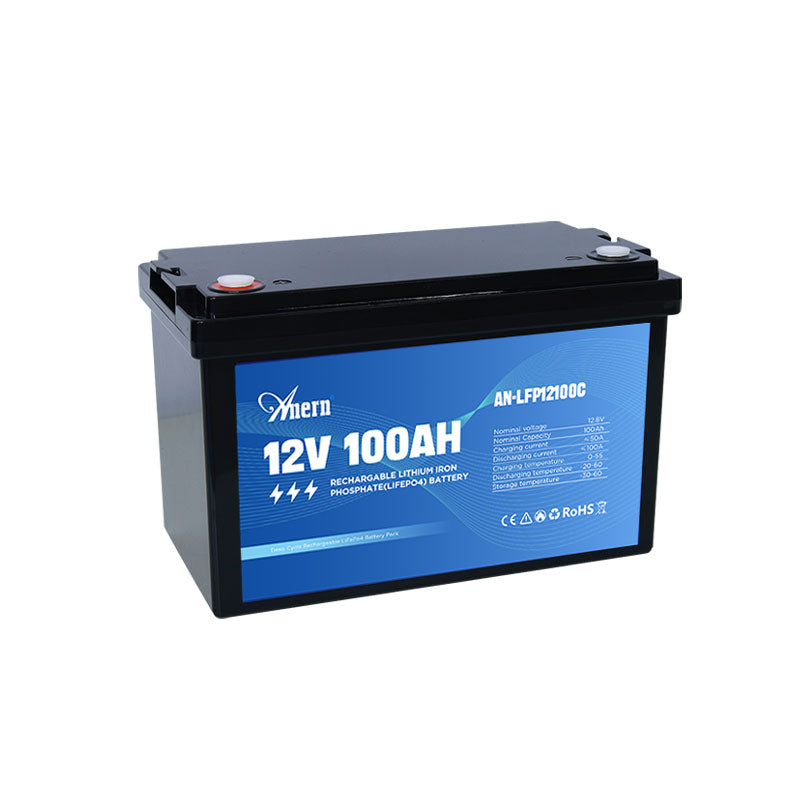
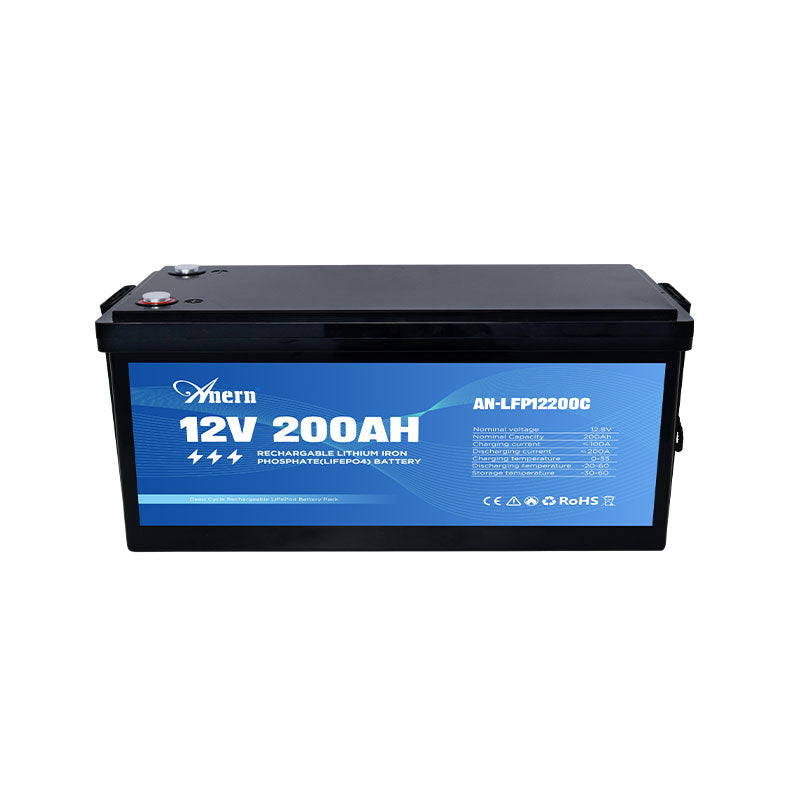
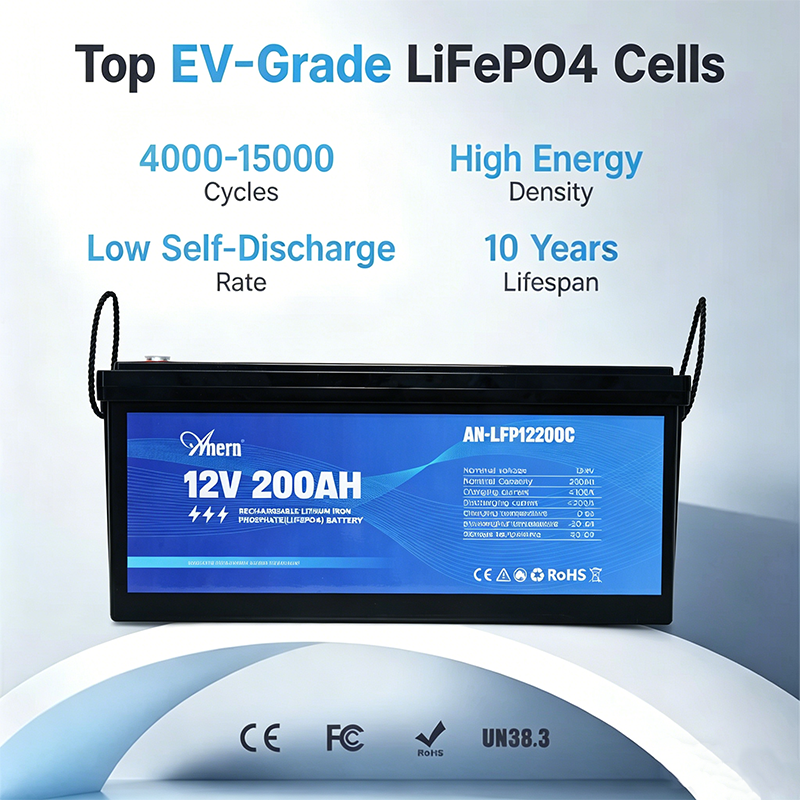
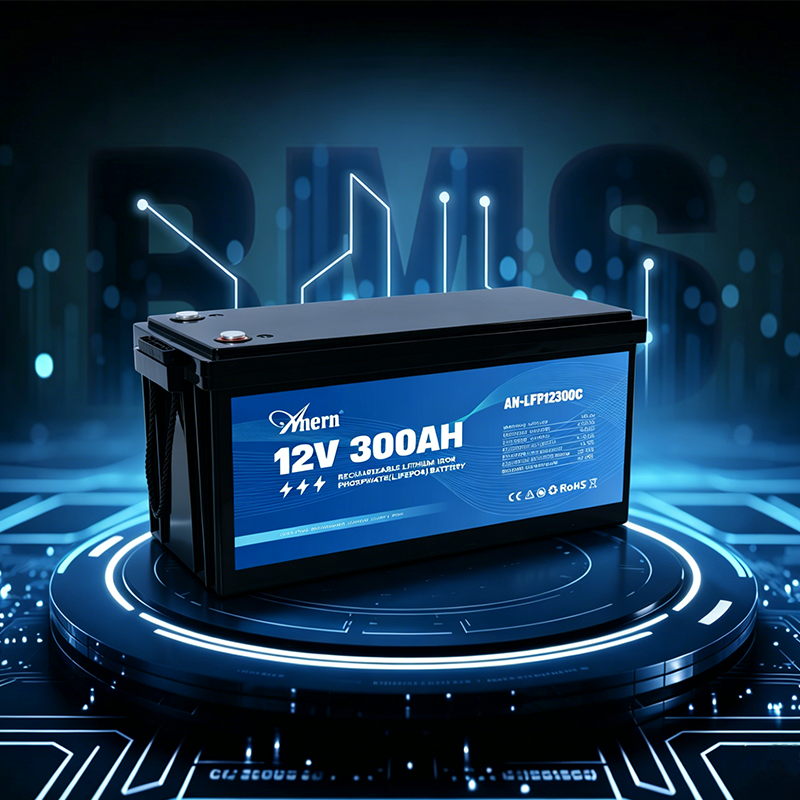
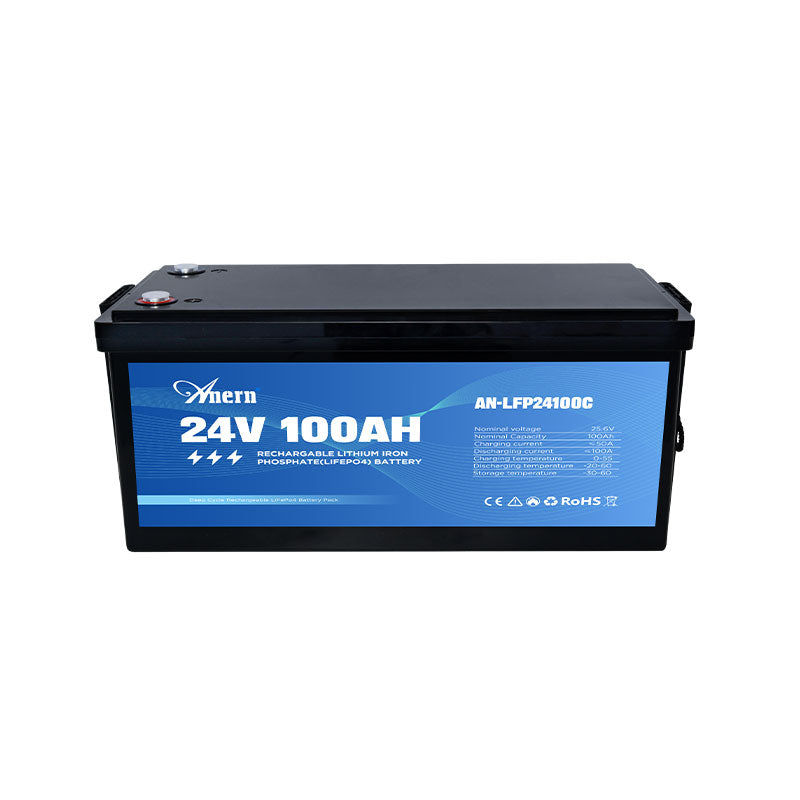
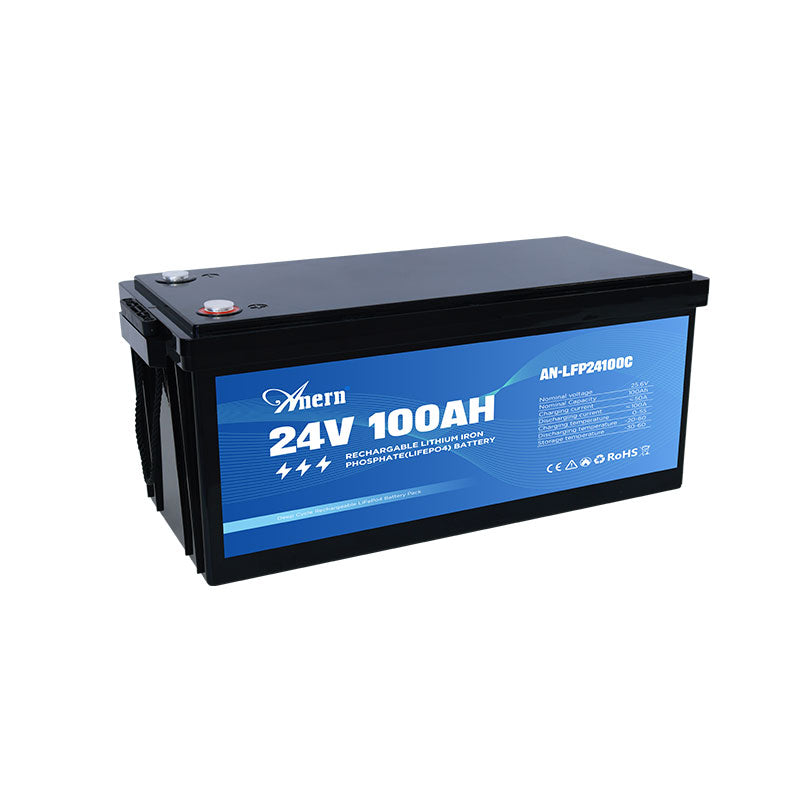
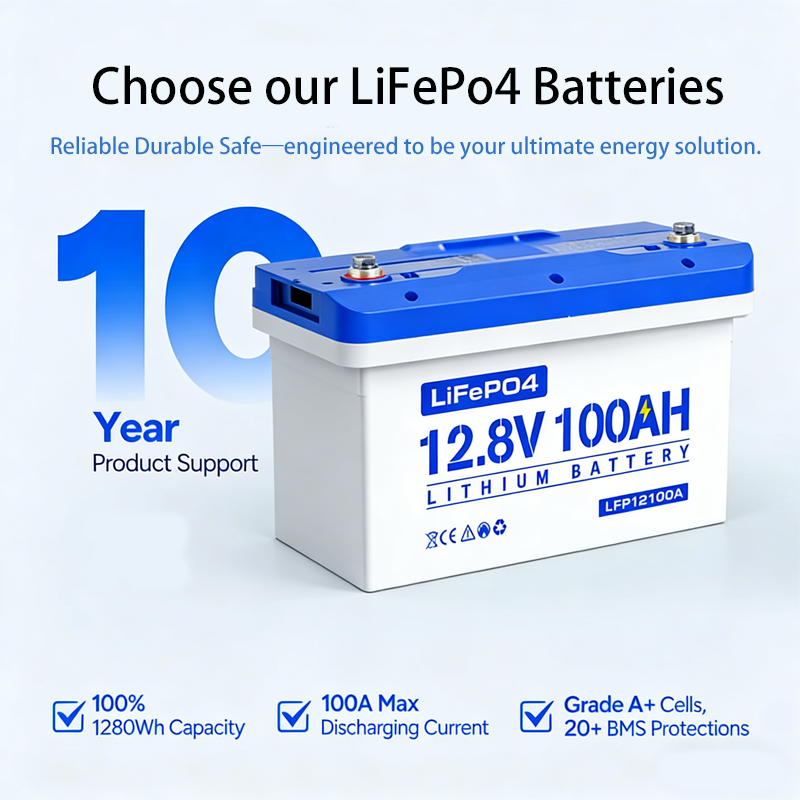
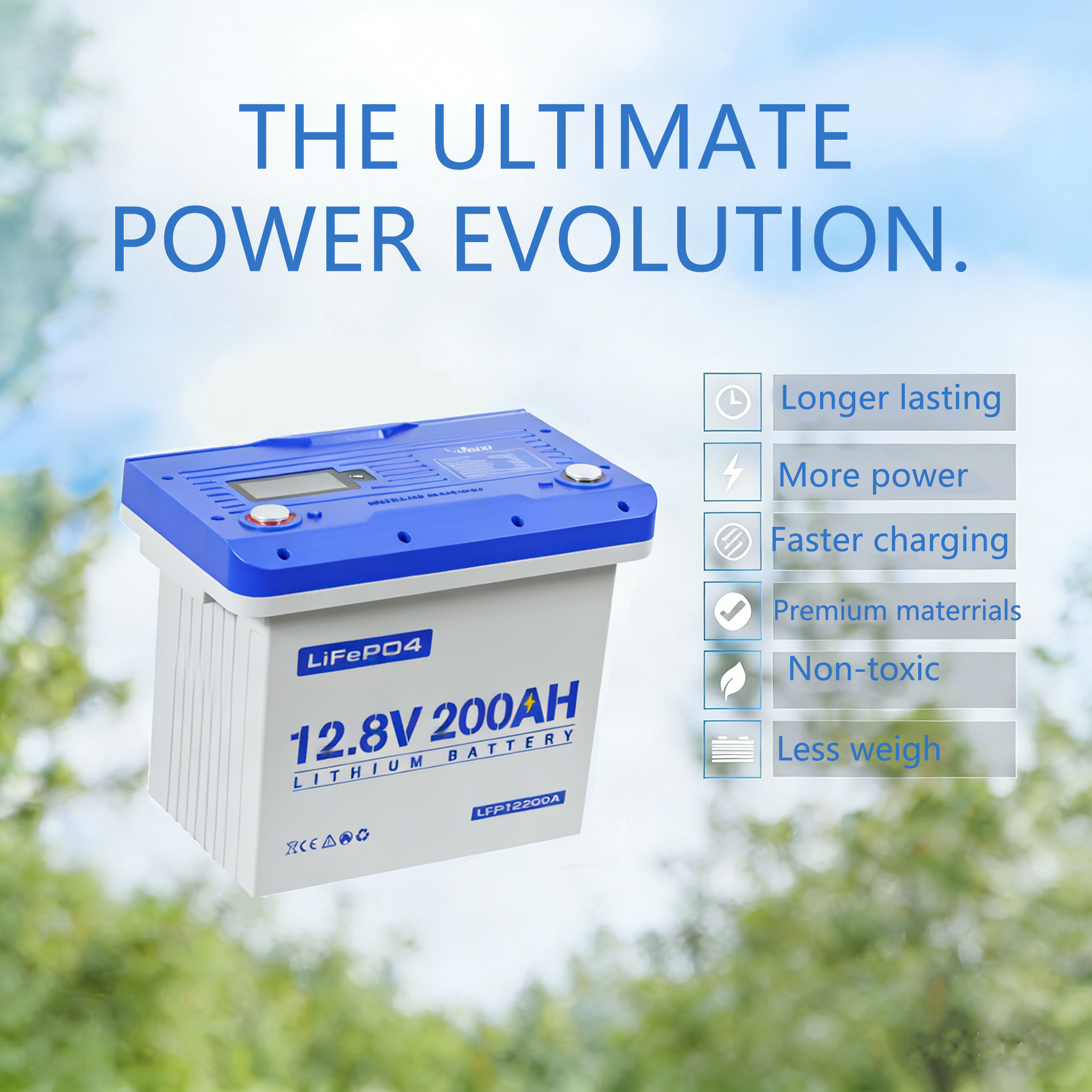
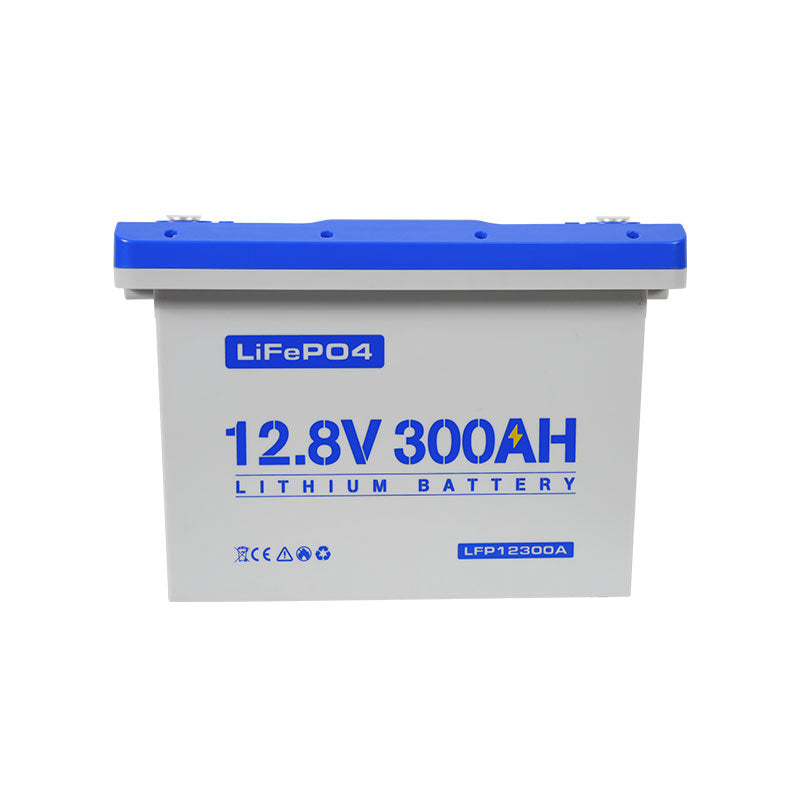
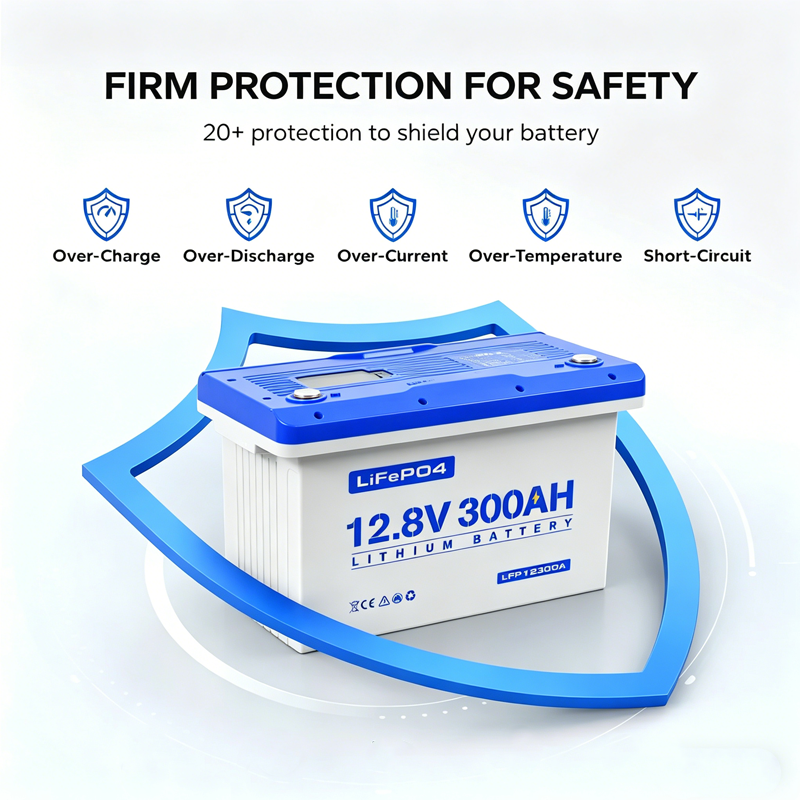
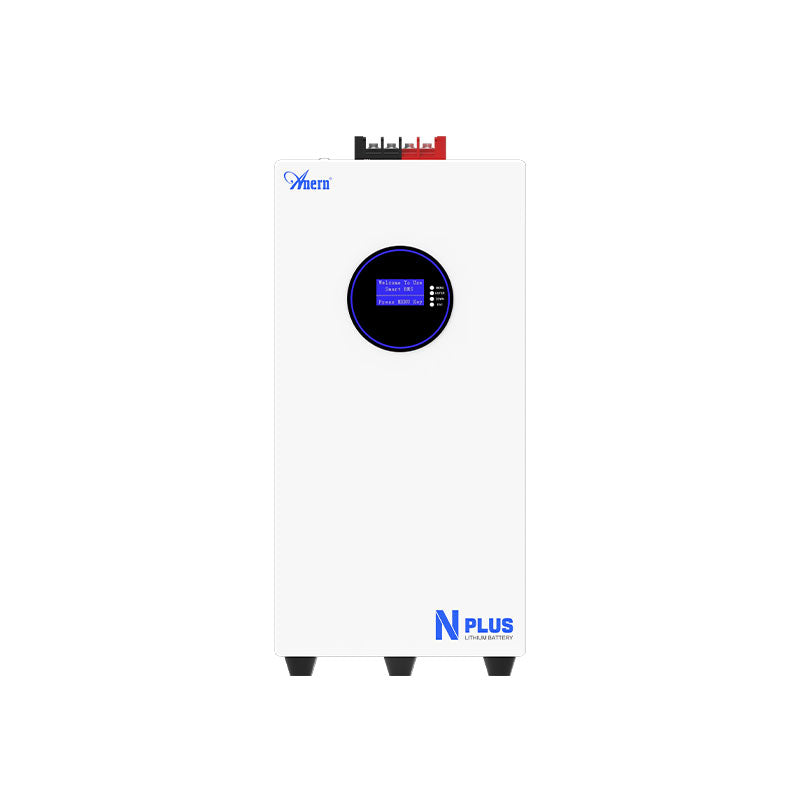
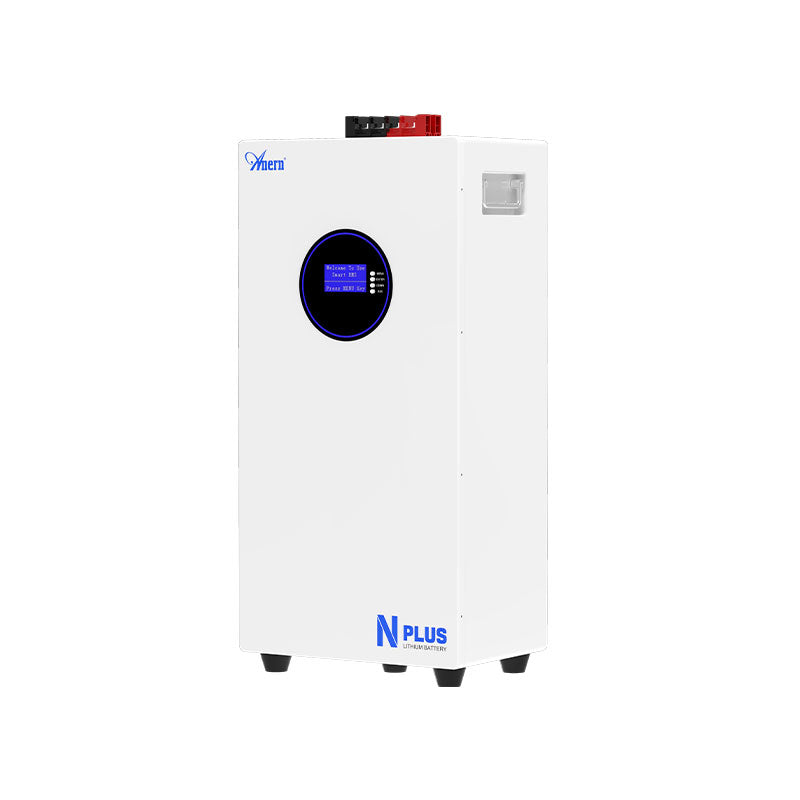
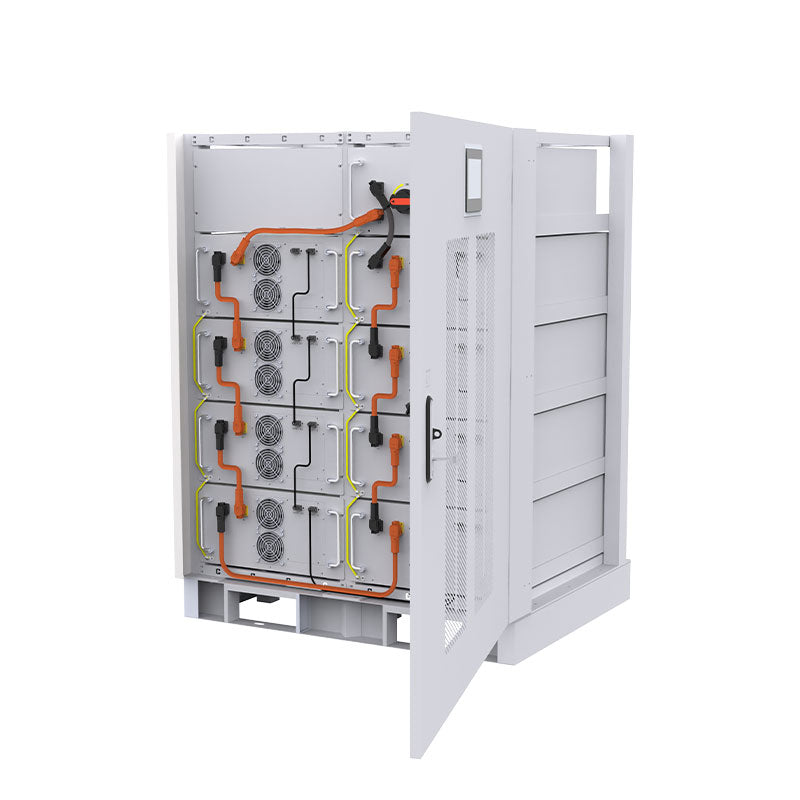
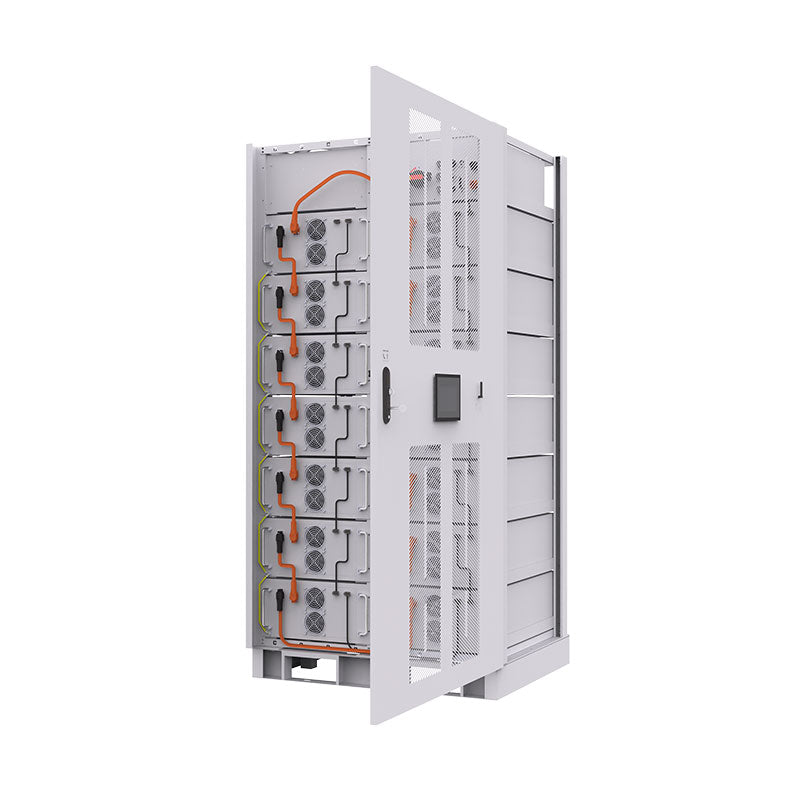
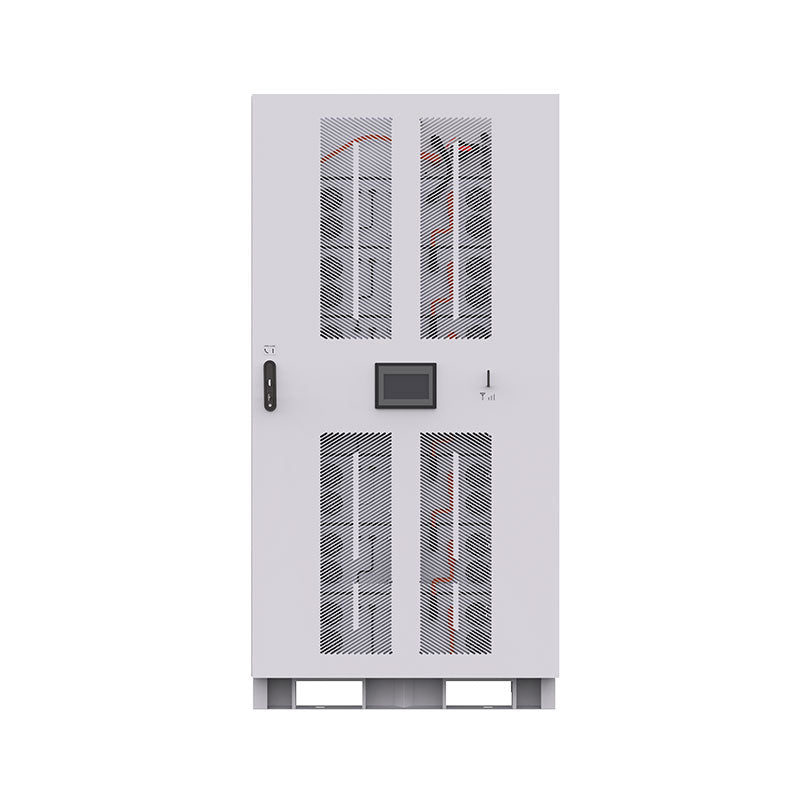
- Battery Bank: Batteries store the electricity generated by the solar panels for use when the sun is not shining, such as at night or on cloudy days . We focus on high-performance, safe, and reliable Lithium Iron Phosphate (LiFePO4) batteries for their superior cycling capabilities and longevity .
- Inverter: An inverter converts the DC electricity stored in the batteries into alternating current (AC) electricity, which powers your household appliances . Our solar inverters are engineered for efficient DC to AC conversion.
- Backup Generator (Optional but Recommended): For extended periods of low solar production, a backup generator can provide additional power to charge batteries .
Advantages of Off-Grid Systems
- Complete Energy Independence: You are not subject to utility rate increases, service fees, or grid outages .
- No Utility Bills: Since you are entirely self-reliant, you will not receive monthly electricity bills .
- Ideal for Remote Locations: Off-grid solutions are often the most practical and cost-effective choice for properties far from existing power lines .
- Reduced Environmental Impact: Without grid connection, you can minimize your carbon footprint even further .
Considerations for Off-Grid Systems
- Higher Upfront Costs: The need for a substantial battery bank and potentially a backup generator increases the initial investment .
- Energy Management: Living off-grid requires careful monitoring of energy consumption to ensure you do not deplete your battery storage . Efficient appliances and load management are helpful .
- System Sizing: Proper sizing is critical to meet all your energy needs, accounting for peak demand and periods of low solar irradiance .
Hybrid Systems: Balancing Independence and Reliability
A hybrid solar system combines the best features of both grid-tied and off-grid systems. It connects to the utility grid while also incorporating battery storage . This configuration offers a balance of energy independence and the security of a grid connection.
Components of a Hybrid System
Hybrid systems share many components with off-grid setups, with the addition of grid connectivity:
- Solar Panels: Generate DC electricity from sunlight .
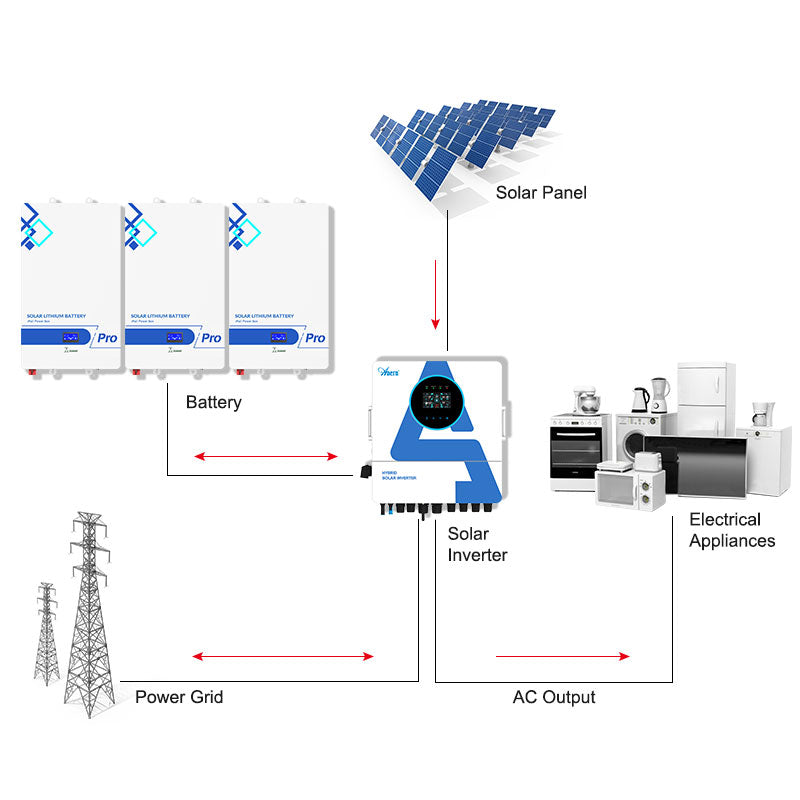
- Hybrid Inverter: This intelligent inverter manages power flow between solar panels, batteries, the grid, and your home loads. It can convert DC to AC, charge batteries, and send excess power to the grid .
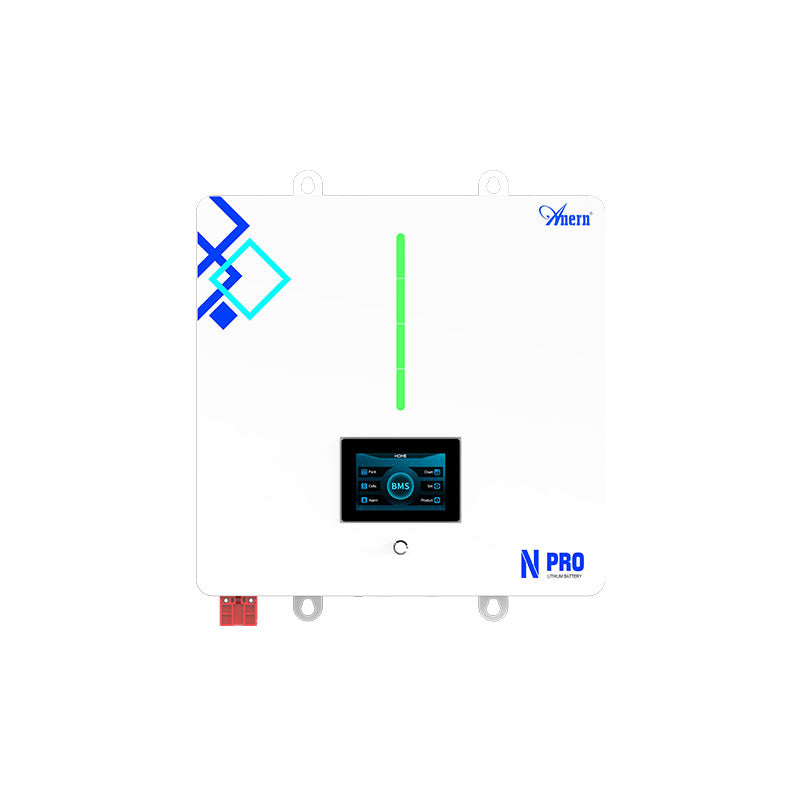
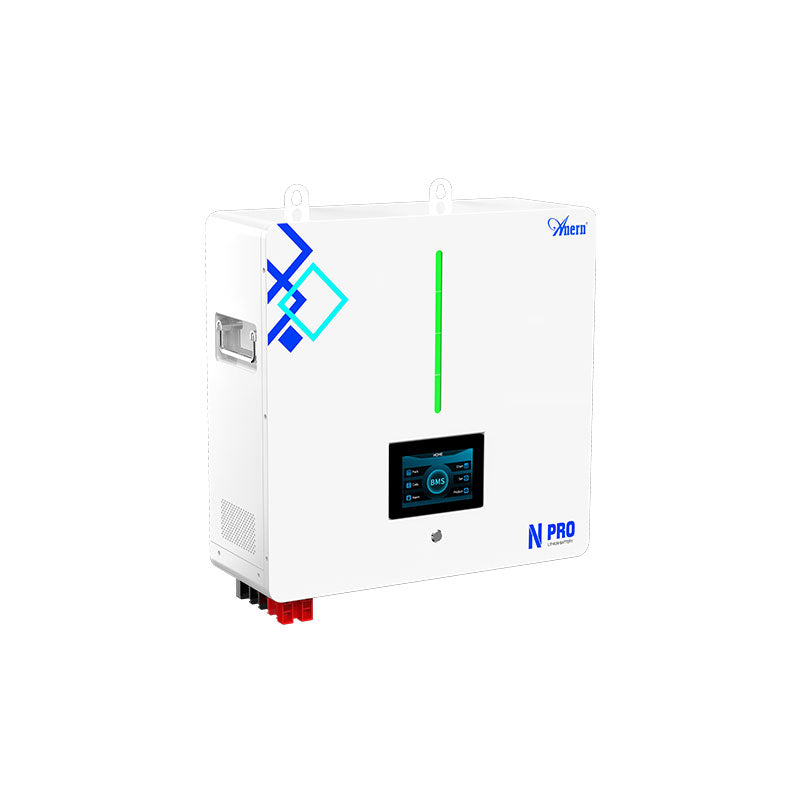
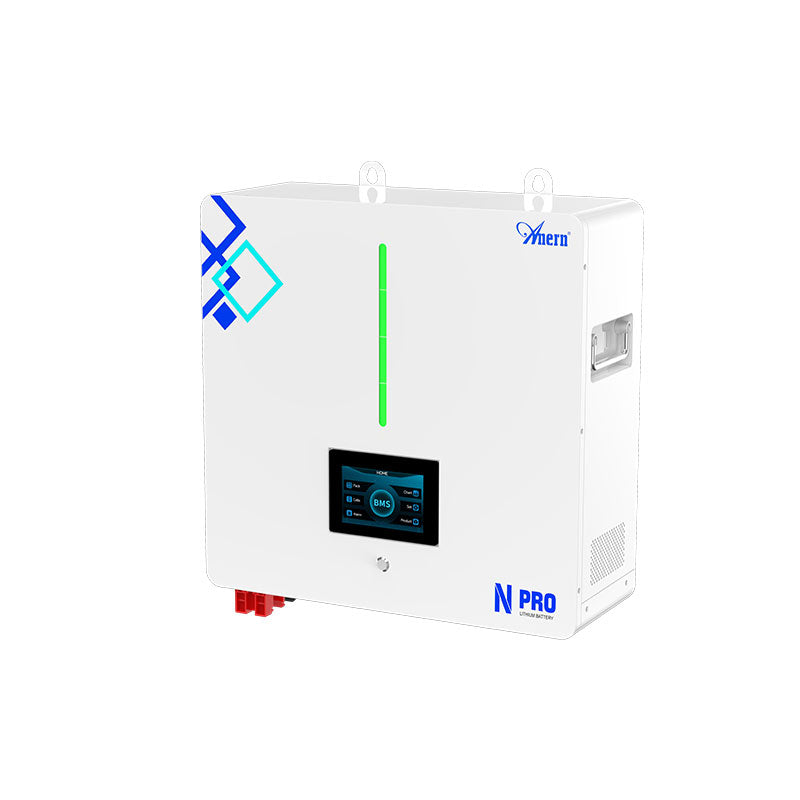
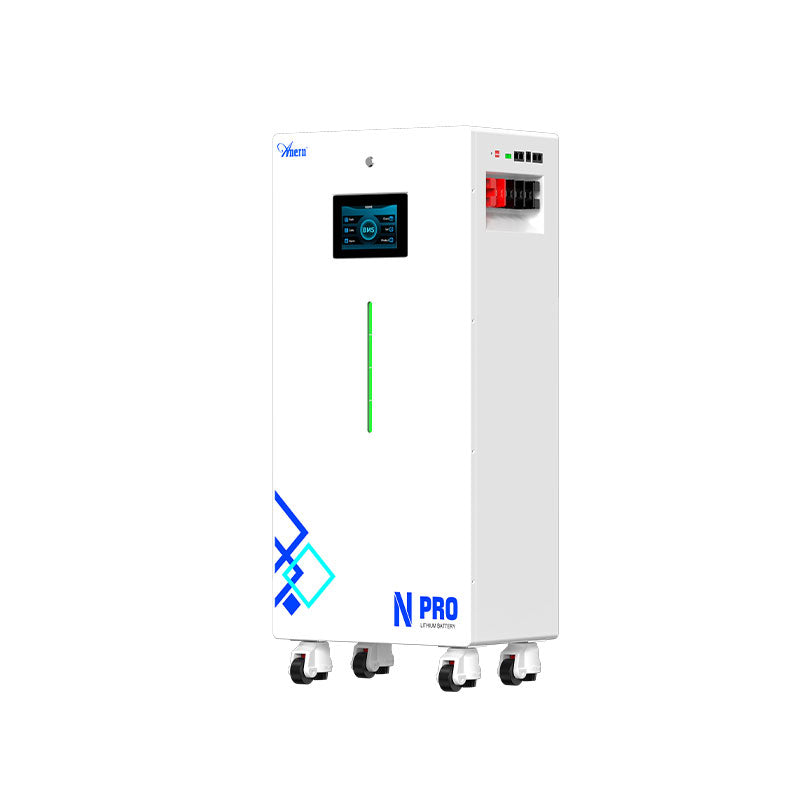
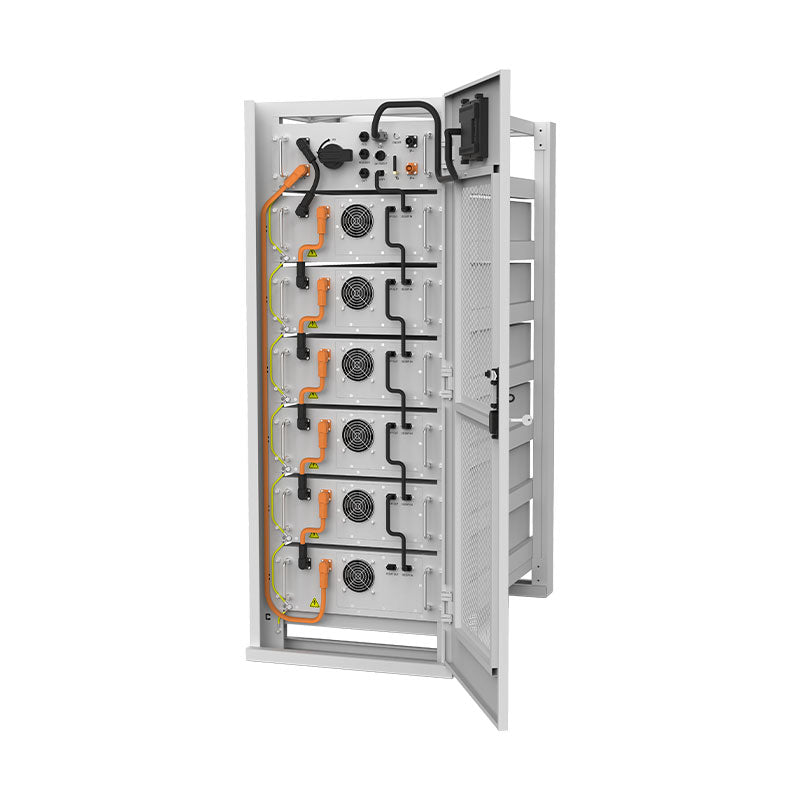
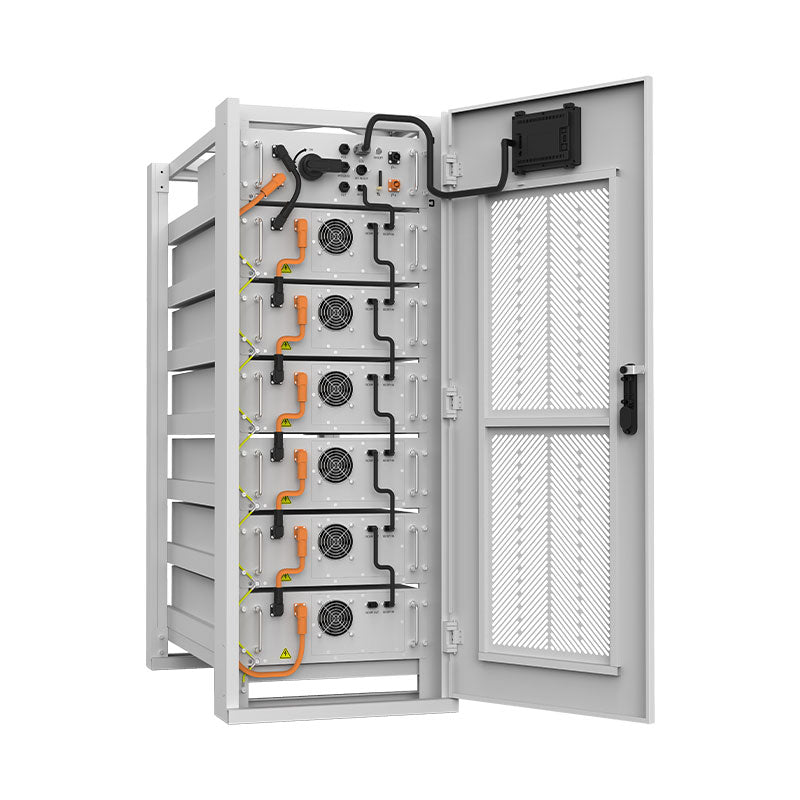
- Battery Bank: Stores excess solar energy for use during grid outages or peak demand times . Our integrated household energy storage systems (ESS) are designed with high-quality lithium batteries, ensuring dependable backup power.
- Electrical Switchboard/Distribution Box: Manages the flow of electricity to and from your home's circuits .
Advantages of Hybrid Systems
- Backup Power During Outages: Unlike standard grid-tied systems, hybrid systems can provide power to your home when the grid goes down, using stored battery energy .
- Optimized Energy Use: You can store excess solar energy and use it when electricity prices are higher, or when solar production is low, reducing reliance on grid power during peak hours .
- Enhanced Grid Stability: Hybrid systems, particularly with battery storage, contribute to grid stability by managing intermittent renewable energy sources . According to the International Renewable Energy Agency (IRENA), hybrid power plants enhance energy reliability and system performance .
- Future-Ready and Expandable: Many hybrid systems allow for future expansion of solar or battery capacity .
Considerations for Hybrid Systems
- Higher Initial Cost: While less expensive than pure off-grid setups, hybrid systems cost more than basic grid-tied systems due to the inclusion of batteries and a more sophisticated inverter .
- Complexity: These systems are more intricate than grid-tied setups, requiring careful design and installation .
- Space Requirements: You will need adequate space for solar panels, the inverter, and the battery bank .
Choosing Your Energy Path: Off-Grid Versus Hybrid
Deciding between an off-grid and a hybrid system depends on your specific needs, location, and desired level of energy independence. Consider these factors:
- Location: If your property is in a remote area without grid access, an off-grid system might be your only choice . If grid access is available and reliable, a hybrid system provides significant advantages.
- Budget: Off-grid systems generally demand a higher initial investment due to the larger battery capacity required for complete self-reliance . Hybrid systems offer a middle ground in terms of cost.
- Desired Independence: For absolute freedom from utility companies, off-grid is the path. If you seek backup power and optimized energy use while maintaining grid connectivity, a hybrid system is a compelling option .
- Energy Consumption Habits: If you are willing to carefully manage your energy use and potentially adjust your lifestyle, off-grid can work. If you prefer the flexibility to use energy as needed with grid backup, hybrid systems are more accommodating.
Here is a comparison to help you weigh the options:
| Feature | Off-Grid System | Hybrid System |
|---|---|---|
| Grid Connection | No connection; fully independent | Connected to grid with battery backup |
| Energy Independence | Complete freedom from utilities | High independence with grid reliability |
| Backup Power | Primary source of power, often with generator backup | Provides power during grid outages |
| Initial Cost | Higher, due to larger battery bank requirements | Moderate to High, less than off-grid but more than grid-tied |
| Utility Bills | None | Reduced, potential for net metering credits |
| Energy Management | Requires strict monitoring and lifestyle adjustments | More flexible, can draw from grid when needed |
| Ideal Application | Remote homes, cabins, farms without grid access | Residential, commercial, areas with unreliable grid or desire for backup |
The International Renewable Energy Agency (IRENA) reported that in 2024, solar photovoltaics (PV) were, on average, 41% cheaper than the lowest-cost fossil fuel alternatives . This makes solar a compelling economic choice. The cost of battery energy storage systems (BESS) also saw a significant decline, dropping 93% since 2010 to reach $192/kWh for utility-scale systems in 2024 . This reduction in battery costs further enhances the viability and attractiveness of both off-grid and hybrid systems. Hybrid systems, combining solar, wind, and BESS, along with digital innovations, are improving performance and grid flexibility . The International Energy Agency (IEA) also emphasizes the importance of energy storage and demand response in increasing the flexibility of power systems to integrate variable renewable energy . IEA's updated guidance also covers how to conduct system impact studies in power systems with high shares of solar and wind energy, highlighting the integral role of planning for stable, reliable, and economically viable power systems with renewables .
Empowering Your Energy Future
Choosing the right solar and energy storage system is a significant step towards a sustainable and independent energy future. Whether you seek complete disconnection from the grid or a balanced approach with grid backup, solutions exist to meet your needs.
We are dedicated to providing reliable and scalable energy solutions. Our offerings include advanced LiFePO4 batteries, complete household energy storage systems (ESS) that integrate lithium batteries, hybrid inverters, and solar panels, and specialized off-grid solar solutions for diverse applications. We also offer high-efficiency solar inverters that convert DC power to usable AC electricity.
By leveraging these technologies, you can gain greater control over your energy consumption, reduce your reliance on traditional power sources, and contribute to a cleaner energy landscape. We stand ready to support your journey towards energy independence with robust, high-quality products and deep industry experience.
