










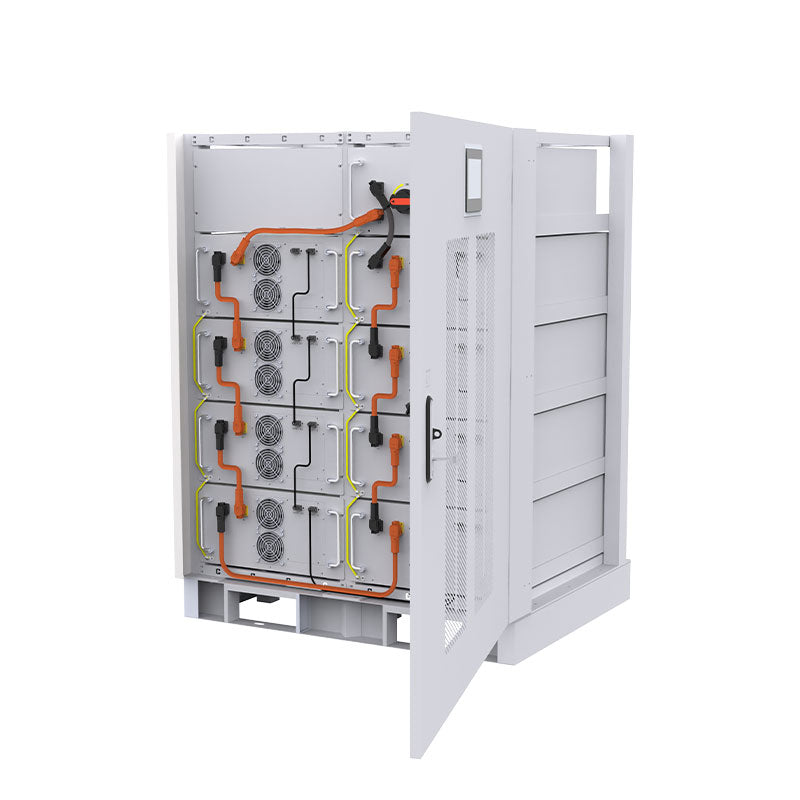

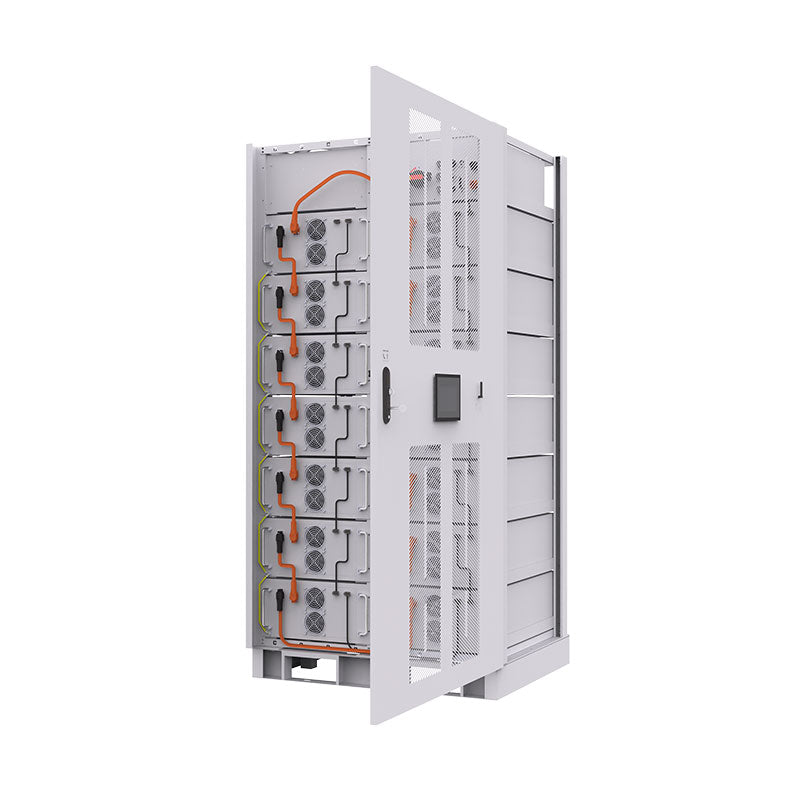
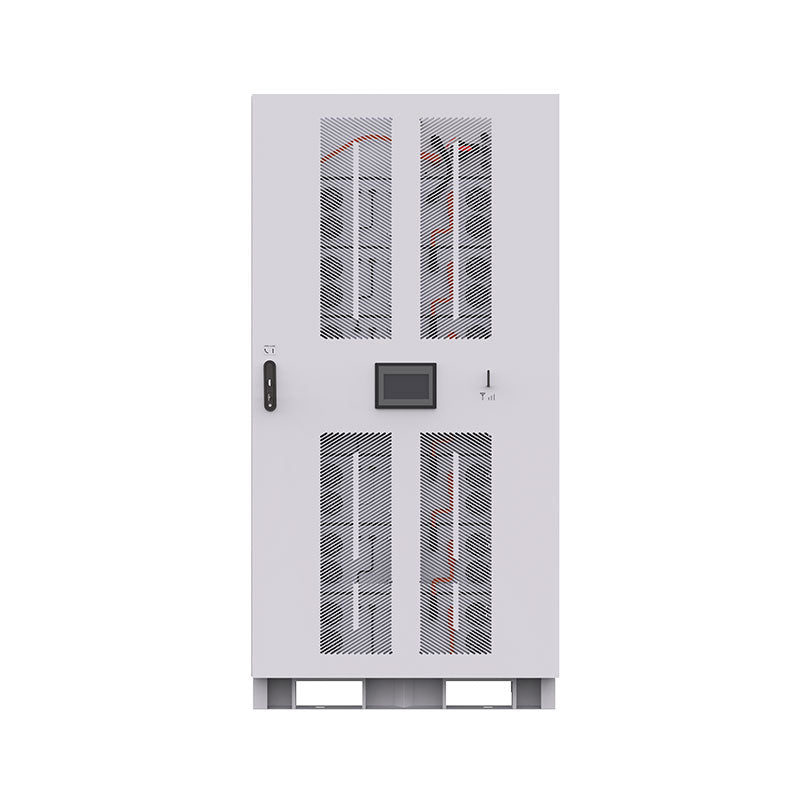


A 200-acre dairy farm in rural Montana faced escalating diesel costs exceeding $8,000 monthly for backup power during grid outages. The farm's critical operations—milking equipment, refrigeration, and feed systems—required uninterrupted power to prevent livestock stress and product spoilage. This case study examines the complete design process for a 45kW islanded PV system with LiFePO4 energy storage that achieved 85% diesel cost reduction while providing three days of autonomous operation.

Load Assessment and Energy Demand Analysis
The foundation of any successful farm islanded PV design begins with comprehensive load assessment. Our Montana dairy operation presented unique challenges with mixed critical and non-critical loads requiring careful prioritization.
Critical Load Identification
Primary critical loads included:
- Milking parlor equipment: 12kW continuous during 4-hour morning and evening sessions
- Milk cooling system: 8kW intermittent, cycling every 2 hours
- Feed mixer and distribution: 15kW for 3 hours daily
- Water pumps and livestock drinking systems: 3kW continuous
- Essential lighting and ventilation: 5kW continuous
Total critical load peaked at 43kW with average daily consumption of 285kWh. Non-critical loads like office equipment and residential areas added another 95kWh daily but could be shed during extended autonomy periods.
Seasonal Load Variations
Farm energy demands fluctuate significantly across seasons. Winter months showed 35% higher consumption due to increased heating requirements and longer milking sessions. Summer irrigation pumps added intermittent 20kW loads during peak growing season. These variations directly influenced our battery sizing calculations and PV array configuration.
LiFePO4 Battery System Design
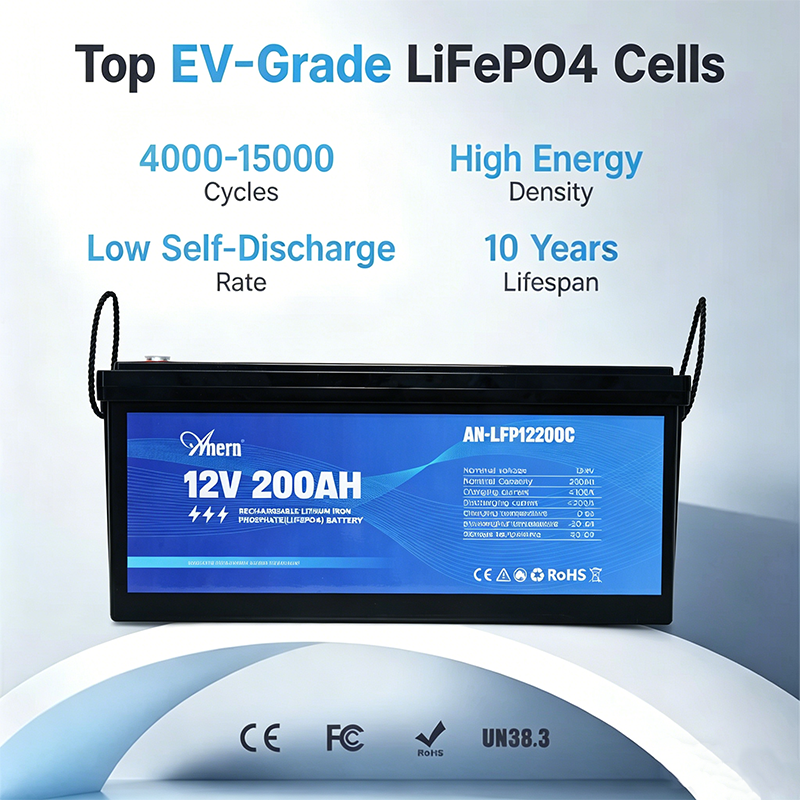
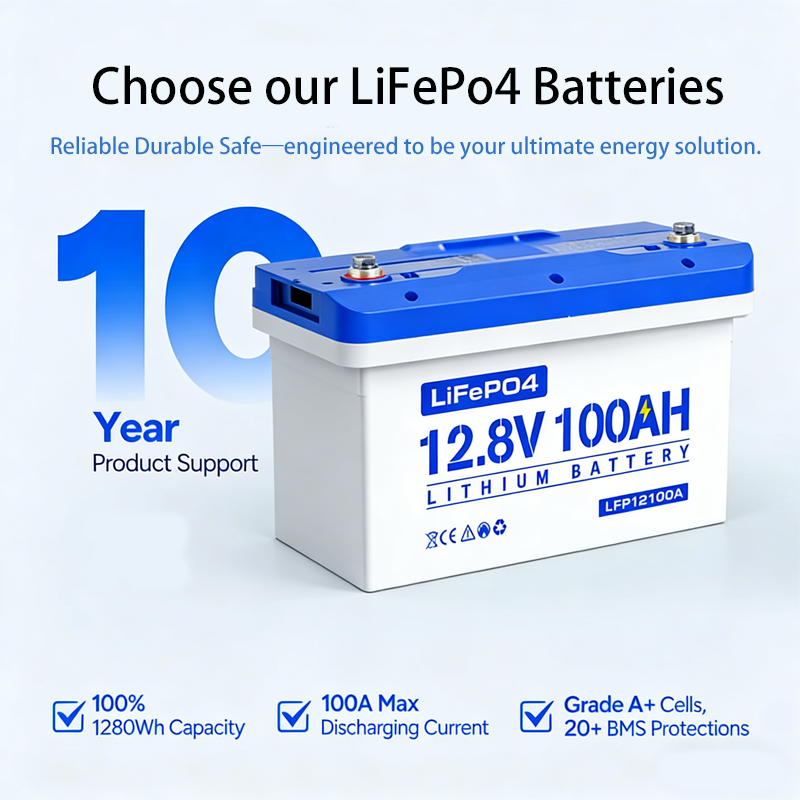
LiFePO4 chemistry offers superior performance for farm applications compared to traditional lead-acid alternatives. The technology delivers 6,000+ cycle life at 80% depth of discharge, making it ideal for daily cycling in agricultural environments.
Battery Capacity Calculations
Our design targeted three days of autonomy for critical loads during worst-case scenarios. Critical load consumption of 285kWh daily required 855kWh total storage. Factoring in:
- System efficiency losses (15%): 982kWh usable capacity needed
- Battery aging allowance (20%): 1,178kWh nominal capacity
- Temperature derating for winter operation (10%): 1,296kWh final requirement
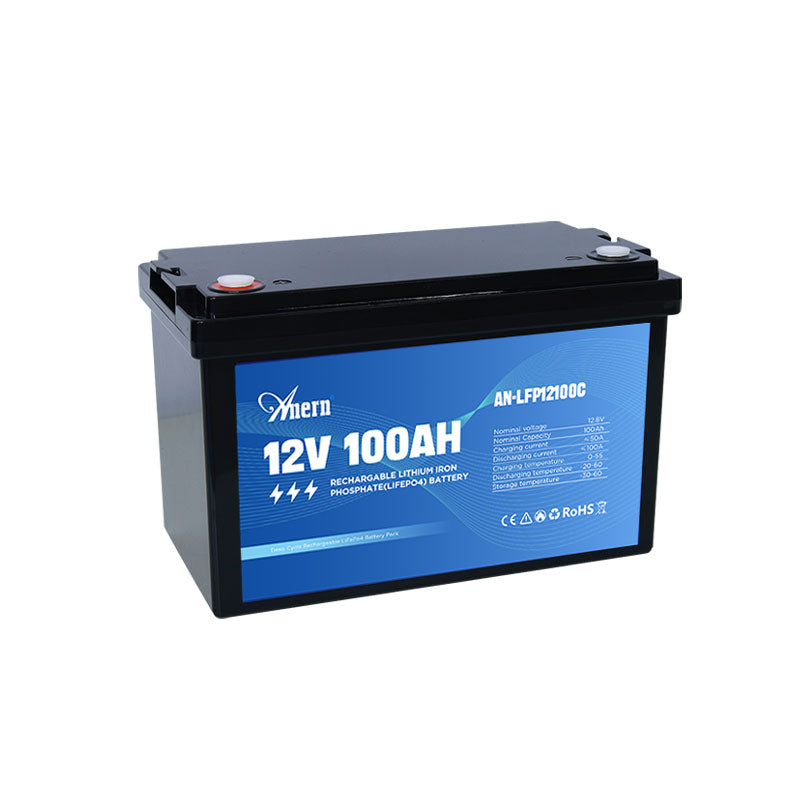
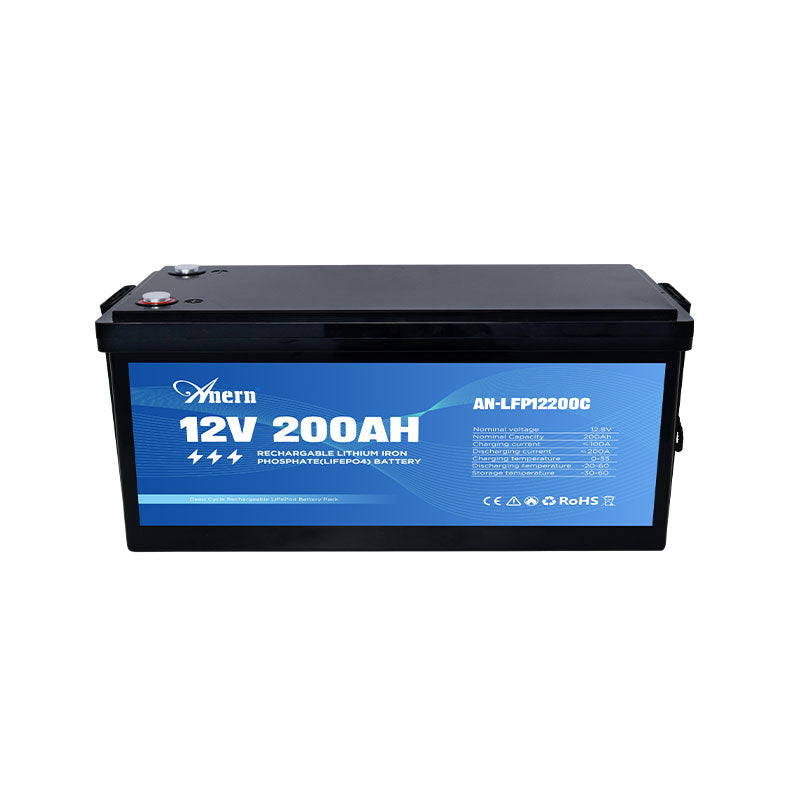
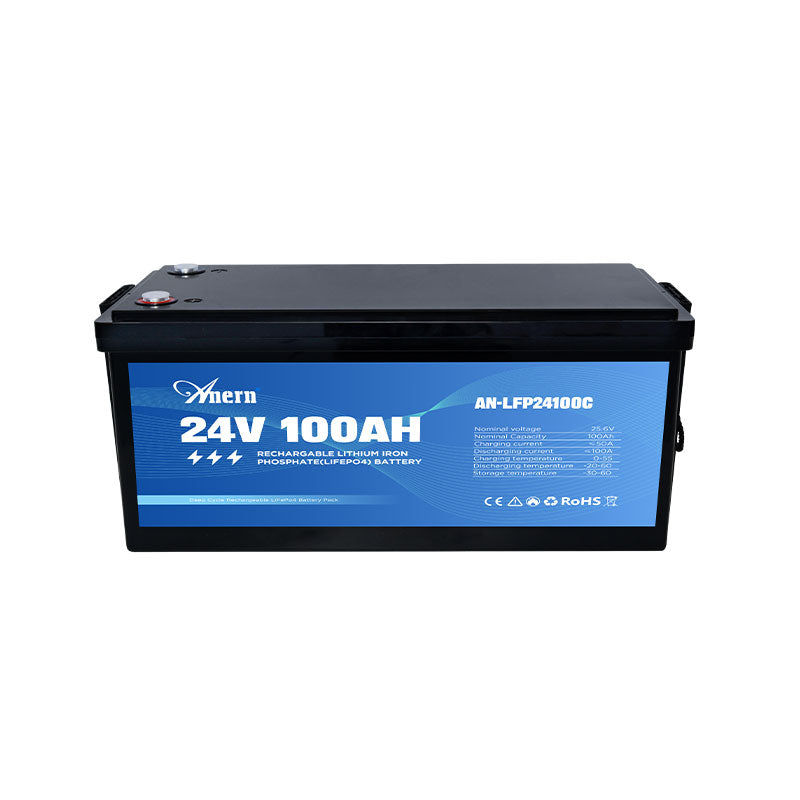
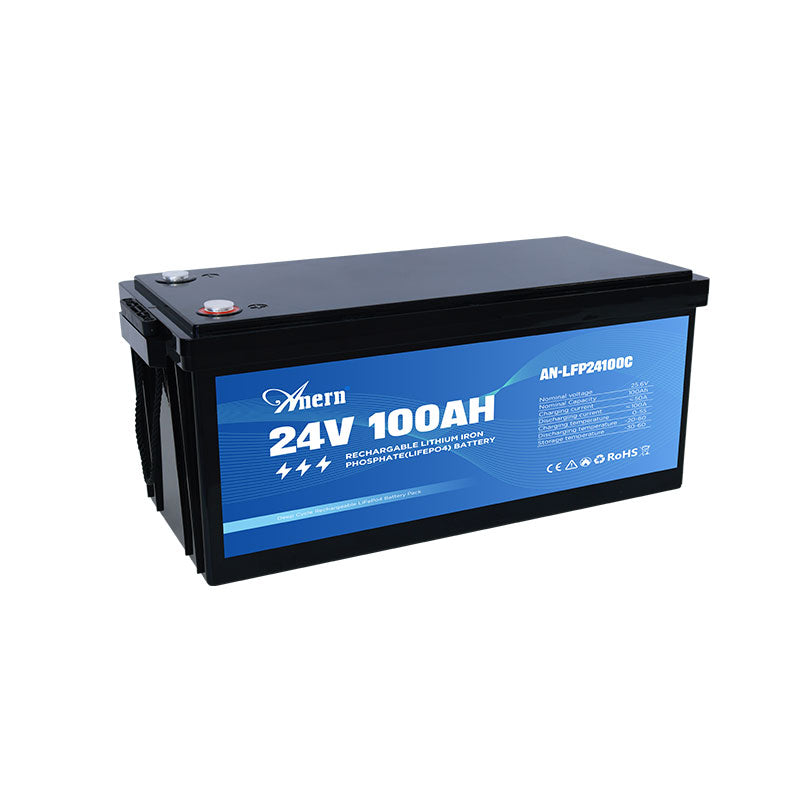
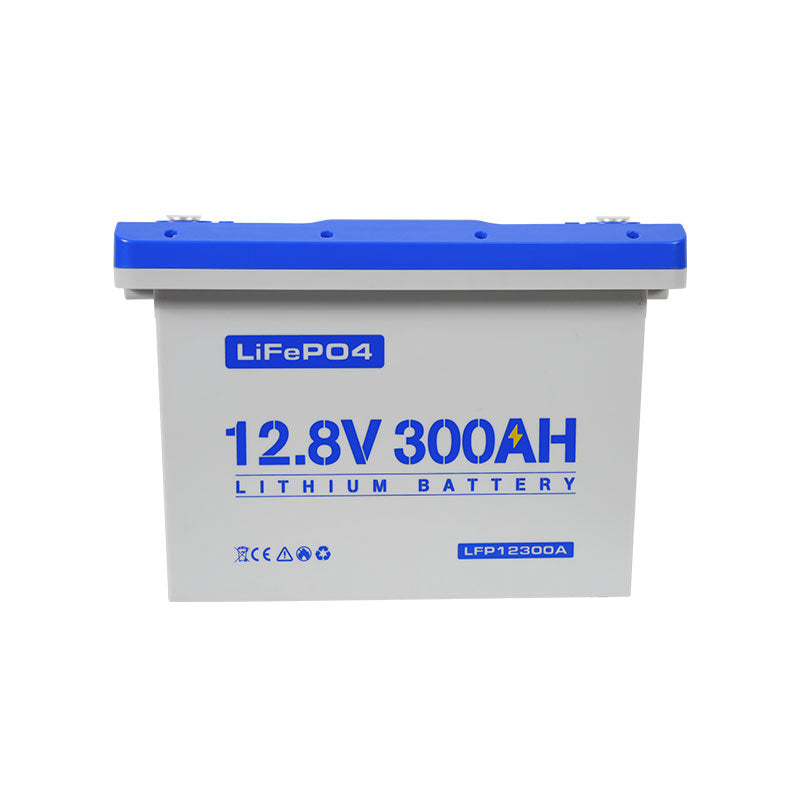
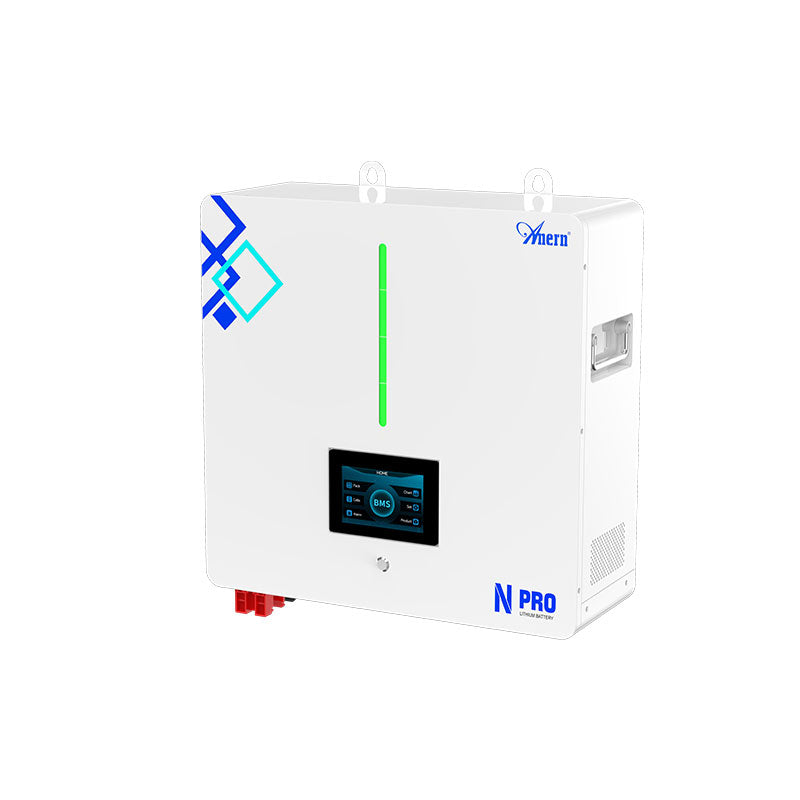
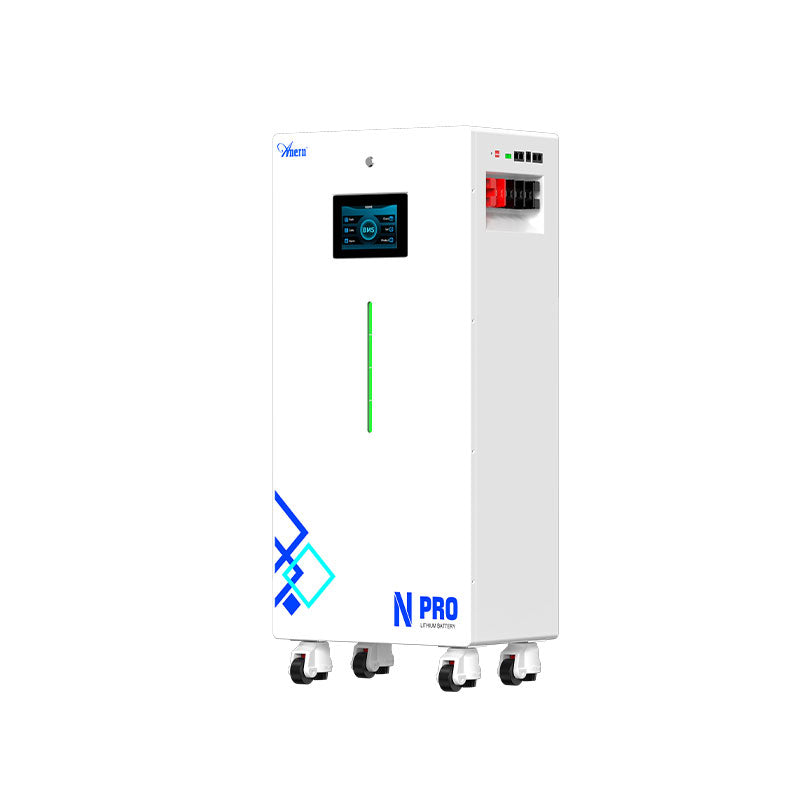
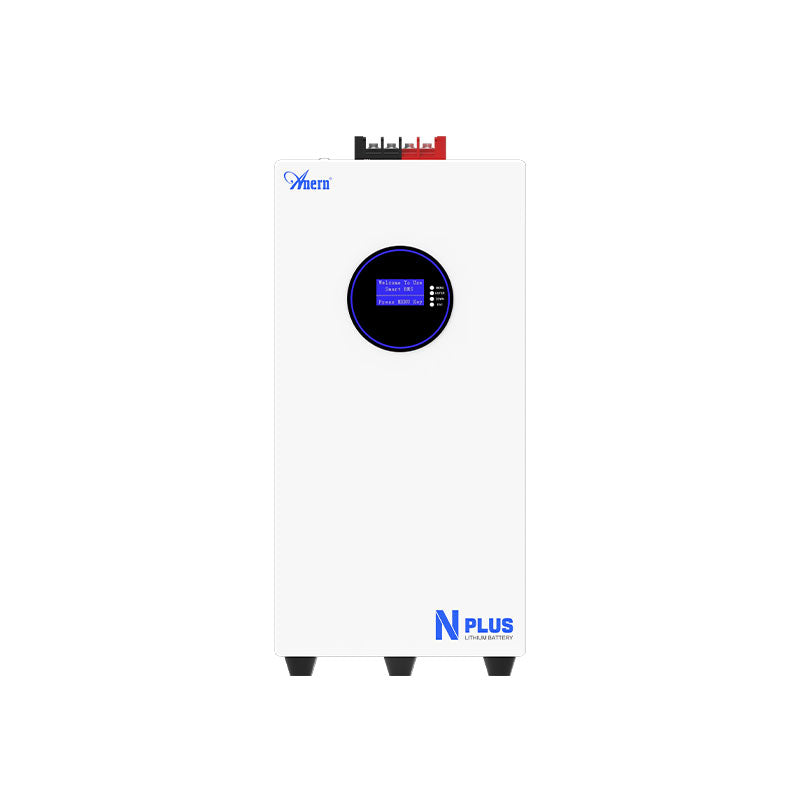
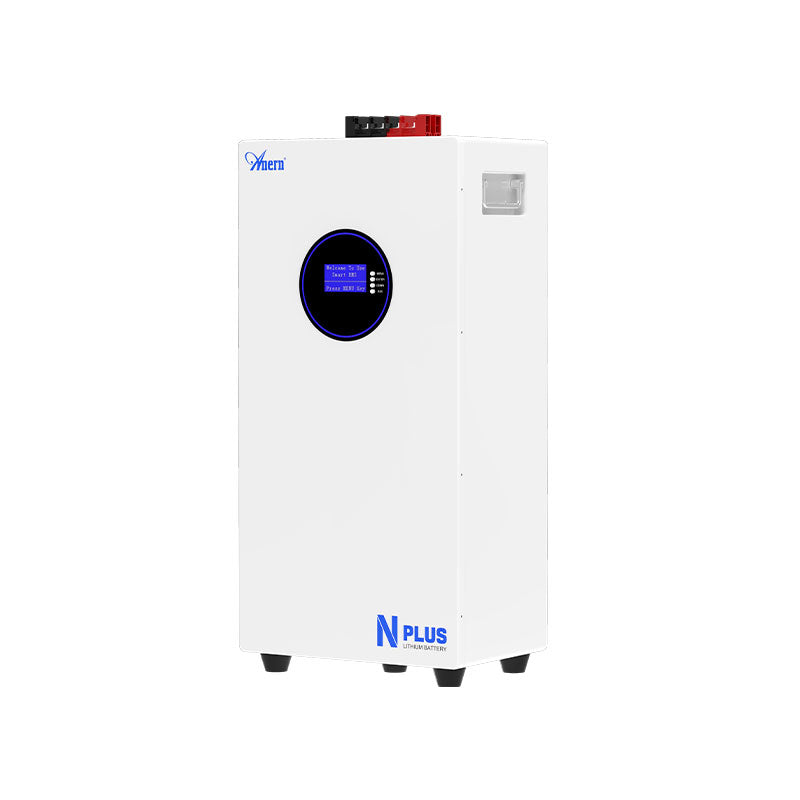
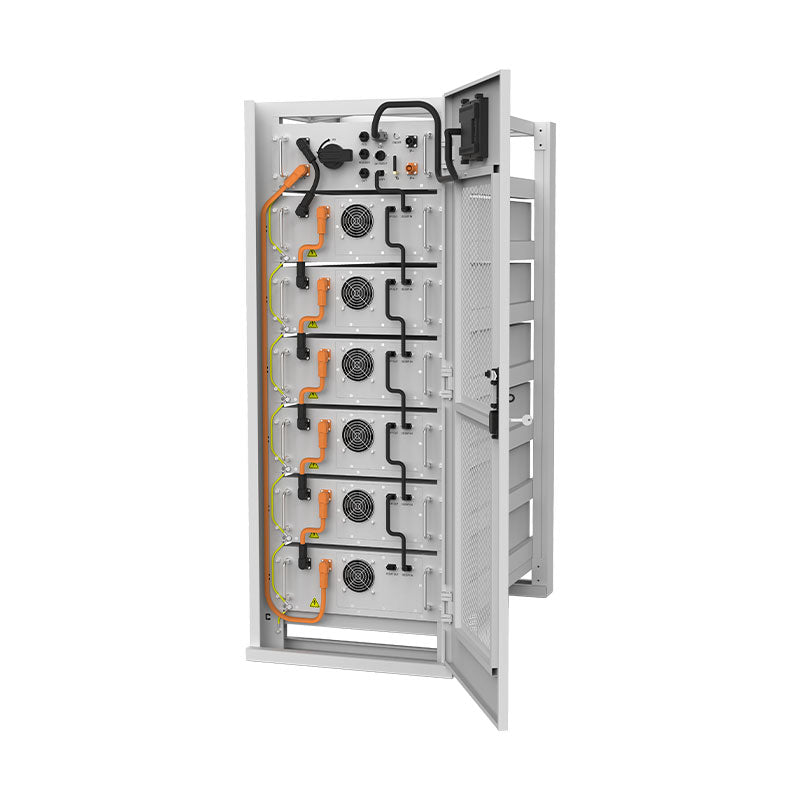
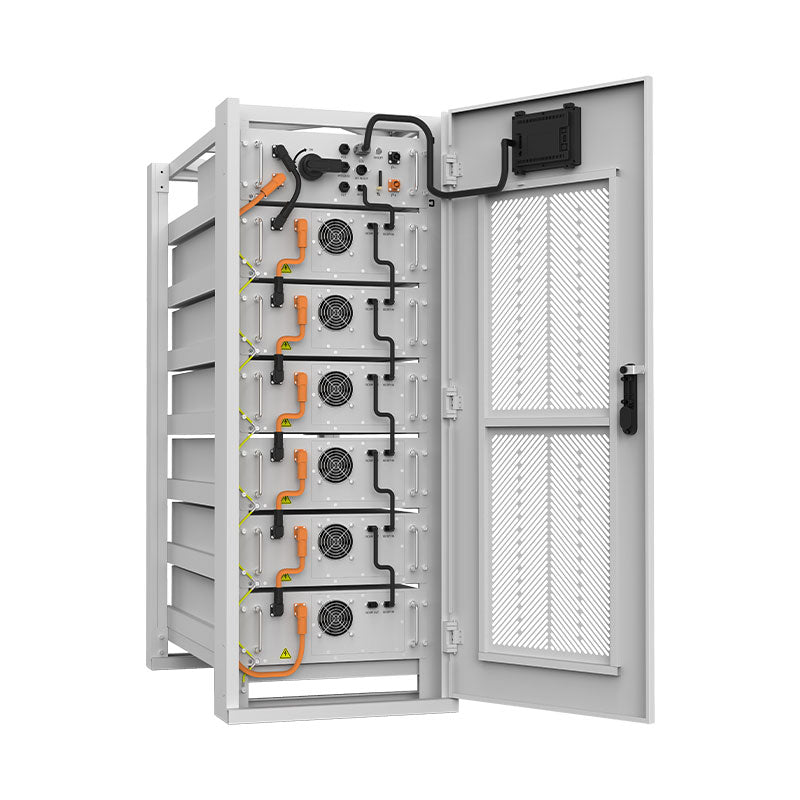
We specified a ~1,300 kWh LiFePO4 battery bank using 400 Ah, 3.2 V cells. The corrected topology is 80S13P (1,040 cells): one 80-cell series string (≈256 V nominal) stores ≈102.4 kWh, and 13 parallel strings yield ≈1,331 kWh. This meets the 3-day autonomy target with appropriate allowance for efficiency, aging, and winter derating.
Battery Management System Integration
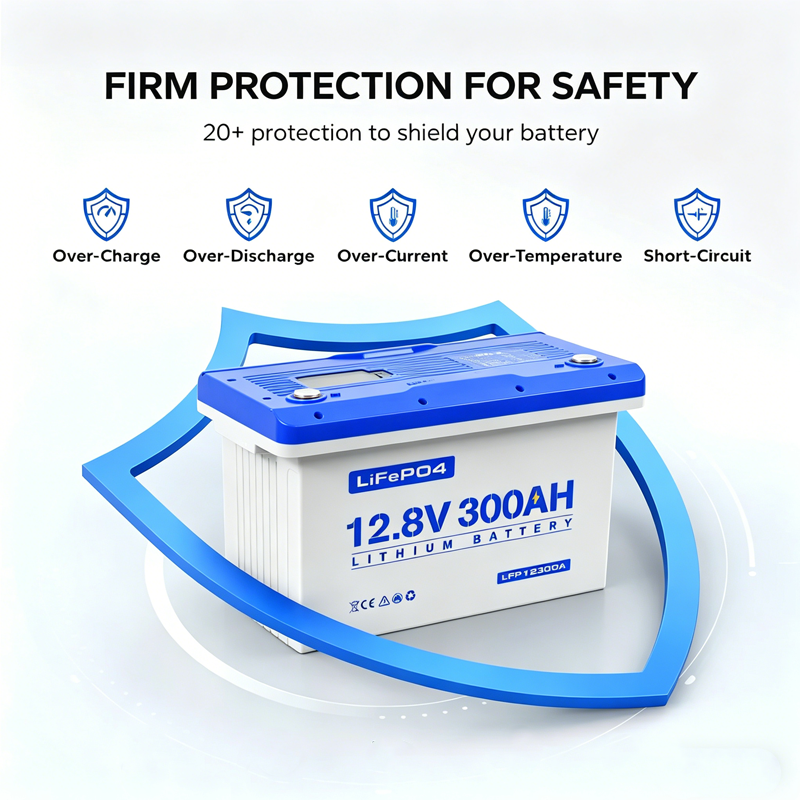
Advanced BMS functionality proved critical for farm reliability. Cell-level monitoring prevents thermal runaway while active balancing maintains capacity over the system's 15-year lifespan. Communication protocols enable remote monitoring of battery health, allowing preventive maintenance scheduling around farm operations.
PV Array Configuration and Sizing
Montana's solar resource averages 4.2 peak sun hours annually, with significant seasonal variation from 2.8 hours in December to 6.1 hours in July. This variability demanded careful PV sizing to maintain battery state of charge throughout winter months.
Array Sizing Methodology
Daily energy generation requirements included:
- Critical load consumption: 285kWh
- Battery charging losses: 28kWh (10% efficiency loss)
- System parasitic loads: 15kWh
- Seasonal reserve margin: 65kWh (20% buffer)
Total daily generation target: 393kWh. Dividing by worst-case insolation (2.8 peak sun hours) yielded 140kW DC array requirement. We installed 145kW using 435W monocrystalline panels to provide additional margin.
String Configuration Optimization
Panel layout considered both electrical and mechanical constraints. Barn roof installations used 15-panel strings matching MPPT input voltage ranges (450-850V). Ground-mount arrays employed 20-panel strings for reduced wiring complexity. String sizing calculations accounted for temperature coefficients ensuring voltage remained within inverter limits during extreme weather.
| Installation Location | String Size | String Voltage Range | MPPT Channels |
|---|---|---|---|
| Barn Roof | 15 panels | 489-652V | 8 channels |
| Ground Mount | 20 panels | 652-870V | 6 channels |
| Equipment Shed | 12 panels | 391-522V | 4 channels |
Hybrid Inverter Selection and System Integration
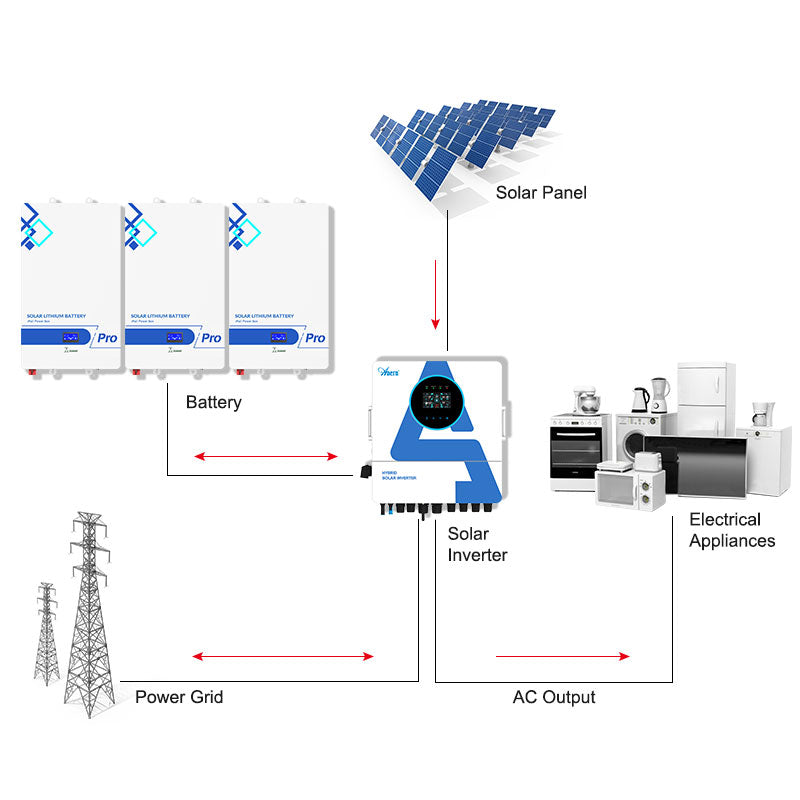
Hybrid inverter technology enables seamless transitions between grid-tied and islanded operation modes. Our 45kW system employed three 15kW hybrid units for redundancy and load distribution across farm circuits.
Inverter Specifications and Performance
Selected inverters featured:
- Peak efficiency: 98.2% for maximum energy harvest
- Battery charge efficiency: 96.8% minimizing storage losses
- Surge capacity: 200% for 10 seconds handling motor starting loads
- Grid-forming capability: Essential for islanded operation stability
Multiple inverter configuration provided N-1 redundancy. Single unit failure maintained 30kW capacity covering all critical loads while repairs proceeded without operational disruption.
Control System Architecture
Centralized energy management system coordinated inverter operation, battery charging, and load prioritization. Smart load controllers automatically shed non-critical circuits during extended islanding periods. Communication protocols enabled integration with existing farm automation systems for optimized energy scheduling.
Economic Analysis and Performance Validation
Project economics justified the $180,000 investment through multiple value streams beyond simple diesel displacement. IRENA's Electricity Storage Valuation Framework provided methodology for comprehensive benefit quantification.
Cost-Benefit Analysis
Annual savings breakdown:
- Diesel fuel elimination: $72,000 (8,000 gallons at $9/gallon)
- Generator maintenance reduction: $8,500
- Avoided spoilage from outages: $15,000
- Grid demand charge optimization: $6,200
Total annual benefits: $101,700 yielding 1.77-year payback period. Twenty-year net present value exceeded $1.2 million at 6% discount rate, demonstrating strong financial viability.
Operational Performance Metrics
Twelve months of operational data validated design assumptions:
- System availability: 99.7% including scheduled maintenance
- Battery utilization: 68% average depth of discharge
- PV capacity factor: 22.3% exceeding 21% design target
- Diesel generator runtime: 95% reduction from baseline
Performance exceeded expectations across all metrics while providing operational flexibility unavailable with grid-only power supply.
Lessons Learned and Design Optimization
Real-world operation revealed several optimization opportunities for future farm islanded PV installations. Load management strategies proved more effective than initially projected, while weather prediction integration enhanced battery state of charge planning.
Critical Design Considerations
Key factors for successful farm ESS implementation:
- Oversizing inverter surge capacity by 150% minimum for agricultural motor loads
- Installing weather monitoring systems for predictive charging optimization
- Implementing graduated load shedding rather than binary critical/non-critical classification
- Providing manual override capabilities for emergency situations
These lessons directly influenced subsequent installations, improving both performance and cost-effectiveness across our project portfolio.
Scalability and Replication Potential
The Montana dairy case study demonstrates scalable design principles applicable across agricultural sectors. IRENA's guidebook for off-grid projects highlights similar applications where renewable energy systems serve remote communities and industrial facilities effectively.
Standardized design templates based on this case study now serve farms ranging from 10kW residential operations to 200kW commercial dairies. Modular approaches using proven component selections reduce engineering costs while maintaining performance reliability.
Future-Proofing and Expansion Planning
Agricultural operations evolve continuously, requiring energy systems designed for expansion and adaptation. Our Montana installation incorporated expansion capabilities from initial design phases, enabling cost-effective capacity additions as farm operations grow.
The system's modular architecture supports seamless integration of additional PV arrays, battery capacity, and inverter units. DC-coupled expansion maintains high efficiency while AC-coupled additions provide operational flexibility. This forward-thinking approach ensures the investment remains viable throughout its 25-year operational lifespan.
Smart grid capabilities position the system for future revenue opportunities through grid services and virtual power plant participation. As regulatory frameworks evolve, farms with properly designed ESS installations can monetize their flexibility while maintaining operational independence.
