








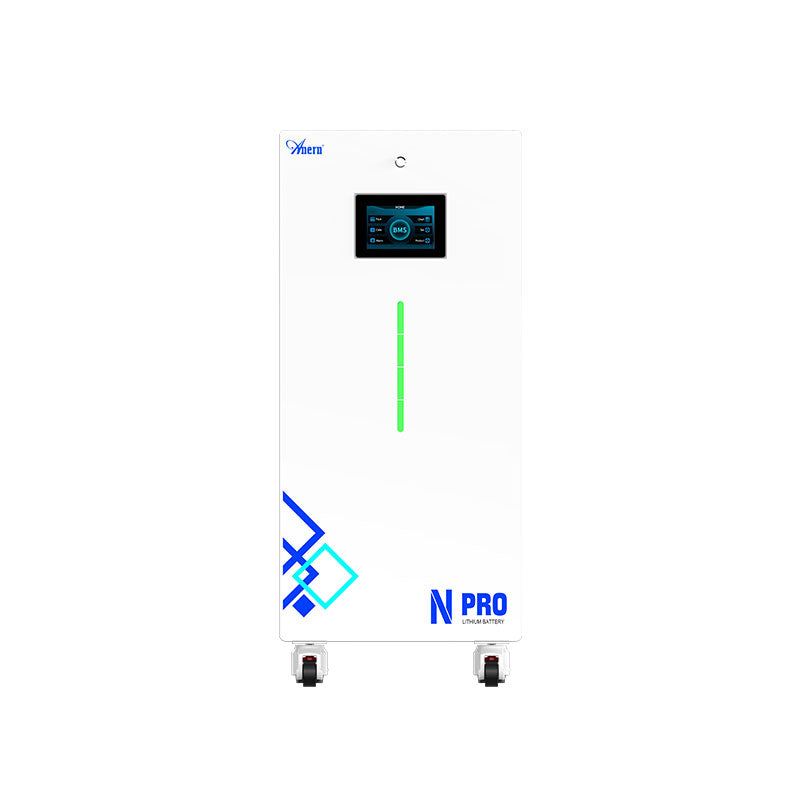


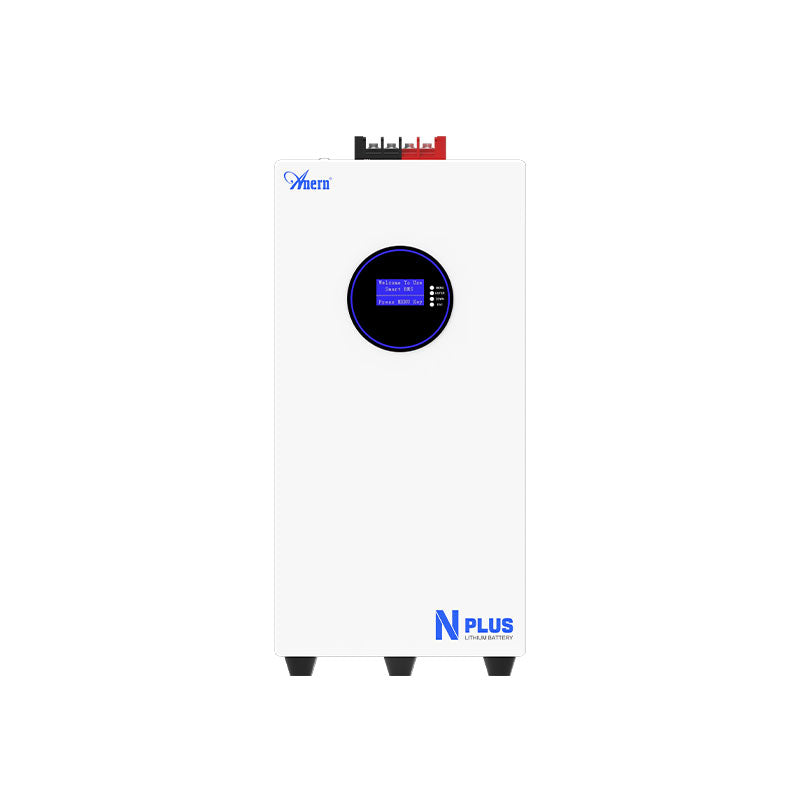
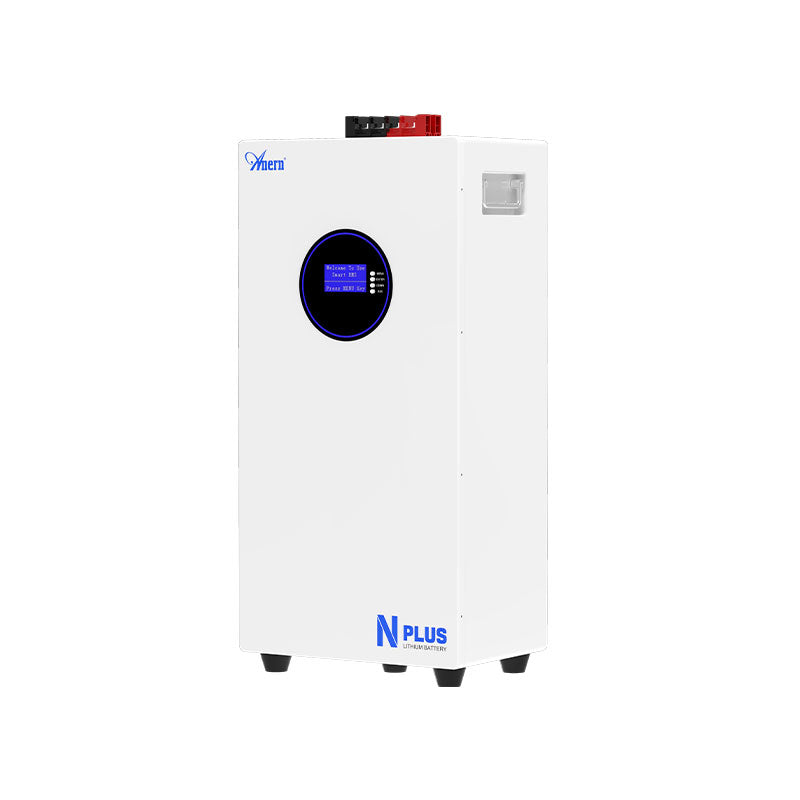




Selecting the right battery system for your solar setup is a pivotal decision. It impacts your energy independence, system reliability, and overall investment. Solar battery systems come in two primary configurations: off-grid and grid-tied. Each offers distinct advantages and serves different energy goals. This article helps you navigate these choices, focusing on technical details and practical applications to empower your decision-making.
Understanding Solar Battery Systems
Solar photovoltaic (PV) systems convert sunlight directly into electricity. This process relies on the photovoltaic effect. PV modules generate direct current (DC) electricity, which then moves through an inverter. The inverter transforms this DC into alternating current (AC), suitable for most household appliances and grid connection. The components involved in this process, including inverters and electrical protection devices, form part of the “balance of system” (BOS).
The Role of Energy Storage
Energy storage devices, particularly batteries, are crucial for solar systems. They store excess electricity generated during peak sunlight hours for use when solar production is low, such as at night or on cloudy days. This ensures a consistent power supply. The International Renewable Energy Agency (IRENA) highlights that electricity storage helps address technical and economic challenges related to variable renewable energy (VRE) integration. Batteries provide rapid response to signals, enabling new, high-value system services.
Off-Grid Battery Systems
Off-grid solar battery systems operate independently from the utility grid. They provide complete energy autonomy, making them ideal for remote locations without grid access or for individuals seeking total energy independence. These systems rely entirely on stored solar energy and, sometimes, a backup generator.
Design for Independence
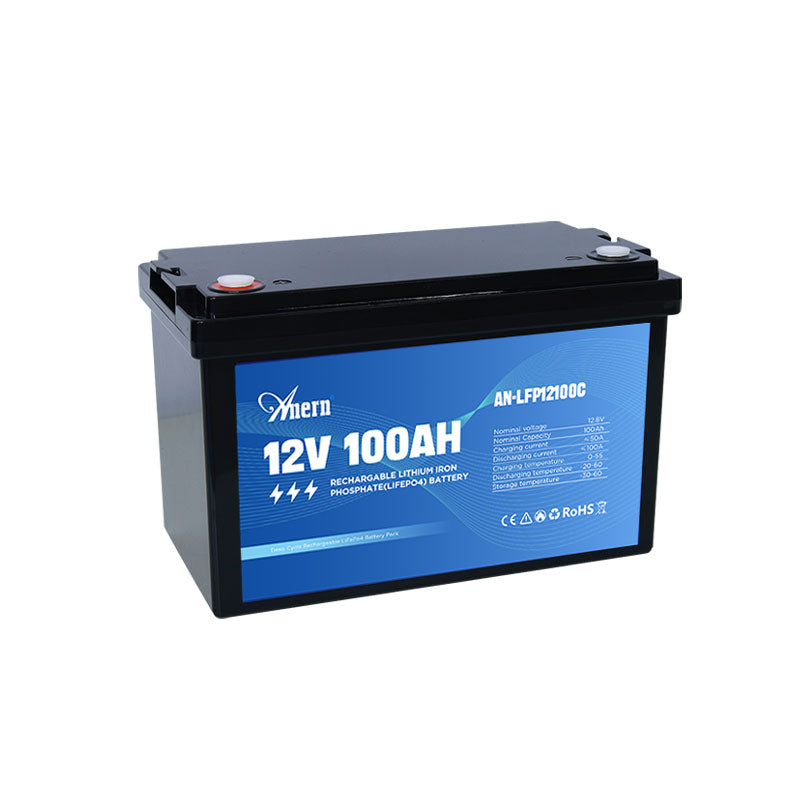
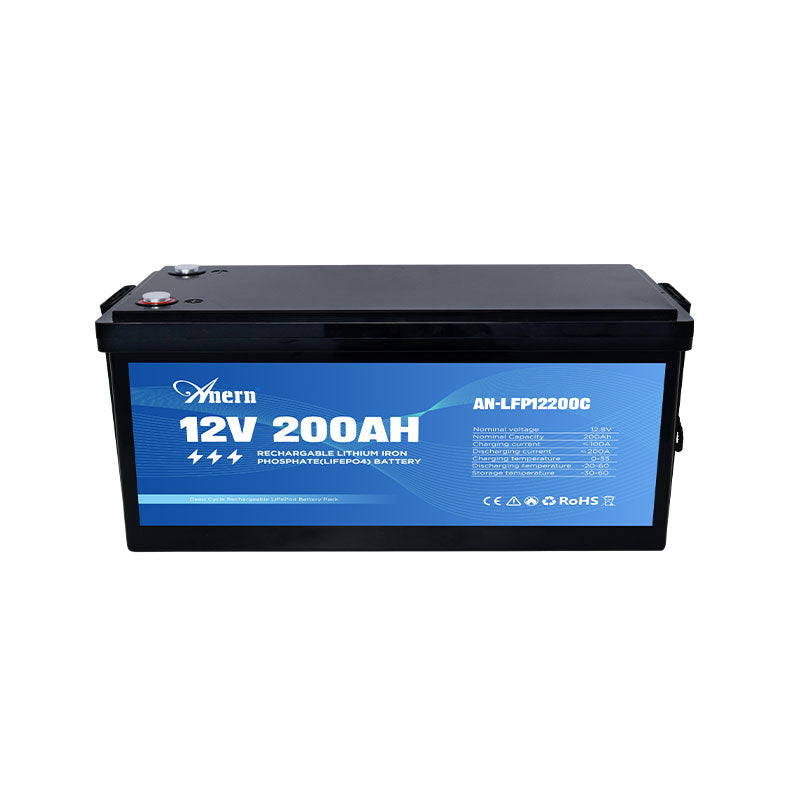
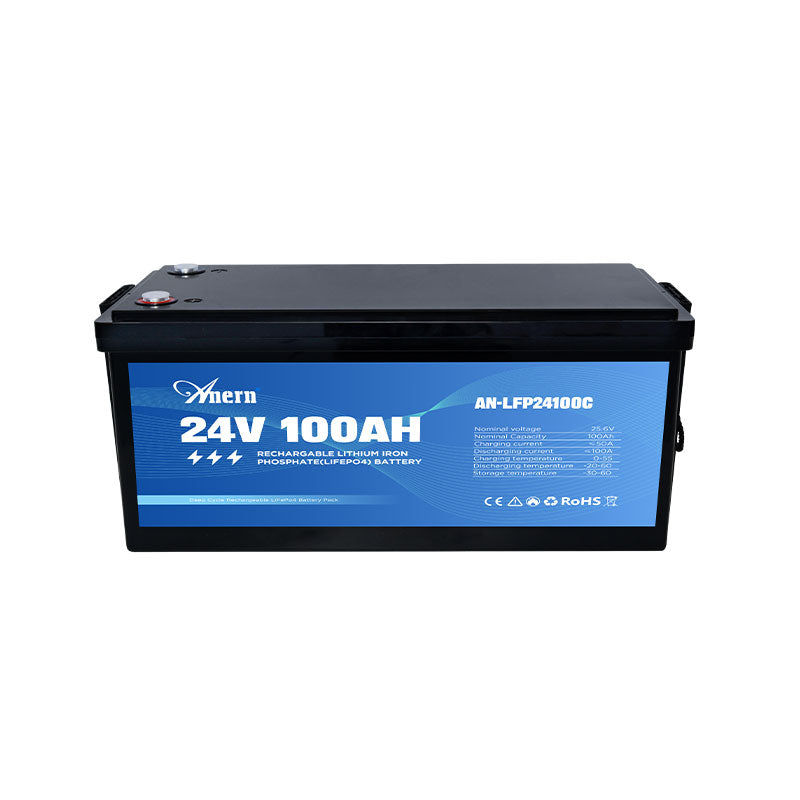
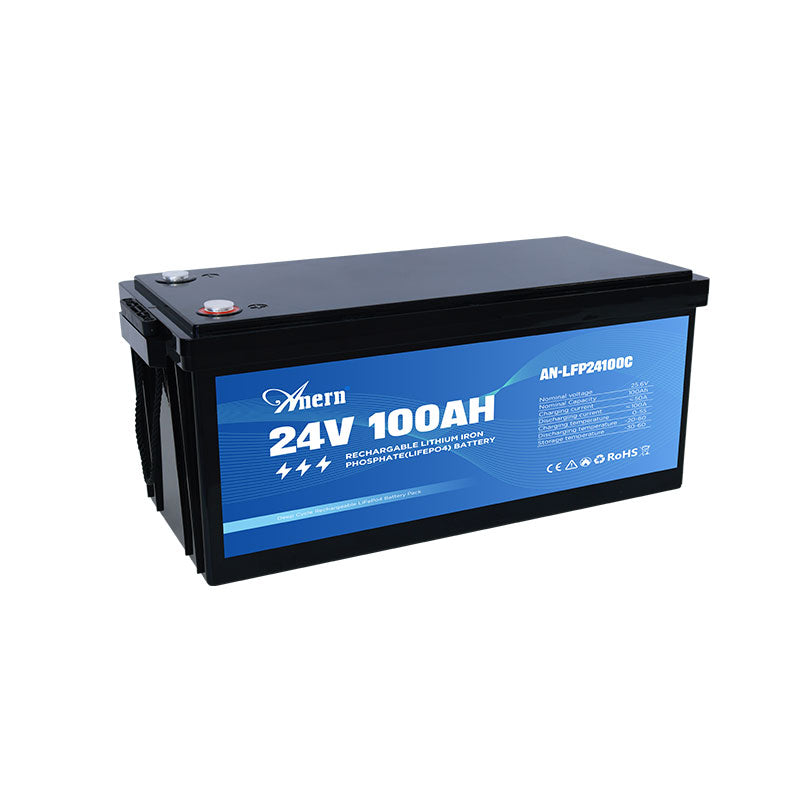
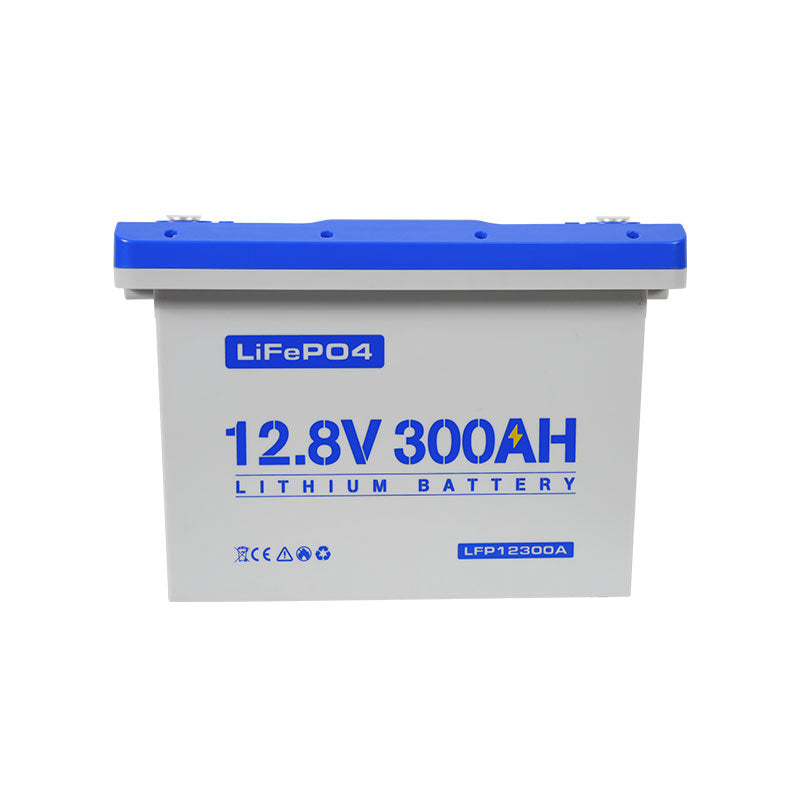
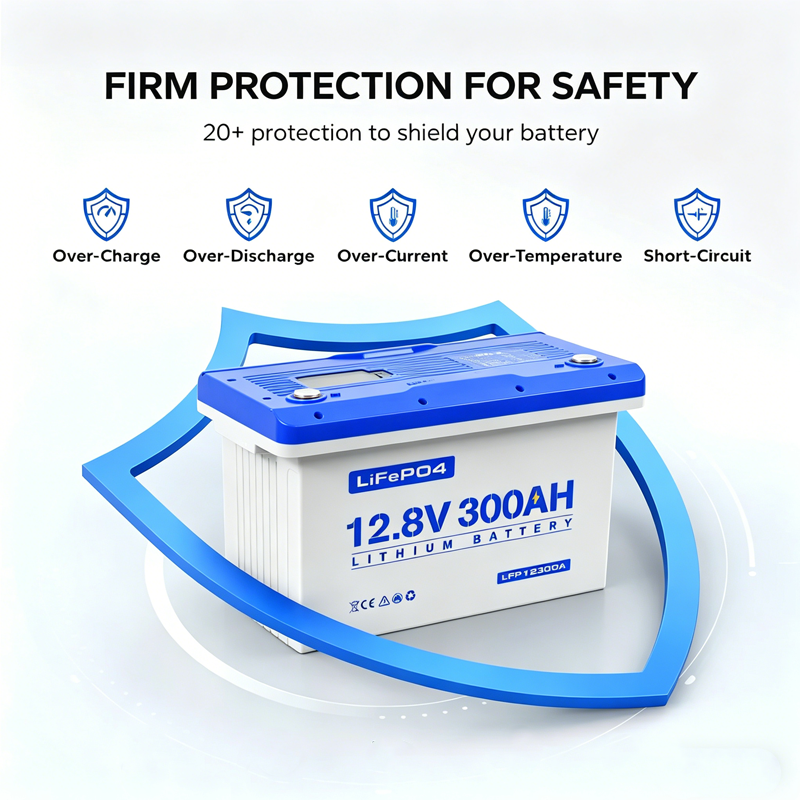
An off-grid system requires careful sizing to match your energy consumption. It typically involves solar panels, a charge controller, a battery bank, and an off-grid inverter. The battery bank is the heart of the system, storing all the power you need. Lithium iron phosphate (LiFePO4) batteries are a popular choice due to their high performance, safety, and reliability. They offer excellent cycle life and depth of discharge capabilities. In mini-grid applications, often linked to battery systems, grid-forming inverter technologies enable power systems to operate without conventional generation. This is a proven technology with over a decade of reliable operation in demanding conditions.

Practical Applications and Considerations
Off-grid solutions are well-suited for homes, farms, and cabins in isolated areas. For example, the island of Ta’u in American Samoa uses a 1.4 MW PV micro-grid with 6 MWh of Li-ion battery storage, providing three days of autonomy and significantly reducing diesel generator use. Similarly, in Mozambique, decentralized renewable energy (DRE) systems with battery backup are proposed as a primary energy source for healthcare facilities, especially where power outages are frequent.
Key considerations for off-grid systems include:
- Battery Capacity: You need enough storage to cover multiple days of autonomy, accounting for periods of low solar generation.
- System Sizing: Accurate load calculations are critical to prevent power shortages.
- Maintenance: Regular checks of battery health and system components are necessary.
Grid-Tied Battery Systems
Grid-tied, or grid-connected, battery systems remain connected to the utility grid while also incorporating solar panels and battery storage. These systems offer a blend of grid reliability and energy resilience.
Design for Resilience and Grid Support
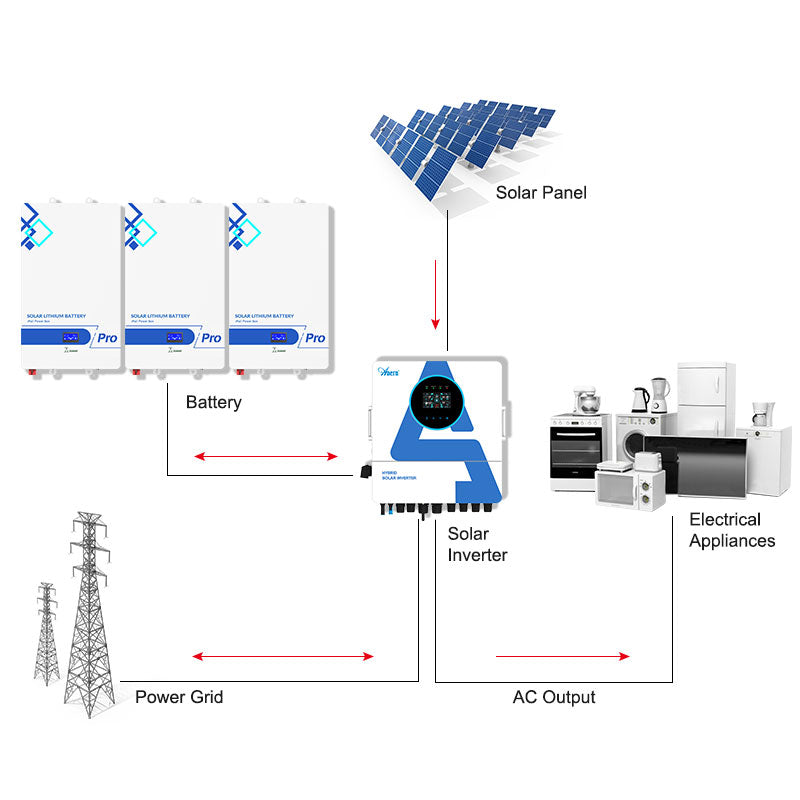
A grid-tied battery system typically includes solar panels, a hybrid inverter, and a battery bank. The hybrid inverter manages power flow, directing solar electricity to your home, charging the batteries, or sending excess power back to the grid. During a grid outage, the system can disconnect from the utility (islanding) and power critical loads using stored battery energy and ongoing solar production. The U.S. Department of Energy (DOE) emphasizes that small-scale solar coupled with storage can power critical building loads during grid outages, enhancing community resilience.
Benefits and Integration
Grid-tied systems offer several benefits:
- Backup Power: Provides electricity during blackouts, keeping essential appliances running.
- Energy Arbitrage: Store energy when electricity prices are low and use or sell it back when prices are high.
- Reduced Electricity Bills: Lower reliance on grid power, especially during peak demand.
Interconnecting these systems to the grid can present challenges. The DOE funded the Building a Technically Reliable Interconnection Evolution for Storage (BATRIES) project, which identified nearly 40 areas for improvement in connecting energy storage systems to the distribution grid. However, advancements aim to simplify this process. Renewable energy sources, including solar PV, are increasingly cost-effective. In 2024, utility-scale solar PV averaged $0.043/kWh, which was 41% cheaper than the lowest-cost fossil fuel alternatives.
Key Factors for Selecting Your Solar Battery System
Your choice between off-grid and grid-tied batteries depends on several factors, including your energy goals, location, budget, and specific needs.
Battery Chemistry and Capacity
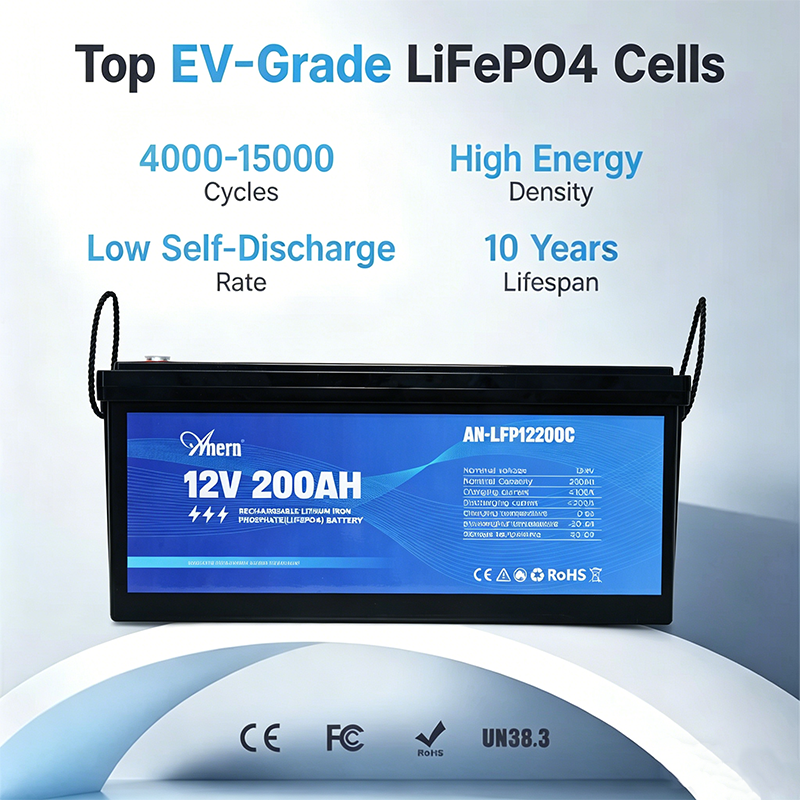
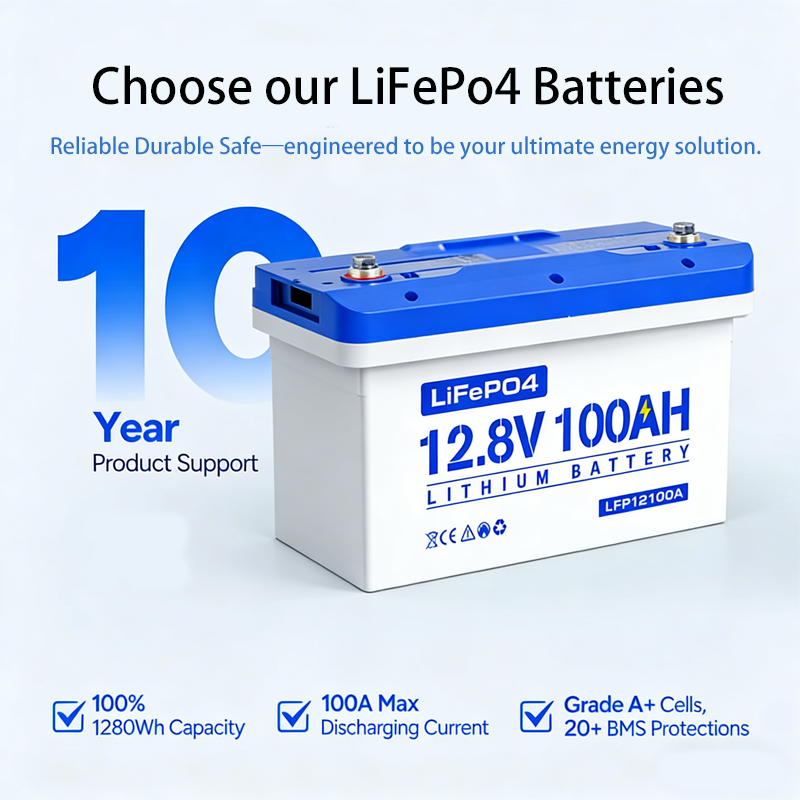
LiFePO4 batteries are a leading choice for solar storage due to their long lifespan, high energy density, and safety features. They tolerate a deeper depth of discharge (DoD) compared to other chemistries, meaning you can use more of the stored energy without damaging the battery. When assessing capacity, consider your daily energy consumption and how many days of autonomy you require.
Inverter Compatibility and System Sizing
The inverter is the brain of your solar battery system. For grid-tied systems, a hybrid inverter is crucial for managing power flow between solar panels, batteries, home loads, and the grid. For off-grid systems, a robust off-grid inverter ensures stable power delivery. Proper system sizing involves calculating your total energy requirements and matching them with appropriate solar panel output and battery storage capacity.
Cost and Long-Term Value
The upfront cost of a solar battery system can be substantial. However, battery storage costs have declined significantly. From 2010 to 2024, utility-scale battery energy systems (BESS) saw a 93% cost reduction, falling from $2,571/kWh to $192/kWh. Consider the long-term savings from reduced electricity bills, potential grid interaction revenues, and the enhanced reliability a battery system provides.
Off-Grid vs. Grid-Tied Battery Systems: A Comparison
| Feature | Off-Grid Battery System | Grid-Tied Battery System |
|---|---|---|
| Grid Connection | None (complete independence) | Connected to utility grid |
| Primary Goal | Energy independence, power for remote areas | Backup power, bill reduction, grid support |
| Reliability | Dependent on system size, weather, and backup generator | High, supplemented by grid and battery backup |
| Complexity | Higher design complexity for self-sufficiency | Moderate, requires grid interconnection compliance |
| Battery Sizing | Larger capacity for multi-day autonomy | Optimized for backup and energy management |
| Cost Implications | Higher upfront due to larger battery bank and specific inverters | Potentially lower upfront, with grid as backup |
Installation and Maintenance Considerations
Proper installation is paramount for the safety and efficiency of any solar battery system. Engaging experienced professionals ensures your system complies with local regulations and operates optimally. They will handle wiring, inverter setup, and battery bank configuration.
System Monitoring and Longevity
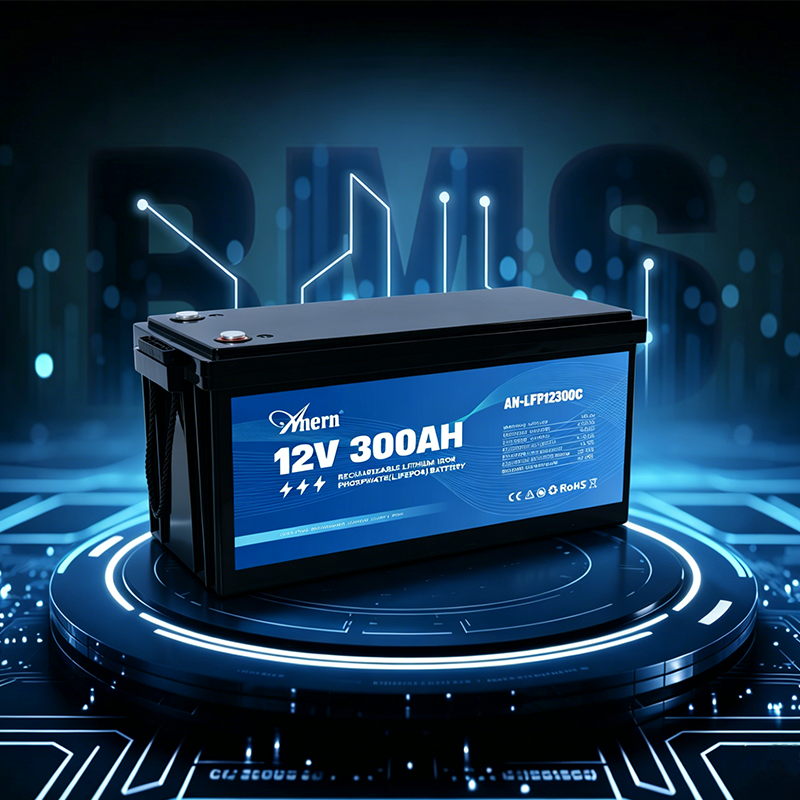
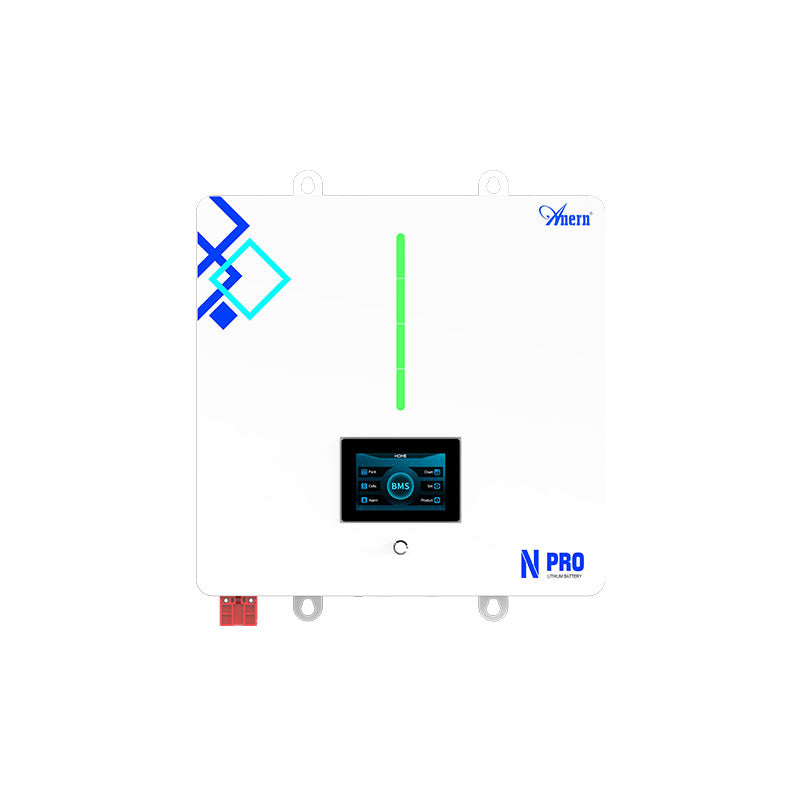
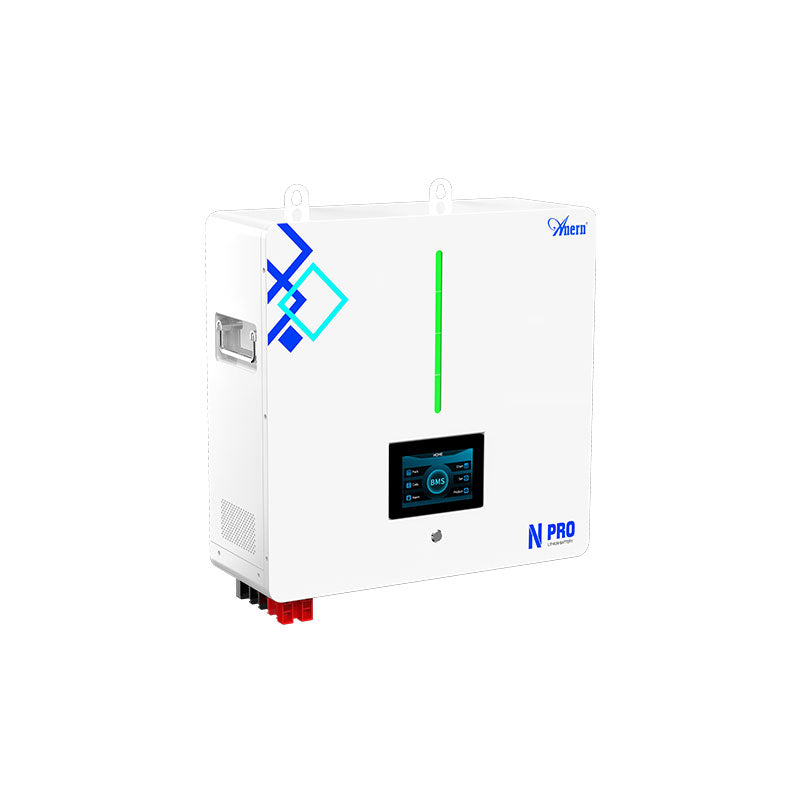
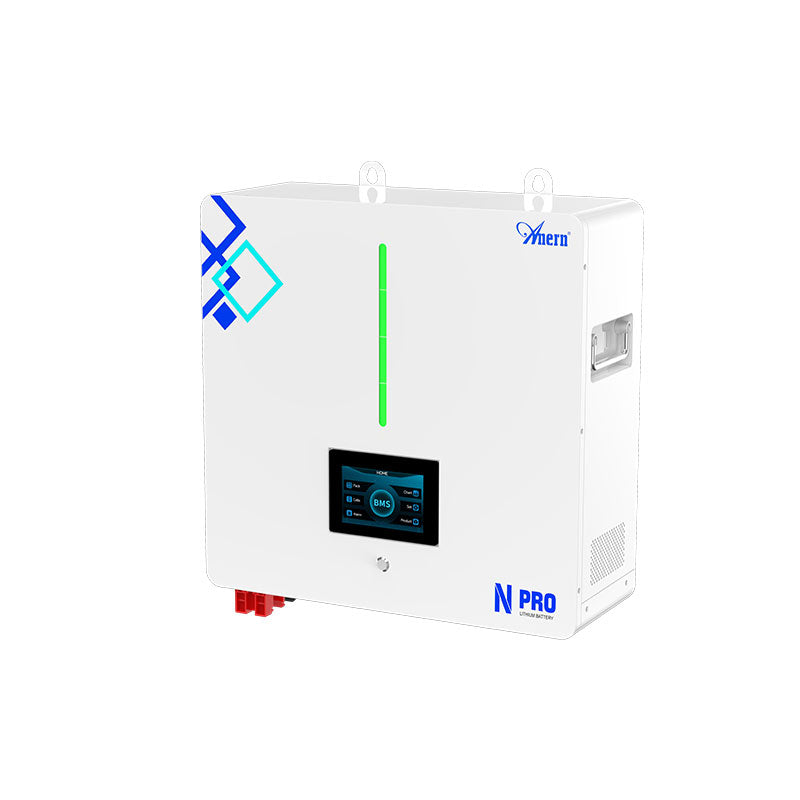
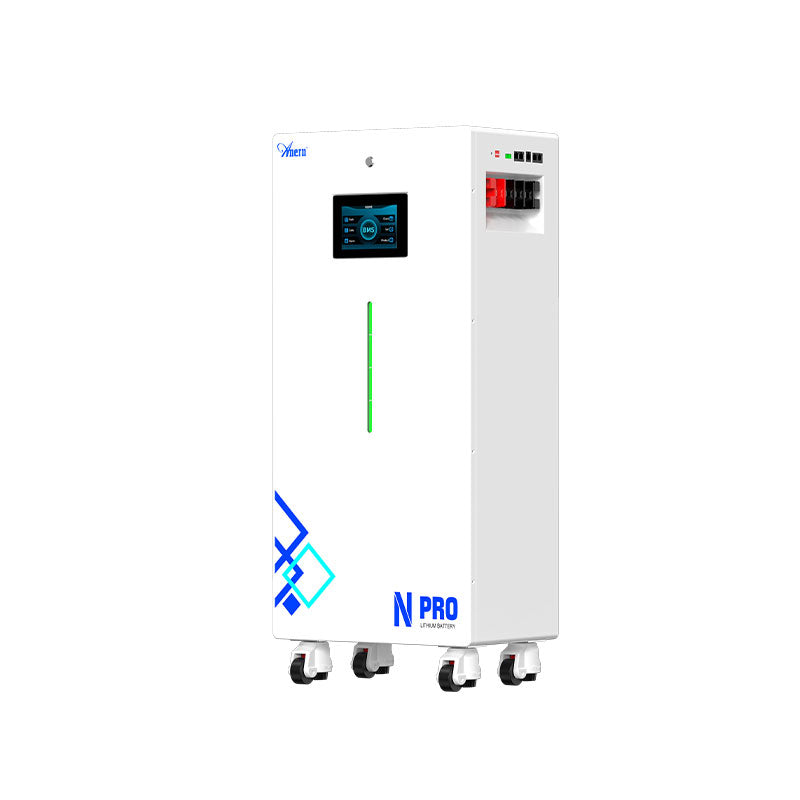
Modern battery systems often include advanced battery management systems (BMS) and monitoring software. These tools provide real-time data on battery health, charge status, and performance. Regular monitoring helps identify potential issues early, extending the lifespan of your battery bank and maximizing your investment. LiFePO4 batteries, known for their robustness, benefit significantly from proper management.
Making Your Energy Choice
Choosing between off-grid and grid-tied solar batteries involves a thoughtful assessment of your energy needs, financial capacity, and long-term objectives. Whether you prioritize complete energy independence or seek enhanced grid resilience with reliable backup power, understanding the design differences and practical applications is key. With advancements in LiFePO4 battery technology and integrated energy storage solutions, achieving a reliable and scalable energy future is more accessible than ever.
Frequently Asked Questions
What is the main difference between off-grid and grid-tied batteries?
Off-grid batteries provide complete energy independence, operating without any connection to the utility grid. Grid-tied batteries remain connected to the utility grid, offering backup power during outages and optimizing energy use in conjunction with grid services.
Are LiFePO4 batteries suitable for both off-grid and grid-tied systems?
Yes, LiFePO4 batteries are highly suitable for both off-grid and grid-tied applications. Their high performance, long cycle life, and safety features make them a versatile and reliable choice for various solar battery systems.
How do I determine the right battery capacity for my home?
Determining the right battery capacity involves calculating your daily energy consumption (in kilowatt-hours) and considering your desired autonomy. For off-grid systems, you might need several days of autonomy. For grid-tied systems, capacity often focuses on powering critical loads during typical outage durations or optimizing time-of-use rates.
Is professional installation necessary for solar battery systems?
Professional installation is highly recommended for all solar battery systems. It ensures proper sizing, safe wiring, correct inverter configuration, and compliance with all electrical codes and regulations. This expertise safeguards your investment and the safety of your property.
