















Connecting communities often relies on robust telecommunications infrastructure, especially in remote or mountainous regions. These critical towers frequently face significant energy challenges. Traditionally, diesel generators have provided the necessary power. However, this reliance brings substantial operational costs, logistical complexities, and environmental concerns. A shift towards sustainable energy solutions offers a compelling alternative: solar energy storage system (ESS) microgrids.
Powering Remote Connectivity
The Challenge of Remote Telecom Sites
Telecommunication towers situated in remote or mountainous areas often operate off the main electricity grid or in regions with unreliable grid access. To ensure continuous operation and maintain essential connectivity, these sites typically depend on diesel generators. This dependence carries a heavy burden.
Diesel generators incur high operational expenses. Fuel transportation to remote locations is costly and challenging, particularly across difficult terrain. Beyond fuel, these generators require frequent maintenance and generate considerable noise and air pollution. For instance, in some regions, diesel generators can account for a significant portion, sometimes up to 70%, of a telecom tower's operational budget.
A typical off-grid telecom tower might consume around 7,120 liters of diesel annually, leading to approximately 19.52 million tons of CO2 emissions. This highlights the environmental impact of relying on fossil fuels for remote infrastructure.
The Promise of Solar ESS Microgrids
Solar ESS microgrids offer a powerful solution to these challenges. They provide a clean, reliable, and cost-effective alternative to diesel. These self-contained energy systems integrate solar power generation with advanced energy storage, allowing telecom towers to operate independently or with minimal grid interaction. This approach significantly reduces the need for diesel fuel, lowering operational costs and contributing to a greener footprint.
The global shift towards renewable energy is accelerating. In 2023, solar photovoltaic (PV) capacity accounted for an astounding three-quarters of the 510 GW of renewable energy added globally, demonstrating solar power's leading role in the energy transition. This widespread adoption underscores the viability and maturity of solar technology for diverse applications, including critical infrastructure like telecom towers.

Understanding Solar ESS Microgrids for Telecom
Key Components of a Microgrid System
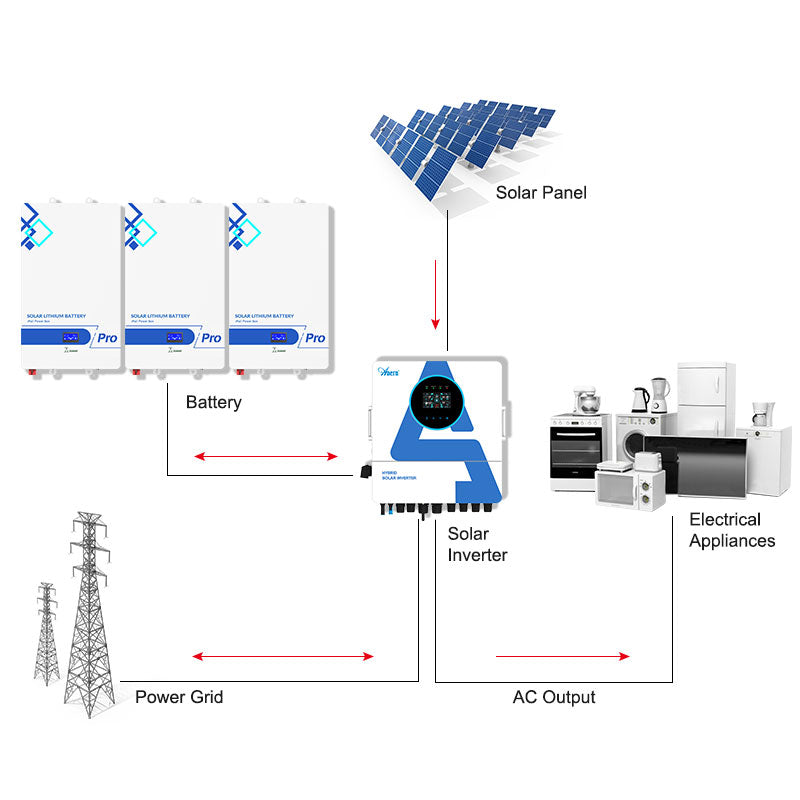
A solar ESS microgrid for a telecom tower comprises several integrated components working in harmony:
- Solar Panels: These convert sunlight directly into direct current (DC) electricity. High-efficiency panels are crucial for maximizing energy harvest, especially in areas with varying sunlight.
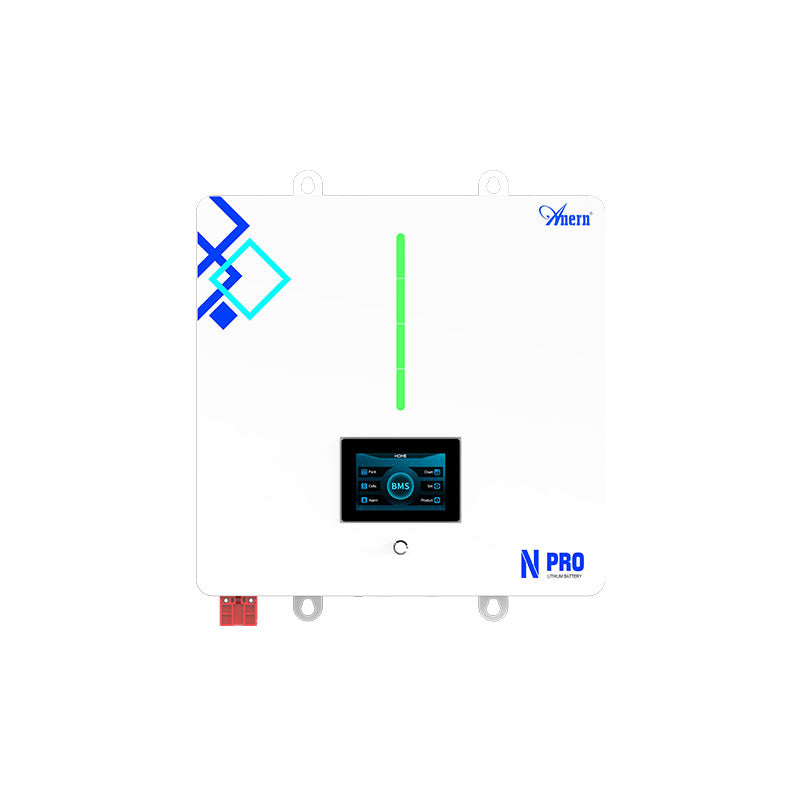
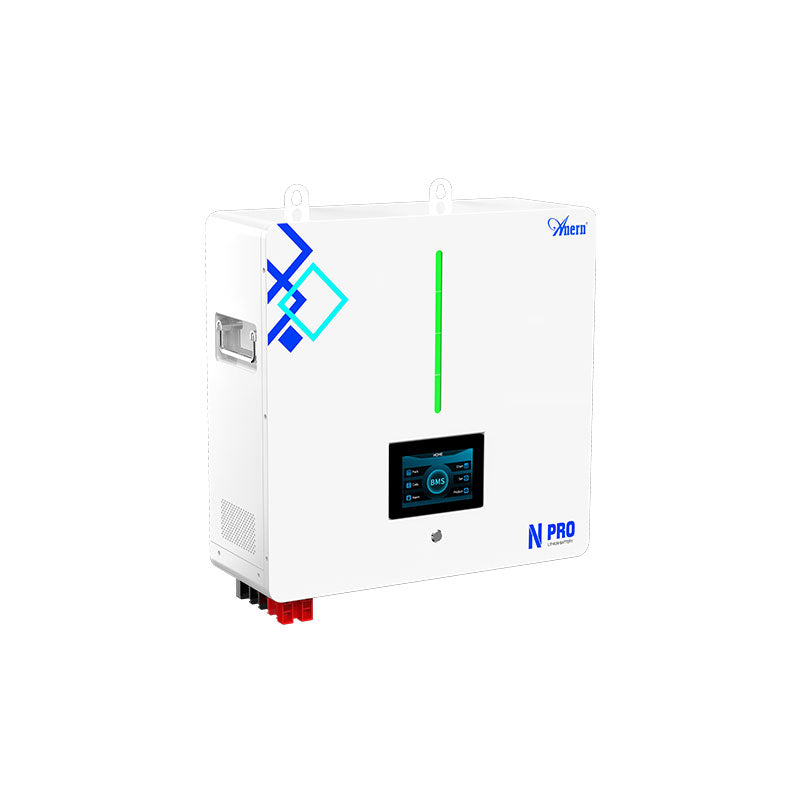
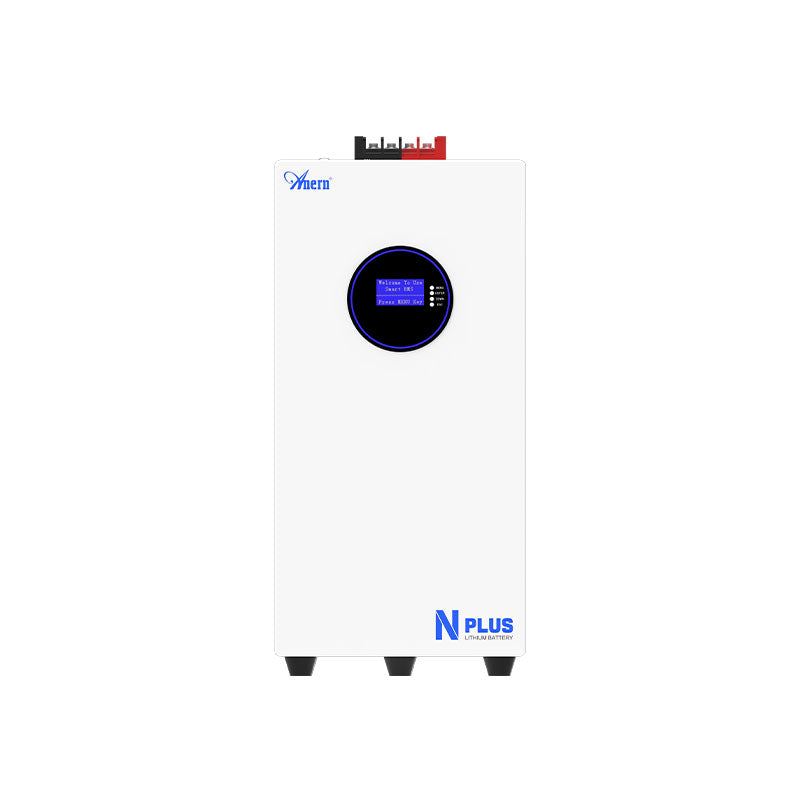
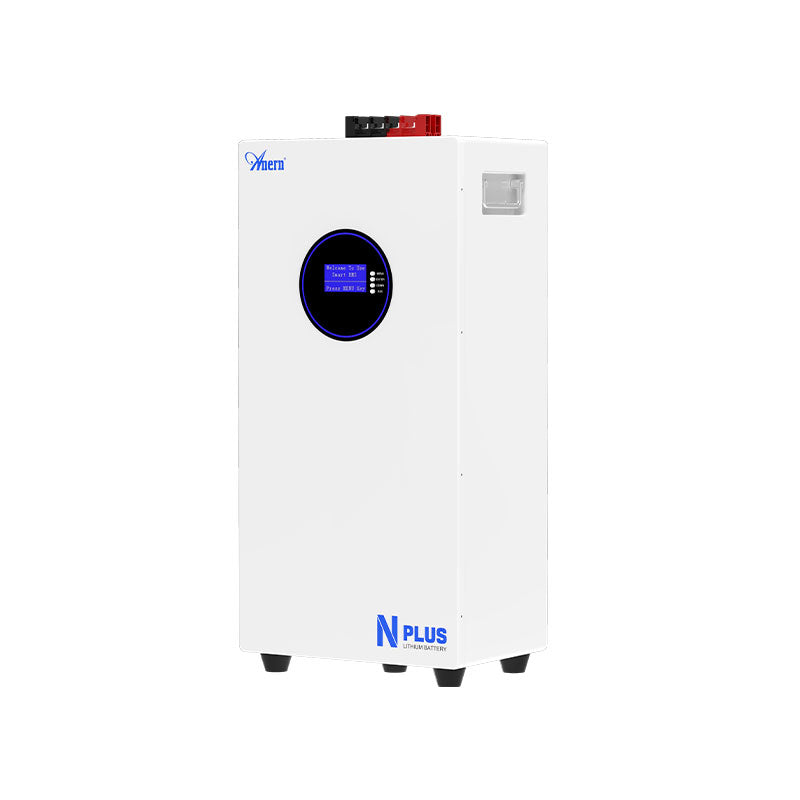
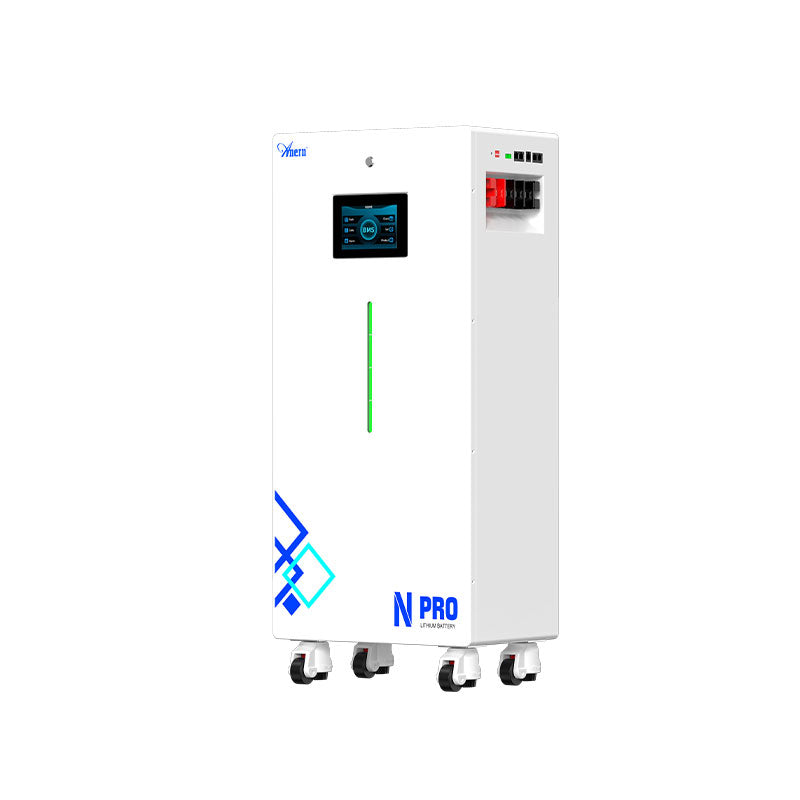
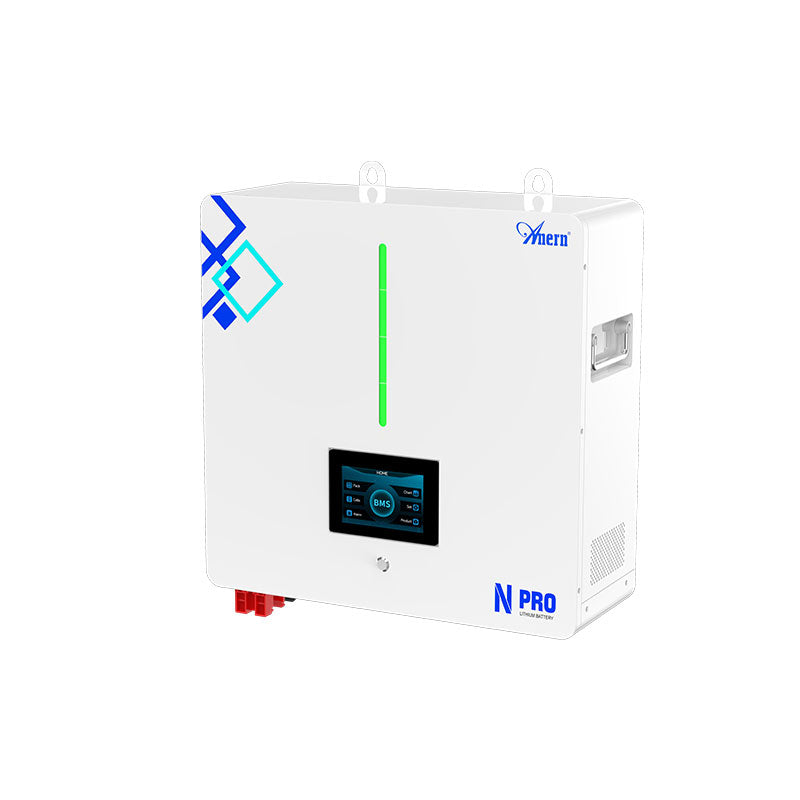
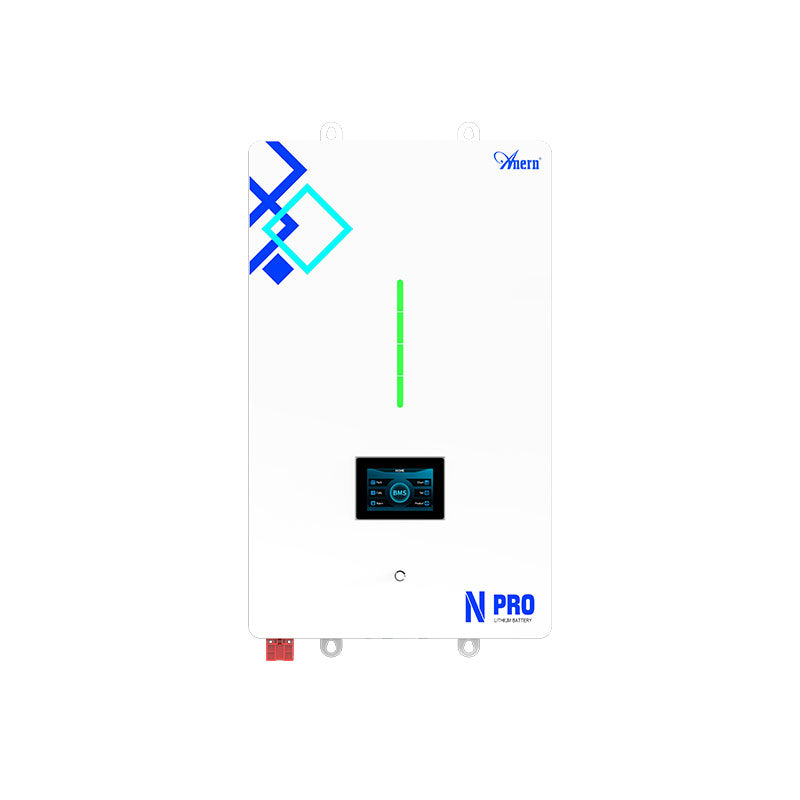
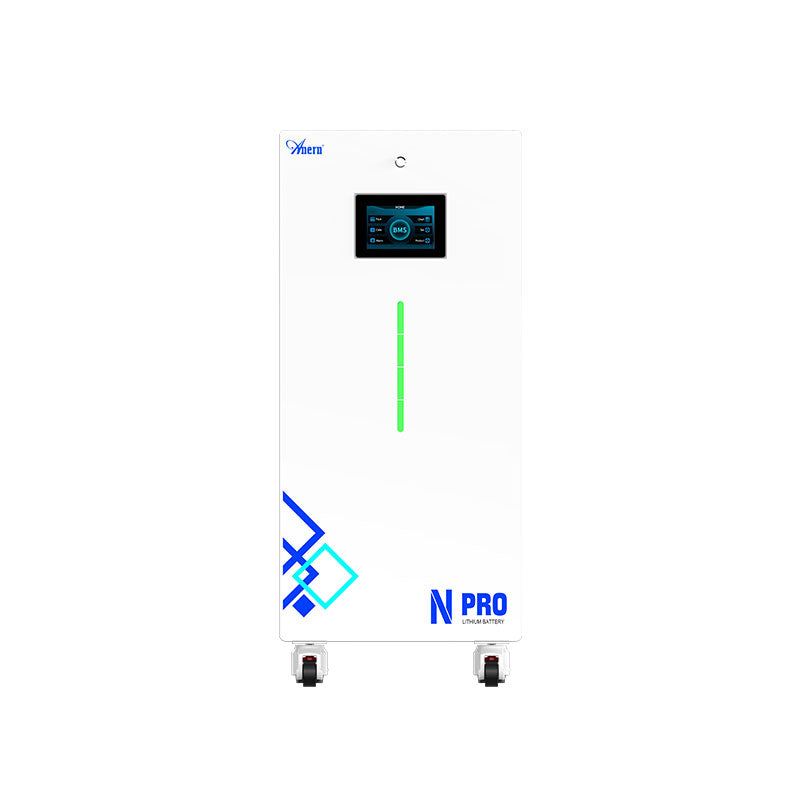
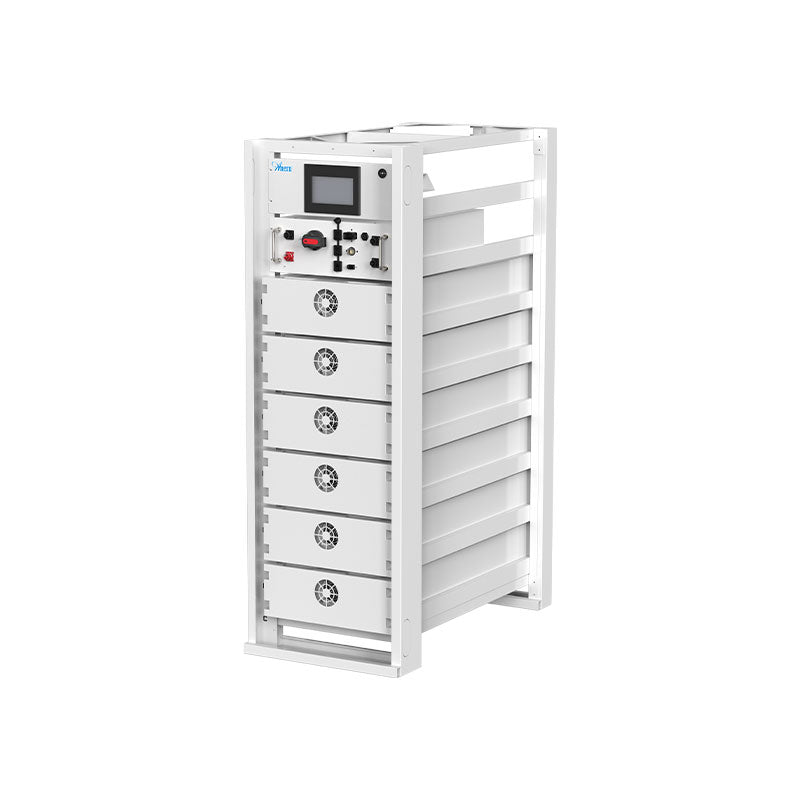
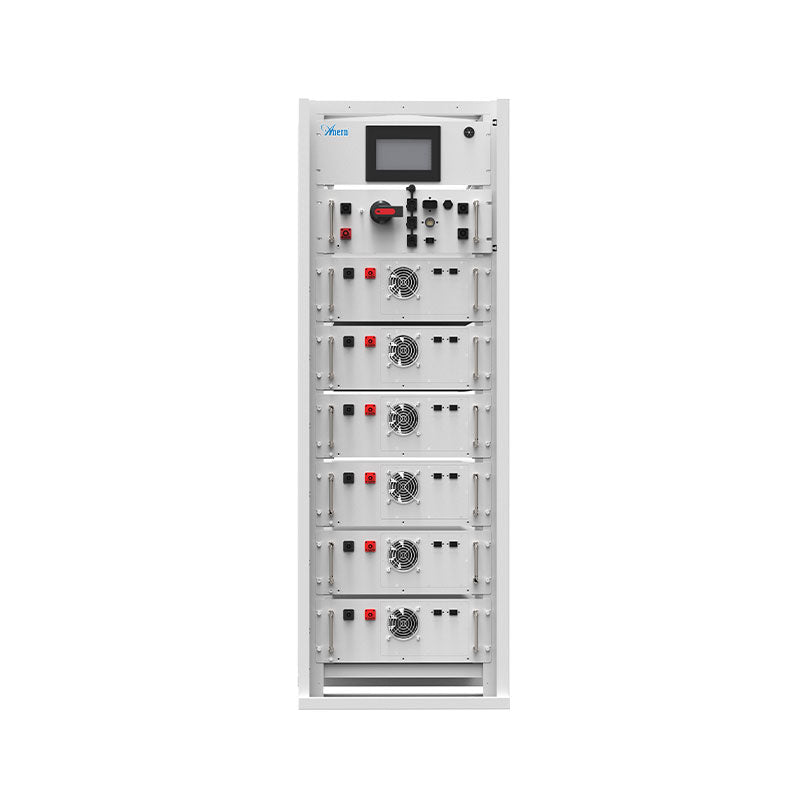
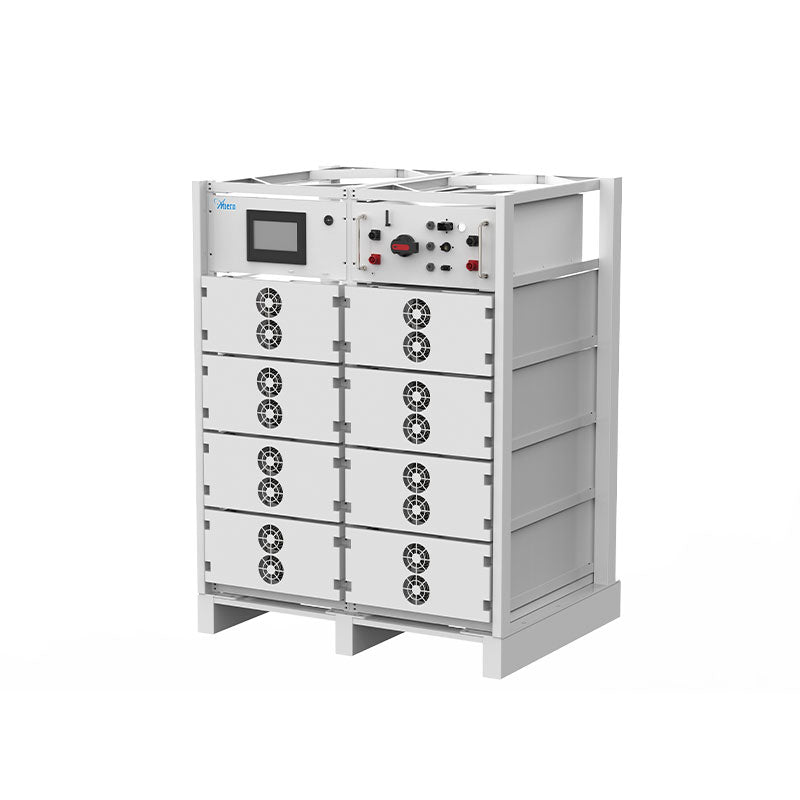
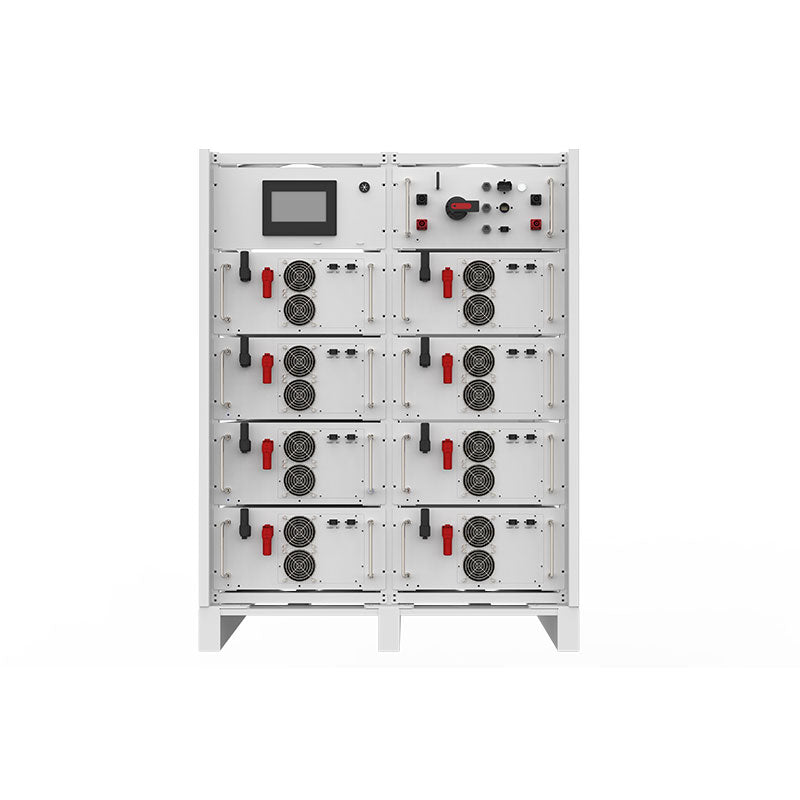
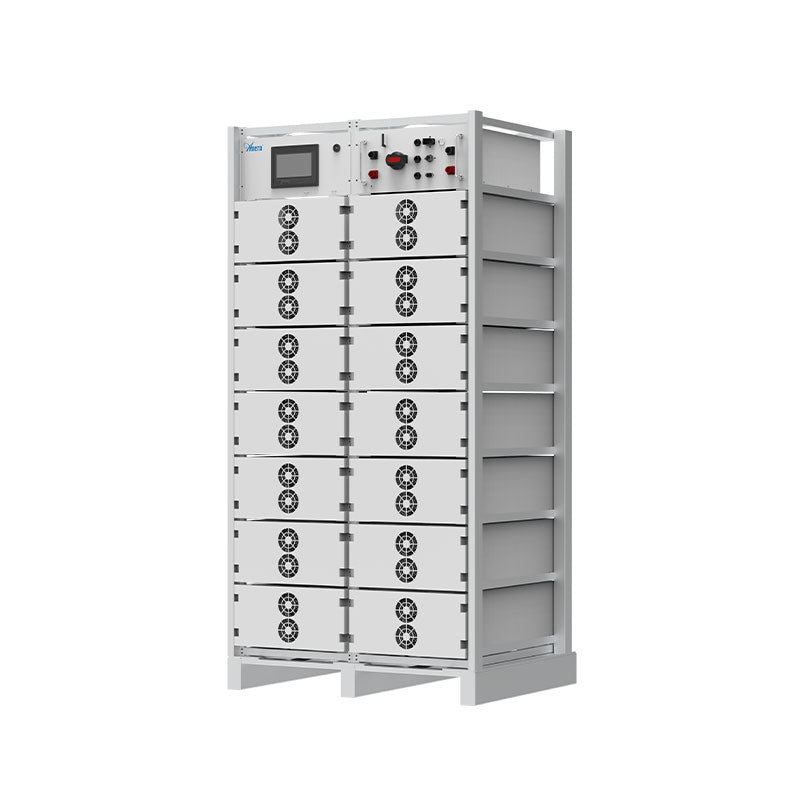
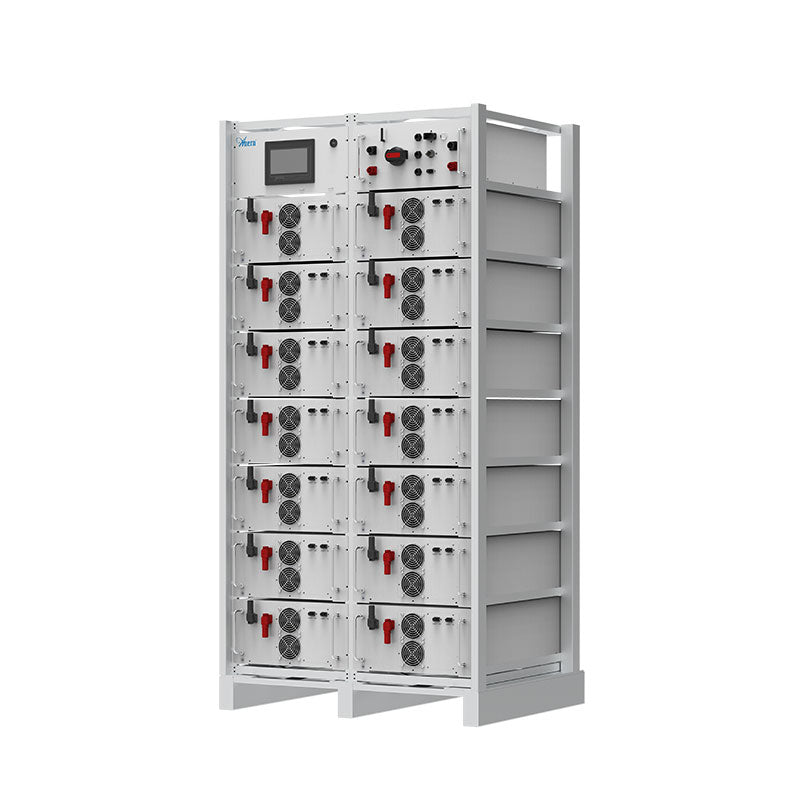
- Energy Storage Systems (ESS): Batteries store the excess energy generated by solar panels for use during periods of low sunlight or at night. We focus on advanced lithium iron phosphate (LiFePO4) batteries, known for their high performance, safety, and long cycle life. These batteries provide a stable and reliable power supply, acting as the backbone of the microgrid.
- Solar Inverters: These devices transform the DC electricity from solar panels and batteries into alternating current (AC) electricity, which is necessary to power the telecom equipment. Hybrid inverters can manage power flow from multiple sources, including solar, batteries, and a small backup generator if needed.
- Charge Controllers: These regulate the voltage and current from the solar panels to the batteries, protecting the batteries from overcharging and extending their lifespan.
- Energy Management System (EMS): This intelligent system monitors and controls the entire microgrid, optimizing energy generation, storage, and consumption. An effective EMS ensures the system operates at peak efficiency and reliability.
How Microgrids Enhance Reliability
Solar microgrids significantly enhance the reliability of telecom tower operations, particularly in off-grid or weak-grid environments. They create a localized, independent power source, reducing reliance on the often unstable central grid or continuous diesel generator operation.
This independence means the tower can continue to function seamlessly even during widespread grid outages or fuel delivery disruptions caused by challenging weather or remote access issues. With robust LiFePO4 battery storage, the system maintains power supply for extended periods, ensuring uninterrupted communication services. This resilience is vital for critical infrastructure like telecom towers, which must remain operational to support emergency services and daily connectivity.
Advantages of Shifting Away from Diesel
Transitioning from diesel dependence to solar ESS microgrids brings a multitude of benefits, from financial gains to environmental stewardship and improved operational stability.
Cost Savings and Operational Efficiency
The financial advantages of solar ESS microgrids are substantial. Fuel costs, a major expenditure for diesel-powered sites, are drastically reduced or eliminated. Additionally, the need for frequent and costly diesel deliveries to remote mountain towers diminishes significantly. Maintenance expenses also decrease, as solar systems have fewer moving parts than diesel generators, leading to less wear and tear and longer operational lifespans for components like solar panels (typically 25-30 years).
According to industry data, hybrid solar systems can reduce generator use by over 90%, potentially saving tens of thousands of dollars annually in fuel costs. For example, some hybrid systems have shown annual fuel cost savings of up to $31,900. This translates into a healthier bottom line for telecom operators. A study in South Africa found that using solar PV for telecom towers could reduce operational costs by up to 49% compared to traditional diesel generators.
Environmental Impact and Sustainability
The environmental benefits are equally compelling. Replacing diesel with solar power dramatically cuts greenhouse gas emissions, contributing to cleaner air and a healthier planet. The telecom industry, by embracing solar energy, could lower its emissions by up to 60% by 2030, according to research by the International Renewable Energy Agency (IRENA).
This commitment to renewable energy aligns with global sustainability goals and demonstrates a dedication to responsible corporate practices. Solar power supports sustainability by utilizing a renewable energy source, reducing reliance on finite fossil fuels.
Enhanced System Performance and Durability
Solar ESS microgrids provide a stable and consistent power supply, which is beneficial for sensitive telecom equipment. Unlike diesel generators, which can have fluctuating power output, solar-battery systems deliver clean, regulated power, reducing stress on electronics and potentially extending the life of tower equipment. Our high-performance LiFePO4 batteries are designed for demanding applications, offering high energy density and robust performance even in challenging environments.
Consider the following comparison:
| Feature | Diesel Generator System | Solar ESS Microgrid |
|---|---|---|
| Fuel Source | Diesel (fossil fuel) | Sunlight (renewable) |
| Fuel Costs | High and volatile | Negligible after installation |
| Operational Noise | High | Low to none |
| CO2 Emissions | Significant | Near zero during operation |
| Maintenance Frequency | High (fueling, engine service) | Low (panel cleaning, battery checks) |
| Logistics for Remote Sites | Complex and costly | Minimal after initial setup |
| System Lifespan | Typically 5-10 years (generator) | 20-30+ years (solar panels), 10-15+ years (batteries) |
Designing and Deploying Solar ESS for Mountain Towers
Implementing a solar ESS microgrid for a mountain telecom tower requires careful planning and specialized expertise to ensure optimal performance and longevity.
Site Assessment and System Sizing
The first step involves a comprehensive site assessment. This includes evaluating the tower's power consumption patterns (load analysis), assessing the available solar irradiance at the specific location, and considering environmental factors like temperature extremes, snow load, and wind speeds. Accurate load profiling is essential to determine the appropriate size of the solar array and the battery bank required to meet the tower's energy demands reliably, even during prolonged cloudy periods. For instance, determining the radio's power usage in standby and transmit modes, along with its duty cycle, helps size the system accurately.
Our expertise in developing integrated ESS solutions allows us to design systems tailored to the unique energy profiles of telecom towers. We provide scalable energy solutions that can adapt to varying power needs and future expansions.
Installation Considerations for Remote Locations
Deploying solar ESS microgrids in remote, mountainous terrain presents unique logistical and engineering challenges. Accessibility for equipment delivery and installation personnel is a primary concern. Systems must be designed for durability to withstand harsh weather conditions, including strong winds, heavy precipitation, and extreme temperatures. Robust enclosures and secure mounting structures are vital.
Our off-grid solar solutions are specifically engineered for such challenging environments, providing reliable power where traditional grid infrastructure is impractical or cost-prohibitive. Remote monitoring capabilities are also critical, allowing operators to oversee system performance and address issues without frequent site visits, reducing operational costs and improving response times.
Realizing Energy Independence for Telecom Infrastructure
The transition to solar ESS microgrids represents a significant step towards achieving energy independence for telecommunication infrastructure. By embracing these innovative solutions, telecom operators can move away from volatile fossil fuel markets, reduce their environmental footprint, and enhance the reliability of their networks.
The benefits extend beyond individual towers, contributing to a broader sustainable energy landscape. As the demand for connectivity continues to grow, particularly in underserved remote areas, reliable and scalable energy solutions become increasingly vital. Investing in solar ESS microgrids provides a pathway to more resilient, cost-effective, and environmentally responsible telecom operations, ensuring consistent service and supporting sustainable development for years to come.
