












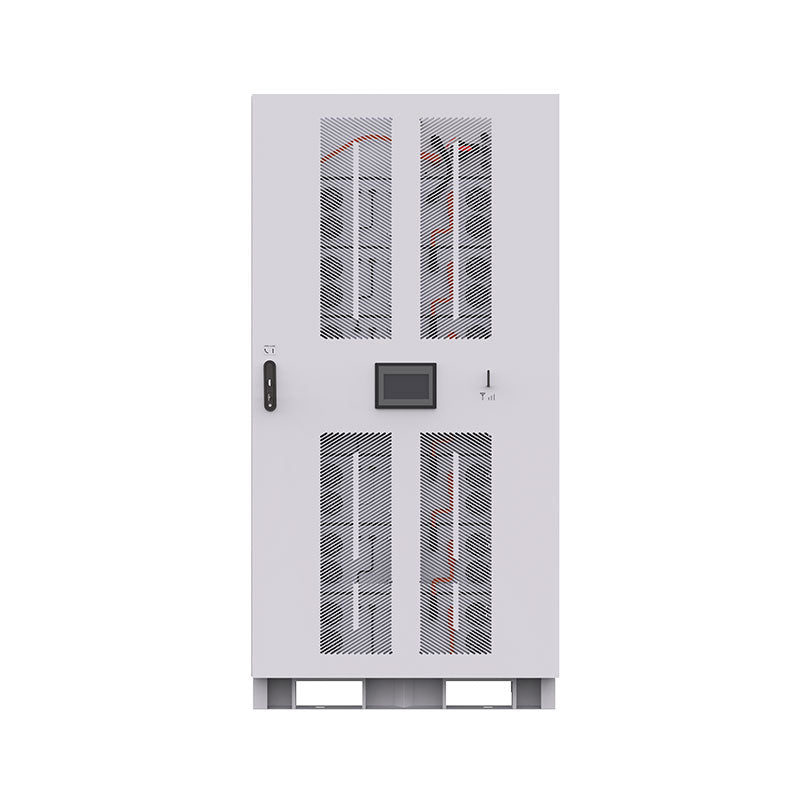


For farms operating independently of the main power grid, managing water resources is both a critical challenge and a significant opportunity. A solar-powered drip irrigation system represents a powerful fusion of efficiency and sustainability, providing precise water delivery powered by clean, renewable energy. This setup not only supports crop health but also paves the way for greater agricultural self-sufficiency and resilience. By understanding the design process, you can implement a system that conserves water, reduces operational costs, and ensures your farm thrives.
Why Choose Solar Power for Farm Irrigation?
Adopting solar technology for irrigation is a strategic decision that yields benefits far beyond simple watering. It fundamentally changes how a farm manages two of its most vital resources: water and energy.
Energy Independence and Cost Savings
For off-grid locations, traditional power sources like diesel generators come with high fuel costs, significant maintenance, and unreliable performance. A solar-powered system eliminates this dependency. After the initial investment, the energy it produces is free. This transition leads to substantial long-term cost reductions and insulates the farm from fuel price volatility, providing predictable operational expenses and greater financial stability.
Water Conservation and Crop Health
Drip irrigation is renowned for its efficiency, delivering water directly to the plant's root zone, which minimizes evaporation and runoff. When powered by solar energy, this process becomes even more effective. A solar pump can maintain consistent pressure, ensuring each emitter delivers a precise amount of water. This targeted approach leads to healthier, more robust crop growth and can improve yields while using significantly less water than conventional flood irrigation methods.
Environmental and Operational Benefits
Switching to solar power dramatically reduces a farm's carbon footprint by eliminating the greenhouse gas emissions associated with fossil fuels. Solar-powered systems are also quiet, reducing noise pollution. They are highly reliable and require minimal maintenance, freeing up valuable time and labor for other essential farm tasks. This combination of ecological responsibility and operational simplicity makes solar a smart choice for modern agriculture.
Core Components of a Solar Drip Irrigation System
A well-designed solar drip irrigation system integrates several key components that work together to capture sunlight, pump water, and deliver it efficiently to your crops. Understanding each part is crucial for building a reliable setup.
The Solar Power Unit: Panels, Inverter, and Controller
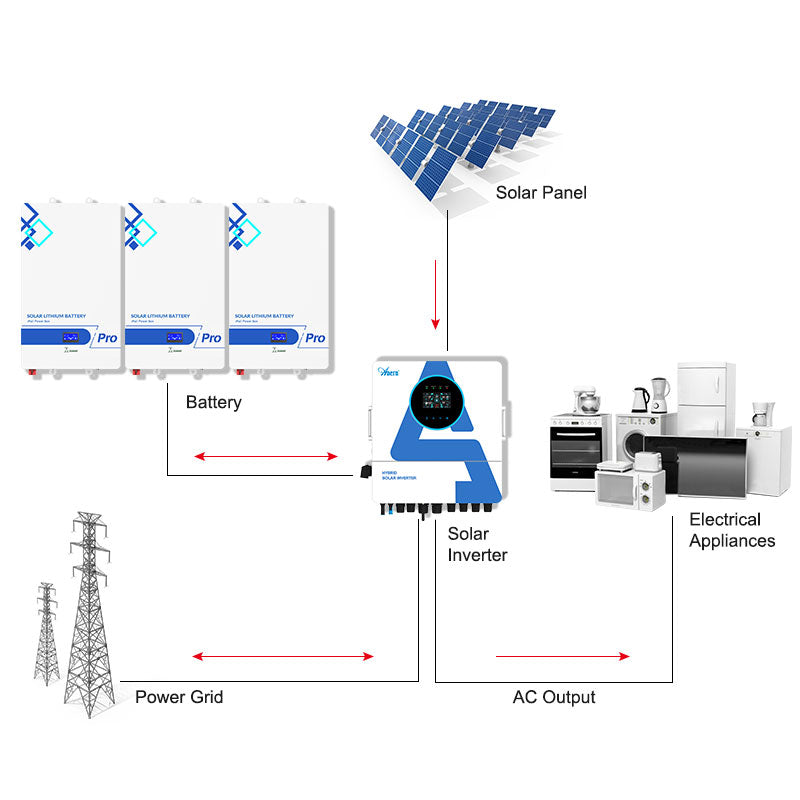
The foundation of the system is the solar array, composed of photovoltaic (PV) panels that convert sunlight into direct current (DC) electricity. The size of this array depends on the power requirements of your pump. A solar charge controller manages the energy flowing from the panels to prevent overcharging the batteries. Because many pumps run on alternating current (AC), a solar inverter is often necessary to transform the DC power from the panels and batteries into usable AC power. According to the International Energy Agency, the inverter is a critical part of the "balance of system" that ensures the generated electricity is compatible with the pumping equipment. *According to Solar Energy Perspectives by the International Energy Agency...*
The Pumping System: Selecting the Right Pump
The water pump is the heart of the irrigation network. Pumps are available in both DC and AC models. DC pumps can run directly from solar panels during the day, but AC pumps often offer more power and flexibility, especially for deeper wells. You'll choose between a submersible pump, placed directly in the water source (like a well), or a surface pump, used for sources like ponds or tanks. The choice depends on your water source depth and required flow rate.

Energy Storage: The Role of Batteries
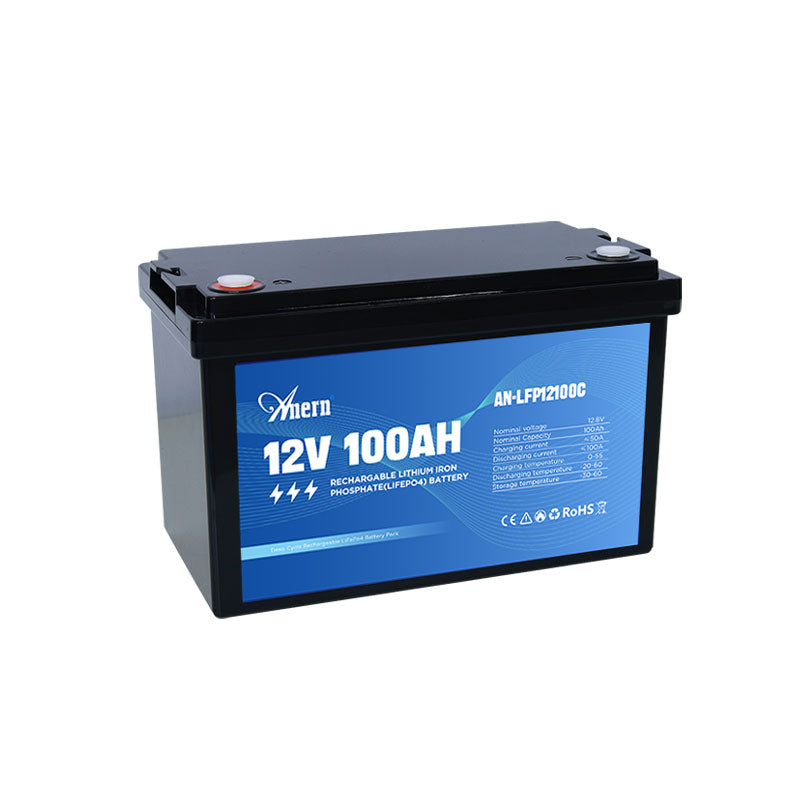
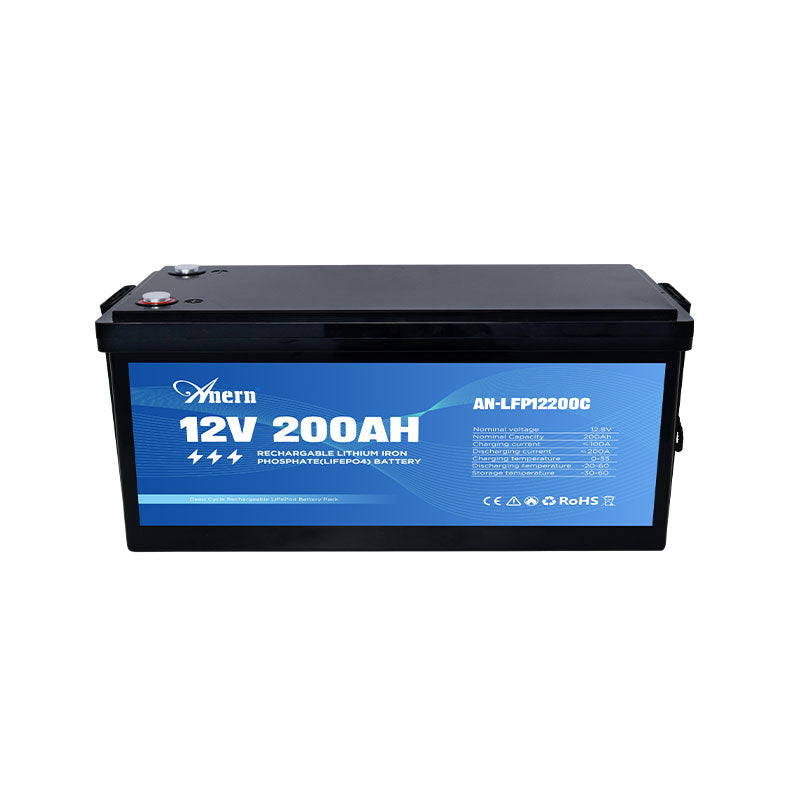
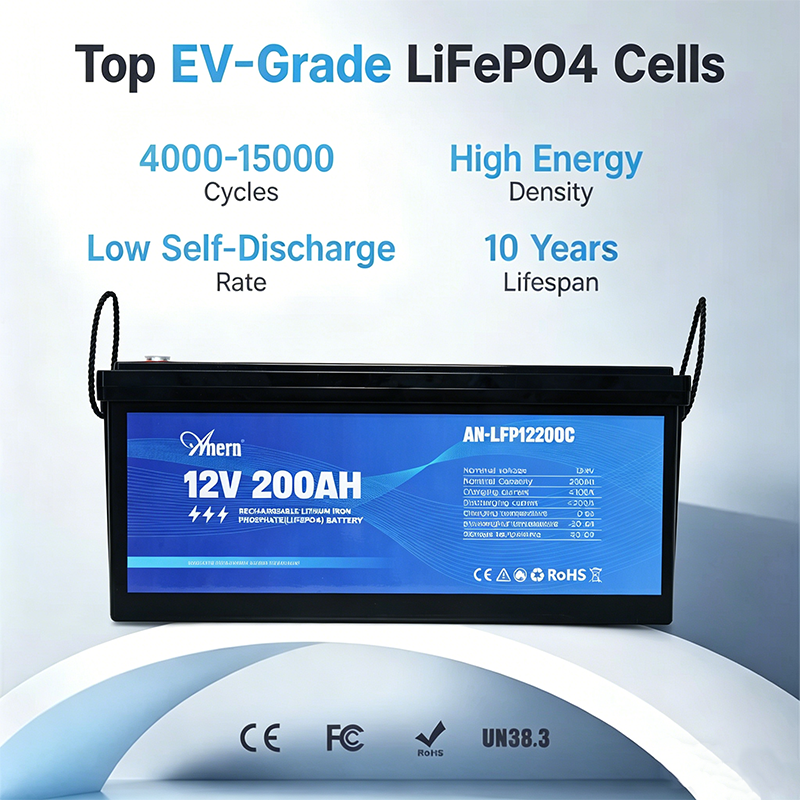
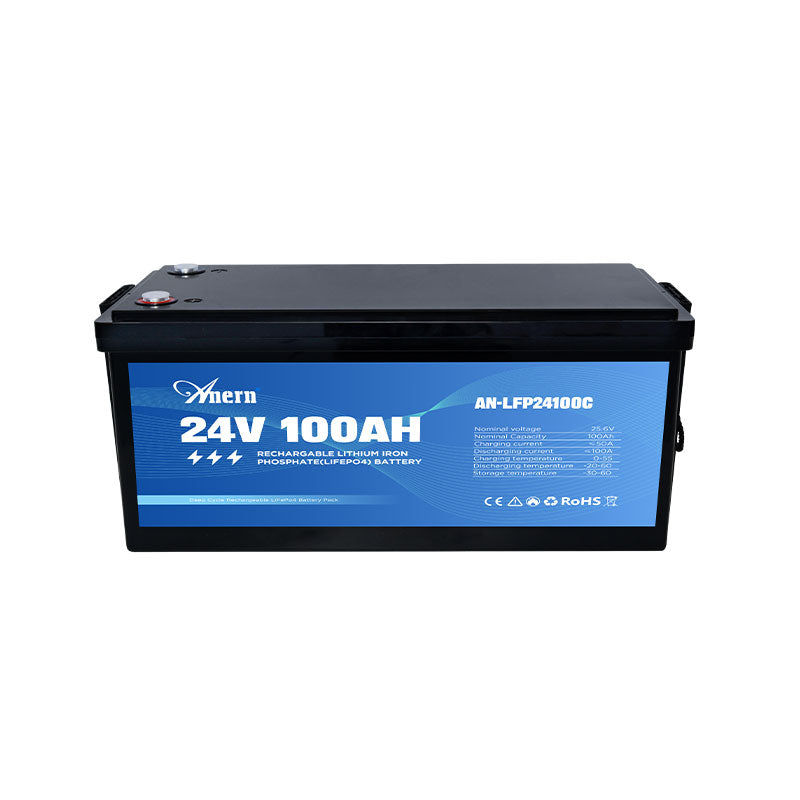
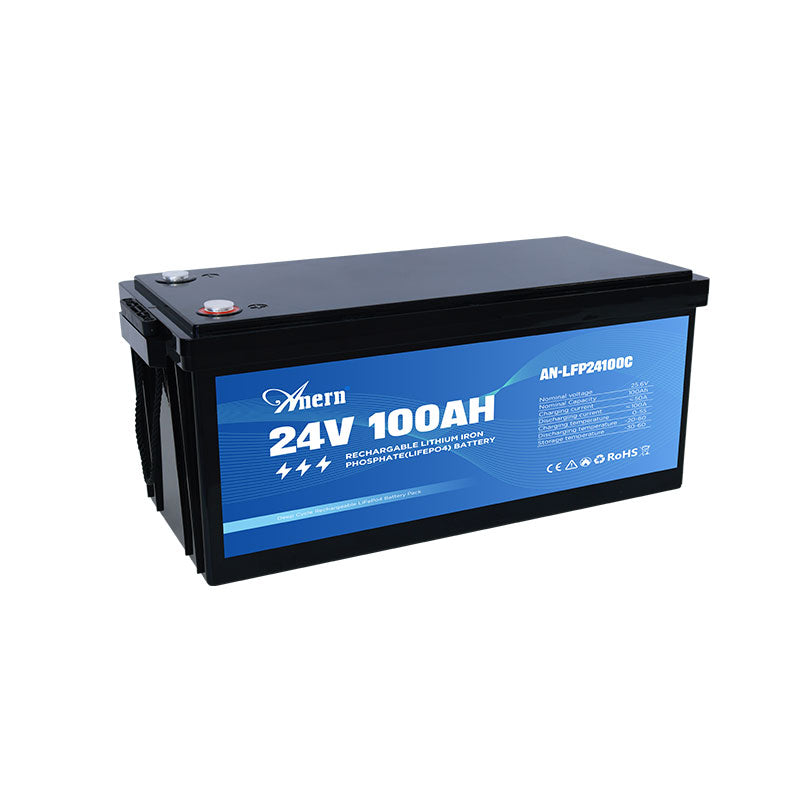
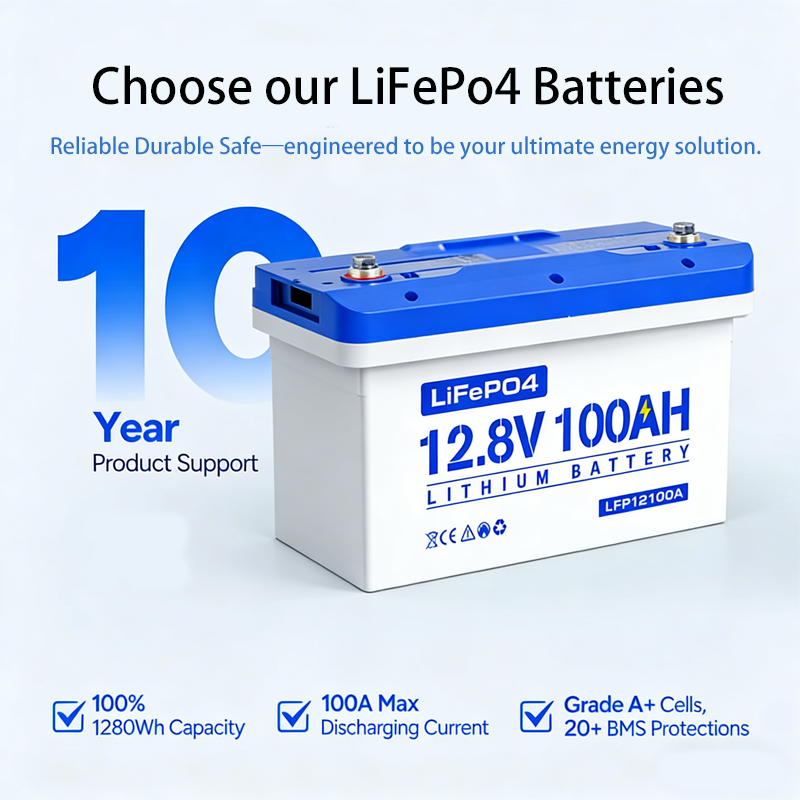
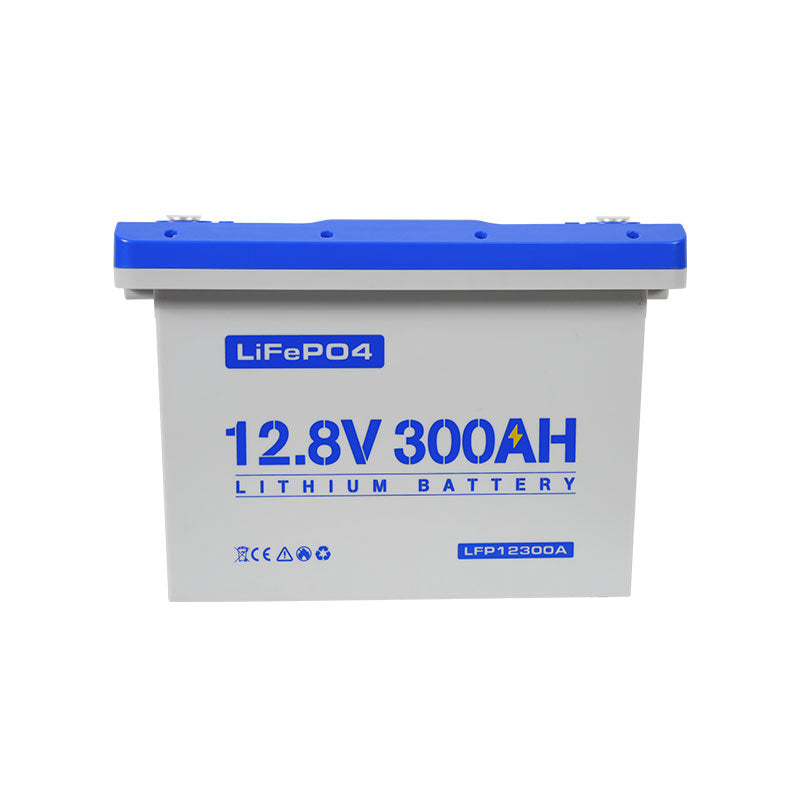
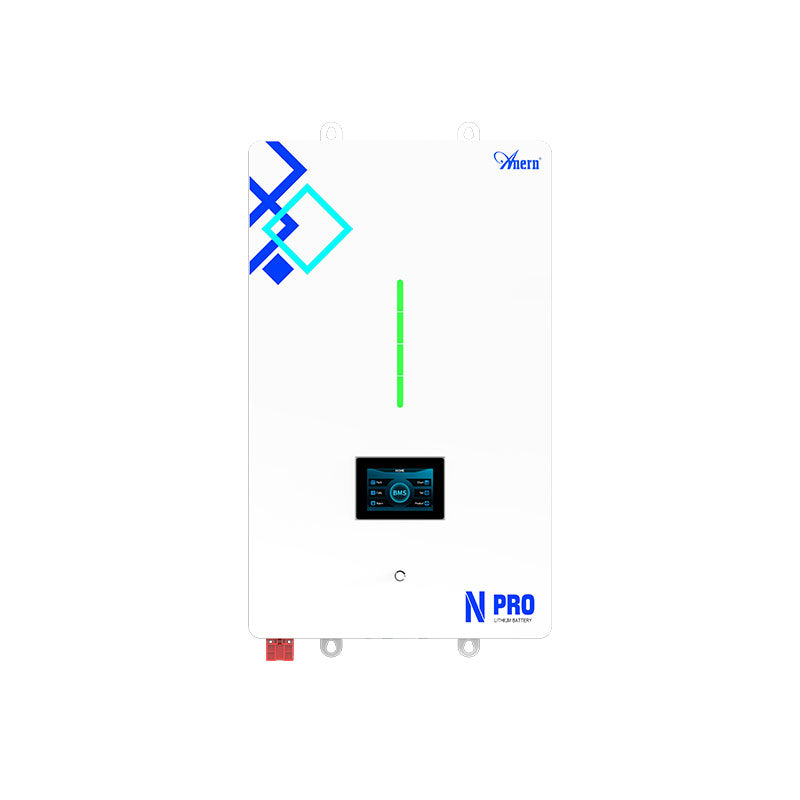
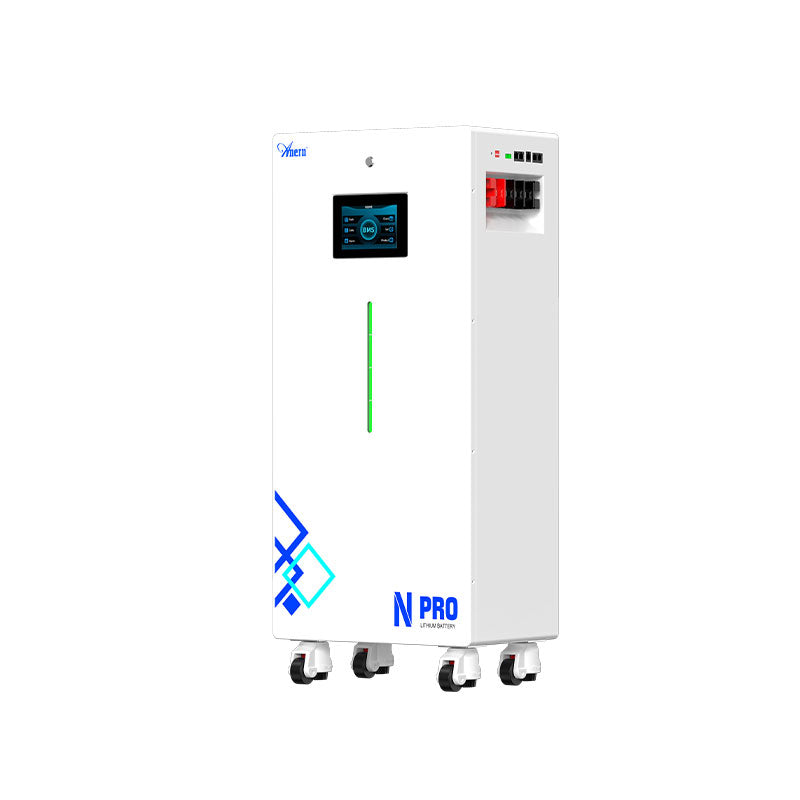
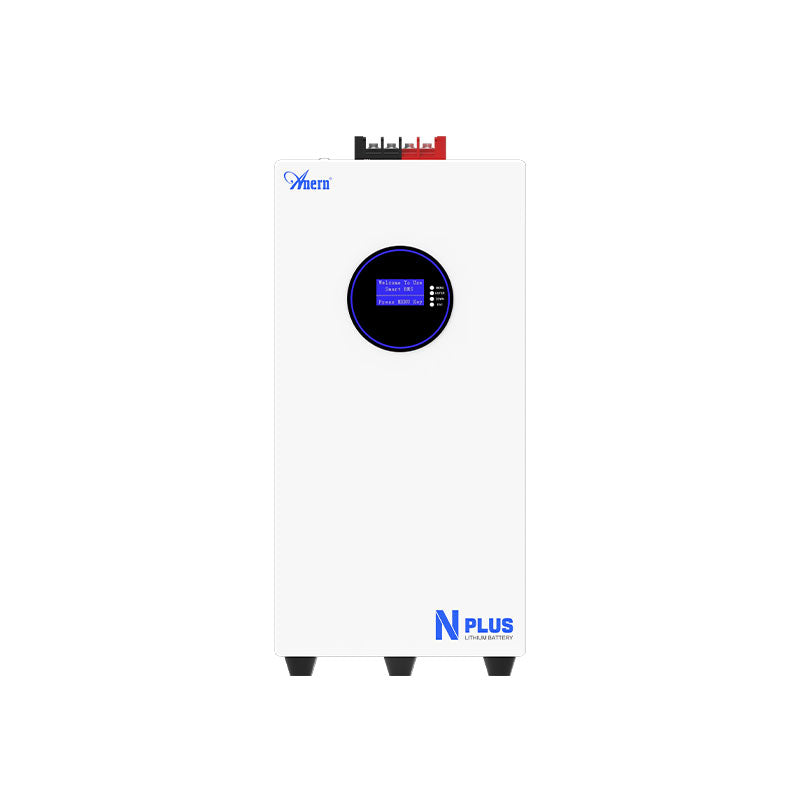
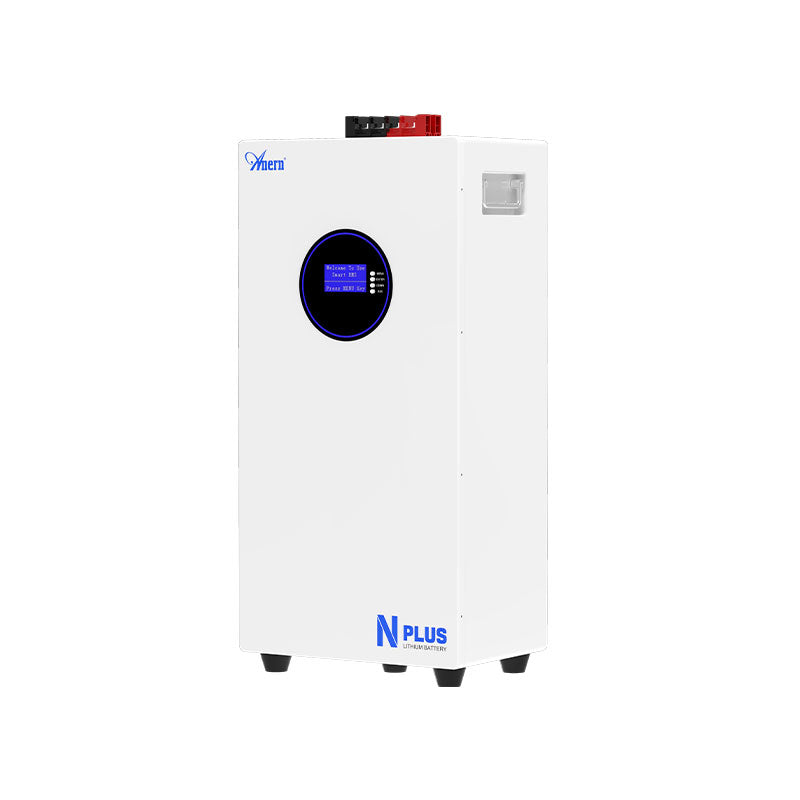
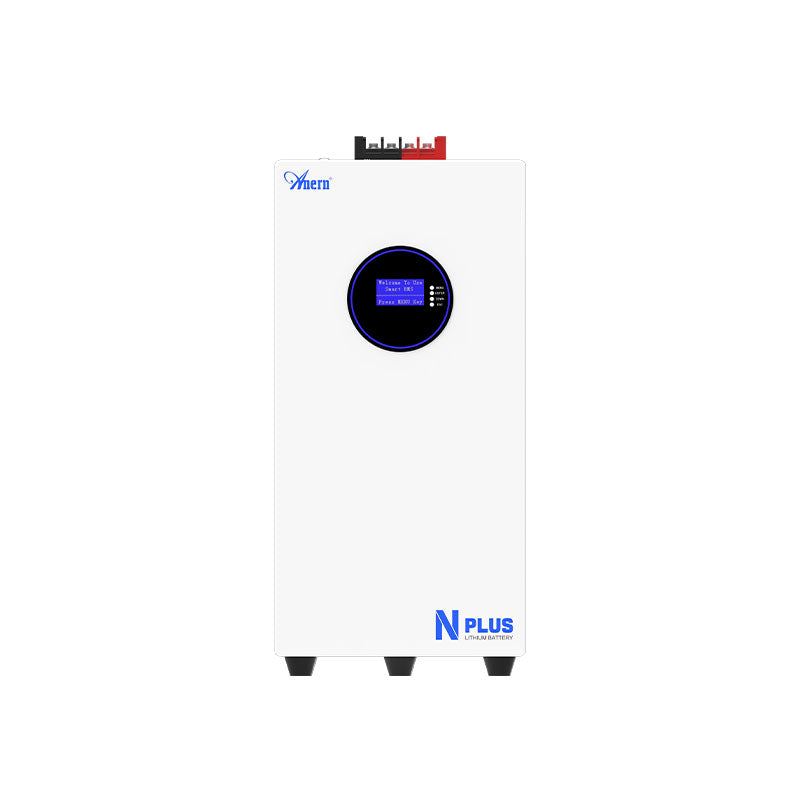
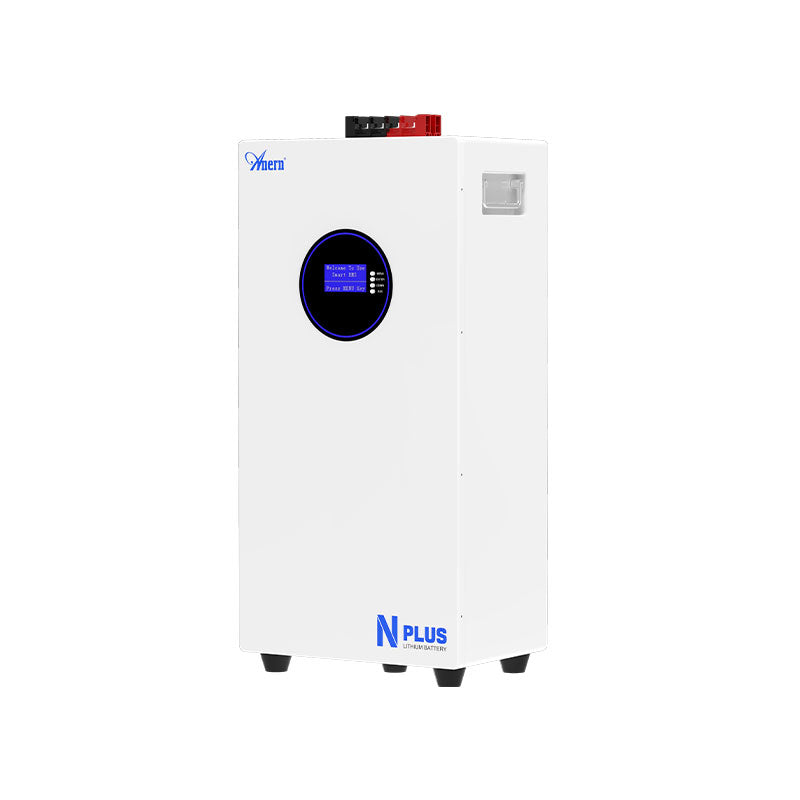
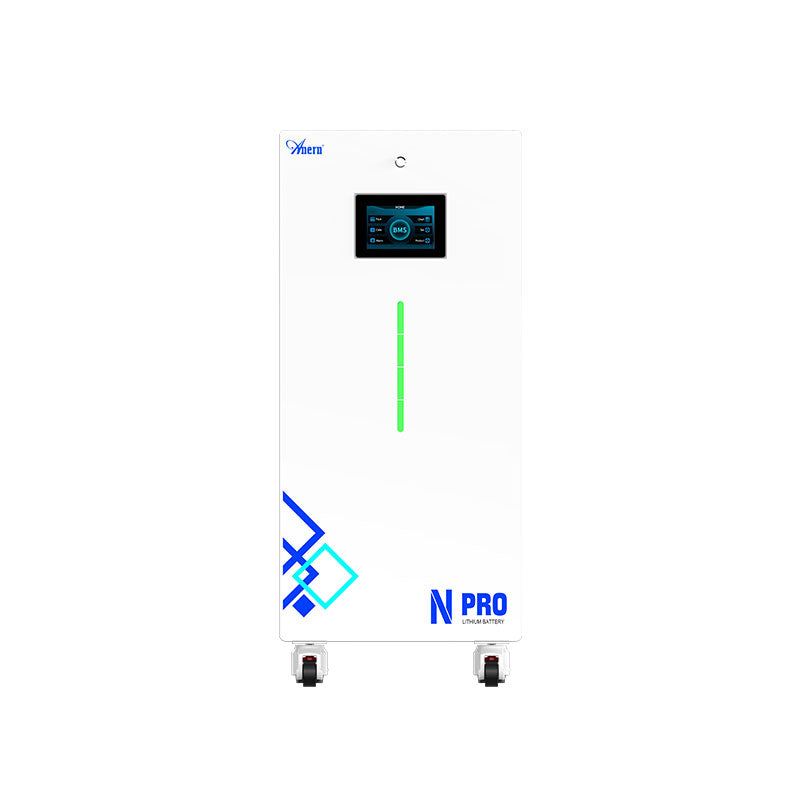
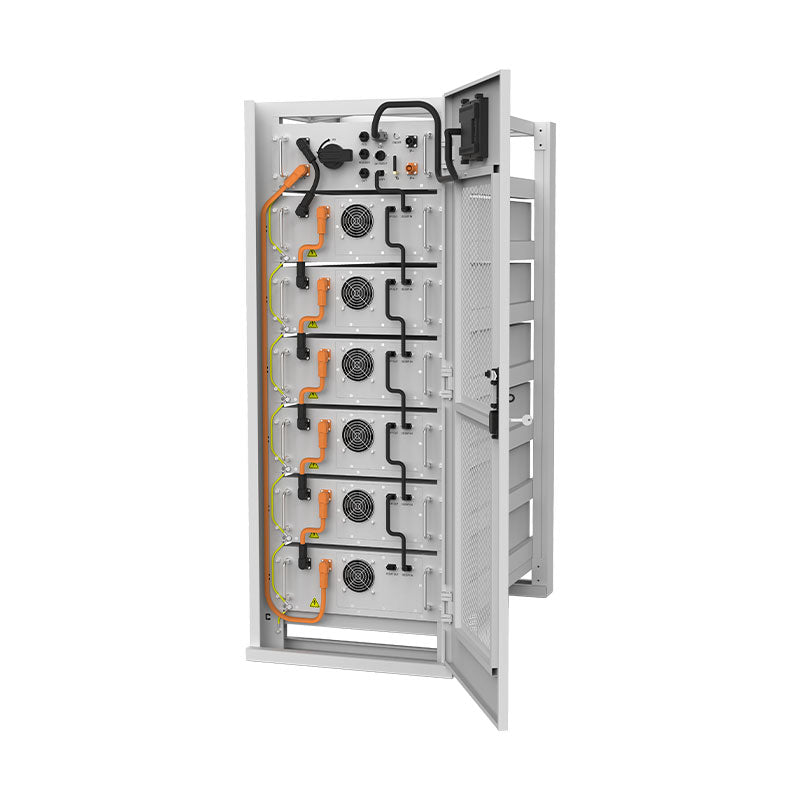
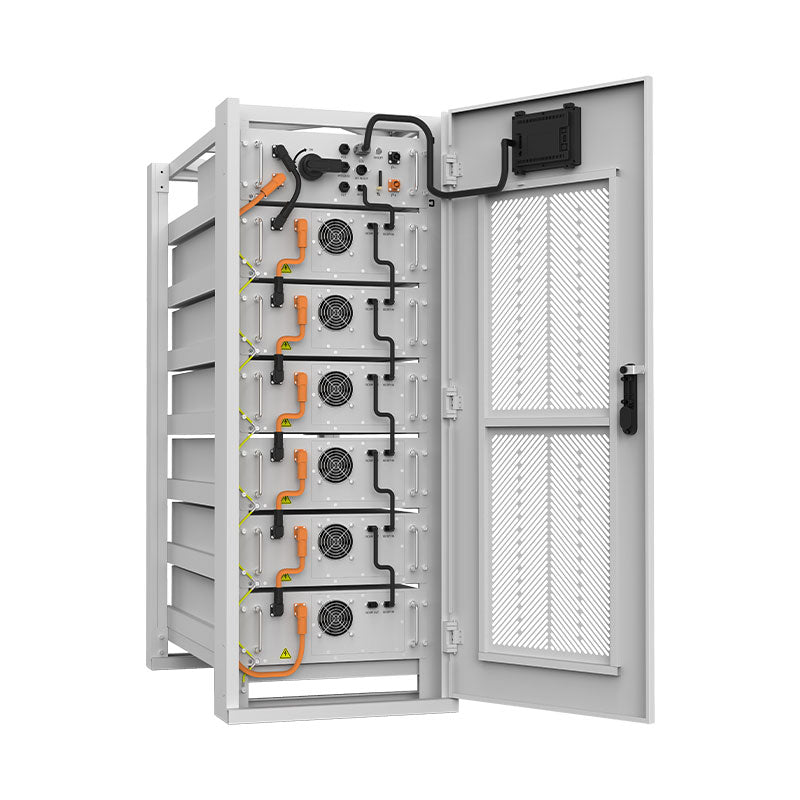
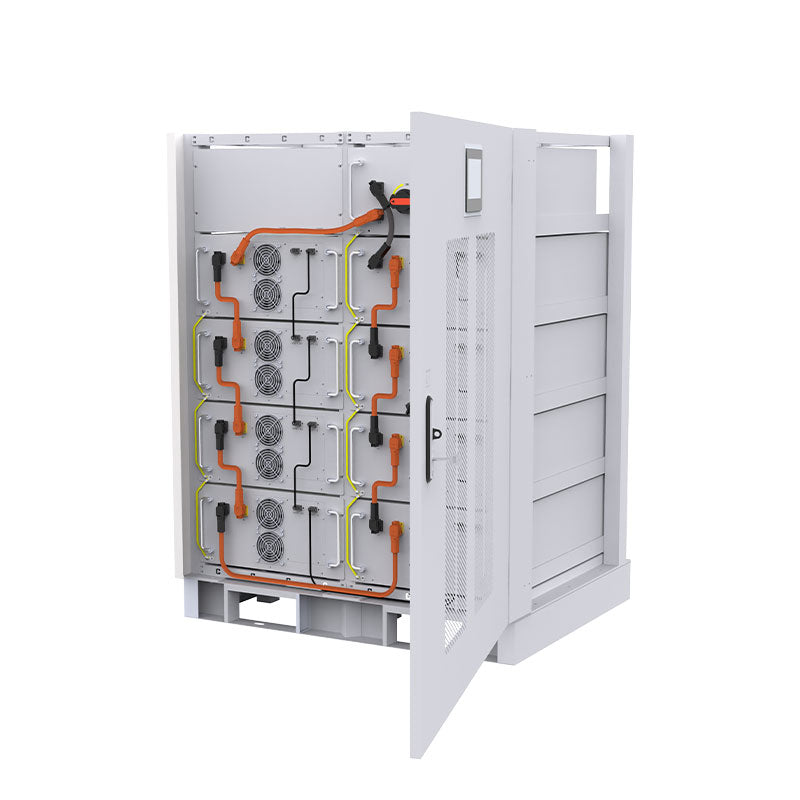
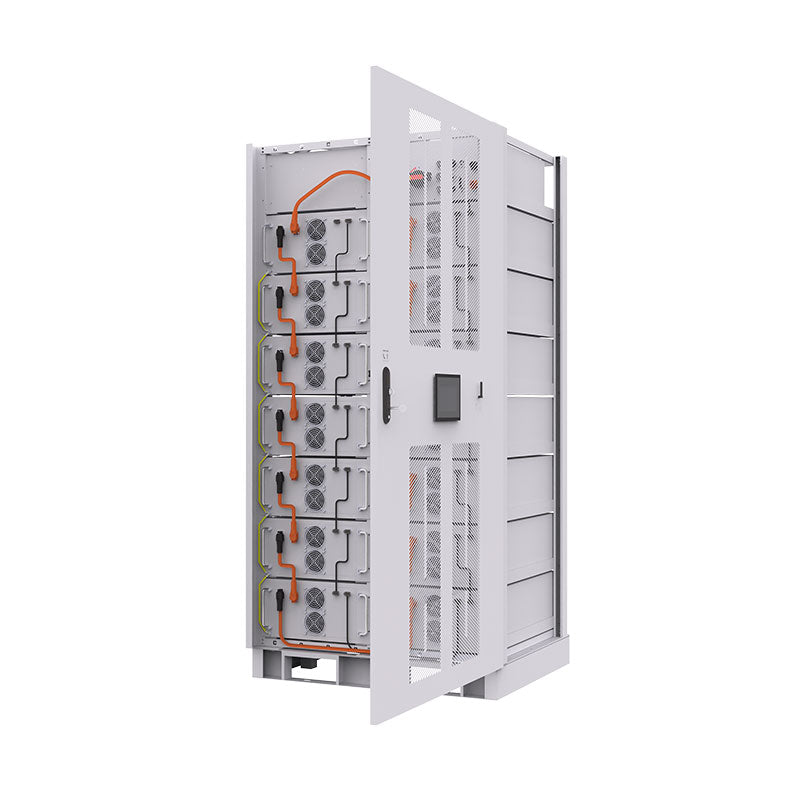
For an off-grid system, consistent power is essential. Batteries store excess energy generated during sunny hours, ensuring the pump can operate on cloudy days or even at night if needed. High-performance lithium iron phosphate (LiFePO4) batteries are an excellent choice for these applications. They offer a long lifespan, high efficiency, and enhanced safety compared to traditional lead-acid batteries, making them a reliable core for an integrated energy storage system (ESS). Combining solar PV with battery storage helps address the natural variability of sunlight, creating a more stable and dependable power supply. *According to Status of Power System Transformation 2018 - Technical Annexes by the International Energy Agency...*
The Irrigation Network: Pipes, Emitters, and Filters
This is the delivery part of the system. It consists of a mainline pipe that transports water from the pump, with smaller drip lines branching off to the crops. Emitters or drippers are installed along these lines to release water slowly. A filter is crucial to prevent sediment from clogging the small emitter openings, and a pressure regulator ensures the water pressure remains within the optimal range for the drip lines.
A Step-by-Step Design Process for Your System
Designing an effective solar drip irrigation system requires careful planning. Following a structured approach ensures all components are correctly sized and integrated for optimal performance.
Step 1: Assessing Your Farm's Water Needs
The first step is to determine how much water your crops require. This depends on the crop type, soil composition, local climate, and the size of the irrigated area. Different crops have different water needs that change throughout their growth stages. Calculating the peak daily water requirement is essential for sizing the rest of the system.
| Crop | Growth Stage | Estimated Daily Water Need (Liters/m²) |
|---|---|---|
| Tomato | Mid-Season | 4-6 Liters |
| Corn | Peak Growth | 5-7 Liters |
| Lettuce | Full Grown | 3-4 Liters |
| Potato | Tuber Formation | 4-5 Liters |
Note: These are general estimates. Actual water needs can be calculated using formulas like ETc = ETo × Kc, where ETo is reference evapotranspiration and Kc is the crop coefficient.
Step 2: Sizing the Solar Power System
Once you know your water demand, you can calculate the energy needed to pump it. This is determined by the pump's power rating (in watts) and the number of hours it needs to run daily. The total daily energy requirement (in watt-hours) dictates the size of your solar panel array and battery bank. As a general rule, the solar array's total wattage should be higher than the pump's wattage to account for cloudy weather and system losses.
Step 3: Pump Selection and Hydraulic Design
Select a pump that can provide the required flow rate at the necessary pressure. You must account for the total dynamic head, which includes the vertical distance you are lifting the water and any pressure lost to friction in the pipes. The layout of your pipes should be designed to minimize turns and long runs to maintain good water pressure throughout the system.
Practical Application and System Management
A well-designed system is only as good as its installation and maintenance. Proper setup and ongoing care ensure longevity and reliable performance.
Installation and Setup Considerations
Solar panels should be installed in a location free from shade and oriented to receive maximum sunlight exposure. The pump, inverter, and batteries should be housed in a protected, well-ventilated enclosure. Using an all-in-one off-grid solar solution that integrates the inverter, charge controller, and battery connections can greatly simplify the installation process.
Maintenance for Long-Term Reliability
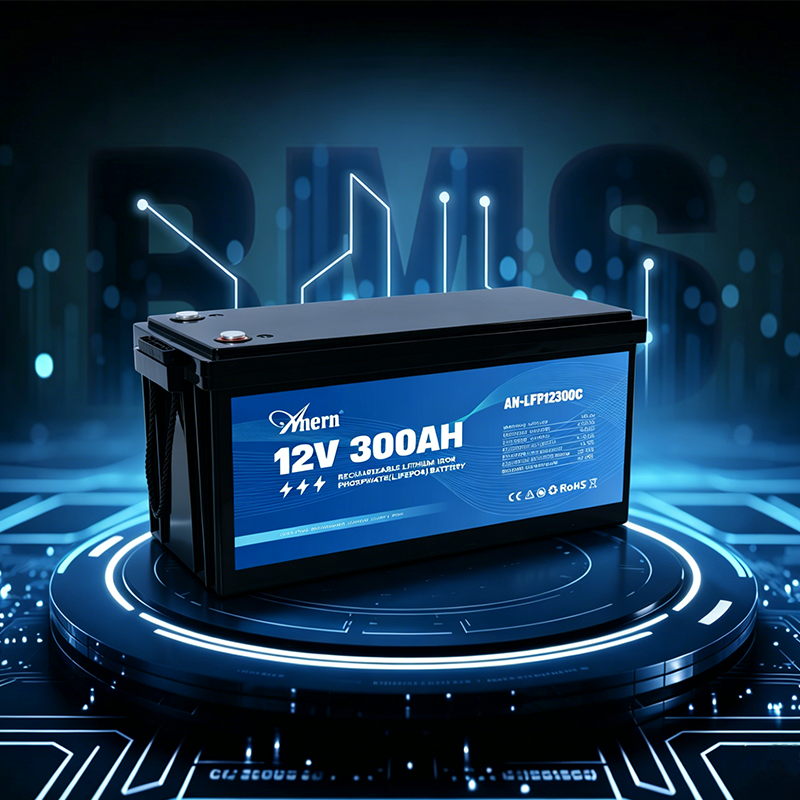
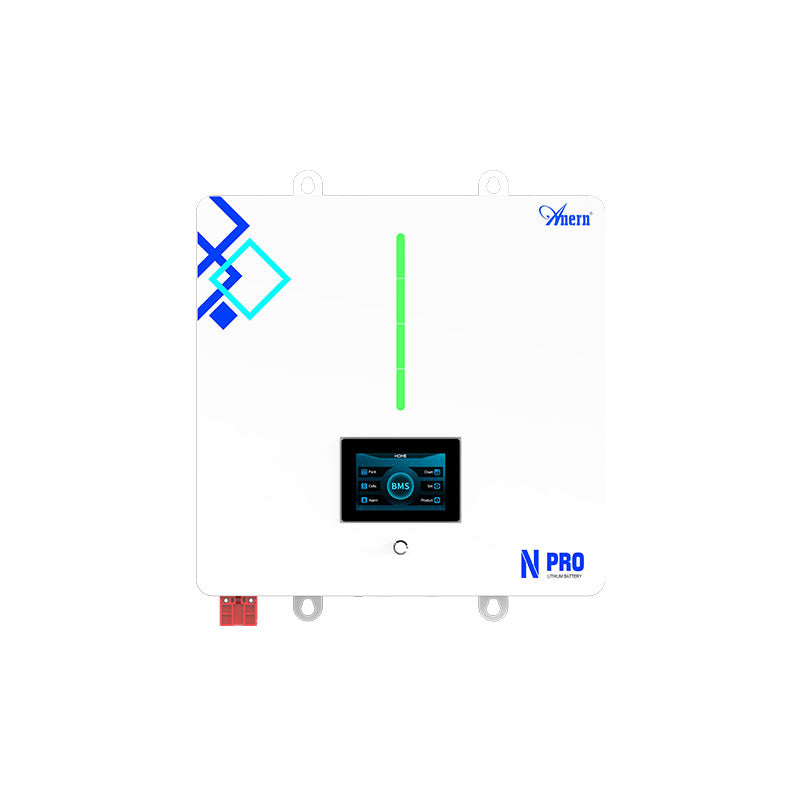
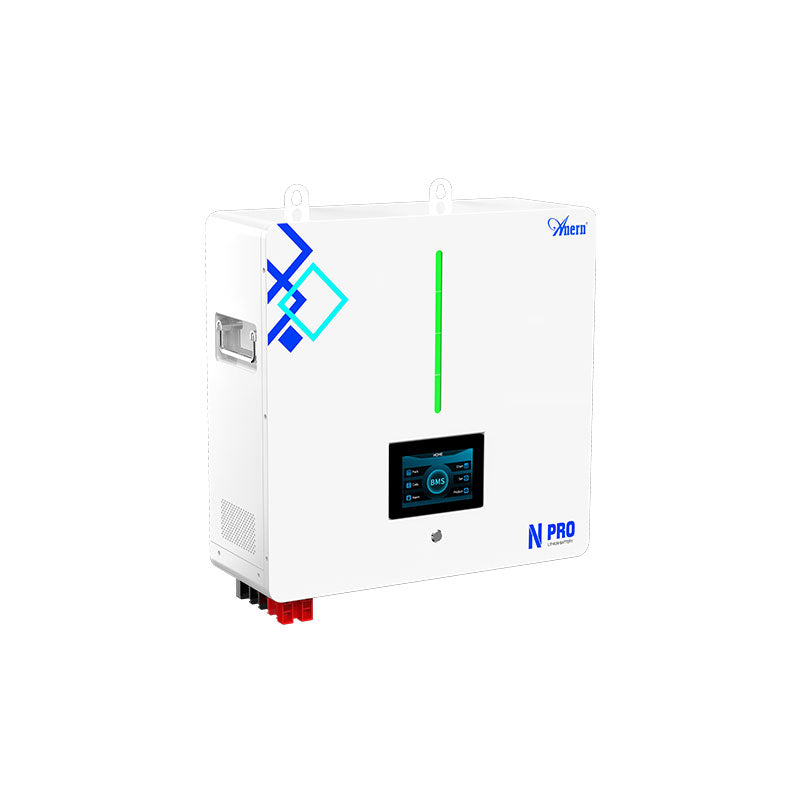
Solar irrigation systems are low-maintenance but not no-maintenance. Regularly clean the surface of the solar panels to ensure they operate at peak efficiency. Periodically check and clean the water filter to prevent clogs in the drip emitters. It is also wise to monitor the health and charge of your batteries. Modern LiFePO4 batteries often come with a Battery Management System (BMS) that protects against issues and simplifies monitoring.
Real-World Example: Potato Farming
A study on decentralized solar solutions for agriculture highlights a practical application for potato farming. Researchers proposed a 5-horsepower solar-powered pump to drive a drip irrigation system. This setup, powered by a 4.8 kWp solar array, was identified as a viable solution to improve water availability and crop yields in water-scarce areas. This example demonstrates how a properly designed solar system can directly boost productivity for high-value crops. *According to Decentralised Solar Electricity for Agri-food Value Chains in the Hindu Kush Himalaya Region by the International Renewable Energy Agency (IRENA)...*
Achieving Agricultural Resilience
Implementing a solar drip irrigation system is a forward-thinking investment in your farm's productivity and sustainability. By harnessing solar power, you gain control over your energy and water, reducing operational risks and enhancing crop consistency. A system built with reliable, high-performance components like LiFePO4 batteries and efficient solar inverters provides a durable foundation for energy independence. This empowers off-grid farms to not just survive, but to thrive in a changing agricultural landscape.
Disclaimer: This information is for educational purposes only. It is not intended as financial, legal, or investment advice. You should consult with a qualified professional before making any decisions related to system design or investment.
