













Telecommunication towers, especially those in remote areas, often rely on traditional energy sources like diesel generators. This reliance leads to significant operational costs, frequent maintenance, and a substantial environmental footprint. As organizations increasingly prioritize environmental, social, and governance (ESG) principles, the telecom industry faces a pressing need for sustainable energy solutions. Adopting advanced technologies such as lithium iron phosphate (LFP) batteries and photovoltaic (PV) solar power offers a compelling pathway to reduce tower emissions and enhance energy independence.
The Environmental Imperative for Telecom Infrastructure
Modern telecommunication networks are the backbone of global connectivity, yet their energy demands are considerable. Remote base stations, disconnected from reliable grid power, frequently depend on diesel generators for continuous operation. These generators emit greenhouse gases, contributing to air pollution and climate change. Each liter of diesel consumed releases approximately 2.68 kilograms of CO2 into the atmosphere.
The telecommunications sector's commitment to ESG goals extends beyond regulatory compliance; it reflects a broader responsibility towards planetary health and community well-being. Companies are seeking innovative methods to lower their carbon footprint, reduce waste, and improve operational efficiency. Transitioning to renewable energy sources for telecom towers directly addresses these environmental objectives, while also offering long-term economic advantages.
LFP Batteries: A Durable and Safe Power Solution

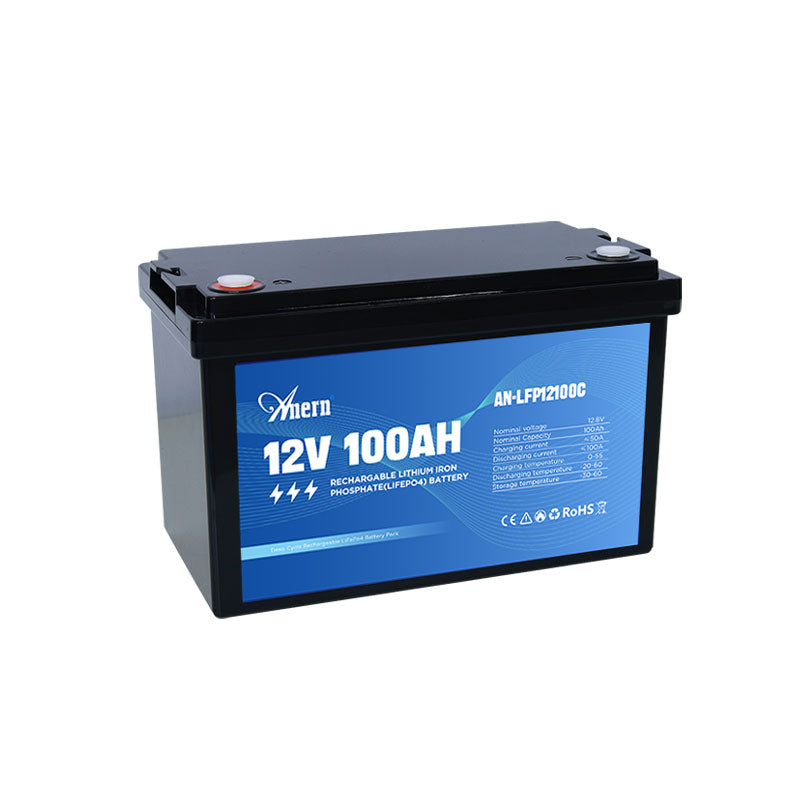
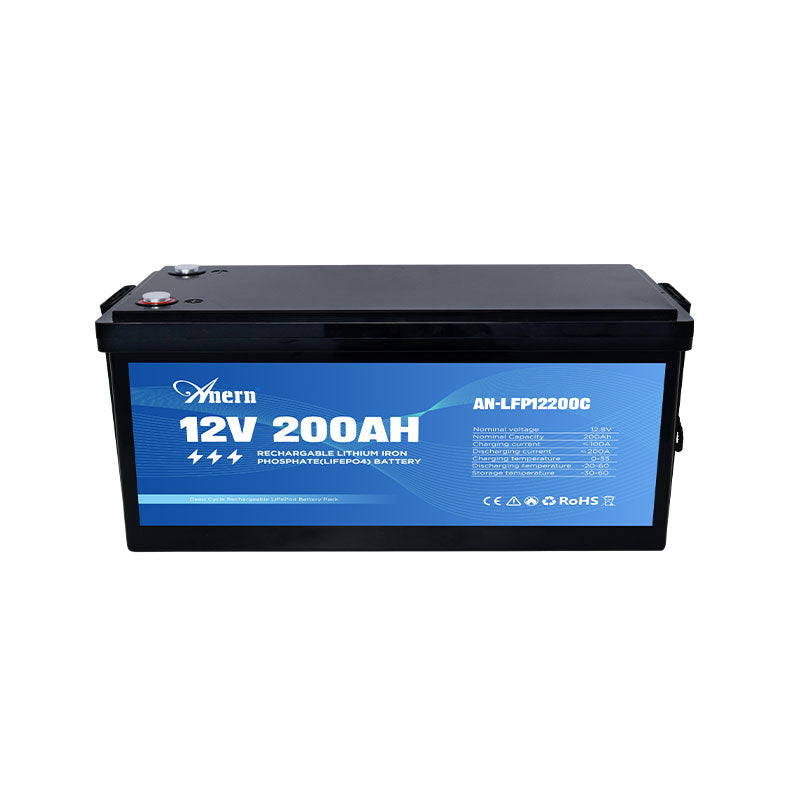
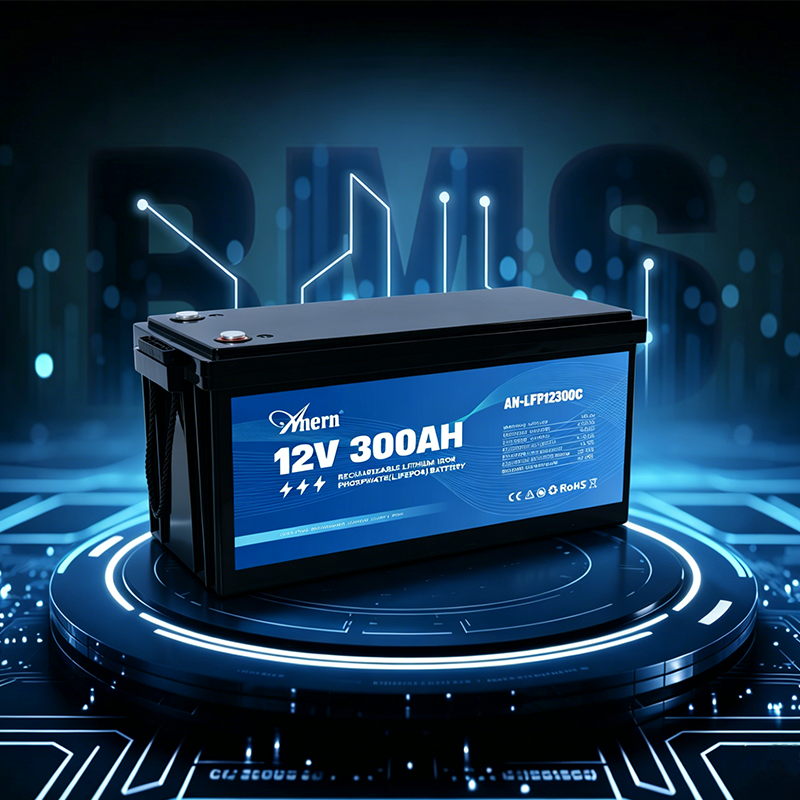
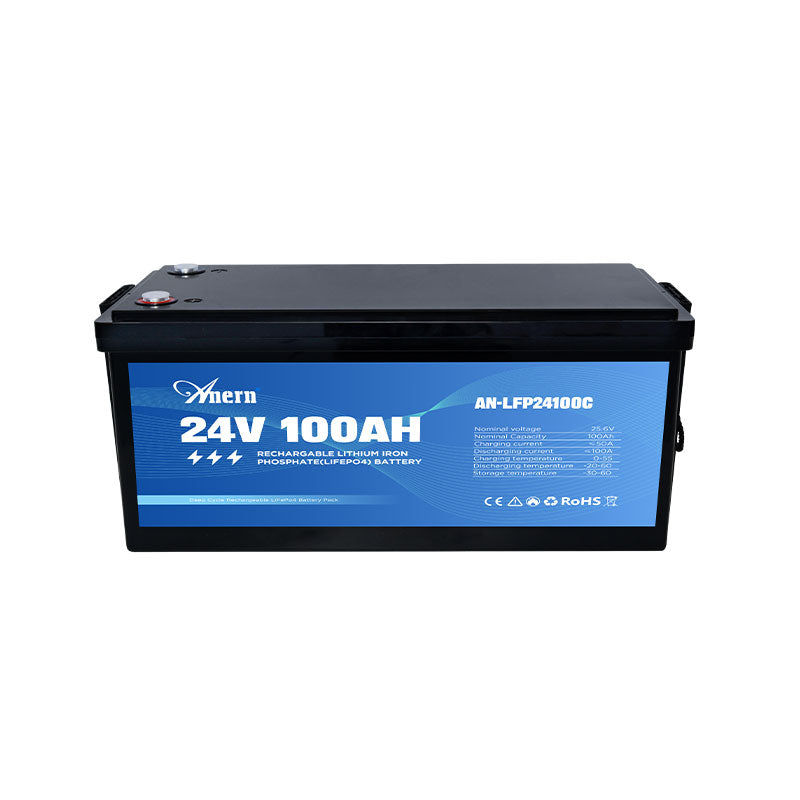
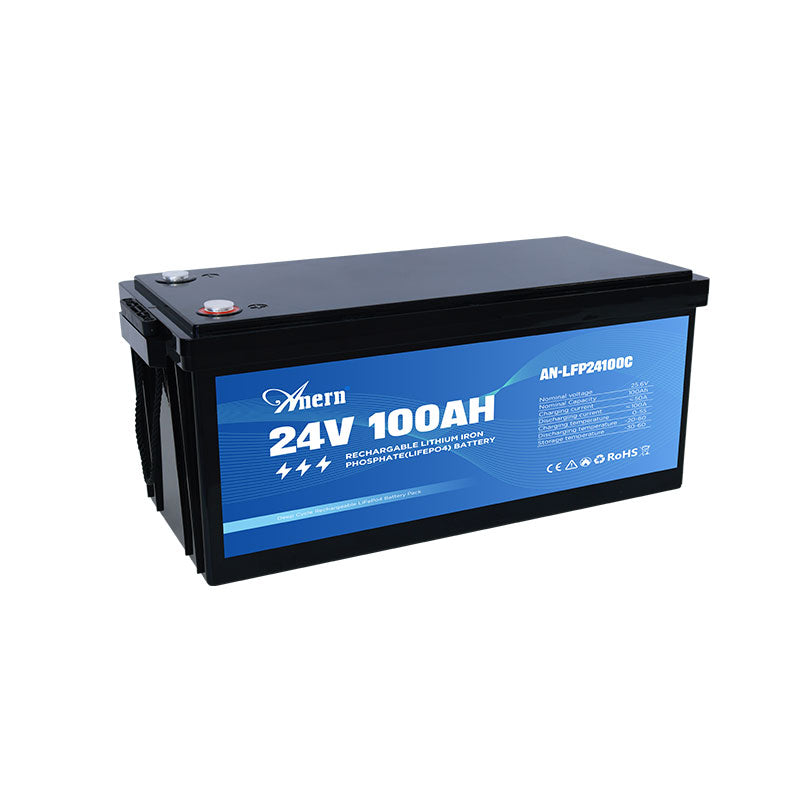
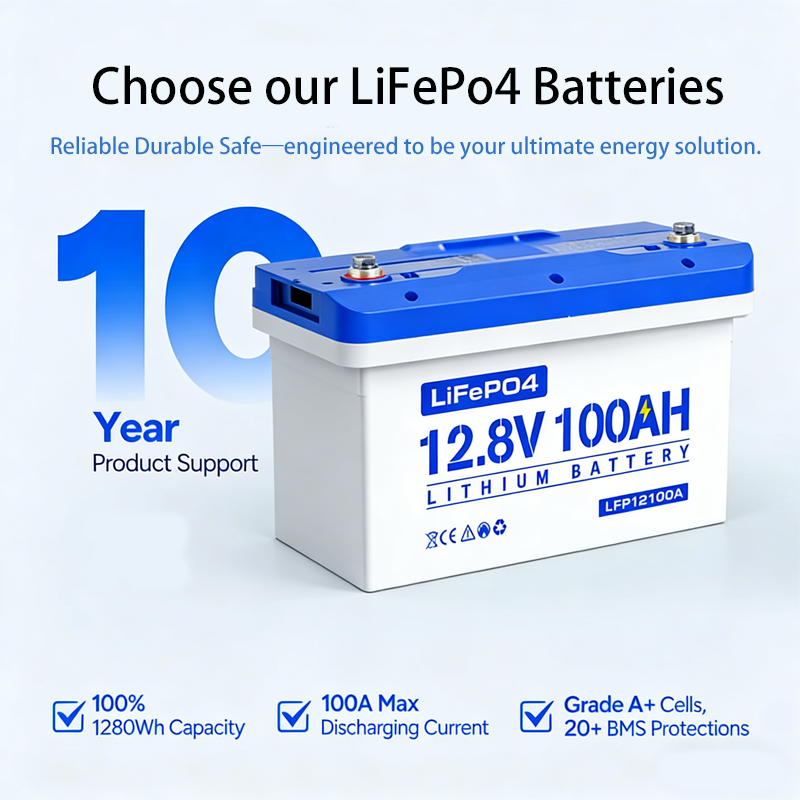
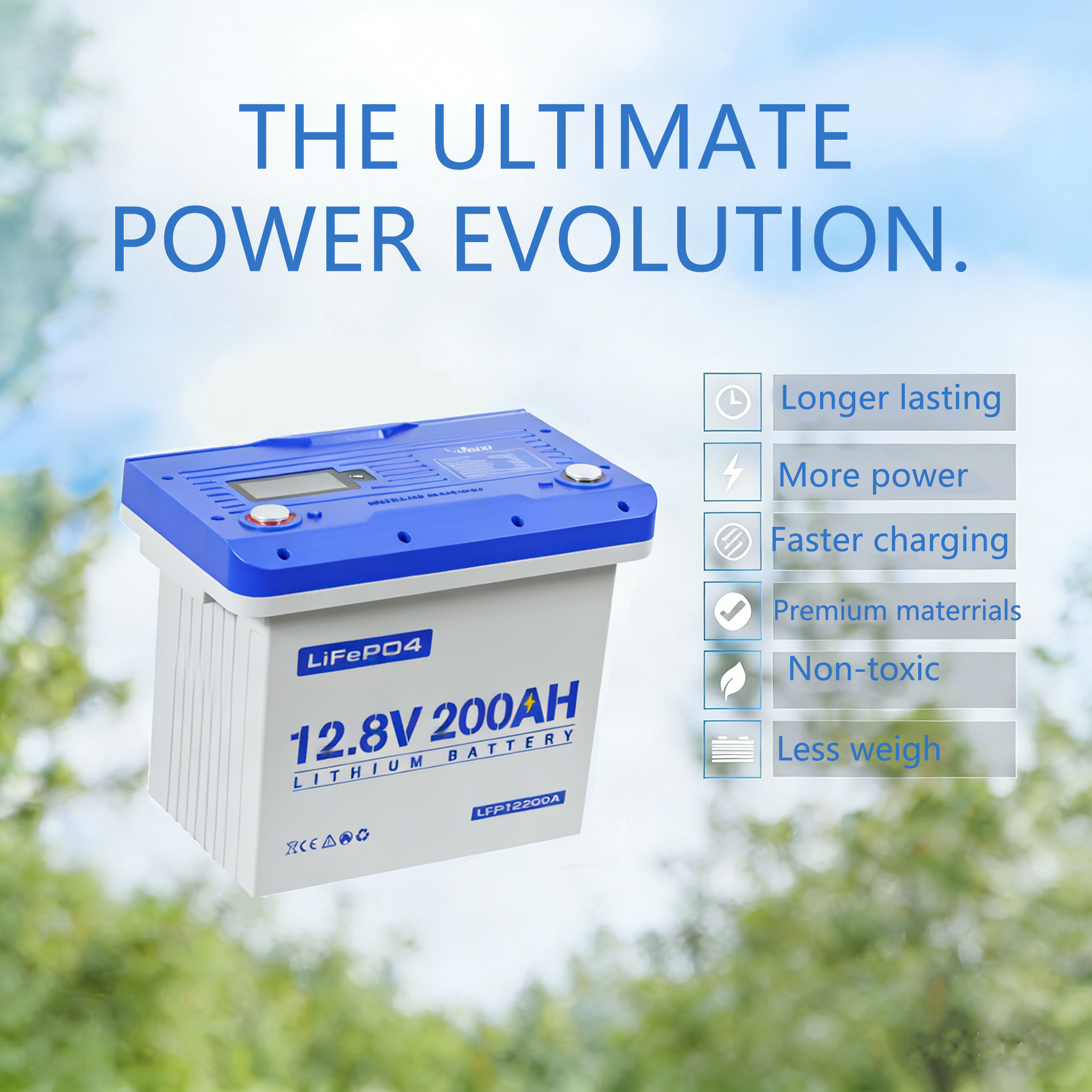
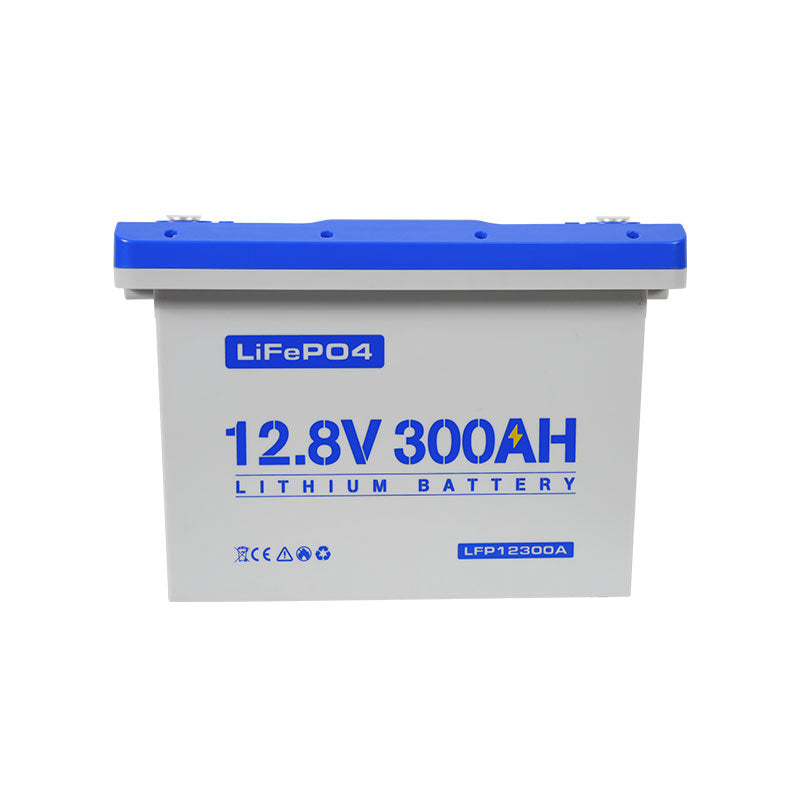
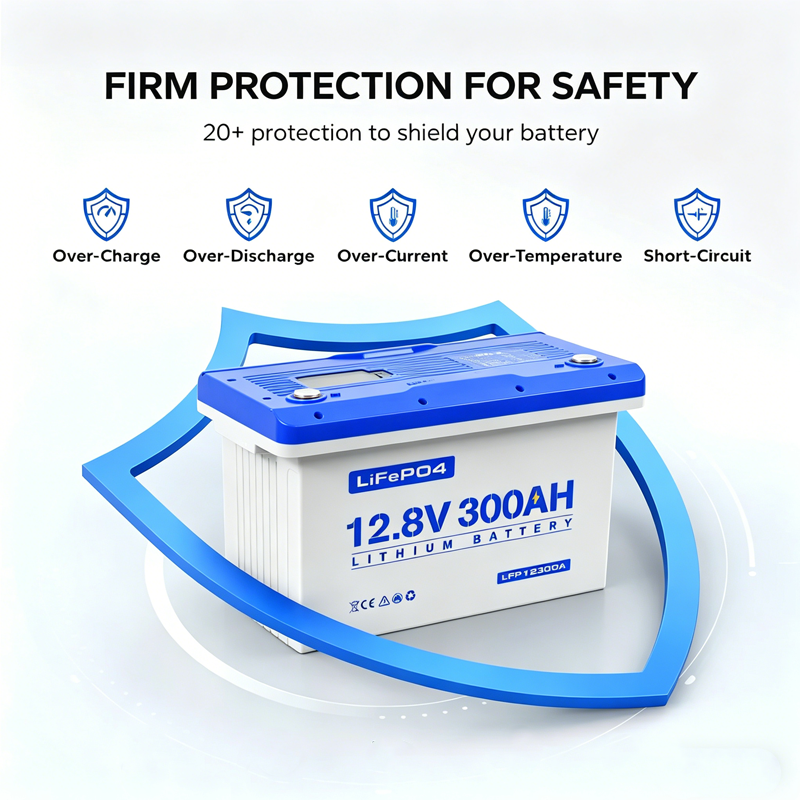
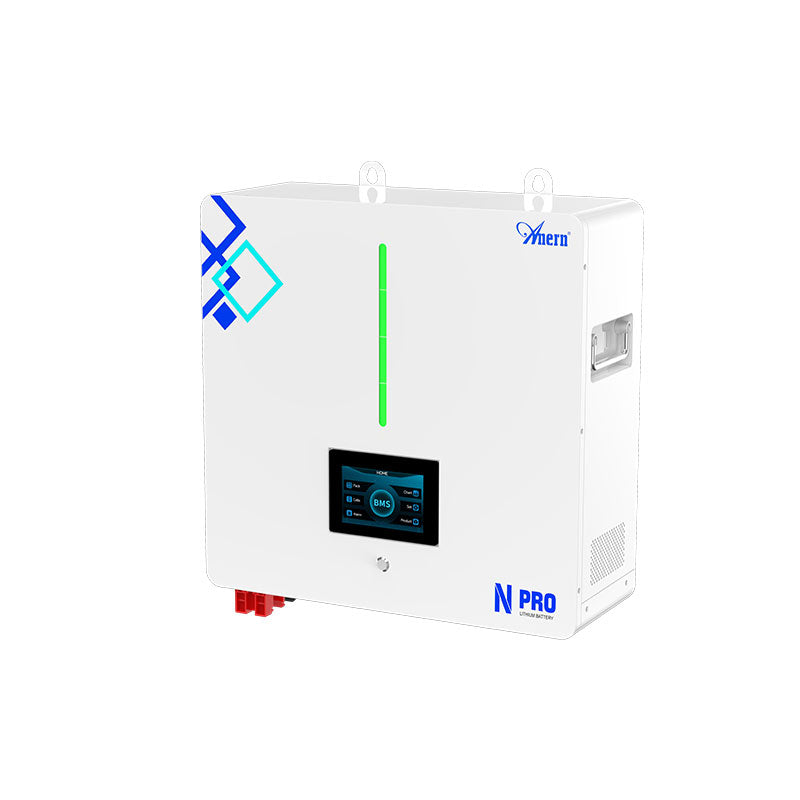
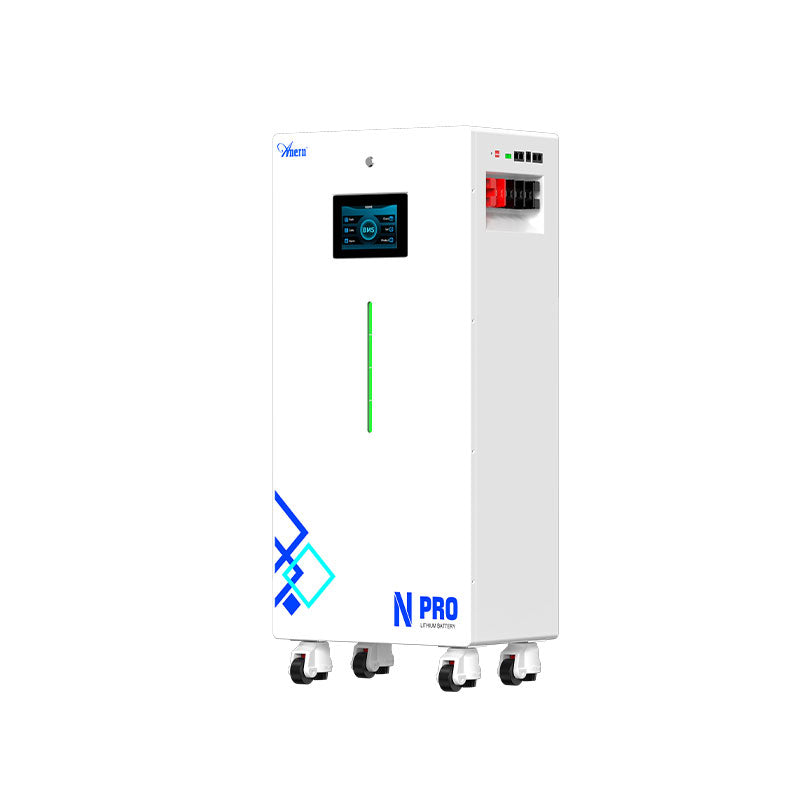
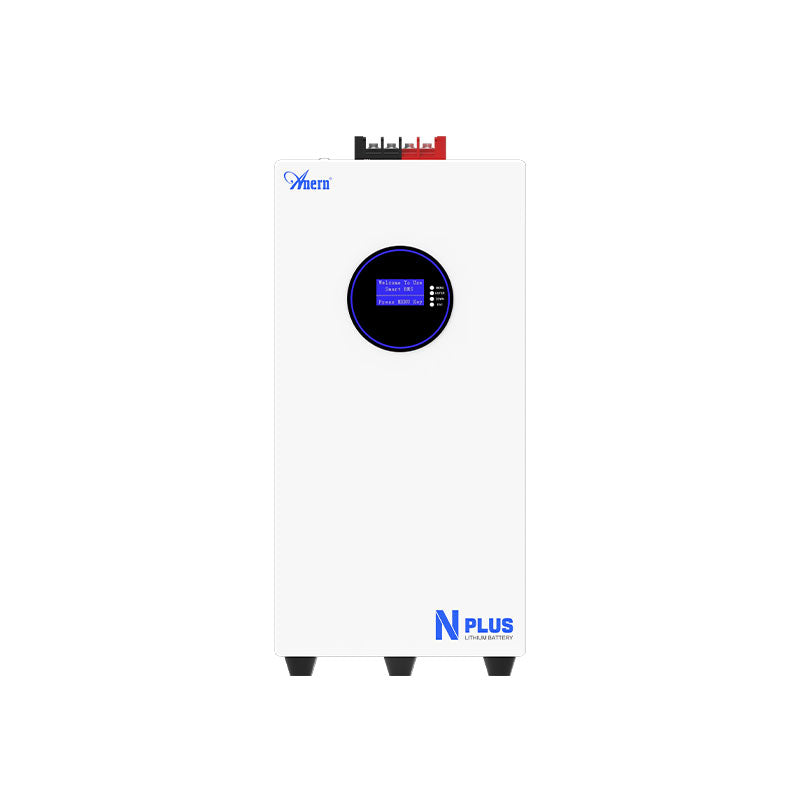
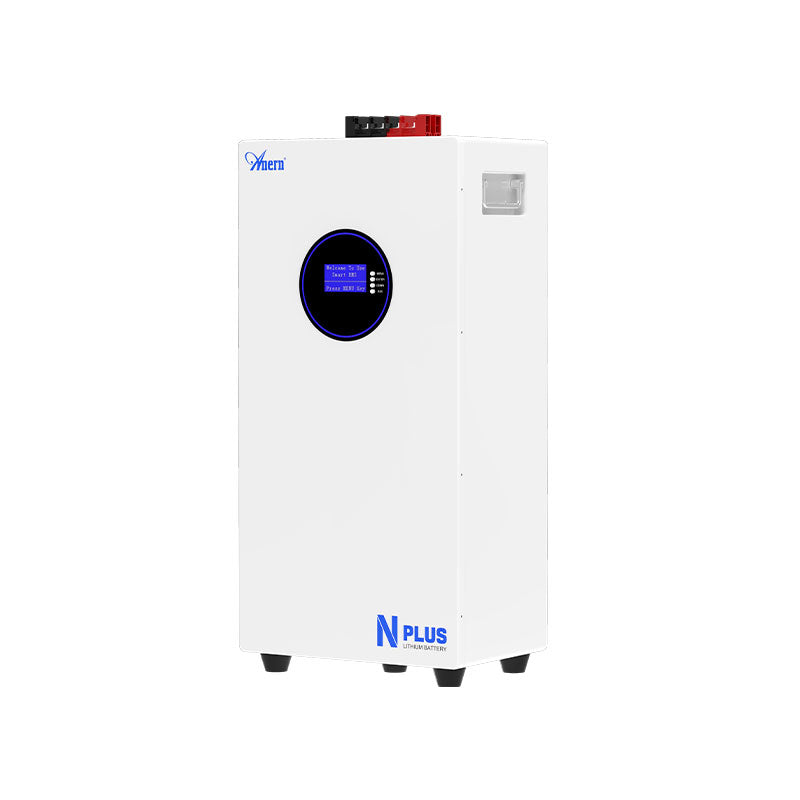
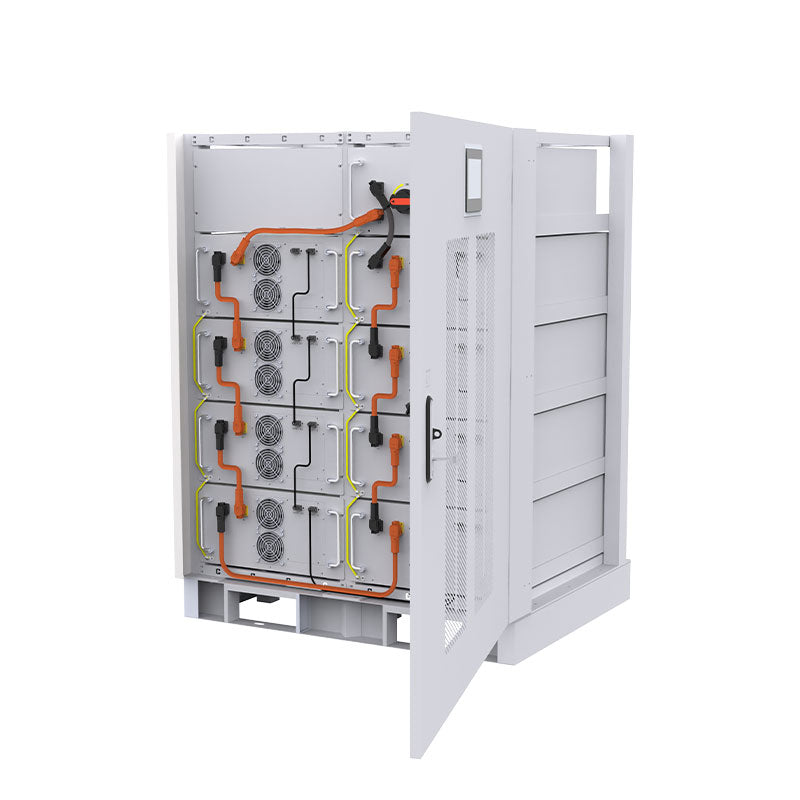
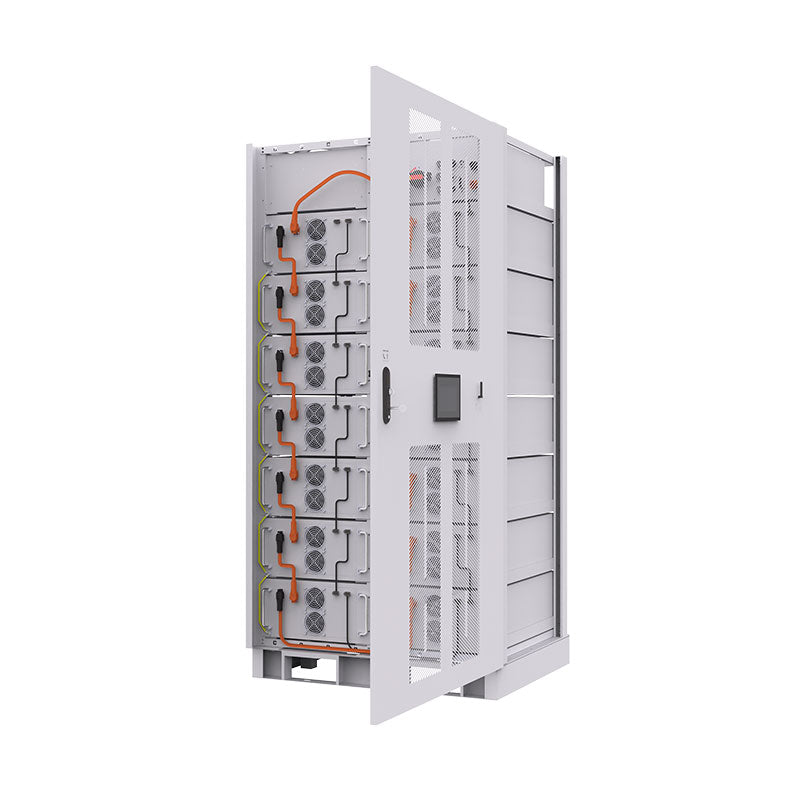
Lithium Iron Phosphate (LiFePO4 or LFP) batteries represent a significant leap forward in energy storage technology. They offer a superior alternative to conventional lead-acid batteries for demanding applications like telecom towers due to their inherent characteristics. LFP chemistry provides exceptional thermal stability, making these batteries safer and less prone to overheating or thermal runaway compared to other lithium-ion chemistries. This safety aspect is crucial for remote installations where constant monitoring might be challenging.
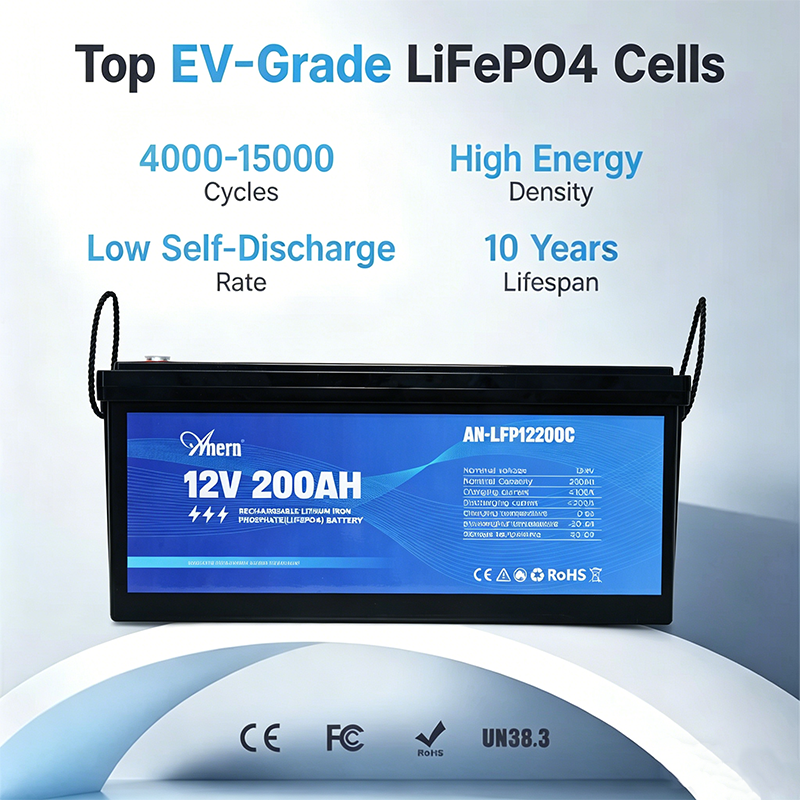
You gain a power solution with a remarkably long cycle life when choosing LFP batteries. They can endure thousands of charge and discharge cycles without significant capacity degradation, often lasting more than 10 years. This contrasts sharply with lead-acid batteries, which typically offer only a few hundred cycles. The extended lifespan of LFP batteries translates to fewer replacements, reduced maintenance, and a lower total cost of ownership over the system's operational life. Their high energy density and efficient charge/discharge rates also ensure more power in a smaller, lighter package, simplifying logistics and installation at remote sites.
LFP vs. Lead-Acid Batteries for Telecom Towers
Consider the following comparison for telecom tower applications:
| Feature | LFP Batteries | Lead-Acid Batteries |
|---|---|---|
| Cycle Life | 3,000 - 8,000+ cycles | 300 - 1,000 cycles |
| Depth of Discharge (DoD) | Up to 100% (recommended 80-90%) | Typically 50% max |
| Energy Density | High (compact size, lighter weight) | Low (bulky, heavy) |
| Efficiency (Round-trip) | 95-99% | 70-85% |
| Maintenance | Virtually maintenance-free | Regular watering, equalizing charges |
| Self-Discharge Rate | Very low (1-3% per month) | Higher (5-20% per month) |
| Temperature Tolerance | Wide operating range | Sensitive to extreme temperatures |
| Safety | Excellent thermal stability, non-toxic | Can off-gas, require ventilation |
| Environmental Impact | Longer lifespan, recyclable | Shorter lifespan, lead is toxic |
Harnessing Solar Power for Remote Base Stations
Integrating photovoltaic (PV) solar panels into telecom tower sites offers a powerful way to generate clean, renewable electricity directly at the point of consumption. Solar panels convert sunlight into direct current (DC) electricity, which can then be used to power the tower's equipment, charge batteries, or be converted to alternating current (AC) for other uses via a solar inverter.
The benefits of deploying solar power at remote base stations are multifaceted. You reduce or eliminate the need for costly and polluting diesel fuel deliveries, especially in hard-to-reach locations. This significantly lowers operational expenses and reduces the logistics burden. Solar power also provides a quiet power source, eliminating the noise pollution associated with generators, which can be important for sites near residential areas or wildlife. Furthermore, solar energy systems enhance the energy independence of the site, making it less vulnerable to grid outages or fuel supply disruptions.
Global solar photovoltaic capacity grew by 22% in 2023, reaching 1,419 GW, demonstrating solar's increasing role in the global energy mix. This growth underscores the technology's maturity and reliability, making it an ideal choice for critical infrastructure like telecom towers. A well-designed solar solution accounts for local solar irradiance levels, tower energy consumption patterns, and battery storage capacity to ensure uninterrupted operation.
Integrated Energy Storage Systems for Telecom Infrastructure
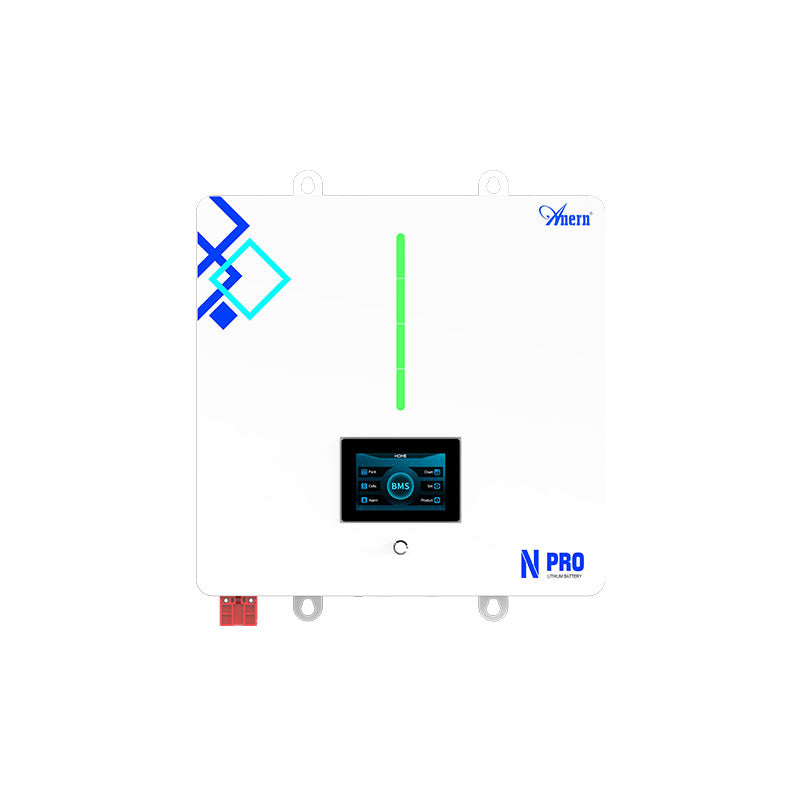
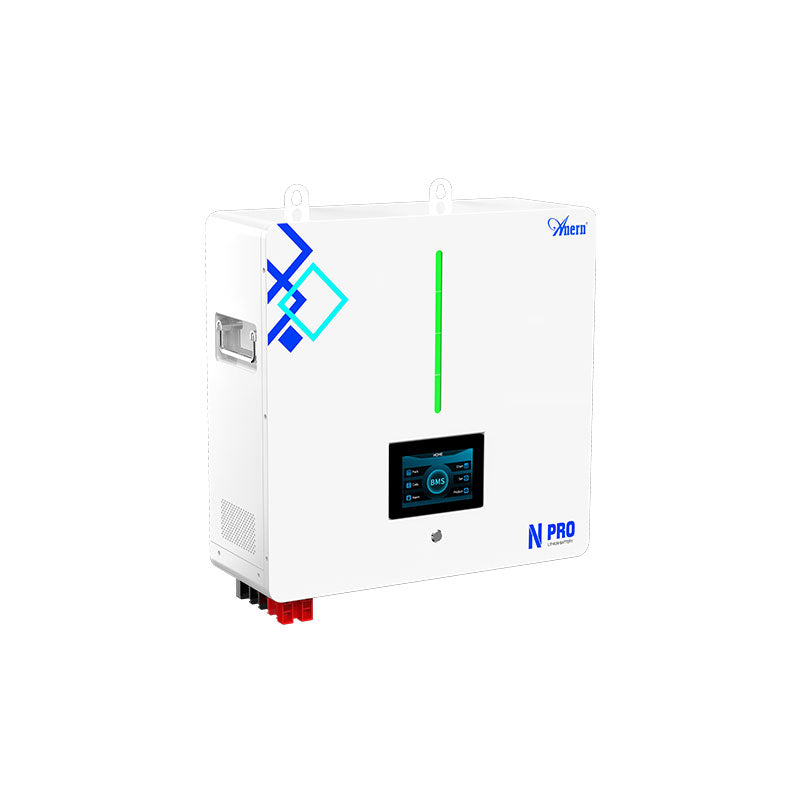
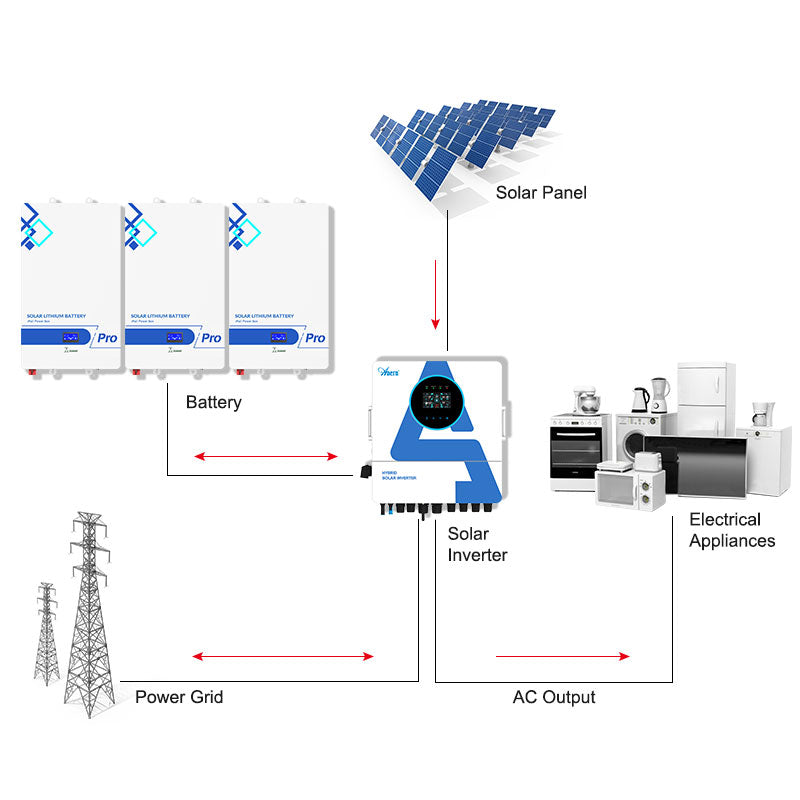
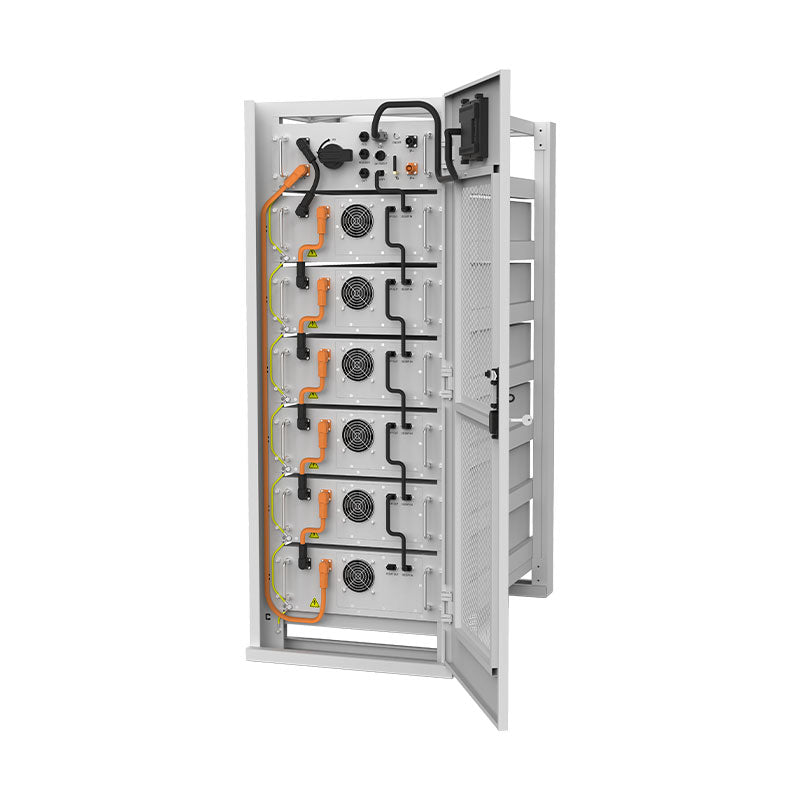
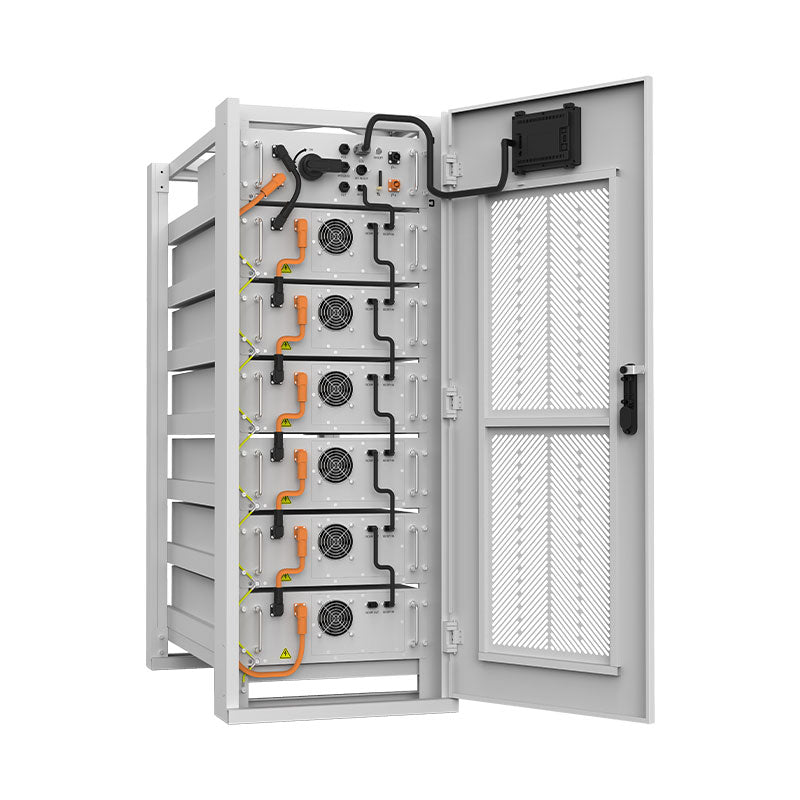
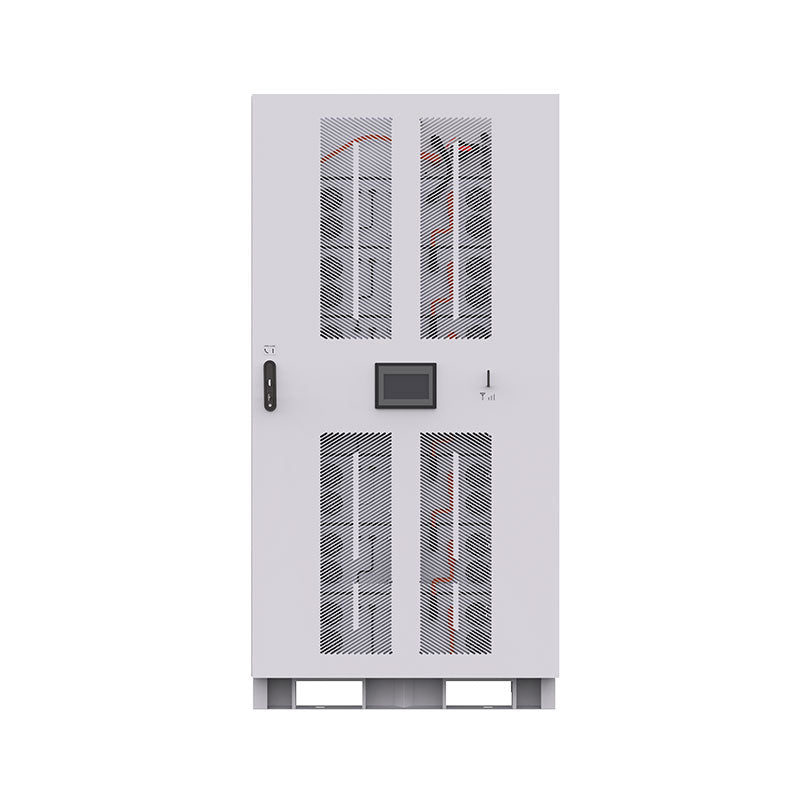
The true power of sustainable energy for telecom towers comes from the integration of LFP batteries with solar PV systems into a cohesive energy storage system (ESS). This integrated approach provides a robust and reliable power supply, ensuring continuous operation of critical communication infrastructure, even in off-grid or unstable grid environments.
An integrated ESS typically combines solar panels, LFP battery banks, and a sophisticated solar inverter or hybrid inverter. The inverter plays a crucial role, converting the DC power from solar panels and batteries into the AC power required by the tower equipment, and intelligently managing the flow of energy. During daylight hours, solar panels generate electricity to power the tower and recharge the LFP batteries. During periods of low sunlight or at night, the stored energy in the LFP batteries takes over, providing seamless power. This synergy minimizes reliance on external power sources and significantly reduces the run-time of any backup diesel generators, often decreasing their usage by over 80%.
Such a system offers unparalleled reliability and scalability. You can expand the system's capacity by adding more solar panels or battery modules as energy demands grow. This modularity ensures a future-proof energy solution for your telecom network. By embracing these integrated solutions, telecom operators not only achieve substantial reductions in carbon emissions but also gain greater control over their energy costs and enhance the resilience of their network infrastructure.
A Sustainable Future for Telecom
The convergence of LFP battery technology and solar photovoltaic solutions presents a clear path for the telecommunications industry to achieve its ESG objectives. By transitioning away from fossil fuel-dependent systems, telecom operators can significantly cut tower emissions, reduce operational costs, and build a more resilient and sustainable network. Investing in these advanced, integrated energy storage systems empowers companies to embrace energy independence and contribute positively to a cleaner environment. The shift towards renewable-powered telecom towers is not merely a technological upgrade; it is a strategic move towards a more responsible and efficient global communication infrastructure.
