













Building an off-grid solar power system offers true energy independence. Whether you are powering a remote cabin, a farm, or your entire home, careful planning makes all the difference. A crucial step in this process is creating a comprehensive Bill of Materials (BOM). A well-structured BOM ensures you select the right components, manage costs effectively, and build a reliable system. This review compares various free off-grid BOM toolkits, helping you choose the best resource for your project.

The Foundation of Off-Grid Power: Understanding Your BOM
A Bill of Materials (BOM) is a detailed list of every component, sub-assembly, and raw material needed to construct your off-grid solar system. Think of it as your project's blueprint, outlining everything from solar panels to the smallest wire. For off-grid solar projects, a BOM is not just a list; it is a strategic document that prevents costly errors and ensures system longevity.
What an Off-Grid BOM Includes
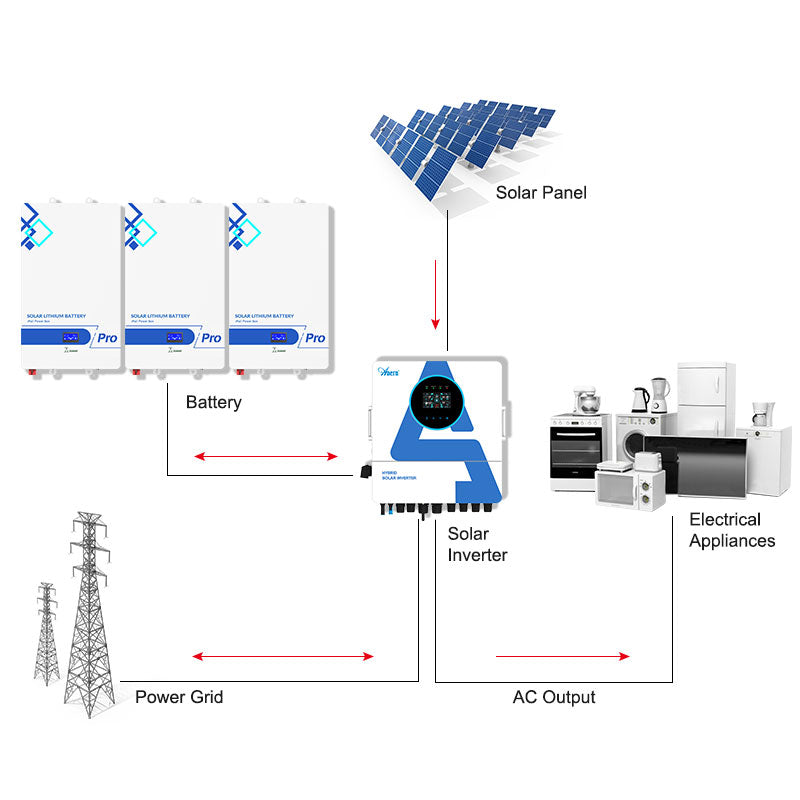
A typical off-grid solar BOM covers several key categories:
- Solar Panels: Specify type (monocrystalline, polycrystalline), wattage, quantity, and mounting hardware .
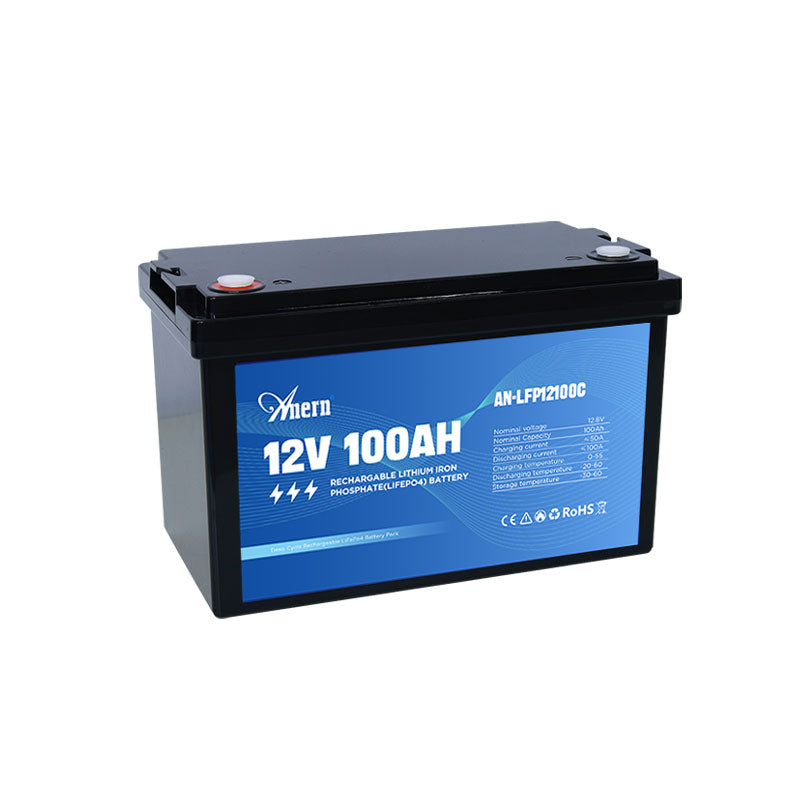
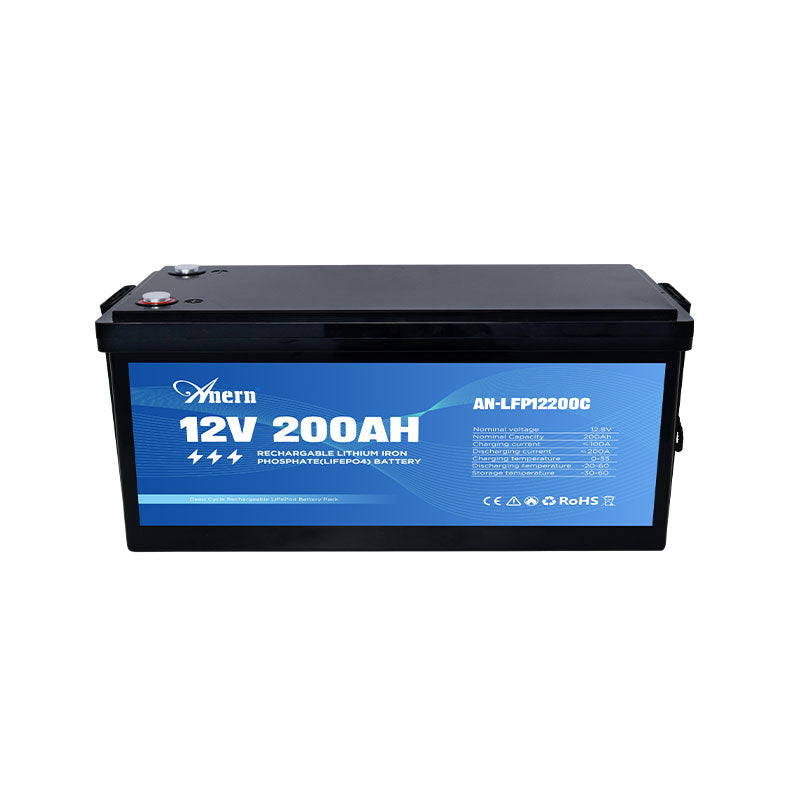
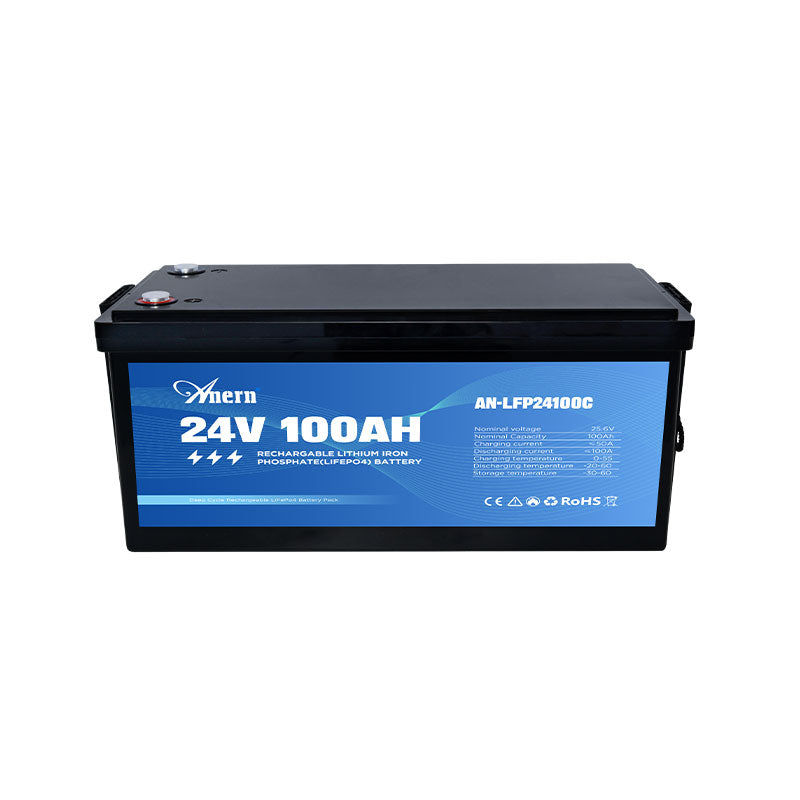
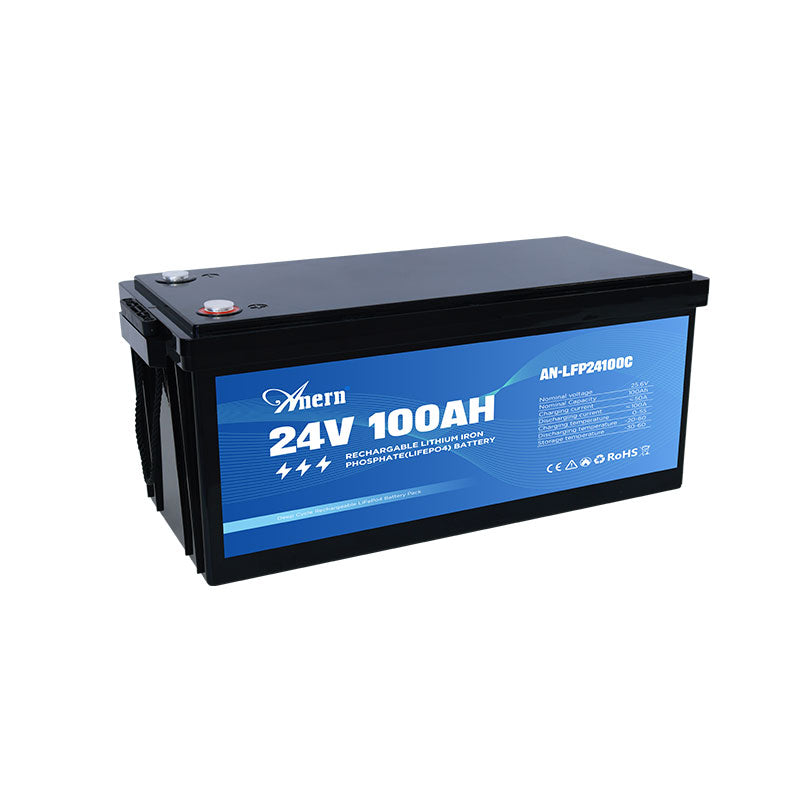
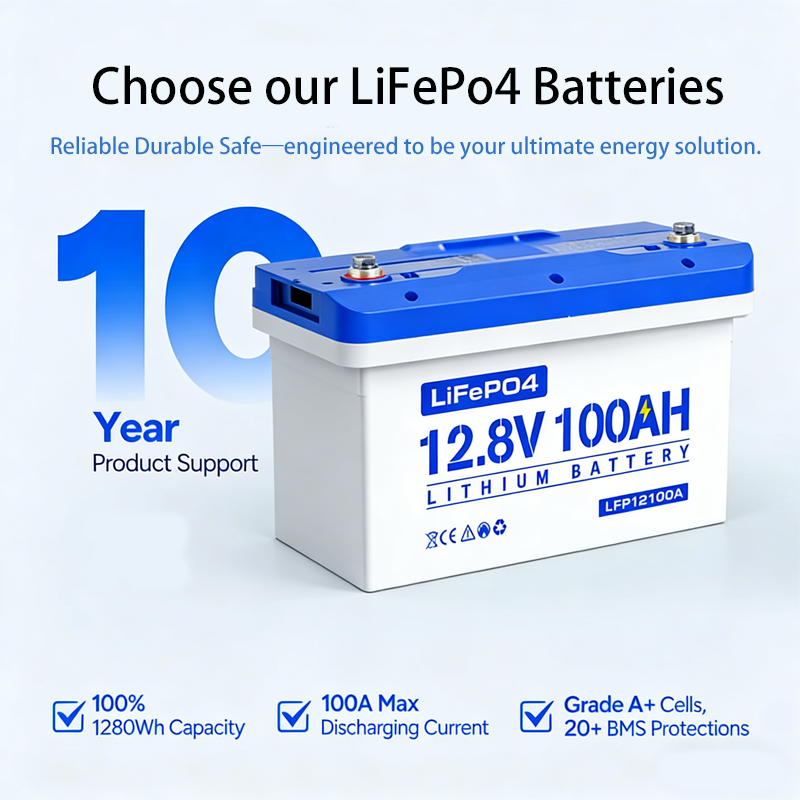
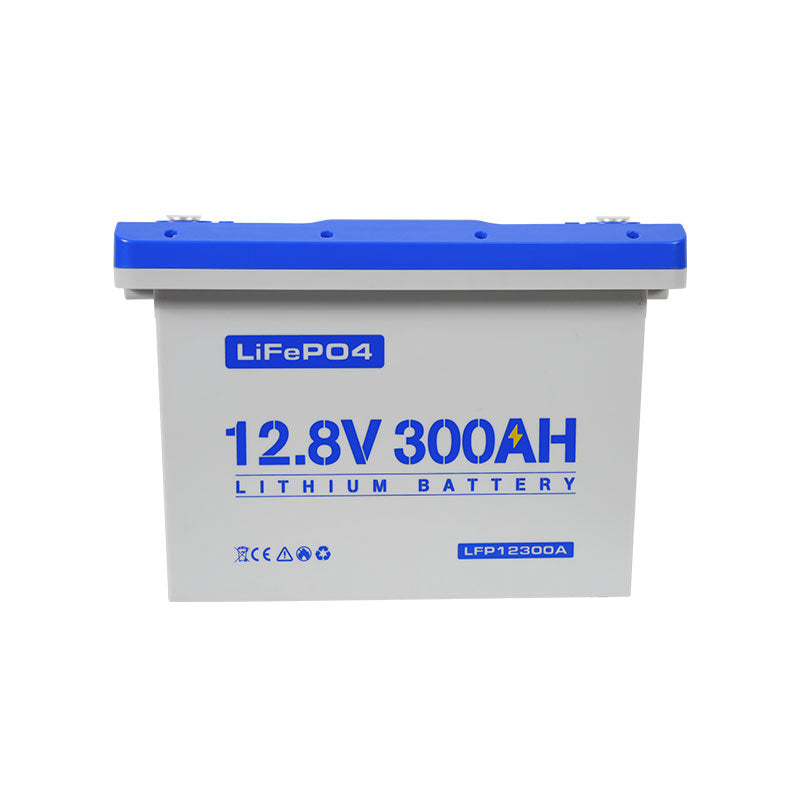
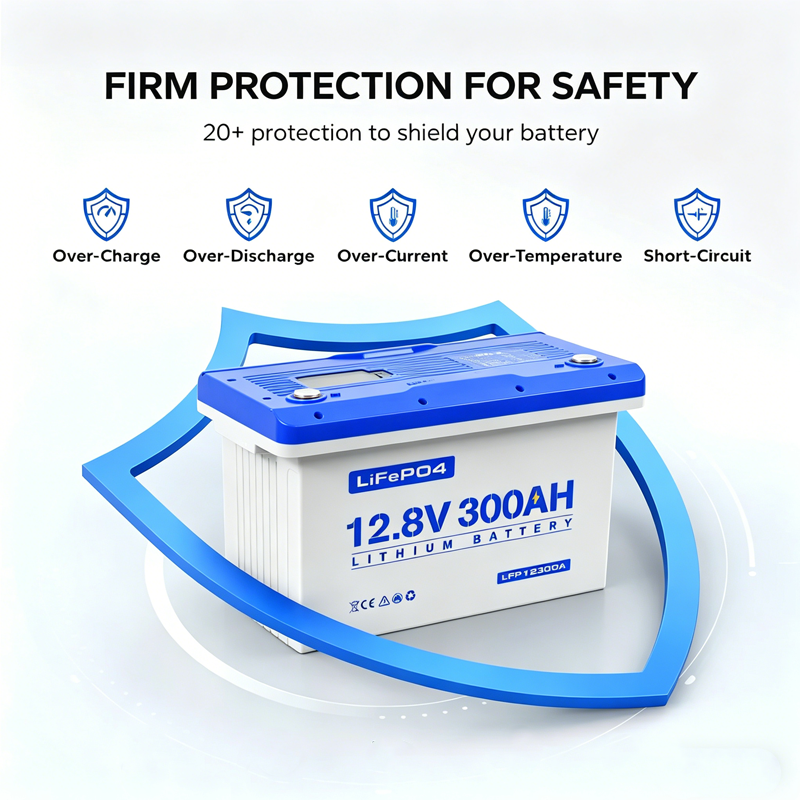
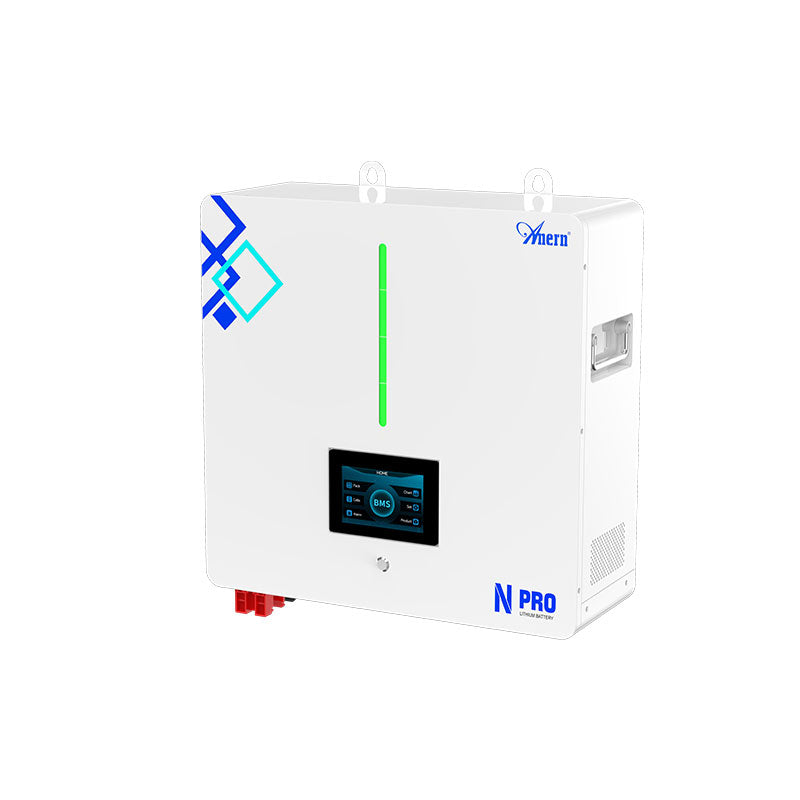
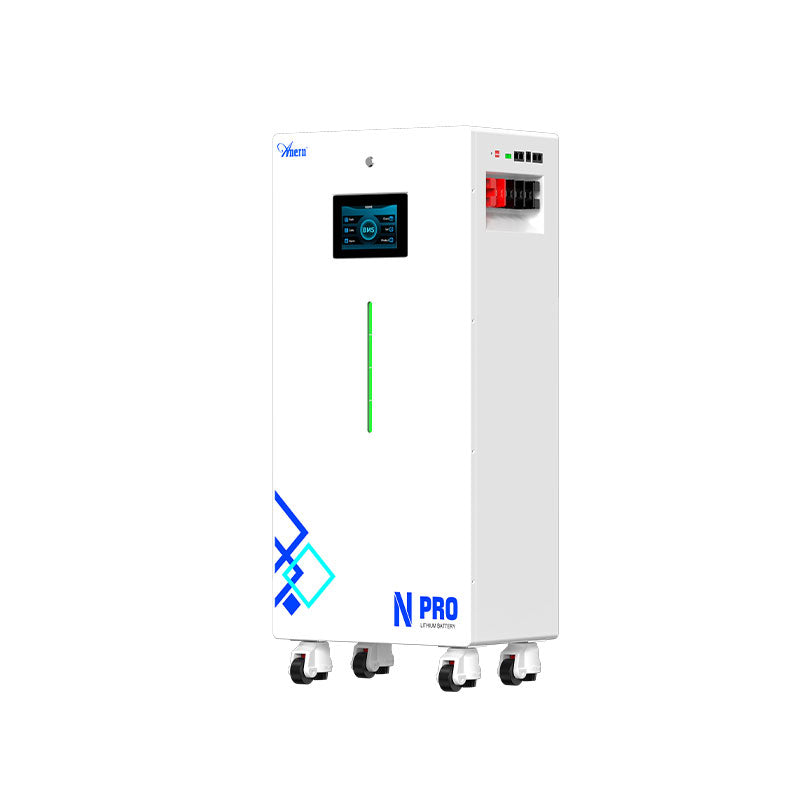
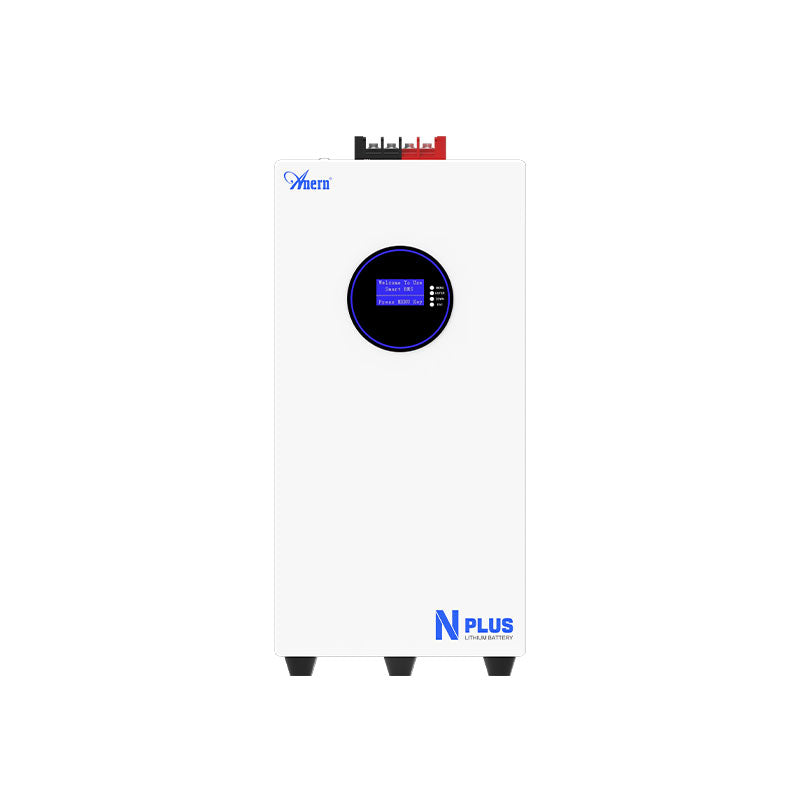
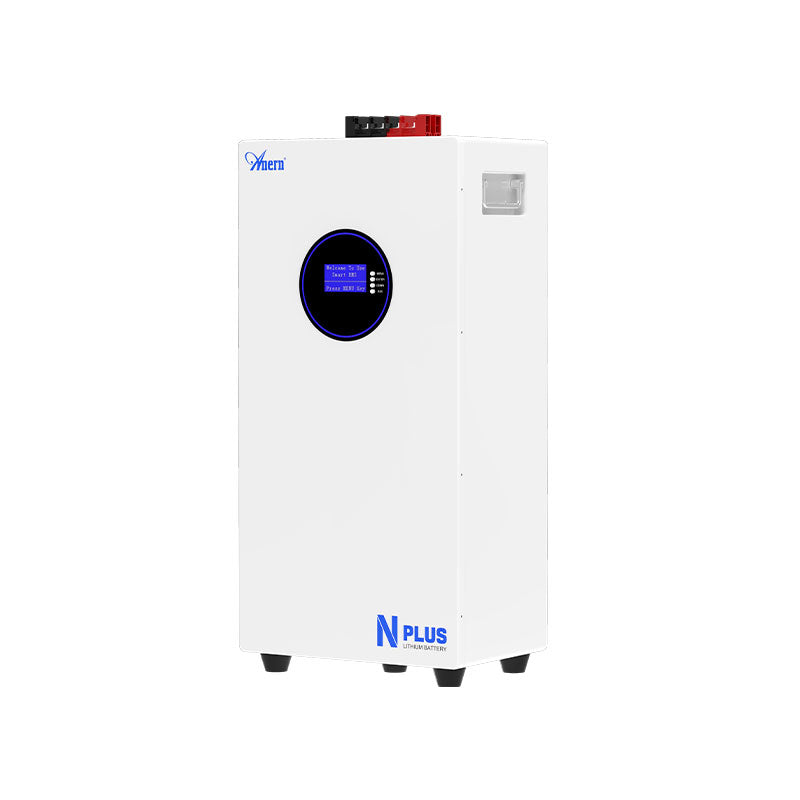
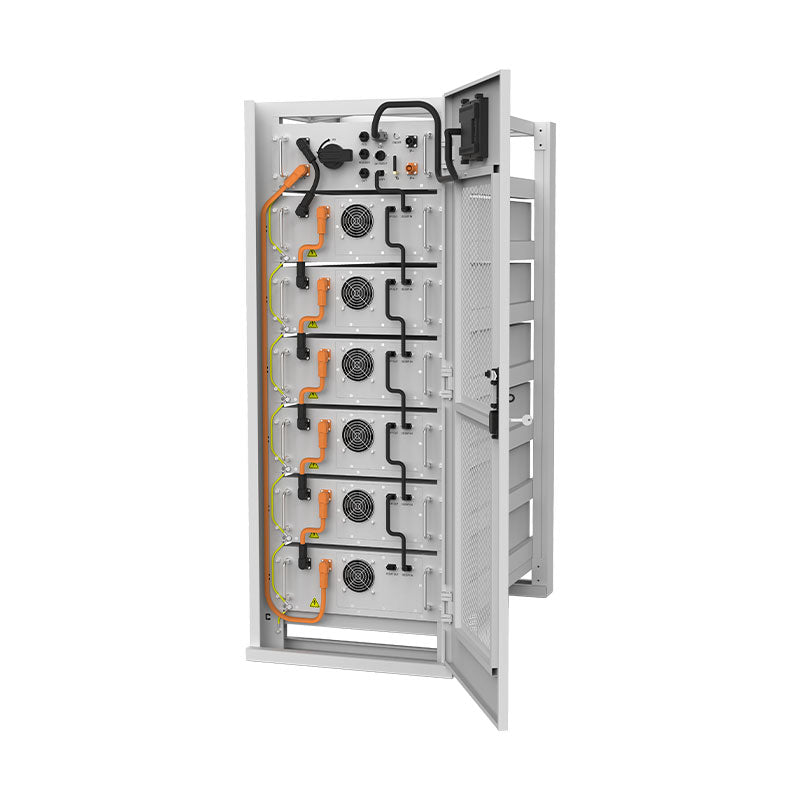
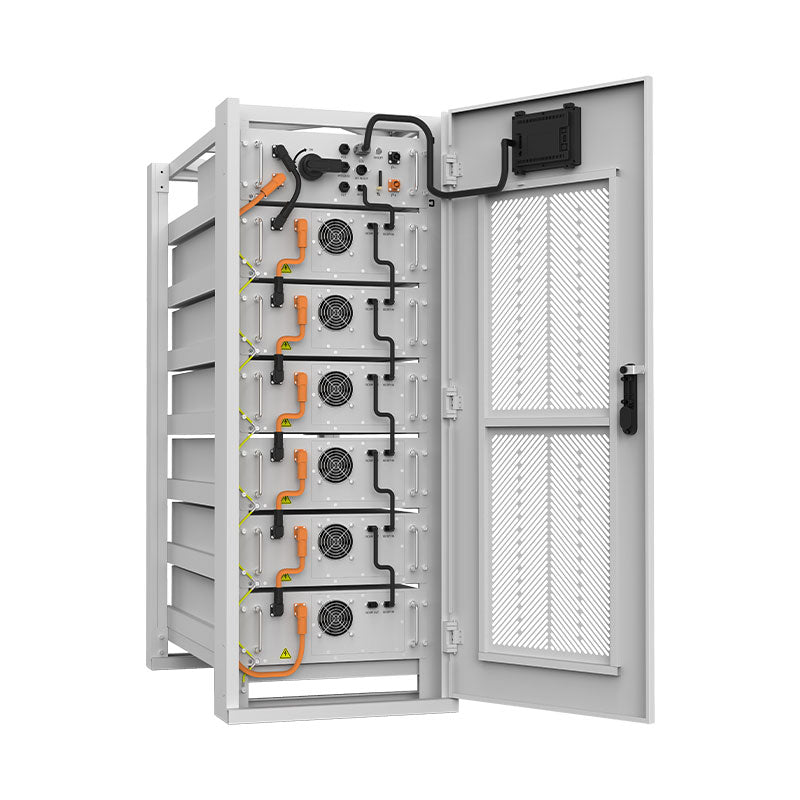
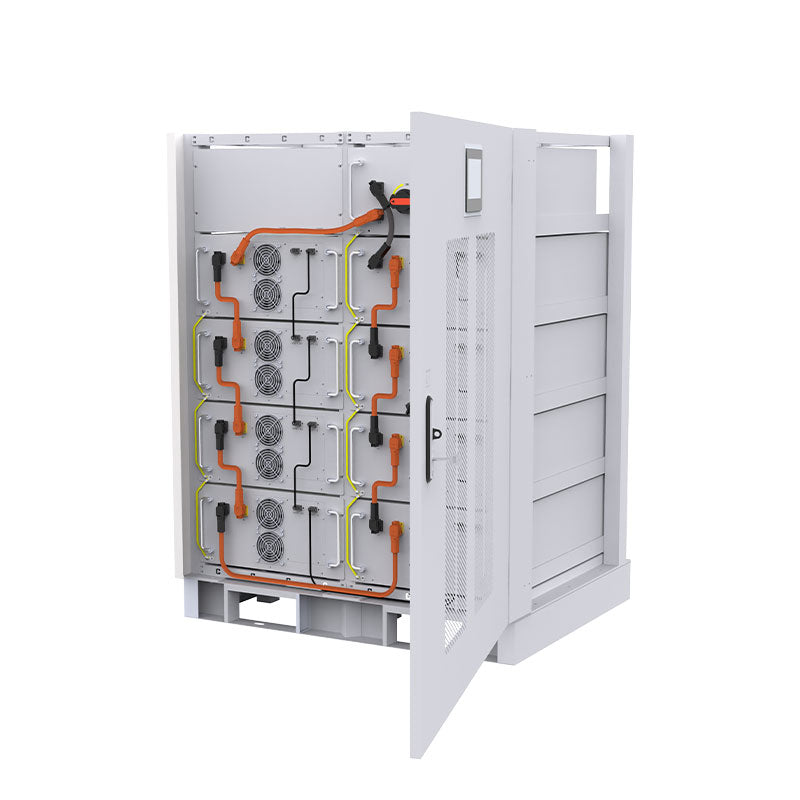
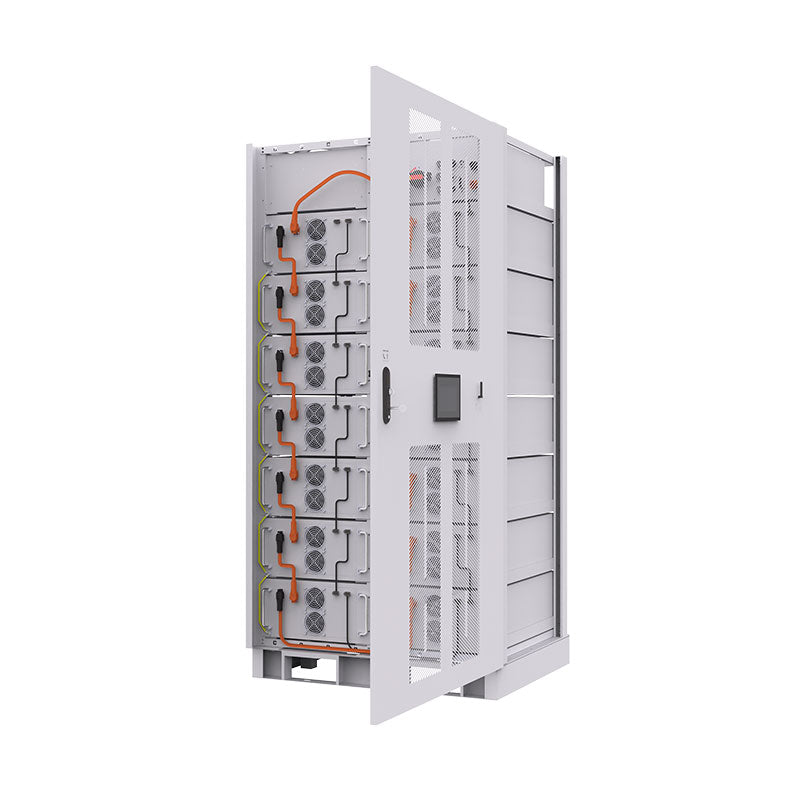
- Energy Storage: Detail battery chemistry (e.g., LiFePO4, lead-acid), capacity (Ah or kWh), voltage, and quantity .
- Charge Controller: Identify type (MPPT, PWM) and current rating .
- Inverter: Specify type (pure sine wave, modified sine wave), power rating (Watts), and voltage .
- Balance of System (BOS) Components: This includes wiring, fuses, circuit breakers, disconnects, combiner boxes, and grounding equipment .
- Monitoring System: Devices for tracking performance and battery state of charge.
- Miscellaneous: Tools, safety equipment, and consumables.
A comprehensive BOM ensures that you account for all necessary parts, preventing delays and unexpected expenses during installation.
Why a Detailed BOM Prevents Errors and Saves Money
Accurate BOMs are crucial for several reasons. They provide assurance of quality, detailing the materials used and their specifications . By standardizing components and minimizing errors, a well-planned BOM can significantly reduce overall project expenses . Without a detailed BOM, you risk purchasing incompatible parts, underestimating costs, or facing delays due to missing items. Calculating wiring needs upfront, for instance, is essential for an accurate total project cost analysis, as these costs can be substantial .
Key Features to Seek in a Free BOM Toolkit
Free off-grid BOM toolkits offer a starting point for planning your solar system. While they may not have all the advanced features of paid software, many provide essential functionalities that are invaluable for DIYers and those on a budget. When evaluating these tools, consider the following features:
Component Database and Sizing Calculations
Effective toolkits often include databases or input fields for various components like solar panels, batteries, and inverters. They help you calculate critical parameters such as:
- Energy Demand: Estimating your daily and monthly kilowatt-hour (kWh) usage based on appliance lists and usage patterns .
- Solar Panel Sizing: Determining the number of panels needed based on your energy consumption, peak sun hours for your location, and system efficiency .
- Battery Bank Capacity: Calculating the required storage for cloudy days or nighttime use, considering daily energy usage, desired autonomy days, and depth of discharge .
- Inverter Sizing: Matching the inverter's power rating to your peak power usage and accounting for safety margins .
Some tools even allow you to input your zip code to retrieve local solar insolation data, which is vital for accurate sizing .
Customization and Export Options
The ability to customize your BOM and export it in a usable format is highly beneficial. Look for toolkits that allow you to:
- Modify component specifications and quantities.
- Add custom items not pre-listed in the tool's database.
- Export the BOM as a spreadsheet (e.g., Excel or Google Sheets) for further editing, sharing, or procurement tracking .
- Generate reports that summarize costs and system specifications.
These features provide flexibility and control over your project documentation.
Comparing Top Free Off-Grid BOM Toolkits
While specific branded tools are outside this review's scope, we can categorize and compare the types of free toolkits available. These generally fall into two main categories: spreadsheet-based templates and online calculators.
Spreadsheet-Based Templates
Many DIY enthusiasts and community organizations offer free, downloadable spreadsheet templates (e.g., Excel or Google Sheets) for off-grid BOM creation .
Features and Benefits:
- Flexibility: You can modify formulas, add columns, and tailor the template to your specific needs.
- Detailed Control: These templates often allow for granular input of component specifications, costs, and even wiring details .
- Offline Access: Once downloaded, you can use them without an internet connection.
- Community Support: Many online forums and communities share and discuss improvements to these templates .
Considerations:
- Manual Data Entry: Requires you to manually input component data and pricing.
- Learning Curve: Understanding the formulas and logic can take time.
- Error Potential: Manual input increases the risk of calculation errors if formulas are not understood or are accidentally altered.
An example of such a resource is the toolkit developed by Green Empowerment, which uses Microsoft Excel for designing off-grid solar PV systems and includes instructions on how to use it .
Online Calculators
Numerous websites offer free online calculators that guide you through sizing your off-grid system .
Features and Benefits:
- Ease of Use: User-friendly interfaces often simplify complex calculations.
- Automated Data: Some integrate local solar insolation data based on your location .
- Quick Estimates: Provide fast results for initial planning and feasibility checks.
Considerations:
- Limited Customization: You are often restricted to the parameters and components offered by the calculator.
- Internet Dependency: Requires an active internet connection.
- Less Detail: May not offer the same level of granular detail for BOS components or specific brand comparisons as a comprehensive spreadsheet.
| Feature | Spreadsheet-Based Templates | Online Calculators |
|---|---|---|
| Ease of Use | Moderate (requires understanding formulas) | High (guided input) |
| Customization | High (editable formulas, add rows/columns) | Low to Moderate (limited by tool design) |
| Detail Level | High (can include extensive BOS items) | Moderate (focuses on core components) |
| Offline Access | Yes | No |
| Error Potential | Higher (manual input, formula modification) | Lower (automated calculations) |
| Best For | Experienced DIYers, detailed planning | Beginners, quick estimates, initial sizing |
Building Your Off-Grid BOM: Practical Steps
Regardless of the toolkit you choose, the process of building your off-grid BOM follows a logical sequence. Our company, with years of experience in the solar and energy storage industry, emphasizes a methodical approach to ensure reliable and scalable energy solutions.
Assessing Energy Needs
Begin by meticulously listing all appliances you plan to power, noting their wattage and estimated daily operating hours . This creates your total daily energy consumption. For example, a typical U.S. single-family home uses about 870 kWh per month, according to the U.S. Energy Information Administration . Accurately assessing your load is the cornerstone of system sizing.
Selecting Components
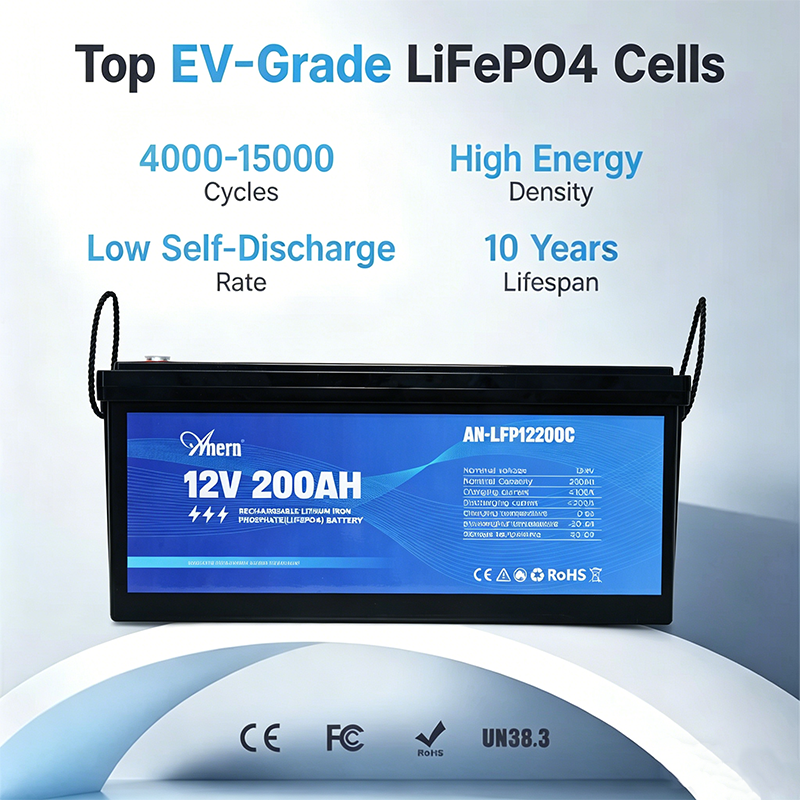
Based on your energy needs, select appropriately sized components. For batteries, lithium iron phosphate (LiFePO4) options offer high performance, safety, and reliability, making them a preferred choice for modern off-grid systems. When selecting solar panels, consider factors like wattage, efficiency, and durability for your environment . The cost of solar energy systems has dropped by over 80% since 2010, making high-efficiency panels more accessible .
Cost Estimation and Optimization
A good BOM tool helps you track costs for each item. Regularly update prices as market conditions change. For example, the NREL Solar Futures Study provides insights into projected solar deployment and cost benchmarks for PV and battery storage, which can inform your cost estimations . Optimizing your BOM involves balancing performance with budget, often by comparing different component options and seeking bulk discounts.
Achieving Energy Autonomy
Utilizing free off-grid BOM toolkits empowers you to take control of your energy future. These resources, from detailed spreadsheets to intuitive online calculators, demystify the complex process of designing a robust off-grid solar system. By carefully assessing your energy needs, selecting high-performance components like LiFePO4 batteries and efficient solar panels, and meticulously planning your Bill of Materials, you lay the groundwork for a reliable and sustainable power solution. The journey to energy independence becomes more manageable and cost-effective with the right tools at your disposal.
Frequently Asked Questions (FAQ)
What is the primary purpose of an off-grid BOM?
The primary purpose of an off-grid Bill of Materials (BOM) is to provide a comprehensive list of all components, materials, and associated costs required for an off-grid solar power system. It acts as a blueprint, ensuring accurate procurement, cost estimation, and efficient system design, ultimately preventing errors and saving money.
Are free BOM toolkits reliable for complex off-grid systems?
Free BOM toolkits can be reliable for many off-grid systems, especially for DIYers and smaller installations. Spreadsheet-based tools offer high customization for detailed planning, while online calculators provide quick, guided estimates. For very complex or large-scale systems, professional design software or expert consultation might offer more advanced features and guarantees.
How do I choose between a spreadsheet-based toolkit and an online calculator?
Choose a spreadsheet-based toolkit if you prefer high customization, need to include extensive Balance of System (BOS) details, and are comfortable with formulas. Opt for an online calculator for ease of use, quick estimates, and automated sizing based on basic inputs, particularly if you are new to off-grid system design.
What are the most critical components to include in an off-grid BOM?
The most critical components for an off-grid BOM include solar panels, a charge controller, a battery bank (such as LiFePO4 batteries for their efficiency and lifespan), an inverter, and essential Balance of System (BOS) items like wiring, fuses, and mounting hardware . These form the core of any functional off-grid system.
Can a BOM help reduce the cost of my off-grid system?
Yes, a detailed BOM helps reduce costs by minimizing errors, optimizing component selection, and improving procurement efficiency. It allows you to compare prices, identify potential bulk savings, and avoid purchasing unnecessary or incompatible parts, contributing to a more cost-effective project overall .
References
- International Renewable Energy Agency (IRENA)
- International Energy Agency (IEA) - Getting Wind and Solar onto the Grid
- International Energy Agency (IEA) - Next Generation Wind and Solar Power (Full Report)
- U.S. Energy Information Administration (EIA)
- U.S. Department of Energy (DOE) - Solar Energy Technologies Office
