












Reliable power is the backbone of modern communication. For telecom towers and remote base stations, especially those in off-grid locations, consistent energy access presents a significant challenge. As the world moves towards more sustainable energy solutions, understanding the latest trends in off-grid powering becomes crucial. This analysis draws upon data from leading energy authorities, the International Energy Agency (IEA) and the International Renewable Energy Agency (IRENA), to shed light on the evolving landscape of energy investment and its implications for telecom infrastructure.
The Evolving Landscape of Energy Investment
The global energy sector is undergoing a profound transformation. Investment patterns reveal a clear shift towards renewable sources, even as certain traditional energy sectors continue to see activity. This dynamic environment directly influences how off-grid telecom towers can be powered efficiently and sustainably.
Global Investment Shifts
In 2022, final investment decisions (FIDs) for natural gas-fired power plants saw a substantial increase, jumping by almost 40% to 65 gigawatts (GW). This rise occurred despite high natural gas prices, particularly after Russia's invasion of Ukraine. China, for instance, approved nearly double the gas-fired capacity compared to 2021, largely in its heavily populated southeastern coastal regions. Other regions with significant gas resources, such as the United States and the MENA region, also saw new gas FIDs.
Despite this, the broader trend indicates a slowing pipeline for new coal, hydropower, and nuclear projects, while gas-fired projects show acceleration.
Renewable Energy's Continued Momentum
Investment in utility-scale renewables remained robust in 2022, maintaining levels similar to 2021. Solar power projects, in particular, experienced significant growth in FIDs, reaching over USD 180 billion. This marks a 20% increase from 2021. Conversely, wind power saw a decline in approvals, with offshore wind projects experiencing a drop of more than 50%.
Regions like India and South Africa demonstrated substantial increases in renewable project decisions. India's push towards its 100 GW solar capacity target and innovative "round-the-clock tenders" (combining renewables with storage) drove this growth. South Africa's efforts to address its electricity crisis and diversify its energy mix also contributed.
These investment trends underscore the increasing viability and attractiveness of solar energy as a primary source for various applications, including remote telecom infrastructure.

The Critical Role of Battery Storage
The transformation towards a more flexible power grid, capable of responding to demand and price fluctuations, heavily relies on energy storage. Battery storage systems are emerging as a pivotal component in this transition, offering stability and reliability, especially for off-grid applications.
Explosive Growth in Battery Storage Investment
Expenditure on battery storage more than doubled in 2022, surpassing USD 20 billion. The United States, China, and Europe collectively accounted for 90% of this spending. This concentration reflects the technological complexities of the value chain and the need for supportive policies and market designs.
China's commitment to battery storage is evident through substantial investments, including the construction of large-scale battery storage peak-shaving power stations. Spending on battery storage in China tripled in 2022, reaching almost USD 8 billion, with projections to increase to USD 14 billion in 2023 due to favorable economics for utility-scale systems and strong policy support.
In Europe, battery projects are rapidly gaining ground, with investments reaching USD 5 billion in 2022. The United States saw its spending total USD 6 billion in 2022, a 50% increase from the previous year. This is expected to more than double to USD 13 billion in 2023, partly driven by the anticipated benefits of the Inflation Reduction Act.
Technological Advancements and Policy Support
While capital costs for batteries saw an increase in 2022 for the first time in a decade due to supply chain constraints and surging demand, a clear regional differentiation in costs persists. China continues to offer the lowest costs for utility-scale batteries, followed by Europe and the United States.
Policy initiatives play a significant role in accelerating battery storage adoption. For instance, the US Inflation Reduction Act, combined with the Bipartisan Infrastructure Law, offers an estimated USD 24 billion in federal investment for electric vehicles, batteries, and infrastructure. This act is estimated to reduce capital costs for battery storage by almost 15%, providing a substantial boost to US battery storage investment.
These developments signify that advanced battery technologies, such as lithium iron phosphate (LiFePO4) batteries, are becoming increasingly accessible and cost-effective, making them ideal for demanding applications like off-grid telecom towers.
Powering Off-Grid Telecom Infrastructure
Telecom towers often operate in remote areas, far from stable grid connections. This necessitates robust, reliable, and independent power solutions. The convergence of solar energy and advanced battery storage offers a compelling answer to these challenges.
Challenges of Remote Tower Powering
Operating telecom towers in off-grid environments presents unique hurdles. Traditional diesel generators are costly to fuel and maintain, contribute to air pollution, and are susceptible to fuel supply chain disruptions. Ensuring continuous power for critical communication services requires a solution that minimizes operational expenses while maximizing uptime and environmental responsibility.
Solar-Plus-Storage as a Solution
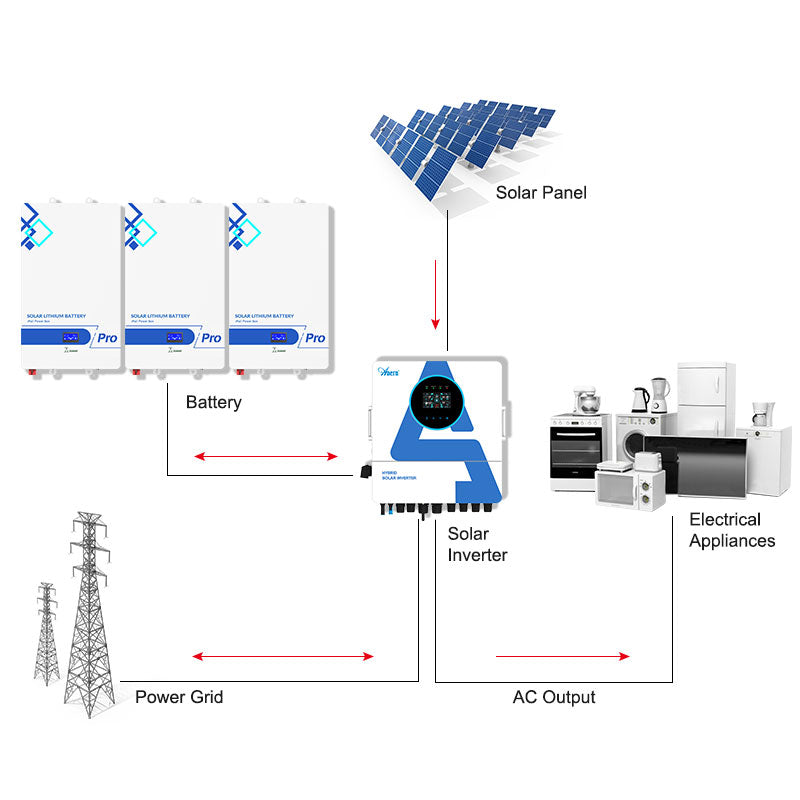
Integrated solar and battery storage systems provide a powerful alternative. By combining efficient solar panels that capture renewable energy with high-performance lithium batteries for energy storage, these systems offer a dependable and sustainable power supply. During daylight hours, solar panels generate electricity to power the tower and charge the battery bank. At night or during cloudy periods, the stored energy in the batteries ensures uninterrupted operation.
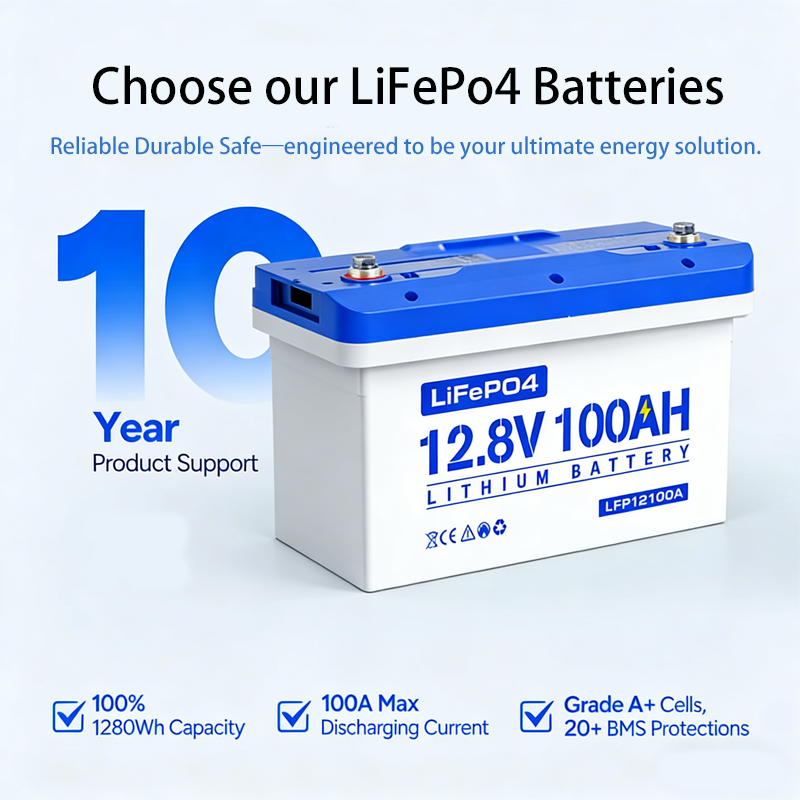
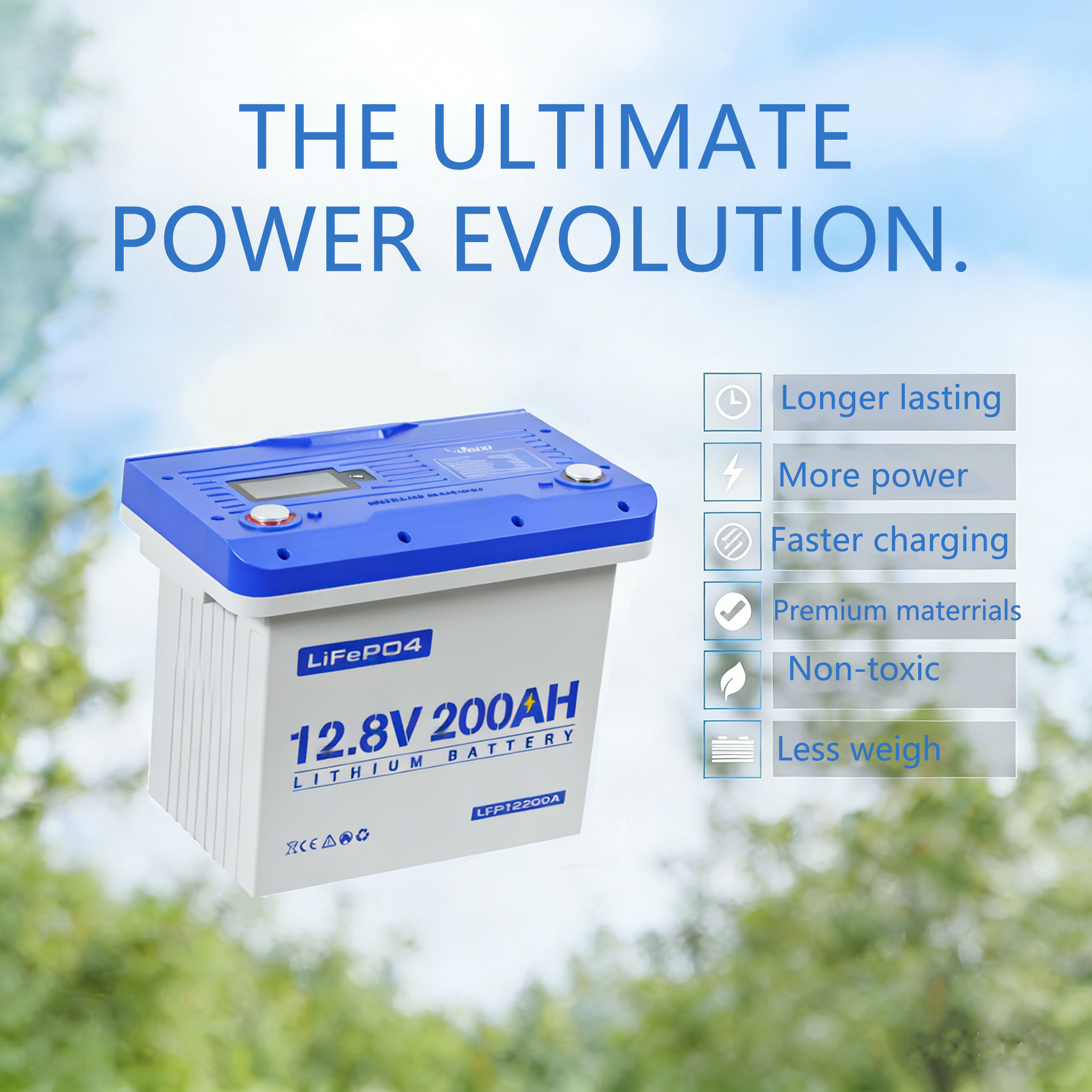
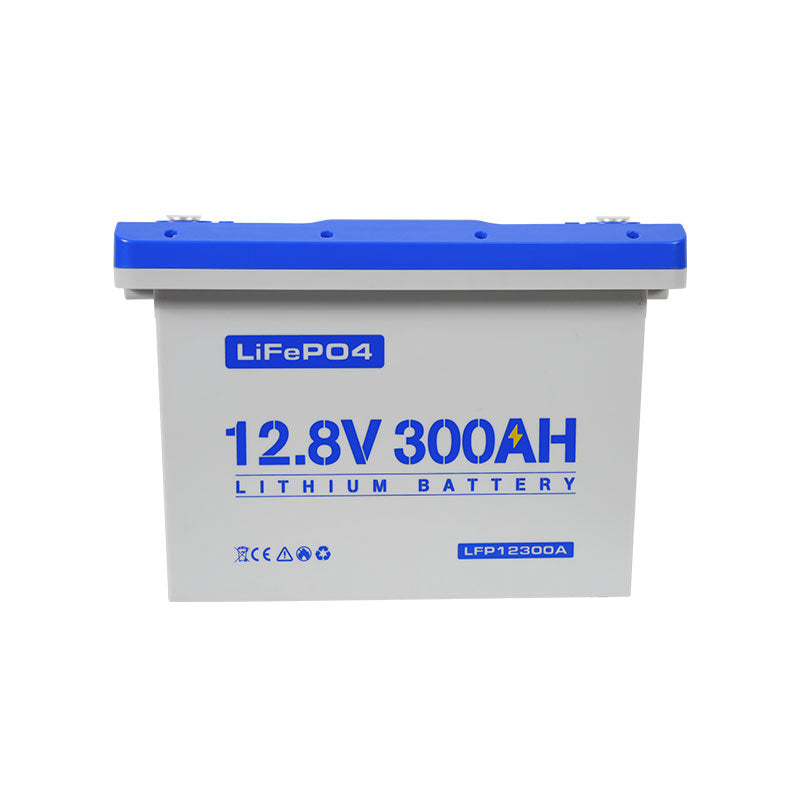
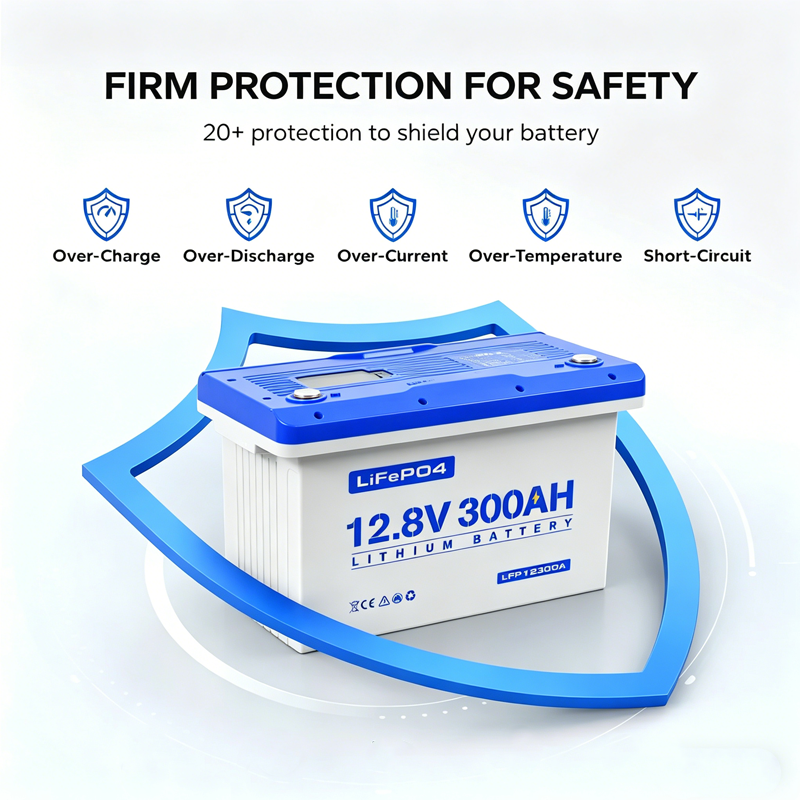
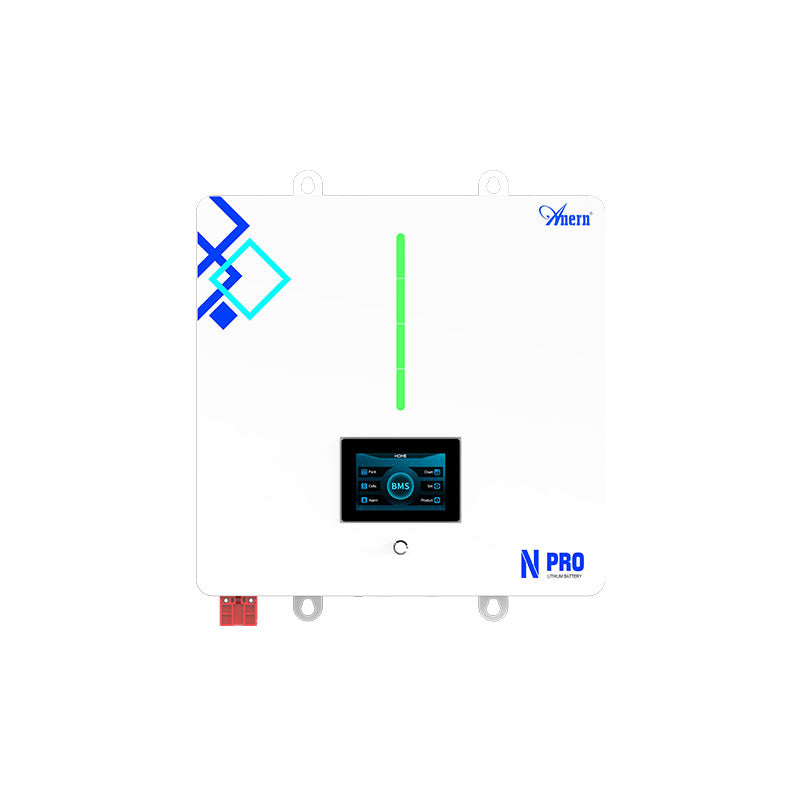
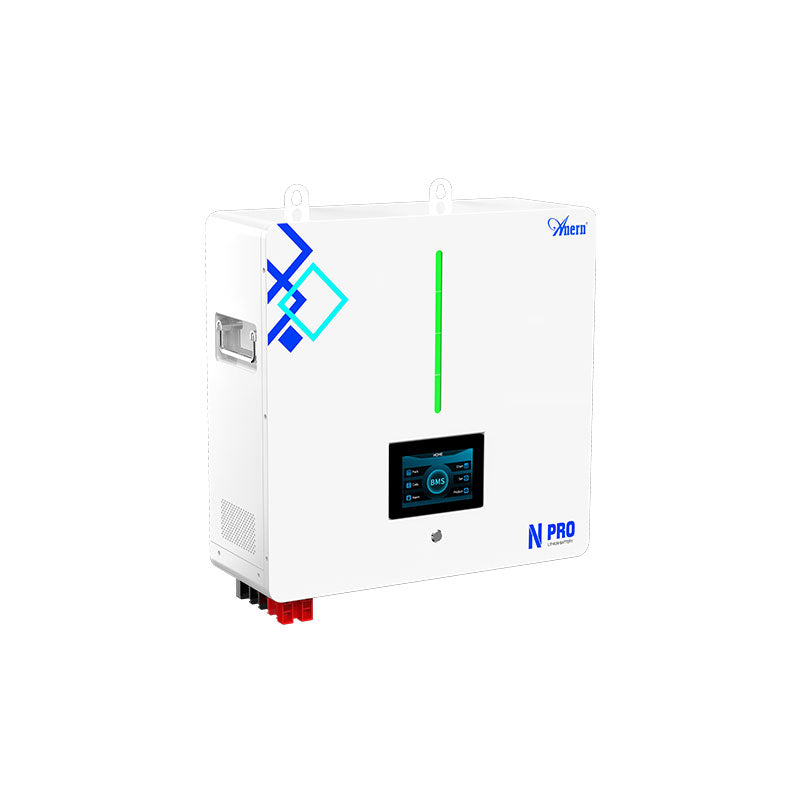
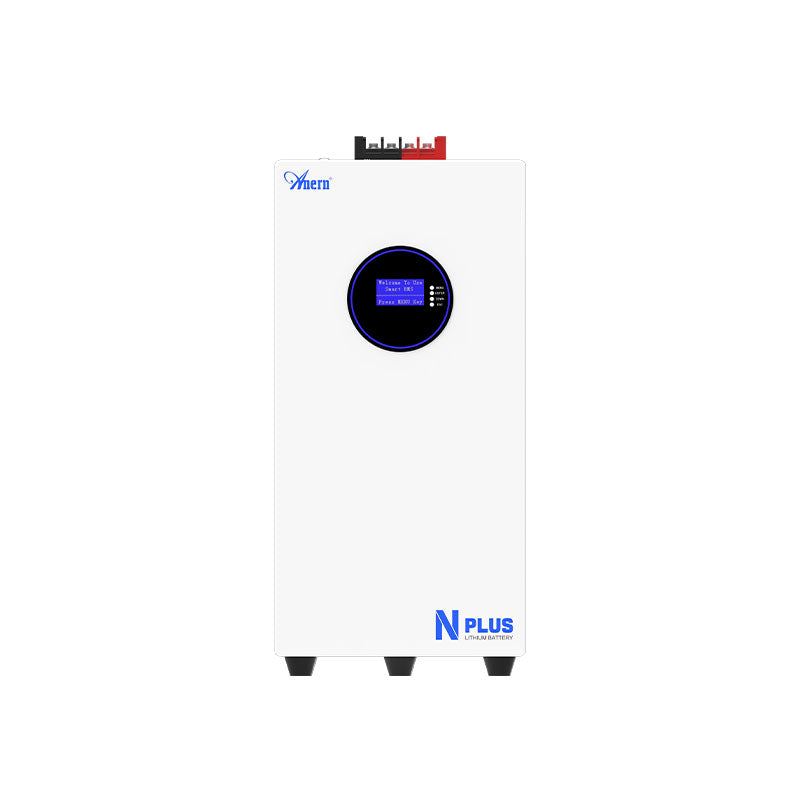
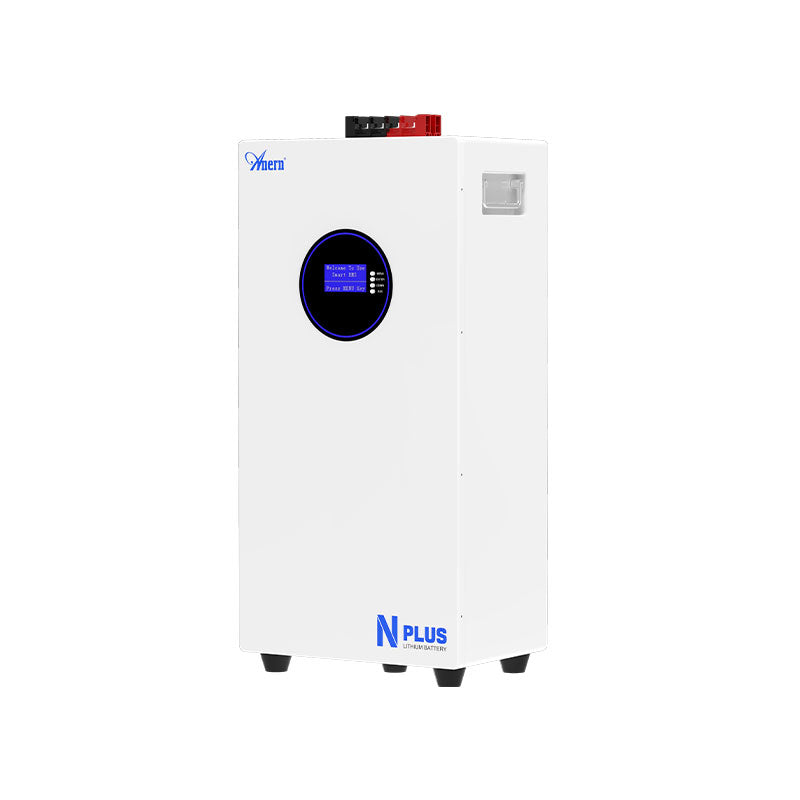
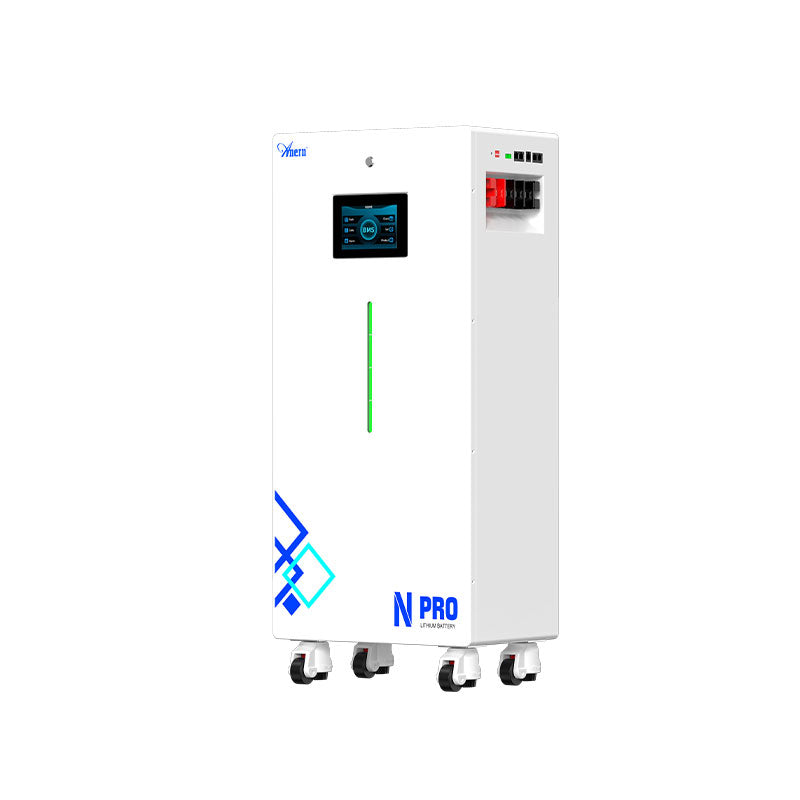
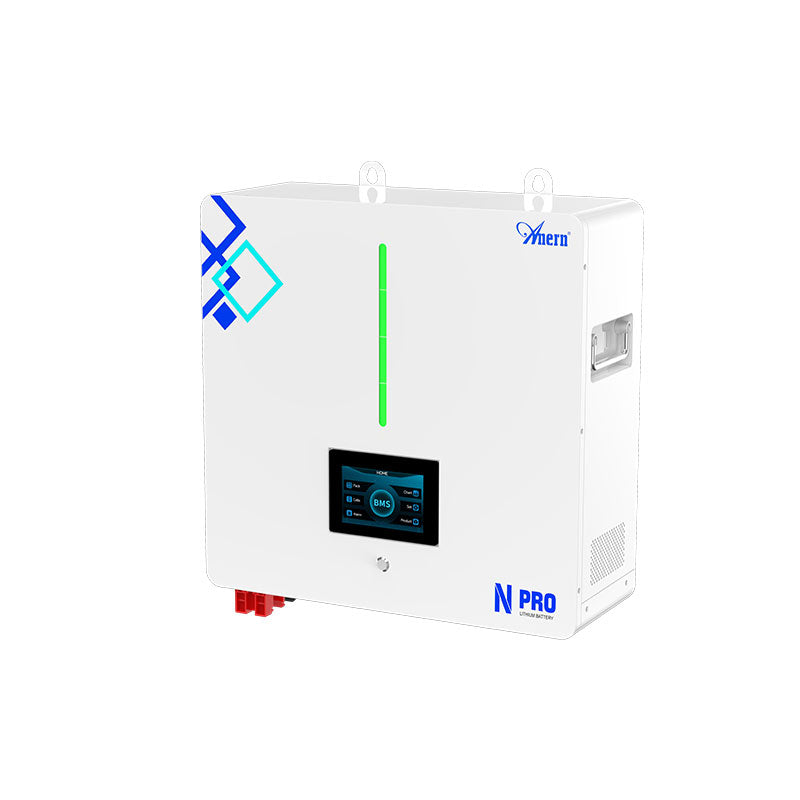
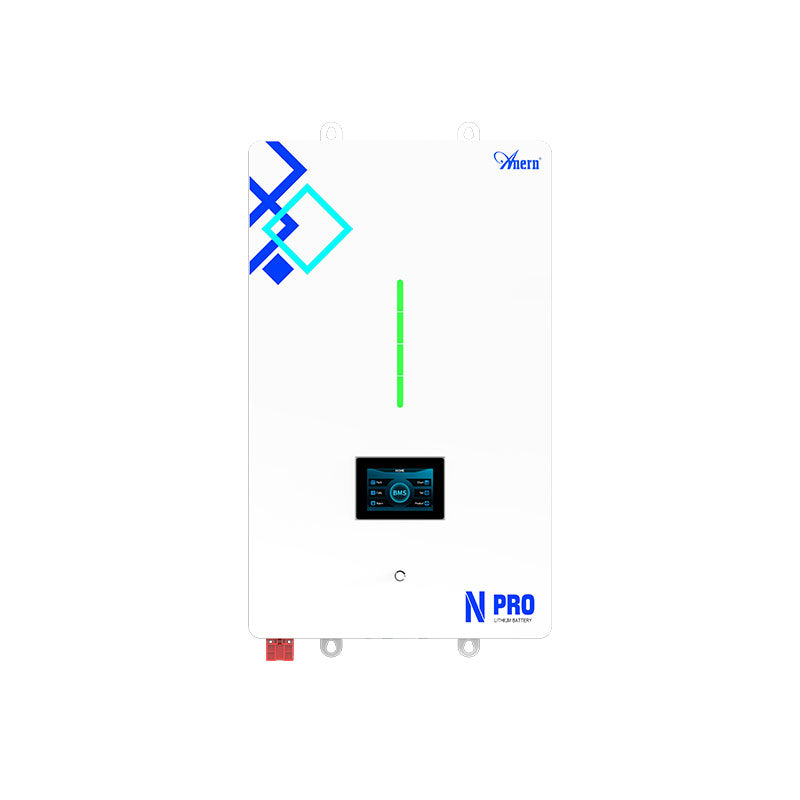
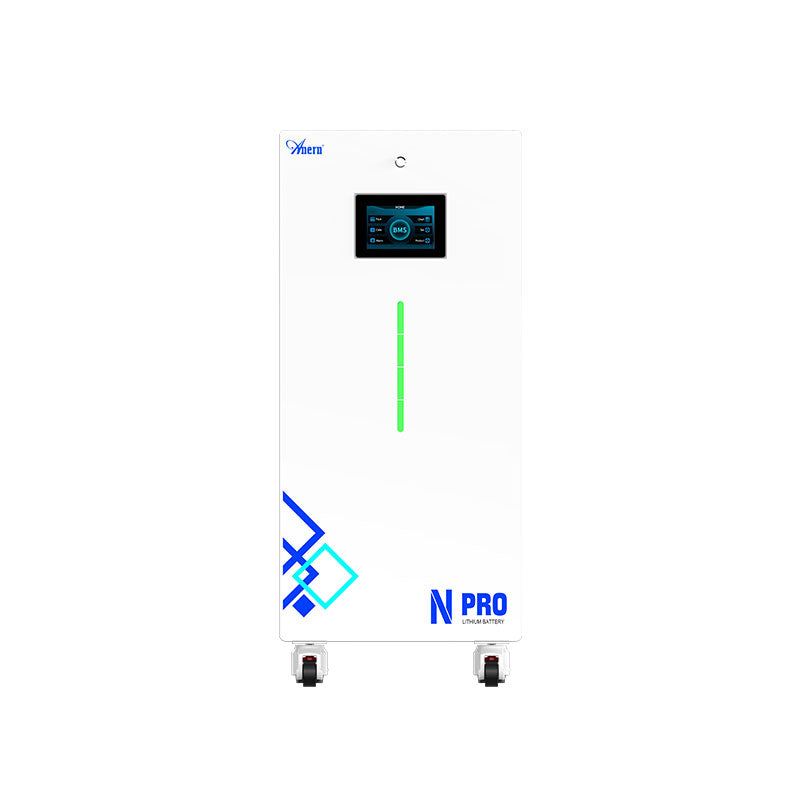
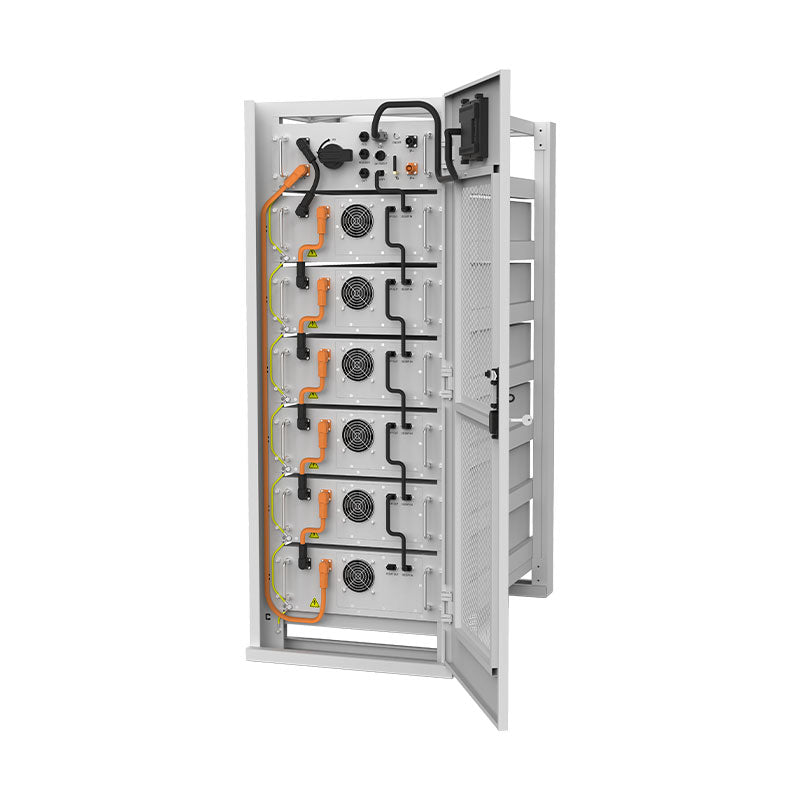
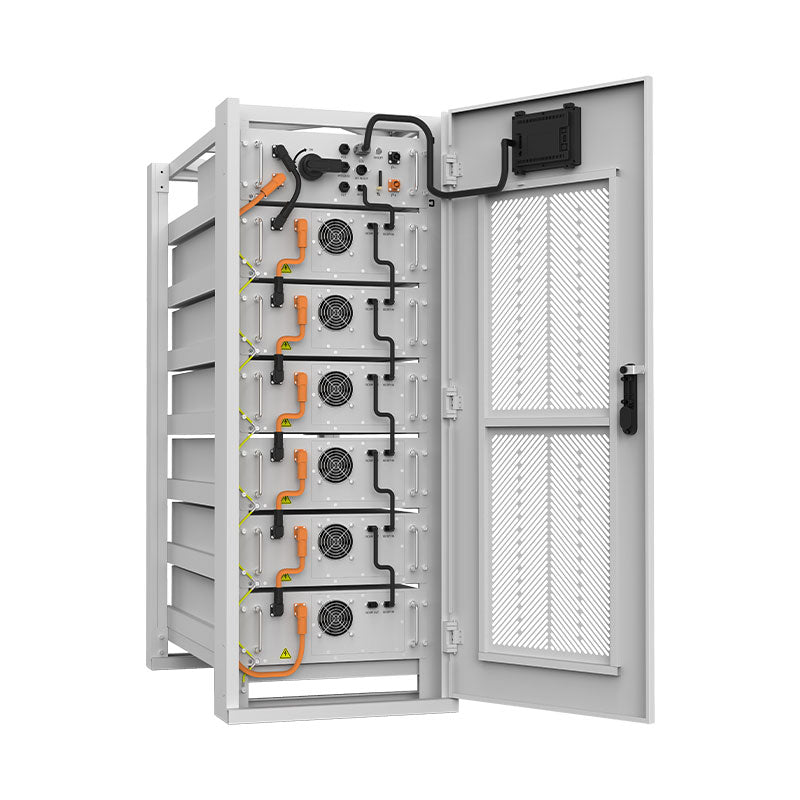
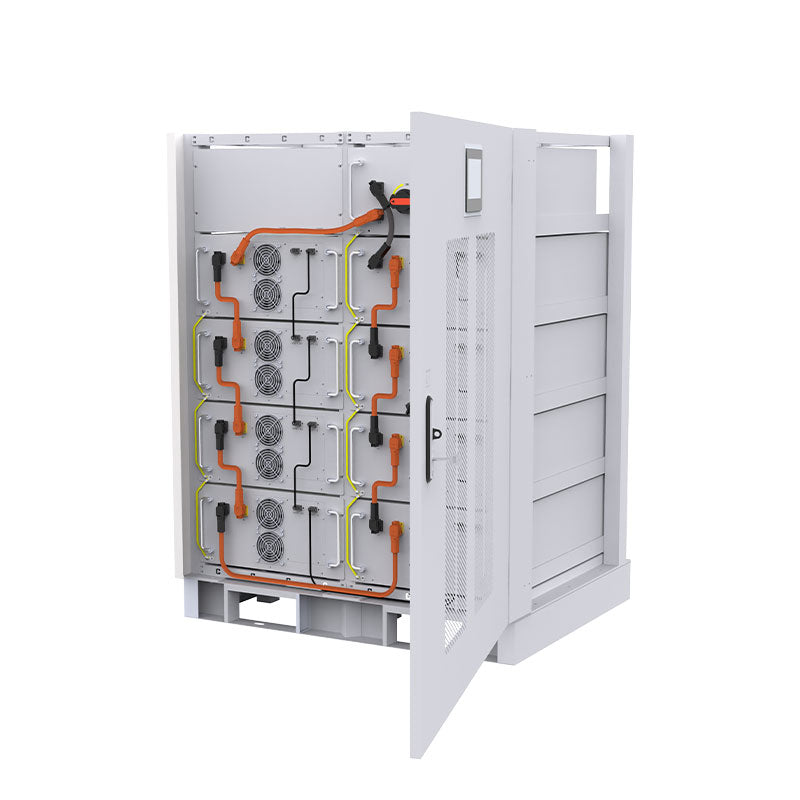
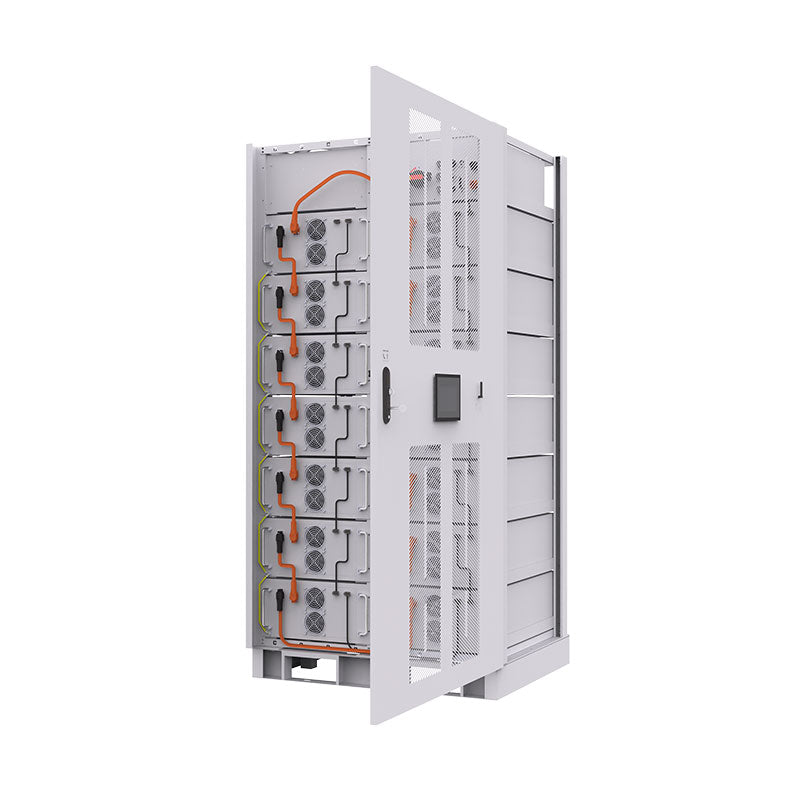
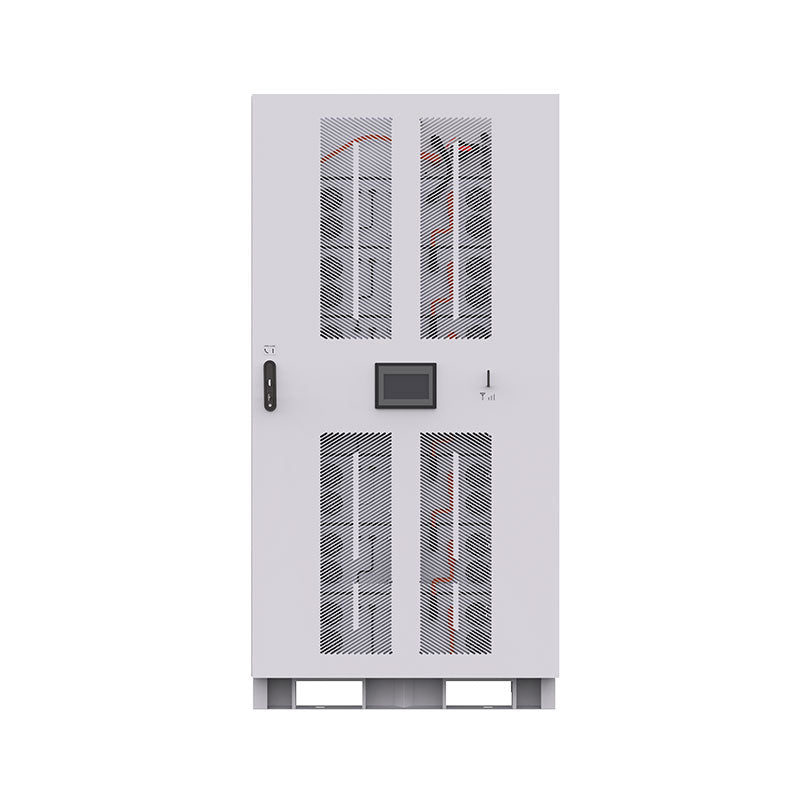
For example, our integrated solutions combine robust lithium iron phosphate (LiFePO4) batteries known for their high performance, safety, and reliability, with hybrid inverters and solar panels. These systems are specifically designed for applications like homes, farms, and cabins, and are readily adaptable to the demanding requirements of remote telecom base stations. They offer a complete, scalable energy solution, helping operators achieve energy independence and reduce their reliance on conventional power sources.
Economic and Environmental Advantages
Adopting off-grid solar and storage solutions for telecom towers brings significant economic benefits and contributes positively to environmental sustainability.
Cost Efficiency and Operational Savings
Transitioning from diesel generators to solar-plus-storage systems can lead to substantial long-term cost savings. Fuel expenses, which are subject to volatile market prices and logistics challenges in remote areas, are drastically reduced or eliminated. Maintenance costs associated with generators are also lower, as solar panels and battery systems require less frequent servicing. The initial investment in renewable energy infrastructure is offset over time by these operational savings, offering a compelling return on investment.
Consider the data on grid investment: while advanced economies and China lead in grid investment, many emerging market and developing economies (EMDEs) outside China still struggle to mobilize capital for infrastructure development. Grid investment in EMDEs (excluding China) averaged around a third lower in 2019-2022 compared to 2015-2018. This highlights the strategic advantage of self-sufficient off-grid solutions for regions with underdeveloped or unreliable grid infrastructure.
Environmental Impact and Sustainability
Beyond economic advantages, off-grid solar solutions significantly reduce the carbon footprint of telecom operations. By replacing fossil fuels with clean solar energy, telecom providers can contribute to reducing greenhouse gas emissions and combating climate change. This aligns with global sustainability goals and enhances corporate social responsibility. A shift towards these solutions demonstrates a commitment to greener operations, which can resonate positively with customers and stakeholders.
| Feature | Diesel Generator | Solar-Plus-Battery Storage |
|---|---|---|
| Fuel Source | Diesel | Sunlight |
| Operational Cost | High (fuel, maintenance) | Low (minimal fuel, lower maintenance) |
| Environmental Impact | High emissions, noise pollution | Zero emissions, silent operation |
| Reliability (Fuel Dependent) | Susceptible to fuel supply issues | High (energy stored in batteries) |
| Lifespan | Shorter (engine wear) | Longer (solar panels 25+ years, LiFePO4 batteries 10+ years) |
The Path Forward for Telecom Energy
The energy landscape is clearly trending towards greater reliance on renewables and robust storage solutions. For telecom towers and remote base stations, this shift offers a clear path to more reliable, cost-effective, and environmentally responsible operations. Leveraging advanced lithium battery technology, integrated energy storage systems, and comprehensive off-grid solar solutions allows telecom operators to overcome power challenges, achieve energy independence, and contribute to a sustainable future. The data from IEA and IRENA reinforces that investing in these technologies is not just an environmental choice, but a strategic business imperative.
Sources:
