










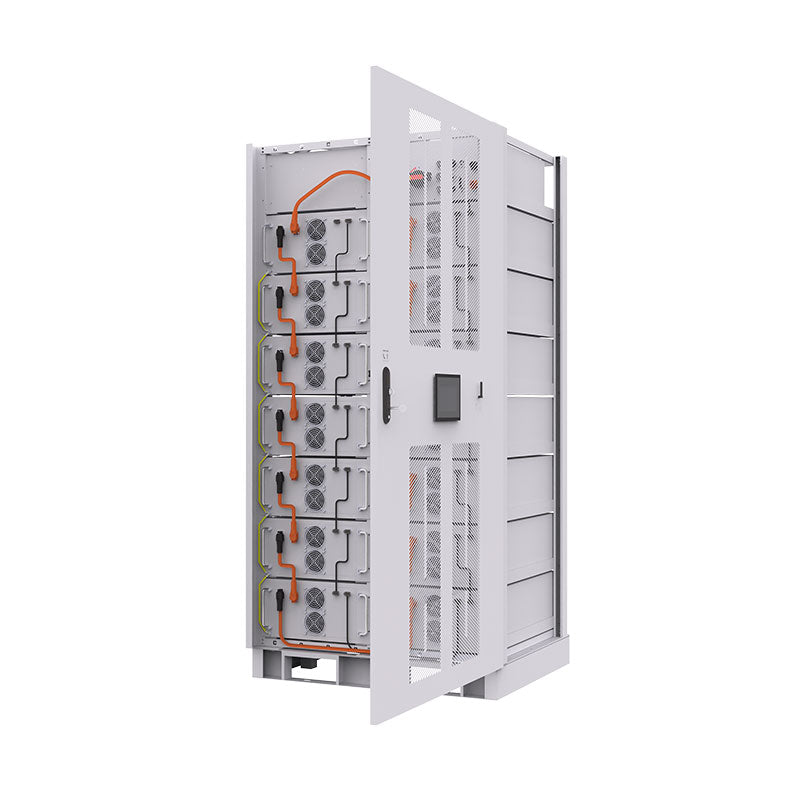
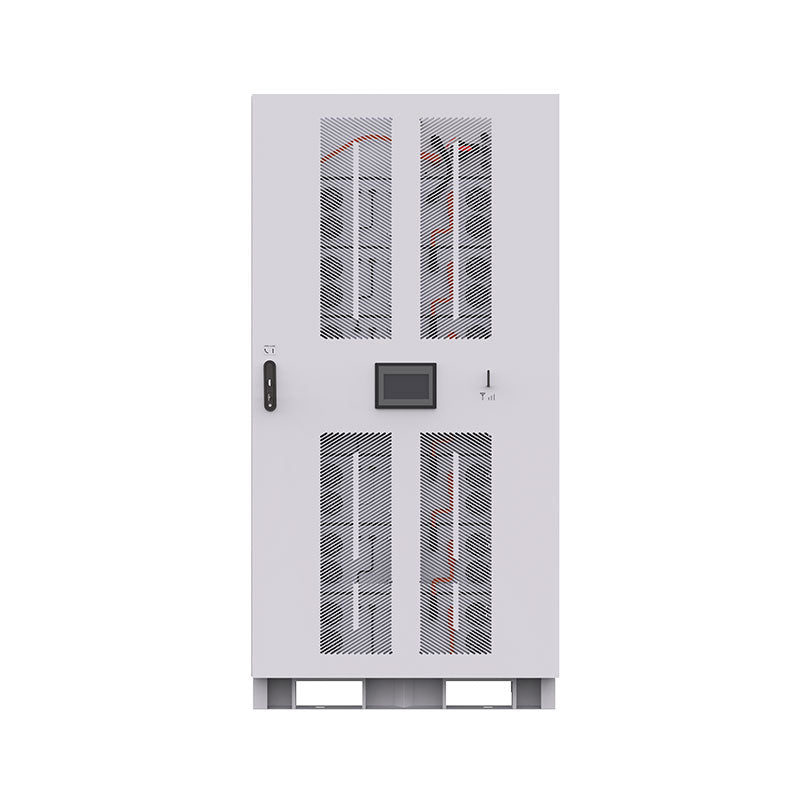


The global energy landscape is transforming rapidly. Renewable energy sources, particularly solar and wind, are becoming central to this shift. However, their intermittent nature presents challenges for consistent power supply. This is where hybrid battery systems emerge as a vital solution. These systems combine renewable generation with energy storage, offering enhanced reliability and improved grid integration. We will examine insights from the International Energy Agency (IEA) and the International Renewable Energy Agency (IRENA) to understand the distinct roles and design considerations for off-grid and grid-tied hybrid configurations.

Understanding Hybrid Power Systems: A Foundation
Hybrid power systems represent a critical advancement in energy management. They integrate various generation technologies, often including renewables, with energy storage to create more flexible and resilient energy infrastructures. This integration helps align electricity supply with demand more effectively, addressing issues like intermittency and oversupply during peak generation periods.
Defining Hybrid Systems and Power Plants
The term “hybrid system” generally refers to configurations that combine renewable generation, such as solar PV or wind, with battery storage. Their purpose is to improve dispatchability, reliability, or grid alignment. International efforts, notably under the IEA Wind Task 50, are working towards a standardized taxonomy for these systems. In a broader framework, hybrid power plants are defined as co-located and/or integrated generation and storage resources connected at a single grid interconnection point.
The Role of Battery Storage in Hybrids
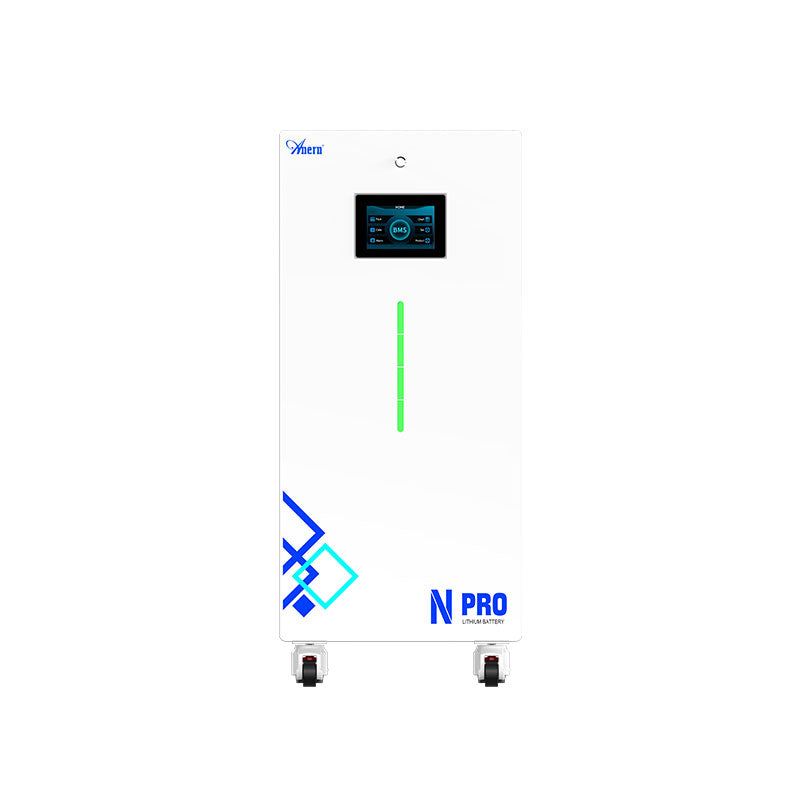
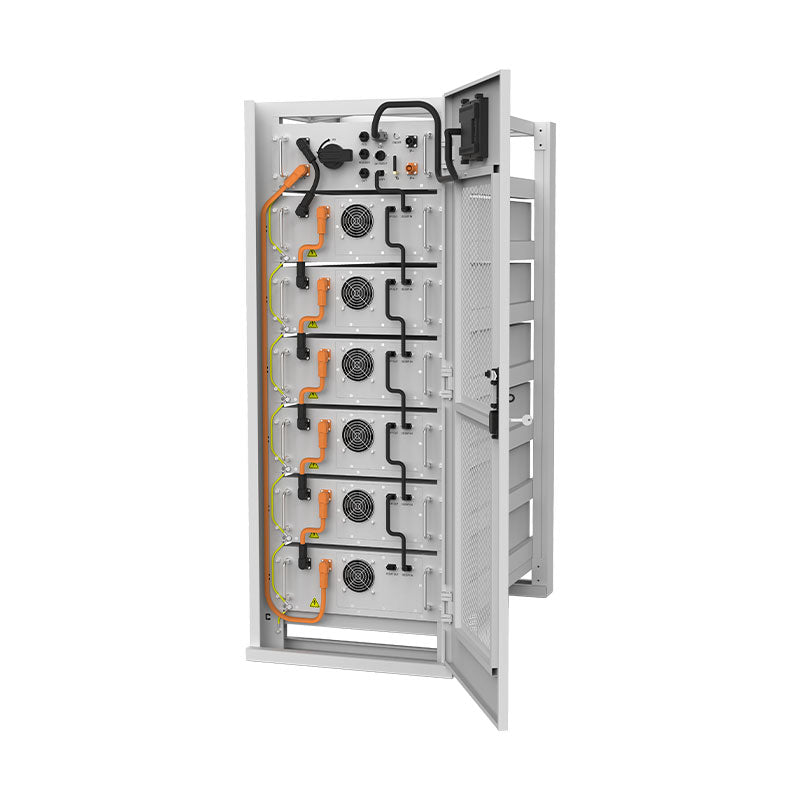
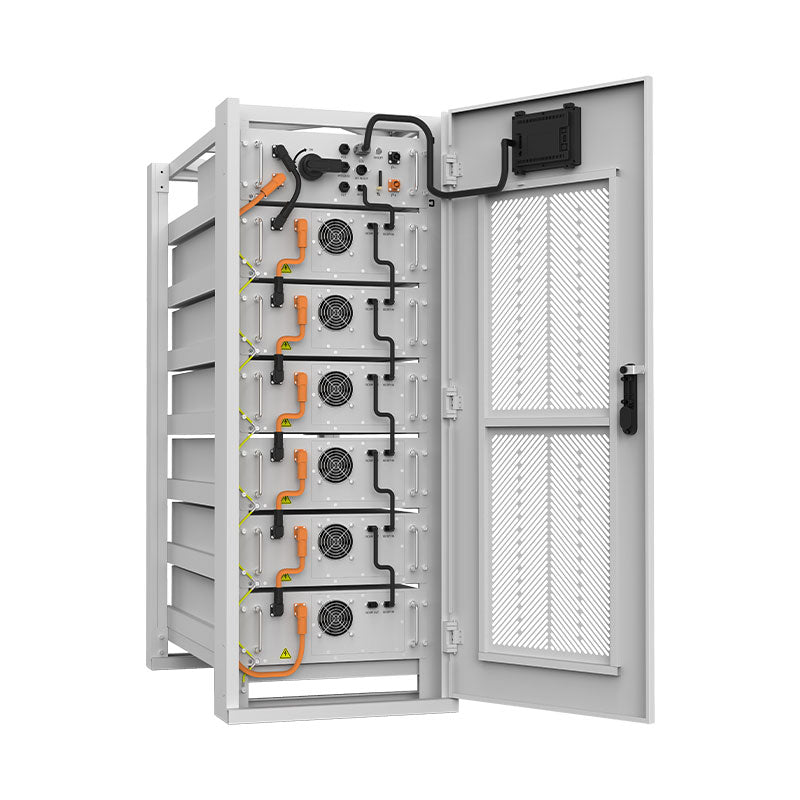
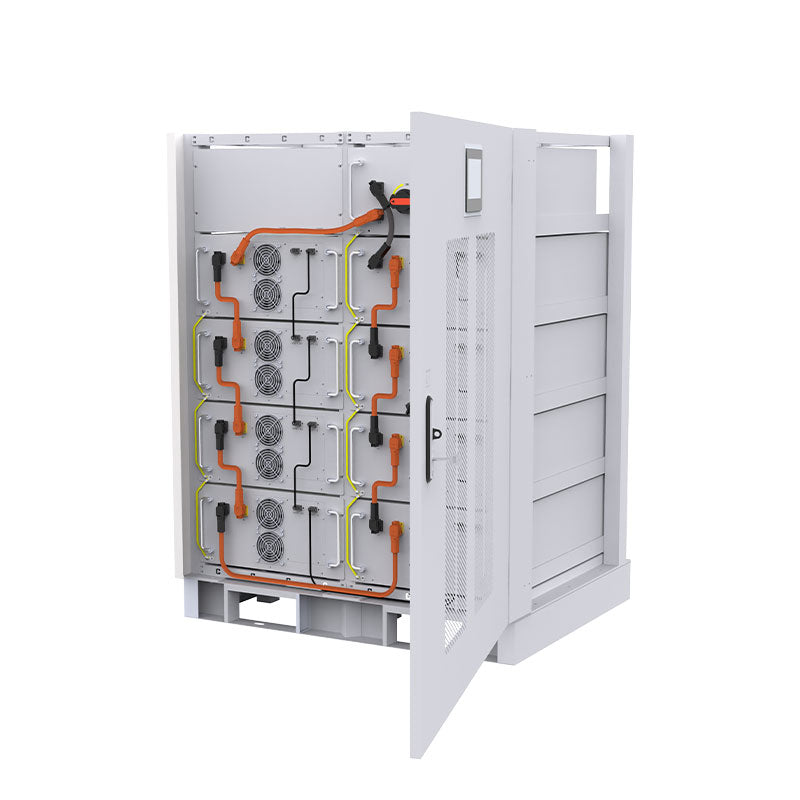
Battery storage is a central component of hybrid systems. It provides the operational flexibility necessary for grid stability and the efficient integration of renewable energy sources. The greater the battery storage capacity relative to generation, the more significant the improvement in system performance. However, this benefit comes with an investment cost, which must be weighed against the increased revenue or reliability that storage provides.
Significant progress has been made in battery technology. From 2010 to 2024, the total installed cost of utility-scale battery energy storage systems (BESS) plummeted by 93%, falling from USD 2,571/kWh to USD 192/kWh. This drastic reduction is due to manufacturing scale-up, improved materials efficiency, and optimized production processes.
Off-Grid Hybrid Systems: Energy Independence
For remote areas, farms, or homes beyond the reach of the main grid, off-grid hybrid solar solutions offer a path to complete energy independence. These systems typically combine solar panels with advanced lithium batteries and inverters to create self-sufficient power supplies.
Proven Technology for Remote Areas
Off-grid hybrid systems, particularly those incorporating battery storage, have a proven track record. For over a decade, this technology has reliably operated in some of the most remote and environmentally demanding conditions. Grid-forming inverter technologies, often linked to battery systems, enable power systems to operate without conventional generation, providing all necessary services. While this remains a research area for large continental grids, it is a proven technology at the mini-grid level.
Reducing Fossil Fuel Reliance
Implementing more storage capacity in mini-grids drastically reduces fossil fuel consumption and increases the share of variable renewable energy (VRE). This supports the transition from 100% diesel to 100% renewable electricity generation in off-grid areas. Off-the-shelf technologies are available today at competitive costs, making this transition practical and economical.
Consider a remote agricultural community that previously relied entirely on diesel generators. By installing an off-grid solar-plus-lithium battery system, the community can significantly cut fuel costs and reduce carbon emissions. The batteries store excess solar energy generated during the day, providing power throughout the night and during cloudy periods, ensuring consistent energy access.
Grid-Tied Hybrid Systems: Enhancing Grid Stability
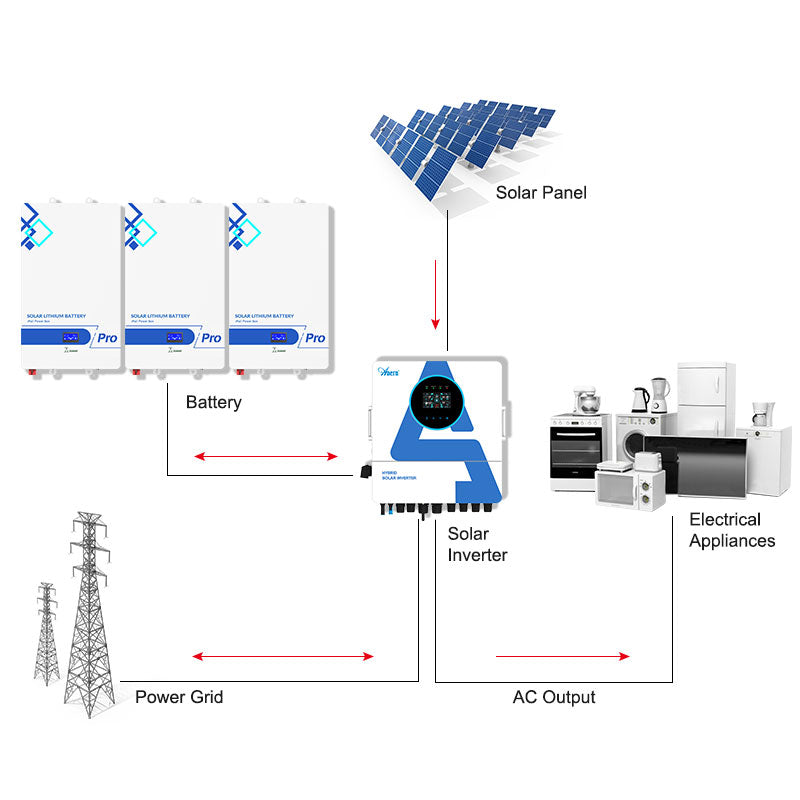
Grid-tied hybrid systems connect to the existing electrical grid while integrating renewable generation and battery storage. These systems offer benefits not only to the individual user but also to the broader grid infrastructure, enhancing reliability and supporting the energy transition.
Integrating Variable Renewables
The integration of variable renewables like solar and wind into national grids presents challenges due to their intermittent nature. Hybrid power plants, by combining different renewable generation technologies and/or integrating storage, create flexible configurations that enhance energy reliability and system performance. They help mitigate issues like intermittency and oversupply, maximizing the use of available energy while alleviating constraints from limited grid connection points.
Establishing appropriate grid connection codes is imperative for the reliable integration of VRE. Failure to do so can undermine the reliability of the power system. Furthermore, familiarizing system operators with VRE technologies can reduce the tendency to unnecessarily curtail renewable output.
Cost Reductions and Market Dynamics
The significant cost reductions in battery storage have made grid-tied hybrid systems increasingly attractive. The 93% drop in BESS costs since 2010 highlights a trend that makes these solutions more economically viable for grid support.
The global supply chain for batteries also plays a crucial role. China currently dominates battery supply, producing over 75% of global batteries at costs 20–30% lower than in European and North American markets. This is driven by scale and vertical integration.
Here's a comparison of key aspects:
| Feature | Off-Grid Hybrid System | Grid-Tied Hybrid System |
|---|---|---|
| Primary Goal | Energy independence, self-sufficiency | Grid support, reliability, cost savings, VRE integration |
| Grid Connection | None (islanded operation) | Connected to the utility grid |
| Backup Power | Provided by battery storage and generator (if present) | Provided by battery storage and/or grid |
| Key Benefit | Access to electricity in remote areas, fossil fuel reduction | Enhanced grid stability, reduced peak demand, renewable energy integration |
| Typical Use Case | Remote homes, cabins, farms, mini-grids | Residential, commercial, industrial with grid access |
The Future Landscape: Data-Driven Insights
The energy transition is accelerating, with battery storage, hybrid systems, and digitalization acting as critical enablers. Battery deployment must expand significantly to support a renewables-based power system, providing the majority of short-duration flexibility needs.
Digitalization and Grid Readiness
The advent of AI-enabled digital tools is improving asset performance and grid responsiveness. These tools optimize the operation of hybrid systems, making them more efficient and reliable. However, digitalization and grid-readiness gaps remain acute in many emerging markets.
As the solar and storage industry evolves, the integration of smart technologies will become even more crucial. These technologies allow for predictive maintenance, optimized energy dispatch, and seamless interaction with the grid, maximizing the value of your energy investment.
Global Trends and Supply Chains
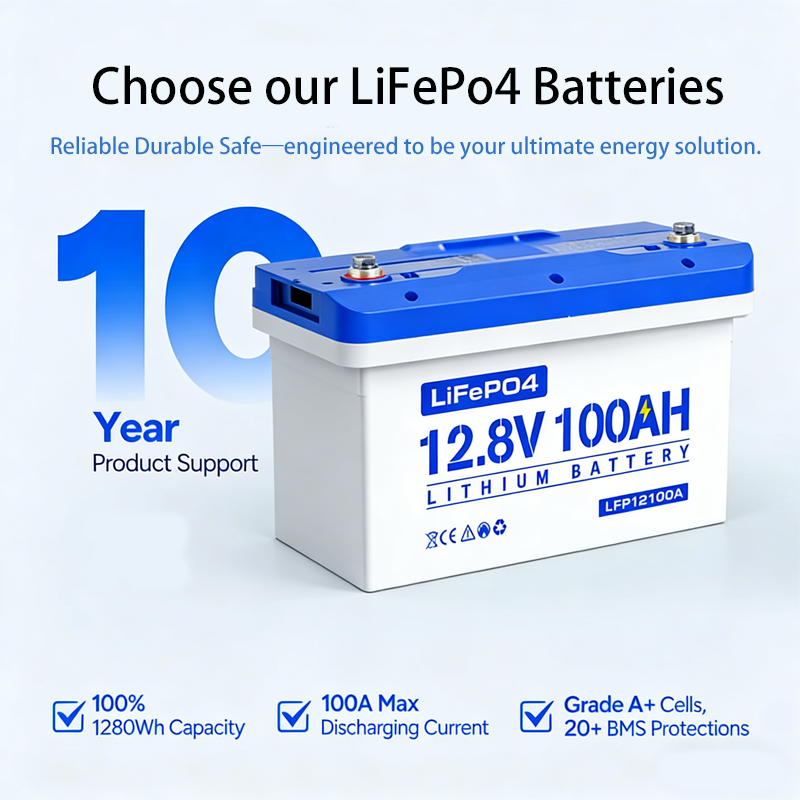
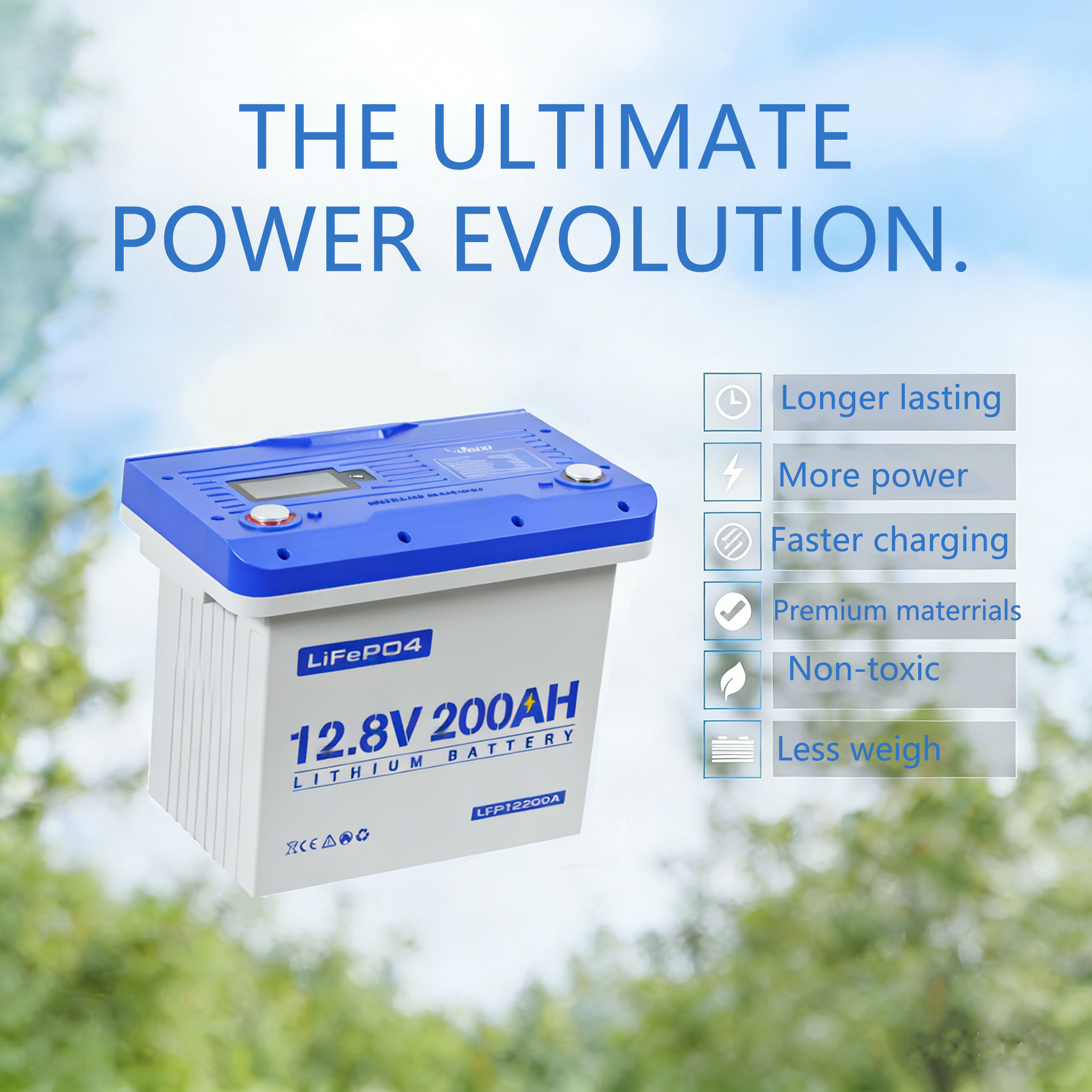
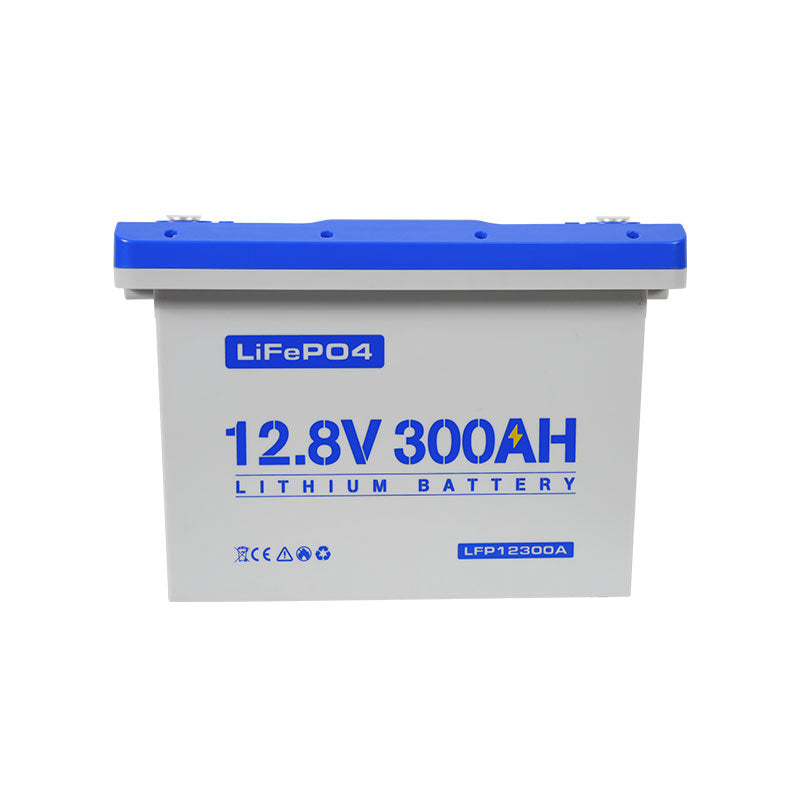
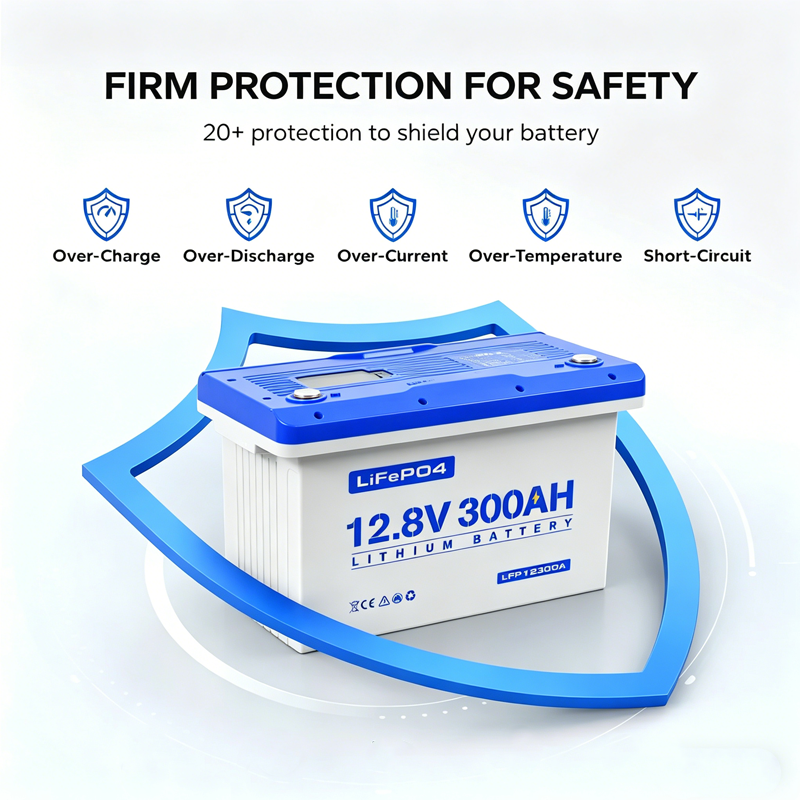
The global push for renewable energy is driving unprecedented demand for battery storage. Understanding the dynamics of the global supply chain, including manufacturing hubs and cost efficiencies, is vital for future planning and deployment. The continued decline in battery costs, coupled with advancements in lithium iron phosphate (LiFePO4) battery technology, makes reliable and scalable energy solutions more accessible than ever.
Empowering Your Energy Future
Both off-grid and grid-tied hybrid battery systems play indispensable roles in the global energy transition. Whether your goal is complete energy independence for a remote location or enhancing the stability and sustainability of a grid-connected property, these systems offer robust and effective solutions. The data from IEA and IRENA clearly indicates that battery storage is not just an add-on but a fundamental component of a resilient and renewable energy future. By carefully considering your specific needs and leveraging advanced energy storage technologies, you can achieve true energy independence and contribute to a cleaner, more reliable power system.
Frequently Asked Questions
What is the primary difference between off-grid and grid-tied hybrid systems?
Off-grid hybrid systems operate independently of the main utility grid, providing complete energy self-sufficiency for remote locations. Grid-tied hybrid systems, conversely, are connected to the utility grid, allowing for energy exchange while also providing backup power and supporting grid stability.
Why are battery costs decreasing so rapidly?
Battery costs have seen a dramatic decrease due to several factors, including manufacturing scale-up, improved materials efficiency, and optimized production processes. For instance, utility-scale battery energy storage system costs fell by 93% from 2010 to 2024.
Can hybrid systems completely eliminate the need for fossil fuels in off-grid areas?
Yes, implementing more storage capacity in mini-grids can drastically reduce, and in many cases eliminate, the reliance on fossil fuels. This enables a transition from 100% diesel generation to 100% renewable electricity in off-grid areas using readily available technologies.
What role does digitalization play in hybrid energy systems?
Digitalization, particularly through AI-enabled tools, improves the performance and responsiveness of hybrid energy systems. These tools optimize energy dispatch, enhance grid interaction, and enable predictive maintenance, making systems more efficient and reliable.
Are there specific battery technologies recommended for hybrid systems?
Lithium Iron Phosphate (LiFePO4) batteries are highly recommended for hybrid systems due to their high performance, safety, and reliability. They offer a long cycle life and stable operation, making them an excellent choice for both off-grid and grid-tied applications.
Disclaimer: This article provides general information and is not intended as a substitute for professional advice. For specific energy system design or investment decisions, consult with qualified experts.
