








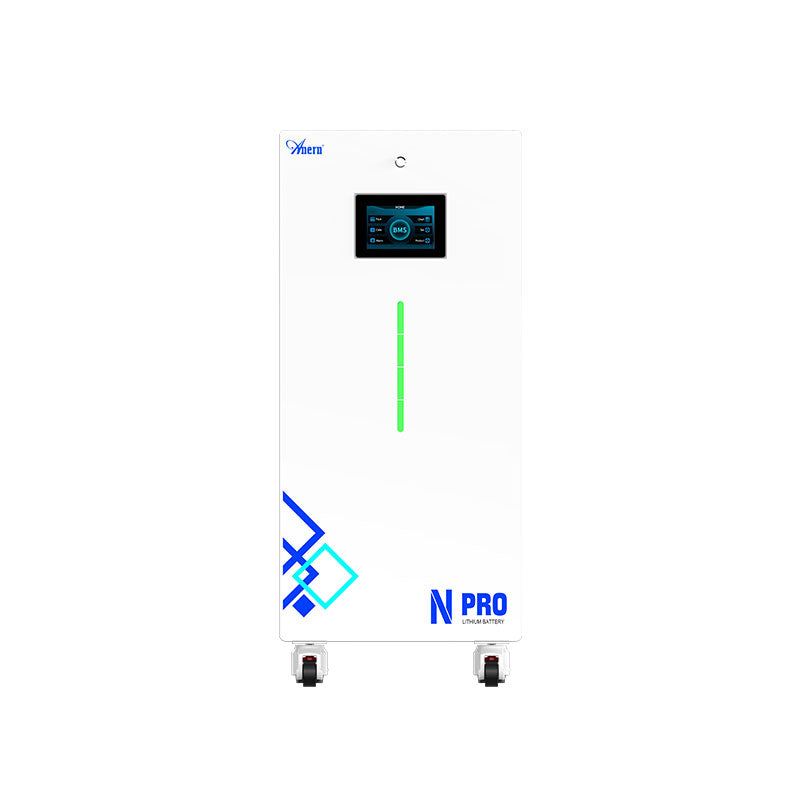

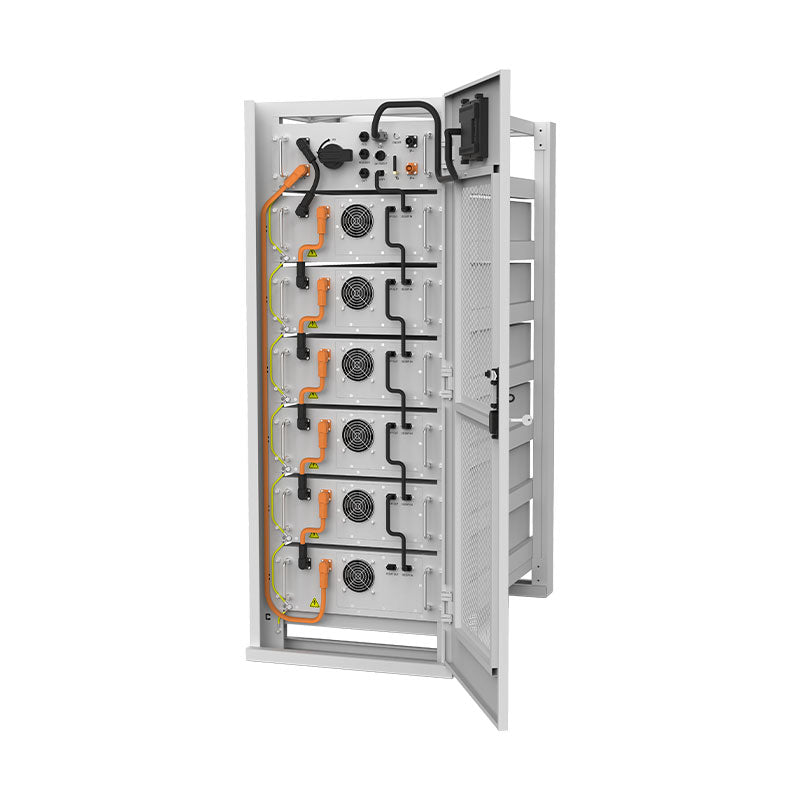
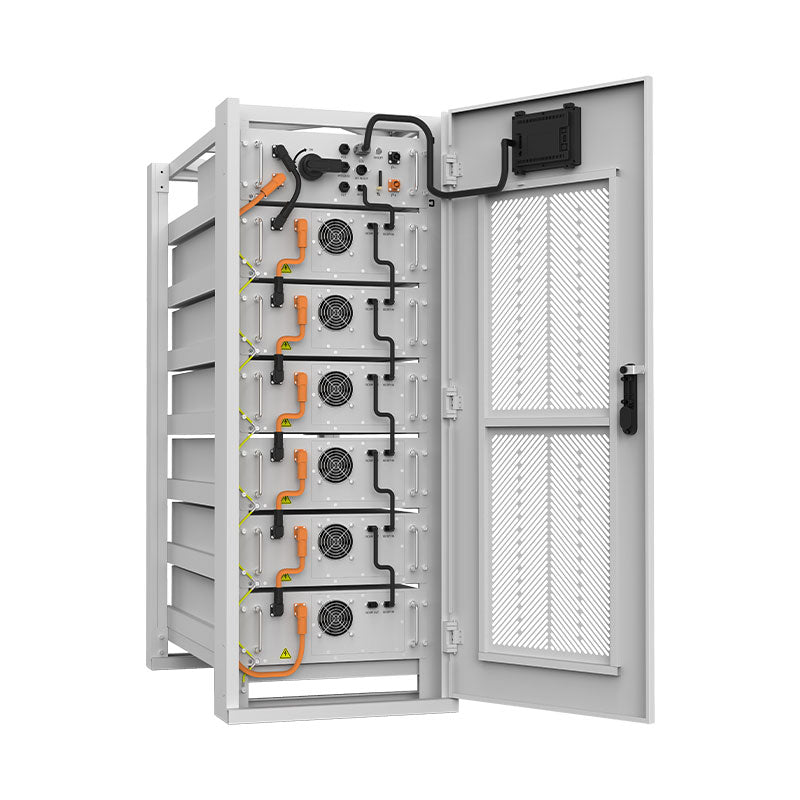
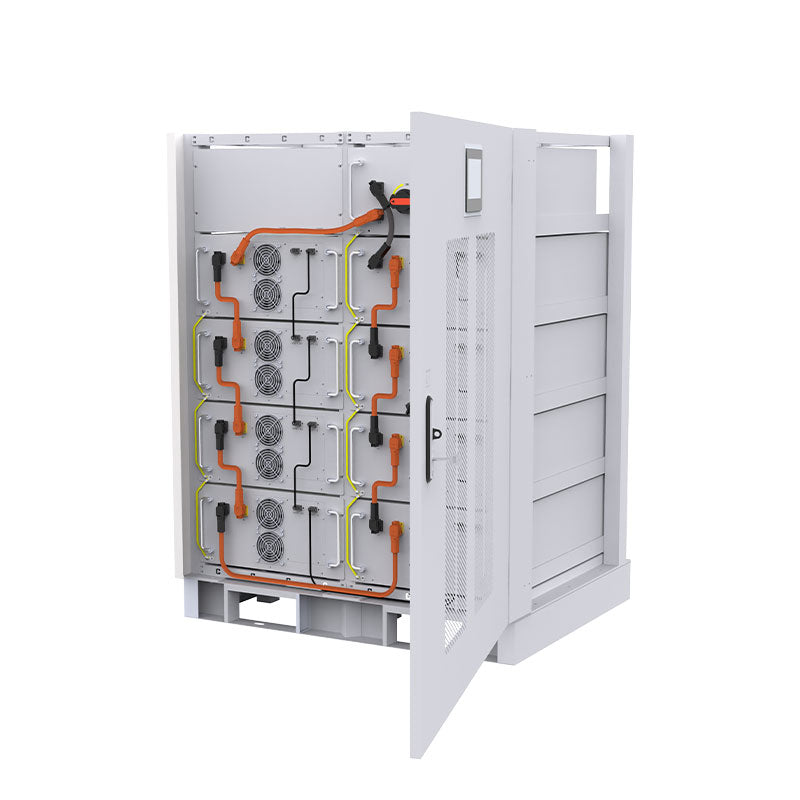

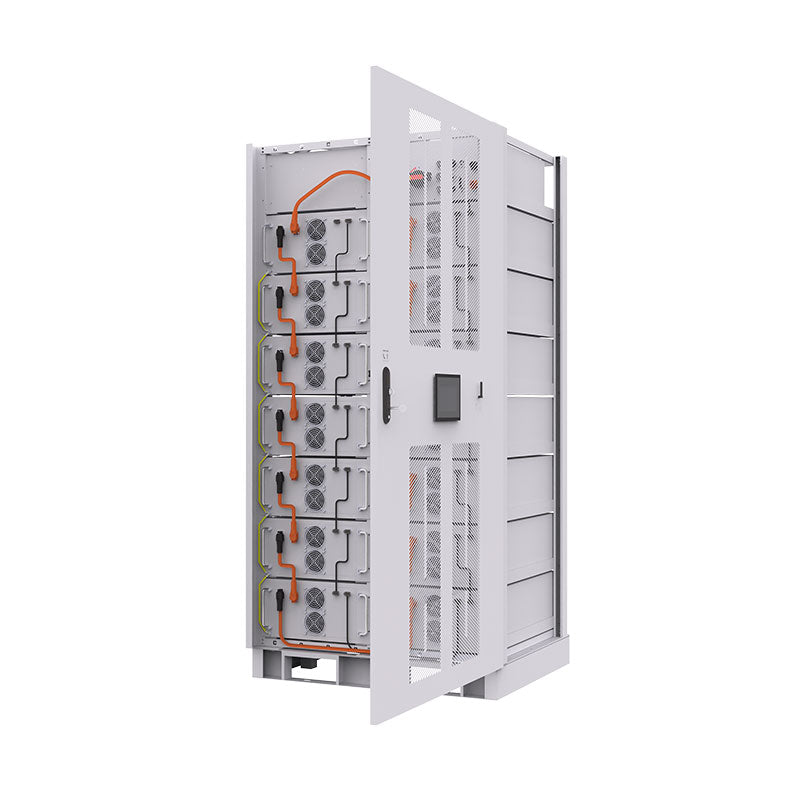
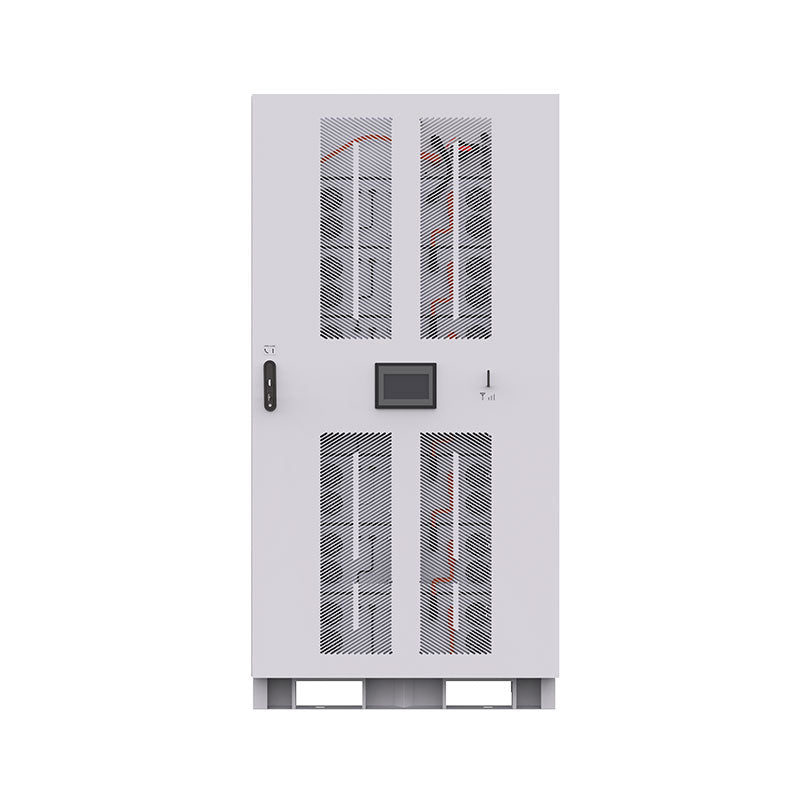


Choosing an energy storage system (ESS) involves understanding your specific needs. Whether you seek complete energy independence for a remote cabin or enhanced resilience and cost savings for a grid-connected home, the underlying technology, particularly LiFePO4 batteries, offers robust solutions. This case study directly compares the design, implementation, and operational realities of a LiFePO4 ESS in an off-grid cabin versus a grid-tied home. You will gain practical insights into how these systems function in distinct environments and what factors drive their success.
Understanding LiFePO4 in Energy Storage Systems
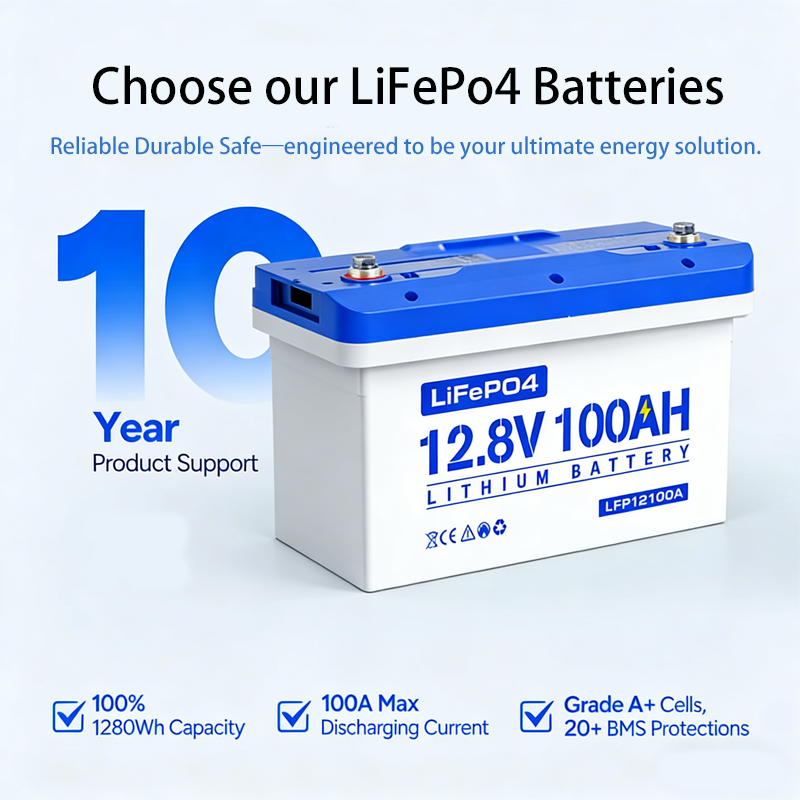
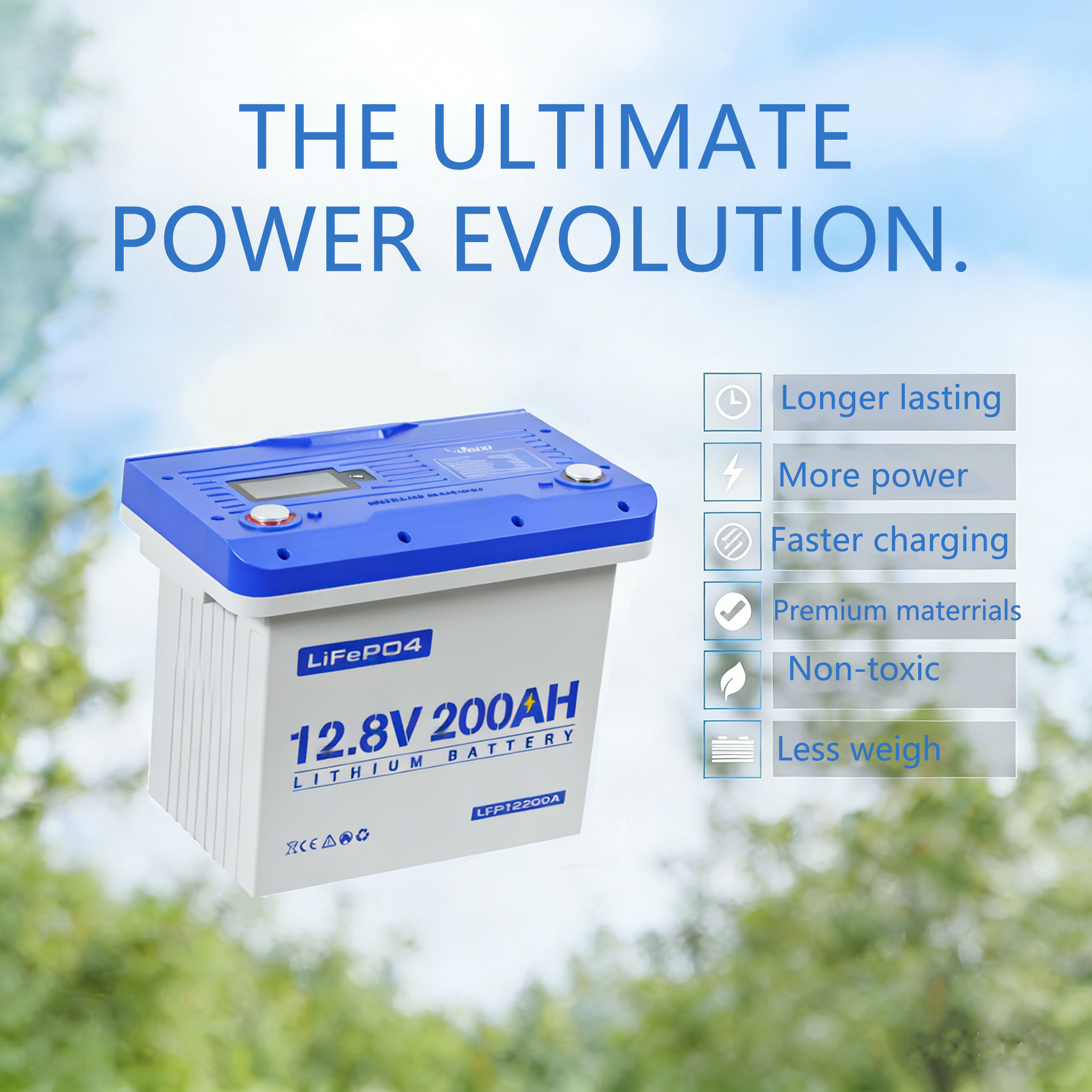
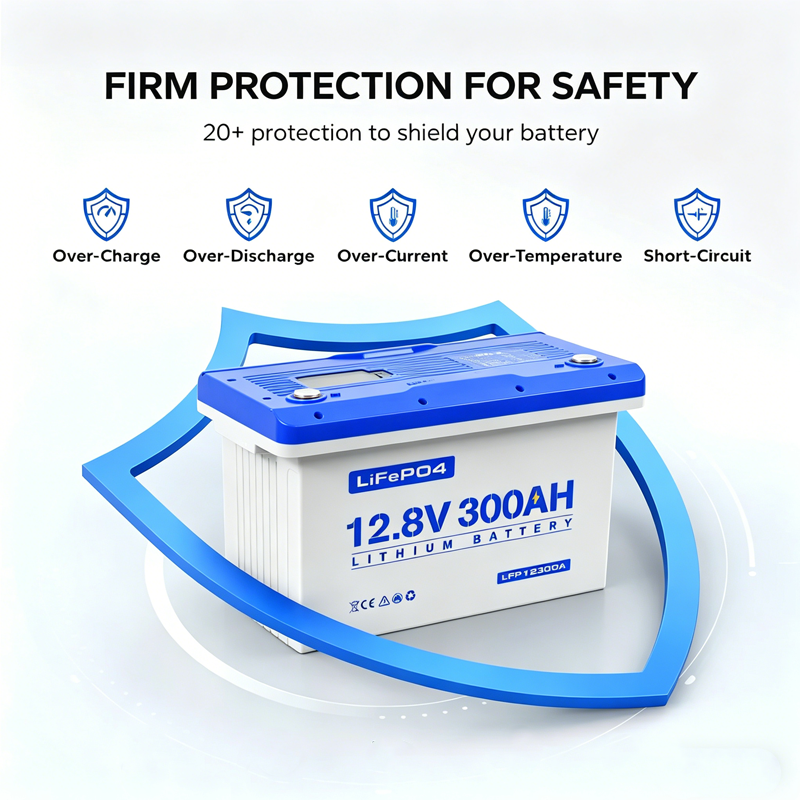
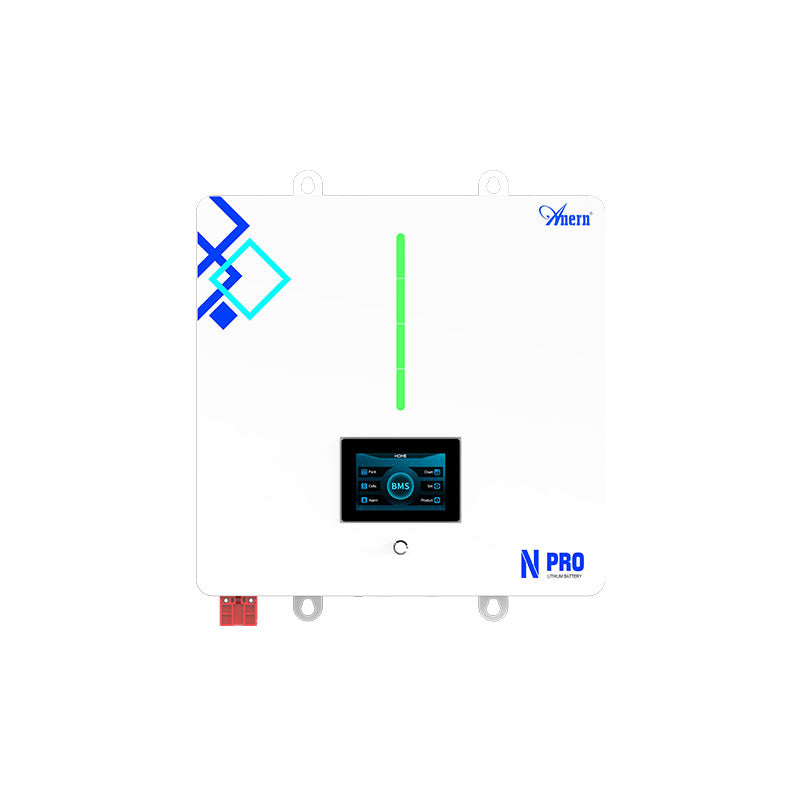
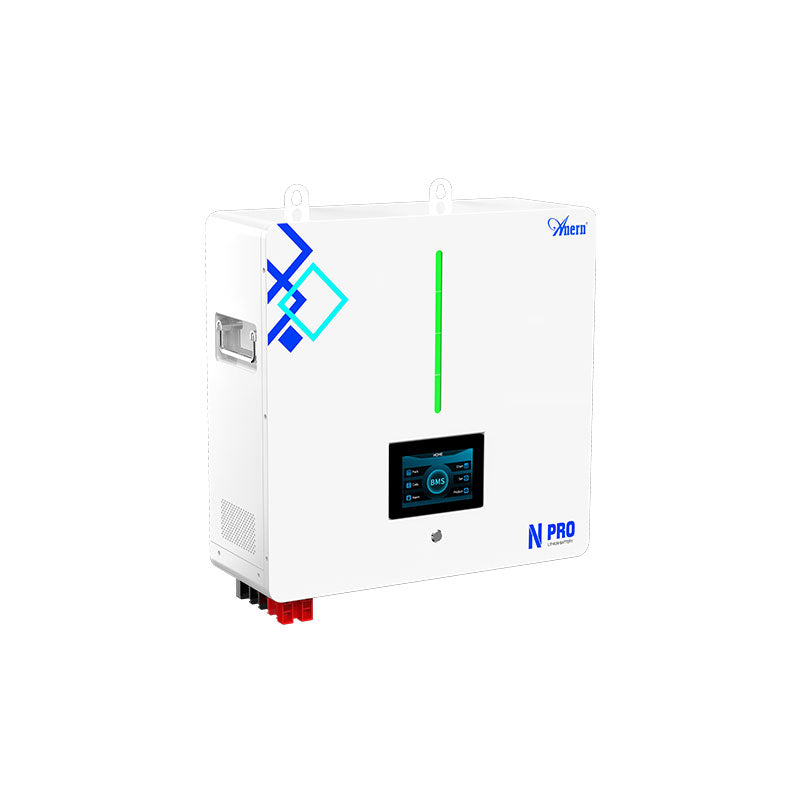
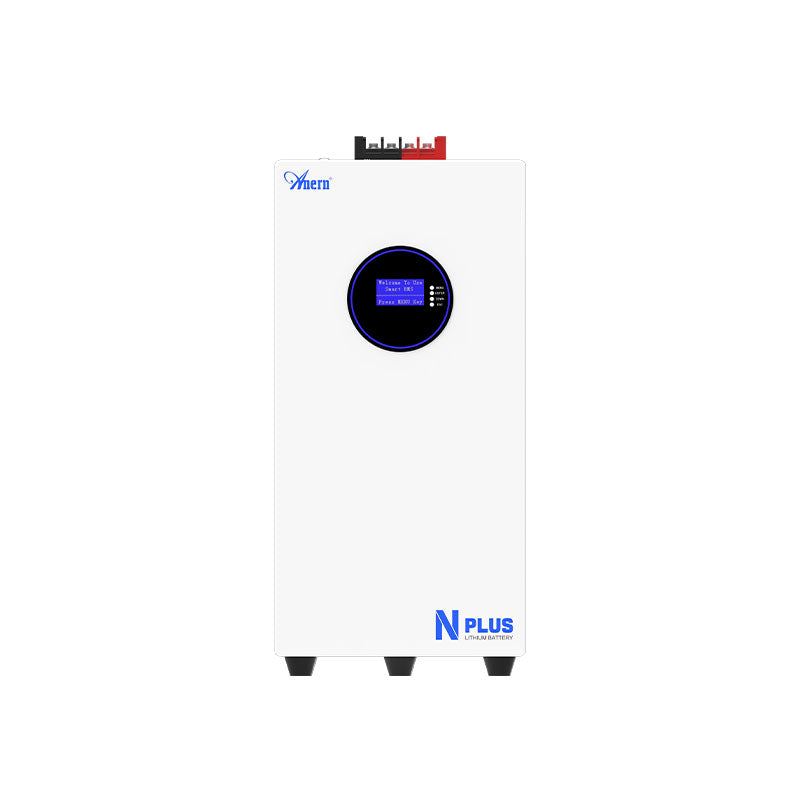
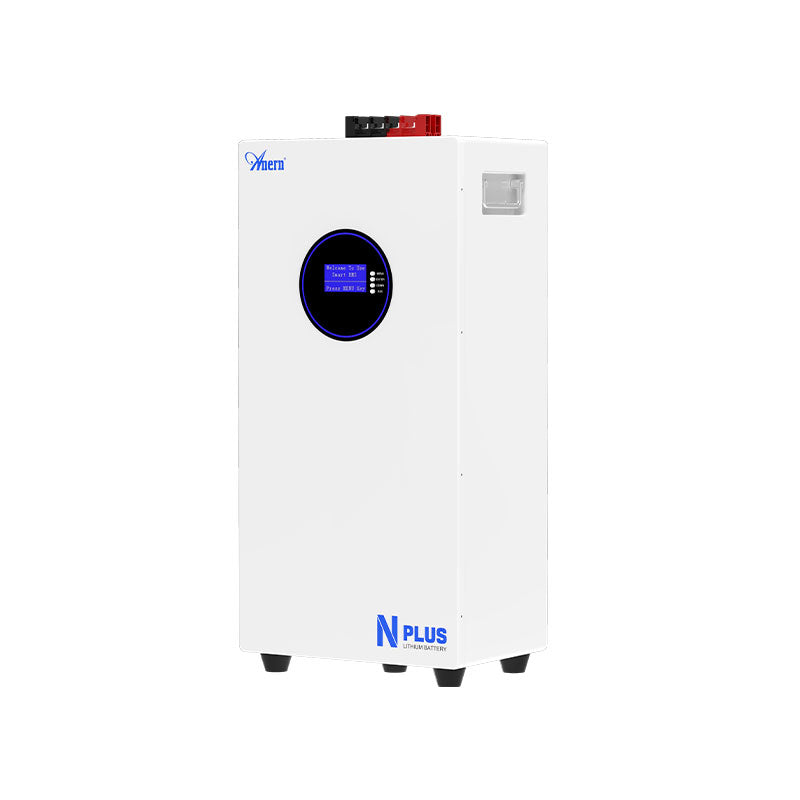
Lithium Iron Phosphate (LiFePO4) batteries stand out as a preferred choice for modern energy storage. They offer high performance, safety, and reliability, making them suitable for diverse applications. Their inherent stability and long cycle life contribute to a dependable power supply.
Why LiFePO4?
LiFePO4 batteries provide several advantages. They boast an extended lifespan, often offering thousands of charge-discharge cycles. Their thermal stability reduces the risk of overheating, enhancing safety. Furthermore, LiFePO4 chemistry maintains a consistent voltage output throughout its discharge cycle, ensuring stable power delivery. This makes them a reliable foundation for both off-grid and grid-tied systems.
Core Components of an ESS
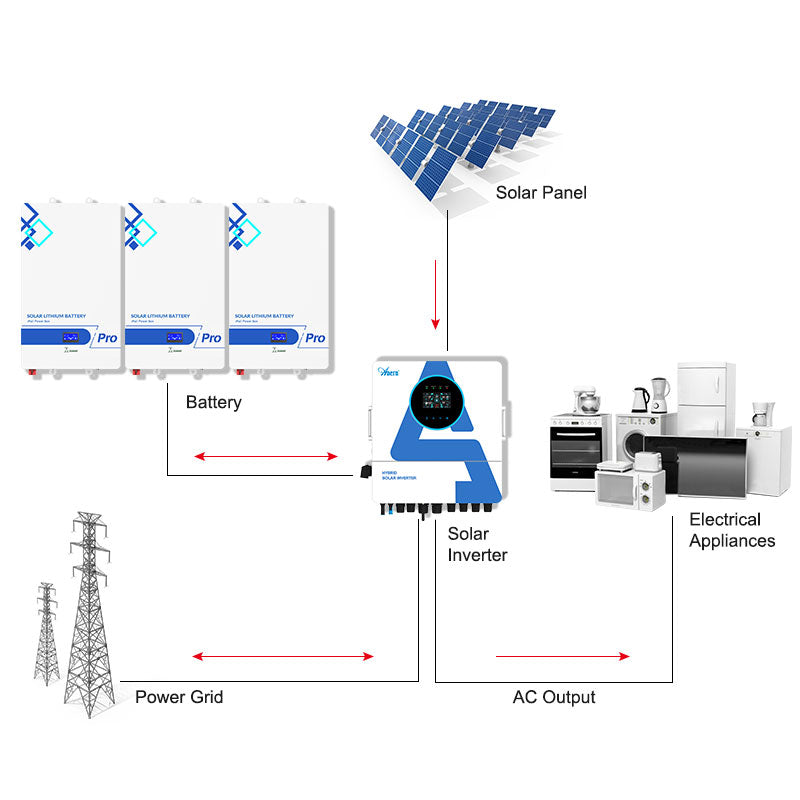
Every energy storage system, regardless of its connection type, relies on several key components working in harmony:
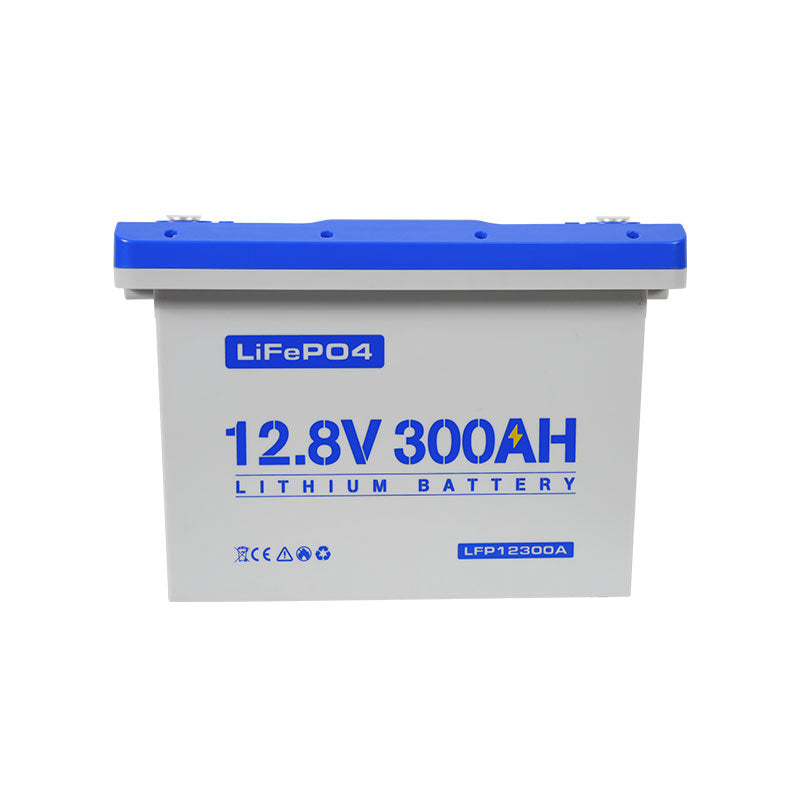
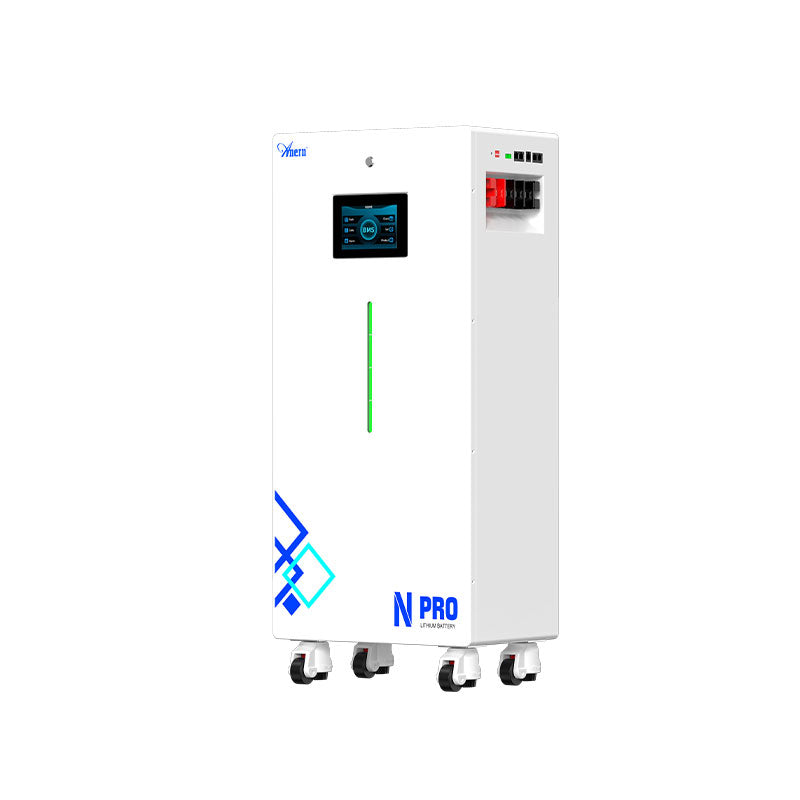
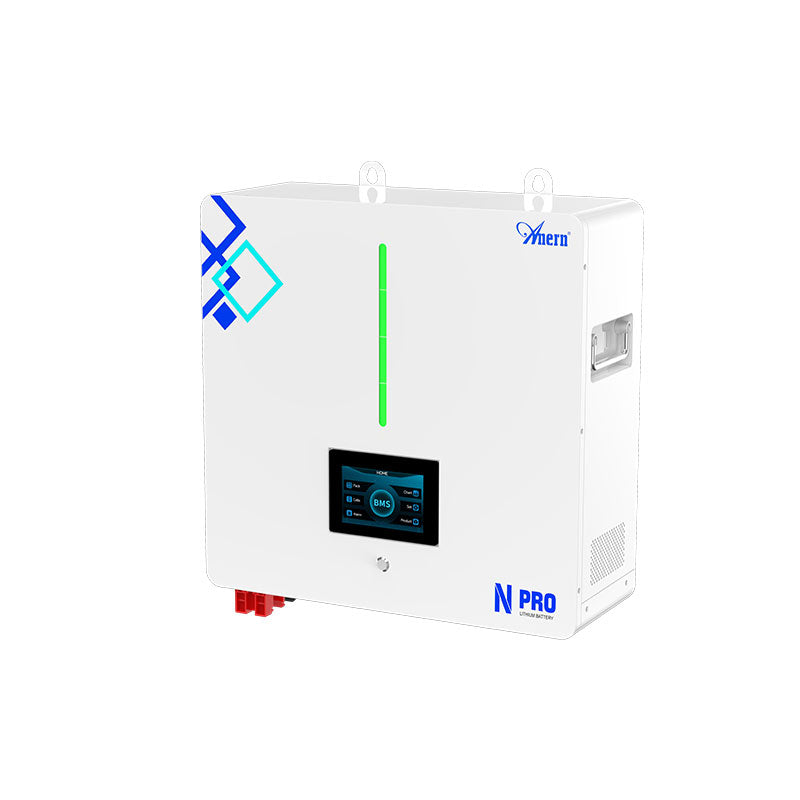
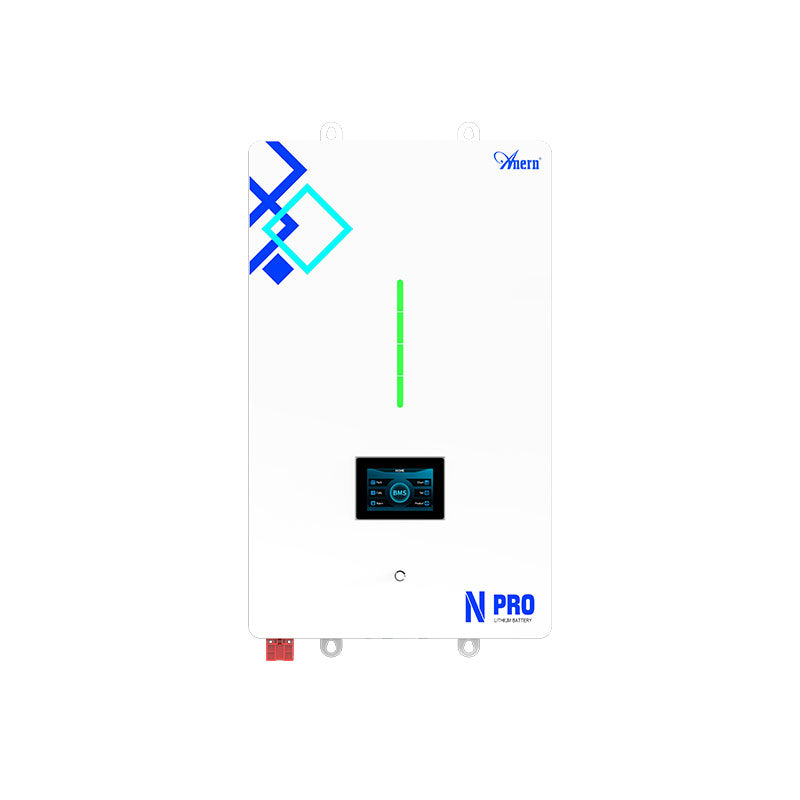
- LiFePO4 Battery Bank: The heart of the system, storing electrical energy.
- Inverter: Converts direct current (DC) from batteries and solar panels into alternating current (AC) for household appliances.
- Charge Controller: Regulates the voltage and current from solar panels to charge the batteries safely and efficiently.
- Monitoring System: Provides real-time data on energy production, consumption, and battery status, allowing for optimized management.
- Balance of System (BOS) Components: Includes wiring, circuit breakers, disconnects, and mounting hardware.

The Off-Grid Cabin Scenario: Achieving Autonomy
An off-grid cabin operates entirely independently of the utility grid. Its ESS must meet 100% of the energy demand, making robust design and careful sizing paramount.
Design Philosophy and Sizing for Autonomy
For an off-grid cabin, the design prioritizes self-sufficiency. You must accurately calculate daily energy consumption, considering all appliances and their usage patterns. Battery bank sizing accounts for multiple days of autonomy to cover periods of low solar irradiance, such as cloudy weather. This often means oversizing the solar array and battery capacity compared to a grid-tied system to ensure uninterrupted power. The depth of discharge (DoD) for LiFePO4 batteries can be higher than other chemistries, offering more usable capacity, but conservative sizing still extends battery life.
Key Equipment Selection for Independence
Off-grid systems typically employ grid-forming inverters. These inverters create their own AC waveform, essentially acting as the local utility grid for the cabin. This capability is crucial for powering all loads without an external grid reference. A robust charge controller, often an MPPT (Maximum Power Point Tracking) type, maximizes energy harvest from solar panels, especially during varying weather conditions. The entire system must be resilient and easy to maintain, as external support may be limited.
Real-World Operation and Challenges
Operating an off-grid cabin ESS involves active management. Seasonal variations significantly impact solar production; winter months often yield less energy, requiring careful load management. You might need to reduce non-essential consumption or use a backup generator during extended periods of low sunlight. Regular maintenance, including checking battery connections and solar panel cleanliness, ensures optimal performance. The Oglala Lakota College project demonstrated how off-grid systems can provide power for electric tools and community service projects, highlighting their practical utility in remote settings.
The Grid-Tied Home ESS Scenario: Enhancing Resilience and Savings
A grid-tied home ESS works in conjunction with the utility grid, offering benefits like backup power, self-consumption optimization, and potential cost savings.
Design Philosophy and Sizing for Grid Integration
For a grid-tied home, the design often balances self-consumption with grid interaction. You might size the system to offset a significant portion of your electricity bill or provide backup for critical loads during outages. Battery capacity can be smaller than an off-grid setup, as the grid acts as an infinite backup. The goal is often to store excess solar energy generated during the day for use at night, reducing reliance on grid power during peak demand hours. This approach can lead to substantial savings, especially with time-of-use (TOU) electricity rates.
Key Equipment Selection for Seamless Integration
Grid-tied systems typically use grid-following or hybrid inverters. Grid-following inverters synchronize with the utility grid, feeding excess power back into it. Hybrid inverters combine grid-tied functionality with battery storage capabilities, allowing for both self-consumption and backup power. They can seamlessly switch between grid power and battery power during outages. A rapid shutdown device and an automatic transfer switch are critical components for safety and compliance, ensuring the system disconnects from the grid during an outage to protect utility workers.
Real-World Operation and Benefits
A grid-tied ESS offers several benefits. It enhances grid resilience, providing reliable backup power for essential appliances during blackouts. By storing solar energy, you can reduce your electricity bill by minimizing purchases from the grid, particularly during expensive peak hours. Some regions allow for energy arbitrage, where you sell excess power back to the grid when prices are high and draw power when prices are low. According to the IEA, installing battery storage with distributed solar PV can increase self-consumption and reduce reverse power flows into the local grid.
Comparative Analysis: Off-Grid vs. Grid-Tied LiFePO4 ESS
Let's examine the key differences and similarities between these two applications of LiFePO4 ESS.
System Architecture and Complexity
Off-grid systems are inherently more complex in terms of sizing and component integration. They require a robust grid-forming inverter and often larger battery banks and solar arrays to ensure complete energy independence. Grid-tied systems, while still requiring careful design, benefit from the grid as a buffer, potentially simplifying battery sizing and allowing for more flexible inverter choices (grid-following or hybrid). The IEA notes that managing distributed renewable energy impacts often involves system-side flexible solutions rather than soliciting flexibility from individual solar plants.
Performance and Reliability
Both systems leverage the high performance and reliability of LiFePO4 batteries. However, reliability in an off-grid context means absolute self-sufficiency, with no external backup. In a grid-tied system, reliability refers to seamless power during outages and consistent energy optimization. Off-grid systems demand meticulous energy management to prevent outages, while grid-tied systems can lean on the utility for support when needed.
Cost Implications and Return on Investment
The upfront cost for an off-grid system is typically higher due to the need for greater battery capacity and more robust components to ensure complete autonomy. The return on investment (ROI) is often measured in terms of achieved independence and avoided utility bills, especially in areas where grid connection is expensive or unavailable. Grid-tied systems can have a lower initial investment, with ROI driven by reduced electricity bills, potential grid export revenues, and enhanced property value. The IEA suggests that for home energy storage, where space is a concern, energy density can be a prime factor in technology selection.
| Feature | Off-Grid Cabin ESS | Grid-Tied Home ESS |
|---|---|---|
| Primary Goal | Complete energy independence | Grid resilience, self-consumption, cost savings |
| Battery Sizing | Larger (multiple days of autonomy) | Smaller (backup for critical loads, daily cycling) |
| Inverter Type | Grid-forming | Grid-following or Hybrid |
| Complexity | Higher (requires precise load management) | Moderate (grid provides buffer) |
| Upfront Cost | Generally higher | Generally lower to moderate |
| ROI Metric | Energy autonomy, avoided grid connection costs | Reduced utility bills, backup power value, potential grid services |
| Reliance on Grid | None | High (works with grid) |
Concluding Thoughts on Your Energy Solution
The choice between an off-grid LiFePO4 ESS for a cabin and a grid-tied system for a home depends entirely on your energy goals and living situation. An off-grid setup offers unparalleled independence, making it ideal for remote locations. A grid-tied system provides a blend of grid reliability with the benefits of renewable energy and backup power. By carefully evaluating your needs and understanding the technical distinctions, you can select a reliable and scalable energy solution that powers your property effectively.
Frequently Asked Questions
What is the main difference between off-grid and grid-tied systems?
An off-grid system operates entirely independently of the utility grid, generating and storing all its own power. A grid-tied system remains connected to the utility grid, using it as a primary power source or backup, while also generating and potentially storing its own power.
Why are LiFePO4 batteries recommended for both system types?
LiFePO4 batteries are recommended due to their high safety, long cycle life, stable voltage output, and efficiency. These characteristics make them reliable and durable for demanding off-grid applications and efficient for grid-tied energy optimization.
Can a grid-tied system provide backup power during an outage?
Yes, a grid-tied system equipped with a hybrid inverter and an automatic transfer switch can provide backup power to critical loads during a grid outage. It will disconnect from the main grid for safety (known as islanding) and power your designated circuits from the batteries and solar panels.
How do I determine the right size for my LiFePO4 battery bank?
Sizing depends on your daily energy consumption, desired days of autonomy (for off-grid), and the amount of solar generation. For off-grid, you calculate total load and multiply by desired backup days. For grid-tied, it often involves balancing self-consumption with backup needs. Consulting with an energy professional ensures accurate sizing for your specific requirements.
What maintenance do these systems require?
Both systems benefit from regular checks of connections, monitoring system performance, and keeping solar panels clean. Off-grid systems may require more active management of loads, especially during periods of low solar input. LiFePO4 batteries generally require minimal maintenance compared to other battery chemistries.
