












Achieving energy independence through off-grid solar solutions offers significant benefits. However, the initial investment, particularly the Bill of Materials (BOM) cost, varies considerably. Understanding these regional differences is crucial for effective project planning and budgeting. This analysis explores the factors driving these cost variations, providing insights to help you navigate the complexities of off-grid system deployment globally.

Deconstructing the Off-Grid BOM: Core Components and Their Cost Impact
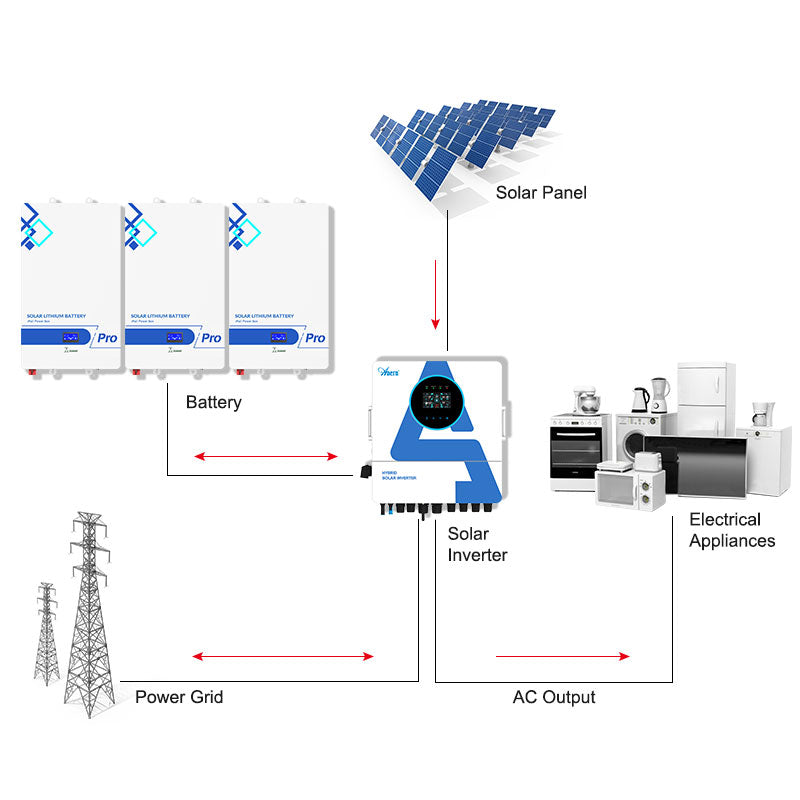
An off-grid solar system relies on several key components working in harmony. Each plays a vital role in both system functionality and overall cost. These components typically include solar panels, energy storage (often lithium iron phosphate batteries), a solar inverter, a charge controller, mounting structures, and various balance-of-system (BOS) elements like wiring and safety devices.
The Role of Each Component in System Cost
- Solar Panels: These convert sunlight into electricity. Their cost depends on efficiency, power output (wattage), and brand. Higher efficiency panels often come with a higher upfront cost but can reduce the number of panels needed, saving on mounting and space.
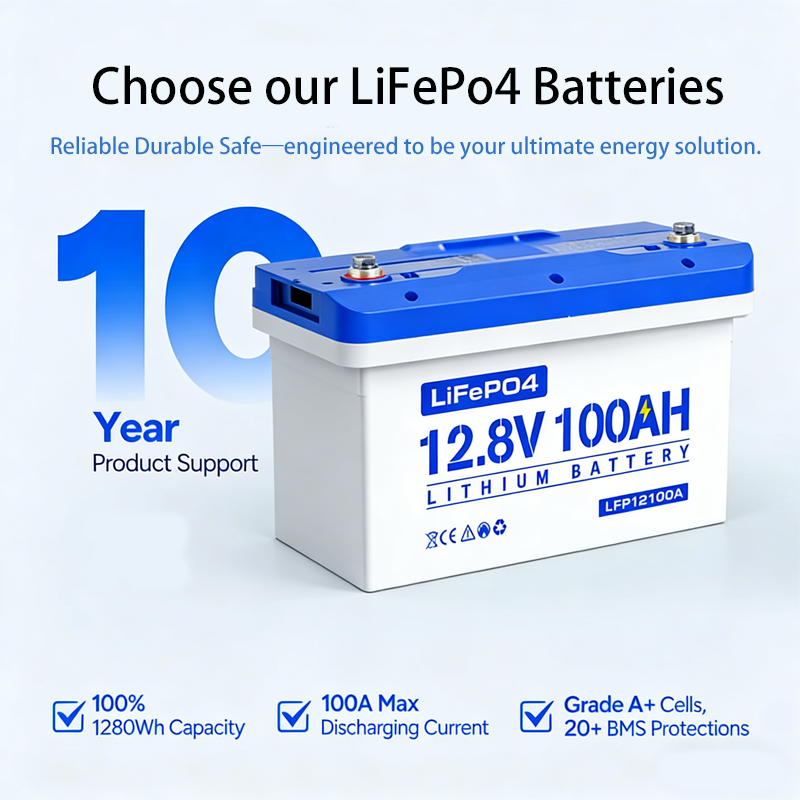
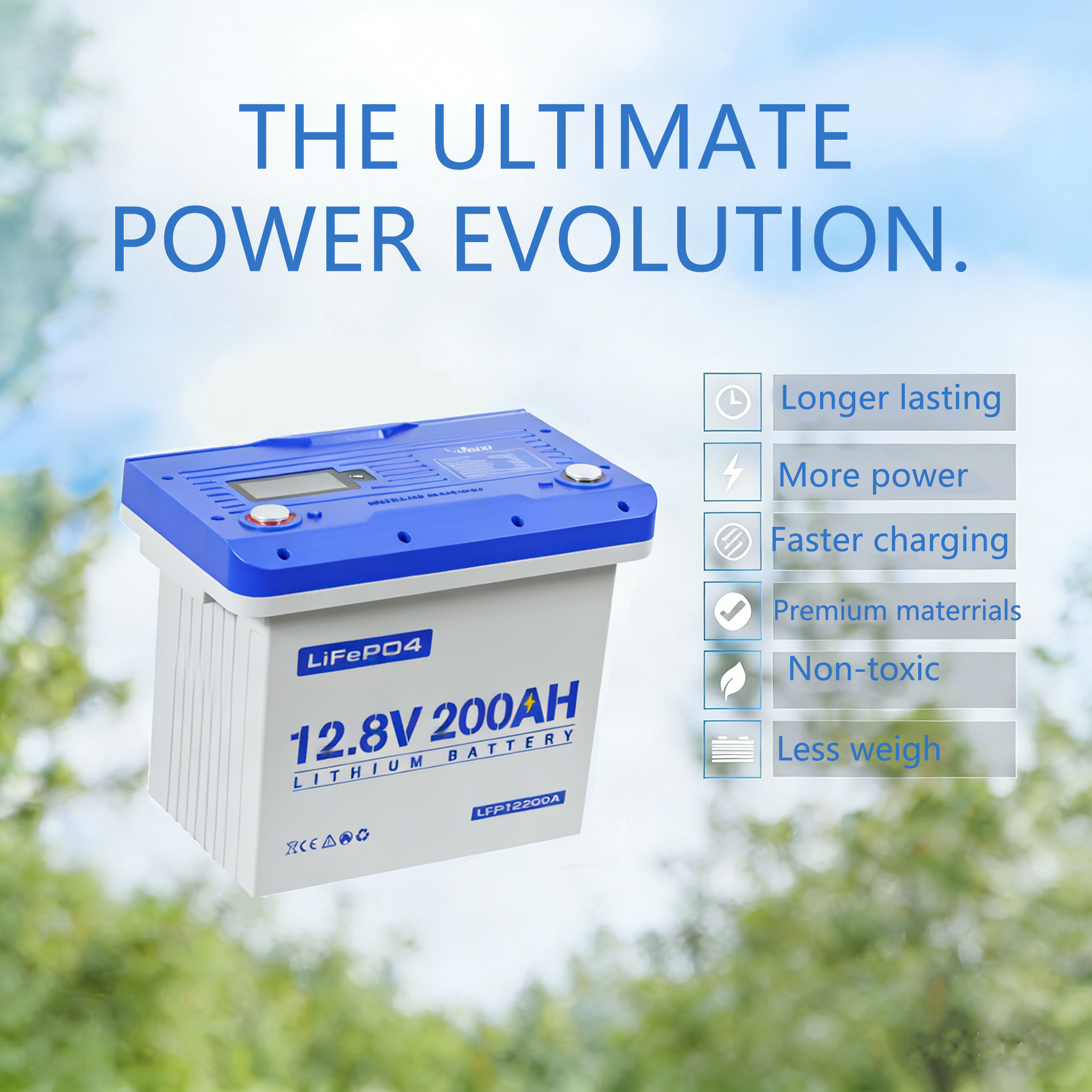
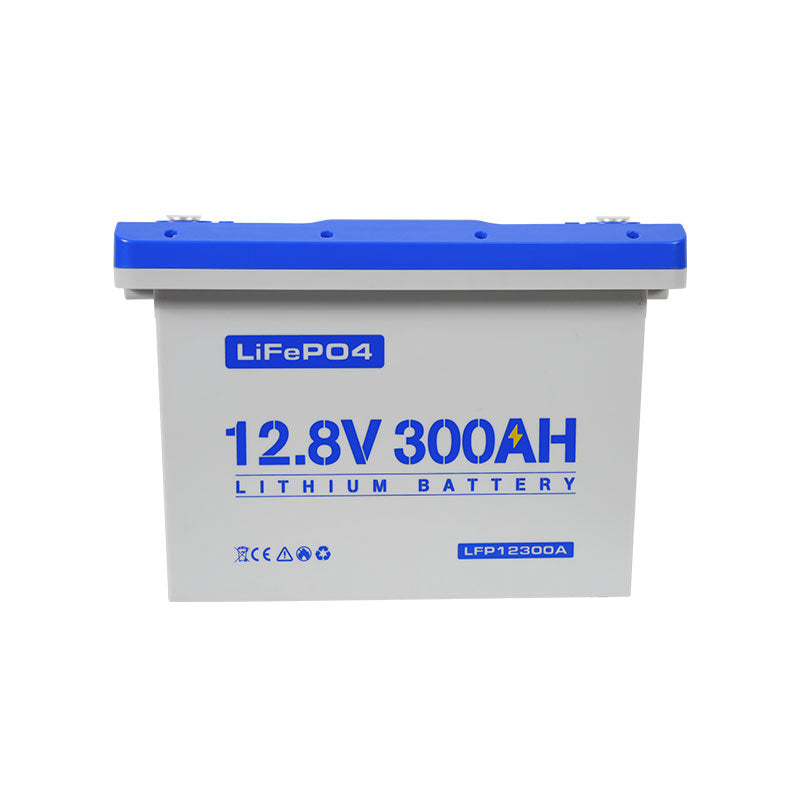
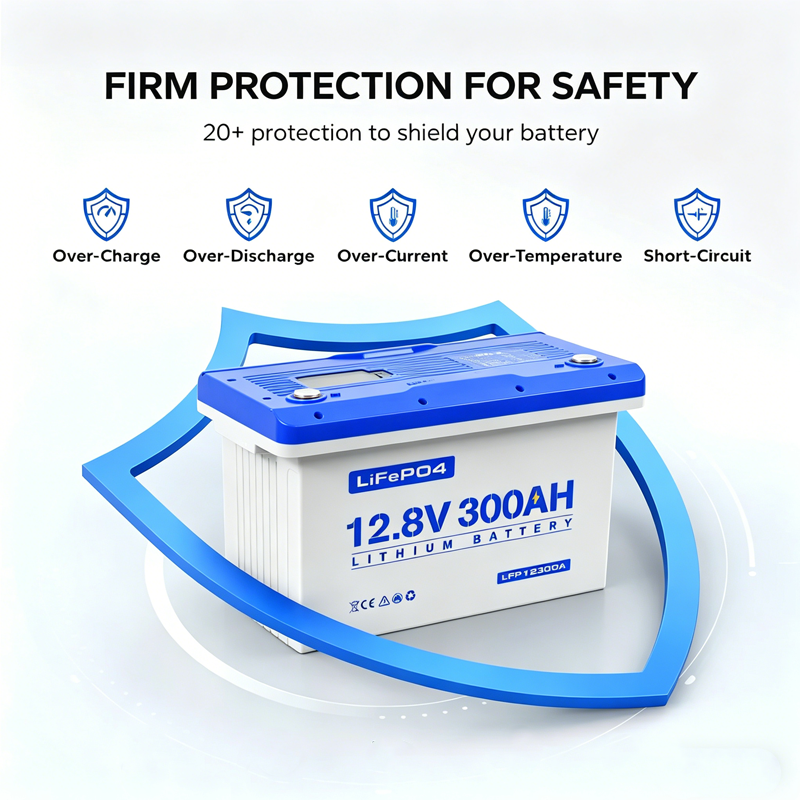
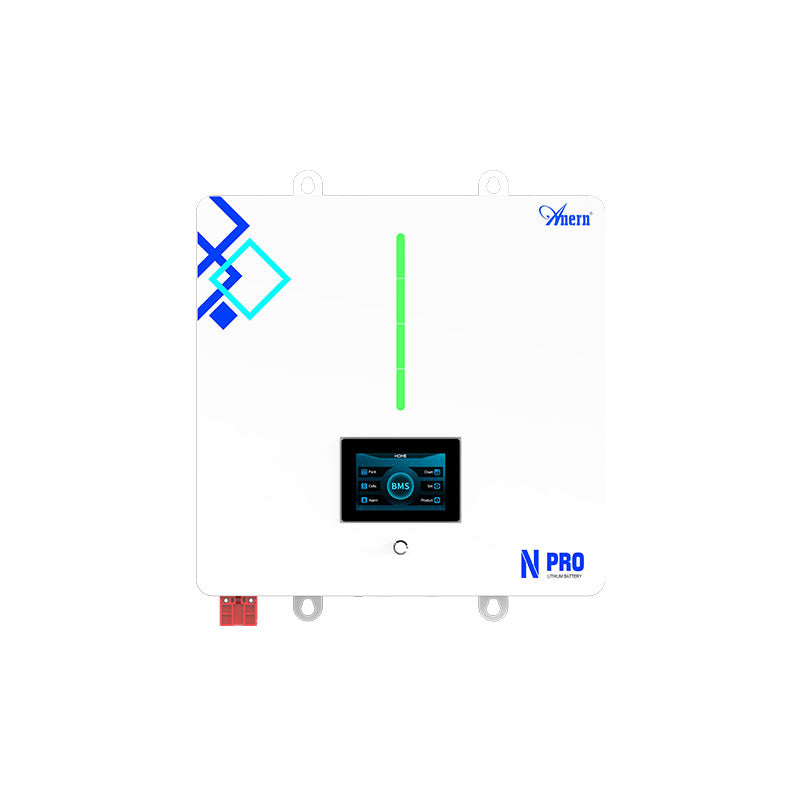
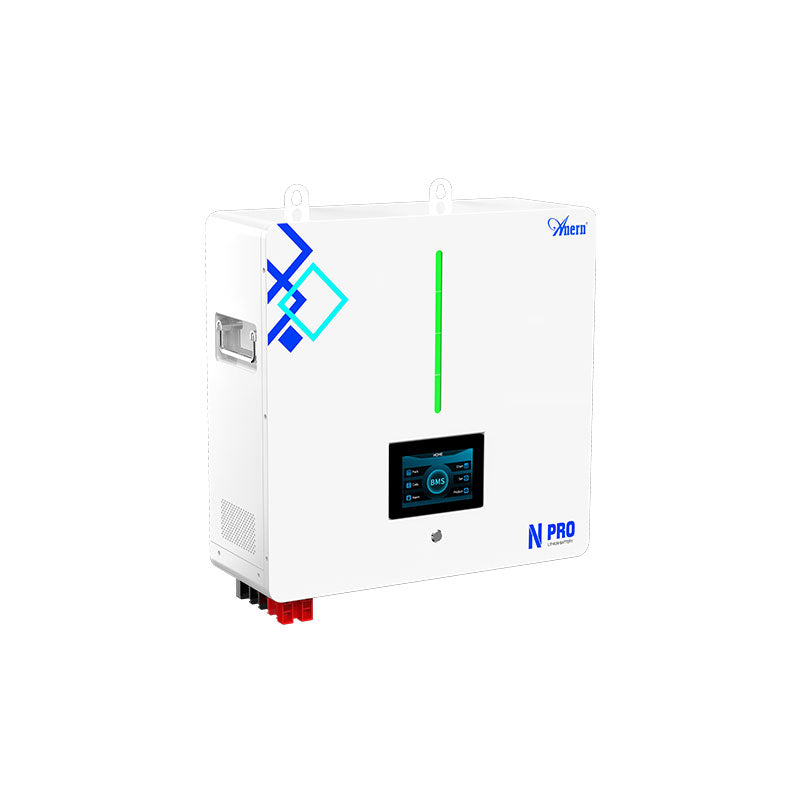
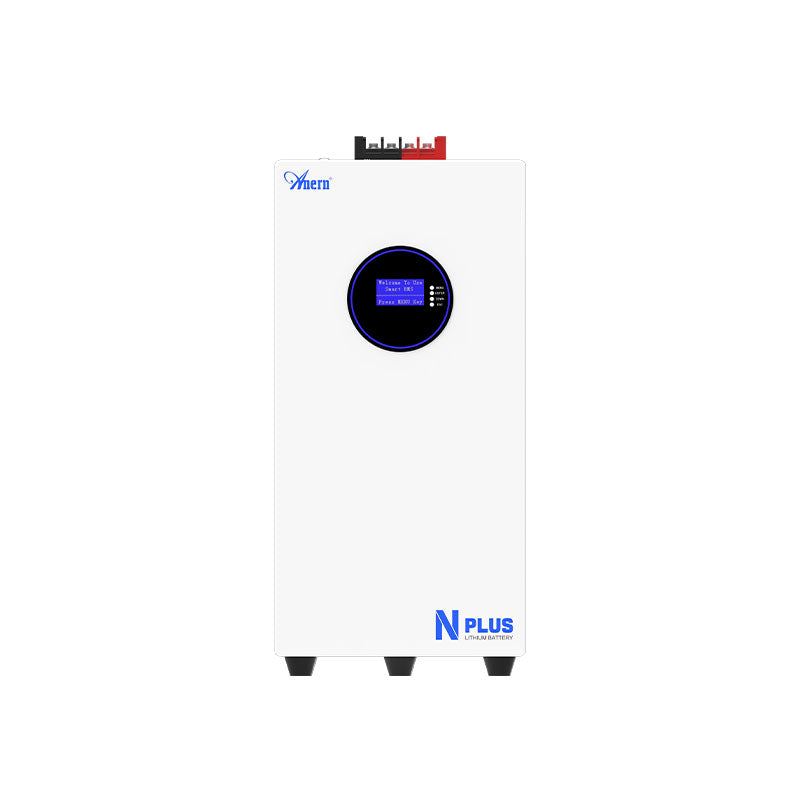
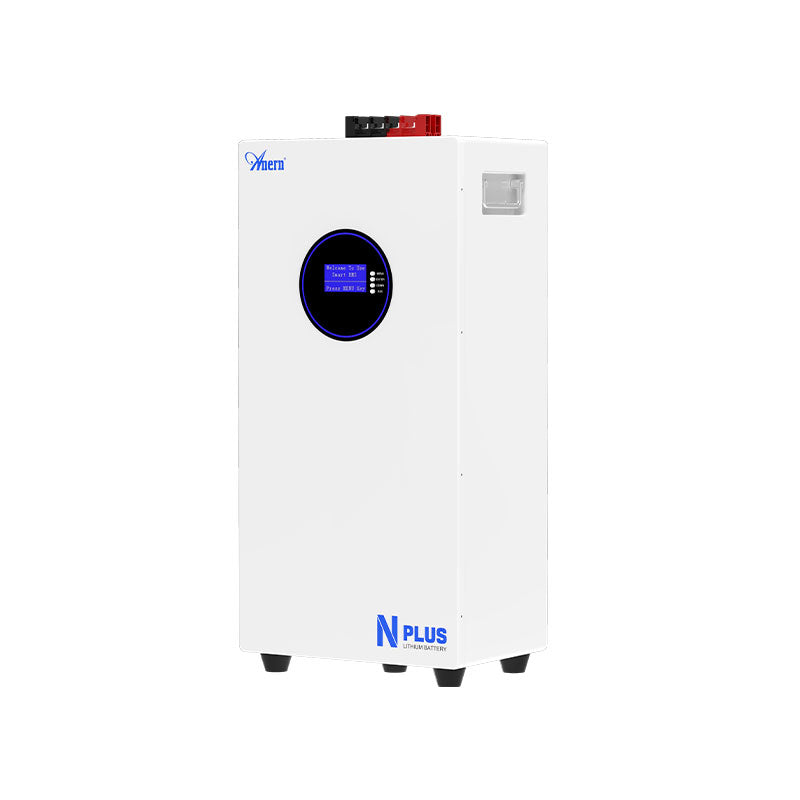
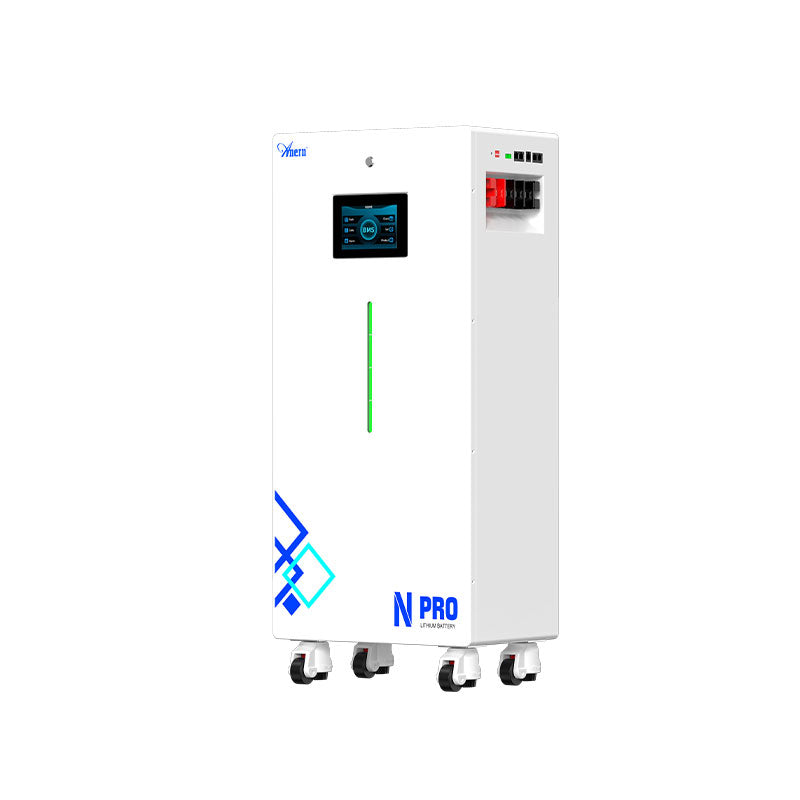
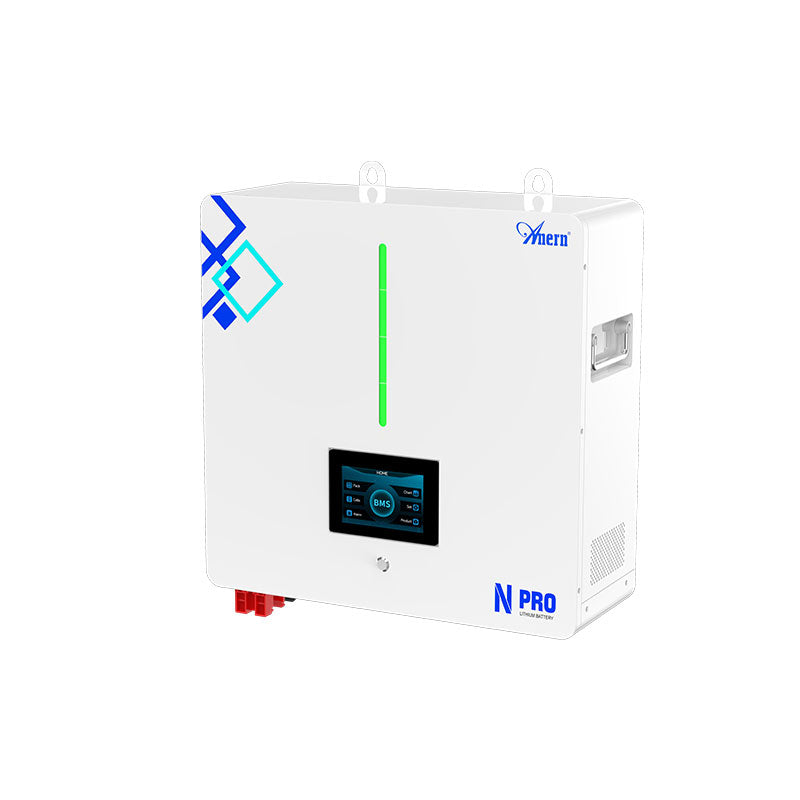
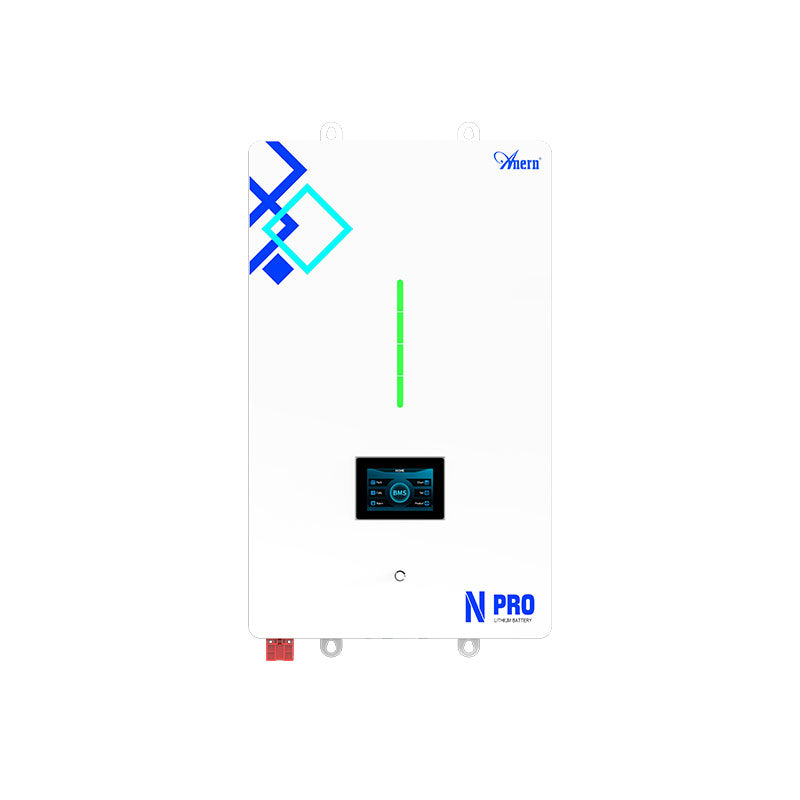
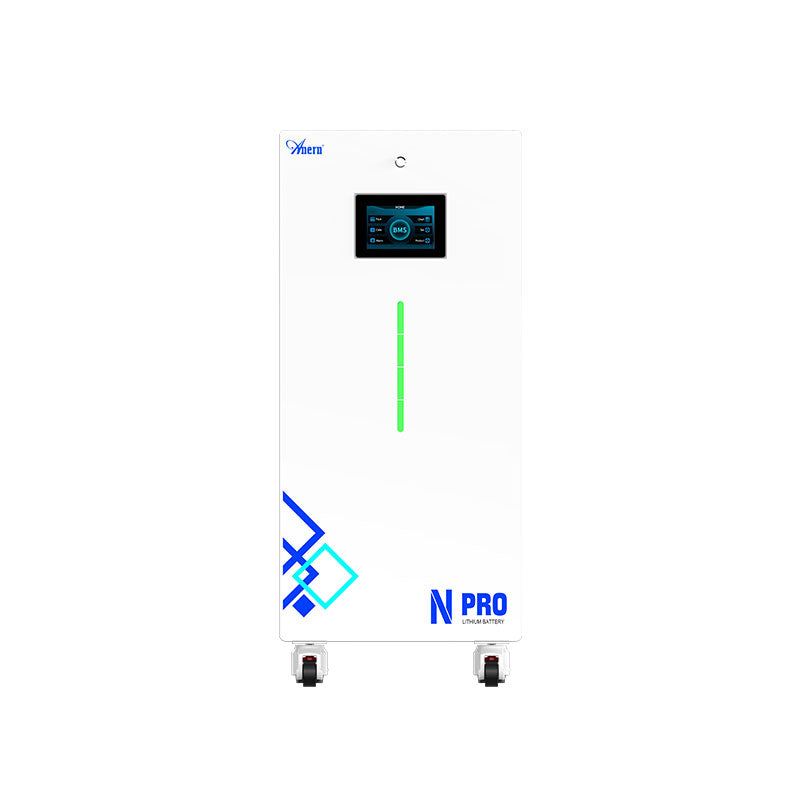
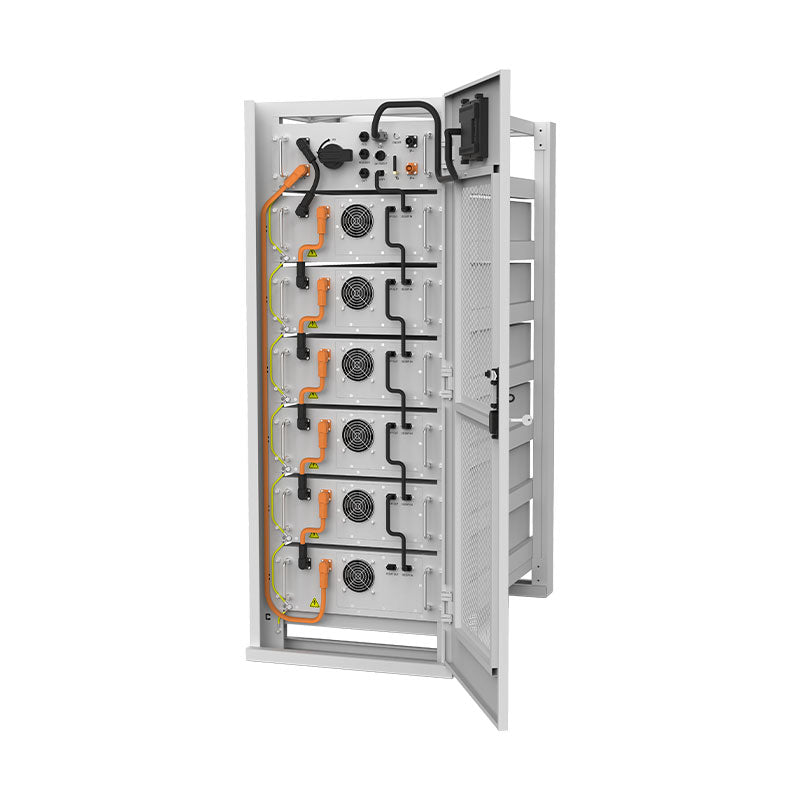
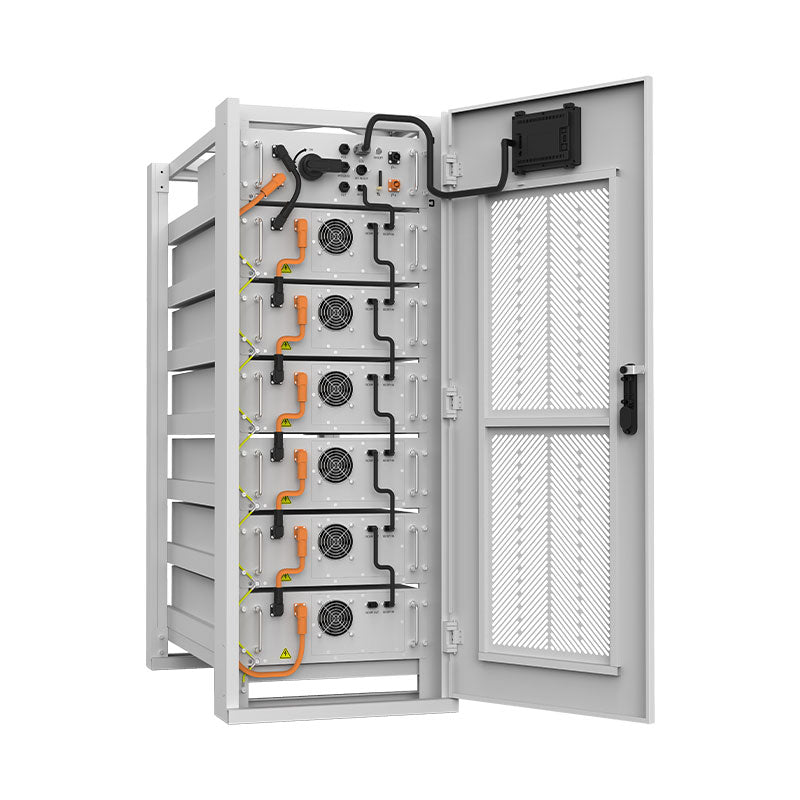
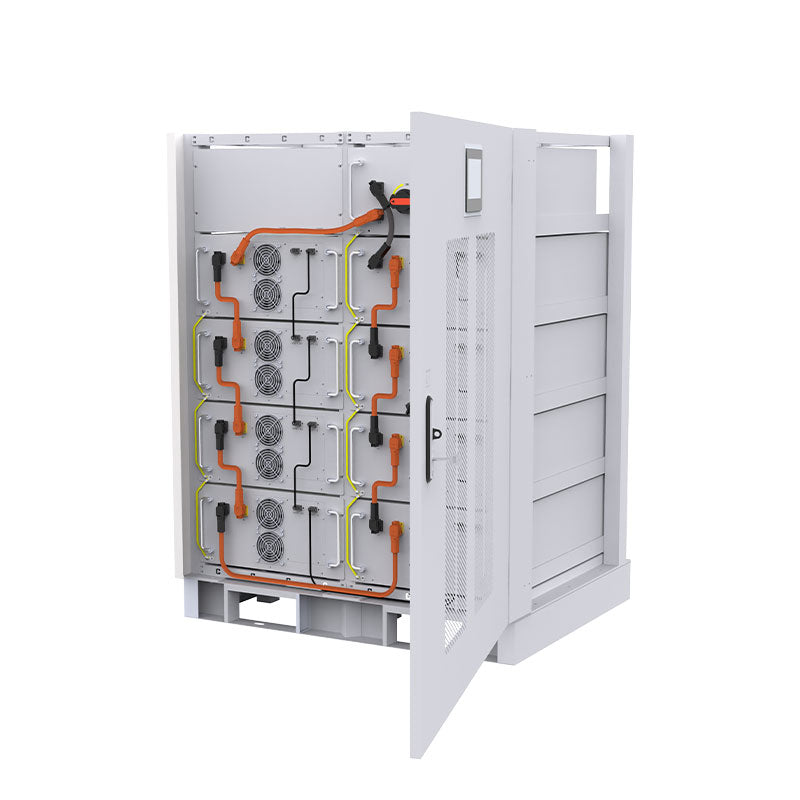
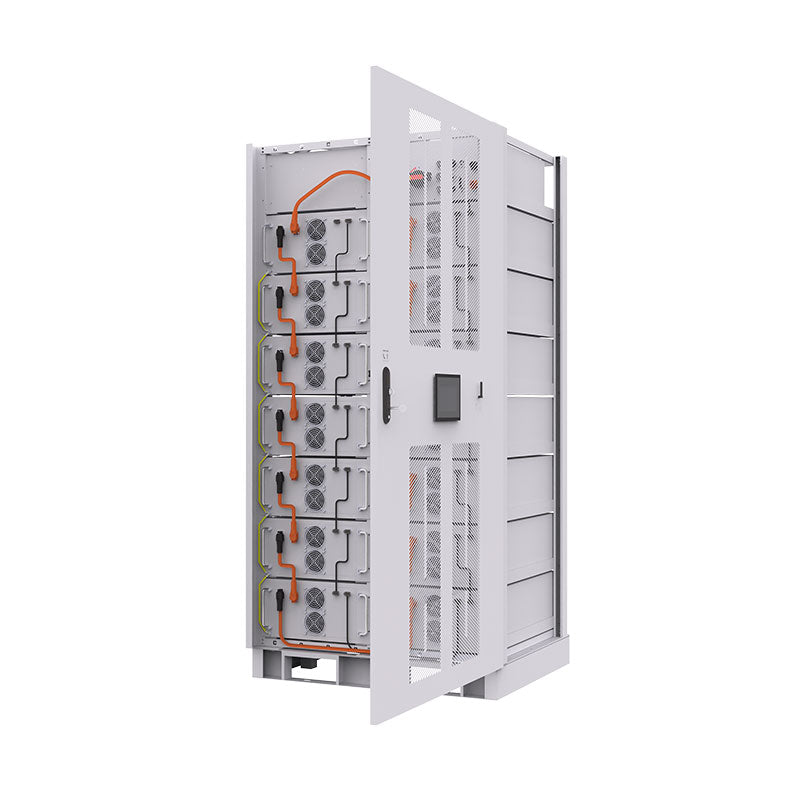
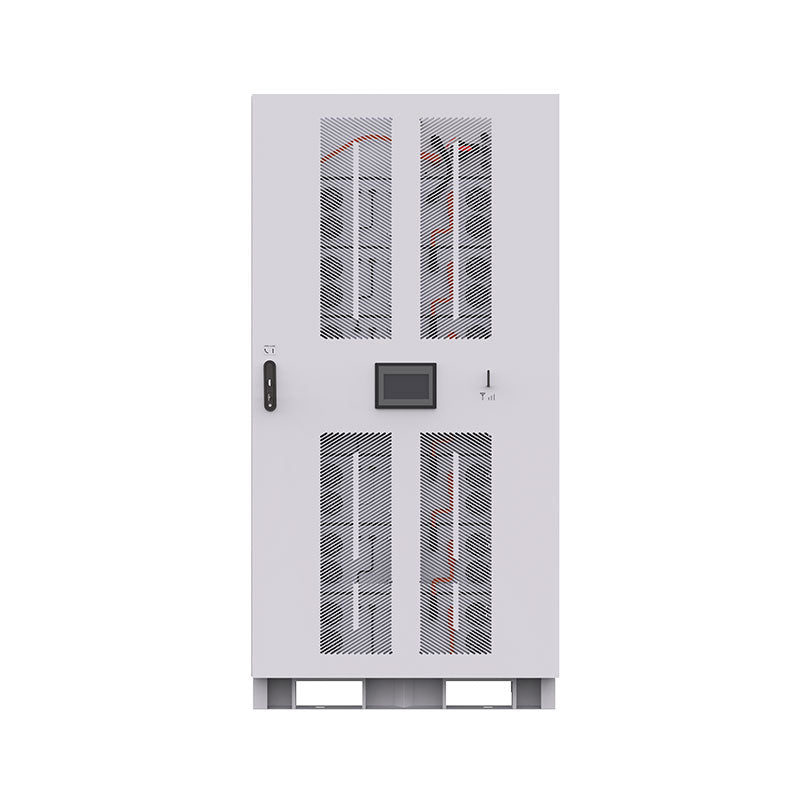
- Energy Storage (LiFePO4 Batteries): Batteries are a significant cost driver. Lithium iron phosphate (LiFePO4) batteries offer excellent cycle life, safety, and depth of discharge, making them a preferred choice for off-grid applications. Their capacity (kWh) directly impacts their price.
- Solar Inverter: This device converts the DC electricity from panels and batteries into usable AC electricity for your appliances. Hybrid inverters, which combine an inverter and charge controller, are common in off-grid systems. Power rating (kW) and features like grid-forming capabilities influence cost.
- Charge Controller: Manages the power flow from solar panels to batteries, preventing overcharging. While sometimes integrated into hybrid inverters, standalone Maximum Power Point Tracking (MPPT) controllers are essential for maximizing solar harvest.
- Balance of System (BOS): This category includes all other necessary items: wiring, connectors, circuit breakers, fuses, disconnects, grounding equipment, and monitoring systems. These elements ensure safe and efficient operation and can accumulate to a substantial portion of the total BOM.
Factors Influencing Component Pricing
Component prices are not static. Global manufacturing trends, raw material costs, and technological advancements continuously shape them. For instance, the cost of solar PV has seen significant declines over the past decade, making solar energy more accessible. Similarly, advancements in lithium battery technology continue to drive down prices while improving performance.
Regional Dynamics: Why Off-Grid BOM Costs Vary
The total cost of an off-grid BOM is not uniform across different geographical locations. A multitude of regional factors contribute to these disparities, impacting everything from component availability to installation expenses.
Supply Chain Dynamics and Logistics
Proximity to manufacturing hubs, shipping costs, and import duties significantly influence component prices. Regions with established import channels and efficient logistics networks often benefit from lower overall costs. Conversely, remote areas or countries with complex customs procedures may face higher logistical surcharges.
Local Market Conditions and Regulations
Local market competition, demand levels, and government policies play a crucial role. For example, areas with strong incentives for renewable energy or a mature solar market might see more competitive pricing due to higher volumes and established distribution channels. Regulatory frameworks can also impact costs; some regions might have specific certification requirements for components, adding to the expense.
Labor Costs and Installation Complexity
While not strictly part of the BOM, labor costs for installation are intrinsically linked to the overall project expense and vary widely by region. The complexity of the installation site (e.g., rooftop vs. ground mount, ease of access) and local labor rates directly influence the final system price. Furthermore, the value components of local generation, as highlighted by the IEA, can influence the perceived value and thus the pricing signals for distributed energy resources (DER) customers, indirectly affecting the overall project cost and the cost-effectiveness of the BOM in a given location.
Insights into Median BOM Costs by Key Regions
While precise median BOM costs fluctuate constantly, we can examine the underlying factors that shape these costs across different global regions. The interplay of supply chains, local economies, and policy environments creates distinct cost profiles.
North America and Europe: Mature Market Considerations
These regions often benefit from well-developed supply chains and a competitive market for solar and storage components. However, higher labor costs and stricter regulatory compliance can contribute to elevated overall project expenses. The focus here often shifts towards high-efficiency components and advanced energy management systems. The IEA notes that recognizing temporal and spatial value in electricity pricing can lower system operating costs, which, while not direct BOM cost, influences the economic viability and perceived value of off-grid systems in these markets.
Asia and Africa: Emerging Market Dynamics
In many parts of Asia, manufacturing proximity can lead to lower component costs. However, varying import duties, infrastructure challenges, and a less mature distribution network in some areas can offset these advantages. Africa presents a diverse landscape; while some regions have rapidly developing solar markets with competitive pricing, others face significant logistical hurdles, driving up BOM costs. The emphasis in these regions is often on robust, cost-effective solutions tailored for challenging environments.
Latin America and Oceania: Unique Challenges and Opportunities
Latin American countries face a mix of local manufacturing capabilities and reliance on imports. Exchange rate fluctuations and political stability can impact pricing. Oceania, with its vast distances and island nations, often incurs higher shipping costs. However, strong solar resources and a need for energy independence drive demand. In these regions, the emphasis is on resilient systems that can withstand diverse climatic conditions and provide reliable power where grid infrastructure is limited.
| Factor | Impact in Mature Markets (e.g., North America, Europe) | Impact in Emerging Markets (e.g., Asia, Africa) |
|---|---|---|
| Supply Chain & Logistics | Well-established, efficient, competitive pricing. | Varying efficiency, higher shipping to remote areas, potential import duties. |
| Local Market & Regulations | High competition, strict compliance, advanced component demand. | Developing competition, evolving regulations, focus on basic reliability. |
| Labor Costs | Generally higher, skilled workforce. | Generally lower, varying skill levels. |
| Component Availability | Wide range of high-quality options. | Limited high-end options, focus on accessible, durable components. |
Optimizing Your Off-Grid BOM Investment
Understanding regional cost drivers empowers you to make informed decisions. Strategic planning can significantly reduce your overall investment while ensuring a reliable and scalable energy solution.
Strategic Sourcing and Procurement
Consider sourcing components from reputable suppliers with established regional distribution networks. Bulk purchasing can often lead to discounts. Evaluate the total cost of ownership, not just the upfront price. A slightly more expensive, higher-quality component with a longer lifespan and better warranty can offer greater value over time.
System Design Efficiency
An accurately sized system avoids overspending on oversized components. Conduct a thorough energy audit to determine your precise power needs. Optimize your system layout to minimize wiring runs and reduce BOS costs. Efficient design also considers future expandability, allowing for cost-effective upgrades.
Leveraging Local Incentives and Expertise
Research available government incentives, tax credits, or subsidies for renewable energy in your region. These can substantially reduce the net cost of your off-grid system. Engaging with local solar professionals provides access to regional pricing insights, preferred suppliers, and installation expertise, ensuring your project meets local standards and maximizes efficiency.
Charting Your Path to Energy Independence
Analyzing median off-grid BOM costs by region reveals a complex interplay of global supply chains, local market conditions, and regulatory environments. By understanding these dynamics, you can strategically plan your off-grid solar and storage project, optimizing your investment for long-term reliability and energy autonomy. Focus on informed component selection, efficient system design, and leveraging regional advantages to build a robust and sustainable power solution.
Disclaimer: This content provides general information and does not constitute financial or investment advice. Always consult with qualified professionals for specific guidance.
Frequently Asked Questions
What is a Bill of Materials (BOM) for an off-grid solar system?
A Bill of Materials (BOM) for an off-grid solar system is a comprehensive list of all the components, parts, and materials required to build and install the system. This includes major items like solar panels, batteries, and inverters, as well as smaller but critical elements like wiring, connectors, and mounting hardware.
Why do off-grid solar BOM costs vary by region?
Off-grid solar BOM costs vary by region due to several factors. These include the efficiency of local supply chains, shipping and import costs, the level of market competition, local regulations and incentives, and the availability and cost of skilled labor for installation. Proximity to manufacturing centers also plays a significant role.
What are the most expensive components in an off-grid BOM?
Typically, the most expensive components in an off-grid BOM are the energy storage system (LiFePO4 batteries) and the solar inverter. Solar panels also represent a substantial portion of the cost, but battery and inverter technology often account for the largest individual line items, especially for systems designed for extended autonomy.
How can I reduce the cost of my off-grid solar BOM?
You can reduce your off-grid solar BOM cost by accurately sizing your system to avoid over-specifying components, strategically sourcing from competitive suppliers, considering the long-term value of durable components, and leveraging any local government incentives or subsidies available for renewable energy projects.
Does the IEA provide data on off-grid BOM costs?
The IEA (International Energy Agency) provides extensive research on power system transformation and the economics of renewable energy, including factors that influence the value and cost-effectiveness of distributed generation. While they discuss the impact of local generation value and system integration costs, direct median off-grid BOM cost data by region is not typically their primary focus. Their reports offer valuable insights into the broader economic and policy landscape affecting renewable energy deployment.
References
- IEA. (2019). China Power System Transformation. Retrieved from /china-power-system-transformation
- IEA. (2016). Next Generation Wind and Solar Power. Retrieved from /next-generation-wind-and-solar-power
