












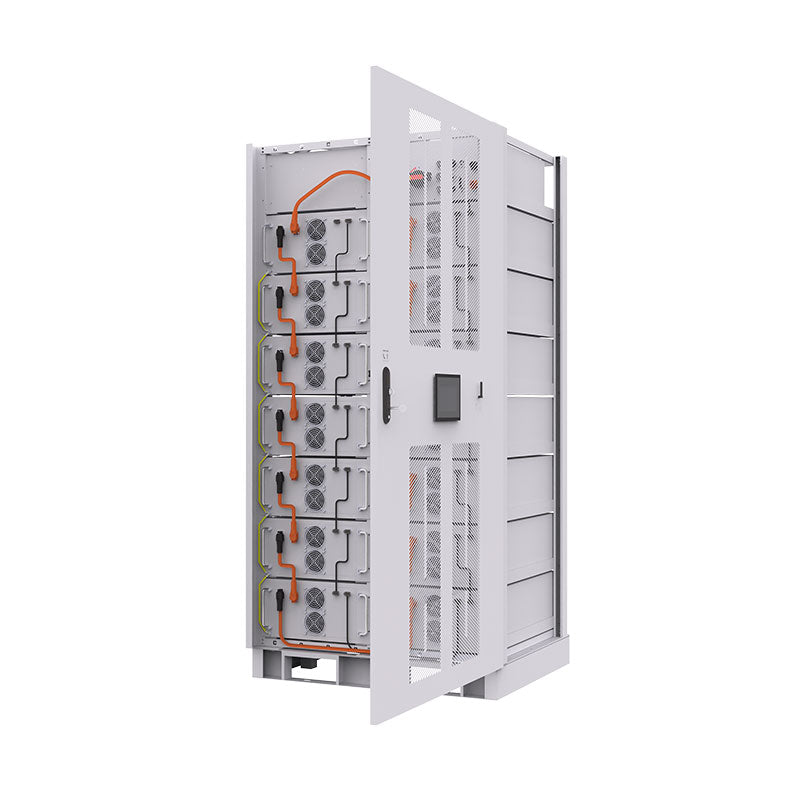
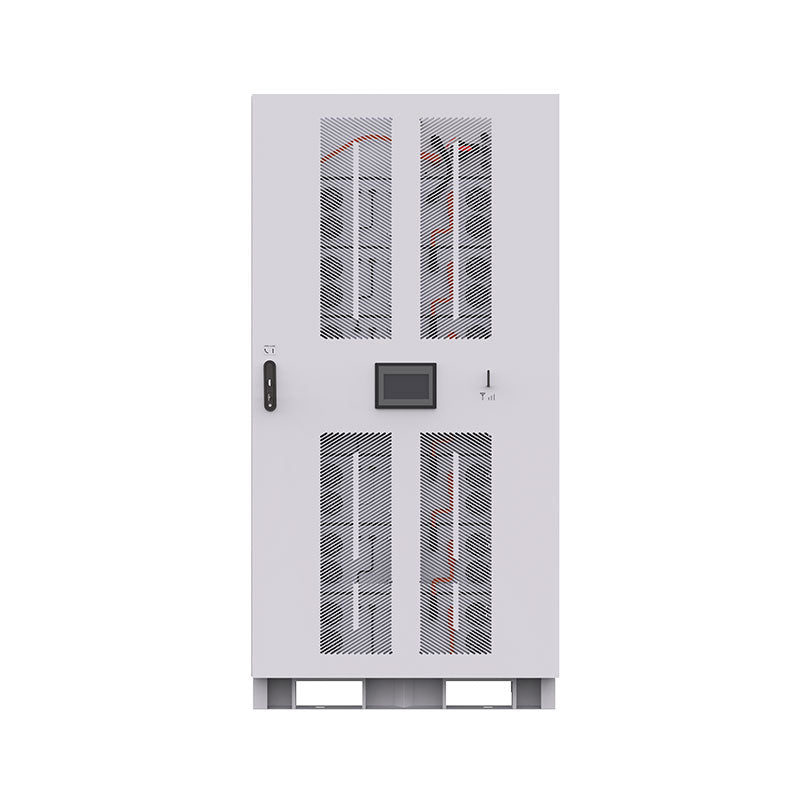


When lives hang in the balance, hospital power systems cannot fail. Yet many healthcare facilities still rely on outdated backup power myths that could compromise patient safety. After working with hundreds of hospitals over the past decade, I've witnessed firsthand how misconceptions about battery UPS systems versus generators can lead to costly mistakes and dangerous power gaps.
The stakes couldn't be higher. A single power outage can shut down life support equipment, disrupt critical surgeries, and compromise patient monitoring systems. Despite this reality, many hospital administrators continue to make power backup decisions based on outdated assumptions rather than current technology capabilities.

The Critical Power Myth: "Generators Are More Reliable"
The most persistent myth in hospital power management claims generators offer superior reliability compared to battery UPS systems. This belief stems from decades-old thinking when battery technology was primitive and generators represented the only viable long-duration backup option.
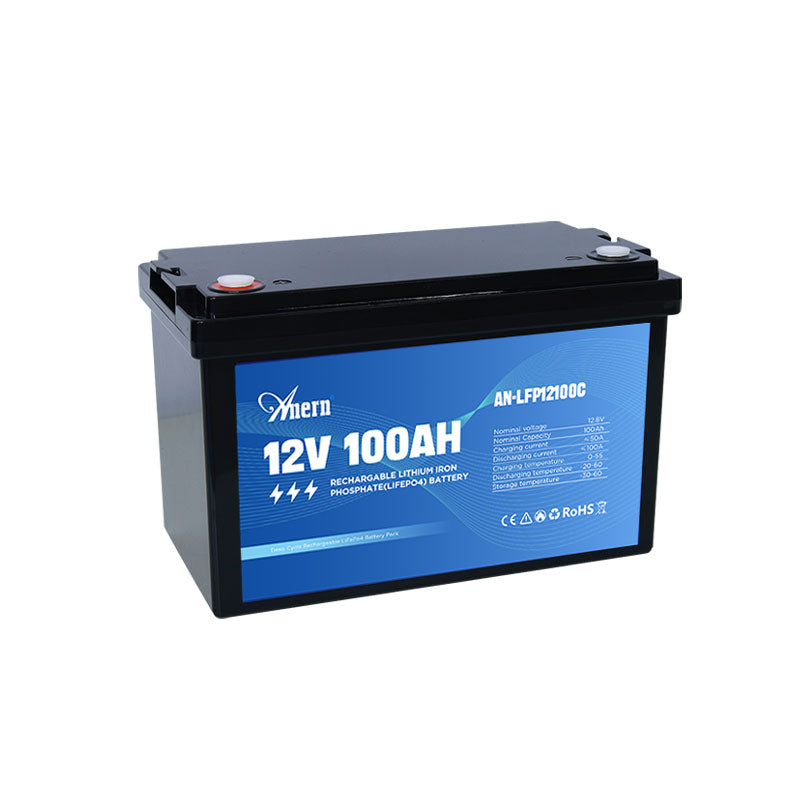
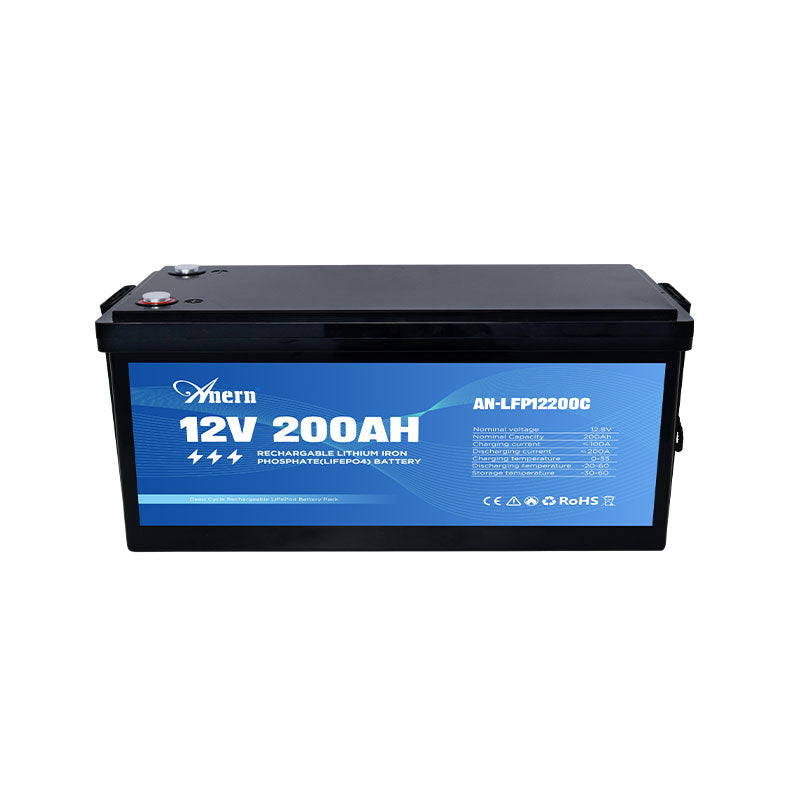
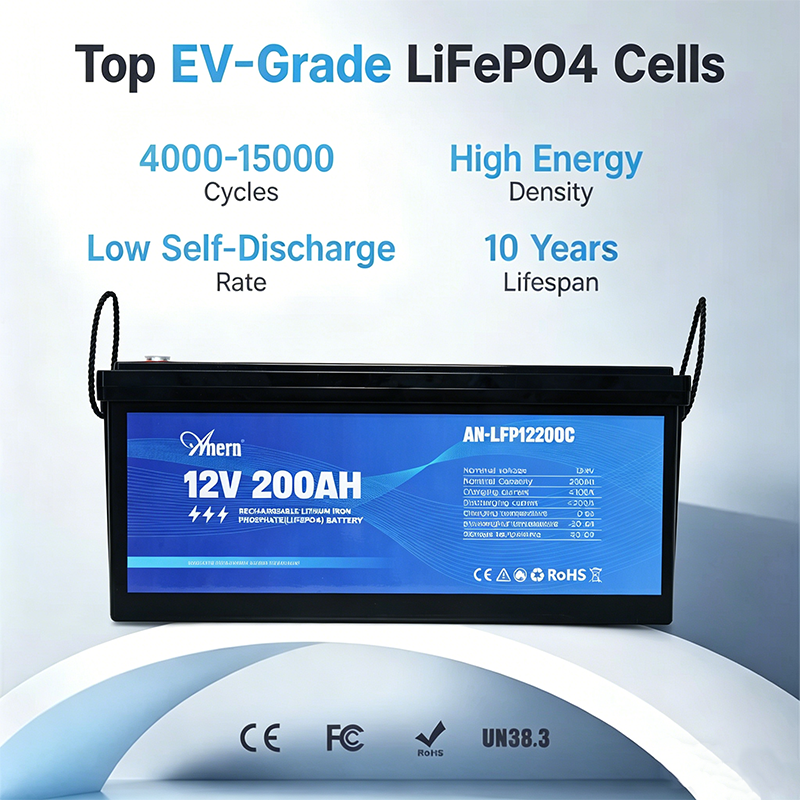
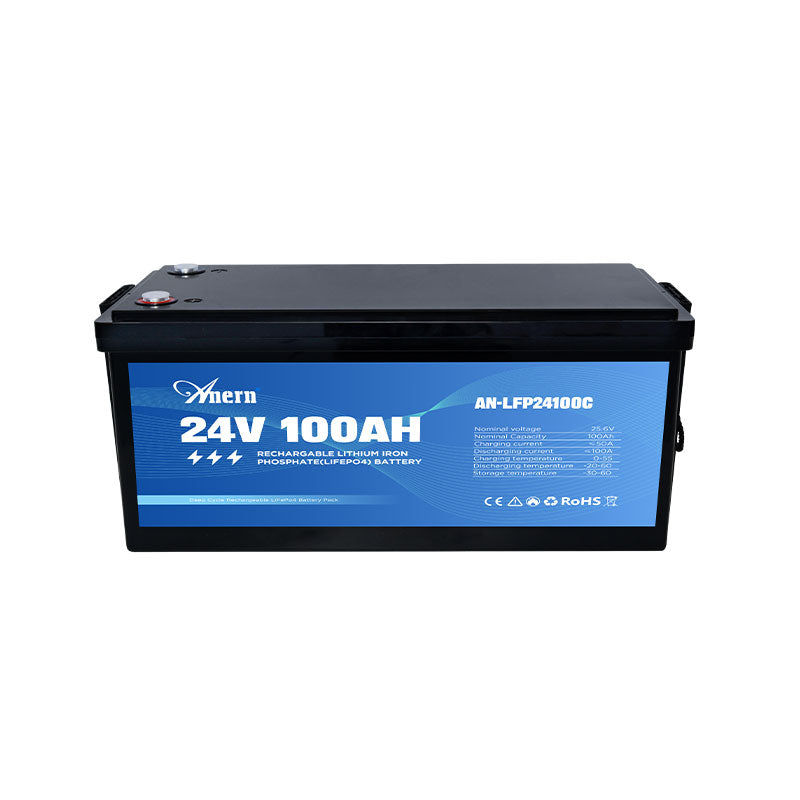
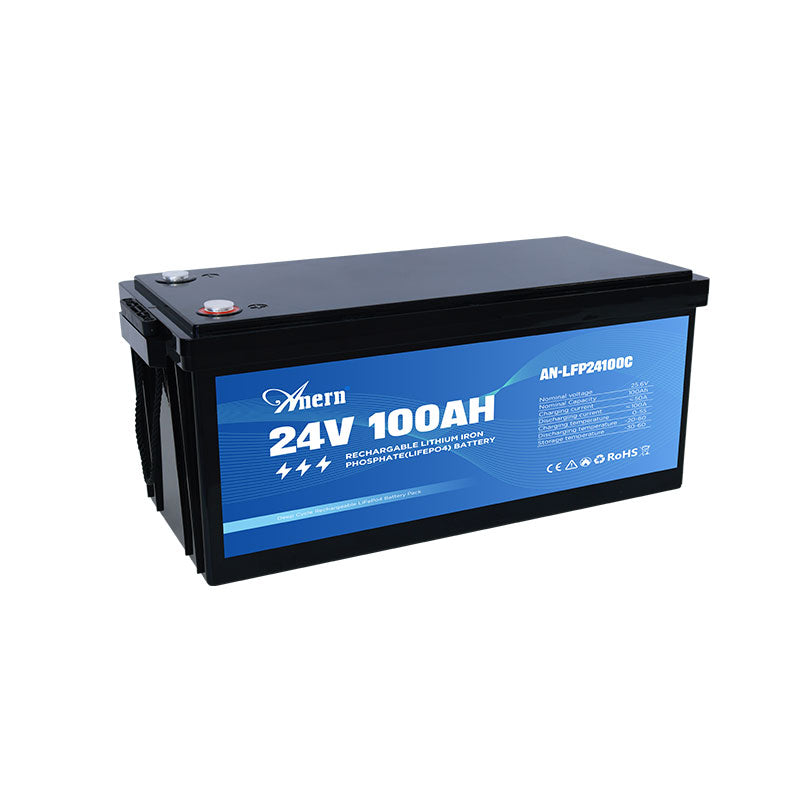
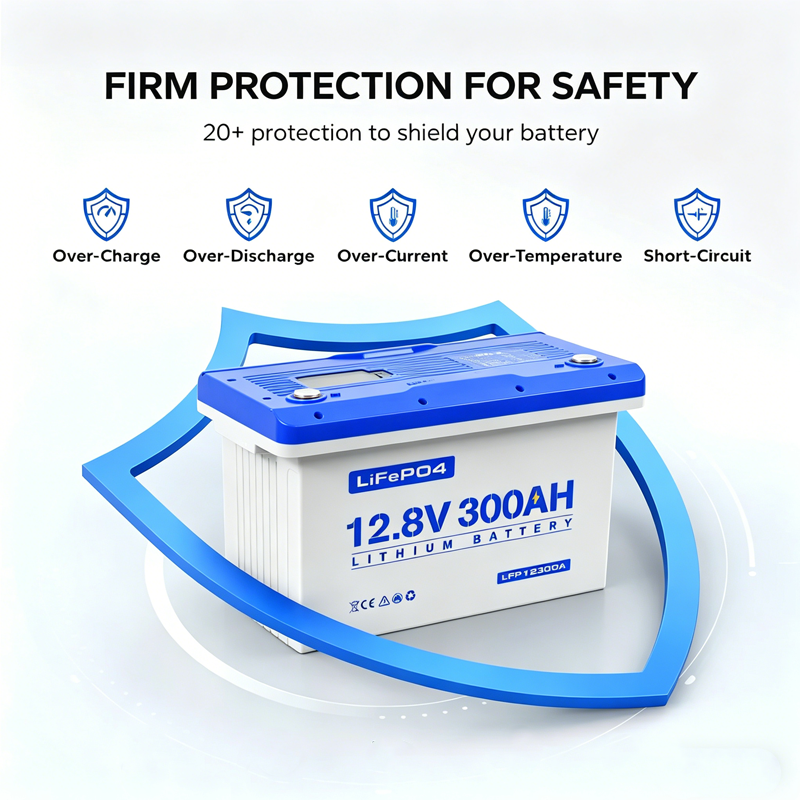
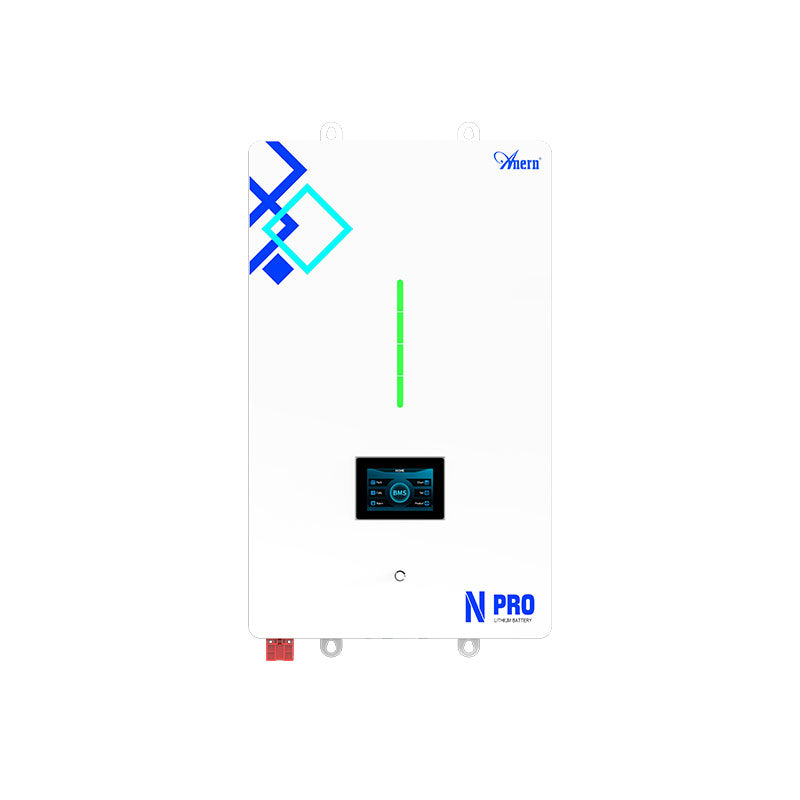
Reality paints a different picture. Modern lithium iron phosphate (LiFePO4) battery systems achieve 99.9% availability rates, while diesel generators typically manage 95-97% reliability due to mechanical complexity and fuel system vulnerabilities. The difference becomes critical during extended outages when generator fuel pumps fail or contaminated diesel clogs filters.
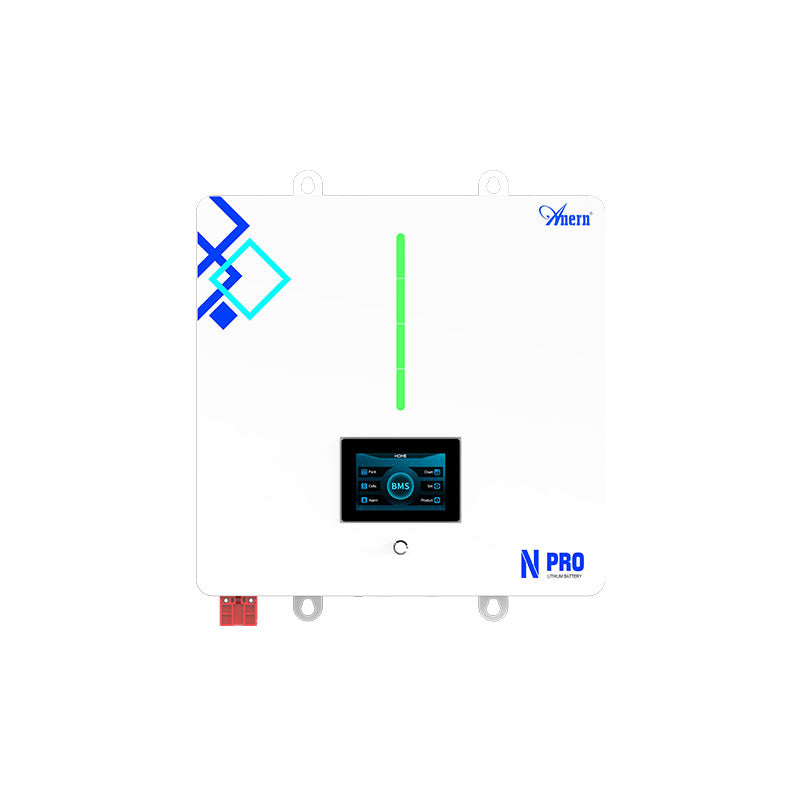
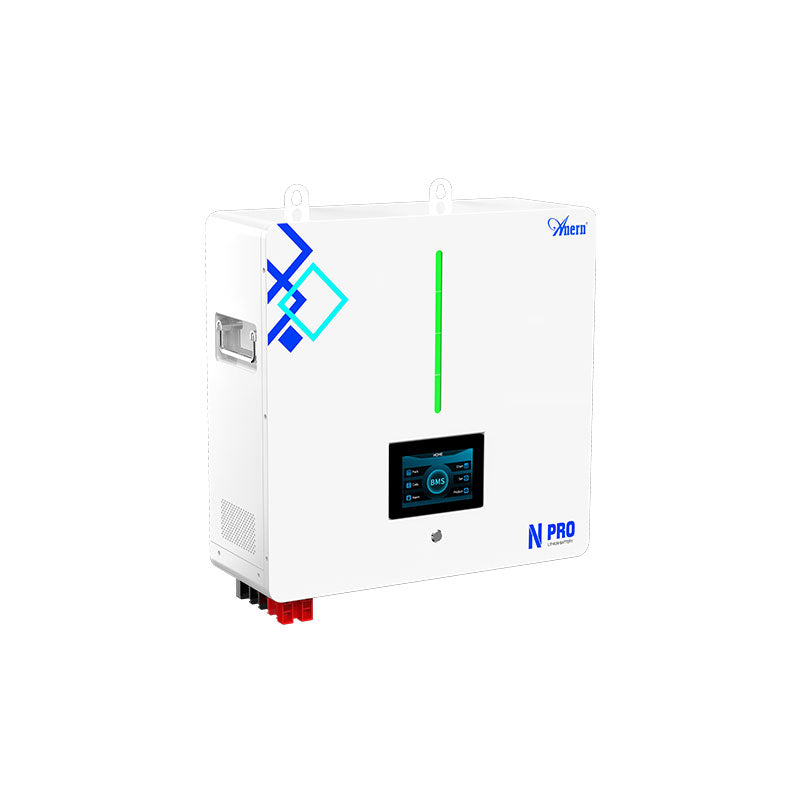
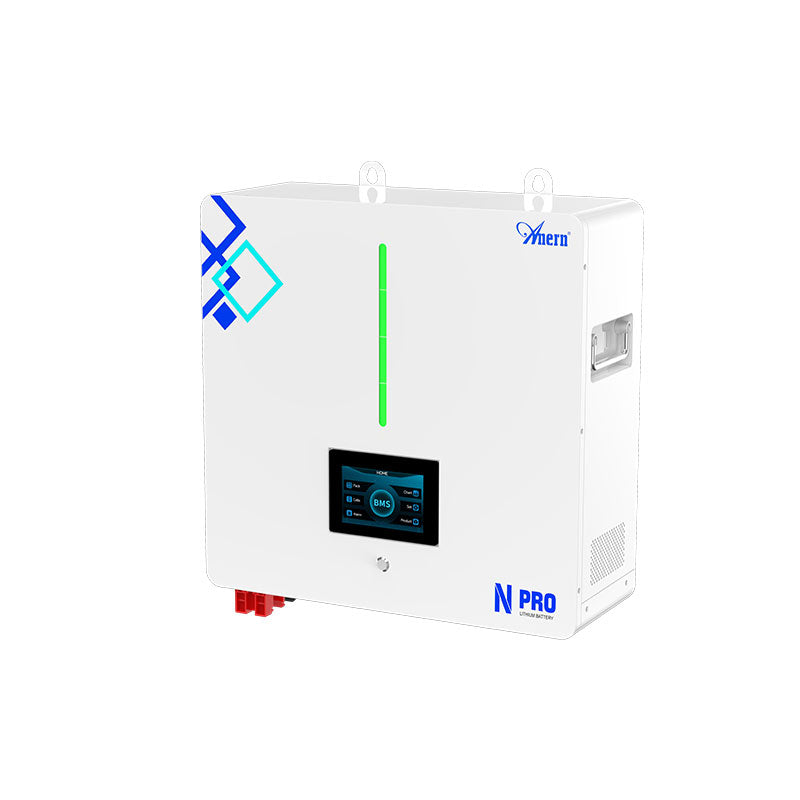
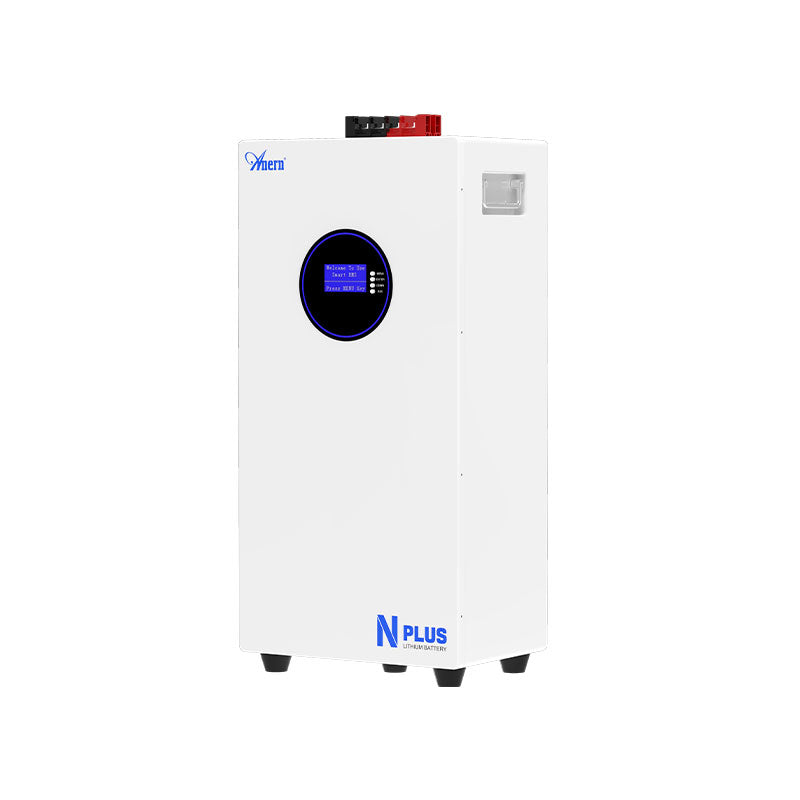
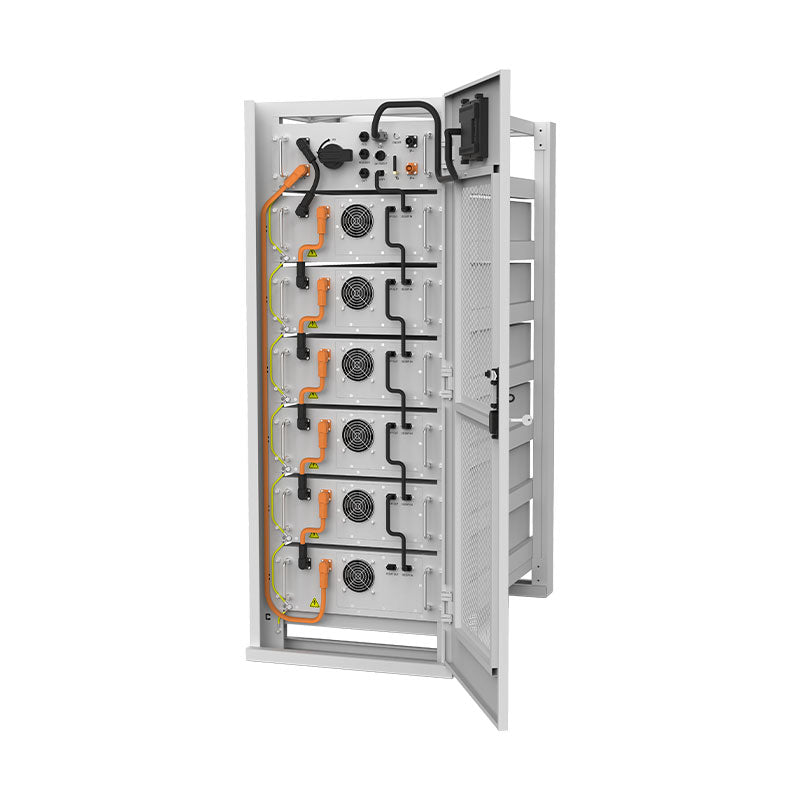
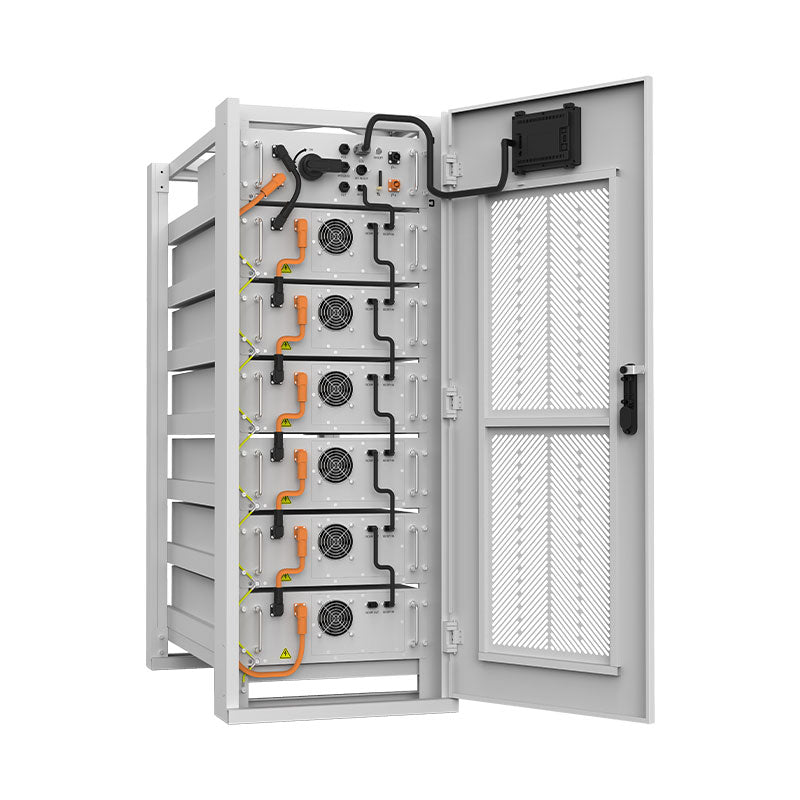
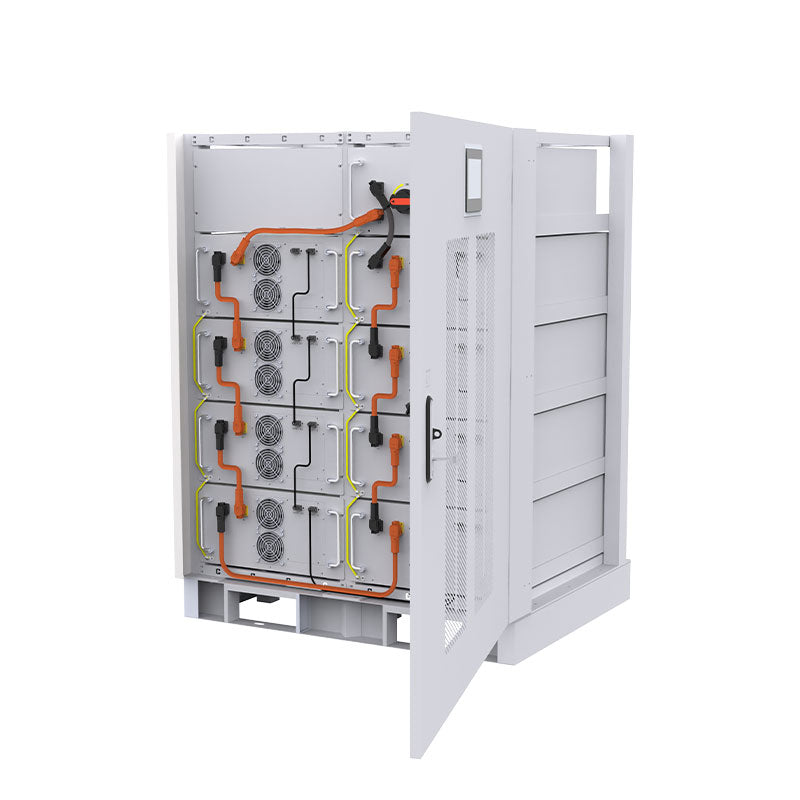
Battery UPS systems eliminate single points of failure that plague generators. No fuel delivery trucks stuck in storms, no carburetor problems in cold weather, no maintenance windows that leave hospitals vulnerable. The solid-state design means fewer moving parts and dramatically reduced failure modes.
Instant Response vs Dangerous Delays
Generators require 10-30 seconds to start and stabilize power output – an eternity when ventilators and heart monitors depend on continuous electricity. Battery UPS systems provide instantaneous power transfer, maintaining critical equipment operation without interruption.
This delay difference isn't just inconvenient; it's potentially fatal. During my consultation with a cardiac surgery center, surgeons described how even brief power interruptions could disrupt delicate procedures and compromise patient outcomes. Battery backup eliminated these risks entirely.
The Indoor Installation Advantage
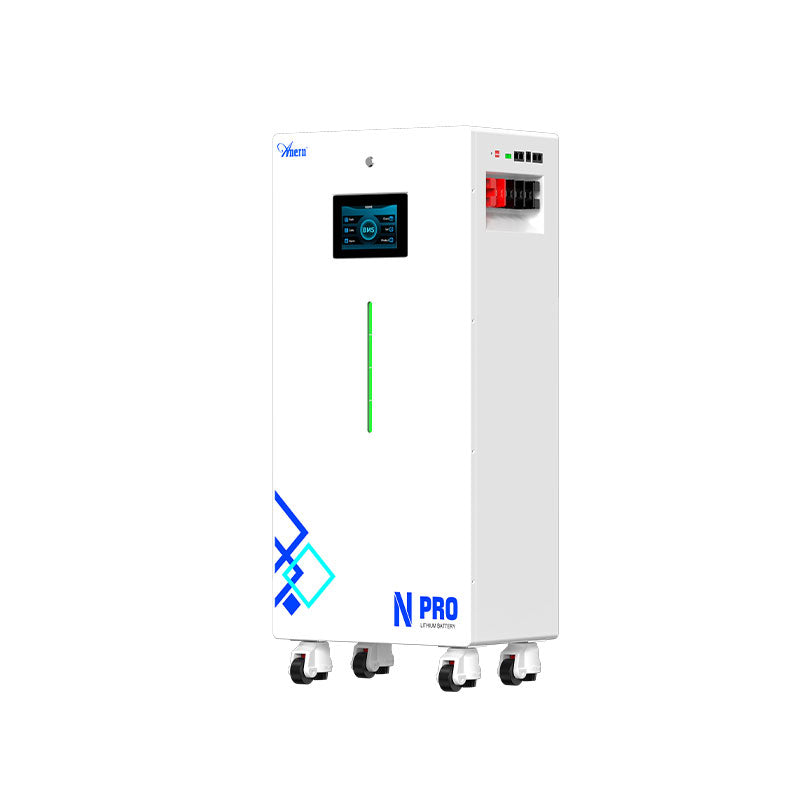
Hospital generators typically require outdoor installation, creating security vulnerabilities and weather exposure risks. Battery UPS systems install indoors, protecting critical backup power from theft, vandalism, and environmental damage.
Indoor installation offers additional benefits that many administrators overlook. Battery systems operate in climate-controlled environments, extending lifespan and maintaining consistent performance. No weatherproofing concerns, no frozen fuel lines, no storm damage to outdoor equipment.
The space efficiency advantage is remarkable. A 100kW battery system occupies roughly 200 square feet, while equivalent generator capacity requires 400-600 square feet including fuel storage and ventilation requirements.
Zero Emissions in Patient Care Areas
Generators produce carbon monoxide, nitrogen oxides, and particulate matter – pollutants that pose serious health risks near medical facilities. Battery UPS systems generate zero emissions, protecting air quality around vulnerable patient populations.
This emission difference becomes crucial for children's hospitals, cancer treatment centers, and respiratory care facilities where air quality directly impacts patient health. Battery backup aligns with healthcare's "do no harm" principle in ways generators simply cannot match.
Maintenance Reality Check
The maintenance myth suggests generators require minimal upkeep compared to complex battery systems. Hospital maintenance teams tell a different story. Generators demand weekly testing, monthly oil changes, quarterly filter replacements, and annual comprehensive inspections.
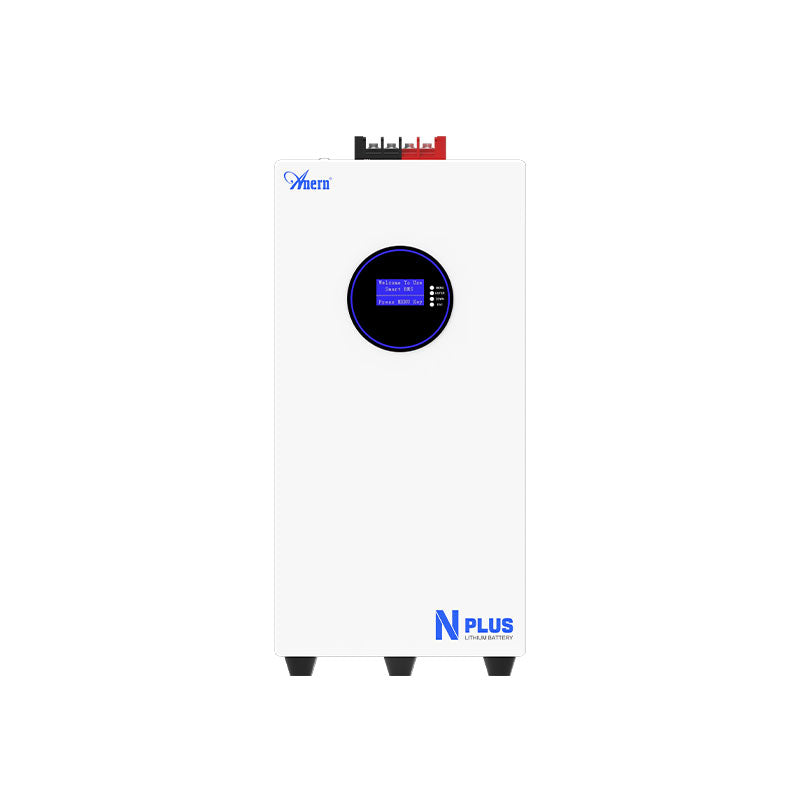
Battery UPS systems require minimal maintenance – quarterly visual inspections and annual capacity testing. No oil changes, no filter replacements, no fuel system maintenance. The reduced maintenance burden frees hospital staff for patient care activities rather than generator upkeep.
| Maintenance Aspect | Generator Systems | Battery UPS Systems |
|---|---|---|
| Weekly Testing | Required (30-60 minutes) | Automated monitoring |
| Oil Changes | Monthly (2-4 hours) | Not applicable |
| Filter Replacement | Quarterly (1-2 hours) | Not applicable |
| Annual Inspection | 8-16 hours downtime | 2-4 hours testing |
Cost Analysis Beyond Initial Investment
The upfront cost myth claims generators offer lower initial investment compared to battery systems. While generators may cost less initially, total cost of ownership tells a different story over the system's operational life.
Fuel costs alone can exceed $10,000 annually for a 100kW generator running monthly tests and occasional outages. Add maintenance contracts ($3,000-5,000 yearly), replacement parts, and periodic overhauls, and generators become expensive propositions.
Battery UPS systems eliminate fuel costs entirely while requiring minimal maintenance expenses. The declining costs of battery storage technology have made these systems increasingly competitive with traditional generators, especially when factoring in operational savings.
Integration with Renewable Energy
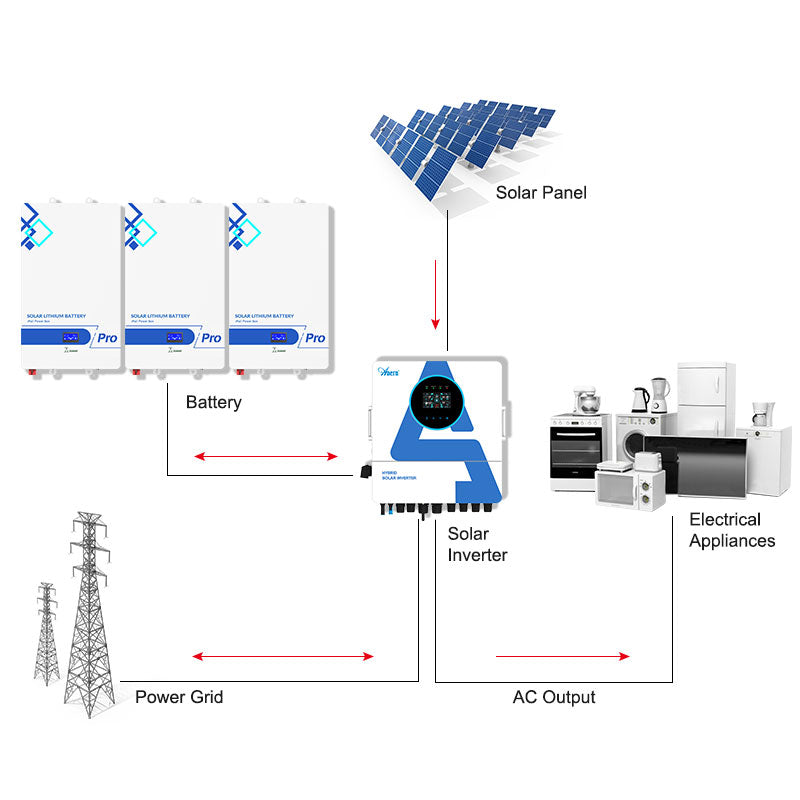
Forward-thinking hospitals are discovering battery systems' unique ability to integrate with solar power installations. This combination provides multiple benefits: reduced utility costs, enhanced sustainability credentials, and improved energy independence.
Generators cannot effectively utilize solar energy, limiting hospitals to grid-dependent or fuel-dependent power sources. Battery systems create opportunities for hospitals to generate, store, and utilize clean energy while maintaining robust backup power capabilities.
Real-World Performance in Healthcare Settings
Recent implementations demonstrate battery UPS superiority in actual hospital environments. According to IRENA's healthcare electrification research, battery backup systems provide more reliable power for medical equipment compared to traditional generator solutions, particularly in facilities requiring consistent power quality.
The study highlights how battery systems better support sensitive medical equipment that cannot tolerate the power quality variations common with generator systems. Imaging equipment, laboratory analyzers, and electronic medical records systems all perform more reliably with clean battery power.
Silent operation represents another critical advantage in healthcare settings. Generators produce 70-80 decibels of noise – equivalent to city traffic – while battery systems operate silently. This noise reduction improves patient comfort and staff communication during emergencies.
Scalability for Growing Facilities
Hospital power needs evolve as facilities expand and add new equipment. Battery UPS systems offer modular scalability, allowing capacity increases without replacing entire systems. Generators require complete replacement or expensive parallel installations to increase capacity.
This scalability advantage becomes crucial for growing healthcare systems. Adding 50kW of battery capacity takes hours, while installing additional generator capacity requires weeks of planning, permitting, and construction.
Making the Right Choice for Patient Safety
The evidence overwhelmingly supports battery UPS systems for hospital backup power applications. Superior reliability, instant response, zero emissions, minimal maintenance, and integration flexibility make batteries the logical choice for protecting patient safety.
However, the transition requires careful planning. Proper system sizing, installation requirements, and integration with existing electrical infrastructure demand expert guidance. Working with experienced energy storage professionals ensures optimal system design and reliable operation.
The myth of generator superiority belongs in the past. Modern battery UPS technology offers hospitals everything they need for reliable backup power while eliminating the drawbacks that make generators problematic in healthcare environments.
Patient safety depends on making informed decisions based on current technology capabilities rather than outdated assumptions. Battery UPS systems represent the future of hospital backup power – silent, clean, reliable, and ready when lives depend on it.
