













Plug-and-play solar kits are attractive because they promise a simpler path into solar power. The idea sounds easy: place a panel, connect the inverter, and plug it in. In reality, even a small solar kit is still a power-generating electrical system, and that changes the safety requirements.
The goal is not to discourage DIY solar. The goal is to separate useful convenience from risky shortcuts.
The Allure of Simplicity: What Is Plug-and-Play Solar?
Defining the Concept
Plug-and-play solar usually refers to small kits for balconies, patios, small rooftops, or portable setups. They may include solar panels, a microinverter, pre-made cables, and a simplified connection method. Some are designed for portable battery charging; others are marketed for grid-connected use.
Common Myth: It Is Just Like Plugging in a Toaster
A toaster consumes electricity. A grid-tied solar kit generates electricity and can feed power into a circuit. That difference matters. Backfeeding, grounding, anti-islanding, circuit loading, and utility approval are all safety issues that do not apply to an ordinary appliance.
Reality Check: Unpacking the Real Safety Considerations
Electrical Shock and Fire Hazards
Solar panels can produce DC electricity whenever light hits them. Damaged insulation, loose connectors, undersized wiring, or non-weather-rated components can create shock, heat, or fire risk. Use certified equipment and follow manufacturer instructions. For general home lithium-ion safety context where batteries are involved, see the National Fire Protection Association battery safety guidance.
Grid Interconnection Rules and Regulations
Any system connected to the utility grid must comply with local utility and electrical rules. Grid-tied inverters need anti-islanding protection, which shuts the inverter down during an outage so it does not energize utility lines. This protects utility workers and equipment.
Overloading Your Home Circuits
Branch circuits and electrical panels have current limits. Adding generation to a circuit that already serves loads can create overheating risk if the system is not designed correctly. Do not assume that a wall outlet is a safe solar interconnection point simply because a plug fits.
A Practical Safety Blueprint for Your DIY Installation
Step 1: Verify Component Certification
Use components certified by recognized testing laboratories and approved for the intended use. Inverters for grid connection should be listed for grid-tied operation and include required protection features. Avoid unverified kits with unclear documentation.
Step 2: Understand Your Home's Electrical System
Confirm whether the kit is portable, battery-charging only, or grid-interactive. For any grid-interactive system, contact the utility and local authority before installation. A qualified electrician should review circuit capacity, breaker placement, labeling, grounding, and disconnect requirements.
Step 3: Secure Mounting and Wiring
Panels must be mounted to withstand wind, rain, and local weather. Cables should be protected from abrasion, UV exposure, and water intrusion. Do not leave connectors loose on roofs, balconies, or walkways.
Beyond the Plug: Integrating Storage for True Energy Independence
Why Add a Battery?
A simple solar kit only produces power when sunlight is available. Battery storage lets you use solar energy after sunset and can support essential loads during outages, depending on system design.
Safety with Energy Storage Systems
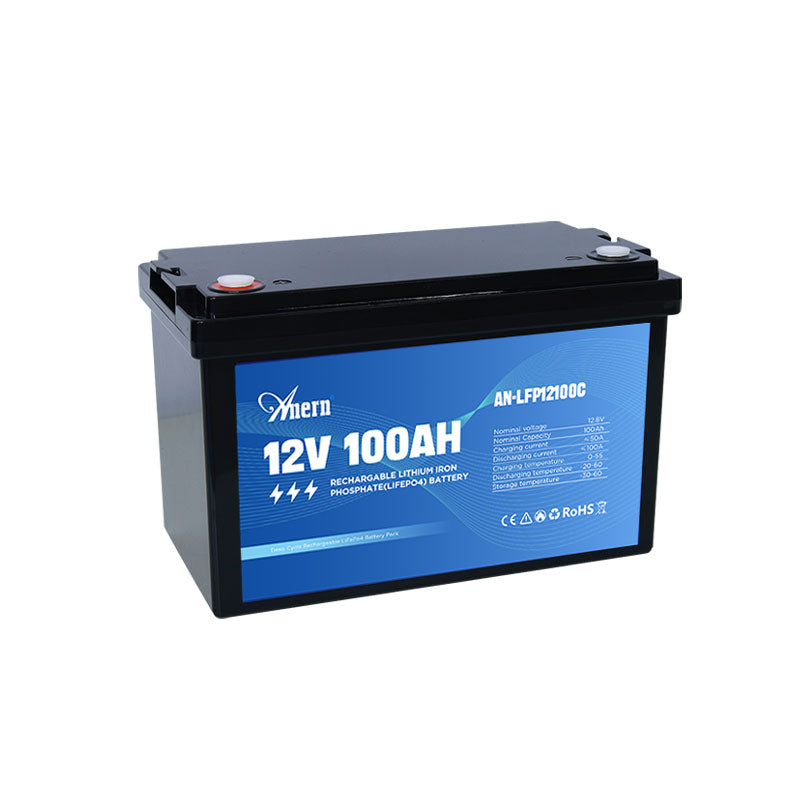
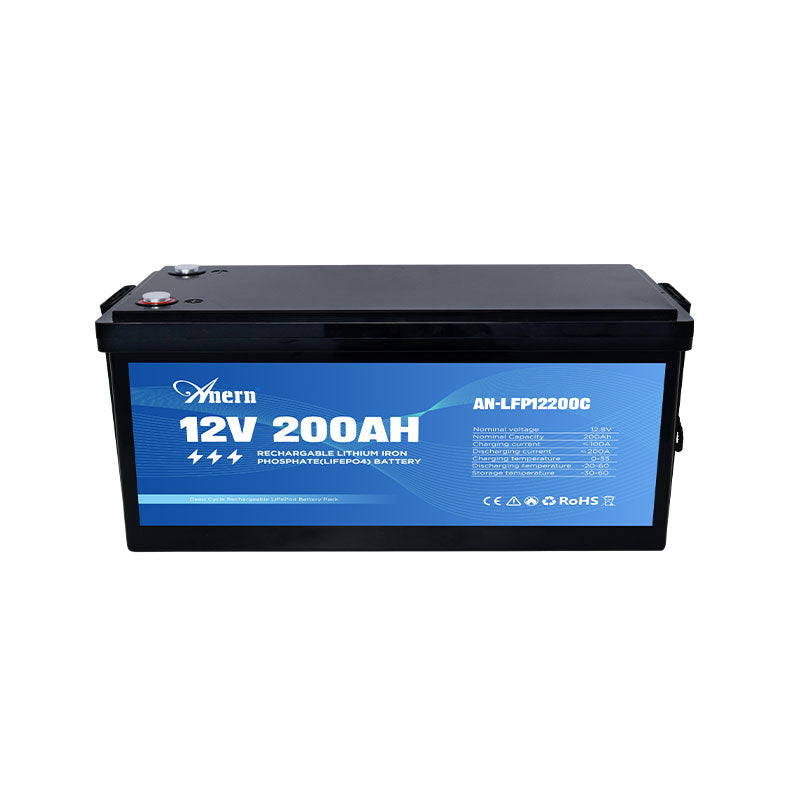
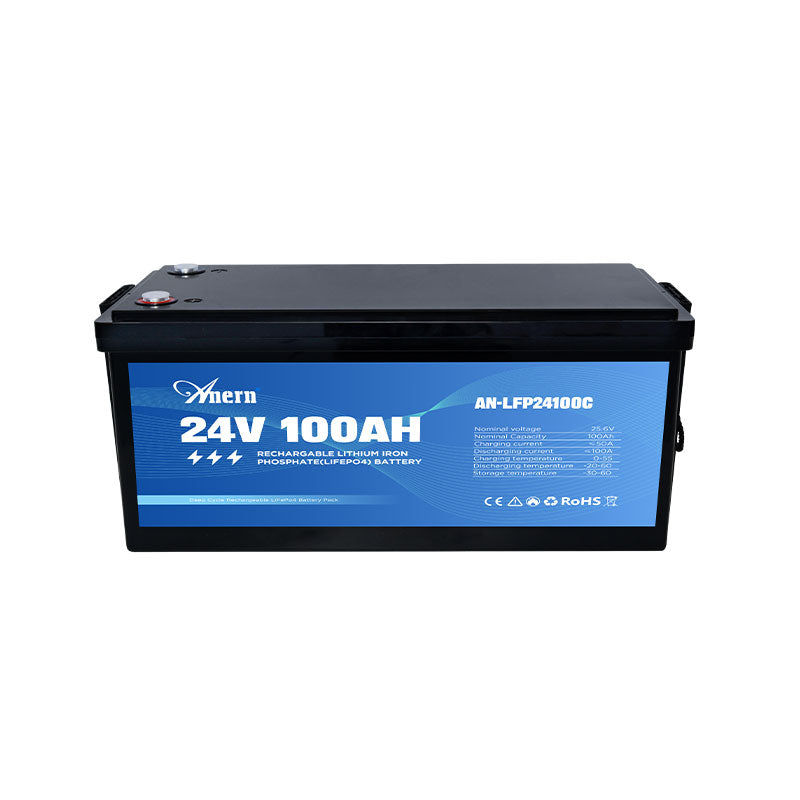
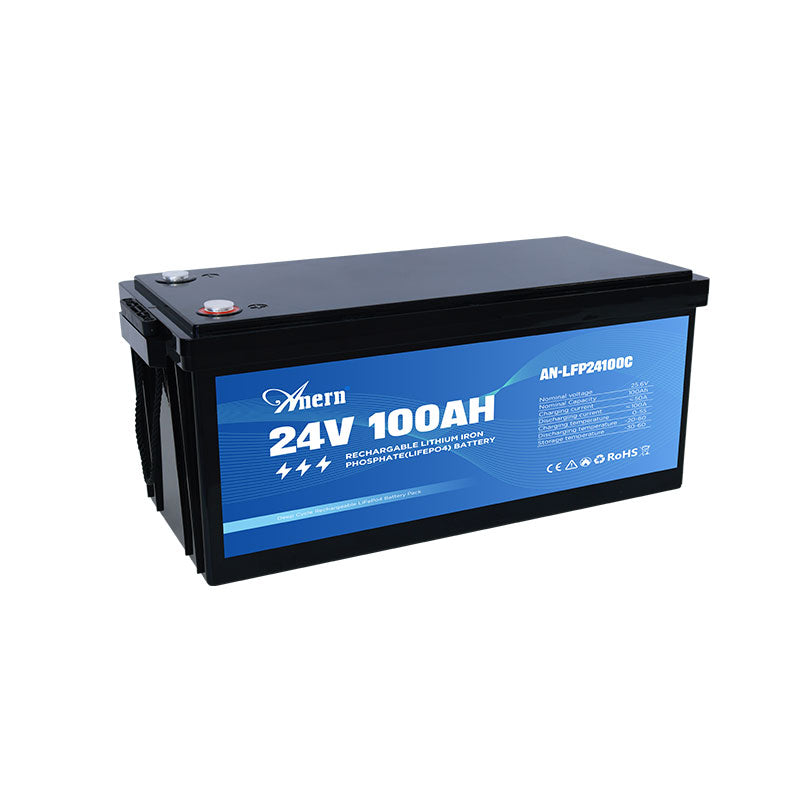
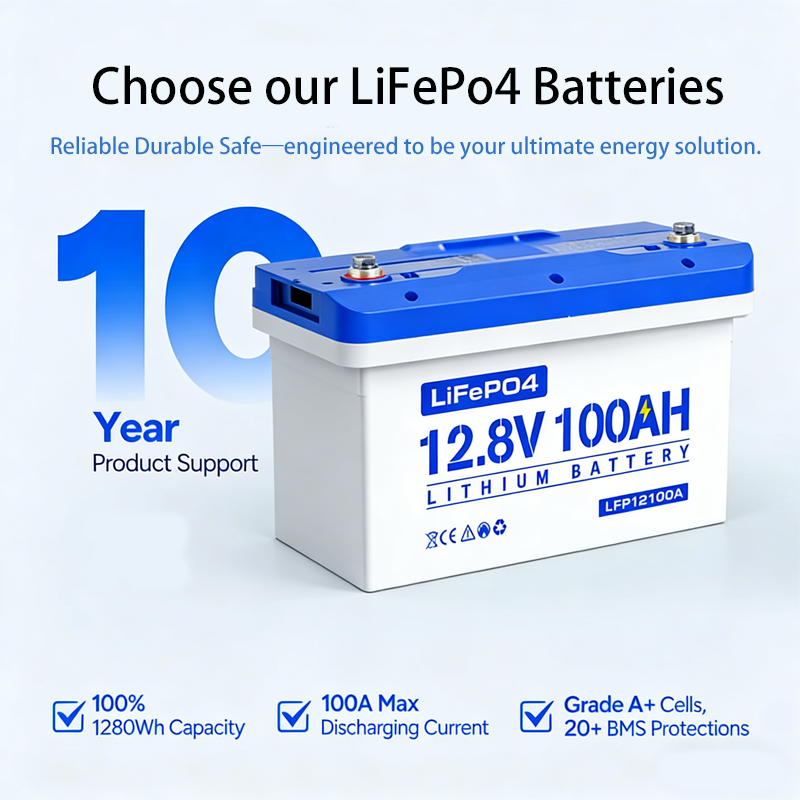
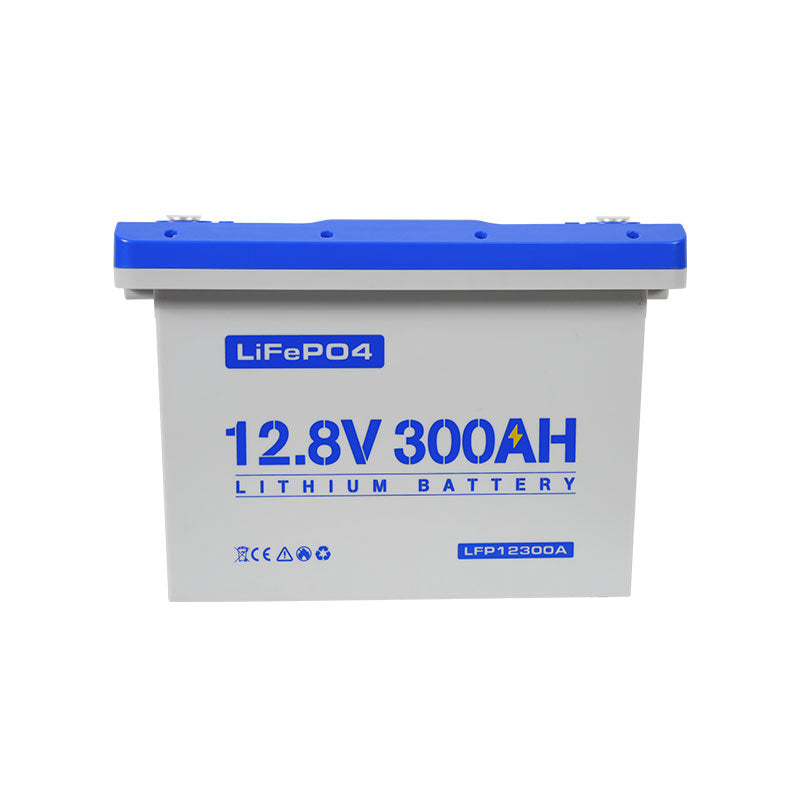
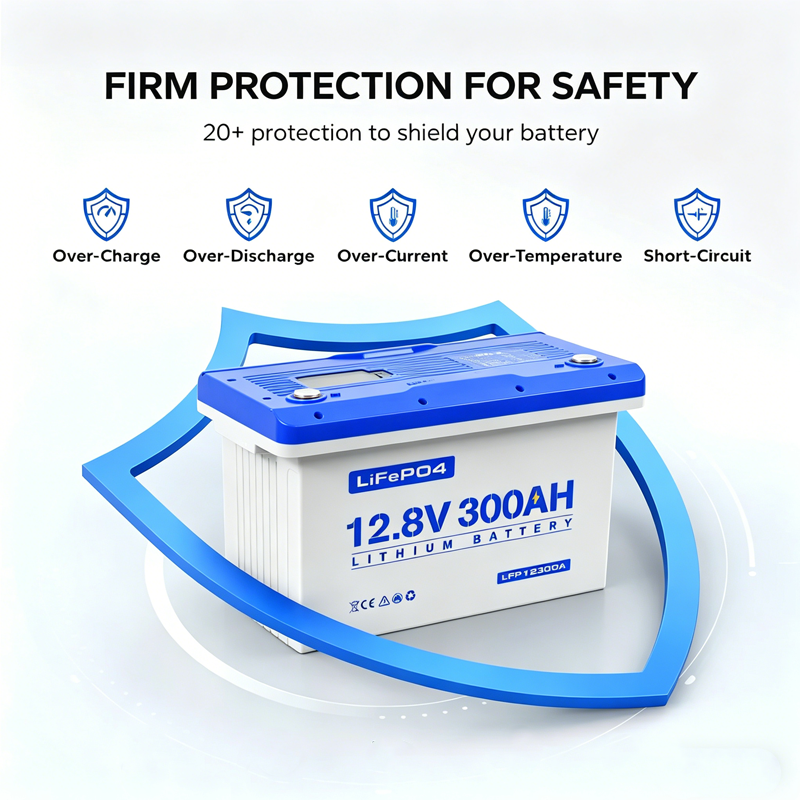
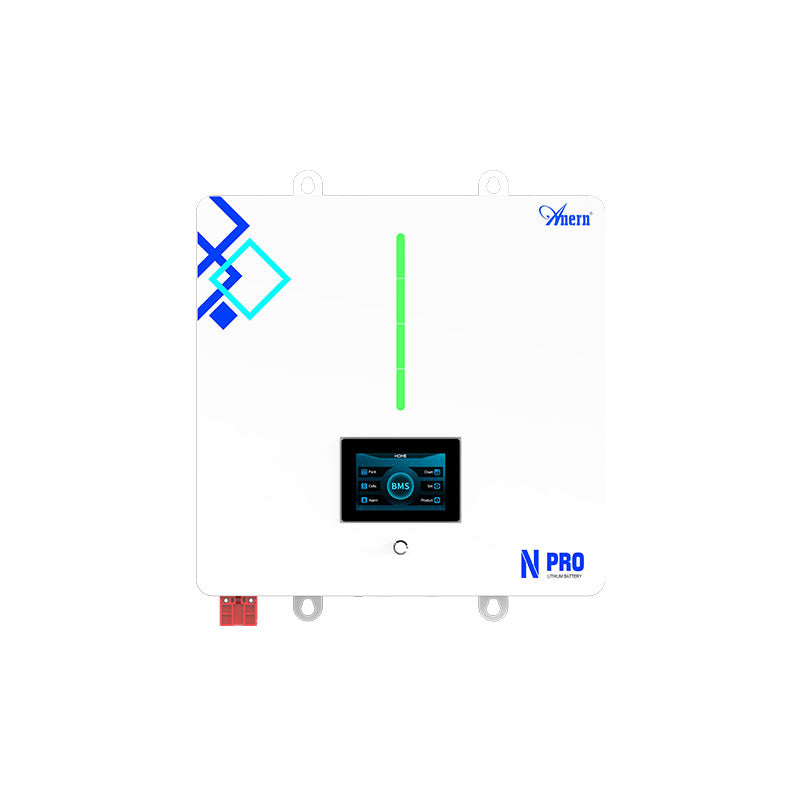
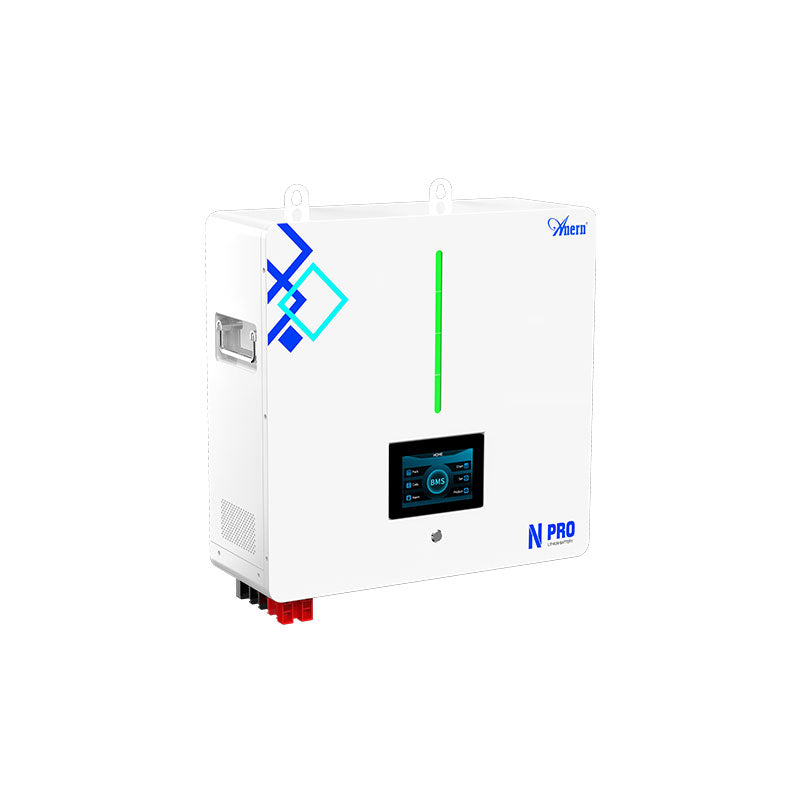
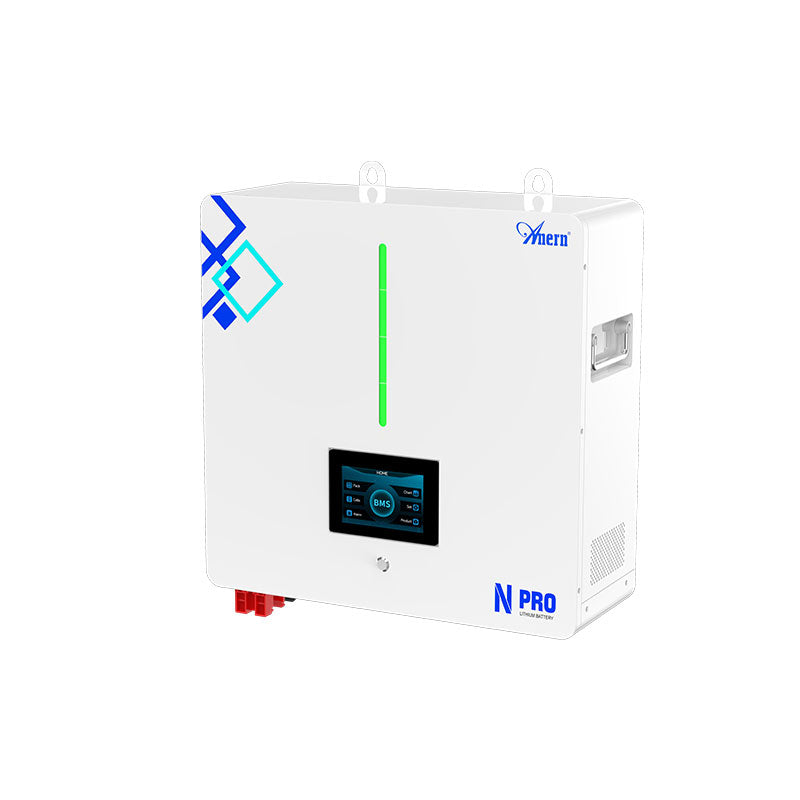
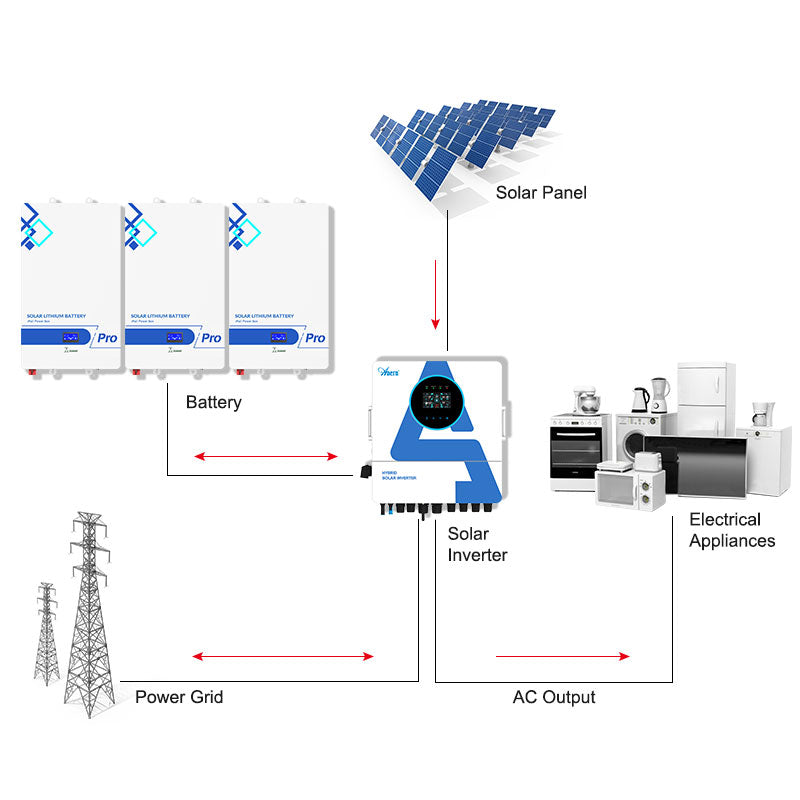
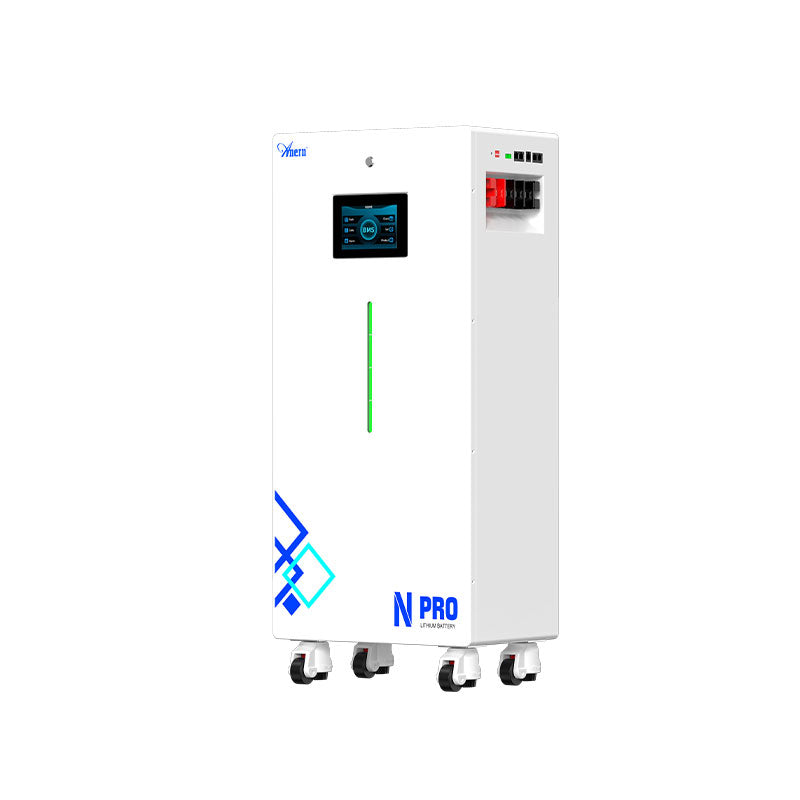
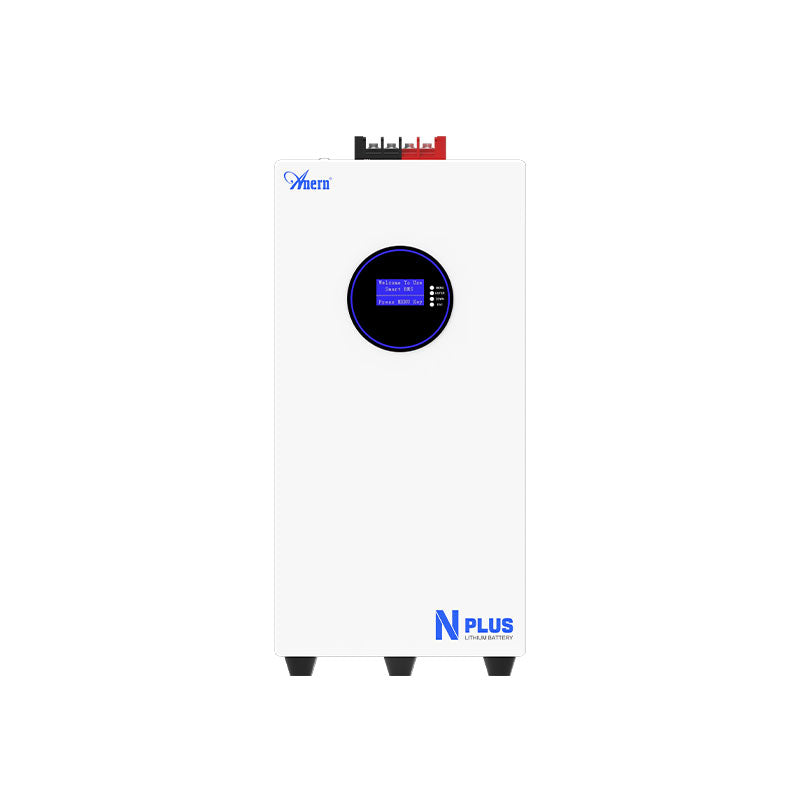
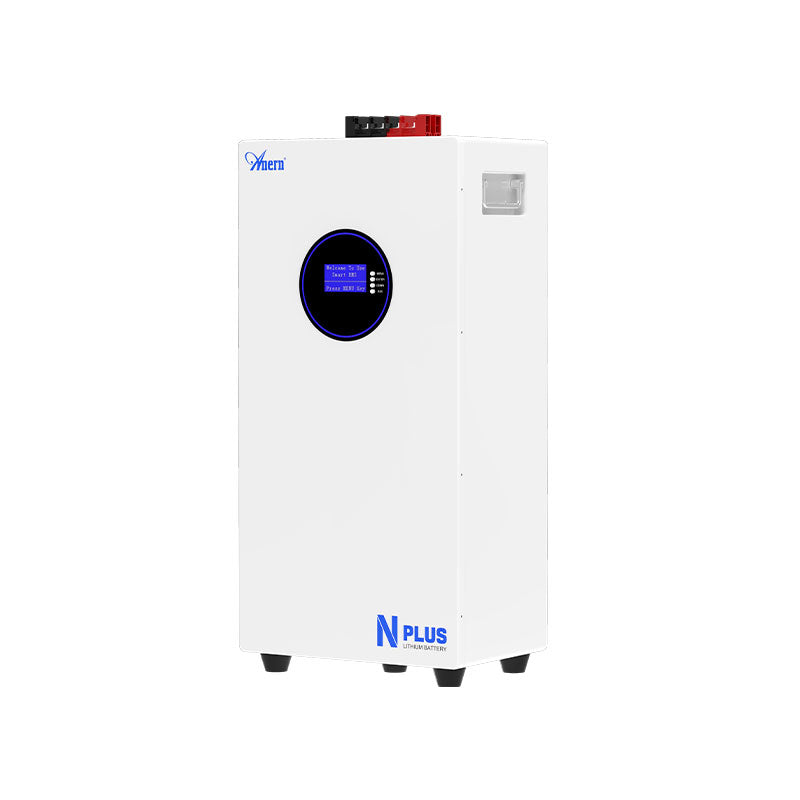
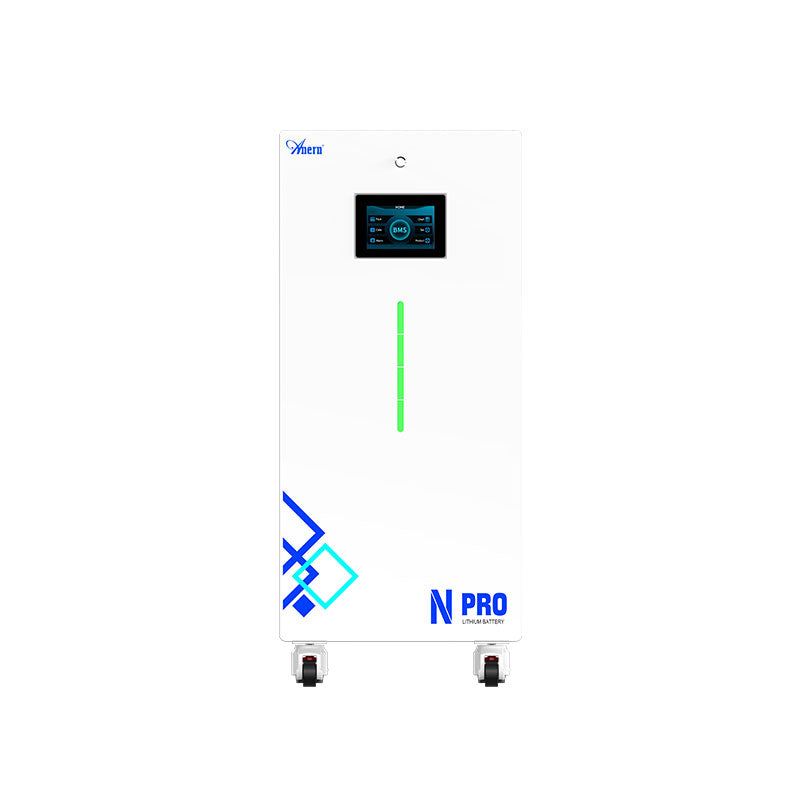
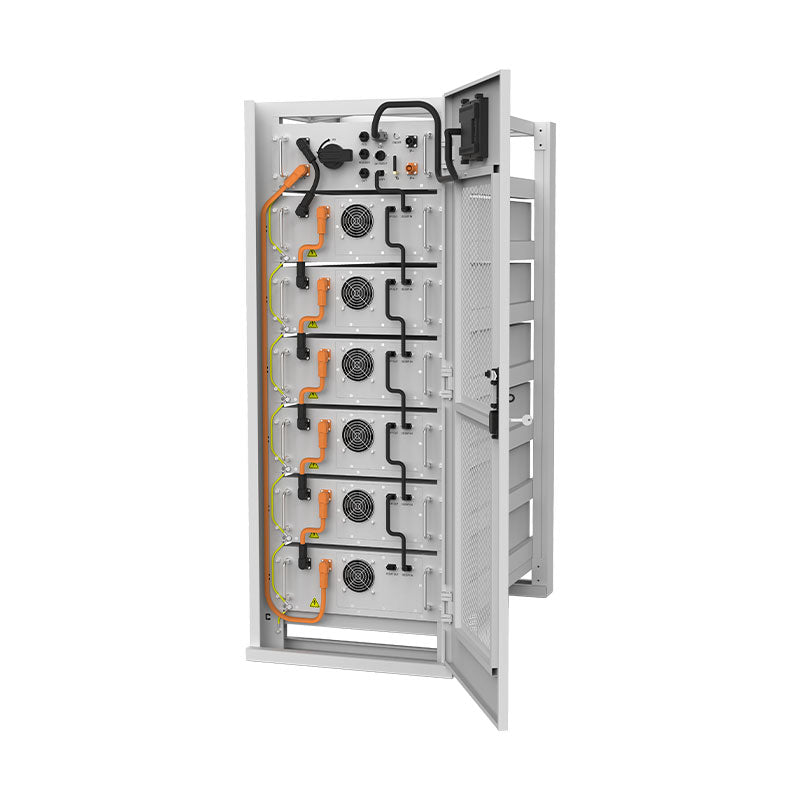
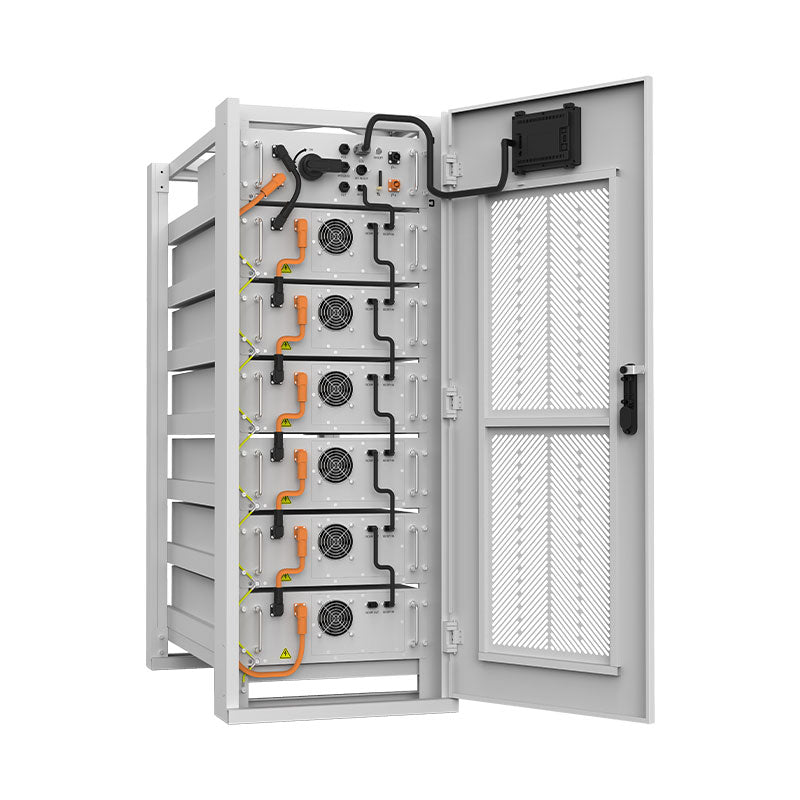
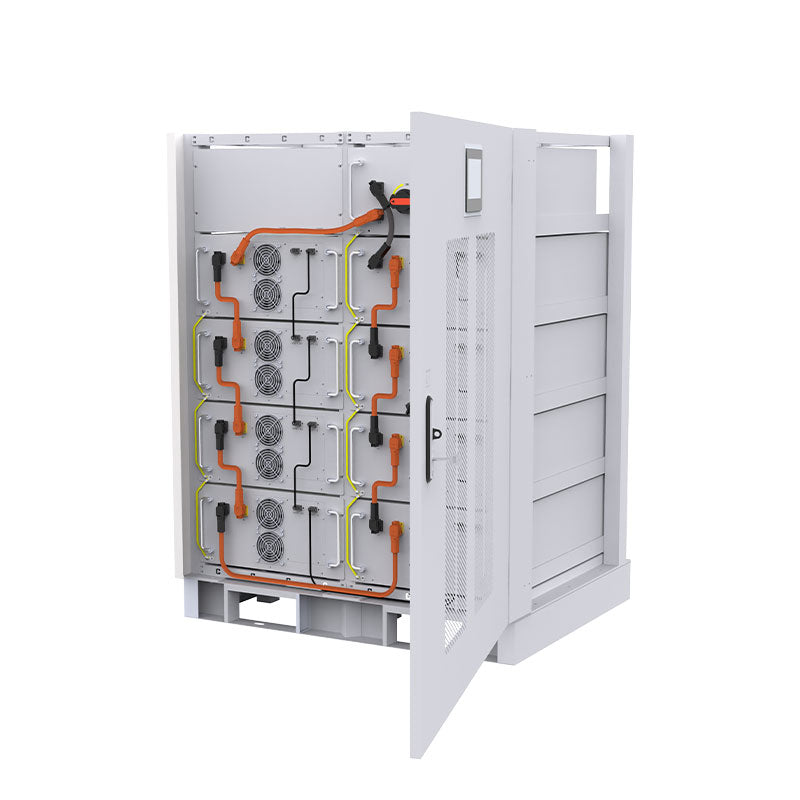
Adding a battery makes the system more useful but also more complex. The battery, inverter, charge controller, BMS, wiring, and protection devices must be matched. This solar energy storage system guide explains how the main components work together.
The U.S. Department of Energy's inverter basics guide is also useful for understanding why inverter function and grid interaction matter.
Your Path to Safe, Reliable Solar Power
Plug-and-play solar can be useful when it is certified, properly installed, and used within its approved scope. It becomes risky when users skip permits, backfeed circuits casually, use uncertified equipment, or treat a power-generating system like a normal appliance.
For portable off-grid use, focus on correct charge controllers, battery protection, weather-rated wiring, and realistic loads. For grid-connected use, involve the utility, local authority, and a qualified electrician before energizing the system.
Frequently Asked Questions
Do I need an electrician for a plug-and-play solar kit?
For portable battery-charging systems, not always. For grid-connected systems or any work involving home wiring or service panels, a qualified electrician is strongly recommended and may be required.
Can I plug a solar panel directly into a wall outlet?
No. A bare solar panel cannot be plugged into a wall outlet. Only a properly certified grid-interactive system with the correct inverter and approvals should connect to home wiring.
What is anti-islanding?
Anti-islanding is an inverter safety function that shuts down grid export during a utility outage. It helps prevent solar equipment from energizing lines that utility workers expect to be de-energized.
Are plug-and-play solar kits approved everywhere?
No. Rules vary by utility, city, state, country, and building type. Check local requirements before buying or installing a grid-connected kit.
