







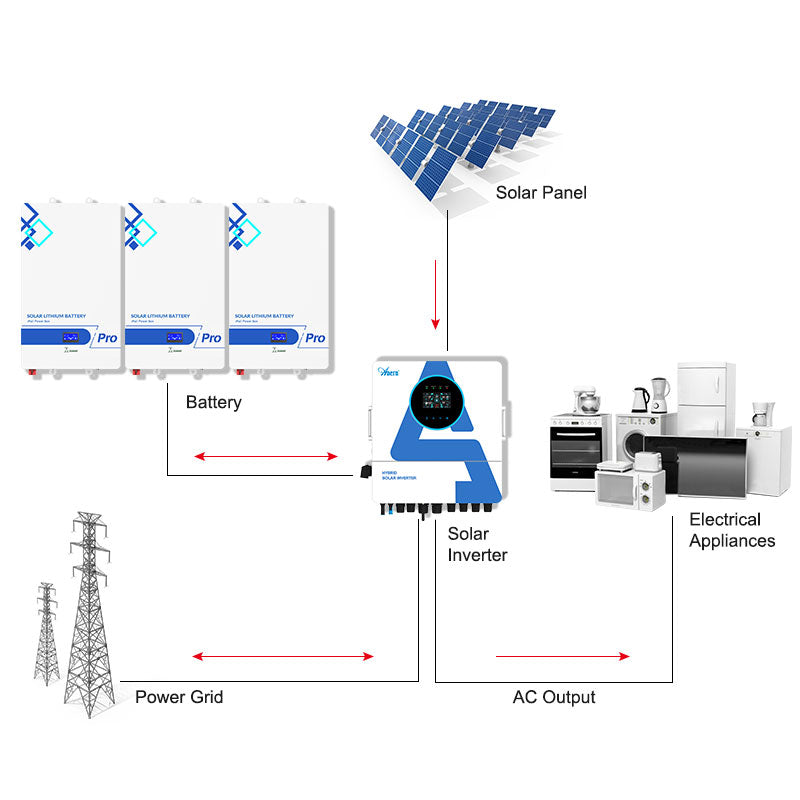






Imagine the freedom of powering your RV appliances anywhere, without relying on shore power. Achieving energy independence on the road requires a well-designed off-grid power system. This blueprint outlines the core components: solar panels, a reliable battery bank, and an efficient charging system. You will gain practical insights into building a robust power solution for your campervan adventures.

Harnessing Sunlight: Your RV Solar Panels
Solar panels are your primary source of renewable energy for off-grid RV living. Selecting the right panels and installing them correctly are crucial steps to maximize your power harvest.
Choosing the Right Solar Panels
Monocrystalline panels offer higher efficiency, meaning they generate more power per square foot compared to polycrystalline options. This is a significant advantage where roof space is limited on an RV. Flexible panels provide a lightweight, aerodynamic solution for curved roofs, while rigid panels offer durability and often better long-term performance. The choice depends on your RV type, budget, and specific energy needs. Solar energy is uniquely modular, deployable at small scales such as rooftop solar, a key observation from the IEA's Solar Energy Perspectives (2011).
| Panel Type | Efficiency | Space Requirement | Durability |
|---|---|---|---|
| Monocrystalline | High (18-22%) | Less | High (Rigid) / Moderate (Flexible) |
| Polycrystalline | Moderate (15-17%) | More | High (Rigid) |
| Flexible | Moderate-High | Less (conforms to curves) | Moderate |
Sizing Your Solar Array for RV Needs
Determining the appropriate size for your solar array begins with comprehending your daily energy consumption. List all your appliances and their wattage, then estimate their daily usage hours. This calculation gives you your total Watt-hours per day. For example, a refrigerator running 24/7 at 50W consumes 1200 Wh per day. Account for seasonal variations and potential cloudy days by adding a buffer.
Consider the maximum power point (Pmax) of your panels and the typical peak sun hours in your travel areas. For instance, if your RV requires 2000 Wh per day and you get 5 peak sun hours, you need a solar array capable of producing 400W (2000 Wh / 5h). This ensures you generate enough power to recharge your battery bank.
Optimal Panel Placement and Installation
Proper installation ensures efficiency and safety. Mount panels securely to withstand road vibrations and wind. Angle adjustable mounts can significantly boost efficiency by allowing you to optimize the panel's angle towards the sun. Minimize shading from air conditioners, vents, or trees, as even partial shading can drastically reduce output from an entire string of panels. Use appropriate wiring gauges and connectors to prevent power loss and ensure a safe electrical connection.
The Power Core: Your RV Battery Bank
Your battery bank stores the energy generated by your solar panels, making it available when the sun isn't shining. The type and size of your battery bank directly impact your off-grid autonomy.
The Advantages of LiFePO4 Batteries for RVs
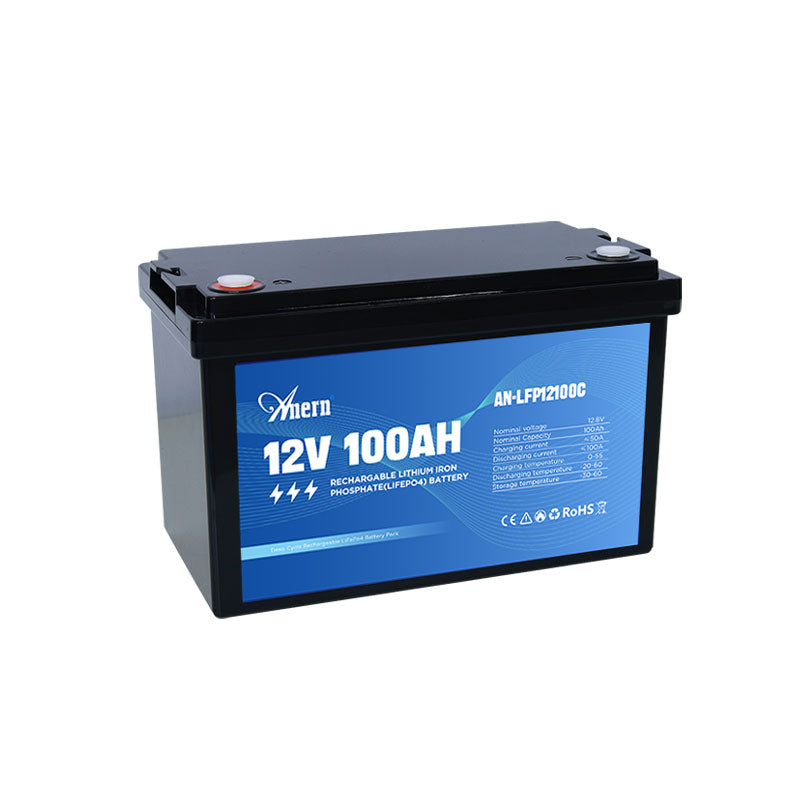
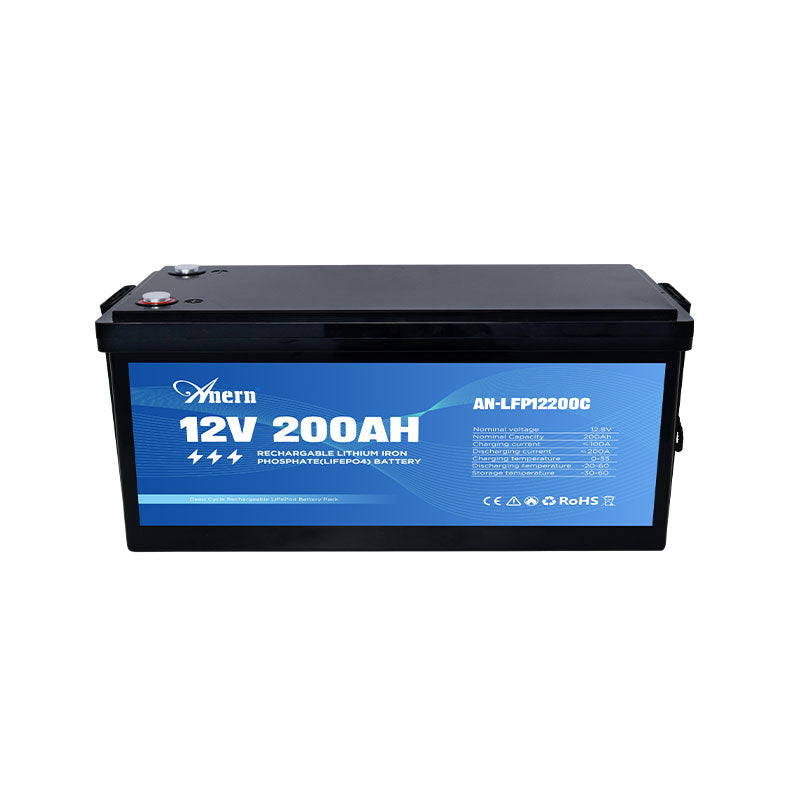
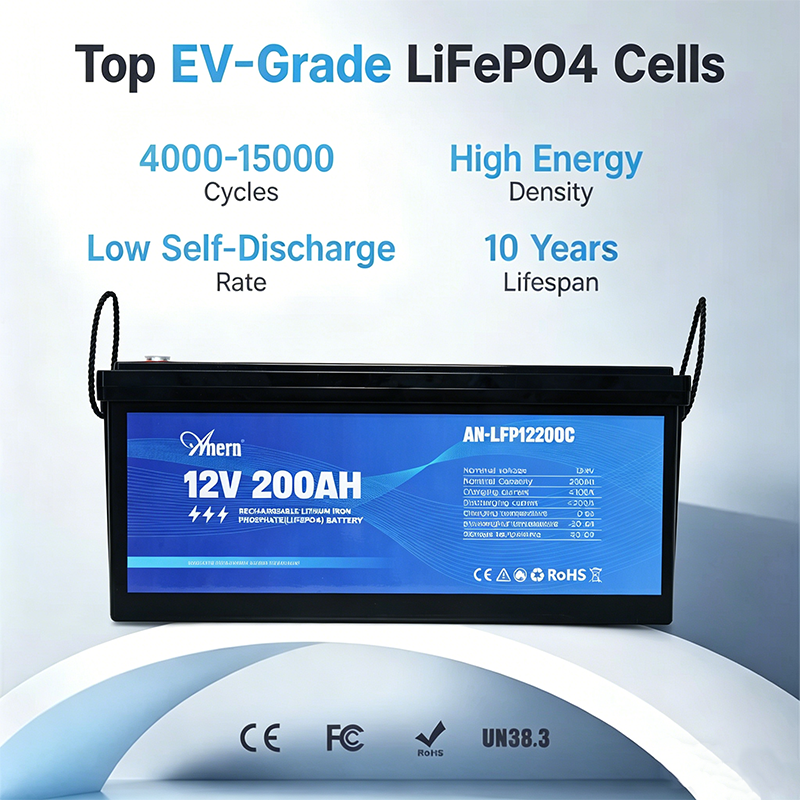
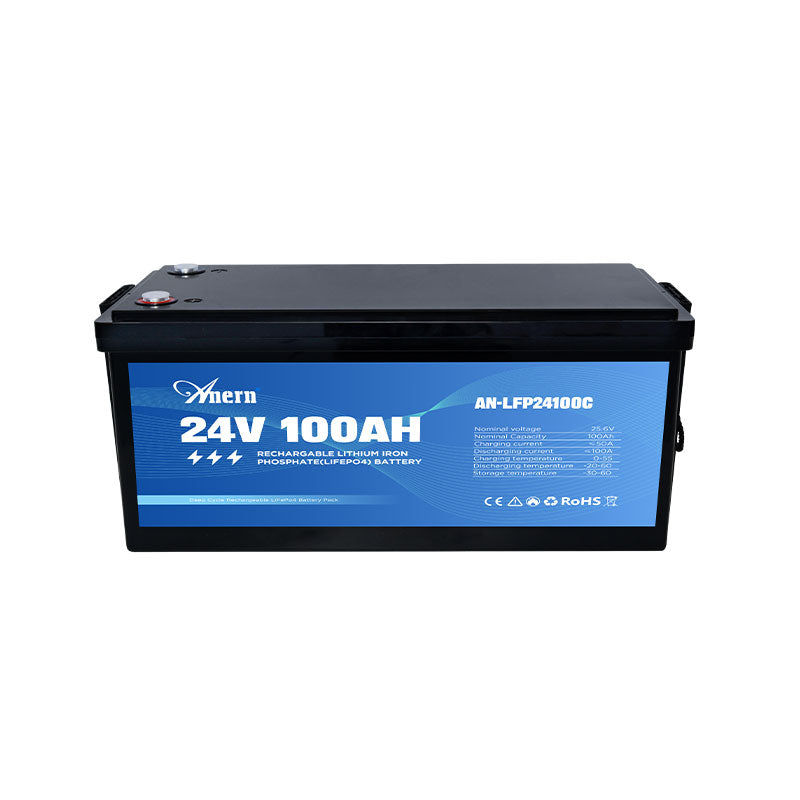
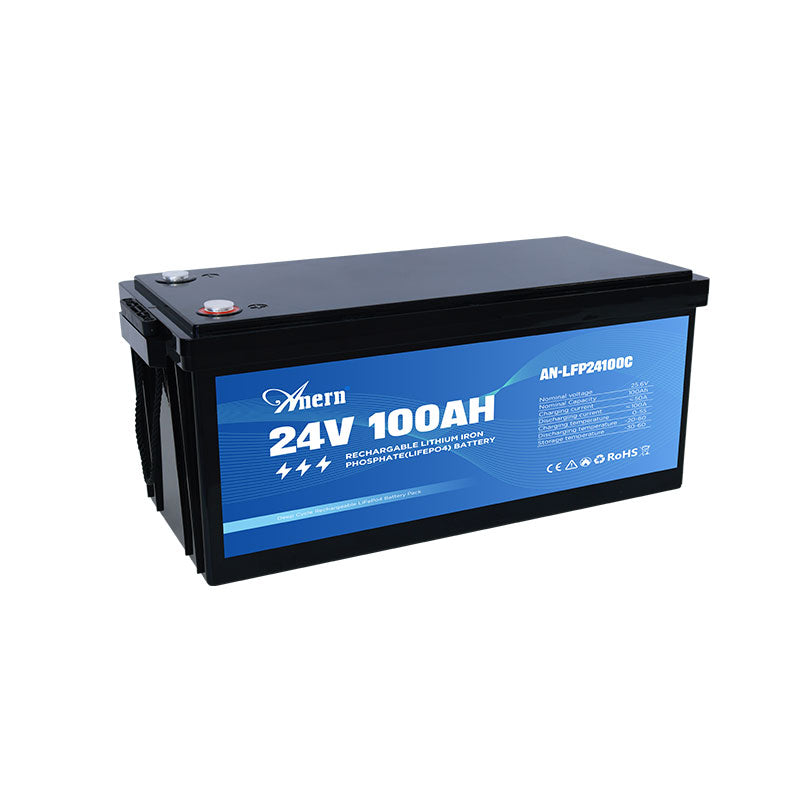
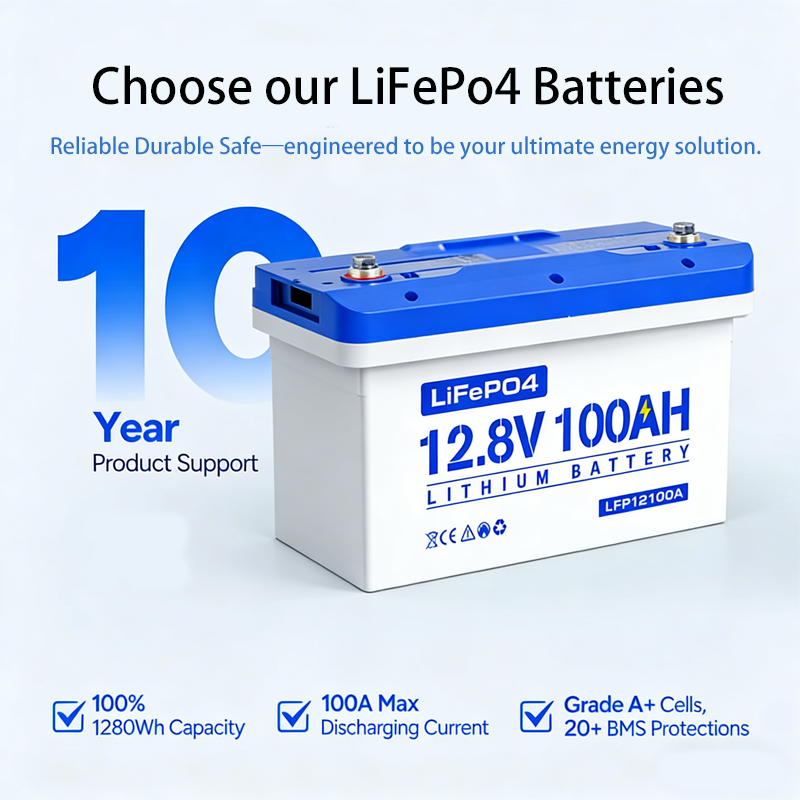
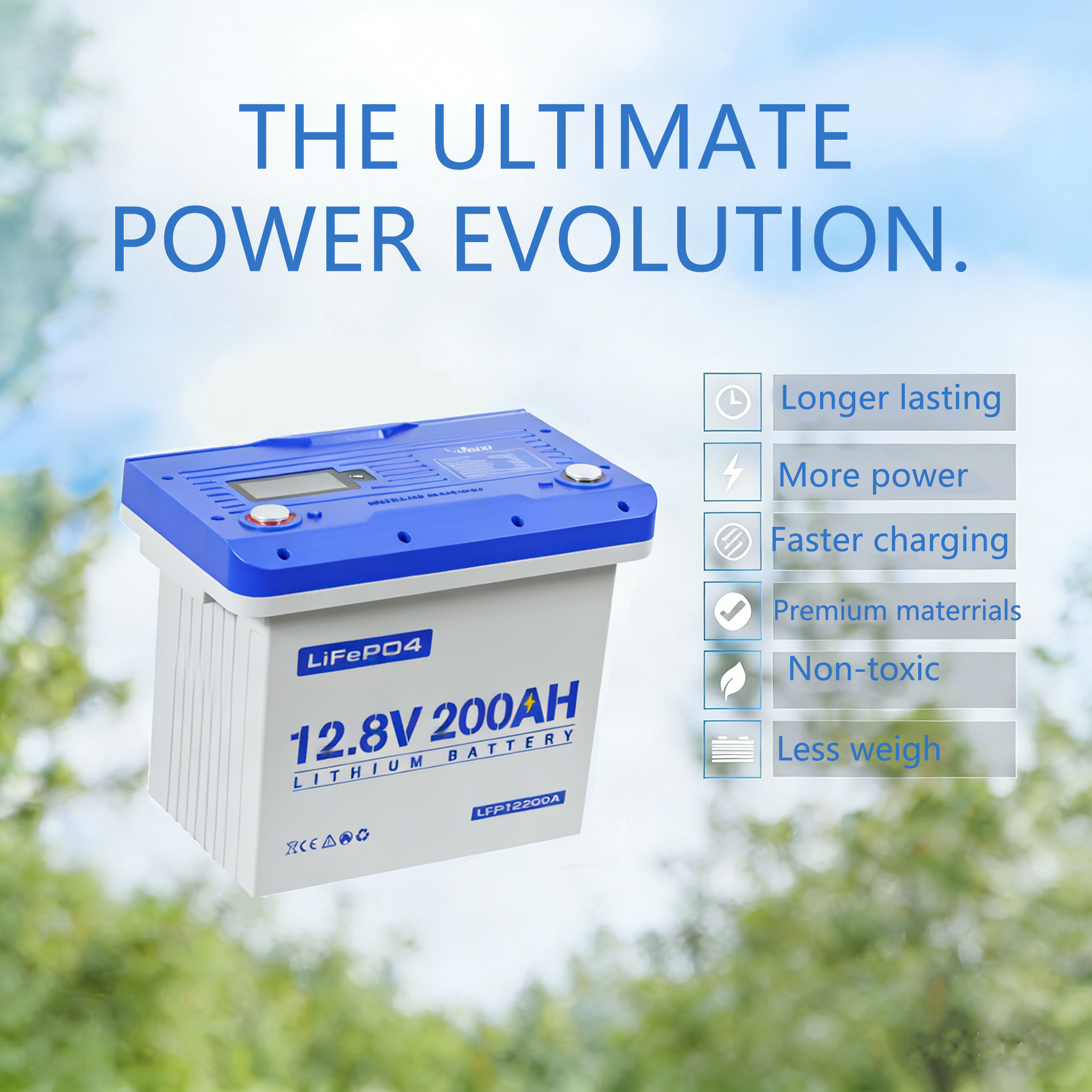
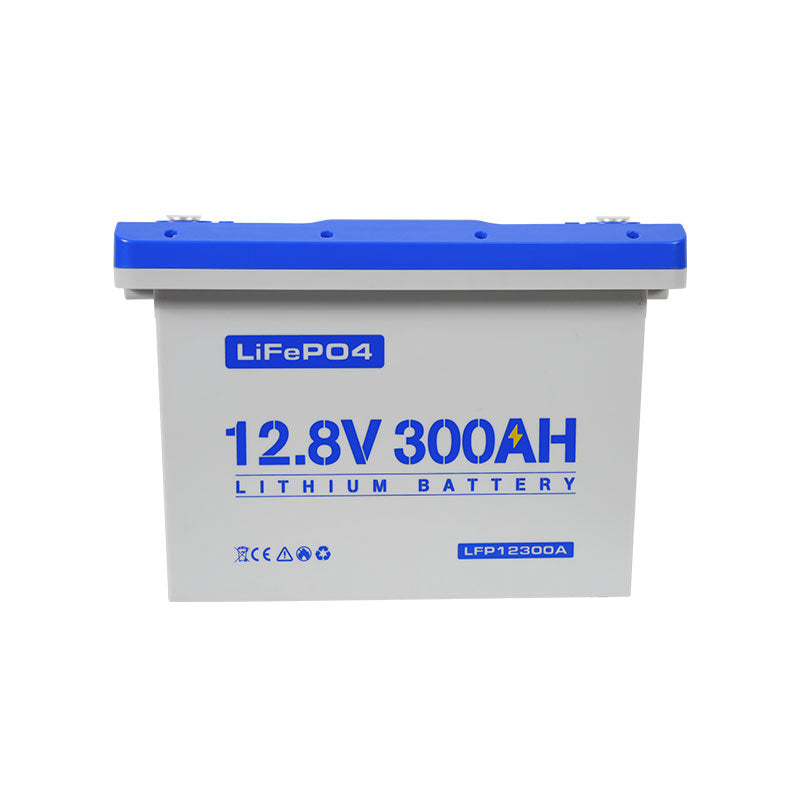
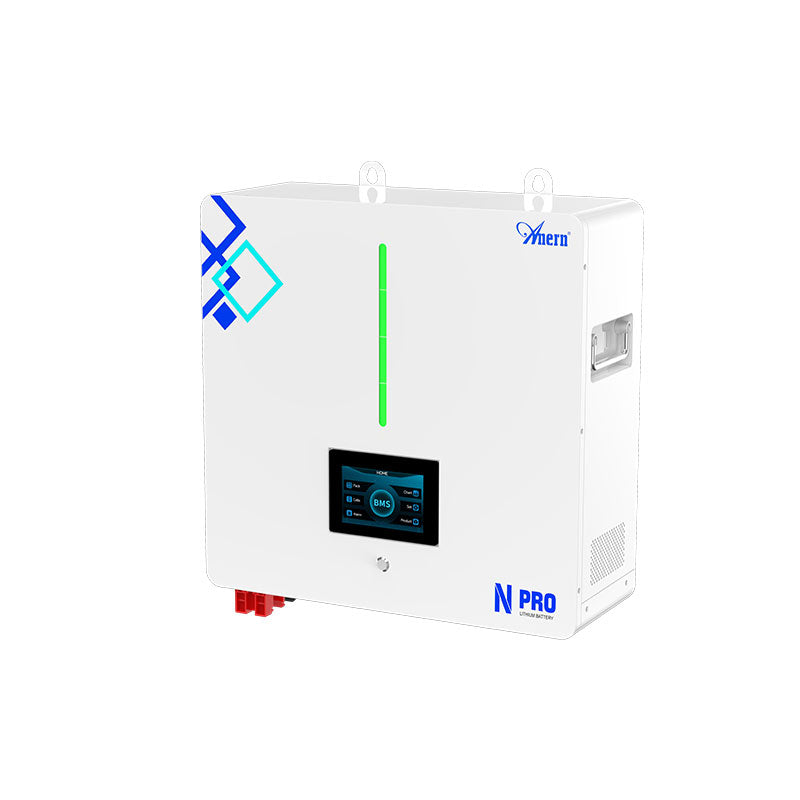
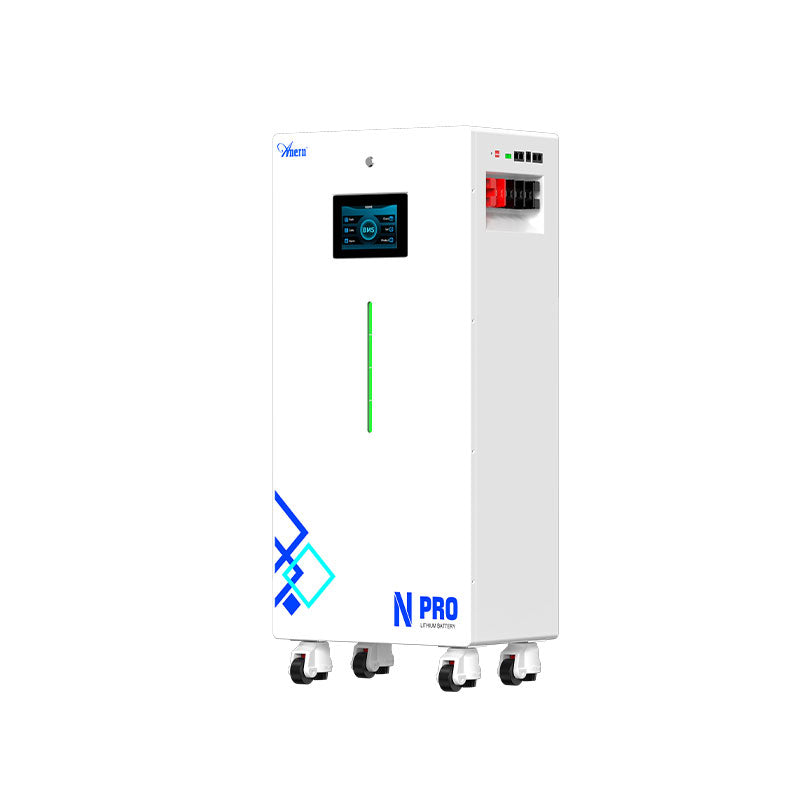
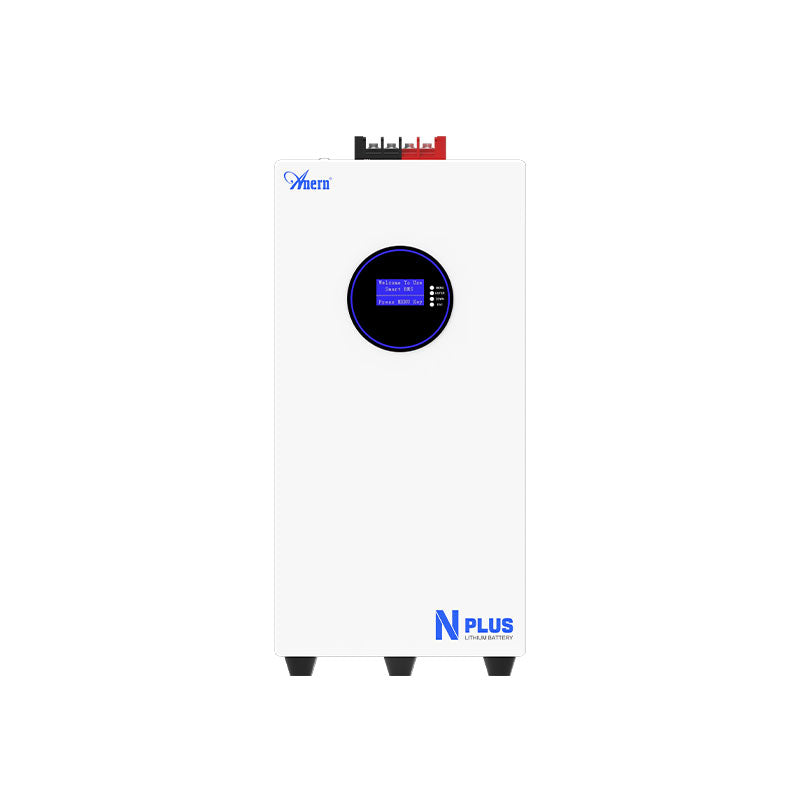
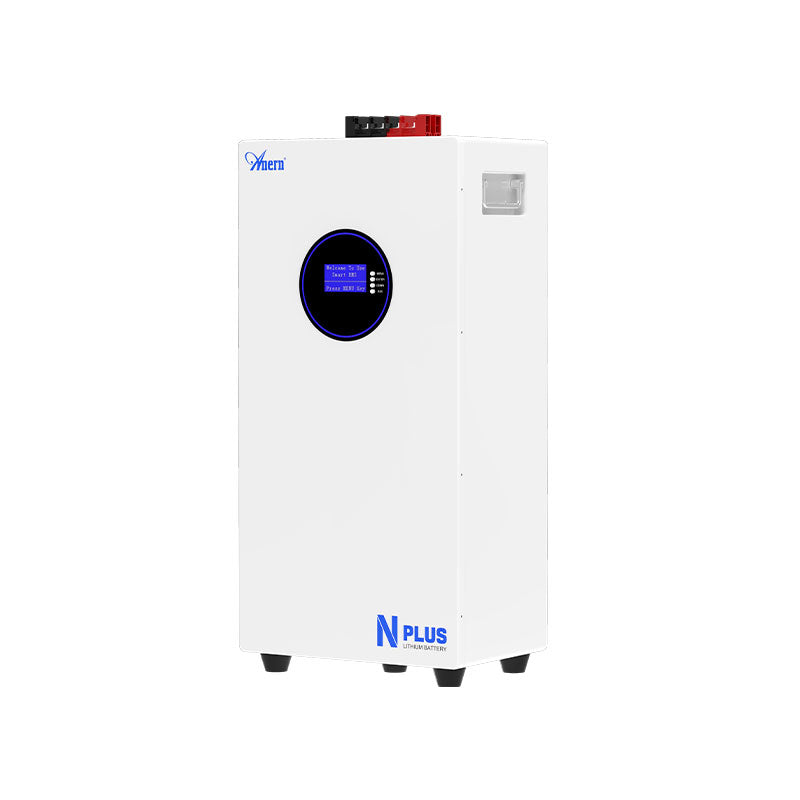
Lithium iron phosphate (LiFePO4) batteries are a superior choice for RV applications. They offer a significantly longer lifespan, often thousands of cycles, compared to traditional lead-acid batteries. LiFePO4 batteries also provide a higher usable capacity, allowing you to discharge them deeper without damage, typically up to 80-100% depth of discharge. Their lighter weight and compact size are also major benefits for RVs, where space and weight are critical considerations. These batteries maintain a stable voltage output, ensuring consistent power to your appliances. Our company specializes in high-performance, safe, and reliable LiFePO4 batteries, designed for demanding off-grid scenarios. The decreasing upfront and operational costs of battery storage, as projected in U.S. Department of Energy (DOE) analyses, contribute to the growing accessibility and economic viability of LiFePO4 systems for RVs.
| Feature | LiFePO4 Batteries | Lead-Acid Batteries |
|---|---|---|
| Usable Capacity | 80-100% | ~50% |
| Lifespan (Cycles) | 2,000 - 5,000+ | 300 - 1,000 |
| Weight | Lighter | Heavier |
| Voltage Stability | Very Stable | Drops with Discharge |
| Maintenance | Low | High (watering, equalization) |
Sizing Your Battery Bank for Extended Stays
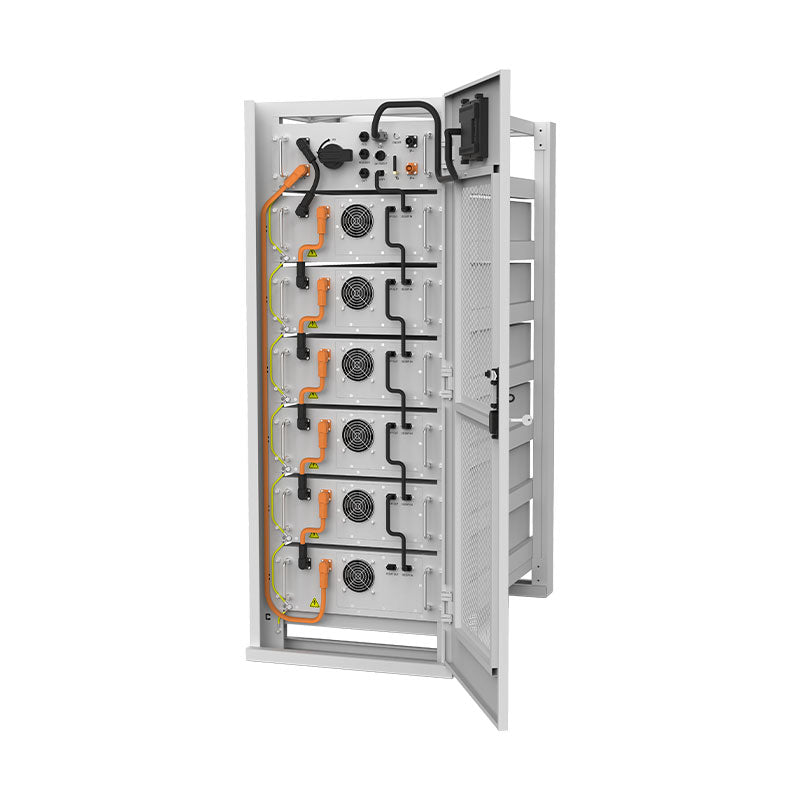
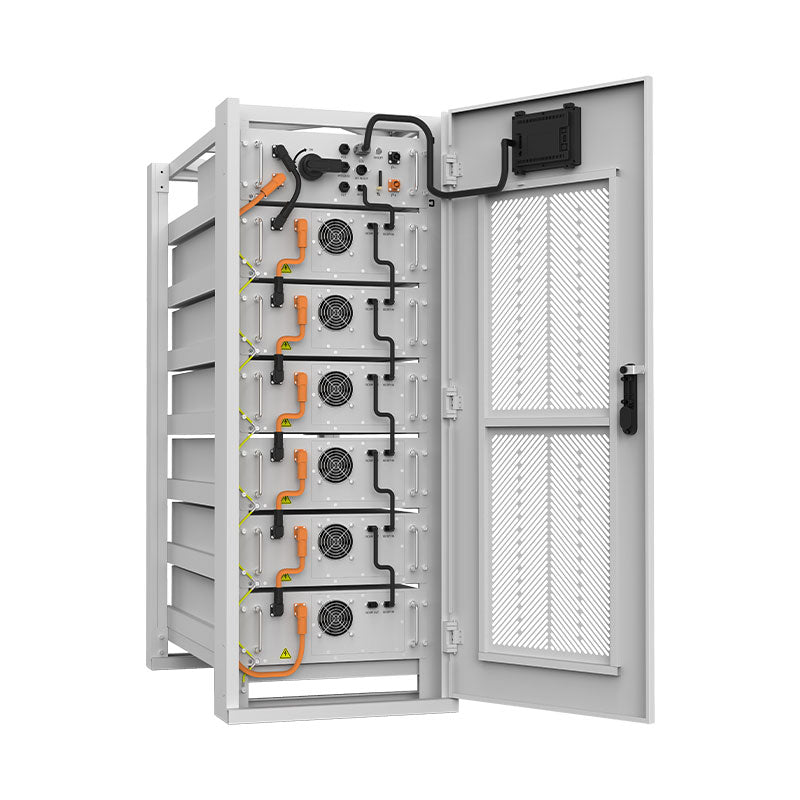
Your battery bank's capacity should align with your daily energy consumption and desired autonomy. If you consume 2000 Wh per day and want two days of autonomy without solar input, you need 4000 Wh of usable battery capacity. For a 12V LiFePO4 system, this translates to approximately 333 Ah (4000 Wh / 12V). Always factor in the usable capacity of your chosen battery type. LiFePO4 batteries offer nearly 100% usable capacity, simplifying calculations compared to lead-acid batteries, which typically offer only 50% usable capacity. While focused on grid-scale applications, the observation that dispersed batteries, even with limited individual capacity, can collectively offer substantial power capacity, as noted in IEA's Solar Energy Perspectives (2011), highlights the cumulative impact of well-managed RV battery banks.
Battery Management Systems (BMS)
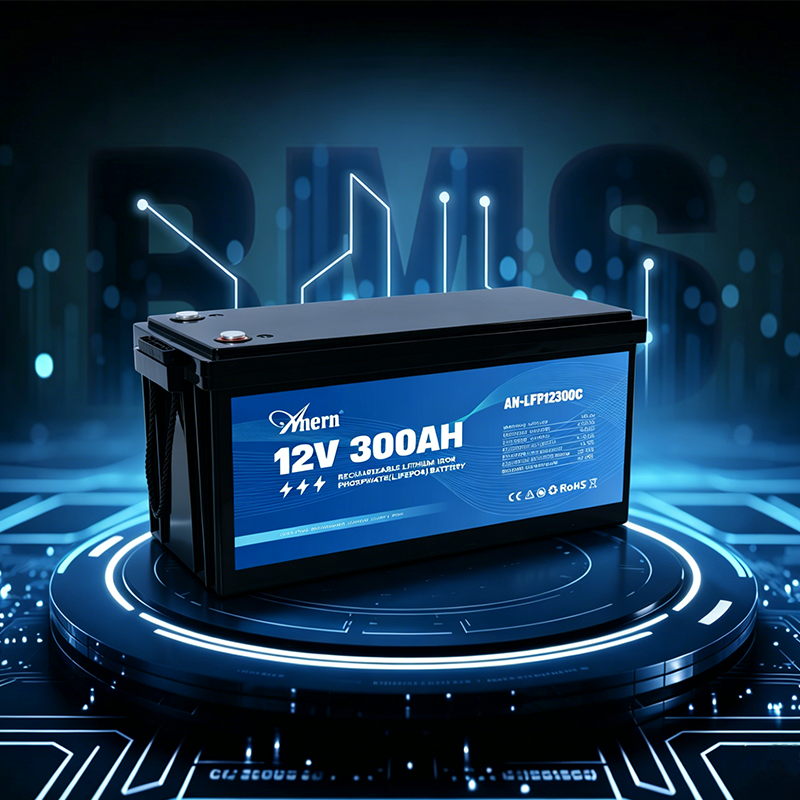
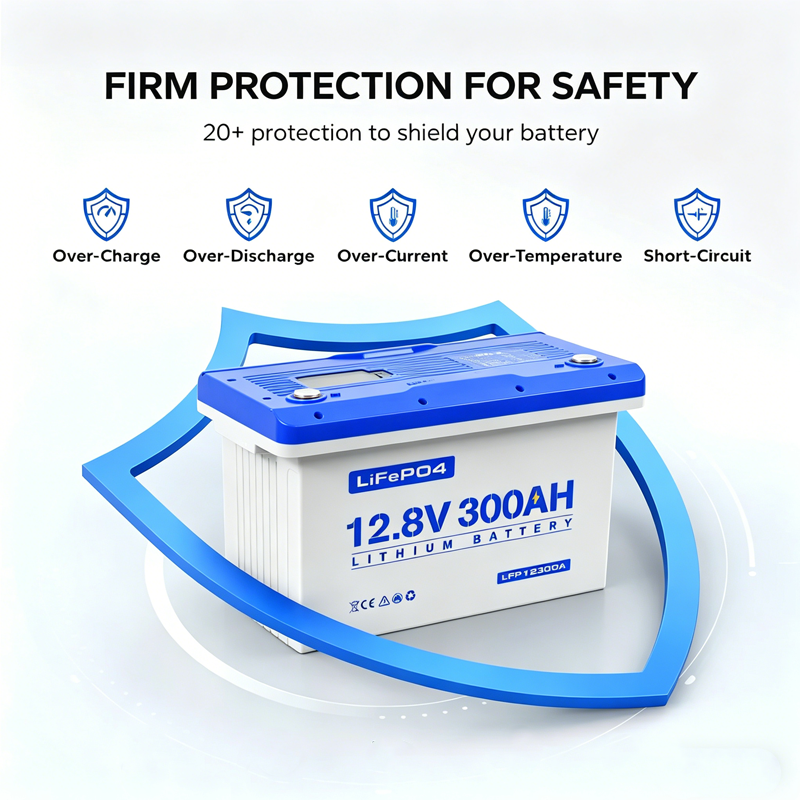
A Battery Management System (BMS) is crucial for LiFePO4 batteries. It protects the battery from overcharging, over-discharging, over-current, and extreme temperatures. The BMS also balances the cells within the battery pack, ensuring optimal performance and extending its lifespan. This safety feature is integral to the reliability and longevity of your RV power system. The adaptability of advanced energy storage, similar to how EV batteries provide flexibility services to power systems, underscores the versatile capabilities of LiFePO4 for RVs, a concept explored in IRENA's Innovation Outlook: Smart charging for electric vehicles (2019).
Optimizing Your RV Charging System
An efficient charging system ensures your battery bank receives power from various sources, keeping you powered up regardless of conditions.
Solar Charge Controllers: MPPT for Maximum Harvest
Solar charge controllers regulate the power flow from your solar panels to your battery bank. Maximum Power Point Tracking (MPPT) controllers are generally more efficient than Pulse Width Modulation (PWM) controllers, especially in varying light conditions or when panel voltage significantly exceeds battery voltage. MPPT controllers can increase solar yield by up to 30% by optimizing the voltage and current from the panels. This translates to faster charging and more available power for your RV. Our off-grid solar solutions often integrate advanced MPPT charge controllers to maximize energy capture.
Inverters: Converting DC to AC Power
An inverter converts the DC power from your battery bank into AC power, which most household appliances use. For sensitive electronics like laptops, medical devices, or microwaves, a pure sine wave inverter is crucial. It produces clean, stable power, preventing damage to your devices. Modified sine wave inverters are less expensive but can cause issues with certain appliances, such as motors running hotter or buzzing sounds. Always confirm your appliances' compatibility before choosing a modified sine wave inverter. Select an inverter with a continuous wattage rating that exceeds your highest anticipated AC load, considering potential surge requirements for appliances like coffee makers or induction cooktops.
Diverse Charging Options: Alternator and Shore Power
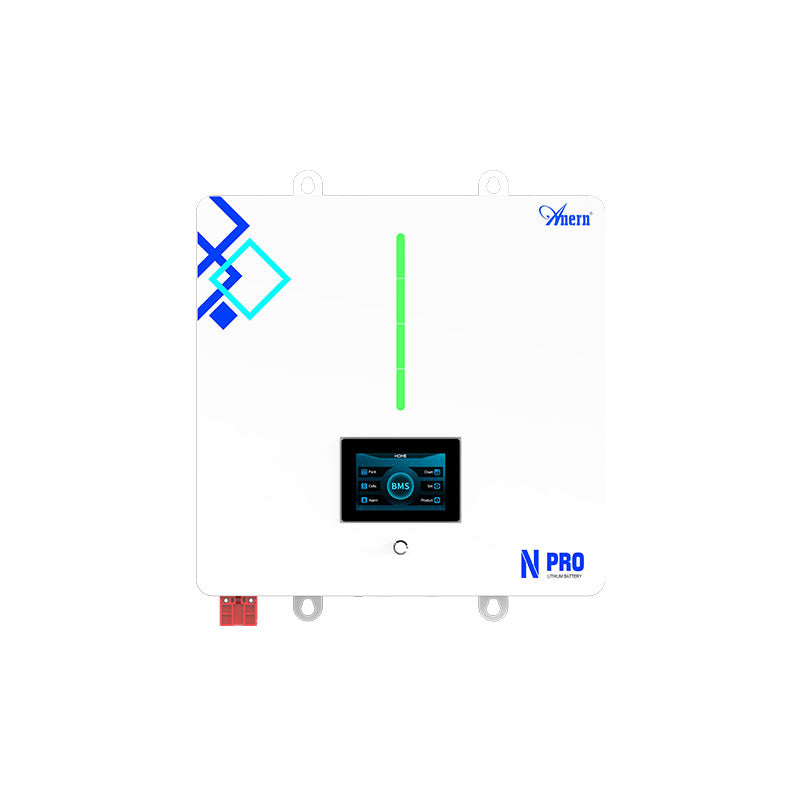
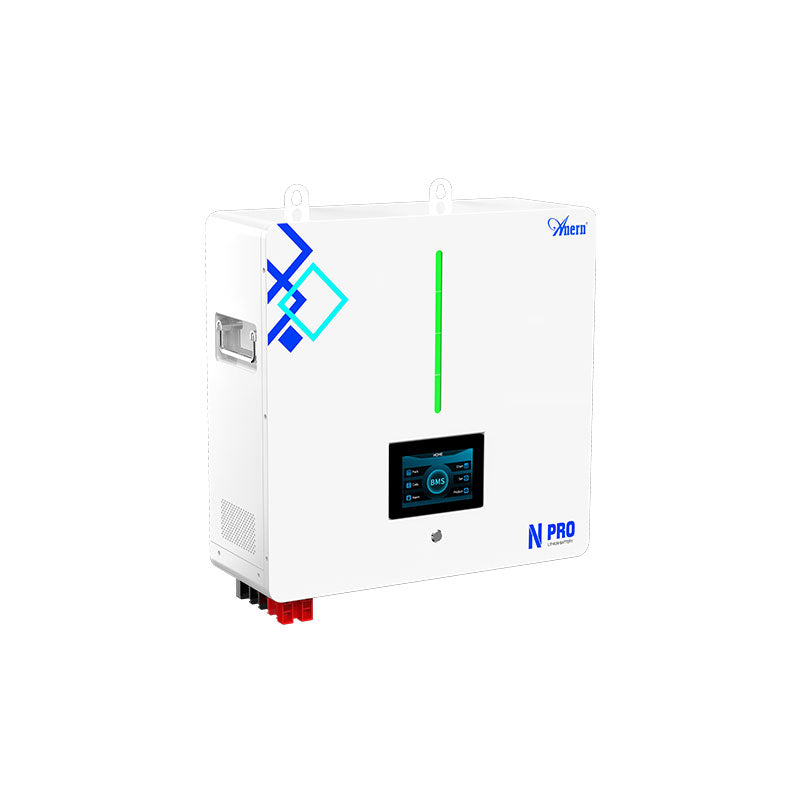
Beyond solar, integrating other charging methods enhances your system's versatility. A DC-to-DC charger allows your RV's alternator to charge your LiFePO4 battery bank while driving. This is particularly useful on cloudy days or when moving between locations. Shore power charging, via a dedicated converter/charger, provides a reliable way to top up your batteries when connected to an electrical hookup at campgrounds or at home. Our home energy storage systems and integrated ESS solutions often include robust charging capabilities for various inputs.
Building a Resilient System: Integration and Care
A successful off-grid RV power system is more than just individual components; it's about how they work together and how you maintain them.
Wiring, Fusing, and Safety Protocols
Correct wiring and fusing are paramount for safety and system performance. Use appropriately sized wires to minimize voltage drop and prevent overheating. Install fuses or circuit breakers at every positive connection to protect against short circuits and overcurrents. Adhere to electrical codes and manufacturer guidelines. Proper grounding is also critical to prevent electrical hazards. These safety measures protect your equipment and, more importantly, you and your fellow travelers.
Monitoring Your Energy Flow
A battery monitor provides real-time data on your battery's state of charge, current draw, and power input. This information helps you manage your energy consumption effectively and avoid deep discharges. Advanced monitors can track historical data, estimate remaining run-time, and even integrate with shunt-based systems for highly accurate readings. Many modern charge controllers and inverters also offer monitoring capabilities, often accessible via smartphone apps, giving you a clear picture of your system's health. Consistent monitoring helps you identify potential issues early and optimize your energy usage, ensuring you always know your power status.
Sustaining Your System: Maintenance Practices
Regular maintenance extends the life and efficiency of your off-grid RV power system. Keep solar panels clean to ensure maximum sunlight absorption. Periodically check all electrical connections for tightness and corrosion. Inspect battery terminals and ensure proper ventilation for your battery bank. While LiFePO4 batteries require less maintenance than lead-acid, routine checks are still beneficial. A well-maintained system provides reliable power for countless adventures.
Your Path to RV Energy Independence
Building an off-grid RV power system with solar panels, a robust battery bank, and an intelligent charging setup empowers you to travel freely and sustainably. By carefully selecting components, adhering to best practices for installation, and performing routine maintenance, you create a reliable energy foundation for all your adventures. Embrace the freedom of powering your travels with clean, independent energy.
Frequently Asked Questions
How much solar power do I need for my RV?
The amount of solar power you need depends directly on your daily energy consumption. Calculate the total Watt-hours (Wh) consumed by all your appliances over 24 hours. Then, factor in the average peak sun hours in your travel locations. For example, if you use 2000 Wh per day and get 5 peak sun hours, you need approximately 400 watts of solar panels (2000 Wh / 5 hours).
Can I use my RV's alternator to charge LiFePO4 batteries?
Yes, you can use your RV's alternator to charge LiFePO4 batteries, but it requires a DC-to-DC charger. This device regulates the voltage and current from the alternator to safely and efficiently charge your lithium battery bank, preventing overcharging and protecting your alternator from excessive load.
What is the difference between a pure sine wave and a modified sine wave inverter?
A pure sine wave inverter produces AC power that is identical to grid power, making it safe for all electronics, especially sensitive ones. A modified sine wave inverter produces a stepped waveform, which is less efficient and can cause problems with certain appliances, potentially leading to damage or reduced performance. For most RV applications with modern electronics, a pure sine wave inverter is recommended.
How often should I clean my RV solar panels?
The frequency of cleaning depends on your travel environment. In dusty or dirty conditions, you might need to clean them weekly or bi-weekly. In cleaner environments, monthly or quarterly cleaning may suffice. Regularly inspect them for dirt, leaves, or bird droppings, as even small obstructions can significantly reduce efficiency.
Is a Battery Management System (BMS) really necessary for LiFePO4 batteries?
Absolutely. A BMS is critical for the safe and long-term operation of LiFePO4 batteries. It protects against common issues like overcharging, over-discharging, over-current, and extreme temperatures. It also balances the individual cells within the battery pack, ensuring they charge and discharge uniformly, which extends the battery's overall lifespan and maintains performance.
