















Building a reliable off-grid solar system requires careful selection and sizing of each component. After designing dozens of off-grid installations across various climates and applications, I've learned that success depends on understanding how solar panels, batteries, inverters, and charge controllers work together as an integrated system.

The key to effective off-grid system design lies in matching each component's capacity and characteristics to your specific energy needs and environmental conditions. This comprehensive guide will walk you through the critical decisions that determine your system's performance, reliability, and cost-effectiveness.
Understanding Off-Grid System Architecture
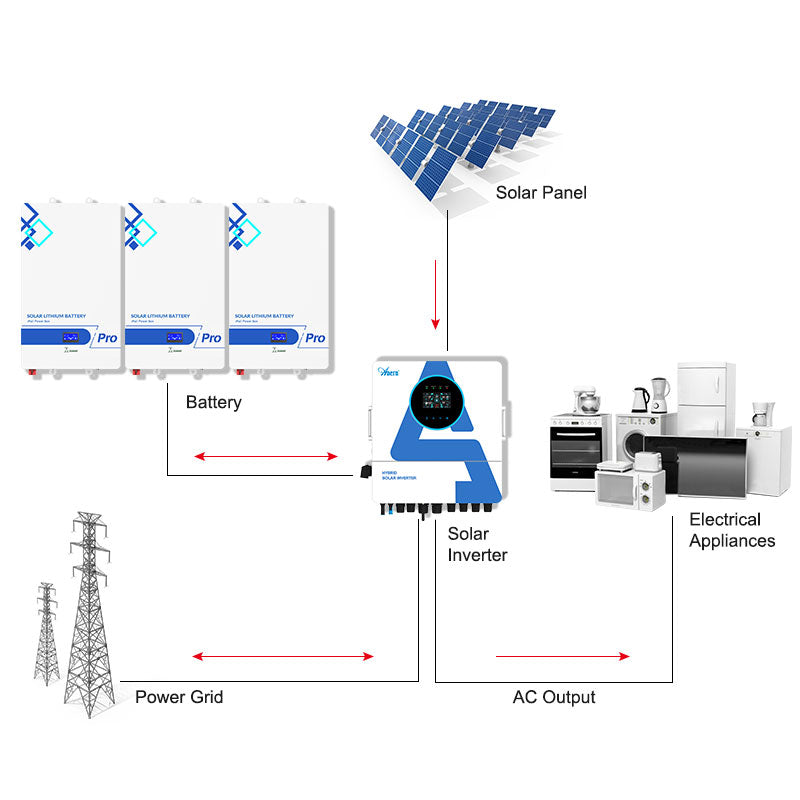
Off-grid systems operate independently from utility power, requiring careful balance between energy generation, storage, and consumption. The four primary components each serve distinct functions:
- Solar panels convert sunlight into DC electricity
- Charge controllers regulate power flow to batteries
- Battery storage provides power during low-sun periods
- Inverters convert DC power to AC for household use
Unlike grid-tied systems that can rely on utility backup, off-grid installations must be sized to handle your worst-case scenarios. This means accounting for consecutive cloudy days, seasonal variations in solar irradiance, and peak power demands.
System Integration Principles
Each component must be properly matched to the others. For example, your charge controller must handle the maximum power output from your solar array, while your battery bank needs sufficient capacity to store excess energy for nighttime and cloudy periods. The inverter must provide adequate surge capacity for motor starting and other high-demand applications.
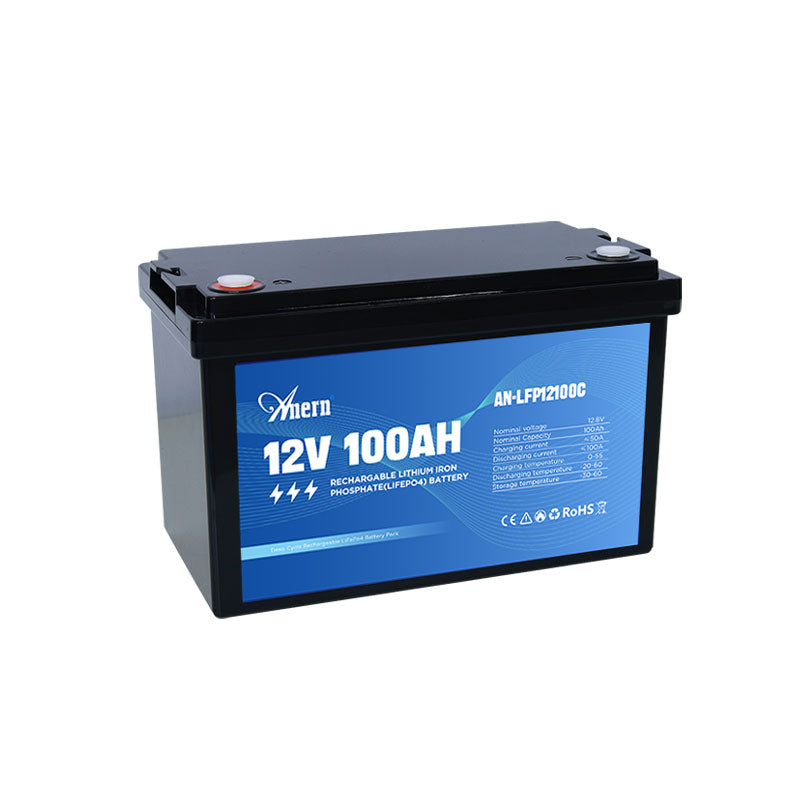
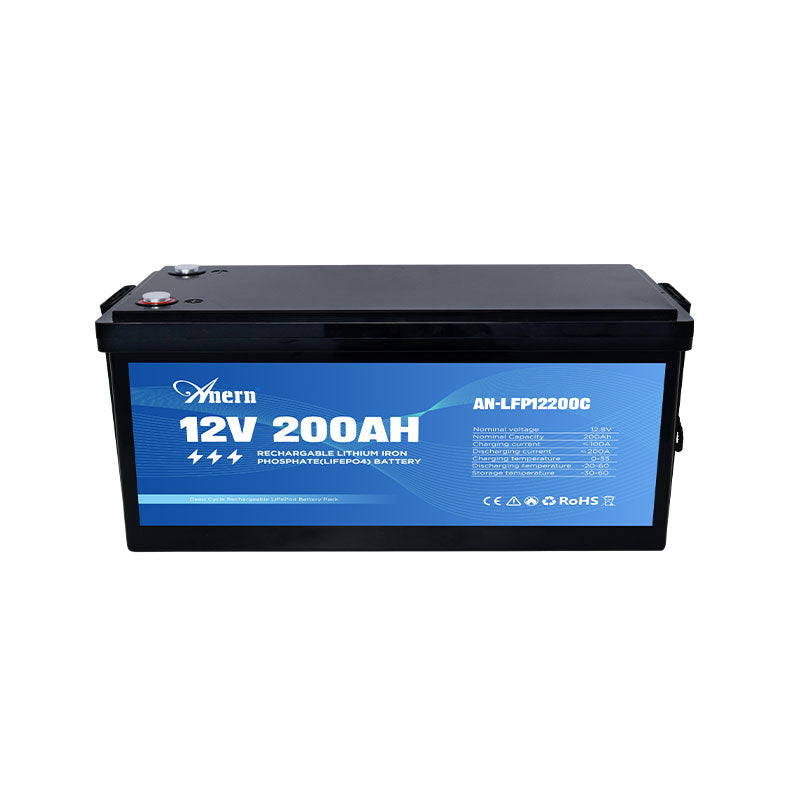
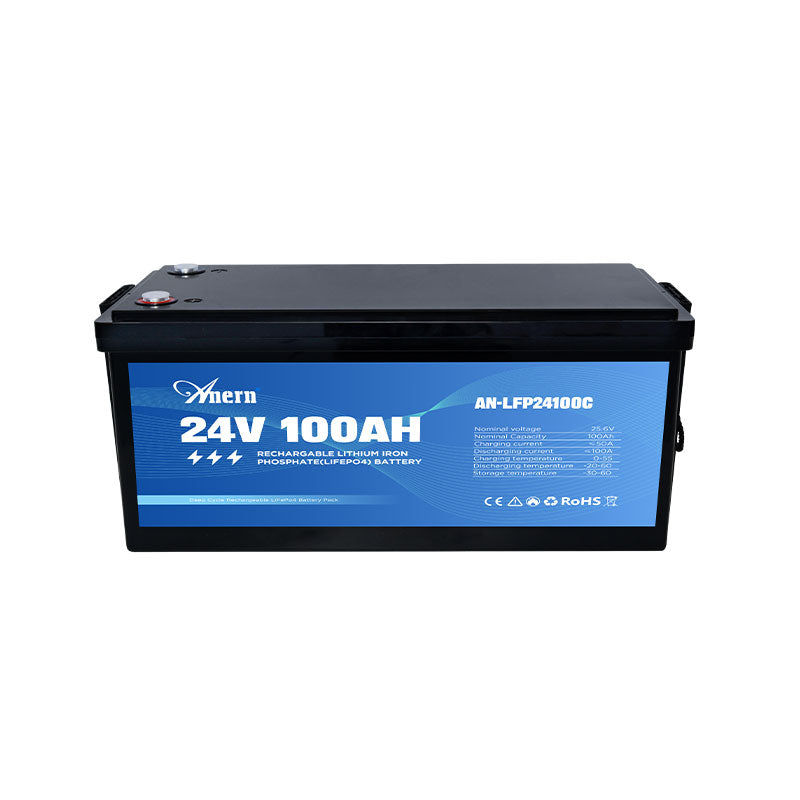
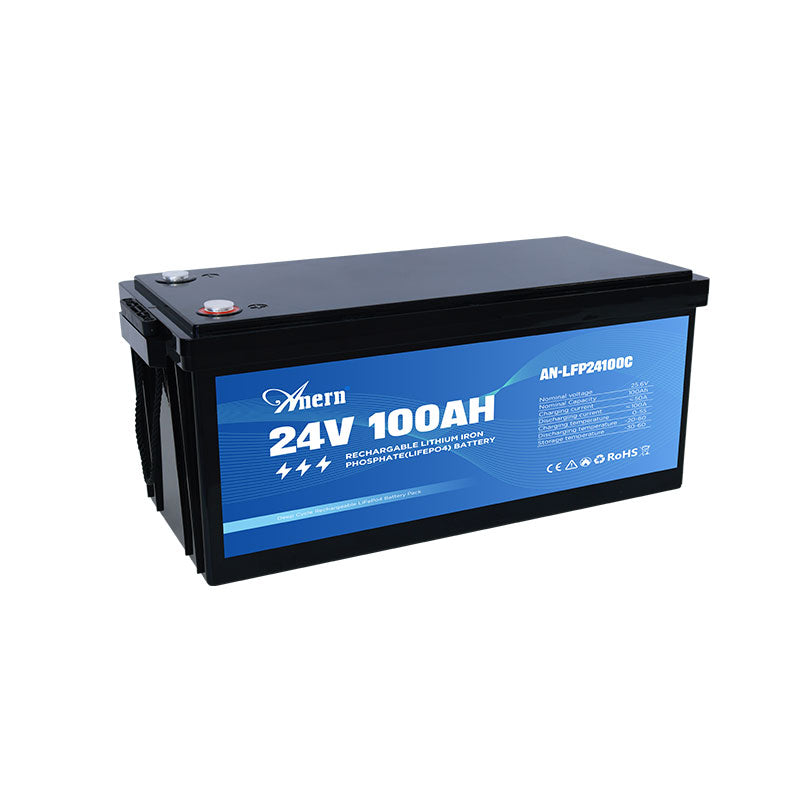
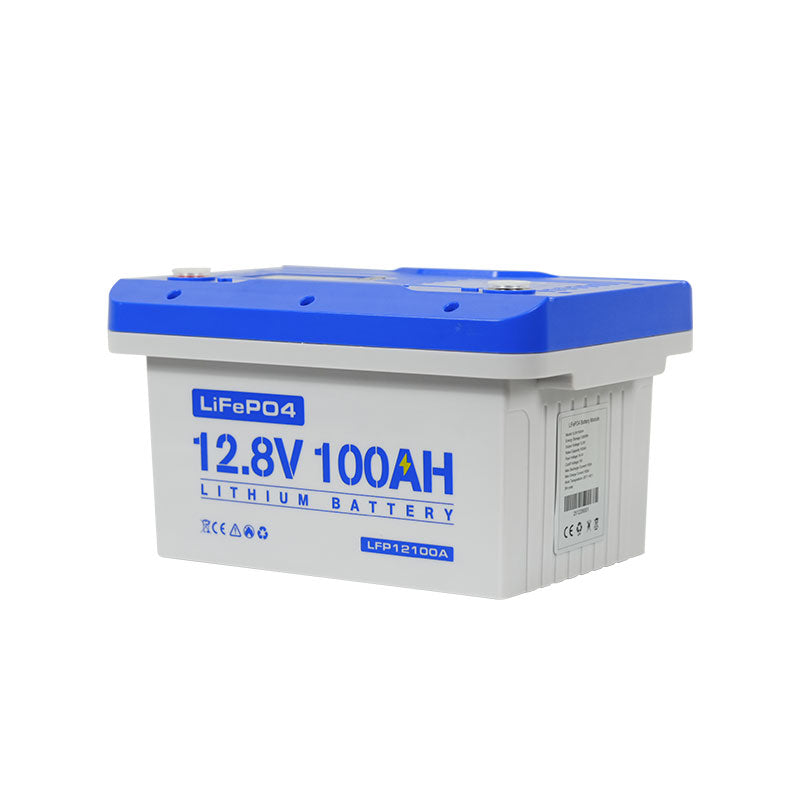
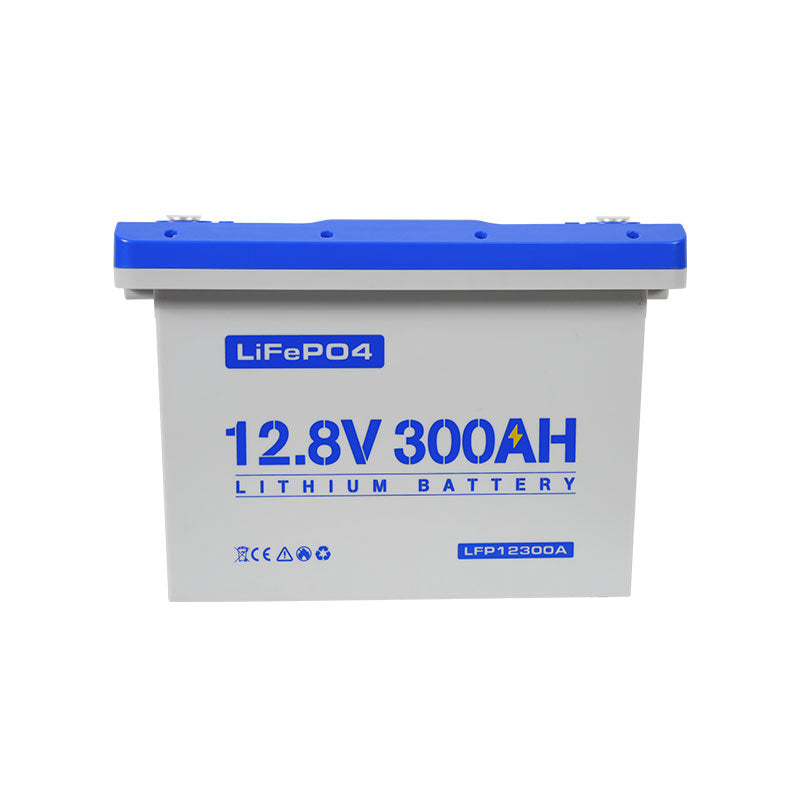
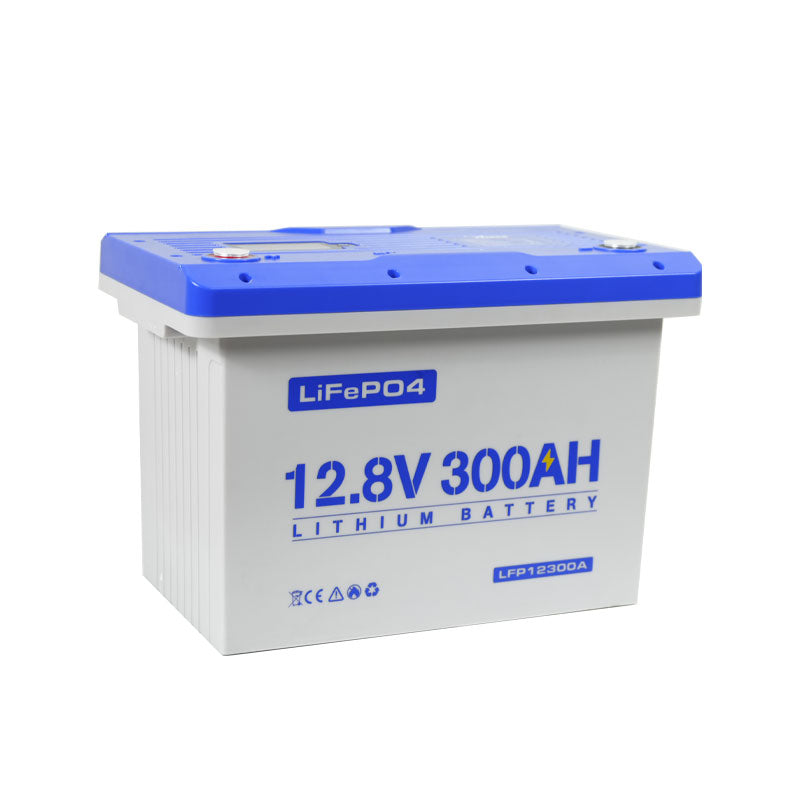
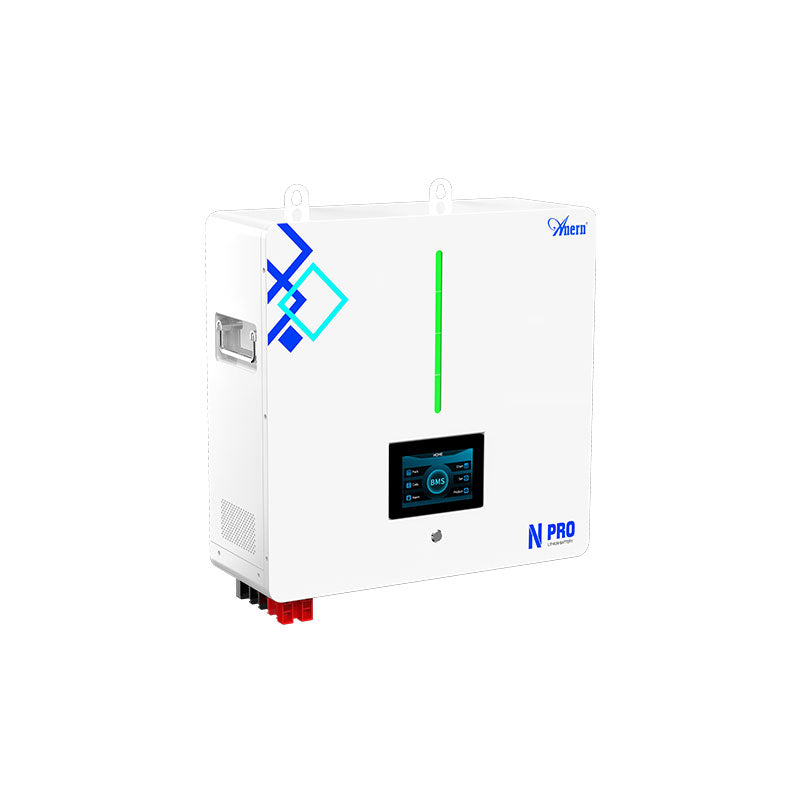
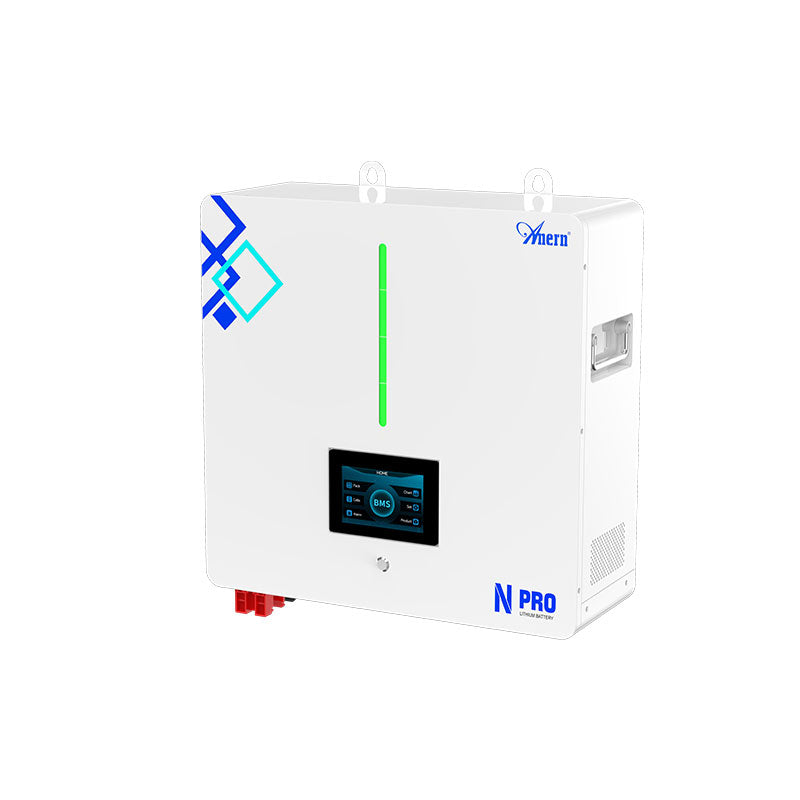
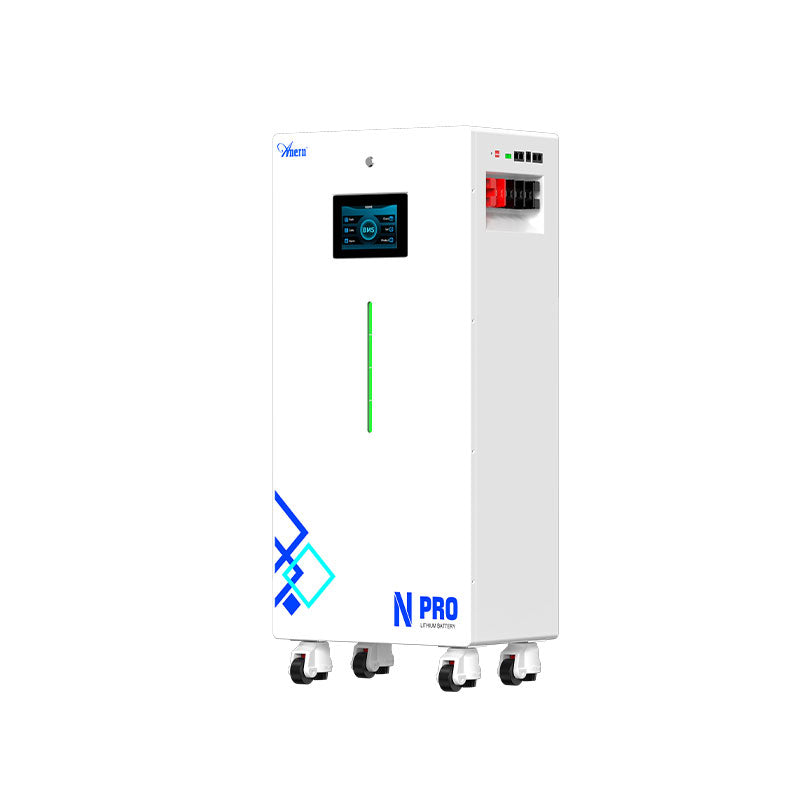
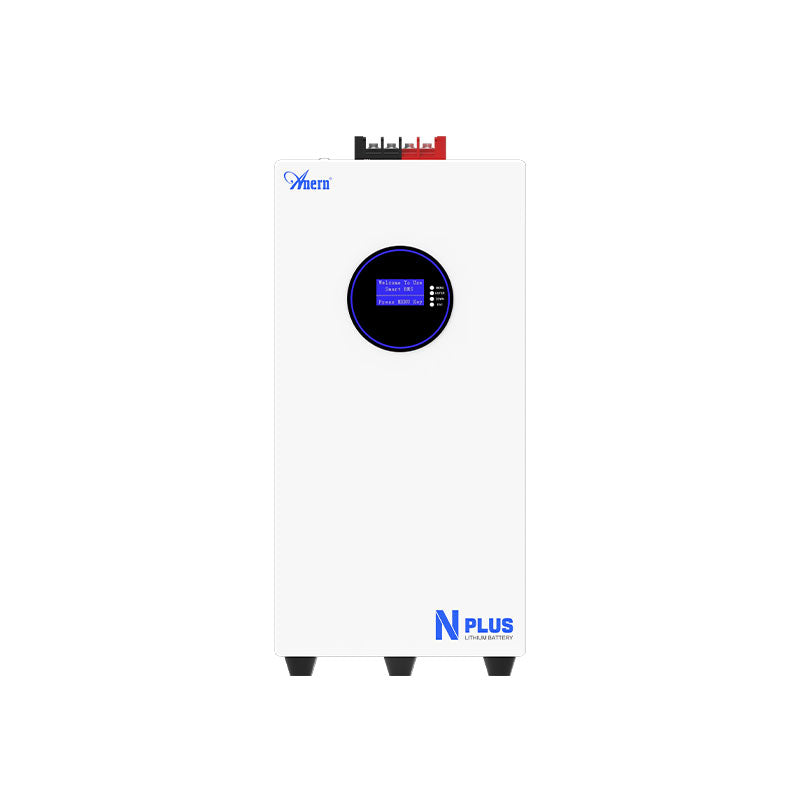
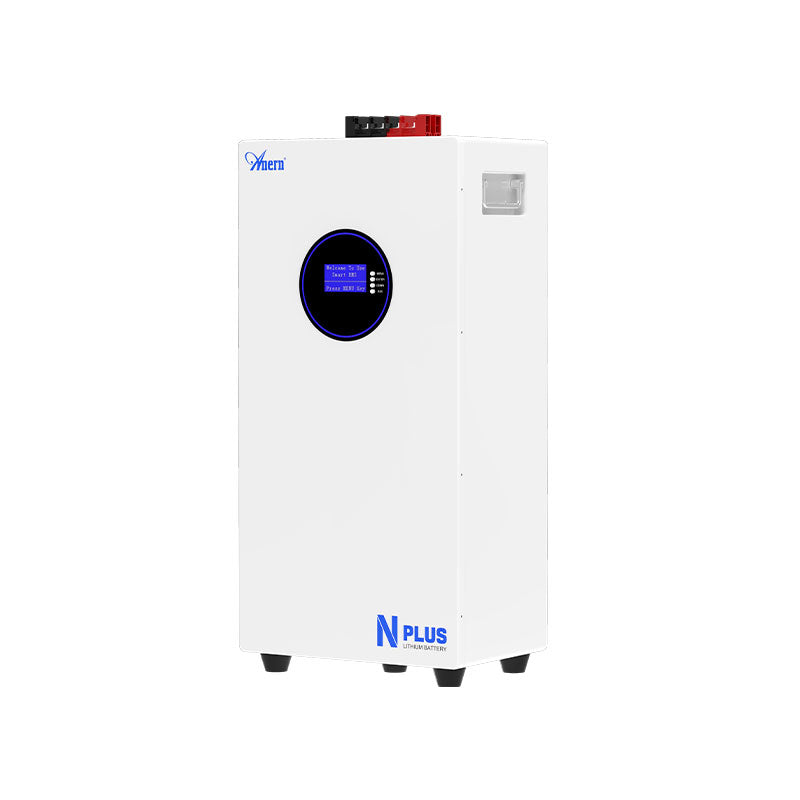
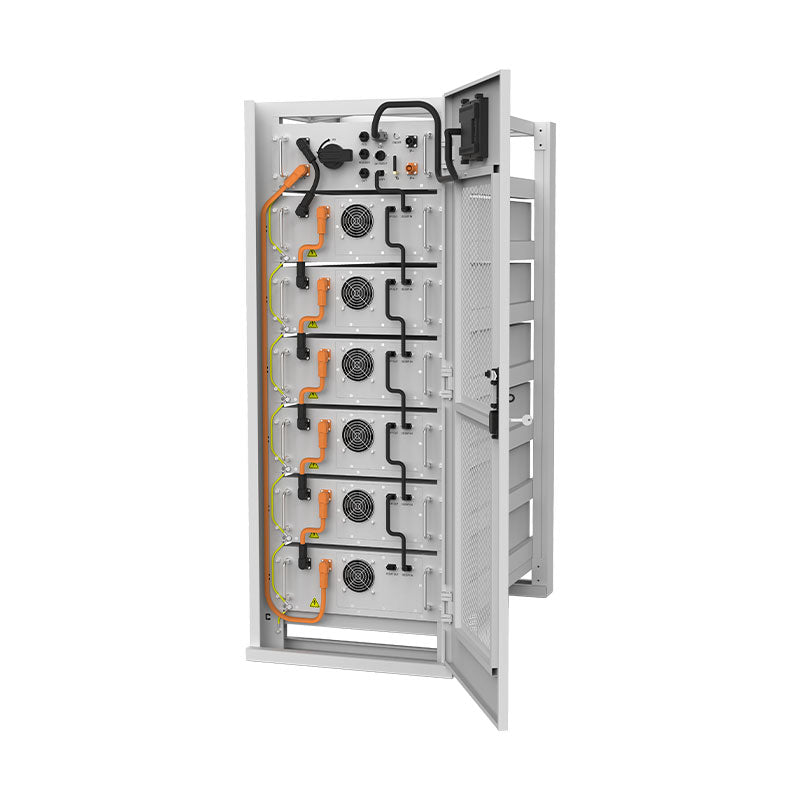
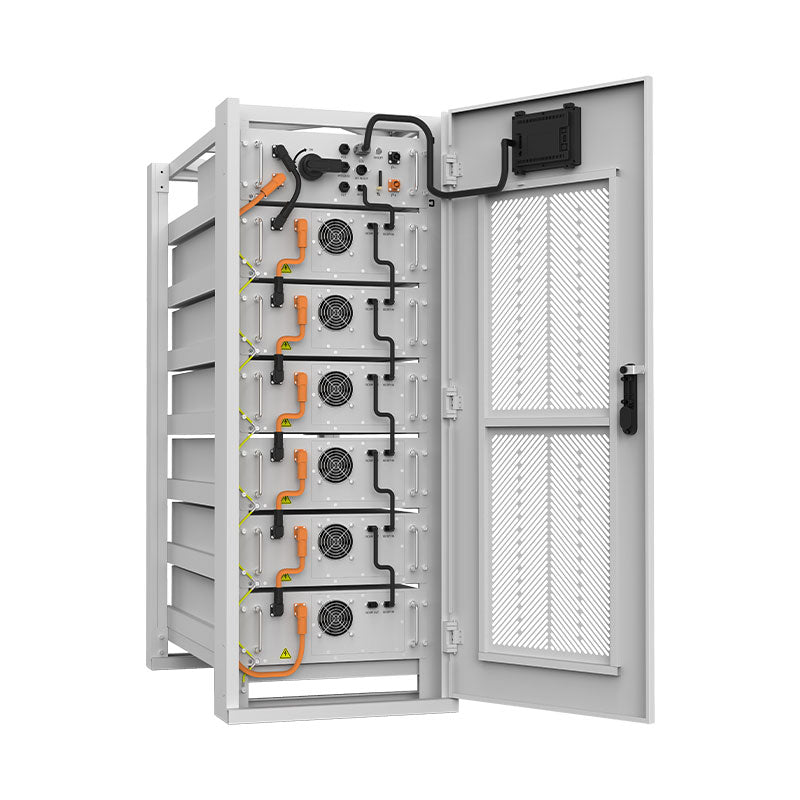
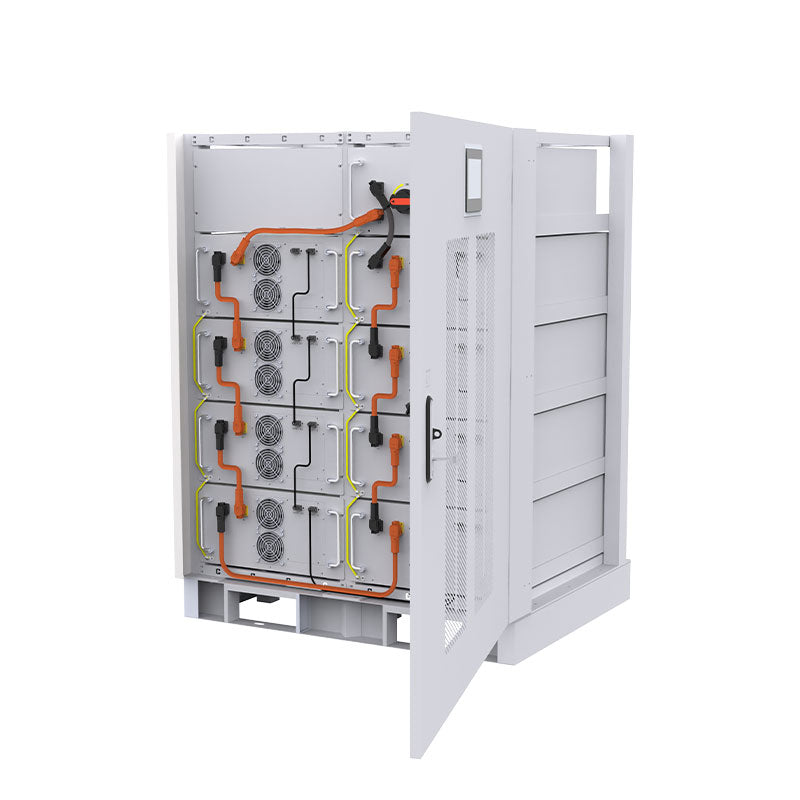
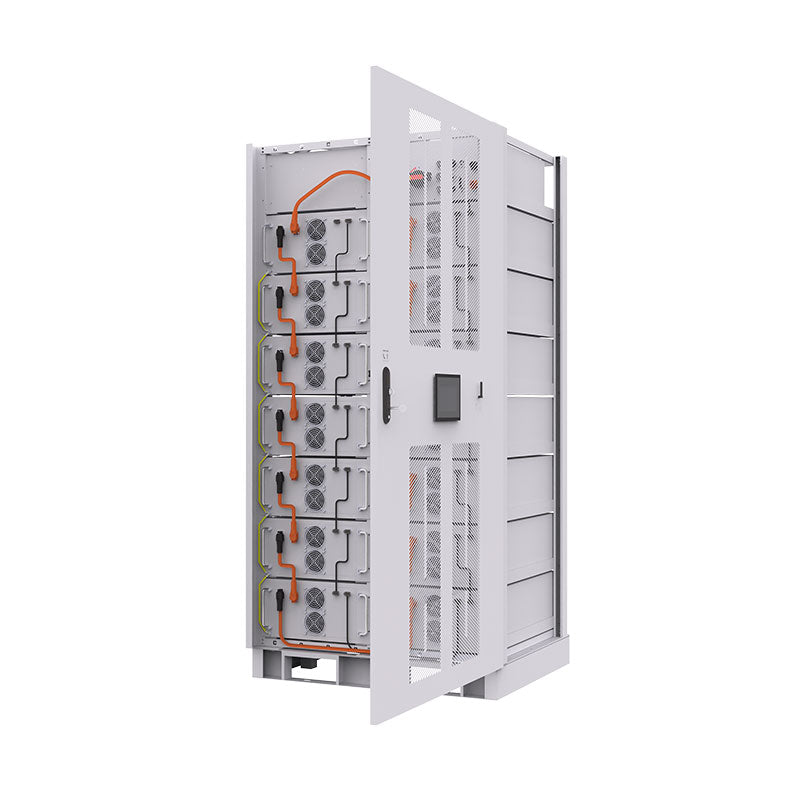
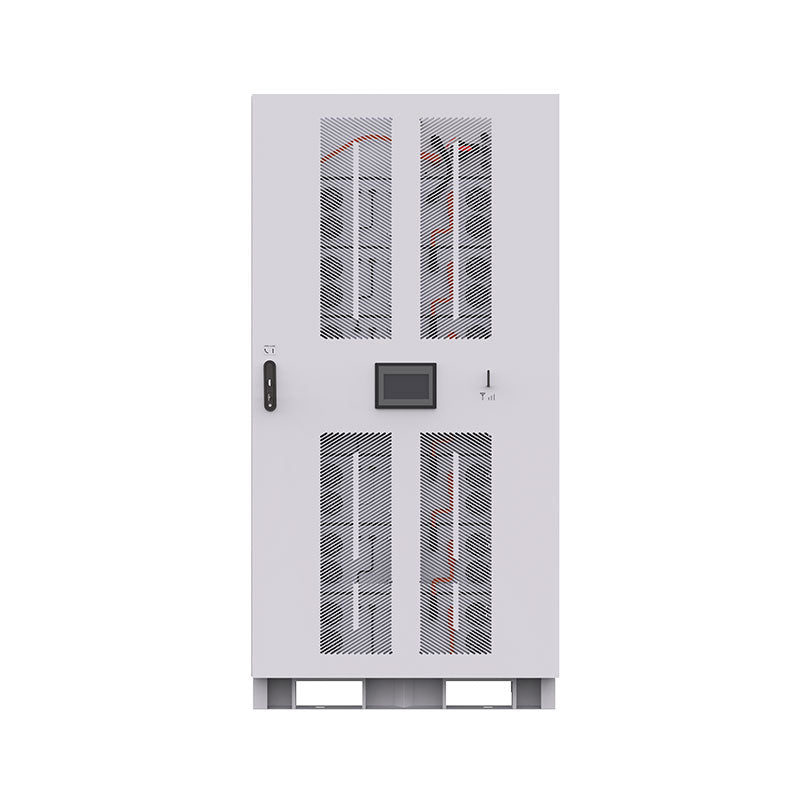
Modern off-grid systems increasingly incorporate LiFePO4 battery technology, which offers significant advantages over traditional lead-acid batteries. These lithium iron phosphate batteries provide deeper discharge cycles, longer lifespan, and better efficiency - factors that become critical in off-grid applications where every watt-hour counts.
Solar Panel Sizing and Selection
Proper solar panel sizing forms the foundation of your off-grid system. The goal is generating sufficient energy to meet your daily consumption while accounting for system losses and charging inefficiencies.
Calculating Panel Requirements
Start by determining your daily energy consumption in kilowatt-hours (kWh). Add 25-30% to account for system losses, then divide by your location's peak sun hours to determine required panel wattage. For example, if you need 10 kWh daily and receive 5 peak sun hours, you'll need approximately 2,600 watts of panels (10 kWh × 1.3 ÷ 5 hours).
Panel selection involves balancing several factors:
- Efficiency: Higher efficiency panels generate more power per square foot
- Temperature coefficient: Better performance in hot climates
- Voltage compatibility: Must match your charge controller and battery voltage
- Physical constraints: Available mounting space and weight limits
For detailed guidance on panel sizing calculations, refer to our 7 data-backed rules for picking off-grid panels and MPPTs.
Panel Configuration Strategies
String configuration affects system performance and reliability. Series connections increase voltage while maintaining current, which reduces wire losses over long distances. Parallel connections increase current while maintaining voltage, providing better performance in partial shading conditions.
Most off-grid systems benefit from series-parallel combinations that optimize both voltage and current characteristics. The specific configuration depends on your charge controller's input specifications and battery bank voltage.
Battery Storage Sizing and Technology
Battery sizing determines your system's autonomy - how long it can operate without solar input. This calculation requires understanding your energy consumption patterns and local weather conditions.
Capacity Calculations
Size your battery bank for 3-5 days of autonomy in most climates. Calculate total amp-hours needed by dividing daily consumption by system voltage, then multiply by desired autonomy days. For example, 10 kWh daily consumption on a 48V system requires 208 amp-hours per day (10,000 Wh ÷ 48V). For 3-day autonomy, you need 625 amp-hours of usable capacity.
| Battery Type | Usable Capacity | Cycle Life | Efficiency |
|---|---|---|---|
| Lead-Acid (Flooded) | 50% | 500-800 | 85% |
| AGM/Gel | 50% | 800-1,200 | 90% |
| LiFePO4 | 90-95% | 3,000-6,000 | 95% |
LiFePO4 Advantages in Off-Grid Applications
LiFePO4 batteries have transformed off-grid system design. Their ability to discharge to 5-10% state of charge without damage means you can use nearly all stored energy. This translates to smaller, lighter battery banks compared to lead-acid alternatives.
The higher upfront cost of LiFePO4 batteries is offset by their longer lifespan and better efficiency. In off-grid applications where battery replacement is costly and disruptive, this technology provides superior long-term value.
Charge Controller Options and Selection
Charge controllers prevent battery overcharging and optimize energy harvest from your solar panels. The choice between PWM (Pulse Width Modulation) and MPPT (Maximum Power Point Tracking) controllers significantly impacts system performance.
PWM vs MPPT Performance
PWM controllers work by reducing panel voltage to match battery voltage, essentially "throwing away" excess voltage. They're suitable for smaller systems where panel and battery voltages are closely matched.
MPPT controllers convert excess voltage to additional current, capturing 15-30% more energy than PWM controllers in most conditions. This efficiency gain becomes more pronounced when panel voltage significantly exceeds battery voltage.
Our analysis in MPPT vs PWM: real-world efficiency payoffs in off-grid kits demonstrates the substantial energy gains possible with MPPT technology, particularly in systems using higher-voltage panels with lower-voltage battery banks.
Controller Sizing Guidelines
Size your charge controller to handle 125% of your solar array's short-circuit current to account for irradiance variations and reflective conditions. For MPPT controllers, also verify that maximum input voltage exceeds your array's open-circuit voltage at the lowest expected temperature.
Advanced MPPT controllers offer features like battery temperature compensation, programmable charging profiles, and remote monitoring capabilities. These features become increasingly valuable in larger or more complex installations.
Inverter Selection and Sizing
Inverters convert DC battery power to AC electricity for household use. Proper inverter selection involves matching continuous and surge power requirements while considering efficiency and reliability factors.
Power Requirements Assessment
Calculate both continuous and surge power needs. Continuous power represents your typical load, while surge power accounts for motor starting and other high-demand events. Many appliances require 2-7 times their running power for startup.
Size your inverter's continuous rating 25% above your maximum continuous load to maintain efficiency and prevent overheating. Ensure surge capacity exceeds your highest starting loads with adequate margin.
Inverter Topology Considerations
Pure sine wave inverters provide clean power compatible with all AC equipment, including sensitive electronics and variable-speed motors. Modified sine wave inverters cost less but may cause issues with some equipment.
For comprehensive coverage of inverter topology selection, see our guide on Which inverter topology fits your off-grid build, and why?
Advanced Inverter Features
Modern off-grid inverters often include integrated charge controllers, battery monitoring, and grid-tie capabilities. These hybrid units simplify installation and improve system integration, though they may limit future expansion options.
Look for inverters with programmable features like low-voltage disconnect, battery type selection, and charging profiles. These capabilities allow fine-tuning for optimal battery life and system performance.
System Integration and Optimization
Successful off-grid systems require careful integration of all components. This involves proper wiring, grounding, monitoring, and protection systems that ensure safe, reliable operation.
Electrical Design Considerations
Minimize voltage drop through proper wire sizing and short cable runs. Use appropriate fusing and circuit protection at each system level. Install proper grounding systems for both equipment and lightning protection.
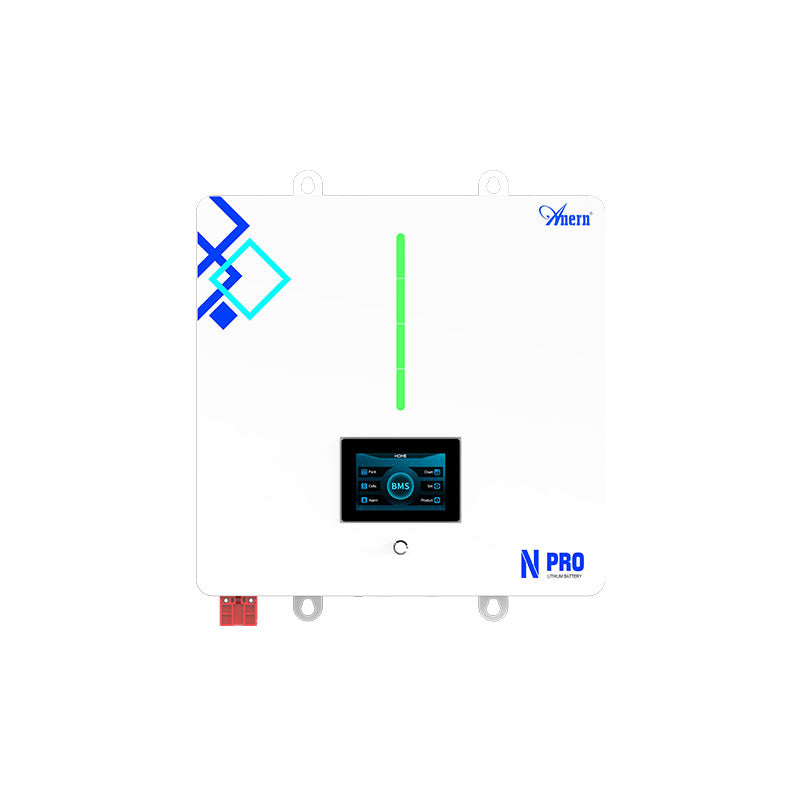
Consider system monitoring capabilities that track energy production, consumption, and battery status. This data proves invaluable for optimizing performance and identifying issues before they cause system failures.
Scalability and Future Expansion
Design your system with expansion in mind. Choose components that allow adding panels, batteries, or loads without major system redesign. This approach spreads initial costs while providing growth flexibility.
Document your system design and maintain component specifications for future reference. This information becomes critical when troubleshooting issues or planning expansions.
For practical examples of integrated system design, review our Case study: designing a farm's islanded PV with LiFePO4 ESS, which demonstrates real-world application of these principles.
Making Informed Component Decisions
Selecting the right components for your off-grid system requires balancing performance, cost, and reliability factors. Start with accurate load calculations and site assessment, then size each component appropriately for your specific application.
Remember that off-grid systems require higher reliability than grid-tied installations. Choose quality components from established manufacturers, and don't compromise on critical items like charge controllers and monitoring systems.
The investment in proper component selection pays dividends through years of reliable operation and optimal energy harvest. Take time to understand each component's role and select products that work well together as an integrated system.
For the most current component selection strategies and sizing tools, consult our The blueprint to off-grid component selection, 2025 edition for the latest industry best practices and emerging technologies.
References
- International Energy Agency (IEA). (2011). Solar Energy Perspectives. Retrieved from /solar-energy-perspectives
- International Renewable Energy Agency (IRENA). (2020). Electricity Storage Valuation Framework. Retrieved from https://www.irena.org/Publications/2020/Mar/Electricity-Storage-Valuation-Framework-2020
- International Energy Agency (IEA). (2018). System Integration of Renewables. Retrieved from /system-integration-of-renewables
- International Energy Agency (IEA). (2018). Status of Power System Transformation 2018 - Technical Annexes. Retrieved from /status-of-power-system-transformation-2018-technical-annexes
Meta Description: Complete guide to off-grid solar component selection. Learn to size panels, batteries, inverters & controllers for reliable energy independence.
