














Introduction: Powering Your Home – A Design Choice
Choosing a home battery system involves a fundamental decision: connecting to the utility grid or operating independently. This choice profoundly impacts your energy independence, system reliability, and overall design. Understanding the distinct architectures of off-grid and grid-tied battery systems is crucial for selecting the right solution for your needs.
This guide will illuminate the core design differences, component selections, and practical applications for each system type. We aim to equip you with the knowledge to make an informed decision for your home's energy future.

Fundamental Architectural Differences
The primary distinction between off-grid and grid-tied home battery systems lies in their connection, or lack thereof, to the public utility grid. This foundational difference dictates their design, component requirements, and operational philosophies.
The Off-Grid System: Self-Sufficiency at Its Core
An off-grid battery system operates in complete isolation from the utility grid. It functions as a self-contained microgrid, generating, storing, and distributing all the electricity your home consumes. This design offers true energy independence.
Key components include solar panels for generation, a charge controller to manage power flow from panels to batteries, a robust battery bank for energy storage, and an off-grid inverter. The off-grid inverter is particularly vital; it must be a "grid-forming" type, capable of creating and maintaining a stable AC waveform for your home's appliances. This inverter essentially establishes your home's electrical frequency and voltage. According to IRENA, grid-forming inverters are important enablers for renewable energy-based black-start plans. A backup generator often supplements these systems, providing power during extended periods of low solar production or high demand.
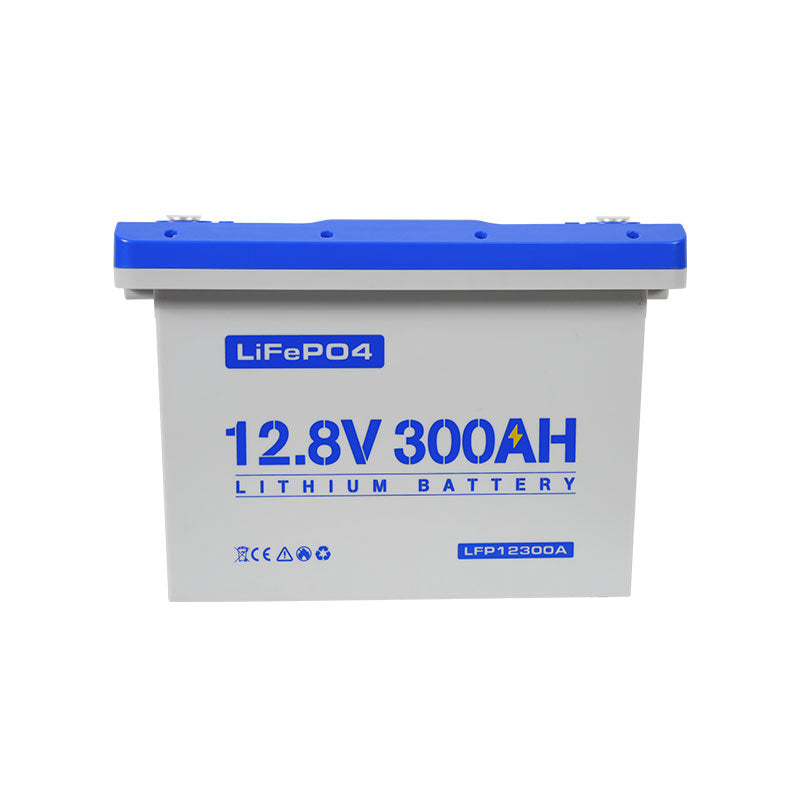
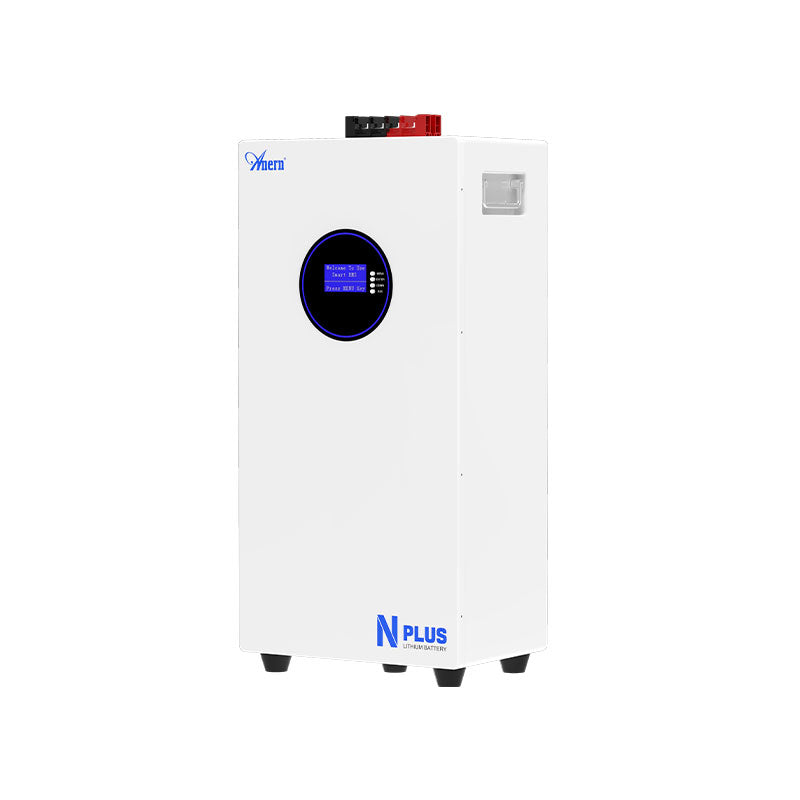
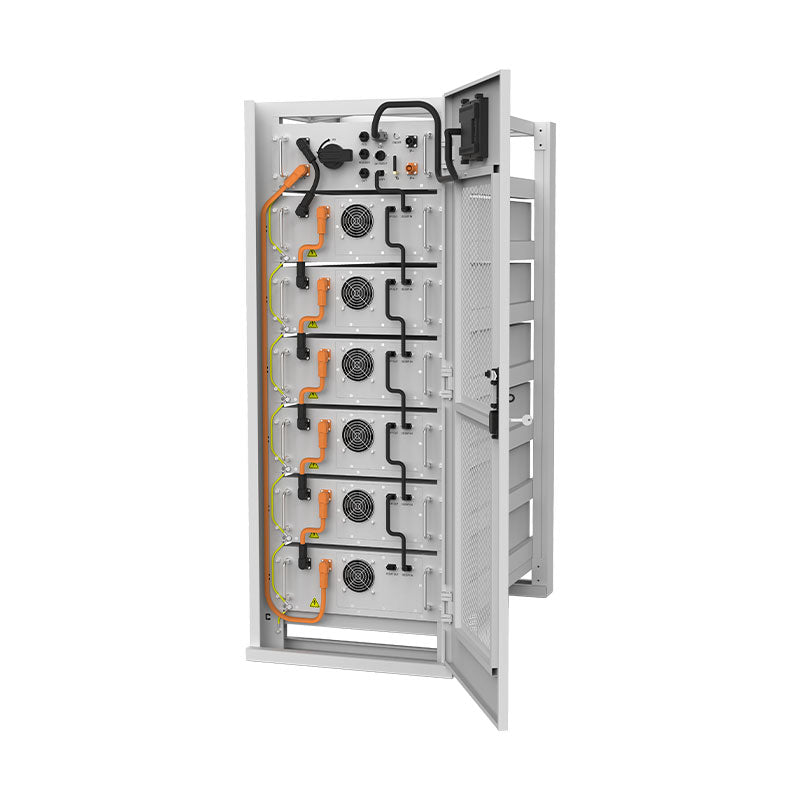
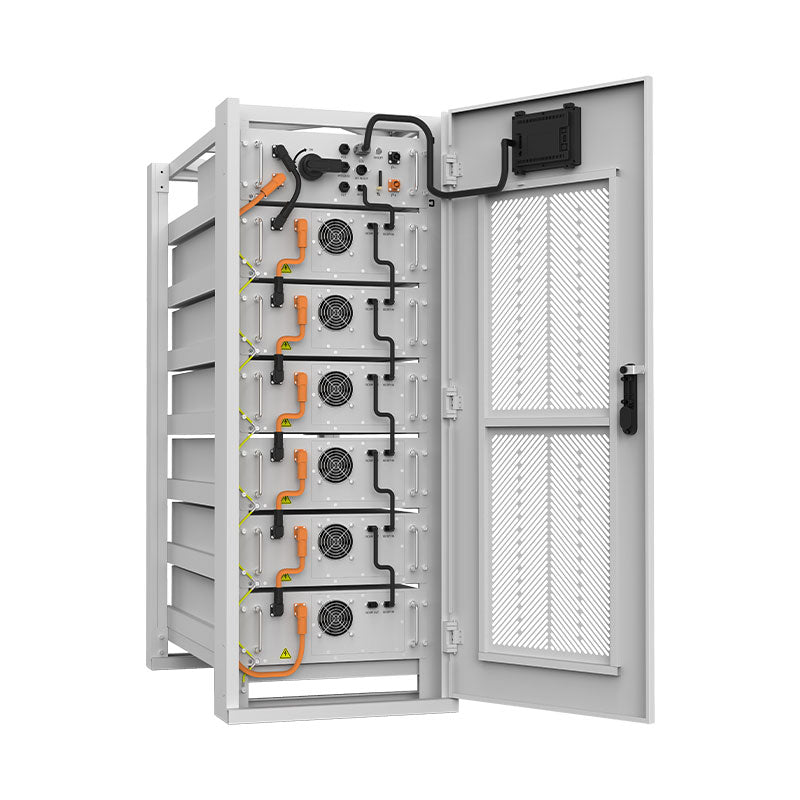
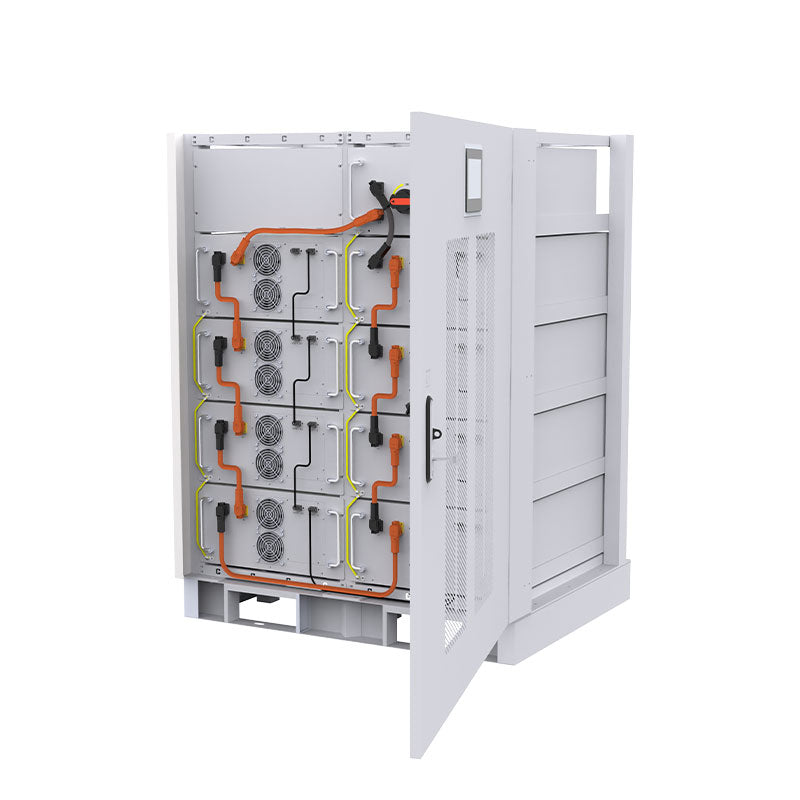
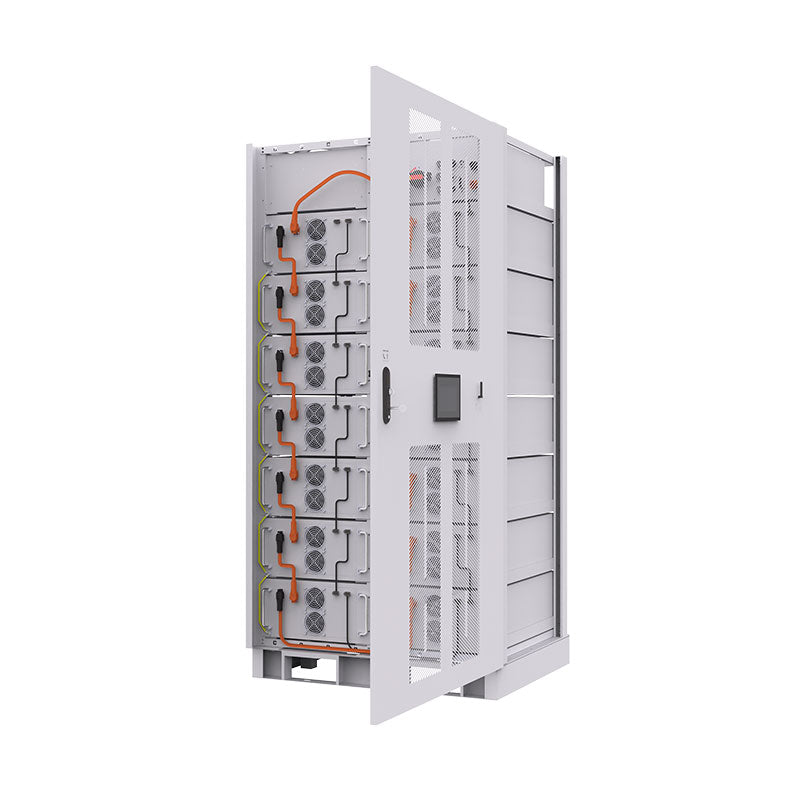
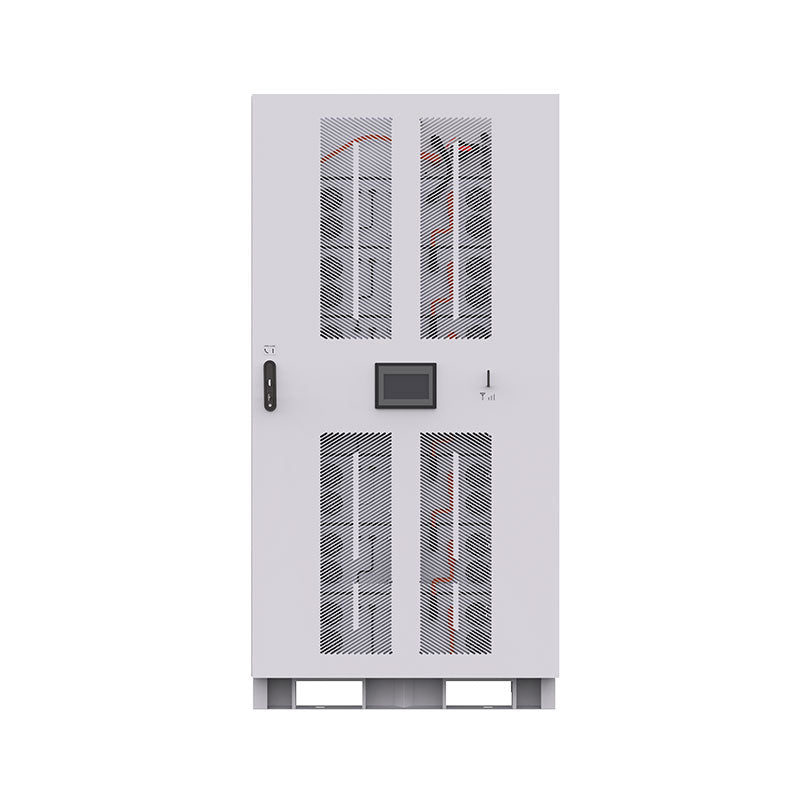
Designing an off-grid system requires meticulous load assessment and battery sizing to ensure sufficient autonomy. The system must meet peak demand and provide power for several days without solar input, accounting for weather variations. LiFePO4 batteries are a reliable choice for these demanding applications due to their high performance, safety, and longevity.
The Grid-Tied System: Enhancing Grid Connection
A grid-tied battery system maintains its connection to the utility grid, using it as a primary power source and a backup. These systems are designed to optimize energy usage, reduce electricity bills, and provide backup power during outages.
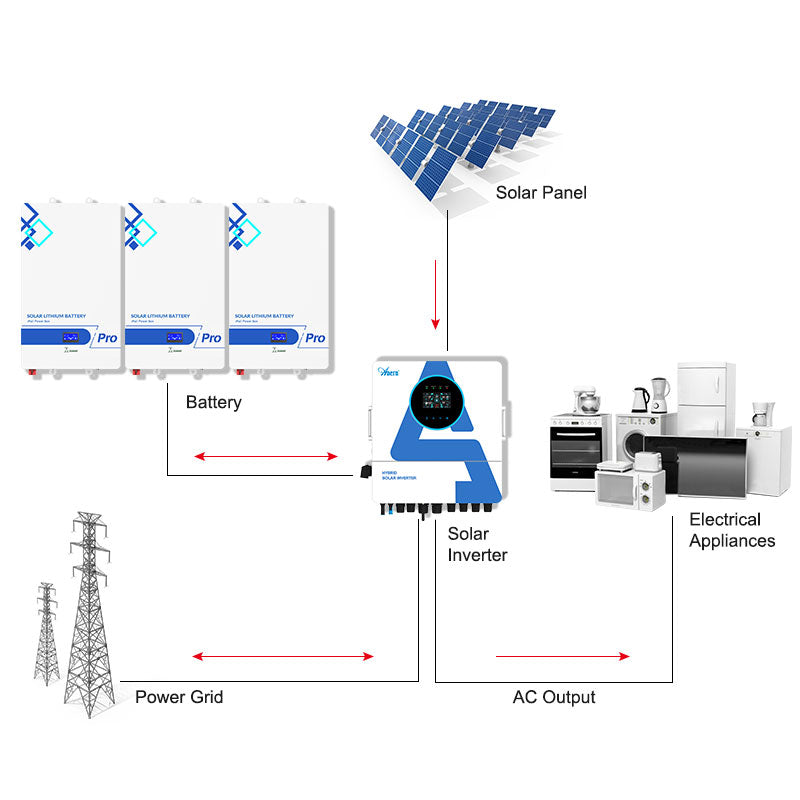
Components typically include solar panels, a grid-tied inverter (often a "grid-following" type that synchronizes with the utility grid), a battery bank, and an automatic transfer switch. The grid-tied inverter converts solar DC power to AC, feeding it directly to your home or back to the grid. Installing battery storage with distributed solar PV can effectively increase self-consumption and reduce reverse power flows into the local grid by shifting produced energy. During grid outages, an automatic transfer switch isolates your home from the grid, allowing the battery and inverter to power critical loads.
The U.S. Department of Energy (DOE) highlights that small-scale solar coupled with storage can power critical building loads during grid outages, enhancing community resilience. Grid-tied systems can also leverage net metering policies, selling excess solar energy back to the utility. They are increasingly used to manage variable renewable energy generation, as the IEA notes that solar PV is increasingly used with battery storage to address shifts in peak demand and variability concerns.
Key Design Considerations and Component Selection
Effective home battery design hinges on careful consideration of several technical aspects, from battery chemistry to inverter capabilities.
Battery Bank Sizing and Chemistry
Accurate battery sizing is paramount for both off-grid and grid-tied systems. You must assess your daily energy consumption and peak power requirements. For off-grid systems, this includes calculating "days of autonomy" – how long the system can power your home without solar input. Key metrics include kilowatt-hours (kWh) for capacity, depth of discharge (DoD) for battery health, and cycle life for longevity.
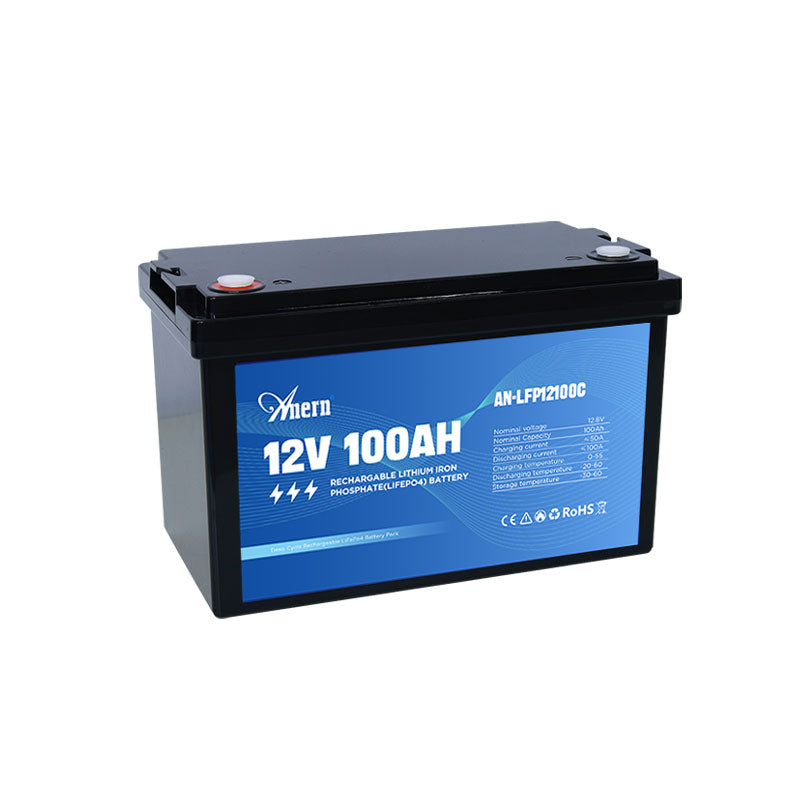
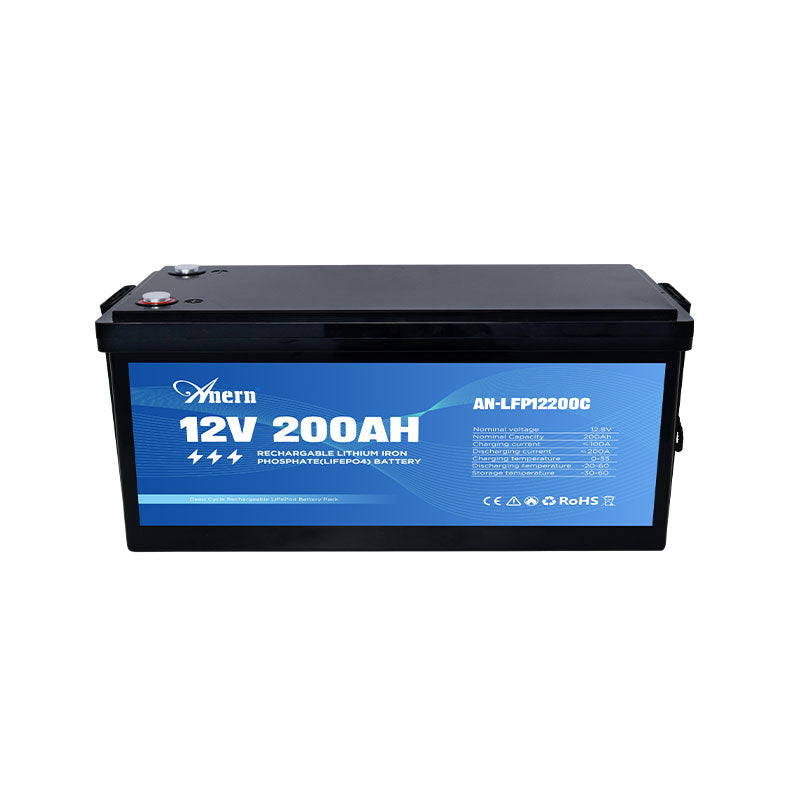
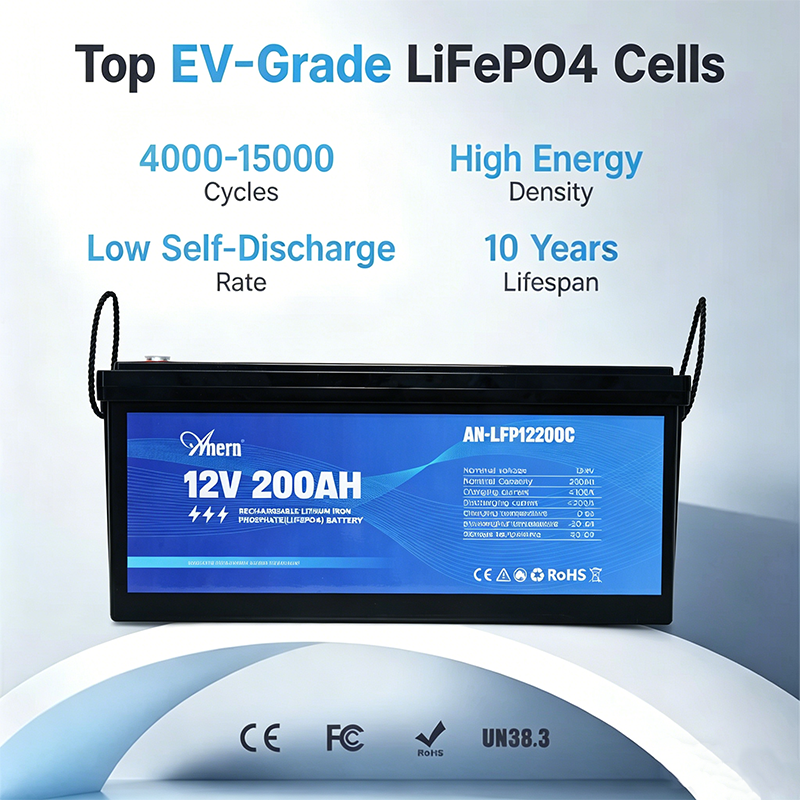
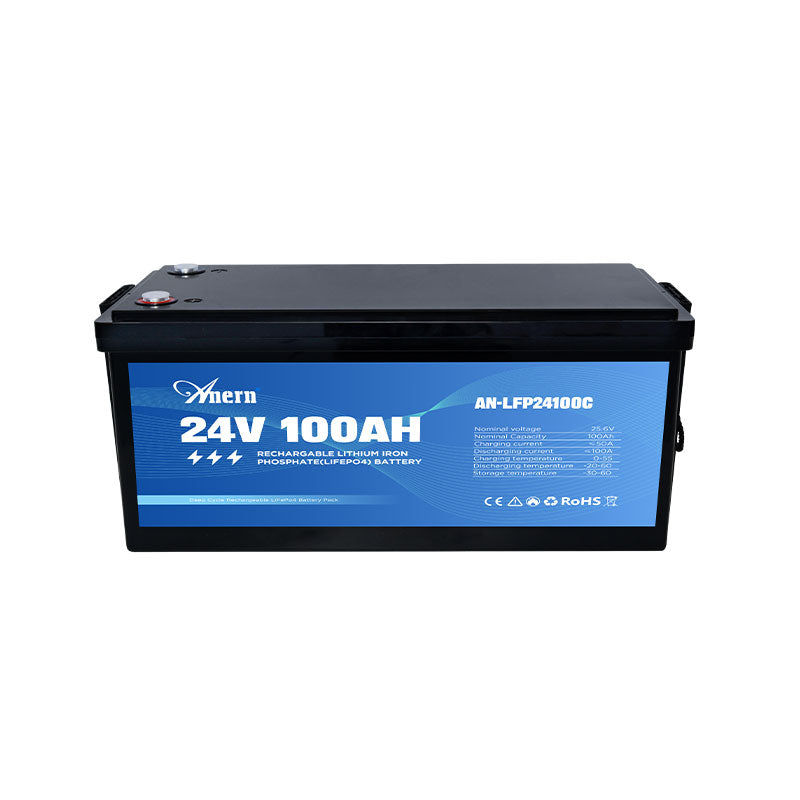
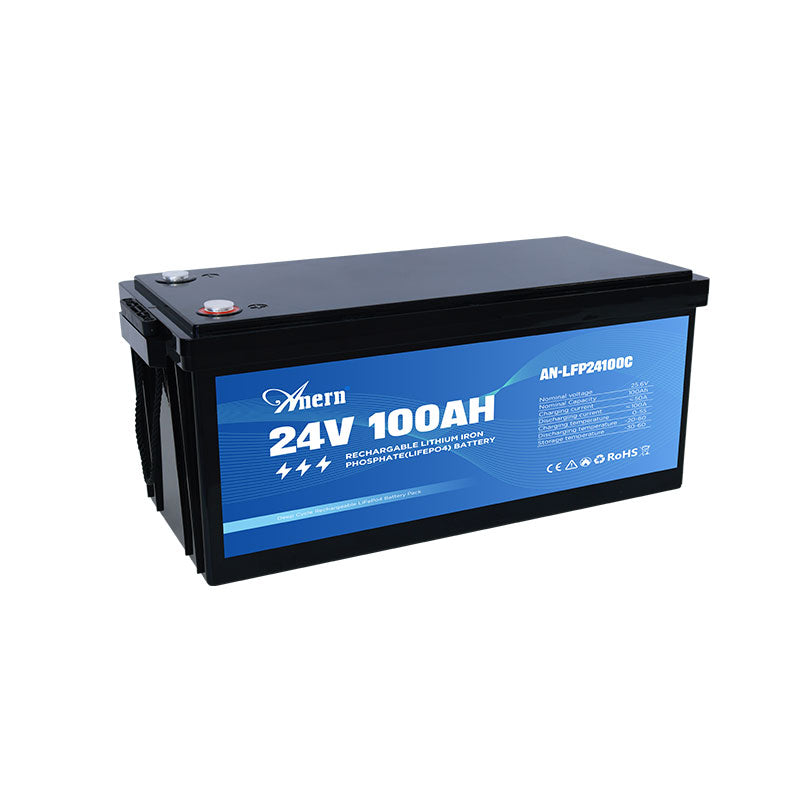
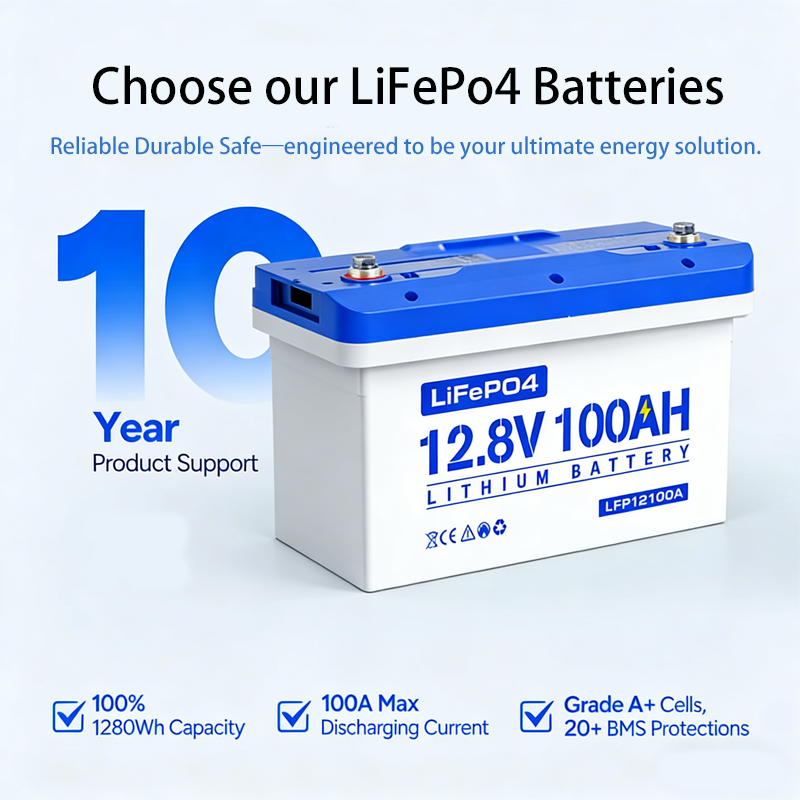
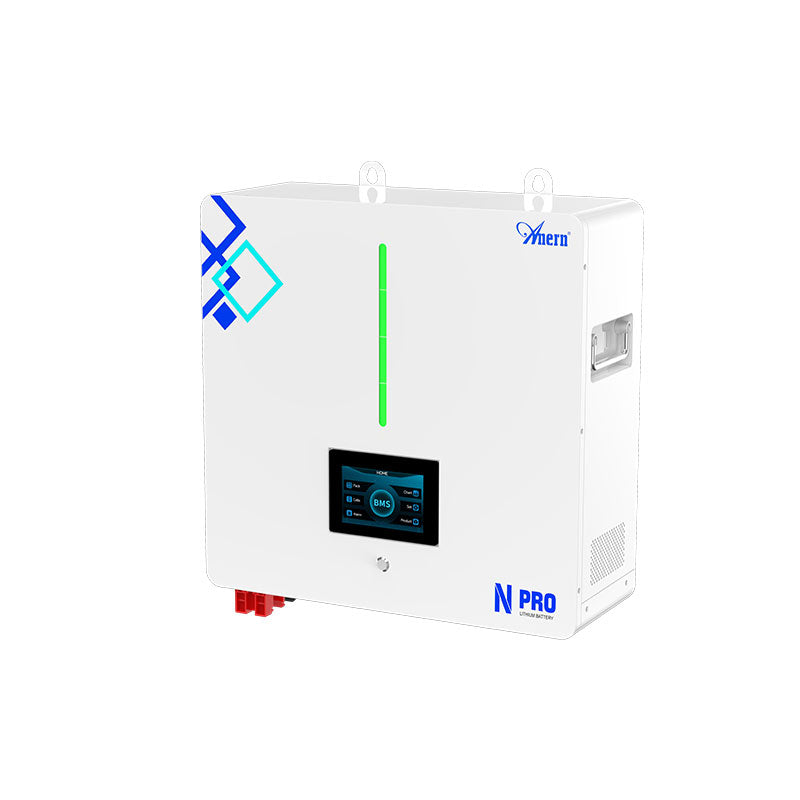
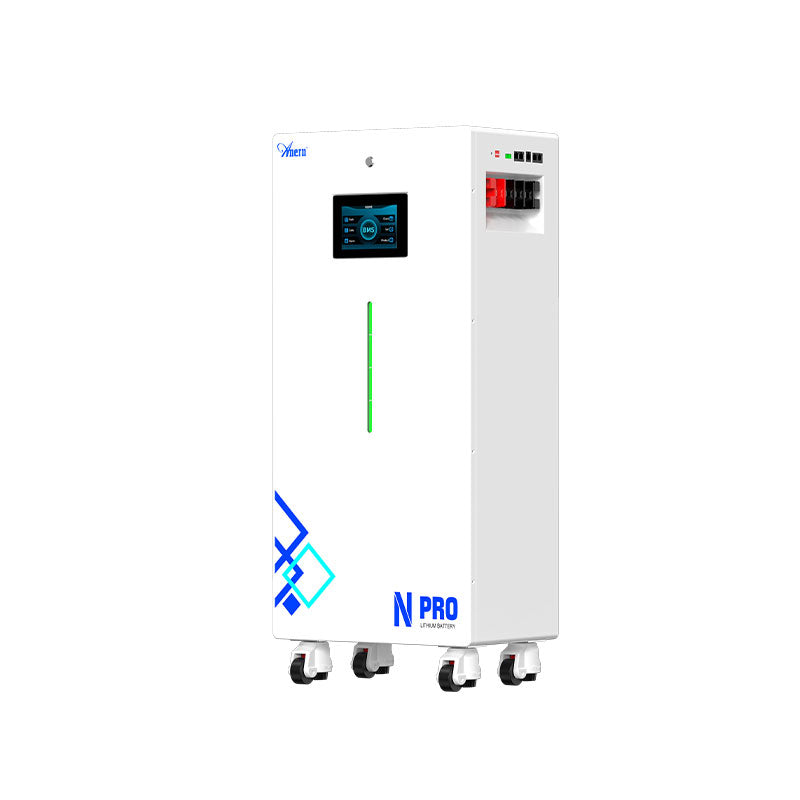
LiFePO4 (Lithium Iron Phosphate) batteries are a leading choice for home energy storage. They offer superior cycle life, high energy density, and enhanced safety compared to older battery chemistries. Their stable chemistry and robust performance make them ideal for the demanding cycles of solar applications.
| Characteristic | Description | Benefit for Home Systems |
|---|---|---|
| Cycle Life | High number of charge/discharge cycles (e.g., 6,000+) | Longer system lifespan, reduced replacement costs |
| Depth of Discharge (DoD) | Can be safely discharged to 80-100% | More usable energy, smaller battery bank needed |
| Efficiency | High round-trip efficiency (typically >95%) | Minimal energy loss during charging and discharging |
| Safety | Thermal and chemical stability | Reduced risk of overheating or fire |
| Maintenance | Virtually maintenance-free | Convenience and lower operational effort |
Inverter Technology: The Brains of Your System
The inverter is a critical component, converting the DC power from your solar panels and batteries into usable AC power for your home. Its type depends heavily on your system design:
- Off-Grid Inverters (Grid-Forming): These create a stable AC grid for your home. They are robust and capable of handling varying loads without grid support. IRENA indicates that requirements for grid-forming inverters in grid codes are increasingly necessary, reflecting their growing importance.
- Grid-Tied Inverters (Grid-Following): These synchronize with the utility grid's waveform and voltage. They require the grid to be present to operate and typically feature anti-islanding protection to prevent feeding power into a de-energized grid during an outage.
- Hybrid Inverters: These combine functionalities, allowing for both grid-tied operation and islanded (off-grid) backup during outages. They offer flexibility for systems seeking both grid interaction and emergency power.
Charge Controllers and System Management
Charge controllers regulate the voltage and current from solar panels to the battery bank, preventing overcharging and optimizing battery health. Maximum Power Point Tracking (MPPT) controllers are generally preferred for their higher efficiency, especially in varying weather conditions.
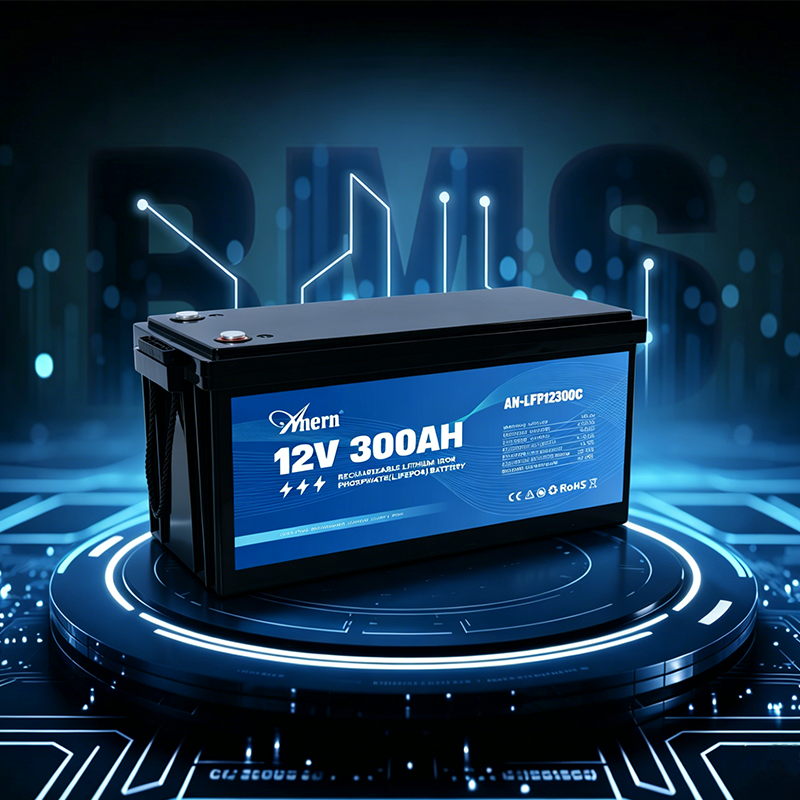
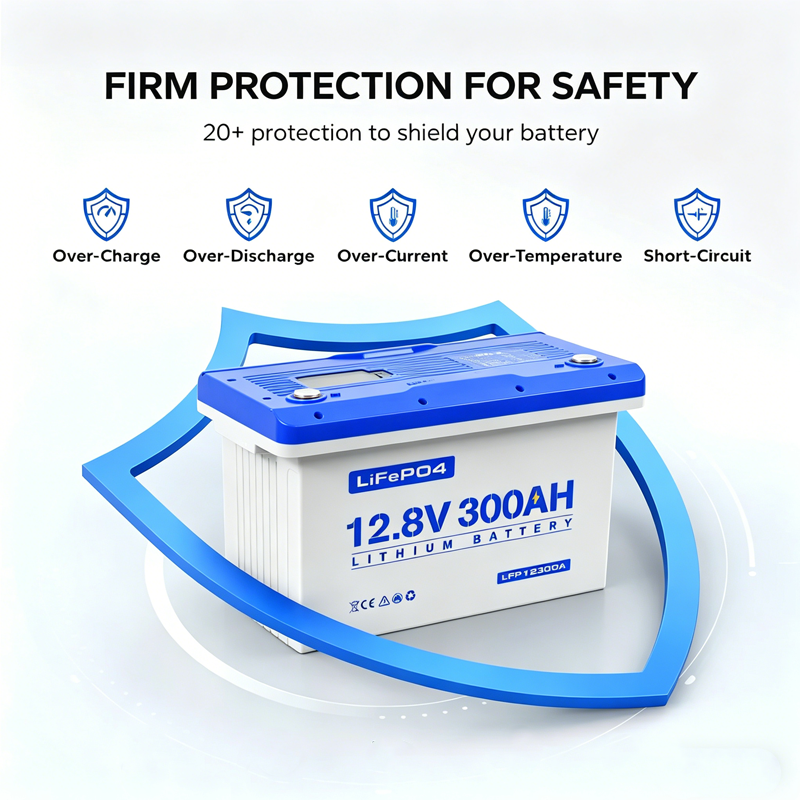
A Battery Management System (BMS) is indispensable for LiFePO4 batteries. It monitors cell voltage, temperature, and current, balancing cells and protecting against overcharge, over-discharge, and short circuits. Integrated monitoring and control systems provide real-time data on energy production, consumption, and battery status, allowing you to manage your system effectively.
Practical Applications and Operational Philosophies
The choice between off-grid and grid-tied systems is often driven by specific needs and environmental contexts.
Off-Grid Use Cases: Remote Living and True Independence
Off-grid systems are ideal for remote cabins, farms, or homes where grid connection is unavailable, unreliable, or prohibitively expensive. They offer complete energy autonomy, freeing you from utility bills and grid outages. The operational philosophy centers on energy conservation and maximizing system resilience. Users often adopt habits to minimize consumption, especially during periods of low solar generation. While offering independence, these systems demand careful planning for sizing to meet worst-case scenarios and require regular maintenance to ensure long-term reliability.
Grid-Tied Use Cases: Resilience, Savings, and Grid Support
Grid-tied systems with battery storage are increasingly popular in urban and suburban areas. They provide backup power for critical loads during grid outages, offering peace of mind. Beyond backup, they allow homeowners to reduce electricity bills by storing excess solar energy and using it during peak demand times or when electricity rates are higher. This practice, known as peak shaving or time-of-use shifting, optimizes self-consumption. As more variable renewable energy resources like solar are deployed, energy storage helps stabilize the electric grid.
Your Energy Future: A Design Decision
Deciding between an off-grid and grid-tied home battery system requires evaluating your unique circumstances. Consider your location, daily energy consumption patterns, budget, and your desire for complete independence versus leveraging grid reliability. Off-grid systems offer unparalleled autonomy but demand a higher initial investment and a commitment to energy management. Grid-tied systems provide resilience and economic benefits while maintaining a connection to the broader energy infrastructure.
Regardless of your choice, selecting reliable and scalable energy solutions is key to achieving your energy goals. Consulting with experienced professionals can help tailor a system design that perfectly aligns with your specific requirements, ensuring optimal performance and long-term satisfaction.
Frequently Asked Questions
What is the primary difference between off-grid and grid-tied battery systems?
The main difference is the connection to the utility grid. Off-grid systems operate entirely independently, generating and storing all their power. Grid-tied systems remain connected to the utility grid, using it for primary power and backup, while also leveraging solar and battery storage for efficiency and resilience.
Can a grid-tied system provide backup power during an outage?
Yes, many modern grid-tied battery systems are designed with backup capabilities. When an outage occurs, an automatic transfer switch isolates your home from the grid, allowing the battery and inverter to power designated critical loads.
Why are LiFePO4 batteries often recommended for home energy storage?
LiFePO4 batteries are recommended due to their high cycle life, allowing for many charge and discharge cycles, and their deep depth of discharge, meaning more usable energy. They also offer excellent safety characteristics, high efficiency, and are virtually maintenance-free, contributing to a reliable and long-lasting system.
Do off-grid systems require a backup generator?
While not strictly mandatory, a backup generator is highly recommended for off-grid systems. It provides a reliable power source during extended periods of low solar production, such as cloudy weather or short winter days, ensuring continuous power supply and battery charging.
What is a grid-forming inverter?
A grid-forming inverter is capable of creating and maintaining a stable AC electrical grid, providing the necessary voltage and frequency for connected loads. These are crucial for off-grid systems, as they establish the home's standalone power supply. In contrast, grid-following inverters synchronize with an existing grid.
