














The pursuit of reliable energy has led many to consider solar power and battery storage. You might envision complete freedom from utility companies or a robust backup for your existing grid connection. These aspirations often fall into two main categories: off-grid independence and grid-tied resilience. Understanding the distinctions between these approaches is crucial for making an informed energy decision. This article clarifies the realities, design differences, and practical applications of each system, guiding you toward the most suitable energy solution.

Defining Off-Grid Independence
Off-grid independence represents the ultimate goal of self-sufficiency. It means completely disconnecting from the public utility grid. Your home or property generates and stores all its electricity, free from external power sources.
The Vision of Complete Autonomy
The appeal of off-grid living is strong. It offers freedom from utility bills, protection from widespread power outages, and a reduced environmental footprint. This setup is particularly popular for remote homes, cabins, farms, or any location where grid access is expensive or unavailable. Imagine a peaceful existence powered entirely by your own resources.
Technical Realities of Off-Grid Systems
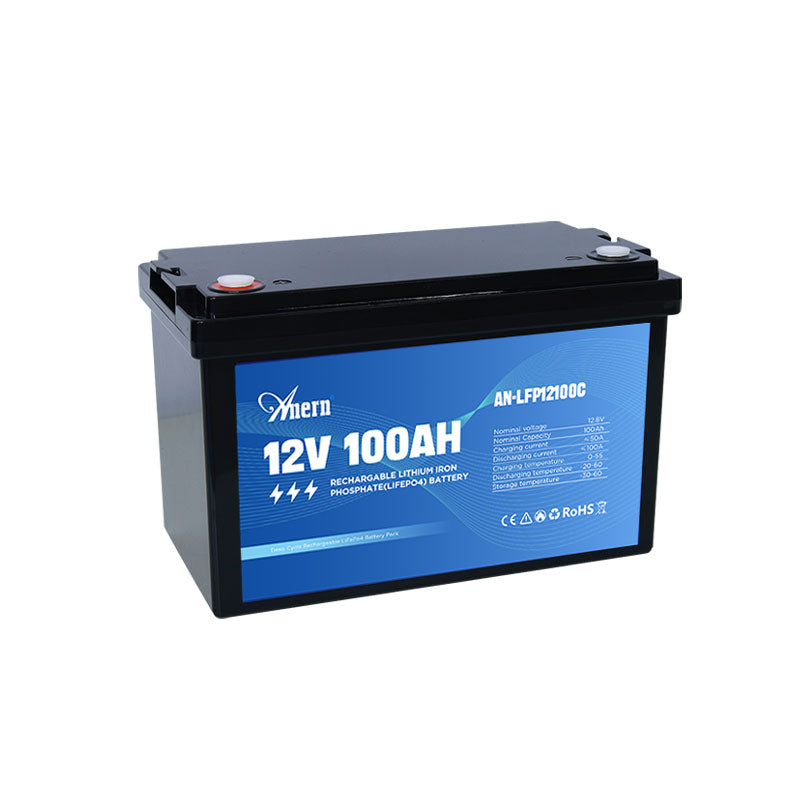
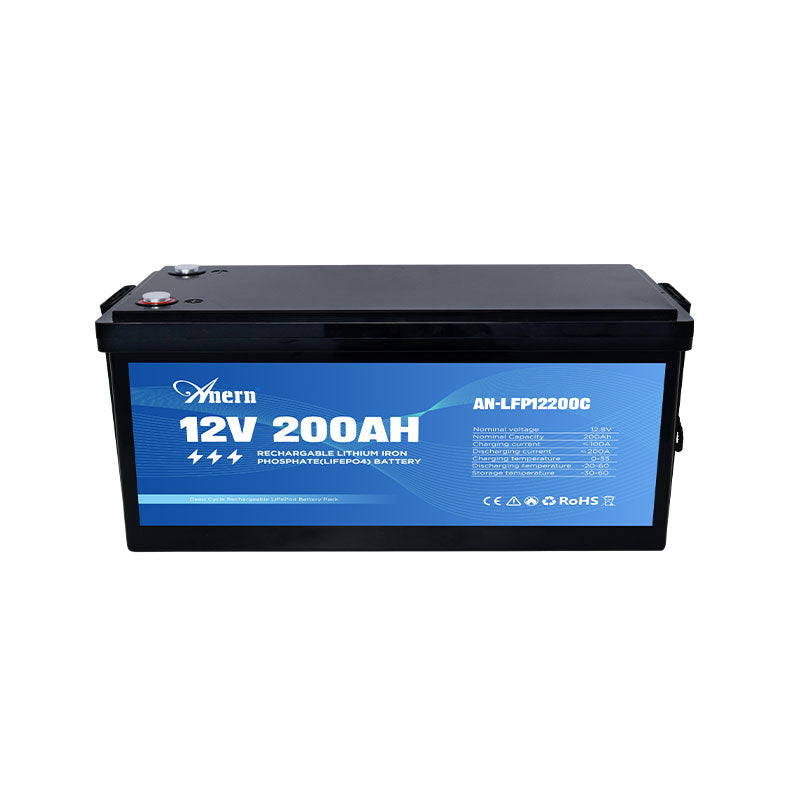
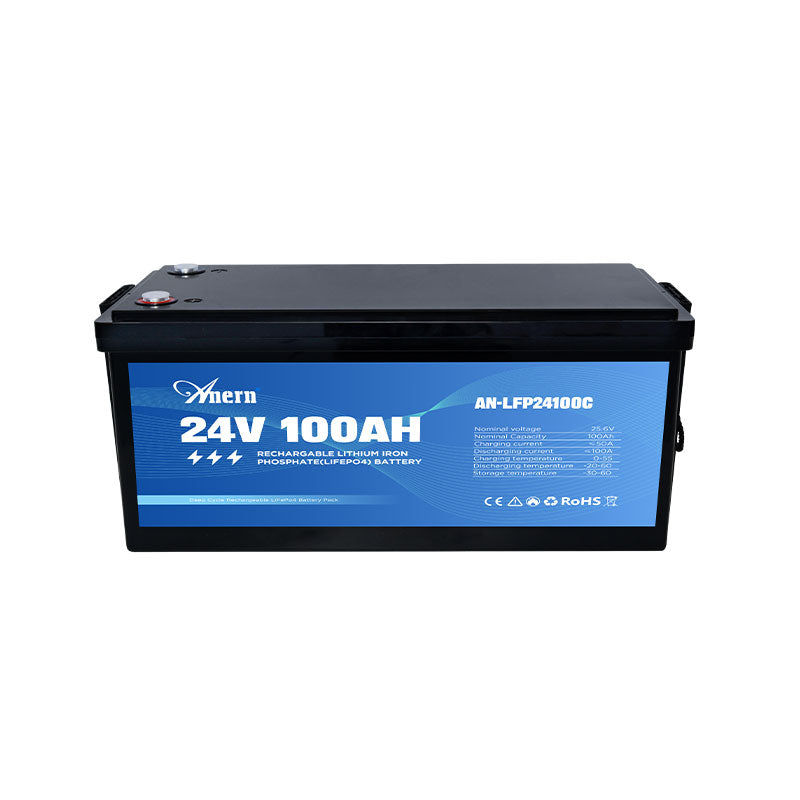
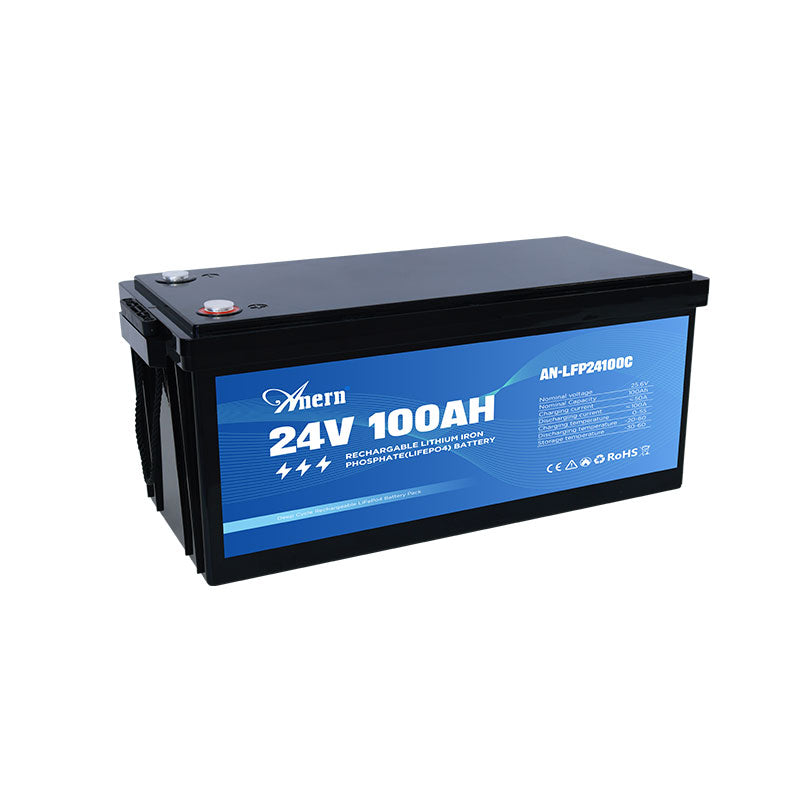
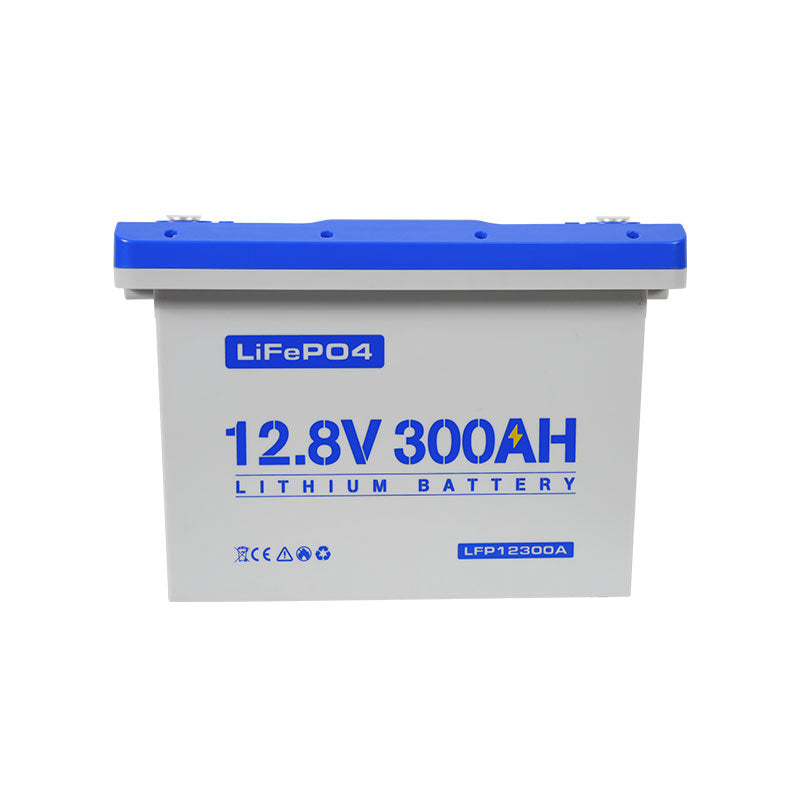
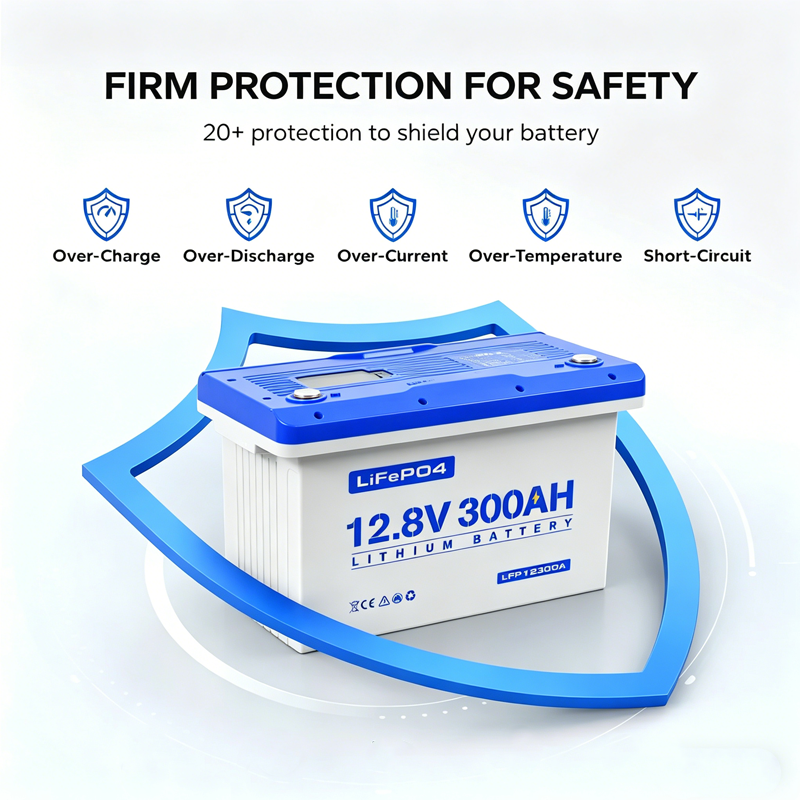
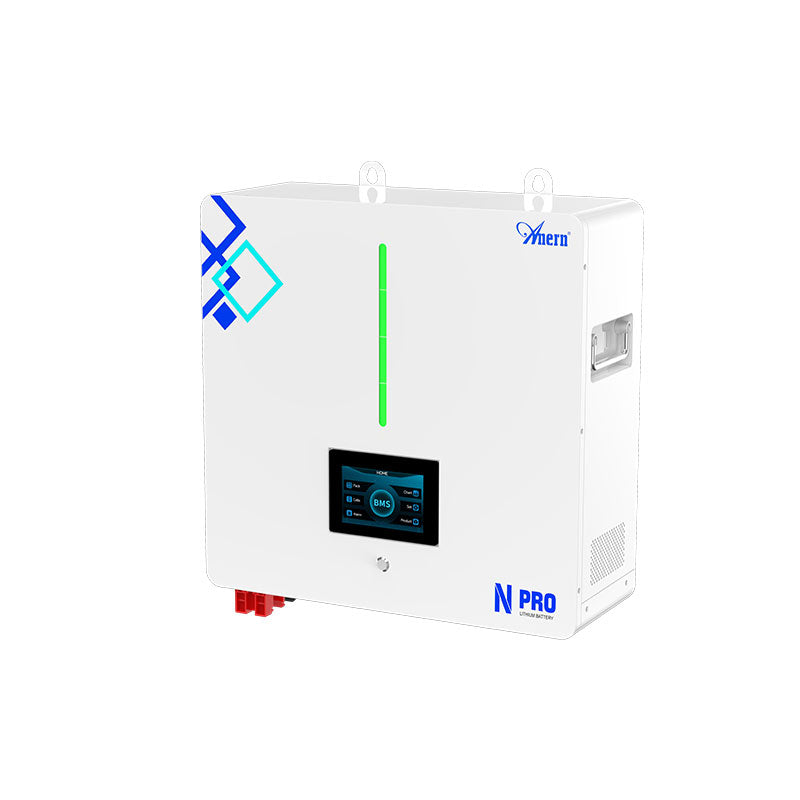
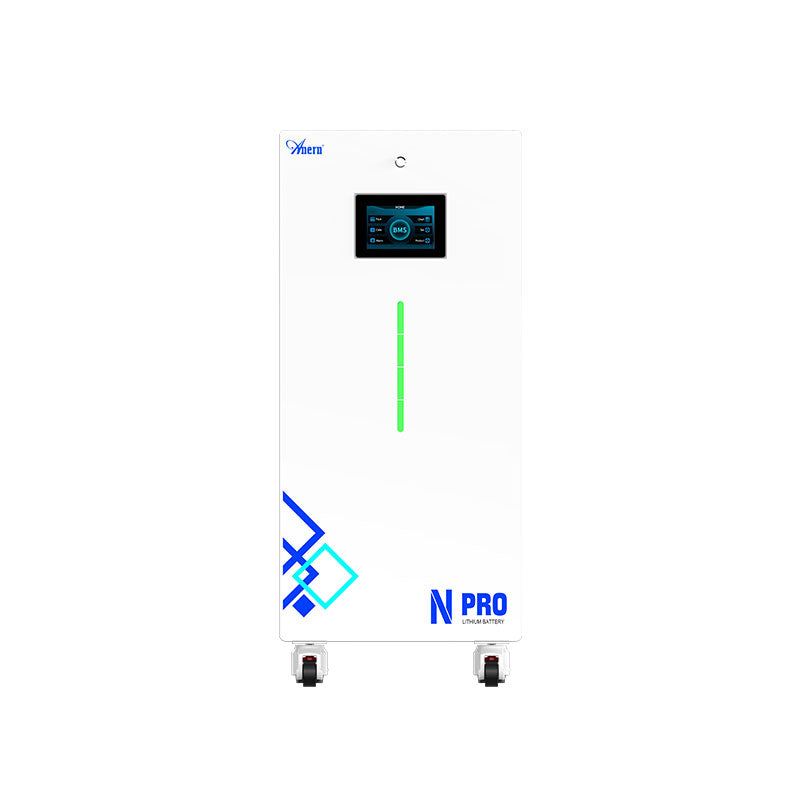
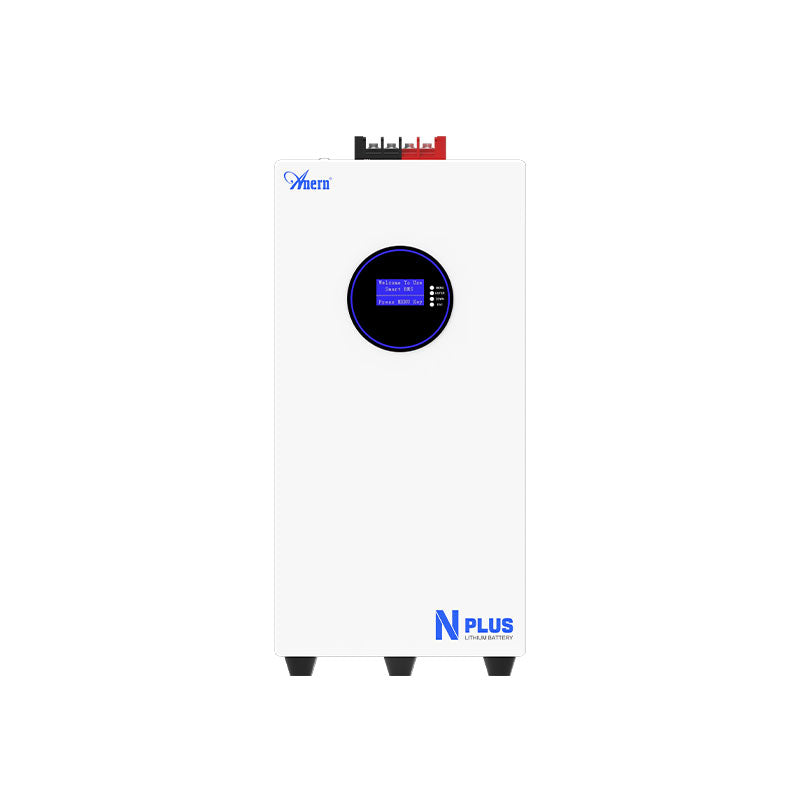
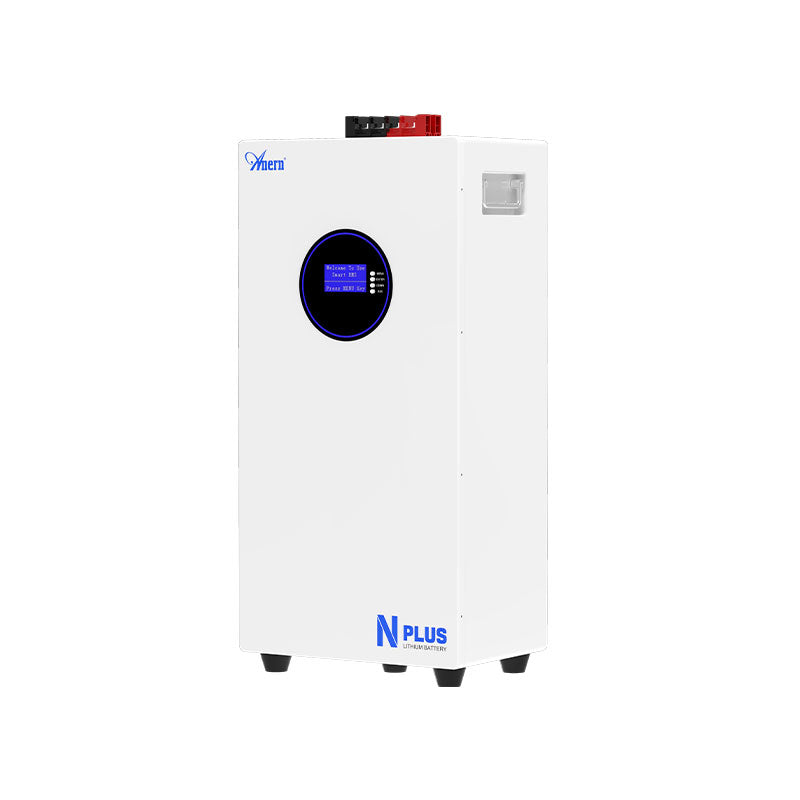
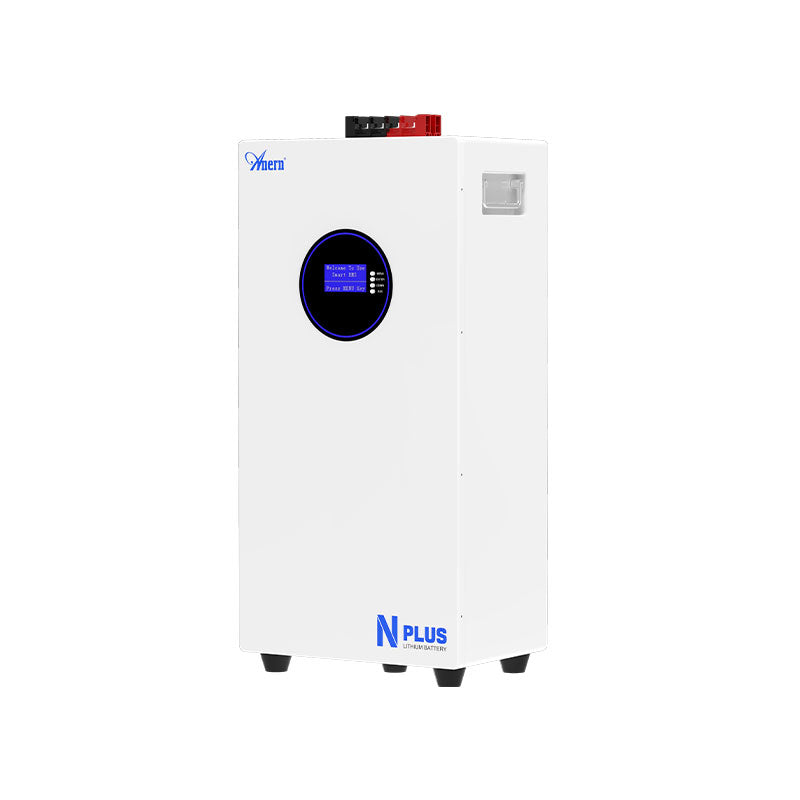
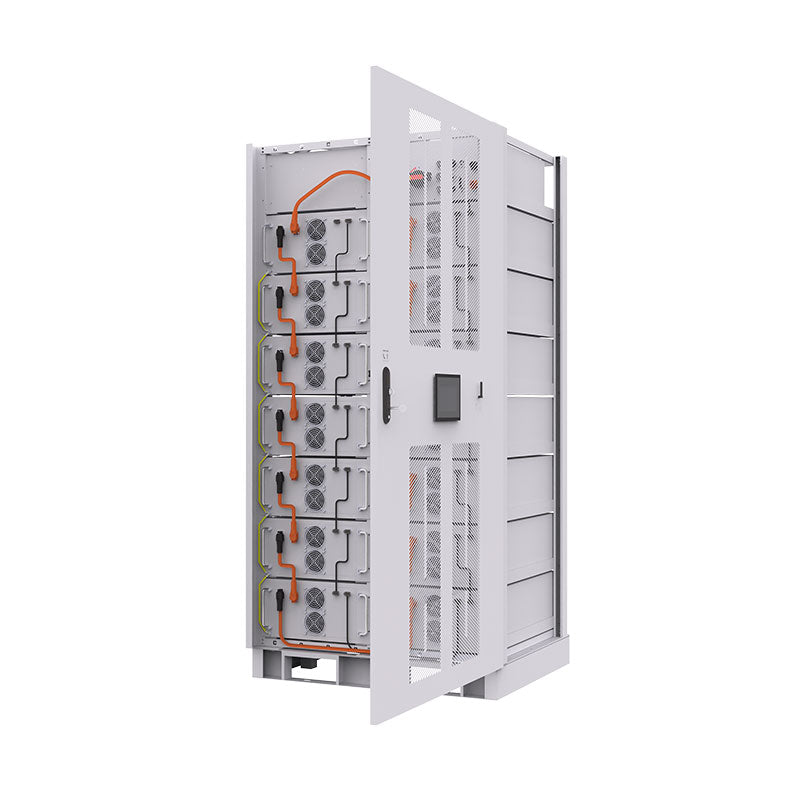
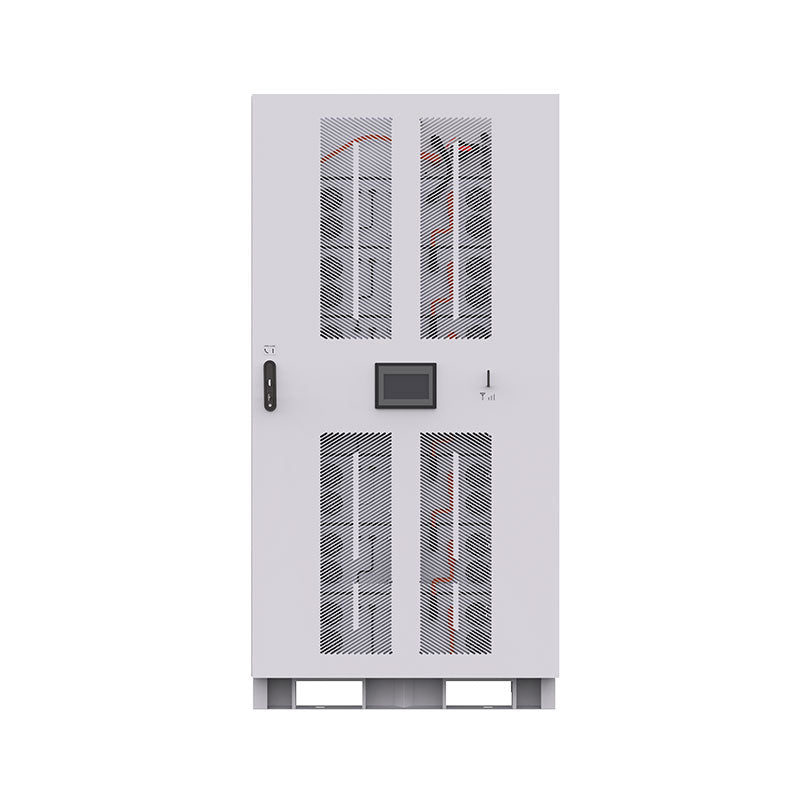
Achieving true off-grid independence requires careful planning and robust equipment. A typical off-grid system includes solar panels to generate electricity, a charge controller to manage power flow, a substantial battery bank for storage, and an off-grid inverter to convert stored DC power into usable AC power for your appliances. For instance, a well-designed system might feature high-performance LiFePO4 batteries, known for their safety and long cycle life, providing reliable power day and night.
The primary challenge lies in accurately sizing your system to meet all your energy demands, even during periods of low sunlight. Over-reliance on weather conditions means your battery capacity must be generous. According to IRENA's Renewable Power Generation Costs in 2024, the cost of renewable energy technologies, including batteries, continues to decline, making off-grid solutions more accessible. However, the upfront investment for a fully independent system, including backup generators for extended cloudy periods, can be significant compared to grid-tied options.
Understanding Grid-Tied Resilience
Grid-tied resilience focuses on leveraging the existing utility grid while enhancing your energy security with local generation and storage. You remain connected to the grid, but your system provides significant benefits.
The Benefits of Grid Connection
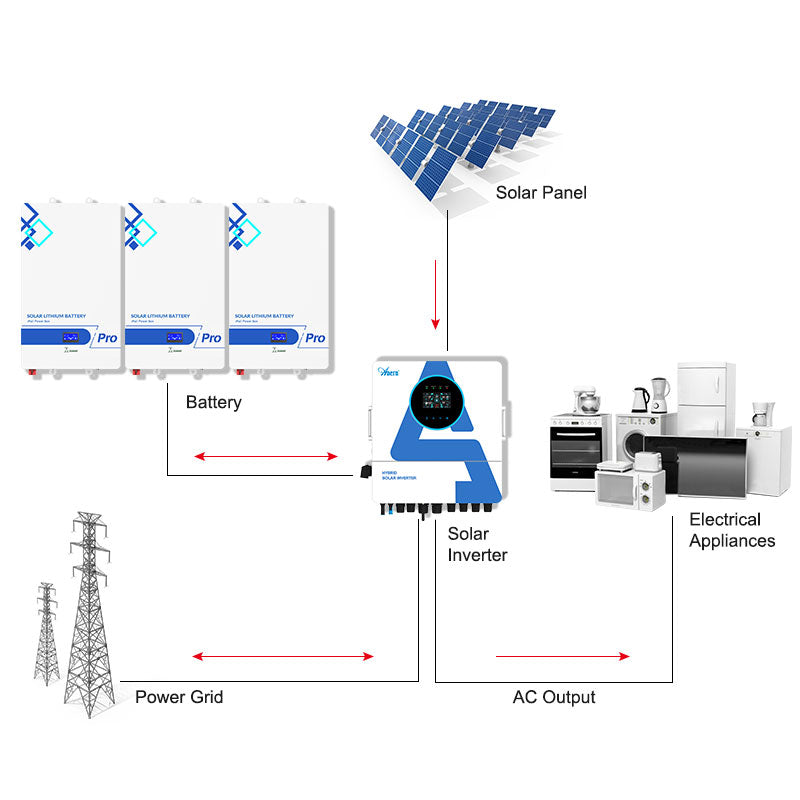
A grid-tied system typically includes solar panels and an inverter that feeds electricity directly into your home and, if there's excess, back into the utility grid. This often allows for net metering, where you receive credits for the power you contribute, effectively reducing your electricity bill. The grid itself acts as an infinite battery, supplying power when your solar panels are not producing enough. This seamless integration offers convenience and cost savings.
Resilience, in this context, refers to the ability of a system to withstand and rapidly recover from disruptive events. While a standard grid-tied solar system usually shuts down during a power outage for safety reasons (anti-islanding), adding battery storage transforms it into a resilient solution. The U.S. Department of Energy highlights the importance of microgrids and energy resilience in communities, noting that new tools can connect multiple microgrids to increase community resilience, as detailed in an Energy.gov article.
Enhancing Resilience with Battery Storage
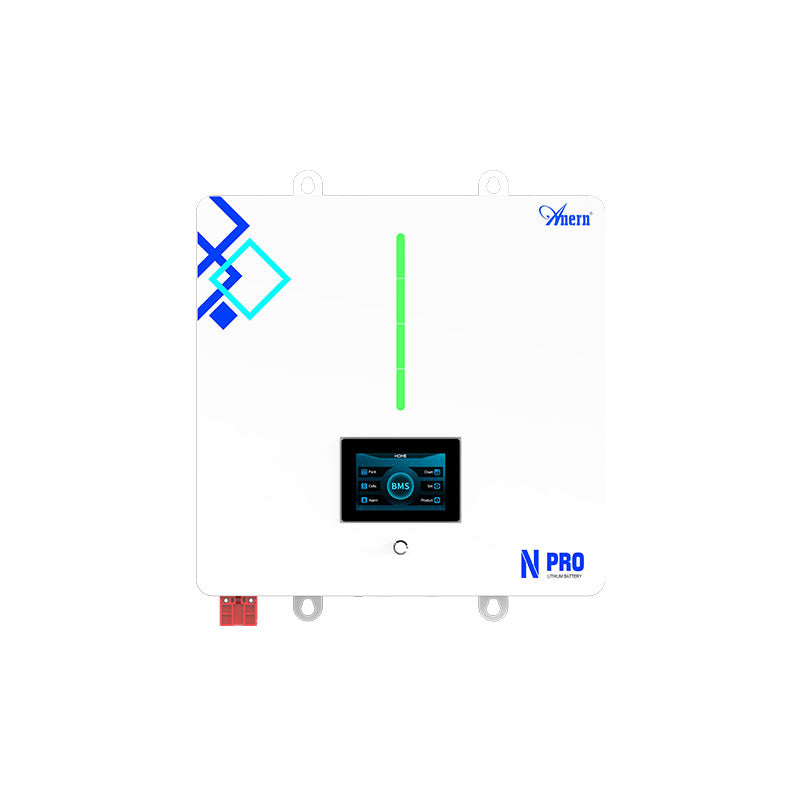
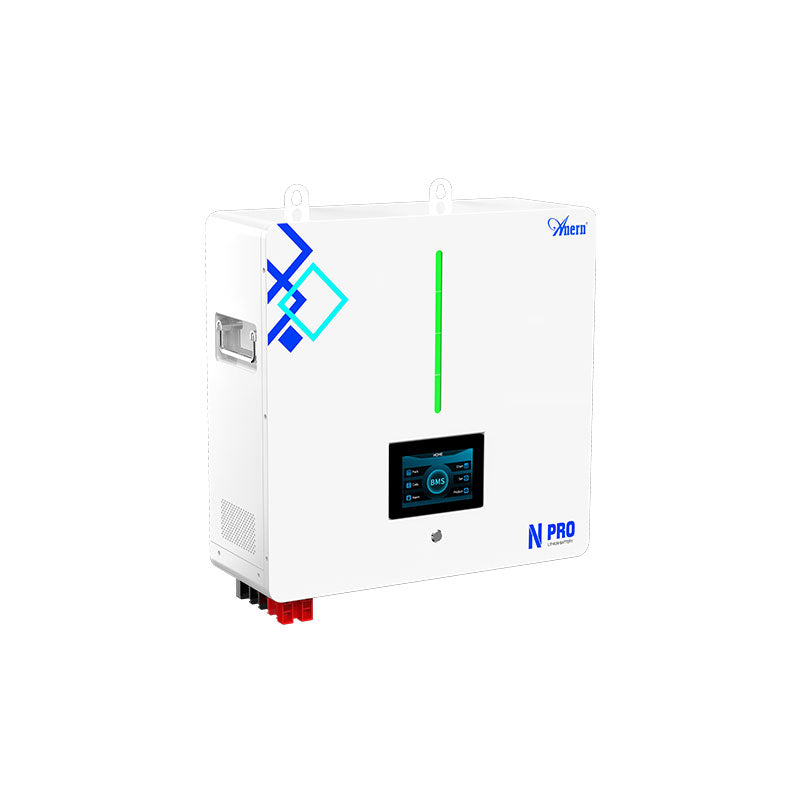
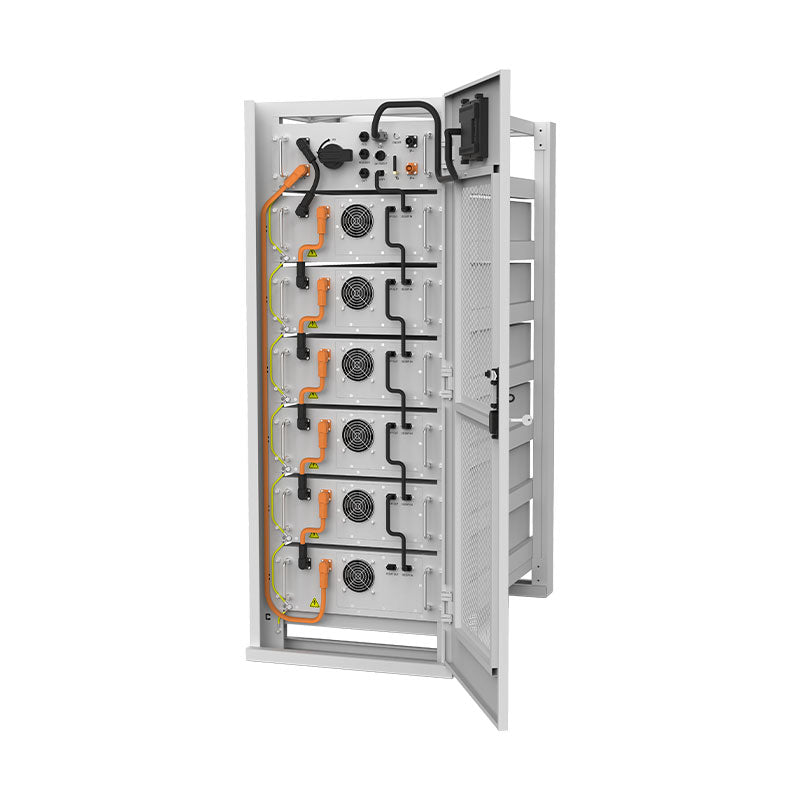
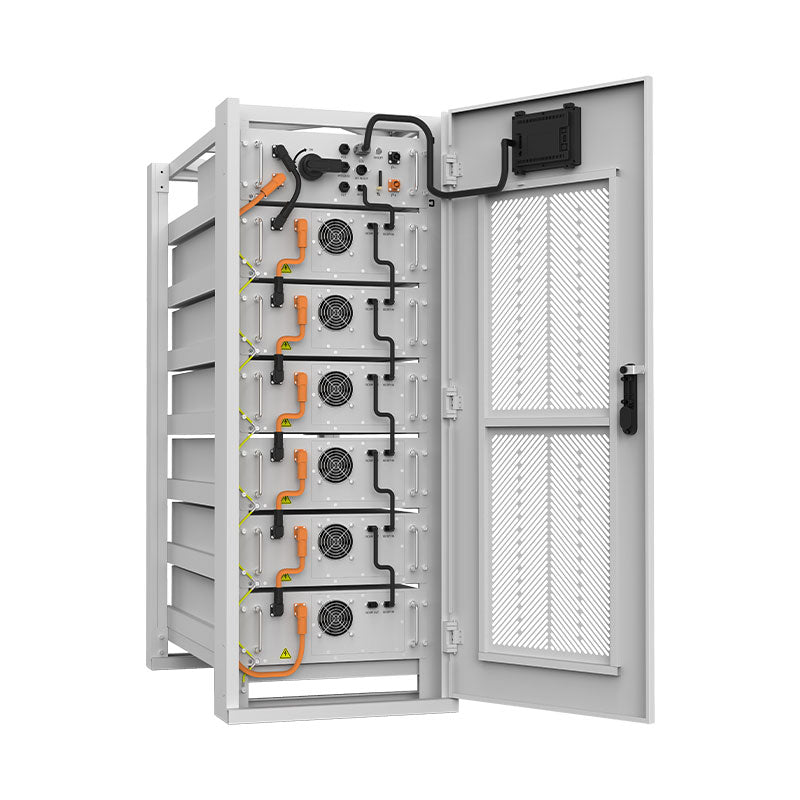
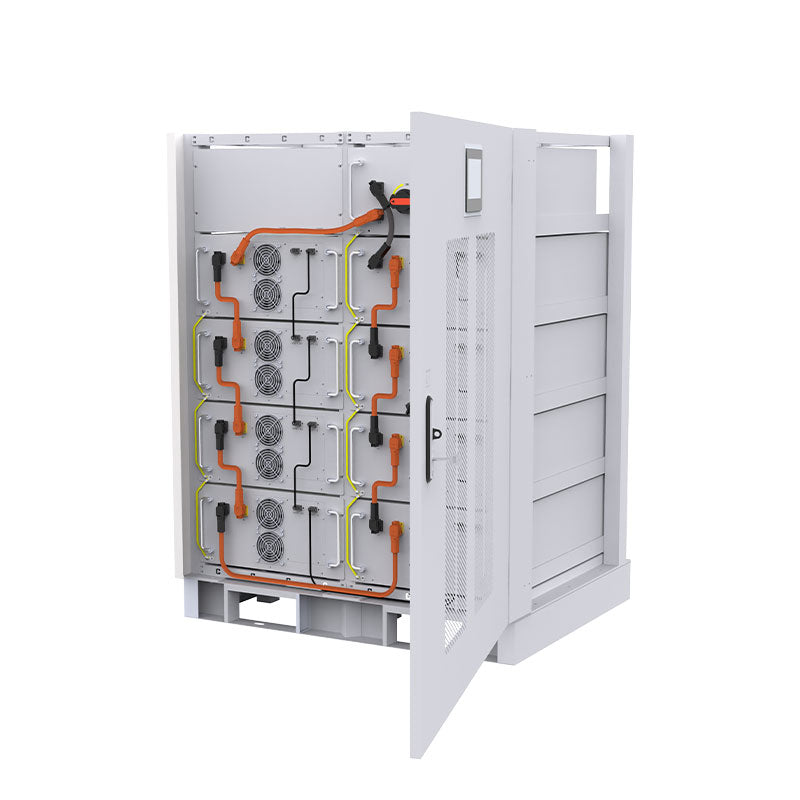
Integrating a battery energy storage system (ESS) with your grid-tied solar panels provides critical backup power during outages. When the grid goes down, a hybrid inverter automatically switches your home to battery power, ensuring essential loads remain operational. These systems use advanced LiFePO4 batteries to store excess solar energy generated during the day. This stored energy then powers your home during the evening or during grid interruptions.
Beyond backup, grid-tied battery systems can offer additional grid services. They can perform peak shaving, drawing power from batteries during high-cost peak hours and recharging during off-peak times. This reduces demand on the grid and lowers your electricity costs. The IEA's Integrating Solar and Wind report discusses how hybrid power plants, combining generation and storage, enhance energy reliability and system performance by mitigating intermittency and maximizing energy use, which is increasingly vital for grid stability.
Key Differences and Design Considerations
The choice between off-grid independence and grid-tied resilience hinges on several critical design and financial factors. Understanding these differences will help you align your energy goals with a practical solution.
System Architecture and Complexity
Off-grid systems demand a self-contained, robust design. Every component must be sized to handle the entire household load. This often requires larger battery banks and specific off-grid inverters capable of creating their own stable AC waveform. In contrast, grid-tied systems with batteries benefit from the grid's stability. The grid handles peak loads and provides a constant frequency reference, simplifying inverter requirements. Converters in grid-tied systems are typically grid-following, needing this reference waveform to synchronize to the grid, whereas synchronous generators can generate their own voltage waveform and synchronize independently, as noted by the IEA in Integrating Solar and Wind.
| Feature | Off-Grid Independence | Grid-Tied Resilience |
|---|---|---|
| Grid Connection | None | Connected to Utility Grid |
| Primary Goal | Complete Self-Sufficiency | Backup Power, Bill Reduction, Grid Support |
| Battery Sizing | Larger, for 100% Load & Autonomy | Smaller, for Critical Loads & Backup Duration |
| Inverter Type | Off-Grid Inverter (Grid-Forming) | Hybrid Inverter (Grid-Following with Backup Capability) |
| Backup Source | Generator (Optional) | Utility Grid, Battery |
Cost Implications and Return on Investment
The upfront cost for off-grid systems is generally higher due to the need for larger battery capacities and sometimes backup generators. You are essentially building your own mini-utility. However, you eliminate monthly electricity bills. For grid-tied systems with battery backup, the initial investment can be offset by reduced utility bills through net metering and incentives. The IEA's System Integration of Renewables report discusses the critical role of appropriate technical grid connection rules and how they impact costs, suggesting that public funding or shared costs can alleviate the burden of grid connection for developers. The long-term return on investment for grid-tied systems often comes from energy savings and increased property value, while off-grid systems offer the intangible value of complete energy freedom.
Choosing the Right Path for You
Selecting between off-grid independence and grid-tied resilience depends entirely on your specific circumstances, priorities, and long-term vision for energy.
Assessing Your Energy Needs and Lifestyle
Consider your daily energy consumption patterns. Do you live in a remote area with unreliable grid access? Is your priority to eliminate utility bills entirely, or do you seek reliable backup power during outages? For a remote cabin, an off-grid solar solution with robust LiFePO4 batteries provides the necessary autonomy. For a suburban home, a grid-tied system with an integrated ESS offers peace of mind during power interruptions while still benefiting from grid connectivity. Your budget also plays a significant role; off-grid systems typically demand a higher initial outlay but promise long-term freedom from recurring energy costs.
The Role of Advanced Battery Technology
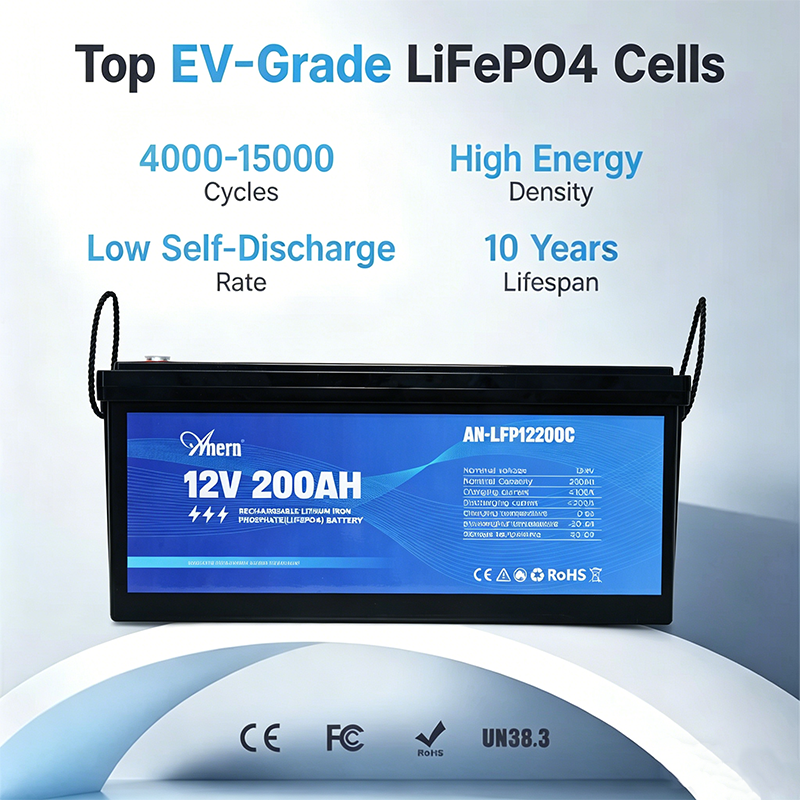
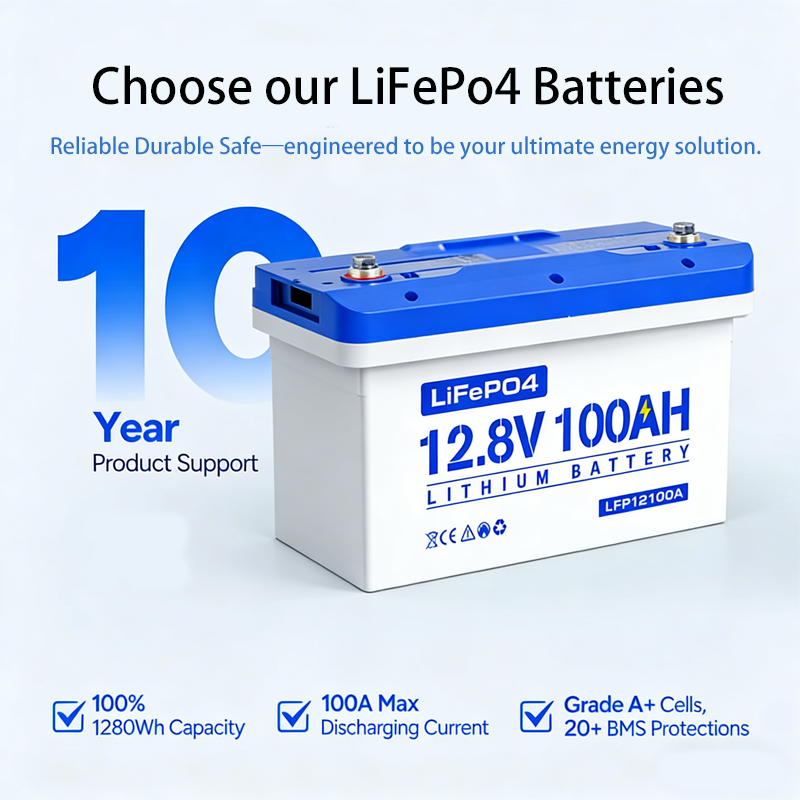
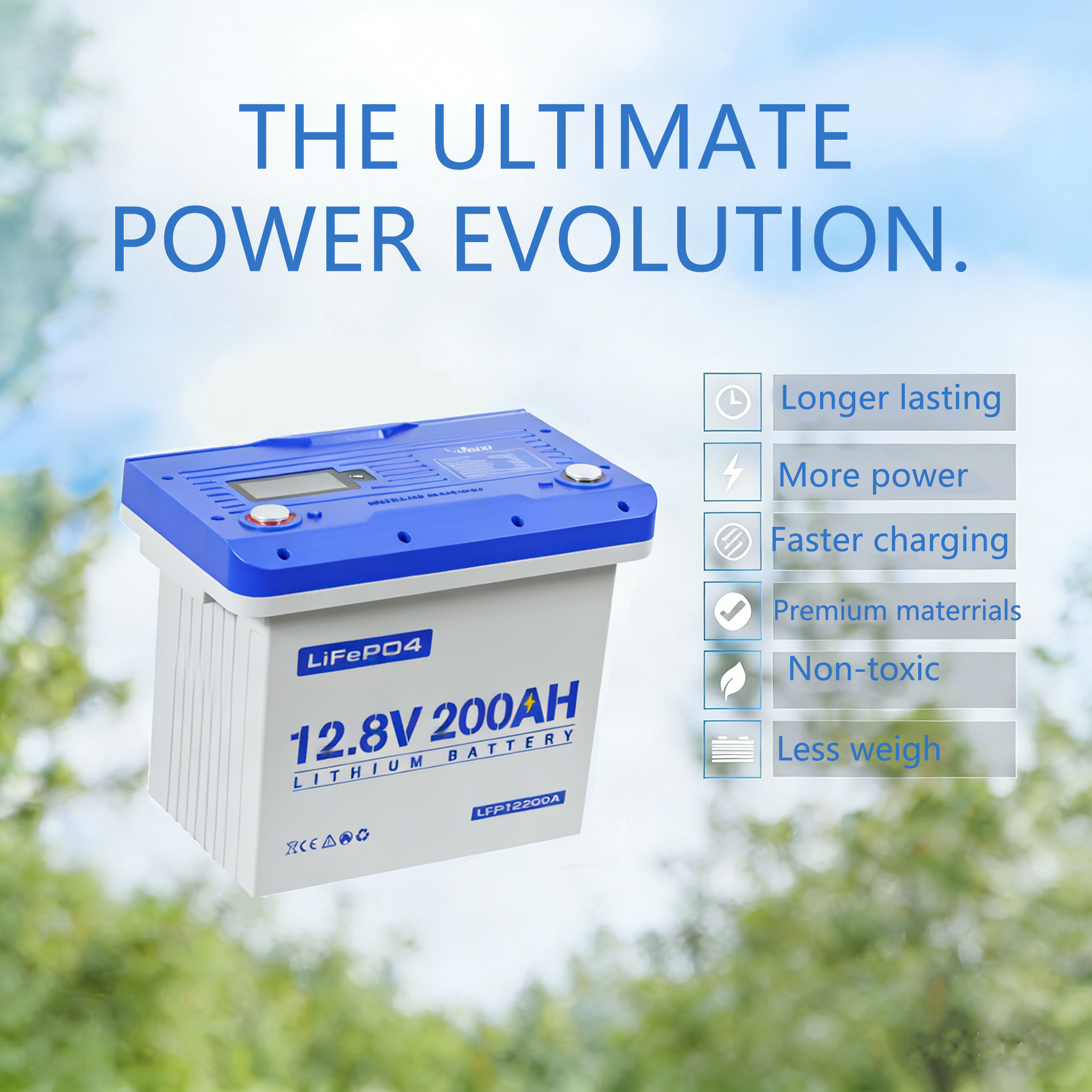
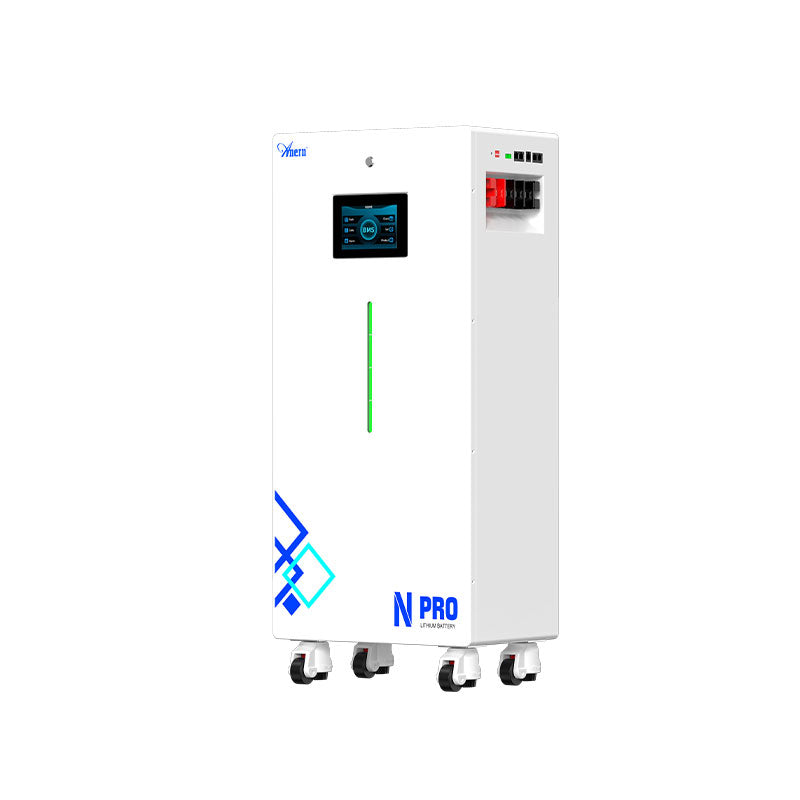
Modern battery technology, particularly LiFePO4 (lithium iron phosphate) batteries, has revolutionized both off-grid and grid-tied systems. These batteries offer superior performance, safety, and a significantly longer cycle life compared to older battery chemistries. Their high efficiency means more of your generated solar power is stored and available for use. Whether you are building a completely independent off-grid home or enhancing your grid-tied system for resilience, high-quality LiFePO4 batteries are a cornerstone. They enable reliable and scalable energy solutions, helping you achieve your energy independence or resilience goals effectively.
Making Your Energy Choice
The distinction between off-grid independence and grid-tied resilience is clear. Off-grid offers complete autonomy but demands comprehensive system design and a higher upfront investment. Grid-tied systems with battery storage provide robust backup and economic benefits, leveraging the existing grid for stability. Your decision should align with your location, energy requirements, and desire for either ultimate self-reliance or enhanced grid security. Both paths offer compelling advantages, empowered by advanced solar and energy storage technologies.
Frequently Asked Questions
What is the main difference between off-grid and grid-tied battery systems?
The main difference is the connection to the utility grid. Off-grid systems are entirely self-sufficient, operating independently without any grid connection. Grid-tied systems remain connected to the utility grid, using it as a backup or for selling excess power, while also incorporating batteries for resilience during outages.
Can a grid-tied system provide power during an outage?
A standard grid-tied solar system without batteries typically shuts down during an outage for safety. However, a grid-tied system equipped with a battery energy storage system (ESS) and a hybrid inverter can automatically switch to battery power, providing electricity to critical loads during a grid outage.
Are off-grid systems more expensive?
Generally, off-grid systems have a higher upfront cost. This is because they require larger battery banks, more robust inverters, and often a backup generator to ensure continuous power without any grid support. Grid-tied systems can sometimes be more cost-effective initially, especially with incentives and net metering benefits.
What are the key components of an off-grid system?
Key components of an off-grid system include solar panels, a charge controller, a battery bank (such as LiFePO4 batteries), and an off-grid inverter. Some systems also integrate a backup generator for extended periods of low solar production.
What is energy resilience?
Energy resilience refers to the ability of an energy system to withstand and quickly recover from disruptive events, such as natural disasters, equipment failures, or cyberattacks. For homes, this often means having a reliable backup power source, like a battery storage system, to maintain essential services when the main grid is down.
