












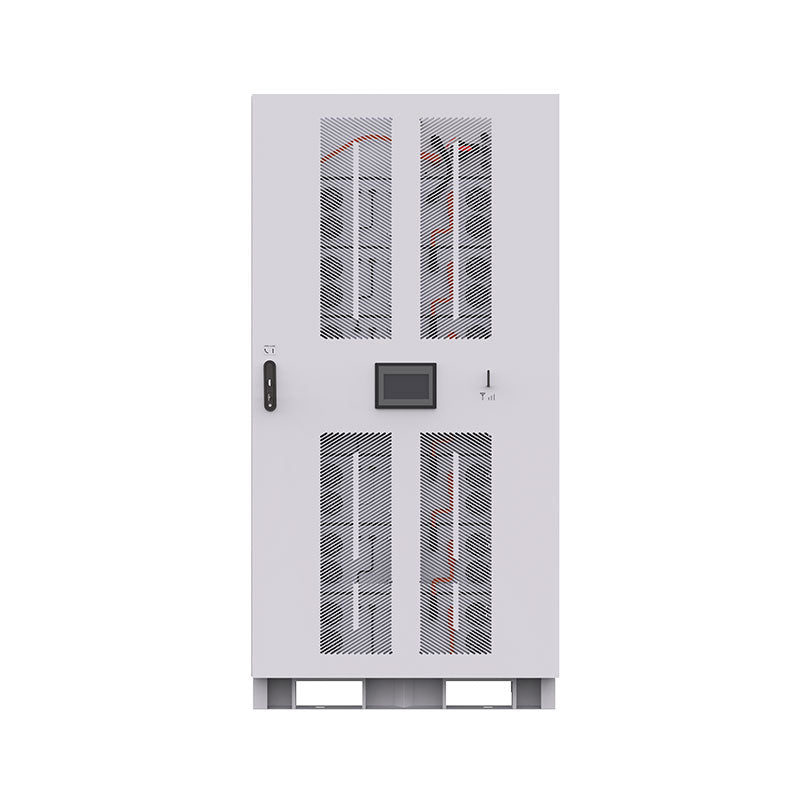


Power outages strike without warning, leaving you scrambling for reliable backup solutions. While generators have dominated the residential backup power market for decades, battery systems are rapidly changing the game. After years of working with both technologies, I've witnessed firsthand how battery backup systems deliver superior performance where it matters most.
The choice between batteries and generators goes beyond simple power output. It's about creating a resilient energy ecosystem that works seamlessly with your lifestyle while providing the reliability you need when the grid fails.

1. Silent Operation Transforms Your Living Experience
The most immediate advantage of battery systems is their whisper-quiet operation. Unlike generators that produce 60-75 decibels of noise - comparable to a vacuum cleaner running continuously - batteries operate in complete silence.
This silence matters more than you might realize. During extended outages, generator noise becomes a constant source of stress for both your family and neighbors. Battery systems eliminate this issue entirely, allowing you to maintain normal household activities without the intrusive mechanical hum.
For homeowners in densely populated areas or communities with noise ordinances, silent operation isn't just convenient - it's essential for maintaining good neighbor relationships during emergencies.
2. Zero Emissions Create Healthier Indoor Air Quality
Traditional generators burn fossil fuels, producing carbon monoxide, nitrogen oxides, and other harmful emissions. Even with proper ventilation, these pollutants can affect indoor air quality and pose serious health risks.
Battery systems produce zero direct emissions during operation. This clean energy delivery protects your family's health while reducing your environmental footprint. According to Clean Energy Innovation research, battery technologies have achieved significant cost reductions, with EV battery costs falling by 70% between 2008 and 2015, making clean backup power more accessible.
The health benefits extend beyond emergency use. When paired with solar panels, battery systems enable you to reduce grid dependence and lower your household's overall carbon emissions year-round.
3. Instant Power Activation Protects Sensitive Electronics
Modern homes rely on sensitive electronic equipment that can be damaged by power fluctuations. Generators require startup time - typically 10-30 seconds - during which your devices remain vulnerable.
Battery backup systems provide instantaneous power transfer, often switching over in less than 20 milliseconds. This seamless transition protects computers, medical equipment, security systems, and other critical devices from power interruptions.
The instant activation also means your refrigerated food stays cold, your home security system remains operational, and your internet connection continues working - maintaining your connected lifestyle during outages.
4. Minimal Maintenance Requirements Save Time and Money
Generators demand regular maintenance: oil changes, filter replacements, fuel system cleaning, and periodic exercise runs. These requirements create ongoing costs and time commitments that many homeowners find burdensome.
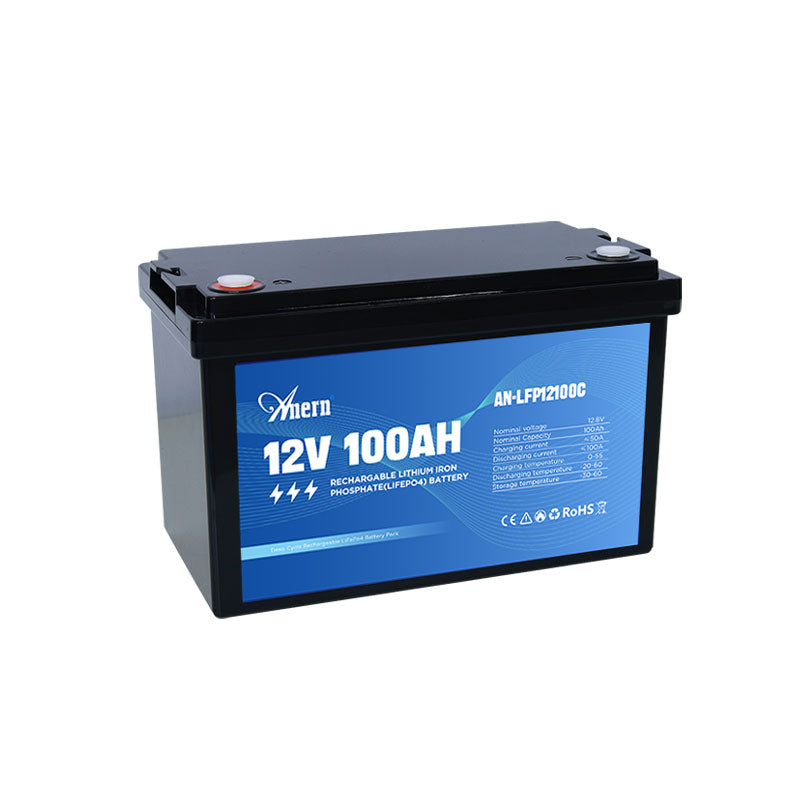
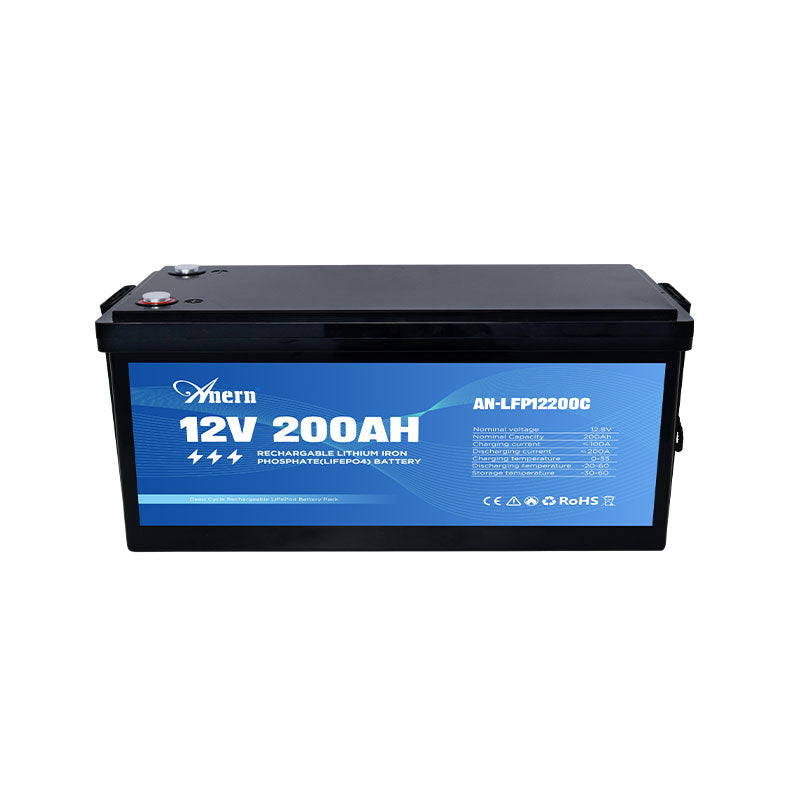
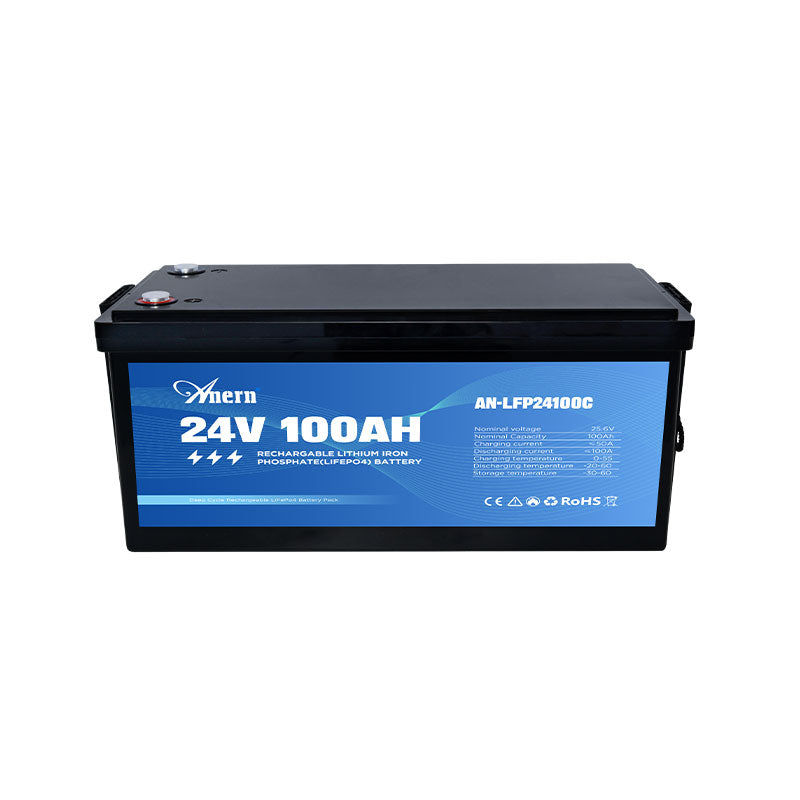
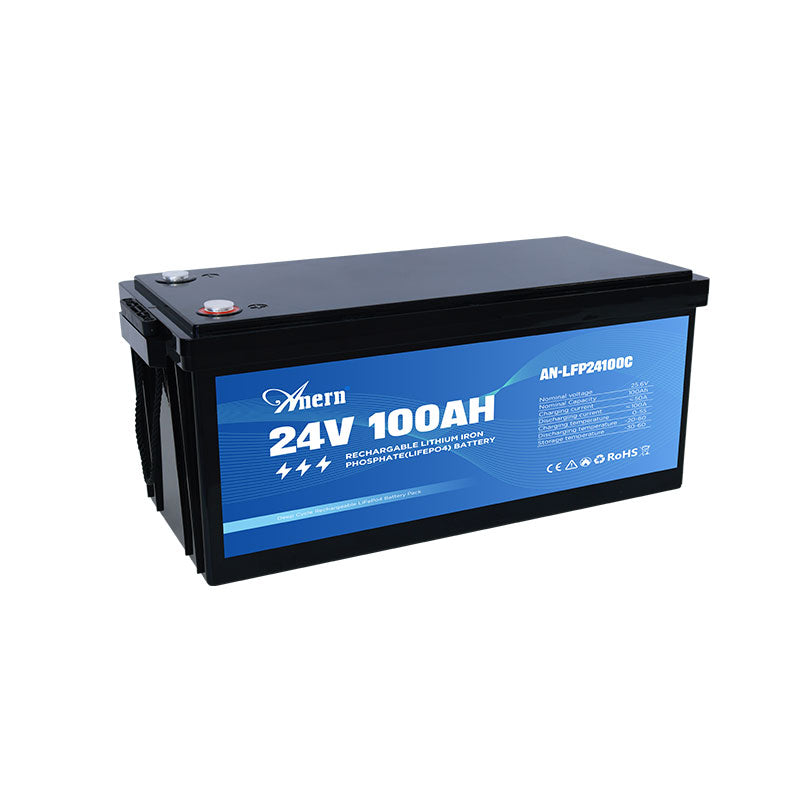
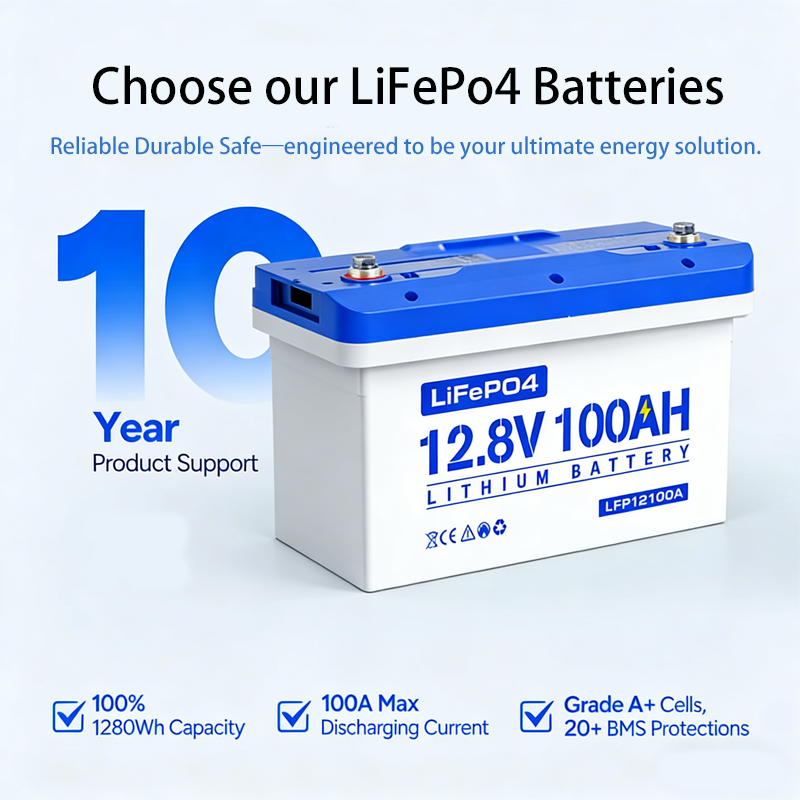
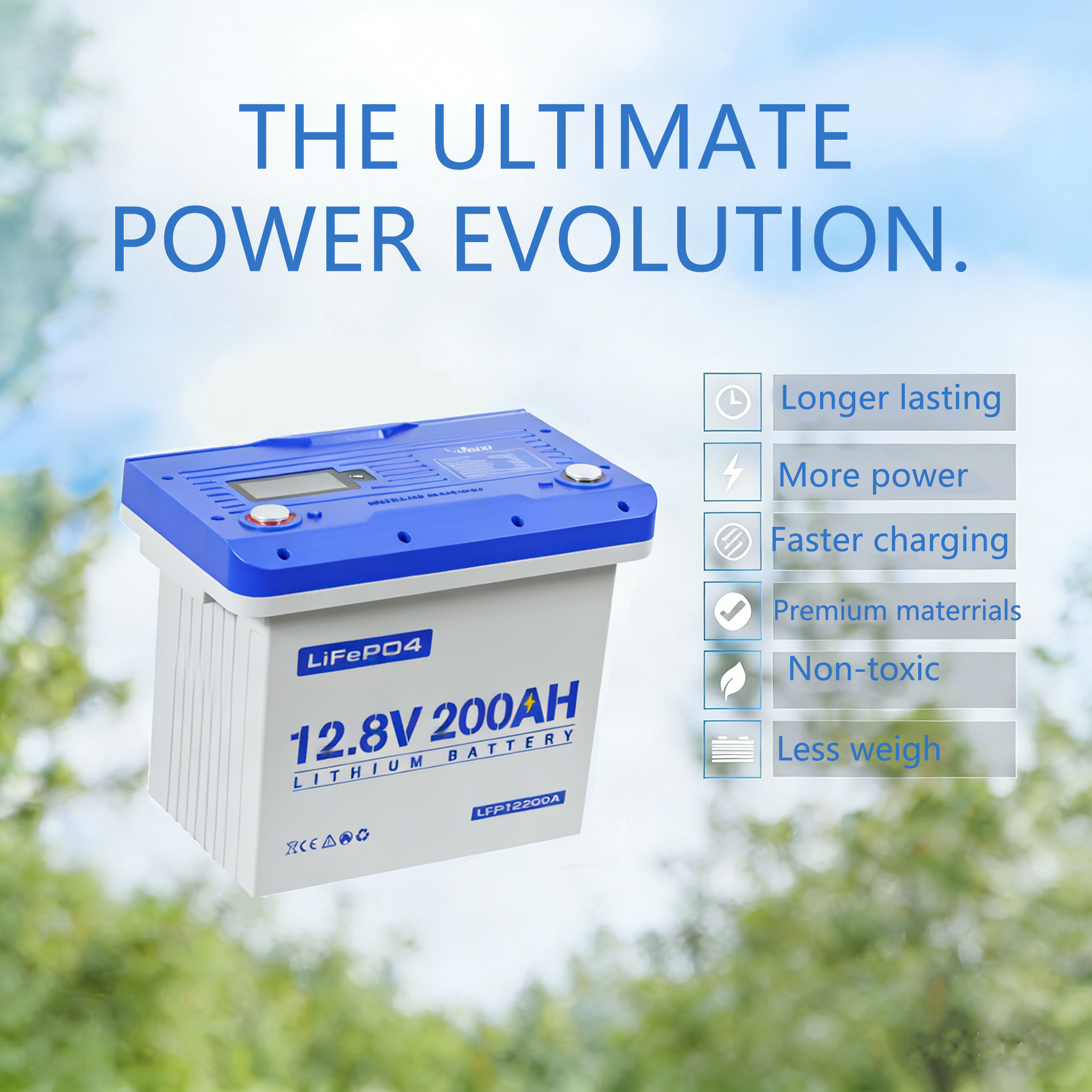
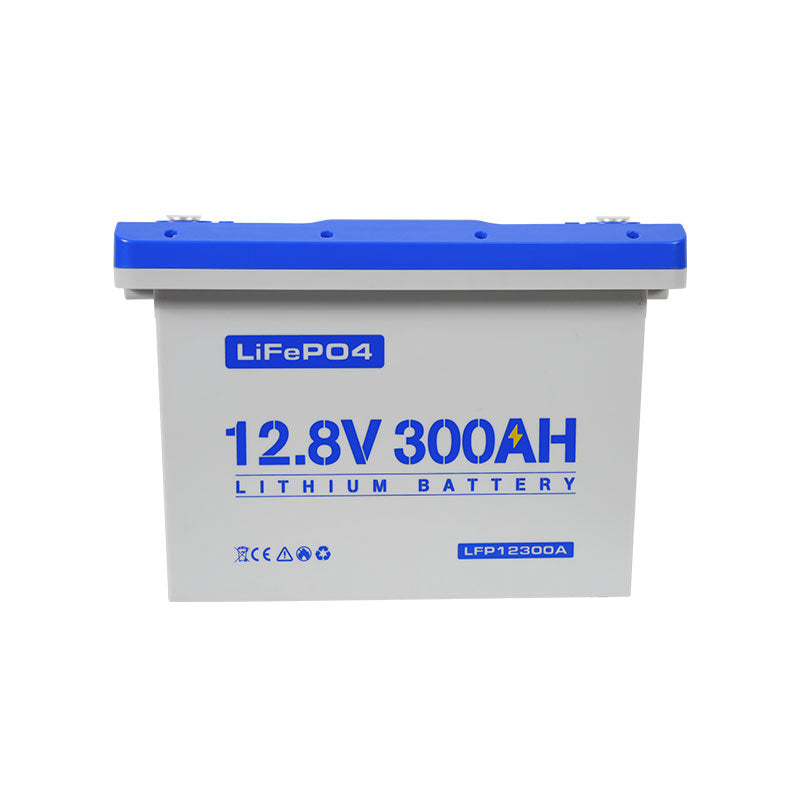
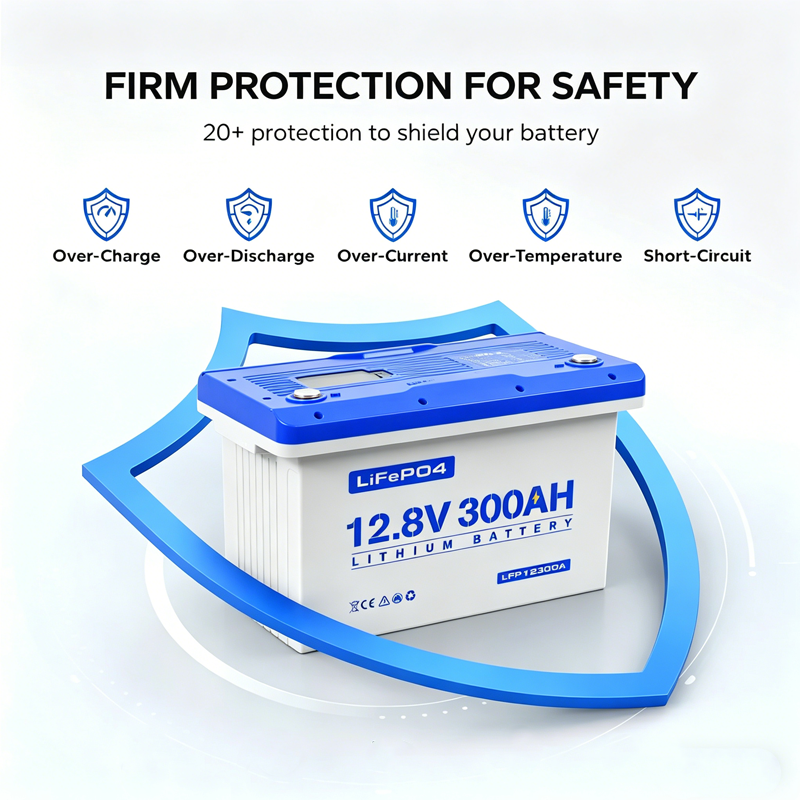
Battery systems require virtually no routine maintenance. Modern lithium iron phosphate (LiFePO4) batteries can operate for 10-15 years with minimal intervention. You'll avoid the recurring costs of oil, filters, and fuel, plus the time spent on regular maintenance tasks.
This low-maintenance characteristic makes battery systems particularly attractive for vacation homes, elderly homeowners, or anyone who prefers set-and-forget solutions.
5. Superior Integration with Solar Energy Systems
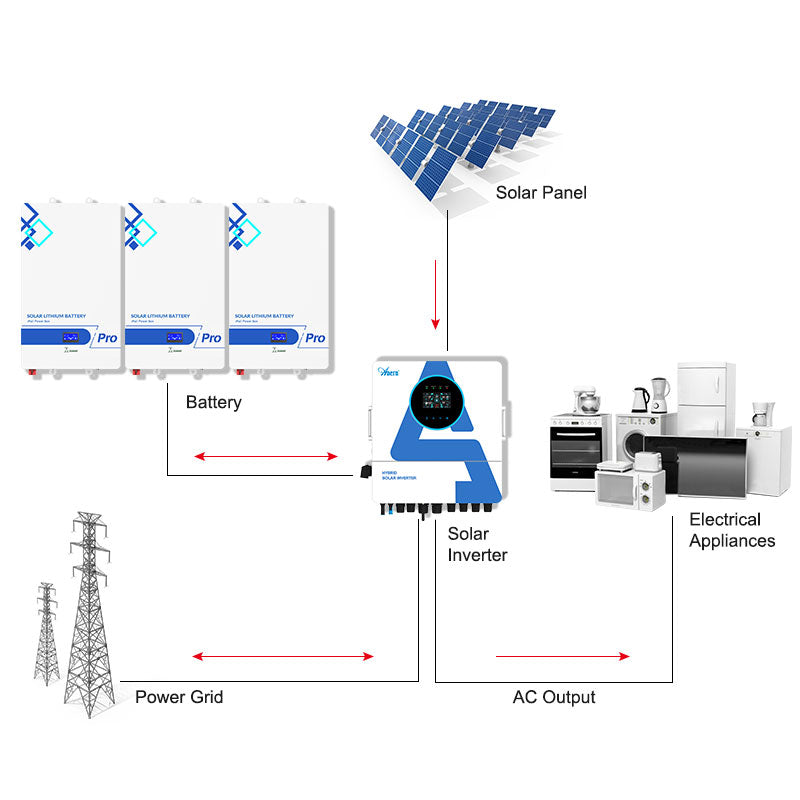
The synergy between battery storage and solar panels creates a comprehensive energy independence solution. During sunny periods, your solar panels charge the batteries while powering your home. When outages occur, you have stored solar energy available immediately.
According to Renewable Power Generation Costs in 2024, hybrid projects combining solar and battery storage achieved weighted average costs of USD 0.079/kWh, making them competitive with traditional power sources.
This integration enables true energy resilience - your home can operate independently from the grid for extended periods, powered entirely by renewable energy. Generators cannot offer this level of sustainable independence.
| Feature | Battery Systems | Generators |
|---|---|---|
| Noise Level | 0 dB (Silent) | 60-75 dB |
| Startup Time | <20 milliseconds | 10-30 seconds |
| Emissions | Zero | CO, NOx, particulates |
| Maintenance | Minimal | Regular oil, filters, fuel |
| Solar Integration | Seamless | Not compatible |
6. Modular Scalability Adapts to Changing Needs
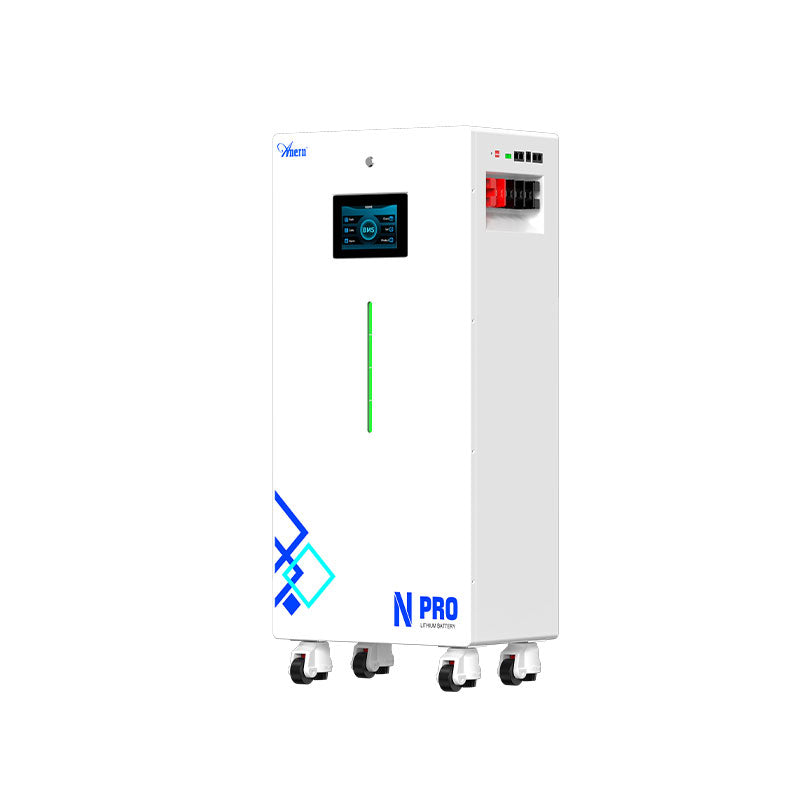
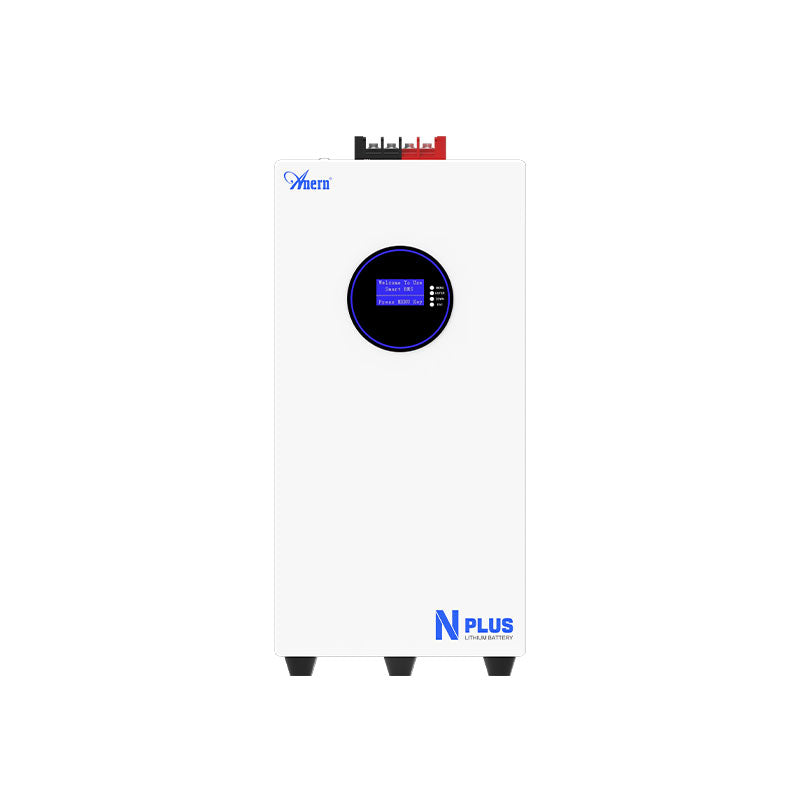
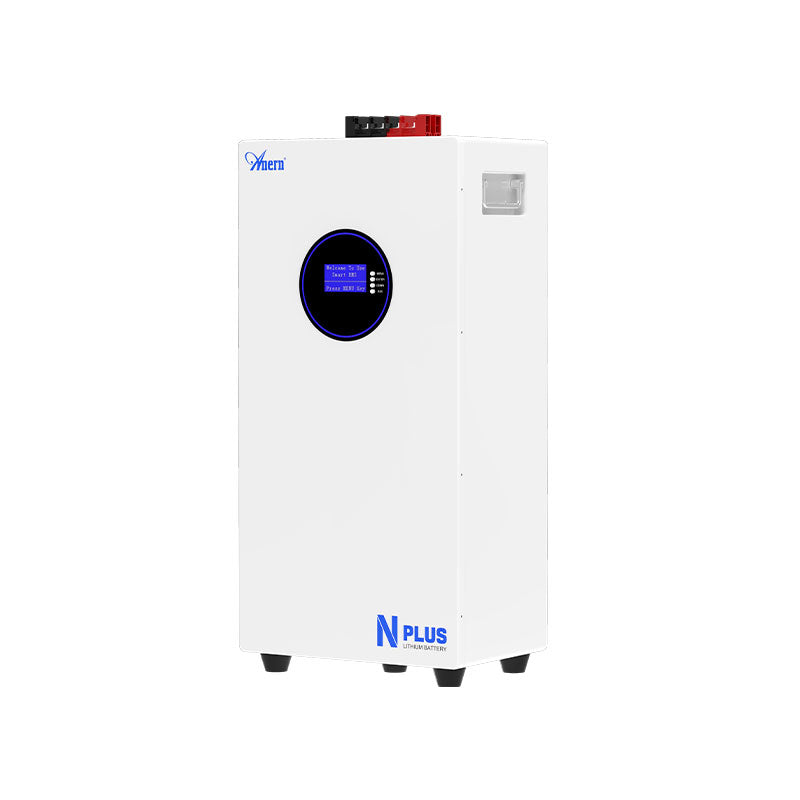
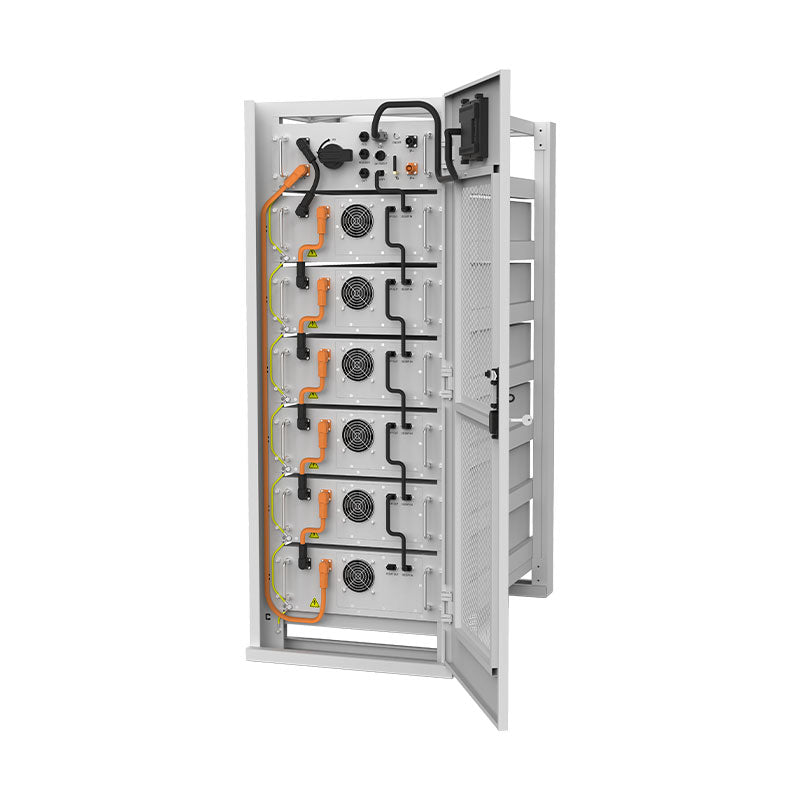
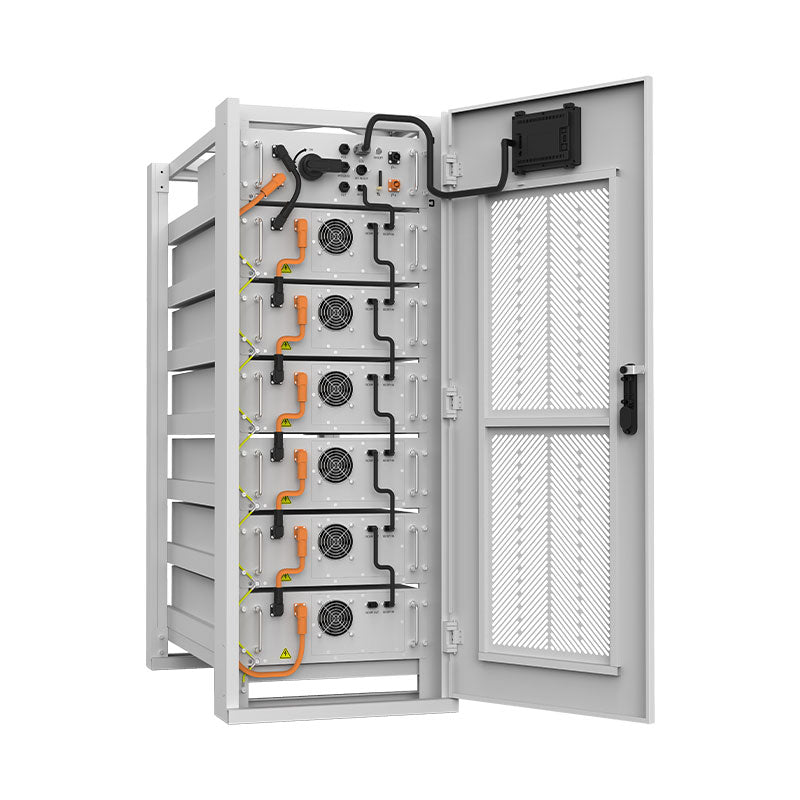
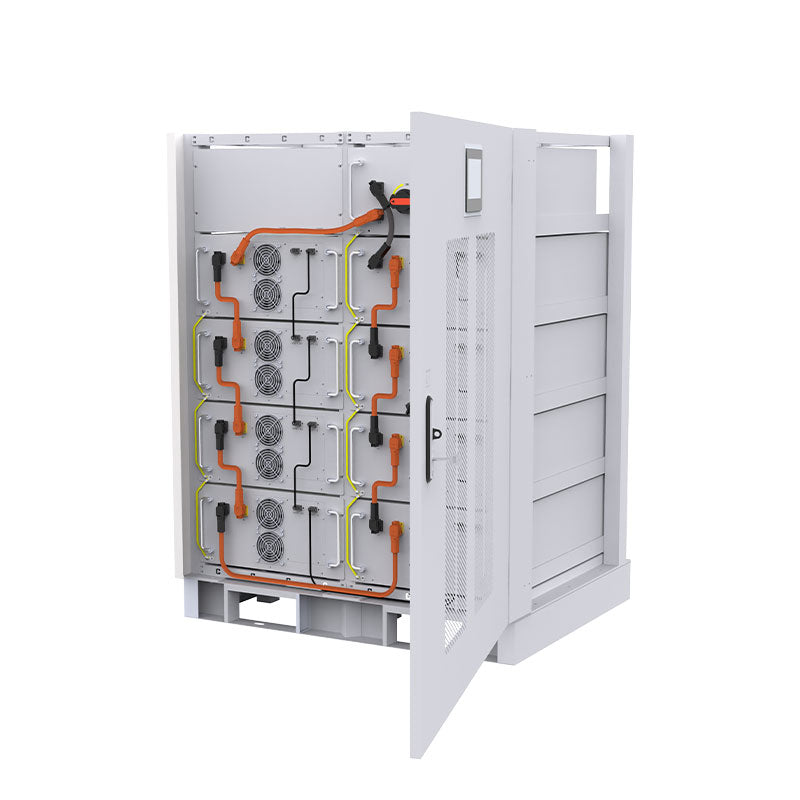
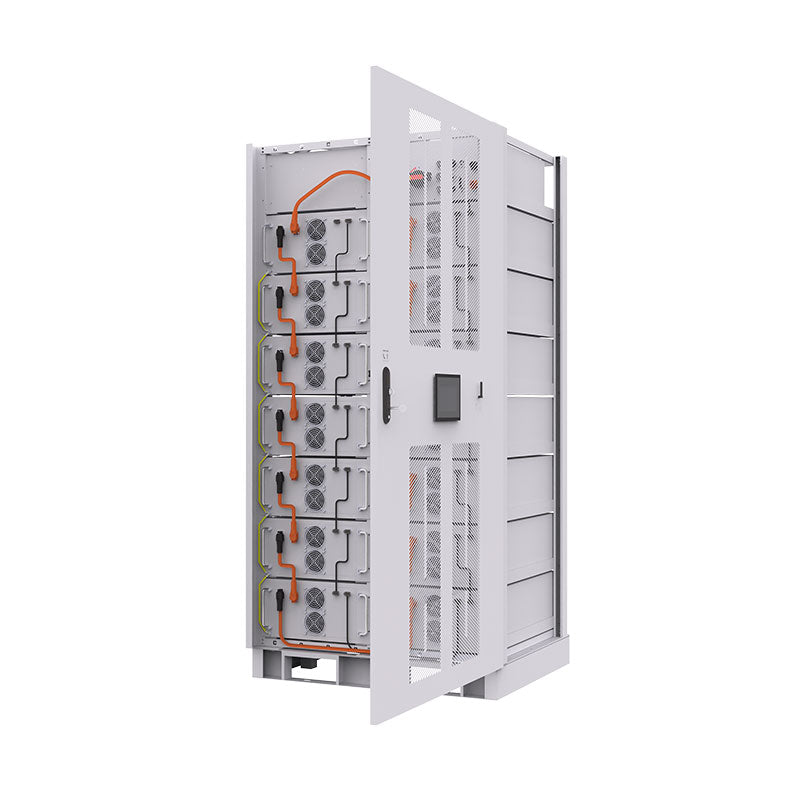
Battery systems offer exceptional scalability that generators cannot match. You can start with a smaller system and expand capacity by adding additional battery modules as your needs grow or budget allows.
This modular approach means you're not locked into a single capacity decision. Whether you want to power just essential circuits initially or expand to whole-home backup later, battery systems adapt to your evolving requirements.
The scalability also applies to different applications - the same battery technology works for everything from small residential installations to large commercial energy storage projects, providing proven reliability across all scales.
7. Smart Technology Enables Remote Monitoring and Control
Modern battery systems integrate advanced monitoring technology that generators simply cannot offer. Through smartphone apps, you can track energy usage, battery charge levels, and system performance from anywhere.
This connectivity provides valuable insights into your energy consumption patterns and helps optimize your system's performance. You'll receive alerts about maintenance needs, system status changes, and energy production data that empowers better energy management decisions.
The smart features also enable automatic load management, ensuring critical circuits receive priority during extended outages while maximizing your available backup power duration.
Making the Smart Choice for Long-term Resilience
The advantages of battery backup systems extend far beyond simple power generation. They represent a fundamental shift toward cleaner, quieter, and more intelligent home energy solutions.
While generators may offer lower upfront costs, the total cost of ownership favors battery systems when you factor in fuel costs, maintenance requirements, and the added value of solar integration. The State of Energy Innovation research confirms that battery costs continue declining while performance improves, making this technology increasingly attractive for residential applications.
Battery backup systems deliver the quiet resilience modern homeowners need - reliable power without noise, emissions, or constant maintenance. For those seeking true energy independence combined with environmental responsibility, batteries represent the clear choice for residential backup power.
