










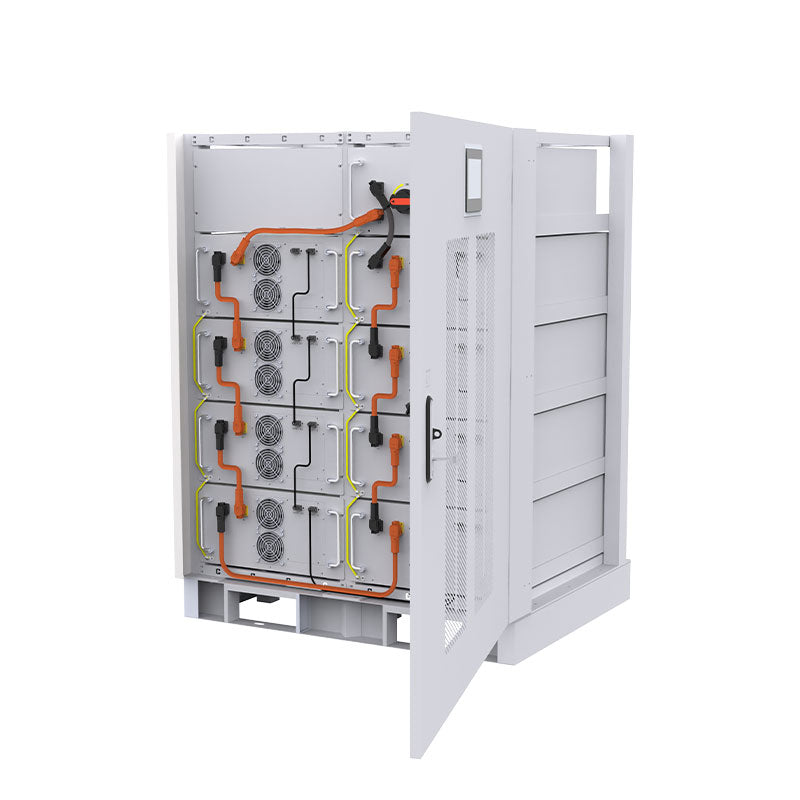

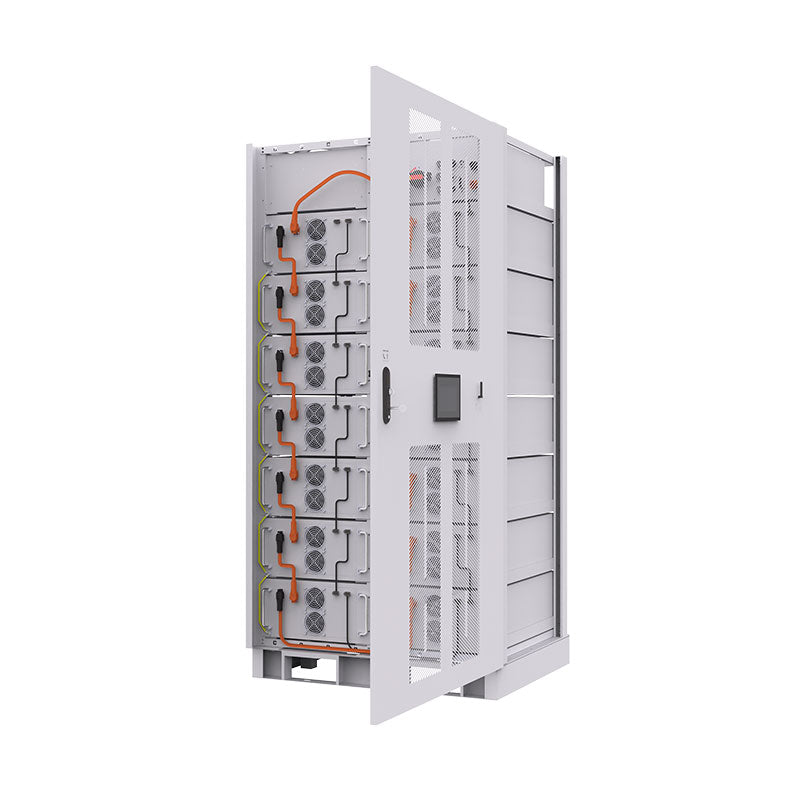
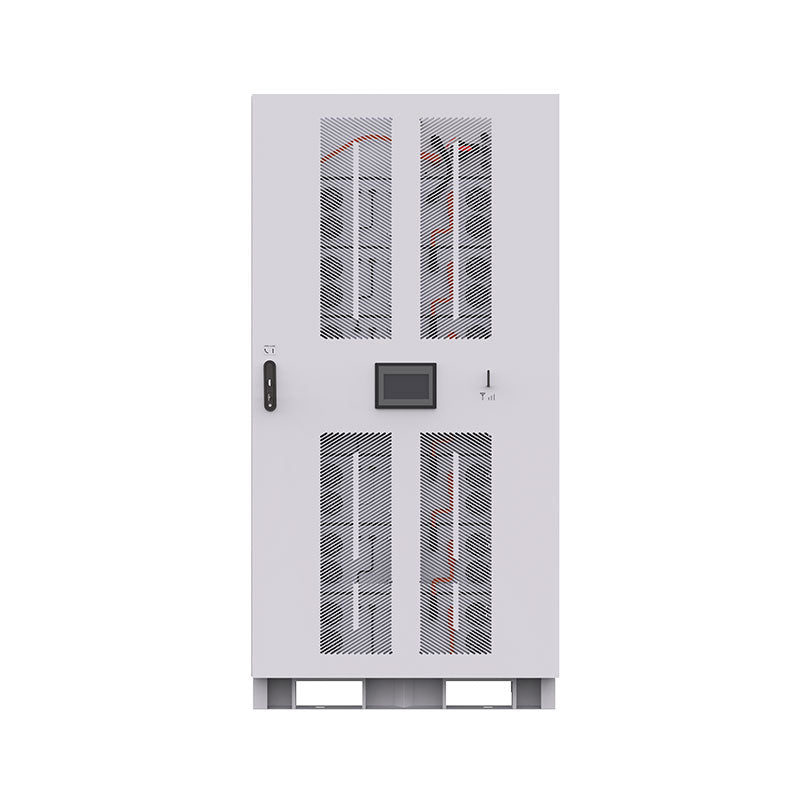


Building true energy resilience requires more than choosing between batteries and generators—it demands a strategic hybrid approach that combines the best of both worlds. After analyzing dozens of residential and commercial installations, hybrid solar-battery systems with backup generator integration deliver the most comprehensive protection against power outages while optimizing operational costs.

Understanding the Hybrid Architecture
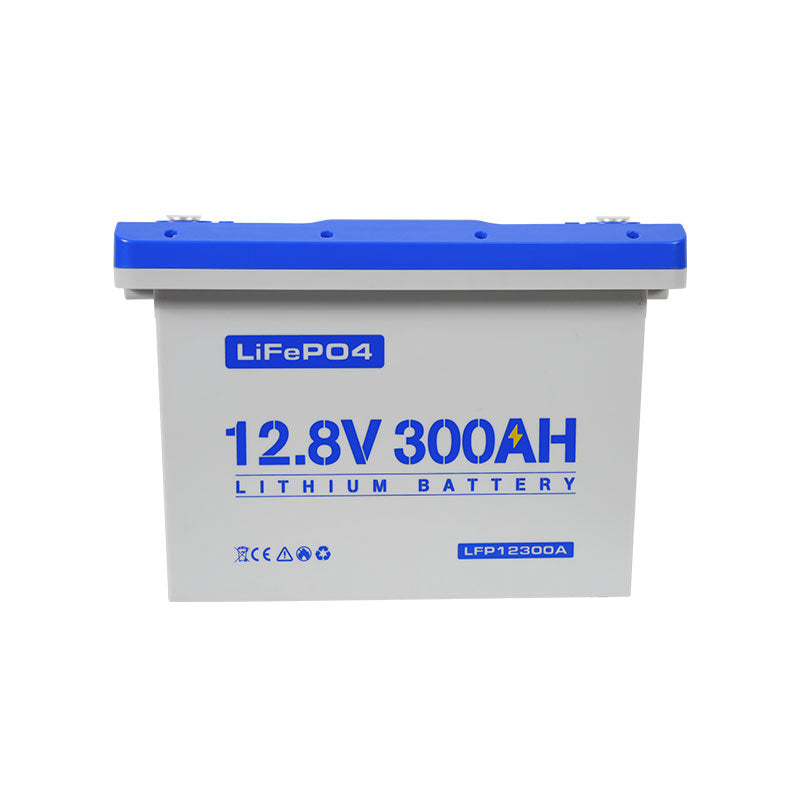
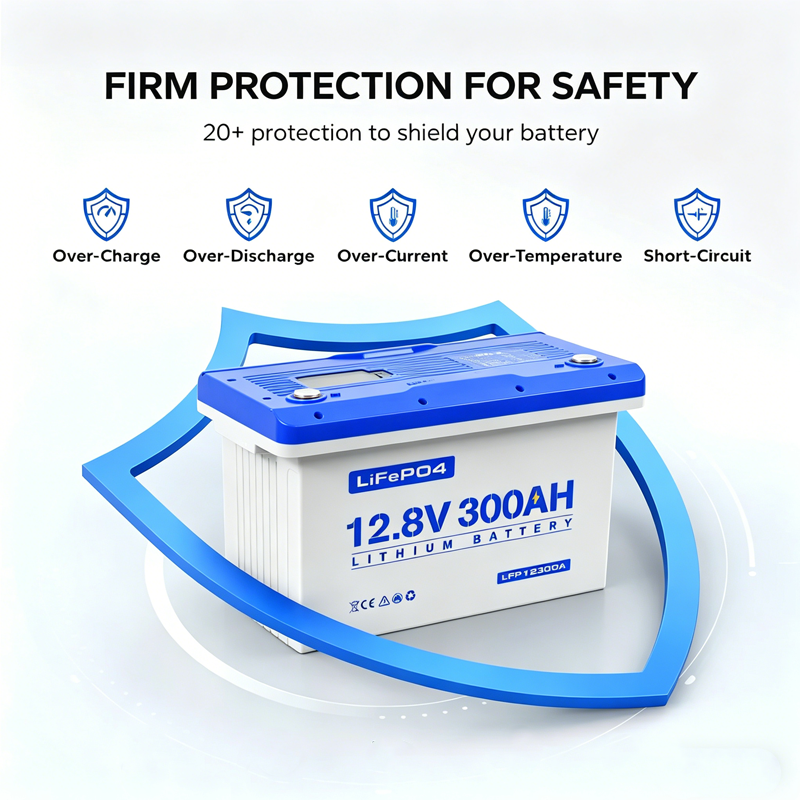
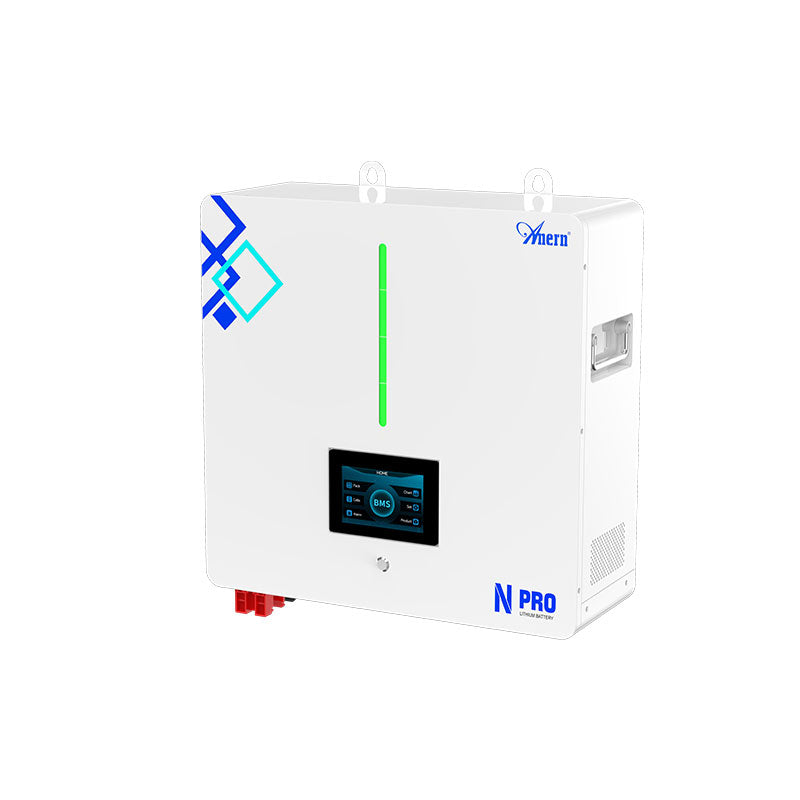
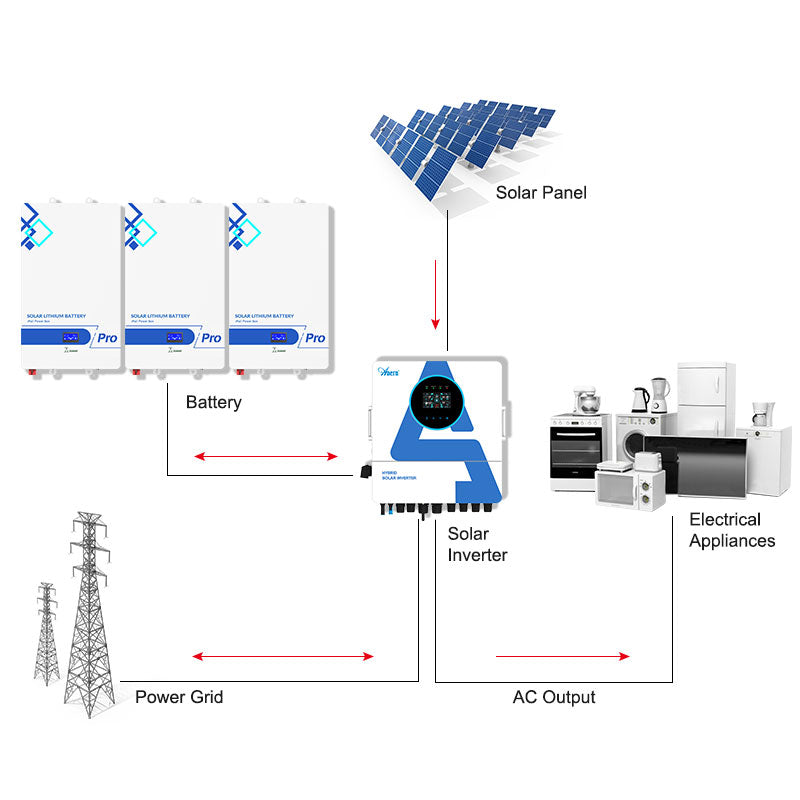
A properly designed hybrid system creates multiple layers of energy security. The solar panels generate clean electricity during daylight hours, batteries provide silent backup power for daily cycling and short outages, while the generator serves as the ultimate failsafe for extended emergencies.
The key lies in intelligent load management. Critical loads like refrigeration, medical equipment, and security systems connect to the battery backup first. Secondary loads can switch to generator power during prolonged outages, while non-essential systems remain disconnected to maximize runtime.
Smart Switching Technology
Modern hybrid systems employ sophisticated transfer switches that automatically prioritize power sources based on availability and cost. During normal operation, solar powers the home while charging batteries. When grid power fails, batteries activate instantly—typically within 10 milliseconds—providing seamless power to critical loads.
If the outage extends beyond the battery's capacity (usually 8-24 hours depending on load), the system automatically starts the generator and begins recharging the batteries. This approach minimizes generator runtime, reduces fuel consumption, and maintains the quiet operation most homeowners prefer.
Optimizing Component Sizing
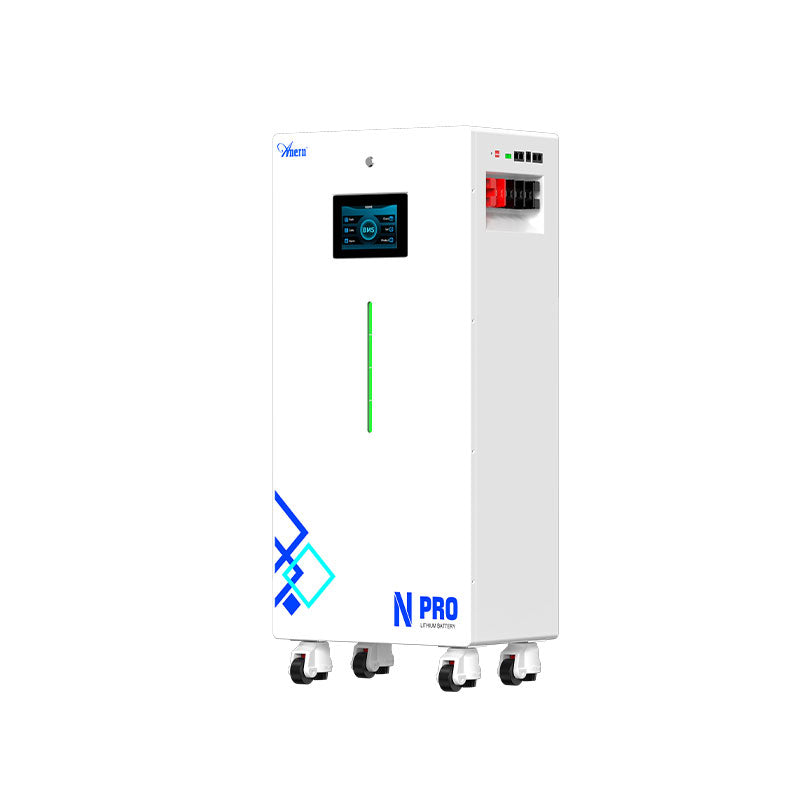
Sizing a hybrid system requires careful analysis of your power consumption patterns and outage duration expectations. Based on real-world installations, most residential systems benefit from a 10-15 kWh battery bank paired with a generator sized at 150% of critical load requirements.
| System Component | Typical Sizing | Primary Function |
|---|---|---|
| Solar Array | 120-150% of daily consumption | Primary power generation + battery charging |
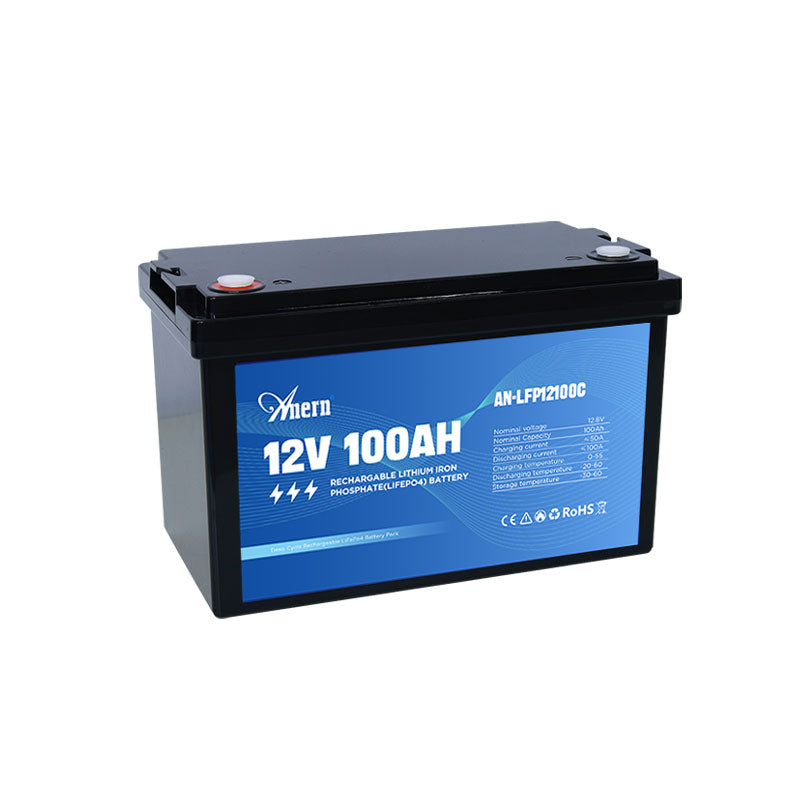
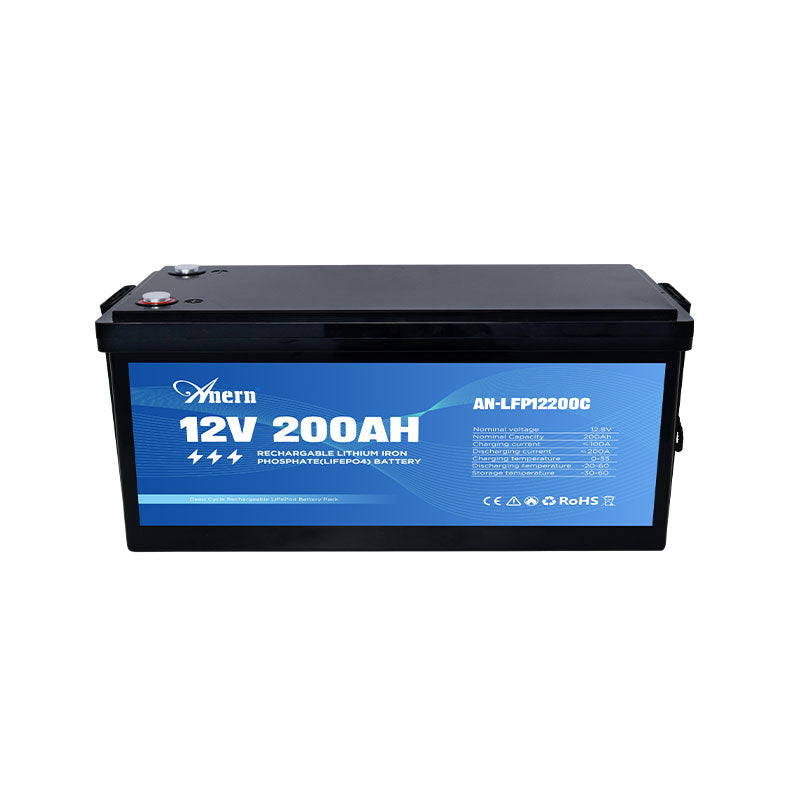
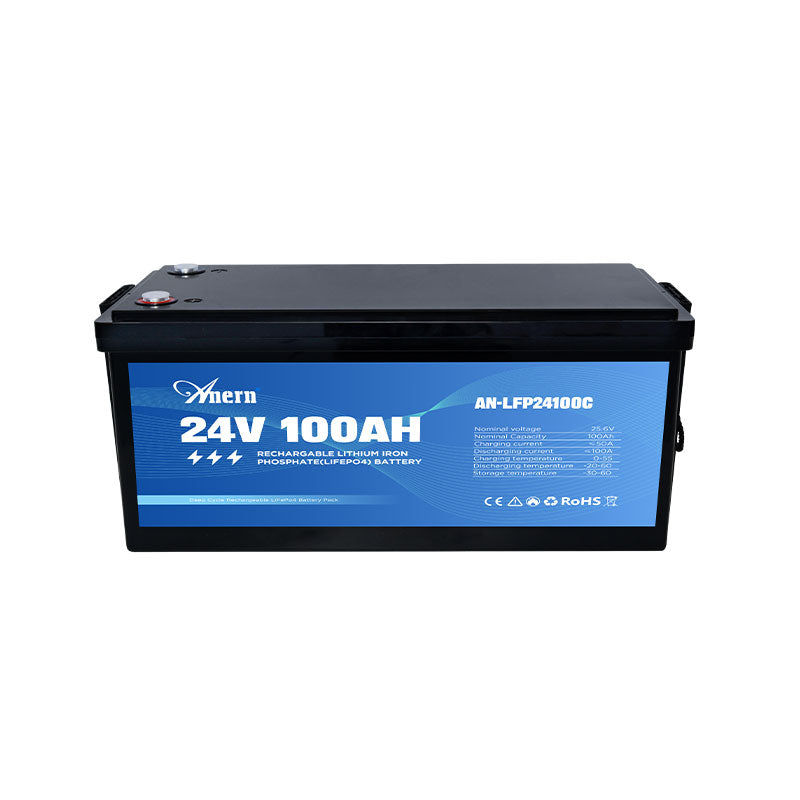
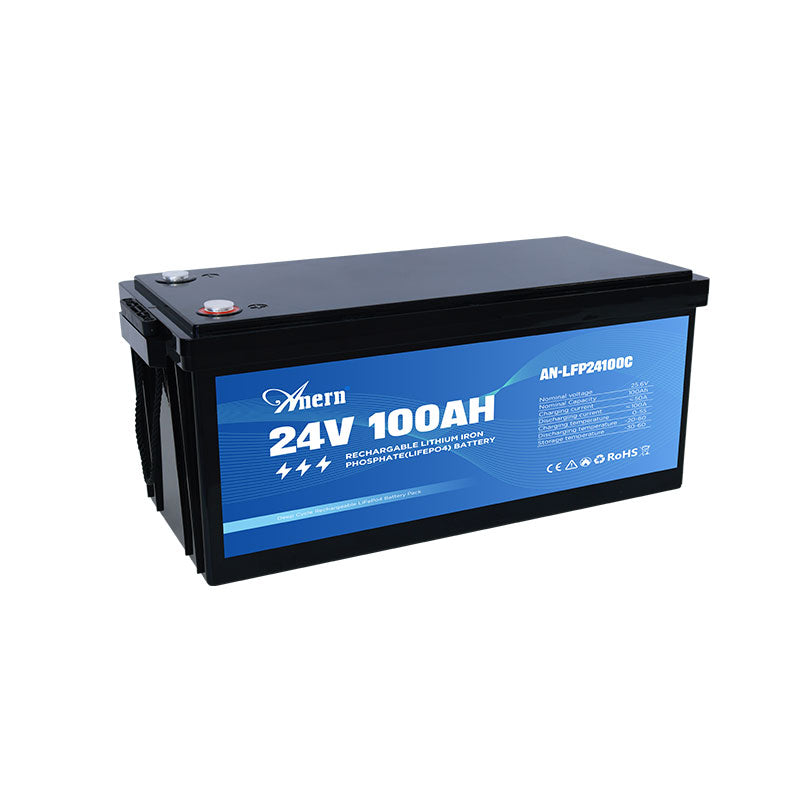
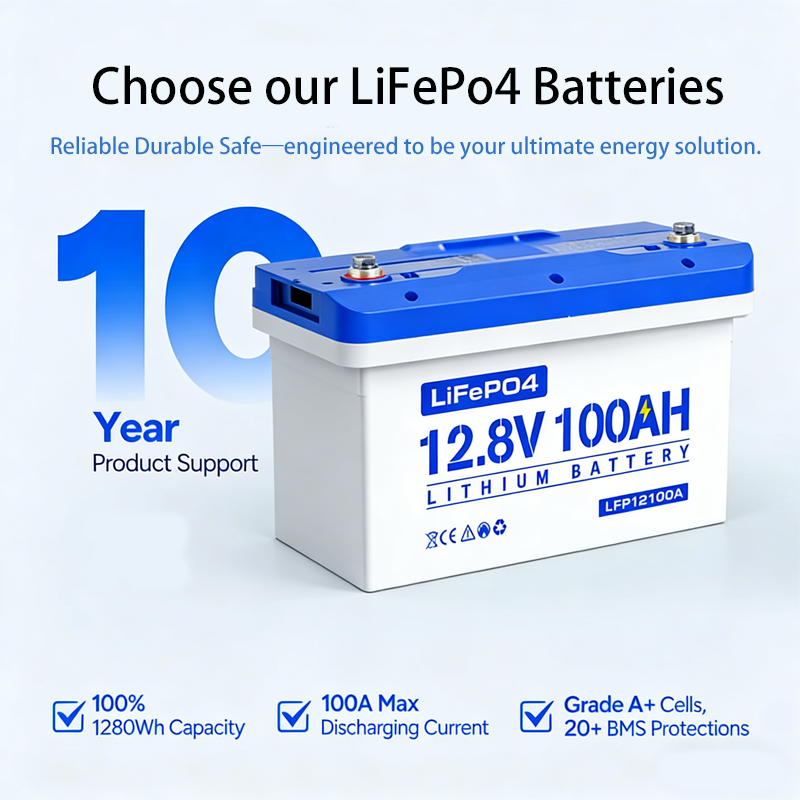
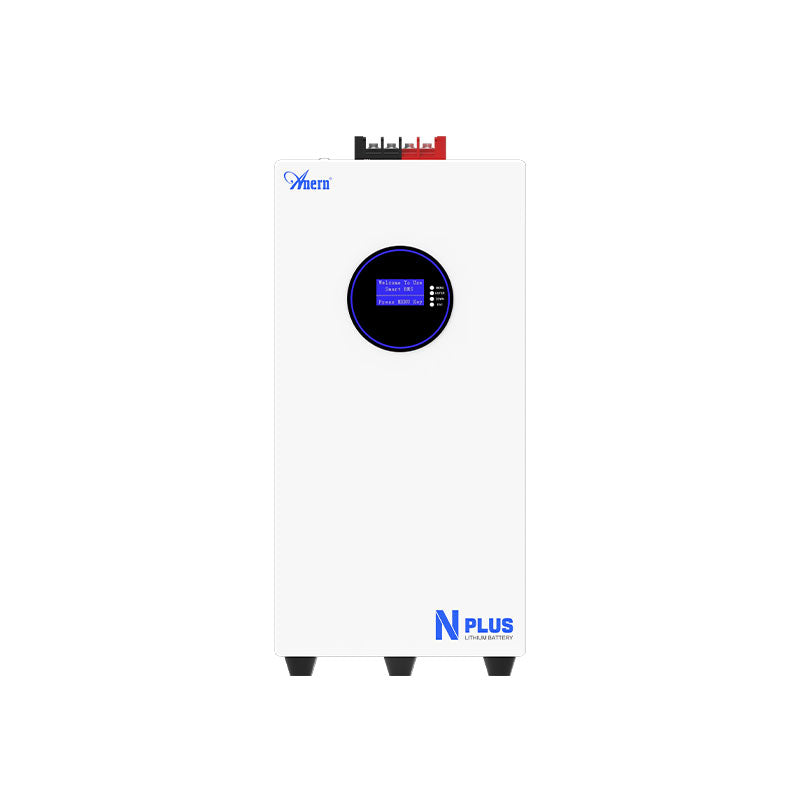
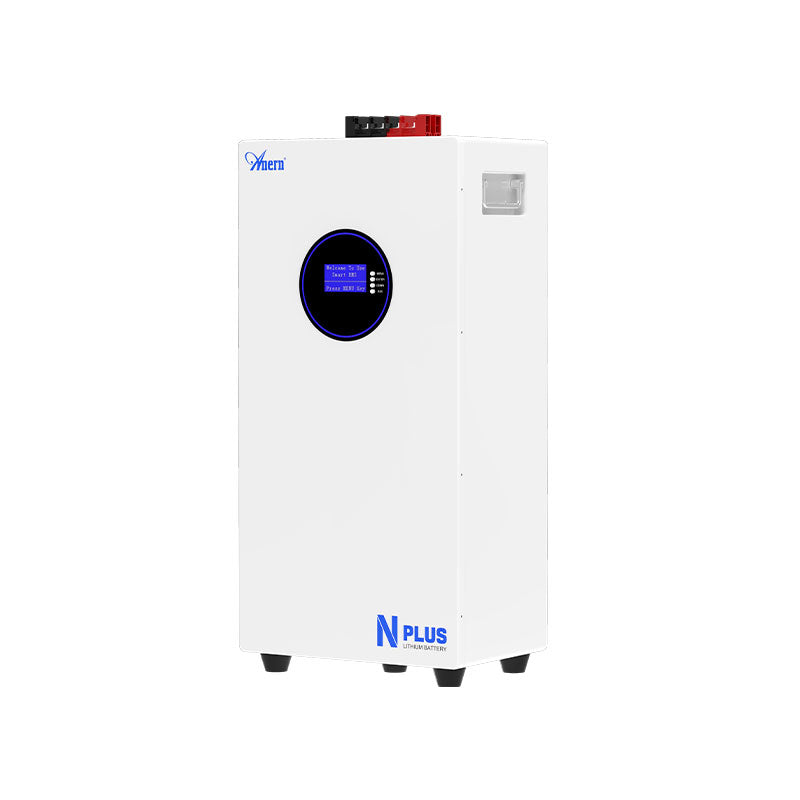
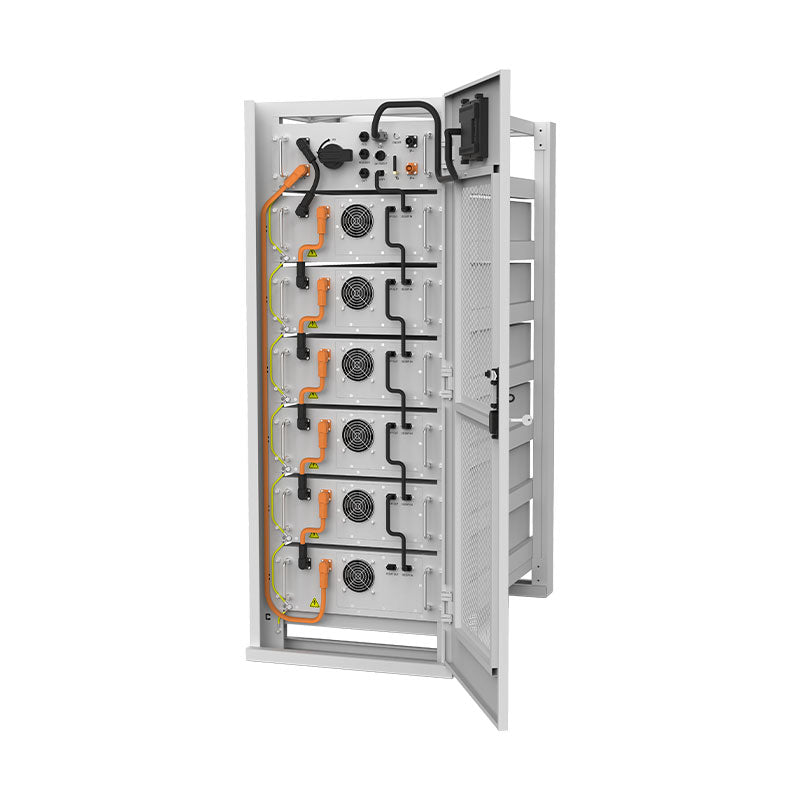
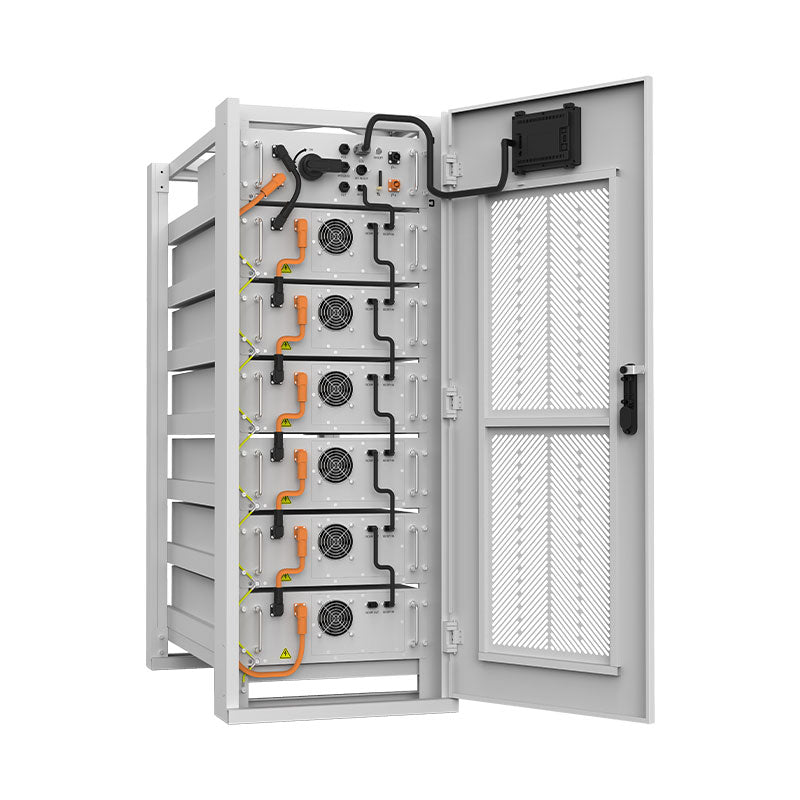
| Battery Storage | 8-24 hours critical load coverage | Instant backup + daily cycling |
| Backup Generator | 150% of critical loads | Extended outage protection |
Load Prioritization Strategy
Effective hybrid systems implement three-tier load management. Tier 1 includes life-safety equipment, medical devices, and refrigeration—these receive continuous battery backup. Tier 2 covers comfort loads like lighting and communication equipment, switching to generator power during extended outages. Tier 3 encompasses convenience items that remain offline during emergencies.
This tiered approach extends battery runtime significantly. Instead of depleting batteries in 4-6 hours powering everything, critical loads can operate for 12-24 hours, reducing generator dependency and fuel costs.
Cost-Benefit Analysis of Hybrid Systems
While hybrid systems require higher upfront investment, they deliver superior long-term value through reduced operational costs and enhanced reliability. According to IRENA's 2024 renewable power generation cost analysis, hybrid systems combining solar PV with battery storage are increasingly approaching cost parity with fossil fuel-based generation in key markets.
The economic advantage becomes clear when analyzing total cost of ownership over 10 years. Hybrid systems reduce generator runtime by 60-80%, translating to substantial fuel savings. A typical residential installation saves $800-1,200 annually in fuel costs while providing superior power quality and reduced maintenance requirements.
Financial Incentives and ROI
Federal tax credits apply to both solar and battery components, covering 30% of system costs through 2032. Many states offer additional rebates for energy storage, while some utilities provide demand response payments for systems that can export power during peak periods.
The New York City solar+storage initiative demonstrates how proper system design can create multiple revenue streams while enhancing resilience. Projects analyzed showed payback periods of 7-9 years when accounting for all available incentives and operational savings.
Installation and Integration Best Practices
Successful hybrid installations require careful coordination between solar, battery, and generator components. The battery system must integrate seamlessly with existing electrical panels while maintaining proper isolation from generator circuits during startup.
Proper grounding becomes critical in hybrid systems. Each component requires independent grounding paths that connect to a common grounding electrode system. This prevents ground loops that can damage sensitive electronics while ensuring safe operation during switching events.
Monitoring and Control Systems
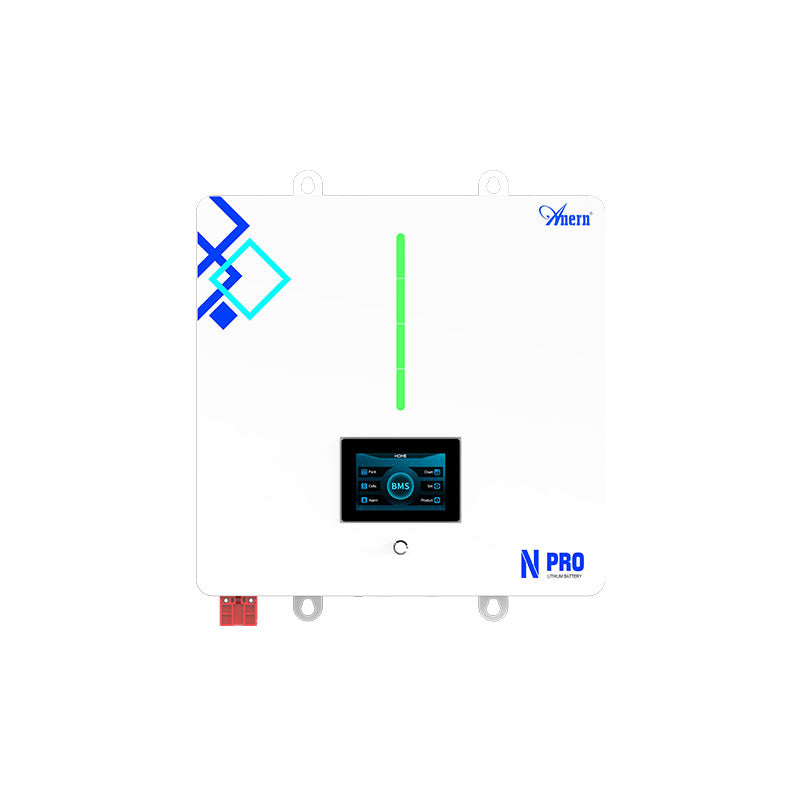
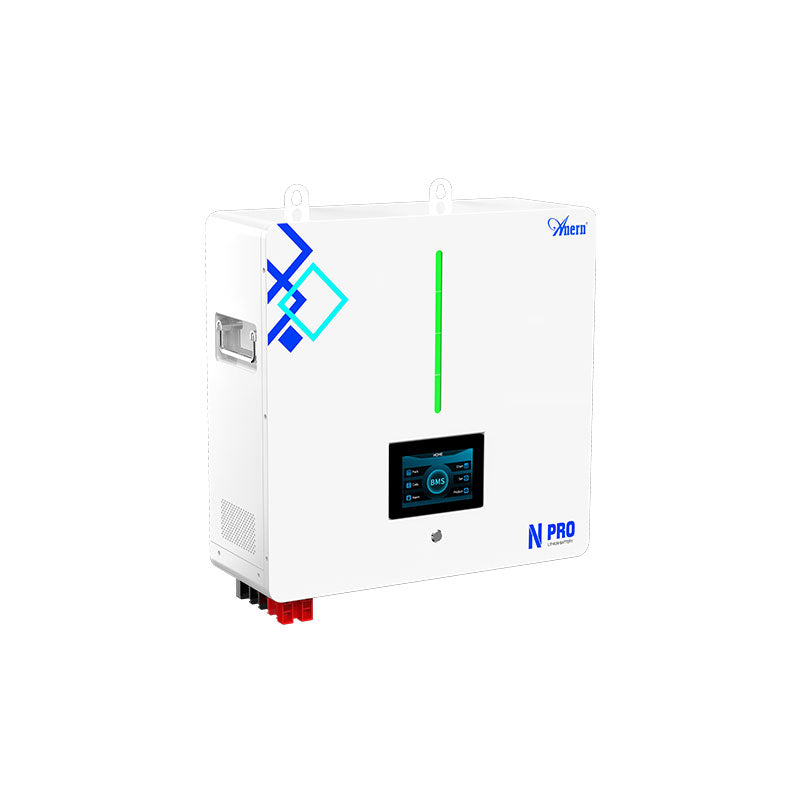
Advanced monitoring systems provide real-time visibility into all system components, tracking solar production, battery state of charge, generator status, and load consumption. Smart controllers can predict outage duration based on weather data and automatically adjust power management strategies.
Remote monitoring capabilities allow system owners to track performance from anywhere while enabling proactive maintenance scheduling. Many systems can automatically order fuel delivery or schedule service visits based on operational data.
Maintenance and Lifecycle Management
Hybrid systems require coordinated maintenance across multiple technologies. Solar panels need annual cleaning and inspection, batteries require quarterly capacity testing, and generators need monthly exercise runs plus seasonal servicing.
The key advantage lies in reduced wear on individual components. Batteries experience fewer deep discharge cycles thanks to generator backup, while generators operate fewer hours due to battery buffering. This balanced approach extends component lifespans and reduces maintenance costs.
Replacement and Upgrade Planning
Smart hybrid design anticipates component replacement cycles. Solar panels typically last 25+ years, batteries require replacement every 10-15 years, and generators need major overhauls every 15-20 years. Modular system architecture allows individual component upgrades without replacing the entire system.
Future expansion becomes straightforward with proper initial design. Additional battery capacity can integrate seamlessly, while generator sizing allows for increased loads as needs evolve.
Building Your Resilience Blueprint
Creating an effective hybrid system starts with comprehensive load analysis and outage risk assessment. Document your critical loads, estimate typical outage durations in your area, and identify backup power priorities for your specific situation.
Work with experienced integrators who understand the complexities of multi-technology systems. Proper system commissioning ensures all components communicate effectively and automatic switching functions operate reliably when needed.
The future of residential resilience lies in these intelligent hybrid approaches. By combining the instant response of batteries, the unlimited runtime of generators, and the clean energy production of solar, homeowners can achieve true energy independence while minimizing environmental impact and operational costs.
Hybrid solar-battery-generator systems represent the evolution of backup power—delivering the reliability of traditional generators with the convenience and environmental benefits of modern battery technology. This comprehensive approach ensures your family stays powered through any emergency while contributing to a more sustainable energy future.
