



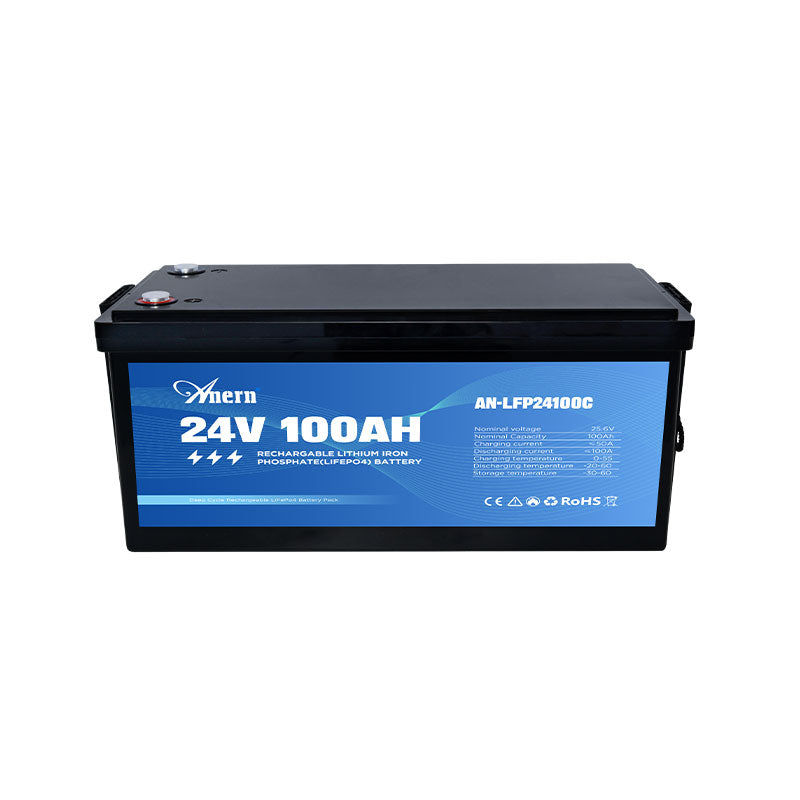
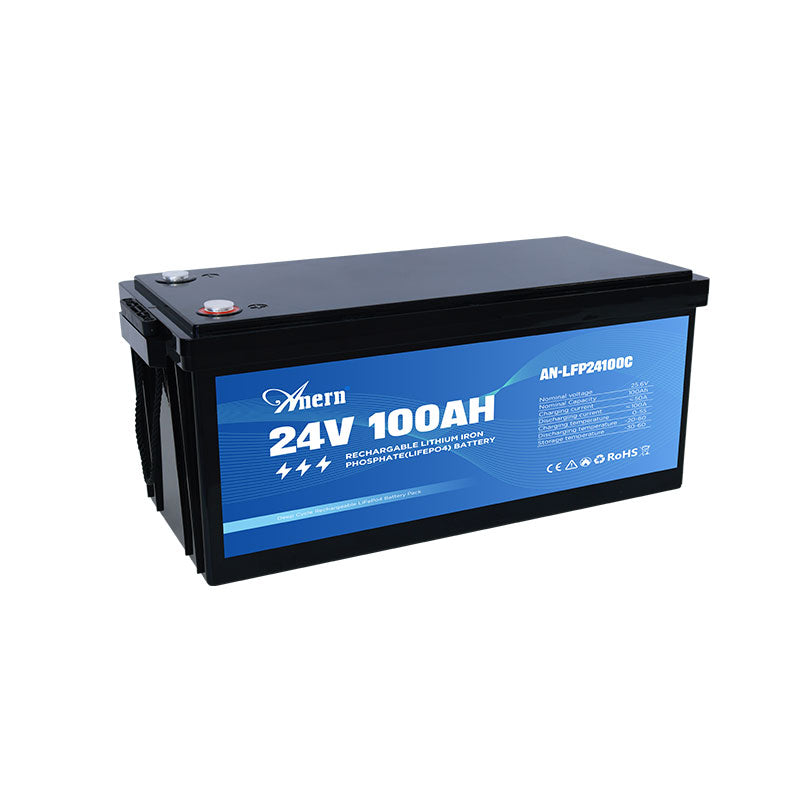









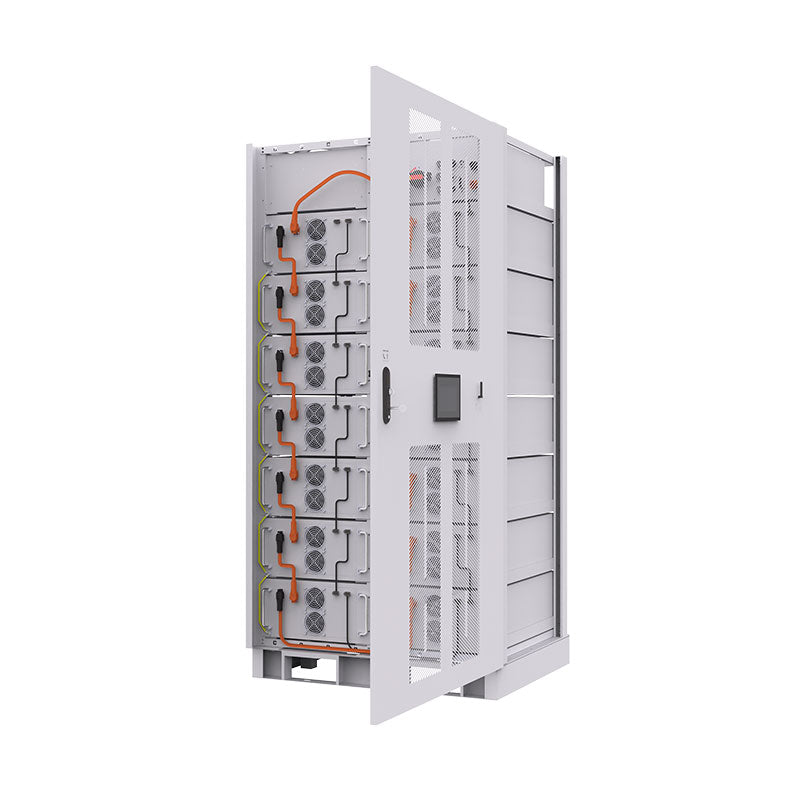
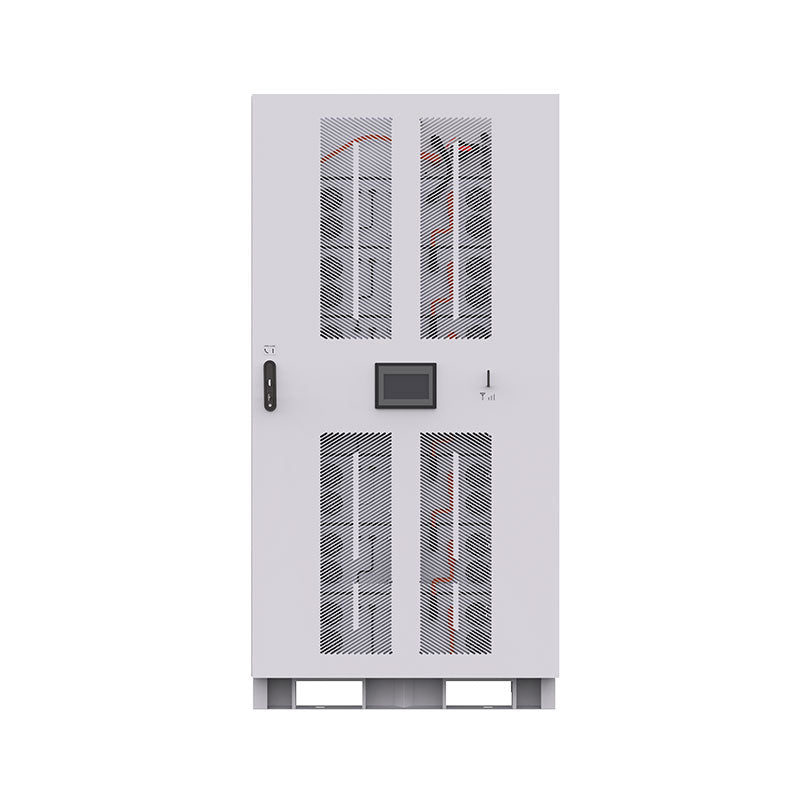


Achieving energy independence offers freedom and resilience, especially when you choose an off-grid energy storage system (ESS). This guide provides a clear path to designing, implementing, and maintaining an off-grid ESS that meets your needs without future complications. We will cover the essential components, design considerations, and the benefits of robust battery technology, ensuring your transition to self-sufficient power is smooth and reliable.

Understanding Off-Grid Energy Storage Systems
An off-grid ESS operates entirely independently from the utility grid. This means your home or property generates, stores, and consumes its own electricity. This setup provides complete autonomy, making it ideal for remote locations, farms, or anyone seeking full energy self-reliance.
Unlike grid-tied systems that can draw power from or send excess power back to the utility, off-grid systems must generate enough energy to meet all demands, including periods of low solar production. This fundamental difference shapes every design choice you make.
What Defines an Off-Grid System?
An off-grid system's defining characteristic is its isolation from the public electricity grid. It relies solely on locally generated power, typically from solar panels, stored in a battery bank. This configuration demands careful planning to ensure continuous power supply, even during extended cloudy periods or high demand. The system must be robust enough to handle all electrical loads without external support.
Key Components of an Off-Grid ESS
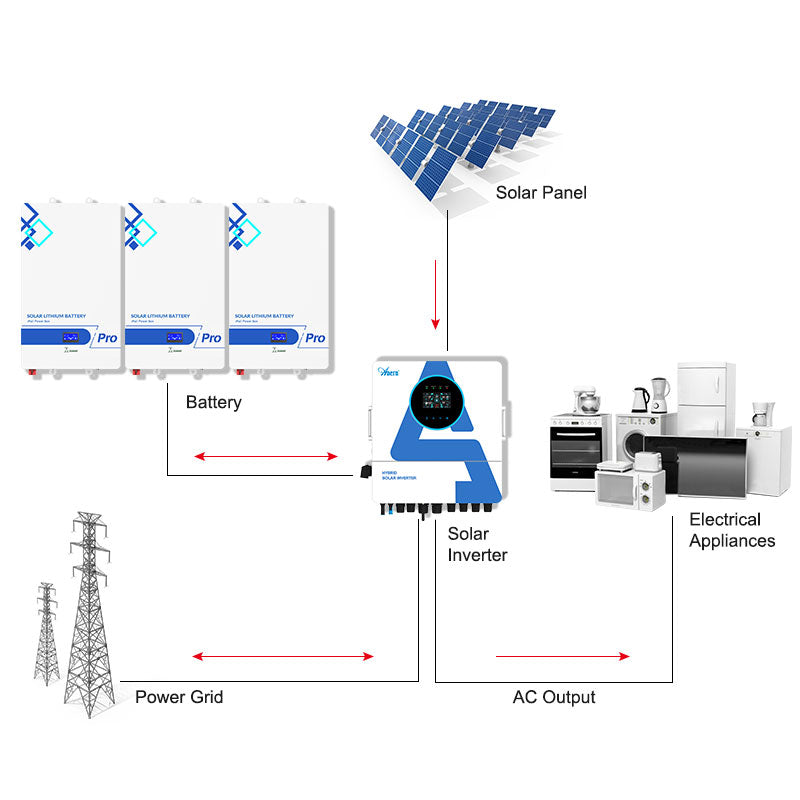
A typical off-grid ESS integrates several critical components:
- Solar Panels: These convert sunlight into direct current (DC) electricity. Their size and number determine your primary energy harvesting capability.
- Charge Controller: This device regulates the voltage and current from your solar panels, protecting your batteries from overcharging and optimizing their lifespan.
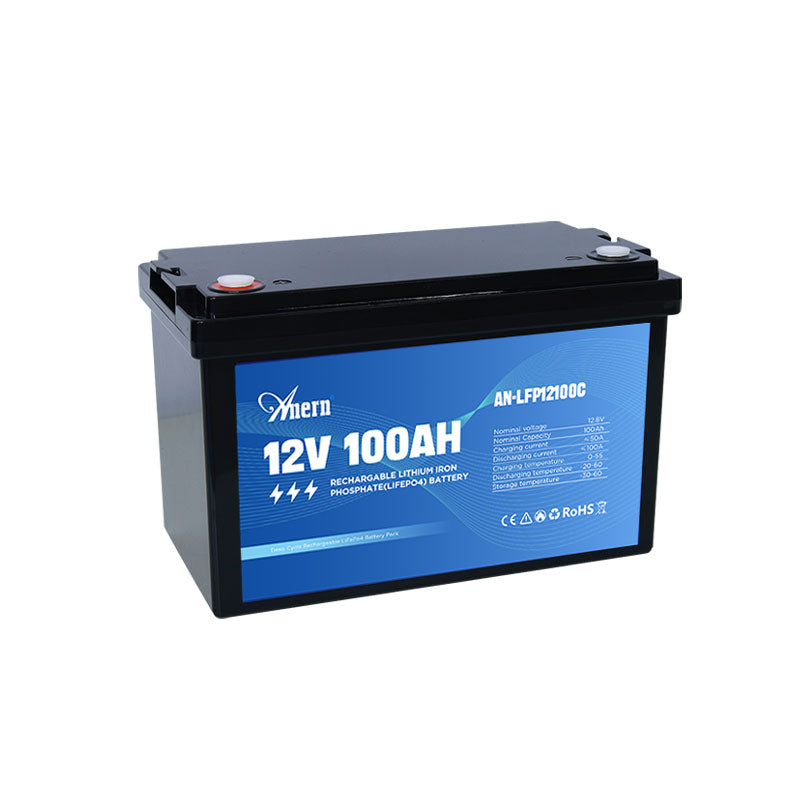
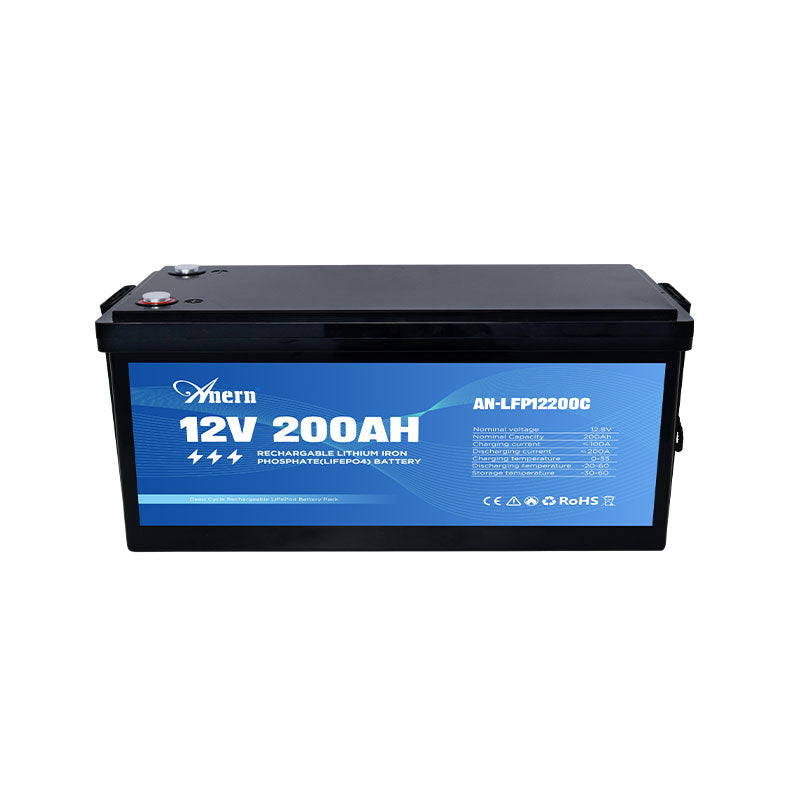
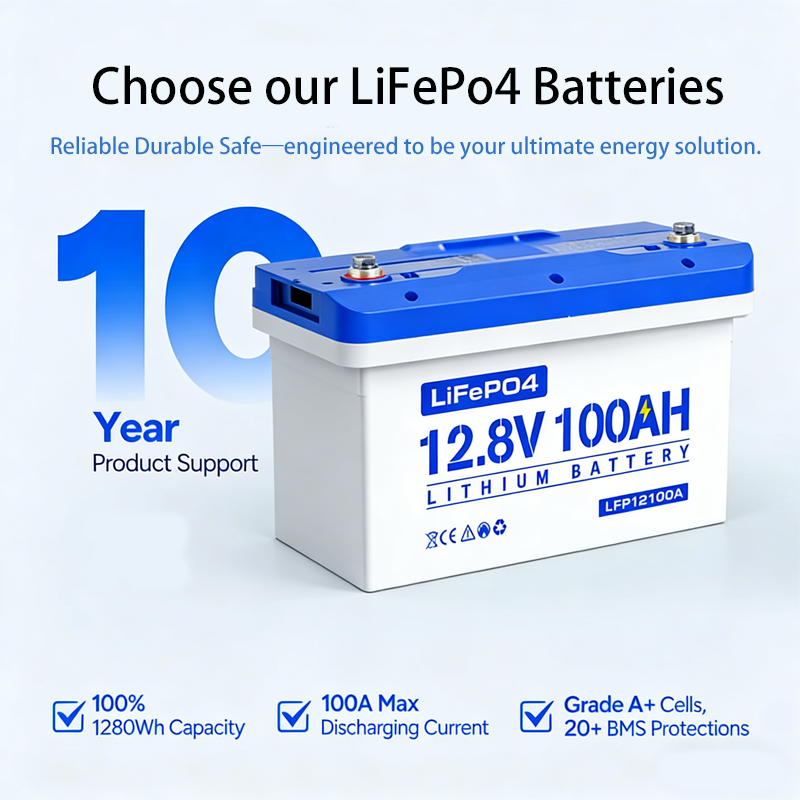
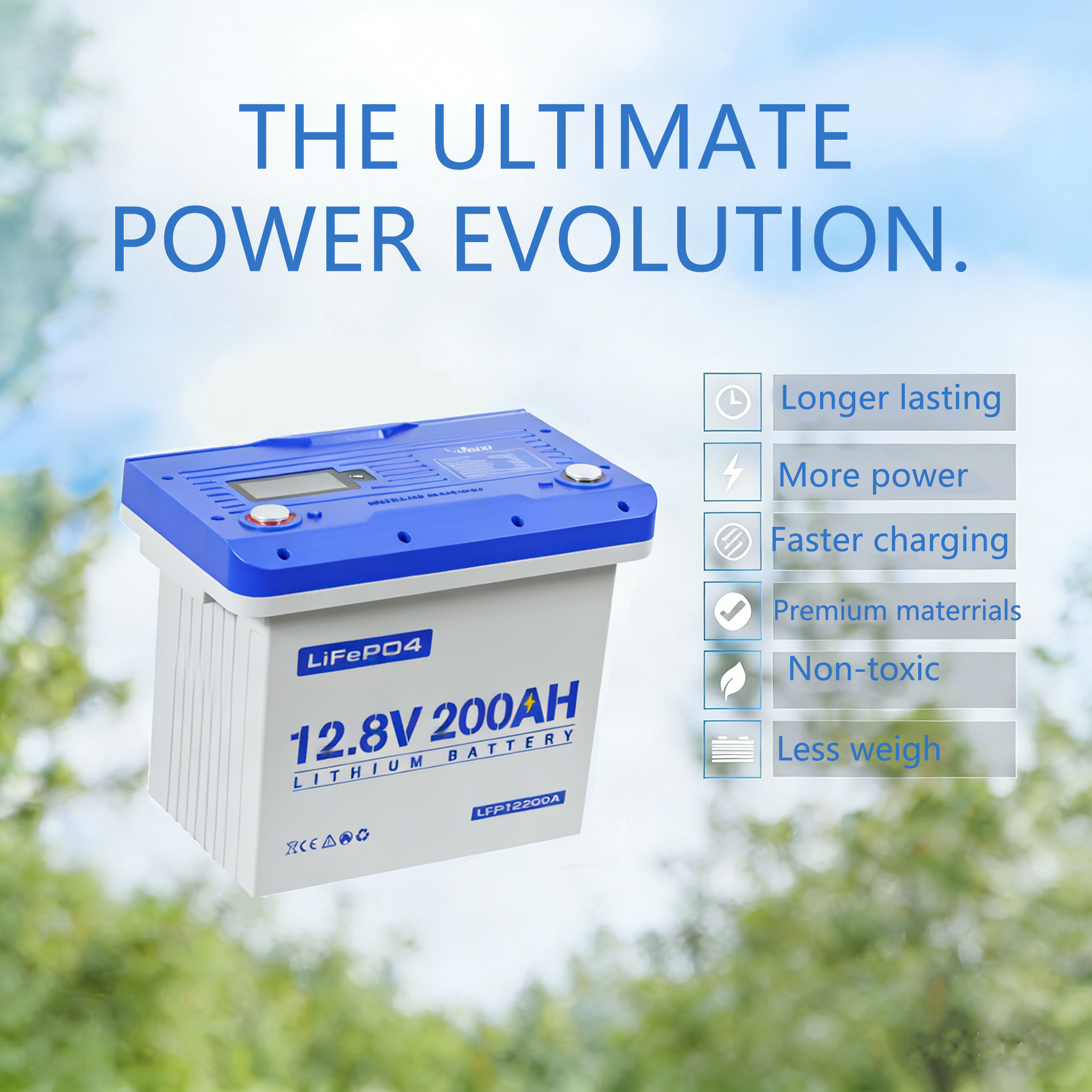
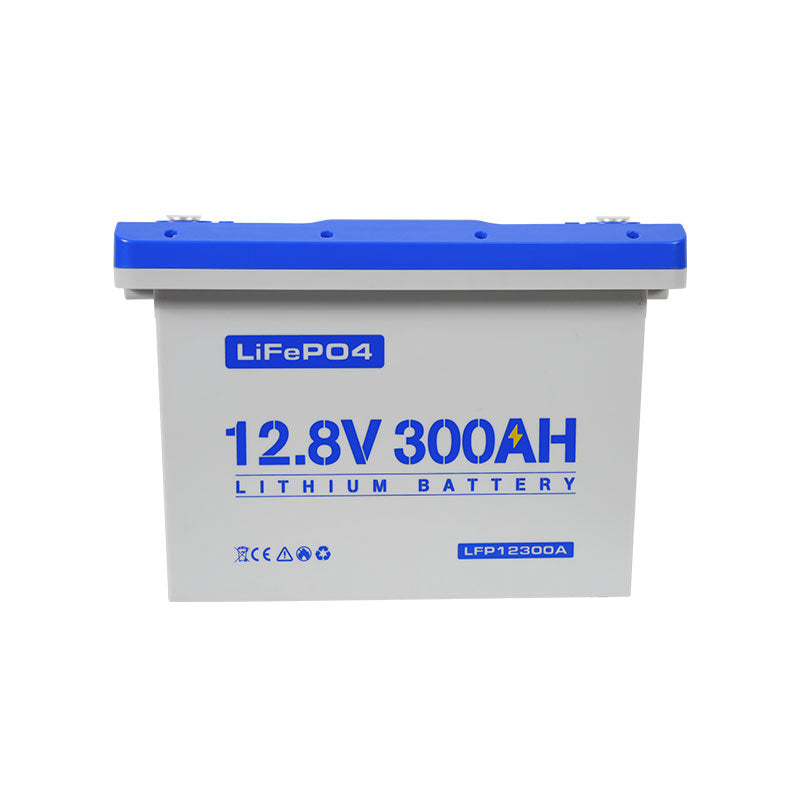
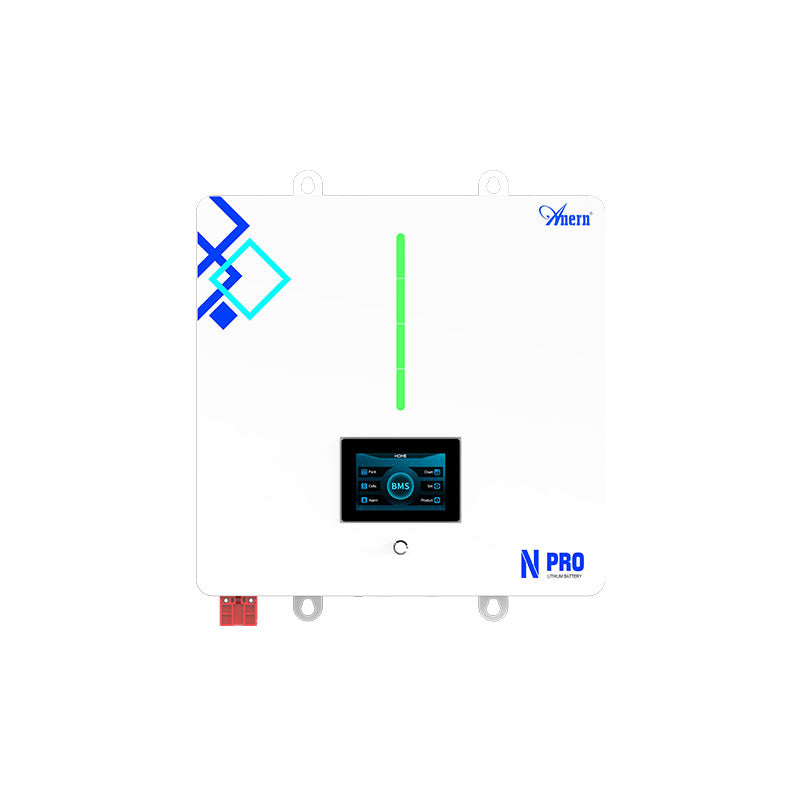
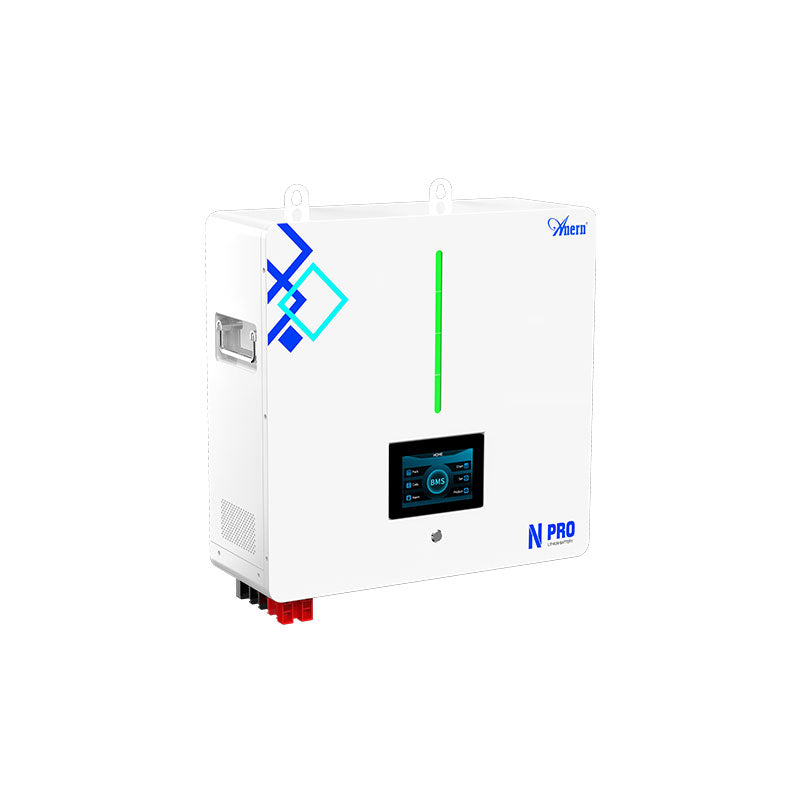
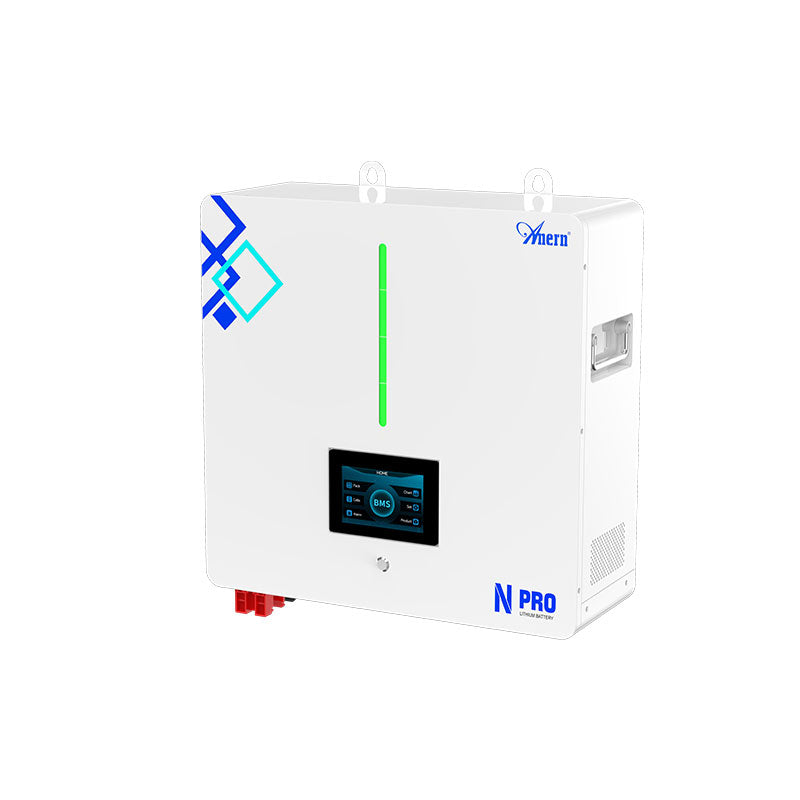
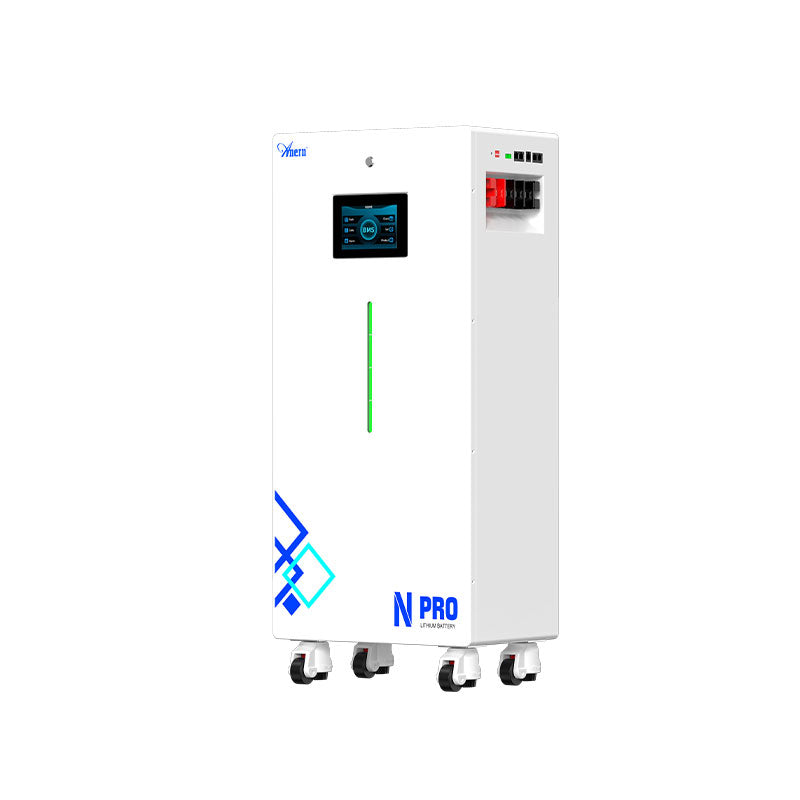
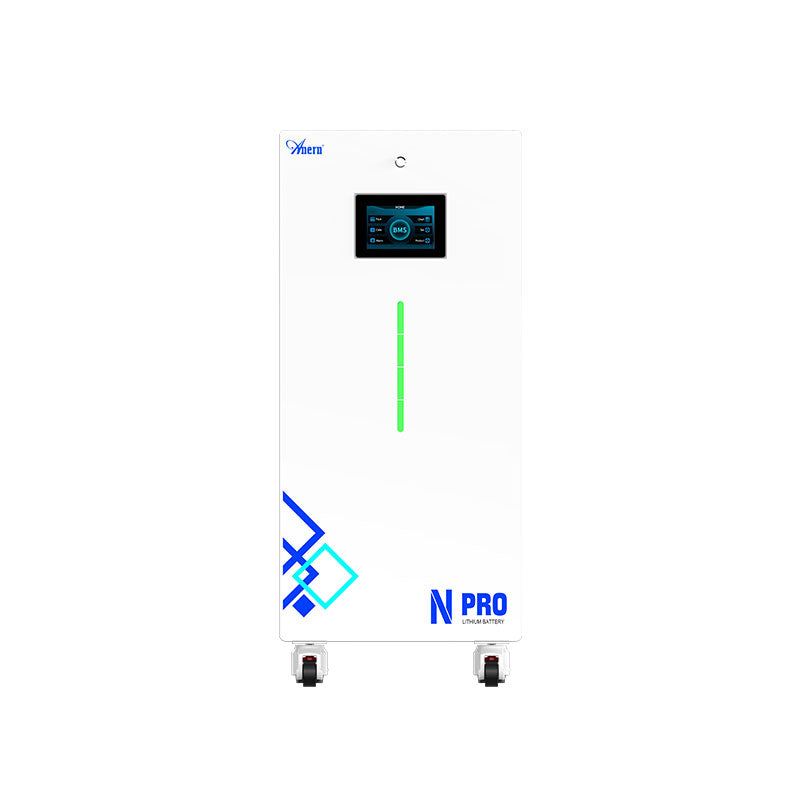
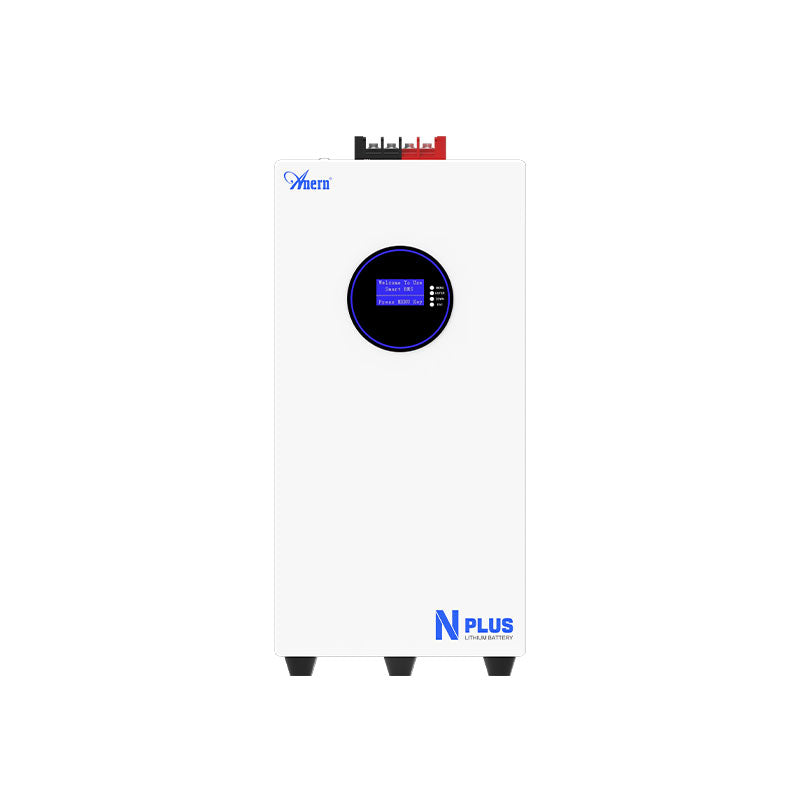
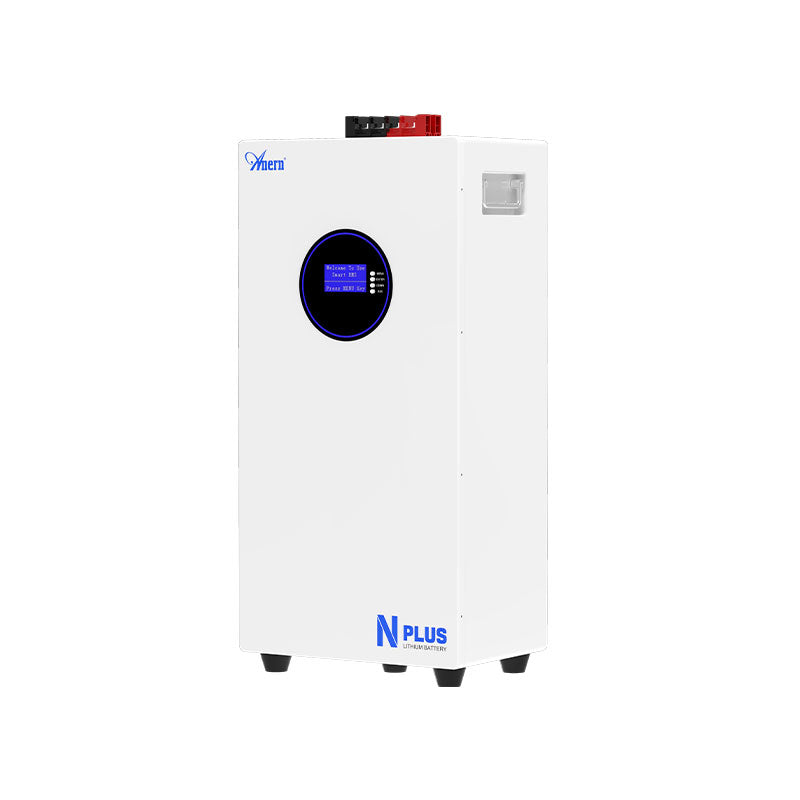
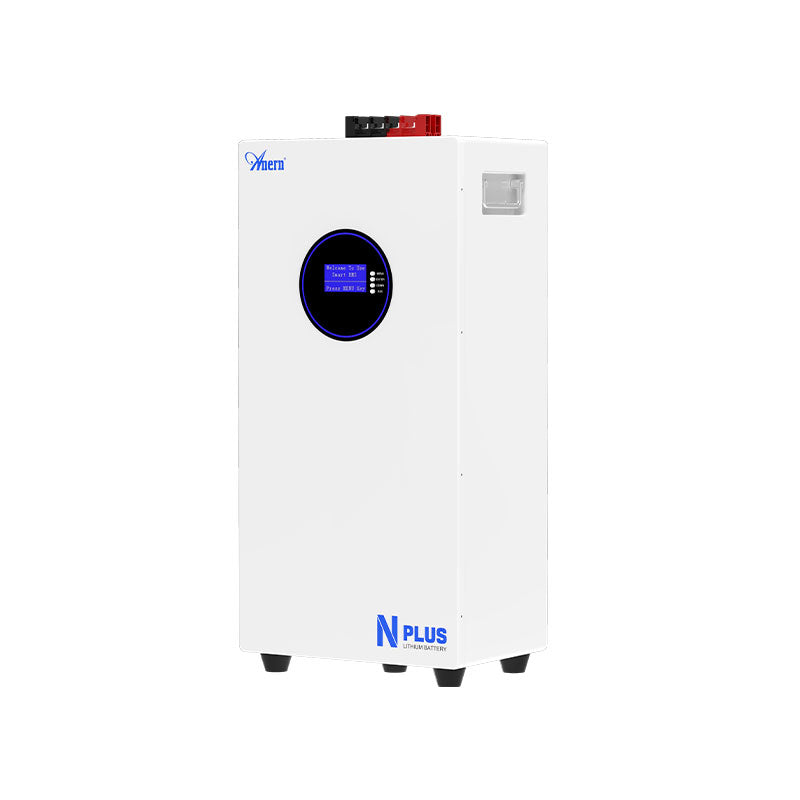
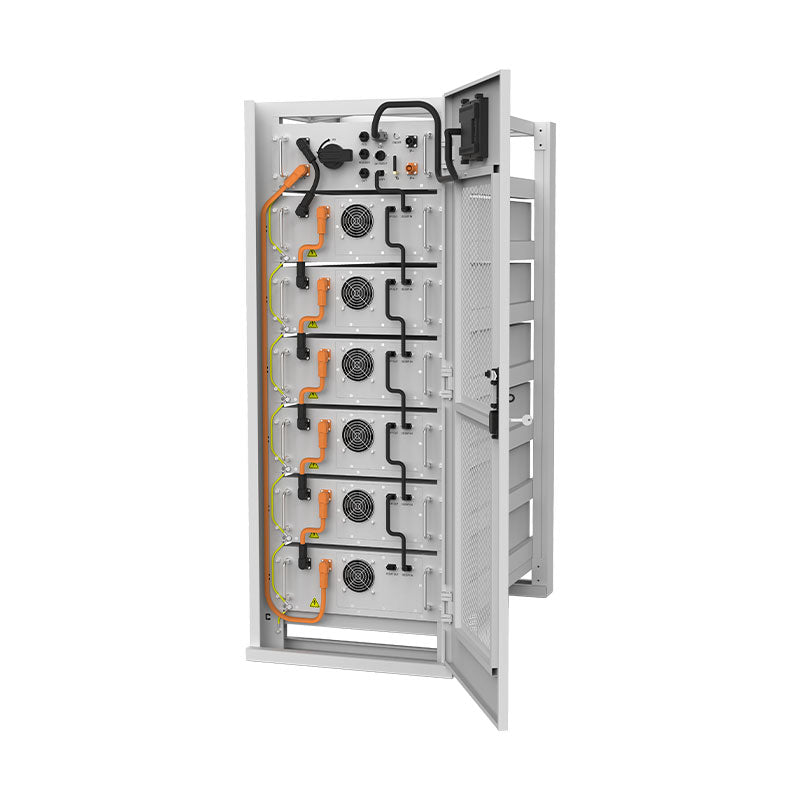
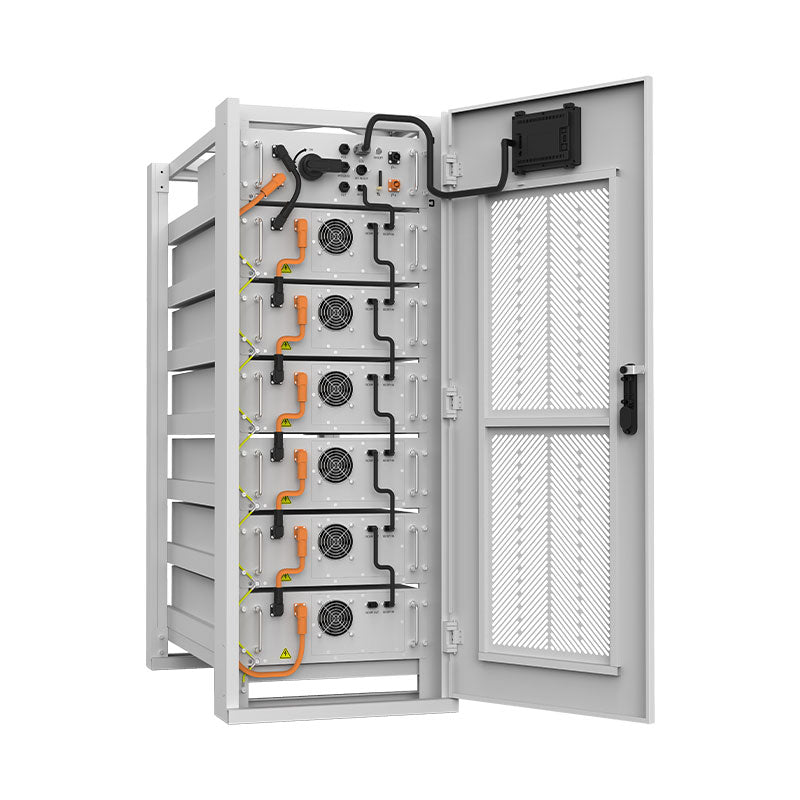
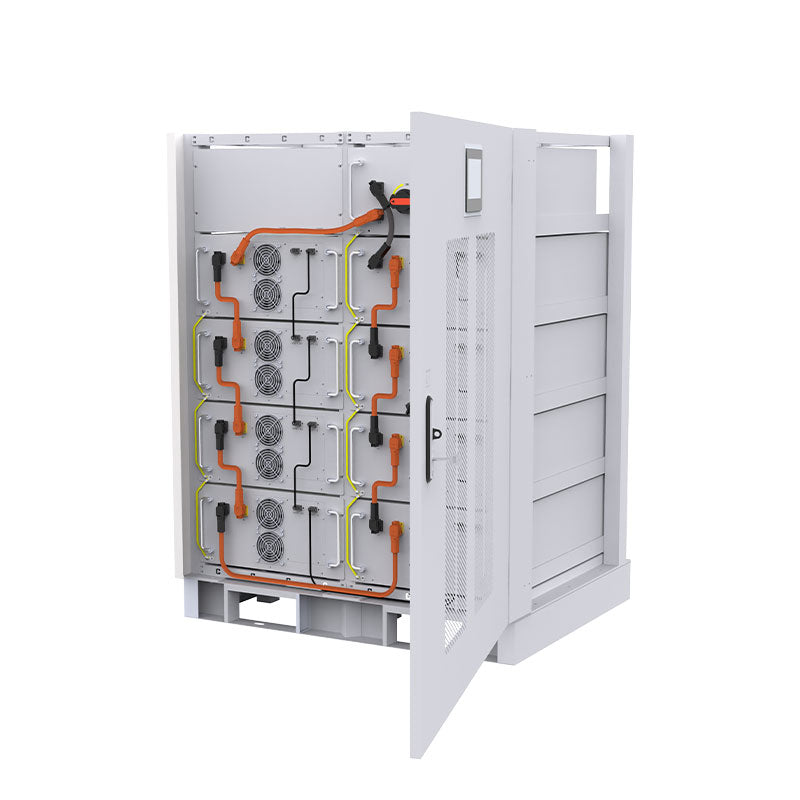
- Battery Bank: The heart of your off-grid system, storing the electricity generated by your solar panels for use when the sun is not shining. High-performance, safe, and reliable lithium iron phosphate (LiFePO4) batteries are a popular choice due to their efficiency and longevity.
- Hybrid Inverter: This crucial component converts the DC power stored in your batteries into alternating current (AC) electricity, which is what most household appliances use. A hybrid inverter also manages power flow between solar panels, batteries, and your home's loads.
- Backup Generator (Optional but Recommended): For extended periods of low solar irradiance or unusually high demand, a backup generator can provide supplementary power, charging your batteries and ensuring uninterrupted service.
Designing Your Off-Grid ESS for Reliability
A well-designed off-grid system is a reliable system. Careful planning and accurate sizing are paramount to avoid power shortages and ensure long-term satisfaction. This involves understanding your energy consumption and selecting components that can consistently meet that demand.
Sizing Your Battery Bank: The Foundation of Autonomy
Correctly sizing your battery bank is perhaps the most critical step. It determines how long your system can power your home without solar input. You will need to calculate your daily energy consumption in kilowatt-hours (kWh) and then decide on your desired "autonomy days" – the number of days your system can run on stored energy alone. For instance, the island of Ta’u in American Samoa successfully implemented a 1.4 MW PV micro-grid with 6 MWh of Li-ion battery storage, providing three days of autonomy and significantly reducing diesel generator use.
Consider the following factors:
- Daily Energy Load: List all appliances and their power consumption (watts), then estimate how many hours each runs daily. Sum these to get your total daily kWh usage.
- Days of Autonomy: For most off-grid homes, 2-5 days of autonomy is a reasonable target, depending on local weather patterns and your risk tolerance.
- Battery Depth of Discharge (DoD): LiFePO4 batteries can typically be discharged to a much greater extent (e.g., 80-100%) compared to lead-acid batteries, which improves usable capacity.
- System Voltage: Common off-grid system voltages are 12V, 24V, or 48V. Higher voltages are generally more efficient for larger systems.
Here is a simplified example of battery sizing calculation:
| Parameter | Value |
|---|---|
| Daily Energy Consumption | 10 kWh |
| Desired Autonomy Days | 3 days |
| Total Energy Needed | 30 kWh |
| Battery Usable DoD (LiFePO4) | 90% |
| Required Battery Capacity (Gross) | 30 kWh / 0.90 = 33.33 kWh |
This calculation provides a starting point. Always factor in efficiency losses from inverters and wiring.
Inverter Selection and System Integration
Your solar inverter plays a critical role in converting stored DC power into usable AC power for your home. For off-grid systems, a robust hybrid inverter is essential. It must handle your peak power demand (surge capacity) and integrate seamlessly with your charge controller and battery bank.
When selecting an inverter, consider its:
- Continuous Power Rating: This must be higher than your typical running load.
- Surge Rating: Appliances like refrigerators or pumps require a momentary surge of power to start. Your inverter must accommodate this.
- Efficiency: Higher efficiency means less energy loss during conversion.
- Grid-Forming Capability: While off-grid, some advanced inverters offer "grid-forming" capabilities, creating a stable AC waveform that mimics a utility grid, which is beneficial for sensitive electronics and system stability. The International Renewable Energy Agency (IRENA) highlights the evolving role of grid codes for renewable powered systems, including the development of specifications for grid-forming inverters.
Proper system integration ensures all components work harmoniously. This often involves professional design and installation to optimize performance and safety.
LiFePO4 Batteries: The Core of a Regret-Free System
The choice of battery technology significantly impacts the performance, lifespan, and overall cost-effectiveness of your off-grid ESS. Lithium iron phosphate (LiFePO4) batteries have emerged as a superior choice for off-grid applications.
Advantages of LiFePO4 Technology
LiFePO4 batteries offer compelling advantages over traditional lead-acid batteries:
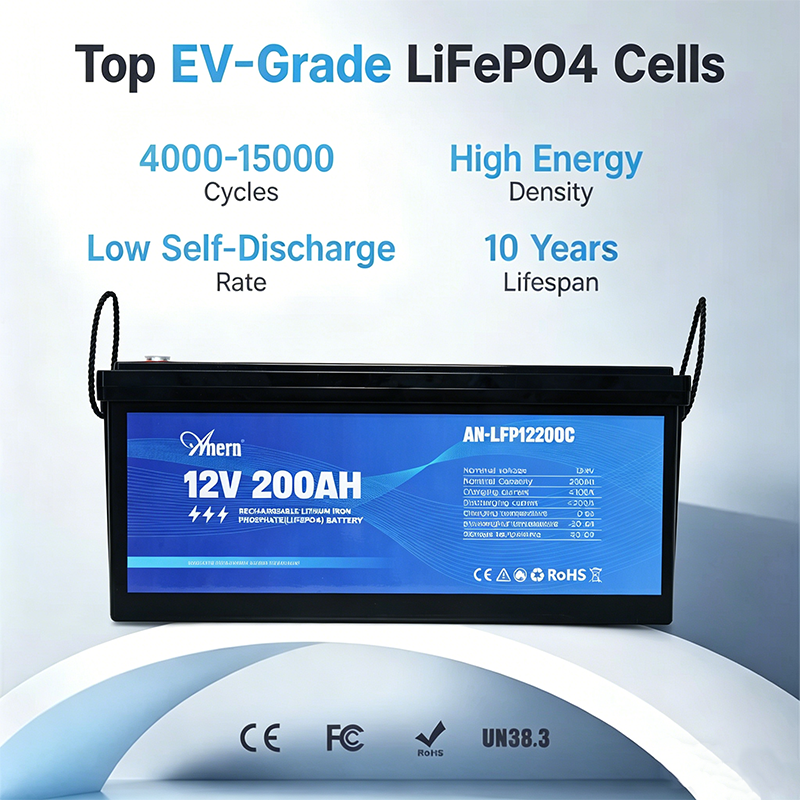
- Extended Lifespan: LiFePO4 batteries typically offer 3,000 to 6,000 cycles at 80% DoD, far exceeding lead-acid batteries (often 500-1,000 cycles). This translates to many years of reliable service.
- High Efficiency: They boast a higher round-trip efficiency (90-95%) compared to lead-acid (70-85%), meaning more of your generated solar energy is actually stored and used.
- Deeper Depth of Discharge (DoD): You can safely use a higher percentage of their stored energy without significantly impacting their lifespan.
- Faster Charging: LiFePO4 batteries accept charge at a much higher rate, allowing for quicker replenishment from solar panels or a generator.
- Compact and Lighter: They offer a higher energy density, meaning more power in a smaller, lighter package, simplifying installation.
- Enhanced Safety: LiFePO4 chemistry is inherently more stable and less prone to thermal runaway compared to other lithium-ion chemistries, providing greater peace of mind.
Longevity and Performance Considerations
To maximize the longevity and performance of your LiFePO4 battery bank, consider these factors:
- Temperature Management: While robust, extreme temperatures can affect battery performance. Ensure your battery bank is installed in a climate-controlled environment or one protected from severe heat and cold.
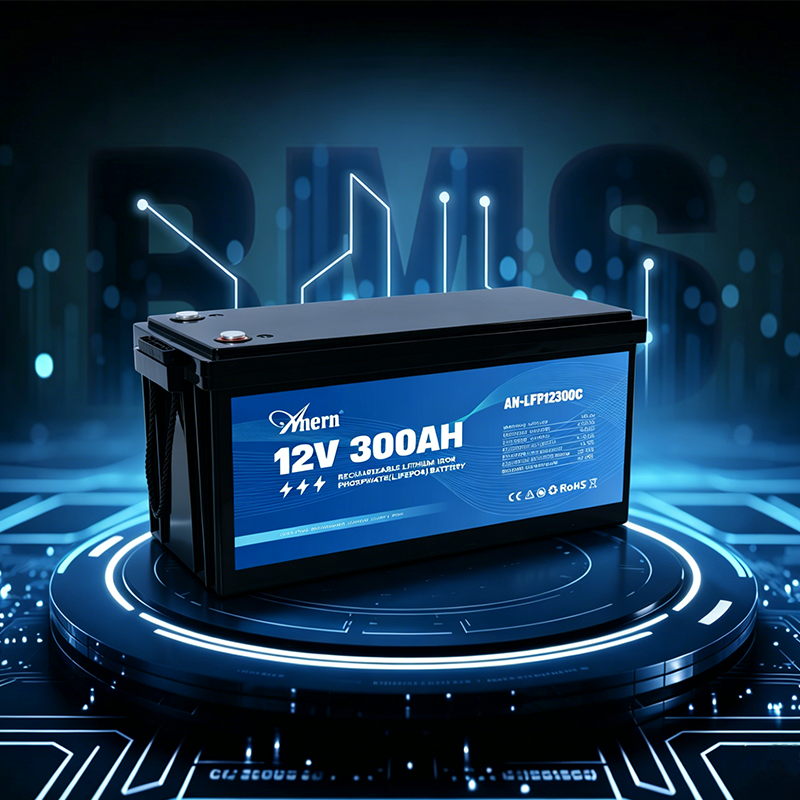
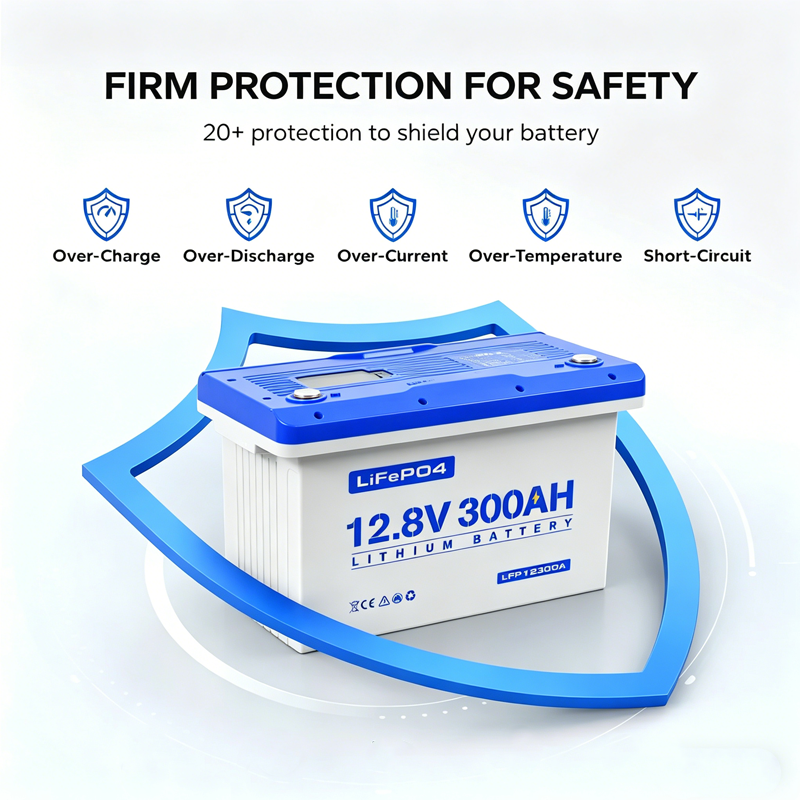
- Battery Management System (BMS): A high-quality BMS is crucial. It monitors cell voltage, temperature, and current, balancing cells and protecting the battery from overcharge, over-discharge, and short circuits. This active management is key to a long and healthy battery life.
- Proper Charging Profile: Ensure your charge controller and inverter are configured with the correct charging parameters for LiFePO4 batteries to optimize their health and performance.
Installation and Maintenance for Lasting Performance
Even the best components require proper installation and ongoing care to deliver a regret-free off-grid experience. Professional expertise can make a significant difference in system reliability and safety.
Professional Installation Best Practices
While DIY can be tempting, installing an off-grid ESS involves complex electrical work and safety considerations. Engaging experienced professionals ensures:
- Code Compliance: Proper wiring, grounding, and component placement adhere to local electrical codes and safety standards.
- System Optimization: Experts can fine-tune your system for maximum efficiency and performance, considering your specific energy needs and environmental conditions.
- Safety: Incorrect wiring or component handling can pose serious hazards. Professionals minimize these risks.
A well-installed system is the first step towards years of trouble-free operation.
Ongoing System Care
Regular, simple maintenance helps preserve your off-grid ESS's efficiency and extends its lifespan:
- Panel Cleaning: Keep solar panels free of dust, dirt, and debris to ensure optimal sunlight absorption.
- Visual Inspections: Periodically check wiring, connections, and components for any signs of wear, corrosion, or damage.
- Battery Monitoring: If your system includes a monitoring interface, regularly check battery state of charge, voltage, and temperature. A healthy LiFePO4 battery system will show consistent performance.
- Software Updates: For smart inverters and charge controllers, ensure firmware is up to date to benefit from performance improvements and bug fixes.
Proactive maintenance prevents minor issues from becoming major problems, safeguarding your energy independence.
Achieving True Energy Independence
Embarking on the path to energy independence with an off-grid ESS is a significant decision. By carefully planning your system, selecting high-quality components like LiFePO4 batteries, and ensuring professional installation and maintenance, you can create a reliable and sustainable power solution. This roadmap helps you avoid common pitfalls and build an off-grid system that provides dependable power for years to come, offering true freedom from utility bills and grid vulnerabilities. The U.S. Department of Energy highlights how connecting multiple microgrids can increase community resilience and support energy independence.
Frequently Asked Questions
What is the typical lifespan of an off-grid battery system?
The lifespan largely depends on the battery technology. LiFePO4 batteries, when properly managed, can last 10-15 years or more, offering 3,000 to 6,000 charge/discharge cycles. Lead-acid batteries typically last 3-7 years.
Can I expand my off-grid system later?
Yes, most off-grid systems can be designed with future expansion in mind. It is wise to oversize your charge controller and inverter slightly, or choose models that allow for parallel expansion, to accommodate additional solar panels and battery capacity as your energy needs grow.
How do off-grid systems perform in cloudy weather?
Off-grid systems are designed with battery banks to store energy for periods of low solar production. The number of "autonomy days" you design into your system determines how long it can run without sun. For extended cloudy periods, a backup generator can supplement power and recharge batteries.
