










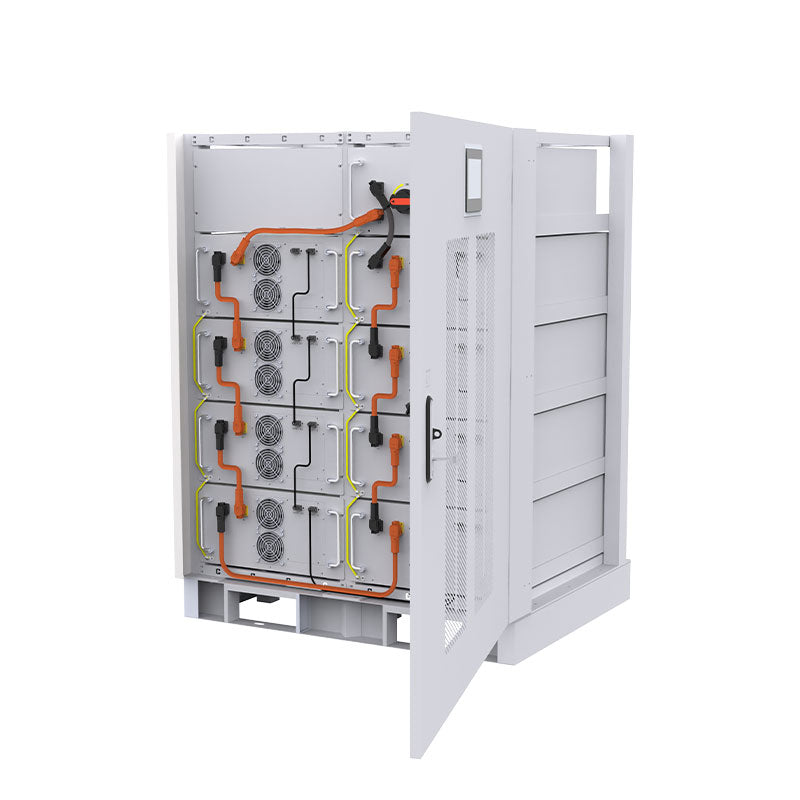

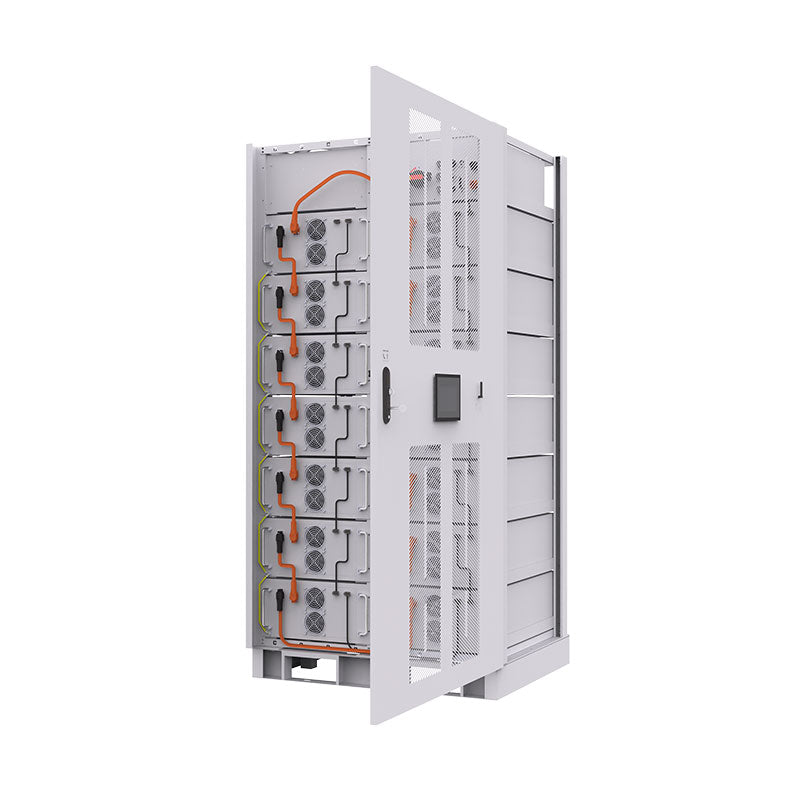
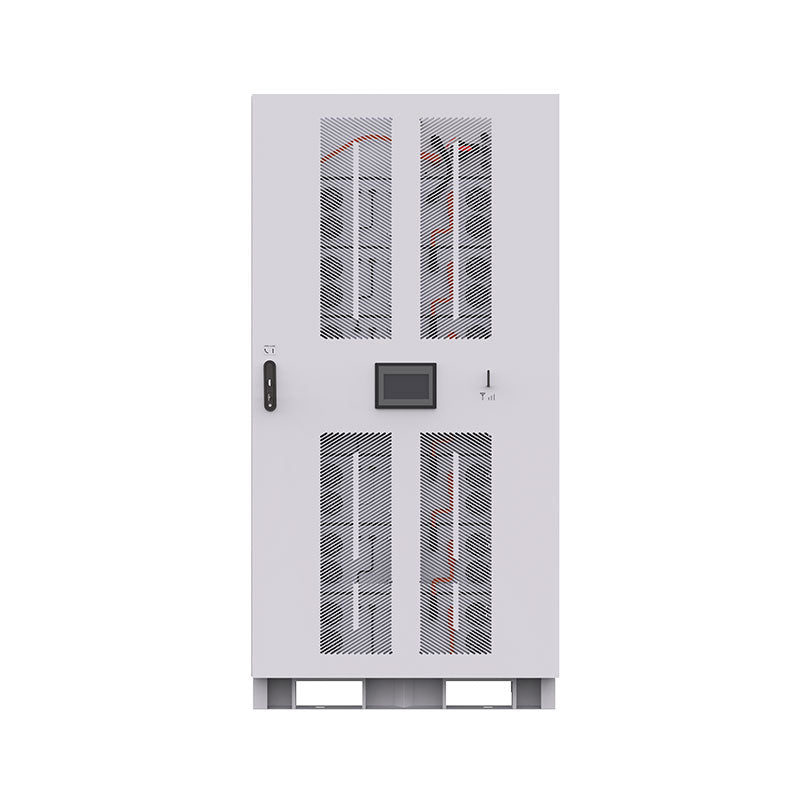


Reliable power is the foundation of modern telecommunications. Cell sites and remote base stations require uninterrupted energy to ensure continuous connectivity. Choosing the right battery technology for these critical installations is a decision that significantly impacts operational efficiency, long-term costs, and overall network reliability. This discussion examines two prominent battery types: Lithium Iron Phosphate (LiFePO4) and Lead-Acid batteries, focusing on their return on investment (ROI) for telecom applications.
Understanding Battery Technologies for Telecom
Selecting a battery involves more than just the initial purchase price. You need to consider performance characteristics, lifespan, and maintenance needs. Each battery type offers distinct advantages and disadvantages.
Lead-Acid Batteries: Traditional Solutions
Lead-acid batteries have long served as a conventional choice for backup power in telecom. They offer a lower initial investment, making them attractive for budget-sensitive projects. However, their characteristics present operational challenges over time. Lead-acid batteries typically have a shorter cycle life, generally lasting around 300 to 1,000 cycles, with a service life of about 3 to 5 years.
Their energy density is lower, typically ranging from 30 to 50 Wh/kg, meaning they are heavier and bulkier for the same energy storage capacity. They also require regular maintenance, such as checking electrolyte levels and cleaning terminals, which adds to operational expenses. Furthermore, lead-acid batteries have lower charging efficiency, usually around 70-85%, leading to more energy loss during the charging process.
LiFePO4 Batteries: Advanced Energy Storage
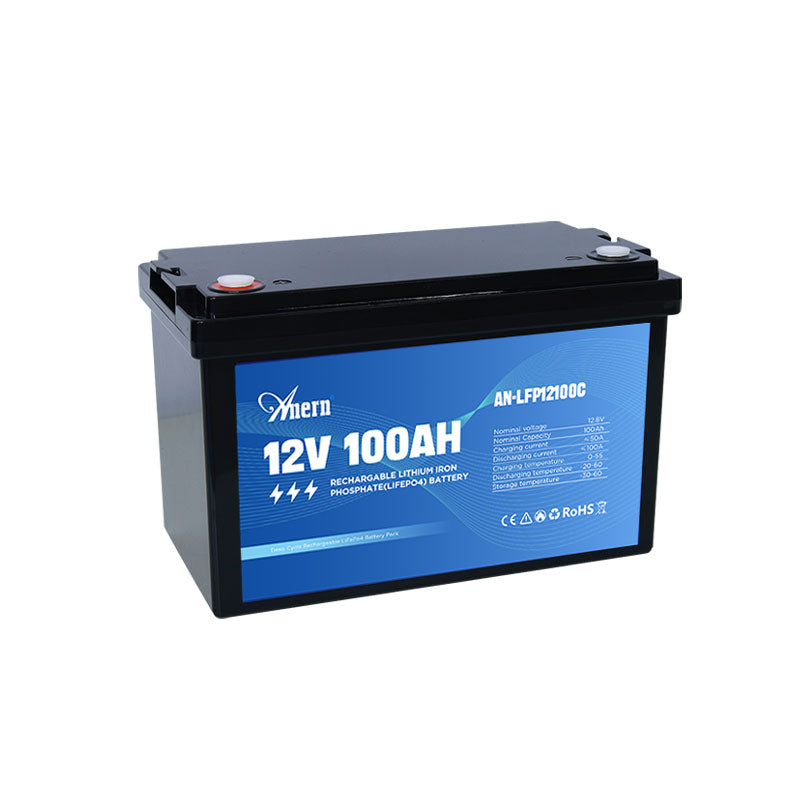
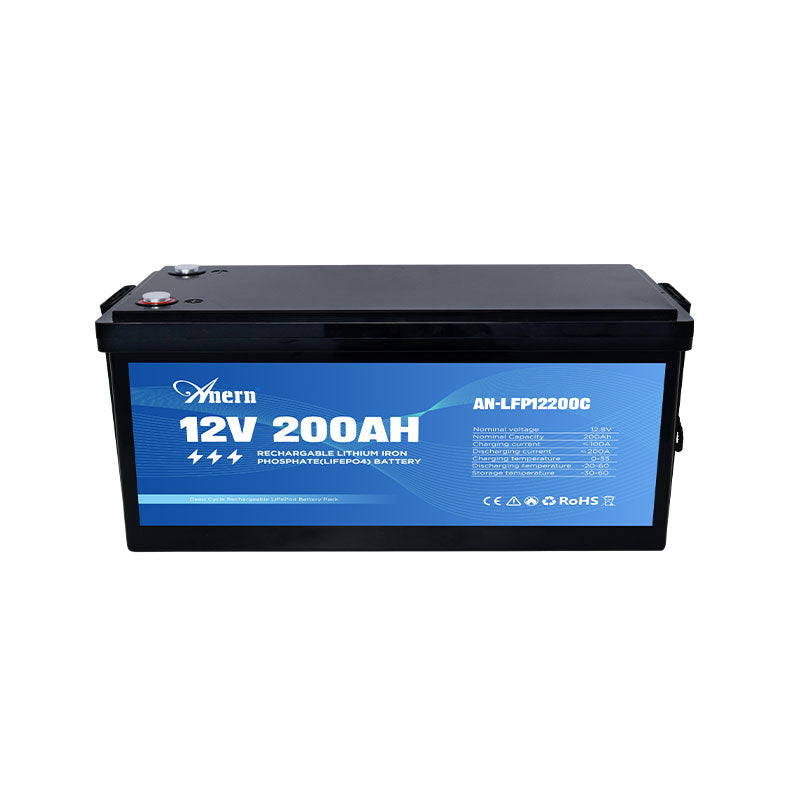
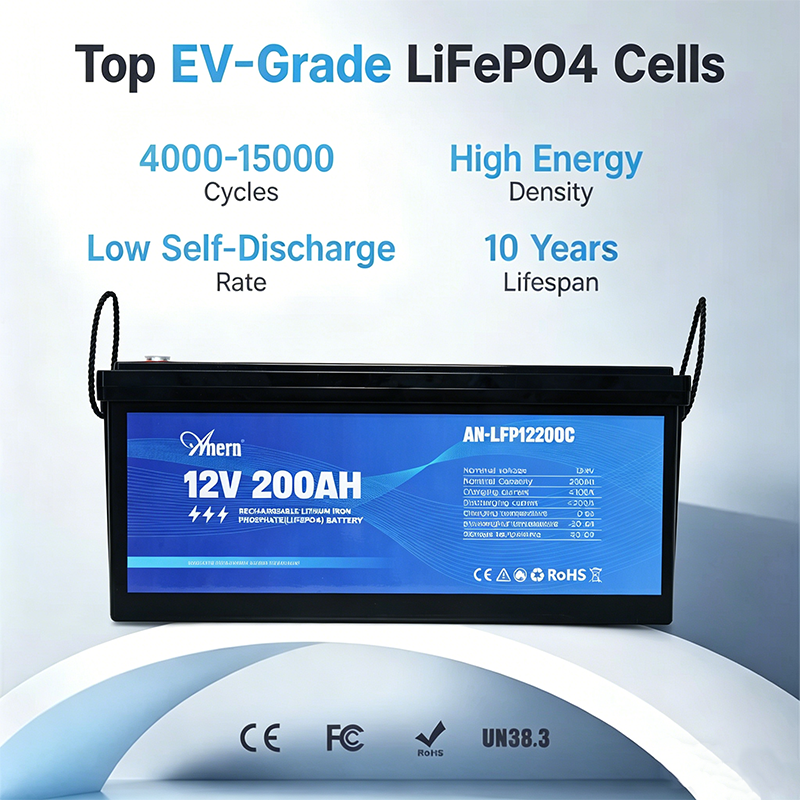
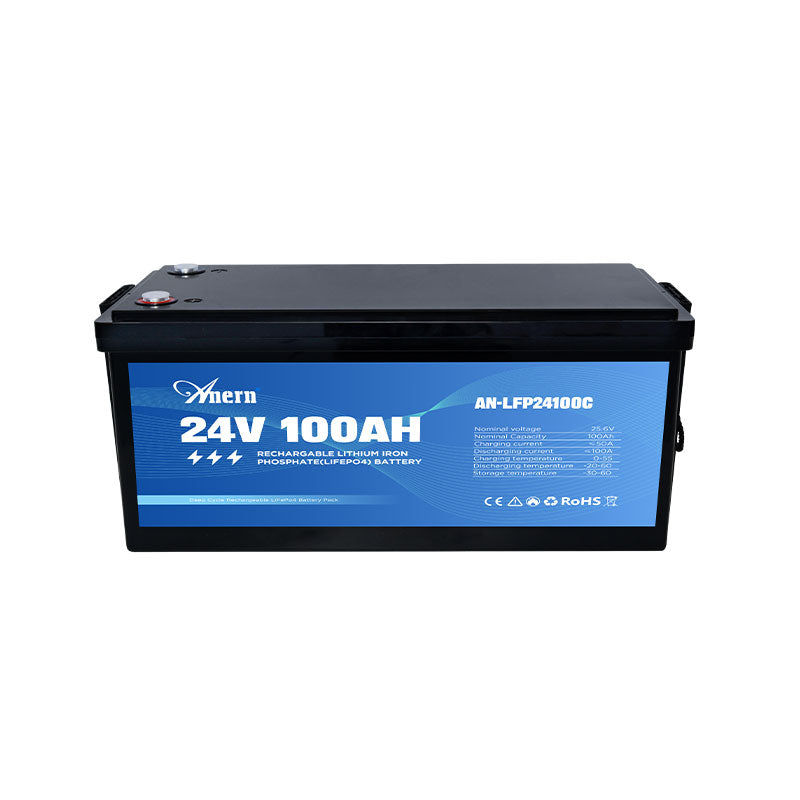
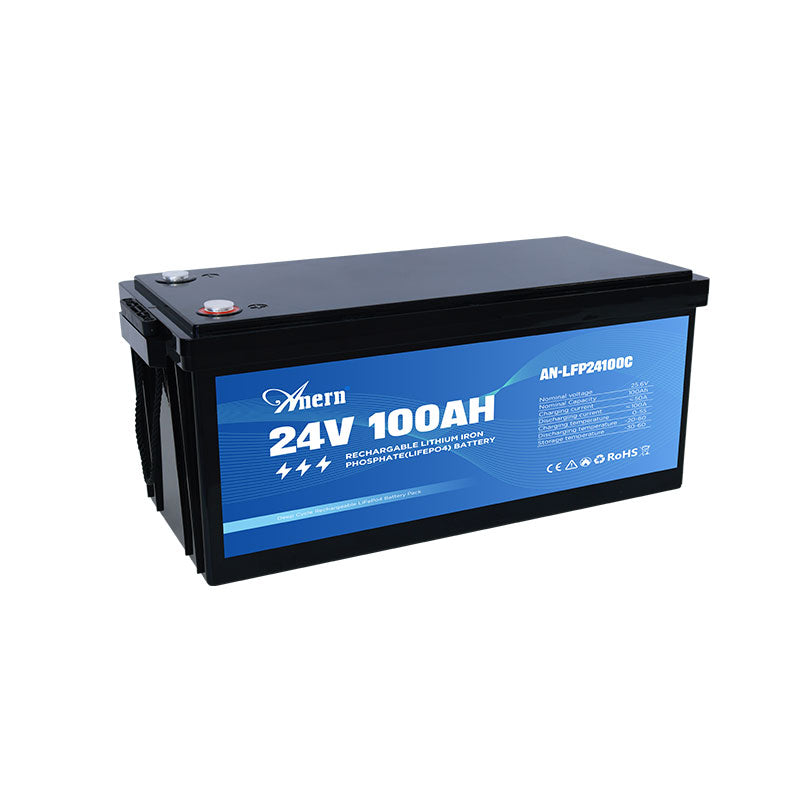
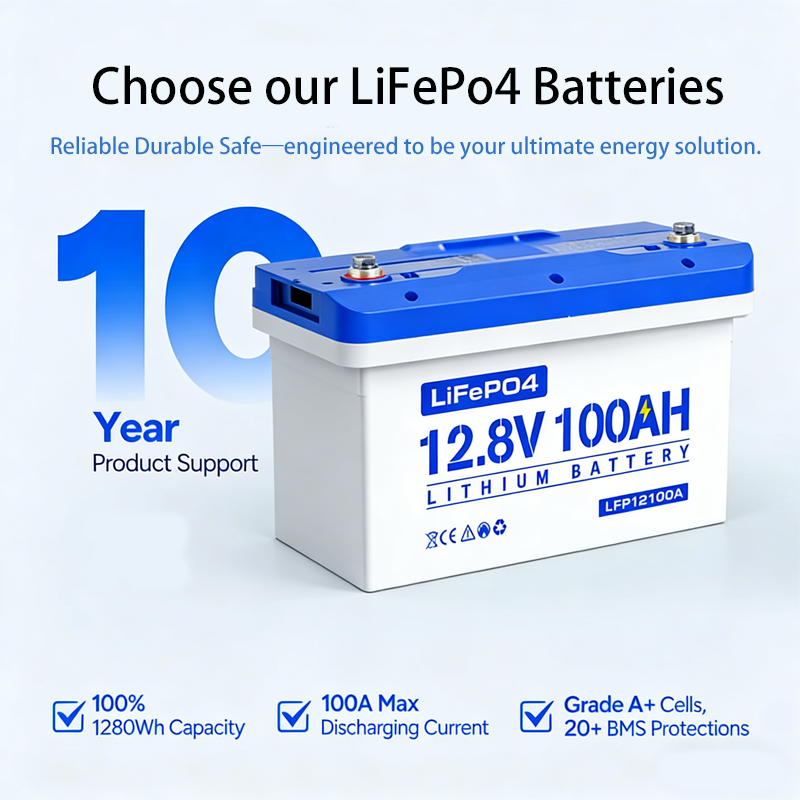
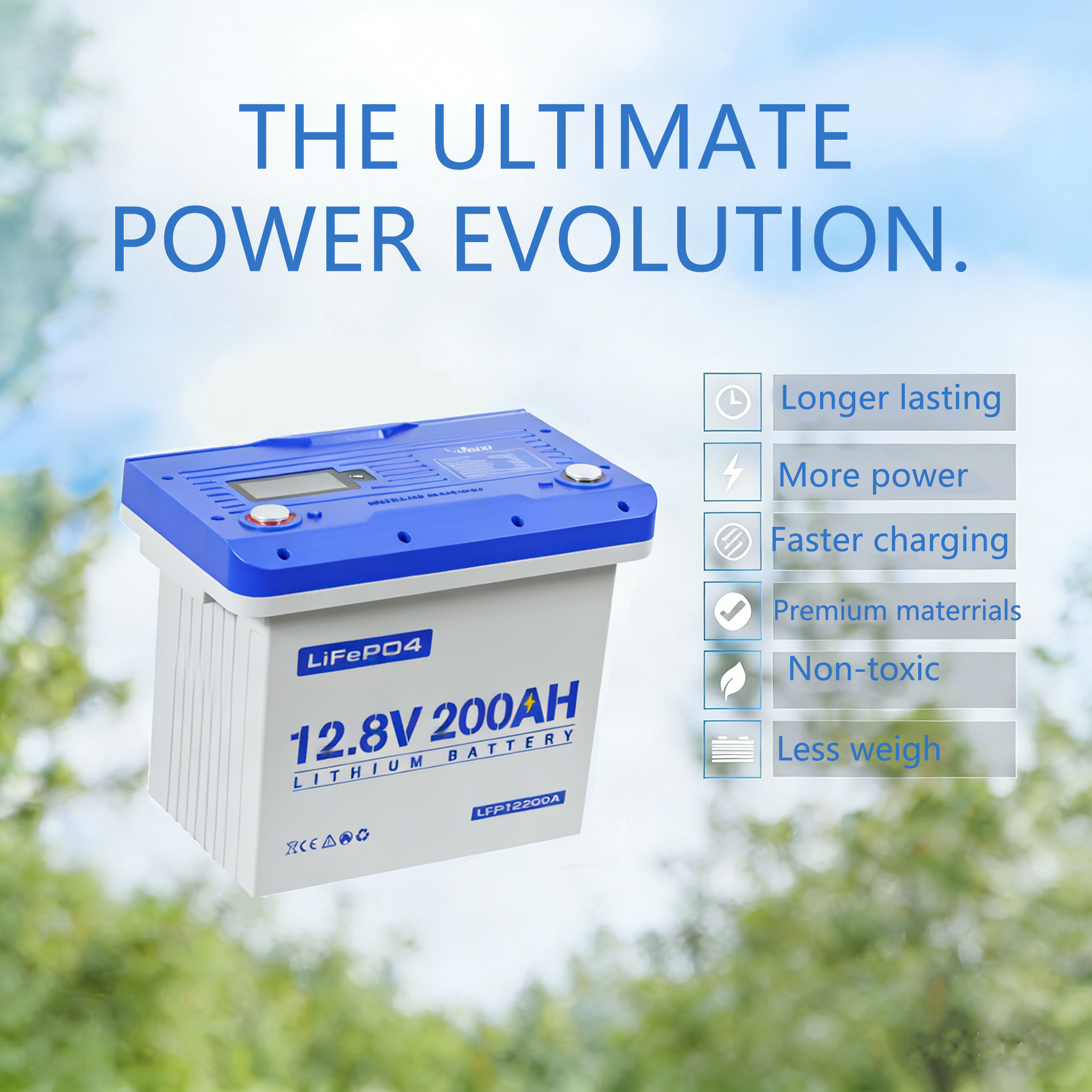
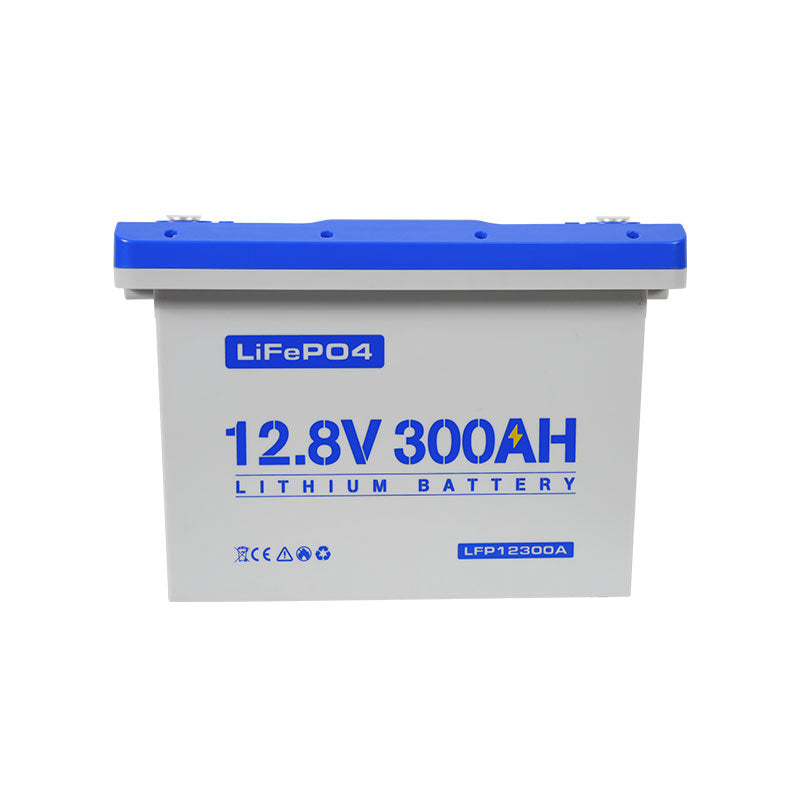
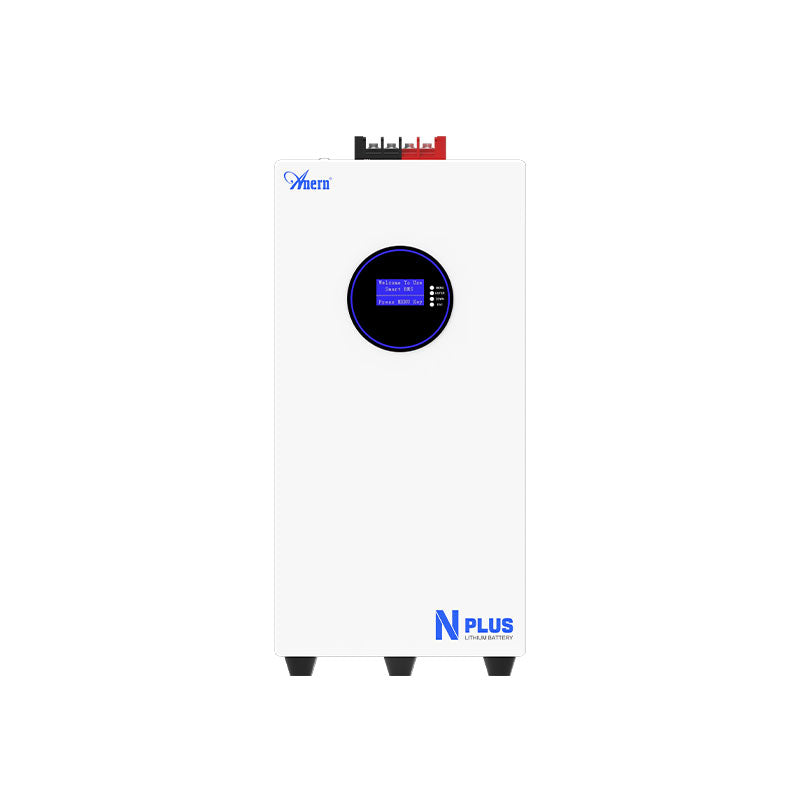
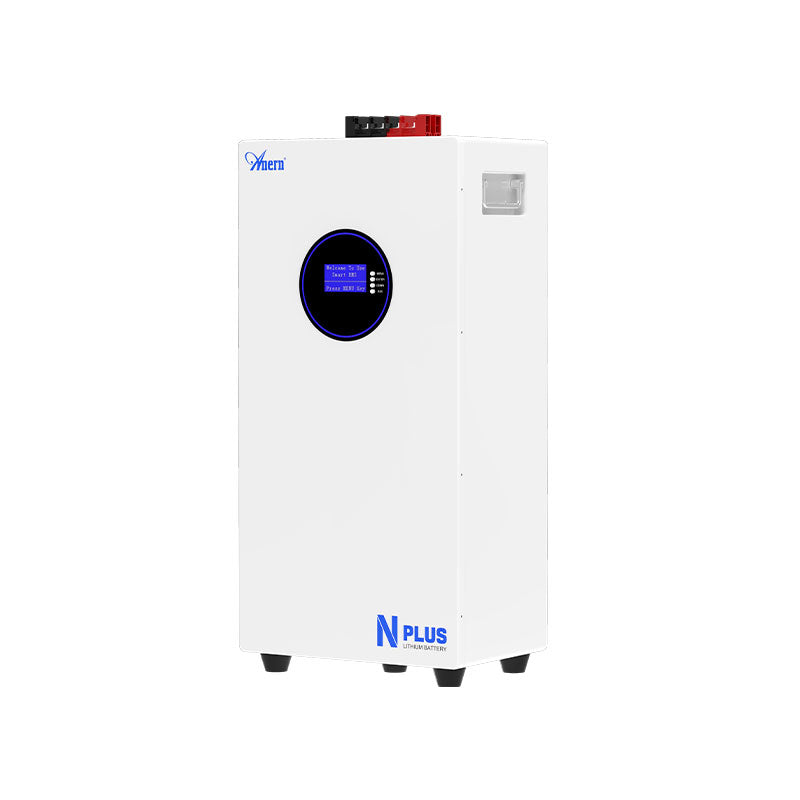
Lithium Iron Phosphate (LiFePO4) batteries represent a more modern and increasingly preferred solution for telecom infrastructure. They offer superior performance and a longer operational lifespan. LiFePO4 batteries typically endure over 2,000 to 4,000 cycles, with some even reaching more than 10,000 cycles under optimal conditions, translating to a service life of 10 to 15 years. This extended lifespan significantly reduces the frequency of battery replacements.
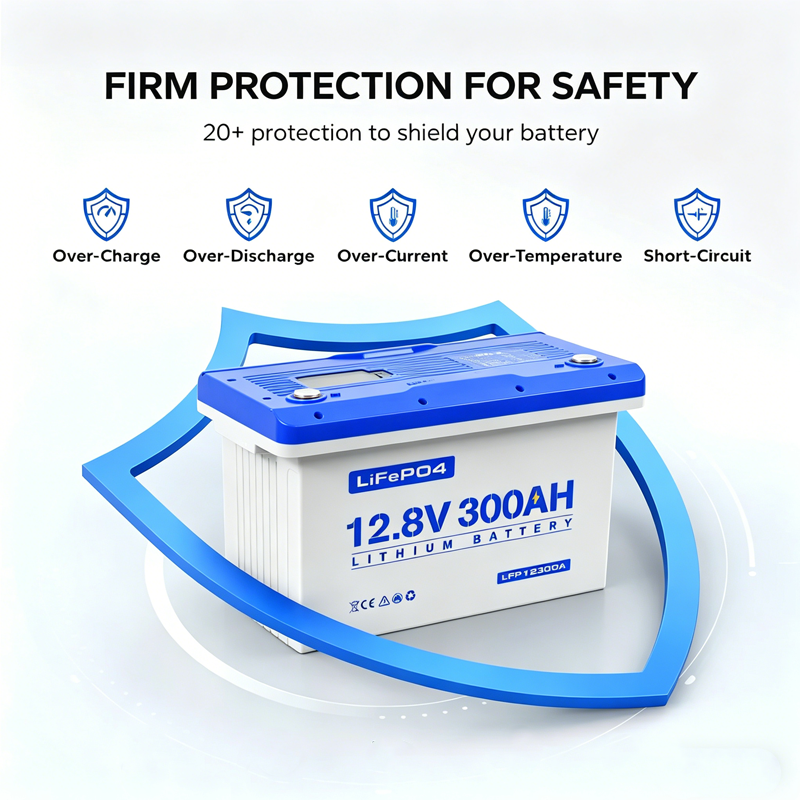
These batteries boast a higher energy density, typically 90 to 160 Wh/kg, making them lighter and more compact. This is particularly beneficial for cell sites where space and weight can be limiting factors. LiFePO4 batteries are virtually maintenance-free, eliminating the need for regular checks and reducing labor costs. They also offer higher charging efficiency, often between 95-98%, meaning less energy is wasted during charging. Additionally, LiFePO4 chemistry provides enhanced safety due to its intrinsic thermal and chemical stability, reducing the risk of overheating or thermal runaway.
Key Factors Influencing ROI in Cell Site Batteries
Evaluating the ROI for cell site batteries requires a comprehensive view of all associated costs and benefits over the battery's entire operational life. It is not solely about the initial price tag.
Initial Investment vs. Total Cost of Ownership (TCO)
While LiFePO4 batteries generally have a higher upfront cost, often two to three times that of lead-acid batteries, this initial investment is offset by their longevity and reduced operational expenses. The Total Cost of Ownership (TCO) perspective reveals the true financial impact. Over a 10-year period, LiFePO4 batteries can demonstrate a significantly lower TCO compared to lead-acid types.
Operational Expenses (OpEx) and Performance
Operational expenses are a major component of TCO. Lead-acid batteries incur costs related to frequent replacements, labor for maintenance, and potential energy losses due to lower efficiency. In contrast, LiFePO4 batteries require minimal maintenance, reducing labor costs and downtime. Their higher energy efficiency also translates into energy savings over time.
Reliability and performance are also critical. LiFePO4 batteries offer stable performance across a wider temperature range and can be discharged more deeply without damage, ensuring consistent power delivery for telecom towers. This enhanced reliability contributes to higher network uptime and improved service quality, which are invaluable for telecom operators.
ROI Calculation: A Practical Approach
To illustrate the financial advantages, consider a hypothetical ROI calculation over a 10-year period for a typical cell site battery system. This example uses average costs and lifespans observed in the industry.
Components of an ROI Calculation
- Initial Cost: Purchase price of the battery system.
- Replacement Costs: Cost of new batteries and associated labor for replacement over the lifecycle.
- Maintenance Costs: Annual labor and material costs for upkeep.
- Energy Savings: Savings from higher charging efficiency.
- Salvage Value: Residual value of the battery at the end of its useful life (often higher for LiFePO4 due to recyclable materials).
Comparative Scenario: 10-Year Outlook
Let's compare a hypothetical 48V 100Ah battery system for a cell site over a 10-year period, based on typical industry figures.
| Factor | Lead-Acid Battery (e.g., AGM/Gel) | LiFePO4 Battery |
|---|---|---|
| Initial Cost (approx.) | $1,000 | $2,500 |
| Lifespan (years) | 3-5 years (Avg. 3.5) | 10-15 years (Avg. 10) |
| Number of Replacements over 10 years | 2-3 (e.g., 2 replacements, 3 units total) | 0 (1 unit total) |
| Total Battery Purchase Cost (10 years) | $1,000 (initial) + 2x$1,000 (replacements) = $3,000 | $2,500 |
| Installation/Replacement Labor Cost per event (approx.) | $200 | $200 |
| Total Installation/Replacement Labor Cost (10 years) | 3 events x $200 = $600 | 1 event x $200 = $200 |
| Annual Maintenance Cost (approx.) | $50 (for flooded types, less for AGM/Gel) | $0 (maintenance-free) |
| Total Maintenance Cost (10 years) | 10 years x $50 = $500 | $0 |
| Charging Efficiency | 70-85% (Avg. 80%) | 95-98% (Avg. 95%) |
| Energy Savings (over 10 years, hypothetical) | N/A (baseline) | Significant (e.g., $300-$500 depending on usage) |
| Estimated Total Cost of Ownership (TCO) over 10 years | $3,000 + $600 + $500 = $4,100 | $2,500 + $200 - (Energy Savings) = ~$2,400 - $2,700 |
This simplified table highlights that despite a higher initial cost, LiFePO4 batteries offer a significantly lower TCO over a 10-year period. Over a 15-year period, lithium batteries can be 20-40% cheaper than lead-acid for telecom infrastructure, with some analyses suggesting up to a 293% ROI over 10 years when switching from lead-acid.

Beyond Financials: Strategic Advantages of LiFePO4
While financial returns are crucial, LiFePO4 batteries offer strategic benefits that extend beyond immediate monetary savings, aligning with modern energy goals.
Environmental Impact and Sustainability
LiFePO4 batteries are considered more eco-friendly than lead-acid alternatives. They do not contain toxic heavy metals like lead or cadmium, making them easier to recycle and dispose of with minimal environmental impact. The International Renewable Energy Agency (IRENA) emphasizes the importance of battery storage in the energy transition, noting significant cost reductions in battery storage projects between 2010 and 2023. The International Energy Agency (IEA) highlights that battery storage capacity must increase sixfold by 2030 to meet renewable energy targets, further underscoring their environmental importance.
Scalability and Future-Proofing
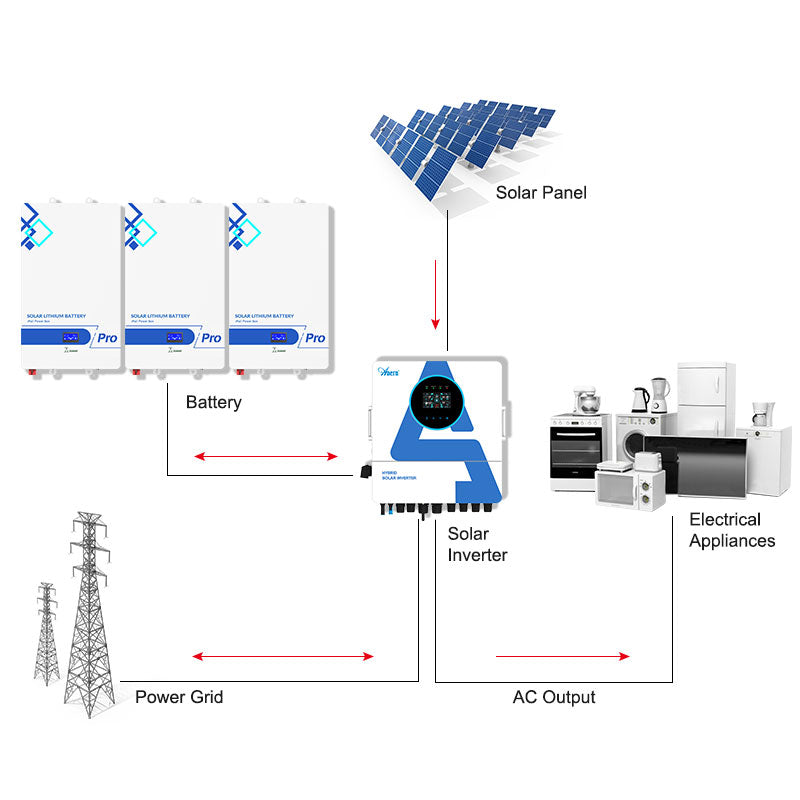
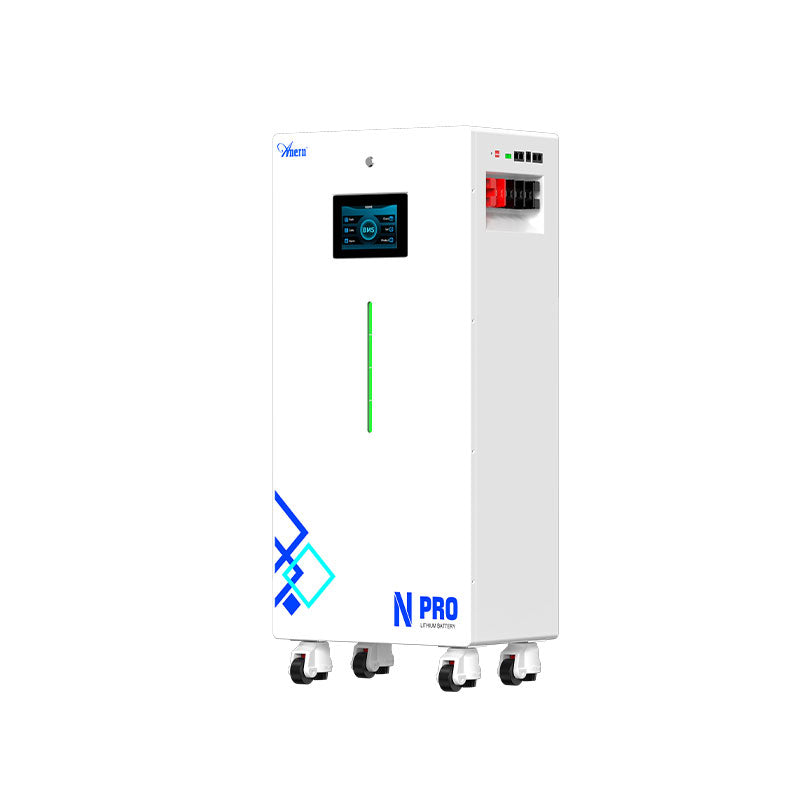
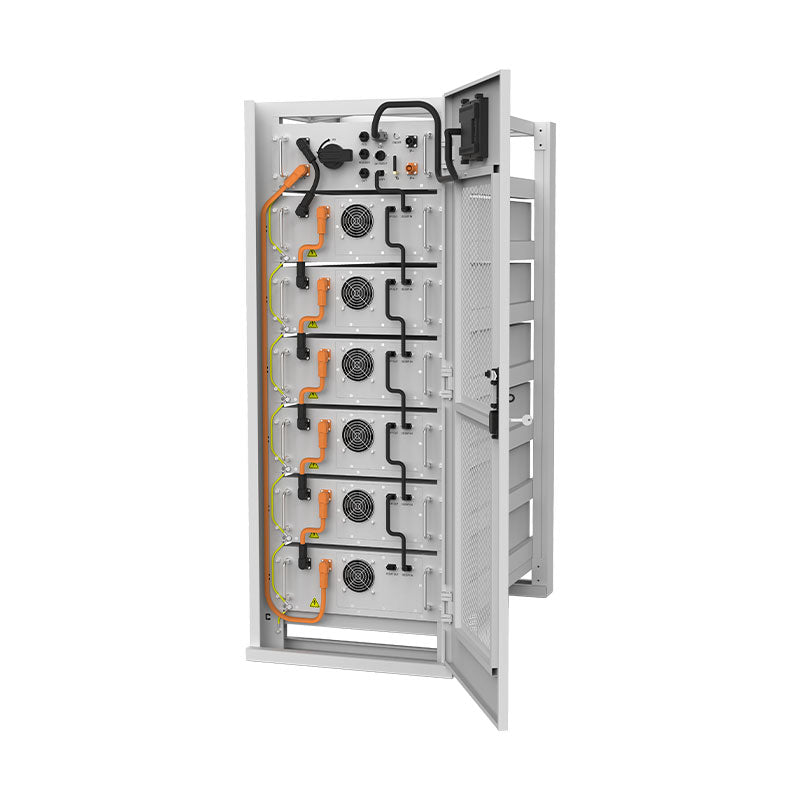
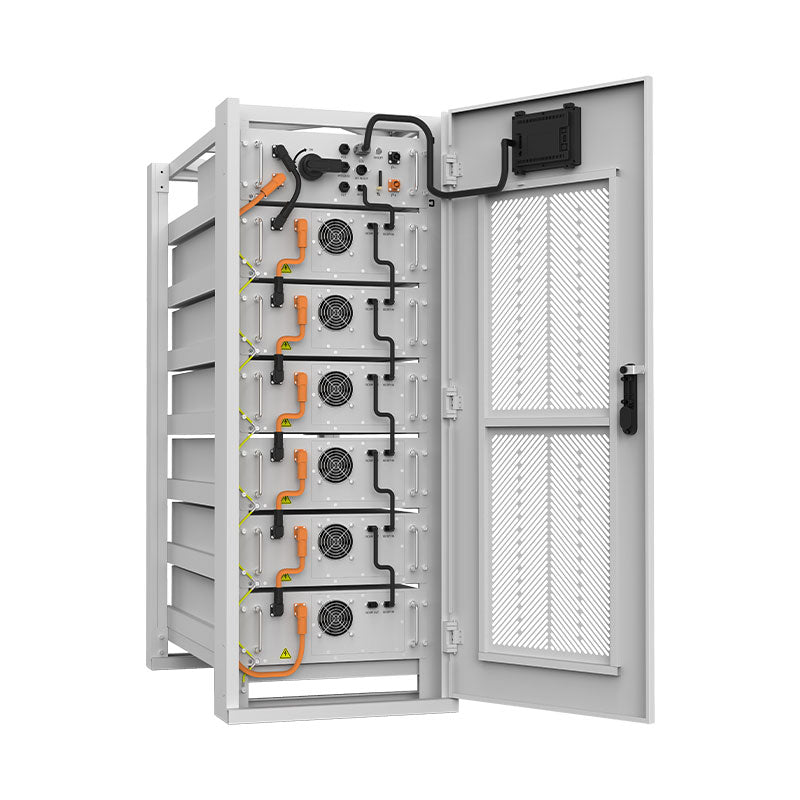
The compact size and modular nature of LiFePO4 battery systems provide greater flexibility for scaling energy storage capacity as network demands evolve. This allows telecom operators to adapt to future growth needs and integrate renewable energy sources like solar power more effectively. LiFePO4 batteries are an ideal choice for energy storage in renewable installations due to their efficiency, long lifespan, and stable performance. This integration supports the development of off-grid or hybrid solar solutions, offering increased energy independence and resilience for remote base stations.
Enhanced Security and Remote Management
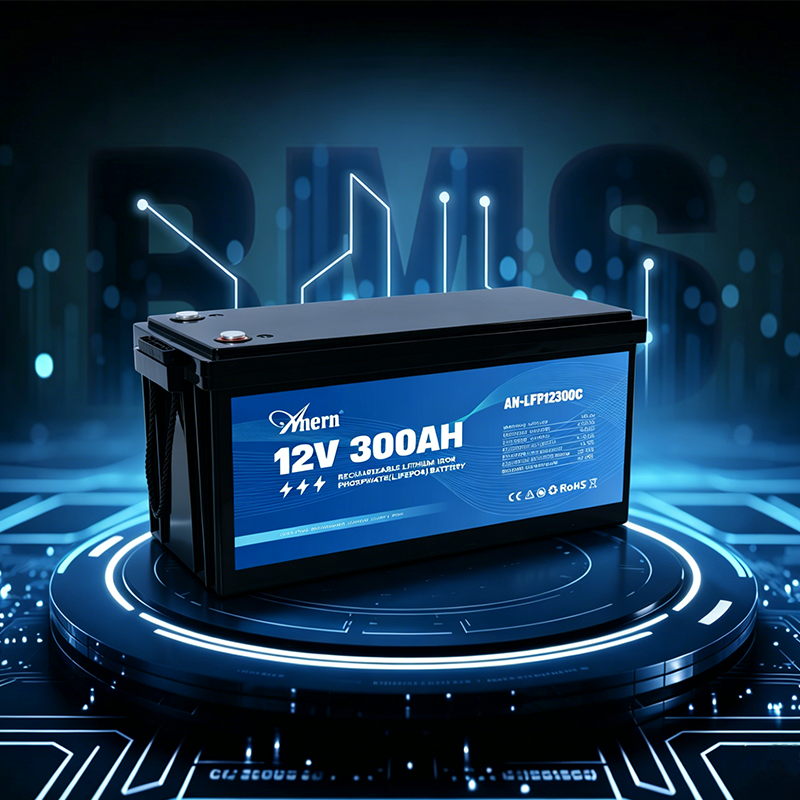
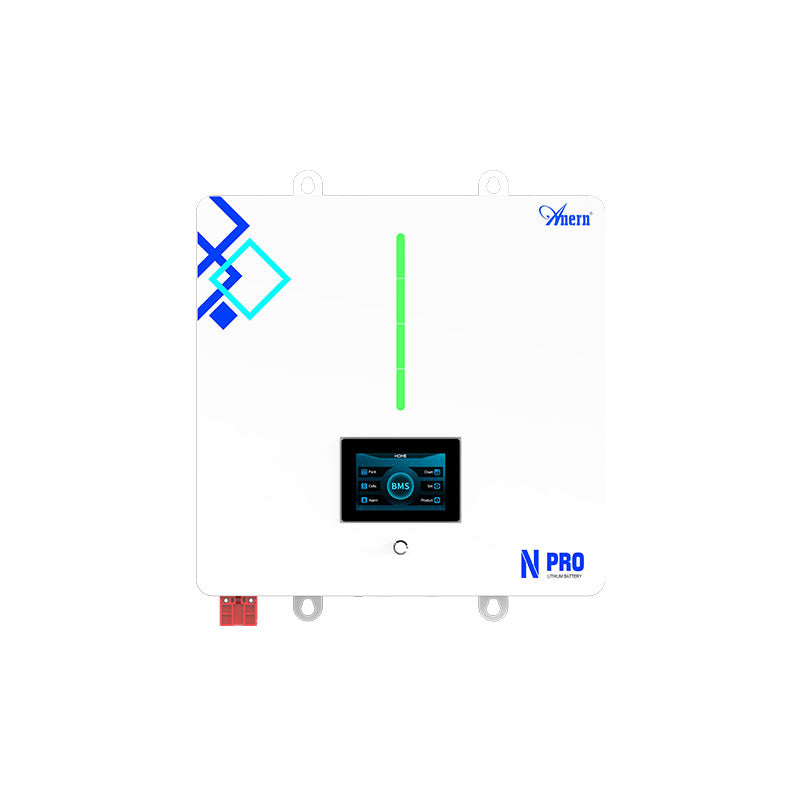
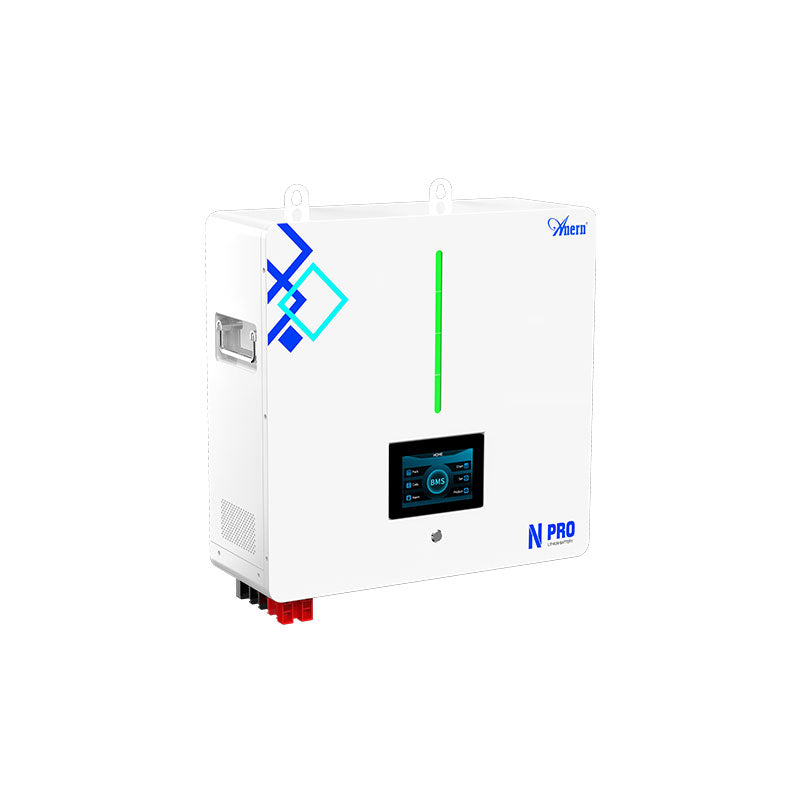
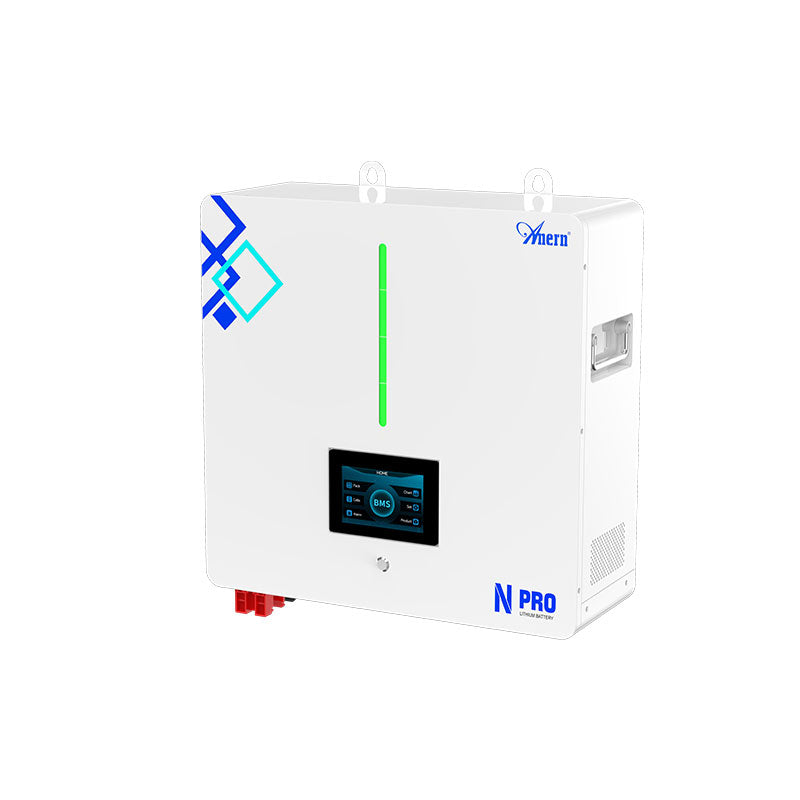
The robust design and chemistry of LiFePO4 batteries contribute to enhanced safety, a critical consideration for remote and often unattended cell sites. Many modern LiFePO4 battery systems also feature integrated Battery Management Systems (BMS) that allow for remote monitoring and diagnostics. This capability enables proactive maintenance, quick issue resolution, and optimized performance without requiring frequent on-site visits, further reducing operational complexities and costs.
Charting a Path Forward for Telecom Energy
The choice between LiFePO4 and Lead-Acid batteries for telecom cell sites extends beyond a simple upfront cost comparison. While lead-acid batteries offer a lower initial entry point, LiFePO4 batteries consistently demonstrate a superior return on investment over their operational lifespan. Their longer life, reduced maintenance, higher efficiency, and environmental benefits translate into significant long-term savings and enhanced network reliability. As the telecom industry continues to expand and embrace sustainable energy practices, investing in advanced energy storage solutions like LiFePO4 batteries becomes a strategic imperative. Providing reliable and scalable energy solutions is key to achieving energy independence and ensuring robust connectivity for years to come.
