













Powering your RV or campervan with solar energy offers incredible freedom. It allows you to explore remote locations without relying on shore power. However, building a safe and reliable solar system requires careful attention to critical components. Proper wiring, effective fusing, and a robust Battery Management System (BMS) for LiFePO4 batteries are not just recommendations; they are fundamental for your safety and the longevity of your system.
Ignoring these elements can lead to serious risks, including electrical fires, equipment damage, or even personal injury. This article helps you understand the technical details and practical applications of these safety measures, ensuring your mobile power setup is both efficient and secure.

The Foundation of Safety: RV Solar Wiring
The wires in your RV solar system are the pathways for electricity. Choosing the correct wire gauge and implementing proper routing techniques are crucial for preventing overheating, voltage drop, and potential hazards.
Choosing the Right Wire Gauge
Wire gauge refers to the wire's thickness. A thicker wire (smaller gauge number) has less resistance and can carry more current without overheating. Using an undersized wire for a given current can cause the wire to heat up significantly, posing a fire risk. It also leads to voltage drop, reducing the efficiency of your system and potentially damaging sensitive electronics.
To select the correct wire gauge, consider the current flowing through the wire and the length of the run. Longer runs require thicker wires to minimize voltage drop. For DC circuits in RVs, aiming for a voltage drop of no more than 3% is a good practice. For example, a 10-gauge wire might be suitable for a short run carrying 30 amps, while a longer run might require 8-gauge or even 6-gauge wire for the same current.
Proper Wiring Techniques and Routing
Beyond gauge, how you install the wiring matters. Securely fasten all wires to prevent chafing and wear from vibration, which is common in RVs. Use appropriate conduits or loom to protect wires from physical damage and environmental factors. Keep wire runs as short as possible to minimize voltage drop and reduce material costs.
Labeling your wires clearly at both ends simplifies troubleshooting and maintenance. Ensure all connections are tight and corrosion-free. Loose connections can create resistance, leading to heat buildup and potential failure. According to the IEA's Next-Generation Wind and Solar Power report, reducing electrical Balance of System (BOS) costs and complexity can be achieved through higher system voltages, which in turn reduces the number of components like fuses and wiring home runs. While RV systems typically operate at lower voltages (12V, 24V, 48V), the principle of optimizing wiring for efficiency and safety remains.
Essential Protection: Fusing and Circuit Breakers
Fuses and circuit breakers are your system's first line of defense against overcurrents and short circuits. They act as sacrificial components, breaking the circuit to prevent damage to more expensive equipment or, more critically, to avert fires.
Understanding Fuse Types and Locations
Different parts of your solar system require specific types of overcurrent protection:
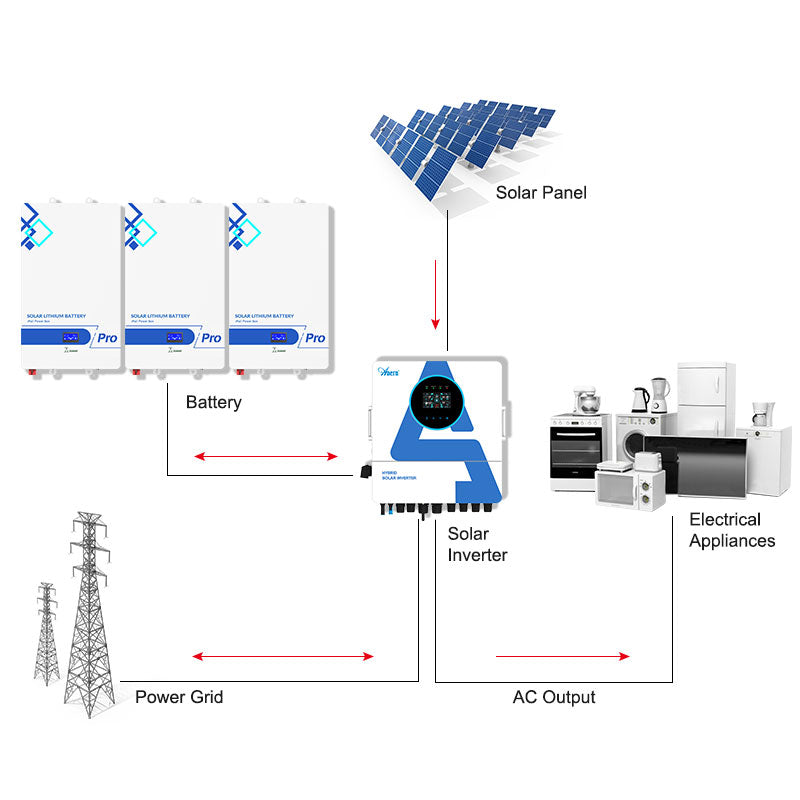
- Solar Panel to Charge Controller: Use an in-line fuse or circuit breaker on the positive wire. This protects the wiring from the panels to the charge controller.
- Charge Controller to Battery: This is a critical point. A fuse or circuit breaker is essential on the positive wire to protect the charge controller and battery from overcurrents.
- Battery to Inverter: Inverters draw significant current. A large fuse or circuit breaker, often a Class T or ANL fuse for high-current applications, is mandatory here.
- Battery to DC Load Center: Protects the wiring to your DC distribution panel.
Always place fuses as close to the power source as possible. This ensures that the maximum amount of wiring is protected.
Sizing Fuses and Circuit Breakers
Sizing fuses correctly is vital. An undersized fuse will blow prematurely, causing nuisance trips. An oversized fuse will not offer adequate protection, potentially allowing dangerous currents to flow. The general rule is to size the fuse at 125% of the maximum continuous current draw for the circuit it protects.
For example, if your solar array can produce a maximum of 20 amps, a 25-amp fuse (20A * 1.25 = 25A) would be appropriate for the solar panel to charge controller circuit. For an inverter, calculate the maximum AC load and convert it to DC current at your battery voltage, then apply the 125% rule. Always consult the manufacturer's specifications for all components.
| Component | Protection Point | Sizing Guideline |
|---|---|---|
| Solar Panels | Positive wire (to charge controller) | 125% of Max Solar Array Current |
| Charge Controller | Positive wire (to battery) | 125% of Max Charge Controller Output Current |
| Inverter | Positive wire (from battery) | 125% of Max Inverter DC Input Current |
| DC Loads | Positive wire (from battery/busbar) | 125% of Max Load Current |
The Brain of Your Battery: LiFePO4 BMS
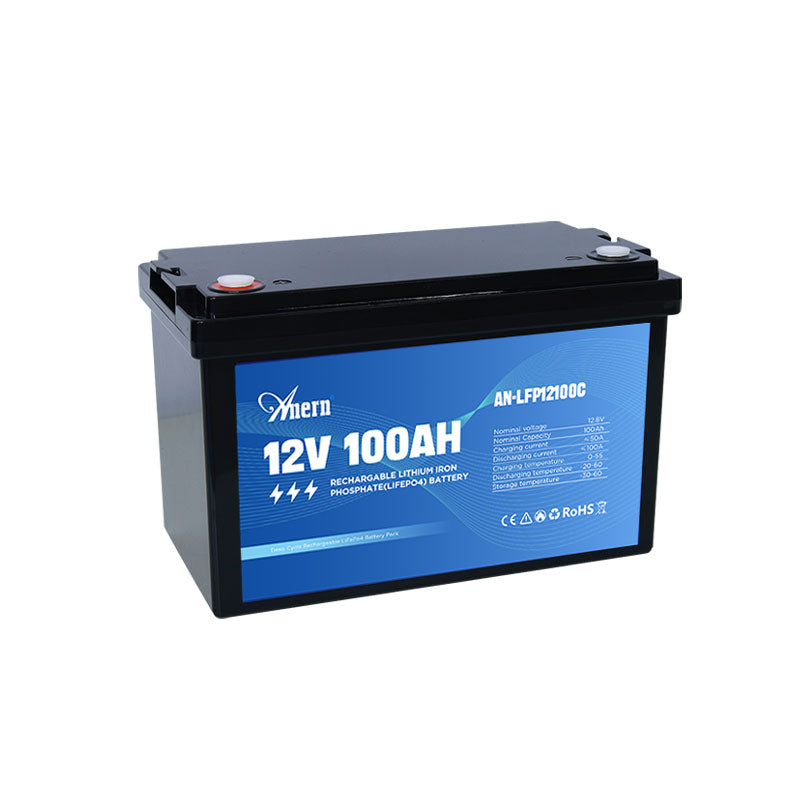
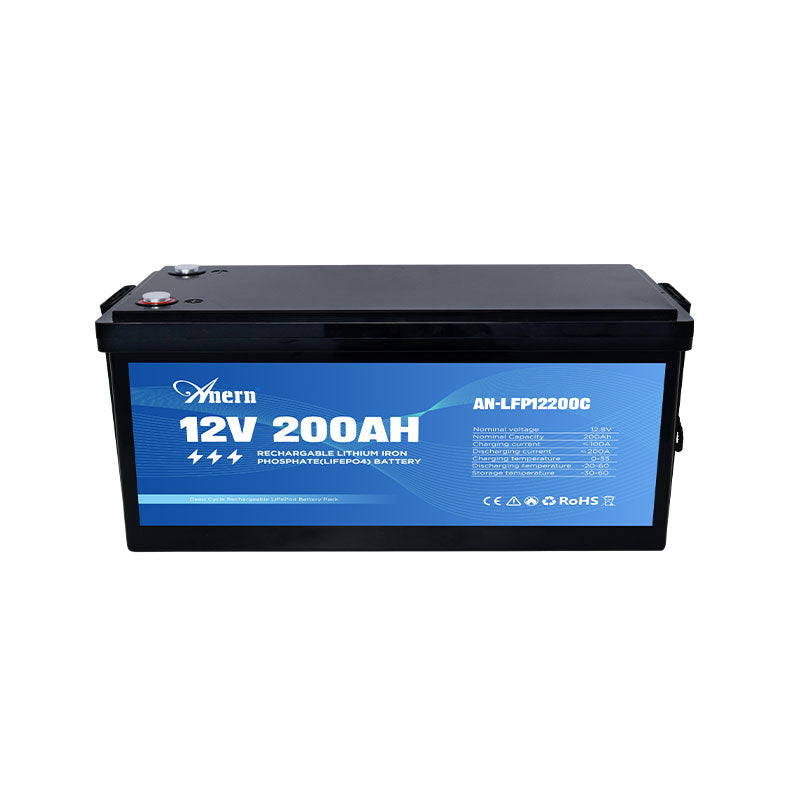
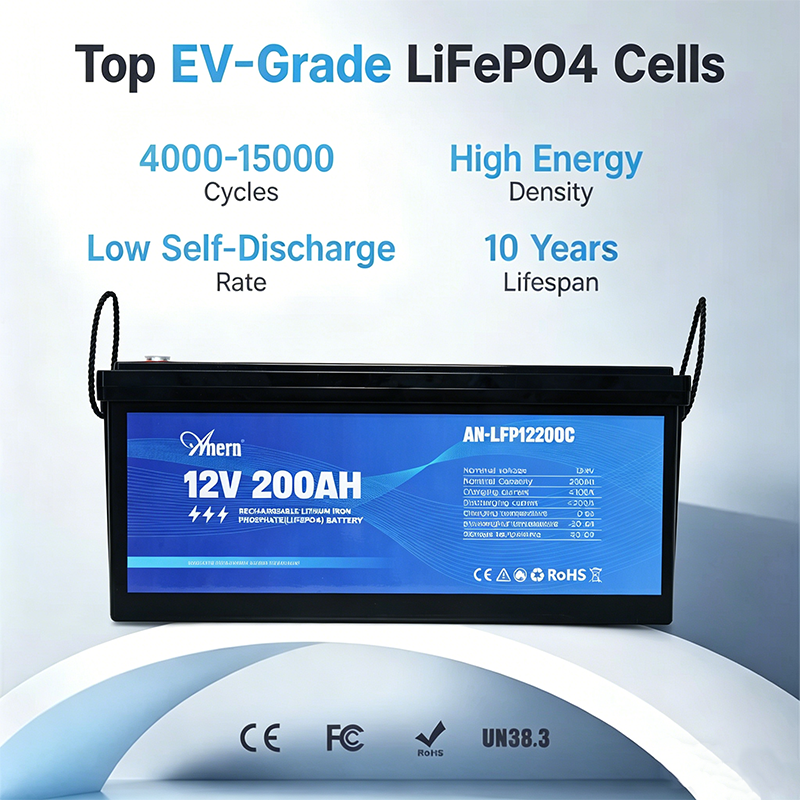
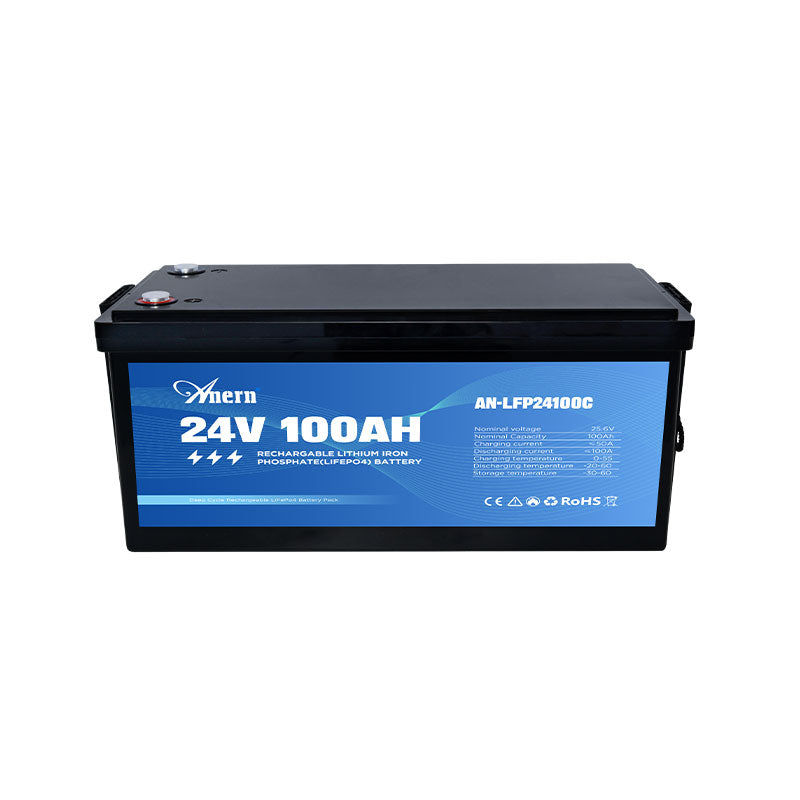
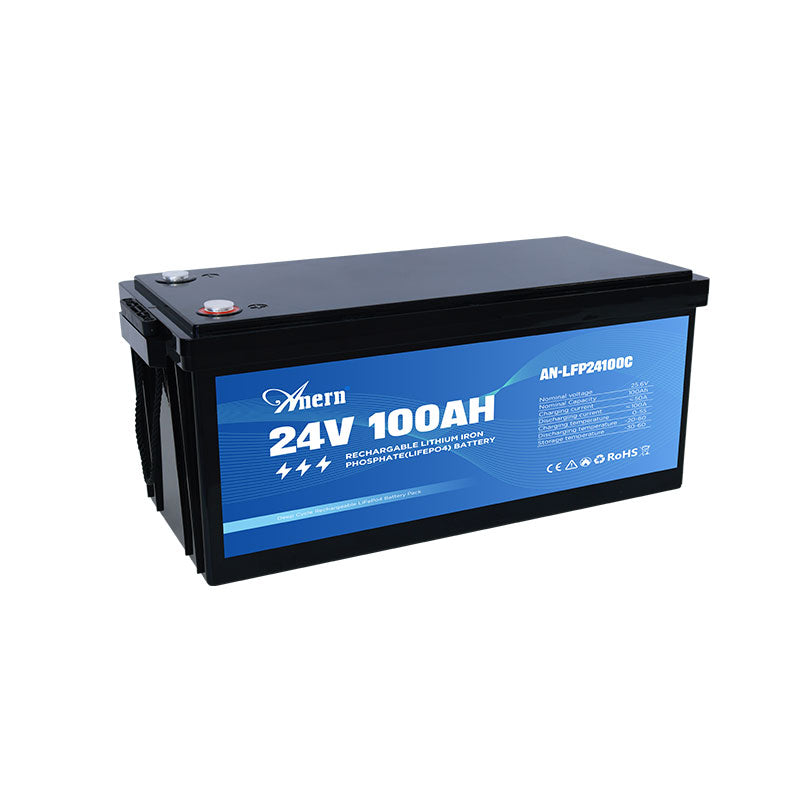
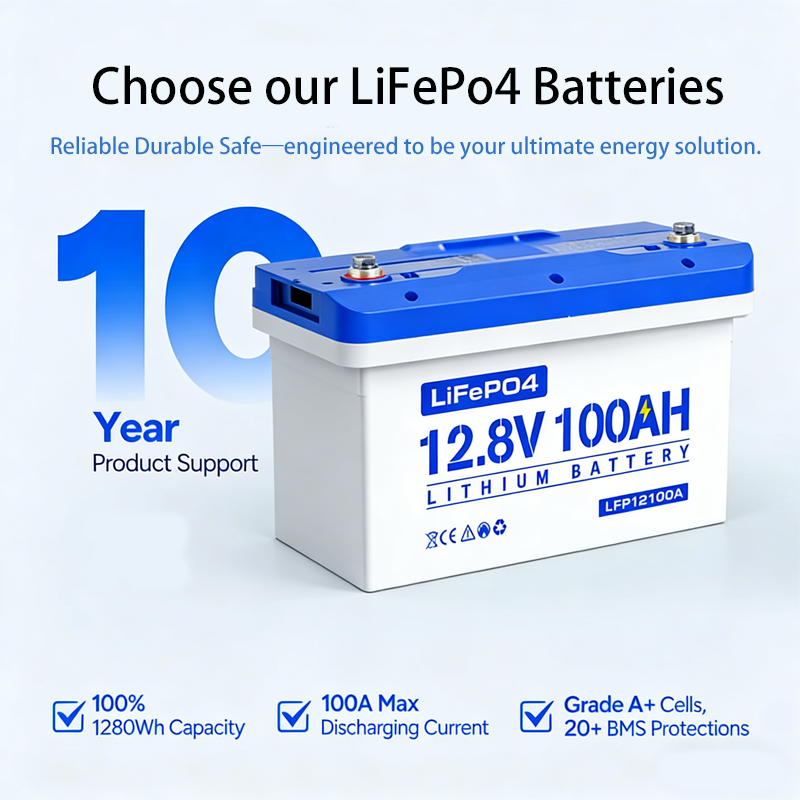
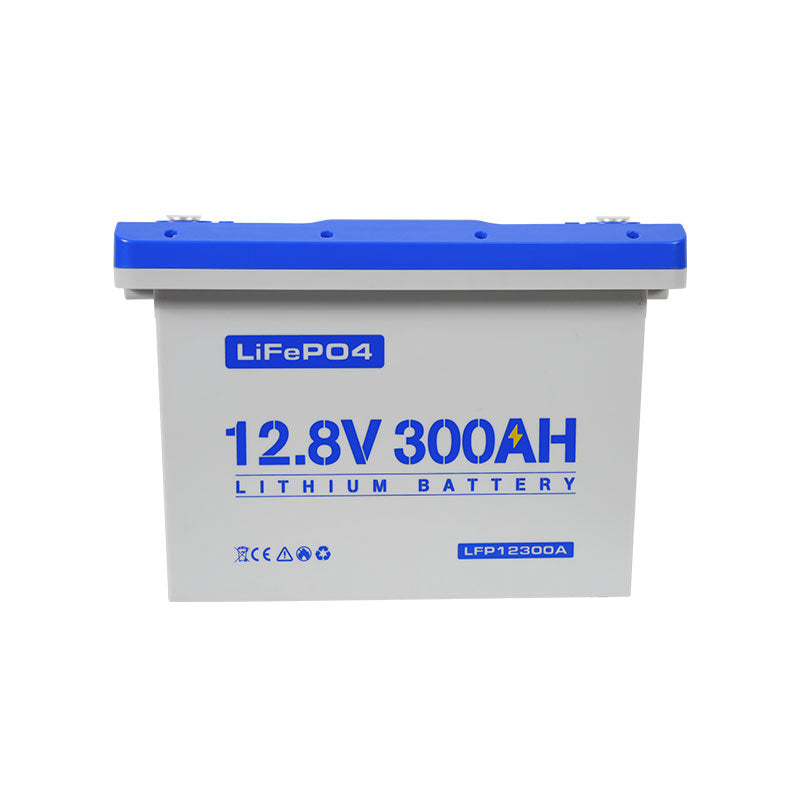
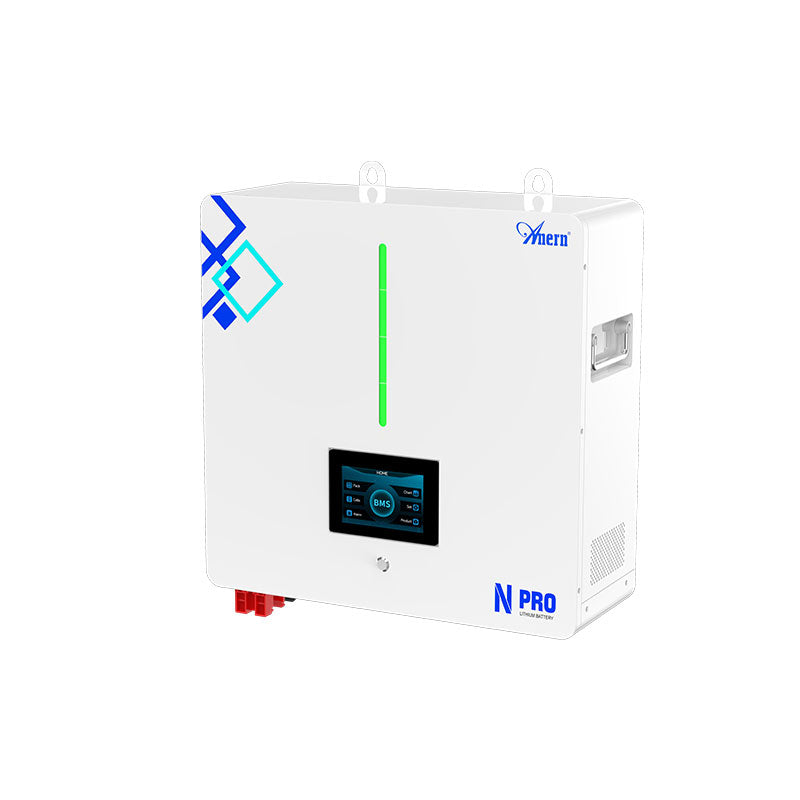
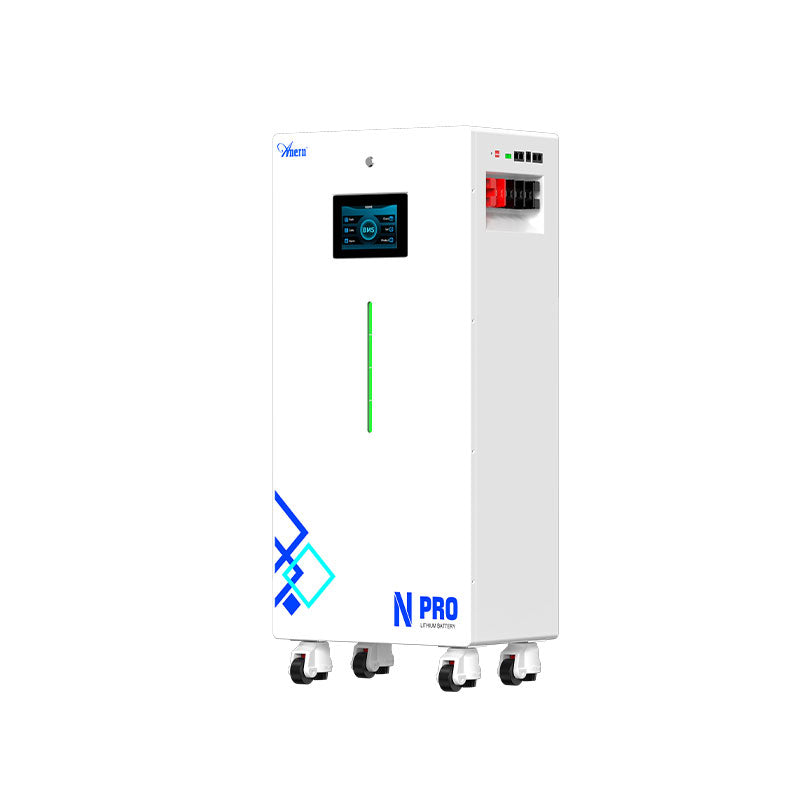
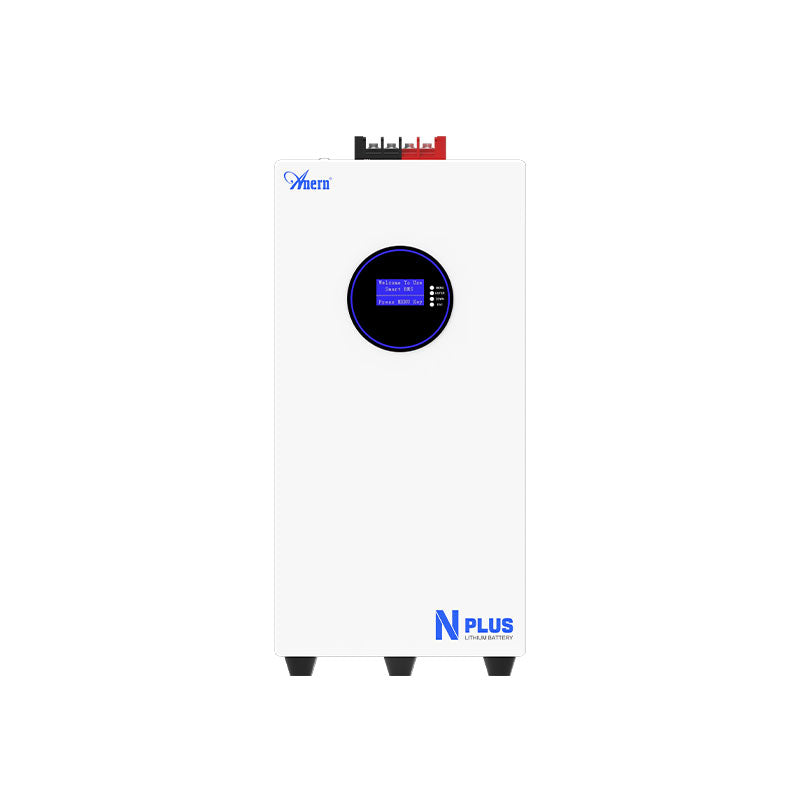
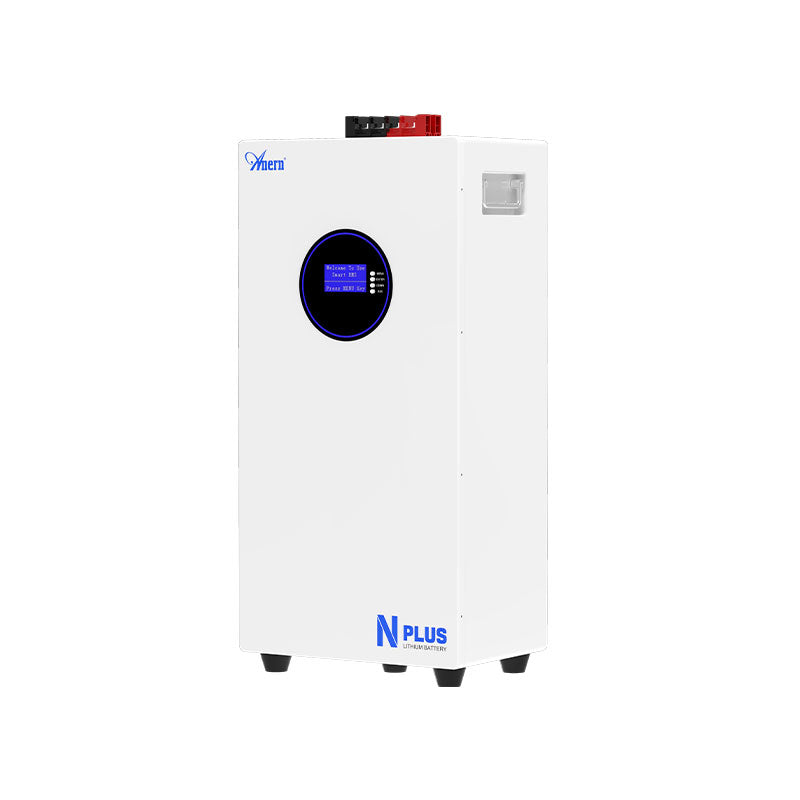
Lithium Iron Phosphate (LiFePO4) batteries are highly efficient and durable, offering a long lifespan and consistent power. However, their safety and performance heavily rely on a sophisticated Battery Management System (BMS).
What a BMS Does for LiFePO4
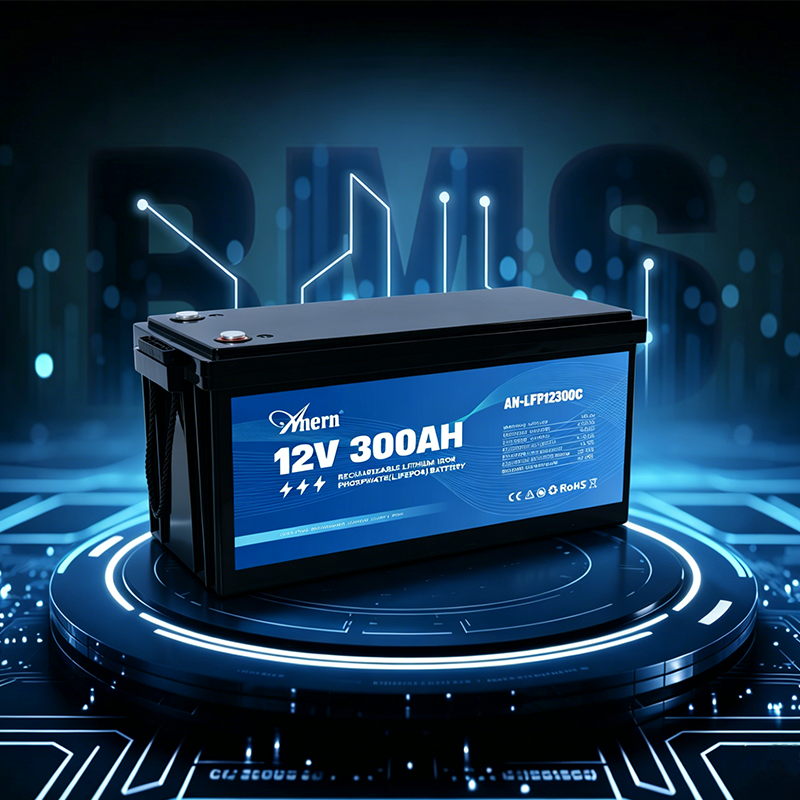
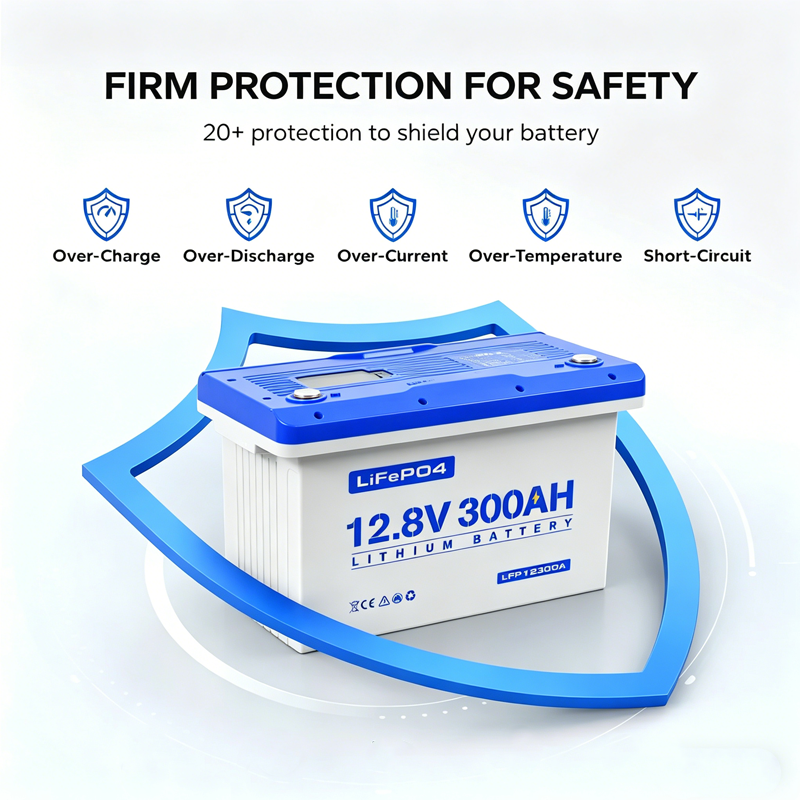
A BMS is an electronic system that manages a rechargeable battery, ensuring its safe and optimal operation. For LiFePO4 batteries, a BMS performs several critical functions:
- Overcharge Protection: Prevents cells from being charged beyond their safe voltage limit, which can lead to damage or thermal runaway.
- Over-discharge Protection: Stops the battery from discharging too deeply, which can permanently reduce its capacity and lifespan.
- Overcurrent Protection: Shuts down the battery if the current draw exceeds safe limits, protecting both the battery and connected devices.
- Short Circuit Protection: Immediately disconnects the battery in case of a short circuit.
- Temperature Protection: Monitors battery temperature and disconnects if it becomes too hot or too cold for safe operation.
- Cell Balancing: Ensures all individual cells within the battery pack maintain similar voltage levels, maximizing the battery's overall capacity and lifespan.
Without a properly functioning BMS, the inherent safety advantages of LiFePO4 chemistry cannot be fully realized. This is why our focus on lithium battery manufacturing emphasizes integrated, high-performance BMS solutions.
Key BMS Features for RV Applications
When selecting a LiFePO4 battery for your RV, pay close attention to the BMS features. Look for a BMS with:
- High Discharge Current Capability: Ensure it can handle the peak current draw from your inverter, especially for appliances like microwaves or air conditioners.
- Low-Temperature Cutoff: LiFePO4 batteries should not be charged below freezing (0°C or 32°F) as this can cause permanent damage. A good BMS will prevent charging in cold conditions.
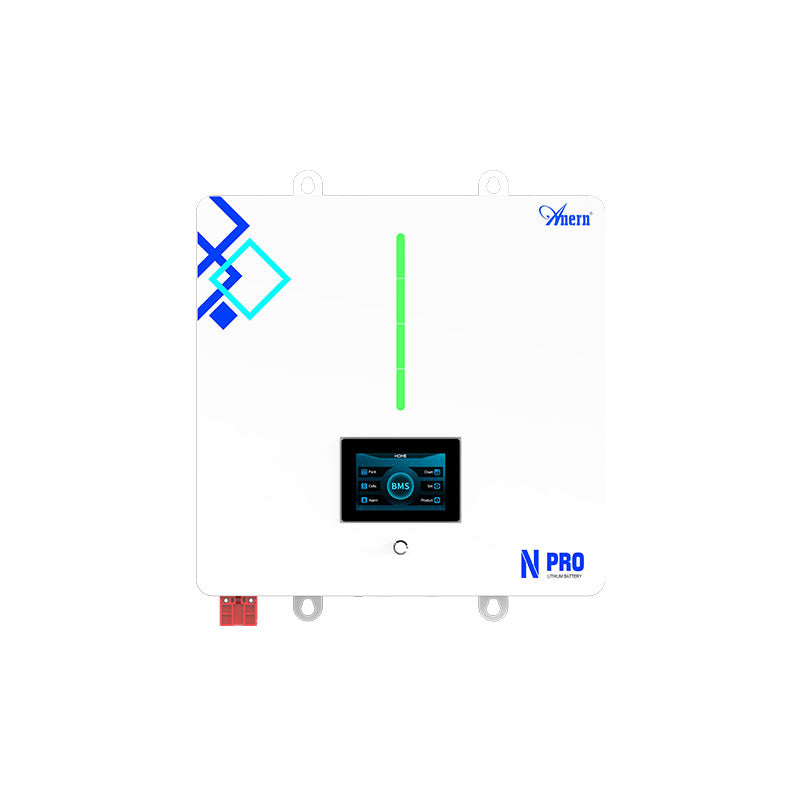
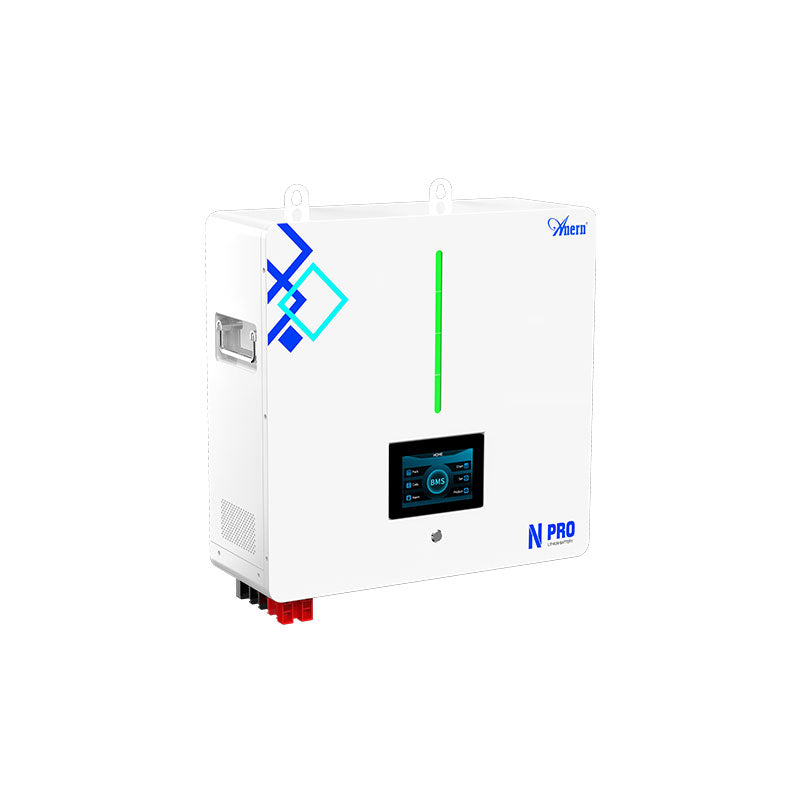
- Bluetooth Connectivity: Allows you to monitor battery status, cell voltages, temperature, and current directly from your smartphone, providing valuable insights into your system's health.
- Robust Construction: The BMS should be well-protected from vibration and moisture, given the demanding RV environment.
The integration of advanced BMS technology is a cornerstone of reliable and scalable energy solutions, helping RV owners achieve true energy independence.
Installation Best Practices and Common Pitfalls
Even with the right components, a safe system depends on meticulous installation. Following best practices and knowing common pitfalls can save you significant trouble.
Step-by-Step Safety Checks
- Plan Your Layout: Before cutting any wires, map out your entire system. Consider component placement, wire runs, and accessibility for maintenance.
- Use Proper Tools: Invest in quality wire strippers, crimpers, and multimeters. Correctly crimped connections are vital for safety and performance.
- Verify Polarity: Double-check all positive and negative connections before powering up. Reversing polarity can instantly destroy components.
- Test as You Go: Use a multimeter to check voltages and continuity at each stage of the installation.
- Secure Components: Mount all components—panels, charge controller, inverter, batteries—firmly to prevent movement during travel.
- Final System Check: Before connecting loads, perform a comprehensive visual inspection and confirm all safety devices (fuses, breakers) are correctly installed and sized.
Avoiding Overlooked Dangers
- Moisture Ingress: Seal all cable entries into the RV to prevent water from reaching electrical components. Water and electricity are a dangerous combination.
- Vibration Damage: RVs experience constant vibration. Use strain relief on cables and ensure components are mounted securely to prevent wires from loosening or chafing.
- Heat Management: Ensure adequate ventilation for all components, especially charge controllers and inverters, to prevent overheating.
- Incorrect Grounding: A properly grounded system is essential for safety. Follow NEC (National Electrical Code) or local electrical codes for grounding practices.
Empowering Your Adventures Safely
Building a solar power system for your RV or campervan offers unparalleled freedom. By prioritizing safety in your wiring, fusing, and LiFePO4 BMS, you are not just protecting your investment; you are safeguarding your adventures. A well-designed and safely installed system provides peace of mind, allowing you to enjoy reliable power wherever the road takes you. Embrace energy independence with confidence, knowing your mobile power solution is built on a foundation of robust safety.
Frequently Asked Questions
What is the most common safety mistake in RV solar installations?
One of the most common safety mistakes is using undersized wiring or inadequate fusing. This can lead to wires overheating, causing a fire hazard, or failing to protect expensive components from overcurrents. Always calculate your current draw and wire length carefully to select the appropriate wire gauge and fuse size.
Why are LiFePO4 batteries safer for RVs than other lithium-ion chemistries?
LiFePO4 batteries are inherently more chemically stable than other lithium-ion chemistries like NMC or NCA. This stability means they are less prone to thermal runaway, even if damaged or overcharged. Combined with a robust Battery Management System (BMS), LiFePO4 batteries offer a superior safety profile for mobile applications like RVs and campervans.
Can I install an RV solar system myself, or should I hire a professional?
Many RV owners successfully install solar systems themselves. However, it requires a solid understanding of electrical principles, safety protocols, and component compatibility. If you are unsure about any aspect, especially wiring, fusing, or BMS integration, consulting or hiring a qualified professional is highly recommended to ensure your system is safe and performs optimally. Electrical work carries inherent risks, and professional expertise can prevent costly and dangerous errors.
