



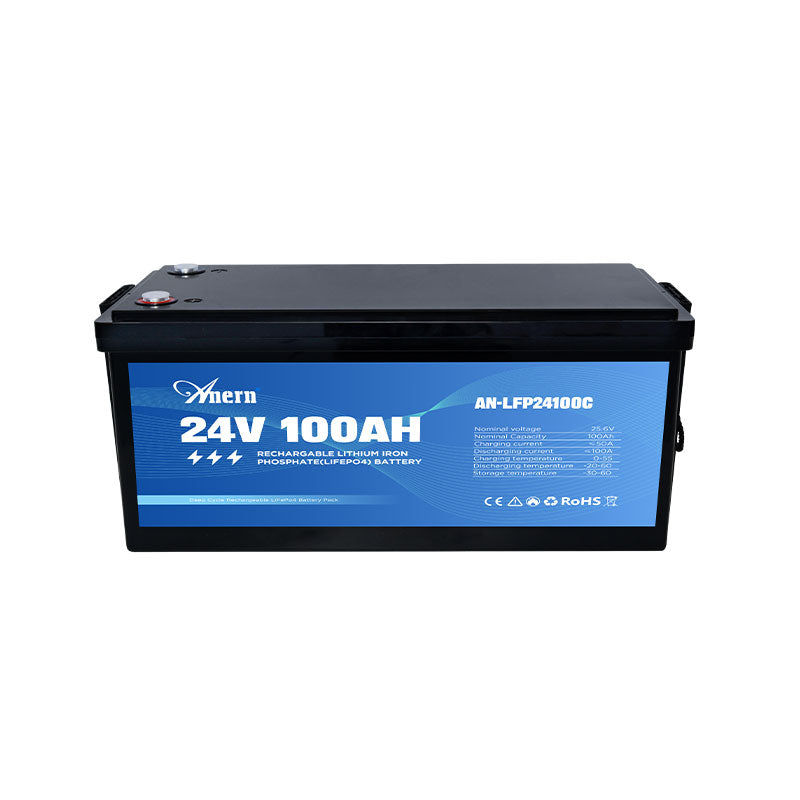
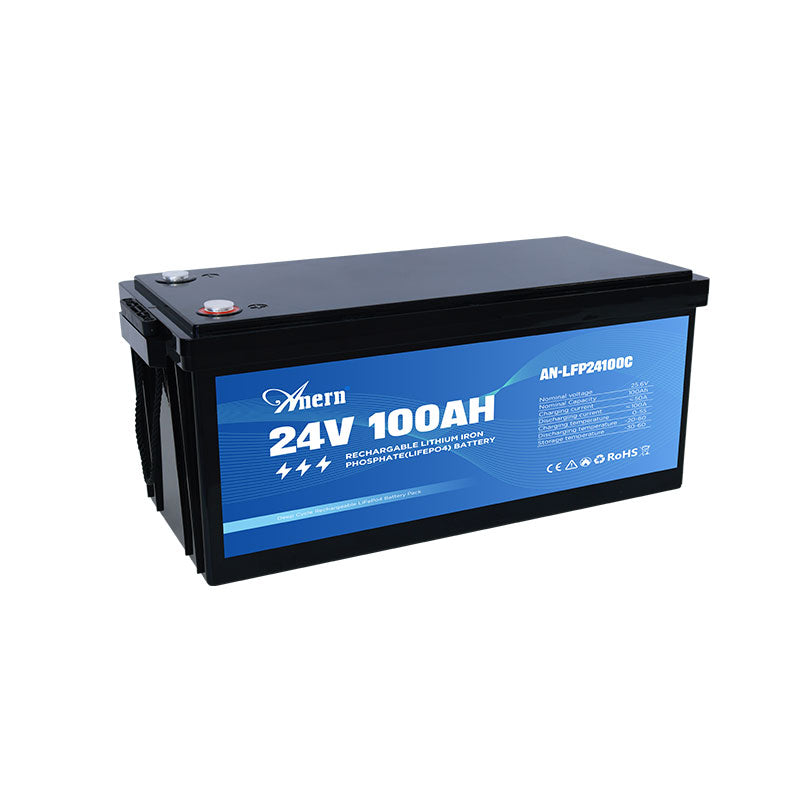

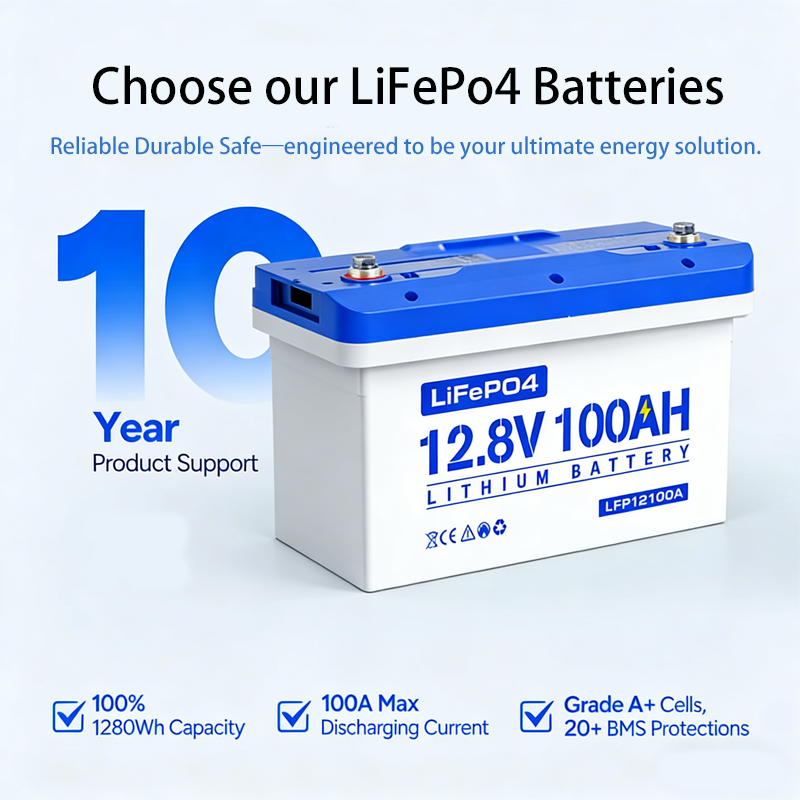

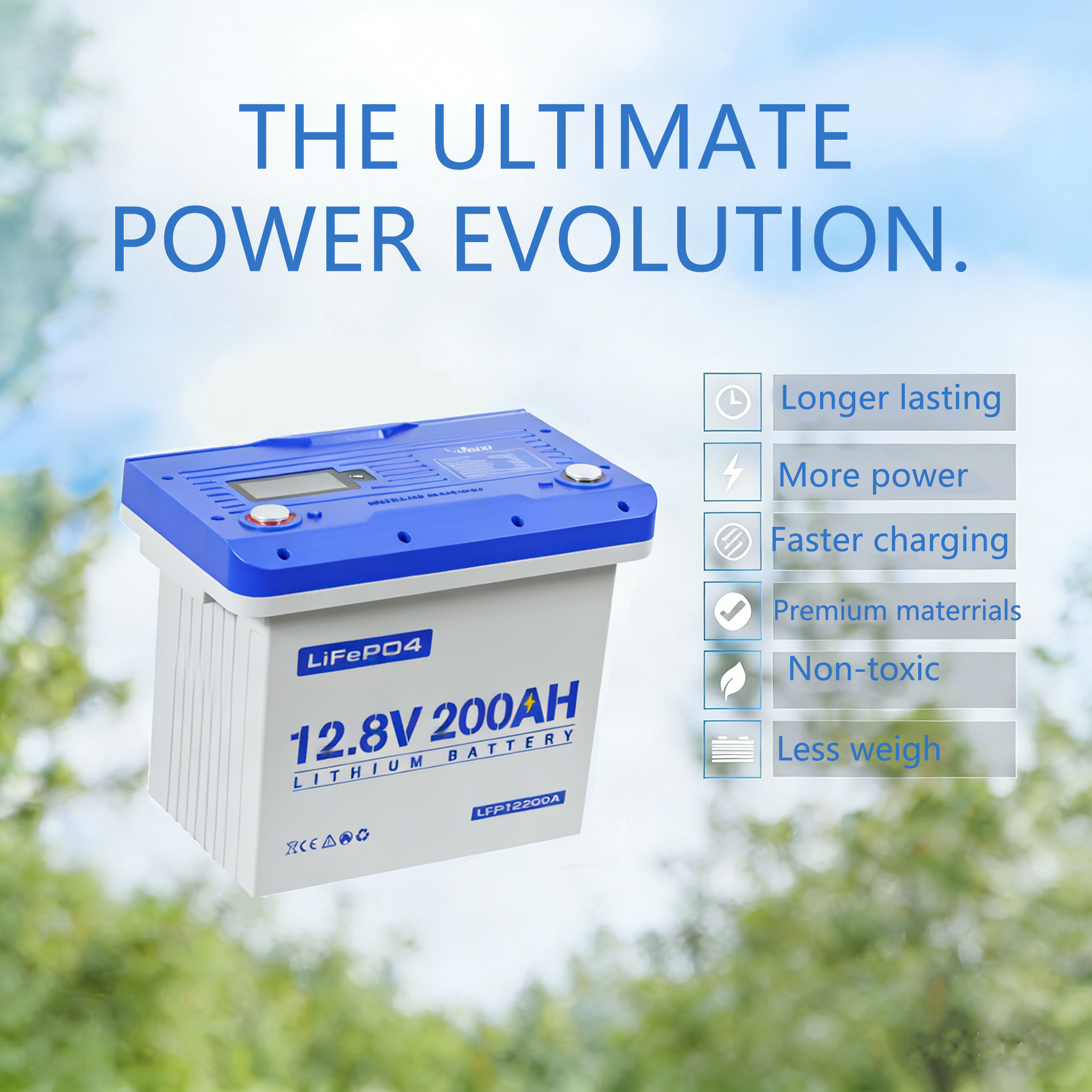







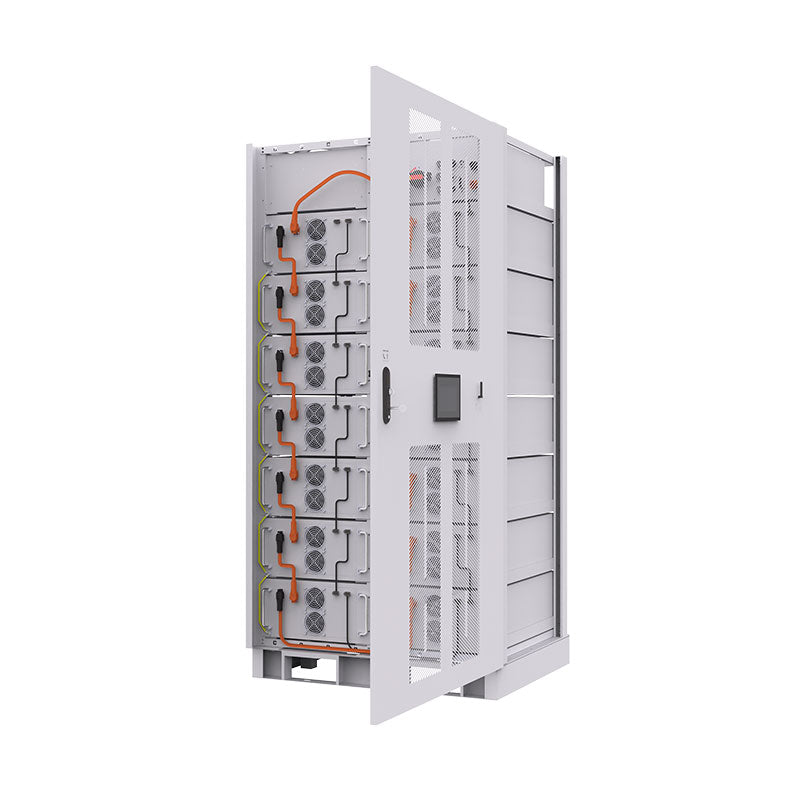
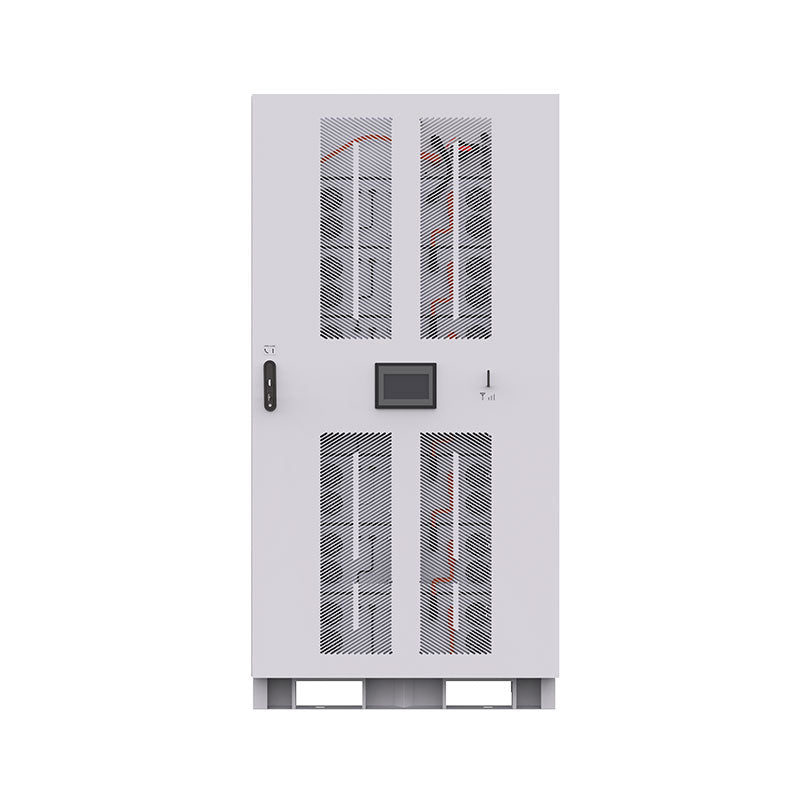


Harnessing solar energy has transformed how we power our lives, offering a path to greater energy autonomy. At the heart of many modern solar installations lies battery storage, crucial for ensuring a consistent power supply. Lithium iron phosphate (LiFePO4) batteries stand out as a premier choice for these systems due to their robust performance and longevity. This guide will clarify the distinct approaches to sizing LiFePO4 battery banks for two primary applications: islanded homes, which operate entirely independently, and grid-tied systems, which work in conjunction with the main power grid.
Understanding LiFePO4 Batteries for Energy Storage
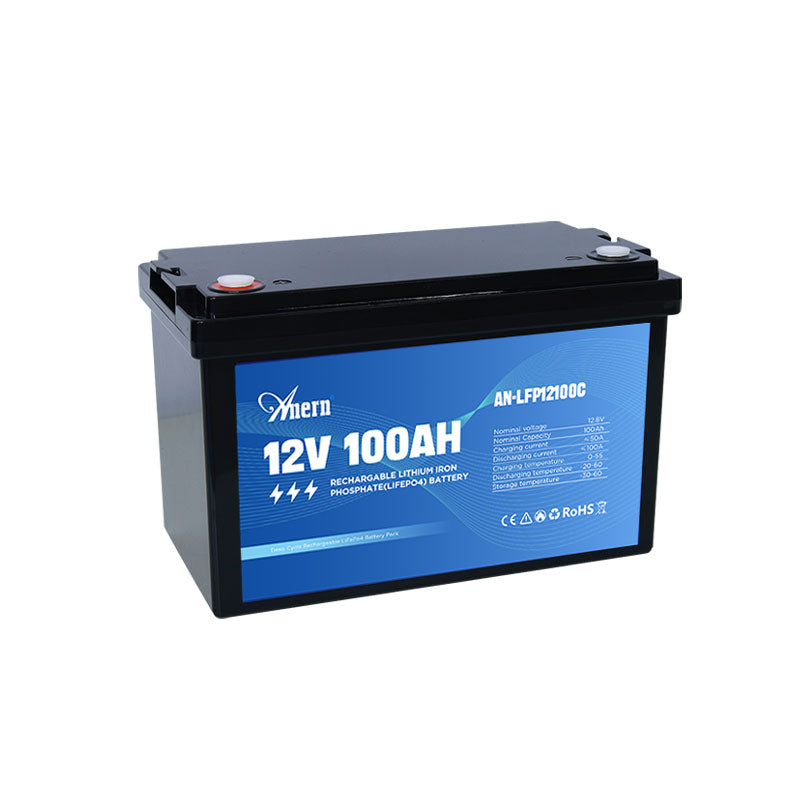
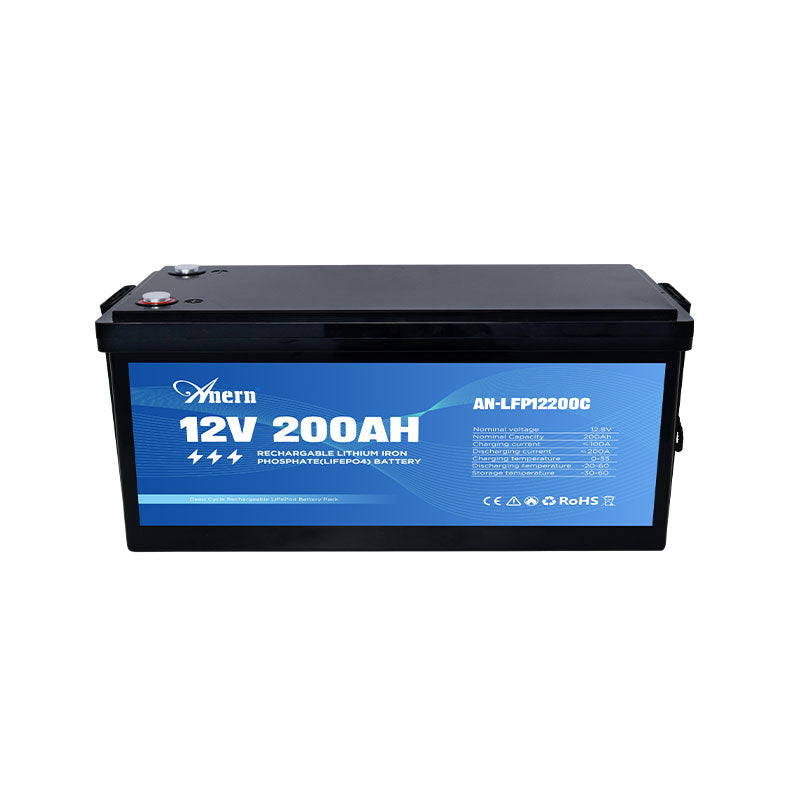
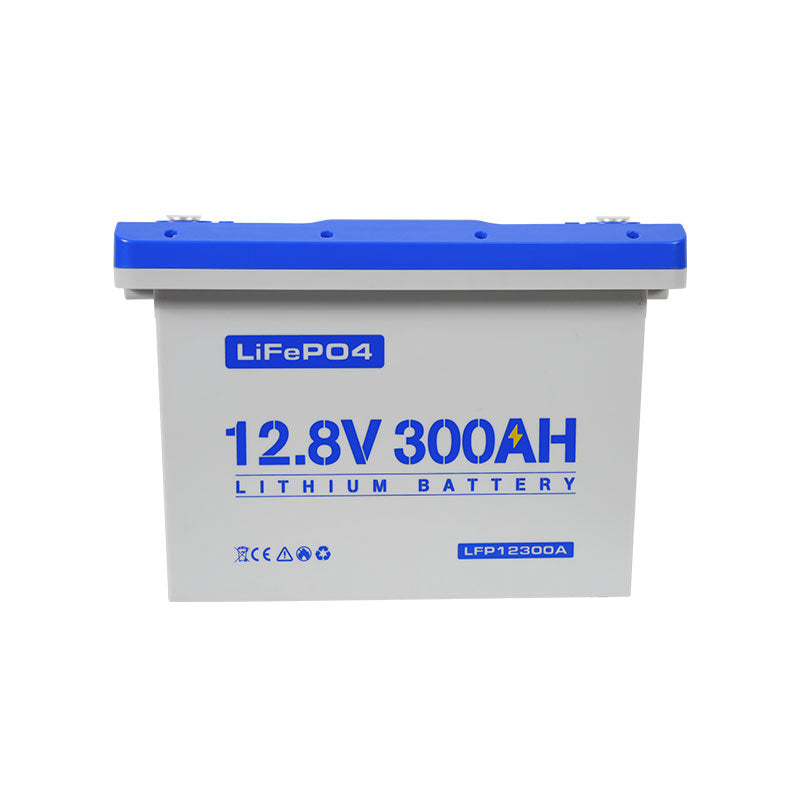
LiFePO4 battery technology represents a significant leap in energy storage. Their unique chemistry offers compelling benefits for both residential and commercial applications.
Advantages of LiFePO4 Technology
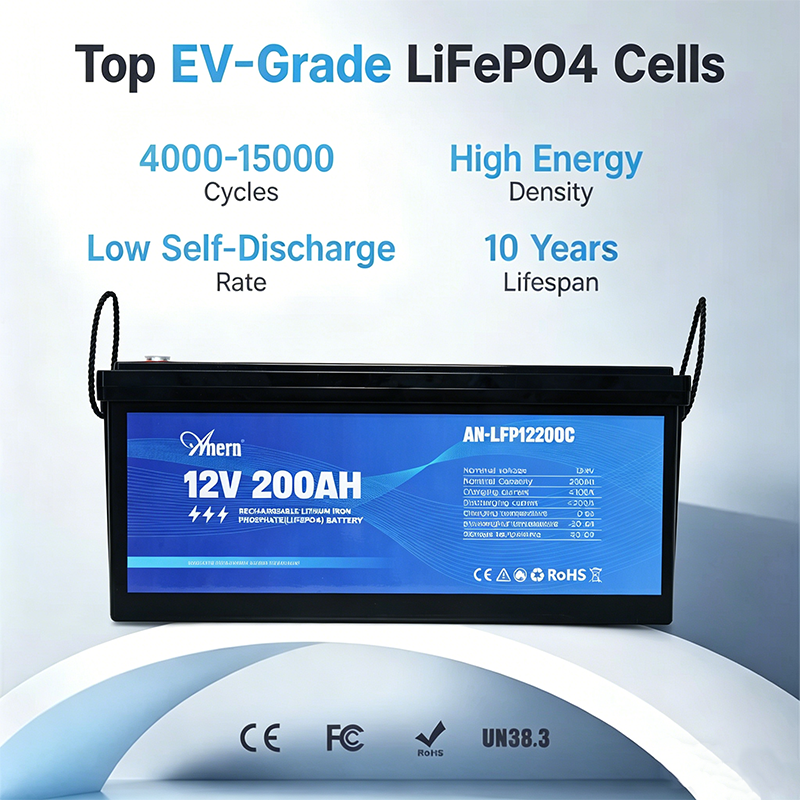
- Long Cycle Life: LiFePO4 batteries offer thousands of charge and discharge cycles, often lasting for over a decade. This translates to a lower total cost of ownership compared to other battery chemistries.
- Enhanced Safety: These batteries are thermally and chemically stable, significantly reducing the risk of overheating or combustion. This makes them a safer option for home installations.
- High Efficiency: They boast high charge and discharge efficiency, meaning more of your generated solar energy is stored and available for use.
- Consistent Power Output: LiFePO4 batteries maintain a stable voltage throughout their discharge cycle, providing reliable power until nearly depleted.
Key Metrics for Battery Sizing
Accurate battery sizing requires understanding several critical metrics:
- Capacity (Ah or kWh): This indicates the total amount of energy a battery can store. It is often expressed in Amp-hours (Ah) for a given voltage or Kilowatt-hours (kWh) for the total energy content.
- Depth of Discharge (DoD): This is the percentage of the battery's capacity that has been discharged. LiFePO4 batteries tolerate deep discharges (up to 80-100%) without significant degradation, unlike lead-acid batteries.
- C-Rate: This describes the rate at which a battery is charged or discharged relative to its maximum capacity. A 1C rate means a battery can be fully charged or discharged in one hour.
- Voltage: Matching the battery bank voltage (e.g., 12V, 24V, 48V) to your inverter and system requirements is crucial for optimal performance.

Sizing for Islanded Homes (Off-Grid Systems)
Islanded homes rely entirely on their self-generated and stored power, making precise battery sizing paramount for uninterrupted service. Reliability and autonomy are the core drivers here.
Calculating Daily Energy Needs
The first step involves a detailed assessment of your household's daily energy consumption. You will need to list all appliances, their wattage, and how many hours they operate each day.
For instance, a typical off-grid home might consume 10-20 kWh per day, depending on appliance usage and energy efficiency. Consider peak loads, such as when multiple high-power appliances run simultaneously. This determines the inverter's surge capacity and the battery's discharge rate capability.
Integrating Solar PV and Charge Controllers
Your solar panel array must generate enough energy to cover daily consumption and fully recharge the battery bank. The size of your solar array directly impacts how quickly your batteries can be replenished. For off-grid systems, it is common to oversize the solar array slightly to account for cloudy days or seasonal variations in sunlight.
Charge controllers manage the flow of electricity from the solar panels to the batteries, preventing overcharging and optimizing the charging process. MPPT (Maximum Power Point Tracking) charge controllers are highly recommended for their efficiency in maximizing solar harvest.
Practical Considerations for Remote Living
Autonomy days are a critical factor for islanded systems. This refers to the number of days your battery bank can power your home without any solar input. For most off-grid setups, aiming for 2-5 days of autonomy provides a good balance between cost and reliability, especially in regions with unpredictable weather. For example, a home consuming 15 kWh/day with 3 days of autonomy would require a usable battery capacity of 45 kWh.
Redundancy is another key aspect. Having backup generation, such as a generator, or a slightly larger battery bank can prevent power outages during extended periods of low solar production.
Sizing for Grid Support (Grid-Tied Systems)
Grid-tied battery systems offer flexibility, allowing you to optimize energy usage, reduce utility bills, and potentially contribute to grid stability. Here, the focus shifts from pure autonomy to economic benefits and grid interaction.
Optimizing Self-Consumption and Peak Shaving
Battery storage systems, when combined with distributed solar PV, can significantly increase self-consumption by storing excess solar energy generated during the day and using it during the evening. This reduces the amount of electricity purchased from the grid. According to Next Generation Wind and Solar Power, installing battery storage systems with distributed solar PV can effectively increase self-consumption and reduce reverse power flows into the local grid by shifting produced energy.
Peak shaving involves discharging batteries during periods of high electricity demand (and thus higher prices) to avoid peak charges from the utility. This strategy can lead to substantial savings, especially in areas with time-of-use (TOU) billing.
Grid Services and Revenue Streams
Some utilities and energy markets offer incentives for battery owners to provide grid services. These can include:
- Frequency Regulation: Batteries can quickly inject or absorb power to help stabilize grid frequency.
- Demand Response: Utilities can remotely dispatch your battery to discharge during grid stress events, often in exchange for compensation.
- Capacity Markets: Batteries can provide firm capacity to the grid, ensuring power availability when needed.
While kilowatt-sized off-grid systems are common, large-scale grid-forming battery systems are emerging. For example, the Australian Energy Market Operator (AEMO) announced a 250 MW/250 MWh grid-forming battery project.
Regulatory Landscape and Grid Codes
Connecting batteries to the grid requires adherence to specific grid codes and utility regulations. These codes ensure the safe and reliable operation of interconnected systems. Great Britain’s National Grid ESO, for instance, has published drafts for grid code specifications for grid-forming inverters.
For island systems, harmonized rules are needed, as noted by the revision of Indonesia’s distribution code to address special requirements for VRE in island systems. Grid Codes for Renewable Powered Systems highlights that successful implementation of such cases could be a valuable resource for developing international island grid codes.
Key Differences in Design and Implementation
The fundamental purpose of an energy storage system dictates its design. While both off-grid and grid-tied systems use LiFePO4 batteries, their configurations and operational priorities differ significantly.
System Architecture and Inverter Selection
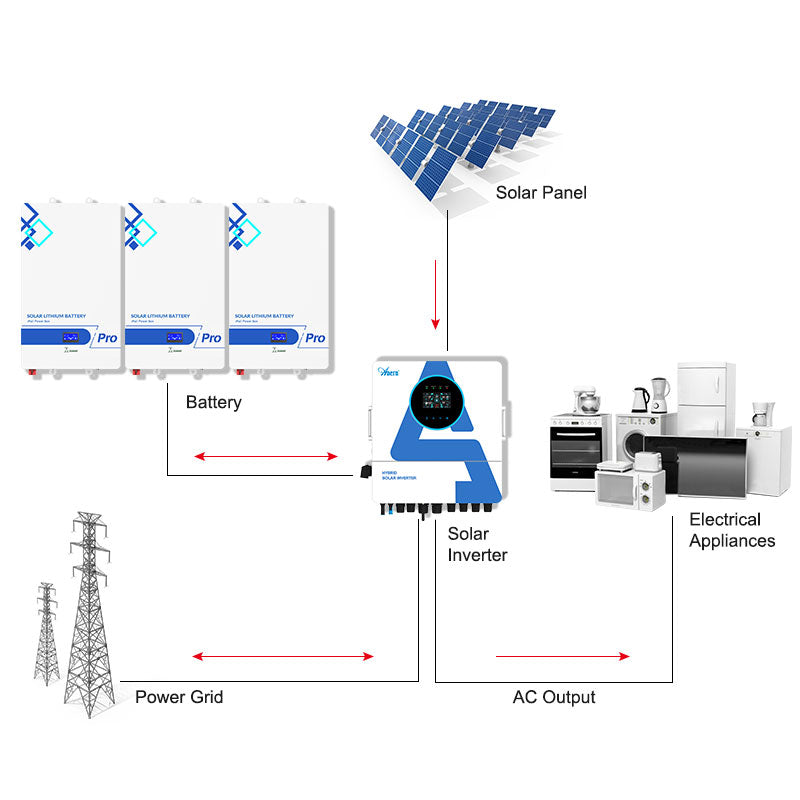
Off-Grid Systems: These typically use hybrid inverters that can manage solar input, battery charging/discharging, and provide AC power to the home. They must be robust enough to create a stable AC waveform independently. The system design prioritizes maximum autonomy and reliability.
Grid-Tied Systems: These often integrate with grid-tied (string or micro) inverters for solar PV and a separate battery inverter, or a single hybrid inverter capable of both grid-interaction and battery management. The design focuses on optimizing energy flow with the grid, whether for self-consumption, peak shaving, or grid services.
Economic Considerations and Return on Investment
Off-Grid Systems: The primary economic driver is avoiding the cost of grid connection or providing power where the grid is unavailable. The ROI is measured in energy independence and reliable power access. Initial investment can be higher due to the need for greater battery capacity and potentially larger solar arrays to ensure autonomy.
Grid-Tied Systems: The ROI is typically calculated based on savings from reduced electricity bills (especially with TOU rates), potential revenue from grid services, and eligibility for incentives or tax credits. The modularity of solar allows deployment at various scales, from small rooftop systems to large utility installations. Solar Futures Study figures illustrate this flexibility.
Scalability and Future-Proofing
LiFePO4 systems are inherently scalable. For off-grid homes, you can add more battery modules as energy needs grow. For grid-tied applications, expanding your storage capacity can further enhance self-consumption or enable participation in more lucrative grid services as markets evolve.
Planning for future energy demands and technological advancements ensures your investment remains relevant. The Solar Futures Study projects significant growth in storage deployment, highlighting its increasing importance in future energy systems.
Empowering Your Energy Future
Choosing the right LiFePO4 battery sizing strategy is fundamental to the success of your solar energy system. Whether you seek complete energy independence for an islanded home or aim to optimize your grid-connected energy usage, a thorough understanding of your specific needs and the capabilities of LiFePO4 technology is crucial. By carefully calculating energy demands, considering autonomy requirements, and navigating regulatory frameworks, you can design a robust, efficient, and reliable energy storage solution that serves your unique goals. Our extensive experience in the solar and energy storage industry, particularly in lithium battery manufacturing and integrated ESS development, positions us to help you achieve true energy independence with reliable and scalable solutions.
Frequently Asked Questions
What is the typical lifespan of a LiFePO4 battery in a solar energy system?
LiFePO4 batteries typically offer a lifespan of 10 to 15 years, or between 3,000 to 7,000 charge cycles, depending on usage patterns and depth of discharge. This makes them a long-term investment for solar energy storage.
Can I convert an off-grid LiFePO4 system to a grid-tied system later?
Yes, it is often possible. Many modern hybrid inverters are designed to operate in both off-grid and grid-tied modes. However, you may need to upgrade or reconfigure your inverter and ensure compliance with local grid connection regulations.
How does temperature affect LiFePO4 battery performance?
LiFePO4 batteries perform well across a wide temperature range, but extreme cold or heat can impact their efficiency and lifespan. For optimal performance and longevity, it is best to operate them within their recommended temperature specifications, often requiring temperature management in harsh climates.
Is it safe to install LiFePO4 batteries indoors?
Yes, LiFePO4 batteries are considered very safe for indoor installation due to their stable chemistry, which significantly reduces the risk of thermal runaway or fire. Proper ventilation and adherence to manufacturer guidelines are still important.
What is the role of a Battery Management System (BMS) in LiFePO4 batteries?
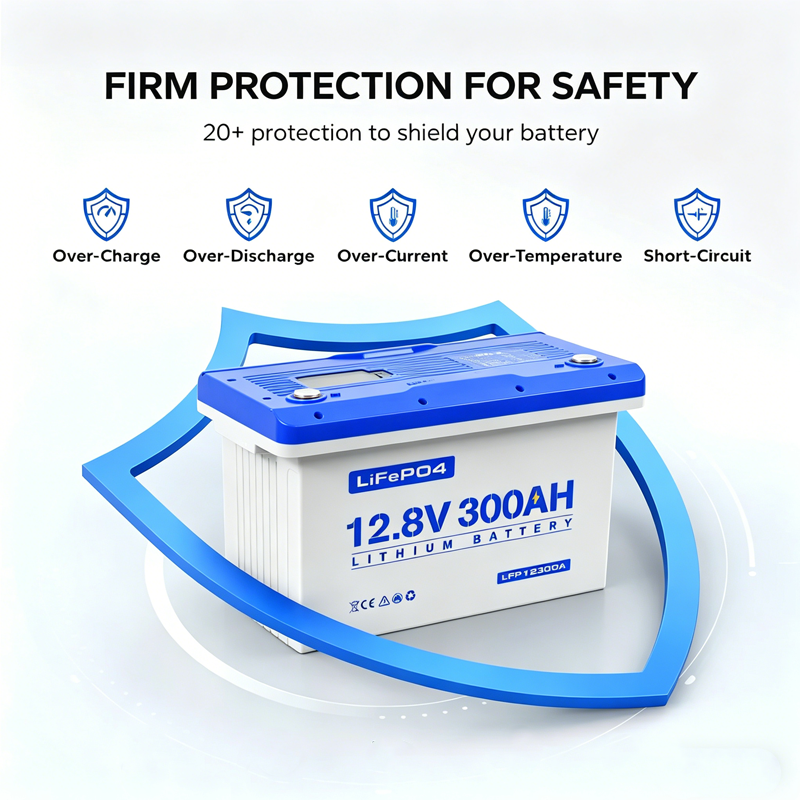
A Battery Management System (BMS) is crucial for LiFePO4 batteries. It monitors and controls various parameters like voltage, current, and temperature, balancing cells to prevent overcharging, over-discharging, and short circuits. The BMS ensures the battery's safety, optimal performance, and extends its lifespan.
