









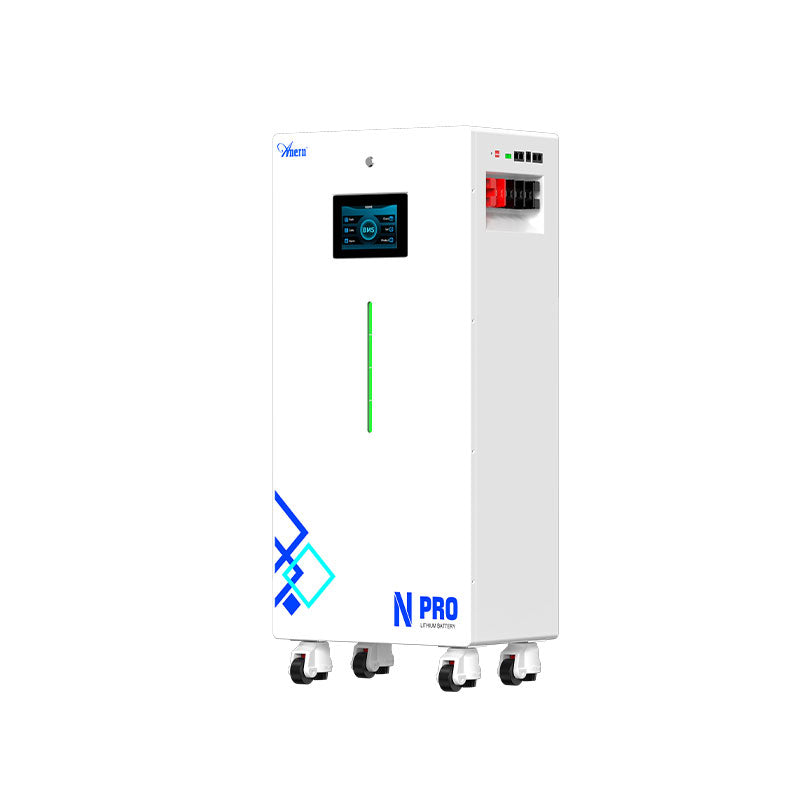


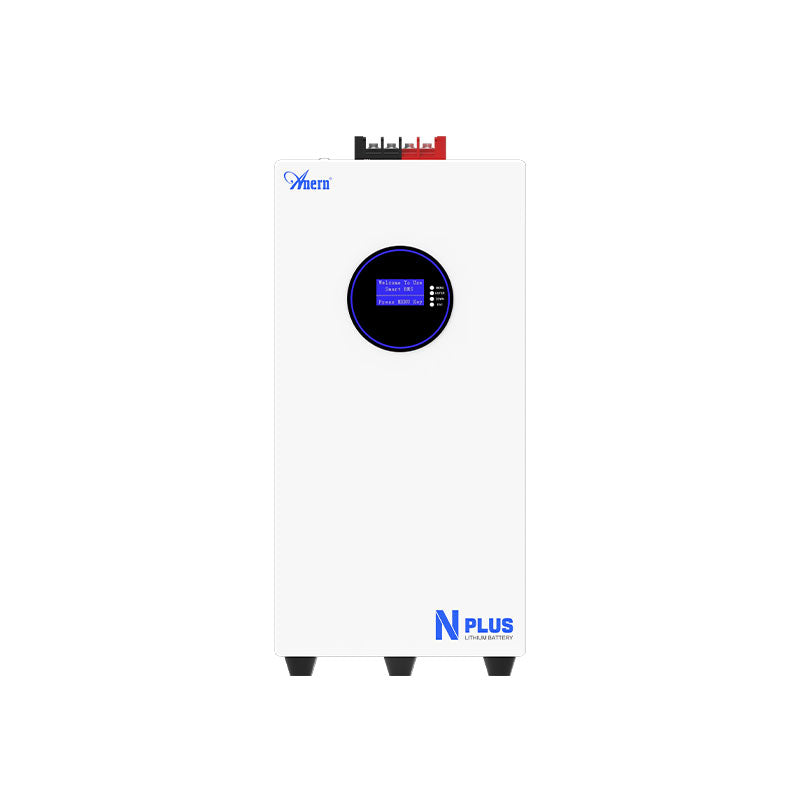
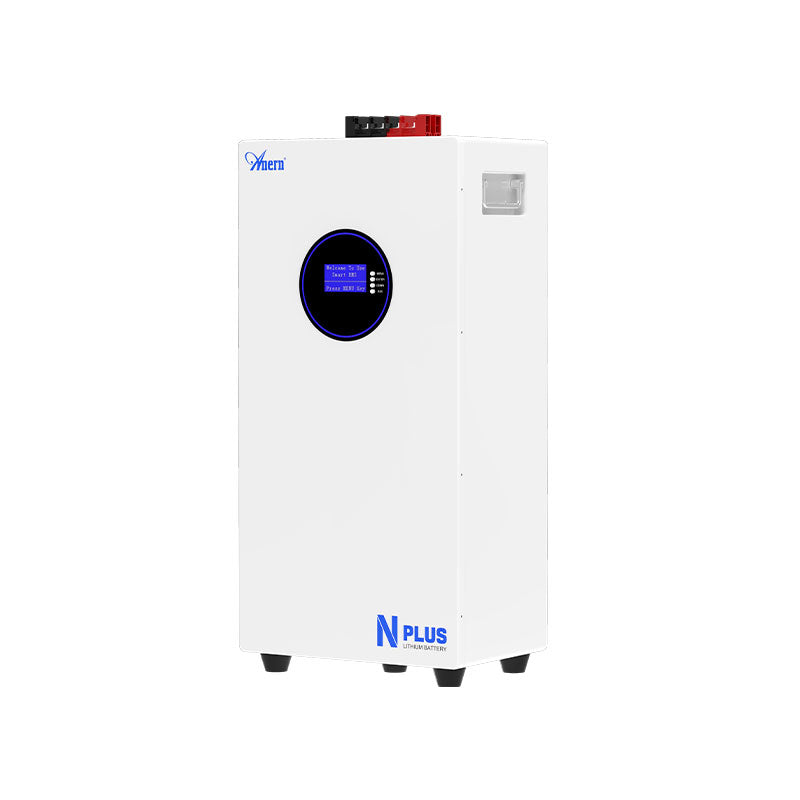

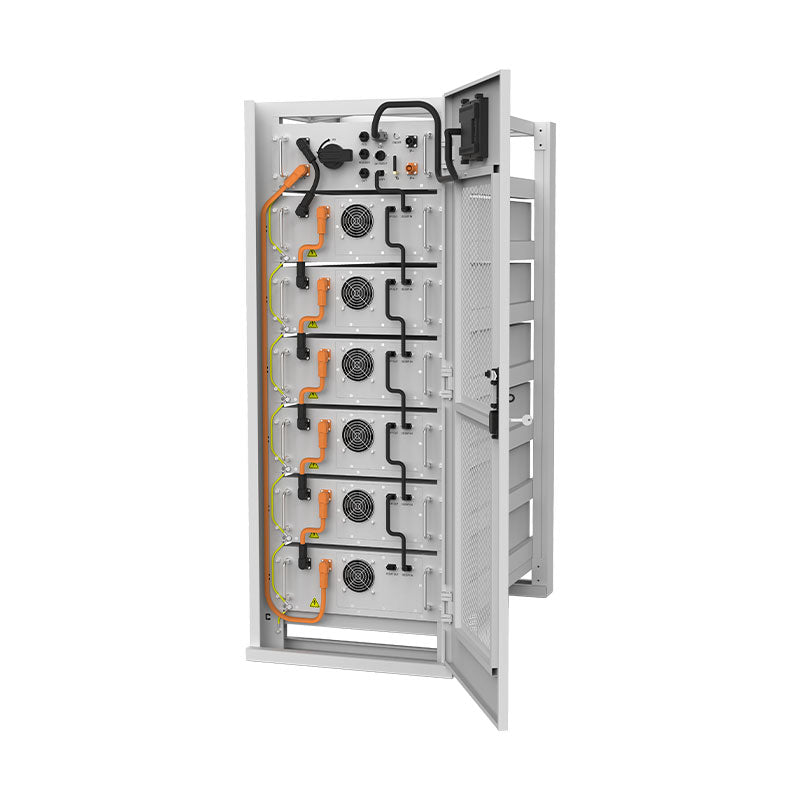
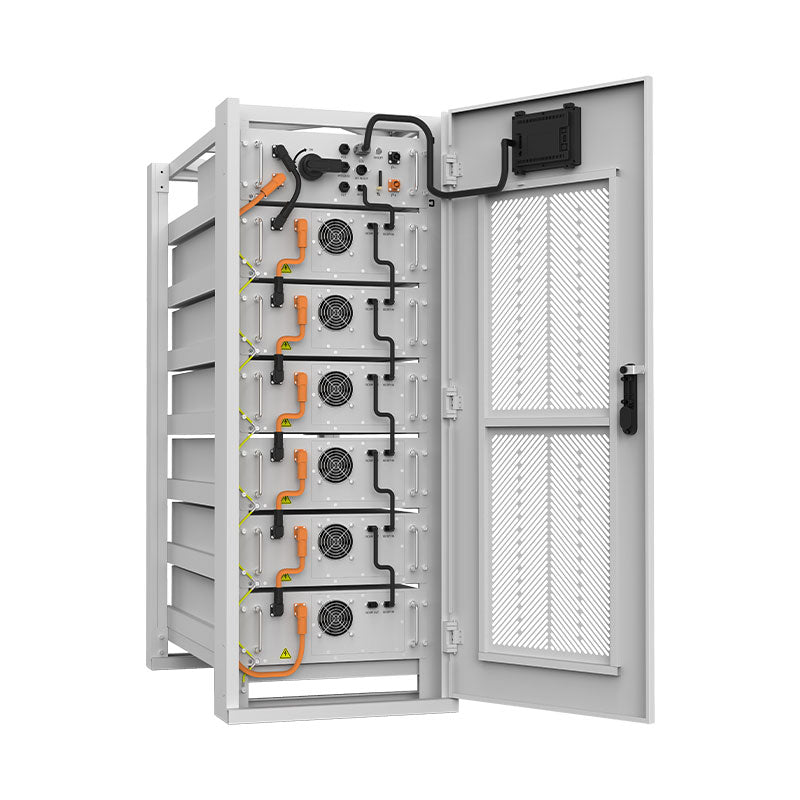
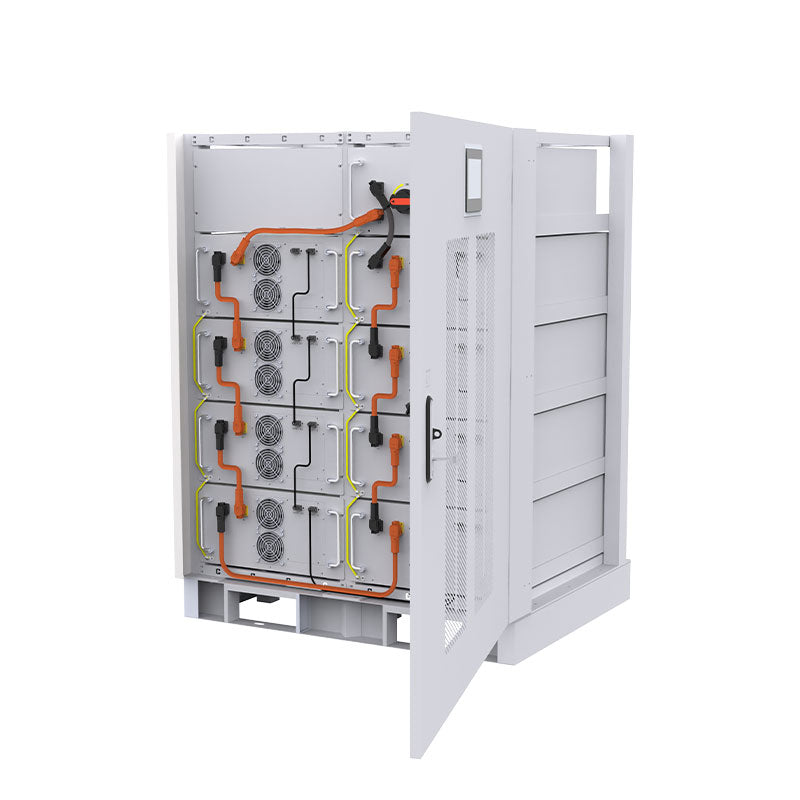

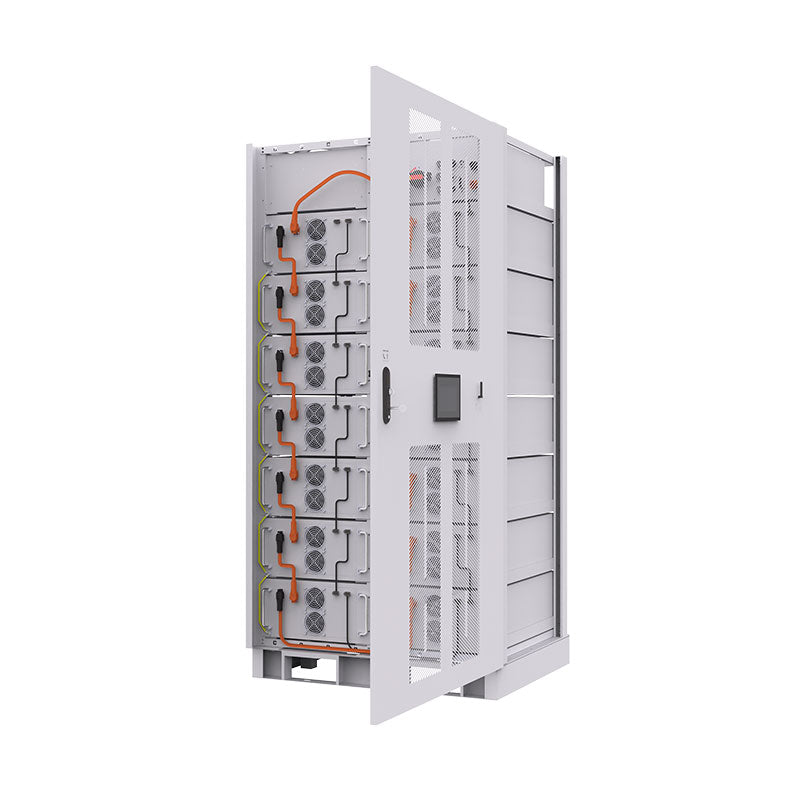
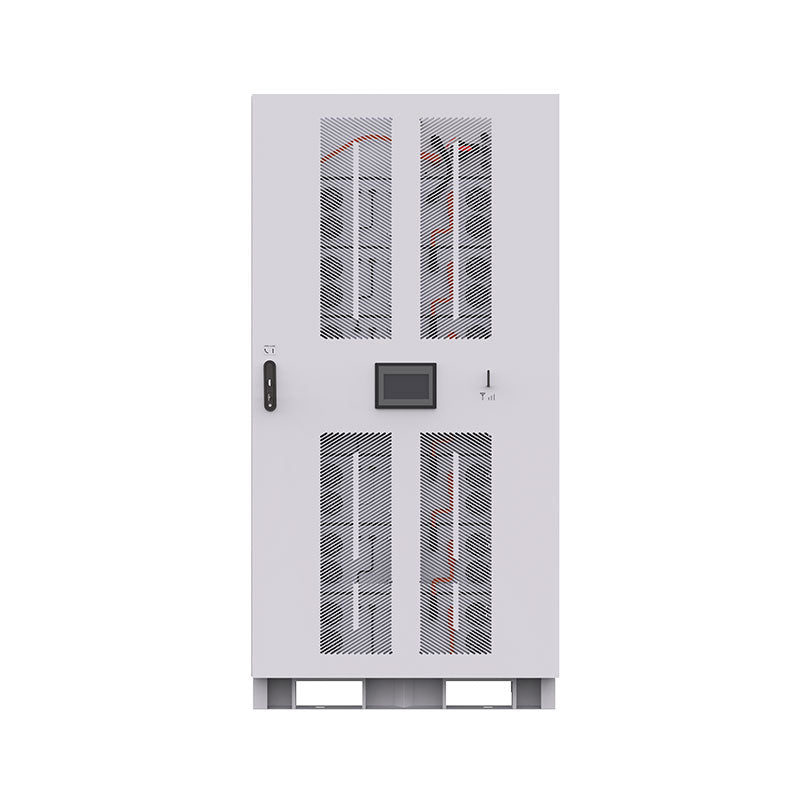


Telecom towers and remote base stations are the backbone of modern communication, connecting communities and enabling countless services. Their continuous operation relies heavily on robust and reliable battery backup systems. Without precise sizing, these critical power solutions can fail, leading to costly downtime and service interruptions. Ensuring uptime requires careful planning and avoiding common mistakes in battery backup system design.

Understanding Your Energy Demands
Accurate load assessment forms the foundation of any effective battery backup system. Overlooking or miscalculating the actual power needs of your telecom equipment can severely undermine system performance.
Underestimating Actual Load Consumption
A frequent error involves underestimating the total power draw of all connected equipment. This includes not only active components like transceivers and baseband units but also auxiliary systems such as cooling, lighting, and monitoring devices. An undersized battery system will simply not provide the necessary power for the required duration, leading to premature shutdowns. You need to conduct a thorough audit of every device, measuring its typical and maximum power consumption. Consider the cumulative load when all systems are operational.
Ignoring Peak Load Demands
While average load is important, peak load demands are equally critical. Many telecom systems experience brief surges in power consumption, for example, during peak traffic hours or when certain components initiate. If your battery backup system, particularly the inverter, cannot handle these transient peaks, it can trip or fail, causing an outage even if the average load is within capacity. Design your system to accommodate the highest anticipated power draw, ensuring the inverter can supply sufficient surge power.
Optimizing Battery Performance and Lifespan
The longevity and efficiency of your battery backup are not solely determined by battery quality. Environmental factors and operational practices play a significant role.
Miscalculating Autonomy Period
The autonomy period is the duration your battery system can power the telecom site without external input. Miscalculating this period is a critical mistake. Factors like local grid reliability, expected duration of power outages, and planned maintenance schedules should inform this calculation. Relying on an insufficient autonomy period leaves your site vulnerable to extended blackouts. For instance, if a region typically experiences 8-hour outages, a 4-hour backup system is clearly inadequate. You should factor in a safety margin beyond the typical outage duration, especially for remote or hard-to-access sites.
Neglecting Temperature Effects on Battery Performance
Batteries are sensitive to temperature extremes. High temperatures accelerate degradation and shorten lifespan, while very low temperatures reduce available capacity and power delivery. Operating outside the recommended temperature range can significantly cripple battery performance. For example, a battery rated for 100Ah at 25°C might only deliver 70Ah at 0°C. Implement proper thermal management, such as climate-controlled enclosures or specialized battery designs, to maintain optimal operating temperatures. This is particularly vital for remote base stations in diverse climates.
Incorrect Depth of Discharge (DoD) Application
The Depth of Discharge (DoD) refers to the percentage of a battery's capacity that has been discharged. Repeated deep discharges significantly shorten a battery's cycle life. For instance, frequently discharging a battery to 80% DoD will result in far fewer cycles than discharging it to 50% DoD. Lithium Iron Phosphate (LiFePO4) batteries offer superior cycle life even at higher DoDs compared to other chemistries, making them a robust choice for demanding telecom applications. By limiting the DoD, you extend the battery's operational life, reducing replacement costs and maintenance frequency.
Failing to Account for Battery Aging and Degradation
All batteries degrade over time, losing capacity and increasing internal resistance. Failing to factor in this natural aging process during initial sizing can lead to inadequate backup power after a few years of operation. A battery system designed for a 5-year lifespan should account for a certain percentage of capacity fade. For example, a battery might retain only 80% of its initial capacity after 5 years. Plan for this degradation by oversizing slightly or scheduling periodic capacity tests and replacements. LiFePO4 batteries generally exhibit excellent calendar and cycle life, retaining a higher percentage of their capacity over a longer period compared to traditional battery types.
Selecting the Right Battery and System Integration
The choice of battery chemistry and how it integrates with the overall power system is fundamental to reliability and long-term cost-effectiveness.
Choosing Inappropriate Battery Chemistry
Different battery chemistries offer varying characteristics in terms of energy density, cycle life, temperature tolerance, and safety. Selecting an unsuitable chemistry for telecom applications is a major pitfall. For instance, while lead-acid batteries have been a traditional choice, their shorter cycle life, lower energy density, and sensitivity to deep discharges make them less ideal for modern, high-demand telecom sites. Lithium Iron Phosphate (LiFePO4) batteries, on the other hand, provide high performance, enhanced safety, and exceptional longevity. Their stable chemistry and robust design offer a reliable and scalable energy solution for critical infrastructure. According to the U.S. Energy Information Administration (EIA), battery energy storage systems, particularly those co-located with solar, are seeing rapid growth, indicating a shift towards more advanced storage solutions.
Consider the following comparison:
| Feature | Traditional Lead-Acid | Lithium Iron Phosphate (LiFePO4) |
|---|---|---|
| Cycle Life (approx.) | 300 - 1,000 cycles | 3,000 - 10,000+ cycles |
| Depth of Discharge (recommended) | 50% | 80% - 100% |
| Energy Density | Lower | Higher |
| Temperature Tolerance | Sensitive to extremes | Better, but still requires management |
| Maintenance | Regular (watering, equalization) | Minimal |
| Footprint | Larger | Smaller |
Overlooking System Voltage Mismatch
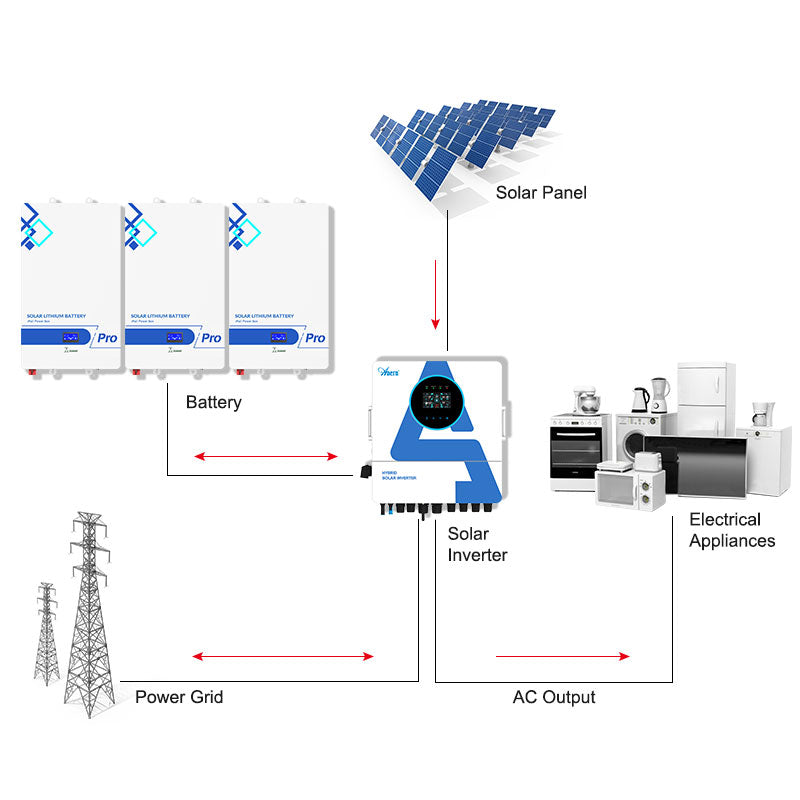
The voltage of your battery bank must precisely match the input requirements of your inverter and charging system. A mismatch can lead to inefficient operation, damage to components, or complete system failure. For example, pairing a 48V battery bank with a 24V inverter will not work without additional voltage conversion, which adds complexity and potential points of failure. Ensure all components—batteries, inverters, charge controllers, and telecom equipment—are designed to operate at the same voltage or through compatible, properly sized converters. Integrated ESS solutions often simplify this by ensuring all components are pre-matched for optimal performance.
Inadequate Charging Infrastructure Sizing
Even a perfectly sized battery bank is useless if it cannot recharge effectively. Inadequate charging infrastructure, whether from solar panels or the grid, means the batteries may never reach full charge, or recharge too slowly to be ready for the next outage. This can lead to chronically undercharged batteries and reduced overall system reliability. Size your solar array and charge controllers to ensure the battery bank can fully recharge within a reasonable timeframe, considering available sunlight hours or grid availability. For example, if a site requires 10kWh of backup energy and has 5 hours of effective sunlight, your charging system needs to deliver at least 2kW of power to fully replenish the battery.
Achieving Reliable Telecom Operations
Ensuring continuous power for telecom towers and remote base stations demands meticulous attention to detail during the sizing process. Each of these nine mistakes, if overlooked, can severely compromise system uptime and operational efficiency.
The International Renewable Energy Agency (IRENA) highlights the rapid growth in renewable energy capacity, with solar power making significant contributions. This trend underscores the increasing viability of integrating solar power with robust battery storage for critical applications like telecom. The International Energy Agency (IEA) also projects solar PV to become the largest renewable energy source by 2029, further emphasizing its role in future energy systems.
By carefully assessing load demands, accounting for environmental factors and battery degradation, and selecting the right battery chemistry and integrated system components, you can build a resilient and long-lasting power solution. Focus on reliable and scalable energy solutions that support energy independence and ensure your telecom infrastructure remains operational, no matter the challenge.
