













In my years as an analyst at Wood Mackenzie, I've modeled the economics of countless energy projects. Today, one of the most compelling shifts I'm seeing is in the telecommunications sector. The conversation around powering remote 5G Radio Access Network (RAN) sites has fundamentally changed. It's no longer a problem of last resort; it's a strategic decision where off-grid solar and storage solutions are now frequently outcompeting grid extension or diesel generation on a pure Total Cost of Ownership (TCO) basis. This isn't just about sustainability—it's about enabling a profitable and resilient expansion of our digital frontier.
Rethinking the Economics of Remote Connectivity
The core challenge for 5G expansion is straightforward: the most valuable locations for new towers are often the most expensive to power. The industry is well aware that RAN infrastructure can account for over 70% of a network's energy consumption. Traditionally, the choices were stark: pay exorbitant fees (upwards of $50,000 per mile) for grid extension or accept the volatile operational expenditure (OPEX) of diesel generators, with their endless fuel logistics and maintenance cycles.
From my perspective, this creates a clear economic tipping point. We've moved past viewing renewables as a "green" alternative and now analyze them as a predictable, long-term financial asset. A well-designed solar-plus-storage system effectively replaces unpredictable OPEX with predictable, front-loaded CAPEX, de-risking the entire business case for a new tower site over its 10-to-15-year operational life.

Analyzing the Core Assets: A Portfolio Approach
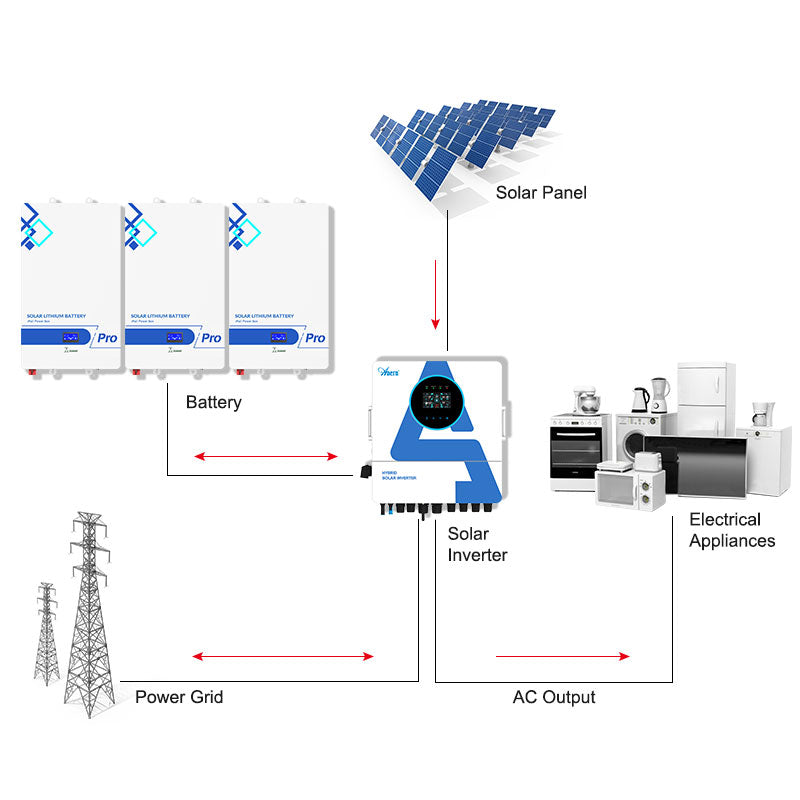
A successful off-grid power system for a 5G site should be viewed as a micro-utility portfolio. Each component is an asset with a specific role and return profile.
1. The Generator: Solar PV
Solar Photovoltaics (PV) are the engine of the system. The dramatic fall in the Levelized Cost of Energy (LCOE) for solar, which the International Renewable Energy Agency (IRENA) has tracked for years, makes it the cheapest source of daytime energy generation in history. For a telco, this means the energy produced during the day is essentially fixed at the cost of the hardware, insulating the site's operating budget from energy price volatility for 25+ years.
2. The Reservoir: Energy Storage (LiFePO4)
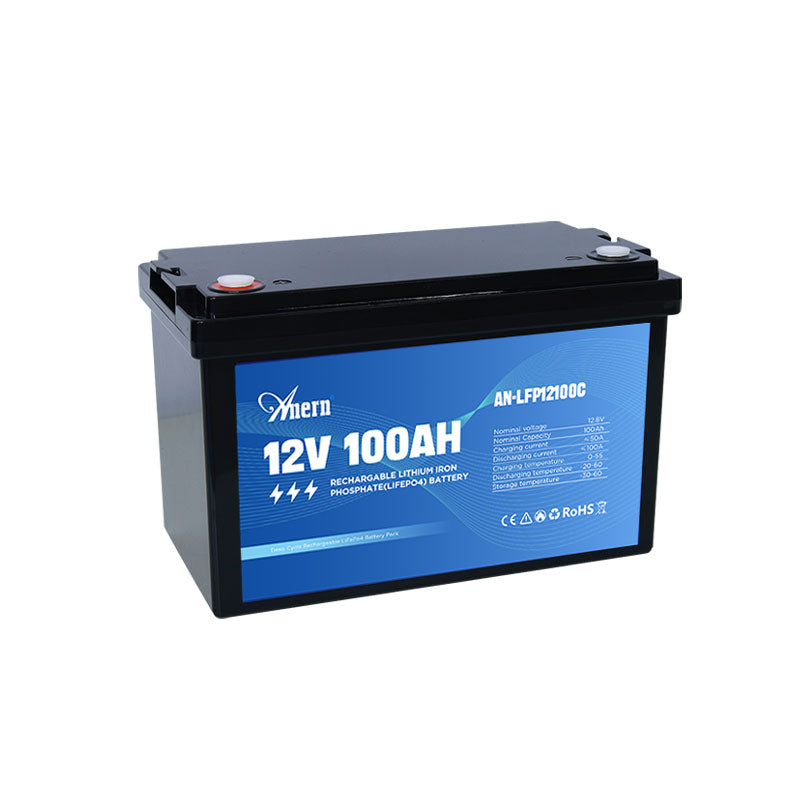
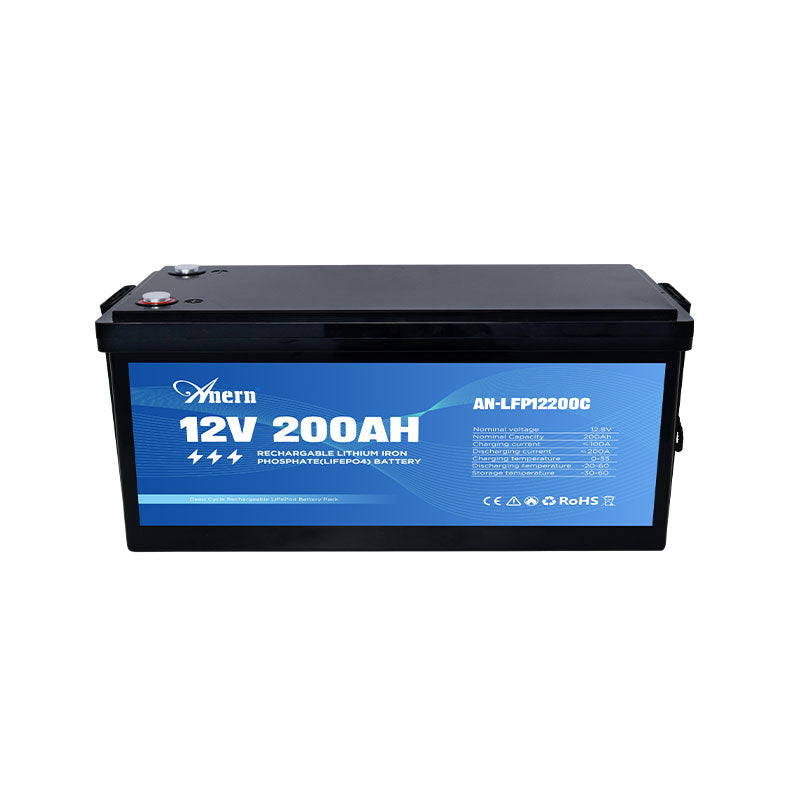
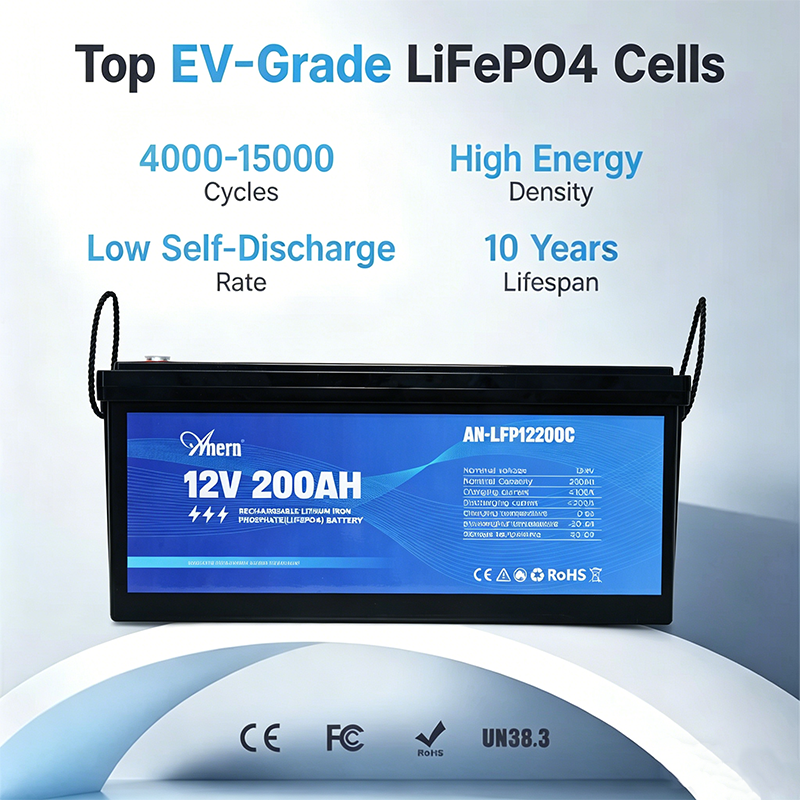
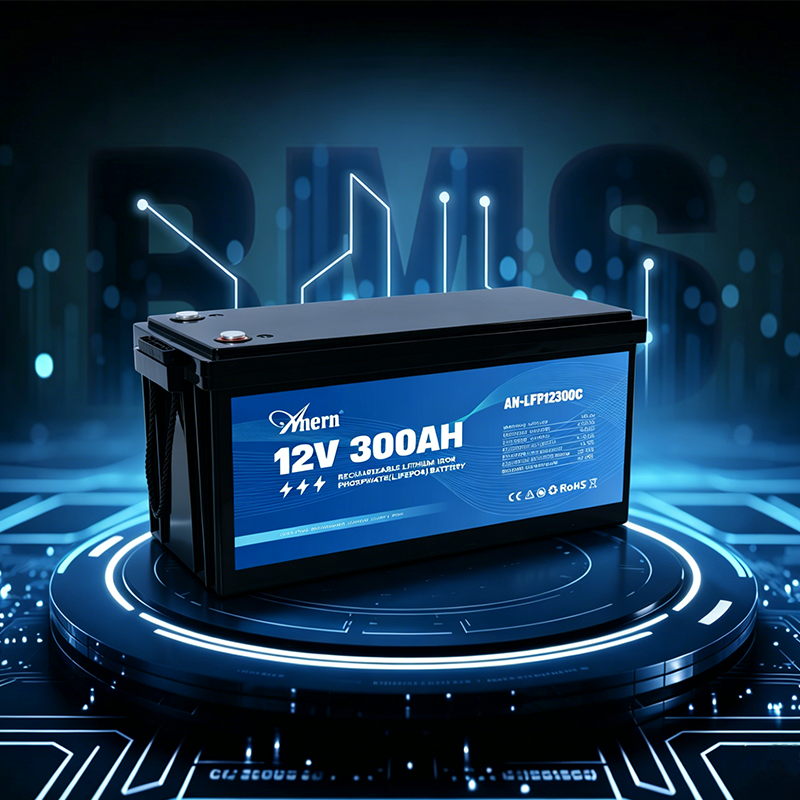
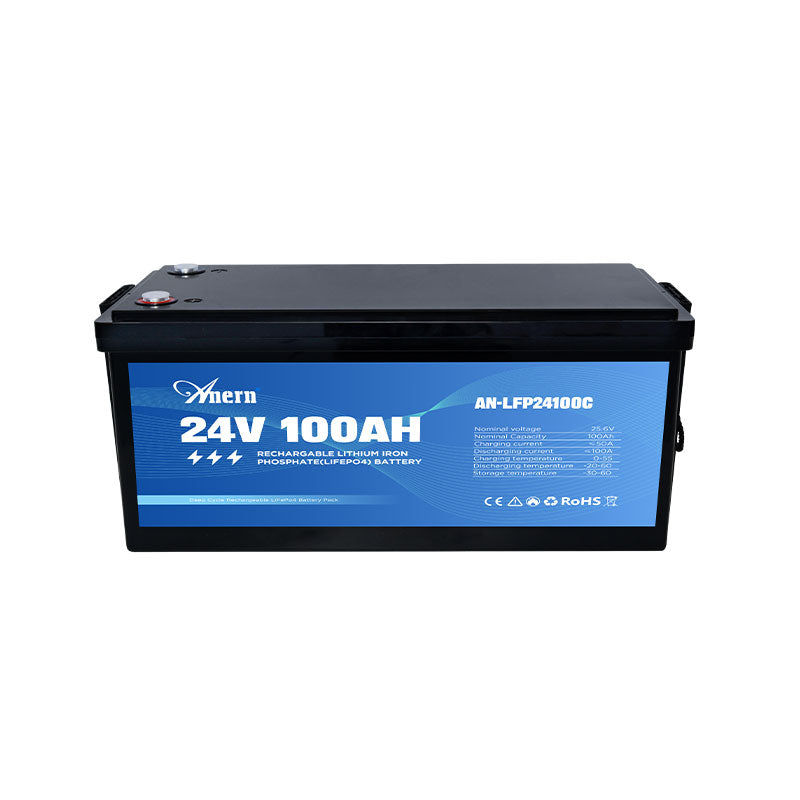
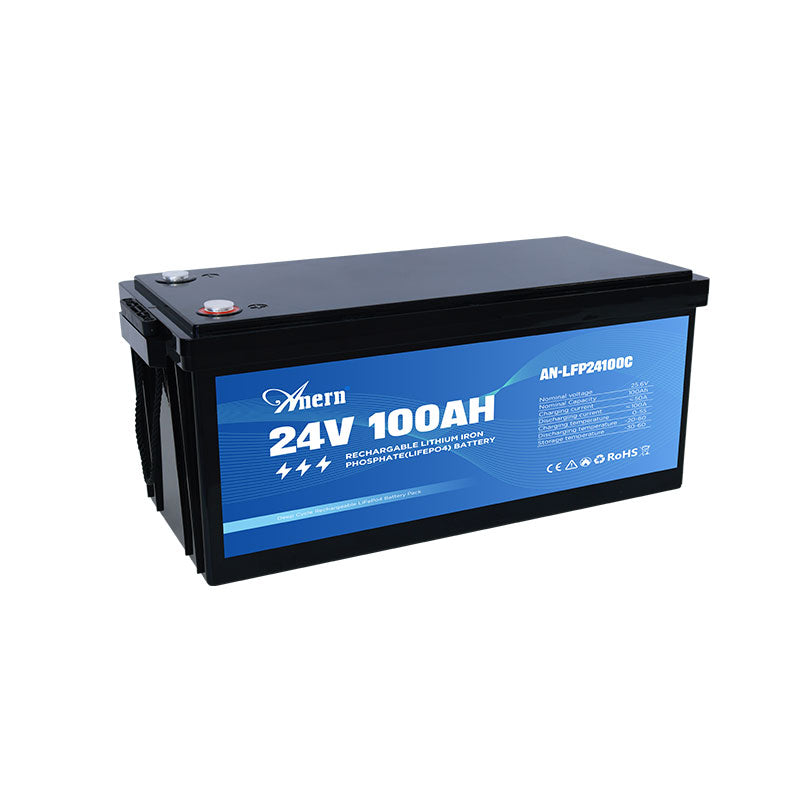
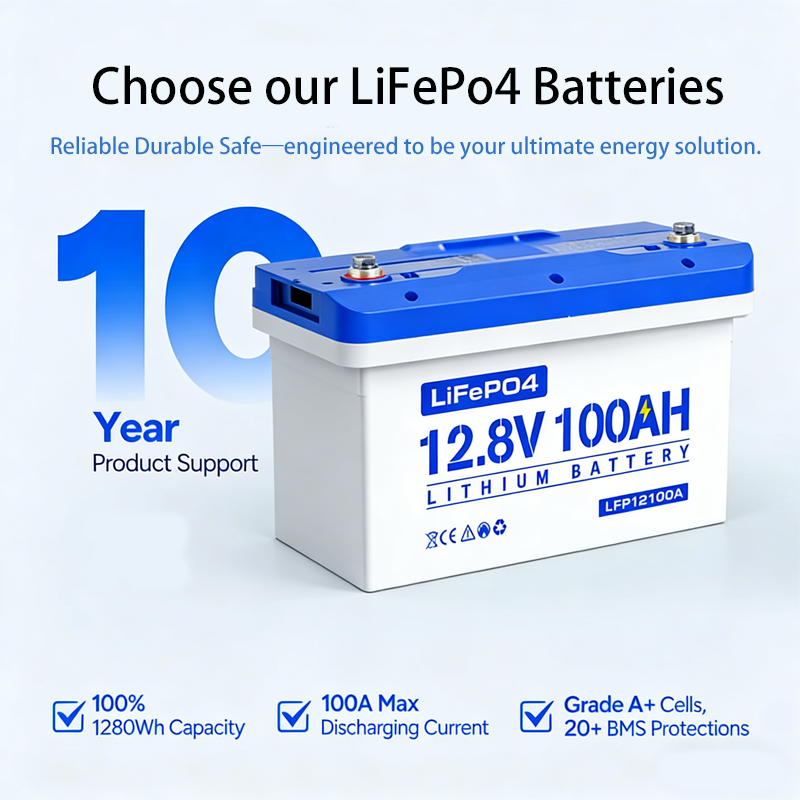
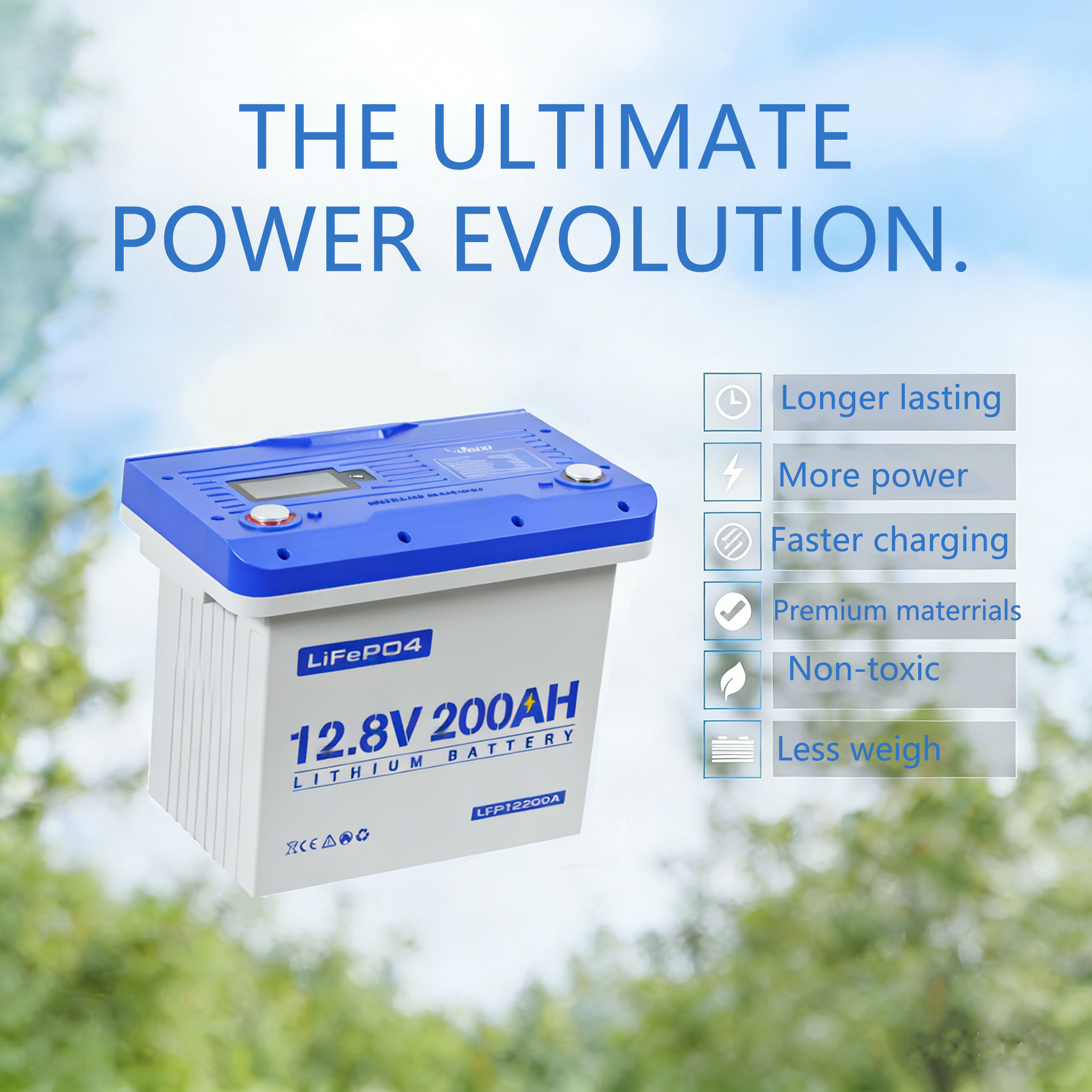
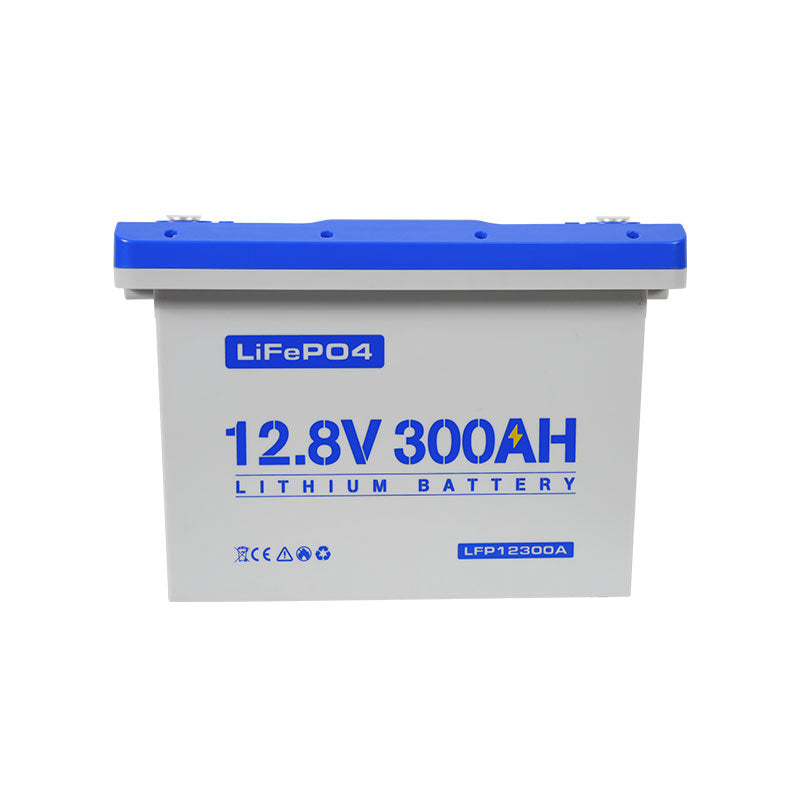
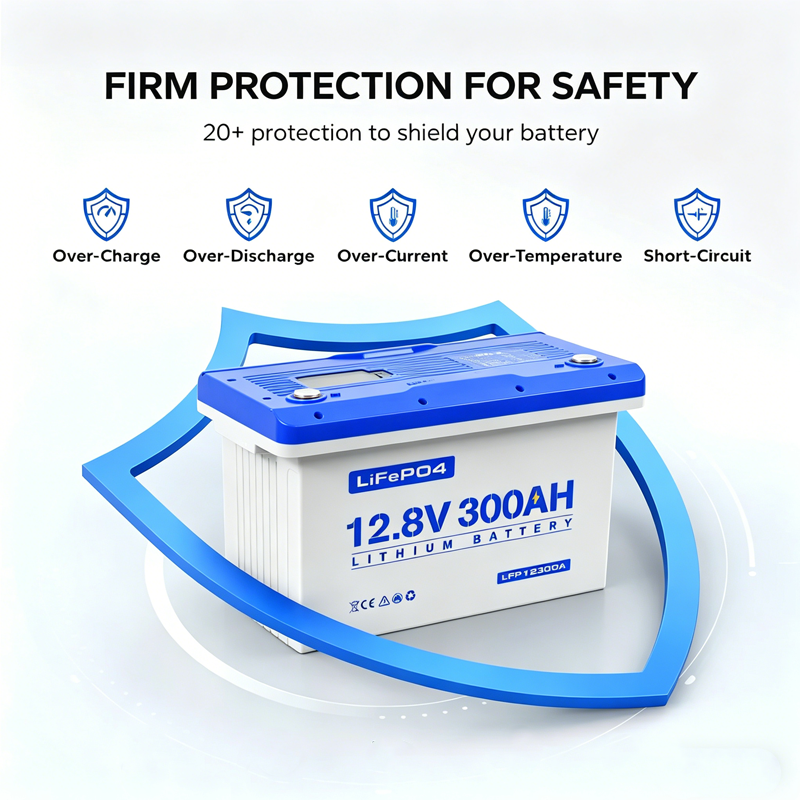
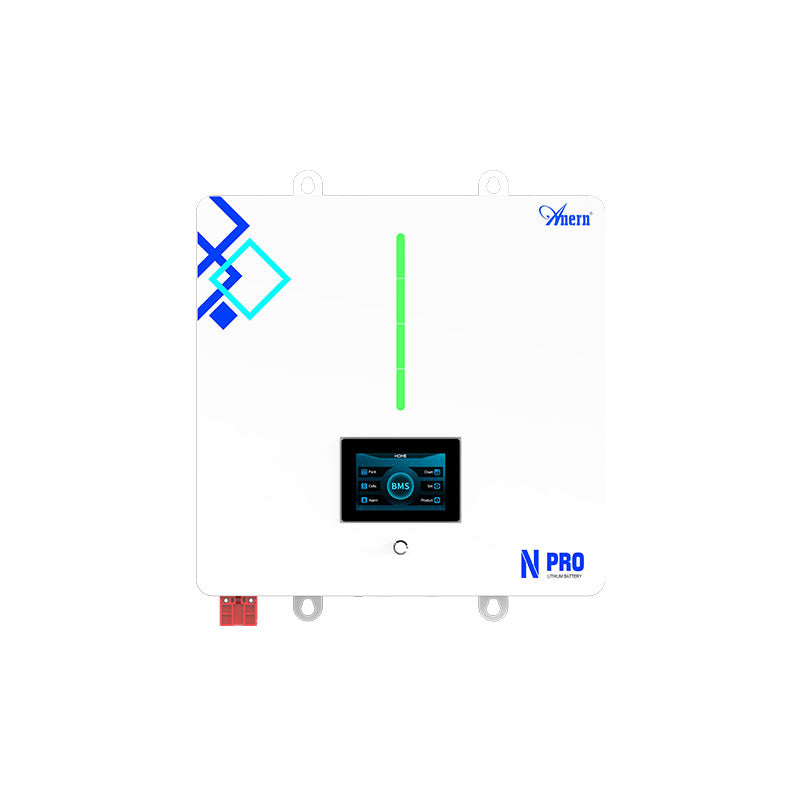
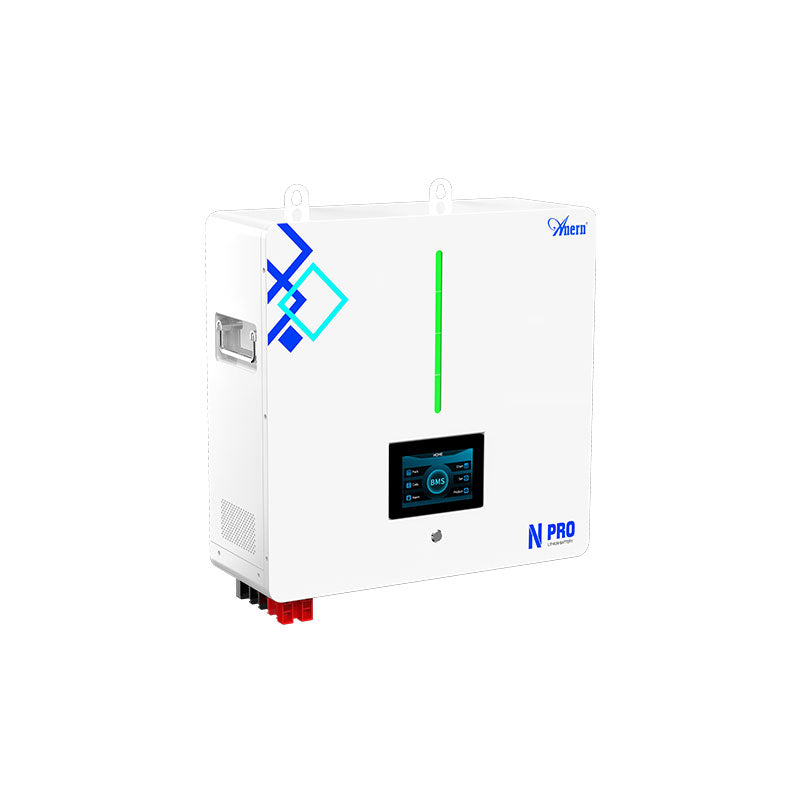
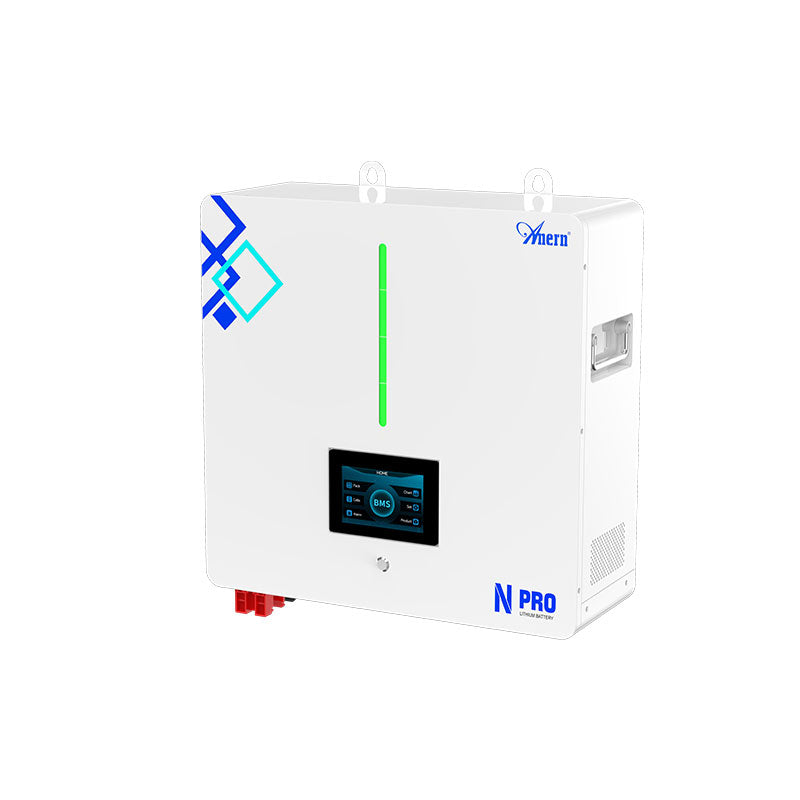
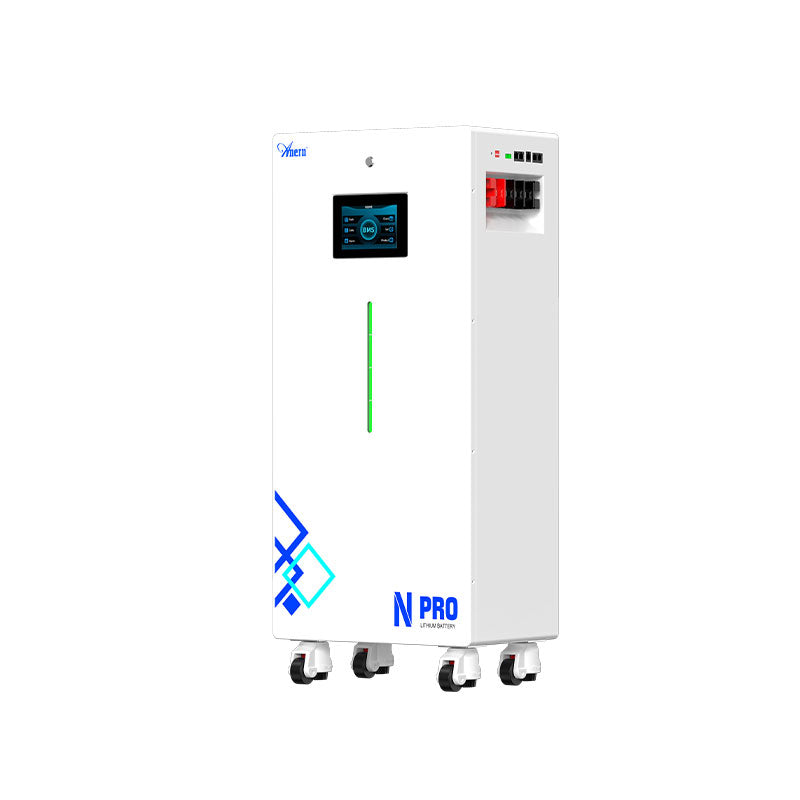
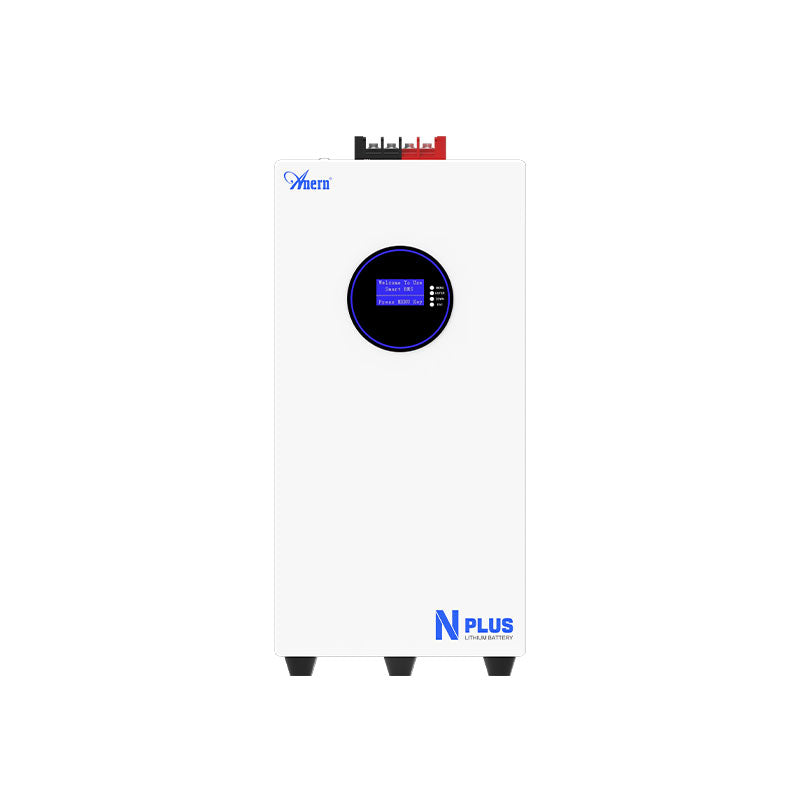
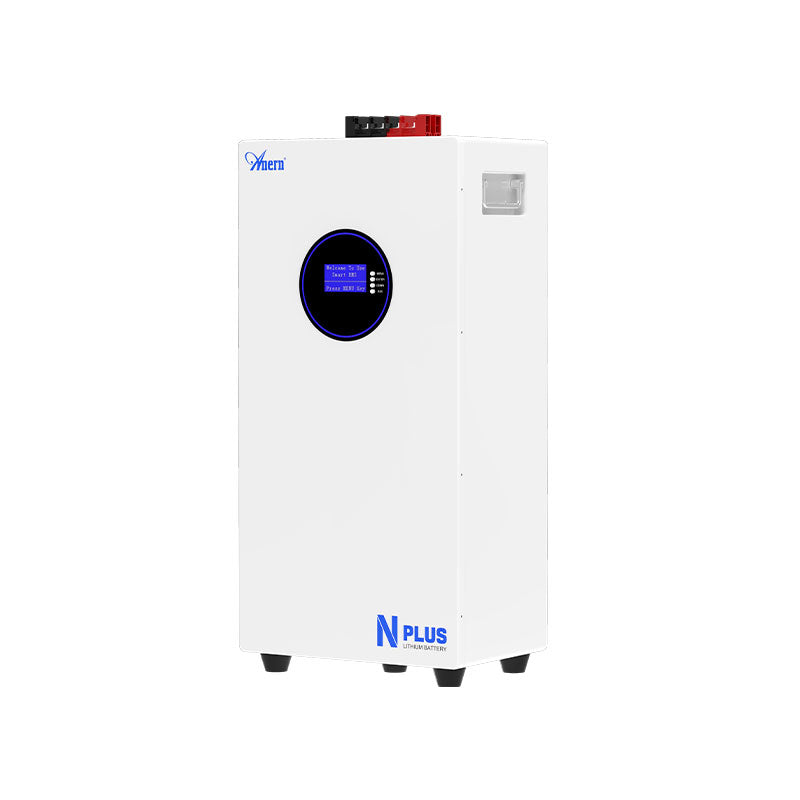
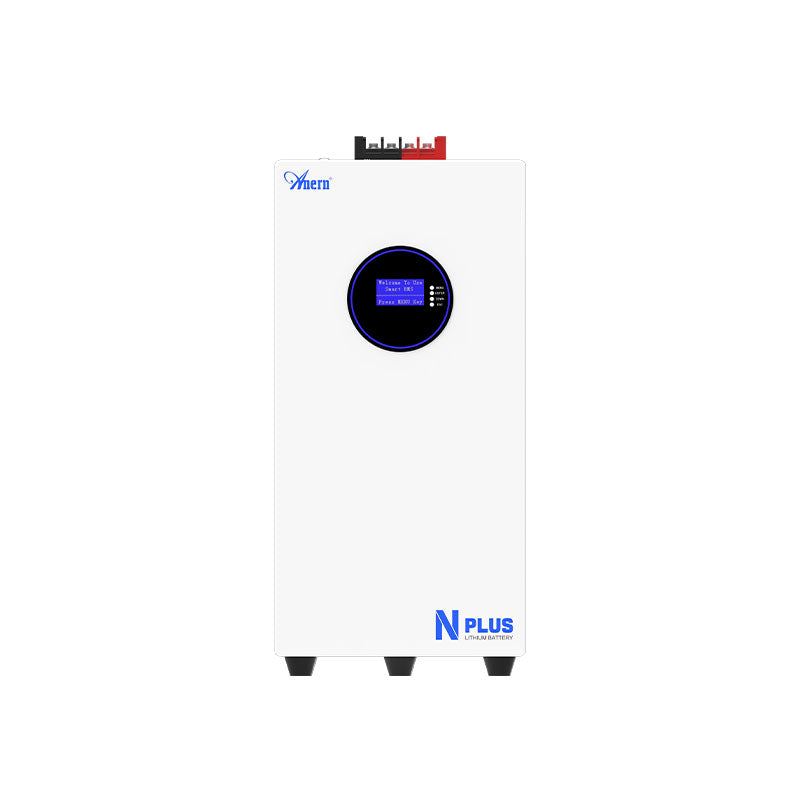
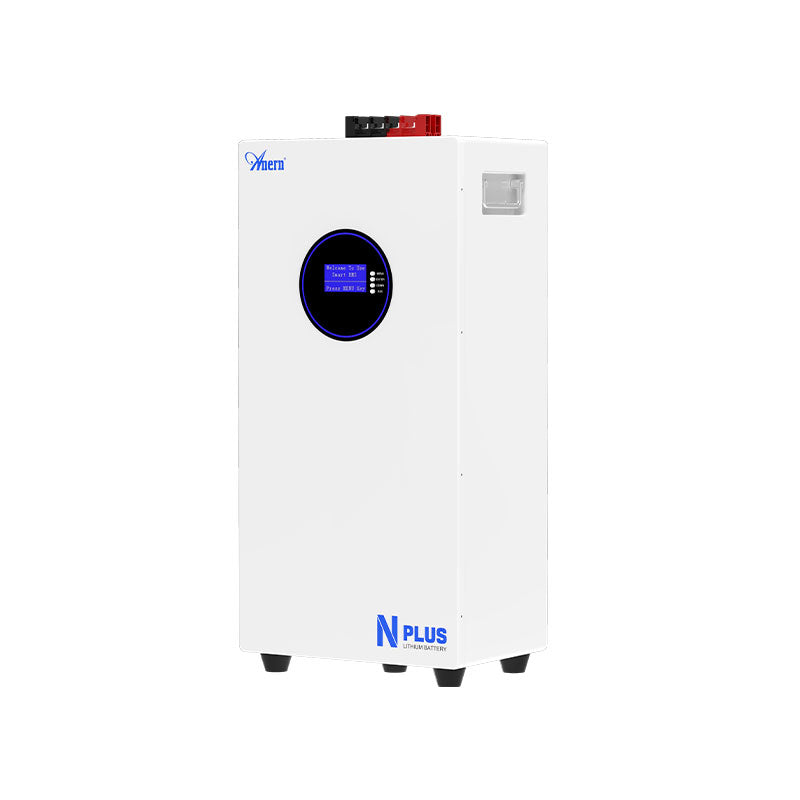
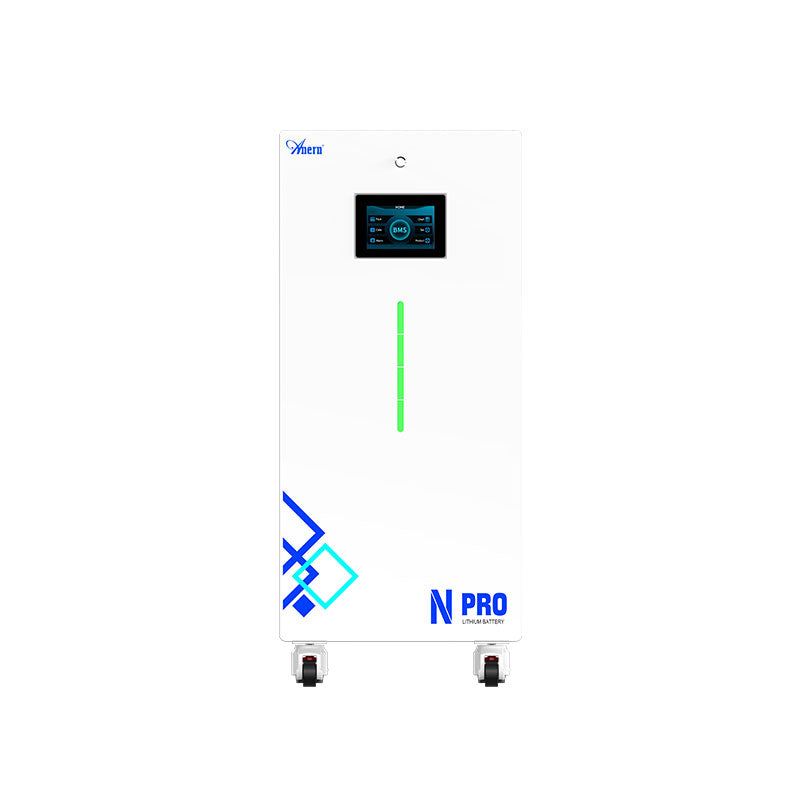
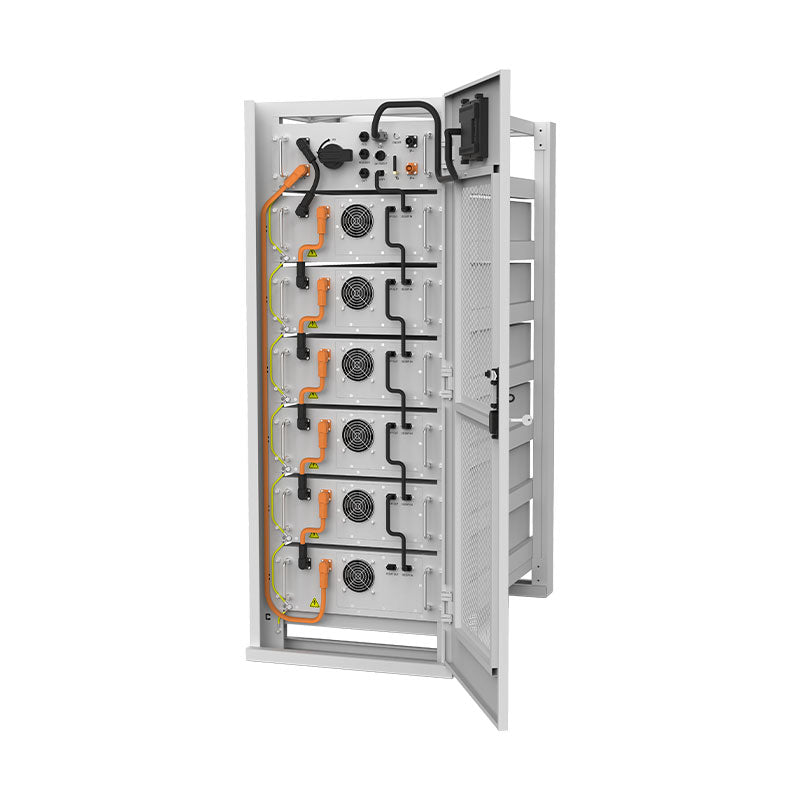
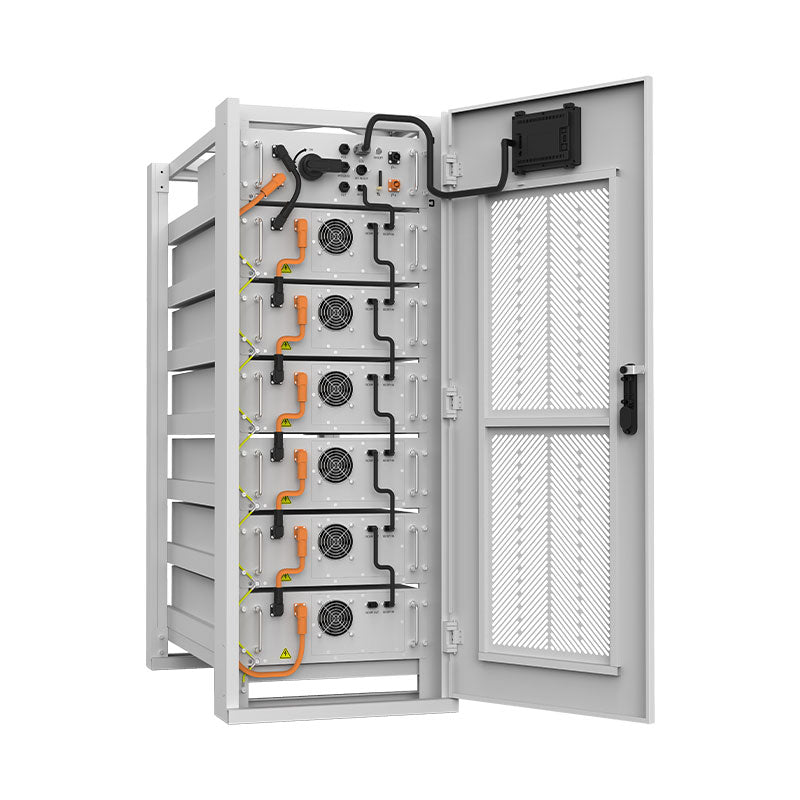
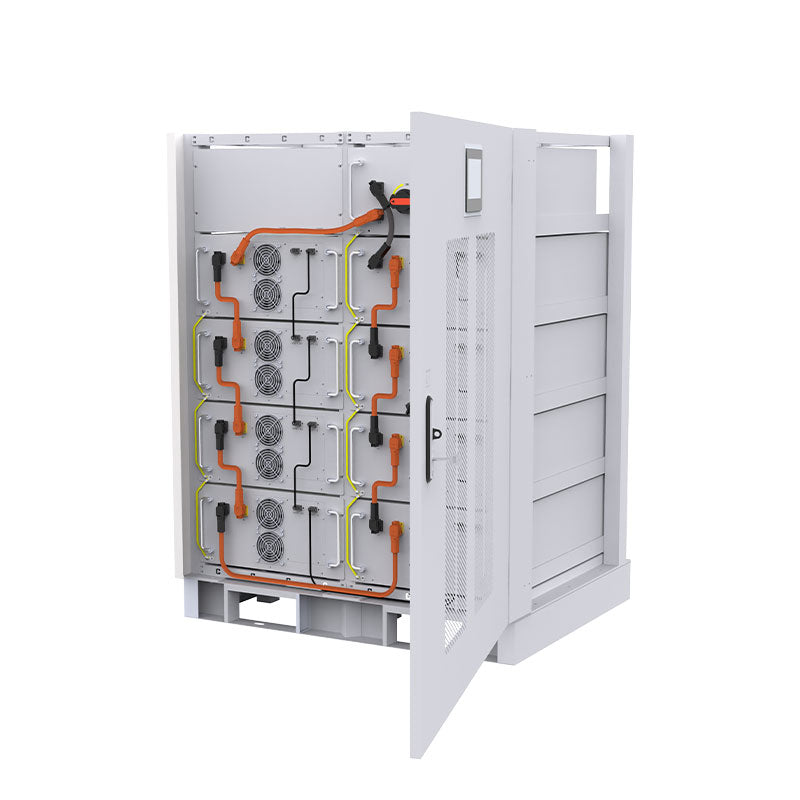
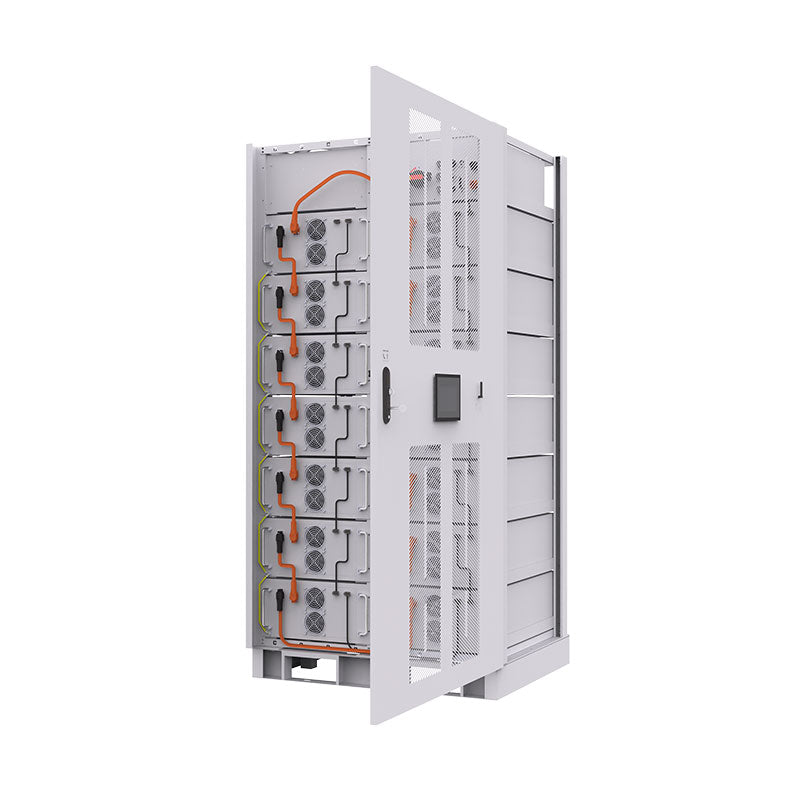
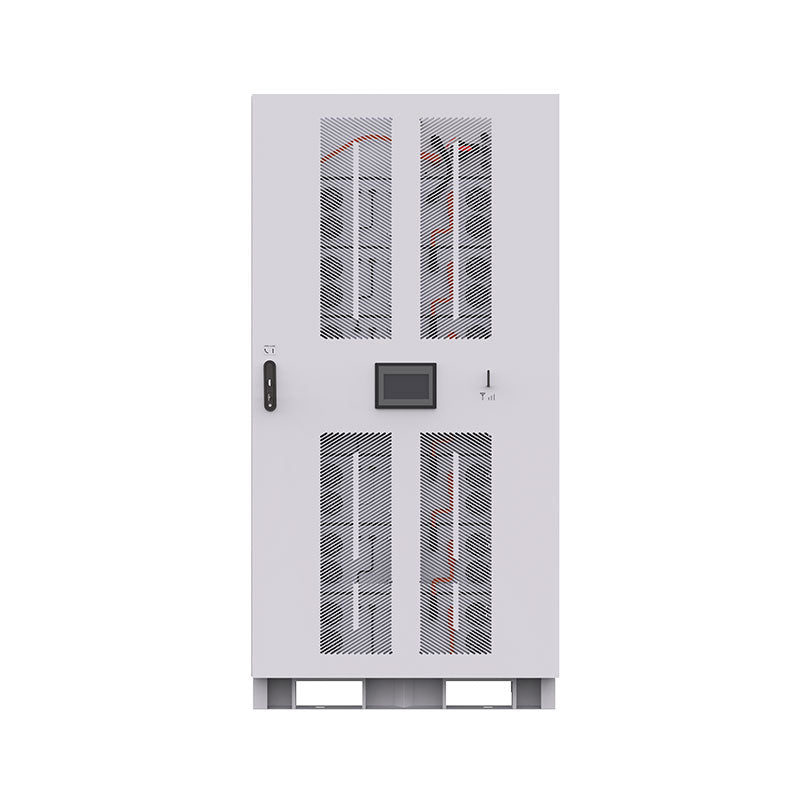
If solar is the engine, energy storage is the reservoir that ensures 24/7 reliability. In my analysis, Lithium Iron Phosphate (LiFePO4) batteries have become the undisputed technology of choice for these critical applications. The reason isn't just their superior safety profile; it's their low Levelized Cost of Storage (LCOS). While the upfront cost is higher than legacy lead-acid batteries, their ability to perform over 5,000 deep discharge cycles means the cost per kWh delivered over the battery's 10-year lifespan is significantly lower. This transforms the battery from a consumable component into a long-term infrastructure asset.
3. The Brains: Hybrid Inverters & Energy Management
This is the most underrated component. An intelligent hybrid inverter and remote Energy Management System (EMS) are what turn a collection of hardware into a high-performance asset. These systems are crucial for maximizing the TCO advantage. They optimize the flow of energy—ensuring every possible electron from the solar panels is either used by the RAN equipment or stored in the battery with minimal loss. Furthermore, their remote monitoring and predictive analytics capabilities allow operators to identify potential issues, like a degraded panel or a failing battery cell, long before they cause a site outage, drastically reducing the need for costly truck rolls and on-site maintenance.
De-Risking Deployment: An Analytical Framework
Designing these systems requires a more sophisticated approach than simple calculation. It's about risk modeling.
- Energy Yield Modeling: Instead of using "average sun hours," professional designs should be based on P90 or P95 energy yield simulations. This means the system is sized to meet its required output with 90% or 95% probability, even in a year with lower-than-average solar irradiance. This is the standard for utility-scale projects, and it's essential for guaranteeing telecom-grade uptime.
- Thermal Management: A key failure point I've seen in real-world deployments is inadequate thermal management for the batteries. LiFePO4 chemistry is stable, but its lifespan is significantly shortened by sustained operation in extreme heat. A robust system design must include passive or active cooling solutions for the battery enclosure, ensuring the core asset is protected.
- Modular Scalability: The power requirements of a site may change. A smart design incorporates modularity, allowing for the easy addition of another string of panels or another battery rack without needing to replace the core power electronics. This preserves the initial investment and provides future flexibility.
The Strategic Upside: Beyond Connectivity
Here's where the thinking needs to evolve. A reliable, 24/7 off-grid power source in a remote location is a valuable asset in itself. It opens up new business models for telecom operators.
| Cost Factor | Diesel Generator | Solar + Storage System |
|---|---|---|
| Initial CAPEX | Low | High |
| Fuel Costs (OPEX) | High & Volatile | Zero |
| Maintenance (OPEX) | High (Regular Service, Parts) | Very Low (Panel Cleaning, Checks) |
| Component Replacement | Engine Overhaul (~5 years) | Battery Replacement (~10-12 years) |
| Overall TCO | High & Unpredictable | Lower & Predictable |
Once a site is self-sufficient, it can become a micro-hub for the local community. The excess power capacity could be used to offer community Wi-Fi, power a local IoT sensor network, or even provide a small-scale charging station for electric motorbikes. This transforms a cost center—the tower's power system—into a potential revenue-generating asset, fundamentally improving the ROI of network expansion.
Conclusion: Powering the Future Network
The global 5G build-out is a race, and the ability to deploy sites quickly and economically in any location is a major competitive advantage. From an analytical standpoint, the evidence is clear: off-grid solar and storage is no longer just a solution for grid-less locations. It is a financially sound, strategically superior approach to building the resilient, decentralized, and profitable telecom networks of the future.
