











Portable power stations promise quiet backup power for renters. Yet apartment fire codes and battery storage regulations add real limits. This Q&A collects what Fire Marshals often ask, how they judge risk, and what renters can do to stay compliant and safe.

What Fire Marshals check first
Portable vs. stationary: how they classify your battery
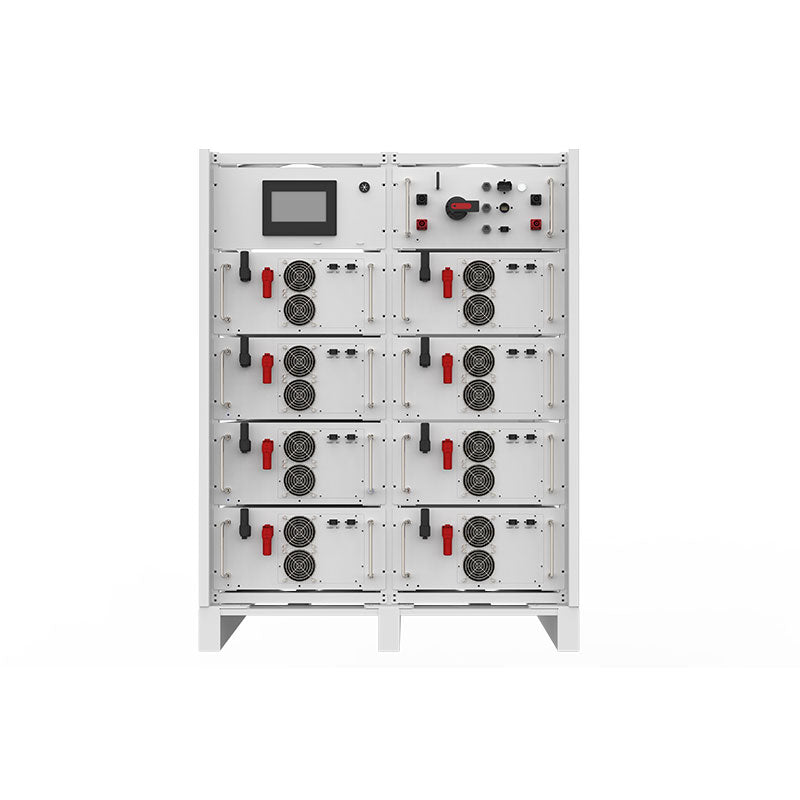
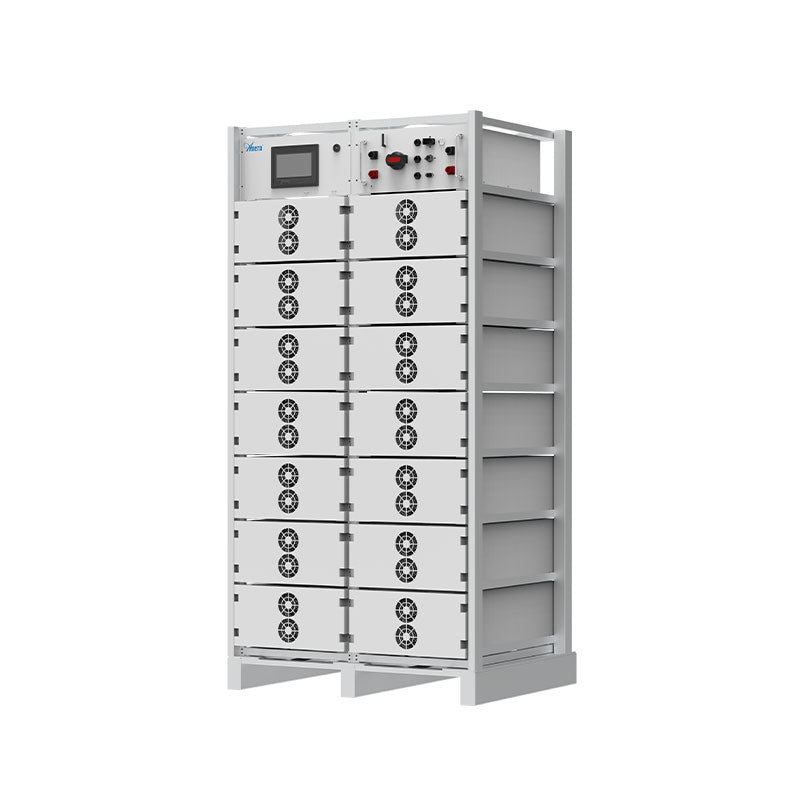
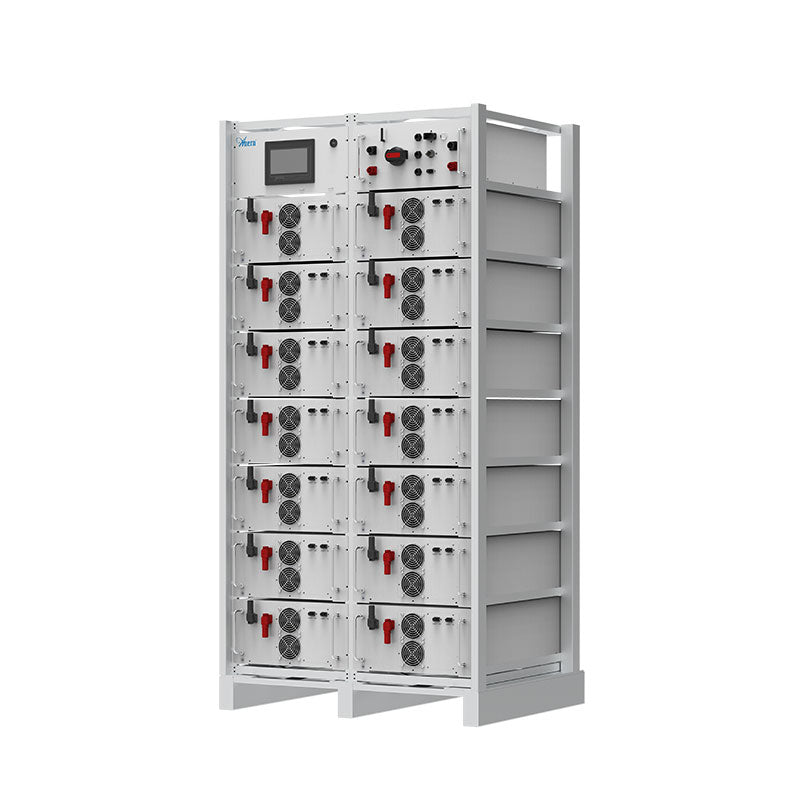
Fire Marshals start with classification. A small, self-contained unit used as a consumer product is usually treated as portable. Once you hardwire it, connect it to the apartment electrical system, or assemble multiple batteries into a cabinet, it can be treated as an energy storage system (ESS). That triggers a different set of rules.
Installation standards matter. Stationary ESS typically needs a full system listing (UL 9540) and thermal propagation data (UL 9540A). Portable equipment leans on product safety listings for packs and cells.
| Device type | Typical energy (Wh) | Common safety listing | Indoor status in apartments (typical) |
|---|---|---|---|
| Portable power station (consumer) | 300–2,000 | UL 2743/UL 2054, cells to IEC 62133; UN 38.3 for transport | Often allowed as consumer equipment if used per instructions |
| Micromobility battery (e‑bike/e‑scooter) | 300–1,000 | UL 2849 (system), UL 2271 (battery) | Many cities restrict hallway charging; check building policy |
| Stationary ESS (home battery) | 2,000–20,000+ | UL 9540 system; UL 9540A test data | Frequently restricted inside dwelling units; balcony or dedicated room only with approvals |
Codes evolve. Local authorities (AHJ) can add stricter limits. Always confirm with your Fire Marshal and landlord. Non‑legal advice.
Which codes and standards apply
Expect references to the International Fire Code (IFC), NFPA 1, and NFPA 855 for ESS installations. Portable gear is still judged under general fire safety: listed equipment, clear egress, no obstruction, no hazardous charging practices.
Broader energy policy shapes adoption. The Technology Roadmap - Solar Photovoltaic Energy 2010 notes falling PV costs and growing distributed assets, which raise attention to safety and permitting. The China Power System Transformation study highlights the need for flexibility and disciplined operations, a backdrop to tighter oversight on storage in buildings. The U.S. Department of Energy solar energy topic page underscores safety and reliability as adoption scales. IRENA’s resources at irena.org track global storage growth that encourages clearer rules for batteries in residences. See references at the end.
Q&A on legality and safe use
Q: Are portable power stations legal in apartments?
A: Often yes, as consumer electronics. That assumes the unit is listed by a recognized lab, used per the manual, not modified, and not hardwired to building wiring. If you connect it to a transfer switch or feed apartment circuits, many AHJs stop treating it as portable and apply ESS rules. That can require UL 9540 listings and Fire Marshal approval.
Q: Are there capacity limits?
A: Many jurisdictions set thresholds for stationary ESS in dwelling units. For portable units, size is still a factor in risk. Larger packs store more energy and can release more heat in failure. Some Fire Marshals set internal policies or follow NFPA 855 concepts on placement, separation, and aggregate energy. Ask your AHJ for any local limit. Non‑legal advice.
Q: Where can I place the unit?
A: Keep it on a hard, noncombustible surface. Maintain clear egress. Avoid exits, stairwells, and corridors. Stay away from heaters and direct sun. Do not store under bedding or in closets with flammable contents. Never charge in common hallways unless your building explicitly allows it.
Q: Can I charge it with solar on a balcony?
A: Many cities allow portable solar on private balconies if it is secured, does not obstruct egress, and wiring stays within your space. Penetrations through exterior walls and any fixed wiring often trigger permits. AHJs will also look at wind uplift, drainage, and fire department access. Check building rules and the Fire Marshal’s guidance.
Q: What documents calm a Fire Marshal’s concerns?
A: Bring the product safety listing, datasheet, user manual, charger listing, and a simple placement photo. Add a short note on charging practices and emergency steps. If you plan any electrical interconnection, include a one‑line diagram and the installer’s license. Keep it short and factual.
Chemistry, capacity, and fire behavior
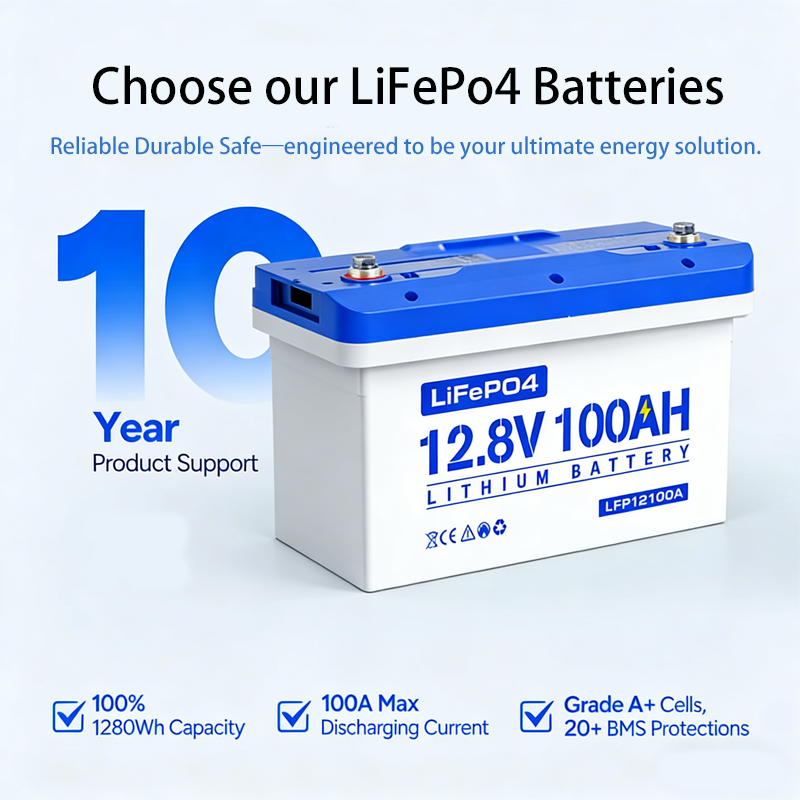
Chemistry affects failure behavior. Many portable power stations use NMC/NCA cells for high energy density. Others use LiFePO4 for higher thermal stability.
| Chemistry | Typical energy density | Thermal stability (qualitative) | Common use |
|---|---|---|---|
| NMC/NCA | Higher for the same weight | Lower onset temperature for thermal runaway | Portable tools, some power stations |
| LiFePO4 | Lower for the same weight | Higher onset temperature, slower heat release | Home ESS, many newer portable units |
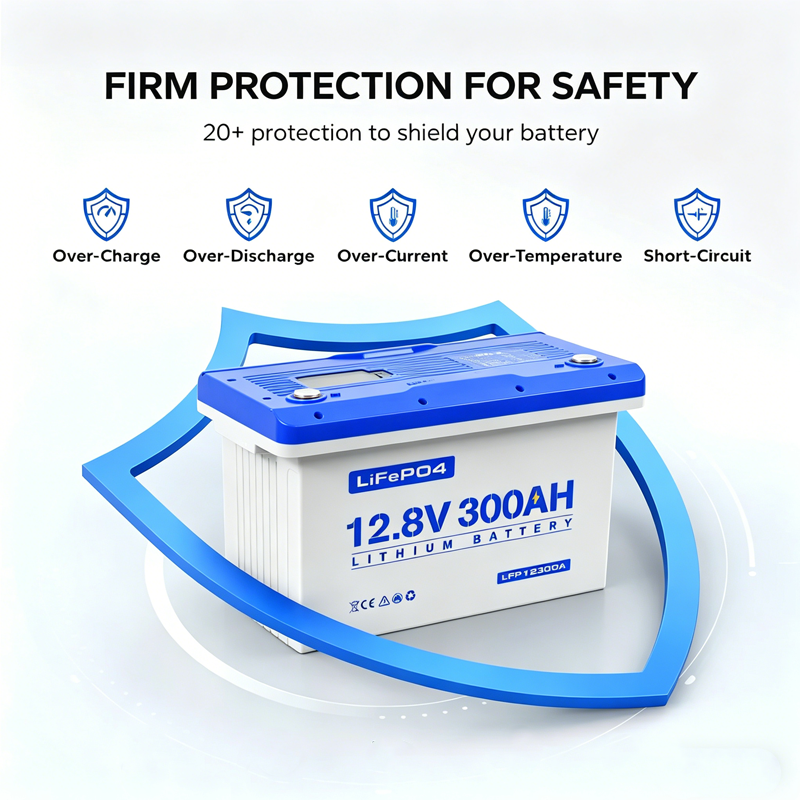
Published test data generally show LiFePO4 has a higher thermal runaway onset than NMC. That does not remove risk. Pack design, BMS, enclosure, and cell quality matter as much as chemistry. Ask for cell and pack certifications, BMS protections (overcharge, overcurrent, thermal cutback), and enclosure ratings.
Charging, storage, and use: practices that pass inspection
- Use the listed, original charger. Do not exceed the stated input power.
- Charge on a hard, noncombustible surface. Keep a clear area around the unit.
- Do not charge unattended overnight. Stop charging at 80–90% for long storage if the manual permits.
- Avoid daisy‑chaining extension cords or power strips. Use a short, heavy‑duty cord only if the manual allows it.
- Keep away from exits, heaters, rugs, curtains, and upholstered furniture.
- Inspect for damage, swelling, odor, or heat. If anything looks off, stop using it and contact the manufacturer.
- Place a smoke alarm in the room. Know how to disconnect and move the unit to a safe area if it overheats.
These steps align with the safety principles promoted by the U.S. Department of Energy’s solar and storage materials. They also match the risk‑based thinking in Next Generation Wind and Solar Power (Full Report), which emphasizes value and safety as distributed assets scale.
Working with your Fire Marshal and landlord
Q: How do I frame the discussion?
A: State the use case: outage backup for a fridge and phones, or daytime laptop use. Show the unit’s rating and run time estimates. Provide placement photos. Emphasize that there is no hardwiring and no backfeed to building circuits.
Q: What triggers a formal permit?
A: Penetrations, fixed wiring, transfer switches, battery cabinets, or aggregate energy that looks like an ESS. At that point, expect NFPA 855/IFC review, product listings like UL 9540, and site‑specific conditions.
Q: What are common red flags?
A: Unlisted chargers, damaged packs, charging in exits, indoor use of improvised battery assemblies, modified micromobility packs, and overloaded power strips. These raise risk and fast denials.
Q: Does broader energy policy matter here?
A: Yes, indirectly. As storage adoption grows, AHJs add clarity and tighten enforcement. The IEA Solar PV roadmap and the China Power System Transformation report both point to integration challenges that drive consistent safety frameworks. Expect more explicit local rules for batteries in multifamily buildings.
Practical sizing and runtime notes
Pick capacity for the loads you care about. A 1,000 Wh unit running a 100 W router and laptop can last around 8–9 hours after conversion losses. A 500 W fridge and lights can drain a 1,000 Wh unit in about 1.5–2 hours. Higher continuous power ratings support more devices but add heat and weight. Keep ambient temperatures moderate for better performance and safety.
Legal and safety notice
This content is for general information. It is not legal advice and not a substitute for code review with your AHJ, Fire Marshal, or licensed professionals.
FAQ
Do I need UL 9540 for a portable power station?
No. UL 9540 applies to stationary ESS. Portable products should carry relevant portable equipment listings (for example UL 2743/UL 2054) and use listed chargers. If you interconnect to building wiring, expect UL 9540 requirements.
Can I store the unit in a bedroom?
Many Fire Marshals prefer living areas with better ventilation and easier access. If you place it in a bedroom, keep it away from bedding and exits, and follow the manual. Ask your landlord for approval.
Is LiFePO4 always safer?
LiFePO4 offers higher thermal stability, but pack design and protections are critical. Choose reputable listings, follow the manual, and keep good charging habits.
References
- IEA. Technology Roadmap - Solar Photovoltaic Energy 2010.
- IEA. China Power System Transformation.
- IEA. Next Generation Wind and Solar Power (Full Report).
- U.S. Department of Energy. Solar Energy – Topics.
- IRENA. International Renewable Energy Agency.
