


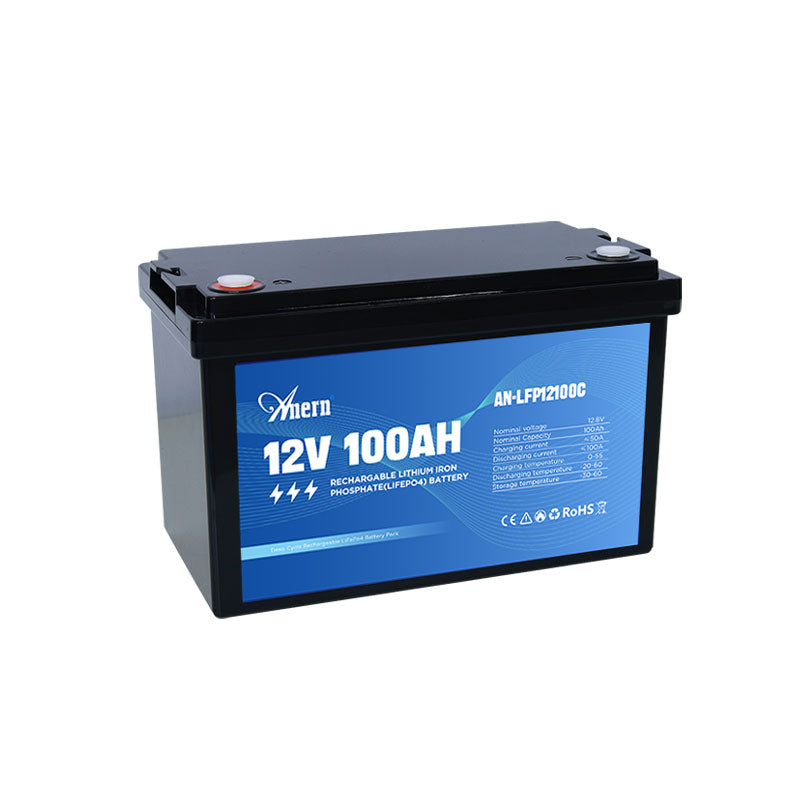
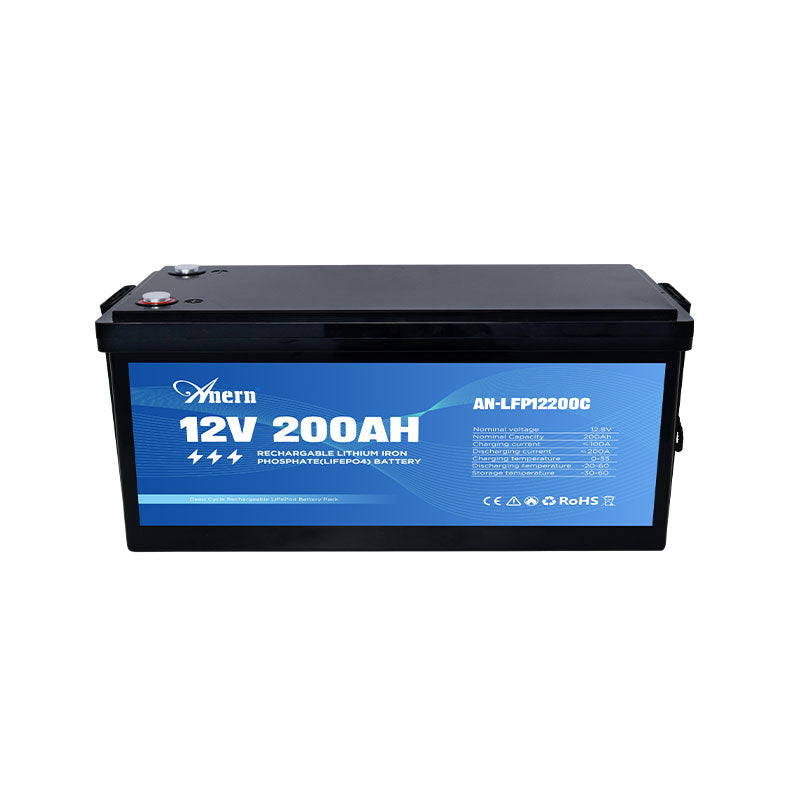
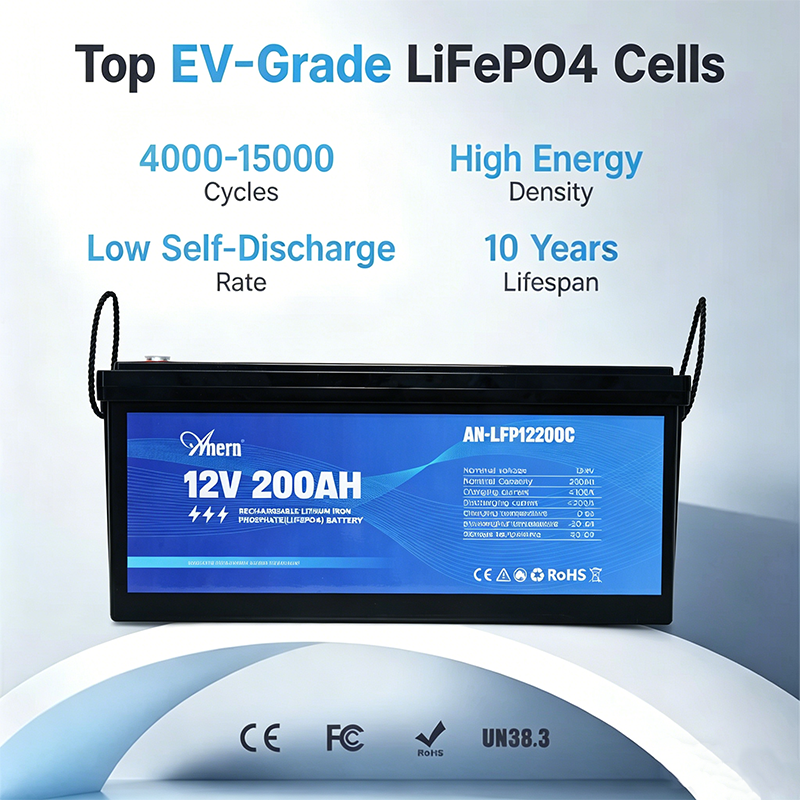

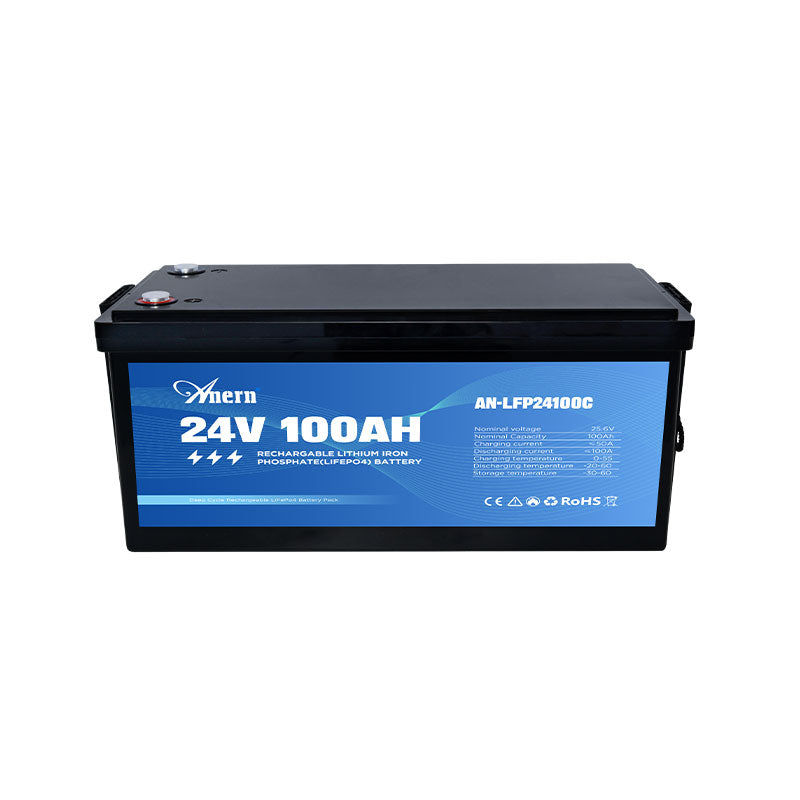
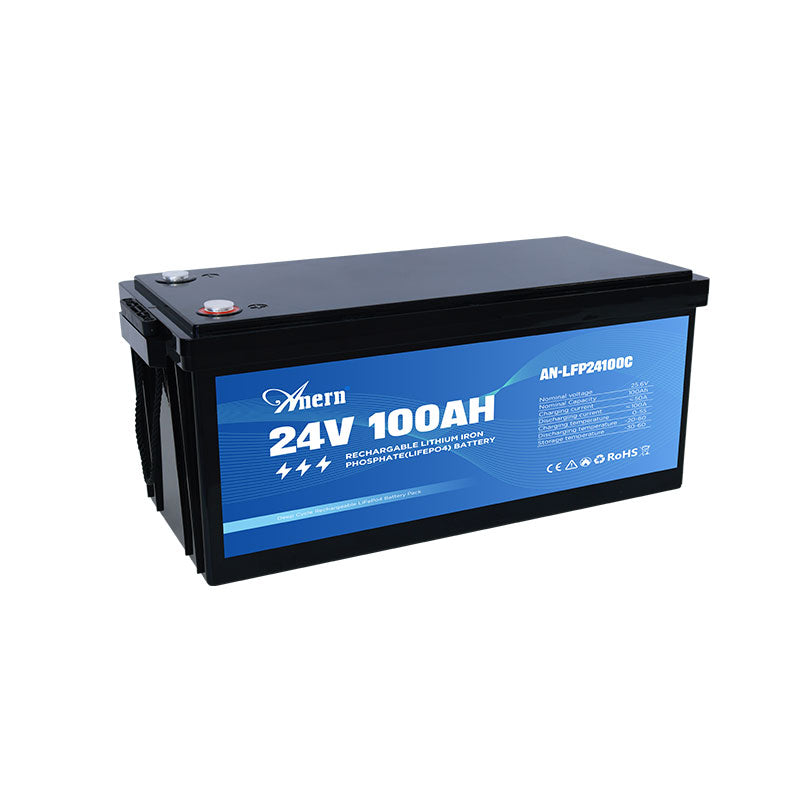

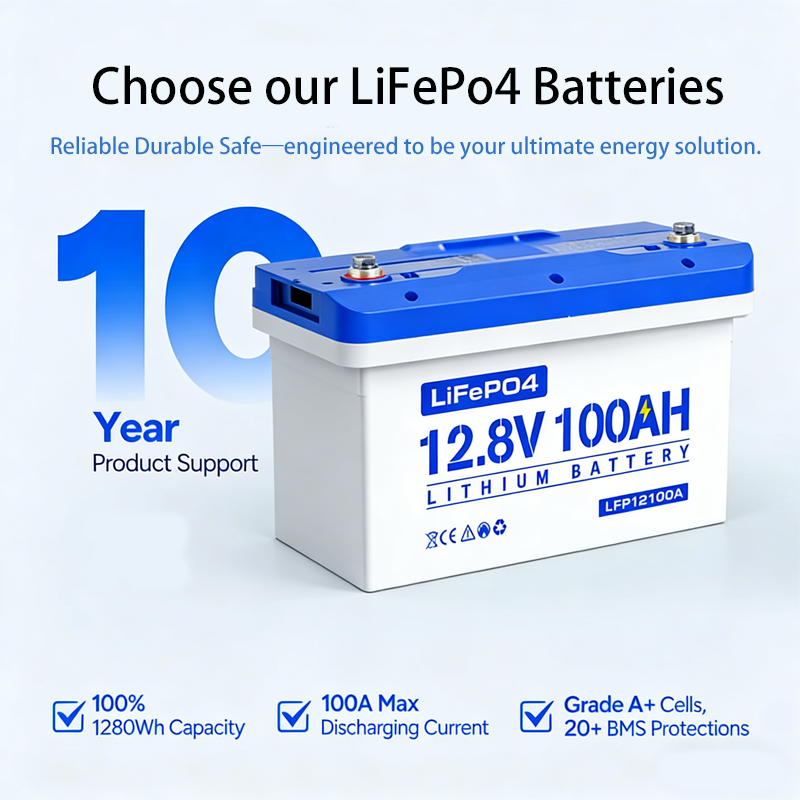

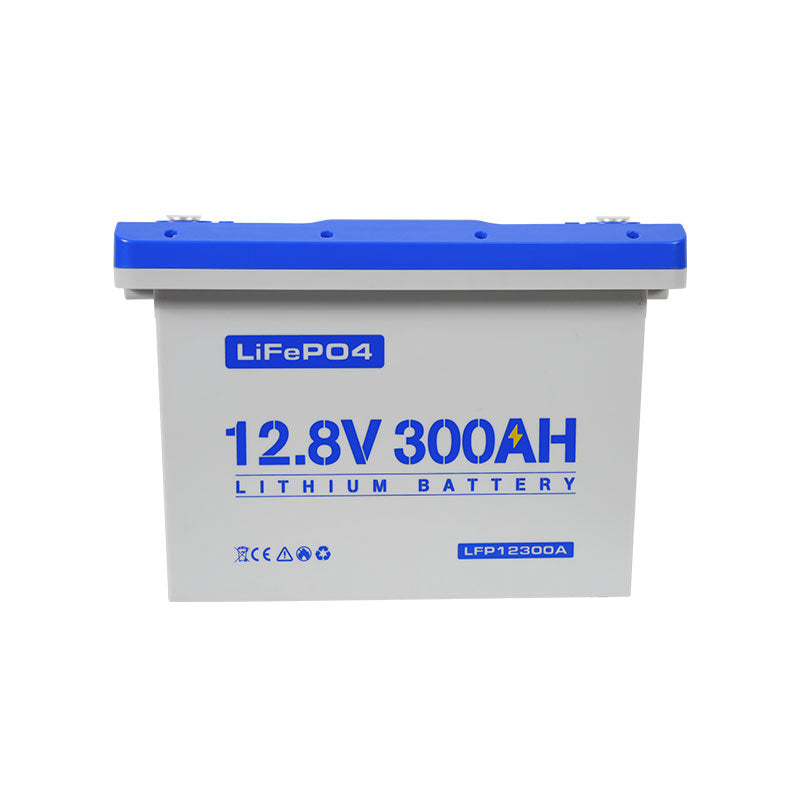
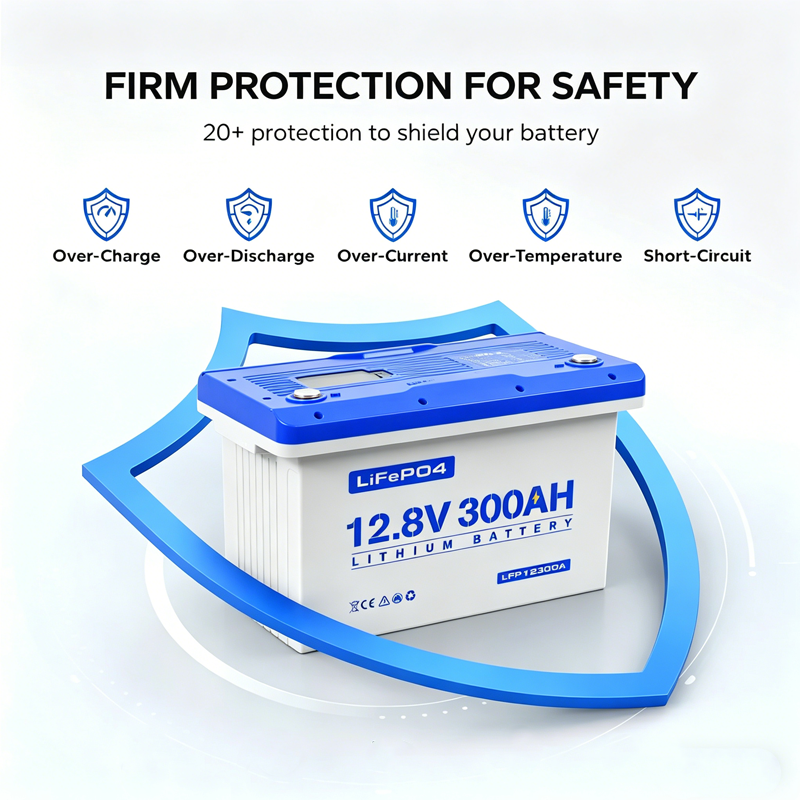

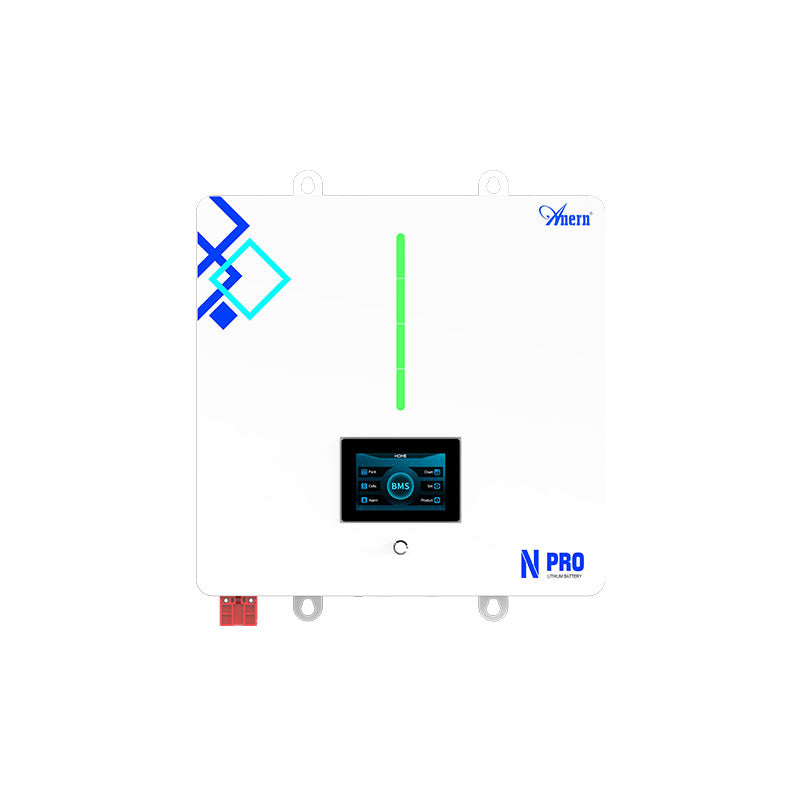
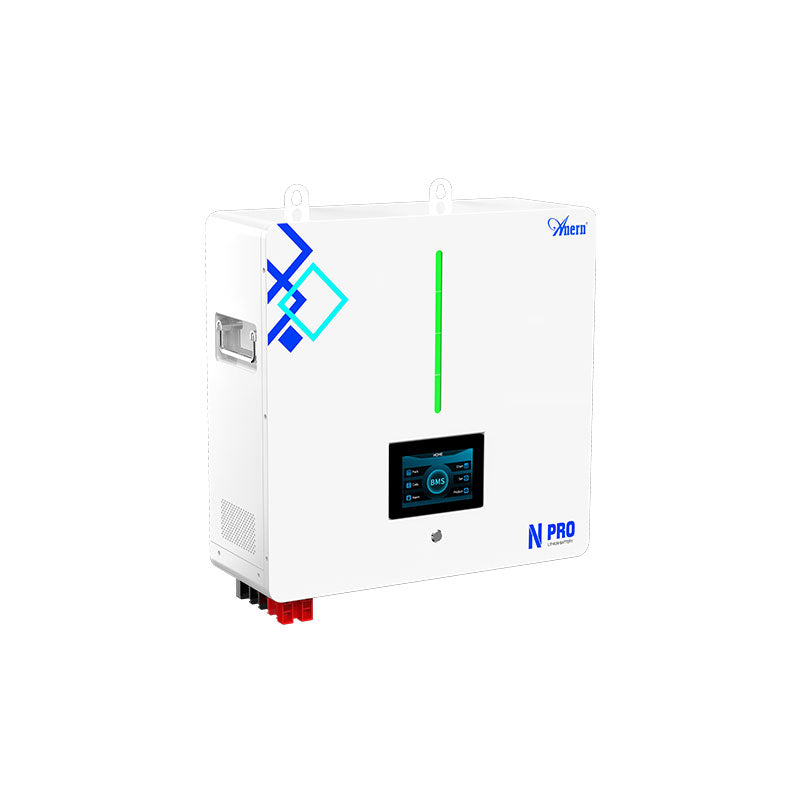
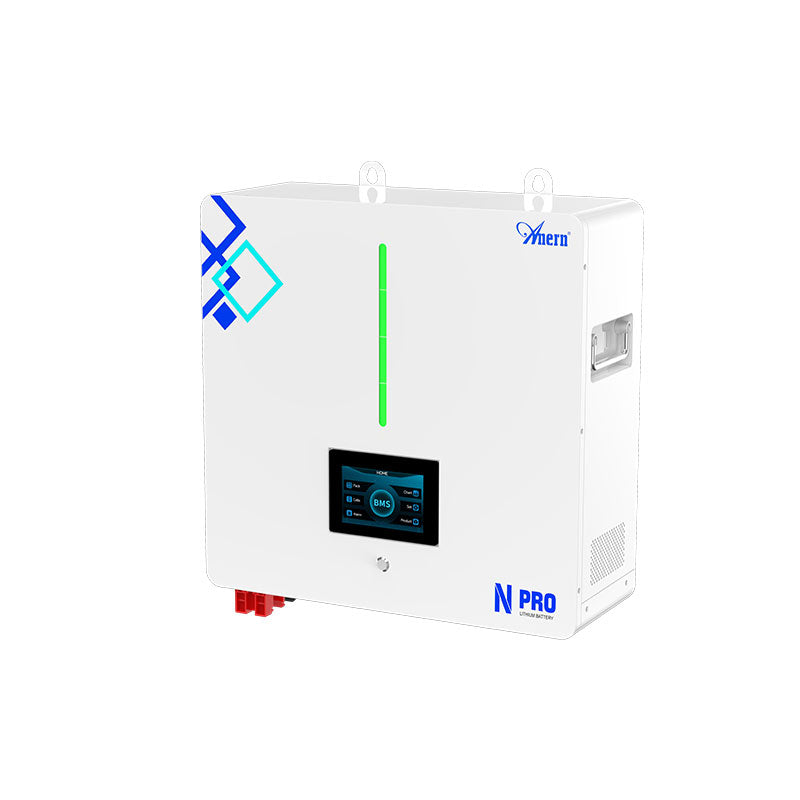

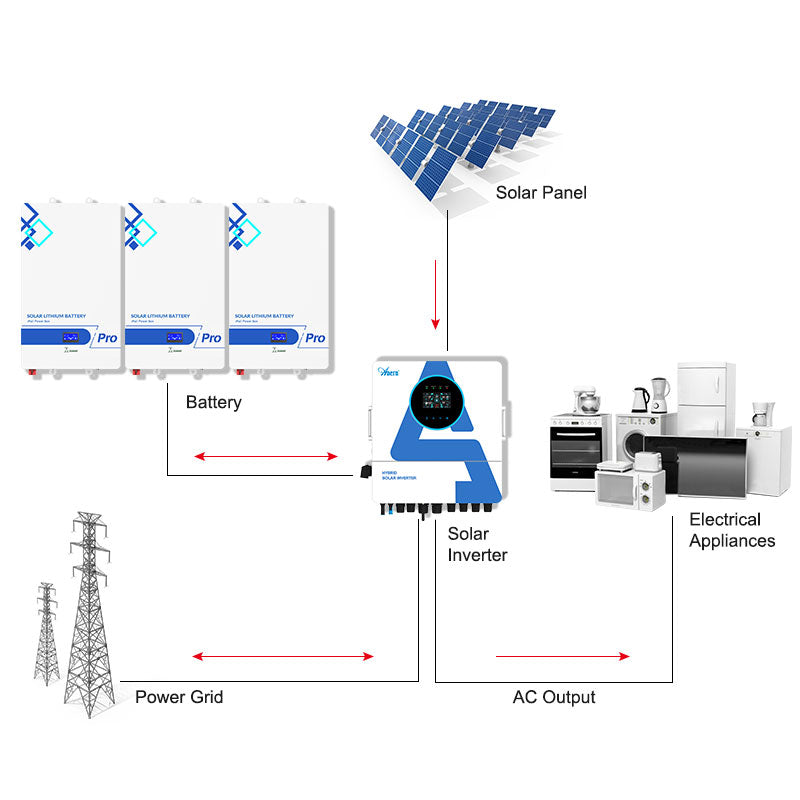
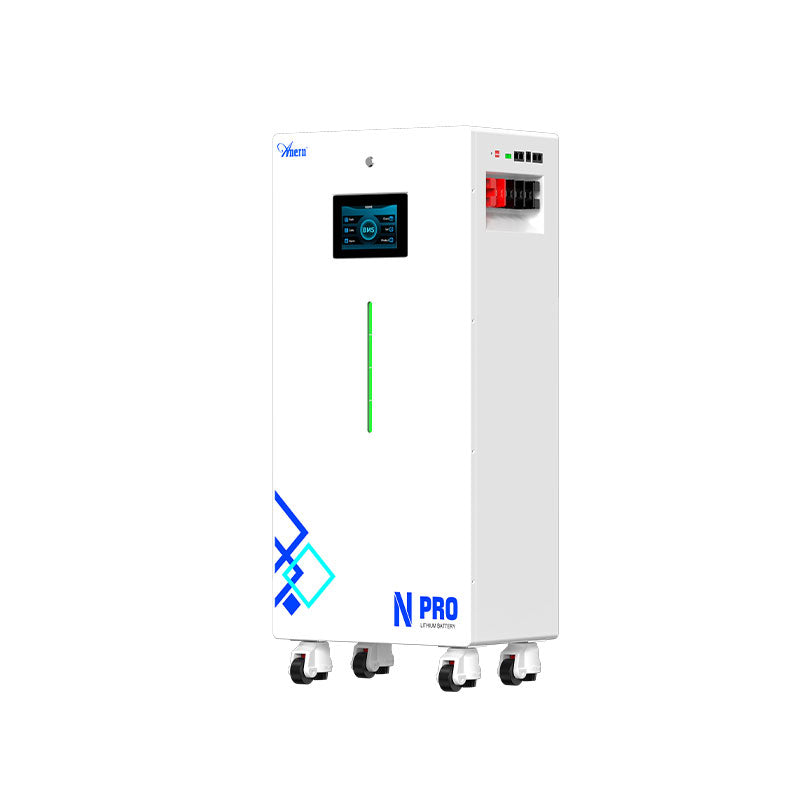


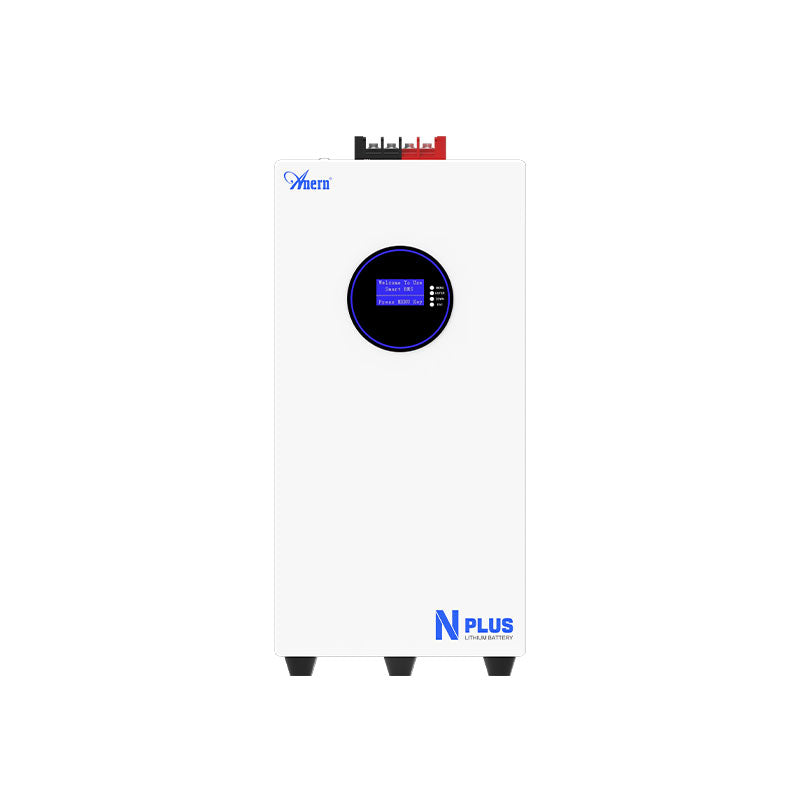
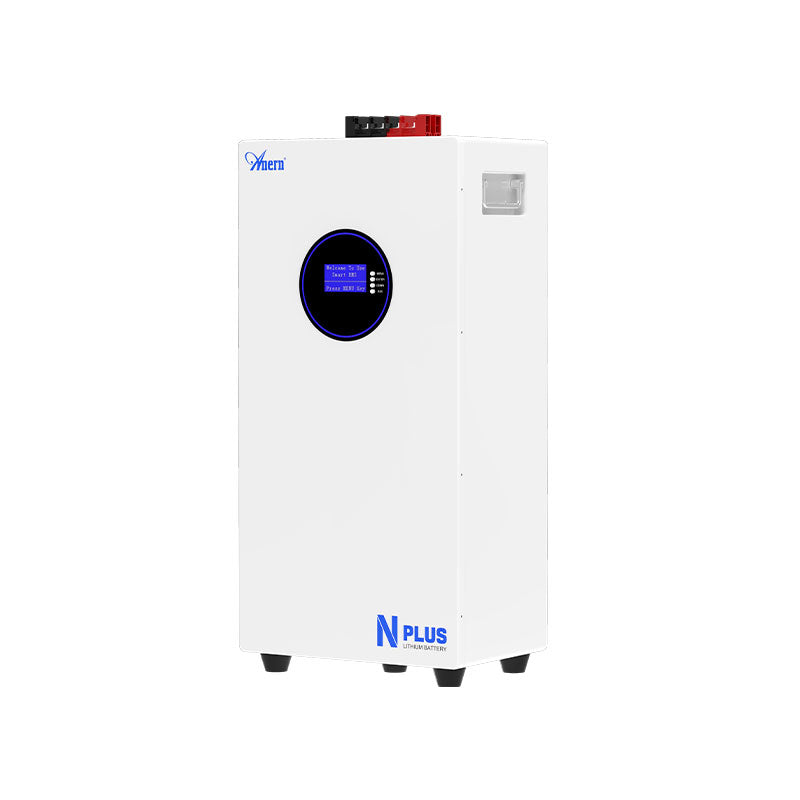
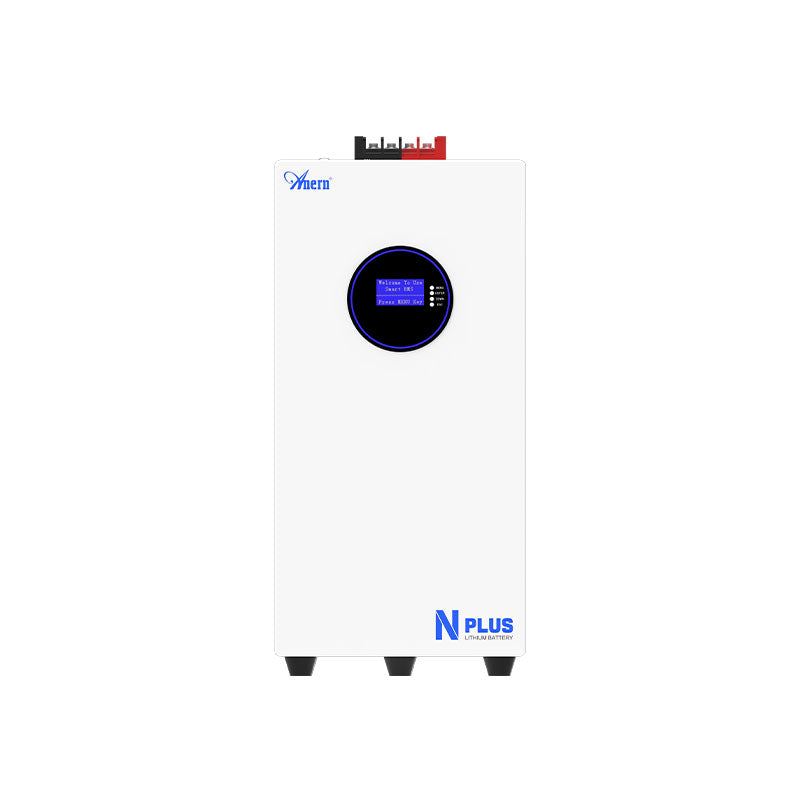
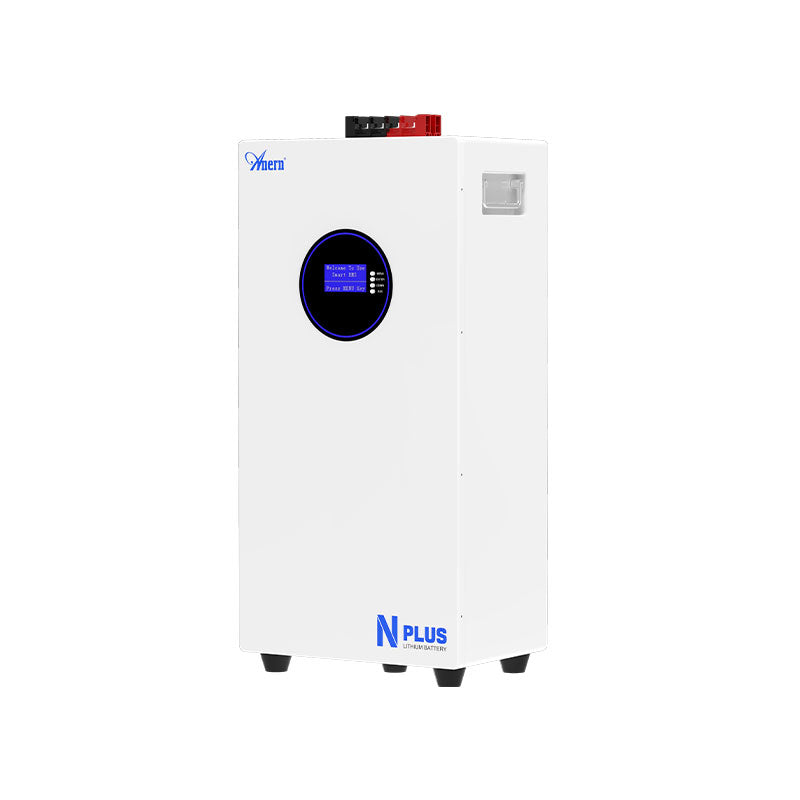




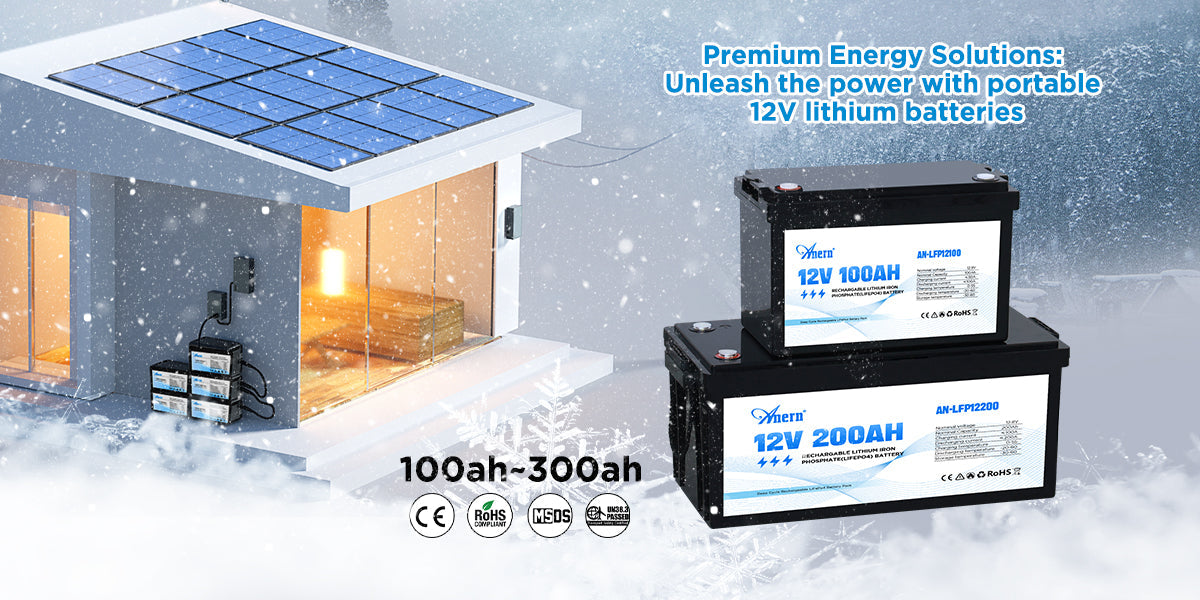
A LiFePO4 battery can deliver long service life and stable performance, but temperature has a direct effect on charging safety, usable capacity, and aging speed. For solar storage, RV power, marine systems, and home backup, understanding the LiFePO4 battery temperature range is one of the simplest ways to protect the battery investment.
The key point is straightforward: LiFePO4 batteries can often discharge in colder conditions than they can safely charge. Charging below freezing is the main risk users need to manage.
The LiFePO4 Operating Temperature Fundamentals
Temperature affects the movement of lithium ions inside the battery. When conditions are too cold, internal resistance rises and the battery delivers less usable power. When conditions are too hot, chemical side reactions speed up and long-term capacity loss can accelerate.
Inside the Cell: How Temperature Governs Chemical Reactions
A LiFePO4 battery works by moving lithium ions between the cathode and anode during charge and discharge. Temperature changes how easily those ions move through the electrolyte and into the electrode material.
Cold slows ion movement and increases internal resistance, so the battery may show more voltage sag under load. Heat can temporarily make reactions faster, but it also accelerates unwanted aging reactions. Both extremes reduce real-world performance if they become routine.
Defining the LiFePO4 Battery Temperature Range: Charge, Discharge, and Storage
Do not treat operating temperature as one number. Charging, discharging, and storage each have different limits. The exact values depend on the battery model, but the ranges below are common planning references for many LiFePO4 packs.
| Operation | Common Practical Range | What It Means |
|---|---|---|
| Discharging | About -20°C to 60°C (-4°F to 140°F) | The battery may run loads in cold weather, but available capacity drops. |
| Charging | About 0°C to 45°C (32°F to 113°F) | Standard charging below freezing should be blocked unless the battery has approved heating protection. |
| Storage | About 10°C to 35°C (50°F to 95°F) preferred | Cool, stable storage slows aging. |

Navigating the Cold: LiFePO4 Cold Weather Performance
Cold weather affects LiFePO4 batteries in two different ways. It reduces usable discharge performance, and it creates a much stricter rule for charging.
The Impact of Cold on Capacity and Power Output
As temperature falls, a LiFePO4 battery usually provides less usable capacity and lower power output. The pack may still operate, but runtime can be shorter and voltage sag can be more noticeable under higher loads.
| Ambient Temperature | Expected User Experience | Planning Note |
|---|---|---|
| 10°C to 25°C (50°F to 77°F) | Near normal performance | Best range for predictable runtime. |
| 0°C to 10°C (32°F to 50°F) | Noticeable runtime reduction | Plan extra capacity for overnight or cloudy periods. |
| -10°C to 0°C (14°F to 32°F) | Significant voltage sag and capacity loss | Avoid high-power loads if possible. |
| Below -10°C (14°F) | Performance can become unreliable for heavy loads | Use heated or protected battery placement for critical systems. |
The Critical Rule: Charging LiFePO4 in Freezing Temperatures
Standard LiFePO4 charging below 0°C (32°F) is generally not recommended. The risk is lithium plating, where lithium can deposit on the anode instead of properly entering the graphite structure. This can permanently reduce capacity and may increase internal safety risk. A technical review of lithium plating mechanisms in lithium-ion batteries explains why low-temperature charging needs careful control.
Some lab-controlled methods use very low current at low temperatures, but that is not a practical rule for normal solar users. Most users should follow the simpler operating rule: do not charge below freezing unless the battery is specifically designed with low-temperature charging protection or self-heating.
The Role of the Battery Management System (BMS) in Cold Protection
A modern LiFePO4 lithium battery should include a Battery Management System, or BMS. Many BMS designs monitor temperature and block charging when the battery is too cold.
The BMS is a protection layer, not a heating system. If cold charging is a normal part of your use case, look for a battery with low-temperature cutoff, self-heating, or a protected installation location. For related protection behavior, this LiFePO4 BMS protection reset guide explains how BMS shutdowns can appear to users.
Managing the Heat: Protecting Your Battery in High Temperatures
Heat usually damages batteries more quietly than cold. The battery may seem to work well in warm conditions, but consistent high temperature can shorten its service life.
The Paradox of Heat: Temporary Boost vs. Permanent Degradation
Moderate warmth can reduce internal resistance, so the battery may feel strong in the short term. The tradeoff is faster aging. If a battery lives in a hot compartment, shed, or direct sun, the long-term capacity loss can be much worse than the first few months suggest.
How Heat Degrades a Battery: Accelerated Aging and Safety Risks
High temperature can accelerate electrolyte breakdown, increase self-discharge, and speed up growth of internal resistance. LiFePO4 chemistry is known for good thermal stability compared with many other lithium-ion chemistries, but it still should not be treated as heat-proof. Broader lithium-ion safety guidance from the National Fire Protection Association is useful when batteries are stored in homes, garages, workshops, RVs, or utility spaces.
Year-Round Strategies for Optimal Battery Health
Temperature management does not need to be complicated. The best strategy is to keep the battery away from extremes and choose battery features that match the climate.
How to Keep a LiFePO4 Battery Warm
In winter, the goal is to keep the battery above freezing before charging. Useful options include:
- Install indoors when possible: A climate-protected compartment is often the cleanest solution.
- Use insulation carefully: Insulation slows temperature swings, but it does not create heat by itself.
- Choose self-heating batteries for cold climates: Built-in heating can warm the cells before charging begins.
- Confirm low-temperature cutoff: This is especially important for unattended solar charging.
Cooling Strategies for Hot Environments
In hot climates, prioritize shade and airflow. Avoid sealed boxes exposed to direct sun. Use vented compartments, spacing around the battery, and fans if heat builds up during charging or high-current discharge. For larger systems, thermal planning should be part of the system design, not an afterthought.
Best Practices for LiFePO4 Battery Storage
Storage conditions affect calendar life. A battery that is not being used still ages, especially if it is stored hot or fully charged for long periods.
Preparing for Storage: Temperature and State of Charge
For seasonal storage, many manufacturers recommend a partial state of charge, often around 40% to 60%, in a cool and dry place. Avoid storing at 100% state of charge in hot conditions, and avoid storing near 0% because small standby drains can eventually push the pack into low-voltage protection.
Long-Term Storage Considerations
Disconnect loads and chargers before storage. Check voltage every few months and recharge if the battery drops below the manufacturer's recommended storage range. If the battery will be stored in a vehicle, RV, or cabin, remember that small parasitic loads can drain it slowly over time.
Follow These Golden Rules for Better Battery Life
A LiFePO4 battery can be a long-lasting power source when temperature is managed correctly. Keep these rules in mind:
- Do not perform standard charging below 0°C (32°F) unless the battery supports low-temperature charging protection or heating.
- Expect reduced runtime when discharging in cold weather.
- Keep batteries shaded and ventilated in hot environments.
- Treat the BMS as protection, not as a substitute for good thermal design.
- Store the battery partially charged in a cool, dry location.
For most users, these habits are enough to improve safety, reduce nuisance shutdowns, and help the battery deliver reliable service across seasons.
