
















Introduction: Revolutionizing Agriculture with the Sun and Precision
Farming faces significant challenges today, particularly concerning water availability and energy costs. Traditional irrigation methods often consume large amounts of water, leading to waste and increased operational expenses. Moreover, reliance on conventional energy sources can create an unpredictable and costly farming environment.
Solar-powered drip irrigation systems offer a compelling solution. These innovative setups combine the efficiency of drip irrigation with the sustainable power of the sun. They deliver water directly to plant roots, minimizing waste and maximizing absorption. This approach helps farmers manage water resources effectively while reducing dependence on external power grids or fossil fuels.
The transition to such systems represents a strategic step towards more resilient and profitable agricultural practices. It empowers farmers to cultivate crops efficiently, even in remote or water-scarce regions. ANERN, with extensive experience in solar and energy storage, is committed to providing reliable and scalable energy solutions that help you achieve true energy independence on your farm.
The Mechanics of Solar Drip Irrigation
A solar-powered drip irrigation system is a well-integrated network designed to move water from its source to your crops using clean solar energy. Understanding its core components and how they interact is key to appreciating its efficiency.
Key System Components
- Solar Panels (Photovoltaic Modules): These are the foundation of your system, converting sunlight directly into direct current (DC) electricity. They are designed for durability and long-term performance, ensuring a consistent power supply during daylight hours.
- Water Pump: The pump moves water from the source (well, bore, river, or reservoir) through the irrigation system. You can choose between surface pumps for shallow water sources or submersible pumps for deeper wells. A 2 HP solar-powered drip irrigation pump might be part of a 2 kWp solar system, costing around USD 4,250. A 5 HP pump could be paired with a 4.8 kWp solar system, with an estimated cost of USD 7,670.
- Pump Controller: This device manages the power flow from the solar panels to the pump, optimizing its operation based on available sunlight. Many modern controllers feature Maximum Power Point Tracking (MPPT) for enhanced efficiency.
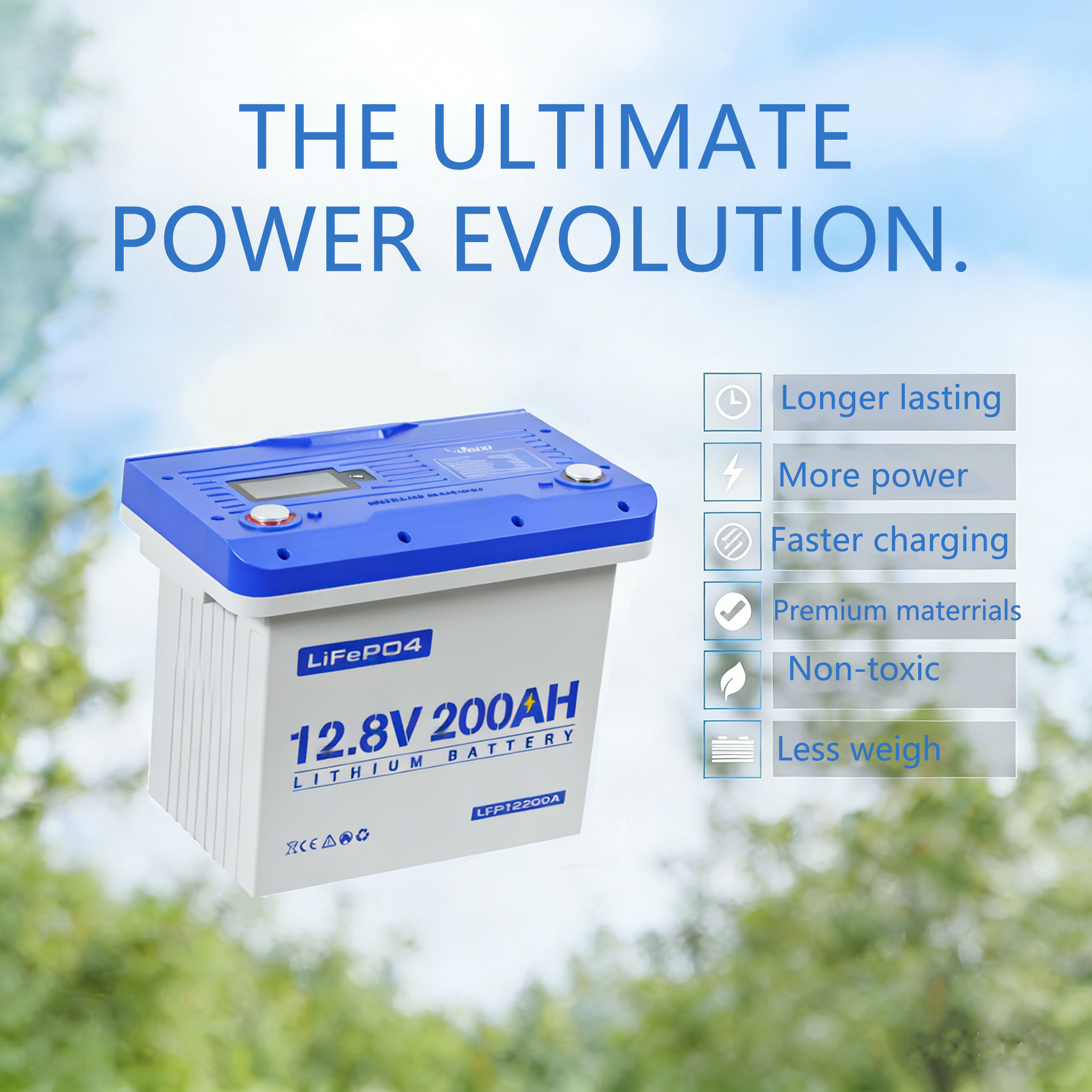
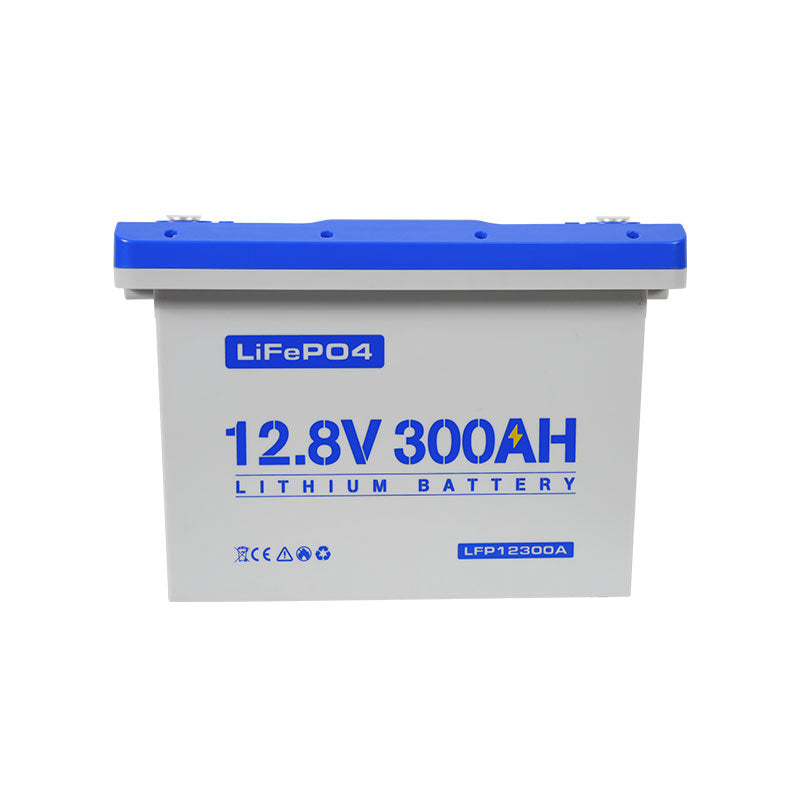
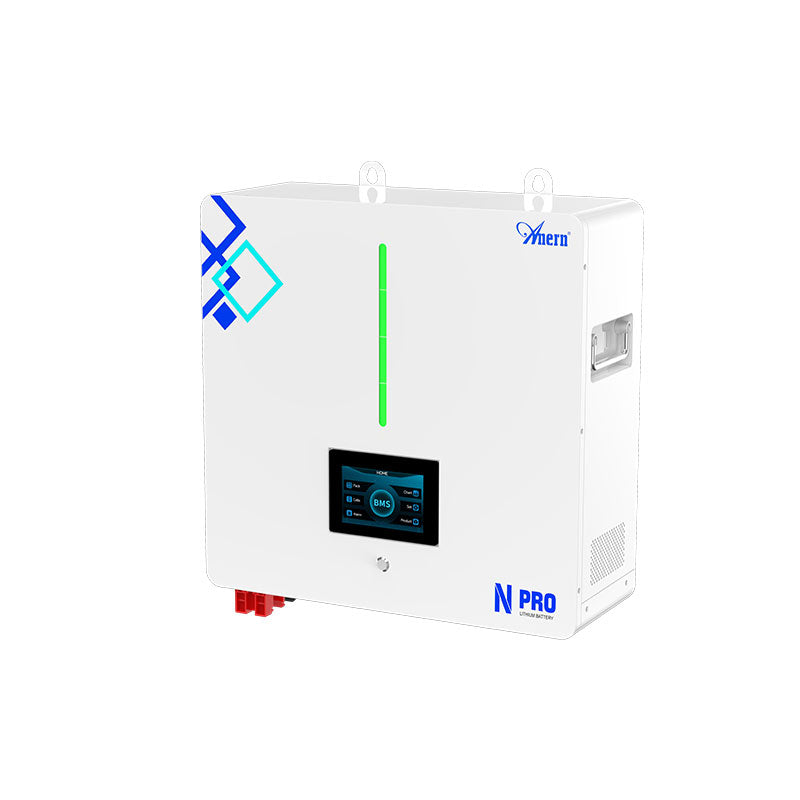
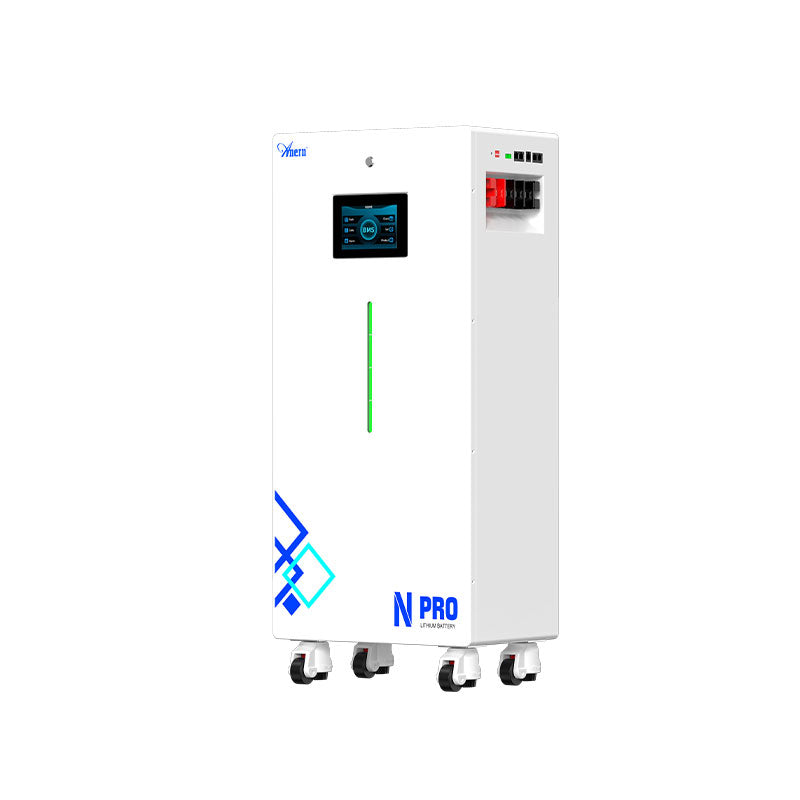
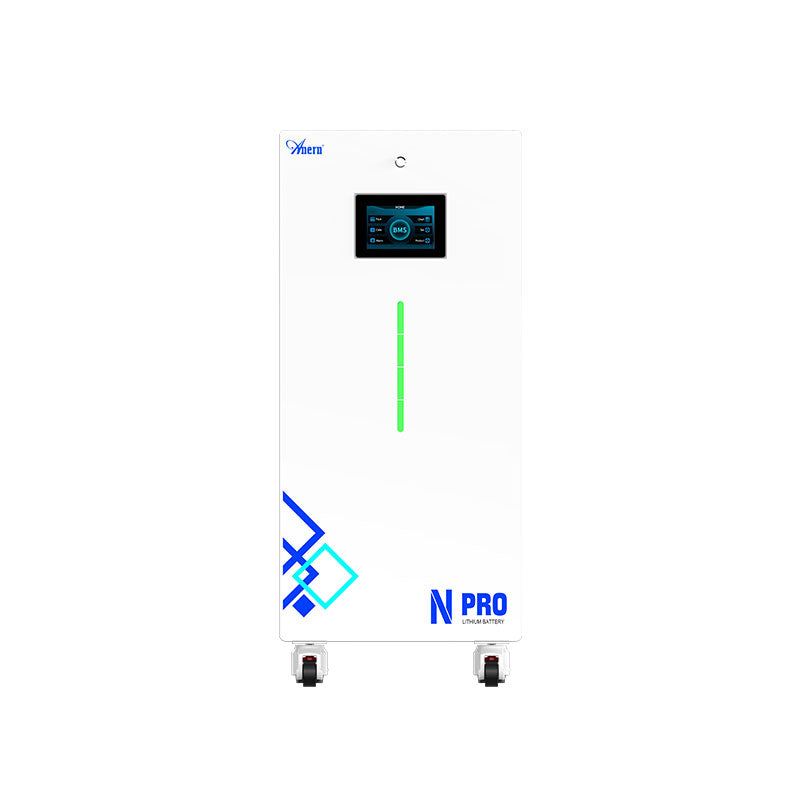
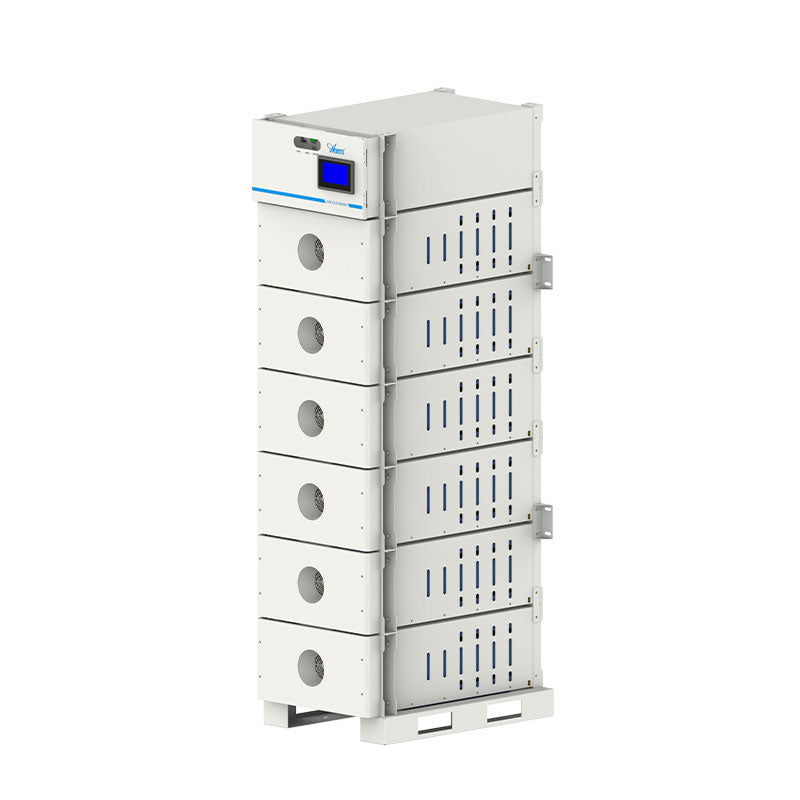
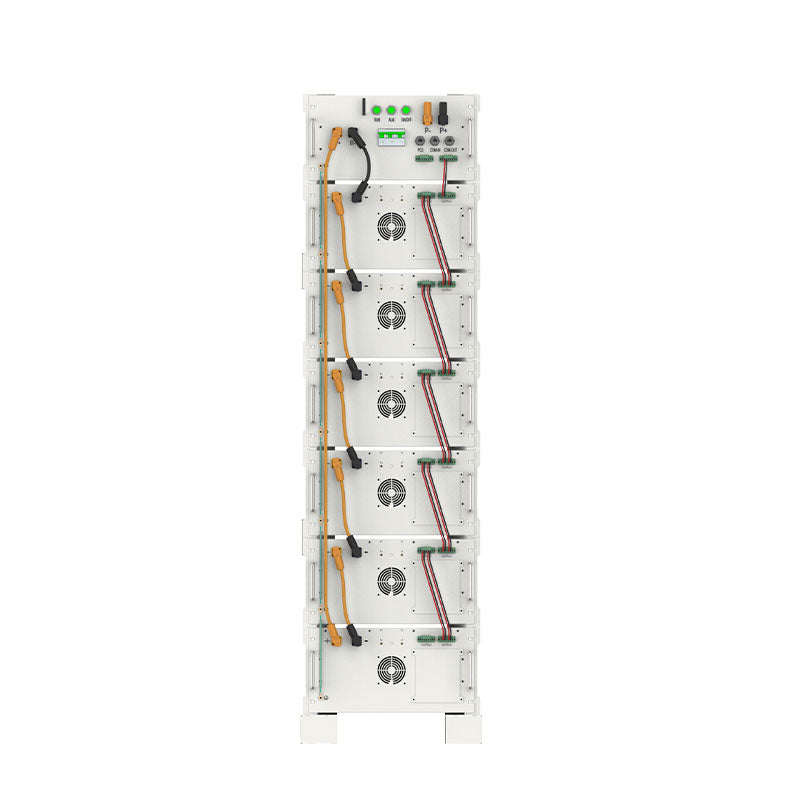
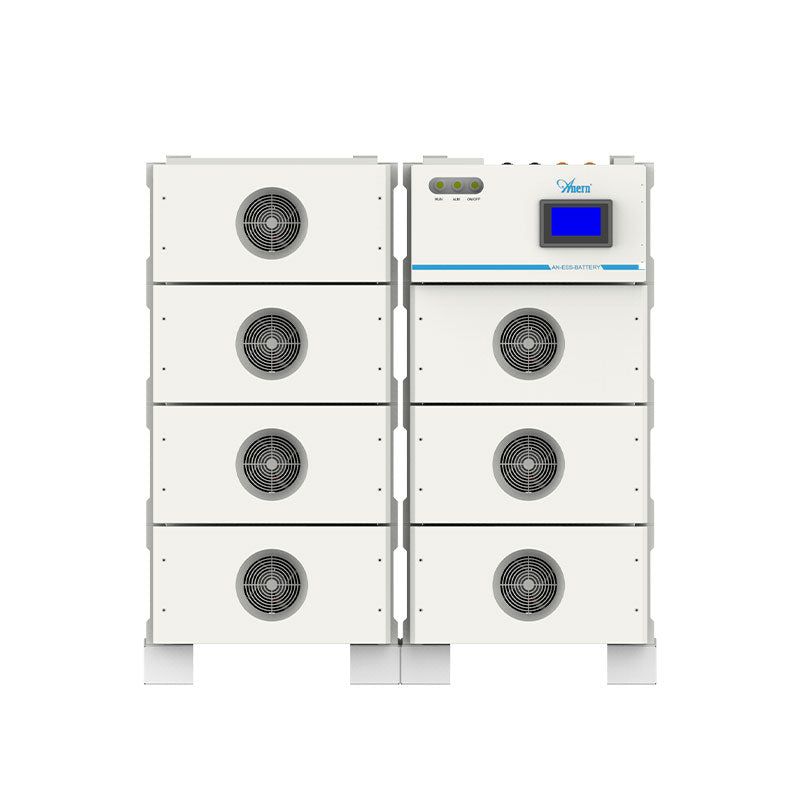
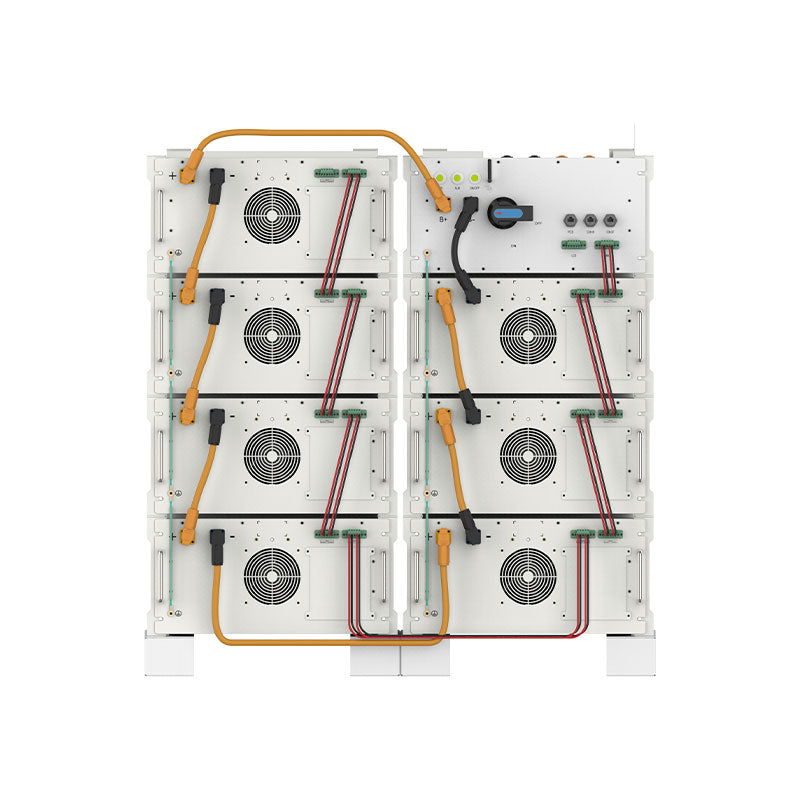
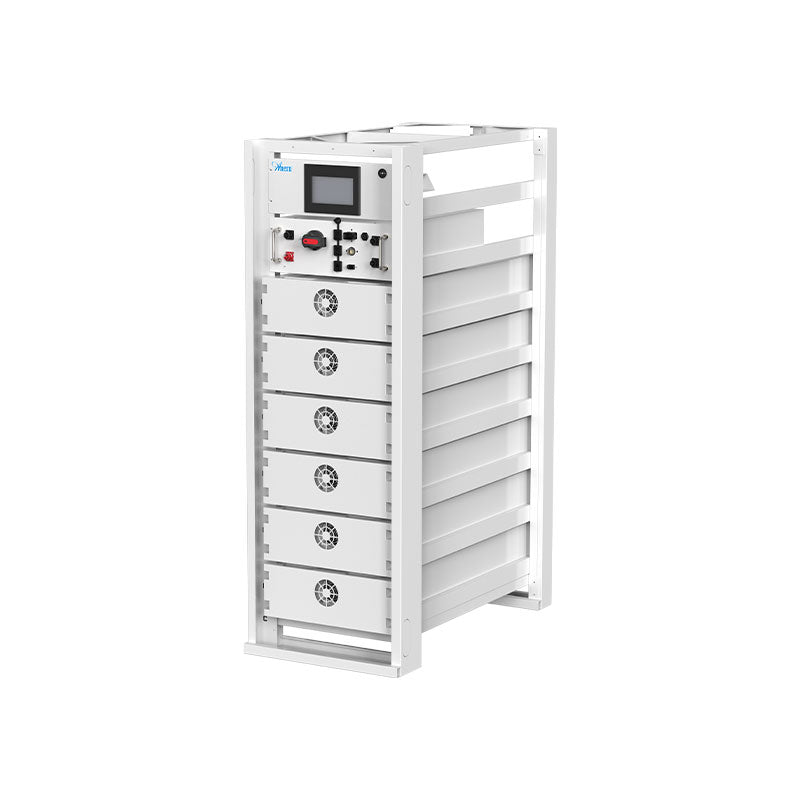
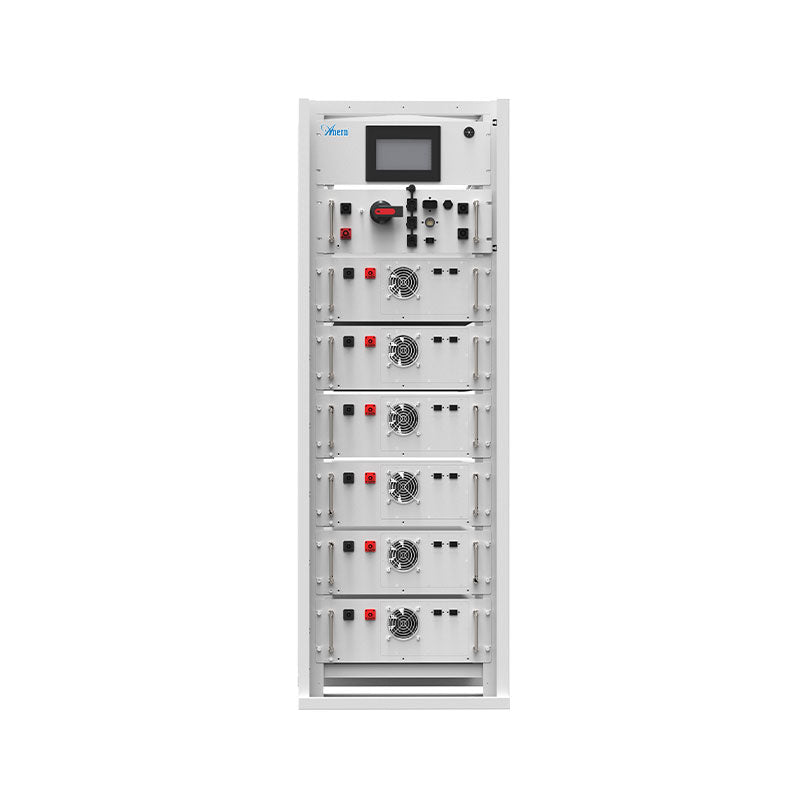
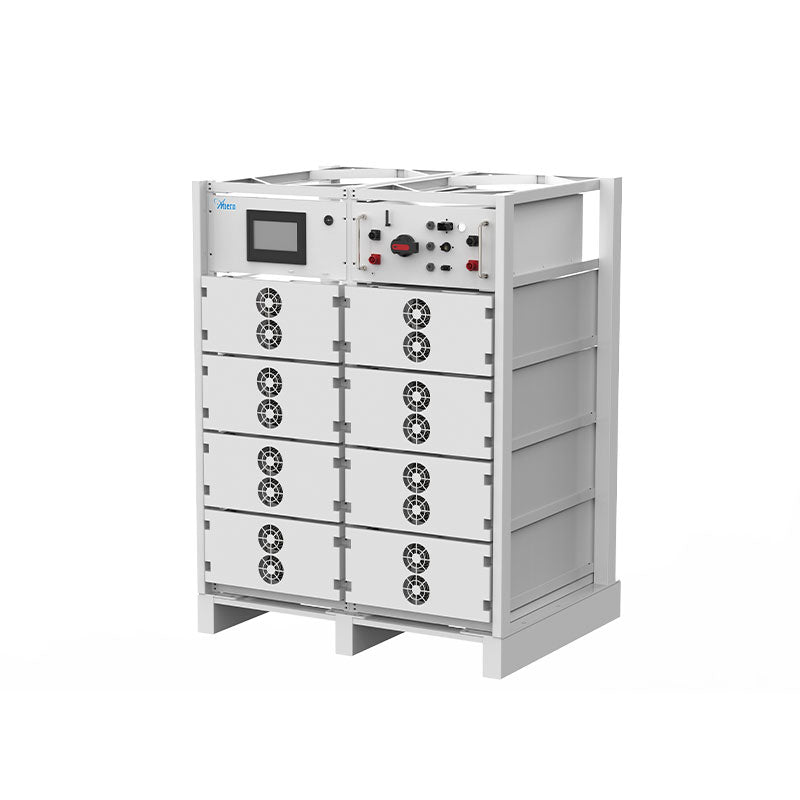
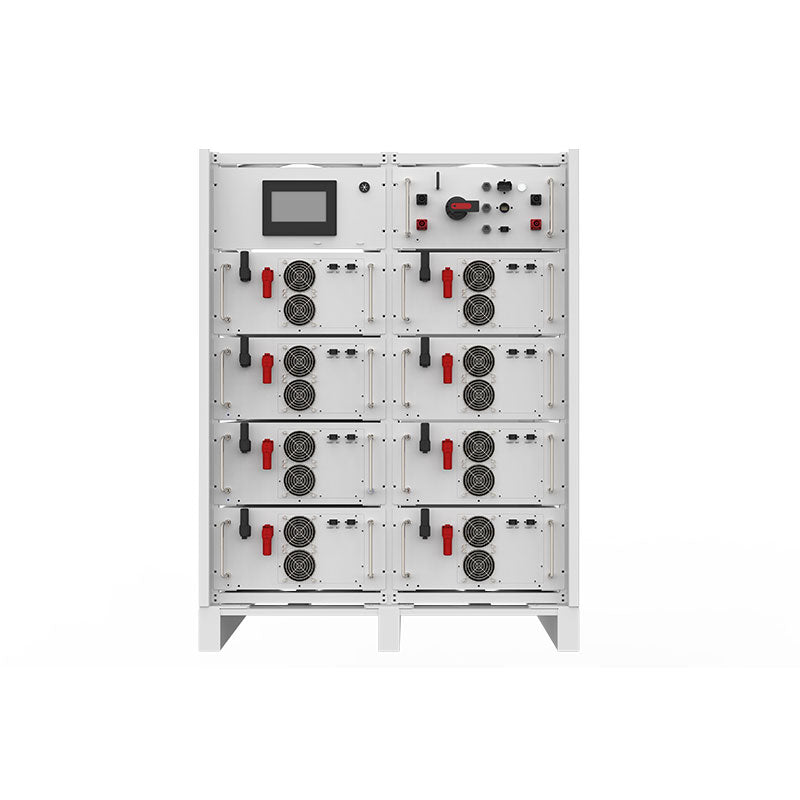
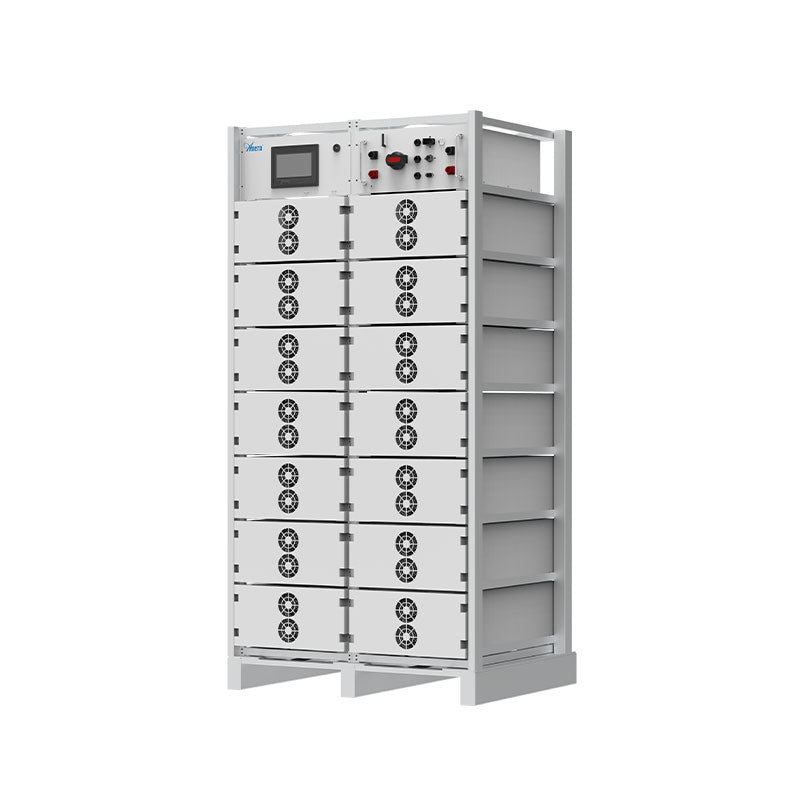
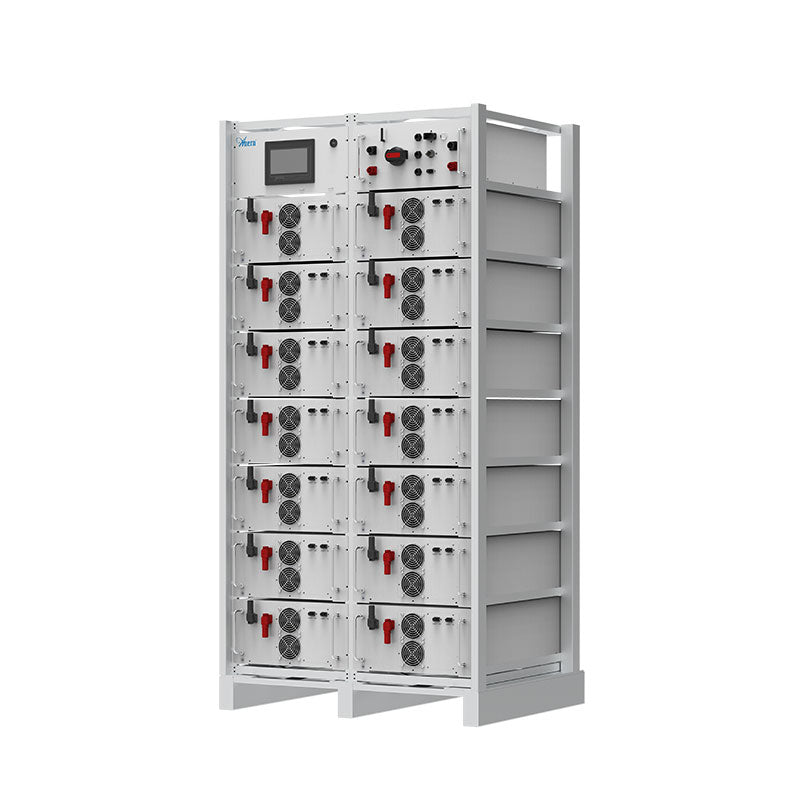
- Energy Storage (Batteries): While not always mandatory for direct-drive systems, batteries provide power for irrigation during cloudy periods or after sunset. High-performance, safe, and reliable LiFePO4 batteries, like those manufactured by ANERN, are an excellent choice for solar drip irrigation. They offer long cycle life and consistent power delivery, outperforming traditional lead-acid alternatives. You can explore more about battery options in LiFePO4 Batteries vs Lead-Acid for Solar Drip Pumps.
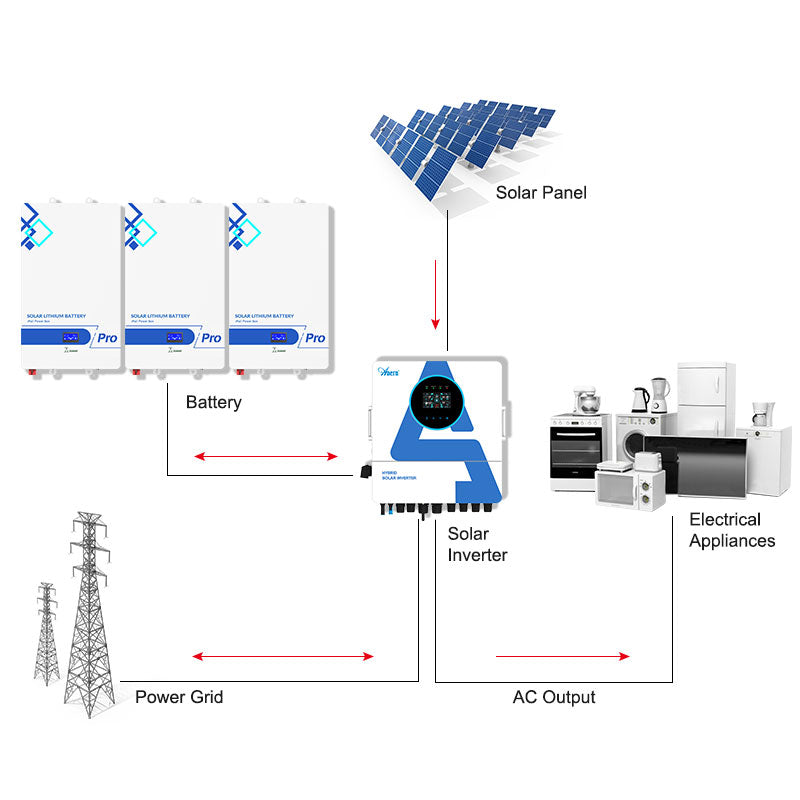
- Solar Inverter: For systems requiring alternating current (AC) power or integration with other farm equipment, a solar inverter converts the DC electricity from the panels (or batteries) into usable AC power. ANERN offers advanced solar inverters that seamlessly integrate with your system, providing stable power for various applications. If you are considering automation for smallholder farms, a hybrid inverter can play a crucial role, as discussed in Blueprint: Hybrid Inverter + Drip Automation for Smallholders.
- Drip Irrigation Network: This includes the main pipelines, sub-mains, lateral lines, and emitters (drippers). The emitters deliver water slowly and precisely to the plant root zone. Drip systems achieve high water efficiency, potentially up to 90-99%, by minimizing evaporation and runoff.
- Filtration System: Drip emitters have small internal diameters, making them susceptible to clogging. A robust filtration system, often including disc filters, is essential to remove particles from the water and ensure the system's longevity and consistent performance.
How the System Operates
The process begins when solar panels capture sunlight and convert it into electricity. This electricity flows to the pump controller, which then powers the water pump. The pump draws water from your source, pushing it through the main pipelines and into the drip lines laid across your field. Emitters along these lines release water directly to the base of each plant, drop by drop.
For systems with energy storage, any excess electricity generated during peak sunlight hours charges the batteries. This stored energy becomes available when solar input is low, such as on cloudy days or at night, allowing for continuous irrigation. This ensures your crops receive water consistently, regardless of immediate sunlight availability. ANERN's integrated ESS development focuses on providing robust solutions for such continuous operation.
Advantages for Sustainable Agriculture
Adopting solar-powered drip irrigation brings substantial benefits, transforming farming practices into more sustainable and economically viable operations.
Unlocking Water Efficiency and Conservation
Water scarcity affects many agricultural regions. Solar-powered drip irrigation addresses this directly through precise water delivery. This method can reduce water usage by up to 50-60% compared to traditional irrigation techniques like flood or sprinkler systems. By delivering water directly to the plant roots, it significantly minimizes losses from evaporation and runoff.
This targeted approach means every drop counts, preserving precious water resources. In arid regions, this efficiency can make the difference between a struggling farm and a thriving one, enabling cultivation even in challenging environments. For a real-world example, consider the insights from Case Study: Solar Drip Cut Water Use 60% in Arid Kenya.
Economic and Environmental Gains
The economic advantages are clear. By harnessing free solar energy, you eliminate or significantly reduce electricity bills or fuel costs associated with traditional pumps. Diesel-driven pumps, while sometimes cheaper initially, incur much higher running costs due to fuel prices. This translates into substantial long-term savings and improved farm profitability. According to IRENA, new renewable energy projects globally are often cheaper than fossil fuel alternatives, with solar photovoltaics being 41% cheaper on average in 2024.
Environmentally, solar-powered drip irrigation drastically lowers your farm's carbon footprint. It replaces fossil fuel consumption with clean, renewable energy, reducing greenhouse gas emissions and contributing to cleaner air. This commitment to sustainable practices aligns with global efforts to combat climate change and protect natural resources.
Beyond cost savings and environmental protection, increased crop yields are a notable benefit. Precise watering directly to the roots reduces water stress on plants, leading to healthier growth and potentially increasing yields by as much as 90% compared to conventional methods. For a deeper dive into the financial aspects, you may consult Trends 2025: Solar Drip Irrigation Costs, Yields, Payback.
Designing and Implementing Your Solar Drip System
Successful implementation of a solar-powered drip irrigation system requires careful planning and selection of components. This ensures your system meets your specific agricultural needs and operates efficiently for years.
Sizing and Component Selection
Proper sizing is critical. You will need to assess factors such as the total land area to be irrigated, the type of crops and their water requirements, daily solar insolation at your location, and the water source characteristics (e.g., depth of well, required pumping head and flow rate). These factors determine the appropriate size of your solar array and pump.
For example, a typical drip irrigation system for one hectare may require approximately 25-50 cubic meters of water per day. ANERN offers comprehensive off-grid solar solutions, including high-performance solar panels and integrated ESS (Energy Storage Systems), designed to match various farm sizes and energy demands. Our experts can help you determine the optimal configuration for your specific needs, ensuring all components work together seamlessly. For detailed sizing guidelines, refer to Ultimate Guide to Solar-Powered Drip Irrigation Sizing and What Size Solar Array Powers One Acre of Drip Irrigation?.
When selecting batteries, consider ANERN's LiFePO4 batteries. They are known for their high energy density, long lifespan (thousands of cycles), and inherent safety, making them a robust choice for agricultural applications where reliability is paramount. The cost of battery energy storage systems has seen significant reductions, falling by 93% from 2010 to 2024.
Installation, Maintenance, and Maximizing Performance
While solar drip irrigation systems are designed for durability, proper installation and routine maintenance extend their lifespan and ensure peak performance. Key installation considerations include adequate sunlight exposure for solar panels, proper wiring, and secure mounting structures.
Regular maintenance involves checking and cleaning drip emitters to prevent clogging, inspecting pipes for leaks, and ensuring the solar panels are free of dust and debris. A well-maintained system operates efficiently, preventing water waste and maximizing crop health. Avoiding common pitfalls during setup and operation is crucial. You can gain valuable insights from 9 Mistakes That Kill Solar Drip Efficiency, and Fixes.
ANERN's focus on integrated ESS development means our solutions are designed for ease of installation and minimal maintenance. Our solar inverters and off-grid systems offer reliable operation, reducing the need for frequent interventions. This allows you to focus more on farming and less on system upkeep.
The Future of Farming: Smart Integration and Energy Independence
Solar-powered drip irrigation is a foundational step towards more advanced and independent farming systems.
Integrating with Advanced Agricultural Practices
The precision of drip irrigation makes it an ideal partner for smart farming technologies. Integrating sensors that monitor soil moisture levels, weather conditions, and plant health can automate irrigation schedules further. This ensures water is applied only when and where it is needed, optimizing water use and preventing overwatering. For guidance on fine-tuning water delivery, consider Stop Overwatering: Calibrate Solar Drip Emitters Right.
Remote monitoring and control capabilities allow farmers to manage their irrigation systems from anywhere, providing flexibility and responsiveness to changing farm conditions. This level of automation enhances efficiency, saves labor, and contributes to higher yields.
Empowering Energy Independence on the Farm
For many farms, especially those in remote or underserved areas, solar-powered drip irrigation offers a path to complete energy independence. By generating their own electricity, farmers are no longer subject to grid outages, fluctuating energy prices, or the limitations of conventional fuel supply chains. This autonomy ensures consistent water access, a vital factor for agricultural productivity.
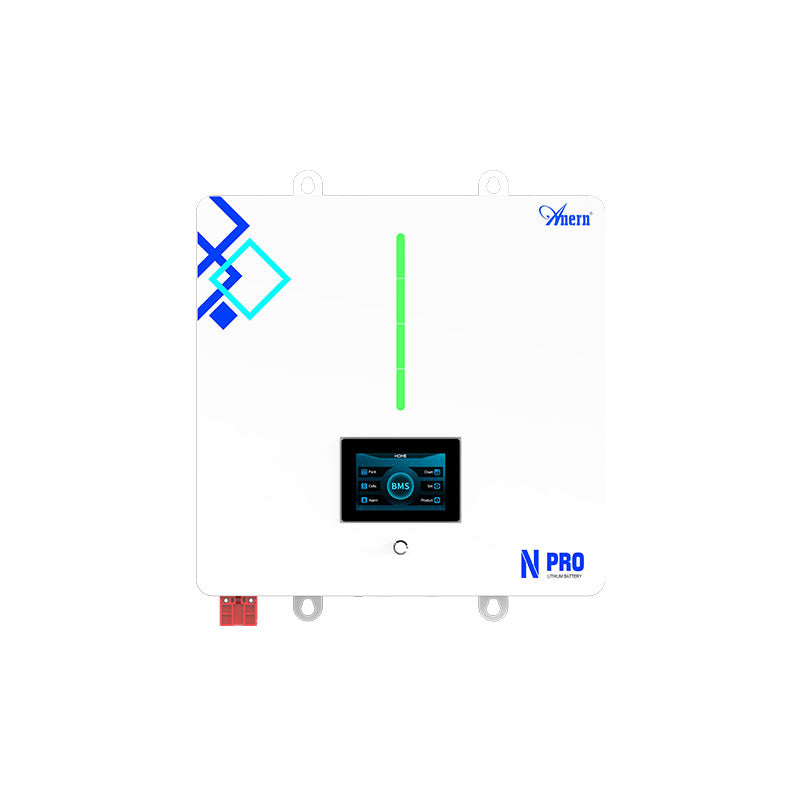
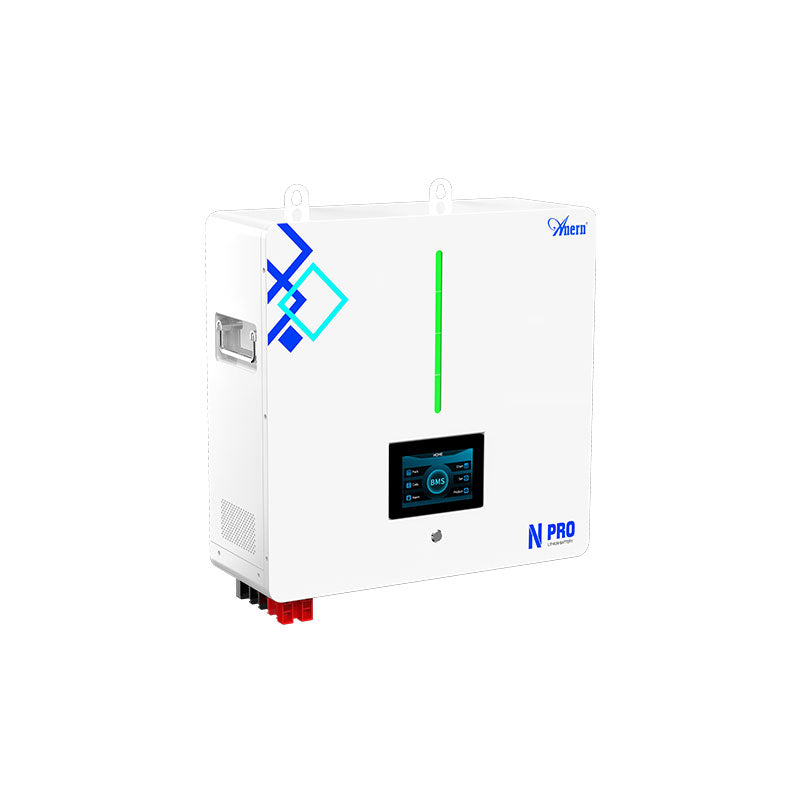
ANERN specializes in providing reliable and scalable energy solutions. Our comprehensive product range, including high-performance LiFePO4 batteries, robust ESS, and versatile solar inverters, helps customers achieve energy self-sufficiency. We develop integrated ESS solutions that combine lithium batteries, hybrid inverters, and solar panels, offering a complete ecosystem for off-grid power needs in homes, farms, and other applications. This commitment extends beyond irrigation, helping you power various farm operations and enhance overall energy security.
Please note: Information provided in this article is for general informational purposes only and does not constitute legal, financial, or investment advice. Always consult with qualified professionals for specific guidance related to your situation.
Shaping the Future of Agriculture
Solar-powered drip irrigation stands as a powerful testament to how innovative technology can address fundamental challenges in agriculture. It provides a practical and sustainable way to manage water, reduce costs, and cultivate healthier crops. This system moves farming towards a future that is more resilient, environmentally responsible, and economically stable.
Embracing these solutions means investing in a more sustainable future for your farm and the broader agricultural community. ANERN remains dedicated to advancing solar and energy storage technologies, providing the reliable and scalable energy solutions necessary to power this transformation.
