














Solar permitting is often seen as a bureaucratic hurdle, but it is far more than just administrative paperwork. This process is a critical safeguard, ensuring your solar energy system is safe, compliant, and integrated properly. Understanding the true purpose of solar permitting helps you navigate the installation journey with confidence, securing a reliable and efficient energy future for your property.
Introduction: Beyond the Bureaucracy
When you consider installing a solar energy system, the permitting process might seem like a tedious step filled with forms and waiting. Many view it simply as an unavoidable bureaucratic requirement. However, this perspective overlooks the profound importance of solar permitting. It serves as a fundamental safeguard, ensuring the safety, reliability, and long-term performance of your solar installation. Proper permitting is not merely about ticking boxes; it is about protecting your investment, your property, and the people within it.
This article will clarify the real purpose behind solar permitting. You will gain insight into the technical and regulatory layers that make permitting complex yet absolutely essential for achieving true energy independence.

The Foundation of Safety: Why Permits Truly Matter
At its core, solar permitting exists to uphold stringent safety standards. These standards protect against potential hazards associated with electrical systems and structural modifications. Ignoring these steps can lead to severe consequences, compromising both your property and personal safety.
Ensuring Structural Integrity and Roof Safety
Solar panels add weight to your roof. Local building codes, such as the International Building Code (IBC) and International Residential Code (IRC), address the structural aspects of solar installations. They require that solar panels and their mounting systems withstand various environmental loads, including wind, snow, and seismic activity. An effective analysis of your roof's capacity, often requiring a structural engineer's expertise, is crucial to meet these code requirements. This prevents structural failures and ensures the long-term stability of your home. Permits ensure that your building is safe for solar and that the solar array is installed correctly and safely.
Electrical Compliance and Fire Safety Standards
Electrical installations are a vital component of any solar panel system. Adhering to the National Electrical Code (NEC) or its local equivalent ensures that solar panel systems integrate safely into your building's electrical infrastructure. These codes dictate wiring methods, the installation of safety devices like circuit breakers and disconnects, and proper grounding. Improper installation or non-compliance with electrical codes can lead to electrical fires or other hazards. Fire safety is also paramount; building rules often require proper spacing between solar panels and fire access routes to ensure emergency personnel can safely enter a building.
Navigating the Permitting Process: A Strategic Approach
The solar permitting process can appear intricate due to varying requirements. However, approaching it strategically can significantly streamline your project and avoid unnecessary complications.
Understanding Local Building Codes and Regulations
Regulations for solar installations vary significantly across different jurisdictions. Local governments have diverse laws and rules pertaining to permitting and inspection processes. These codes encompass structural integrity, electrical safety, zoning requirements, and even aesthetic considerations. Some local laws might govern the positioning, orientation, and visual impact of solar panels, aiming to protect historical sites or maintain aesthetic harmony in neighborhoods. Accurate solar permit designs are critical for ensuring compliance with these local building codes and regulations.
Streamlining Applications and Inspections for Efficiency
Inefficient permitting processes can cause significant delays and increase project costs. These "soft costs" can amount to roughly two-thirds of total residential system costs. Delays can lead to higher labor costs, extended project management, and even potential customer loss. To combat this, many jurisdictions are adopting streamlined approaches. Automated permitting systems, often web-based platforms, can significantly reduce the time and labor involved. For example, San Francisco implemented electronic submission for solar permits, allowing applications for smaller systems to be submitted and paid for online. According to Energy.gov, this allowed for rapid strides in streamlining the process. The International Energy Agency (IEA) emphasizes that permitting, when necessary, must be streamlined and simplified.
The Broader Impact: Economic Benefits and Energy Goals
Beyond immediate safety, proper solar permitting contributes to broader economic advantages and accelerates the transition towards sustainable energy systems.
Avoiding Costly Delays and Ensuring Project Success
A well-designed permit package can significantly streamline the approval process, reducing the likelihood of rejections or requests for additional information. This translates directly into cost savings by minimizing the need for costly revisions and avoiding project cancellations. Accurate permit designs also optimize a system's performance by considering factors like roof orientation, shading, and electrical component placement, maximizing energy production and return on investment. Investing in professional permit designing helps ensure your solar system operates efficiently and within legal parameters, avoiding pitfalls like installation errors or system inefficiencies.
Accelerating Renewable Energy Adoption and Grid Integration
Streamlined permitting processes are crucial for accelerating the deployment of solar electricity. The IEA highlights that obstacles like permitting can hamper the deployment of solar energy. Conversely, a robust and efficient permitting mechanism is a key factor for successful solar PV integration onto the grid. Lengthy and complex administrative procedures related to project permitting are a significant barrier to rapid renewables deployment in many regions. By reducing these administrative burdens, we can significantly accelerate the adoption of clean energy and move closer to global energy goals.
Innovations Shaping the Future of Solar Permitting
The solar industry constantly seeks ways to improve efficiency and reduce barriers. Innovations in permitting are playing a vital role in this evolution.
Digitalization and Standardization Efforts
Web-based platforms are transforming solar permitting. These platforms automate code compliance checks and can provide instant approval for eligible, code-compliant residential photovoltaic systems. This automation reduces the workload for local governments and significantly shortens approval times. Such tools standardize procedures, making the process more predictable for installers and homeowners. For example, the SolarAPP+ platform, funded by the U.S. Department of Energy, automates solar permitting and has helped issue over 22,000 permits across 62 communities, saving thousands of review hours. This demonstrates how technology can make complex processes more manageable and efficient.
Policy Reforms and Incentives for Efficient Approvals
Governments worldwide are recognizing the need to simplify solar permitting. Policy reforms aim to reduce permit durations and streamline administrative procedures. The European Commission, for instance, has proposed recommendations for "renewable acceleration areas" where shortened and simplified permitting can apply. These initiatives aim to cut permitting times, with some targets set at two years for utility-scale solar PV projects. The IEA suggests that governments should identify and remove legal barriers, streamlining and simplifying permitting processes to strengthen the use of solar technologies.
Achieving Energy Independence Through Diligent Permitting
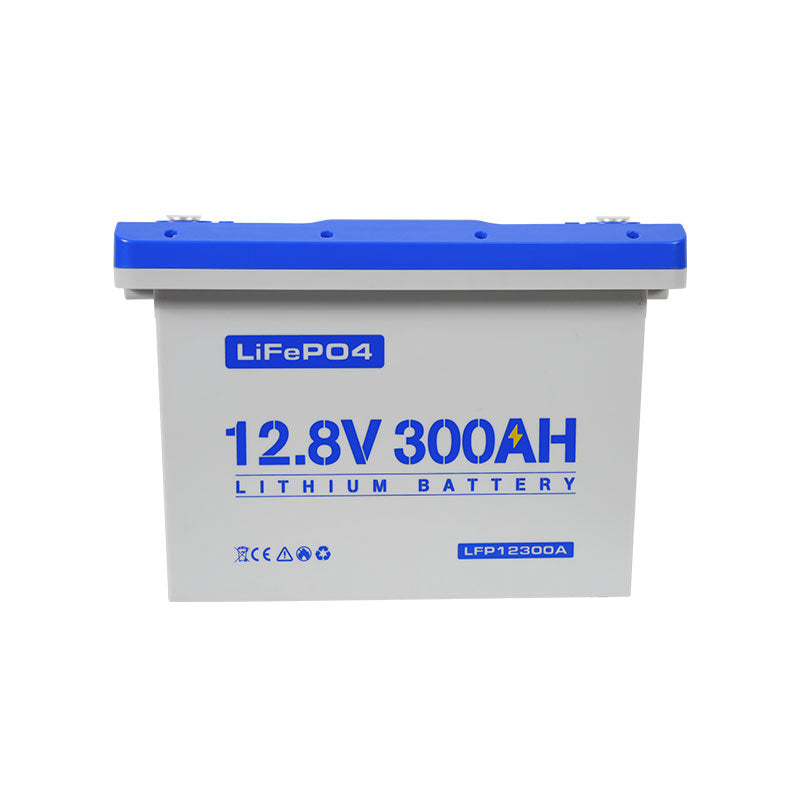
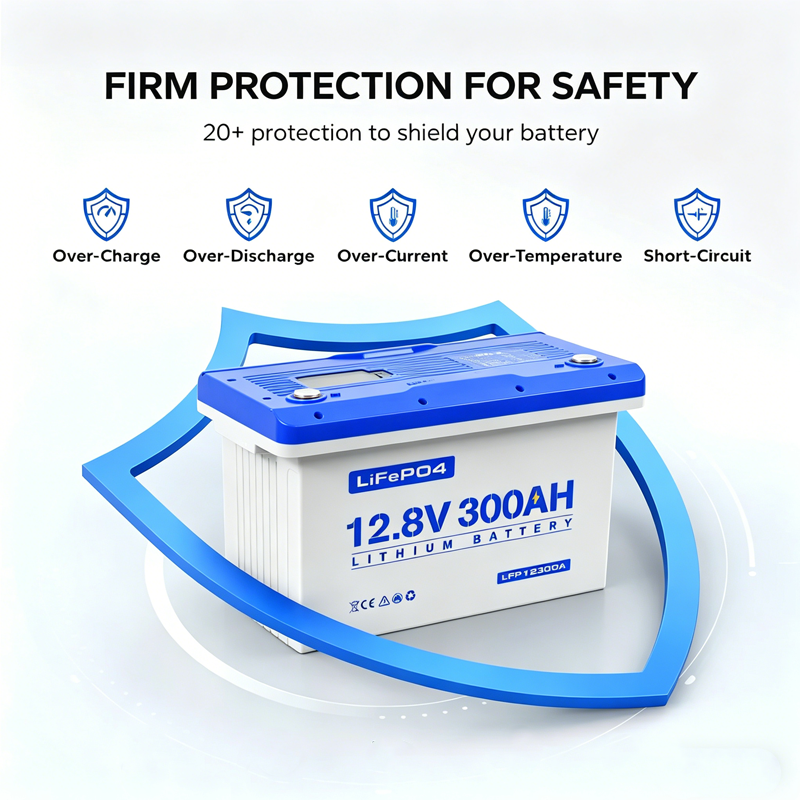
Solar permitting is a foundational element for successful solar and energy storage installations. It is not merely an administrative task but a comprehensive process that ensures safety, compliance, and optimal system performance. By embracing the reality of permitting as a vital step, you protect your investment, ensure the longevity of your system, and contribute to a resilient, sustainable energy future. Our company, with years of experience in the solar industry, focuses on providing reliable and scalable energy solutions. We understand the complexities of integrating high-performance lithium iron phosphate (LiFePO4) batteries and hybrid inverters into comprehensive home energy storage systems and off-grid solar solutions. Diligent adherence to permitting requirements allows us to deliver systems that empower you to achieve true energy independence with confidence and peace of mind.
Frequently Asked Questions
Why is solar permitting necessary?
Solar permitting is necessary to ensure your installation meets local building, electrical, and fire safety codes. It protects your property from structural damage, electrical hazards, and fire risks, ensuring the system is safe, reliable, and legally compliant.
What happens if I install solar without a permit?
Installing solar without a permit can lead to significant fines, penalties, and even the requirement to remove or modify your system. It can also create safety hazards, void insurance policies, and decrease your property's value.
How long does the solar permitting process usually take?
The duration varies significantly by jurisdiction, ranging from a few days with automated systems to several weeks or even months for more complex projects or less efficient local processes.
Does permitting cover energy storage systems too?
Yes, permits are typically required for energy storage systems (ESS) as well. These permits address electrical, fire, and structural safety concerns related to battery installation and integration with your solar array and home's electrical system.
Can I handle the solar permitting process myself?
While you can undertake the permitting process yourself, it often involves complex technical documentation, detailed understanding of local codes, and multiple submissions. Most homeowners find it more efficient and reliable to work with experienced solar professionals who specialize in navigating these requirements.
