




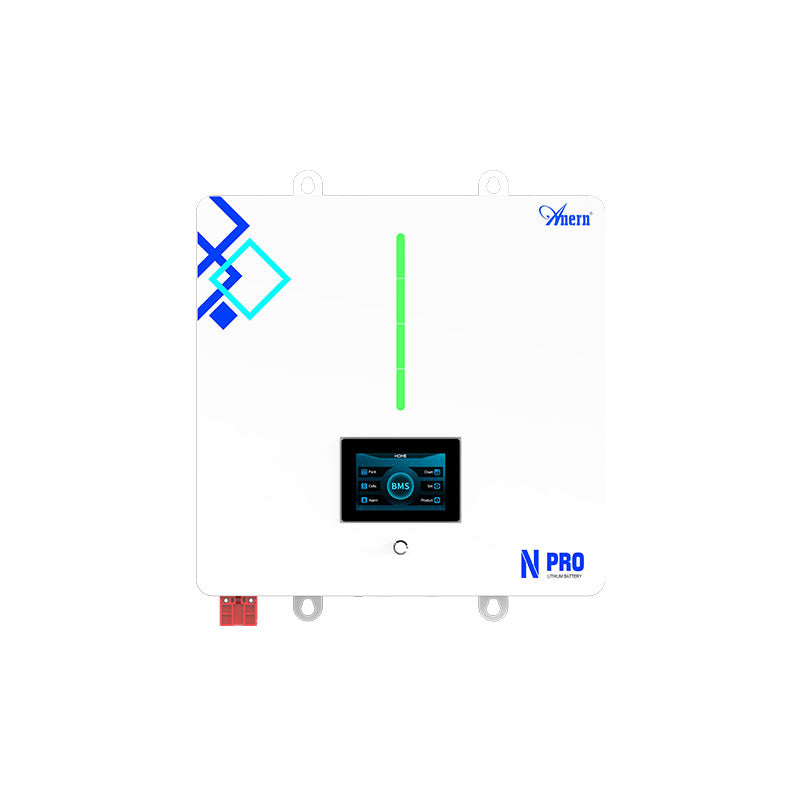
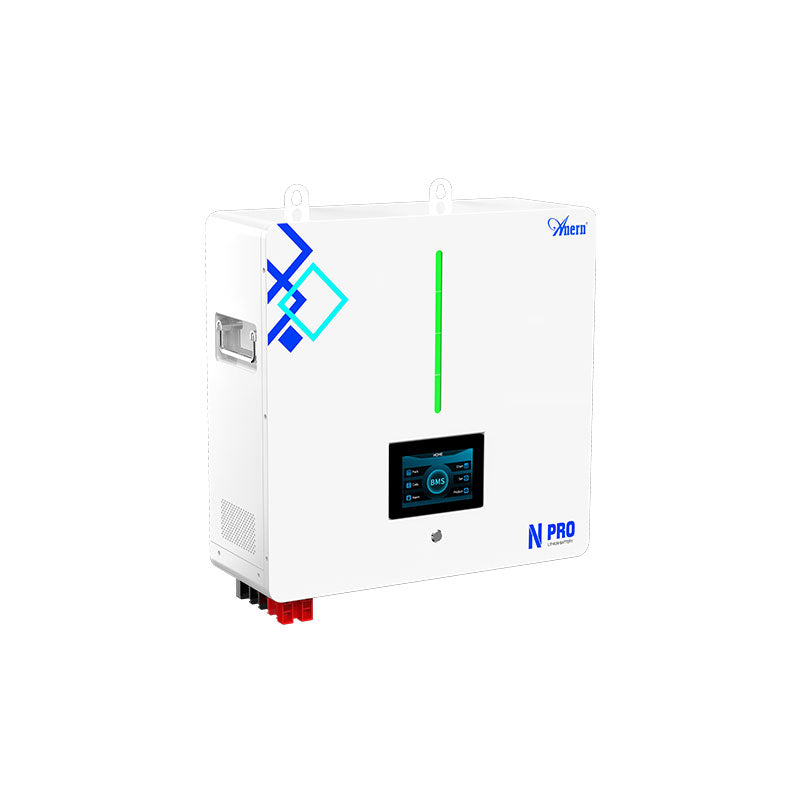


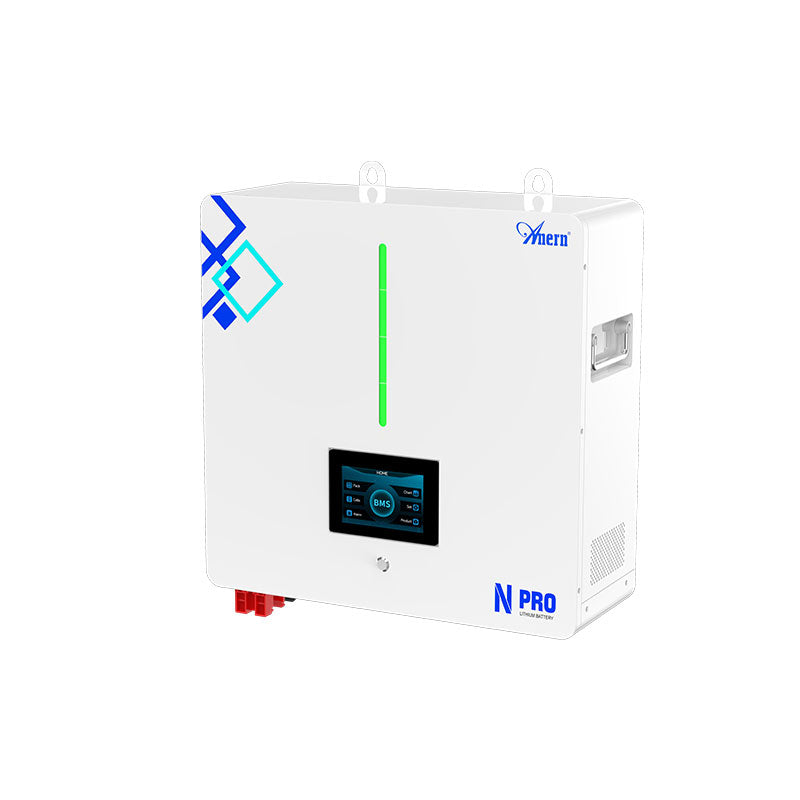

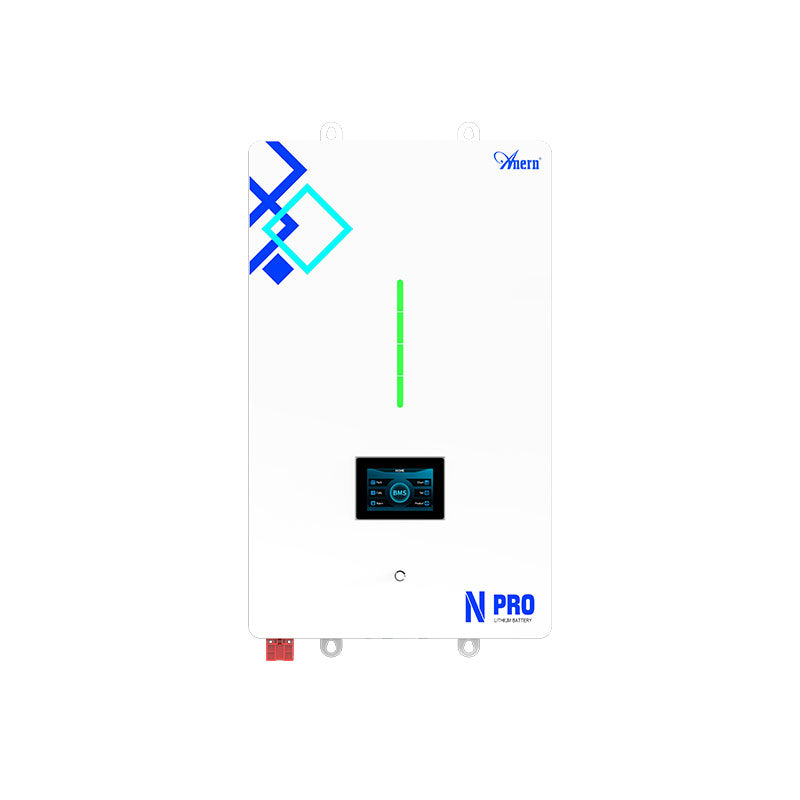


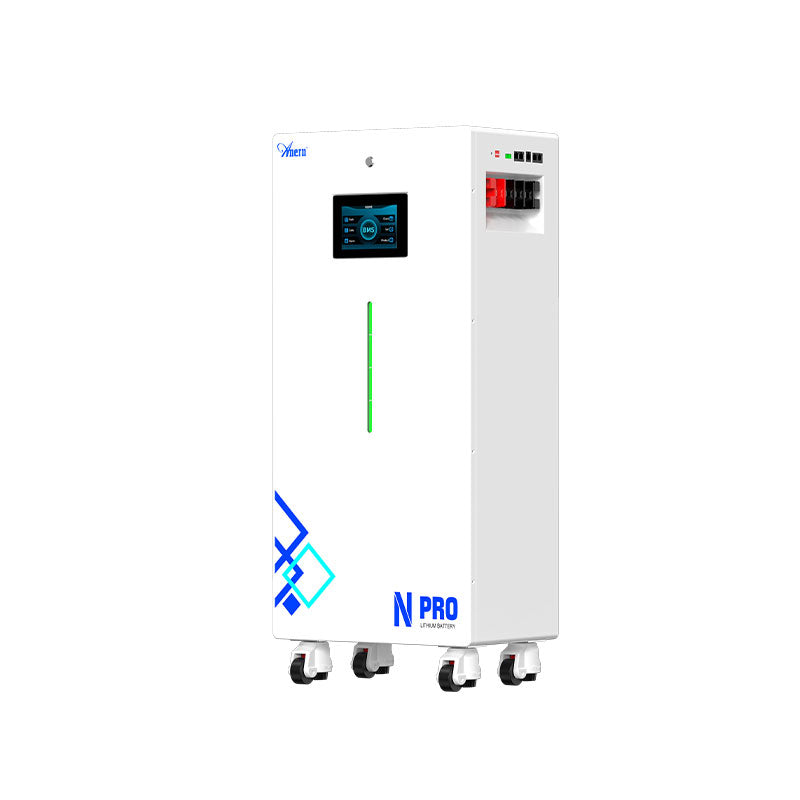


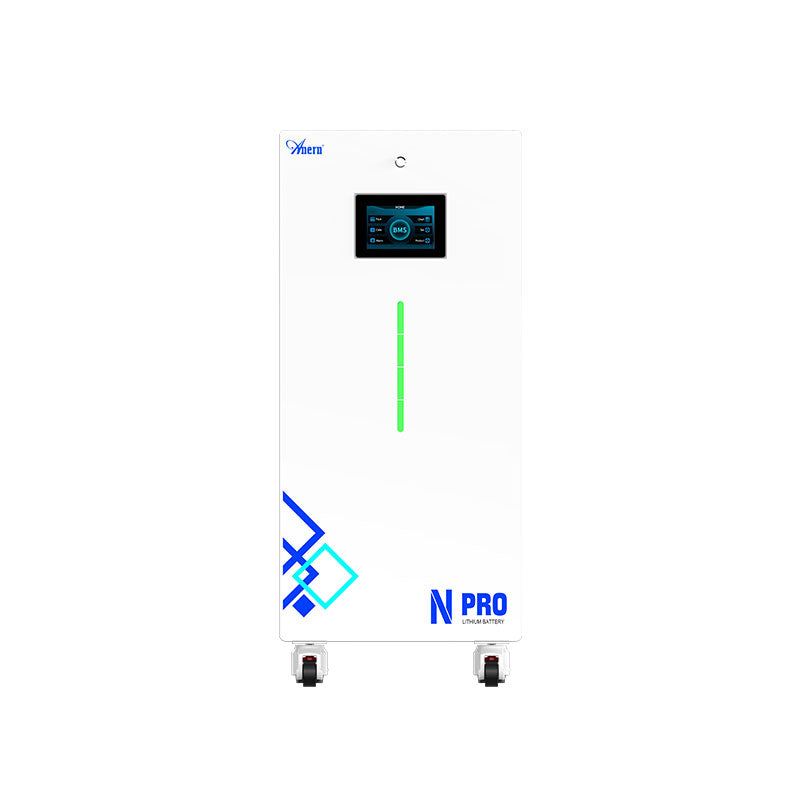

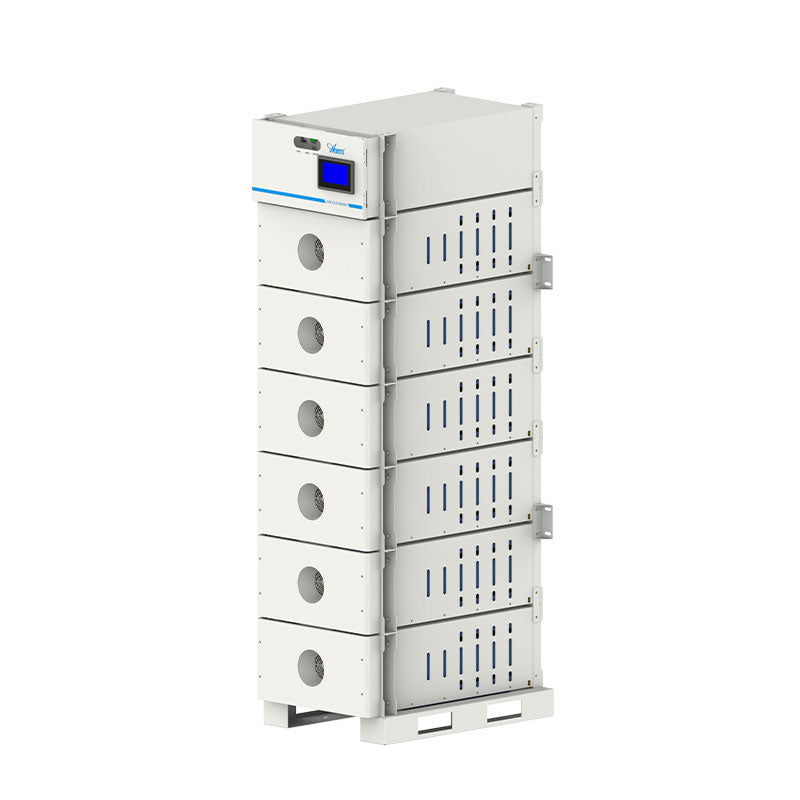
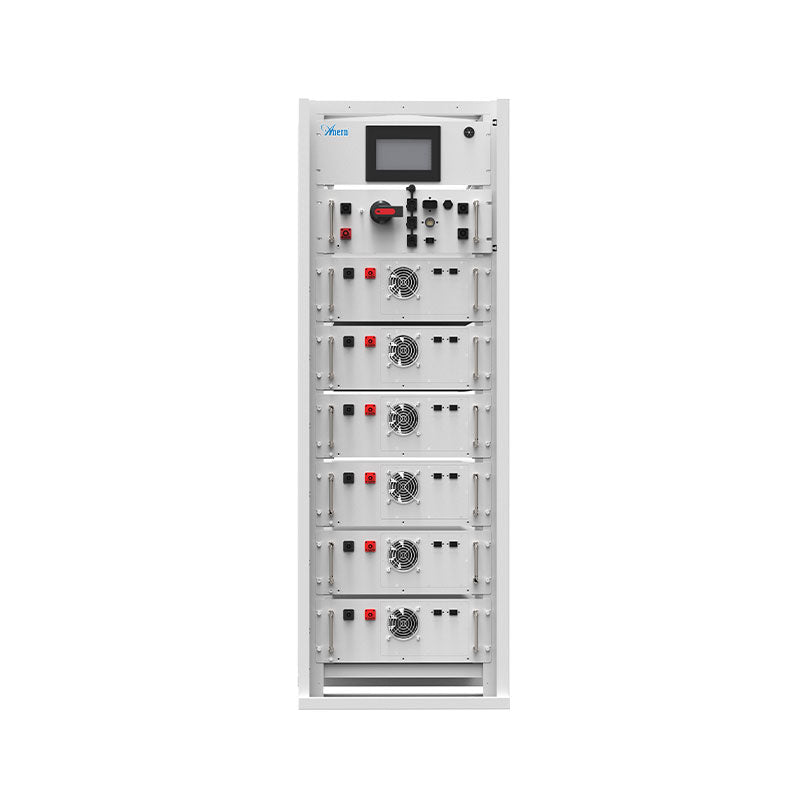
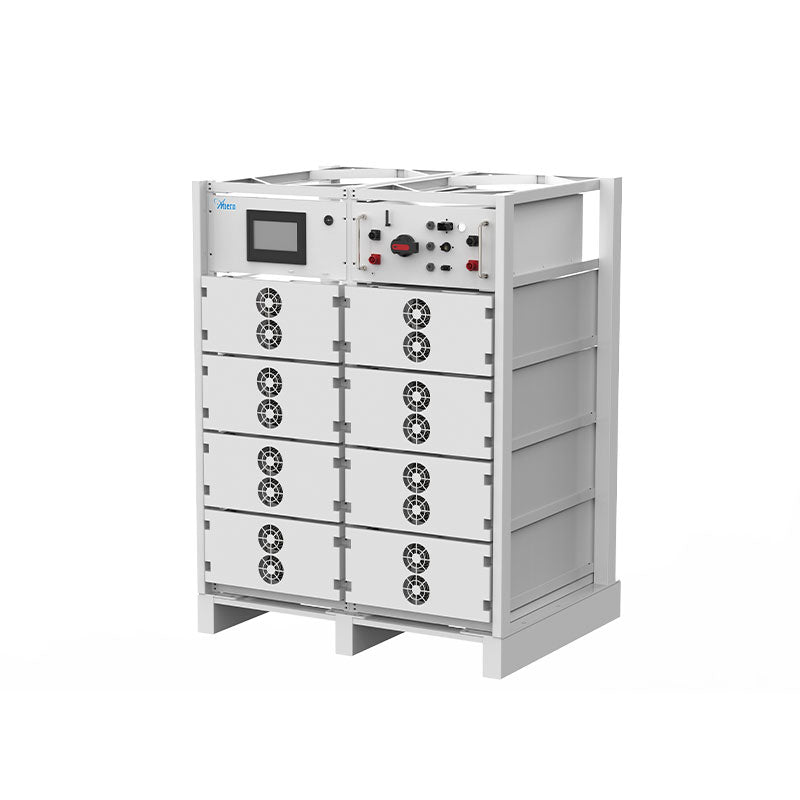
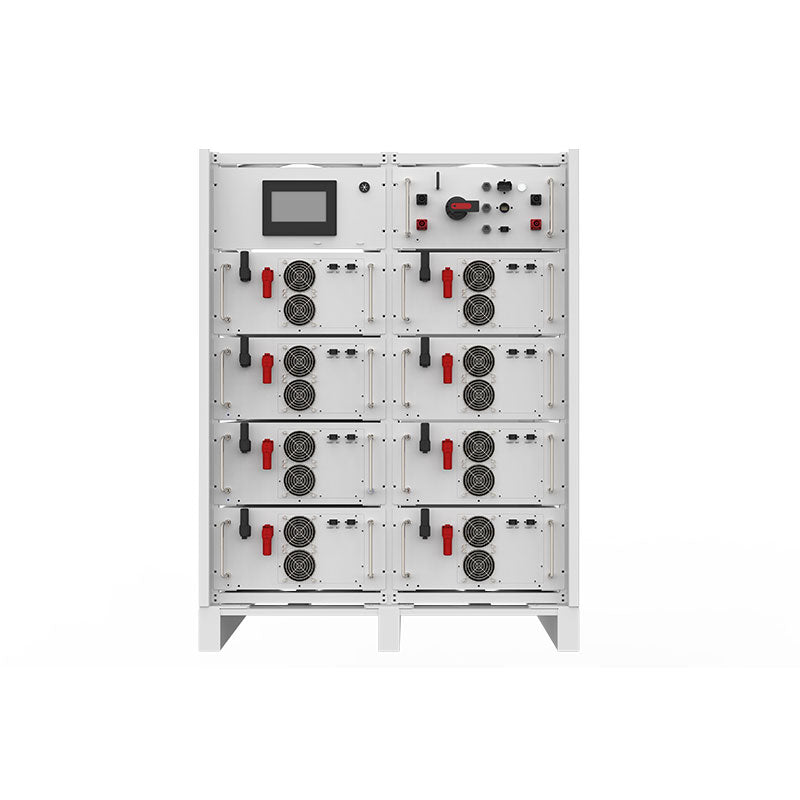
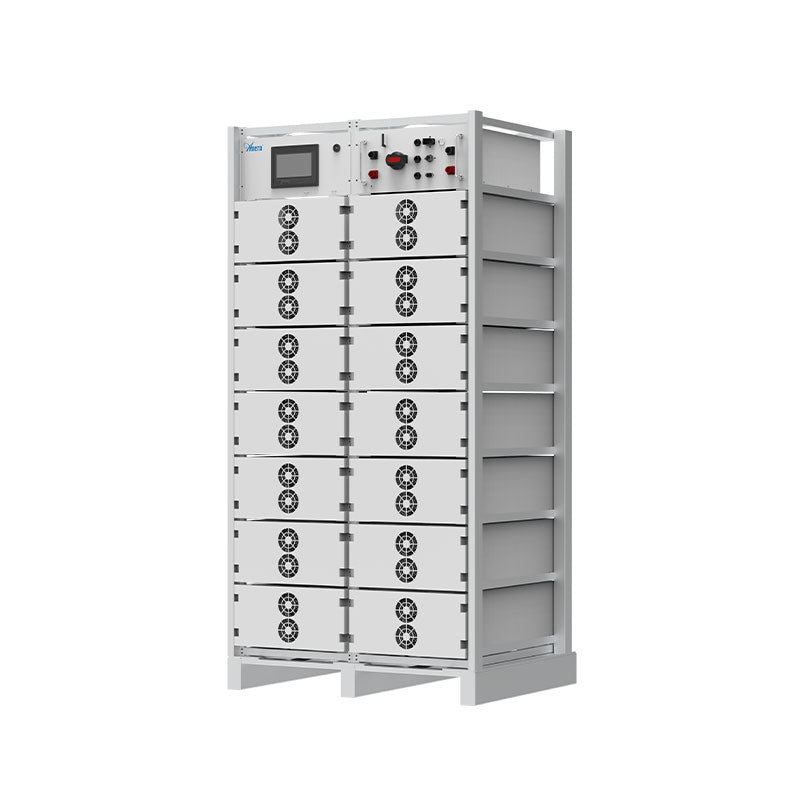
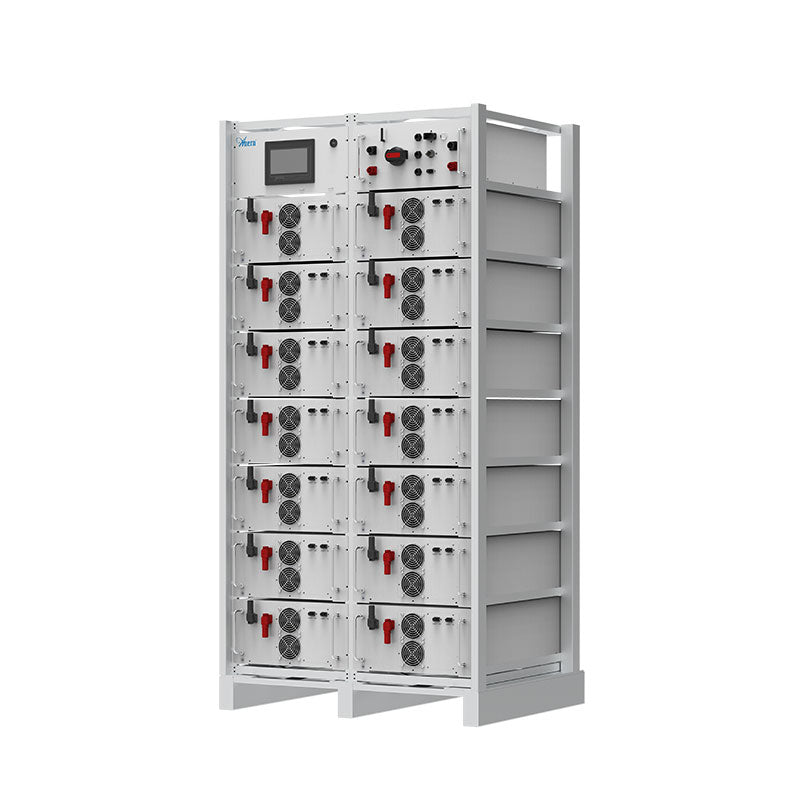


Achieving greater control over your energy supply is a foundational step toward resilience and self-sufficiency. At the center of this capability is a reliable energy storage solution. A 100Ah lithium battery pack, particularly one built with Lithium Iron Phosphate (LiFePO4) chemistry, offers a powerful, safe, and durable heart for any personal energy system, from off-grid homes to essential backup power.
The Core of Modern Energy Storage: Understanding the 100Ah LiFePO4 Battery
A capable battery is the key to storing the energy you generate, making it available whenever you need it. The 100Ah LiFePO4 battery has become a benchmark for performance and reliability in this field.
What is a 100Ah Lithium Battery?
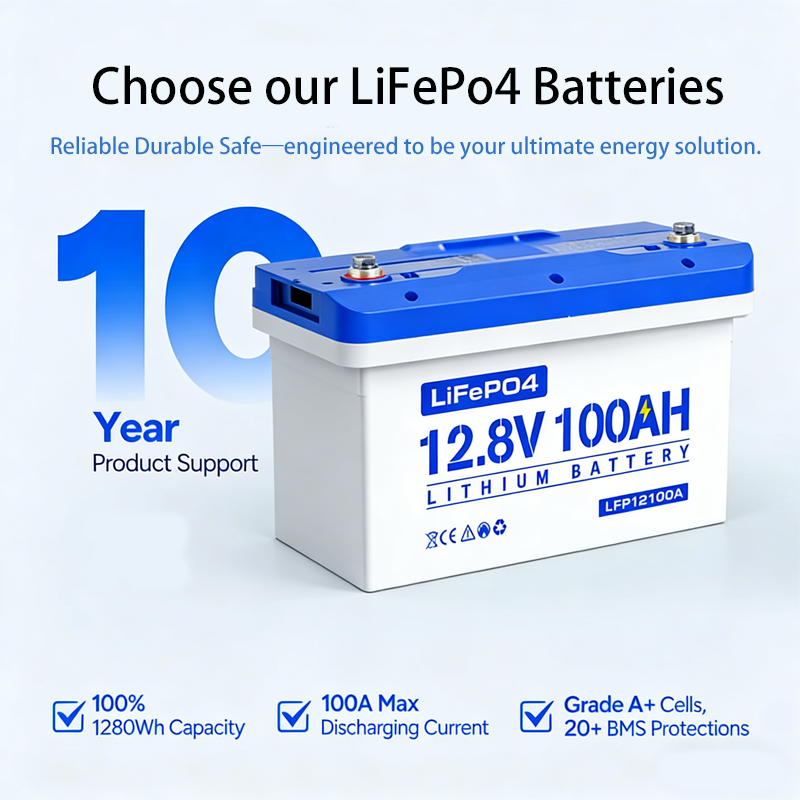
The term '100Ah' refers to 100 amp-hours, a measure of the battery's energy storage capacity. In practical terms, a 12V 100Ah battery can deliver 100 amps of current for one hour or 10 amps for 10 hours. This capacity translates to 1200 watt-hours of energy, enough to power essential appliances for extended periods. The focus here is on LiFePO4 chemistry, which provides distinct advantages over other lithium-ion types and traditional lead-acid batteries.
Key Characteristics of LiFePO4 Chemistry
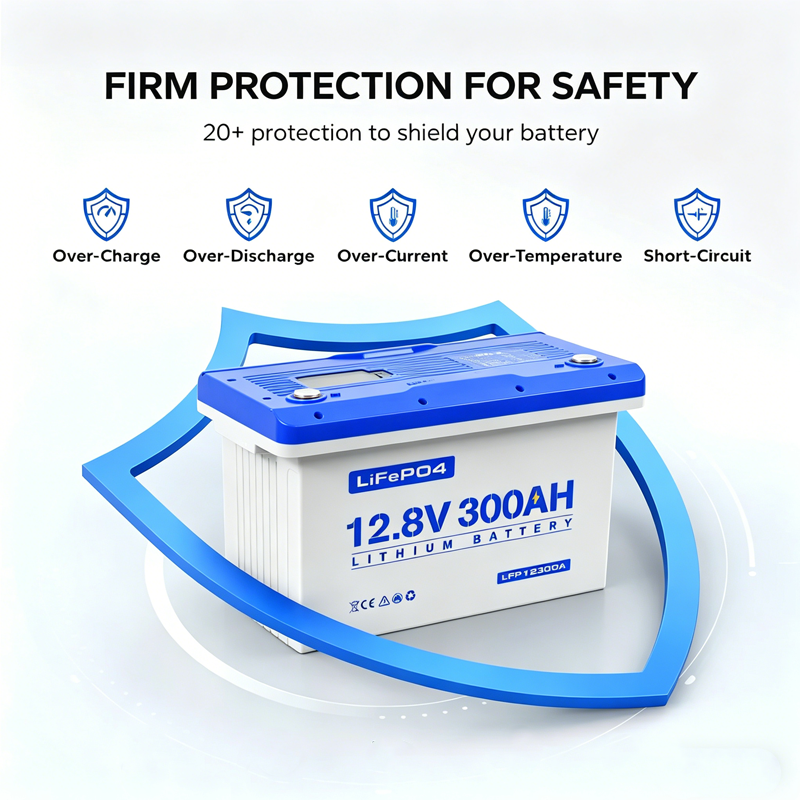
The specific chemistry of a battery dictates its performance, safety, and lifespan. LiFePO4 stands out for several reasons. It has exceptional thermal stability, a long cycle life, and high efficiency, making it an ideal choice for solar energy storage systems. Its inherent safety features significantly reduce the risks of overheating or fire, a crucial consideration for any home energy system.
LiFePO4 Battery Benefits: More Than Just Power
Choosing the right battery is about more than just capacity; it involves evaluating safety, longevity, and overall value. The advantages of lithium iron phosphate make it a compelling choice for long-term energy independence solutions.
Superior Safety and Stability
Safety is a primary concern for any energy storage system. The chemical structure of LiFePO4 is inherently more stable than other lithium-ion chemistries. The strong bond between the iron, phosphate, and oxygen atoms prevents the release of oxygen during overcharging or overheating, which is the primary cause of thermal runaway in other battery types. According to the U.S. Environmental Protection Agency, while all energy storage systems require careful planning, chemistries with high thermal stability are preferred to minimize risks. LiFePO4 batteries are non-toxic and do not contain cobalt, making them a more environmentally conscious option.
Exceptional Lifespan and Cost-Effectiveness
While the upfront cost of a LiFePO4 battery may be higher than a traditional lead-acid battery, its total cost of ownership is significantly lower. This is due to its remarkably long cycle life. A LiFePO4 battery can typically endure 3,000 to 5,000 charge-discharge cycles or more, while a comparable lead-acid battery may only last for 300 to 500 cycles. This longevity, often exceeding 10 years, means fewer replacements and a better return on investment over the life of the system.
| Feature | LiFePO4 Battery | Lead-Acid Battery |
|---|---|---|
| Cycle Life | 3,000 - 5,000+ cycles | 300 - 1,000 cycles |
| Depth of Discharge (DoD) | 80-100% | 50% |
| Efficiency | ~95% | ~80-85% |
| Maintenance | None | Regularly Required |
High Performance and Practicality
LiFePO4 batteries deliver consistent power output without the voltage sag common in lead-acid batteries. This ensures your appliances run efficiently without performance dips as the battery discharges. They are also significantly lighter and more compact than lead-acid batteries of the same capacity, offering greater flexibility in installation. Furthermore, they are virtually maintenance-free, requiring no fluid checks or equalization charges.
Building Your Path to Energy Independence
A 100Ah lithium battery pack is a versatile building block for a variety of energy independence solutions. Whether for a small off-grid cabin or a comprehensive home backup system, understanding how to size and integrate it is key.
Sizing Your System with a 100Ah Battery Pack
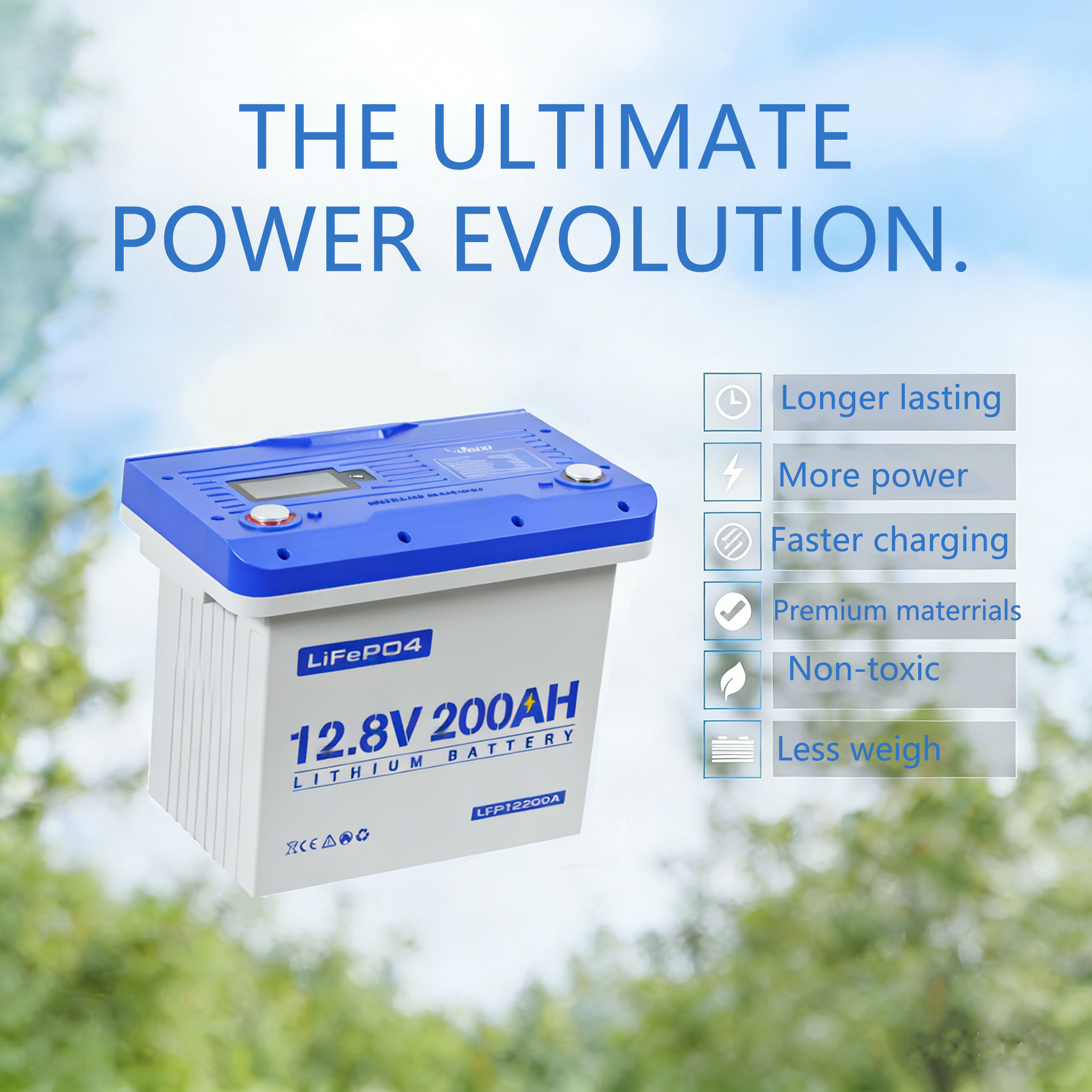
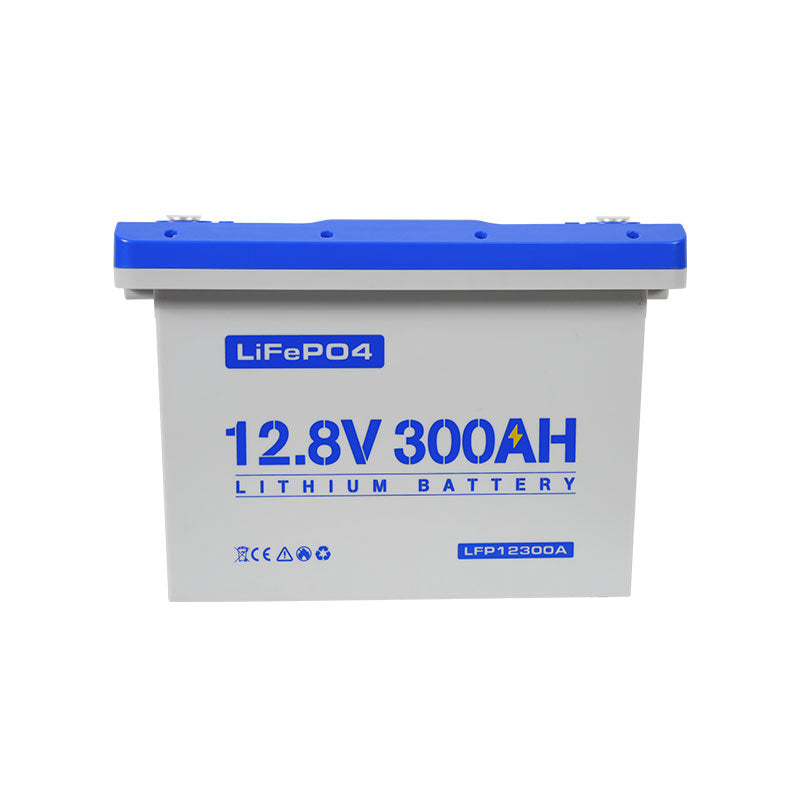
The first step is to calculate your daily energy consumption by listing all the appliances you intend to power and their usage hours. A 12V 100Ah battery provides about 1.2 kWh of storage. For greater needs, these batteries are easily scalable. You can connect multiple 100Ah batteries in series to increase voltage (e.g., two for a 24V system) or in parallel to increase capacity (e.g., two for a 200Ah system).
Applications for a 100Ah Lithium Battery
The versatility of a 100Ah lithium battery makes it suitable for numerous applications. It is an excellent power source for off-grid buildings, providing reliable energy for lights, pumps, and electronics. In a residential setting, it can be part of a solar energy storage system that offers backup power during grid outages. It is also a popular choice for recreational vehicles and marine use, where its light weight and long life are major assets.
Integrating with Solar Panels and Inverters
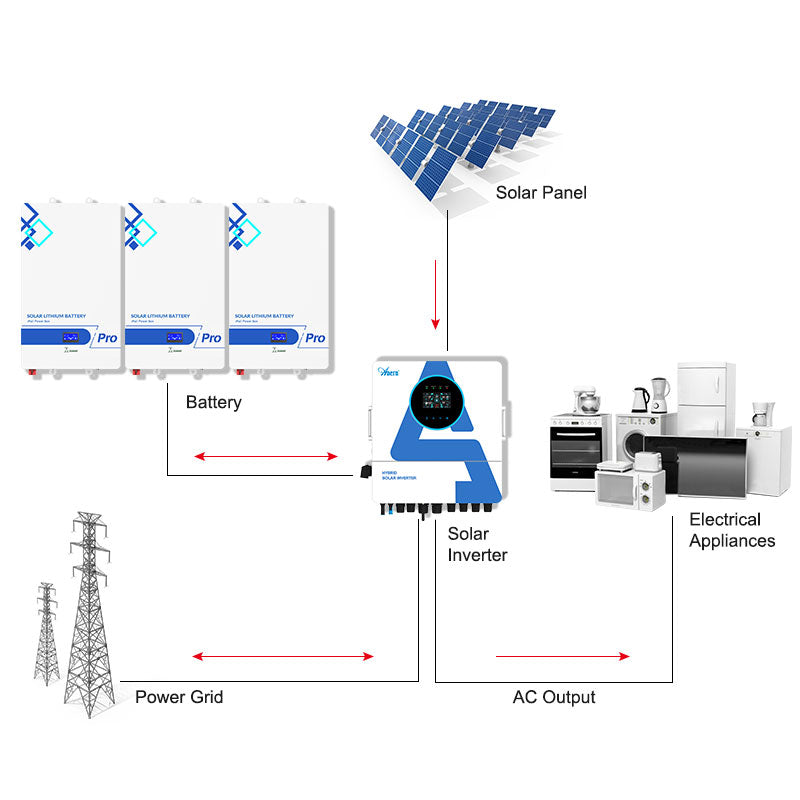
To create a complete solar energy solution, the battery must be paired with solar panels to generate power and an inverter to convert the stored DC electricity into usable AC power for your appliances. A solar charge controller is also essential to regulate the energy flowing from the panels to the battery, preventing overcharging and maximizing its lifespan. For those looking to optimize their setup, the Ultimate Reference for Solar Storage Performance offers valuable insights into the metrics that define an efficient system.
A Smarter Investment for a Resilient Future
Investing in a 100Ah LiFePO4 battery pack is more than just a purchase; it's a step toward a more resilient and independent energy future. The combination of safety, longevity, and high performance makes it a cornerstone technology for modern energy storage. As the global energy landscape shifts toward decentralized sources, having a personal energy storage system becomes increasingly valuable. A report from the International Energy Agency (IEA) highlights that distributed energy resources, like solar and battery storage, are vital for enhancing energy security and resilience. By adopting these technologies, you are not only securing your own power supply but also participating in a broader transition to a more sustainable energy model.
Frequently Asked Questions (FAQ)
How many solar panels do I need to charge a 100Ah LiFePO4 battery?
The number of panels depends on their wattage and the amount of daily sunlight in your location. To charge a 12V 100Ah battery (about 1280Wh) with 5 hours of peak sunlight, you would need roughly 256 watts of solar panels (1280Wh / 5h). It is often recommended to oversize your solar array slightly to account for cloudy days and other inefficiencies.
Can I use a 100Ah lithium battery in cold weather?
Standard LiFePO4 batteries can be safely discharged in a wide range of temperatures but have limitations when charging below freezing (0°C or 32°F). Attempting to charge a frozen battery can cause damage. However, many modern LiFePO4 batteries include a built-in Battery Management System (BMS) with low-temperature protection that prevents charging in unsafe conditions. Some models even feature built-in heaters for reliable performance in cold climates.
What is the difference between a 100Ah lithium battery and a 100Ah lead-acid battery?
While both have the same nominal capacity, their usable capacity and performance differ greatly. A 100Ah LiFePO4 battery can be safely discharged to 80-100% of its capacity, while a lead-acid battery should only be discharged to 50% to avoid damage. This means the LiFePO4 battery provides nearly double the usable energy. Additionally, lithium batteries are lighter, have a much longer lifespan, charge faster, and maintain a stable voltage during discharge.
