


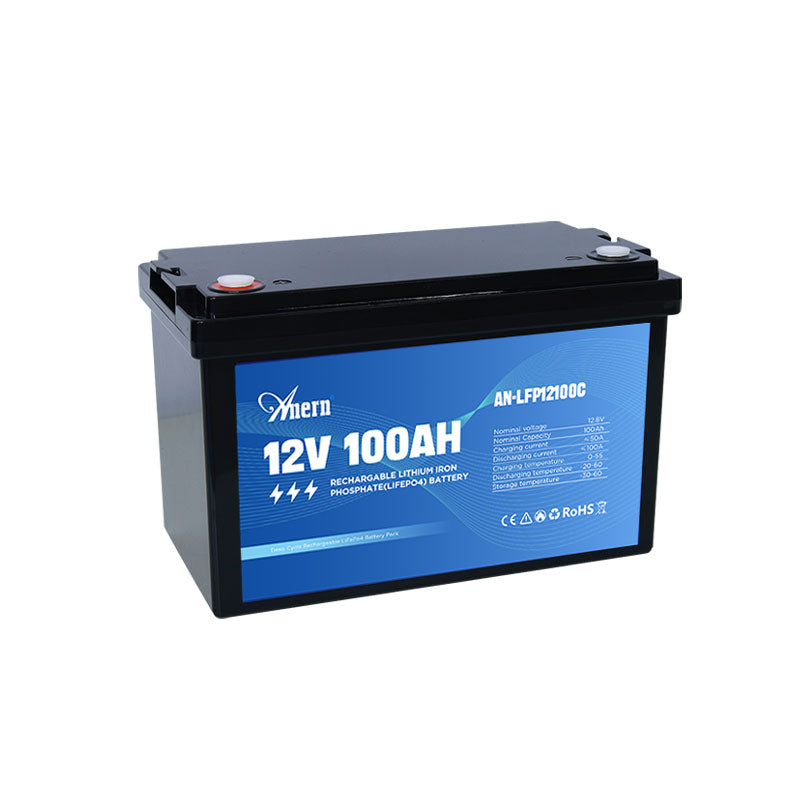
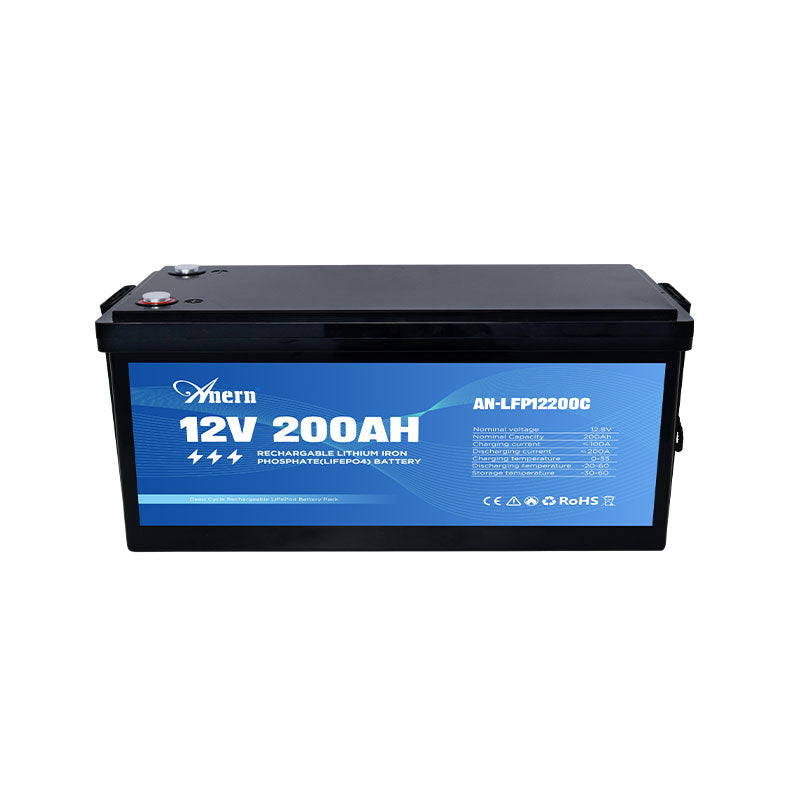
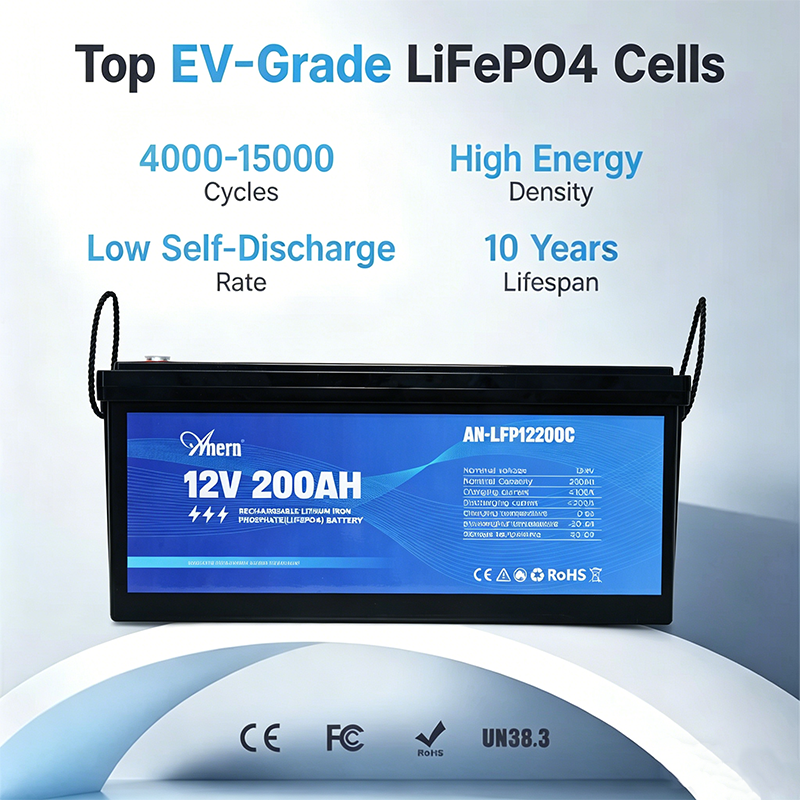

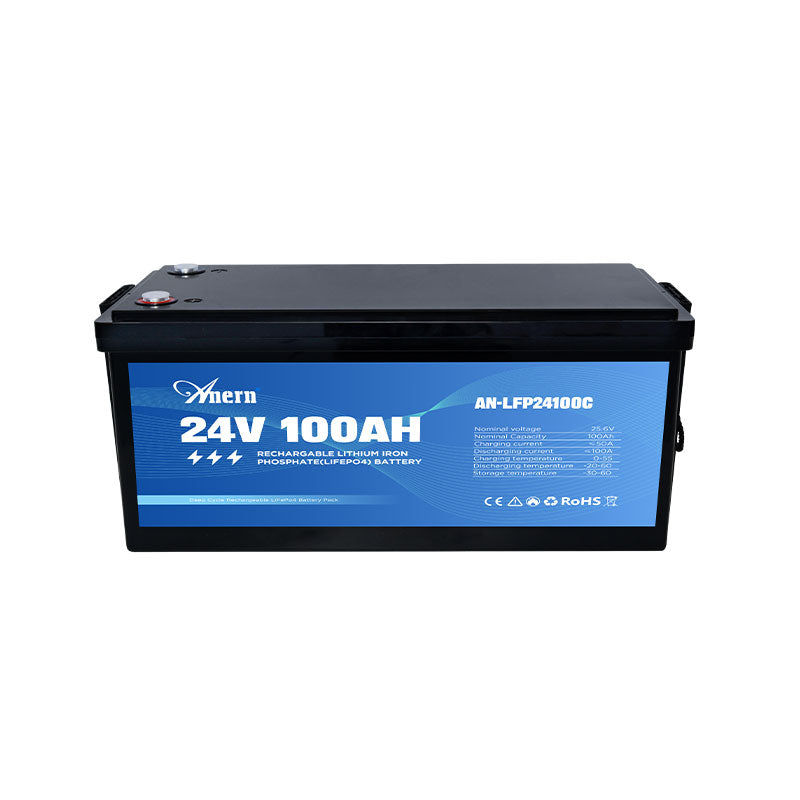
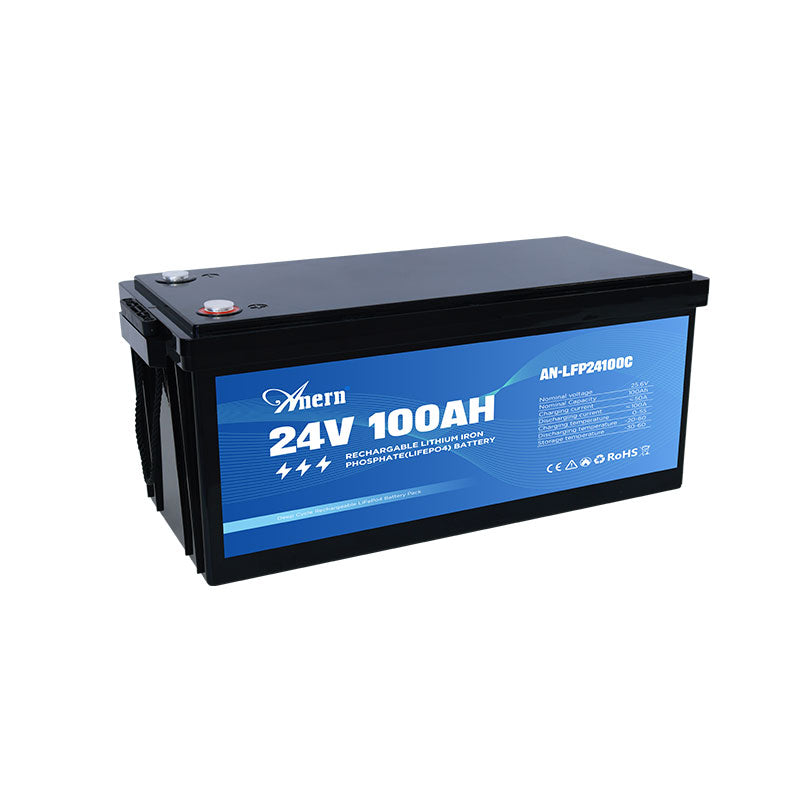

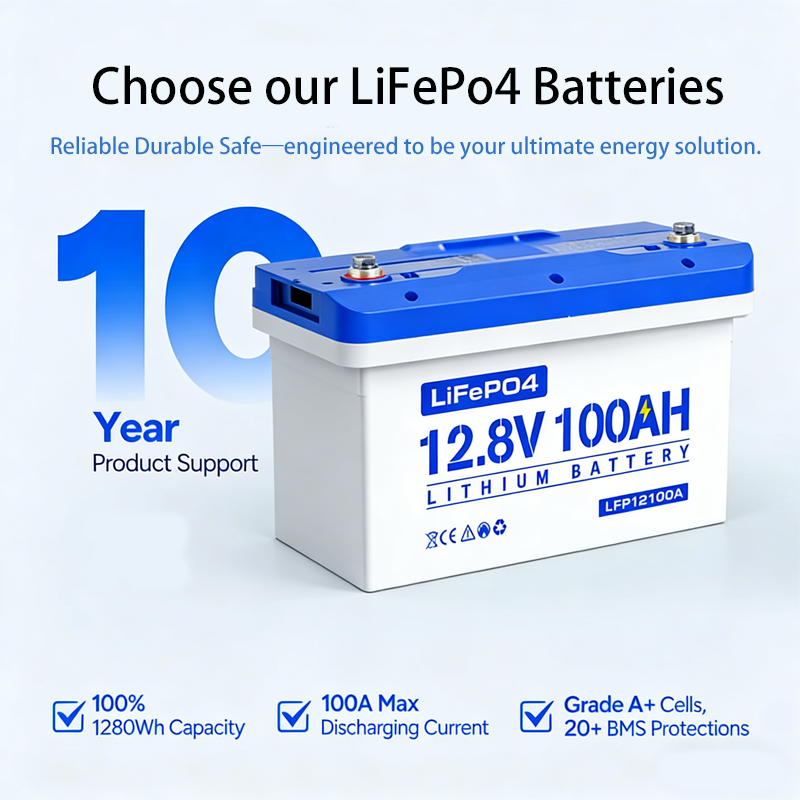









Maintaining the right temperature for your 100Ah lithium iron phosphate (LiFePO4) battery is not just a recommendation; it is fundamental to its performance, safety, and longevity. Temperature extremes, both hot and cold, can significantly impact the battery’s internal chemistry. Proper thermal management ensures you get the most out of your energy storage investment, delivering reliable power for years. This article provides seven professional tips to help you master lithium battery thermal management.
Disclaimer: The information provided in this guide is for general informational purposes only. Battery systems involve significant electrical and chemical risks. Always consult your battery manufacturer’s official documentation and a qualified electrician or professional installer before making any modifications, installations, or performing complex maintenance. Failure to do so can result in battery damage, fire, or personal injury.
Why Temperature Regulation is Crucial for Lithium Batteries
A 100Ah lithium battery operates best within a specific temperature window. Deviating from this range can lead to irreversible damage and safety risks. Understanding the effects of temperature is the first step toward effective regulation.
The Impact of Extreme Heat
High temperatures accelerate the chemical reactions inside a battery, which can lead to faster degradation of components. This reduces the battery's overall lifespan and capacity. In severe cases, excessive heat can trigger thermal runaway, a dangerous condition where the battery's internal temperature rises uncontrollably. An efficient cooling system is essential to maintain a constant temperature, ensuring maximum lifetime and safety are achieved. As highlighted in the Innovation Outlook: Smart charging for electric vehicles report, managing thermal conditions is a key aspect of battery health.
The Dangers of Extreme Cold
Cold temperatures present a different set of challenges. When a lithium battery gets too cold, its internal resistance increases, reducing its ability to deliver power effectively. Charging a frozen or near-frozen 100Ah lithium ion deep cycle battery is particularly hazardous. It can cause lithium plating, where metallic lithium builds up on the anode, permanently reducing capacity and creating a potential short-circuit risk.
The Optimal Temperature Range
For most LiFePO4 batteries, the ideal operating temperature is between 15°C and 35°C (59°F to 95°F). While discharge is often possible in a wider range (e.g., -20°C to 60°C), charging is more restricted. The optimal charging temperature is typically from 0°C to 45°C (32°F to 113°F). Always adhere to the specific temperature ranges listed in your battery’s technical manual, as these are determined by manufacturers to comply with safety standards like UL 1973.
7 Professional Strategies for Battery Temperature Control
Implementing a few key strategies can make a significant difference in how your 100Ah lithium battery performs. These tips cover everything from installation to operation.
1. Ensure Proper Ventilation and Airflow
Heat is a natural byproduct of charging and discharging. Providing adequate ventilation is the simplest way to manage it. Install your battery in a location with sufficient airflow to allow heat to dissipate. Avoid placing it in small, sealed enclosures where heat can build up. If you have multiple batteries, leave a few inches of space between them to promote air circulation.
2. Utilize a Smart Battery Management System (BMS)
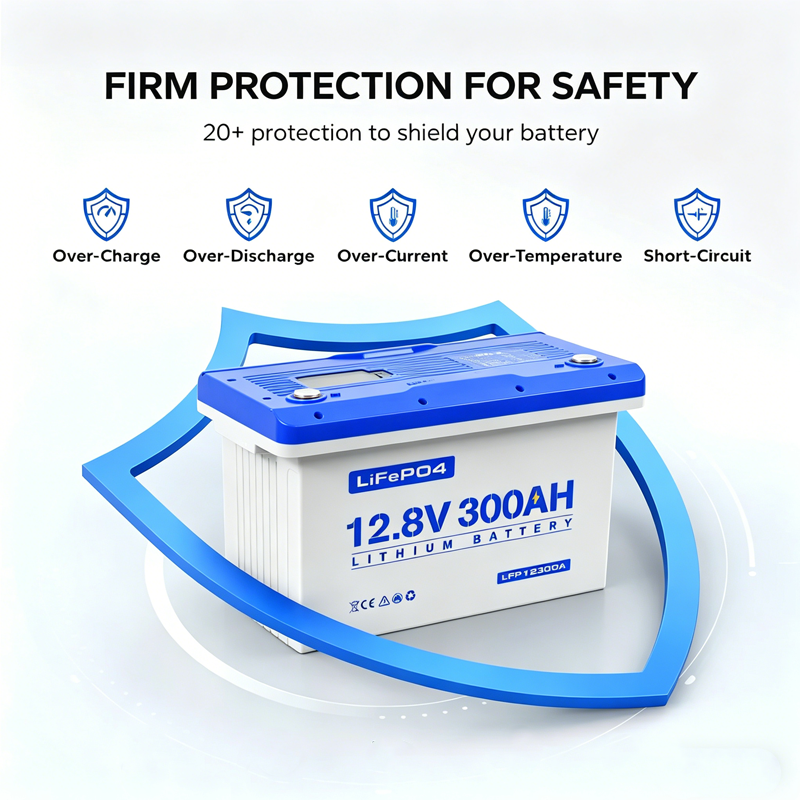
A high-quality BMS is the brain of your lithium phosphate battery. It continuously monitors cell voltage, current, and temperature. A key feature of an advanced BMS is its high and low-temperature cut-off protection. When selecting a battery or BMS, ensure it includes:
- Low-Temperature Charge Protection: Automatically prevents charging below a set point, typically 0°C (32°F), to prevent lithium plating.
- High-Temperature Charge/Discharge Protection: Halts operation if the internal temperature exceeds a safe limit, often around 55-65°C (131-149°F).
- Strategically Placed Temperature Sensors: The BMS should have sensors located near the core of the cell pack to get an accurate reading, not just on the casing.
These features are critical for safety and are often required for a battery to achieve certification.
3. Implement Strategic Charging and Discharging
Your usage habits can influence battery temperature. Avoid charging your battery immediately after a heavy discharge cycle, as it will already be warm. Let it rest and cool down first. Similarly, in very hot conditions, consider reducing the charge and discharge rates (C-rates). Slower rates generate less internal heat, protecting the battery's health.
4. Choose an Optimal Installation Location
The environment where the battery is installed plays a massive role. Choose a location that is protected from direct sunlight and away from heat-producing appliances like inverters or large chargers. A cool, dry, and stable indoor environment is ideal for any home battery storage system.
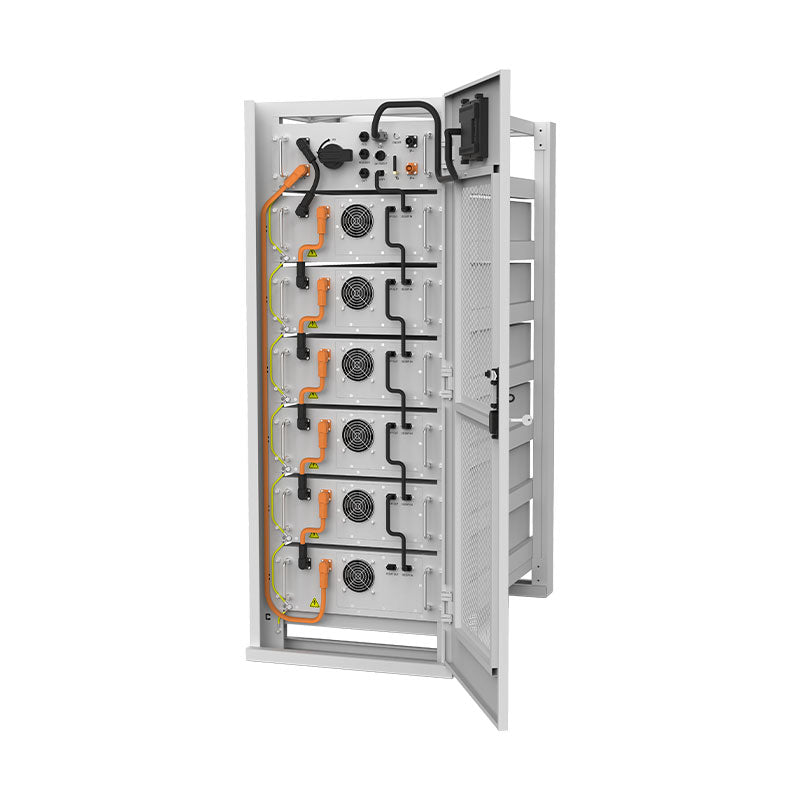
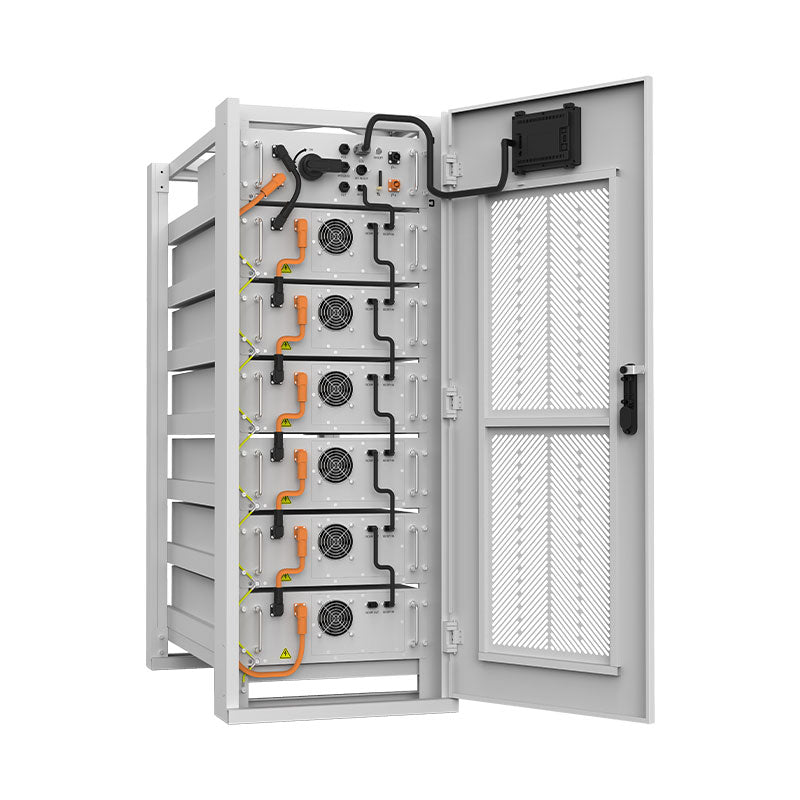
5. Consider Active Cooling Solutions
For systems in consistently hot climates or those under heavy, continuous loads, passive cooling may not be enough. Active cooling solutions, such as thermostatically controlled fans, can be integrated into your battery compartment. For example, a simple and effective setup for a single 100Ah battery might involve one or two 12V DC, 80mm computer fans providing a total airflow of 40-60 CFM (Cubic Feet per Minute). These can be wired to a thermostatic relay switch that activates the fans when the battery compartment reaches 30°C (86°F) and deactivates them at 25°C (77°F). This creates a stable environment without constant power draw.
6. Use Insulation and Heating in Cold Environments
To combat cold, insulation is key. Using a battery box or wrapping the battery in an insulated blanket helps retain the small amount of heat generated during operation. For off-grid solar solutions in frigid climates, some advanced 12v 100ah LiFePO4 lithium batteries come with built-in heating elements. These are typically low-power (10-20 watt) heating pads controlled by the BMS. In a real-world scenario, the BMS will detect an ambient temperature below 5°C (41°F) and activate the heater. Once the internal cell temperature reaches a safe pre-heating target (e.g., 10°C or 50°F), the BMS will then permit the charging process to start. This automated function is a key safety feature for reliable cold-weather operation.
7. Monitor Your System Regularly
Make it a habit to check your battery's temperature through your system’s monitoring software or display. Regular monitoring allows you to spot trends or potential issues before they become serious problems. Proactive adjustments based on this data are a cornerstone of effective lithium battery thermal management.
Integrating Thermal Management into Your Energy System
Effective temperature control is a component of a well-designed energy storage solution. It involves considering the entire system, not just the battery in isolation.
System Design Considerations
When designing a solar energy storage system, think about thermal management from the start. Use this simple checklist to guide your installation:
- Clearance: Is there at least 5 inches (12-15 cm) of clear space on all sides of the battery for passive air circulation?
- Heat Source Separation: Are heat-producing components like inverters and charge controllers installed in a separate compartment or with sufficient distance from the batteries?
- BMS Sensor Check: Have you confirmed that the BMS temperature sensors are connected and providing accurate readings to your monitoring system?
- Ventilation Path: Does the battery enclosure have a clear path for air to enter (low) and exit (high) to create natural convection?
The reliability of such systems is crucial, especially as batteries are used in multiple grid service markets, a concept explored in the IEA's Status of Power System Transformation 2019 report.
The Role of Advanced Materials
Innovation in materials science is also contributing to better thermal stability. Some modern thermal energy storage solutions use Phase Change Materials (PCMs) to absorb and release heat, maintaining a stable temperature. According to a report by IRENA on Innovation outlook: Thermal energy storage, these technologies are becoming more common in building-scale applications and could influence future battery enclosure designs.
Performance Metrics and Data
Understanding the relationship between temperature and battery metrics is vital for optimization. For a deeper look at how temperature influences key metrics like depth of discharge and cycle life, reviewing a comprehensive guide on solar storage performance provides valuable data-driven insights. The following table illustrates how temperature affects a typical 100Ah LiFePO4 battery.
| Metric | Optimal Temperature (15-25°C) | High Temperature (>45°C) | Low Temperature (<0°C) |
|---|---|---|---|
| Available Capacity | 100% | ~90-95% | ~70-80% |
| Expected Cycle Life | 4000-6000 cycles | Reduced by 30-50% | Reduced by 20-30% |
| Charging Ability | Full speed | BMS may limit speed | BMS may prevent charging |
A Forward Look at Battery Health
Treating your 100Ah lithium battery's temperature with care is an investment in its future. By implementing these seven professional tips, you actively protect your energy storage system from degradation and failure. Proper thermal management ensures your battery delivers its full potential, providing safe, reliable, and long-lasting power for your home, farm, or off-grid cabin. It is a critical practice for achieving true energy independence.
Frequently Asked Questions
What is the ideal temperature for a 100Ah lithium battery?
The ideal operating temperature for a 100Ah LiFePO4 battery is between 15°C and 35°C (59°F to 95°F). For charging, the optimal range is slightly more restrictive, from 0°C to 45°C (32°F to 113°F). Always check your manufacturer's specifications for the exact range.
Can I charge my LiFePO4 battery below freezing?
Charging a standard LiFePO4 battery below 0°C (32°F) is not recommended as it can cause permanent damage through lithium plating. Only charge in freezing conditions if the battery has a built-in self-heating function that warms the cells first, as specified by the manufacturer.
How does a BMS help with temperature regulation?
A Battery Management System (BMS) acts as a safety device. It includes temperature sensors that monitor the battery's condition. If the temperature goes above or below safe thresholds defined by the manufacturer, the BMS will automatically cut off the charging or discharging circuit to prevent damage.
Is active cooling always necessary for a 100Ah battery?
Active cooling is not always necessary. For most residential energy storage applications with moderate ambient temperatures and standard charge/discharge rates, passive methods like proper ventilation and strategic placement are sufficient. Active cooling is typically reserved for high-demand or high-temperature environments, such as in hot climates or when batteries are cycled heavily.
