


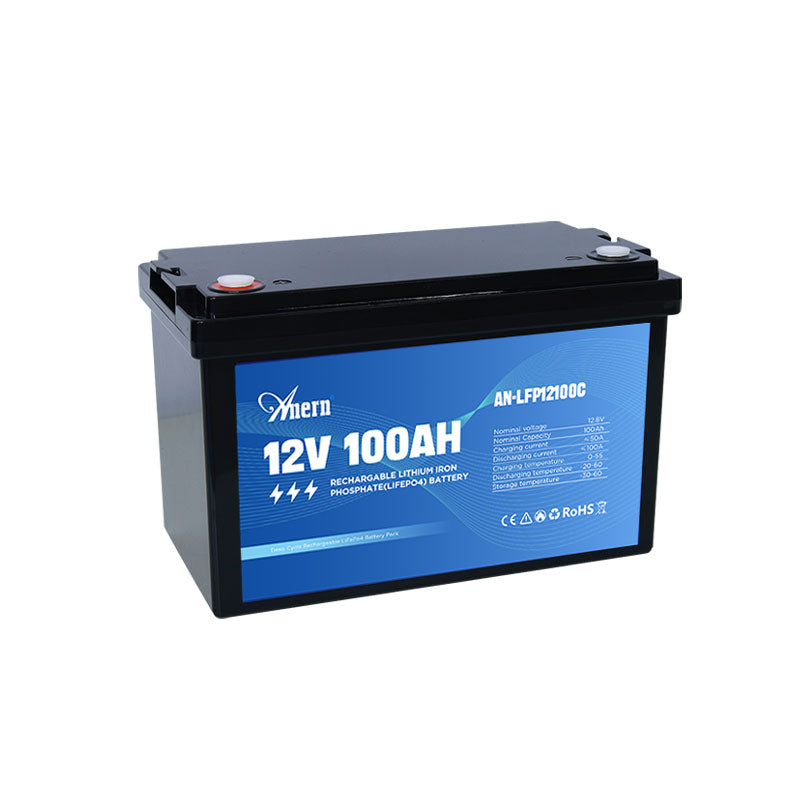

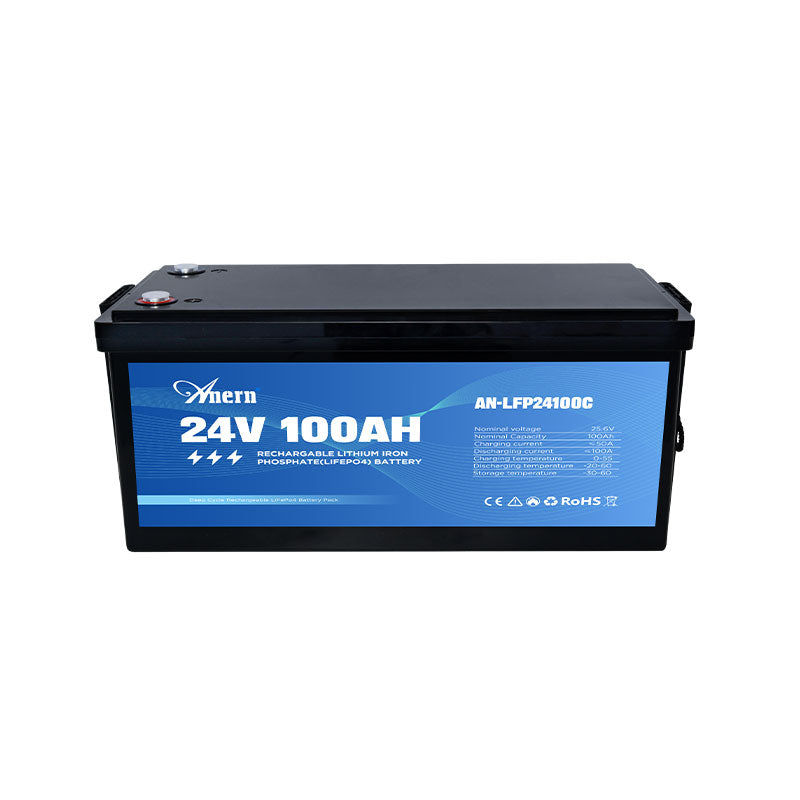
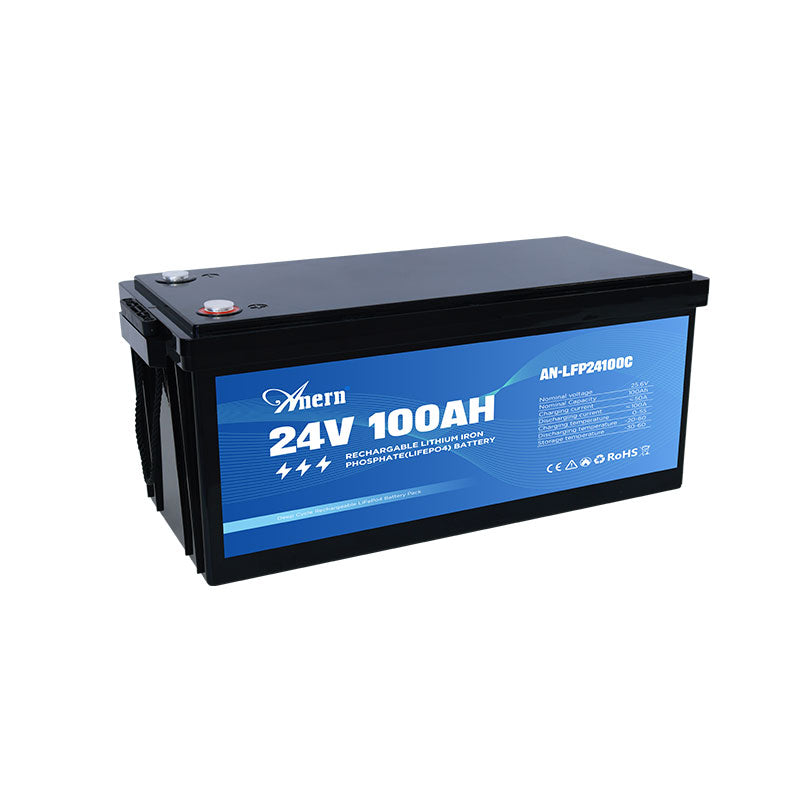

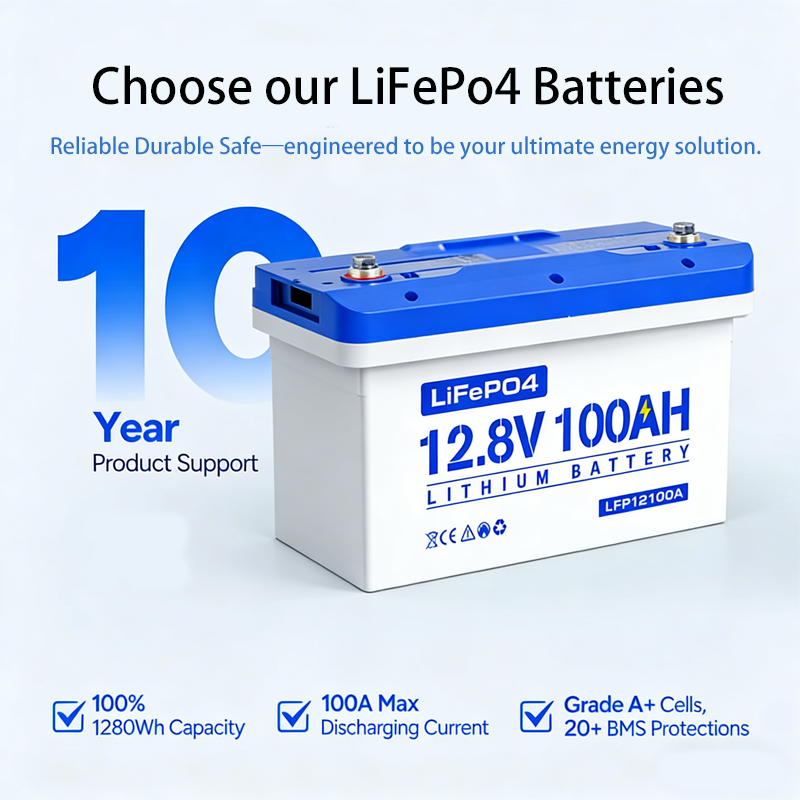

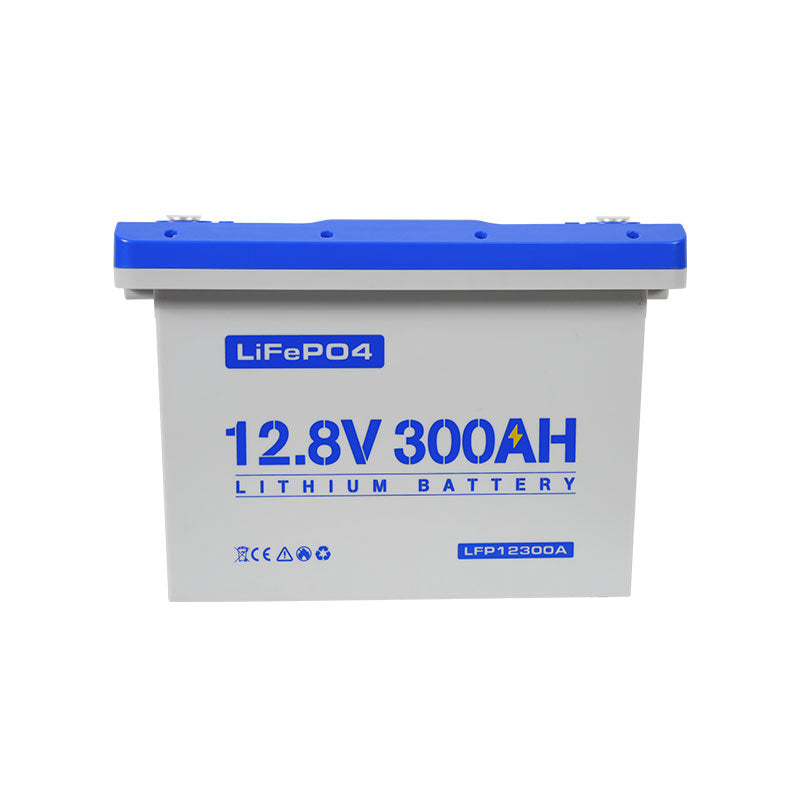
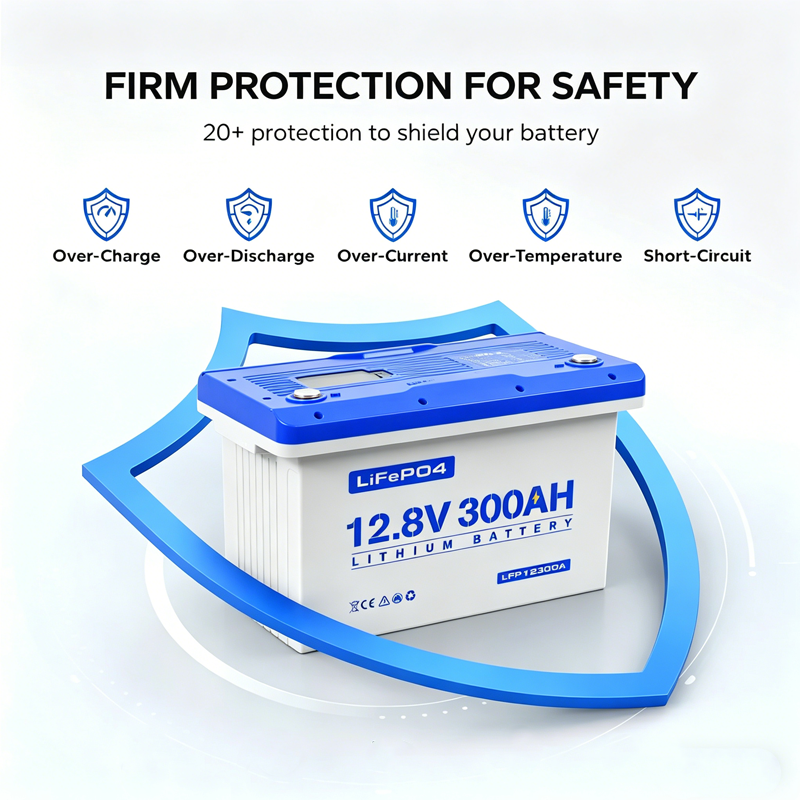

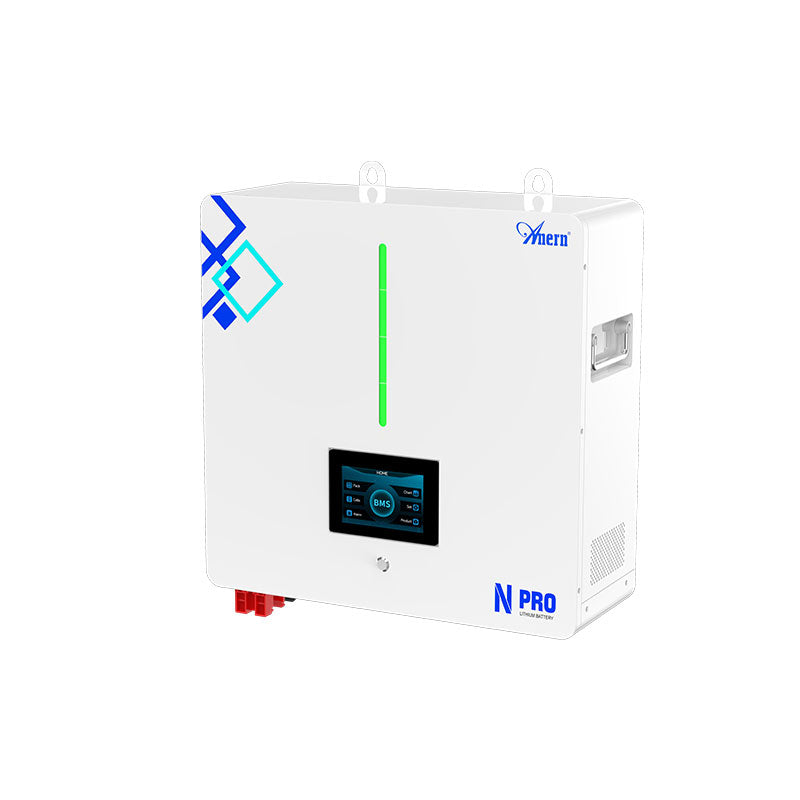

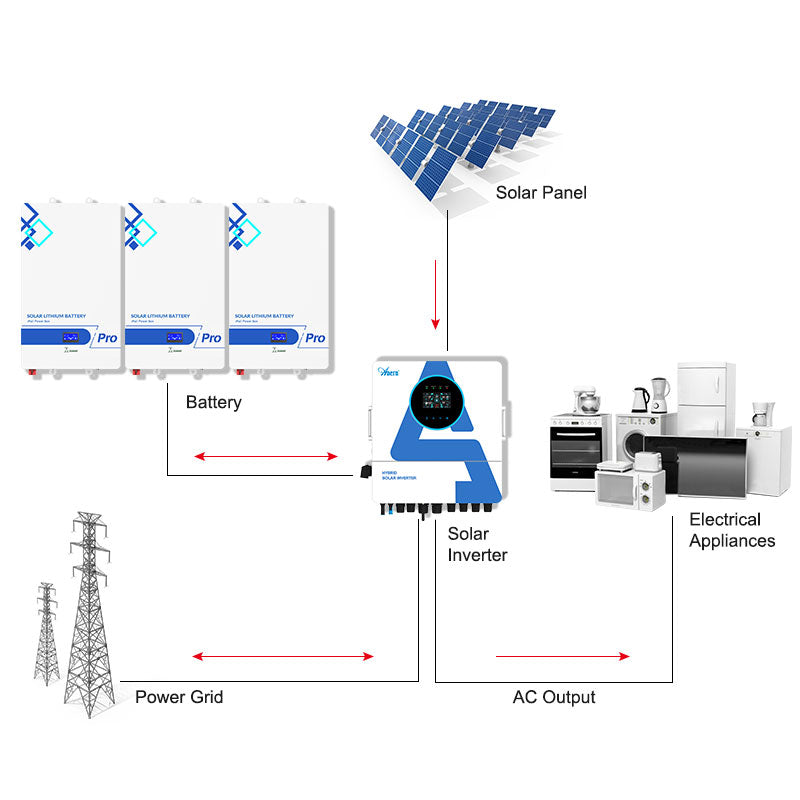
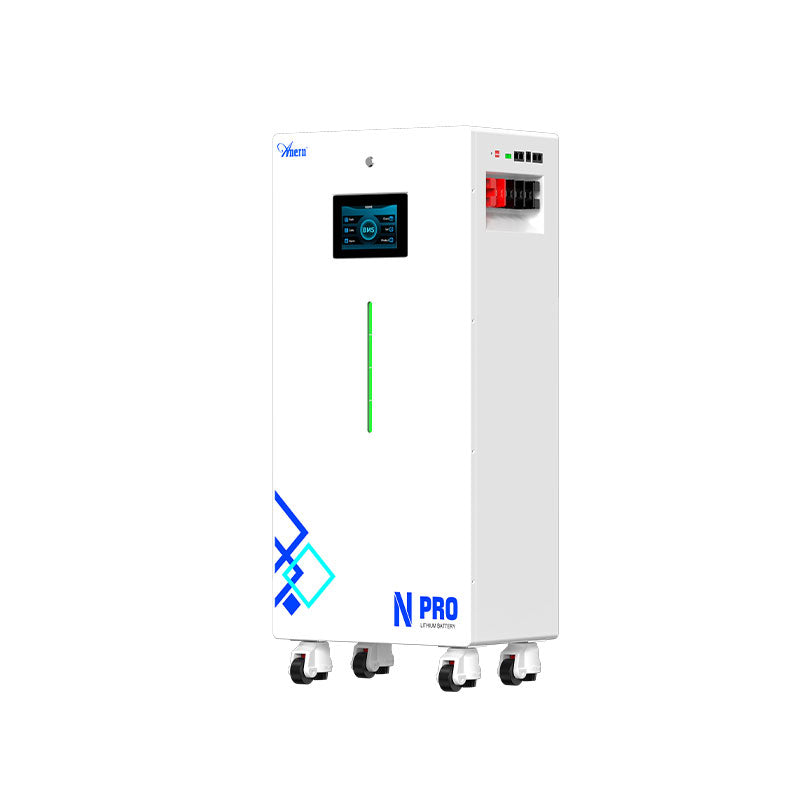


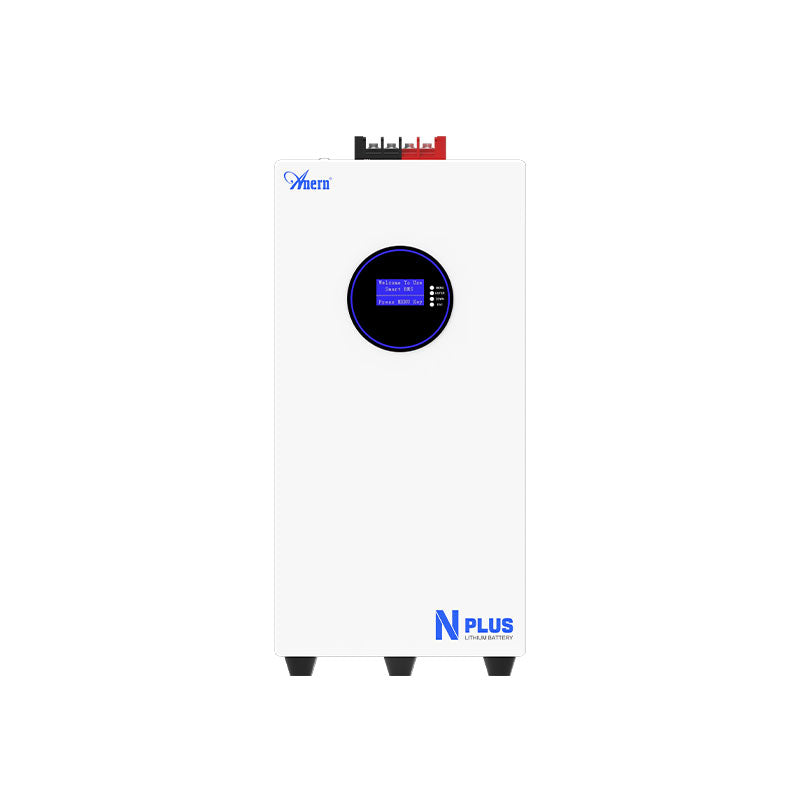
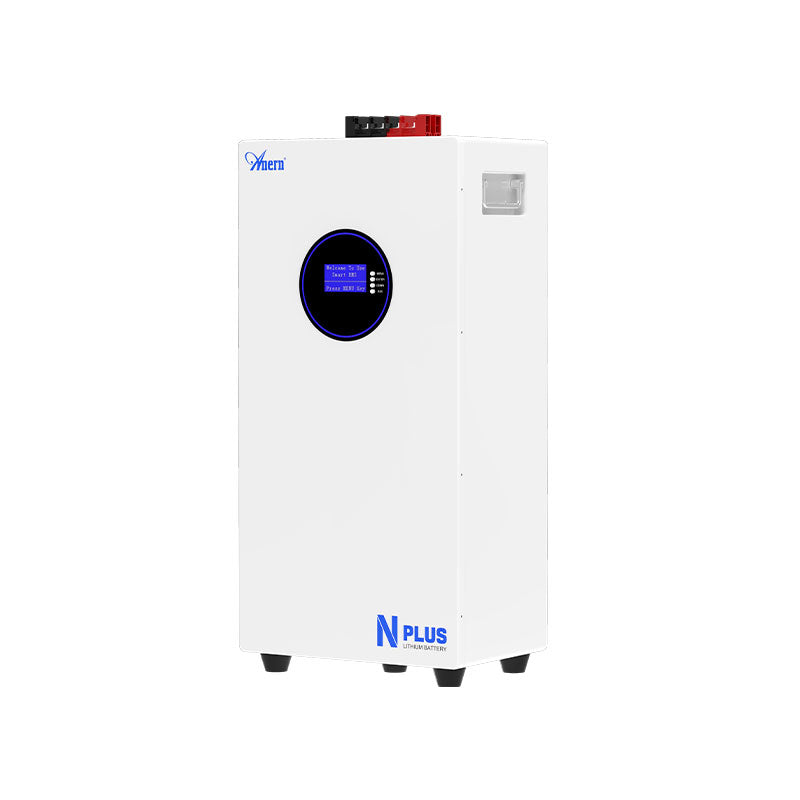




A 12V 100Ah lithium battery can easily power most of your everyday gear, but the inverter ultimately determines system reliability. If your inverter draws more current than the battery can safely supply, the battery management system (BMS) will trigger its over-current protection and shut down the system. Conversely, an undersized inverter restricts what you can run, leading to frustration.
For most single-battery setups, a 1000W pure sine wave inverter is generally the safest and most practical match. While a 1500W model can work under specific load profiles, it pushes a single 12V battery close to its continuous limits. When you need a 2000W system, connecting batteries in parallel becomes the standard upgrade path to share the current load rather than straining a single unit.
What Can a 12 Volt 100Ah Lithium Battery Realistically Power?
To set realistic expectations, you need to understand two key factors: energy capacity (how long it runs) and discharge current (how much it can power at once). A typical 12V LiFePO4 pack operates at a nominal voltage of 12.8V, meaning a 100Ah capacity provides roughly 1280Wh (1.28 kWh) of stored energy. After factoring in standard inverter conversion inefficiencies (typically 10-15%) and minimal wiring losses, you can realistically expect around 1.1 kWh of usable AC energy.
Most users deploy a 12V 100Ah lithium-ion battery system for low-to-medium draw essentials rather than running high-wattage heating appliances for extended periods. Keeping this in mind simplifies the process of choosing an inverter.
Loads That Feel Easy on a Single Battery
These essential devices run efficiently and reliably with a quality pure sine wave inverter:
- Laptops, tablets, and smartphones (usually 10W–100W)
- Wi-Fi routers and networking gear (10W–30W)
- LED lighting strings (10W–50W)
- TVs and media streaming consoles (50W–150W)
- Standard fans or personal coolers (30W–80W)
Loads That Drain the Battery Fast
Heating appliances like microwaves (800W–1200W), coffee makers (900W–1500W), toasters, and electric kettles will operate but will deplete your battery quickly. Because these devices draw high wattage continuously, they are best suited for brief, intermittent use in off-grid setups.
Loads That Need Surge Planning
Appliances equipped with motors or compressors—such as refrigerators, freezers, sump pumps, and power tools—demand a temporary high burst of startup power (inrush current). While their running wattage might only be 100W–200W, their startup surge can easily reach 3 to 5 times that amount. If your system is not properly sized to handle this brief spike, the battery BMS may detect it as a short-circuit or over-current event and shut down.
How to Calculate the Inverter Size for a 100Ah Battery in a 12V System
Understanding the relationship between watts and amps is the key to preventing expensive system overloads. In a 12V system, wattage translates into high amperage very quickly, and current draw is exactly what your battery BMS monitors.
Step 1: Use the Right Voltage for Your Math
While commonly referred to as a "12V" battery, a LiFePO4 pack has a nominal voltage of 12.8V. Under light loads, the voltage can sit higher, whereas heavy loads cause it to sag. For sizing calculations, 12.8V serves as the most accurate planning value.
Step 2: Convert AC Watts Into Battery Current
To estimate how many amps your inverter will pull from the battery, use the following formula:
Battery current (A) ≈ AC load (W) ÷ (Battery voltage (V) × Inverter efficiency)
For realistic planning, 0.90 is a safe efficiency rating to assume for most quality pure sine wave inverters operating under typical conditions.
Step 3: Compare That Current to Your Battery’s BMS Rating
Most standard 12V 100Ah LiFePO4 batteries are engineered with a 100A continuous discharge limit. Some high-end models offer higher peak thresholds for brief surges, but the continuous rating is the hard ceiling for sustained operations.
The table below outlines current draws at various load levels assuming a 12.8V battery and 90% inverter efficiency, helping you size your system with confidence.
| AC Load | Estimated Battery Current | What You Should Expect |
| 400W | ~35A | Easy, stable runtime |
| 600W | ~52A | Comfortable |
| 1000W | ~87A | Strong daily ceiling |
| 1200W | ~104A | Near the limit for many 100A BMS packs |
| 1500W | ~130A | Often too high for a 100Ah battery |
| 2000W | ~174A | Built for parallel batteries |
This data illustrates why efficiency in a 12V system is so critical. Under heavy current, even minor efficiency losses generate substantial heat and lead to a noticeable voltage drop across your cables and connections.
Why a 1000W Pure Sine Wave Inverter Fits a 12V 100Ah Lithium Battery
A 1000W inverter represents the sweet spot for a single 12V 100Ah setup, offering a perfect balance between highly usable AC power and safe, sustainable battery discharge.
It Stays Inside Common BMS Comfort Zones
At full load, a 1000W inverter typically draws around 87A from the battery. This fits comfortably within the 100A continuous BMS limit of standard 100Ah LiFePO4 batteries, allowing you to utilize the system's full capability without triggering emergency shutdowns or wearing down components prematurely.
It Supports Real Appliances Beyond Small Gadgets
Choosing a pure sine wave inverter is essential if you plan to power sensitive electronics. The clean, smooth wave mimics grid power, providing stable energy to laptops, medical equipment like CPAP machines, and appliances with integrated microprocessors. The U.S. Department of Energy explains that inverters convert DC electricity into AC power and use electronics to create the AC waveform. Modified sine wave alternatives often produce high harmonic distortion, which can cause annoying buzzing, excess heat, and potential long-term damage to your gear.
It Keeps the DC Side Simpler and Safer
In a 12V system, higher wattage demands much thicker cabling and robust safety components. A 1000W system keeps the required current manageable, allowing you to use standard cable gauges and fuses while minimizing the risks of high-resistance heating, extreme voltage sag, and sudden thermal shutdowns.
Quick Buyer's Sizing & Safety Checklist
Use this quick guide to determine the best path for your setup based on your planned AC loads:
- Choose a 1000W Inverter if you want a reliable, plug-and-play system for charging electronics, running lights, TVs, and small appliances (under 900W) without worrying about complex heavy-gauge wiring.
- Consider a 1500W Inverter only if you need to run mid-sized appliances like smaller microwaves or coffee makers briefly, and you are certain your battery features a BMS that supports discharge rates above 100A.
- Upgrade to a 2000W Inverter and Parallel Batteries if you plan to run standard kitchen appliances, power tools, or multiple high-wattage items simultaneously. A single 12V 100Ah battery is generally inadequate for a 2000W load.
Is a 1500W Pure Sine Wave Inverter Too Much for a 12V 100Ah Lithium-Ion Battery?
While a 1500W pure sine wave inverter can work, it requires careful load management. Many users install a 1500W model assuming they can run high-draw devices freely, only to experience sudden system shutdowns when the battery is under load.
At full load, a 1500W inverter can draw approximately 130A. If your battery is rated for 100A continuous discharge, pulling 130A will typically trip the BMS over-current protection within seconds or minutes, shutting down the entire system.

When a 1500W Inverter Makes Sense
A 1500W pure sine wave inverter can be a highly practical choice on a single 12V 100Ah battery if your system meets these specific conditions:
- Your continuous loads generally remain below 1000W, leaving the extra capacity strictly for brief spikes.
- You avoid running multiple high-wattage appliances at the same time.
- Your battery is specifically rated for continuous discharge rates higher than the standard 100A (e.g., 150A or 200A continuous BMS).
Users often select a 1500W model to provide extra headroom for the startup surges of smaller inductive loads. This is a sound strategy, provided the battery's BMS and cells are designed to deliver that surge current safely.
Where a 1500W Setup Becomes a Headache
Problems arise when high-draw heating appliances become part of your daily routine. Stacking a microwave and a coffee maker, or trying to run a toaster and a portable heater simultaneously, will instantly exceed the system limits. The bottleneck in this setup is not just the inverter; it is the battery BMS enforcing safety boundaries.
If your system frequently shuts off under load, upgrading to a larger inverter will not solve the issue. Instead, the solution lies in increasing your battery's current capacity, typically by adding a second battery in parallel.
Maximum Inverter Size for a 100Ah Lithium Battery Before BMS Trips
While there is no single universal limit due to variations in battery build quality and BMS engineering, the physics of a 12V system provides a clear boundary.
If your battery BMS is rated for 100A continuous discharge, the maximum continuous DC-side power it can supply is: 12.8V × 100A = 1280W. Accounting for typical inverter conversion losses (e.g., 90% efficiency), the continuous AC power output generally tops out around 1000W to 1150W. This explains why a 1000W inverter typically operates with high stability, while a 1500W inverter may trip the BMS on many 100A-rated batteries when heavy loads are sustained.
Two primary factors can trigger system shutdowns even before you reach these calculated limits:
Severe Voltage Sag. Undersized DC cables, long wire runs, loose lugs, or corroded terminals introduce high resistance. This resistance causes the voltage to drop sharply under load, prompting the inverter's built-in low-voltage cutoff protection to trip, even when the battery cells still hold ample energy.
Excessive Startup surge. Heavy motor-driven appliances pull brief but extreme inrush currents at startup. If this instant spike exceeds the battery's maximum pulse discharge rating, the BMS will instantly cut power to protect the cells before the inverter has a chance to stabilize the load.
To ensure a dependable, worry-free off-grid experience, treat 1000W as the reliable continuous limit for a single 12V 100Ah lithium battery, and treat anything higher as conditional based on your battery’s specifications.
When to Upgrade to a 2000W Inverter With Parallel 12V 100Ah Batteries
A 2000W inverter is designed for higher-demand off-grid power, allowing you to run standard household appliances and tools. However, operating at this power level requires a substantial amount of current from a 12V system.
At full load, a 2000W inverter can draw approximately 170A or more, depending on system voltage and inverter efficiency. A single 100Ah battery cannot supply this current continuously without tripping its BMS. A parallel configuration solves this limitation by dividing the current demand across multiple battery packs.
What Paralleling Changes
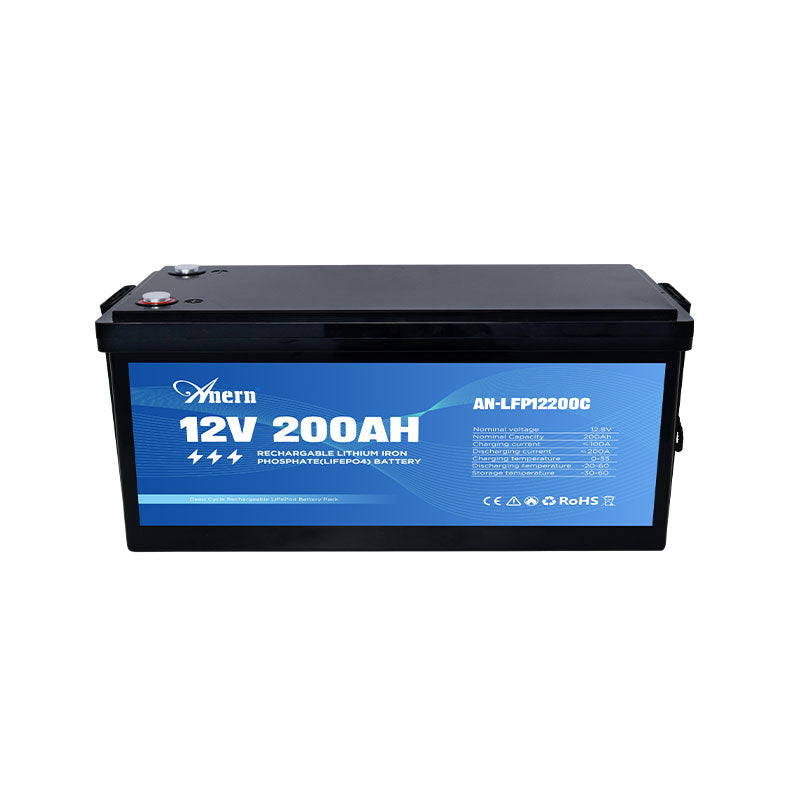
Connecting two identical 12V 100Ah lithium batteries in parallel maintains the system voltage at 12V while doubling the total capacity to 200Ah. More importantly, it divides the electrical load. A heavy 170A system draw is split into roughly 85A per battery (assuming balanced wiring), which fits comfortably within standard 100A continuous BMS comfort zones.
Clear Signs You Should Upgrade
A parallel 2000W system is highly recommended if your energy needs match the following criteria:
- Your essential loads frequently exceed 1200W.
- You need to run standard high-wattage kitchen appliances or power tools.
- You want to minimize system interruptions from motor startups.
- You prefer the convenience of running multiple devices simultaneously without constant power load calculations.
Parallel Upgrade Checklist
- Use identical batteries of the same model, capacity, and age to ensure even wear and charge distribution.
- Ensure both batteries are fully charged and their voltages are balanced (ideally within 0.1V of each other) before connecting them.
- Use equal-length, equal-gauge cables to ensure the resistance in each branch is perfectly balanced.
- Install a properly rated fuse on each positive battery branch to protect against short circuits.
- Utilize high-quality, solid busbars for clean, safe, and balanced current distribution.
A 2000W system provides effortless off-grid power when the DC backbone is built to handle the load. By utilizing parallel batteries, you prevent the annoying over-current shutdowns that disrupt your power system.
Why Choosing the Right Pure Sine Wave Inverter Comes Down to Current
If you want a dependable off-grid system, discharge current is the most critical filter for your decision. A single 12 Volt 100Ah lithium battery is best paired with a 1000W pure sine wave inverter, as this keeps the typical continuous current draw well within the limits most single batteries can support. While a 1500W inverter can work, it demands meticulous load management and a battery with enhanced discharge limits to prevent BMS tripping.
For true 2000W performance on a 12V bus, configuring 12V 100Ah lithium batteries in parallel is the most practical and reliable strategy. By sharing the current draw, each battery stays safely inside its BMS comfort zone, preventing the sudden, inconvenient shutdowns that ruin the user experience.
FAQs
Q1: Can I use a modified sine wave inverter with a 12V 100Ah lithium battery?
Yes, but it is generally not recommended for sensitive loads. Modified sine wave inverters produce a blocky, simulated electrical wave that can cause power adapters, medical equipment, audio systems, and motor-driven appliances to run hotter, operate noisily, or fail prematurely. For broad device compatibility and long-term reliability, a pure sine wave inverter is the safest and most efficient choice.
Q2: Do I need a transfer switch if I’m using an inverter for backup power at home?
Generally yes, if you plan to connect the inverter directly to your household wiring. A manual or automatic transfer switch (or a certified generator interlock) is essential to prevent dangerous backfeeding into the utility grid, which can damage your equipment and endanger utility workers. If you are only running individual appliances via extension cords directly plugged into the inverter, a transfer switch is not required.
Q3: What DC fuse type should I choose for a 12V lithium battery inverter setup?
You should select a high-quality, DC-rated fuse specifically engineered for high interrupt currents, such as a Class T or ANL fuse. The fuse and its holder must be matched to your cable rating and your inverter's maximum continuous draw. Always position the fuse as close as possible to the battery's positive terminal to protect the cabling from short-circuit hazards.
Q4: Should I choose an inverter with a built-in charger for a 12V lithium system?
It depends on your system goals. Yes, if you want an all-in-one unit that automatically charges the battery when connected to shore power (or a generator) and provides seamless backup power. No, if you already own a dedicated LiFePO4 battery charger or a standalone solar charge controller, and you prefer separate components for easier maintenance and system modularity.
Q5: Why does my inverter shut off even when the battery still shows high capacity?
This is a common issue typically caused by voltage drop. Under heavy loads, the high current draw can cause a temporary voltage sag across the system. If you have loose terminals, corroded contacts, undersized cables, or excessively long wire runs, the voltage drop will trigger the inverter’s built-in low-voltage cutoff, causing it to shut down even if the battery cells themselves are fully charged. Always inspect and tighten your DC connections and verify cable sizing first.
