














The promise of solar energy is clear: energy independence and reduced utility costs. However, the path from signing a contract to gaining Permission to Operate (PTO) can often feel lengthy. Residential solar projects in the United States typically require several weeks to several months for completion, ranging from 14 to 20 weeks from contract signing to system operation. Yet, achieving a significantly faster timeline is possible, even for urban homes. This article examines a remarkable case where a city townhouse achieved full solar operation in just 42 days, highlighting the strategies that made this expedited timeline a reality.
The Foundation of Speed: Efficient Permitting
Obtaining permits and navigating local regulations are often the first major hurdles in any solar installation. In the United States, individual jurisdictions, such as cities and counties, manage PV permitting and inspection. Utilities handle PV interconnection. These processes, collectively known as PII (Permitting, Inspection, Interconnection), ensure safe PV system installation. However, inconsistent or burdensome requirements can increase installation costs.
Understanding Jurisdiction-Level Challenges
City townhouses present unique challenges for solar installations. Limited roof space is a primary concern, often smaller and irregularly shaped than standalone homes. Additionally, urban areas may have strict building codes and fire department regulations. The permitting process for solar systems can be lengthy, sometimes taking months, and may require structural engineering stamps and detailed electrical schematics. These jurisdiction-level soft costs can add to the overall expense and timeline of a solar project.
Strategies for Streamlining Permits
Accelerating the permitting phase requires proactive measures. Many jurisdictions now offer expedited permit processes for small-scale residential PV systems, typically those under 10-15 kW. These processes simplify structural and electrical reviews, minimizing the need for extensive engineering studies. Utilizing online permitting systems, such as SolarAPP+, can transform a multi-week wait into same-day approval in some areas. The U.S. Department of Energy developed SolarAPP+ to automatically approve simple residential solar projects. Policymakers can also reduce PII costs by implementing measures to streamline processes, including online permitting and online interconnection portals. Submitting a complete and accurate permit package, including site layouts, panel placement, electrical diagrams, and equipment datasheets, prevents costly delays.
Navigating Inspections and Grid Interconnection
Beyond permitting, successful inspections and seamless utility interconnection are critical for rapid project completion. Permission to Operate (PTO) is the final approval from the utility company, allowing a solar system to connect to the grid and begin generating electricity.
Critical Inspection Phases for Urban Solar
After installation, a solar system typically undergoes electrical and building inspections by the local Authority Having Jurisdiction (AHJ). For townhouses, these inspections often involve ensuring compliance with fire safety setbacks and verifying the roof's load-bearing capacity, given the common space constraints and potential for tilted panels. A successful inspection confirms the system meets all local and utility requirements and is ready for safe interconnection.
Utility Interconnection Best Practices for Townhouses
The utility interconnection process involves applying for and receiving permission from the local utility to connect the solar system to the grid. This process ensures safety and allows for the export of excess energy and the purchase of electricity when needed. The median timeline for utility interconnection for residential projects in the U.S. is around 52 days from application submission to PTO. However, this can vary significantly. Proactive communication with the utility and submitting a comprehensive application detailing the system's design, equipment, and electrical diagrams can expedite this phase. Some utilities may require an engineering analysis to assess grid impact, particularly for larger systems.
Technology Choices for Rapid Deployment
Selecting the right components plays a significant role in both installation efficiency and long-term performance. For city townhouses, where space is often limited, compact yet powerful solutions are ideal.
Integrated Energy Storage Systems for Compact Spaces
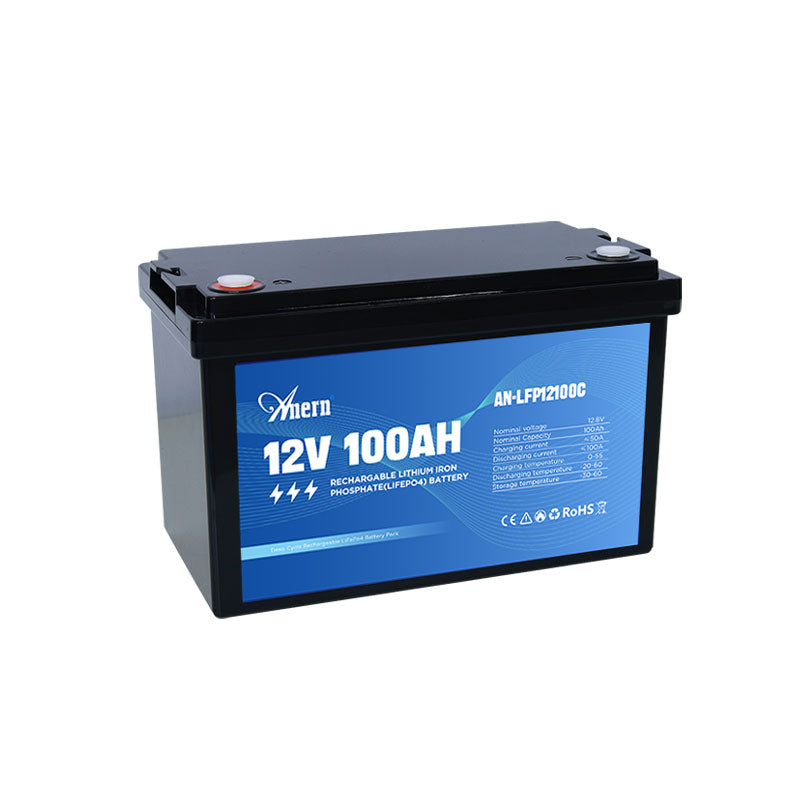
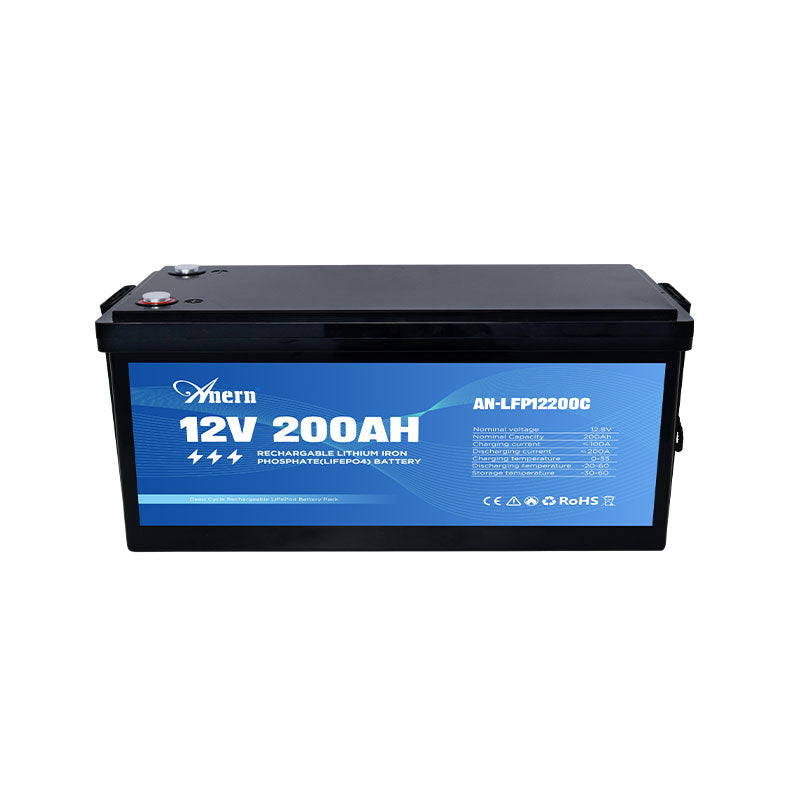
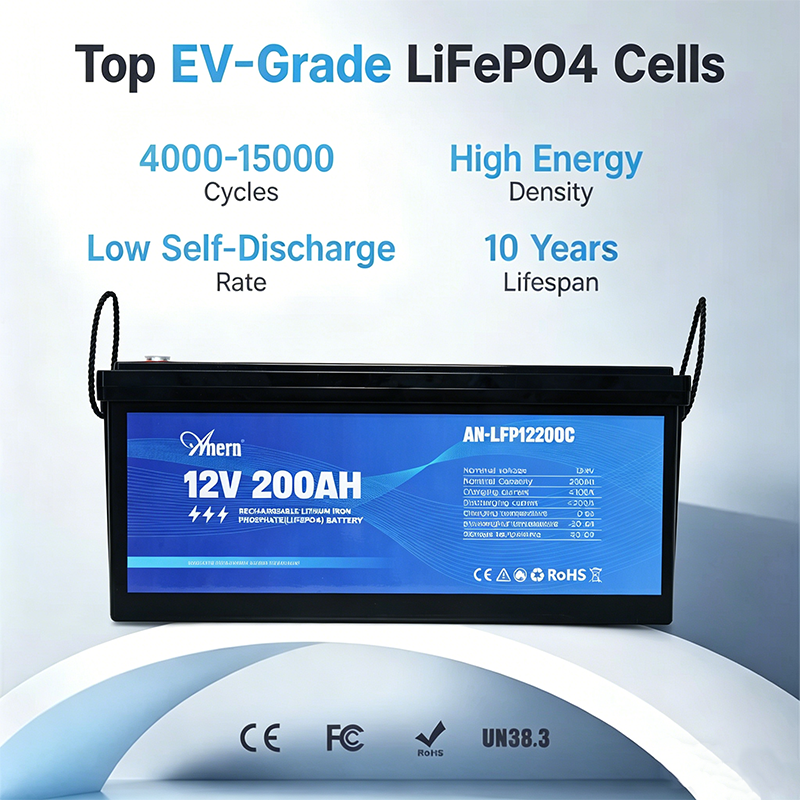
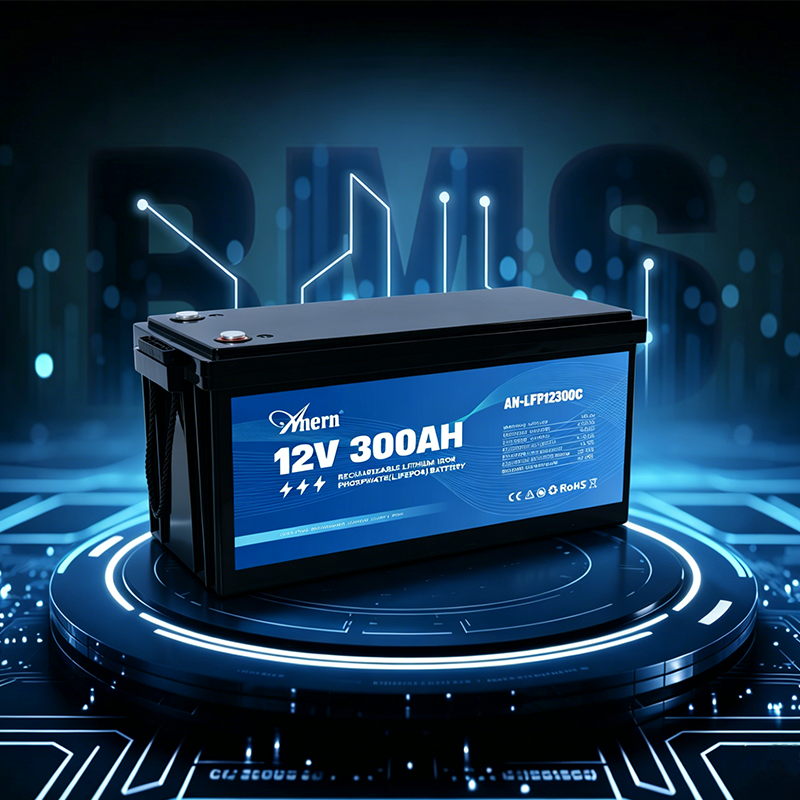
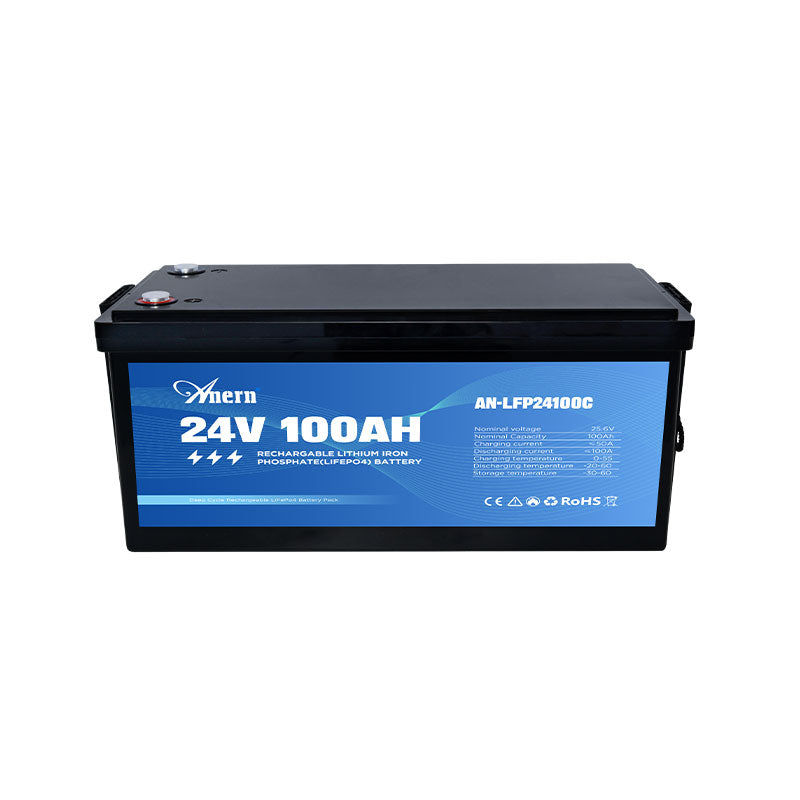
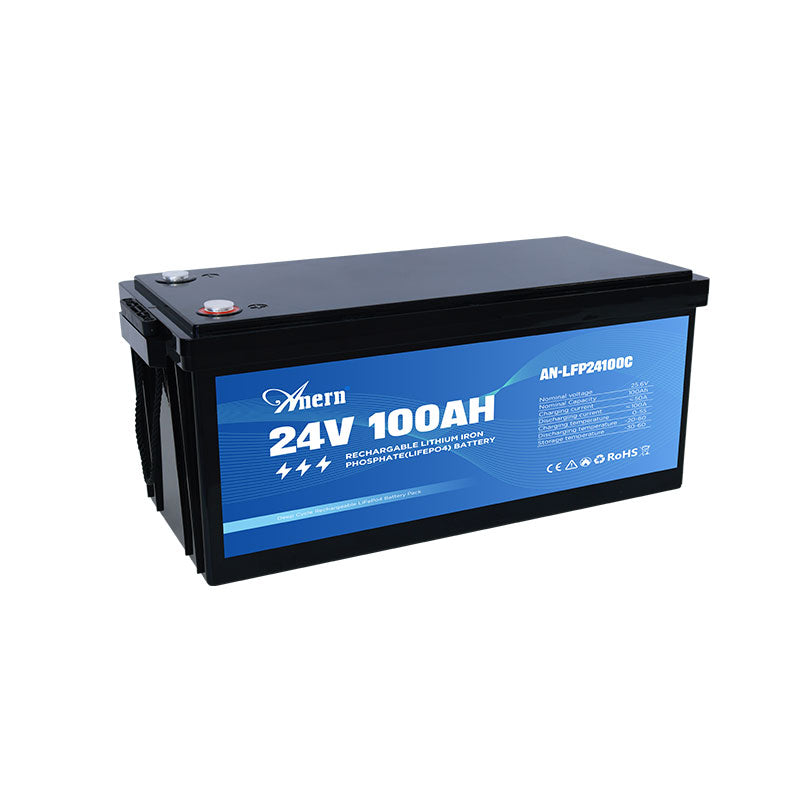
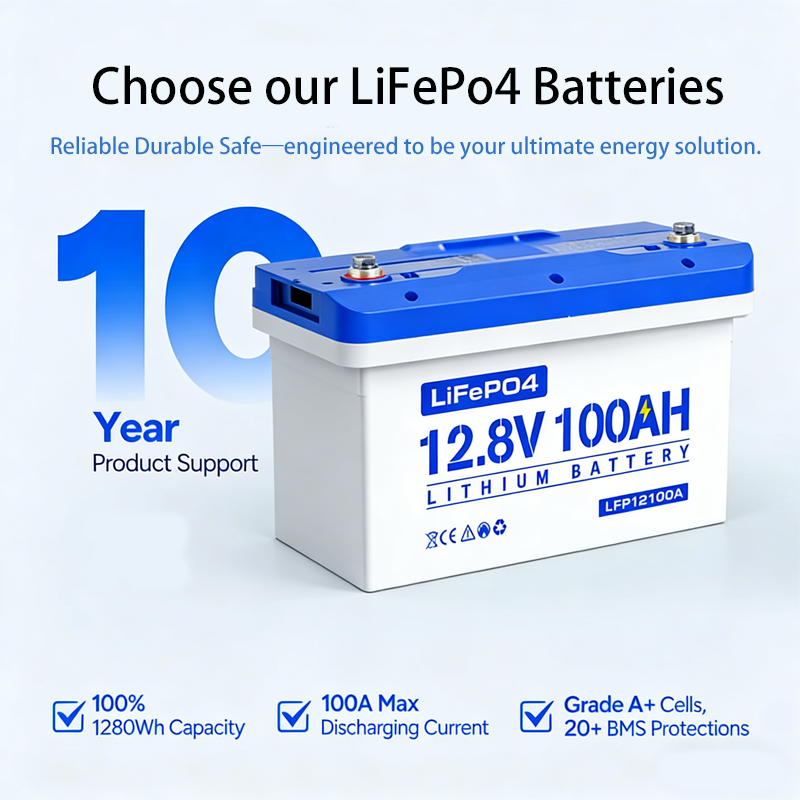
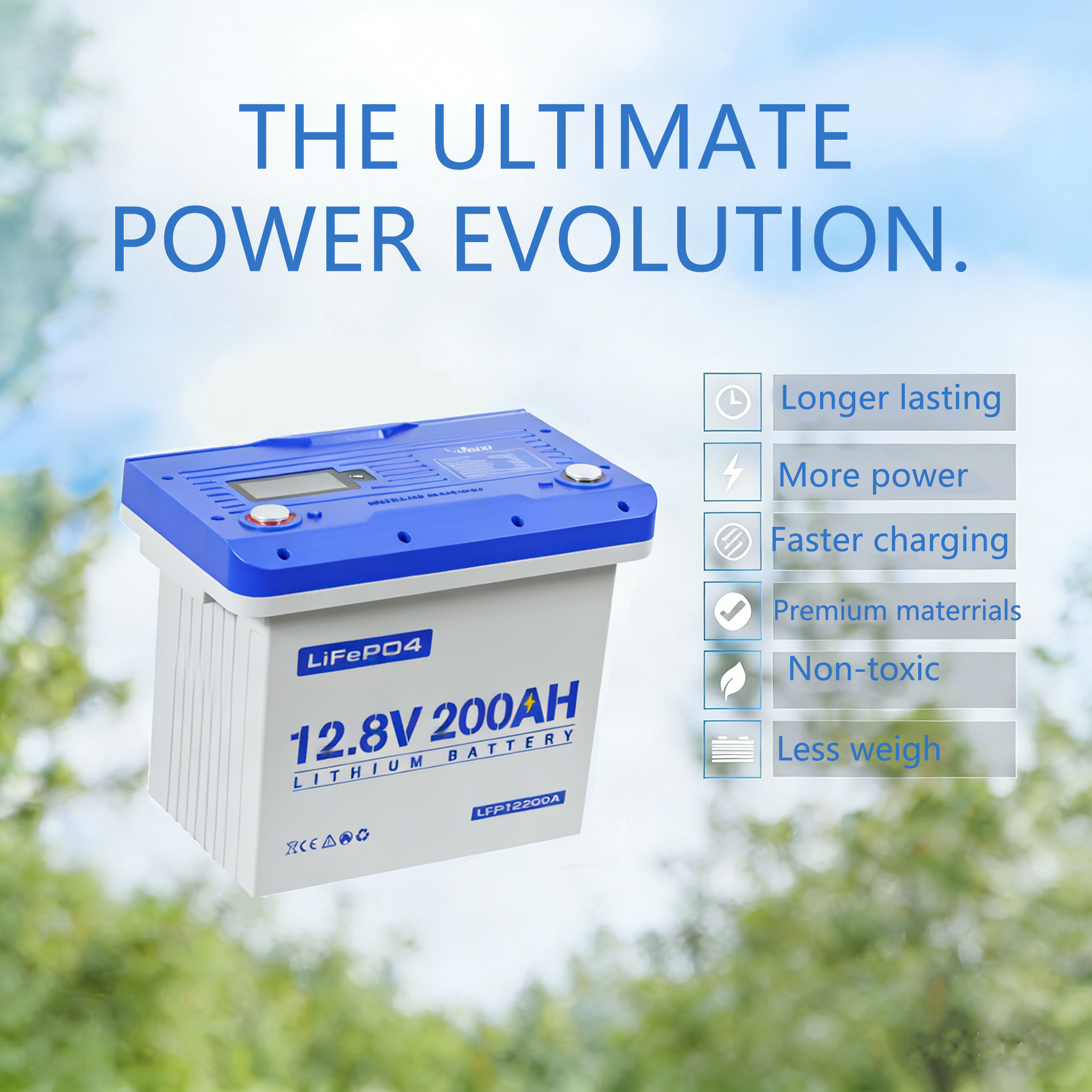
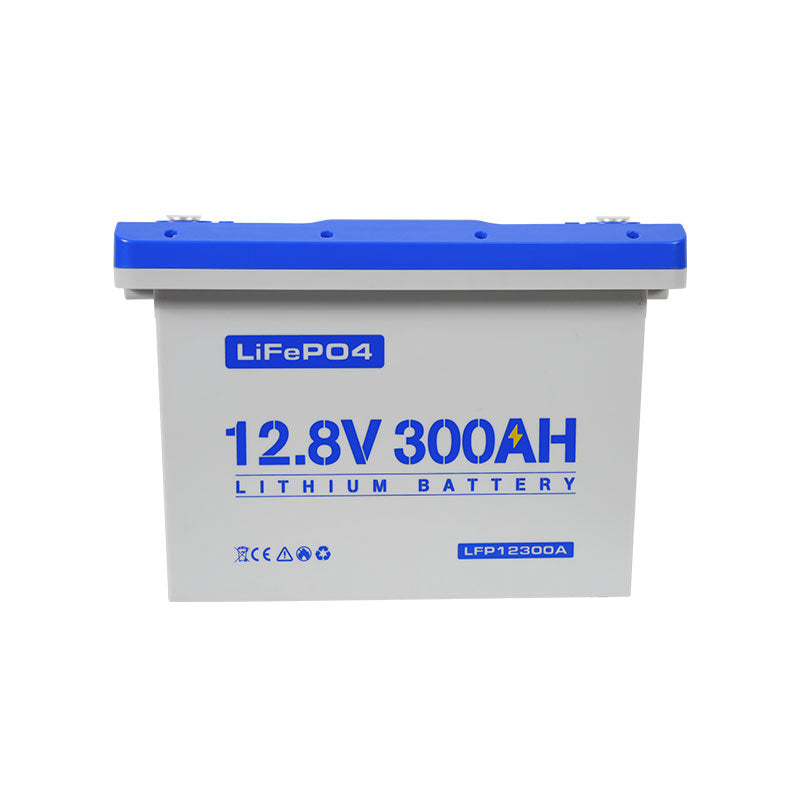
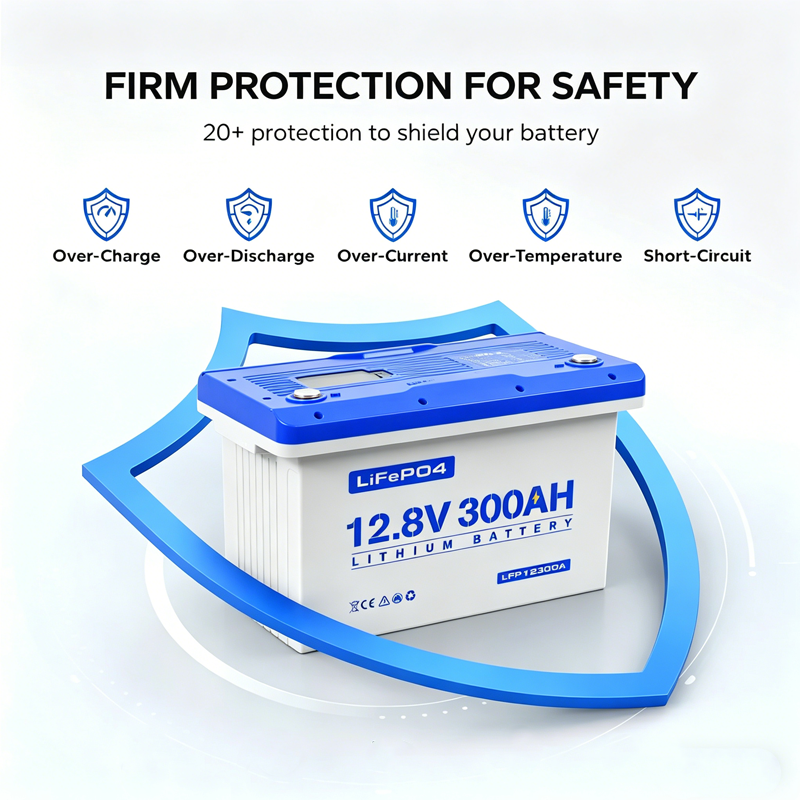
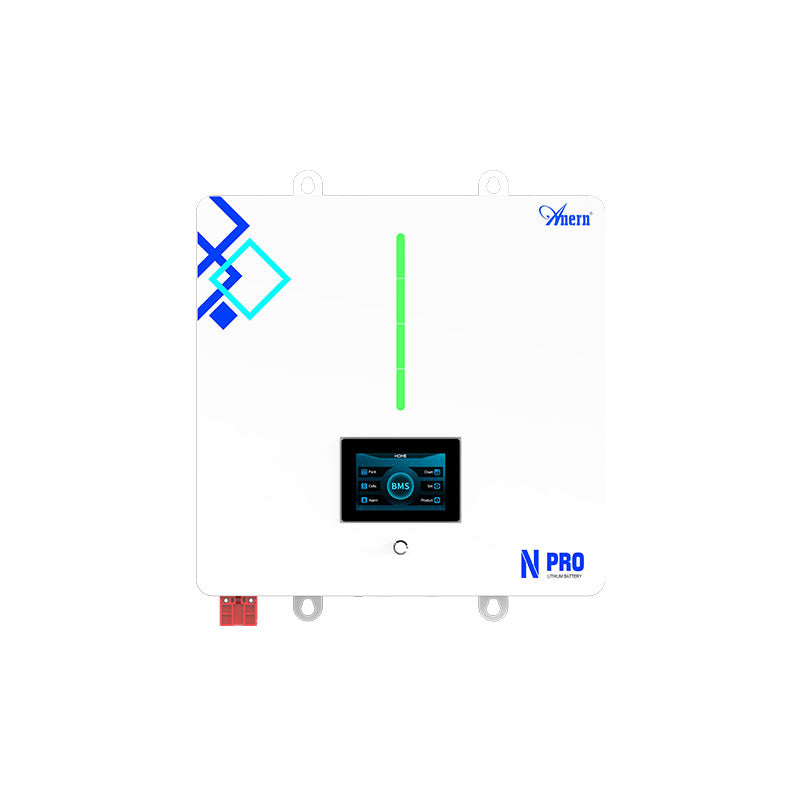
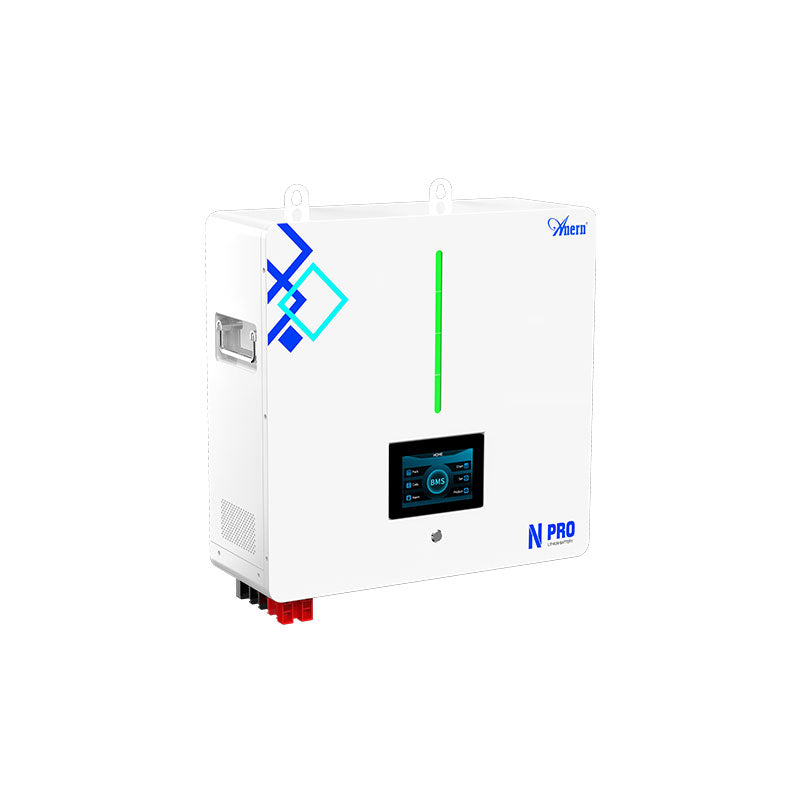
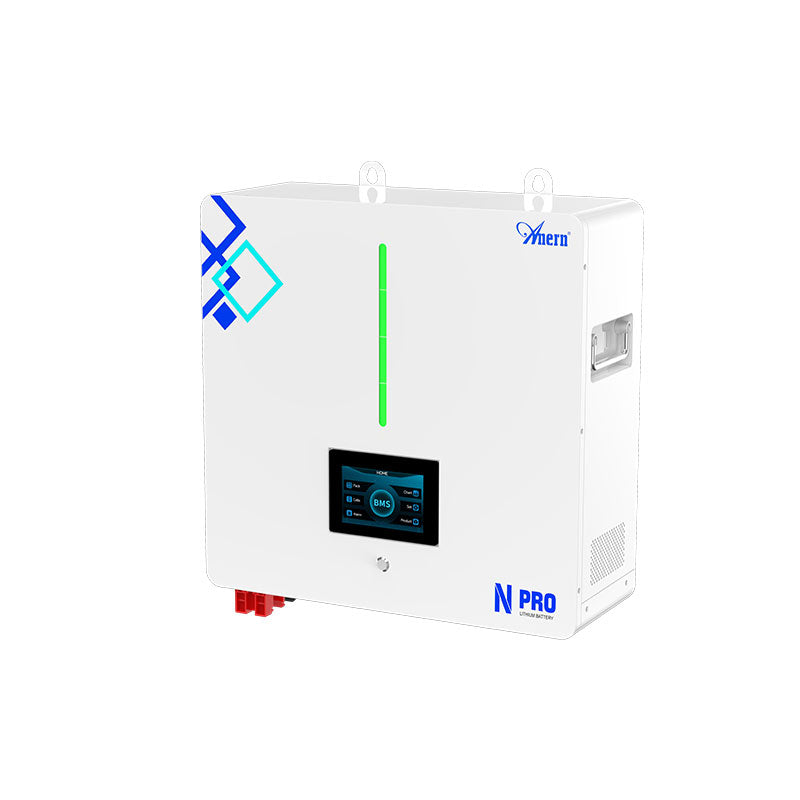
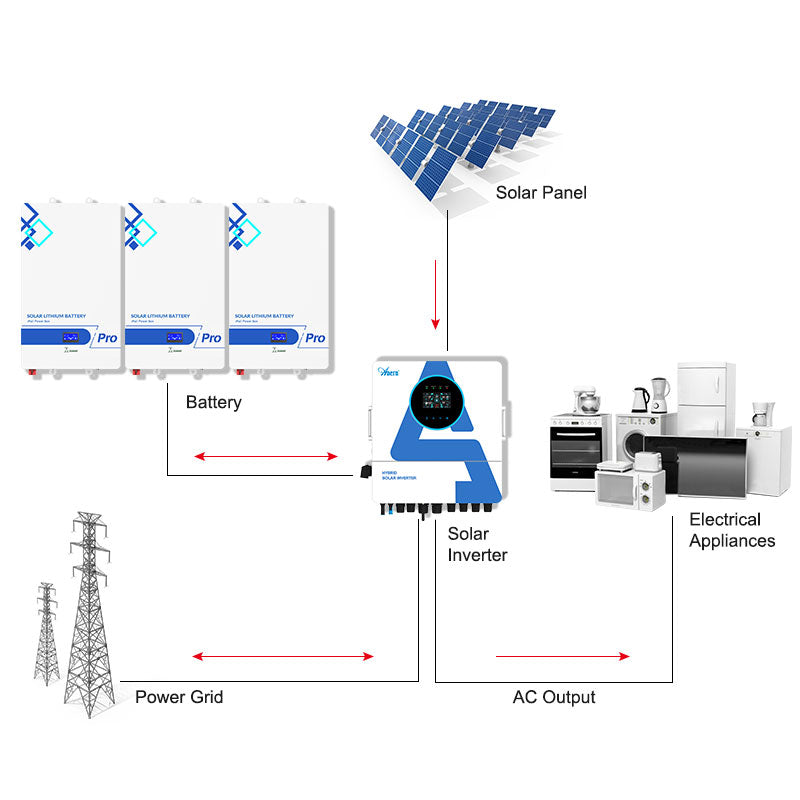
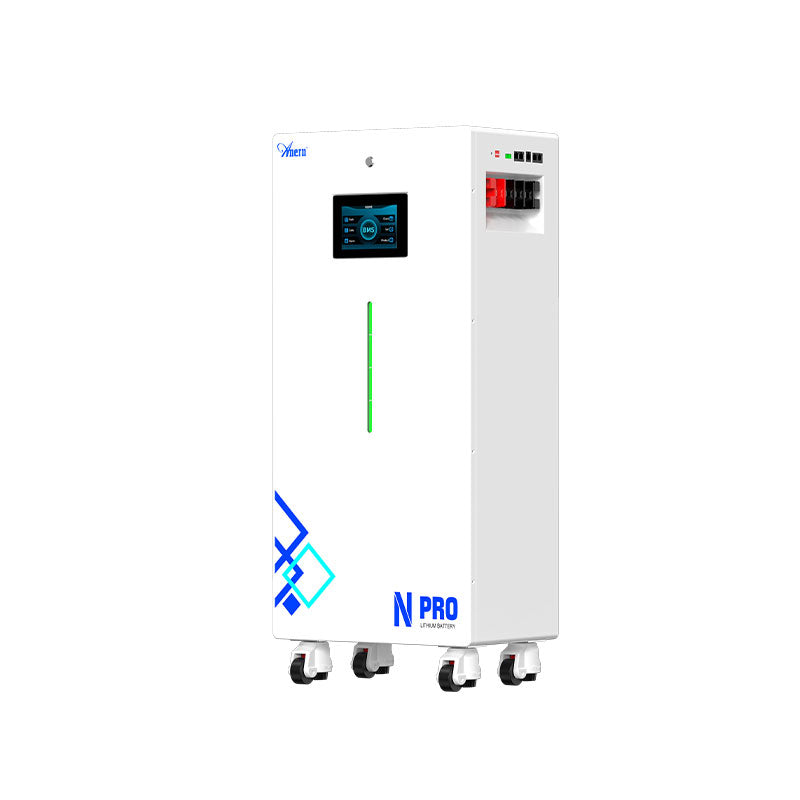
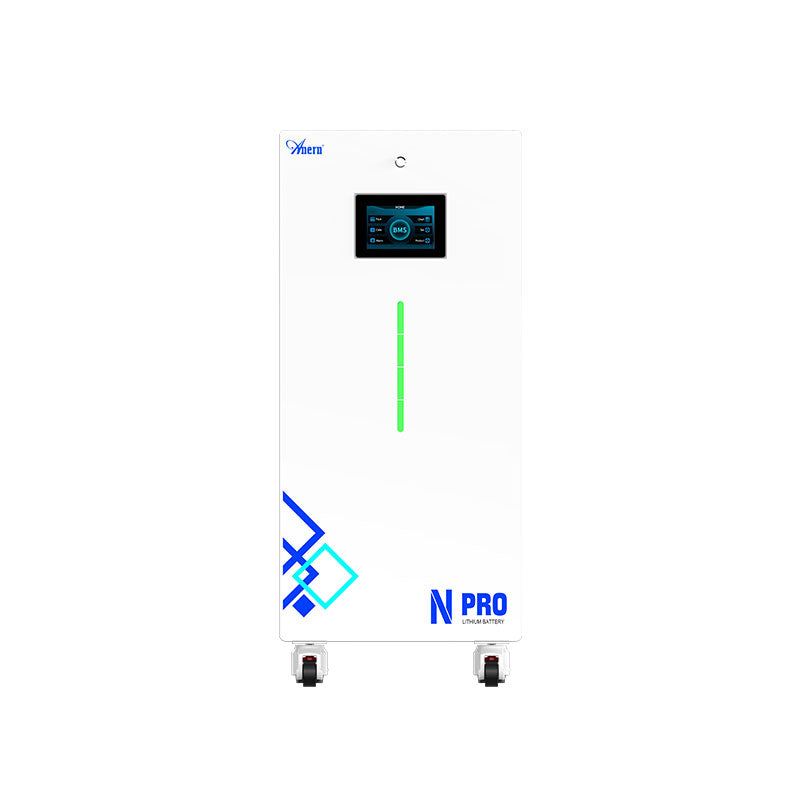
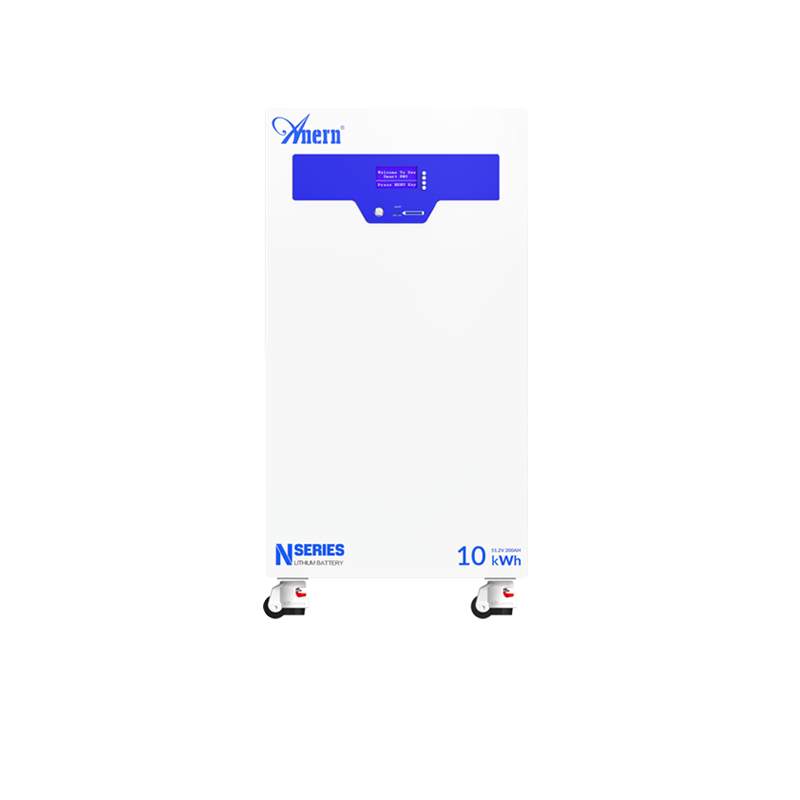
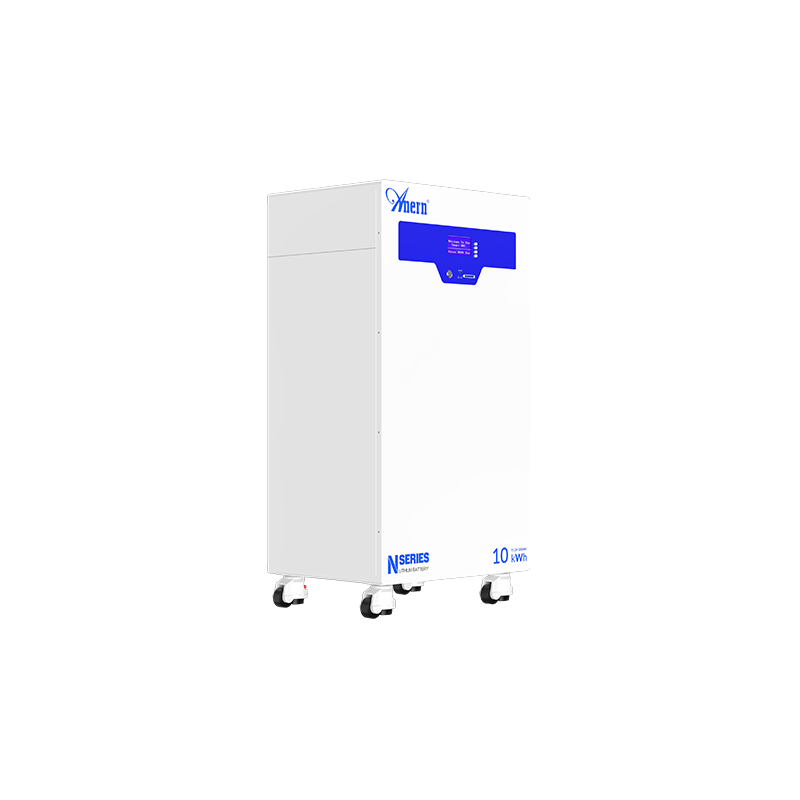
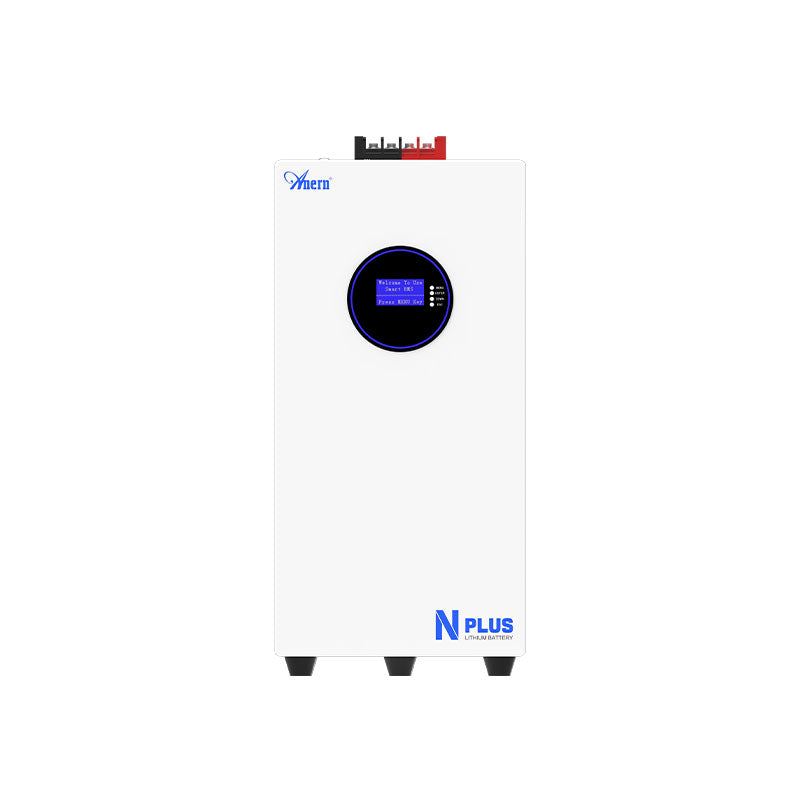
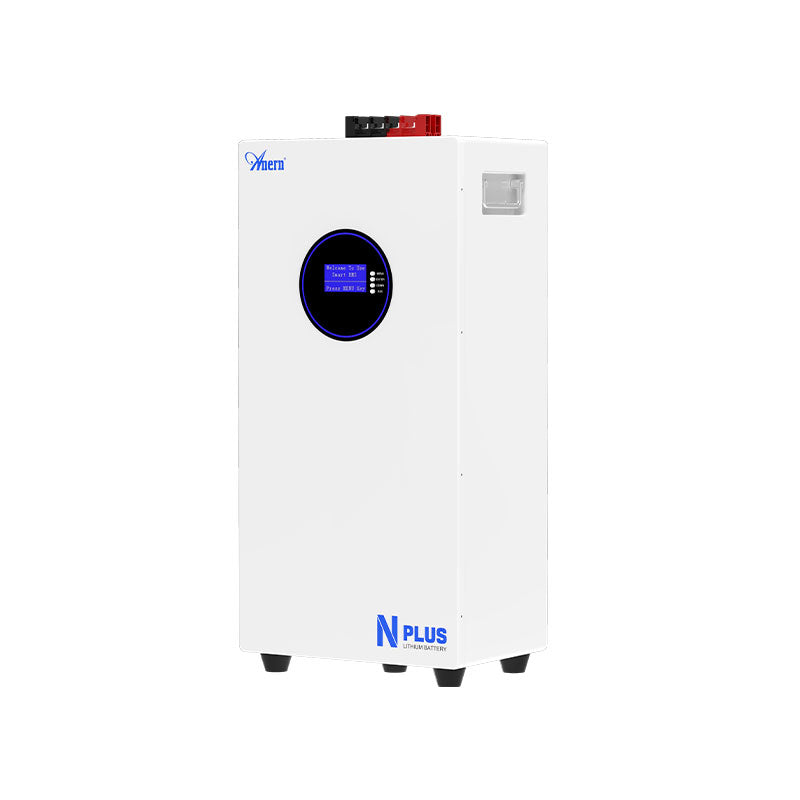
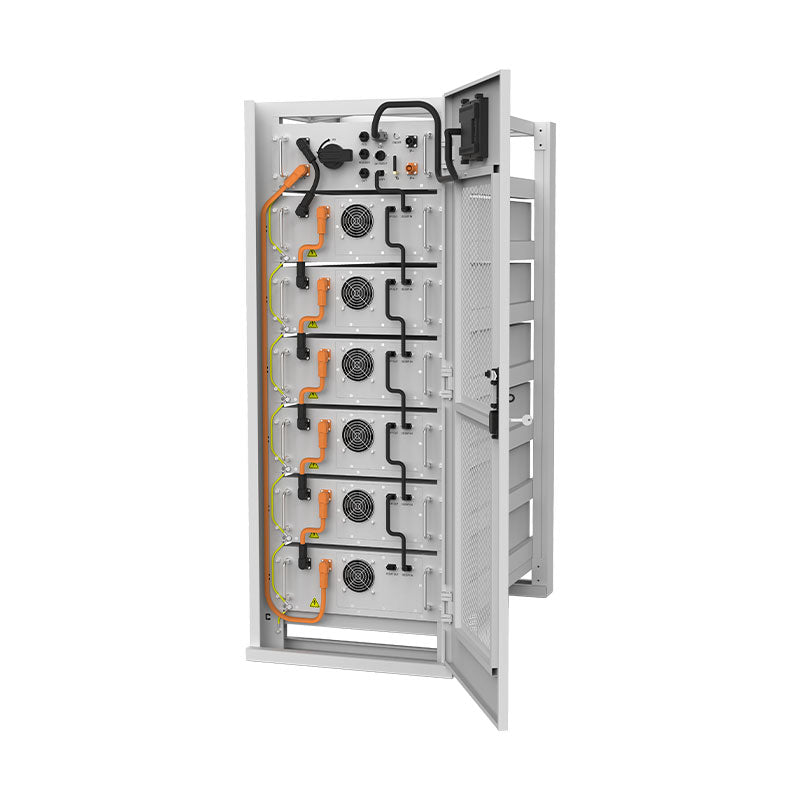
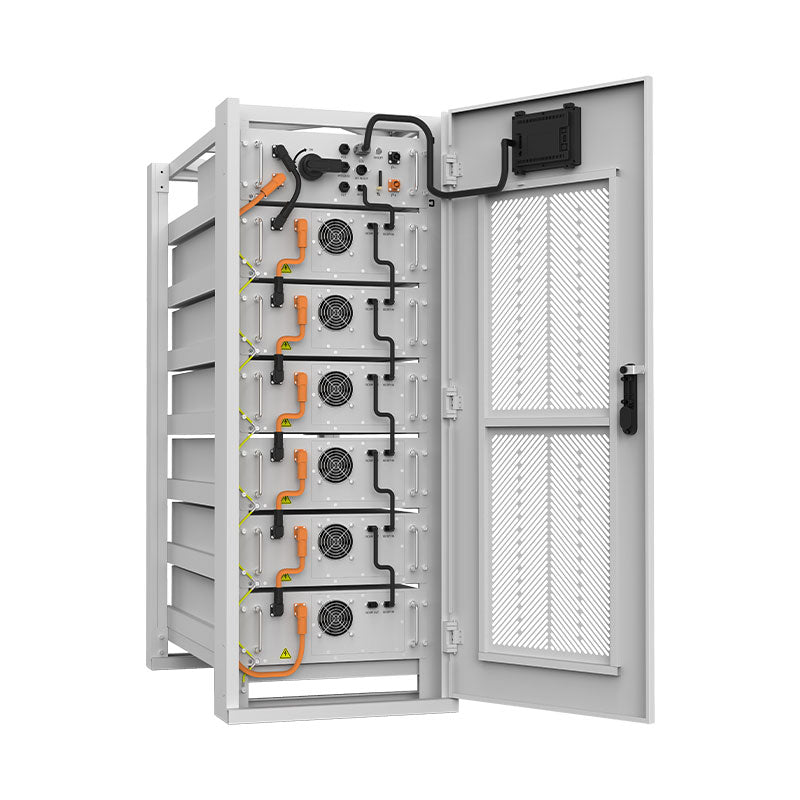
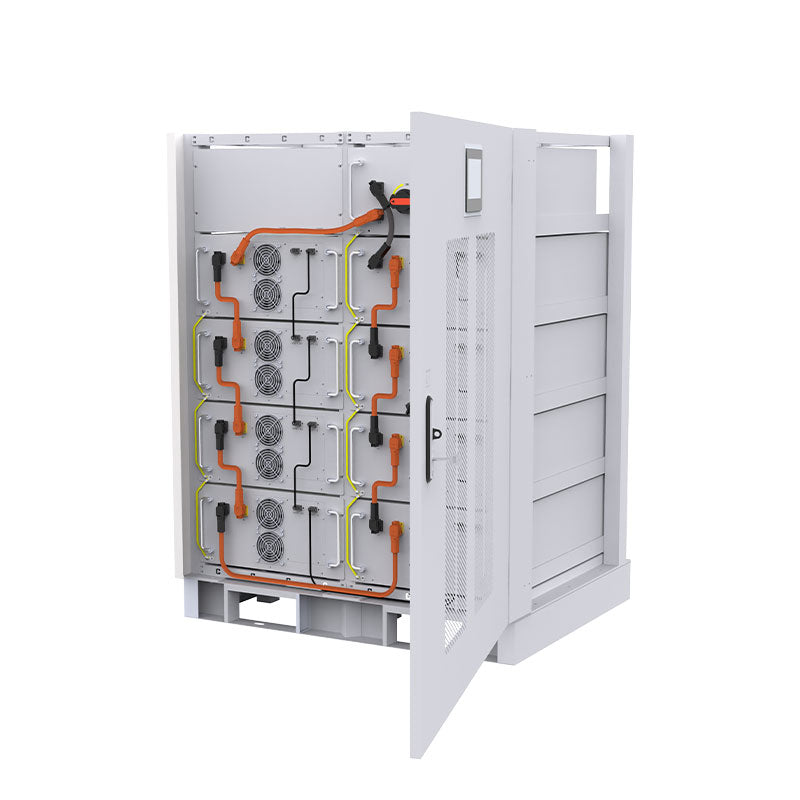
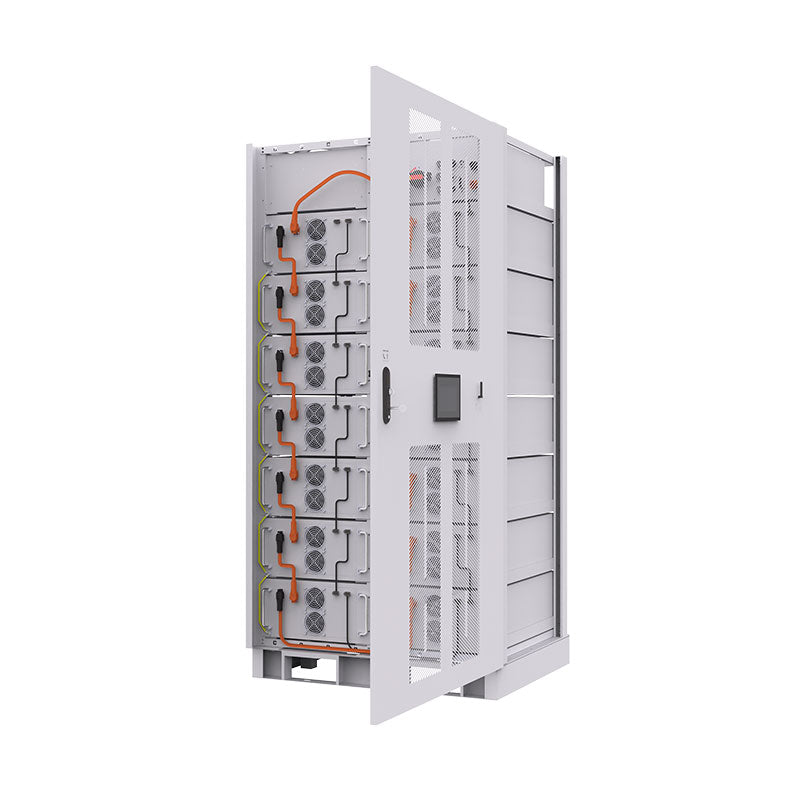
Integrated energy storage systems (ESS) combine solar energy storage, energy management, and backup power functions into one unit, making them space-saving and easy to install. These systems often include high-performance lithium iron phosphate batteries (LiFePO4), hybrid inverters, and solar panels. LiFePO4 batteries are an ideal choice for home energy storage due to their high safety, long cycle life (often exceeding 6000 cycles), and wide operating temperature range. They offer superior thermal stability, reducing the risk of thermal runaway, which is crucial for residential installations. Integrating ESS allows homeowners to store excess solar energy for use at night or during cloudy days, enhancing energy independence and providing reliable backup power during outages. This also helps optimize electricity costs by enabling energy use during peak hours from stored off-peak energy.

Maximizing Efficiency with Advanced Solar Inverters
Solar inverters are the critical component that converts the direct current (DC) electricity from solar panels into usable alternating current (AC) for your home. Modern inverters typically achieve efficiency ratings between 95% and 98%, with some reaching 99%. Hybrid inverters are particularly suitable for systems that integrate solar and battery storage, managing energy flow between panels, batteries, and the grid. Choosing high-efficiency inverters with features like Maximum Power Point Tracking (MPPT) ensures that panels operate at their peak performance, even under variable sunlight or partial shading, which can be common in urban environments.
The 42-Day Blueprint: A City Townhouse Success Story
Achieving a 42-day contract-to-PTO timeline for a city townhouse is an impressive feat, significantly faster than the typical 2-4 week interconnection process alone. This accelerated timeline is not typical; residential solar projects often take 3.5 to 5 months from contract signing to operation. This success story highlights how a combination of strategic planning, advanced technology, and streamlined processes can overcome the inherent challenges of urban solar installation.
Project Planning and Execution for Expedited PTO
The blueprint for this rapid deployment involved several key steps:
- Early Engagement: Proactive communication with the local AHJ and utility from the outset. Understanding their specific requirements and preferred submission formats is crucial.
- Complete Documentation: Submitting a fully compliant and accurate permit package on the first attempt. Errors or omissions are a common cause of delays.
- Standardized Designs: Utilizing standardized solar system designs that meet local codes reduces review times. The Solar America Board for Codes and Standards (Solar ABCs) recommends an expedited permit process for small-scale PV systems, which simplifies requirements and reduces review time.
- Experienced Installation Team: Working with installers deeply familiar with local regulations and utility requirements. Their expertise can navigate complexities and ensure adherence to safety standards.
- Integrated Technology: Deploying an integrated home energy storage system, which simplifies installation and wiring compared to separate components, potentially reducing inspection complexities.
Key Factors Contributing to the Rapid Timeline
The success of the 42-day project was not accidental. It resulted from a confluence of factors, including:
| Factor | Impact on Timeline | Relevance for Townhouses |
|---|---|---|
| Online Permitting Platforms | Reduced permit approval from weeks to days. | Overcomes administrative delays common in dense urban areas. |
| Pre-approved Equipment Lists | Streamlined equipment review. | Ensures components meet utility and local codes without extensive custom checks. |
| Proactive Utility Engagement | Minimized interconnection delays. | Crucial for managing grid impact and ensuring a smooth PTO. Median interconnection time can be 52 days. |
| High-Efficiency Compact Design | Optimized energy generation from limited roof space. | Essential for urban homes where space is a premium. |
| Lithium Iron Phosphate (LiFePO4) ESS | Simplified battery integration and enhanced safety. | Provides reliable backup and energy independence, fitting well within compact systems. |
The typical overall adoption process from contract signing to PTO takes 10-16 weeks. Achieving PTO in just 42 days demonstrates that a well-coordinated approach can drastically reduce typical timelines. While individual utility and AHJ processes vary, with some PTOs granted in a few days and others taking months, this case illustrates that a rapid turnaround is achievable with the right strategy.
Final Reflections on Energy Independence
The case of the 42-day contract-to-PTO for a city townhouse underscores a vital message: rapid solar adoption is not a distant dream but an achievable reality. By embracing streamlined permitting processes, leveraging integrated energy storage systems, and collaborating with experienced solar professionals, homeowners can significantly accelerate their journey to energy independence. This approach not only provides a reliable and scalable energy solution but also contributes to a more sustainable future, one rooftop at a time.
Disclaimer: This article provides general information and does not constitute legal or investment advice. Always consult with qualified professionals for specific guidance.
