


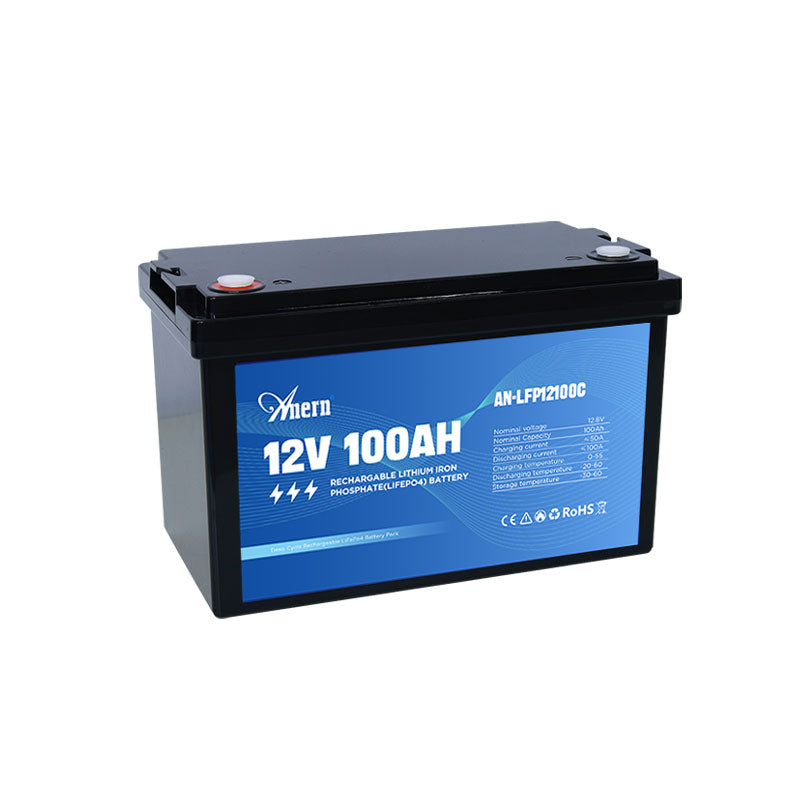
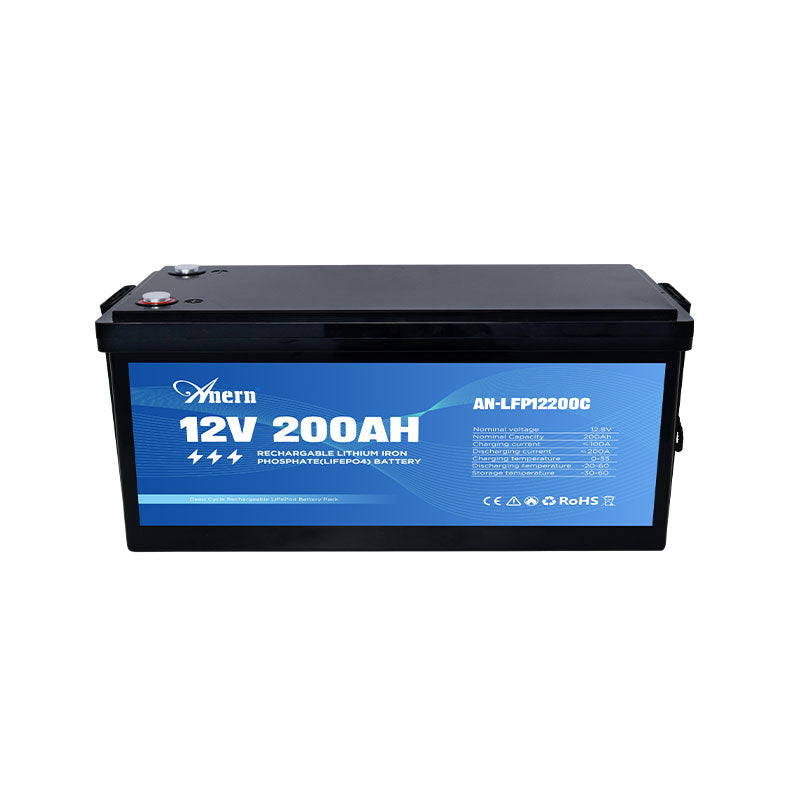
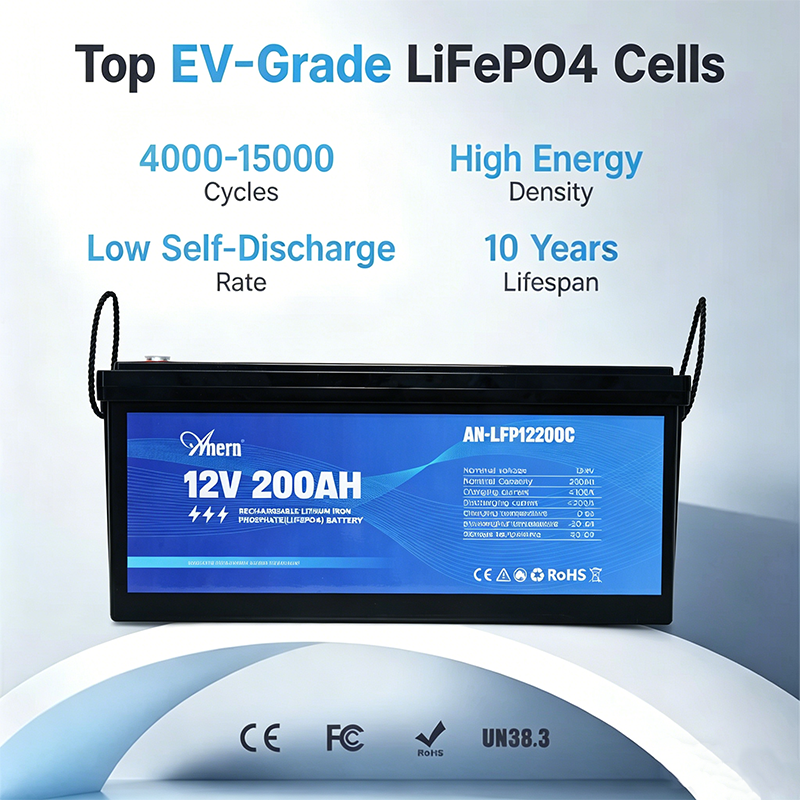







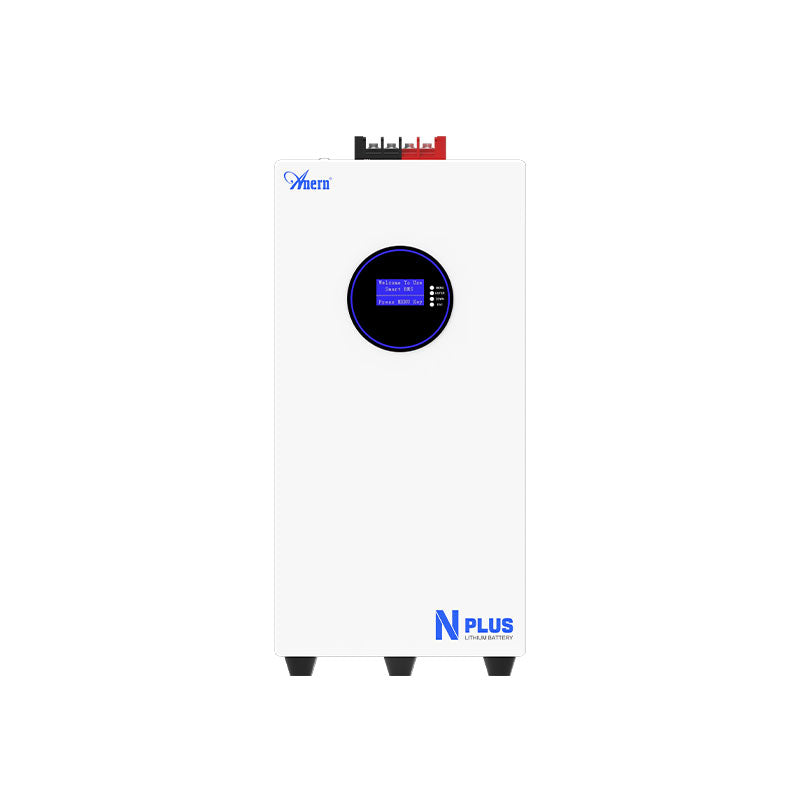
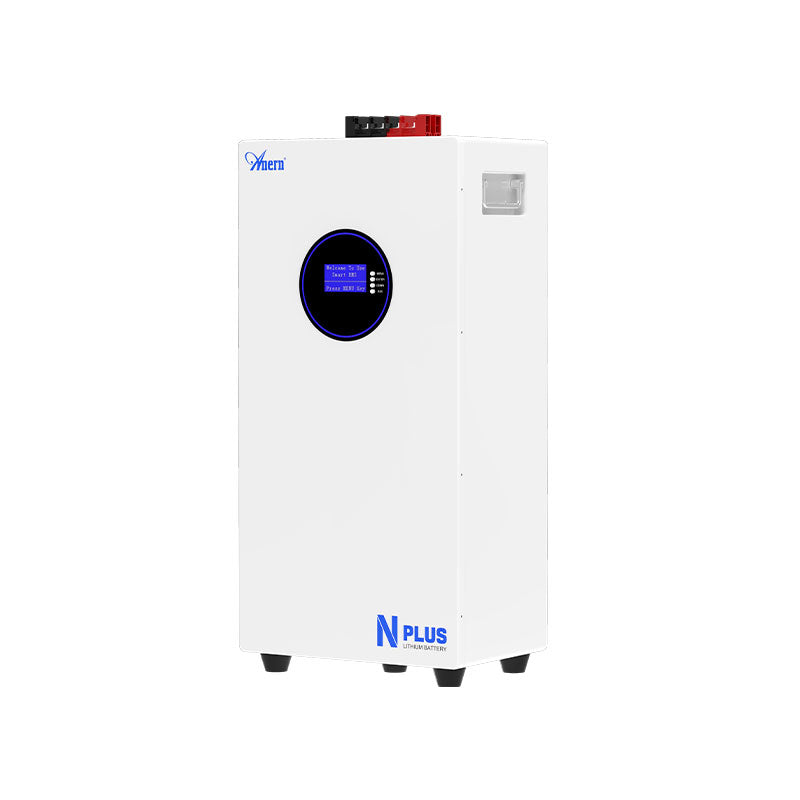

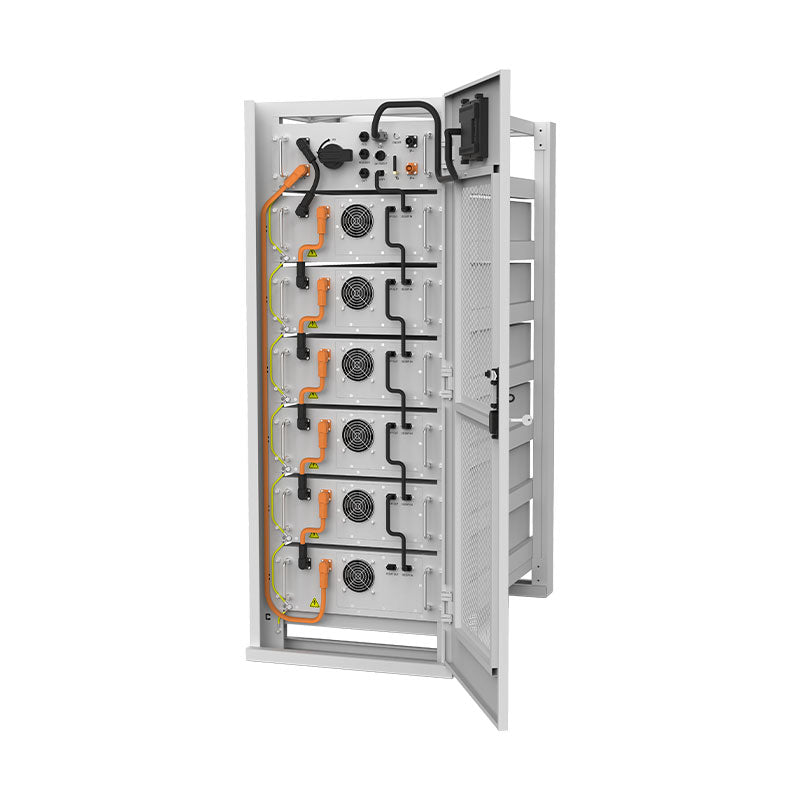
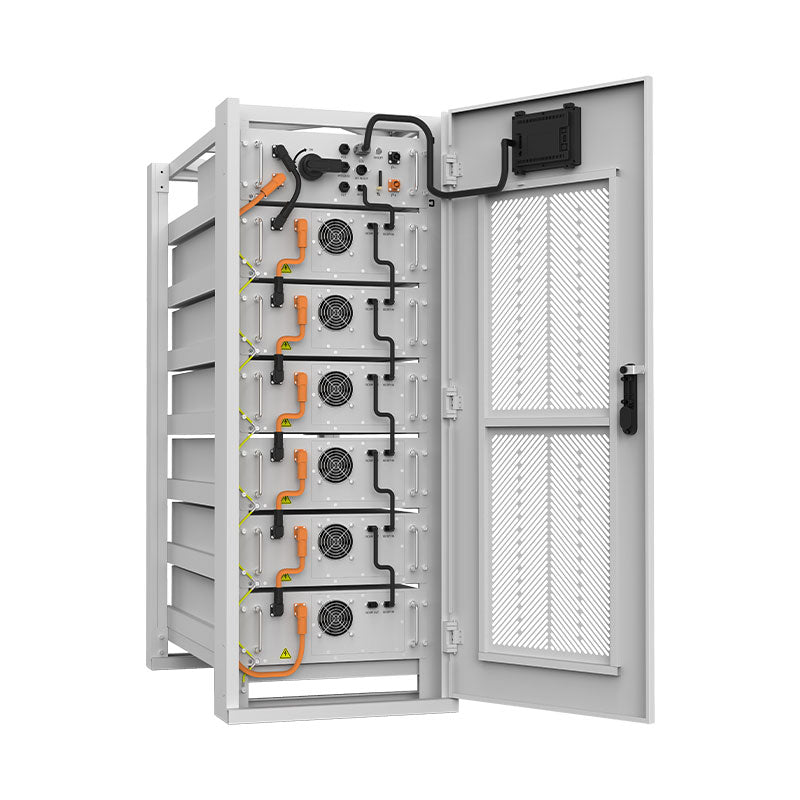



Permitting and inspections can stall residential and commercial energy storage projects. This case study shows how a focused labeling overhaul reduced ESS inspection delays, raised first‑pass approvals, and cut soft costs—without changing hardware.

Why labeling often drives inspection delays
Code-compliant labeling is a small part of the bill of materials, yet a large share of re-inspection triggers. Four recurring issues explain the bottlenecks.
Fragmented requirements across AHJs
Authorities having jurisdiction interpret signage and documentation differently. The safest approach is to create a label matrix that maps code clauses to placements and text. Reinforce it with a pre-inspection checklist and photos.
Policy research underscores the role of inspections and training. According to the IEA: Energy Policies beyond IEA Countries: Morocco 2019, strengthening enforcement through targeted inspections and training helps actors meet standards, reducing compliance gaps.
Missing performance and safety data on equipment
Inspectors look for battery chemistry, nominal energy (kWh), nominal voltage, maximum charge/discharge current, short-circuit current rating (SCCR), and disconnect labeling. Performance references help installers set expectations. The Ultimate Reference: Solar Storage Performance notes typical LiFePO4 round‑trip efficiency around the 90% range and highlights how depth of discharge affects cycle life—information worth reflecting on labels and datasheets at the site.
Durability and legibility problems
Field-applied markings fade in sun and heat. Use UV-resistant, abrasion‑resistant materials and ensure high-contrast colors. Keep text sizes compliant with local code legibility rules and avoid jargon.
Case profile and baseline
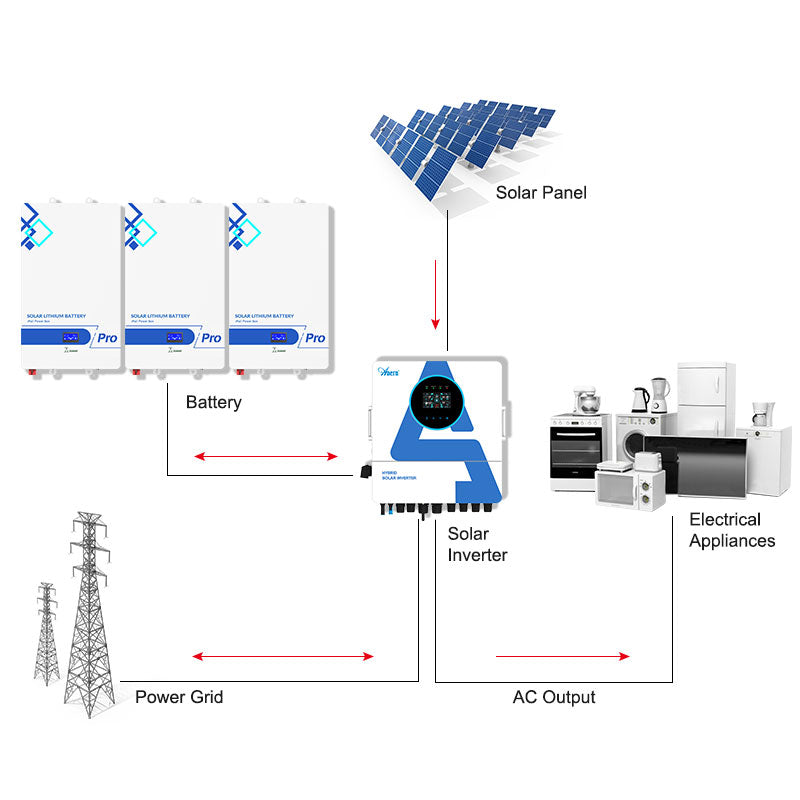
Scope: 42 residential ESS installs across two counties; AC‑coupled and hybrid systems using LiFePO4 batteries, hybrid inverters, and rooftop PV. The team builds lithium packs, integrated ESS enclosures, off‑grid kits, and inverters, so engineering data was available but not fully surfaced on labels.
- First‑pass approval rate: 58%
- Average re‑inspection delay: 12.0 days
- Extra truck rolls per project: 1.3
- Typical re‑inspection soft cost: 350–500 USD (crew time, scheduling, admin)
Common fail notes: missing ESS shutdown placard at the service panel, ambiguous battery chemistry tags, no QR‑linked documentation, worn labels on exterior combiner boxes.
The labeling overhaul
Standardized label kit
- Color coding: Danger (red/white), Warning (yellow/black), Notice (blue/white), consistent across sites.
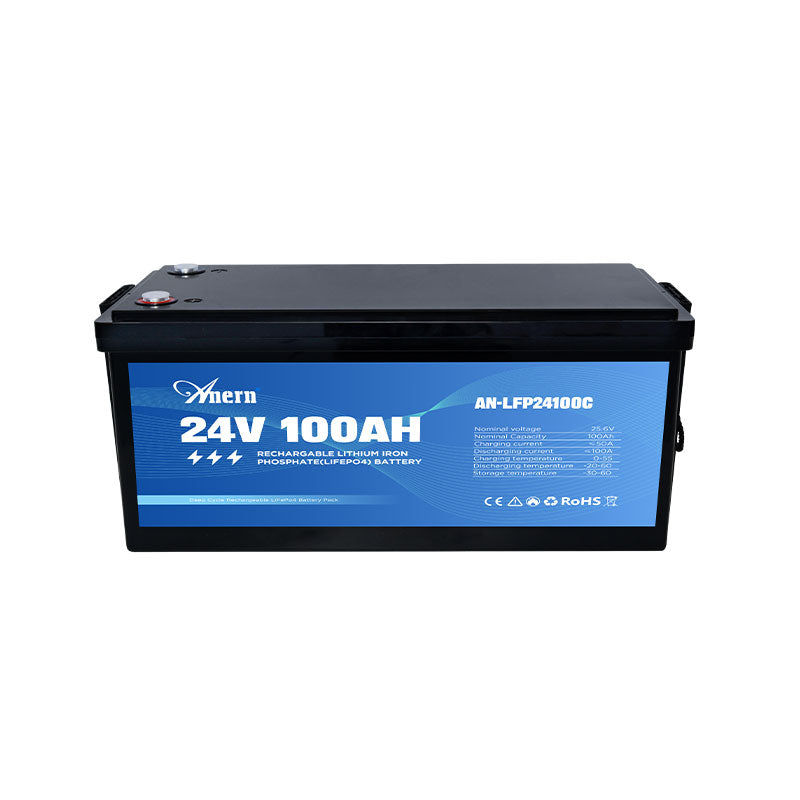
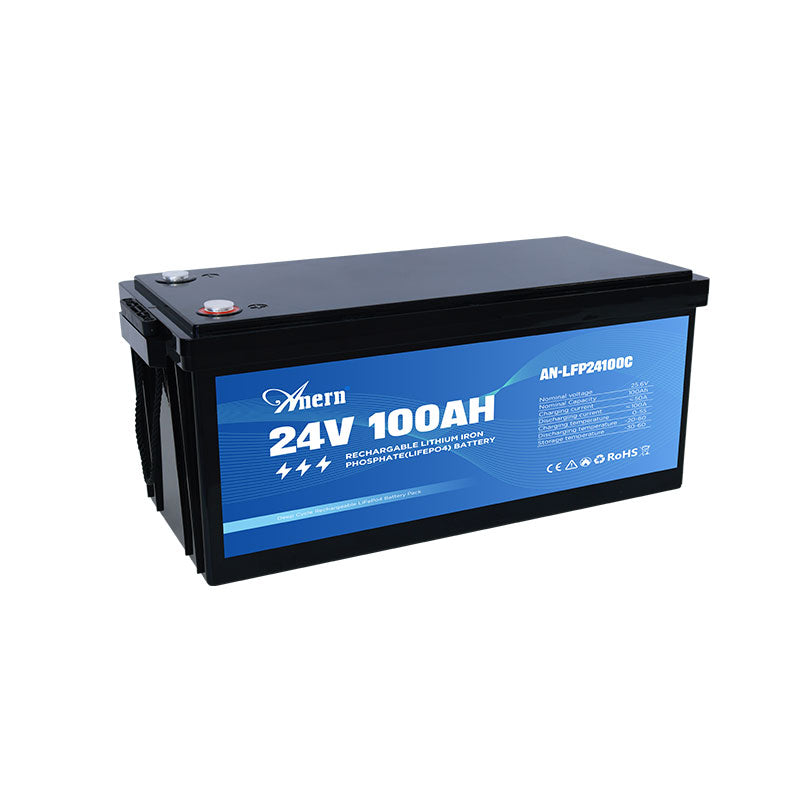
- Core ESS nameplate: chemistry (LiFePO4), nominal energy (kWh), nominal V, max charge/discharge current (A), SCCR (kA), enclosure rating, ambient limits.
- Disconnects and points of isolation: clear device function, source, and hazard statement.
- First‑responder placard: array location, battery location, shutdown steps, and 24/7 contact.
- Materials: UV‑resistant polyester or engraved phenolic; permanent adhesive or mechanical fixing; contrast ratio suitable for outdoor glare.
Digital documentation pack via QR code
- As‑built one‑line diagram (latest revision)
- Battery SDS and datasheet with RTE/DoD notes informed by the reference article
- Inverter datasheet and settings snapshot
- Commissioning checklist and test log
- Maintenance schedule and emergency steps
Print a slim binder as a fallback in case of no connectivity. Keep digital links stable for at least the system’s warranty period.
Installer training and mock inspections
A two‑hour session covered the label matrix, common AHJ comments, and a photo‑based placement guide. A mock inspection at the warehouse helped the crew rehearse. The IEA review stresses training along the value chain; it paid off here.
Measured impact
| Metric | Baseline | After overhaul | Change |
|---|---|---|---|
| First‑pass approval rate | 58% | 92% | +34 pts |
| Avg. re‑inspection delay | 12.0 days | 3.3 days | −8.7 days |
| Extra truck rolls per project | 1.3 | 0.2 | −1.1 |
| Soft cost per project | 350–500 USD | 110–180 USD | ≈ −68% |
Two broader insights support this outcome. Energy policy analysis shows that clear standards raise compliance and reduce friction. The IEA Energy Technology Perspectives 2024 notes that adopting technical standards and labels often requires preparation and process changes, but yields long‑term efficiency gains. And the IEA Power of Transformation emphasizes that system operations benefit from clear rules and coordination—parallels to how label uniformity streamlines inspections.
Label matrix you can adapt
| Label | Minimum content | Placement | Material/durability |
|---|---|---|---|
| ESS nameplate | Chemistry, kWh, V, max charge/discharge A, SCCR, enclosure rating | Battery cabinet door; secondary inside | UV‑resistant, abrasion‑resistant; permanent |
| Emergency shutdown | Step‑by‑step sequence and locations | Service panel and main approach | High contrast; outdoor rated |
| PV/ESS interconnection | Backfeed source, inverter AC rating, point of connection | Service equipment cover | Scratch‑resistant; readable in sun |
| Disconnects | Function, source, hazard statement | Within 150 mm of handle | Adhesive + mechanical fix |
| Arc/short‑circuit hazard | Shock/arc warning and PPE notice | Enclosures with exposed bus | Durable pictograms |
| QR documentation | URL, asset ID, revision date | Main ESS front panel | Lamination; scannable in bright light |
Align text size and wording with your AHJ. Some jurisdictions request specific phrasing or character heights. Confirm these early to reduce ESS inspection delays.
Documentation that accelerates approvals
- Single‑line diagram matches as‑built wiring, conductor sizes, and OCPD ratings.
- Battery SDS and datasheet reflect chemistry and RTE/DoD behavior; see the reference for typical LiFePO4 performance ranges you can echo in site docs.
- Commissioning log includes insulation resistance checks, inverter firmware version, and charge limits.
- Operations plan states backup priority loads and maintenance intervals.
Energy agencies recognize documentation and labeling as soft‑cost levers. The IRENA and EIA highlight that scaling clean energy depends on standards, credible information, and process discipline. The U.S. Department of Energy also provides practical solar resources that stress safe installation practices.
14‑day rollout plan
- Days 1–2: Audit AHJ checklists and past fail notes.
- Days 3–5: Draft the label matrix; review with a senior electrician and a permit specialist.
- Days 6–7: Design labels and QR docs; lock revision control.
- Days 8–10: Print kits; prepare binders; stage spares.
- Days 11–12: Train crews; run a mock inspection on a demo wall.
- Days 13–14: Go live on two pilot jobs; capture inspector feedback for tweaks.
Cost and ROI snapshot
Material per site: roughly 60–90 USD for durable labels and placards. Labor: about 45 minutes to apply and verify. Saving a single truck roll usually pays for the kit. Over 120 installs per year, the program avoided an estimated 60–130 additional site visits and freed calendar days for new work.
What standards inform the approach?
Label language and placement should reference your local electrical code and fire code signage requirements. Energy policy literature gives useful direction: targeted inspections and training improve compliance (IEA Morocco 2019). Technical standards and labels require preparation time but create efficiency gains (IEA ETP 2024). These themes match our field results: better labeling cuts friction and speeds approvals.
Practical tips from the field
- Photograph every required label after installation and store in the job file.
- Use a laminated site map with ESS location near the main entrance for first responders.
- Stamp labels with the job ID and revision date to avoid outdated info.
- Place exterior labels out of direct spray and excessive heat where possible.
Closing thoughts
A labeling overhaul is a low‑cost way to reduce ESS inspection delays. It gives inspectors the information they expect, helps first responders, and makes your crew faster. Standardize the label kit, digitize documents with a QR code, and rehearse placement with a mock inspection. The data shows it works.
FAQ
Which labels most often cause ESS re‑inspection?
Emergency shutdown placards, ambiguous battery chemistry tags, and missing interconnection warnings trigger many comments. A pre‑inspection checklist and a label matrix reduce misses.
Are QR‑coded documents acceptable to inspectors?
Many inspectors appreciate quick access. Provide a printed binder as a backup and ensure the QR link remains valid for the system’s service life.
What should an ESS nameplate include?
Chemistry, nominal energy (kWh), nominal voltage, max charge/discharge current, SCCR, enclosure rating, and environmental limits. Add manufacturer, model, and serial where applicable.
Does labeling differ for off‑grid systems?
Yes. Add clear notices for stand‑alone operation, generator interfaces, and transfer equipment. Keep first‑responder guidance prominent.
How do we keep labels readable outdoors?
Use UV‑resistant materials, high‑contrast colors, and permanent mounting. Place labels where they avoid direct spray and abrasion.
Disclaimer: This content is for information only and not legal, code, or safety advice. Always consult your AHJ and a licensed professional.
