


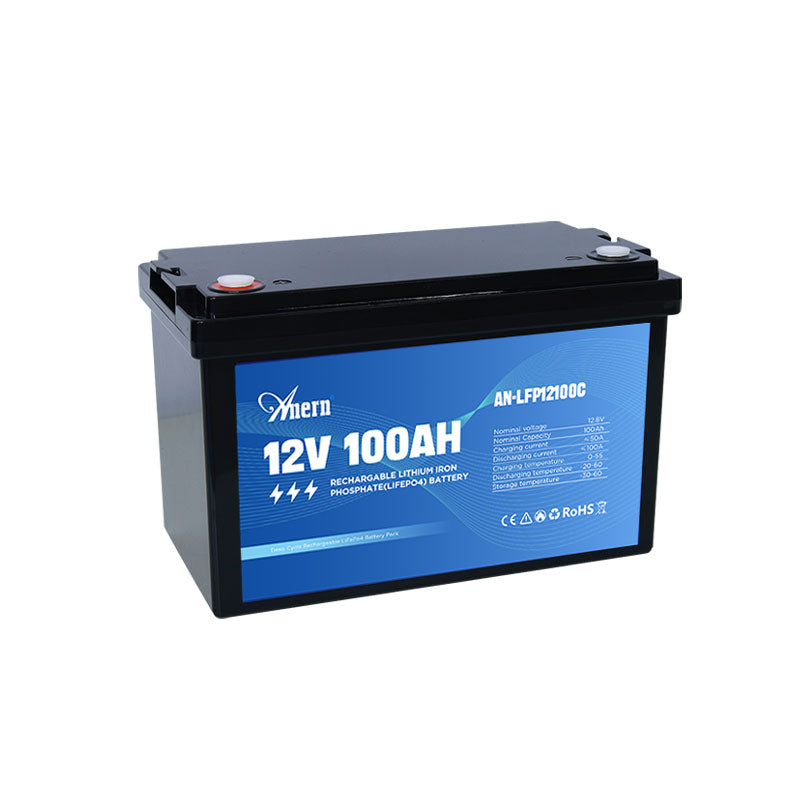
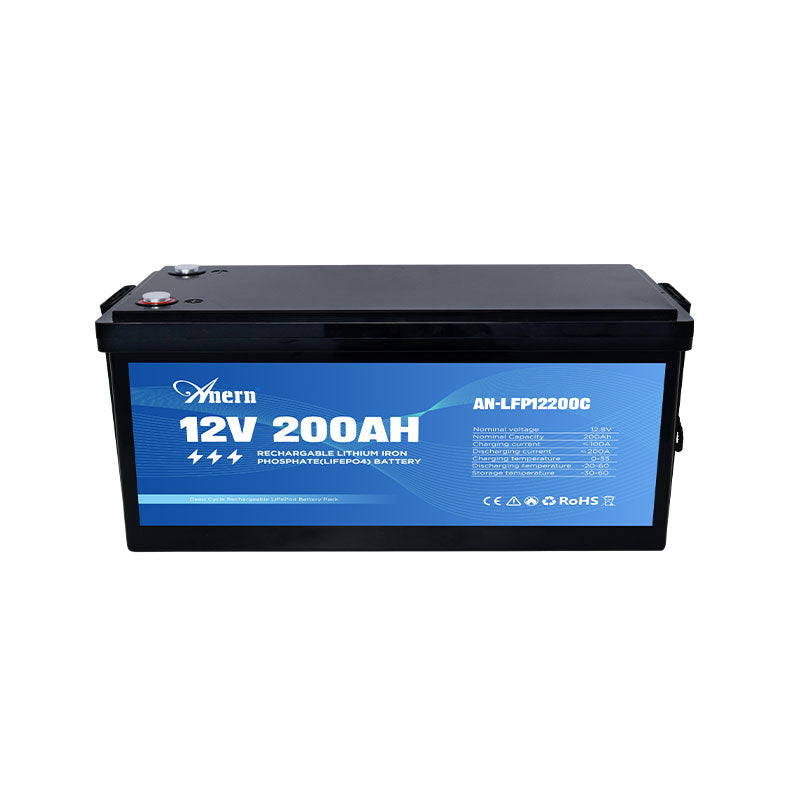


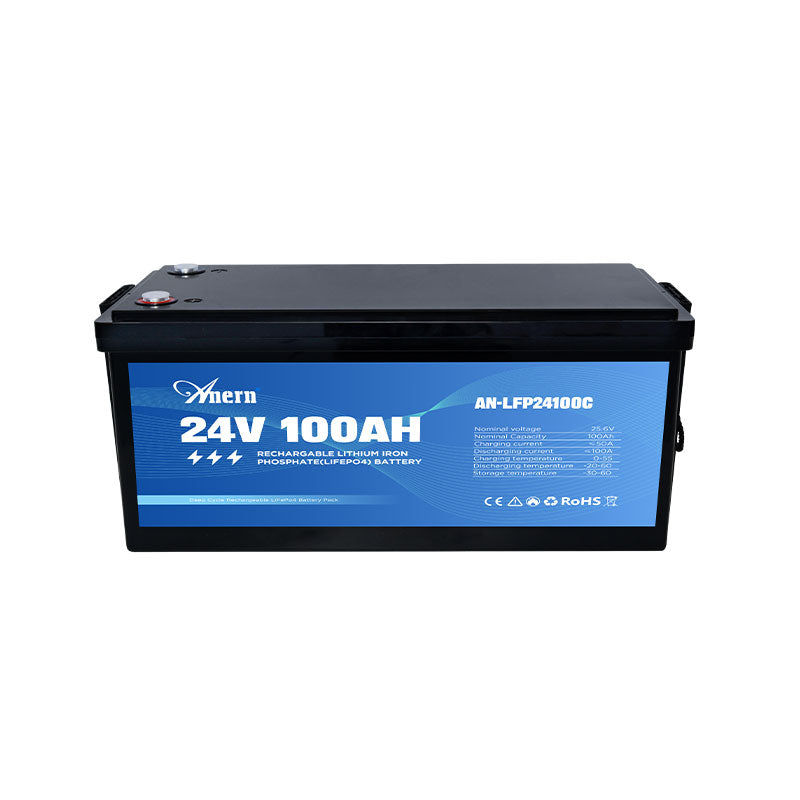
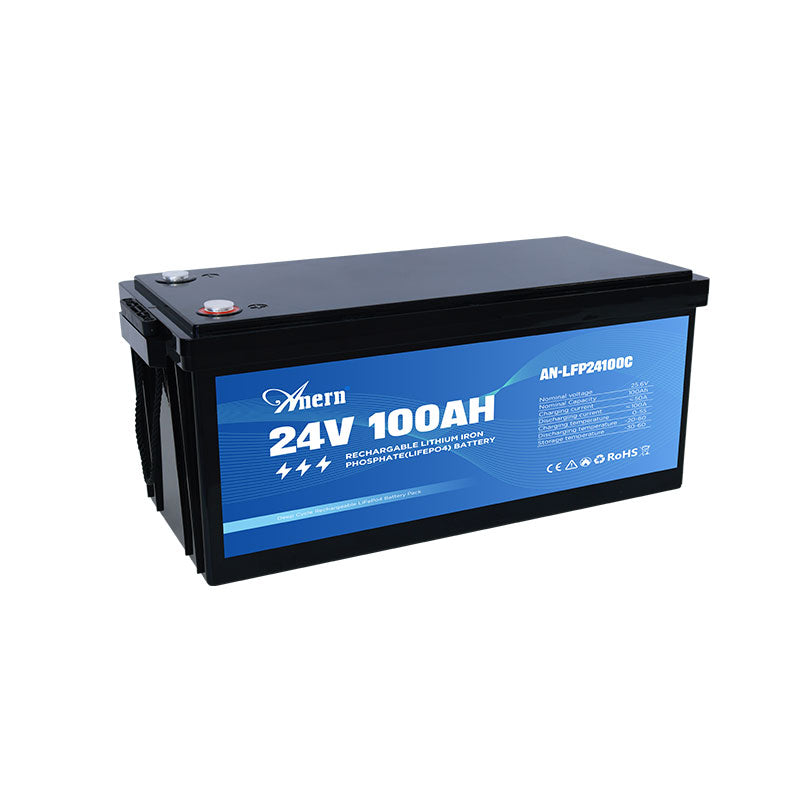

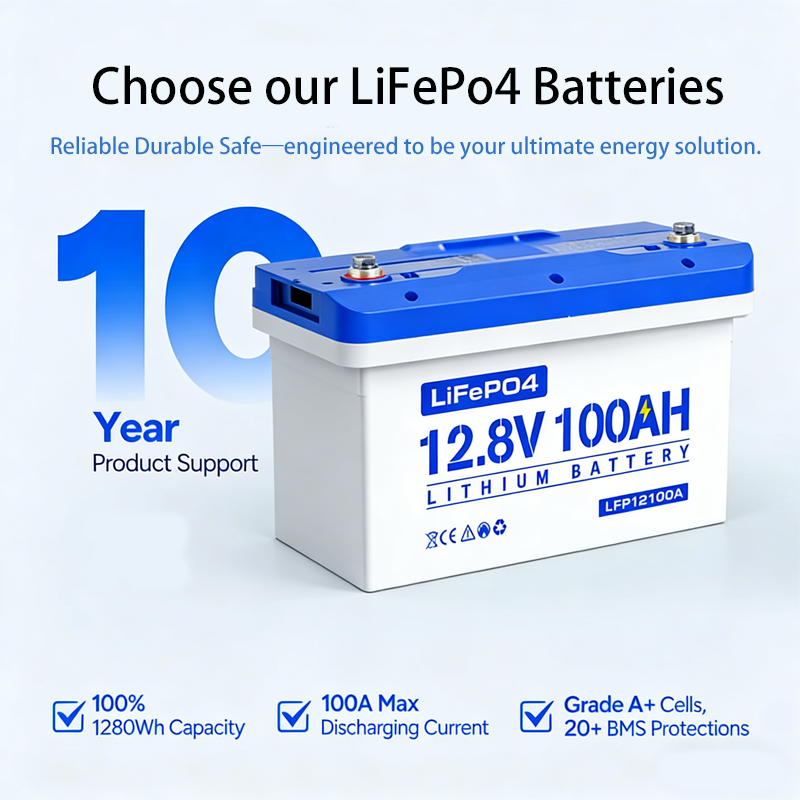

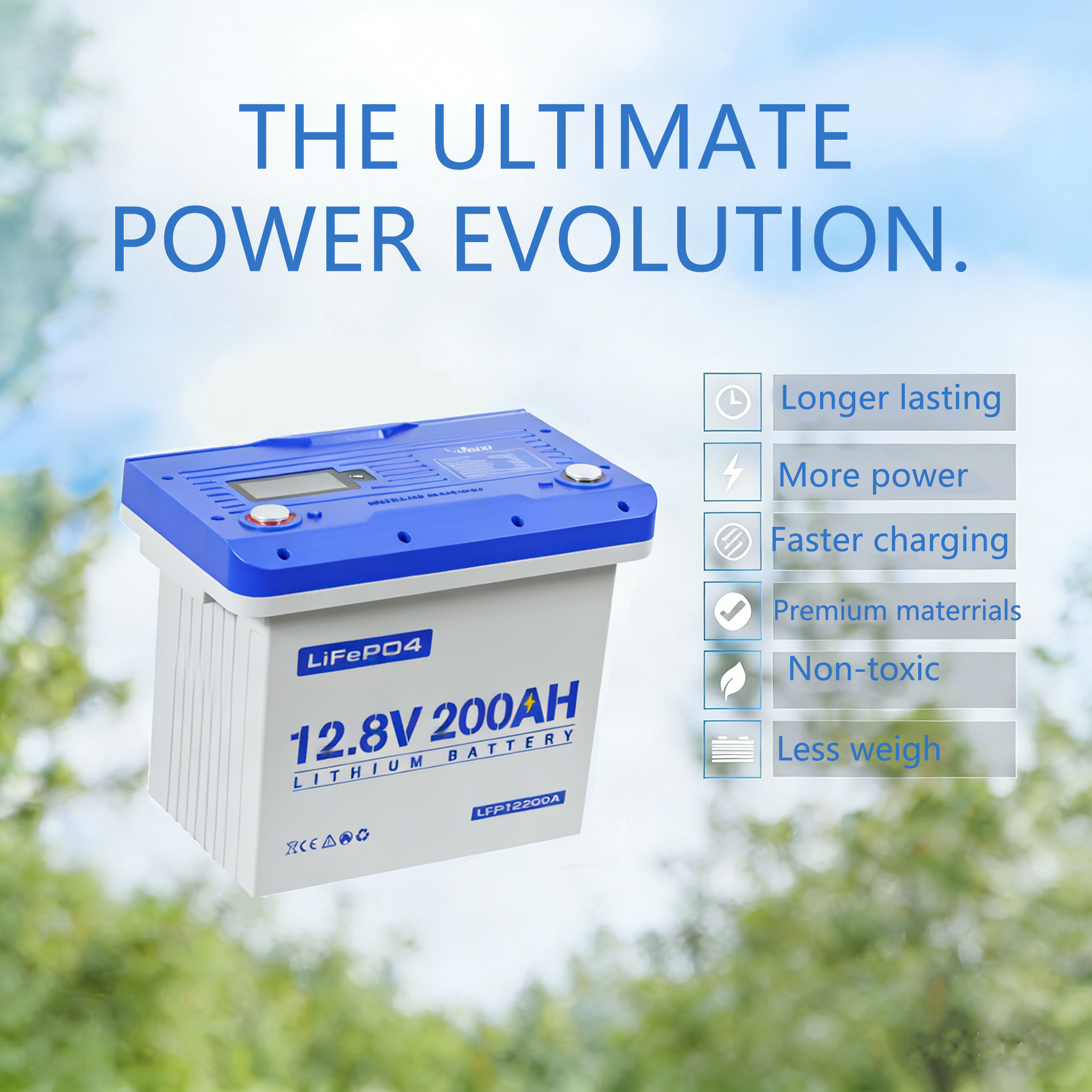
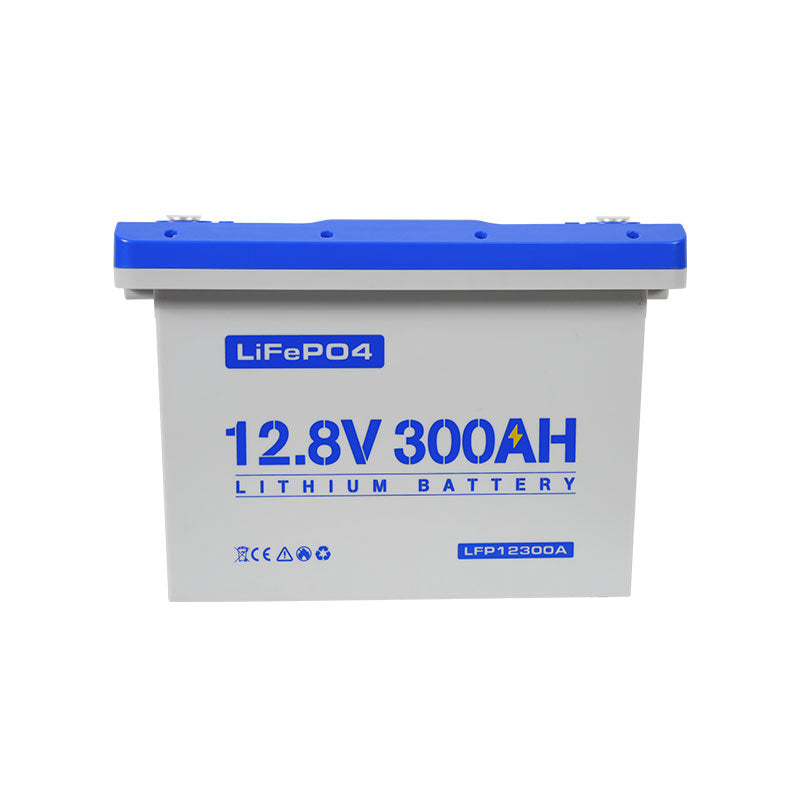
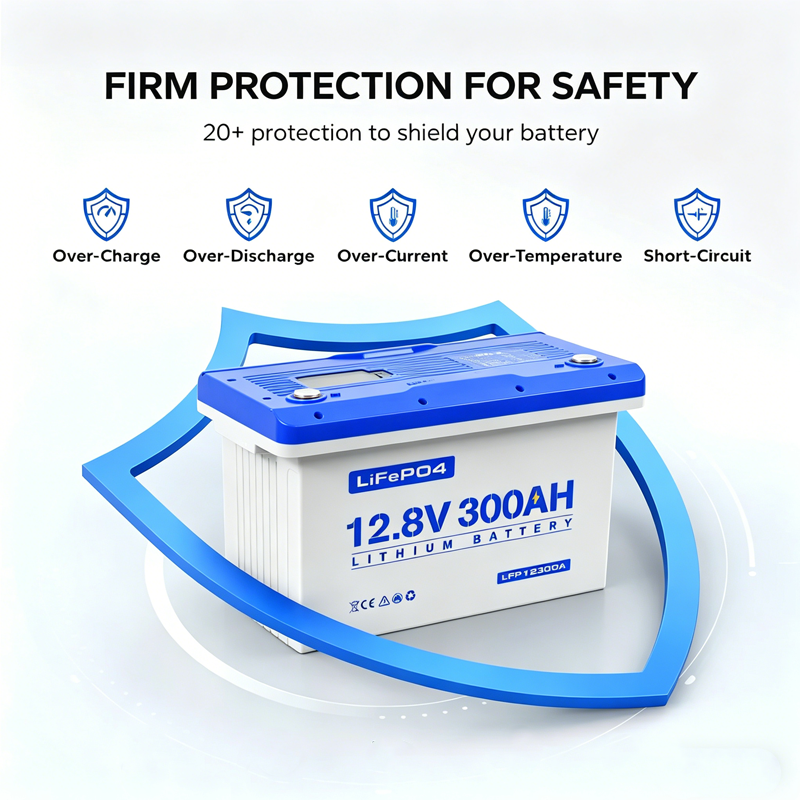








Selecting the right battery is a foundational decision for any energy storage project, from a home solar system to a mobile power setup in an RV. The choice between a 12V 100Ah LiFePO4 battery and a generic lithium-ion battery pack can significantly impact your system's safety, longevity, and overall performance. While both are types of lithium-ion batteries, their internal chemistries create distinct advantages and disadvantages. This article provides a clear, detailed comparison to help you make a well-informed decision based on your specific needs.
Safety and Stability: The Core Difference
The most critical distinction between LiFePO4 (Lithium Iron Phosphate) and other lithium-ion chemistries, such as Nickel Manganese Cobalt (NMC), lies in safety and stability. This difference originates at the molecular level.
Chemical Structure and Thermal Runaway
LiFePO4 batteries use a phosphate-based cathode material (LiFePO4). The oxygen atoms in the phosphate structure are tightly bonded within a crystal lattice, making them difficult to release even under extreme stress. This inherent stability gives LiFePO4 batteries a much higher threshold for thermal runaway, a dangerous condition where a battery's temperature rises uncontrollably. LiFePO4 chemistry remains stable up to approximately 270°C (518°F), whereas some NMC chemistries can become unstable at lower temperatures around 210°C (410°F). This structural integrity is a key reason why they are considered an intrinsically safer cathode material.
Practical Safety Implications
For applications in homes, cabins, or vehicles, this enhanced safety is a paramount advantage. A 12V 100Ah LiFePO4 battery is less likely to ignite or experience catastrophic failure if subjected to overcharging, physical damage, or short circuits. According to research from the U.S. Department of Energy, developing battery materials with improved safety and lifespan is a primary goal for energy storage applications. Choosing LiFePO4 provides peace of mind, especially in environments where the battery is in close proximity to people and property.
Lifespan and Long-Term Value
While the upfront cost is a factor, the true value of a battery is revealed over its operational life. Here, LiFePO4 technology demonstrates a clear long-term advantage.
Cycle Life Comparison
A battery's cycle life refers to the number of full charge and discharge cycles it can endure before its capacity significantly degrades. LiFePO4 batteries are champions of longevity, typically offering between 3,000 and 7,000 cycles. In contrast, many standard lithium-ion (NMC) packs offer around 1,000 to 2,000 cycles under similar conditions. For a system that is used daily, such as a solar energy storage system, this extended lifespan means a LiFePO4 battery can last for many years, often more than a decade.
| Feature | 12V 100Ah LiFePO4 Battery | Typical Li-Ion (NMC) Battery Pack |
|---|---|---|
| Typical Cycle Life (80% DoD) | 3,000 - 7,000+ Cycles | 1,000 - 2,000 Cycles |
| Thermal Runaway Threshold | ~270°C / 518°F | ~210°C / 410°F |
| Nominal Cell Voltage | 3.2V | 3.6V - 3.7V |
| Energy Density | Lower (90-160 Wh/kg) | Higher (150-250+ Wh/kg) |
| Safety Profile | Excellent | Good (Requires advanced BMS) |
Calculating Total Cost of Ownership
A 12V 100Ah LiFePO4 battery may have a higher initial purchase price, but its superior cycle life results in a lower total cost of ownership. When you calculate the cost per kilowatt-hour delivered over the battery's entire lifespan, LiFePO4 is often the more economical choice. A 2020 report from the Department of Energy found that the cost per kWh of LFP batteries was less than NMC, and they were projected to last significantly longer. This makes it a smart investment for stationary applications where reliability and longevity are key.
Performance and Application Suitability
Performance is not a single metric. It is a balance of energy density, power delivery, and operational resilience. The right choice depends on the specific demands of the application.
Energy Density: Weight and Size
Standard lithium-ion chemistries like NMC generally offer higher energy density, meaning they can store more energy in a smaller and lighter package. NMC batteries can have an energy density of around 200-250 Wh/kg, while LiFePO4 is typically in the 90-160 Wh/kg range. This makes NMC a preferred choice for portable electronics and some electric vehicles where minimizing weight and size is the top priority. However, for stationary home battery storage systems or RVs, the slightly larger size of a LiFePO4 battery is a minor trade-off for its immense safety and longevity benefits.
Power Delivery and Voltage Stability
A key advantage of a 12V 100Ah LiFePO4 battery is its remarkably flat voltage discharge curve. It maintains a consistent voltage (around 12.8V) for most of its discharge cycle, providing steady, reliable power to your appliances. Other lithium-ion chemistries can experience a more significant voltage drop as they discharge. This stability is particularly beneficial for sensitive electronics and motors, ensuring they operate efficiently without risk of damage from voltage sag.
Making the Right Choice for Your System
The International Energy Agency (IEA) notes that batteries are central to the clean energy transition, with demand growing rapidly for both mobile and stationary applications. Your specific use case will determine which battery chemistry is the better fit.
Applications Favoring LiFePO4
A 12V 100Ah LiFePO4 battery is the superior choice for applications where safety, long cycle life, and reliable performance are the primary concerns. This includes:
- Home Solar Energy Storage: Its safety profile makes it ideal for indoor installations, and its long life matches the 20-25 year lifespan of solar panels. When evaluating system design, a deep dive into solar storage performance highlights how stable chemistries like LiFePO4 contribute to greater long-term efficiency and value.
- RVs and Marine Applications: The constant vibrations and potential for high temperatures in vehicles and boats make the thermal stability of LiFePO4 a crucial safety feature.
- Off-Grid Power Systems: For cabins, farms, or remote operations, reliability and minimizing the need for replacements are essential. The durability of LiFePO4 ensures consistent power for years.
When Other Li-Ion Packs Might Be Considered
A generic lithium-ion battery pack using a higher-density chemistry like NMC may be suitable for applications where space and weight are the most critical constraints and where the shorter lifespan is an acceptable trade-off. This includes power tools, drones, and lightweight portable power stations where every gram matters.
A Final Perspective
The decision between a 12V 100Ah LiFePO4 battery and another lithium-ion pack is a choice between priorities. LiFePO4 technology provides unmatched safety, an exceptionally long operational life, and stable power delivery, making it the ideal foundation for stationary and mobile energy storage systems. While other chemistries offer benefits in energy density, the robust and reliable nature of LiFePO4 makes it the definitive choice for anyone seeking a secure, long-term, and cost-effective energy solution.
Frequently Asked Questions
Can I use a standard car battery charger for a 12V 100Ah LiFePO4 battery?
No, it is not recommended. LiFePO4 batteries require a specific charging profile (CC/CV - Constant Current/Constant Voltage) that is different from lead-acid battery chargers. Using an incompatible charger can damage the battery, reduce its lifespan, and create safety risks. Always use a charger designed specifically for LiFePO4 chemistry.
Is a 100Ah lithium-ion battery the same as a 100Ah LiFePO4 battery?
While both provide the same nominal capacity (100 Amp-hours), their underlying chemistry, safety features, and lifespan are very different. A 'lithium-ion' battery pack could use various chemistries like NMC or LCO, which have higher energy density but shorter lifespans and lower safety thresholds compared to a Lithium Iron Phosphate (LiFePO4) battery.
What does the '12V' in a 12V 100Ah LiFePO4 battery signify?
The '12V' refers to the nominal voltage of the battery. A 12V LiFePO4 battery is typically composed of four 3.2V cells connected in series (4S) to achieve a nominal voltage of 12.8V. This makes it a suitable and efficient replacement for many systems that traditionally use 12V lead-acid batteries.
