








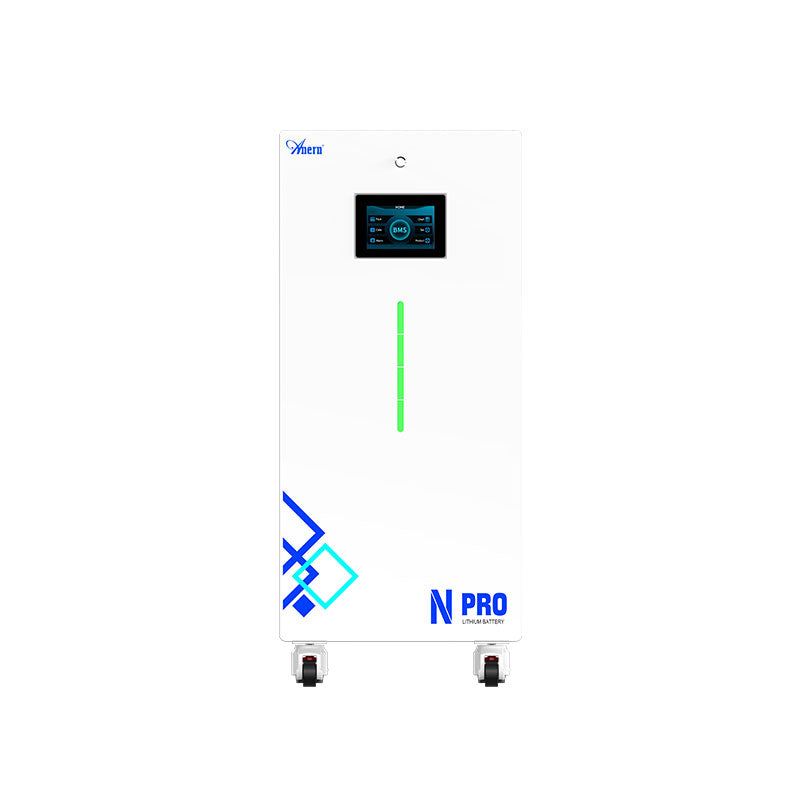

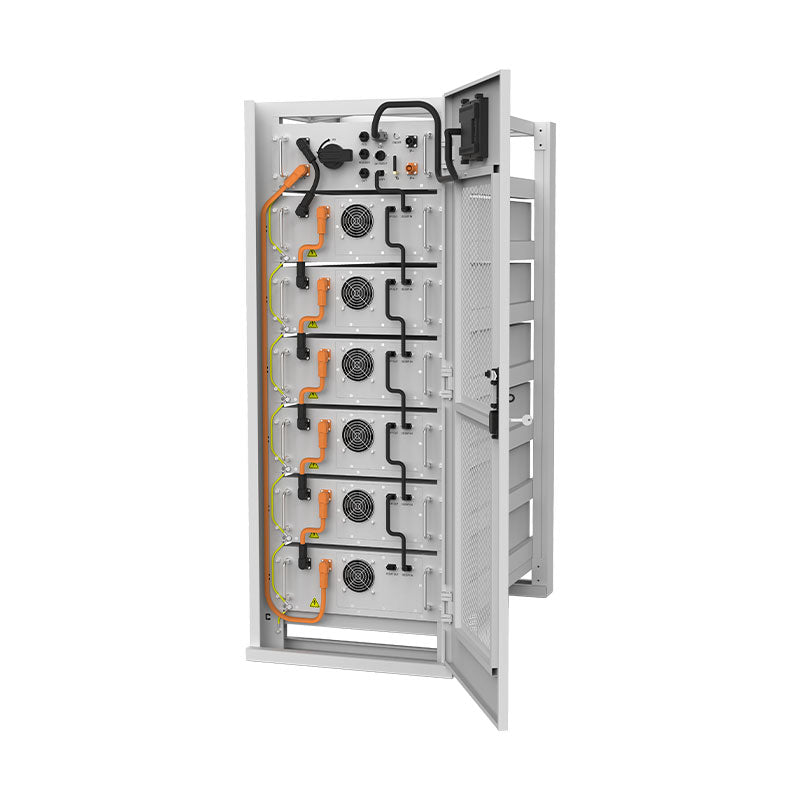
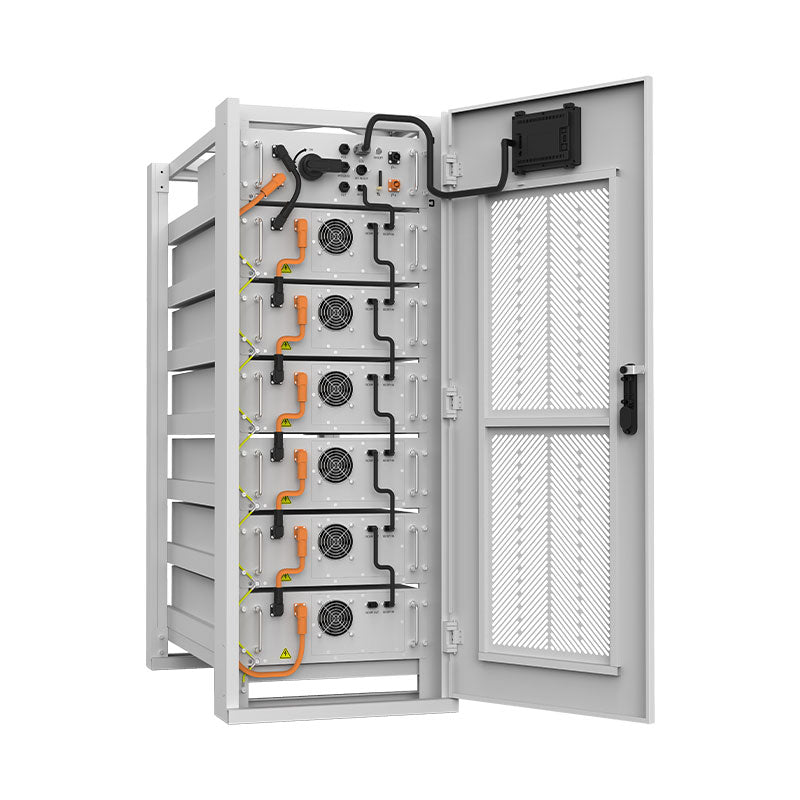
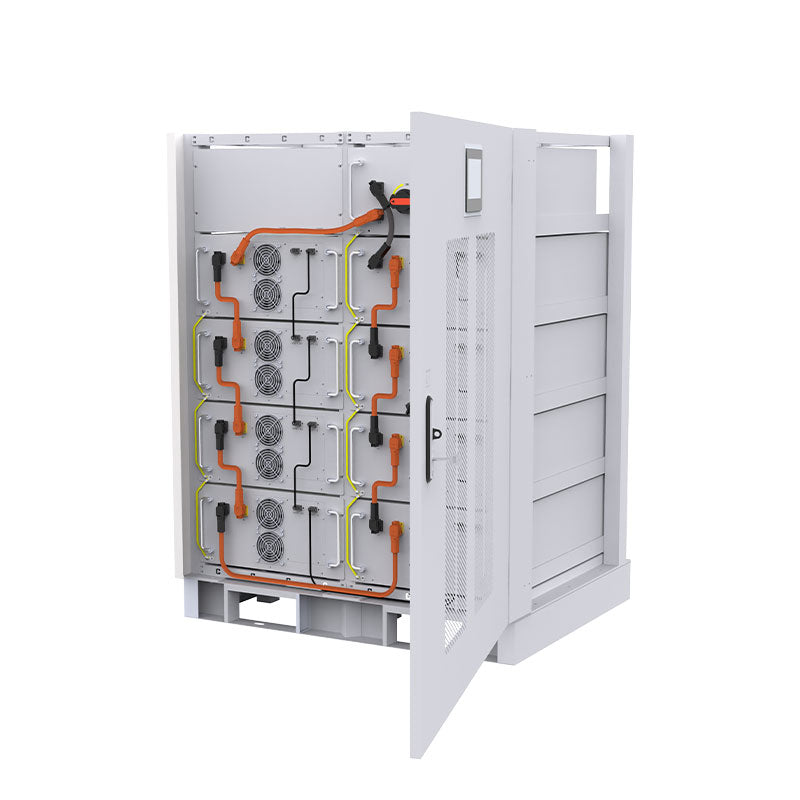



Predicting the lifespan of an energy storage system (ESS) is not guesswork. It is a science built on data. Accurate cycle-life prediction is fundamental to calculating the return on investment and ensuring the long-term reliability of your energy solution. Two prominent technologies in this space are Lithium Iron Phosphate (LFP) and flow batteries. While both store energy effectively, their internal workings and degradation patterns are vastly different. This analysis focuses on their data-backed cycle-life curves to provide a clear picture of their performance over time.
Understanding Battery Degradation and Cycle Life
Before comparing LFP and flow batteries, it's important to establish what a cycle-life curve represents and the factors that shape it. This foundation helps in making sense of performance data.
What is a Cycle-Life Curve?
A cycle-life curve is a graph that illustrates the reduction in a battery's capacity as it undergoes repeated charge and discharge cycles. Capacity is typically shown as a percentage of its original state. The 'end-of-life' for an ESS battery is often defined as the point when its capacity drops to 80% of the initial value. This curve is a critical tool for forecasting a battery's operational lifespan and planning for eventual replacement.
Key Factors Influencing Degradation
Several operational variables directly impact how quickly a battery degrades. The most significant include:
- Depth of Discharge (DoD): This refers to the percentage of the battery's capacity that is used in a cycle. Deeper discharges (e.g., 90% DoD) put more stress on the battery than shallower ones (e.g., 50% DoD), generally leading to a shorter cycle life.
- C-rate: The C-rate measures the speed at which a battery is charged or discharged relative to its capacity. Higher C-rates can generate more heat and accelerate degradation.
- Temperature: Both high and low ambient temperatures can negatively affect a battery's health. High temperatures speed up chemical reactions that cause degradation, while extreme cold can reduce efficiency and cause plating.
- State of Charge (SoC): Keeping a battery at a very high or very low SoC for extended periods can also contribute to capacity loss.
LFP Battery Degradation Models
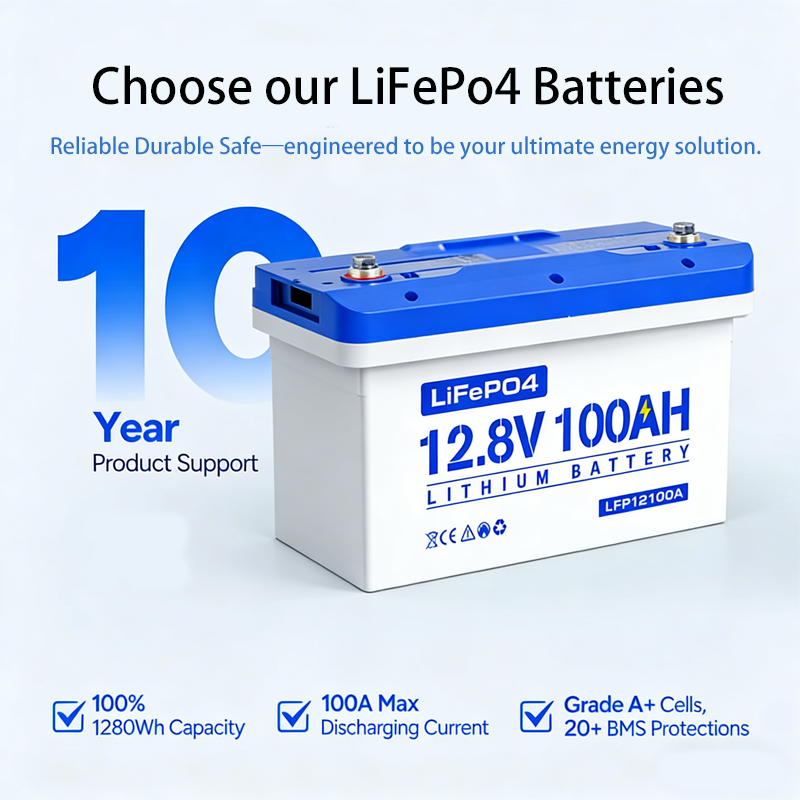
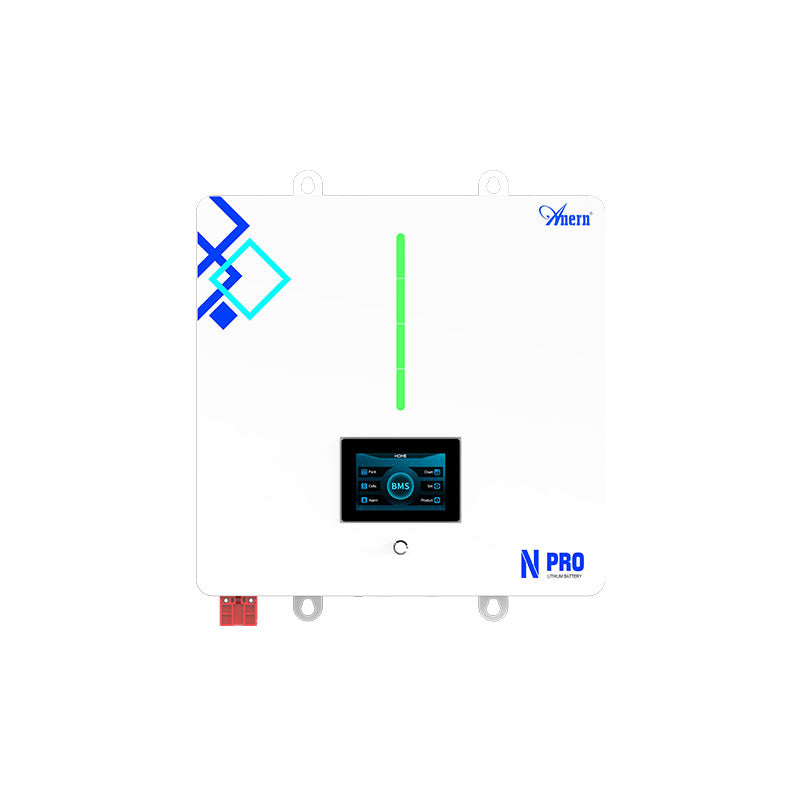
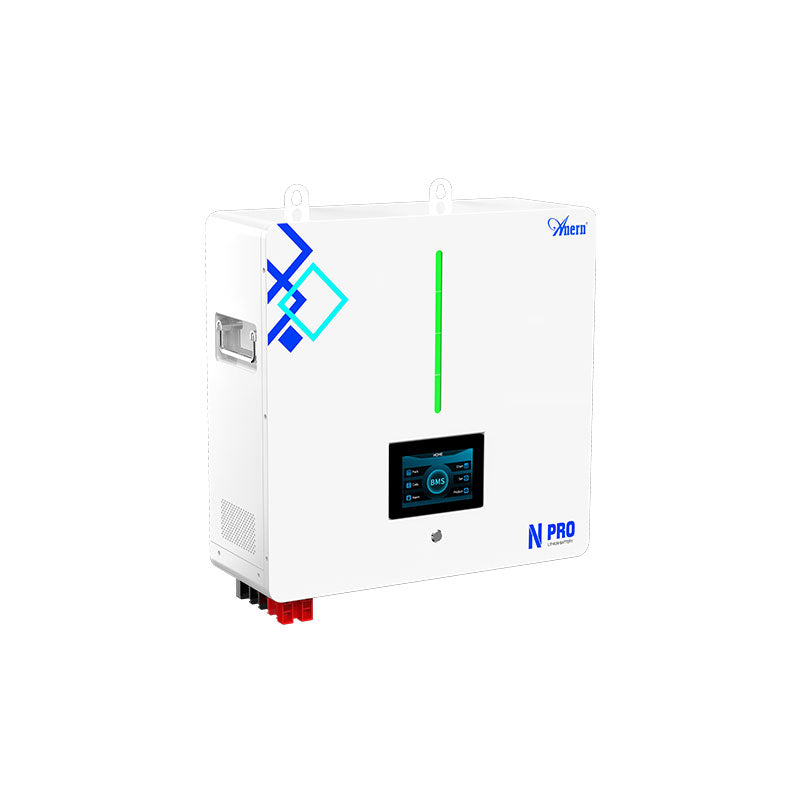
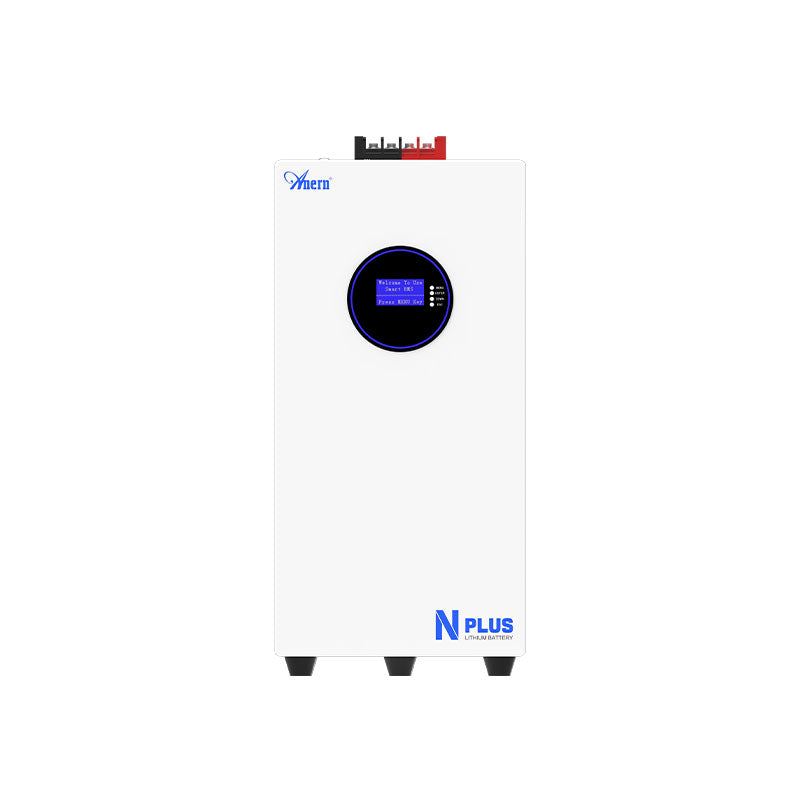
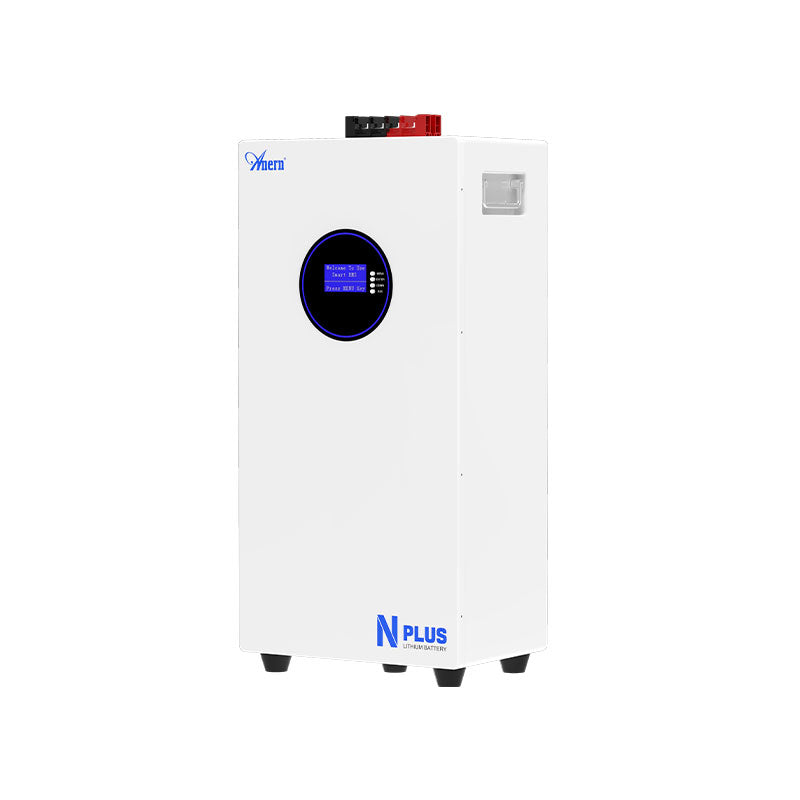
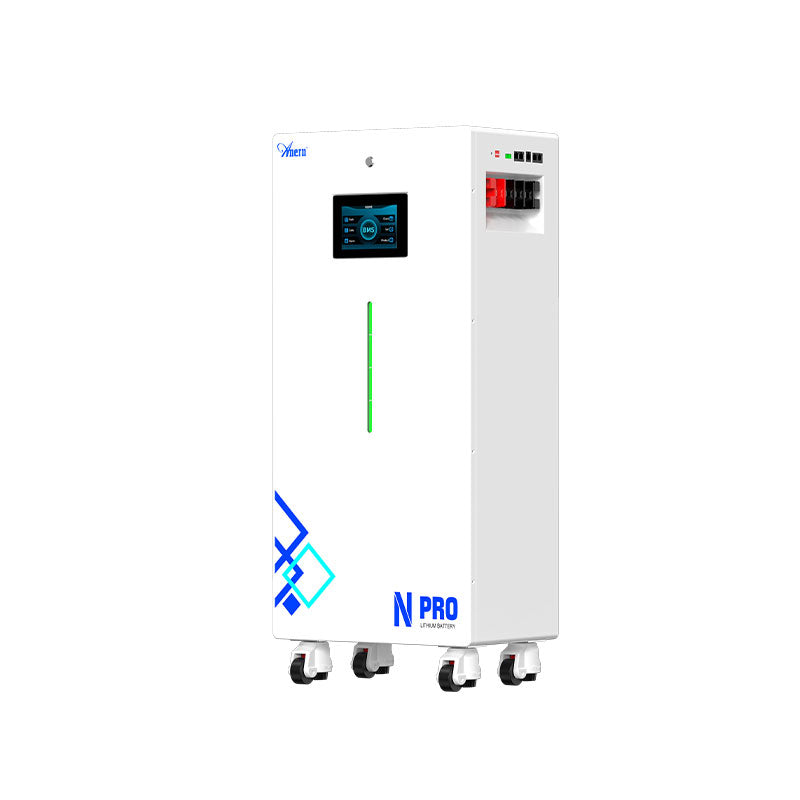
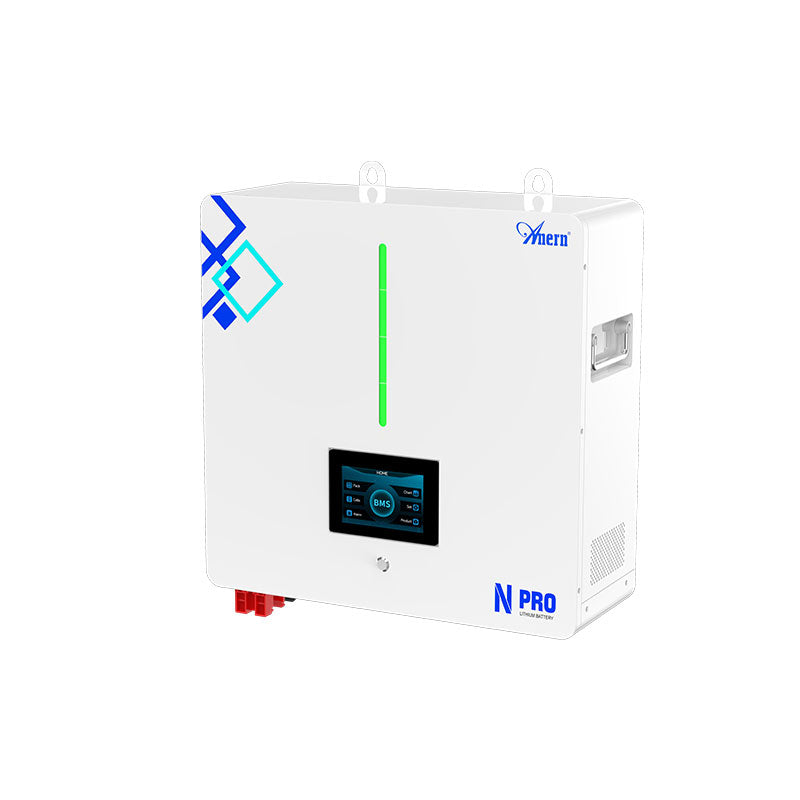
LFP batteries have become a popular choice for residential and commercial ESS due to their safety, stability, and impressive lifespan. Their degradation patterns are well-studied and predictable.
The Chemistry Behind LFP Durability
The strength of LFP (LiFePO4) chemistry lies in its exceptionally stable olivine crystal structure. This structure resists breaking down during the repeated insertion and removal of lithium ions, which is the primary cause of degradation in other lithium-ion chemistries. This inherent stability also gives LFP batteries a superior safety profile, as they are much less prone to thermal runaway. The IEA's report, The State of Energy Innovation, notes the significant rise of LFP technology, driven by its robustness and cost-effectiveness, which has expanded its use from electric vehicles to stationary storage.
Data-Backed LFP Cycle-Life Curves
A typical LFP cycle-life curve shows a very gradual capacity fade over thousands of cycles. The degradation pattern is generally linear after a small initial drop. High-quality LFP cells can often deliver thousands of cycles while retaining over 80% of their original capacity. The relationship between DoD and cycle life is a key aspect of LFP battery degradation models.
| Depth of Discharge (DoD) | Estimated Cycle Life |
|---|---|
| 100% | ~3,000 Cycles |
| 80% | ~5,000 Cycles |
| 50% | ~8,000+ Cycles |
Practical Application in ESS Design
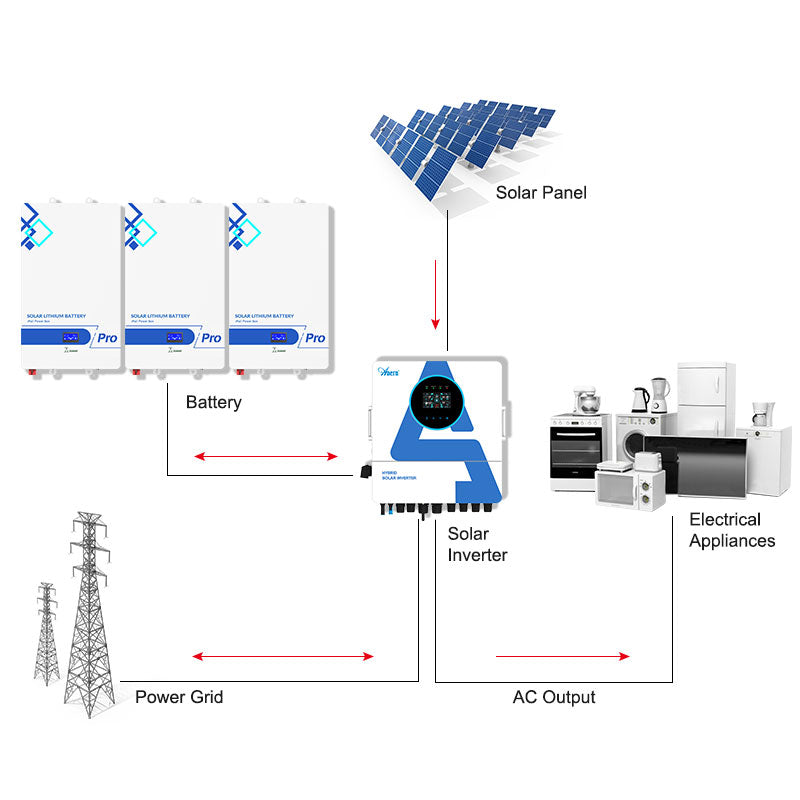
These predictable degradation curves allow system designers to make informed choices. For instance, an ESS can be programmed to operate at a lower DoD to significantly extend its service life. Understanding these parameters is crucial for system optimization. A deep dive into solar storage performance metrics reveals how managing factors like DoD and C-rate directly influences the long-term value and reliability of your entire energy system.
Flow Battery Cycle-Life Models
Flow batteries operate on a fundamentally different principle. Their unique architecture results in a very different degradation profile compared to solid-state batteries like LFP.
A Different Approach to Energy Storage
In a flow battery, the energy is stored in liquid electrolytes held in external tanks. These electrolytes are pumped through a central stack of electrochemical cells where the energy conversion happens. This design decouples the system's power (determined by the stack size) from its energy capacity (determined by the tank size). This makes them highly scalable for long-duration storage applications.
The 'Infinite' Cycle Life Myth
Flow batteries are often marketed as having a virtually unlimited cycle life. This is because the electrochemical reaction does not degrade a solid electrode structure. However, this does not imply the system is immune to aging. Degradation in flow batteries occurs in other components. As noted in the IEA report The Power of Transformation, while these technologies possess a high cycle life, they face other hurdles such as lower energy density and system complexity.
Modeling Flow Battery Degradation
Degradation models for flow batteries focus less on capacity fade from cycling and more on the longevity of system components. Key factors include:
- Membrane Degradation: The membrane separating the two electrolytes can degrade over time, leading to crossover and a reduction in efficiency.
- Pump and Seal Wear: As mechanical components, pumps and seals have a finite lifespan and require periodic maintenance or replacement.
- Electrolyte Imbalance: Side reactions can slowly alter the composition of the electrolyte, requiring it to be rebalanced or replaced over a very long operational period.
Comparing LFP and Flow Battery Degradation Models
Choosing between LFP and flow batteries requires a clear understanding of their respective strengths and how their degradation is measured. The right choice depends entirely on the application's specific needs.
Head-to-Head: Degradation Mechanisms
The following table summarizes the key differences in how these two technologies age.
| Feature | LFP Battery | Flow Battery |
|---|---|---|
| Primary Degradation Mode | Electrochemical (capacity fade) | Mechanical/Chemical (component wear) |
| Key Metric | Capacity retention over cycles | Component lifespan, efficiency loss |
| Typical Lifespan Metric | Number of cycles to 80% capacity | Years of operation, maintenance intervals |
| Maintenance Focus | Minimal; monitoring and balancing | Scheduled component (pump, membrane) service |
Cost and Application Suitability
The economic viability of an ESS is often measured by its Levelized Cost of Storage (LCOS), which accounts for upfront costs, maintenance, and performance over its lifetime. According to IRENA's Electricity Storage Valuation Framework, calculating a universal LCOS is challenging because it is highly dependent on the system's specific use case, from energy arbitrage to grid services. LFP batteries typically have a lower initial capital cost, making them highly competitive for residential and commercial applications requiring 2-8 hours of storage. Flow batteries, despite higher upfront costs, may achieve a lower LCOS in long-duration (8+ hours), high-throughput applications where their extreme cycle life and scalability are fully utilized.
Building a Reliable ESS with Accurate Models
Ultimately, the reliability and financial success of an energy storage project hinge on using the right tools for the job. Data-backed cycle-life curves are not just academic exercises; they are essential for designing systems that perform as expected. Attempting to apply a generic degradation model to all battery types is a recipe for inaccurate forecasts and potential system failure. Whether you choose the proven durability of LFP or the massive scalability of flow batteries, basing your decision on chemistry-specific degradation models is the first step toward achieving true energy independence and a secure, long-lasting investment.
Frequently Asked Questions
Can I use a generic cycle-life curve for my LFP battery?
This is not recommended. Cycle-life curves can vary significantly based on the specific cell manufacturer, the quality of materials used, and minor variations in chemistry. For accurate ESS lifespan prediction, you should always rely on the data-backed cycle-life models provided by the battery manufacturer or from reputable third-party testing.
Is a flow battery always better for high-cycle applications?
Not necessarily. While flow batteries excel in cycle count, other factors like round-trip efficiency (typically lower than LFP), system complexity, physical footprint, and maintenance requirements must be considered. For many residential and commercial ESS applications, modern LFP batteries provide an outstanding balance of cycle life, performance, and cost-effectiveness.
How does temperature affect LFP and flow battery degradation?
Temperature management is critical for both. High temperatures significantly accelerate the electrochemical side reactions that cause permanent capacity loss in LFP batteries. Flow batteries are also sensitive to temperature, as it can affect electrolyte viscosity and membrane performance. However, they often operate within a broader temperature range and typically incorporate active thermal management systems.
What is End-of-Life (EoL) for these batteries?
The definition of EoL differs. For an LFP battery, EoL is typically defined as the point when it can only hold 70-80% of its initial rated capacity. For a flow battery, EoL is more closely tied to the failure or scheduled replacement of major components like the stack, membranes, or pumps, rather than a gradual fade in the energy-storing electrolyte itself.
