












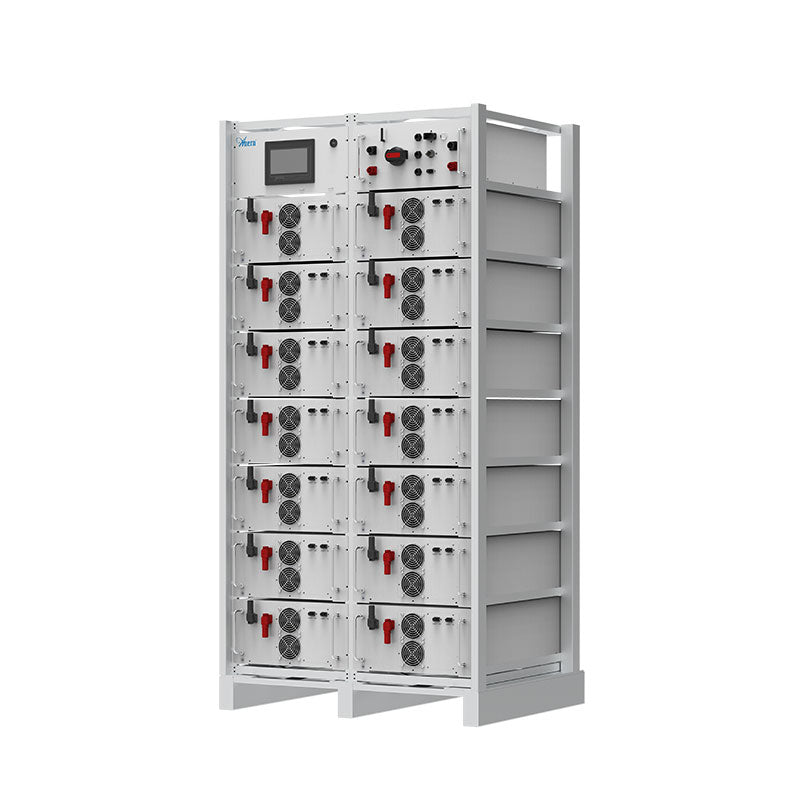


Determining the right size for your home energy storage system is the most critical decision you'll make on the path to energy independence. A correctly sized battery backup ensures you have reliable power when you need it most, without overspending on capacity you'll never use. This guide provides a clear, step-by-step process, a downloadable calculator, and a real-world case study to help you conduct a precise load analysis and calculate your ideal backup duration.
Why Accurate Sizing is Your First Step to Energy Security
Properly sizing your system is about more than just buying a battery; it's about designing a resilient energy solution tailored to your lifestyle. It balances cost, performance, and peace of mind.
Beyond Kilowatt-Hours: Understanding Your Real Needs
Every household's energy consumption is unique. Your power needs during an outage depend on which appliances you consider essential. A 'one-size-fits-all' approach often leads to inefficiency. A detailed load analysis reveals your specific consumption patterns, forming the foundation for an effective energy storage strategy. This prevents you from paying for excess capacity or, worse, running out of power unexpectedly.
The Risks of Undersizing and Oversizing
An undersized system will fail to meet your needs during an outage, leaving you without power for critical appliances. This defeats the primary purpose of having a backup system. Conversely, an oversized system means a significant upfront investment in battery capacity that goes unused. This not only inflates your initial cost but can also lead to lower overall system efficiency. Precision is key to maximizing value.
The Core of Calculation: A Step-by-Step Load Analysis
A load analysis is a simple audit of your electricity consumption. It involves identifying the devices you want to power during an outage and calculating their total energy draw over a specific period.
Step 1: Identify Your Essential Appliances
First, list every appliance and device you want to keep running during a power outage. Think critically about what is truly necessary. Common essential loads include:
- Refrigerator/Freezer
- Key lighting fixtures
- Internet modem and router
- Phone and laptop chargers
- Medical devices (e.g., CPAP machine)
- Sump pump or well pump
Non-essential loads like air conditioning, electric dryers, and ovens are typically excluded as their high power consumption would require a much larger and more expensive battery system.
Step 2: Calculate Wattage and Daily Run-Time
Next, find the power consumption (in watts) for each device. This information is usually on a sticker on the appliance itself or in the owner's manual. Then, estimate how many hours per day each appliance will run during an outage. For example, a refrigerator's compressor runs intermittently, so you might estimate 8 hours of total runtime over a 24-hour period.
Step 3: Summing It All Up for Total Daily Energy
To find the total daily energy needed, multiply each appliance's wattage by its daily runtime in hours. This gives you the daily energy consumption in watt-hours (Wh). Add up the watt-hours for all essential devices to get your total daily energy requirement. This figure is the foundation for your battery sizing calculation.
| Appliance | Power (Watts) | Estimated Daily Runtime (Hours) | Daily Energy (Watt-hours) |
|---|---|---|---|
| Refrigerator | 200 W | 8 | 1600 Wh |
| LED Lights (5) | 50 W | 6 | 300 Wh |
| Internet Router | 10 W | 24 | 240 Wh |
| Laptop Charger | 65 W | 4 | 260 Wh |
| Sump Pump | 750 W | 1 | 750 Wh |
| Total | 3150 Wh |
From Load to Battery Size: The Sizing Formula
With your total daily energy requirement calculated, you can now determine the necessary battery capacity. This involves a few key factors that ensure your system is both effective and reliable.
Factoring in Battery Chemistry: LiFePO4 vs. Others
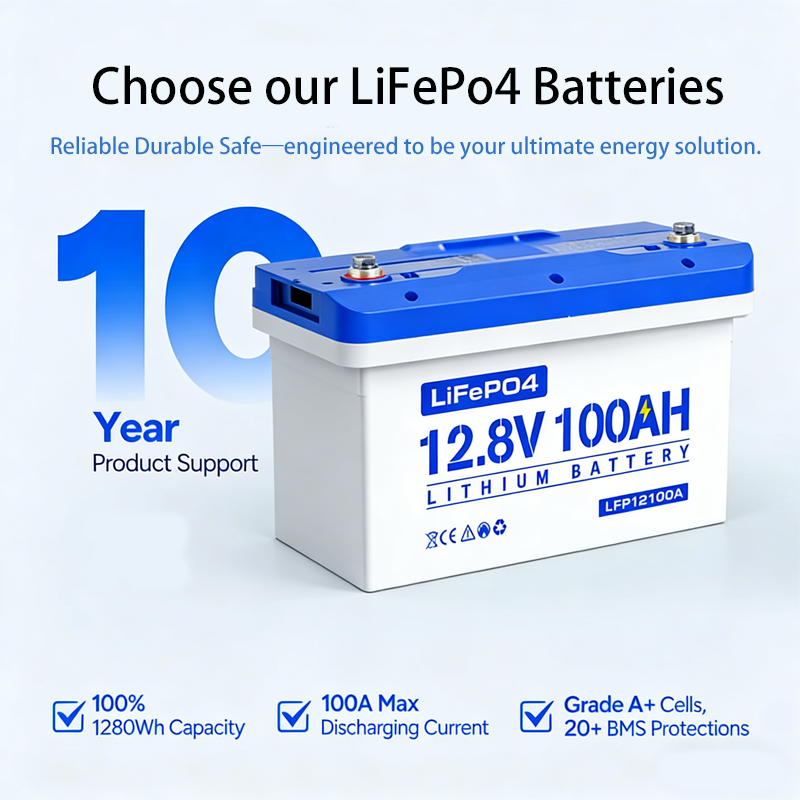
The type of battery you choose significantly impacts sizing. Lithium Iron Phosphate (LiFePO4) batteries are a leading choice for home energy storage due to their high efficiency and long lifespan. They can be safely discharged up to 80-100% of their rated capacity (Depth of Discharge or DoD), a figure supported by manufacturer technical data sheets. In contrast, traditional lead-acid batteries should only be discharged to 50% DoD to avoid damage and premature failure. This means for the same usable energy, you need a much larger lead-acid battery. The U.S. Department of Energy's Solar Futures Study highlights the growing deployment of advanced storage solutions, which are critical for grid stability and home resilience. For a deeper understanding of how battery chemistry affects real-world use, this ultimate reference on solar storage performance provides valuable insights into performance metrics.
The Role of Inverter Efficiency
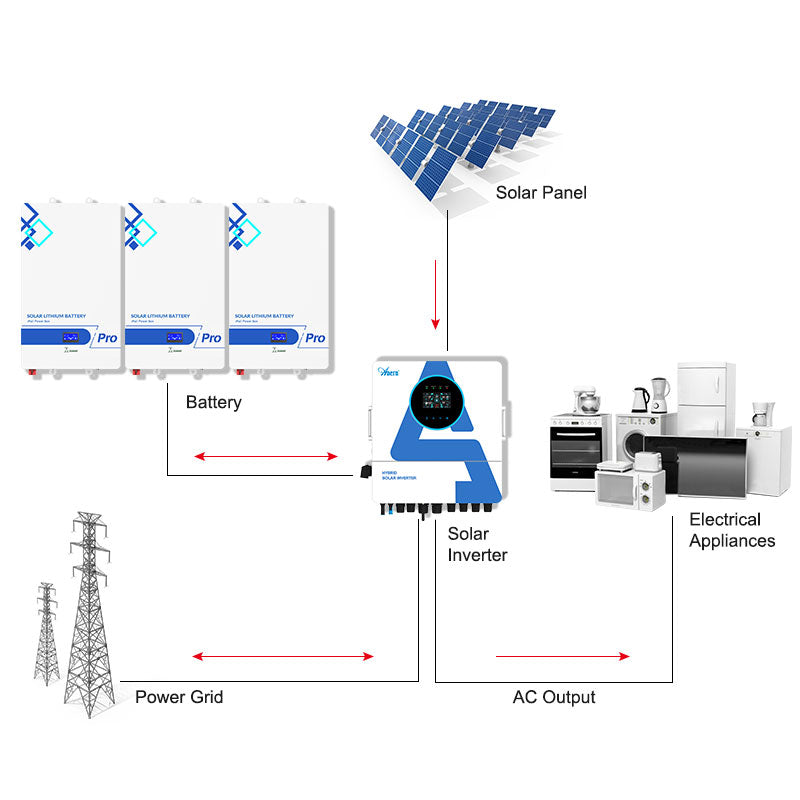
Your solar inverter converts the DC power from your battery into AC power for your home. This process is not 100% efficient; some energy is lost as heat. Most modern, high-quality pure sine wave inverters are about 95% efficient, a specification you can verify on the manufacturer’s technical datasheet or in public databases like the California Energy Commission’s (CEC) list of approved inverters. You must account for this loss in your calculation. To do this, divide your total daily energy requirement by the inverter's efficiency rating (e.g., 0.95).
Building a Safety Margin for Reliability
It's wise to add a safety margin to your calculation. This accounts for unexpected energy needs, battery aging (capacity loss over time), and lower-than-expected performance due to extreme temperatures. A safety margin of 15-20% is a standard best practice in electrical system design. This ensures your system has enough buffer capacity to handle real-world conditions reliably.
Putting It All Together: A Practical Sizing Example
Let's apply the formula to the load analysis from our table to calculate the required battery size for a 24-hour outage.
Scenario: Sizing for a 24-Hour Outage
- Total Daily Energy Need: 3,150 Wh
- Adjust for Inverter Inefficiency (95%): 3,150 Wh / 0.95 = 3,316 Wh
- Add a 20% Safety Margin: 3,316 Wh * 1.20 = 3,979 Wh
The result, approximately 4,000 Wh or 4 kWh, is the minimum usable battery capacity you need. If you are using a LiFePO4 battery with a 100% depth of discharge, a 4 kWh battery is sufficient. If using a lead-acid battery (50% DoD), you would need an 8 kWh battery to get the same 4 kWh of usable energy.
Real-World Application: A Case Study
To illustrate, consider a family in a region with frequent grid instability. Their goal was to keep essentials running for 48 hours. After performing their load analysis, their essential daily load was 3.5 kWh. Their calculation was:
- Total Energy for 48 Hours: 3.5 kWh/day * 2 days = 7.0 kWh
- Adjust for 95% Inverter Efficiency: 7.0 kWh / 0.95 = 7.37 kWh
- Add 20% Safety Margin: 7.37 kWh * 1.20 = 8.84 kWh
They installed a 9 kWh LiFePO4 battery system. During a 36-hour outage, the system performed as expected, powering their refrigerator, lights, and internet with capacity to spare. They noted that during a particularly cold winter outage, the system’s output was slightly reduced, which reinforced the importance of the 20% safety margin they had included.
Simplify Your Calculation: Downloadable Tool
While manual calculation provides a great understanding, our downloadable spreadsheet can simplify this process. It comes pre-loaded with the formulas for inverter efficiency and safety margins, allowing you to simply enter your appliance list and runtimes to get an instant, accurate sizing recommendation.
Download our Home Energy Storage Sizing Calculator (Excel Template)
Important Safety and Compliance Considerations
Installing a home energy storage system involves high-voltage electricity and must be done safely and in compliance with local regulations. This is not a typical DIY project.
- Hire a Qualified Electrician: Installation should always be performed by a qualified, licensed, and insured electrician who has experience with energy storage systems. They will ensure the system is installed correctly and safely according to all applicable codes.
- Permits and Inspections: Most jurisdictions require a permit from the local Authority Having Jurisdiction (AHJ) to install a battery backup system. The installation will also need to pass an electrical inspection. Your installer should handle this process.
- Adherence to Electrical Codes: The installation must comply with the National Electrical Code (NEC), particularly Article 706 for Energy Storage Systems, as well as any local amendments.
Final Thoughts on Achieving Energy Resilience
Sizing your home energy storage system is a foundational step toward reliable backup power. By conducting a thorough load analysis and applying a clear sizing formula, you can design a system that perfectly matches your needs. This data-driven approach ensures you invest wisely, securing dependable power for your home without unnecessary expense. As noted in the International Renewable Energy Agency's Electricity Storage Valuation Framework, properly valued and sized storage is essential for creating resilient energy systems. The increasing modularity of battery applications, as mentioned by the IEA, allows for scalable solutions that can grow with your needs. This empowers you to build a truly independent and secure energy future.
Disclaimer: This guide provides general information for educational purposes. It is not financial or legal advice. Consult with a qualified professional for system design and installation.
Frequently Asked Questions
How do I find the wattage of my appliances?
The power consumption in watts (W) is typically listed on a label or sticker on the back or bottom of the appliance. If you cannot find it, check the owner's manual or search for the model online. For devices that show amps (A) and volts (V), you can calculate watts by multiplying the two (Watts = Volts x Amps).
What is the difference between peak power and continuous power?
Continuous power is the wattage an inverter can supply consistently. Peak power (or surge power) is a higher wattage the inverter can supply for a few seconds to start up motor-driven appliances like refrigerators or pumps. Ensure your system's inverter can handle the peak power requirements of your essential loads.
Can I add more batteries to my system later?
Yes, many modern energy storage systems are modular, allowing you to expand your capacity by adding more batteries later. This provides flexibility to adjust your system as your energy needs change. It is important to use batteries of the same model, chemistry, and age to ensure optimal performance and longevity.
Do I need a permit to install a battery backup system?
Almost certainly, yes. Most local governments require electrical permits for installing an energy storage system to ensure it meets safety standards and code requirements. A qualified installer will be familiar with local regulations and manage the permitting process for you.
