








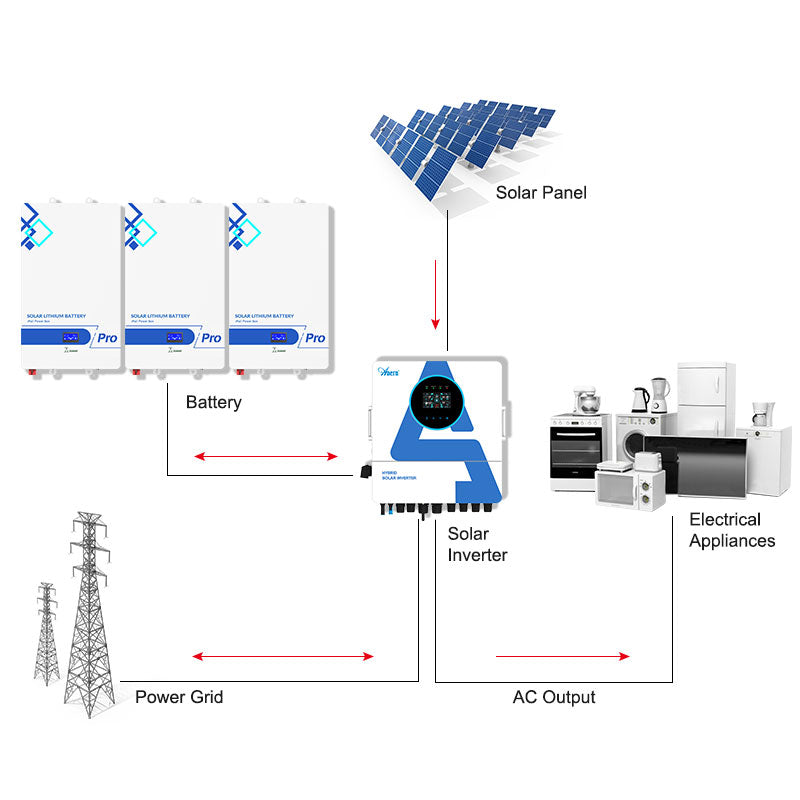




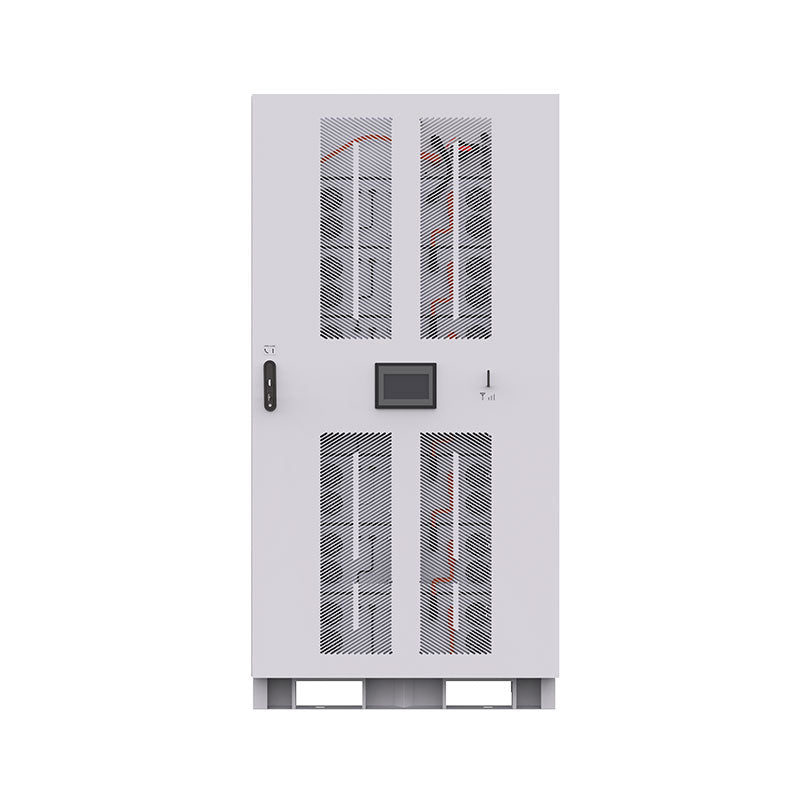


Getting PV system documentation, labels, and placards right saves time, reduces rework, and improves site safety. This installer-focused checklist aligns with NEC intent across code cycles adopted by many Authorities Having Jurisdiction (AHJs). Use it to standardize field work, tighten your submittals, and speed approvals.

What inspectors look for: PV labels and placards that match the code cycle
Different jurisdictions adopt different NEC editions and local amendments. Plan your Installer Checklist around the adopted code cycle on your permit. The list below reflects common NEC 690/705 practices. Always confirm with your AHJ. Non-legal advice.
Code Compliance Note: For direct reference, consult the official NFPA 70, National Electrical Code (NEC). Key articles for PV labeling include NEC 690 (Solar Photovoltaic Systems) and NEC 705 (Interconnected Electric Power Production Sources). Be aware that requirements, especially graphical symbols, can change between code cycles (e.g., NEC 2017 vs. 2020 vs. 2023).
Service point and rapid shutdown signage
- Place a permanent placard at the service disconnect or meter location identifying PV presence and shutdown method. Many AHJs require a rapid shutdown placard consistent with NEC 690.56(C) graphics and text for the adopted year.
- Show location of the PV array boundary, equipment-level shutdown, and emergency shutoff sequence. A small site map helps first responders. Note: The graphical symbol for rapid shutdown differs between NEC 2017 and later editions. Use the specific graphic required by your AHJ. Below is a representation of the NEC 2017-style graphic for illustrative purposes. Always verify the required version.
- 
- Use durable, UV-stable materials. High contrast colors increase legibility in smoke or low light, as per NEC 110.21(B).
Equipment disconnect labels
- Label DC and AC PV disconnects with function, source, and voltage/current ratings, as guided by NEC 690.15. Include arc energy hazard warnings if required by local rules.
- Match the name on the single-line diagram. If your SLD says ‘PV AC Disconnect – 480 V’, the field label should match that wording.
- For utility-interactive points (NEC 705), add an interconnection placard at the service equipment noting backfeed sources and locations, as required by NEC 705.10.
Conductor identification and raceway marking
- Identify PV source and output circuits where they enter buildings, in concealed locations, and in raceways, following the guidance of NEC 690.31(G). Many AHJs ask for repeated markings along exposed conduit runs.
- Place labels at intervals per the adopted code and near all turns, penetrations, and terminations. Keep color and text consistent across the site.
Case Study: How Standardized Labeling Reduced Inspection Failures by 75%
A regional solar installer was experiencing a 20% first-time inspection failure rate, with most redlines citing inconsistent or non-compliant labeling. These failures caused an average project delay of two weeks and increased labor costs significantly.
Solution: The company implemented a standardized workflow based on the principles in this checklist. They created a central label matrix in their plan sets, pre-ordered durable engraved placards for all jobs, and trained crews on a photo-documentation process using a shared digital binder accessible via QR code on site.
Result: Within three months, their first-time inspection failure rate dropped from 20% to 5%—a 75% reduction. The average time spent on-site by inspectors decreased, and the streamlined as-built package improved the handoff to the O&M team. This demonstrates how a systematic approach to documentation directly translates to faster, more profitable project completions.
Field-ready label specifications
Consistency and durability matter. Labels that fade or peel trigger redlines and callbacks. The table below gives practical, commonly accepted specs that align with NEC 110.21(B) durability intent and typical fire-service readability needs. Always apply local amendments.
| Label/Placard Type | Typical Text | Color & Material | Minimum Letter Height | Location | Notes |
|---|---|---|---|---|---|
| Rapid Shutdown Placard | ‘SOLAR PV SYSTEM EQUIPPED WITH RAPID SHUTDOWN’ plus diagram if required | White on red, UV-stable engraved plastic or metal | 1/2 in (12.7 mm) or greater for titles | Service disconnect or meter | Use code-cycle correct symbol set and wording per NEC 690.56(C) |
| PV DC Disconnect | ‘PV DC DISCONNECT’ with Vmax, Isc/Impp as applicable | White on red, outdoor-rated | 3/8 in (9.5 mm) or greater | At device handle/door | Match SLD equipment nameplate ratings |
| PV AC Disconnect | ‘PV AC DISCONNECT’ with Vac and Aac | Black on yellow or white on red | 3/8 in (9.5 mm) or greater | At device | Keep same wording across parallel inverters |
| Raceway/Conductor ID | ‘WARNING: PHOTOVOLTAIC POWER SOURCE’ | White on red vinyl or heat-shrink | 1/4 in (6.4 mm) or greater | Along conduit, near penetrations | Repeat at intervals per AHJ practice, see NEC 690.31(G) |
| Interconnection Placard | ‘THIS SERVICE ALSO FED BY PV SYSTEM’ with disconnect locations | White on red metal or engraved plastic | 1/2 in (12.7 mm) header | Service equipment | Indicate all backfeed sources per NEC 705.10 |
Tip: Choose label stock compliant with common durability benchmarks (for example, UL 969) and verify adhesives for textured or painted switchgear.
As-builts that pass: what to include and how to maintain them
Inspectors want a clean, complete package that mirrors the field. Organize a digital binder and tie it to a QR placard at the service point. Keep version control tight. The contents below map to typical PV system documentation requirements.
| As-Built Item | What it Covers | Why it Helps |
|---|---|---|
| Single-Line Diagram (SLD) | Final equipment list, ratings, OCPD, conductor sizes, grounding, RSD topology | Confirms labels match device names and ratings |
| Site Plan & Array Map | Module layout, stringing map, conduit routing, equipment locations | Guides first responders and utility crews |
| Conductor & Conduit Schedule | Conductor types, insulation, ampacity basis, conduit types and fill | Supports code checks and future maintenance |
| Equipment Datasheets | Inverters, combiners, disconnects, rapid shutdown devices | Validates label text and ratings |
| Torque Logs & Test Records | Terminations, insulation resistance, polarity, string Voc/IsC checks | Builds confidence in workmanship and safety |
| Commissioning Forms | Functional tests, RSD verification, monitoring setup | Creates a clear handoff to O&M |
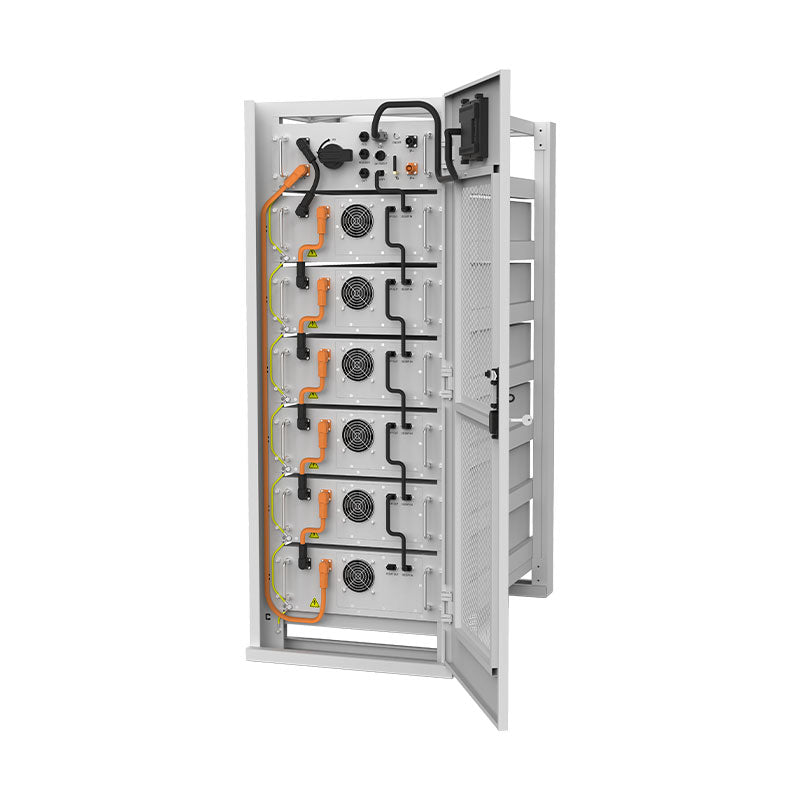
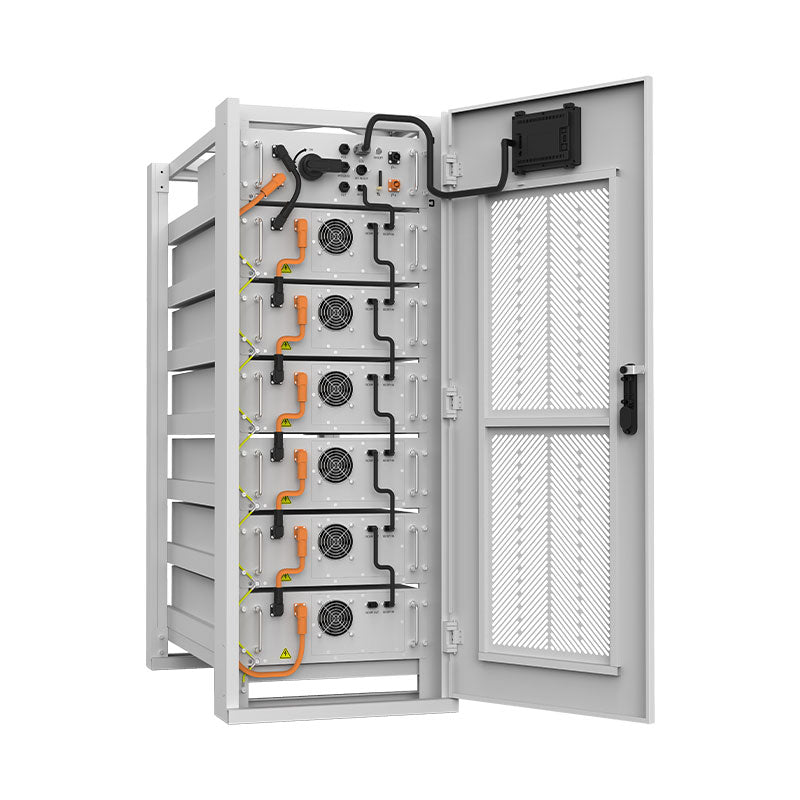
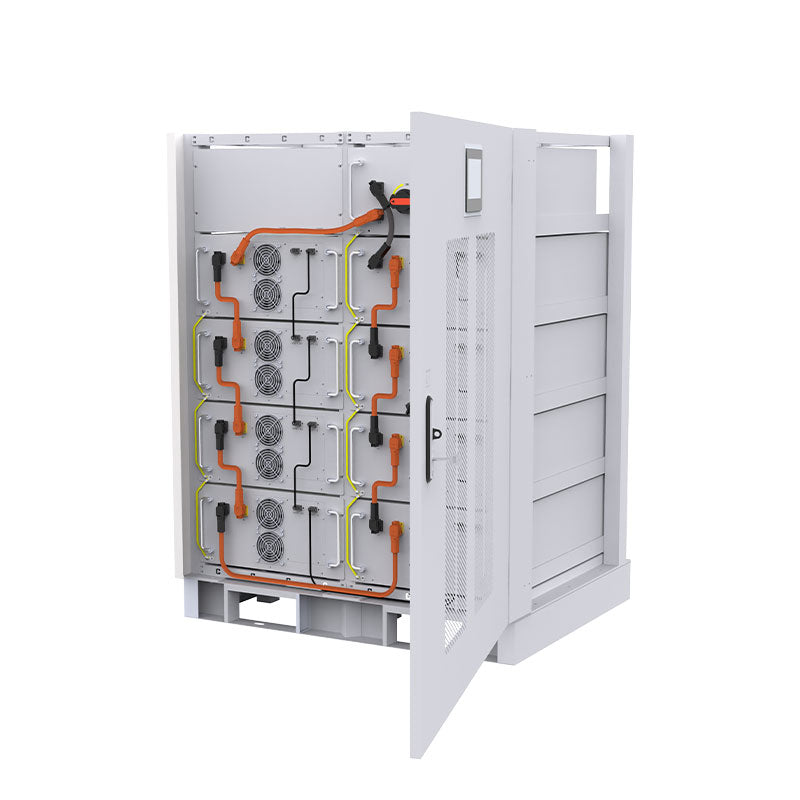
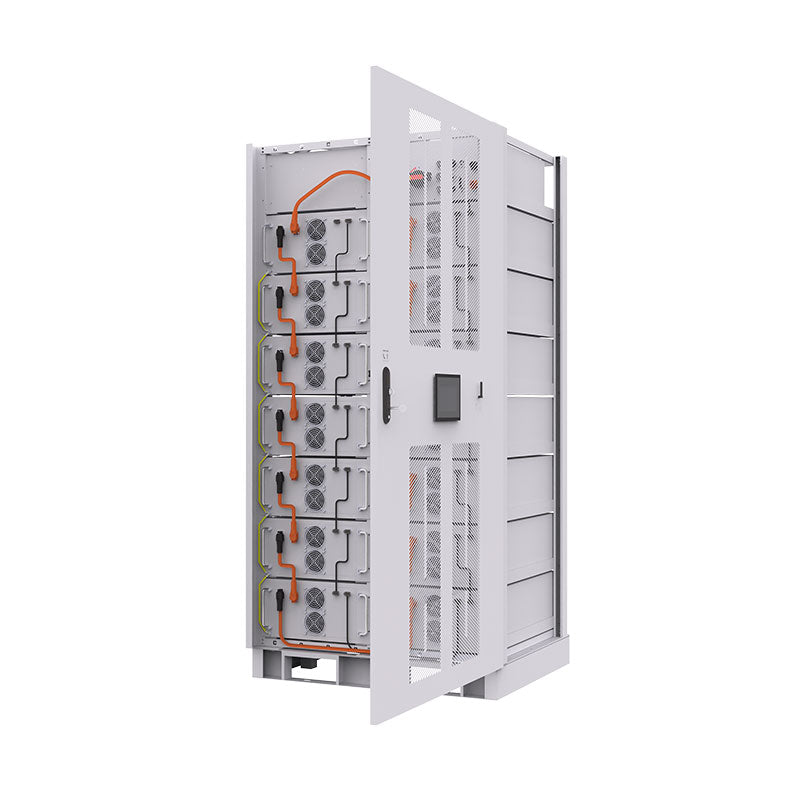
| ESS Addendum (if present) | Battery chemistry, capacity, shutdown steps, ventilation notes | Aligns room signage and emergency response |
| Label Index | Table mapping label IDs to field photos and locations | Speeds inspector review |
If your project includes storage, add practical performance context to the ESS addendum. Field ranges for LiFePO4 systems, such as round-trip efficiency in the 90–95% band and cycle-life tradeoffs with depth-of-discharge, are summarized in Ultimate Reference: Solar Storage Performance. That context helps AHJs see that charge/discharge labels and shutdown placards reflect real operating limits.
Workflow: from pre-label to final sign-off
- Confirm code cycle and local amendments during permit intake. Note any graphics or letter-height requirements.
- Draft the label matrix from your 90% design SLD. Lock final text during submittal and include it in the plan set.
- Order engraved or metal placards for service points early. Keep a buffer of common conduit and disconnect labels for field changes.
- Install labels only after torqueing and test checks. Photograph each label in place and timestamp the shots.
- Update the digital binder the same day with photos and markups. Regenerate the label index page.
- Mount a small QR placard at the service point linking to the binder. Include a printed copy in a weatherproof pouch if required.
- During the inspector walk, open the binder to the label index and SLD first. Make the review fast and structured.
Why this approach works: data and standards back it up
- Cost declines push faster deployments, which strengthens the value of standardized documentation. According to Renewable Power Generation Costs in 2024, utility-scale PV continues to see competitive costs. Streamlined labeling and as-builts help projects keep pace.
- Grid integration needs both technology and trained people. System Integration of Renewables notes that appropriate standards and skilled labor reduce failures and overruns, reinforcing the case for clear placards and consistent documentation.
- Storage adoption rises across future scenarios. The U.S. Solar Futures work summarized by the U.S. Department of Energy’s solar topic page Solar Energy shows storage playing a growing role, which increases the need for accurate ESS labeling and shutdown signage.
- Industry data sets track growth and inform AHJs. The U.S. Energy Information Administration provides market statistics used in planning and interconnection review, so your documentation should mirror the rigor utilities expect.
- Storage performance varies with chemistry and use. The practical ranges and degradation notes in this storage performance reference support label values for charge rates, usable capacity, and temperature limits on ESS placards.
Material and placement details that reduce redlines
- Materials: Use UV-stable engraved phenolic or anodized aluminum placards outdoors. For labels, choose high-bond adhesives compatible with powder-coated gear.
- Contrast: Fire services favor white on red for PV hazard labels. Keep header text larger and bolder than body text for quick scanning.
- Letter height: Aim for at least 3/8 in for equipment labels and 1/2 in for service placards unless your AHJ specifies otherwise.
- Spacing: Repeat conduit labels at consistent intervals and at penetrations, pull points, and direction changes.
- Weather: Salt, dust, and heat degrade vinyl quickly. In harsh sites, step up to metal placards and mechanically fastened nameplates.
Storage-specific notes for placards and as-builts
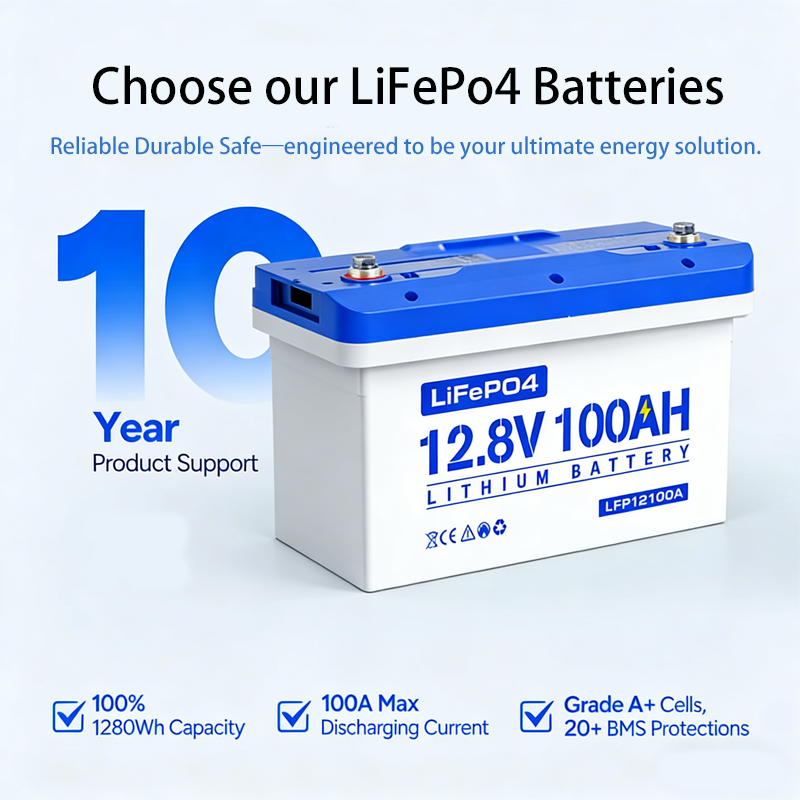
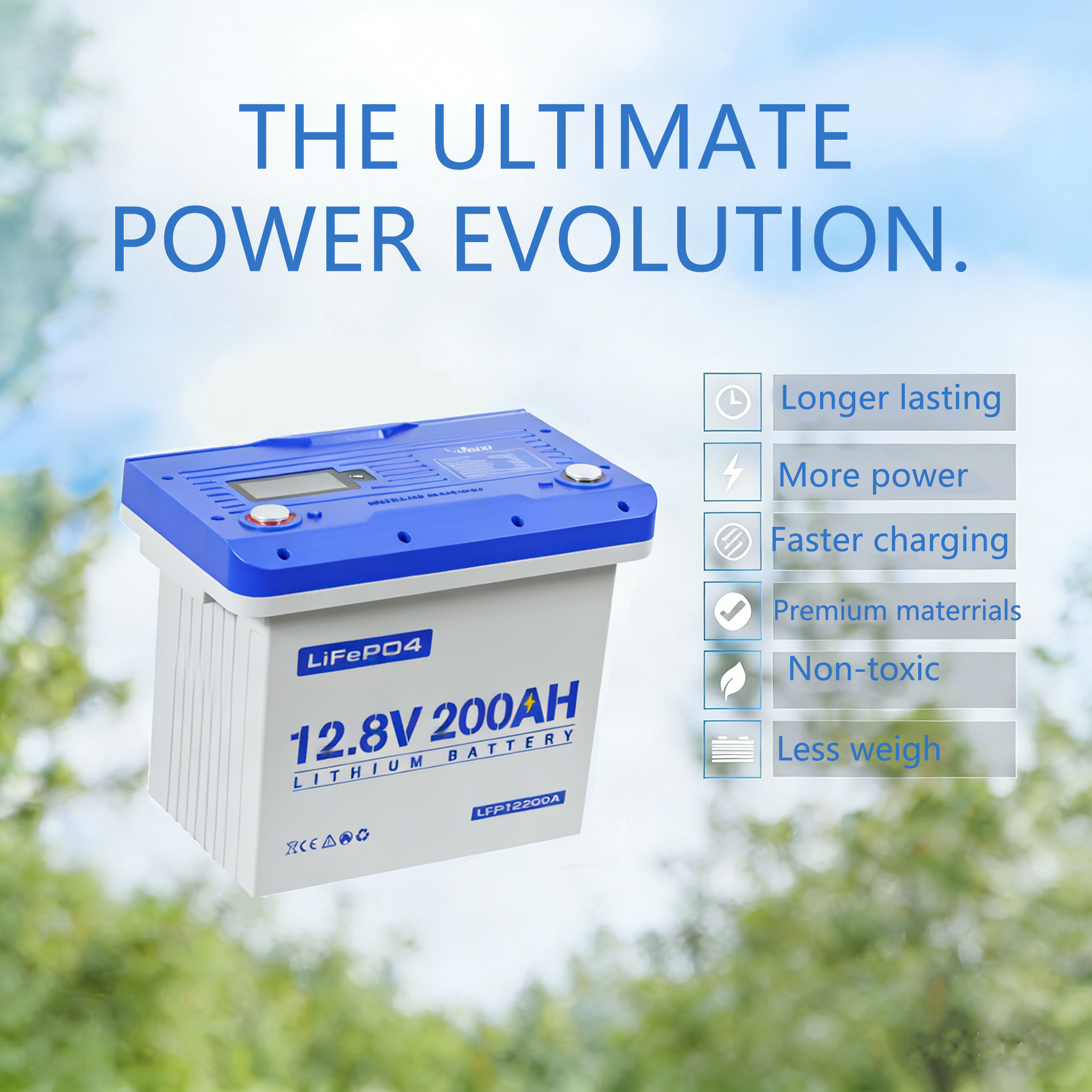
- Identify chemistry on room signage (e.g., LiFePO4) and show total kWh, nominal voltage, and maximum charge/discharge current.
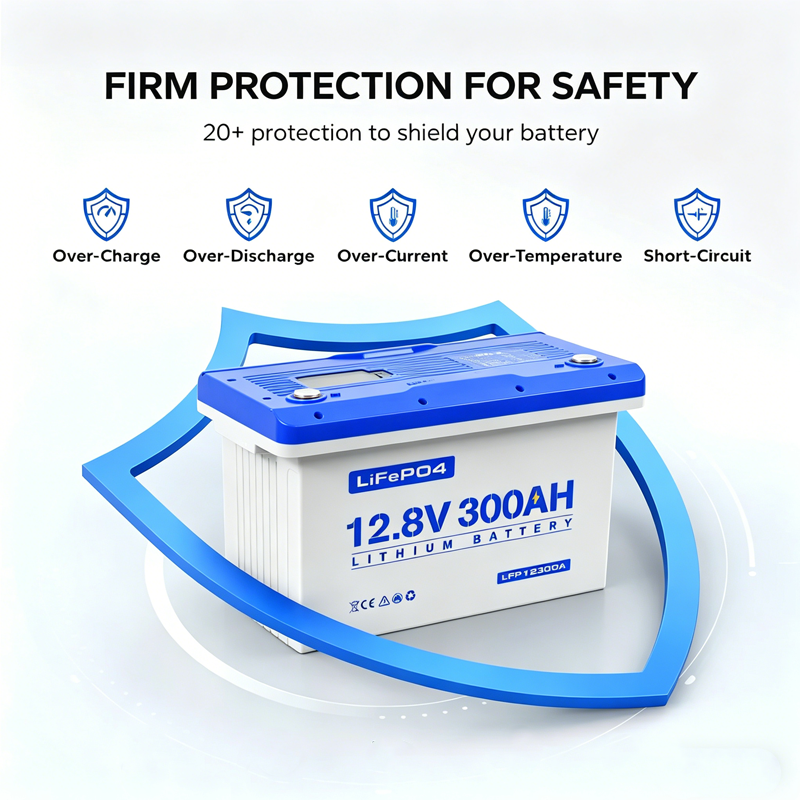
- Post emergency shutdown steps, including BMS, contactors, and isolation points. Add a diagram if the system uses contactor-based rapid shutdown.
- Include ambient temperature limits and ventilation notes if applicable. Data ranges cited in the storage performance reference can guide these values.
Common pitfalls and easy fixes
- Mismatched wording: If the SLD says ‘PV AC Disconnect’ but the field label says ‘Inverter AC Disconnect’, either update the SLD or reprint the label. Keep naming consistent.
- Wrong rapid shutdown graphic: Code cycles differ. Store both versions in your template library and select based on the job’s permit sheet.
- Faded labels: Switch to engraved or metal placards in high-UV sites. Validate ink and laminate specs against outdoor exposure.
- Unlabeled raceway segment: Add mid-run markers and at roof-to-attic penetrations. Photograph the fix.
- QR link issues: Host the binder where access is reliable. Add a tiny URL below the QR as a fallback.
Practical tie-ins to site monitoring and grid connection
As-builts should reflect how the site is actually controlled and monitored. Include the monitoring system name, data logger location, and network path. Many utility-scale and commercial sites maintain meteorological sensors and SCADA links. A clean record of the monitoring and control architecture, including sensors and supervisory control points, aligns with best practices highlighted in the sector’s monitoring and control stack listed in our knowledge base.
For grid connection, include interconnection switchgear locations, metering points, and transformer data in the as-builts. Doing so mirrors the structured approach often seen in medium-voltage design: switchgear, transformers, substation housing, and meters documented with clear placards on doors and fences. That clarity shortens the utility walkdown.
Training and team habits matter
Quality labeling and documentation improve with training. The IEA notes that availability of appropriate standards and skilled labor supports successful deployment of variable renewable energy projects, including PV (IEA report). Build short, repeatable crew drills: pre-label checks, photo logs, and same-day binder updates.
Pulling it together
Build a repeatable Installer Checklist. Specify durable labels and code-cycle-correct placards. Keep as-builts accurate and linked at the service point. You will reduce rework, speed inspections, and leave a safer site for customers and first responders.
Disclaimer: This material provides general, non-legal information. Always follow the adopted code, local amendments, utility rules, and manufacturer instructions.
FAQ
Do I need rapid shutdown signage at the service equipment?
Most AHJs that adopt recent NEC editions expect a rapid shutdown placard at the service disconnect or meter. Confirm exact graphics and text for your code cycle.
What letter height should I use for PV labels?
As a practical baseline, use 3/8 inch on equipment labels and 1/2 inch on service placards unless your AHJ sets different values.
Can I use QR codes to link as-builts?
Yes. Many inspectors accept a QR placard if a printed set is also available on site. Host stable links and include revision dates.
How do I label conduits that enter a building?
Place clear PV power source warnings at the entry point and repeat labels along the run at consistent intervals. Add labels near turns and pull points.
What should an ESS placard include?
List chemistry, total kWh, nominal voltage, maximum charge/discharge current, shutdown steps, and any temperature or ventilation limits. Use data ranges supported by reliable sources.
Do I need to update labels after field changes?
Yes. Update the SLD, label matrix, and field labels together. Photograph the final state and refresh the digital binder.
